Temporary retail space in the 3rd arrondissement Paris sits at the intersection of cultural prestige, foot traffic density, and genuine commercial opportunity. The 3rd arrondissement, the northern heart of Le Marais, draws a uniquely layered audience of fashion designers, international tourists, Parisian locals, art collectors, and brand-conscious consumers who move between gallery openings, concept stores, and the neighbourhood's storied streets daily. For brands considering a pop-up store, showroom, or short-term boutique in Paris, few districts offer the same combination of visibility, creative credibility, and flexible rental conditions. This guide covers everything brand teams need to know: neighbourhoods, space types, permit frameworks, costs, design considerations, and how Fashion Week Venues supports activations across Paris from first brief to final close.
Why the 3rd Arrondissement Is Paris's Most Dynamic Temporary Retail District
Quick answer: The 3rd arrondissement offers a rare combination of historic architecture, dense creative foot traffic, proximity to the Haut-Marais gallery circuit, and a strong short-term rental culture. Brands operating here benefit from an audience that actively seeks discovery experiences, which is precisely what pop-up retail and showroom formats are designed to deliver.
The 3rd arrondissement is the northern half of the broader Marais district, which spans both the 3rd and 4th arrondissements. Within the 3rd, you will find some of Paris's most photographed streets, including rue des Gravilliers, rue du Temple, and the stretch leading north toward the Haut-Marais. The neighbourhood holds the Carreau du Temple, a nineteenth-century covered market turned multipurpose cultural venue, the Musée Picasso, the Marché des Enfants-Rouges (the oldest covered market in Paris), and dozens of independently operated concept boutiques, art galleries, and designer showrooms.
This density of culture and commerce matters commercially. Visitors to the Marais district are rarely passive. Research from Paris tourism bodies consistently shows that the Marais attracts a high proportion of culturally engaged, higher-spending visitors who are actively shopping, browsing galleries, and seeking new brand encounters. For a pop-up store or boutique showroom, this translates directly into qualified foot traffic, the kind of audience that will engage with a considered brand activation rather than simply pass through.
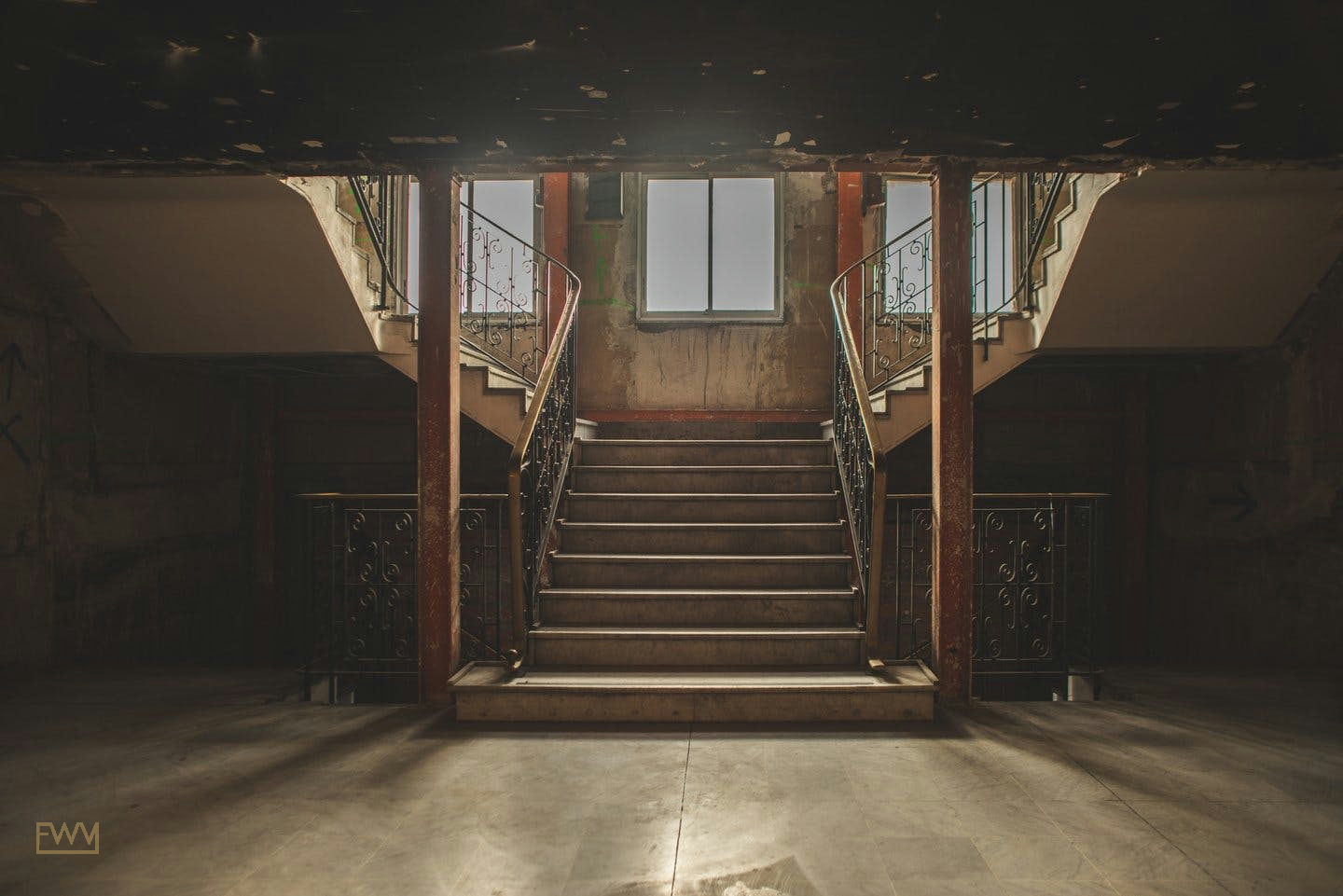
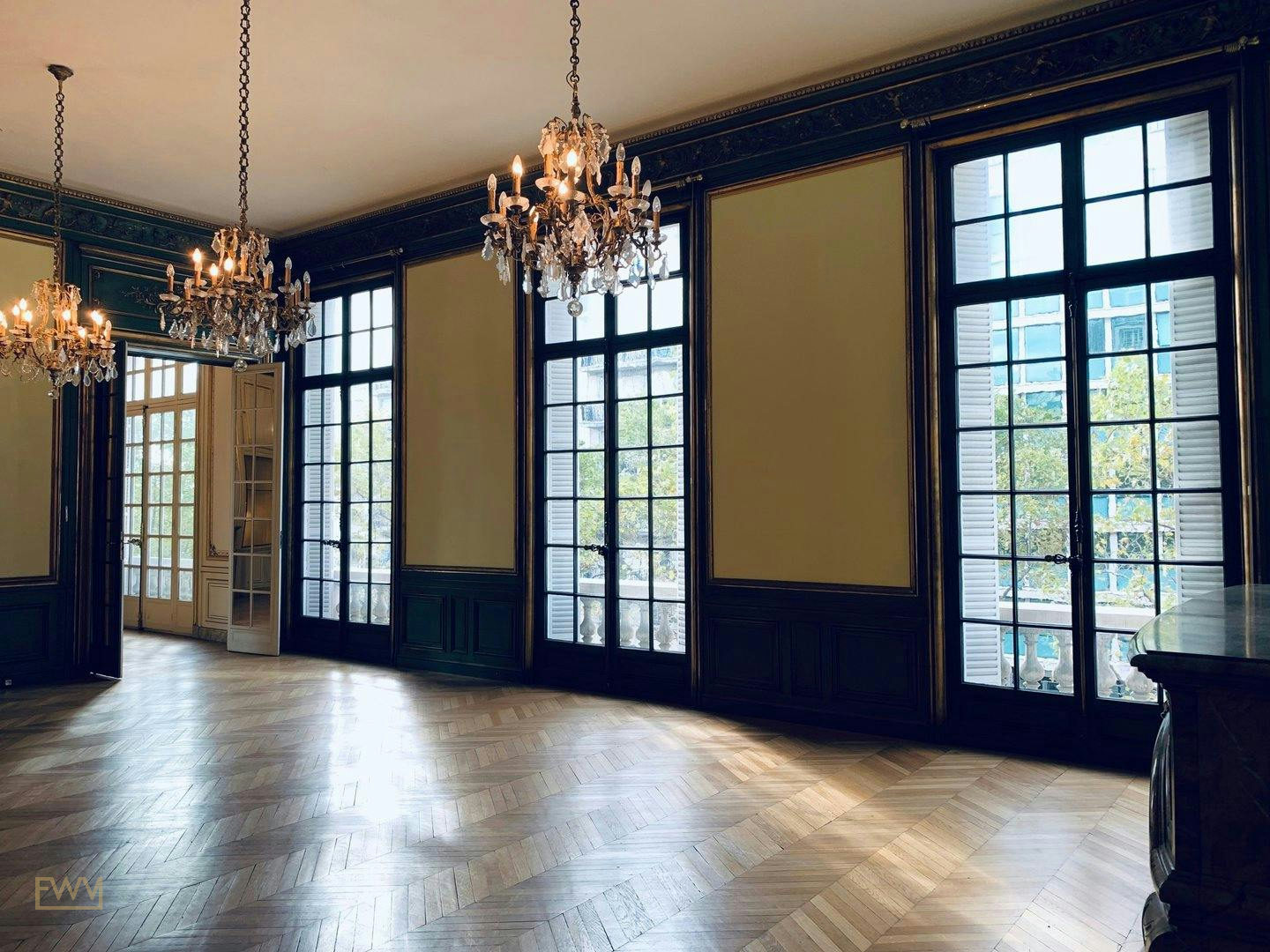
The district also carries significant historical weight. The Marais was home to French aristocracy before the Revolution, and its distinctive hôtel particulier architecture, high ceilings, stone facades, and internal courtyards, has shaped the visual language of luxury retail in Paris. Many of the commercial spaces available for short-term rental in the 3rd arrondissement retain these architectural features, giving brands a physical context that communicates heritage, craftsmanship, and quality before a single product is displayed.
From a commercial real estate perspective, the 3rd arrondissement also benefits from a more varied supply of short-term rentals than the hyper-competitive 1st or 8th arrondissements. Landlords in the Marais have become increasingly familiar with the pop-up store model, and many property companies and individual investors now proactively offer flexible rental terms for periods ranging from a few days to several months.
For brands arriving during Paris Fashion Week, the 3rd arrondissement occupies a central position in the fashion calendar's geography. Showrooms, press events, and buyer appointments cluster here precisely because the neighbourhood already functions as a creative hub year-round, not only during fashion week windows.
KEY TAKEAWAY: The 3rd arrondissement delivers a commercial environment where historical prestige, creative foot traffic, flexible rental supply, and fashion week proximity converge. For brands planning a temporary retail space or showroom in Paris, it represents one of the city's highest-value activation locations.
Understanding which specific streets, micro-neighbourhoods, and space types exist within the 3rd arrondissement allows brand teams to make more precise decisions about where to place their activation.
Mapping the 3rd Arrondissement: Streets, Micro-Neighbourhoods, and Landmarks
Quick answer: The 3rd arrondissement contains several distinct micro-neighbourhoods, each with different visitor profiles, architectural characters, and commercial contexts. Knowing the difference between Haut-Marais streets and the arrondissement's southern edge near Place des Vosges allows brands to match their location to their activation objectives.
The Marais district is not a single uniform environment. Within the 3rd arrondissement alone, the commercial character shifts noticeably from street to street. The following breakdown maps the key zones brands should evaluate when searching for temporary retail space.
| Zone or Landmark | Character | Best Suited For | Foot Traffic Profile |
|---|---|---|---|
| Haut-Marais (northern 3rd) | Gallery-led, concept-store density, independent boutiques | Fashion showrooms, art-led pop-ups, designer launches | High creative audience, fashion tourists, designers |
| Rue des Gravilliers | Artisanal, mixed residential-commercial, authentic Parisian feel | Independent brand pop-ups, lifestyle boutiques, studio showrooms | Local residents, creatives, intentional shoppers |
| Rue du Temple | Main artery, high volume, mixed retail | Visibility-led pop-up stores, brand awareness campaigns | High pedestrian volume, mixed profile |
| Carreau du Temple | Cultural venue, event-ready infrastructure | Large-scale events, multi-brand pop-ups, trade shows | Event-driven, broad cultural audience |
| Marché des Enfants-Rouges area | Food, lifestyle, neighbourhood character | Lifestyle brand activations, food-adjacent pop-ups | Affluent locals, weekend food tourists |
| Turenne and surrounds | Transitional zone between 3rd and 4th, mix of boutiques and residential | Accessible showroom space, smaller brand activations | Neighbourhood shoppers, Marais browsers |
| Near Place des Vosges (southern edge) | Historic, high prestige, gallery-adjacent | Luxury brand presentations, private exhibitions | High-net-worth visitors, tourists, art buyers |
Understanding this geography allows brand teams to prioritise streets based on their activation type. A fashion showroom hosting buyer appointments during Paris Fashion Week has different requirements from a retail pop-up store aimed at maximising walk-in consumer sales. The Haut-Marais delivers credibility and creative context; rue du Temple delivers volume; the area near Place des Vosges delivers prestige.
The reference point BIS-6 RUE AUX OURS appears in certain commercial real estate listings in the 3rd arrondissement and represents the kind of specific address-level detail that brands should verify directly with property companies, landlords, or a specialist agency before committing to a rental agreement. Street numbers and arrondissement boundaries can occasionally mislead, particularly in the Marais where some properties span administrative lines.
The Musée Picasso, located on rue de Thorigny in the 3rd arrondissement, draws significant cultural tourism year-round. Spaces in its vicinity benefit from elevated visitor awareness and an audience already predisposed to art and culture, making them particularly suitable for gallery-adjacent brand activations, private exhibitions, and creative concept stores.
DID YOU KNOW: The Marché des Enfants-Rouges on rue de Bretagne is the oldest covered market in Paris, operating since 1615. Its continued popularity as a neighbourhood food and lifestyle destination makes the surrounding streets particularly attractive for brands targeting affluent Parisian locals and lifestyle-conscious visitors.
KEY TAKEAWAY: The 3rd arrondissement is not a single market. Brand teams should define their target audience, activation format, and visibility requirements before selecting a street or sub-zone, as each micro-neighbourhood delivers a different commercial and cultural context.
With geography mapped, the next question for most brand teams is what types of spaces are actually available for short-term rental within the 3rd arrondissement.
Types of Temporary Retail Space Available in the 3rd Arrondissement
Quick answer: The 3rd arrondissement offers a varied supply of temporary retail spaces including boutique storefronts, hôtel particulier ground floors, gallery units, multi-room showroom apartments, Carreau du Temple event halls, and co-working-adjacent commercial units. Each type carries different spatial, permit, and fit-out implications.
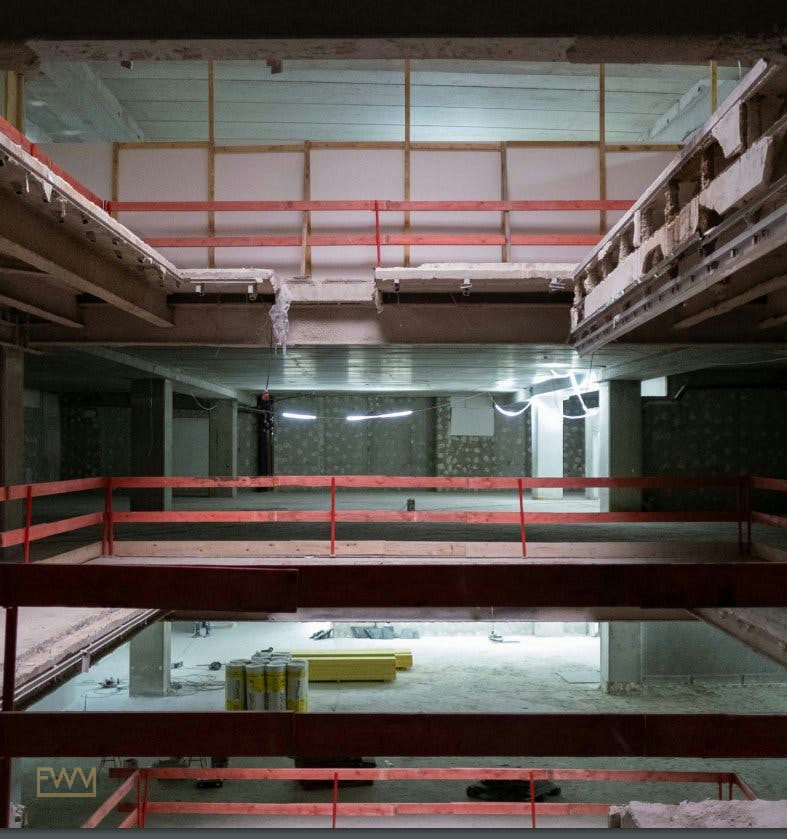
One of the practical advantages of the 3rd arrondissement as a pop-up and showroom location is the diversity of available space types. Unlike more homogeneous retail districts, the Marais evolved organically over centuries, meaning its commercial stock includes everything from small ground-floor boutiques with direct street visibility to large internal courtyards accessed through archways, multi-room apartment-style showrooms, and purpose-built cultural venues.
| Space Type | Typical Features | Ideal Activation | Rental Duration Suitability |
|---|---|---|---|
| Boutique Storefront | Street visibility, display window, 30 to 150 sqm | Retail pop-up, capsule collection launch | 1 week to 3 months |
| Hôtel Particulier Ground Floor | High ceilings, stone walls, courtyard access, 80 to 300 sqm | Fashion showroom, private exhibition, luxury activation | 3 days to 2 months |
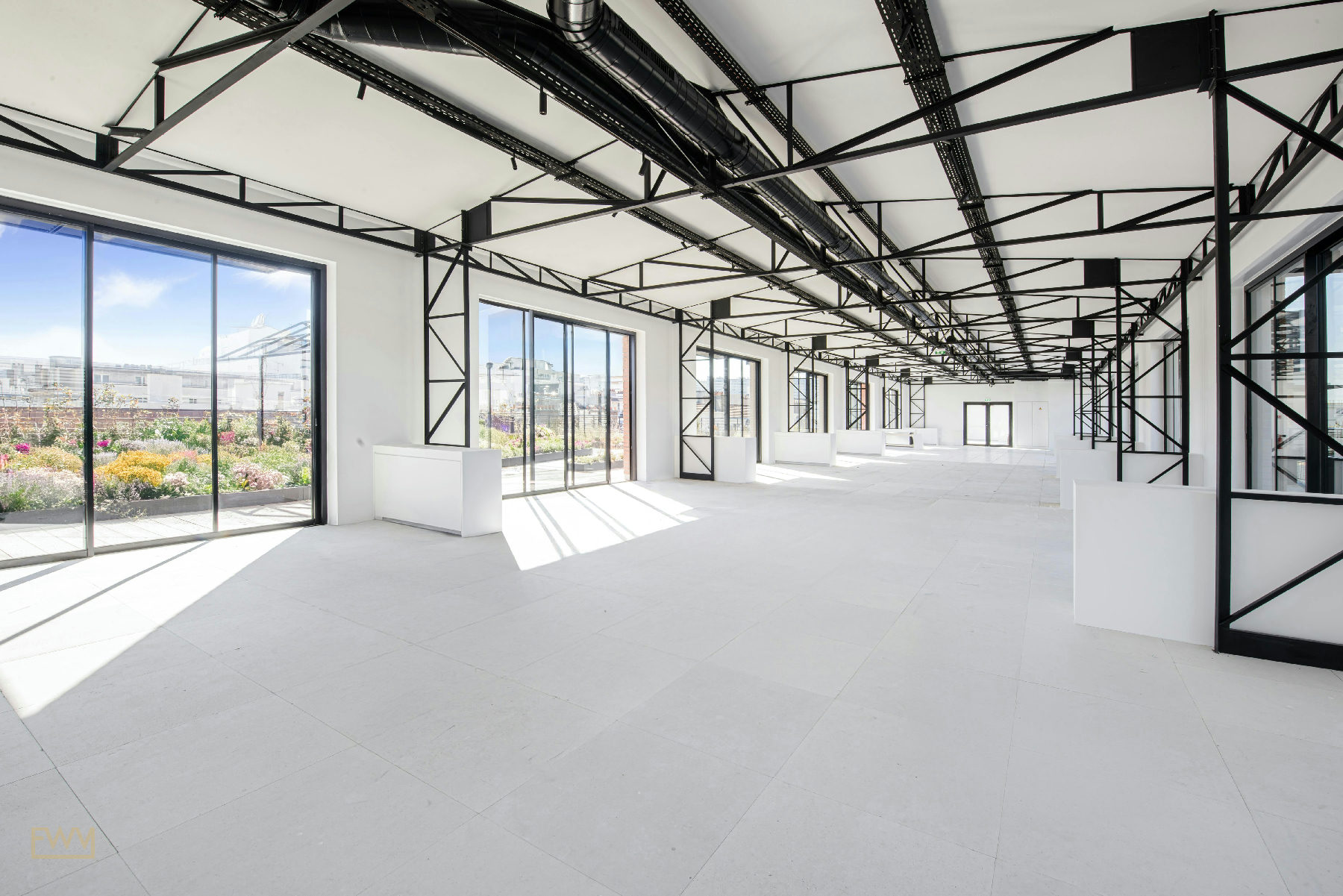
| Gallery Unit | White walls, track lighting, flexible layout, 40 to 200 sqm | Art-led brand activation, photo shooting, product launch | 1 day to 6 weeks |
| Apartment Showroom | Residential feel, intimate scale, multi-room layout | Fashion showroom, private client appointment, editorial shoot | 1 week to 3 months |
| Carreau du Temple Hall | Steel pillars, large floor plates, tiled flooring, industrial character | Multi-brand events, trade shows, large-scale pop-up installations | 1 day to several weeks |
| Commercial Ground Floor with Storage | Sales floor plus storage area at rear or basement, 60 to 200 sqm | Fully operational retail pop-up store, FMCG brand activation | 2 weeks to 6 months |
| Co-located or Twin Space | Shared with complementary brand, split costs | Collaborative brand activations, co-branded events | Flexible |
The Carreau du Temple deserves particular attention as a venue category. Its nineteenth-century iron and glass structure, characterised by distinctive steel pillars and original tiled flooring, creates an unusual architectural context that gives any activation an immediate sense of place. Track lighting can be layered over this industrial infrastructure to create retail-quality illumination. The scale of the venue makes it most suitable for multi-brand pop-up formats, trade shows, cocktail party events, and seminar-style presentations rather than intimate boutique retail.
For brands seeking a fashion showroom during Paris Fashion Week, the apartment showroom format is particularly popular in the 3rd and adjacent 4th arrondissements. These multi-room residential-scale spaces allow brands to create room-by-room collection presentations, host buyer appointments in a domestic and intimate setting, and produce editorial photo shooting without converting a conventional retail unit.
Spaces described as espace multimodale in French commercial listings indicate multi-purpose configurations, typically units that can shift between retail, event, gallery, and office functions depending on fit-out. These are well-suited to brands whose activation involves multiple formats: a morning private client event, afternoon press preview, and evening cocktail party, for example.
The availability of furniture rental services, known as location de meubles in French, is worth noting for brand teams planning to activate quickly. Rather than shipping or procuring furniture from scratch, brands in Paris frequently use specialist furniture rental providers to dress spaces appropriately. This is one of the services that a full-service agency can co-ordinate as part of a broader production package.
KEY TAKEAWAY: Space type selection is a strategic decision, not merely a practical one. The architectural features, scale, layout, and location of a space directly shape the visitor experience, the activation's credibility, and its commercial performance.
Selecting the right space type is only part of the decision. Understanding how short-term commercial rentals work legally in France is equally important for brand teams unfamiliar with the French property market.
Short-Term Retail Rentals in Paris: Legal Frameworks and Permit Guidance
Quick answer: Short-term commercial rentals in France operate primarily under the bail dérogatoire framework, which allows lease durations of up to 36 months outside the protections of standard commercial leases. For temporary use of public spaces, an autorisation d'occupation temporaire (AOT) may apply. Requirements vary by space type, duration, and intended use.
International brands approaching the Paris commercial property market for the first time frequently encounter terminology and legal frameworks that differ significantly from their home markets. Understanding the basics of how short-term retail space rental is structured in France is essential before entering into any agreement.
The Bail Dérogatoire
The bail dérogatoire, sometimes called a bail précaire or bail de courte durée, is the primary legal instrument for short-term commercial space rental in France. It allows landlords and tenants to agree rental terms outside the scope of the standard commercial lease, known as the bail commercial, which typically carries a nine-year minimum term and extensive tenant protections. Under a bail dérogatoire, rental periods of up to 36 months are permitted, and both parties retain greater flexibility over terms, exit conditions, and use clauses.
For a brand renting a boutique storefront or showroom in the 3rd arrondissement for one week, one month, or three months, the bail dérogatoire is almost certainly the instrument that will govern the agreement. However, the precise terms, including permitted use, fit-out rights, insurance obligations, and exit conditions, vary from one landlord and property company to another. Brands should always have any rental agreement reviewed by a qualified French legal advisor before signing.
The Autorisation d'Occupation Temporaire
For brands using public or semi-public spaces, including certain sections of the Carreau du Temple or open-air locations within Paris's arrondissements, an autorisation d'occupation temporaire (AOT) issued by the relevant municipal authority may be required. This is a separate instrument from the bail dérogatoire and applies specifically to temporary occupancy of publicly owned or managed land and buildings.
IMPORTANT: The requirements for permits, authorisations, and compliance vary significantly depending on the space type, the arrondissement, the intended use, and the duration of occupation. This guide provides a general orientation only. Brands should verify current requirements with a qualified French legal advisor and consult the permit guidance tool on Fashion Week Venues for activation-specific orientation.
Commercial Real Estate Agents and Property Companies
The Paris commercial real estate market for short-term rental operates through a mix of specialist property companies, commercial real estate agents, private landlords, and marketplace platforms. Tools such as Workthere provide searchable commercial property databases, though these tend to focus on office space and longer-term commercial units rather than the pop-up and showroom segment. Brands targeting the 3rd arrondissement for a fashion pop-up or showroom typically find better-matched inventory through specialist pop-up agencies or curated space marketplaces rather than general commercial real estate databases.
Vacancy rates in the Marais fluctuate seasonally, with pre-Fashion Week periods in January, February, September, and October representing the highest competition for quality short-term spaces. Brands planning activations during these calendar windows should begin their space search at least three to four months in advance to secure preferred locations.
TIP: Even if a space appears available on a listing platform, confirming actual availability, permitted use, fit-out allowances, and access terms directly with the landlord or their agent before committing is essential. Listings on commercial real estate platforms do not always reflect real-time availability or the nuanced conditions that apply to very short-term rentals.
KEY TAKEAWAY: Short-term retail rental in Paris operates under a distinct legal framework. Brands unfamiliar with French commercial property law should work with a specialist agency or legal advisor to ensure their rental agreement is appropriate, compliant, and commercially sound.
With the legal framework understood, brand teams need to think about how to design and operate their temporary space effectively once the keys are in hand.
Pop-Up Store and Showroom Design in the 3rd Arrondissement: Spatial Planning and Merchandising
Quick answer: Effective spatial planning for a pop-up store or showroom in the 3rd arrondissement starts with the architectural DNA of the space itself. High ceilings, stone walls, steel pillars, and tiled flooring are features to work with rather than obscure. Merchandising, layout, track lighting, and furniture placement should guide the visitor journey and serve the brand's commercial objectives.
Paris's 3rd arrondissement spaces present a consistent set of architectural variables that brand teams need to incorporate into their design thinking. Unlike purpose-built retail units in modern shopping centres, Marais spaces frequently have irregular footprints, load-bearing walls that cannot be modified, distinctive heritage features, and varying ceiling heights. These characteristics are assets when used intelligently and complications when ignored.
Working with Steel Pillars, Tiled Flooring, and Track Lighting
Spaces at the Carreau du Temple and in several converted industrial or market buildings across the 3rd arrondissement feature exposed steel pillars as structural elements. In a pop-up or event installation, these pillars function as natural dividers between zones, hanging points for garments, signage, or lighting rigs, and visual anchors that break up large floor plates without requiring additional construction. Tiled flooring, common in historic Marais buildings, provides a visual character that works particularly well with minimal, gallery-style merchandising. Track lighting, either existing or installed temporarily, allows brands to direct attention toward specific products or zones with precision and adjust the ambience between daylight and evening event settings.
Layout and Spatial Planning
Effective layout in a temporary retail space follows the same principles as permanent retail design but with an emphasis on speed of deployment and ease of deinstallation. Key spatial planning decisions include the placement of the entry point and welcome area, the positioning of hero product displays relative to the entry sightline, the flow path that guides visitors through the space without bottlenecks, the location of a storage area for stock, packaging, and operational equipment away from the sales floor, and the designation of a service area for POS and payments processing.
For showroom activations hosting buyer appointments or press visits during Paris Fashion Week, the layout logic shifts from consumer browsing to guided presentation. Multi-room spaces in the 3rd arrondissement allow brands to dedicate rooms to specific collections, categories, or appointment types, creating a more controlled and immersive experience than an open-plan retail floor.
Furniture Rental and Fit-Out
Furniture rental is a practical and widely used solution for pop-up activations in Paris. Brands can source branded-quality tables, rails, display units, seating, and props through specialist providers rather than purchasing, storing, or transporting furniture. When working with a full-service agency, furniture selection and rental is typically co-ordinated as part of the broader production and build scope. The key requirement from a spatial planning perspective is that all furniture choices must work coherently with the space's existing features and with the brand's visual identity, not simply fill the available floor area.
DID YOU KNOW: Many hôtel particulier spaces in the Marais include architectural details such as herringbone parquet floors, decorative fireplaces, and original ceiling mouldings that cannot be altered under heritage protection rules. A skilled fit-out team will design around these features rather than attempting to modify them, saving both time and potential legal complications.
Street visibility is a critical factor for retail pop-up stores aimed at consumer foot traffic. Display window design, exterior signage, and the visual impression from the street pavement should be considered as part of the overall spatial design. A well-dressed window in a prominent rue du Temple or Haut-Marais location can function as a continuous advertisement, drawing curious passersby into an activation they had no prior awareness of.
KEY TAKEAWAY: In the 3rd arrondissement, the architectural character of the space is a design asset. Spatial planning that works with historic features, uses track lighting and furniture strategically, and optimises the visitor flow from street entry to conversion point will consistently outperform generic or purely decorative approaches.
Alongside space design, brands activating in Paris need to consider the broader operational infrastructure that makes a temporary retail space or showroom function commercially.
Operating a Temporary Retail Space in Paris: Staffing, POS, Data, and Activation Services
Quick answer: Running a temporary retail space or showroom in Paris requires operational infrastructure that many brands underestimate. Temporary staff, POS and payments systems, data and analytics tracking, customer service protocols, and activation management all need to be in place before doors open. Working with a full-service agency significantly reduces the operational burden on brand teams.
A temporary retail space in the 3rd arrondissement only delivers its potential when it operates as effectively as it looks. Many brands invest significantly in space selection and fit-out but underinvest in the operational components that directly drive sales, brand perception, and data capture.
Temporary Staffing
Temporary staff for a Paris pop-up or showroom need to combine commercial skills with an understanding of the brand's values, story, and product range. In the 3rd arrondissement context, where visitors include international fashion buyers, press, influencers, culturally engaged tourists, and Parisian locals, the ability to communicate in multiple languages, particularly French and English, is frequently essential. Staff should be briefed not only on product knowledge and sales technique but also on the brand's positioning, the space's story, and the activation's specific objectives.
For showrooms hosting fashion buyers during Paris Fashion Week, staff with experience in wholesale presentation and appointment management are preferable to those with pure retail backgrounds. The customer service dynamic in a fashion showroom is considerably different from a walk-in retail environment.
POS and Payments
International brands operating a temporary retail space in France must ensure their POS and payments infrastructure is compatible with French fiscal requirements. French regulations require that retail sales be recorded on certified fiscal software or devices, and non-compliant setups carry significant penalties. Brands should confirm their chosen POS solution meets current French requirements before deployment. A specialist agency with Paris operational experience can guide this process and recommend or supply compliant solutions.
Data and Analytics
Performance tracking for a temporary retail space should capture foot traffic counts, conversion rates, average transaction values, stock movement, and customer interaction data. For showroom activations, relevant metrics include appointment completion rates, order values, buyer return rates, and press coverage generated. Establishing data collection protocols before the activation opens is considerably easier than attempting to reconstruct performance data after close. This data also informs future activation decisions, making it a strategic investment rather than merely an operational task.
Events Within the Activation
Many brands in the 3rd arrondissement extend their temporary retail presence into a programme of events to generate awareness and deepen engagement. Common formats include cocktail party launches, private exhibition evenings, editorial photo shooting sessions, filming days, seminar-style brand presentations, and collaborations with local artists or designers. Each of these event formats carries its own operational requirements, including additional staffing, catering coordination, permit considerations, and communication planning.
For brands considering how to communicate about their pop-up store or showroom in Paris, activating local influencers and digital creators who are already embedded in the Marais community is one of the most effective approaches. The neighbourhood has a dense ecosystem of fashion fans, designers, and lifestyle creators whose audiences are precisely the demographic that Marais temporary retail spaces are designed to reach.
To compare neighbourhoods and space types, explore the Paris city hub on Fashion Week Venues and shortlist spaces that match your brief, budget, and calendar window.
KEY TAKEAWAY: Operational excellence is as important as spatial quality in a temporary retail or showroom activation. Brands that invest in trained temporary staff, compliant POS, proactive data collection, and a supporting events programme consistently extract more commercial and brand value from their Paris space rental.
Understanding the full cost picture is the next essential step for brand teams planning a temporary retail activation in the 3rd arrondissement.
Budget Considerations for Temporary Retail Space in the 3rd Arrondissement
Quick answer: The total cost of a temporary retail activation in the 3rd arrondissement Paris includes space rental, fit-out and furniture, staffing, operational infrastructure, marketing, and agency fees. Rental rates vary significantly by space type, size, location, and duration. Brands should build a detailed budget before committing to a space to avoid cost overruns.
Budgeting for a temporary retail space or showroom in Paris requires a comprehensive view of all cost components, not simply the rental rate. Many brands approach the 3rd arrondissement with a clear idea of what they want to spend on the space itself but underestimate the supporting costs that determine whether the activation actually operates and performs as intended.
Cost Components to Budget For
Rental rates in the 3rd arrondissement vary based on space size, street location, architectural quality, and rental duration. Premium Haut-Marais addresses with direct street visibility on high-traffic streets command higher rates than transitional streets in the northern part of the arrondissement. Rates also fluctuate seasonally, with Fashion Week periods and key holiday windows typically attracting premium pricing from landlords and property companies.
Beyond the space rental itself, brand teams should budget for fit-out and production costs, which include any construction, painting, installation, or structural modifications required to prepare the space. Furniture rental is a separate line item if not included in an agency package. Temporary staffing costs should account for recruitment, briefing, management, and, in France, the social charges that apply to all employment contracts. POS and payments infrastructure carries both setup costs and transaction fees. Insurance, typically required by landlords under the rental agreement, adds another cost line.
Marketing and communication costs should include digital content production, influencer fees if applicable, press outreach, and any paid media associated with the activation. For showroom activations, invitation management, catering, and printed materials represent additional budget items.
IMPORTANT: This guide does not publish specific rental rate ranges because rates in the 3rd arrondissement vary too significantly by space type, size, street, and market conditions to be quoted accurately without real-time market knowledge. Brands should use the budget estimation tool on Fashion Week Venues for a brand-specific cost orientation, and request market appraisals from property companies or specialist agencies with current Paris market knowledge.
ROI Calculation and Performance Metrics
Measuring the return on investment from a temporary retail activation in Paris requires pre-defined metrics aligned with the activation's objectives. For consumer-facing retail pop-up stores, direct sales revenue is the primary measure, but brand awareness uplift, social media reach, influencer coverage, press mentions, and new customer data capture all contribute to the total return. For fashion showrooms, order values generated, new buyer relationships established, and press coverage produced form the core ROI framework.
Brands that define their KPIs before the activation opens are better placed to evaluate performance objectively and make data-informed decisions about future Paris activations. The gap between a commercially successful Marais pop-up and a disappointing one frequently comes down not to the quality of the space but to the quality of the planning, brief, and measurement framework around it.
KEY TAKEAWAY: Total activation budgets in the 3rd arrondissement need to account for at least six distinct cost components beyond rental alone. Brands that plan budgets comprehensively before committing to a space avoid the cost overruns that regularly undermine otherwise well-conceived Paris activations.
For brands evaluating how an agency might support their Paris activation, the following section explains exactly how Fashion Week Venues works and what its services cover.
How Fashion Week Venues Supports Temporary Retail Activations in the 3rd Arrondissement
Quick answer: Fashion Week Venues is a full-service pop-up shop agency and space marketplace operating across Paris and other major fashion capitals. For brands targeting the 3rd arrondissement, the agency provides venue sourcing, concept direction, production, activation management, staffing, POS, data analytics, and influencer marketing, as well as a set of practical planning tools covering budgets, timelines, permits, and space comparison.
Brands planning a temporary retail space, boutique showroom, or pop-up store in the 3rd arrondissement Paris face a common set of challenges: finding the right space in a competitive market, navigating French commercial property agreements, designing and fitting out an activation quickly, building and managing a local operational team, and measuring performance in real time. Fashion Week Venues was built specifically to address these challenges for international brands and designers activating in Paris and other fashion capitals.
Venue Sourcing
The starting point for most brand engagements is space. Fashion Week Venues maintains a curated marketplace of verified short-term rental spaces across Paris, with strong representation in the 3rd and 4th arrondissements. Rather than relying on general commercial real estate platforms or commission brokers with limited short-term inventory, brands working with the agency access a qualified selection of spaces that have been assessed for their suitability for fashion activations, showrooms, and retail pop-up formats. The venue sourcing service supports brands through the full process of brief definition, shortlisting, site visits, and rental agreement negotiation.
Concept Direction and Branded Store Design
Once a space is confirmed, Fashion Week Venues supports brands with creative concept development and branded store design. For international brands entering Paris for the first time, this service is particularly valuable in ensuring that the activation's design language is appropriate for the Marais context and audience while remaining true to the brand's identity. Concept direction covers the spatial experience, styling, merchandising approach, window design, and the integration of brand storytelling into the physical environment.
Production, Build, and Furniture Rental
The production and build service manages the physical transformation of a raw space into an operational activation. This includes any construction, installation, lighting, signage, and finishing work, as well as the sourcing and placement of rented furniture and props. For brands operating under tight timelines, which is typically the case for Fashion Week-adjacent activations, having a production team with established Paris supplier relationships is a significant operational advantage.
Activation Management and Retail Staffing
During the live activation period, Fashion Week Venues provides activation management support, co-ordinating operational logistics, managing temporary staff, overseeing POS and payments infrastructure, and handling day-to-day issues that arise during a live retail or showroom environment. Retail staffing is sourced and briefed by the agency, with profiles matched to the brand's specific requirements in terms of language capability, commercial experience, and brand alignment.
Data Analytics and Performance Tracking
Post-activation analysis is an area where brands frequently have gaps. Fashion Week Venues provides data and analytics support that captures and interprets performance data from the live activation, giving brand teams actionable insights for future Paris activations and a defensible ROI case for internal stakeholders.
Planning Tools
For brand teams in the research and planning phase, Fashion Week Venues offers a set of practical tools including a timeline planning tool, a budget calculator, an ROI calculator, a space comparison tool, a permit guidance tool, and a location tool. These resources are designed to help brand teams move from initial brief to activation plan with greater clarity and less operational guesswork.
The twin concept available through Fashion Week Venues also warrants attention for brands considering the 3rd arrondissement. The twin format pairs two complementary brands in a single shared space, reducing individual rental and operational costs while creating a richer, more destination-like experience for visitors. This is particularly effective in the Marais, where visitors are already predisposed to discovery and multi-brand browsing.
KEY TAKEAWAY: Fashion Week Venues provides brand teams with both the space marketplace and the full-service agency capability to move from brief to live activation in the 3rd arrondissement Paris. The combination of curated space access and on-the-ground operational support reduces the complexity and risk typically associated with international brand activations in Paris.
Before committing resources to a Paris activation, brand teams benefit from understanding the most common misconceptions that lead to poor decisions or expensive surprises.
Paris Fashion Week Calendar and Timing Strategy for the 3rd Arrondissement
Quick answer: Paris Fashion Week occurs twice annually in January and February for menswear and haute couture, and in September and October for womenswear ready-to-wear. The 3rd arrondissement is most heavily activated during these windows, but significant commercial and brand value can also be captured outside Fashion Week through strategic timing aligned with tourist seasons, local events, and brand-specific calendars.
Fashion Week Venues takes its name from the fashion calendar, and for good reason. Paris Fashion Week concentrates a globally significant density of press, buyers, brand decision-makers, influencers, and fashion-aware consumers into a defined geographic area within which the 3rd arrondissement plays a central role. Brands that time their showroom or pop-up store launch to coincide with Fashion Week benefit from the ecosystem's existing momentum, including the foot traffic, media attention, and professional networking activity that the calendar generates.
However, limiting Paris retail activation thinking exclusively to Fashion Week periods is a strategic mistake. The 3rd arrondissement operates as a year-round creative and commercial destination. The neighbourhood's combination of galleries, concept stores, cafés, hotels, and cultural institutions drives consistent visitor volumes across all seasons, with peaks during the European summer tourist season and the pre-Christmas period as well as around Fashion Week windows.
Brands entering the Paris market for the first time sometimes assume they must activate during Fashion Week to achieve meaningful visibility. In reality, a well-executed two-week pop-up store in a premium Haut-Marais location in June can generate comparable consumer engagement to a Fashion Week activation at a fraction of the rental premium and without competing with dozens of simultaneous brand events for press and buyer attention.
The key timing decision framework involves four variables: the brand's primary objective (wholesale, consumer, press, or community), the target audience's presence in Paris at the proposed time, the competitive intensity of the chosen window, and the operational resources available to support the activation. Brands with clear answers to these four questions are well-positioned to choose a timing strategy that maximises their specific return rather than simply following the conventional calendar.
For showroom activations specifically targeting buyers and press, Paris Fashion Week alignment is almost always the right call. Buyer calendars are structured around the fashion calendar, and a showroom operating outside these windows will struggle to achieve the professional audience density that justifies the activation investment. For consumer pop-up stores, the calculus is more nuanced and should be evaluated on the basis of target consumer presence and competitive context.
Planning timelines for Fashion Week-adjacent activations in the 3rd arrondissement should begin three to six months before the intended launch date, particularly for larger spaces in premium streets. Securing a space, completing permits, designing and building the fit-out, recruiting and briefing temporary staff, and planning the communication programme all take time, and the consequences of rushing any stage are typically visible in the final activation quality and commercial performance.
KEY TAKEAWAY: Paris Fashion Week is a powerful amplifier for brand activations in the 3rd arrondissement, but it is not the only viable window. Strategic timing decisions should be based on the brand's specific objectives and target audience, not simply on convention.
Property owners and landlords considering making their space available for short-term rental can also benefit from understanding the market dynamics in the 3rd arrondissement.
For Property Owners: Converting Commercial Space to Short-Term Pop-Up Rental
Quick answer: Property owners in the 3rd arrondissement with vacant or under-utilised commercial space can generate revenue and maintain property activity by offering short-term rental to brand activations. The demand for quality pop-up space in the Marais consistently exceeds supply during key calendar windows, creating genuine commercial opportunity for landlords willing to engage with this market.
The Paris commercial real estate market in the Marais has evolved significantly over the past decade. Vacancy rates in prime retail locations are not trivial, and longer-term commercial leases have become harder to fill as brands have shifted toward more flexible, experiential, and short-term retail models. For property owners, this shift creates an opportunity to generate revenue from spaces that might otherwise sit idle, particularly during the high-demand Fashion Week windows when brand activation budgets are committed and space supply is genuinely constrained.
Converting a commercial ground floor or apartment to a pop-up rental offer requires considering several practical questions. What is the permitted use category of the space, and does it allow retail or event use without modification? What are the minimum acceptable rental durations and rates? What condition and infrastructure is the space in, including utilities, lighting, connectivity, and bathroom facilities? What are the insurance requirements for short-term tenants? Are there any heritage or building restrictions on fit-out modifications?
Property owners who address these questions proactively and present their space with clear photography, accurate floor plans, accessibility information, and transparent rental terms are far more likely to attract quality brand tenants quickly. Listing with a specialist pop-up space marketplace, rather than a general commercial real estate platform, ensures that the space is presented to the brands most likely to be interested in and appropriate for it.
The short-term rental model is also less legally complex for landlords than many assume. The bail dérogatoire framework provides property owners with appropriate protections while giving tenants the flexibility they require. Understanding the framework, ideally with guidance from a French property lawyer, allows landlords to engage with this market confidently.
TIP: Property owners in the 3rd arrondissement who are considering offering their space for pop-up or event rental can contact Fashion Week Venues directly to discuss listing options and to understand how the agency works with space owners as well as brand tenants.
KEY TAKEAWAY: For commercial property owners in the Marais district, the demand for short-term retail and showroom space represents a genuine and growing revenue opportunity. Presenting the space professionally and working through a specialist platform or agency significantly accelerates the process of finding appropriate brand tenants.
Common Myths About Temporary Retail Space in the 3rd Arrondissement Paris
MYTH: International brands need a French legal entity to rent a pop-up space in Paris.
FACT: International brands can rent short-term commercial space in France without incorporating a French entity in many cases, particularly under bail dérogatoire agreements. However, the precise requirements depend on the landlord, the rental duration, the intended use, and the specific terms of the agreement. Working with a specialist agency or French legal advisor ensures that the correct structure is in place before any agreement is signed.
MYTH: Paris Fashion Week is the only commercially viable window for a brand activation in the 3rd arrondissement.
FACT: The 3rd arrondissement generates strong commercial and brand value year-round thanks to consistent cultural tourism, a high density of local creative consumers, and ongoing gallery and event activity. Fashion Week windows are valuable for showroom and wholesale-focused activations, but consumer-facing pop-up stores and lifestyle brand activations can perform strongly across multiple seasons outside the fashion calendar.
MYTH: Commission brokers and general commercial real estate agents are the best way to find a pop-up space in the Marais.
FACT: General commercial real estate agents primarily focus on longer-term leases and may have limited access to the short-term, fashion-appropriate inventory that brands need in the Marais. Specialist pop-up space marketplaces and full-service agencies maintain curated short-term inventory specifically matched to brand activation requirements, offer faster search-to-contract processes, and provide operational context that general agents typically cannot supply.
MYTH: Short-term leases in Paris are legally simple and do not require specialist guidance.
FACT: While the bail dérogatoire provides a relatively flexible framework for short-term commercial rentals, the specific terms, permitted use clauses, fit-out rights, insurance obligations, and exit conditions vary significantly between agreements. Brands that sign short-term rental agreements without French legal review frequently encounter unexpected restrictions or costs. Specialist guidance is not an optional extra; it is a practical necessity for brands unfamiliar with the French property market.
MYTH: Virtual showroom options have replaced the need for physical showroom space in Paris during Fashion Week.
FACT: Virtual showroom tools have become a useful supplement to physical presentations, particularly for reaching buyers who cannot travel to Paris. However, for establishing new wholesale relationships, communicating tactile product qualities, and leveraging the prestige of a Paris location, physical fashion showrooms in the Marais remain the gold standard. Many buyers and press continue to make location-based judgements about brand credibility based on where a showroom is physically positioned.
Frequently Asked Questions About Temporary Retail Space in the 3rd Arrondissement Paris
Why rent a temporary retail space in Paris's 3rd arrondissement rather than another Paris neighbourhood?
The 3rd arrondissement offers a unique combination of architectural prestige, creative foot traffic, proximity to the Haut-Marais gallery and boutique circuit, and an established short-term rental culture. Its visitor profile, which includes international tourists, fashion buyers, press, designers, and culturally engaged Parisian locals, is well matched to fashion brand activations and showrooms. Compared to more generic commercial districts, the Marais delivers an audience that is already predisposed to brand discovery and discretionary spending.
How far in advance should a brand begin searching for temporary retail space in the 3rd arrondissement?
For Fashion Week-adjacent windows in January, February, September, or October, brands should begin their space search at least three to four months in advance. Premium Haut-Marais addresses in these periods are in high demand from international brands, and the best spaces are committed well before the activation date. For non-Fashion Week windows, lead times of six to eight weeks can sometimes be sufficient, but earlier searches always provide better options and negotiating positions.
What is the difference between a bail dérogatoire and a standard commercial lease in France?
A standard commercial lease, known as a bail commercial, typically requires a nine-year minimum term and provides extensive tenant protections under French commercial law. A bail dérogatoire is a shorter-term agreement of up to 36 months that sits outside these protections, giving both parties more flexibility over terms, duration, and exit conditions. For pop-up stores and short-term showrooms in Paris, the bail dérogatoire is almost always the appropriate instrument. Brands should have any rental agreement reviewed by a qualified French legal advisor.
Can a brand activate a pop-up store in the 3rd arrondissement during Paris Fashion Week without a French legal entity?
In many cases, yes, though the precise requirements depend on the specific rental agreement, the landlord, and the intended commercial activity. International brands have successfully operated temporary retail and showroom activations in Paris under bail dérogatoire agreements without a French entity. However, tax obligations, POS compliance requirements, and employment regulations for temporary staff all need to be addressed correctly. Working with a specialist agency or French legal advisor ensures the structure is appropriate and compliant.
What is the Carreau du Temple and how does it work as a pop-up or event venue?
The Carreau du Temple is a nineteenth-century covered market in the 3rd arrondissement that has been renovated into a multipurpose cultural venue. Its distinctive steel pillar structure, original tiled flooring, and large open floor plates make it well suited to multi-brand pop-up installations, trade shows, cocktail party events, private exhibitions, and fashion presentations. The venue is managed by the City of Paris and available for hire. Brands should contact the venue's event management team or work through a specialist agency to understand current pricing, availability, and permit requirements.
What types of events can a brand run from a temporary retail space in the 3rd arrondissement?
Brands can run a wide range of events from temporary spaces in the 3rd arrondissement, including retail pop-up stores, fashion showrooms hosting buyer appointments, press previews, private exhibition evenings, editorial photo shooting sessions, filming days, cocktail party launches, seminar presentations, artist or designer collaborations, and influencer-led events. Each format carries specific operational and permit implications. Brands planning multi-format activations benefit from working with an experienced event agency that understands the French regulatory environment.
How do brands typically communicate about their pop-up store or showroom in Paris?
Communication strategies for Paris pop-up stores and showrooms typically combine several channels: targeted press outreach to fashion editors and stylists, influencer partnerships with Marais-embedded creators and fashion accounts, email campaigns to existing customer and wholesale contact databases, social media content including location tags and stories from the space, and physical presence in the neighbourhood through window displays and street-level visual identity. During Fashion Week windows, the density of press and industry professionals in the neighbourhood amplifies organic word-of-mouth considerably.
Are there virtual showroom options that can supplement a physical presence in Paris?
Virtual showroom tools can supplement a physical Paris presence by extending buyer access to brands that cannot travel to Paris during Fashion Week windows. However, virtual options are most effective as a complement to, rather than a replacement for, physical showrooms in the Marais. Tactile product qualities, the credibility signal of a well-located Paris showroom, and the relationship value of in-person buyer meetings are difficult to replicate digitally. Brands that use virtual tools to follow up with buyers who visited a physical showroom often achieve better conversion outcomes than those relying on virtual-only presentations.
What should a brand look for in a temporary staff team for a Marais pop-up or showroom?
Temporary staff for a 3rd arrondissement activation should combine product knowledge, commercial skills, and cultural sensitivity. For spaces targeting international visitors and buyers, fluency in French and English is a baseline requirement, with additional language capability an advantage. For showroom activations, staff with wholesale and appointment management experience are preferable. Briefing sessions covering the brand's story, product range, activation objectives, and customer service standards should be conducted before the space opens. Staff performance tracking during the activation also provides useful data for future planning.
Can a pop-up store in the 3rd arrondissement generate enough data to justify the activation investment?
Yes, provided data collection is planned proactively before the activation opens. Foot traffic counters, POS transaction data, customer registration or email capture, social media engagement metrics, and press coverage tracking all contribute to a measurable performance picture. For showroom activations, order values, appointment completion rates, and buyer contact data provide the core ROI evidence. Brands that define their KPIs in advance and put data collection mechanisms in place systematically emerge from their Paris activations with genuinely actionable insights rather than impressionistic assessments.
What is the best space type in the 3rd arrondissement for a fashion showroom during Paris Fashion Week?
The apartment showroom format, characterised by multi-room residential-scale spaces with Haussmann or hôtel particulier architectural features, is widely considered the gold standard for fashion showrooms during Paris Fashion Week. These spaces allow brands to organise collection presentations room by room, create an intimate and prestigious atmosphere for buyer appointments, and produce editorial content from the same location. Street-level gallery units are a practical alternative for brands needing greater walk-in visibility alongside appointment-based activity.
How does the twin concept work for brands sharing a space in the Marais?
The twin concept pairs two complementary brands within a single shared space, splitting rental and operational costs while creating a more destination-like experience for visitors. In the Marais context, where discovery browsing is a fundamental visitor behaviour, a well-matched twin activation can attract a broader audience than either brand would draw individually. The key requirement is genuine complementarity between the two brands in terms of aesthetic, price point, and target audience, so that the shared context enhances rather than dilutes each brand's individual presentation.
What are the permit requirements for a pop-up store or event space in the 3rd arrondissement Paris?
Permit requirements for temporary retail and event spaces in Paris vary by space type, intended use, duration, and whether the space is privately or publicly owned. Private commercial spaces rented under a bail dérogatoire for standard retail or showroom use generally require fewer additional permits than public spaces or those hosting amplified events, catering, or public gatherings. The Carreau du Temple, as a publicly managed venue, operates under its own permit framework. Brands should consult the permit guidance resources available on Fashion Week Venues and verify specific requirements with a qualified French legal advisor.
How should a property owner in the 3rd arrondissement prepare their space for short-term brand rental?
Property owners should ensure the space has functional utilities including electricity, heating or cooling, and water. A clean, white or neutral internal finish provides the best base for brand activation fit-outs. Accurate floor plans with ceiling heights marked, clear photography, and transparent information about access times, permitted use, and insurance requirements significantly accelerate the process of attracting appropriate brand tenants. Listing through a specialist pop-up space marketplace ensures the space reaches brands actively seeking Marais locations rather than general commercial property inquiries.
What is the process for booking a temporary retail space in Paris through Fashion Week Venues?
The process typically begins with a brief defining the brand's space requirements, activation format, duration, budget, and timing. Fashion Week Venues uses this brief to shortlist appropriate spaces from its Paris marketplace and curated network. Following site visits or virtual walkthroughs, a preferred space is selected and rental negotiations are supported by the agency. Once the space is confirmed, the agency can engage its full suite of services covering concept direction, fit-out, staffing, operations, and data capture. The agency's process page provides a detailed overview of the standard engagement workflow.
Conclusion: Planning Your Temporary Retail Space in the 3rd Arrondissement Paris
The 3rd arrondissement is one of Paris's most compelling locations for temporary retail space, pop-up stores, and fashion showrooms. Its combination of historic architecture, creative cultural density, qualified foot traffic, and established short-term rental supply makes it a consistently strong choice for international brands and designers seeking meaningful Paris presence, whether for a Fashion Week showroom, a consumer pop-up store, a gallery-style brand activation, or a private client event.
The keys to a successful activation in the Marais are familiar but frequently underweighted in practice: precise space selection based on micro-neighbourhood character and activation type, a thorough understanding of French commercial property agreements and permit requirements, spatial design that works with the architectural DNA of the space rather than against it, operational infrastructure that covers staffing, POS, data capture, and event management, and a realistic budget that accounts for all cost components rather than simply the rental rate.
For brands navigating this process for the first time, or for experienced teams looking to operate more efficiently and effectively in Paris, working with a specialist agency removes significant complexity and operational risk. The combination of curated space access, on-the-ground operational capability, and planning tools that Fashion Week Venues provides is designed specifically for international brands activating in Paris and other fashion capitals.
To move from research to activation, start exploring available spaces on the Fashion Week Venues marketplace and build a focused brief for your target neighbourhood, space type, and calendar window.