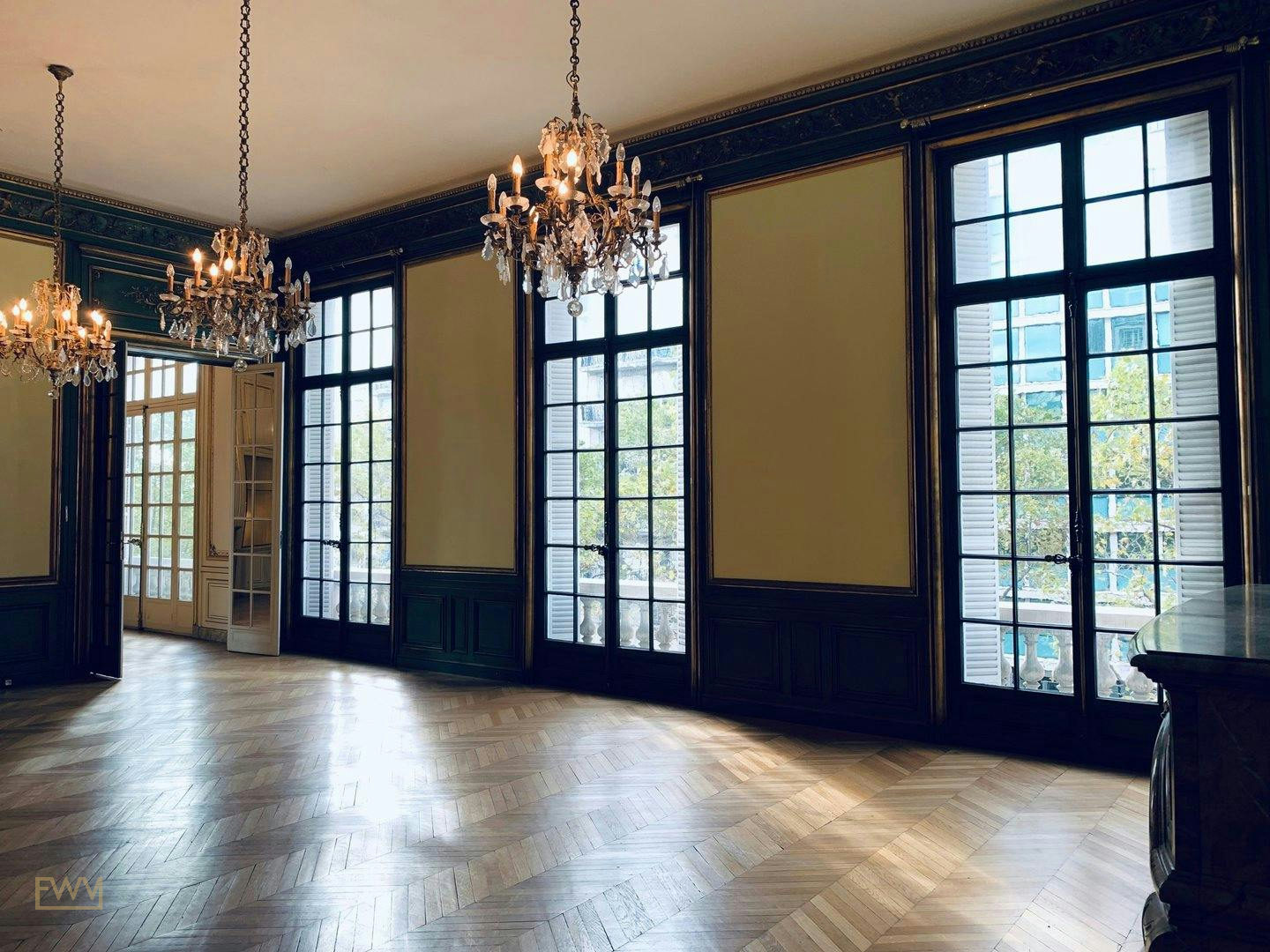
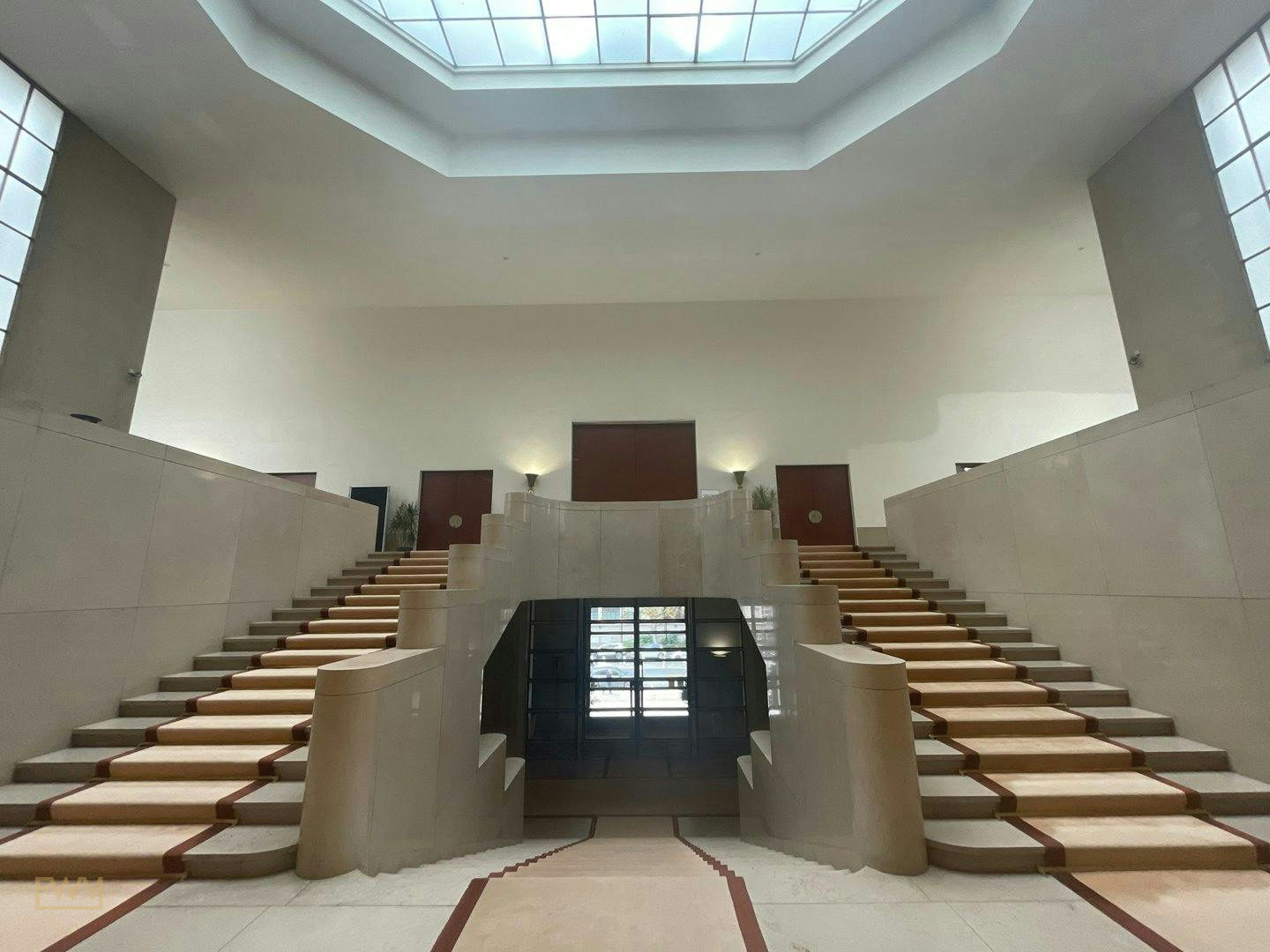
Booking a pop-up shop in the 8th arrondissement Paris places your brand at the crossroads of Haute Couture, cultural prestige, and some of the highest-value foot traffic in Europe. The 8th is home to Avenue Montaigne, Rue du Faubourg Saint-Honoré, the Champs-Élysées, and the Arc de Triomphe, making it one of the most competitive and rewarding short-term retail environments anywhere in the world. Whether you are launching a book, staging a fashion activation, presenting an artists' exhibition, or running a temporary retail concept during Paris Fashion Week, understanding how to navigate this arrondissement is essential. Fashion Week Venues supports brands and publishers seeking pop-up spaces in Paris across every stage of the process, from space discovery through to activation management.
Why the 8th Arrondissement Is a Premier Destination for Pop-Up Retail in Paris
Quick answer: The 8th arrondissement offers a concentration of luxury retail, cultural landmarks, and international visitor traffic that few locations in Paris can match. Its proximity to Place Vendôme, the Champs-Élysées, and Rue Saint-Honoré makes it ideal for brands seeking visibility, editorial credibility, and direct access to affluent consumers and cultural audiences.
Paris attracts tens of millions of visitors annually, and the 8th arrondissement sits at the centre of many of their itineraries. The Arc de Triomphe anchors the western edge; the Louvre anchors the east; and running between them, the Champs-Élysées remains one of the most photographed streets on earth. For a brand activating during Paris Fashion Week, this geography is more than symbolic. The density of hotels, flagships, galleries, and media offices within a few blocks means that press, buyers, influencers, and end consumers all circulate through the same concentrated zone.
Rue du Faubourg Saint-Honoré is the defining luxury retail address in the arrondissement, home to historic maisons and international flagships that have shaped global brand positioning for decades. A pop-up shop on or adjacent to this street benefits from the association, the pedestrian flow, and the expectation of quality that customers bring to every door they push open. For a book launch, an artists' book fair satellite event, or a publication launch tied to Paris Design Week or FIAC, proximity to the luxury corridor also signals institutional seriousness to curators, collectors, and press.
The 8th also connects seamlessly to adjacent zones that matter for brand activations. The Palais de Tokyo and Palais Royal are within reach. The Invalides and the views toward the Eiffel Tower provide backdrop value for social media content, product photography, and influencer marketing. For brands staging a pop-up exhibition or multimedia installation, the architectural grandeur of Haussmann buildings, private hotels particuliers, and courtyard spaces in the arrondissement offers settings that cannot be replicated in a standard retail unit.
It is worth distinguishing the 8th from neighbouring arrondissements that brands sometimes consider instead. Le Marais and the 3rd offer the energy of contemporary art and emerging fashion, anchored by the Centre Pompidou at Beaubourg and the Place des Vosges. Saint-Germain-des-Prés in the 6th carries intellectual and publishing heritage. Les Halles and the Châtelet area draw younger audiences. But the 8th occupies a unique position as the home of global luxury, which makes it the most defensible choice for brands where prestige positioning and high-net-worth consumer access are primary objectives.
DID YOU KNOW: The Cour d'Honneur of the Palais-Royal, though technically in the 1st arrondissement, attracts significant overflow from 8th arrondissement events and is frequently used for large-scale pop-up installations and brand activations during major Paris cultural events.
KEY TAKEAWAY: The 8th arrondissement Paris delivers the highest concentration of luxury retail context, international foot traffic, and editorial credibility for brands that need more than a temporary address. It is a positioning decision as much as a logistics decision.
Understanding the geography of the 8th is only the starting point. The more complex challenge is understanding how to actually secure and operate a short-term retail space within it.
Book Launches and Literary Pop-Up Shops in Paris: A Growing Cultural Activation Format
Quick answer: Book launches, poetry readings, publication events, and artists' book presentations are increasingly staged as pop-up retail or exhibition formats in Paris, blending independent publishing culture with temporary retail logic. Publishers, curators, and artists use short-term spaces to create physical moments around releases that would otherwise only live on social media or in institutional settings.
Paris has a distinctive relationship with the book as a cultural object, a retail product, and an artistic medium. The city's history of independent publishing, its proximity to major art institutions including the Louvre, the Palais de Tokyo, and the Centre Pompidou at Beaubourg, and its international art fair calendar including FIAC and Paris Internationale make it a natural stage for publication launches that want to reach collectors, curators, and cultural media simultaneously.
After 8 Books is a Paris-based publisher whose name literally references the 8th arrondissement. The press publishes artists' books, catalogues, essays, poetry, monographs, and translated texts at the intersection of contemporary art and critical writing. Its publications have included works touching on themes explored by thinkers such as Mark Fisher, whose ideas about capitalist realism, cognitive capitalism, and what he termed the psychopathologies of contemporary life have become central reference points in discussions about art, publishing, and cultural production in the digital age. The convergence of these themes with physical publishing objects creates exactly the kind of cultural tension that a well-positioned Paris pop-up can dramatise.
Events around After 8 Books publications have included readings and gatherings framed by questions such as how to conceive of exhibition making today, how to consider curatorial modes of public address, and what happens between writing and curating. These are not simply book signings. They are social and intellectual events that use the physical space as a stage for the ideas inside the publication. This format sits naturally within the pop-up logic: a temporary space animated by a specific cultural proposition, open for a limited time, generating social media content, press coverage, and word-of-mouth simultaneously.
Specific publication launches that have taken place in or adjacent to Paris pop-up contexts include events around works by Warren Neidich, Eric Schrijver, Jean-Philippe Antoine on Samuel B. Morse, Jacqueline Feldman, Zoé Philibert, Zin Taylor, Peter Friel, and Lily McMenamy. Events have posed questions ranging from the deeply philosophical to the deliberately irreverent, with titles including references to System of a Down merchandise, identity crises, frenemies, poetry for the new year, and the NYABF. This breadth reflects the format's elasticity: a book launch pop-up in Paris can be as formally structured or as deliberately strange as the publication demands.
Publishers including Apartamento Publishing, Ugly Duckling Presse, Wonder Press, and independent imprints connected to the international art book circuit have all found Paris to be a productive city for pop-up launches. The New York Art Book Fair (NYABF) community overlaps strongly with the Paris art book ecosystem, and brands connecting both cities often use Paris Fashion Week or Paris Design Week as their European anchor event.
For publishers and curators considering a pop-up in the 8th arrondissement specifically, the alignment of the neighbourhood's luxury retail identity with the premium positioning of limited-edition artists' books, catalogues, and monographs is commercially logical. A publication with an ISBN such as 978-2-36193-408-8 or EAN13 9782361934088 priced as a collector object sits comfortably in a space environment where customers already expect to encounter rare, high-quality, and expensive things.
TIP: If your publication launch includes works or discussions touching on themes of injustice, minorities, or values in the digital age, framing the pop-up as both a retail event and a public roundtable or panel discussion can significantly increase press coverage and social media reach, particularly during Paris Fashion Week when cultural media is concentrated in the city.
KEY TAKEAWAY: Literary and artistic pop-up activations in Paris are not niche. They represent a growing and sophisticated category of temporary retail that blends publication launches, cultural programming, and retail merchandising into single, time-limited events that generate lasting editorial impact.
The question for most publishers and brands at this stage is not whether the format works, but how to execute it operationally within Paris's specific regulatory and commercial environment.
Understanding Paris Pop-Up Retail: Permits, Leases, and Legal Frameworks
Quick answer: Operating a pop-up shop in Paris requires navigating a specific set of legal instruments including the bail dérogatoire for short-term commercial leases and, in some cases, autorisation d'occupation temporaire (AOT) permits for public or semi-public spaces. Requirements vary significantly by space type, duration, and arrondissement, and international brands without a French legal entity face additional considerations that require specialist guidance.
One of the most common errors made by international brands entering Paris for the first time is assuming that the process of renting a temporary retail space works the same way it does in their home market. It does not. French commercial property law is highly specific, and the protections it offers long-term tenants are substantial. Short-term retail operates under different instruments, and understanding these instruments is not optional if you want to avoid legal exposure.
The Bail Dérogatoire
The bail dérogatoire is the standard instrument for short-term commercial occupation in France. It allows a landlord and tenant to agree a lease of up to 36 months without triggering the protections of the standard commercial lease regime, known as the bail commercial. For most pop-up shop activations in Paris, a bail dérogatoire or a simpler convention d'occupation precaire is the instrument you will encounter. However, the terms, conditions, and liability provisions within these agreements vary substantially between landlords and spaces, and they require careful legal review before signing.
Autorisation d'Occupation Temporaire
If you are occupying a space in or adjacent to public infrastructure, a historic monument, or a publicly managed cultural venue, you may require an autorisation d'occupation temporaire or AOT. This is a permit issued by the relevant public authority and is separate from the lease agreement with the space owner. In the 8th arrondissement, spaces near the Champs-Élysées, the Invalides, or Monument Historic properties may trigger AOT requirements. The requirements vary by project, duration, and intended use, and verifying them with a French legal advisor before committing to a space is strongly recommended.
Insurance and Liability
All commercial pop-up operations in Paris require appropriate insurance, including public liability coverage and, in most cases, coverage for the physical space itself including any fit-out, furniture rental, or installed artworks. For activations involving sculptures, multimedia installations, or film screenings, specialist coverage may be required. Insurance requirements should be reviewed as part of the pre-signing process, not as an afterthought after the lease is signed.
Local Regulations for Specific Activities
Book launches, poetry readings, panel discussions, and cultural events held within a commercial pop-up space may trigger additional notification requirements under French local regulations depending on the expected audience size, the use of amplified sound, and the nature of the programming. For events including workshops, live readings, or conversations with a public audience, checking with the arrondissement's local administration is advisable. Requirements vary between arrondissements and are not uniform across Paris.
IMPORTANT: International brands without a registered French legal entity cannot sign a standard bail dérogatoire in their own name without additional legal structuring. Working through a specialist agency or establishing a temporary French legal vehicle may be necessary. Verify your specific situation with a qualified French legal advisor before committing to any space.
For initial orientation on the permit landscape, the permit guidance tool on Fashion Week Venues provides a structured starting point for understanding what types of authorisation your specific activation may require.
KEY TAKEAWAY: The French regulatory framework for short-term retail is manageable with the right guidance, but it is not simple and it is not the same as other major markets. Building permit and compliance review into your planning timeline from the outset is essential, not optional.
With legal frameworks understood, the next practical challenge is identifying, evaluating, and booking the right space within the 8th arrondissement for your specific brand brief.
Choosing the Right Space Type for Your Paris Pop-Up in the 8th Arrondissement
Quick answer: The 8th arrondissement offers a range of space types suited to different pop-up briefs, from street-level retail units on Rue Saint-Honoré to private hotel particulier courtyards, gallery spaces, and branded environments within cultural institutions. Matching space type to brand brief, audience, and operational model is the critical first decision before any booking.
Not all spaces in the 8th arrondissement serve the same purpose, and selecting the wrong space type is one of the most expensive mistakes a brand can make in Paris. The following breakdown maps the primary space categories to their most appropriate use cases.
| Space Type | Best For | Key Considerations | Typical Duration |
|---|---|---|---|
| Street-level retail unit, Rue Saint-Honoré or adjacent | Fashion, beauty, luxury goods, Haute Couture presentations | High visibility, premium rental rate, shopfront branding opportunities | 1 to 4 weeks |
| Private hôtel particulier or courtyard space | Exclusive brand activations, VIP showrooms, Haute Couture presentations | Limited public access, requires strong guest list strategy, high prestige | 2 to 10 days |
| Gallery or white-cube space | Artists' books, catalogues, pop-up exhibitions, publication launches | Curatorial flexibility, existing cultural audience, requires programming | 1 to 3 weeks |
| Mixed-use cultural venue | Book launches with panels, film screenings, multimedia events, workshops | Requires event programming, may need additional permits for public gatherings | 1 to 7 days |
| Boutique hotel space or lobby activation | Jewelry, artists' editions, high-value object retail alongside hospitality | Captive audience of affluent guests, shared identity with hotel brand | 1 to 4 weeks |
| Shared or co-activation space | Independent publishers, emerging designers, brands with aligned audiences | Lower individual cost, requires complementary partner, shared branding logic | 3 to 14 days |
For brands considering a literary or artistic pop-up activation in the 8th arrondissement, the gallery or white-cube space and the mixed-use cultural venue categories are the most operationally logical. They provide the physical neutrality needed to foreground the publication or artwork, while offering the infrastructure for events including panel discussions, readings, and workshops. The question of how to conceive of exhibition making today is answered differently in a gallery space than in a street-level retail unit, and that difference matters to the audience you are trying to reach.
For fashion and beauty brands activating during Paris Fashion Week, the street-level retail unit on or adjacent to Rue Saint-Honoré remains the gold standard for visibility, though competition for these spaces is intense and booking windows need to open many months in advance of the fashion calendar. Brands exploring the Vendôme area or the Palais Garnier neighbourhood within the arrondissement will encounter similarly high demand and premium pricing.
For brands considering a more experimental format, L'Hôtel Alfred Sommier represents the type of heritage property within the 8th arrondissement that blends architectural prestige with operational flexibility. Spaces of this character are rarely listed publicly and typically require specialist sourcing networks to access.
DID YOU KNOW: Co-activation formats, where two complementary brands share a single pop-up space during the same period, can reduce individual rental costs significantly while doubling the social media reach and press contact list of the activation. Fashion Week Venues operates a dedicated twin co-activation concept for brands exploring this model.
To compare neighbourhoods and space types across Paris, explore the Paris city hub on Fashion Week Venues and shortlist spaces that match your brief, budget, and calendar window.
KEY TAKEAWAY: Space type selection in the 8th arrondissement should be driven by your activation format, your target audience, and your operational model, not by proximity to a famous street alone. The right space for a book launch is structurally different from the right space for a fashion showroom, even if both are in the same arrondissement.
Once space type and location are clear, the operational and calendar planning questions become the primary challenge for brand teams.
Paris Fashion Week, FIAC, and the Calendar Windows That Drive Pop-Up Demand in the 8th
Quick answer: The highest-demand periods for pop-up space in the 8th arrondissement align with Paris Fashion Week, FIAC, Paris Design Week, and Paris Internationale. During these windows, space availability drops sharply and rental rates rise. Brands that plan their bookings 3 to 6 months in advance secure significantly better options than those who begin searching 4 to 6 weeks before their target dates.
Paris operates on a cultural calendar that creates predictable spikes in demand for temporary retail and event space. Understanding this calendar is not just useful for planning purposes; it is essential for brands that want to leverage the concentration of press, buyers, collectors, and consumers that these periods bring to the city.
Paris Fashion Week, held twice annually for womenswear and menswear across spring/summer and autumn/winter seasons, is the single most intense demand period for pop-up space across all of Paris, but particularly in the 8th arrondissement. The autumn/winter 2024 season illustrates the scale: hundreds of brands activate simultaneously, competing for the same limited pool of visible, accessible, and strategically located spaces. Haute Couture week, held separately in January and July, creates a second wave of demand concentrated in the luxury zones of the 8th and 1st arrondissements.
FIAC, the international contemporary art fair historically hosted at the Grand Palais in the 8th arrondissement, and its successor events, bring a distinct audience of collectors, gallerists, and curators to Paris every October. For publishers, artists, and brands in the cultural sector, this window is as important as Fashion Week. Pop-up exhibitions, book launches, and artists' book presentations timed to FIAC benefit from the same concentration of cultural capital and press attention that Fashion Week delivers for fashion brands. Paris Internationale, a satellite art fair that typically runs alongside FIAC, brings an additional audience of younger collectors and more experimental cultural practitioners into the circuit.
Paris Design Week, held in September, draws a different but overlapping audience interested in furniture, material culture, craft, and the intersection of design with contemporary life. For brands working at the intersection of design and publishing, such as those producing documentary spreads, design-focused catalogues, or multimedia publications, Paris Design Week represents a valuable secondary calendar window that is often less competitive for space than Fashion Week periods.
The following table maps key calendar windows to their primary audiences and space demand levels for the 8th arrondissement:
| Calendar Window | Approximate Period | Primary Audience | Space Demand Level | Recommended Booking Lead Time |
|---|---|---|---|---|
| Paris Fashion Week Womenswear (AW) | Late February to early March | Press, buyers, influencers, consumers | Extremely high | 4 to 6 months |
| Haute Couture Week (January) | Mid to late January | Luxury press, VIP clients, collectors | Very high | 3 to 5 months |
| Paris Fashion Week Womenswear (SS) | Late September to early October | Press, buyers, influencers, consumers | Extremely high | 4 to 6 months |
| FIAC / Paris Art Fair Season | Mid to late October | Collectors, gallerists, curators, cultural press | High | 3 to 5 months |
| Paris Design Week | Early to mid September | Designers, creatives, cultural media | Moderate to high | 2 to 4 months |
| Paris Internationale | October (alongside FIAC) | Younger collectors, experimental art community | Moderate | 2 to 3 months |
Brands that attempt to book pop-up space in the 8th arrondissement within 4 to 6 weeks of a Fashion Week or FIAC date will typically find that the best spaces are already committed. The System of a Down pop-up shop that appeared in Paris during a recent campaign demonstrates how even non-fashion brands leverage the Fashion Week calendar and Parisian landmark adjacency, including the Palais Royal and Rue de Rivoli, to generate the concentrated attention that justifies a short-term retail investment. For that particular activation, the proximity to recognisable Paris monuments and the timing within a high-traffic cultural period were central to the strategy.
TIP: If your target Fashion Week date is unavailable or too expensive, the week immediately before or after Fashion Week can still deliver strong foot traffic in the 8th arrondissement with meaningfully lower space costs, since the press and buyer community often extends their Paris stays by several days on either side of the official calendar.
Use the timeline planning tool on Fashion Week Venues to map your activation window against key Paris calendar dates and build a realistic preparation schedule for your team.
KEY TAKEAWAY: Calendar timing is not a secondary consideration in Paris pop-up planning. For the 8th arrondissement specifically, the difference between booking 6 months out and 6 weeks out can mean the difference between the ideal space and no viable space at all.
Calendar planning feeds directly into budget planning, and the two must be developed together rather than sequentially.
Budgeting for a Pop-Up Shop in the 8th Arrondissement Paris
Quick answer: Pop-up shop costs in the 8th arrondissement are among the highest in Paris, reflecting the premium location, competitive demand, and operational complexity of the market. Budgets need to account for space rental, fit-out and production, staffing, permits, insurance, merchandising, and activation management, with final figures varying significantly based on space size, duration, and the level of customisation required.
No single price figure accurately represents the cost of a pop-up shop in the 8th arrondissement because the range is genuinely wide and the variables that determine final cost are numerous. What can be said with confidence is that brands approaching this market with budgets calibrated to secondary or tertiary European cities will find themselves underresourced for the spaces, fit-out standards, and operational requirements that the 8th demands.
The primary cost components of a Paris pop-up in the 8th arrondissement include: space rental, which varies by location, size, and period; fit-out and production including any branded store design, furniture rental, and installation work; staffing including sales floor personnel and event management; permits and legal fees including lease review, permit applications, and insurance; and activation management including logistics, supplier coordination, and on-site operations. For activations with a cultural or editorial programming dimension, add production costs for events, printing, and any multimedia or film elements.
For book launches and publication events specifically, the budget structure is somewhat different from a standard retail pop-up. Space costs may be lower if the activation runs for only 2 to 5 days rather than 2 to 4 weeks. But per-day costs for premium spaces in the 8th are high, and the cost of programming, printing, and cultural production can add substantially to the total.
IMPORTANT: Do not begin negotiations with a landlord or space agent in the 8th arrondissement without a clear total budget figure, including all cost components, not just rent. Landlords in this area are experienced with international brand inquiries and will often price based on perceived brand budget as much as market rate. Having a structured budget from the outset protects your negotiating position.
For a brand-specific budget estimate that accounts for your space type, duration, and activation format, use the budget estimation tool on Fashion Week Venues to build a directional view before entering any space negotiations.
The return on investment calculation for a Paris pop-up in the 8th arrondissement should look beyond direct sales revenue. Editorial coverage, social media impressions, influencer content, brand positioning uplift, and buyer and press relationship value are all measurable outputs of a well-executed activation. For brands that are genuinely uncertain whether the investment is justified, the ROI calculator on Fashion Week Venues provides a structured framework for evaluating total return across multiple output categories.
KEY TAKEAWAY: Budgeting for a pop-up in the 8th arrondissement requires thinking across all cost components simultaneously, not sequentially, and it requires aligning budget expectation with the realities of the Paris luxury market, not with general European retail benchmarks.
Budget clarity and calendar alignment together create the conditions for effective space search. The next step is understanding how to actually find and compare spaces in this market.
How to Find and Book a Pop-Up Space in the 8th Arrondissement: Practical Steps
Quick answer: Finding a pop-up space in the 8th arrondissement Paris involves a combination of direct landlord relationships, specialist agency networks, and dedicated space marketplace platforms. The process is more complex than in many other markets, and most international brands benefit from working with a Paris-based specialist who has existing relationships with space owners in the target zone.
The practical workflow for finding and booking a pop-up space in the 8th arrondissement typically follows a consistent sequence, even if the specific steps vary by brand type, budget, and timeline. The following workflow maps the standard process from initial brief to operational launch:
| Stage | Action | Key Decisions | Recommended Timeline Before Activation |
|---|---|---|---|
| 1. Brief development | Define space type, size, duration, budget, and brand objectives | Calendar window, neighbourhood preference, space format | 5 to 6 months out |
| 2. Market search | Explore marketplace listings, agency networks, and direct landlord channels | Shortlist 3 to 6 spaces across preferred zones | 4 to 5 months out |
| 3. Space comparison | Compare spaces by location, cost, infrastructure, and audience fit | Rank options against brief criteria | 3 to 4 months out |
| 4. Legal and permit review | Review lease terms, permit requirements, and insurance obligations | Engage French legal advisor, confirm entity structure | 3 months out |
| 5. Space confirmation | Sign lease or occupation agreement, confirm insurance | Finalise start and end dates, access rights | 2 to 3 months out |
| 6. Concept and design | Develop branded store design, fit-out specification, and event programme | Furniture rental, production suppliers, AV requirements | 2 months out |
| 7. Production and build | Execute fit-out, install fixtures and displays, test POS and payments | Access dates, contractor coordination, snagging | 1 to 2 weeks before launch |
| 8. Staffing and operations | Brief retail staff, confirm event logistics, finalise press and influencer outreach | Opening hours, team structure, security | 1 week before launch |
| 9. Activation and monitoring | Run pop-up, track footfall, sales, and content, manage daily operations | Real-time performance data, social media content, press hosting | Live period |
| 10. Close and evaluate | Deinstall, restore space, collect data, evaluate ROI | Deposit recovery, post-activation reporting | Immediately post-close |
Platforms such as Storefront have historically offered online marketplace access to some Paris spaces, though the depth of 8th arrondissement listings on general platforms tends to be limited for the most premium addresses, which are typically handled through specialist agency relationships. For brands that need access to the full range of available spaces in the arrondissement, including unlisted spaces and direct landlord connections, working with a Paris-focused agency with active market relationships is the most reliable approach.
For professional venue sourcing services in Paris, Fashion Week Venues maintains active relationships with space owners across the 8th arrondissement and adjacent luxury zones. The space comparison tool allows brands to evaluate multiple shortlisted options against consistent criteria before committing to any single space. Use the space comparison tool on Fashion Week Venues to build a structured evaluation of your shortlisted options.
KEY TAKEAWAY: The space booking process for a premium pop-up in the 8th arrondissement is multi-stage and requires parallel tracks of legal review, design development, and operational planning running simultaneously. Treating it as a simple property search understates the complexity and increases the risk of delays, cost overruns, and missed calendar windows.
Even with the best space secured, the quality of the activation experience depends heavily on the execution decisions made in the weeks and days before opening.
Art, Culture, and the Pop-Up Exhibition Format in Paris
Quick answer: The pop-up exhibition has emerged as a distinct activation format in Paris that combines the flexibility of temporary retail with the cultural authority of the gallery or institution. For artists, publishers, and brands operating in the cultural sector, this format generates press coverage, social media content, and audience engagement that a standard pop-up shop format cannot replicate.
The intersection of art, books, fashion, and temporary retail is nowhere more concentrated than in Paris. The city's calendar of cultural events, the density of collectors and curators who pass through during FIAC and Paris Internationale, and the physical proximity of major institutions including the Louvre, the Palais de Tokyo, and the Centre Pompidou at Beaubourg create a context in which a well-programmed pop-up exhibition can genuinely compete for cultural attention with established institutional programming.
Contemporary artists working in multimedia, film, sculpture, and publishing have used Paris pop-up formats to launch work that engages with some of the most pressing questions in current cultural discourse. Questions about the psychopathologies of cognitive capitalism, about hyperactive attention and doomscrolling, about art workers and their conditions in the digital age, about injustices and minorities, and about what the ESSEC Metalab Review describes as systems of contemporary cultural production are all themes that have animated Paris pop-up events in recent years. The work of thinkers including Warren Neidich on hyperactive attention and Mark Fisher on capitalist realism provides a theoretical framework that many artists and publishers have used to frame pop-up activations as critical as well as commercial events.
The KW Institute for Contemporary Art in Berlin has been a reference point for international collaborative programming that brings artist-book culture into retail-adjacent spaces. Events connected to figures including Vanessa Theodoropoulou, Zin Taylor, and Peter Friel demonstrate how the pop-up format can serve as a genuinely experimental platform rather than simply a promotional tool. The Snow of Snow project and events around works by artists such as Zoé Philibert reflect the growing appetite for publication launches that are themselves curatorial acts, not simply book releases.
For brands in the jewelry, beauty, and fashion sectors looking to align with this cultural moment, collaborating with publishers or artists on a co-activation format in the 8th arrondissement offers a credibility dividend that a purely commercial pop-up cannot generate. A jewelry brand partnering with a publisher such as After 8 Books for a shared activation during FIAC, for example, gains access to the publisher's cultural audience while the publisher gains the resources for a more ambitious physical presentation. This is precisely the logic behind the twin co-activation format that Fashion Week Venues offers through its twin concept, which supports two complementary brands in sharing a single space and programme.
Events that have taken the most creative approaches to the pop-up format in Paris include activations framed around questions such as whether all writing is to some degree a means to avenge an oversight or a rejection, panels exploring how to consider curatorial modes of public address, conversations between psychoanalysts and writers about books on disorganisation and sex, and celebrations of artists including Wolfgang Stoerchle, introduced to new Paris audiences through evening events combining video works and editorial presentations. The Tinklers official Paris launch and events connected to figures including Lily McMenamy, IDOIN and Stephen Loye reflect the breadth of practice that now finds a home in the Paris pop-up format.
DID YOU KNOW: Paris Design Week and FIAC typically overlap with or immediately follow Paris Fashion Week in the September to October calendar window, meaning that a brand activating across this extended period can reach fashion press, design media, and art collectors with a single sustained pop-up presence in the 8th arrondissement.
KEY TAKEAWAY: The pop-up exhibition format in Paris is not a niche or marginal category. It is a mainstream activation format that major cultural institutions, international publishers, and leading contemporary artists treat as a serious platform for both commercial and critical work. Brands that approach it strategically, rather than simply as an event hire, generate disproportionate returns in press, collector relationships, and cultural brand positioning.
Understanding how a specialist agency supports all of these dimensions of a Paris pop-up is the final practical step for most brand teams preparing to enter this market.
How Fashion Week Venues Supports Brands Booking Pop-Up Spaces in Paris
Quick answer: Fashion Week Venues is a full-service pop-up shop agency and space marketplace with Paris as its primary market. It supports brands across every stage of the pop-up process, from space discovery and legal navigation through to branded design, production, staffing, influencer marketing, and post-activation analysis. Brand teams benefit most when they engage the agency early in the planning process, ideally 3 to 6 months before their target activation date.
For an international brand team or an independent publisher preparing for a Paris pop-up, the range of decisions required across space, legal, design, production, operations, and marketing can be genuinely overwhelming, particularly if the team has limited prior experience in the Paris market. Fashion Week Venues exists to reduce that complexity without removing the creative and strategic agency from the brand team itself.
The agency's services cover the full activation lifecycle. Venue sourcing draws on active market relationships across Paris, including the 8th arrondissement and adjacent luxury zones, to identify spaces that match a brand's specific brief, budget, and calendar requirements. Concept direction supports brands in developing a spatial concept that is coherent with their brand identity and the cultural context of their activation. Production and build manages the physical fit-out, from branded store design through to furniture rental, installation, and technical infrastructure including POS and payment systems. Retail staffing ensures that the team on the floor during the activation reflects the brand standards and communication objectives of the project.
For brands with a data and analytics focus, Fashion Week Venues provides structured performance tracking across footfall, sales, social media reach, and press coverage, feeding into a post-activation ROI analysis that informs future investment decisions. The influencer marketing service connects activations with relevant Paris-based and international creators whose audiences align with the brand's target customer profile.
The agency's tool suite supports brand teams in self-directed planning alongside or prior to full agency engagement. The budget estimation tool, the ROI calculator, the timeline planning tool, the permits guidance tool, and the space locator all allow brand teams to build a structured brief before entering any conversation with the agency or with space owners directly. For brands weighing two or more space options, the comparison tool provides a structured evaluation framework.
For brands considering a co-activation with a complementary partner, the twin concept allows two brands to share a single Paris pop-up space with a coordinated but distinct brand presence, reducing individual costs while doubling combined reach. For brands in the pre-planning phase who want to visualise how a concept might work in a specific space type before committing to any booking, the imagine visualisation tool provides a useful starting point.
It is important to be clear about what Fashion Week Venues cannot guarantee. No agency can guarantee specific space availability in a market as competitive as the 8th arrondissement during peak calendar periods. No agency can guarantee permit approval, since that authority rests with French public bodies. And no agency can guarantee specific sales outcomes, press coverage volume, or influencer reach, since these depend on brand quality, product relevance, and market conditions that are beyond any agency's direct control. What the agency can do is significantly increase the probability of a well-executed activation by bringing market knowledge, supplier relationships, and operational expertise to a process that is genuinely complex for first-time entrants to the Paris market.
For brands in the decision-making phase about whether to work with an agency, the guide on hiring a pop-up agency provides a structured framework for evaluating the options and understanding what to expect from a full-service agency relationship.
KEY TAKEAWAY: Fashion Week Venues reduces the operational and strategic complexity of a Paris pop-up without removing the brand team's creative control. For international brands entering the Paris market for the first time, particularly in the competitive environment of the 8th arrondissement, the agency's market knowledge and supplier relationships deliver value that is difficult to replicate through direct, unguided market entry.
The 8th Arrondissement Versus Other Paris Pop-Up Neighbourhoods: A Comparative Overview
Quick answer: The 8th arrondissement is the right choice for brands whose primary objectives are luxury association, high-net-worth consumer access, and international press visibility. Other Paris neighbourhoods including Le Marais, Saint-Germain-des-Prés, and the areas around Les Halles and Châtelet serve different brand profiles and audience demographics equally well.
Paris is a city of distinct neighbourhood characters, and the choice of arrondissement is one of the most consequential decisions a brand makes when planning a pop-up activation. The following comparison helps brands understand where the 8th fits within the broader Paris pop-up geography.
Le Marais, spanning the 3rd and 4th arrondissements, is Paris's most culturally diverse and dynamically changing pop-up neighbourhood. The historic heart of the Jewish quarter, the LGBTQ+ community, and the contemporary art scene, Le Marais is anchored by the Centre Pompidou at Beaubourg in the west and the Place des Vosges in the east. It attracts a younger, more culturally curious audience than the 8th and is better suited to independent brands, emerging designers, artists' book publishers, and cultural organisations seeking engagement rather than luxury association. Rental rates are generally lower than the 8th, though premium spaces near the Place des Vosges command significant premiums.
Saint-Germain-des-Prés in the 6th carries the intellectual and publishing heritage of Paris, home to historic bookshops, literary cafes, and the kind of editorial credibility that makes it a natural environment for publication launches, essays, poetry collections, and cultural programming. Brands in the books and publishing sector that want to align with Paris's literary tradition rather than its luxury fashion identity often find Saint-Germain-des-Prés a more authentic neighbourhood choice than the 8th.
The area around Les Halles and Châtelet in the 1st draws very high overall foot traffic due to the major transport interchange, making it commercially viable for brands targeting volume rather than exclusivity. The Palais Royal, also in the 1st, occupies a unique position as a heritage space with strong cultural associations, adjacent to the luxury of the 1st arrondissement's fashion addresses including Rue Saint-Honoré at its western reaches.
For brands whose objectives span both luxury and cultural credibility, the 8th arrondissement remains the strongest single choice because it combines genuine luxury retail context with proximity to major cultural institutions including the Grand Palais and, further east, the Louvre. The monuments that define Parisian identity, from the Arc de Triomphe to Notre-Dame, from Sacré-Coeur to the Eiffel Tower, all fall within reasonable distance of an 8th arrondissement pop-up, providing the visual backdrop that social media content from a Paris activation depends upon.
KEY TAKEAWAY: The 8th arrondissement is not the right choice for every brand, but for luxury, Haute Couture, high-value objects, and cultural brands seeking the maximum prestige association in Paris, it remains the strongest single neighbourhood option available in the city.
Common Myths About Booking a Pop-Up Shop in Paris Debunked
MYTH: You need a French legal entity to rent a pop-up space in Paris.
FACT: While having a French registered entity simplifies the process, it is not always a strict prerequisite for every type of short-term space agreement in Paris. However, certain landlords, particularly in the 8th arrondissement, may require a French or EU-registered entity as a contracting party. International brands without a French entity have several structural options available to them, including working through an agency that holds the agreement on their behalf or establishing a lightweight French legal vehicle. The specific requirements vary by landlord and space type, and verifying your situation with a qualified French legal advisor before committing to any space is essential.
MYTH: Paris Fashion Week is the only viable calendar window for a pop-up in the 8th arrondissement.
FACT: While Fashion Week generates the highest concentration of relevant press, buyers, and consumer traffic, it is far from the only valuable window. FIAC, Paris Internationale, Paris Design Week, Haute Couture Week, and the weeks immediately adjacent to Fashion Week all offer strong audience concentrations with meaningful differences in the specific audiences they attract. For cultural brands, publishers, and artists, the FIAC and Paris Internationale window in October may actually be more strategically valuable than Fashion Week for reaching the collector and curator audience that matters most to their objectives.
MYTH: Commission-based space brokers are the only reliable way to find premium pop-up spaces in the 8th arrondissement.
FACT: While traditional brokers have historically been a primary channel for premium Paris pop-up spaces, the market has evolved significantly. Dedicated space marketplaces, full-service pop-up agencies with active landlord relationships, and direct approaches to property owners through cultural institution networks all provide viable alternative routes to securing quality spaces. For brands that want transparency on total cost from the outset, working with a full-service agency that charges a clear service fee rather than a commission embedded in the rental price can be structurally more efficient.
MYTH: Short-term retail leases in Paris are legally straightforward and do not require specialist help.
FACT: French commercial property law is specifically designed to protect long-term tenants, which means the mechanisms for short-term occupation are genuinely more complex than in many other European markets. The bail dérogatoire, autorisation d'occupation temporaire, and convention d'occupation precaire all have specific conditions, duration limits, and implications that differ from each other and from standard lease agreements. Attempting to navigate these without French legal advice increases the risk of disputes over liability, deposit recovery, and compliance with building codes and local regulations significantly.
MYTH: A pop-up book launch or cultural event in Paris does not need a commercial retail permit because it is primarily a cultural event.
FACT: The distinction between a commercial retail operation and a cultural event is not always clear-cut under French regulations, and the classification of your activity has direct implications for the type of occupation agreement, insurance, and notifications required. Events that combine book sales, ticketed entry, amplified programming, or public gatherings may require multiple overlapping authorisations. Treating a cultural pop-up as automatically exempt from commercial property rules is a common and potentially costly mistake for publishers and cultural organisations new to the Paris market.
Frequently Asked Questions About Booking a Pop-Up Shop in the 8th Arrondissement Paris
What is a pop-up shop and how does it work in the context of the 8th arrondissement Paris?
A pop-up shop is a temporary retail or brand activation space operated for a defined, limited period, ranging from a single day to several months. In the 8th arrondissement Paris, pop-up shops are used by luxury fashion brands, publishers, artists, jewelers, beauty brands, and cultural organisations to create physical brand moments during high-traffic calendar periods. The 8th arrondissement is particularly suited to pop-up activations because of its concentration of luxury retail identity, international foot traffic from tourists and press, and proximity to major cultural institutions and landmarks including the Champs-Élysées, Rue Saint-Honoré, and the Arc de Triomphe.
How far in advance should I book a pop-up space in the 8th arrondissement?
For peak calendar periods including Paris Fashion Week, Haute Couture Week, and FIAC, brands should begin the space search process 4 to 6 months before their target activation date. The most premium and well-located spaces in the 8th arrondissement are often committed 3 to 5 months in advance during high-demand periods. Brands that begin searching 4 to 6 weeks before their target date will typically encounter a significantly reduced pool of available options. For off-peak periods, a 2 to 3 month lead time may be sufficient, but earlier is always advantageous in this market.
Do I need to be fluent in French or have a French company to rent a pop-up space in the 8th arrondissement?
Fluency in French is not a strict requirement, though many landlords in the 8th arrondissement prefer to negotiate in French and lease agreements are typically drafted in French. Having a bilingual advisor or agency partner is strongly recommended. Regarding company structure, the requirements vary by landlord and space type. Some landlords require a French or EU-registered entity; others will work with international brands directly or through an agency intermediary. Verifying your specific legal situation with a qualified French advisor before beginning any space negotiation is essential.
What are the main permits required for a pop-up shop in Paris?
The primary legal instruments for short-term commercial occupation in Paris include the bail dérogatoire for leases up to 36 months and the convention d'occupation precaire for very short-term arrangements. For spaces adjacent to public infrastructure, historic monuments, or publicly managed venues, an autorisation d'occupation temporaire or AOT may also be required. Additional notifications may be necessary for public-facing events, amplified programming, or gatherings above certain audience thresholds. Requirements vary significantly by space type, duration, arrondissement, and the nature of the activity. Consulting a French legal advisor and reviewing the permit guidance tools available for Paris are both strongly recommended before committing to any space.
How much does a pop-up shop in the 8th arrondissement Paris cost?
The total cost of a pop-up shop in the 8th arrondissement varies significantly based on space size, duration, format, and the level of fit-out and programming required. Space rental in the 8th is among the highest in Paris, reflecting the premium location and competitive demand, particularly during Fashion Week and Haute Couture periods. Beyond rent, brands must budget for fit-out and production, staffing, permits and legal fees, insurance, merchandising, and activation management. Providing a single cost figure without understanding the specific brief would be misleading. The budget estimation tool on Fashion Week Venues provides a structured framework for building a directional cost estimate based on your specific parameters.
What types of brands and organisations are best suited to a pop-up in the 8th arrondissement?
The 8th arrondissement is best suited to brands and organisations for whom luxury association, high-net-worth consumer access, and international press visibility are primary objectives. This includes luxury fashion and Haute Couture brands, premium beauty and jewelry brands, high-value artists' book publishers, contemporary art galleries, and cultural organisations with programming targeted at collectors and curators. Brands whose primary audience is younger, more experimental, or more price-sensitive may find better value and audience alignment in Le Marais, Saint-Germain-des-Prés, or the Châtelet area.
Can a book launch or literary event be structured as a pop-up shop in Paris?
Yes. Book launches, artists' book presentations, publication launches, poetry readings, panel discussions, and literary events are increasingly structured as pop-up retail or exhibition formats in Paris. This approach allows publishers and cultural organisations to combine book sales, branded merchandise, event programming, and social media content generation within a single, time-limited activation. Paris has a particularly rich ecosystem for this format given the concentration of collectors, curators, press, and cultural institutions in the city during key calendar periods including FIAC, Paris Internationale, and Paris Fashion Week.
What is the difference between a pop-up shop and a showroom in the context of Paris Fashion Week?
A showroom in the Paris Fashion Week context is typically a presentation space for press and buyers, focused on wholesale ordering and editorial relationships rather than direct consumer retail sales. A pop-up shop is a public-facing consumer retail space, though it may also serve press and influencer relations functions. The two formats have different operational requirements, different staffing profiles, and different spatial configurations. Some brands run both simultaneously during Fashion Week, using a showroom for trade appointments and a pop-up for consumer and brand awareness objectives. Understanding which format serves your specific objectives at each stage of your Paris strategy is an important early planning decision.
How does Paris Fashion Week affect pop-up space availability and pricing in the 8th arrondissement?
During Paris Fashion Week, demand for pop-up space across all of Paris increases dramatically, and this effect is most acute in the 8th arrondissement given its concentration of luxury retail and fashion industry infrastructure. Space availability decreases sharply, rental rates typically rise compared to non-Fashion Week periods, and landlords often impose minimum rental periods and additional conditions during these weeks. Brands that want to activate during Fashion Week in the 8th arrondissement need to plan early, budget for premium-period pricing, and be prepared to move quickly when suitable spaces become available.
What is the bail dérogatoire and why does it matter for pop-up shops in Paris?
The bail dérogatoire is a French legal instrument that allows a landlord and tenant to agree a commercial lease of up to 36 months without triggering the full protections of the standard French commercial lease regime, known as the bail commercial. For pop-up shop operators, it is the most common short-term lease instrument. It differs from the bail commercial in that it does not grant the tenant renewal rights or the right to compensation on termination, which is why landlords prefer it for temporary occupations. Understanding the terms of a bail dérogatoire and having it reviewed by a qualified French legal advisor before signing is essential for any international brand operating a pop-up in Paris.
Can I co-activate a pop-up space in Paris with another brand to share costs?
Yes. Co-activation, where two complementary brands share a single pop-up space during the same period, is an increasingly common model in Paris, particularly for brands with smaller budgets or for publishers and cultural organisations whose audiences overlap naturally with those of fashion or design brands. A well-structured co-activation can reduce individual space and production costs significantly while increasing the combined social media reach and press contact value of the activation. Fashion Week Venues operates a dedicated twin co-activation concept to support brands exploring this model within a structured framework.
What social media and influencer opportunities does a pop-up shop in the 8th arrondissement Paris create?
The 8th arrondissement provides exceptional social media context for pop-up activations. The visual backdrop of Haussmann architecture, proximity to iconic Paris monuments including the Arc de Triomphe, the Eiffel Tower, and the Champs-Élysées, and the concentration of press, influencers, and cultural figures in the arrondissement during Fashion Week and art fair seasons all create organic content generation opportunities that brands in less central locations cannot access. Paris-based influencer marketing during Fashion Week has a demonstrated ability to generate international reach that extends far beyond the duration of the pop-up itself.
How do I evaluate whether a pop-up shop in the 8th arrondissement delivered a positive return on investment?
Evaluating the return on investment of a Paris pop-up requires looking beyond direct sales revenue to include the full range of measurable outputs: editorial press coverage, social media impressions and engagement, influencer content value, brand positioning uplift, new retail and wholesale relationships generated, and any direct consumer database growth. The ROI calculator on Fashion Week Venues provides a structured framework for capturing these multiple value streams and converting them into a comparable return figure against the total activation investment. Defining your key performance indicators before the activation opens is essential for effective post-activation evaluation.
What is the best way for an independent publisher to approach a pop-up activation in Paris during FIAC or Paris Internationale?
For independent publishers, the most effective approach to a Paris pop-up during FIAC or Paris Internationale typically combines a curated physical space for book sales and display with a programme of events including author conversations, panel discussions, and readings. The space should be sized and located to match the scale of the publisher's catalogue and audience rather than attempting to compete with the scale of larger commercial activations. Partnerships with galleries, cultural institutions, or complementary publishers for co-activation can significantly reduce costs. Beginning the space search 3 to 4 months before the target date and working with a Paris-based specialist to navigate the legal and operational requirements is strongly advisable.
Are there specific Paris neighbourhoods that work better than the 8th arrondissement for certain types of pop-up activations?
Yes. Le Marais is generally better suited for pop-ups targeting a younger, more experimental, or more culturally diverse audience, particularly in the contemporary art and independent fashion sectors. Saint-Germain-des-Prés is stronger for publication launches and literary events where alignment with Paris's intellectual publishing heritage matters to the brand. The Châtelet and Les Halles area offers the highest raw foot traffic volume for brands prioritising reach over exclusivity. The 8th arrondissement is strongest for luxury, Haute Couture, high-value objects, and brands for whom the association with Paris's premium retail identity is a primary strategic objective.
Conclusion: Making the Most of a Pop-Up Shop in the 8th Arrondissement Paris
The 8th arrondissement Paris offers a combination of luxury retail context, international audience concentration, cultural institution proximity, and landmark visual identity that makes it one of the most powerful pop-up destinations anywhere in the world. For brands in fashion, Haute Couture, beauty, jewelry, publishing, and the arts, a well-executed temporary retail activation here generates returns, both commercial and editorial, that justify the investment and the complexity of the Paris market.
Success in the 8th arrondissement requires early planning, legal expertise, and a clear understanding of the relationship between space type, calendar timing, brand objectives, and audience profile. It requires a budget that accounts for all cost components, not just rent. It requires a legal and permit process that is taken seriously from the outset. And it requires an activation concept that is coherent with the cultural expectations of one of the most discerning retail environments in the world.
Whether you are planning a book launch, a fashion showroom, a Haute Couture pop-up exhibition, a publication launch during FIAC, or a multi-format brand activation across Fashion Week and Paris Design Week, the operational logic is the same: start early, brief clearly, select carefully, and execute with precision.
For brands at the research stage who want to understand what is available, what it costs, and how to approach the process with confidence, the tools, city guides, and agency services at Fashion Week Venues are designed to support every stage of that journey. To move from research to activation, start exploring available spaces on the Fashion Week Venues marketplace and build a focused brief for your target neighbourhood, space type, and calendar window.