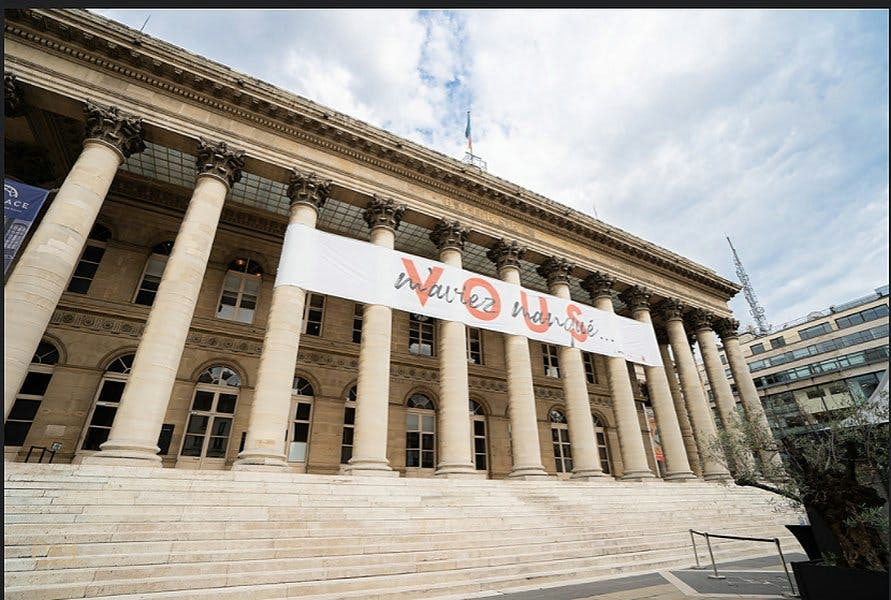
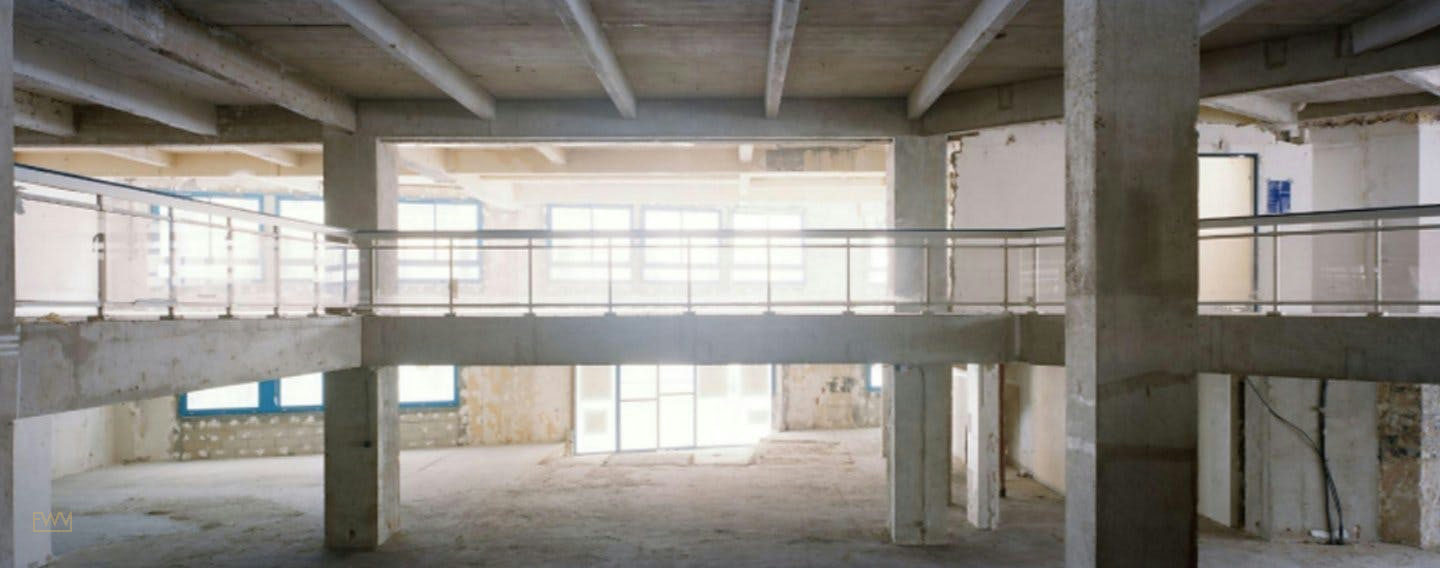
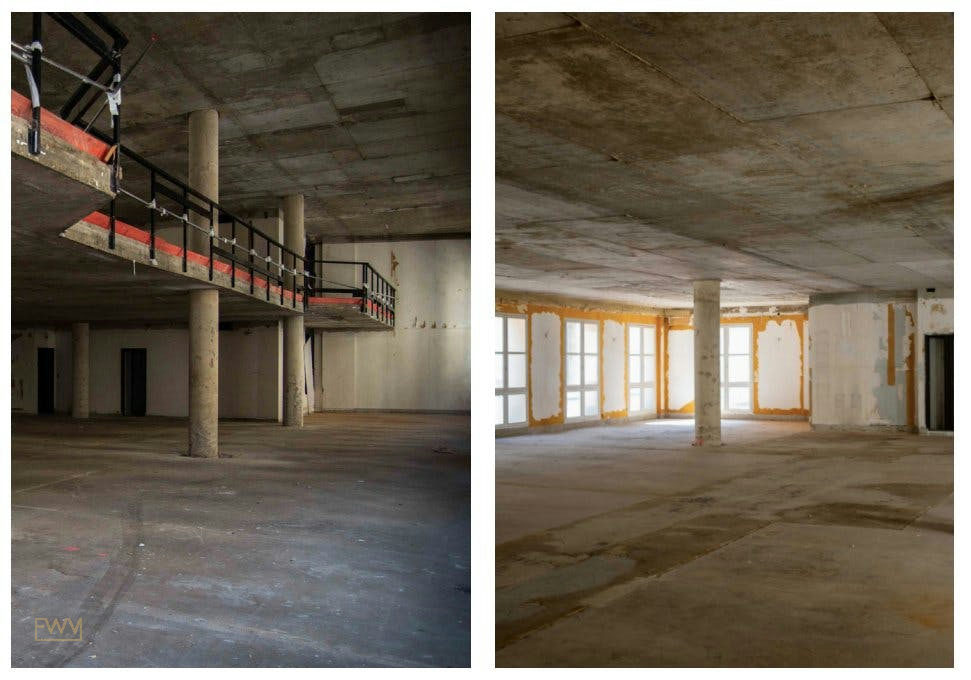
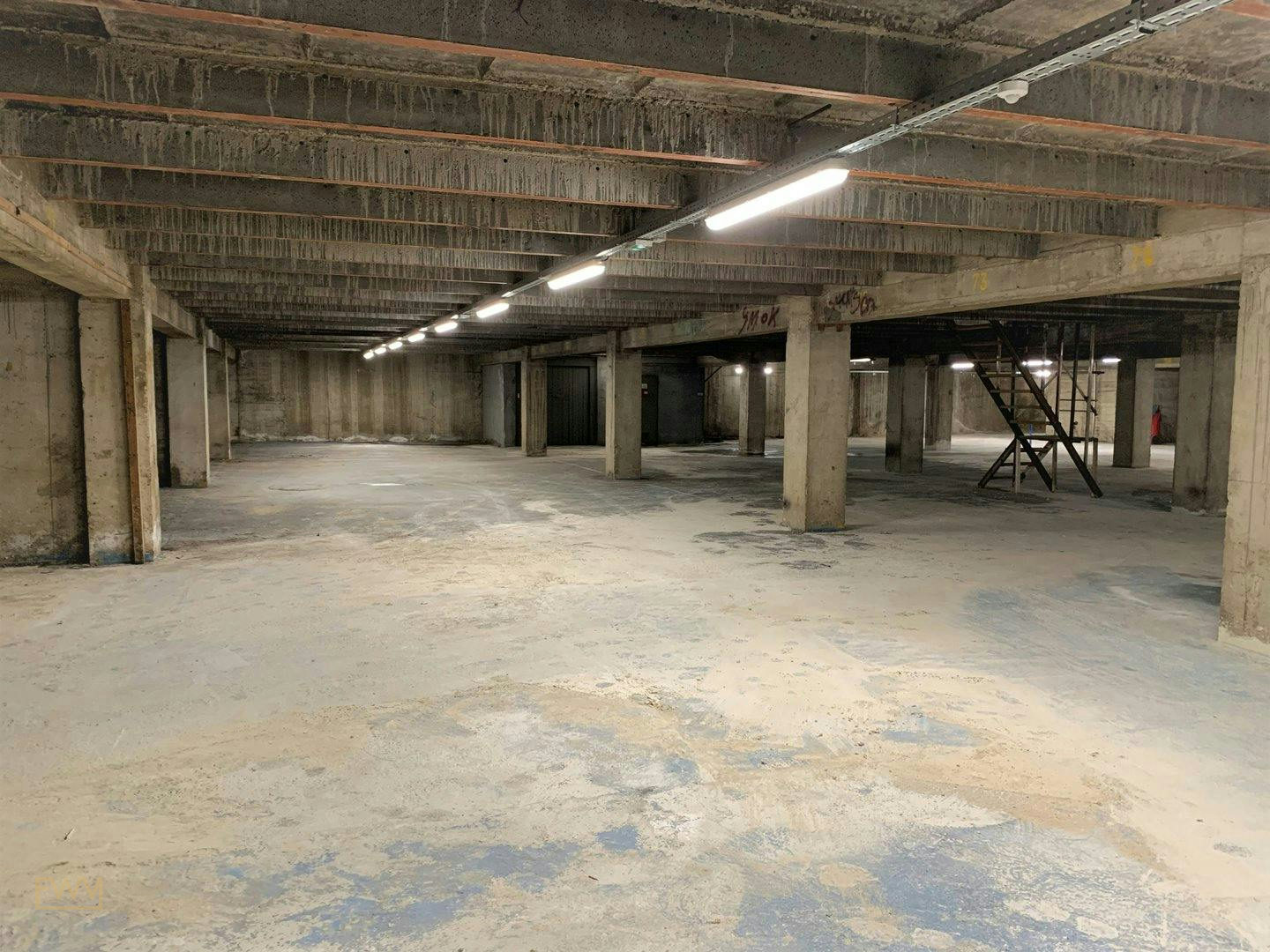
If you are planning to book a pop-up shop in the 7th arrondissement Paris, you are choosing one of the most strategically powerful retail locations in the world. The 7th arrondissement sits on the Left Bank of the Seine, anchored by the Eiffel Tower, Les Invalides, the Musée d'Orsay, and the Musée Rodin. It draws a high-spending mix of international tourists, Parisian residents, and design-conscious visitors year-round, making it a compelling choice for fashion activations, luxury launches, artisan showcases, showroom events, and branded retail experiences. Fashion Week Venues supports brands seeking pop-up spaces across Paris, including the 7th arrondissement, with venue sourcing, production, staffing, and end-to-end activation management.
Understanding the 7th Arrondissement as a Pop-Up Retail Market
Quick answer: The 7th arrondissement is a prestigious Left Bank district combining institutional cultural landmarks, affluent residential streets, and high footfall tourist corridors. Its mix of Haussmann architecture, independent boutiques, and proximity to the Seine River makes it a distinctive and commercially viable location for short-term retail activations targeting both locals and international visitors.
Paris is divided into 20 arrondissements arranged in a spiral from the centre outward. The 7th arrondissement occupies a significant stretch of the Left Bank, bordered by the Seine to the north, Saint-Germain-des-Prés to the east, and the 15th arrondissement to the south. This geography matters enormously for retail strategy. Streets such as Rue Cler, Rue Saint-Dominique, and Rue du Bac form the commercial backbone of the arrondissement, drawing steady pedestrian traffic that skews toward affluent French consumers and international tourists with real purchasing intent.
The district is not purely a tourist corridor. Rue Cler is a celebrated market street where local Parisians do their daily shopping alongside visitors. The area around Rue Saint-Dominique hosts a dense mix of independent boutiques, concept stores, and specialty food shops. Rue du Bac connects the residential heart of the 7th to the boulevard Saint-Germain, creating natural foot traffic flows throughout the day. The street Rue des Saints-Pères bridges the 7th and 6th arrondissements and offers access to the Saint-Germain-des-Prés cultural and retail ecosystem.
Culturally, the 7th arrondissement is one of the most layered districts in Paris. The Hôtel des Invalides, home to Napoleon's Tomb and the Army Museum, anchors the northern half. The Musée Rodin occupies a stunning mansion and garden near Les Invalides. The Musée du Quai Branly sits beside the Seine with its striking Jean Nouvel architecture. The Champ de Mars, the formal garden stretching from the Eiffel Tower toward the École Militaire, draws millions of visitors annually and creates a consistent tourism pulse throughout spring, summer, and autumn.
For brand teams, this combination of institutional prestige, residential authenticity, and international footfall creates a layered opportunity. A pop-up on Rue Cler reaches a different consumer profile than a showroom near Quai Voltaire or a gallery activation near the Musée d'Orsay. Understanding these micro-geographies is the first step in building an effective Paris activation brief.
DID YOU KNOW: The stretch along the Seine between the Pont-Neuf and the Champ de Mars forms part of a UNESCO World Heritage Site designation covering the banks of the Seine, meaning any exterior physical installations or signage in this zone may be subject to additional heritage review requirements.
The Batobus river service stops near the Eiffel Tower and the Musée d'Orsay, making these access points high-traffic visitor nodes even outside peak Paris Fashion Week periods. Brands activating near these stops benefit from a constant flow of arriving tourists with limited exposure to in-store retail that day.
KEY TAKEAWAY: The 7th arrondissement offers a sophisticated combination of cultural footfall, affluent residential streets, and heritage architecture. Brand teams should map their space to the specific street-level context rather than treating the arrondissement as a uniform market.
Understanding the arrondissement's geography is a foundation, but the next layer is understanding the broader landscape of Paris pop-up retail and how the 7th fits within that ecosystem.
How Paris Pop-Up Retail Works: From Concept to Activation
Quick answer: A Paris pop-up shop activation typically involves identifying a space type, securing a short-term rental agreement under French legal frameworks, obtaining any necessary permits, fitting out the space, staffing it, and managing the activation over a defined period. Each stage has distinct requirements, timelines, and cost implications that international brands must understand before committing to a location.
Paris pop-up retail operates within a specific legal and commercial environment that differs significantly from comparable markets such as London or New York. Short-term commercial leases in France are governed by several frameworks, including the bail dérogatoire, which is a short-term commercial lease lasting up to 36 months that sidesteps the standard nine-year commercial lease obligations. For very short activations of a few days to a few weeks, brands may work with convention d'occupation précaire agreements or, for public-space activations near monuments or along the Seine riverbanks, an autorisation d'occupation temporaire, known as an AOT.
The distinction between these frameworks matters for budget, timeline, and flexibility. A bail dérogatoire requires both parties to clearly understand that the contract waives the protections of a standard commercial lease. An AOT for a public space near landmarks such as the Eiffel Tower or the banks of the Seine is granted by the relevant public authority and comes with restrictions on installation type, size, and duration. Requirements vary by space type, duration, and arrondissement, and brands should verify all permit and compliance requirements with a qualified French legal advisor before signing any agreement.
The Fashion Week Venues permit guidance tool provides directional information on the permit landscape for Paris activations, though it does not substitute for professional legal advice.
Beyond the legal framework, the practical workflow for booking a pop-up in the 7th arrondissement follows a recognisable sequence. Brands typically begin with a brief covering their concept, target consumer, desired neighbourhood, footprint requirements, and budget range. This brief drives the space search, whether conducted through a curated marketplace, an agency, or direct outreach to landlords. Once a shortlist of spaces is identified, brands move through negotiation, contract signing, permit applications where necessary, fit-out and production, staffing recruitment, and finally the activation itself.
| Stage | Key Activity | Typical Lead Time | Who is Responsible |
|---|---|---|---|
| Brief and Strategy | Define concept, budget, neighbourhood, and dates | 6 to 12 weeks before activation | Brand team or agency |
| Space Search | Identify and shortlist spaces via marketplace or sourcing | 4 to 10 weeks before | Agency or internal team |
| Negotiation and Contract | Agree terms, sign bail dérogatoire or AOT | 3 to 8 weeks before | Brand and landlord with legal counsel |
| Permit Applications | Submit applications to mairie or relevant authority | 4 to 6 weeks before | Brand or agency with legal advisor |
| Fit-Out and Production | Deliver design, build, fixtures, and signage | 1 to 3 weeks before | Production team or agency |
| Staffing | Recruit and brief retail staff | 2 to 4 weeks before | Staffing partner or agency |
| Activation | Run the pop-up, manage daily operations | During activation period | Brand team or agency |
| Data and Review | Collect footfall, sales, and engagement data | During and after activation | Agency or internal team |
For brands new to Paris, the most common planning error is underestimating lead time. Paris landlords, particularly those in prestigious districts like the 7th, often have high demand for their spaces during fashion calendar windows, summer tourism peaks, and Christmas periods. Starting the space search six to twelve weeks before the desired activation date is strongly recommended.
TIP: Use the Fashion Week Venues timeline planning tool to map your activation milestones backward from your desired opening date and identify where your current planning stands relative to recommended lead times.
KEY TAKEAWAY: A successful Paris pop-up activation in the 7th arrondissement requires early planning, clear understanding of French lease and permit frameworks, and a disciplined workflow from brief to live activation. Brands that rush this process risk delays, additional costs, or inadequate spaces.
Once brands understand the process, the next practical question is which type of space best serves their activation goals within the 7th arrondissement.
Space Types Available for Pop-Up Retail in the 7th Arrondissement
Quick answer: The 7th arrondissement offers a range of space types suited to different activation goals, including boutique retail units, showrooms, galeries d'art, converted apartments, heritage storefronts, and garden or courtyard spaces. Each type brings a distinct aesthetic, footfall dynamic, and fit-out requirement.
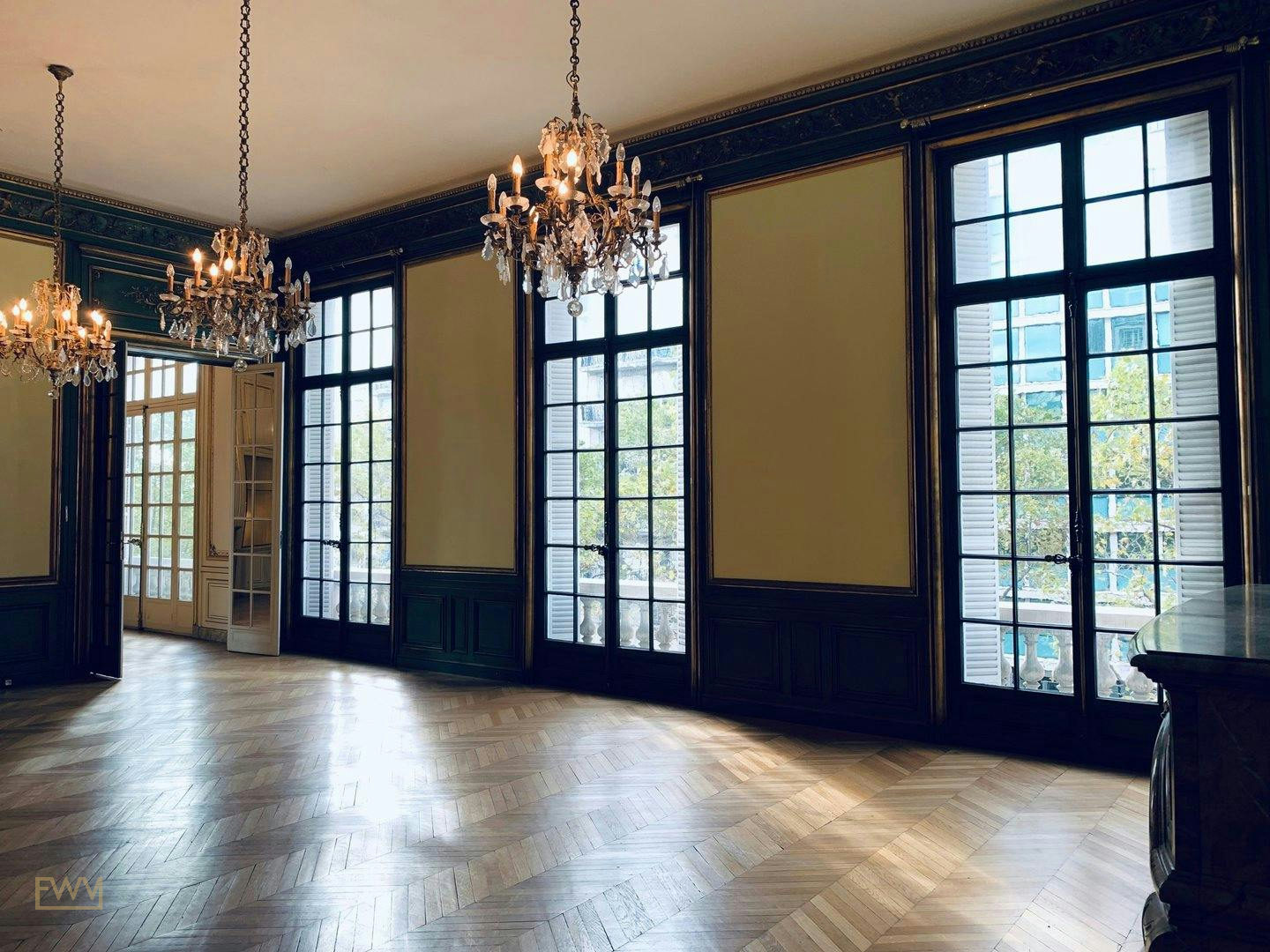
The 7th arrondissement is primarily characterised by Haussmann-era architecture, meaning most available retail and event spaces feature classic Parisian interior details. Spaces with parquet au sol, moulures along the ceiling, murs peints, and a Vitrine ancienne shopfront are common in this district and align naturally with luxury, heritage, artisan, and design-led brand concepts. An arrière boutique, or back shop space, is often available alongside a main retail floor in traditional boulevard units, providing a useful area for stock management, fitting, or private client meetings.
For brands seeking a branded showroom environment near the cultural institutions, the streets adjacent to the Musée d'Orsay and Quai Voltaire offer exceptional positioning. The Quai de Conti, just across the Seine, is home to established booksellers and art dealers, and the adjacent Left Bank streets attract a highly educated, culturally engaged consumer. A showroom or galerie d'art format in this zone suits art books, fine stationery, design objects, and premium fashion.
| Space Type | Typical Characteristics | Best Suited For | Typical Footprint |
|---|---|---|---|
| Boutique de charme | Period interiors, parquet, moulures, vitrine ancienne | Fashion, jewellery, artisan, fragrance | 30 to 80 sqm |
| Galerie d'art | White walls, polished floors, natural light | Art books, design objects, brand storytelling | 50 to 150 sqm |
| Showroom | Flexible layout, ground floor, controlled access | Trade presentations, wholesale, press days | 80 to 250 sqm |
| Heritage storefront | Street-facing vitrine, historic facade | High-visibility retail, souvenir, publishing | 20 to 60 sqm |
| Courtyard or garden space | Outdoor, seasonal, natural setting | Summer activations, Paris Plages, events | Varies |
| Apartment conversion | Residential feel, residential address | Private client, intimate brand experience | 40 to 120 sqm |
Brands planning a seasonal activation tied to Paris Plages, the summer riverside festival that transforms the banks of the Seine into temporary beach spaces, should note that public waterfront spaces near the Eiffel Tower and Champ de Mars fall under municipal permit authority and are subject to specific AOT requirements. These spaces offer exceptional visibility but require early application and compliance with heritage and public space regulations.
Brands in the publishing, books, or cultural sector should note the historical precedent of the bouquinistes, the iconic second-hand booksellers who have operated their green stalls along the Seine quays near Quai de Conti and Quai Voltaire for centuries. While bouquiniste stalls themselves are tightly regulated and not available for brand rental, the visual and cultural context they create makes the adjacent streets and quays a natural environment for book launches, literary pop-ups, and cultural brand activations.
Bookstores with an international heritage are a reference point for brands in this sector. Shakespeare and Co, though technically located just across the Seine on the Île St-Louis side in the 5th arrondissement near Notre-Dame de Paris, draws a vast international literary audience and demonstrates the sustained commercial appetite for English-language and culturally resonant book retail in central Paris. WHSmith on the Rue de Rivoli near the Tuileries Garden and Louvre Museum, Librairie Galignani, also near the Tuileries, and Taschen on the Île Saint-Louis represent different points on the spectrum of book and design retail in Paris. The Red Wheelbarrow Bookshop, an English-language independent, maintains a loyal community following. For a brand releasing a pop-up book, a guide, a souvenir publication, or a design-led book product, proximity to this established ecosystem of literary retail adds credibility and consumer resonance.
KEY TAKEAWAY: Space type selection in the 7th arrondissement should be driven by brand concept, target consumer, and activation format. The district's heritage architecture and cultural context favour premium, design-conscious, and story-led brands over purely transactional retail formats.
Knowing what type of space you need is essential, but so is understanding the financial and commercial parameters that determine whether a 7th arrondissement activation is viable for your brand.
Budgeting for a Pop-Up Shop in the 7th Arrondissement Paris
Quick answer: Budgeting for a 7th arrondissement pop-up requires accounting for rental costs, fit-out and production, staffing, permits, insurance, logistics, and marketing. The 7th is a premium Parisian district and rental rates reflect its prestige. Brands should build a comprehensive budget early in the planning process rather than treating rental as the only cost variable.
The 7th arrondissement commands some of the highest short-term rental rates in Paris, reflecting the quality of its building stock, pedestrian environment, and consumer base. While exact pricing varies widely by street, space size, condition, and rental duration, brands planning activations in this district should approach budgeting conservatively and build meaningful contingency into every line item.
Rental costs are only one component of the total activation budget. Fit-out and production, including the design, construction, and dismantling of branded interiors, can represent a substantial portion of total spend, particularly in spaces with complex heritage features or restrictions on drilling and fixings. Staffing costs in Paris are governed by French labour law and typically include employer social charges on top of gross salary, which can significantly increase the real cost per staff member compared to a simple hourly rate calculation. Insurance is mandatory and must cover the space, the contents, and public liability.
Brands activating during Paris Fashion Week windows, which in 2026 include the January and July haute couture weeks and the September and March ready-to-wear weeks, should factor in premium demand pricing and reduced availability. The Paris Fashion Week schedule for July 2026 covers runway shows, exhibitions, and branded happenings from July 6 to 9, 2026, making this a particularly high-demand window for spaces across Paris, including the 7th arrondissement.
IMPORTANT: Fashion Week Venues does not publish fixed pricing for individual spaces, as costs vary significantly based on space type, duration, negotiation, and market conditions. Use the Fashion Week Venues budget estimation tool to build a directional cost model for your specific activation parameters.
Beyond the core rental and production costs, brands should consider marketing and influencer activation budgets. The 7th arrondissement's proximity to the Eiffel Tower, the Musée d'Orsay, and the Champ de Mars creates natural content backdrops that reduce the cost of organic social content generation. However, structured influencer activations, press previews, and digital marketing campaigns require dedicated budget lines.
Brands exploring whether a full standalone pop-up or a co-activation model better suits their budget should investigate the twin concept available through Fashion Week Venues, which allows two compatible brands to share a space and split overhead costs while maintaining distinct brand identities within a curated dual-brand environment.
For brands travelling from outside France, logistics costs including the Eurostar from London, freight forwarding, and local transportation should be factored into the total budget. Train travel via the Eurostar connecting London and Paris remains the preferred route for many brand teams and freight shipments between the UK and Paris, and transit times and costs should be built into the production timeline.
KEY TAKEAWAY: A 7th arrondissement pop-up budget should encompass rental, fit-out, staffing, permits, insurance, logistics, and marketing. Starting with a comprehensive budget model before committing to a space prevents costly mid-activation revisions.
With budget parameters established, the next strategic layer is understanding how the 7th arrondissement's cultural and commercial calendar creates timing opportunities for brands.
The Cultural and Retail Calendar: Best Times to Activate in the 7th Arrondissement
Quick answer: The 7th arrondissement benefits from year-round tourism and resident footfall, but specific calendar windows significantly amplify activation potential. Paris Fashion Week periods, summer tourism peaks, the Paris Plages festival, and the December holiday season represent the highest-value windows for brand pop-ups in this district.
Understanding the Paris retail and cultural calendar is essential for timing a 7th arrondissement pop-up effectively. The district sits within a city that operates on a layered calendar of fashion industry events, public festivals, museum programming, and seasonal tourism cycles.
Paris Fashion Week is the most internationally recognised of these windows. The city hosts four major fashion week events annually: haute couture in January and July, and prêt-à-porter in March and September. Each window brings a concentrated influx of international press, buyers, influencers, and high-net-worth consumers into Paris, creating elevated footfall and media attention across the city. The July 2026 haute couture week, scheduled from July 6 to 9, 2026, overlaps with the peak summer tourism season, making it one of the most commercially potent windows of the year for a 7th arrondissement activation. Paris Fashion Week covers runway shows, exhibitions, and branded happenings across the city during this period.
Paris Plages, the annual summer festival that transforms the banks of the Seine into temporary recreational areas, typically runs from mid-July through mid-August. The Eiffel Tower and Champ de Mars areas see dramatically increased footfall during this period, and brands with outdoor or semi-outdoor activation formats benefit from the festival atmosphere and extended daylight hours. Brands have used Paris Plages as a contextual hook for beauty, fragrance, fashion, and lifestyle activations that connect to the summer city theme.
Summer Love Bazar is an example of the kind of curated multi-brand pop-up event that brands in the fashion, accessories, and lifestyle sector have used to reach Paris consumers during the summer window. This format, which typically combines fashion, accessories, artisan crafts, and experiential elements, reflects the appetite among Parisian consumers for discovery retail during the warmer months.
The Christmas and New Year period, roughly November through January, brings a different but equally strong activation opportunity. The 7th arrondissement's residential character means local Parisians are active shoppers during this window, and the proximity to luxury retail districts on the Rue du Bac and Boulevard Saint-Germain creates natural consumer flow into side streets and boutique retail zones.
For brands in the cultural, publishing, or book sector, the Salon du Livre de Paris and the Fête de la Musique in June offer additional contextual windows. A pop-up book launch, a souvenir publication release, or a heritage guide activation aligned with one of these cultural moments benefits from amplified media and consumer interest.
Brands should also consider the quieter shoulder seasons of February and late October, when Parisian residents return from holiday periods and the city resumes its normal commercial rhythm. These windows often offer better space availability and more competitive rental terms than peak fashion week or summer periods.
KEY TAKEAWAY: The 7th arrondissement offers strong activation potential across multiple calendar windows, but Paris Fashion Week weeks, Paris Plages, and the December holiday season represent the highest-value periods. Calendar alignment should drive space search timing and budget planning.
Understanding when to activate leads naturally to a deeper look at the specific streets and neighbourhoods within the 7th arrondissement where pop-up spaces are most commonly available and strategically placed.
Key Streets and Micro-Neighbourhoods for Pop-Up Retail Within the 7th Arrondissement
Quick answer: Within the 7th arrondissement, key commercial streets for pop-up retail include Rue Cler, Rue Saint-Dominique, Rue du Bac, Rue des Saints-Pères, Quai Voltaire, and the streets surrounding the Musée d'Orsay and Musée Rodin. Each corridor has a distinct consumer profile and space typology.
The 7th arrondissement is not a monolithic retail district. Its geography creates distinct micro-neighbourhoods, each with its own commercial character, consumer profile, and real estate typology. Brands selecting a street-level location within the arrondissement should treat this micro-geography as a primary decision variable, not a secondary consideration.
Rue Cler and the Village District
Rue Cler is arguably the most celebrated market street on the Left Bank. This pedestrianised street runs between the Avenue de la Motte-Picquet and the Rue de Grenelle and is characterised by a dense concentration of food shops, flower stalls, wine merchants, and small restaurants. The consumer on Rue Cler is a mix of local Parisian residents, expatriates, and visitors staying in the many hotels in the immediate vicinity. For a fashion pop-up, an artisan brand, a made-in-France fragrance launch, or a souvenir and publishing activation, Rue Cler offers consistent daily footfall in a characterful, village-like environment. The aesthetic of the street is authentically Parisian, which suits brand concepts that lean into French artisanship, local production, and cultural storytelling.
Rue Saint-Dominique and the Invalides Corridor
Rue Saint-Dominique extends from the Quai d'Orsay eastward through the residential heart of the 7th. It is a longer commercial street with a mix of independent fashion boutiques, homeware stores, patisseries, and specialty food retailers. The proximity to Les Invalides and the Hôtel des Invalides brings a steady stream of culturally motivated visitors, particularly those with an interest in military history, French heritage, and the historical presentation of Paris's monumental architecture. Brands in the heritage, military history, travel, and cultural publishing sectors benefit from this positioning. The street's residential character also means a strong repeat-visit consumer base among local residents.
Quai Voltaire and the Booksellers' Quarter
Quai Voltaire runs along the Seine directly opposite the Louvre Museum's western wing. This quay is historically associated with antique dealers, art galleries, and booksellers, and it forms part of the cultural corridor connecting the Left Bank to the Musée du Louvre and the Tuileries Garden across the river. The bouquinistes who operate along this stretch of the Seine are the most enduring expression of Paris's relationship with books and cultural objects as public retail. For brands in the books, art, design, or cultural sector, the Quai Voltaire micro-neighbourhood offers the strongest contextual alignment in the arrondissement. A pop-up launching a pop-up book, a Michelin Green Guide, a souvenir publication, or a design-led cartography product would find natural resonance here.
Rue du Bac and the Saint-Germain Edge
Rue du Bac connects the arrondissement to the Boulevard Saint-Germain retail corridor and flows toward the Bon Marché department store, Paris's oldest and most prestigious department store, located just into the 7th arrondissement. The foot traffic on Rue du Bac is among the strongest in the arrondissement, with a premium consumer profile shaped by proximity to the Bon Marché and the Saint-Germain-des-Prés cultural and literary district. Brands with a premium fashion, lifestyle, home, or beauty positioning benefit most from this location. Victoria Beckham, for example, has activated in Paris spaces within reach of this consumer corridor, and the street's alignment with the fashion and design community is well established.
Rue des Saints-Pères and the Intellectual Left Bank
Rue des Saints-Pères runs between the Boulevard Saint-Germain and the Quai Malaquais, passing through the edge of the 6th arrondissement and connecting directly to the 7th. It has historically been associated with French philosophy, literature, and intellectual culture. The proximity to institutions associated with French literature from Les Misérables to the works of Marcel Proust and Honoré de Balzac, and to the tradition of French 20th-century philosophy, gives this street a distinct brand positioning context. A literary brand, a cultural publishing house, or a brand drawing on French cultural heritage would find this micro-neighbourhood a natural fit.
To compare spaces across these corridors and identify which best matches your activation brief, explore the Fashion Week Venues space marketplace and filter by arrondissement, space type, and size.
KEY TAKEAWAY: Each street within the 7th arrondissement carries a distinct commercial identity. Matching your brand concept to the right micro-neighbourhood is as important as selecting the right space type and size.
Beyond the street-level geography, brands must also consider the specific audiences they are trying to reach and how the 7th arrondissement's visitor and resident mix aligns with those audience profiles.
Target Audiences and Consumer Profiles in the 7th Arrondissement
Quick answer: The 7th arrondissement attracts a layered consumer base including affluent Parisian residents, international tourists visiting the Eiffel Tower and Musée d'Orsay, cultural visitors to Les Invalides and the Musée Rodin, fashion industry professionals during Paris Fashion Week, and literary and design-conscious consumers drawn to the Left Bank's cultural heritage.
A pop-up shop succeeds when the right consumer finds the right product in the right context. The 7th arrondissement's consumer base is unusually diverse while maintaining a consistent quality threshold. Understanding the distinct audience layers within this district is essential for brands designing their activation concept, choosing their product mix, and planning their marketing approach.
International tourists represent the single largest audience segment in the northern 7th arrondissement, particularly in the zones around the Eiffel Tower, the Champ de Mars, and the Trocadéro. These visitors arrive in large numbers throughout the spring and summer, with a significant Asian consumer contingent including visitors from China and Japan, as well as North American, British, and Middle Eastern travellers. The Batobus stop near the Eiffel Tower serves as a daily delivery point for tourists combining the Musée d'Orsay, Notre-Dame de Paris, and the Centre Pompidou into a single day itinerary. Brands targeting this audience with souvenir, gift, fashion, or luxury product activations benefit from the sheer volume of footfall in this zone.
Cultural visitors form a more focused sub-segment. Those visiting the Musée d'Orsay, home to the world's most significant collection of Impressionist art, the Musée du Quai Branly, the Musée Rodin, and Les Invalides tend to have higher levels of cultural literacy and purchasing power. They respond well to activations that reflect depth, craftsmanship, and cultural storytelling. A brand selling artisan products, design objects, made-in-France fragrances, art books, or culturally resonant fashion will find this audience highly receptive.
Affluent Parisian residents in the 7th arrondissement represent the district's most loyal and locally embedded consumer base. This is one of the wealthiest residential arrondissements in Paris, and the local consumer values quality, discretion, and craftsmanship over novelty and volume. Brands that position their pop-up as a neighbourhood event, a curated experience, or an opportunity to discover something exceptional rather than simply buy something affordable tend to perform strongly with this audience.
Fashion industry professionals, press, and buyers converge on Paris during the four annual fashion week windows. While they are not exclusively concentrated in the 7th arrondissement, the district's proximity to Saint-Germain-des-Prés and the Left Bank hotel and restaurant ecosystem means that a significant proportion of the fashion industry's Paris presence passes through the 7th during these windows. A showroom, press day, or brand event in the arrondissement can reach this audience effectively, particularly when supported by targeted invitations and influencer programming.
Brands in the books, guides, and cultural publishing sector should note the distinct sub-audience of English-speaking visitors who actively seek English-language bookstores and cultural content in Paris. The question of whether Parisians read in English, reflected in the longstanding colloquial phrase Lisez-vous Anglais?, reflects a genuine consumer need that English-language and bilingual brand activations can meet. Stores such as Shakespeare and Co and the Red Wheelbarrow Bookshop have built loyal English-reading communities in Paris, and a pop-up with English-language cultural content can tap into this existing network.
KEY TAKEAWAY: Audience profiling in the 7th arrondissement requires distinguishing between tourist footfall, cultural visitor depth, affluent resident loyalty, fashion industry professional timing, and English-language consumer community. Different spaces within the arrondissement access different audience layers.
With audience understanding established, the next critical consideration is the legal and permit framework that governs a short-term retail or event activation in the 7th arrondissement.
Permits, Legal Frameworks, and Compliance for Pop-Ups in the 7th Arrondissement Paris
Quick answer: Pop-up activations in the 7th arrondissement must comply with French short-term lease law, local permit requirements, heritage and UNESCO World Heritage Site considerations, and specific public space regulations near monuments and the Seine. Brands should engage a qualified French legal advisor and use available tools to understand the compliance landscape before committing to a space or date.
The permit and legal landscape for a Paris pop-up shop is one of the most frequently misunderstood aspects of activating in France. International brands often assume that a short-term lease is legally straightforward or that the process mirrors their home market experience. Neither assumption is reliable.
French commercial property law distinguishes clearly between a standard commercial lease, a bail commercial lasting nine years with strong tenant protections, and a short-term alternative known as a bail dérogatoire. The bail dérogatoire is specifically designed for temporary occupations and can last up to 36 months, though most pop-up activations use it for much shorter periods. The critical requirement is that both parties must explicitly acknowledge that the standard commercial lease protections do not apply. Any ambiguity in the contract language can create legal complications that outlast the activation itself.
For activations in public spaces, including any installation on the banks of the Seine, near the Champ de Mars, in the gardens of Les Invalides, or on the Île aux Cygnes, an autorisation d'occupation temporaire issued by the relevant public authority is required. The AOT specifies the permitted footprint, installation type, duration, and any heritage or environmental restrictions. Near monuments such as the Hôtel des Invalides or the Eiffel Tower, which sit within or adjacent to designated heritage and UNESCO World Heritage Site zones, additional review by heritage authorities may be required. These processes take time, and brands should allow a minimum of four to six weeks for permit applications in public space contexts.
International brands activating in France without a French legal entity can do so through several mechanisms, including operating through a French agency, using a portage salarial arrangement for staffing, or working with a temporary company structure. However, tax registration requirements for sales in France apply regardless of the brand's home country, and brands should seek professional tax advice before the activation rather than after.
Insurance is a non-negotiable requirement. Most Paris landlords require proof of comprehensive insurance covering the space, its contents, and public liability before issuing keys. Brands should obtain a French-compliant insurance policy, not simply rely on a home-country policy that may not meet French requirements or be accepted by the landlord.
IMPORTANT: Requirements vary by space type, duration, and arrondissement. The information on this page is directional only. Brands must verify all permit, lease, and compliance requirements with a qualified French legal advisor before signing any contract or submitting any permit application.
Use the permit guidance tool on Fashion Week Venues to build an initial understanding of the permit landscape for your planned activation type and location before engaging legal counsel.
KEY TAKEAWAY: Legal and permit compliance for a 7th arrondissement pop-up requires understanding bail dérogatoire versus AOT frameworks, heritage zone implications, tax registration, insurance, and staffing law. Early professional legal advice is the single most effective risk mitigation available to brands entering Paris for the first time.
Brands that understand the legal landscape are better positioned to evaluate whether working with a full-service agency adds meaningful value to their activation. The next section examines how Fashion Week Venues can support a 7th arrondissement pop-up from brief to live activation.
How Fashion Week Venues Supports Pop-Up Activations in Paris
Quick answer: Fashion Week Venues operates as a full-service pop-up agency and space marketplace, offering venue sourcing, concept direction, production and build, activation management, staffing, branded store design, and analytics for brands activating in Paris and other major fashion capitals. The Paris city hub is the primary market, with deep knowledge of neighbourhoods including the 7th arrondissement.
For international brands entering Paris for the first time, or for established brands seeking to expand their Paris activation beyond what an internal team can manage, Fashion Week Venues provides a structured, end-to-end service model that reduces risk and improves execution quality across every stage of the pop-up lifecycle.
The starting point for most brand engagements is venue sourcing, the process of identifying, evaluating, and negotiating short-term spaces that match the brand's concept, budget, neighbourhood preference, and calendar window. In a market as competitive as the 7th arrondissement during fashion week or peak summer periods, access to a curated network of available spaces provides a meaningful advantage over a brand conducting an open-market search independently.
Once a space is identified, the agency's concept direction and branded store design services translate the brand's creative brief into a spatial concept that works within the specific constraints of the chosen space. Heritage spaces in the 7th arrondissement often have restrictions on structural modifications, requiring designers to work with existing features such as parquet au sol, murs peints, moulures, and Vitrine ancienne shopfronts rather than against them. This contextual design approach produces activations that feel authentically Parisian rather than imported.
Production and build services manage the physical realisation of the concept, from sourcing materials and furniture to overseeing installation within the agreed fit-out window. Furniture rental is available for brands that require a high-quality interior without purchasing and shipping furniture from their home market, which is both costly and logistically complex for short-term activations.
Staffing in Paris requires compliance with French labour law, including contracts, social charges, and minimum wage requirements. Fashion Week Venues retail staffing provides access to experienced bilingual retail staff who understand Paris consumer culture and can represent a brand effectively in French and English, and in other languages where required.
During the activation itself, activation management covers daily operations, issue resolution, supplier coordination, and consumer-facing brand representation. Data and analytics services capture footfall, dwell time, sales conversion, and customer engagement metrics that inform post-activation reporting and future planning.
For brands with limited budgets or those testing the Paris market for the first time, the twin co-activation concept offers a practical alternative to a standalone pop-up. Two compatible brands share a space and split costs, creating a curated dual-brand environment that can be more commercially and creatively compelling than a single-brand activation at half the footprint.
Fashion Week Venues also provides a range of self-service planning tools. The ROI calculator helps brands model the financial return on a proposed activation. The compare tool allows side-by-side evaluation of shortlisted spaces. The locator tool maps available spaces by arrondissement and neighbourhood. The budget estimation tool builds a comprehensive cost model. These tools are available whether or not a brand engages the full agency service.
Brands exploring how Fashion Week Venues approaches its work can review the agency process page for a detailed explanation of the engagement model, timelines, and what to expect at each stage.
KEY TAKEAWAY: Fashion Week Venues offers a full-service model that covers every stage of a Paris pop-up activation, from space search to post-activation analytics. The agency's Paris-specific knowledge and established supplier network reduce the risk and complexity of activating in a demanding and competitive market.
To compare neighbourhoods and space types and build a focused shortlist for the 7th arrondissement, explore the Paris city hub on Fashion Week Venues and identify spaces that match your brief, budget, and calendar window.
Book and Cultural Pop-Up Concepts Suited to the 7th Arrondissement
Quick answer: The 7th arrondissement's cultural depth, heritage architecture, bouquiniste tradition, and proximity to major Parisian museums make it an ideal location for pop-up concepts built around books, publishing, guides, cartography, and French cultural heritage. Brands in these sectors can activate in spaces that contextually reinforce their editorial identity.
Paris is one of the world's great literary and publishing cities, and the 7th arrondissement is woven through with cultural references that span centuries. The tradition of French literature, from Victor Hugo's Les Misérables and the novels of Honoré de Balzac to the philosophical density of Marcel Proust and the broader tradition of French 20th-century philosophy, gives the Left Bank and the 7th arrondissement in particular an intellectual prestige that no other European retail district can replicate.
For publishers, cultural brands, and book-format product creators, this context is not merely atmospheric. It directly shapes how consumers receive and engage with book-related activations. A pop-up launching a pop-up book format guide to Paris monuments, for example, sits naturally in the 7th arrondissement's cultural ecosystem. A publication such as a souvenir guide to Paris Arrondissements, a historical presentation of Parisian landmarks including Notre-Dame de Paris, the Musée du Louvre, the Arc de Triomphe, Le Sacré-Cœur, Place des Vosges, and Versailles, or a cartography-led design object fits the visual and intellectual identity of the district.
The Michelin Green Guide tradition reflects the enduring appetite among Paris visitors for authoritative, beautifully produced guides to the city's heritage. A pop-up activation built around a similar product, whether in paperback with flap format or as a pop-up book with dimensional architectural models of Parisian monuments, aligns with what consumers in this district actively seek. Publication formats that include reference ISBN codes, precise dimensions, and publisher attribution such as Ehrhard Dominique as the named author or designer carry the kind of bibliographic authority that bookseller environments like Librairie Galignani or spaces adjacent to the Louvre Museum recognise and value.
Chinese-language editions of Paris guides and souvenir publications represent a significant market segment given the volume of Chinese tourists visiting the Eiffel Tower and Musée du Louvre annually. A bilingual or Chinese-language edition of a Paris pop-up book or souvenir guide, stocked in a 7th arrondissement pop-up positioned between the Eiffel Tower and the Musée d'Orsay, would address a real and underserved consumer need.
Beyond formal publishing, the summer pop-up market format, exemplified by events such as Summer Love Bazar and Paris Plages activations, creates an opportunity for cultural brands to combine book or guide products with complementary artisan objects, made-in-France fragrances, geometric tableware, braided boho baskets, and semi-precious stone jewellery. This multi-product curated format appeals to the discovery-oriented consumer who visits the 7th arrondissement during the summer months and is receptive to premium, culturally resonant products that feel uniquely Parisian.
For brands in the travel book sector, the Eurostar connection between London and Paris positions the 7th arrondissement as an accessible activation market for British publishers and cultural brands seeking their first Paris presence. Train travel via Eurostar allows for freight shipment of book stock alongside the brand team, reducing the complexity and cost of air freight for heavier products.
KEY TAKEAWAY: The 7th arrondissement's literary heritage, museum proximity, and bouquiniste tradition make it one of the most contextually appropriate locations in Paris for book, publishing, guide, and cultural brand pop-up activations. Concept design should lean into this cultural depth rather than treating the location as a generic retail setting.
Common Myths About Booking a Pop-Up Shop in Paris Debunked
MYTH: You need a French legal entity to rent a pop-up space in Paris.
FACT: International brands can activate in Paris without a pre-existing French legal entity by working through a licensed French agency, using a portage salarial model for staffing, or structuring the rental agreement through an intermediary. Tax obligations for sales made in France still apply regardless of the brand's home country, so professional tax advice is essential before activation. Requirements vary by transaction type and duration.
MYTH: Paris Fashion Week is the only commercially viable window for a pop-up in the 7th arrondissement.
FACT: While the four annual Paris Fashion Week windows concentrate industry attention and drive premium demand, the 7th arrondissement delivers strong consumer footfall year-round through its museum visitor traffic, residential base, and tourist flows. Summer, the Christmas period, and the spring tourist season all represent commercially strong windows for brands not tied to the fashion industry calendar.
MYTH: Commission brokers and traditional property intermediaries are the only way to find a short-term space in Paris.
FACT: Curated online marketplaces, specialist pop-up agencies, and dedicated space platforms now offer direct access to short-term retail spaces across Paris arrondissements including the 7th. These platforms often provide more transparency on space specifications, pricing guidance, and availability than traditional brokers, and they may include additional services such as permit guidance, concept tools, and fit-out support.
MYTH: Short-term leases in Paris are legally simple and carry no meaningful risk for international brands.
FACT: Short-term leases under the bail dérogatoire framework require explicit contractual clarity to avoid triggering standard commercial lease protections, which can create long-term obligations neither party intended. Public space activations near heritage monuments require AOT permits that take weeks to obtain. Tax registration, insurance requirements, and French labour law add further compliance layers. Brands that treat short-term leases as informal arrangements frequently encounter preventable legal and financial complications.
MYTH: A pop-up in the 7th arrondissement is only suitable for luxury or fashion brands.
FACT: The 7th arrondissement's consumer diversity accommodates a wide range of brand types beyond luxury fashion. Cultural publishing, artisan food and drink, beauty and fragrance, design objects, books and guides, and travel-related products all find a relevant and receptive consumer base in this district. The arrondissement's heritage context and cultural depth make it particularly well suited to brands with a strong story and a quality product, regardless of price point.
Frequently Asked Questions
What makes the 7th arrondissement different from other Paris arrondissements for a pop-up shop?
The 7th arrondissement combines two distinct retail advantages that few other Paris districts offer simultaneously: consistent international tourist footfall driven by the Eiffel Tower, Musée d'Orsay, and Les Invalides, and a high-quality residential consumer base that values craftsmanship and cultural depth. Most Paris arrondissements skew toward one or the other. The 7th offers both, within a heritage architectural environment that adds contextual credibility to premium brand activations. This combination makes it particularly effective for brands targeting both the tourist market and the sophisticated Parisian resident simultaneously.
How far in advance should I start planning a pop-up in the 7th arrondissement?
For activations during peak periods such as Paris Fashion Week windows, Paris Plages, or the Christmas season, starting the planning process six to twelve weeks before your desired opening date is strongly recommended. Space availability in the 7th arrondissement is limited during these high-demand periods, and popular spaces are typically committed well in advance. For off-peak activations, four to six weeks may be sufficient, though permit applications and fit-out timelines are fixed regardless of season and should be accounted for in every planning cycle.
Do I need a French legal entity to book a pop-up space in Paris?
Not necessarily. International brands can activate in Paris through several mechanisms that do not require a pre-existing French company, including working through a licensed French agency that holds the lease on the brand's behalf, using intermediary structures for staffing, and engaging a French legal advisor to structure the rental agreement appropriately. However, tax obligations for commercial sales made in France apply regardless of the brand's home country and legal structure. Professional tax and legal advice before the activation is strongly recommended to avoid compliance issues.
What is a bail dérogatoire and how does it apply to pop-up shops?
A bail dérogatoire is a French short-term commercial lease framework that allows landlords and tenants to enter into a commercial rental agreement outside the standard nine-year commercial lease protections. It can last up to 36 months, and most short-term pop-up activations use this framework for periods ranging from a few days to several months. The key requirement is that both parties explicitly acknowledge in the contract that the standard commercial lease protections are waived. Any ambiguity in the contract language can inadvertently create long-term lease obligations. Brands should always engage a qualified French legal advisor before signing any bail dérogatoire.
What is an AOT and when do I need one for a 7th arrondissement activation?
An autorisation d'occupation temporaire, or AOT, is a permit issued by a public authority allowing temporary use of public space. You need an AOT if your pop-up activation involves any installation on public land, including the banks of the Seine, the Champ de Mars, the gardens of Les Invalides, or any public pavement or square. Near UNESCO World Heritage Site zones and landmark buildings such as the Eiffel Tower and the Hôtel des Invalides, additional heritage authority review may also be required. AOT applications typically take four to six weeks to process. Requirements vary by location and installation type.
Which streets in the 7th arrondissement are best for a fashion pop-up?
For fashion brand activations, Rue du Bac and Rue des Saints-Pères offer the strongest alignment with Paris's established fashion consumer base, given their proximity to the Bon Marché department store and the Saint-Germain-des-Prés cultural and retail ecosystem. Rue Saint-Dominique suits mid-range and artisan fashion brands targeting a residential neighbourhood consumer. Rue Cler is ideal for brands seeking a characterful, village-market context. Quai Voltaire suits brands with a cultural, design, or art book positioning. The optimal choice depends on the brand's concept, price point, and target consumer profile.
How do I estimate the budget for a pop-up in the 7th arrondissement?
A comprehensive budget for a 7th arrondissement pop-up should cover rental, fit-out and production, furniture, staffing and employer social charges, insurance, permits and legal fees, logistics, and marketing including influencer and digital spend. Rental rates in the 7th reflect the district's premium positioning, and fit-out costs in heritage spaces can be higher than in modern commercial units due to restrictions on modifications. The Fashion Week Venues budget estimation tool provides a directional cost model for specific activation parameters. Exact figures vary significantly by space, duration, and activation scope.
Can I run a pop-up in the 7th arrondissement without French retail staff?
Technically possible but not recommended. French consumers, particularly in a residential and culturally engaged district like the 7th, respond positively to staff who can communicate naturally in French. International staff who speak only English will limit your ability to engage the significant French-speaking consumer base. French labour law also requires that all employees working in France, including temporary staff, are contracted under French employment regulations and covered for social charges. The most effective approach is to combine brand-knowledgeable team members from the brand's home market with locally sourced bilingual retail staff.
What pop-up format works best for a book or publishing brand in the 7th arrondissement?
A boutique de charme or heritage storefront near Quai Voltaire, Rue du Bac, or Rue des Saints-Pères provides the best contextual fit for a book or publishing brand activation. These spaces reinforce the literary and cultural identity of the product. A pop-up book format launch benefits from a space that allows dimensional display, with adequate ceiling height and lighting to showcase architectural models of Paris monuments. A guide or souvenir publication suits a smaller vitrine ancienne shopfront near tourist flows around the Musée d'Orsay or Champ de Mars. Co-activating with a complementary cultural or artisan brand through the twin concept can also amplify reach while sharing overhead costs.
Is Paris Fashion Week the only time worth activating in the 7th arrondissement?
No. While Paris Fashion Week windows, particularly the July 2026 haute couture week from July 6 to 9, create a concentrated industry audience, the 7th arrondissement has strong commercial windows throughout the year. Paris Plages in July and August brings peak tourist footfall to the Seine riverbanks near the arrondissement. The Christmas and New Year season activates the affluent residential consumer base. Spring tourism from April through June delivers consistent museum visitor traffic. Brands not tied to the fashion industry calendar should evaluate these alternative windows, which often offer better space availability and more competitive rental terms.
How does the twin co-activation concept work for the 7th arrondissement?
The twin co-activation model pairs two compatible brands within a single space, allowing them to share rental and production costs while maintaining distinct brand identities within a curated shared environment. In the 7th arrondissement, this format suits brands with complementary but non-competing products, such as a made-in-France fragrance brand and a fashion accessories label, or a cultural publishing brand and an artisan homeware brand. The shared space typically divides into two clearly defined zones with shared common areas. This model significantly reduces the per-brand cost of activating in a premium Paris arrondissement without compromising brand presentation quality.
Where can I find English-language bookstores near the 7th arrondissement?
Several English-language bookstores operate within or near the 7th arrondissement and represent reference points for English-reading consumers in Paris. Shakespeare and Co is located in the 5th arrondissement near Notre-Dame de Paris. WHSmith is situated on Rue de Rivoli near the Tuileries Garden and Louvre Museum. Librairie Galignani is near the Tuileries Garden in the 1st arrondissement. The Red Wheelbarrow Bookshop operates as an independent English-language store with a strong community following. These stores collectively define the English-language literary retail ecosystem in central Paris and provide useful context for brands activating book or cultural content in adjacent districts.
What are the most common mistakes international brands make when booking a Paris pop-up?
The five most common mistakes are starting the search too late and losing preferred spaces, underestimating the total activation budget by focusing only on rental costs, failing to understand the French legal framework and signing ambiguous contracts, not obtaining proper insurance before taking possession of the space, and neglecting French-speaking staffing in favour of a purely English-speaking team. Each of these errors is preventable with adequate planning, professional legal advice, and early engagement with a Paris-specialist agency or marketplace that understands the specific requirements of short-term retail in the French market.
Can I use Fashion Week Venues tools without engaging the full agency service?
Yes. Fashion Week Venues provides a suite of self-service planning tools including the budget estimation tool, the ROI calculator, the compare tool, the timeline planning tool, the permit guidance tool, and the space locator. These tools are available to brand teams conducting their own Paris activation research and do not require engagement of the full agency service. Brands that begin with the self-service tools and then wish to move to a managed service can transition to the agency model at any point in the planning process.
How do I assess whether a pop-up in the 7th arrondissement will generate a positive return on investment?
ROI for a Paris pop-up activation should account for direct revenue, press and media value, social content and influencer reach, wholesale lead generation, brand awareness uplift, and any longer-term retail distribution relationships initiated through the activation. The Fashion Week Venues ROI calculator provides a structured framework for modelling these value streams against your total activation cost. Brands that define their success metrics before activation, rather than trying to retroactively justify spend, consistently report more meaningful and actionable outcomes from their Paris pop-up investments.
Conclusion: Making the 7th Arrondissement Work for Your Brand
The 7th arrondissement is one of the most compelling pop-up retail destinations in Paris precisely because it refuses to be one thing. It is simultaneously a global tourism destination, a prestigious residential district, a living museum of French cultural heritage, and an established node in the city's fashion and design ecosystem. Brands that approach it with a clear concept, a well-researched street-level strategy, a realistic budget, and proper legal and permit preparation will find it one of the most rewarding activation environments in Europe.
The practical steps are clear. Define your concept and target consumer. Choose a micro-neighbourhood within the 7th that matches your brand's identity, whether Rue Cler's village character, Quai Voltaire's cultural depth, Rue du Bac's premium residential flow, or the tourist corridor between the Eiffel Tower and the Musée d'Orsay. Align your activation dates with the Paris calendar window that best amplifies your goals. Build a comprehensive budget that accounts for every cost line, not just rental. Engage a qualified French legal advisor before signing any contract. And plan your staffing with French-speaking capability at the front of house.
For brands that want expert support across any or all of these stages, Fashion Week Venues offers a full-service model built specifically for this kind of activation. From venue sourcing and concept direction to production, staffing, influencer marketing, and post-activation analytics, the agency brings Paris-specific knowledge and an established supplier network to every engagement. There are no guarantees of specific outcomes, spaces, or permit approvals, but there is a structured, experienced process that consistently reduces risk and improves execution quality.
To move from research to activation, start exploring available spaces on the Fashion Week Venues marketplace and build a focused brief for your target neighbourhood, space type, and calendar window.