

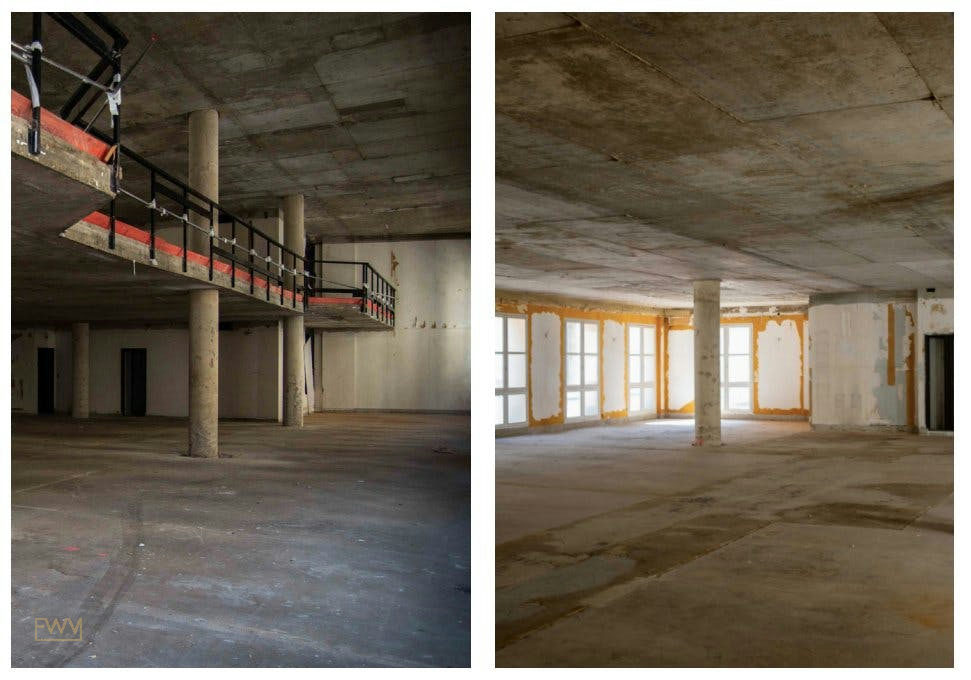
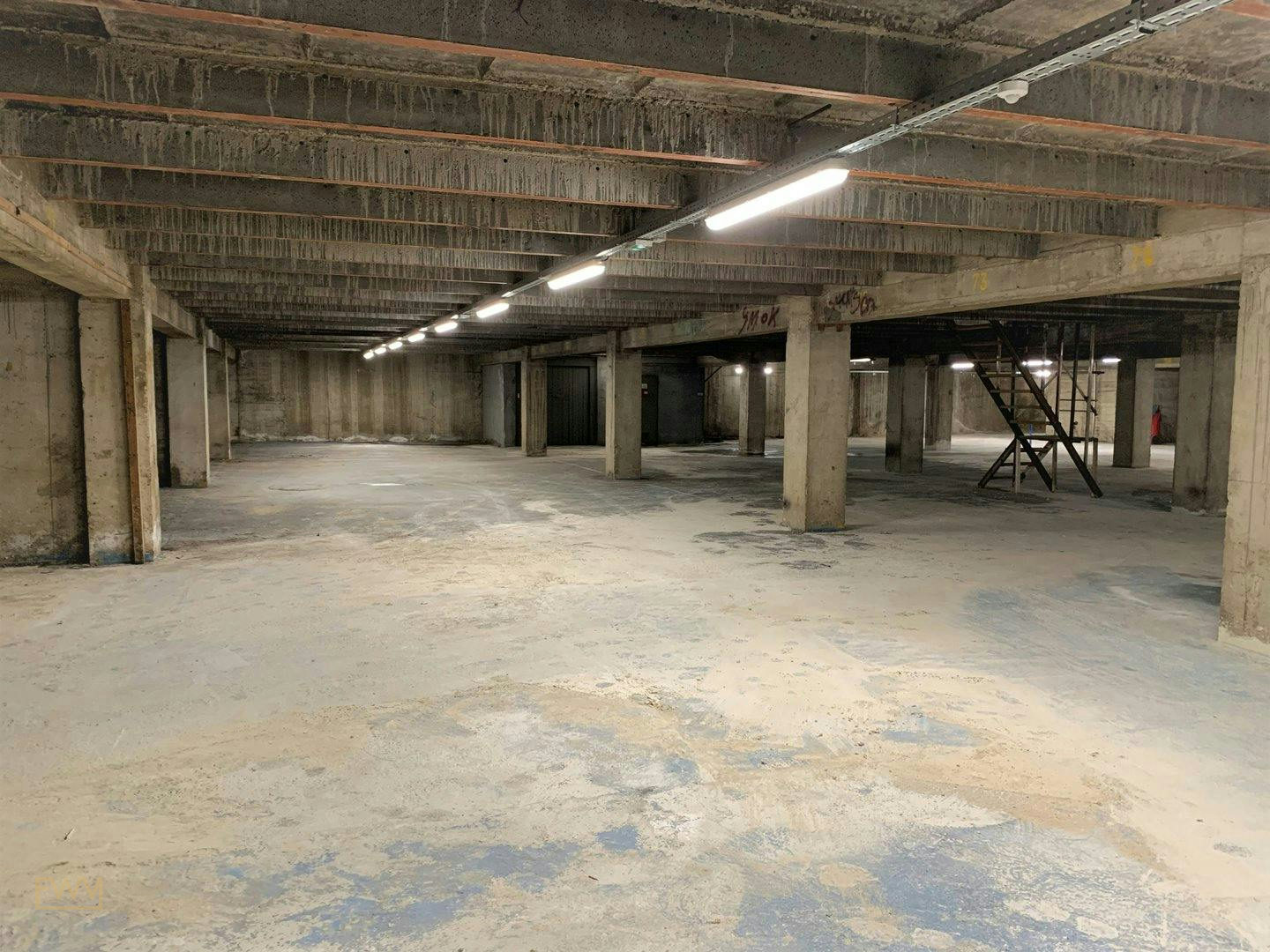
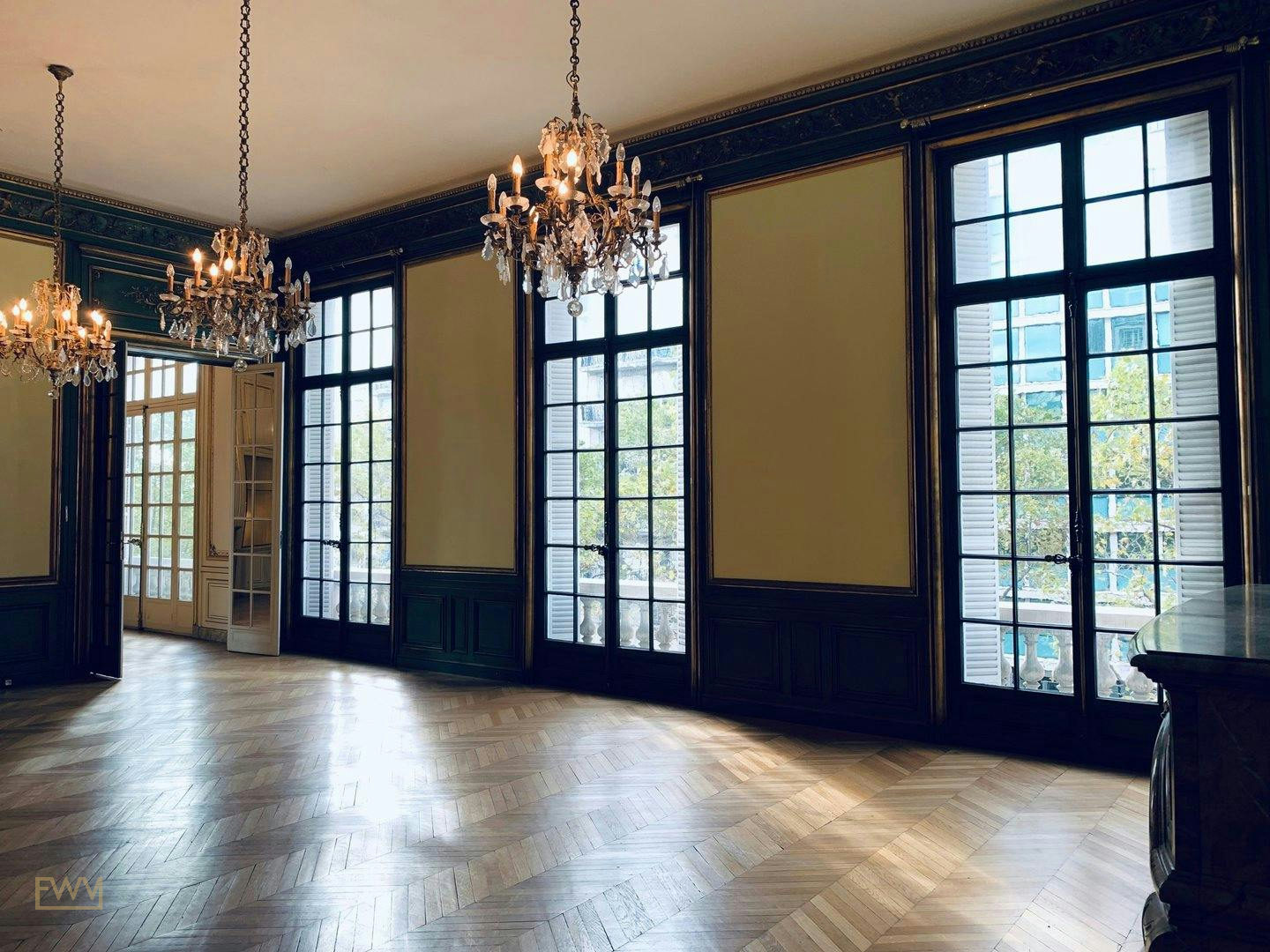
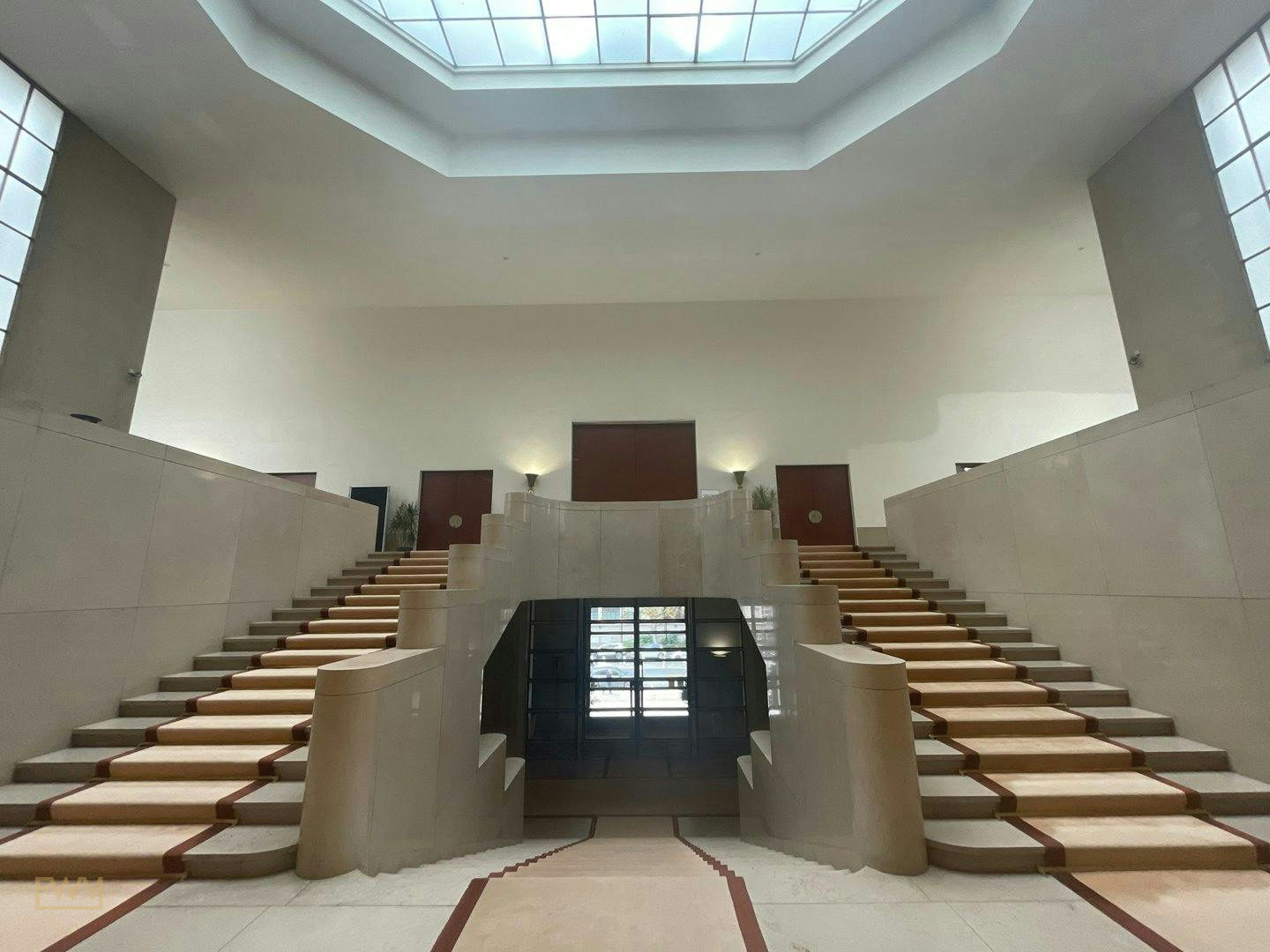
Knowing how to book a pop-up shop for Paris Fashion Week is one of the most strategically consequential decisions a brand team can make in any given calendar year. Paris is not simply a backdrop for fashion activations. It is the global reference point for taste, cultural authority, and commercial ambition, drawing press, buyers, stylists, influencers, and consumers who shape brand perception across every major market. Whether your objective is a showroom during Haute Couture week, a retail pop-up in Le Marais during ready-to-wear, or a multi-week brand experience tied to the season's cultural moment, the process of finding, booking, and activating a space in Paris demands specialist knowledge, local relationships, and a clear operational strategy. Fashion Week Venues supports brands seeking pop-up spaces in Paris across every stage of that process, from initial discovery through to live activation.
Why Paris Fashion Week Remains the World's Most Valuable Pop-Up Window
Quick answer: Paris Fashion Week, held twice annually for ready-to-wear and twice for Haute Couture, concentrates the highest density of international press, buyers, celebrities, and culturally engaged consumers of any fashion event globally. A well-executed pop-up during this window delivers brand visibility that is structurally difficult to replicate at any other time of year.
Paris is not one market. It is a layered ecosystem of cultural institutions, heritage fashion houses, independent designers, concept stores, and international visitors who arrive specifically because Paris sets the tone for global fashion. During Fashion Week periods, the streets of Paris shift in character. Neighbourhoods like Le Marais, Saint-Honoré, and the areas around the Palais Royal fill with people who have made a deliberate trip to engage with fashion, beauty, design, and culture. That density of intent is the commercial and cultural opportunity that brands are trying to access when they book a pop-up shop in Paris.
The fashion calendar in Paris operates across four major windows: Haute Couture Fashion Week in January and July, and ready-to-wear Fashion Week in February and September. Each window carries a different audience composition, media intensity, and brand opportunity. Haute Couture week in July 2026 brings together the most prestigious fashion houses, with runway shows at iconic venues including the Grand Palais and Palais de Tokyo, alongside independent presentations, exhibitions, and brand activations spread across the city. Brands that activate during this window benefit from a concentrated moment of global media attention.
Beyond the core runway calendar, Paris Fashion Week generates a wider constellation of events: private exhibitions, brand collaborations, concept store takeovers, showroom presentations, beauty launches, and cultural activations tied to the season's dominant themes. Real-world examples from 2026 illustrate the range of what brands are doing during this period. The JW Anderson pop-up running from July 9 to September 24, 2026 at 15 Rue du Louvre in Paris 1st demonstrates how a brand can use Fashion Week as a launch moment for a longer-term retail presence. Anthony Calydon's two-day pop-up on July 25 and 26, 2026 at 37 rue Debelleyme in the 75003 arrondissement shows how a focused, time-limited event can generate concentrated brand attention. Lili Curia, the British footwear label launched in London in 2025 and worn by Karol G and Suki Waterhouse, chose Dover Street Market Paris at 35-37 Rue des Francs-Bourgeois for its Paris debut, running until July 9, 2026. These are not isolated cases. They represent a broader pattern of brands using Paris Fashion Week as the strategic moment to launch, test, or amplify their presence in the European and global market.
The opportunity is also contextual. Paris is home to culturally significant destinations that drive footfall independent of Fashion Week: the Musée du Louvre, Centre Pompidou, Musée Picasso, Palais Royal Garden, Le Bon Marché Rive Gauche, Galeries Lafayette Paris Haussmann, La Samaritaine, and landmark streets including Rue de Rivoli, the Champs-Élysées, and Rue des Francs-Bourgeois. A pop-up positioned near or within these destinations captures both the Fashion Week visitor and the year-round Parisian cultural audience.
DID YOU KNOW: During Paris Fashion Week, footfall in the Marais district, particularly around Rue des Francs-Bourgeois and Place des Vosges, increases substantially as buyers, press, and brand guests move between showrooms, presentations, and retail activations concentrated in this neighbourhood.
KEY TAKEAWAY: Paris Fashion Week is not a single event but a layered calendar across multiple windows, each offering distinct audience profiles and brand opportunities. Choosing the right window, neighbourhood, and activation format is the first and most consequential planning decision your brand team will make.
Understanding which window aligns with your brand objectives leads directly to the next challenge: knowing which neighbourhoods and spaces are available, appropriate, and operationally viable for your specific concept.
Paris Neighbourhoods for Pop-Up Shops: A Location Strategy Guide
Quick answer: The optimal neighbourhood for a Paris pop-up depends on your target audience, price positioning, and the type of experience you want to create. Le Marais suits independent, contemporary, and culturally engaged brands. Saint-Honoré and Avenue Montaigne serve luxury and heritage labels. Canal Saint-Martin offers a younger, streetwear-adjacent audience. Each area carries different rental rates, footfall profiles, and brand associations.
Paris divides into arrondissements, and each carries a distinct commercial and cultural identity that directly affects how a pop-up shop is perceived. For brands planning an activation around Paris Fashion Week, neighbourhood selection is not merely logistical. It is a brand positioning statement.
Le Marais and the 75003 Arrondissement
Le Marais, encompassing the 3rd and 4th arrondissements, is the most consistently active pop-up destination in Paris. The neighbourhood combines historical architecture, including the Place des Vosges and the area around the Musée Picasso, with a retail environment that spans independent boutiques, concept stores, and international brand flagships. Dover Street Market at 35-37 Rue des Francs-Bourgeois has become a cultural anchor, regularly hosting brand collaborations and in-store pop-up experiences. The Carreau du Temple, a covered market hall in the 75003, offers large-format event space suitable for multi-brand activations, workshops, and exhibitions. Spaces in the Marais district are available in a range of formats: ground-floor boutique spaces of 115 to 200 square metres are common, with directional pricing on curated platforms starting from approximately USD 1,220 per day for a 200 square metre space in the 75003. Rates vary by specific address, duration, and configuration.
Palais Royal and the 1st Arrondissement
The area around the Palais Royal Garden and Rue de Rivoli serves brands that want to position alongside Paris's most prestigious retail corridor. The Musée du Louvre sits at one end of this axis, and the architecture of the Palais Royal itself creates a setting that communicates cultural authority and heritage. JW Anderson's decision to activate at 15 Rue du Louvre in 2026 reflects the neighbourhood's appeal for brands that want to speak to a design-literate, internationally mobile consumer. Rental rates in this corridor tend to be higher, reflecting both the real estate premium and the audience quality.
Saint-Honoré and Rue du Faubourg Saint-Honoré
The Saint-Honoré axis is Paris's luxury retail spine. Brands with an established luxury positioning or those launching a prestige product benefit most from activating in this corridor. Luxury shoppers and international high-net-worth visitors move between this street and Avenue Montaigne as a matter of routine during Fashion Week. The brand associations here are the strongest in Paris, but available spaces are limited and require significant lead time to secure.
Canal Saint-Martin and Northern Paris
Canal Saint-Martin and the northern edge of the Pigalle district have emerged as the preferred location for brands targeting a younger, streetwear-oriented, and culturally adventurous consumer. Rental rates in these areas are lower than in the Marais or Saint-Honoré, making them viable for brands with tighter budgets or those testing a Paris activation for the first time. The neighbourhood's independent character suits brands like Carhartt WIP and Barbour, which have used Paris as a market for culturally engaged, non-traditional retail activations.
Left Bank: Le Bon Marché, Rue Jacob, and the 6th Arrondissement
The Left Bank, centred on Le Bon Marché Rive Gauche and extending through Saint-Germain-des-Prés, serves a different audience to the Marais. This is established Parisian taste culture: informed, aesthetic, and quality-oriented. Chauvin Paris's collaboration with L'Objet, running from June 11 to July 4, 2026 at 30 Rue Jacob, is a recent example of how brands use this neighbourhood for refined, product-focused pop-up experiences.
| Neighbourhood | Primary Audience | Space Type | Brand Positioning Fit | Relative Rental Rate |
|---|---|---|---|---|
| Le Marais / 75003 | International fashion, press, buyers, design-aware consumers | Boutique, concept store, gallery | Contemporary, independent, streetwear, luxury | Medium to high |
| Palais Royal / 1st | International tourists, design collectors, press | Retail, showroom, gallery | Heritage, luxury, design | High |
| Saint-Honoré / 8th | Luxury shoppers, international HNW visitors | Flagship format, boutique | Luxury, prestige, established brands | Very high |
| Canal Saint-Martin | Young creative, streetwear, local culture | Industrial, loft, studio | Streetwear, emerging brands, culture | Lower |
| Left Bank / 6th | Established Parisian consumers, international culturists | Boutique, concept space | Refined, artisanal, beauty, lifestyle | Medium to high |
To compare neighbourhoods and space types side by side, explore the Paris city hub on Fashion Week Venues and shortlist spaces that match your brief, budget, and calendar window.
KEY TAKEAWAY: Neighbourhood selection communicates brand identity before a single person walks through the door. Match your location to your audience's natural movement patterns during Fashion Week, not simply to where you think the highest footfall is.
With a neighbourhood in view, the next step is understanding what types of spaces are available and which format best serves your concept.
Pop-Up Shop Formats in Paris: Choosing the Right Space Type
Quick answer: Paris pop-up formats include standalone retail boutiques, showroom spaces, gallery conversions, concept store concessions, hotel spaces, atelier environments, and multi-use event venues. Each format carries different operational requirements, permit implications, and brand communication potential.
The physical format of your pop-up shop shapes every aspect of the brand experience. A 200 square metre standalone retail space in the Marais creates a different visitor journey to a concession within Dover Street Market or a private showroom in a Haussmann-era apartment. Understanding the range of available formats helps brands match their concept to an appropriate physical environment.
Standalone Retail Pop-Up Boutiques
Standalone boutique spaces are the most common format for brands looking to create a fully controlled brand environment. These spaces, typically ranging from 80 to 300 square metres across central Paris, allow brands to design the entire visitor experience from shopfront to fitting room. The 75003 area offers multiple boutique-format spaces, with curated platform listings showing spaces from approximately 115 to 200 square metres at directional rates starting around USD 1,220 per day. These figures are indicative and vary significantly by specific address, duration, fit-out condition, and negotiated terms. Brands should use a dedicated budget estimation tool to generate figures specific to their brief rather than relying on published averages.
Showroom Spaces for Fashion Week Presentations
A showroom is a distinct format from a retail pop-up. Showrooms are designed for controlled access: wholesale buyers, press, stylists, and brand guests rather than the general public. They prioritise presentation quality, appointment logistics, and the ability to show a collection in a curated setting. Parisian showroom culture is well-established, with spaces available across the Marais, the 1st arrondissement, and the Left Bank. L'Hôtel Alfred Sommier and similar heritage properties occasionally provide showroom-grade spaces that combine architectural interest with the discretion required for private presentations.
Gallery and Exhibition Spaces
Brands with a strong narrative or artistic angle often choose gallery-format spaces, which frame products as cultural objects rather than commercial inventory. This format suits brands like Azzedine Alaïa Foundation activations, or concepts tied to designers such as Christian Lacroix and Maison Stéphane Rolland, where the line between fashion and art is intentionally blurred. Venues near the Centre Pompidou, Palais de Tokyo, and Musée Picasso benefit from adjacency to established cultural institutions.
Concept Store Concessions and Collaboration Spaces
Taking a space within an established concept store, such as a dedicated floor or area within Galeries Lafayette Paris Haussmann or Le Bon Marché, provides instant footfall and an existing audience relationship. Lili Curia's activation at Dover Street Market exemplifies this format: the brand benefits from DSM's editorial authority and buyer relationships without needing to build a standalone audience from scratch.
Multi-Use Cultural Venues
Spaces like the Carreau du Temple and Grand Palais adjacencies offer large-format event potential for brands mounting major cultural moments: workshops, talks, installations, screenings, or multi-brand festivals. The YALLÄ YALLÄ FEST model, and events tied to cultural platforms, demonstrate how a pop-up can function as a cultural festival rather than a retail transaction.
TIP: If your brand's Paris activation includes both a retail function and a press or buyer presentation, consider booking separate spaces for each rather than trying to combine them in a single location. Hybrid spaces often serve neither audience optimally.
KEY TAKEAWAY: Your space format is your first creative decision. Retail, showroom, gallery, concession, and event formats each serve different strategic objectives, and the best brands are clear about which objective takes priority before they begin sourcing.
Once the format is clear, brands need to understand the operational and legal framework that governs short-term space rental in Paris.
Legal and Permit Framework for Pop-Up Shops in Paris
Quick answer: Short-term retail activations in Paris are governed by French commercial law, including the bail dérogatoire (short-term lease) and, for publicly accessible spaces, autorisation d'occupation temporaire (AOT) regulations. Requirements vary by space type, duration, arrondissement, and intended use. Brands should verify specific requirements with a French legal advisor before signing any agreement.
One of the most common sources of planning failure for international brands entering Paris is underestimating the legal and administrative complexity of short-term space rental. France has a robust commercial tenancy framework designed primarily to protect long-term commercial tenants. Short-term activations require either a specific lease structure or a formal exemption from standard commercial lease protections.
Bail Dérogatoire: The Short-Term Commercial Lease
The bail dérogatoire is a short-term commercial lease that permits occupancy for a defined period of up to 36 months without triggering the full protections of the French commercial lease statute (bail commercial). This is the primary legal instrument used for pop-up shops, short-term showrooms, and temporary retail activations in France. The bail dérogatoire must be concluded in writing before occupancy begins. It must explicitly state that the parties agree to derogate from standard commercial lease protections. If the tenant remains in occupation after the agreed term without a new agreement, the tenancy may automatically convert to a standard commercial lease with all associated obligations. Brands must ensure their legal counsel or specialist agency reviews the agreement structure before signing.
Autorisation d'Occupation Temporaire (AOT)
For spaces that involve public access to buildings or areas under public authority, including some landmark and heritage properties near the Louvre, Palais Royal Garden, or Parisian monuments, an AOT may be required from the relevant public authority. The process for obtaining an AOT, and the conditions attached to it, varies significantly by property and authority. Brands planning activations near or within publicly owned or historically protected spaces in the Département de Paris should build significant lead time into their planning for the AOT process.
Operational Compliance
Beyond the lease structure, brands must address insurance requirements, public liability coverage, fire safety compliance for publicly accessible spaces, waste management obligations, and in some cases, specific requirements tied to the arrondissement's planning and commercial activity rules. Brands importing products into France for sale during a pop-up also need to consider customs and VAT registration requirements if they are not already operating a French legal entity.
IMPORTANT: Not having a French legal entity does not prevent a brand from renting a pop-up space in Paris, but it does create additional administrative steps. Work with a specialist agency or legal advisor who understands the specific requirements for international brands activating in France.
For practical guidance on the permit and compliance landscape, the permit guidance tool on Fashion Week Venues provides a structured starting point for understanding what your specific activation may require.
KEY TAKEAWAY: The legal framework for pop-up shops in Paris is specific and consequential. Bail dérogatoire agreements, AOT requirements, and operational compliance obligations are not administrative formalities. They are legally binding conditions that determine whether your activation can proceed and on what terms.
With the legal framework understood, brands need a clear view of how to plan, budget, and sequence the operational process from decision to live activation.
Planning Timeline and Budget Framework for a Paris Fashion Week Pop-Up
Quick answer: A well-managed Paris Fashion Week pop-up requires a minimum of eight to twelve weeks of lead time for standard activations, and sixteen to twenty-four weeks for larger or more complex executions. Budget planning should account for space rental, fit-out, staffing, logistics, permits, insurance, marketing, and contingency. Use a dedicated budget tool to model your specific scenario before committing to a space.
Brands that approach Paris pop-up planning without a structured timeline consistently encounter the same problems: the space they wanted is already taken, the fit-out takes longer than expected, permits are not in place before opening, and staff are not hired or briefed in time. The solution is a sequenced planning process that begins with space discovery and works forward to live activation.
| Phase | Timeline Before Opening | Key Actions | Responsible Party |
|---|---|---|---|
| Strategy and Brief | 20 to 24 weeks | Define objectives, format, neighbourhood, budget envelope, and calendar window | Brand team, agency |
| Space Discovery | 16 to 20 weeks | Shortlist candidate spaces, visit key options, assess compliance readiness | Agency, brand team |
| Legal and Lease | 12 to 16 weeks | Negotiate bail dérogatoire, review AOT requirements, confirm insurance | Legal advisor, agency |
| Concept and Design | 10 to 14 weeks | Finalise spatial concept, confirm fit-out scope, submit any planning applications | Designer, agency |
| Production and Build | 6 to 10 weeks | Commission furniture, signage, fixtures; book contractors; confirm logistics | Production team, agency |
| Staffing and Training | 4 to 6 weeks | Recruit retail staff, conduct product training, brief on brand and service standards | Staffing agency, brand team |
| Marketing and PR | 4 to 8 weeks | Finalise digital campaign, press outreach, influencer activation plan | Marketing team, PR |
| Fit-Out and Installation | 1 to 2 weeks | Execute build, install fixtures, conduct snag list, staff walkthrough | Production team |
| Live Activation | Opening day | Soft launch, staff briefed, analytics and POS operational | Activation manager |
| Close and Debrief | 1 to 2 weeks post-close | Strip out, site reinstatement, data analysis, ROI reporting | Agency, brand team |
Budget Considerations
Budgeting for a Paris Fashion Week pop-up involves more line items than most brand teams anticipate at the outset. Space rental is the most visible cost but rarely the largest. Fit-out and production, including custom furniture, signage, branded fixtures, and electrical works, typically represent a significant proportion of total expenditure. Staffing costs in Paris include French social charges that materially increase the cost of employment relative to gross salary. Logistics, including the movement of product into France, customs clearance if applicable, and last-mile delivery, add further cost. Insurance and permit fees are non-negotiable. Marketing activation, including paid social, influencer fees, and press event costs, completes the picture.
Rather than working from published averages, which can mislead significantly, brands should model their specific scenario using a structured tool. The budget estimation tool on Fashion Week Venues allows brand teams to input their specific parameters and generate a directional budget framework before committing to a space.
DID YOU KNOW: The most commonly underestimated cost category in Paris pop-up planning is not rent but fit-out and reinstatement. Many Parisian landlords require the space to be returned to its original condition, which can involve significant stripping and repair costs if the brand has made structural or cosmetic changes.
KEY TAKEAWAY: Time allocation and budget forecasting are the two variables that most directly determine whether a Paris Fashion Week pop-up delivers its objectives. Build both with more lead time and more contingency than you think you need, and use specialist tools to pressure-test your assumptions before you commit.
Planning and budgeting are internal disciplines. The brand experience itself, the concept, storytelling, and design that visitors encounter, is what determines whether the activation achieves lasting brand equity.
Brand Storytelling and Concept Direction for Paris Pop-Up Shops
Quick answer: The most successful Paris Fashion Week pop-up shops are built around a clear, communicable narrative that connects the brand's identity to a specific cultural moment, aesthetic position, or product story. Concept direction determines what visitors experience, remember, and share, and it is the primary driver of earned media, social coverage, and long-term brand equity.
Paris has seen enough pop-up shops to make a forgettable one genuinely costly. The city's fashion and cultural audience is sophisticated, internationally travelled, and accustomed to experiences of genuine quality. A brand that arrives in Paris with a concept that feels generic, under-invested, or disconnected from its identity will receive exactly the response it deserves: indifference.
The brands that generate lasting brand equity from their Paris activations share a common discipline: they know what story they are telling before they choose a space, and they choose the space because it serves the story. Anthony Calydon's pop-up on July 25 and 26, 2026 at 37 rue Debelleyme in the Marais is not simply a two-day retail event. It is a focused presentation of the brand's signature knitted bags, recreated in pastel pink, sunny yellow, and baby blue, colours chosen to communicate a specific contemporary summer sensibility. The space, the neighbourhood, the duration, and the product selection are all in service of a single, coherent brand message.
Maison Stéphane Rolland's charity Haute Couture show for 2026 demonstrates how the Paris Fashion Week calendar can be used not just commercially but to communicate brand values through artistic and philanthropic partnership. The ANDAM Pierre Bergé Prize connection further reinforces how Paris's institutional fashion culture rewards brands that engage meaningfully with the ecosystem rather than simply occupying space within it.
Concept Formats That Work in Paris
Several concept directions have proven consistently effective in Paris across recent Fashion Week cycles. Exclusive product launches, where the pop-up is the only place to purchase a specific product or colourway, create genuine scarcity and urgency. Exhibition formats, where products are presented alongside art, archive material, or cultural objects, elevate the perceived value of the brand and generate editorial coverage. Workshop and participation formats, where visitors engage in a making, learning, or discovery experience, extend dwell time and deepen brand relationships. Collaboration reveals, where the pop-up is the physical debut of a brand partnership, generate dual-audience exposure. Maison Néo and Style Not Com have both experimented with hybrid formats that combine retail, cultural programming, and community gathering.
Even more unconventional concepts have found their audience in Paris. The ephemeral System of a Down pop-up shop, offering branded apparel and accessories to the band's Parisian audience, demonstrates that pop culture brands can use Paris Fashion Week's cultural moment to reach an entirely different consumer segment. ATELIER BIRKENSTOCK, Repetto's pointe shoe heritage presentations, and Virgil Abloh's archival activations each used Paris as the setting for a specific brand narrative that could not have been as effectively told anywhere else.
Digital Campaign Integration
In Paris, the physical pop-up and the digital campaign are not separate workstreams. They are a single integrated activation. Instagram remains the dominant visual platform for Paris Fashion Week content. TikTok drives behind-the-scenes engagement, particularly for younger audiences discovering brands through cultural proximity rather than direct intention. YouTube Shorts and Reels extend the reach of individual moments beyond the week itself. Brands that pre-plan their content strategy, including which moments are designed to be shared, which products are positioned as the visual hero, and which brand guests or influencers are activated, consistently outperform those that treat social as an afterthought.
TIP: Design one or two specific physical moments in your pop-up that are visually distinctive and socially shareable. A product display, an architectural feature, or a colour moment that is uniquely yours. These become the organic content that multiplies your reach far beyond those who visited in person.
KEY TAKEAWAY: Concept direction is not a creative luxury. It is the strategic decision that determines whether your Paris Fashion Week pop-up generates lasting brand equity or simply occupies a space for a defined number of days. Invest in concept development before you invest in production.
An agency partner that brings both concept capability and operational execution experience can significantly improve the quality and efficiency of this process.
How Fashion Week Venues Helps Brands Book and Activate Pop-Up Shops in Paris
Fashion Week Venues is a full-service pop-up shop agency and space marketplace built specifically for brands activating during fashion week calendar windows and beyond. The platform combines a curated space discovery marketplace with an end-to-end agency service that covers every stage of planning, production, and live activation.
For brands approaching a Paris activation for the first time, Fashion Week Venues provides structured support across several dimensions. The venue sourcing service gives brands access to a vetted inventory of spaces across Paris's key fashion neighbourhoods, with dedicated account support to match spaces to briefs. The marketplace allows brand teams to browse available spaces by neighbourhood, size, date availability, and format, without needing to navigate the fragmented and relationship-dependent Paris rental market independently.
Beyond space discovery, Fashion Week Venues offers a complete suite of production and activation services. Concept direction helps brands develop the narrative, aesthetic, and visitor journey before committing to a space. Production and fit-out covers everything from bespoke furniture fabrication to electrical installation and site reinstatement. Retail staffing provides trained, bilingual front-of-house teams who understand both the brand's product and the specific expectations of Paris's fashion audience.
The platform's tool suite is particularly valuable for brands in the early planning phase. The timeline planning tool allows brand teams to map out the full activation sequence from brief to close. The ROI calculation tool helps teams model the expected commercial and brand return from different activation formats. The space comparison tool allows brands to evaluate multiple candidate spaces across key criteria simultaneously. The space locator tool maps available inventory against the brand's target neighbourhoods and audience movement patterns.
Fashion Week Venues also operates the Twin concept, which supports brands interested in co-activation partnerships: two brands sharing a single space to reduce cost and combine audiences. This format is increasingly relevant as rental rates in Paris's most desirable neighbourhoods continue to rise.
Brand teams that benefit most from Fashion Week Venues's services include: international brands entering Paris for the first time without local operational infrastructure; emerging brands with strong concepts but limited experience of the Parisian rental and permit landscape; established brands looking to scale their Paris activation program with consistent operational quality; and creative and brand directors who want specialist support for a high-profile seasonal moment.
Fashion Week Venues does not guarantee space availability, permit approval, or specific commercial results. What it provides is structured expertise, vetted relationships, and a proven operational methodology that materially reduces the risk of a Paris activation going wrong for reasons that were preventable with the right support.
KEY TAKEAWAY: For brands that want to book a pop-up shop for Paris Fashion Week without navigating the full complexity of the Parisian rental market, permit system, and production supply chain independently, Fashion Week Venues provides a single point of coordination from brief through to live activation and post-event reporting.
Paris Fashion Week Pop-Up Formats: Cultural and Lifestyle Activations Beyond Retail
Quick answer: Paris Fashion Week increasingly encompasses cultural activations that go well beyond traditional retail. Exhibitions, workshops, flea market events, art installations, music-linked pop-ups, and sports-culture crossovers are all part of the Fashion Week ecosystem in Paris, and brands that tap into this broader cultural calendar reach audiences that purely retail formats cannot access.
The Paris Fashion Week calendar in 2026 demonstrates the breadth of what a brand activation can look like in this city. In addition to runway shows at the Grand Palais and private presentations in Marais showrooms, the July 2026 window includes flea markets and brocantes across Paris and Île-de-France on July 25 and 26, creating a treasure-hunting culture moment that draws a different demographic to the city's streets. Weekend markets near the Carreau du Temple and across the Marais district become destinations in their own right, offering opportunities for brands to position alongside vintage and collectible culture.
The intersection of fashion and sports culture is also increasingly active during the Paris calendar. Events connected to Paris Saint-Germain, the UEFA Champions League, Roland-Garros and the French Open, and the broader culture of Parisian sport create brand opportunities that extend well beyond fashion's traditional audience. Brands that have successfully navigated this crossover include streetwear labels and sports-adjacent fashion brands whose products sit naturally in both cultural territories.
Pop culture activations, such as the System of a Down ephemeral pop-up or events tied to YALLÄ YALLÄ FEST, demonstrate that Paris's fashion moment is also a wider cultural moment. Japanese pop culture imports, including Gachapon machines, Manga figurines, and Star Wars collectibles, have found Parisian audiences through concept store and festival formats. Souvenir culture, cartography, and guide-format retail have all been executed as pop-up concepts in Paris, each targeting a specific sub-audience of the city's visitor economy.
Brands with a more specific cultural identity, whether heritage craftsmanship like orthopedic footwear makers, bucket hat specialists targeting streetwear culture, or pointe shoe brands with deep connections to Parisian performing arts culture at the Palais Garnier, can use the Fashion Week window as an opportunity to tell a focused story to an audience that is predisposed to receive it.
The Jihan pop-up, running until July 4, 2026 at 6 Rue Charles-François Dupuis in Paris 3rd, and the Chauvin Paris x L'Objet collaboration at 30 Rue Jacob in the 6th, further illustrate the range of brand and product categories that can find a successful format in Paris during the fashion week window.
DID YOU KNOW: Paris Haute Couture week in July 2026 runs from July 6 to 9, creating a concentrated four-day window of maximum press and buyer activity that frames the entire month of July as a fashion-relevant period for brand activations.
KEY TAKEAWAY: A Paris Fashion Week pop-up does not need to be a traditional fashion retail operation to be effective. Brands with cultural, lifestyle, or product stories that connect to Paris's broader creative ecosystem can find highly engaged audiences through formats that go well beyond the standard boutique pop-up.
Common Myths About Booking a Pop-Up Shop in Paris for Fashion Week
MYTH: You need a French legal entity to rent a pop-up space in Paris.
FACT: International brands without a French legal entity can and do rent short-term spaces in Paris regularly. The process involves additional administrative steps, including potential VAT registration and specific lease structuring, but the absence of a French entity is not a legal bar to renting a space. Working with a specialist agency or French legal advisor familiar with international brand activations is strongly recommended to navigate these requirements correctly.
MYTH: Paris Fashion Week's ready-to-wear windows in February and September are the only viable calendar moments for a pop-up shop.
FACT: Haute Couture Fashion Week in January and July generates equally significant media attention, press presence, and buyer activity. Beyond the formal Fashion Week windows, Paris maintains a year-round calendar of cultural events, trade fairs, and tourism that creates viable pop-up opportunities throughout the year. Brands should evaluate their specific audience and objective, not simply default to the most widely known calendar dates.
MYTH: Commission brokers are the only way to find a pop-up space in Paris.
FACT: While traditional real estate brokers do play a role in the Paris short-term rental market, curated space marketplaces, specialist pop-up agencies, and direct relationships with property owners have created a broader and more accessible landscape for brands seeking short-term spaces. Platforms that combine space discovery with operational support allow brands to move more efficiently from brief to booking without being dependent on broker relationships alone.
MYTH: Short-term leases in Paris are legally straightforward and do not require specialist advice.
FACT: The French commercial lease framework, including the bail dérogatoire structure and AOT requirements for specific property types, is genuinely complex and carries material legal risk if not structured correctly. A bail dérogatoire that is not properly concluded can inadvertently create standard commercial lease obligations that are very difficult and expensive to exit. Brands should always engage a French legal advisor or a specialist agency with direct experience of the short-term rental market before signing any lease agreement in Paris.
MYTH: The best pop-up shops in Paris are always in the most expensive and high-profile neighbourhoods.
FACT: Neighbourhood fit depends on brand identity and target audience, not simply on prestige. Canal Saint-Martin and northern Pigalle have produced highly successful activations for streetwear and emerging brands at significantly lower rental rates than the Marais or Saint-Honoré. The most effective location for your pop-up is the one where your target audience already moves naturally, not the one with the highest headline footfall.
Frequently Asked Questions
How far in advance should I book a pop-up space in Paris for Fashion Week?
For prime spaces in Le Marais, Saint-Honoré, or around the Palais Royal during Fashion Week windows, brands should begin their search a minimum of twelve to sixteen weeks before their intended opening date. For larger or more complex activations requiring bespoke fit-out, permit applications, or AOT clearance, twenty to twenty-four weeks is a more realistic lead time. The most desirable spaces in the 75003 and adjoining arrondissements are frequently committed months in advance, particularly for July and September calendar windows when competition from international brands is highest.
Do I need a French company to rent a pop-up shop in Paris?
No. International brands without a French legal entity regularly rent short-term spaces in Paris under bail dérogatoire agreements. However, the absence of a French entity creates additional administrative requirements, particularly around VAT, customs if products are being imported for sale, and the structuring of the lease agreement itself. Working with a specialist agency or a French legal advisor who is experienced in international brand activations is strongly advisable. Do not assume that the process will be identical to renting a short-term space in your home market.
What is a bail dérogatoire and why does it matter for my pop-up?
A bail dérogatoire is a short-term commercial lease under French law that allows occupancy for a defined period without triggering the full protections of the standard French commercial lease statute. It is the primary legal instrument used for pop-up shops, temporary showrooms, and brand activations in France. The agreement must be concluded in writing before occupancy begins and must explicitly derogate from standard commercial lease protections. If not structured correctly, the tenancy can inadvertently convert to a standard commercial lease with significantly more onerous obligations. Always review this agreement with a qualified French legal advisor.
Which Paris neighbourhoods are best for a luxury brand pop-up during Fashion Week?
Luxury brands with an established market position typically perform best on the Saint-Honoré axis, including Rue du Faubourg Saint-Honoré and the streets around Place Vendôme and Avenue Montaigne. The Palais Royal area, around Rue de Rivoli and Rue du Louvre, offers a combination of prestige address and cultural adjacency. The Marais, particularly around Place des Vosges and Rue des Francs-Bourgeois, suits contemporary luxury and design-forward brands. The Left Bank, including Saint-Germain and the Le Bon Marché area, appeals to an established, aesthetically sophisticated Parisian audience. Luxury shoppers move predictably between the Saint-Honoré corridor and Avenue Montaigne during Fashion Week.
What is the typical rental rate for a pop-up space in Le Marais during Fashion Week?
Rental rates for pop-up spaces in Le Marais vary significantly by specific address, space condition, duration, and the negotiated terms of the bail dérogatoire. Curated platform listings in the 75003 area show directional daily rates for spaces of 115 to 200 square metres starting from approximately USD 1,220 per day. These are indicative figures only and should not be used as budget commitments. Brands should model their specific scenario using a dedicated budget estimation tool and engage an agency to negotiate terms appropriate to their brief and duration. Additional costs including fit-out, staffing, permits, insurance, and marketing are separate from the rental rate itself.
Can my brand activate during Paris Haute Couture week even if we are not a Haute Couture house?
Absolutely. Paris Haute Couture week in January and July draws an audience of international press, buyers, celebrities, and culturally engaged consumers who are not exclusively there for the runway shows. Brands across beauty, accessories, footwear, streetwear, lifestyle, and contemporary fashion all activate successfully during Haute Couture windows. The key is ensuring that your brand's concept and positioning are credible and coherent within the high-standard cultural context that Haute Couture week creates. A well-executed activation during this window can generate significant press and social coverage regardless of whether your brand is formally part of the Haute Couture calendar.
What social media platforms should I use to promote my Paris Fashion Week pop-up?
Instagram remains the dominant platform for Paris Fashion Week visual content, particularly for fashion, beauty, and lifestyle brands targeting press, buyers, and design-aware consumers. TikTok is increasingly important for behind-the-scenes content, brand discovery, and reaching younger audiences who engage with fashion culture through entertainment rather than formal editorial. YouTube Shorts and Instagram Reels extend the reach of individual moments to global audiences. A blended approach that combines paid promotion with organic content creation, designed specifically for social sharing, consistently outperforms a strategy that prioritises one platform over others. Pre-planning your social content around specific visual moments in the pop-up space significantly improves output quality.
What permits do I need to open a pop-up shop in Paris?
Permit requirements for a Paris pop-up shop depend on the type of space, its location, the duration of the activation, and the nature of the activities taking place. At minimum, most brands will need a properly structured bail dérogatoire and appropriate public liability and property insurance. Spaces in or adjacent to publicly owned or heritage-protected properties may require an autorisation d'occupation temporaire (AOT) from the relevant public authority. Brands serving food or alcohol, hosting ticketed events, or making structural changes to a space may require additional authorisations. Requirements vary by arrondissement and property type, and should be verified with a French legal advisor or a specialist agency before committing to a space or a date.
How do I find pop-up spaces in Paris that are not listed publicly?
The most desirable pop-up spaces in Paris are frequently filled through agency relationships, direct landlord contacts, and professional networks before they are ever listed publicly. Brands that work with specialist pop-up agencies gain access to spaces that are only available through these relationships. Curated marketplaces that aggregate vetted space inventory offer a more accessible alternative to cold-approaching landlords directly, and typically include spaces across a range of neighbourhoods, formats, and price points. Building a relationship with an agency that specialises in fashion week activations is the most reliable way to access the best spaces in the most competitive calendar windows.
What is the Twin concept and how does it work for Paris pop-ups?
The Twin concept is a co-activation model in which two complementary brands share a single pop-up space in Paris, dividing the rental cost and combining their respective audiences. This model is particularly relevant in high-cost neighbourhoods like Le Marais or Saint-Honoré, where rental rates can be prohibitive for a single brand operating alone. The most effective twin activations pair brands with adjacent but non-competing audiences: a fashion brand and a beauty brand, for example, or a contemporary label and a design accessories brand. The shared space must be conceptually coherent so that the visitor experience feels intentional rather than simply economical. Successful twin activations generate editorial coverage for both brands simultaneously.
How do I measure the ROI of a Paris Fashion Week pop-up shop?
Measuring return on investment for a Paris Fashion Week pop-up requires defining the objectives clearly before the activation begins. For retail-focused pop-ups, direct revenue, average transaction value, and conversion rate from visitor to buyer are the primary commercial metrics. For brand-building activations, metrics include press coverage generated, social reach and engagement, influencer amplification, and growth in brand search interest during and after the activation period. Showroom-format pop-ups should track buyer appointments, order values, and conversion from appointment to order. Using an ROI calculation tool at the planning stage helps brand teams set realistic expectations and establish the measurement framework before they open the doors.
What is the best format for a first-time brand activation in Paris?
For brands activating in Paris for the first time, a focused, short-duration standalone boutique pop-up in Le Marais is typically the most manageable and cost-effective entry point. The neighbourhood's established fashion traffic, concentration of international press and buyers, and range of available space formats make it the most practical choice for brands without existing Paris relationships. A duration of one to three weeks allows the brand to build presence and generate coverage without overextending operationally. Brands with a strong visual concept and a clear product hero will generate the most effective organic content from this format, which is essential for amplifying a first Paris activation beyond those who visit in person.
Can I combine a showroom and a retail pop-up in the same space during Paris Fashion Week?
It is possible to combine showroom and retail functions in a single space, but doing so requires careful operational planning. Showroom appointments with press and buyers require a controlled, appointment-only environment that is difficult to maintain if the space is simultaneously open to general retail visitors. Many brands address this by running retail trading hours during the day and scheduling showroom appointments in the early morning or by private invitation in the evening. Alternatively, brands with sufficient budget book adjacent spaces for separate functions. Discuss this operational requirement explicitly with any agency or landlord at the briefing stage to ensure the space and lease terms support the dual use.
What types of brands have run successful pop-up shops in Paris during Fashion Week?
Paris Fashion Week has hosted successful pop-up activations from an extraordinarily broad range of brand types: established luxury houses, emerging independent labels, streetwear brands, beauty brands, footwear specialists, lifestyle brands, music-linked merchandise concepts, Japanese pop culture retailers, vintage specialists, and multi-brand festival formats. Anthony Calydon, JW Anderson, Lili Curia, Carhartt WIP, Barbour, ATELIER BIRKENSTOCK, Repetto, Maison Stéphane Rolland, and Maison Néo represent just a fraction of the brand categories that have used Paris as their activation platform. The common thread among successful activations is not category or budget but clarity of concept, quality of execution, and relevance to the specific Paris audience they are targeting.
How does Fashion Week Venues support brands through the booking process?
Fashion Week Venues provides support across every stage of the Paris pop-up booking process, from initial brief development and space discovery through to legal structuring, concept direction, production management, staffing, and post-activation reporting. Brand teams can begin by exploring available spaces on the marketplace, using the locator and compare tools to shortlist options that match their neighbourhood, format, and budget criteria. From there, the agency's account team can manage the negotiation, legal review, and operational planning process. Brands that want to understand the full scope of what is involved in a Paris Fashion Week activation before committing can review past activations and the agency's process documentation to calibrate their expectations.
Conclusion: Book Your Paris Fashion Week Pop-Up Shop Before the Window Closes
Booking a pop-up shop for Paris Fashion Week is one of the highest-leverage brand decisions available to a fashion, beauty, or lifestyle brand in 2026. The city's concentration of global press, buyers, influencers, and culturally engaged consumers, combined with its unmatched architectural and neighbourhood variety, creates a brand activation environment that no other fashion capital replicates. Whether your objective is a two-day product launch in the Marais like Anthony Calydon, a multi-month retail presence near the Louvre like JW Anderson, or a curated showroom experience during Haute Couture week, the strategic principles are consistent: choose your neighbourhood deliberately, commit your concept before you commit your budget, understand the legal framework, and build your timeline with genuine lead time.
The brands that will take the best spaces for July and September 2026 are the ones that are planning now. Prime spaces in Le Marais, Saint-Honoré, and the Palais Royal area fill months in advance. The permit and lease process requires time that cannot be compressed. The fit-out, staffing, and marketing programs that make a Paris pop-up genuinely effective require structured preparation, not reactive execution.
Paris is ready. The question is whether your brand team is ready to move from research to action. To move from research to activation, start exploring available spaces on the Fashion Week Venues marketplace and build a focused brief for your target neighbourhood, space type, and calendar window.