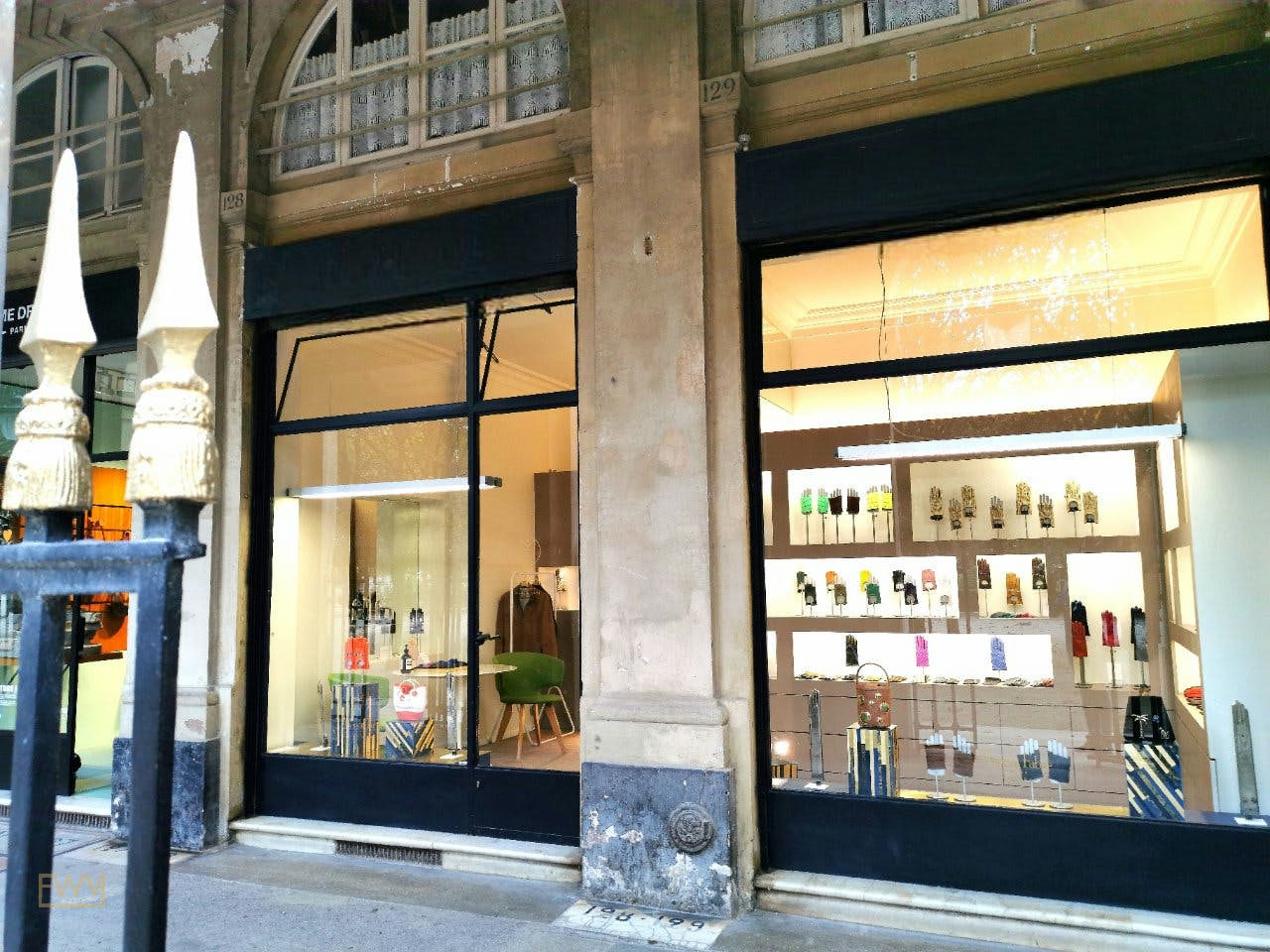
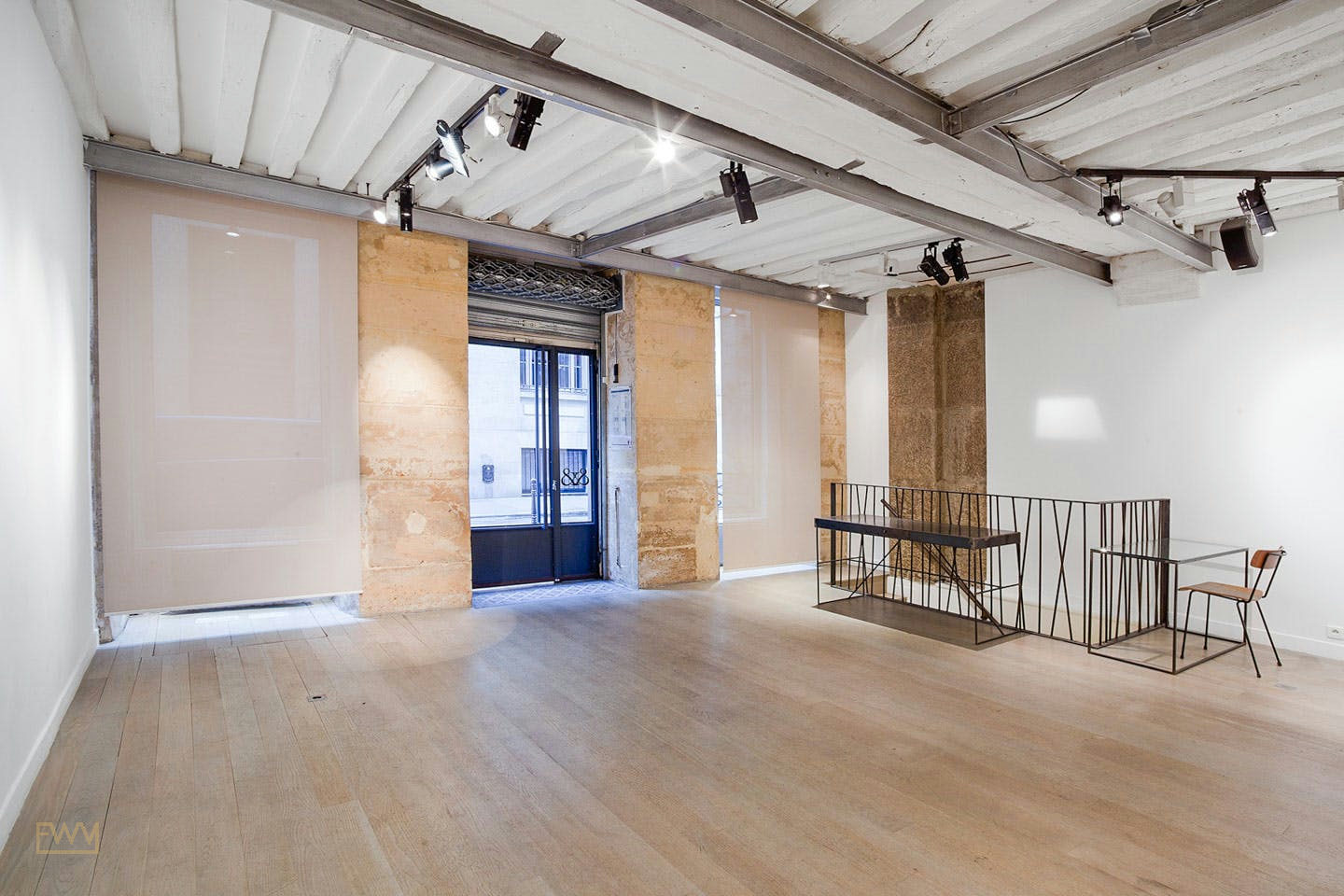
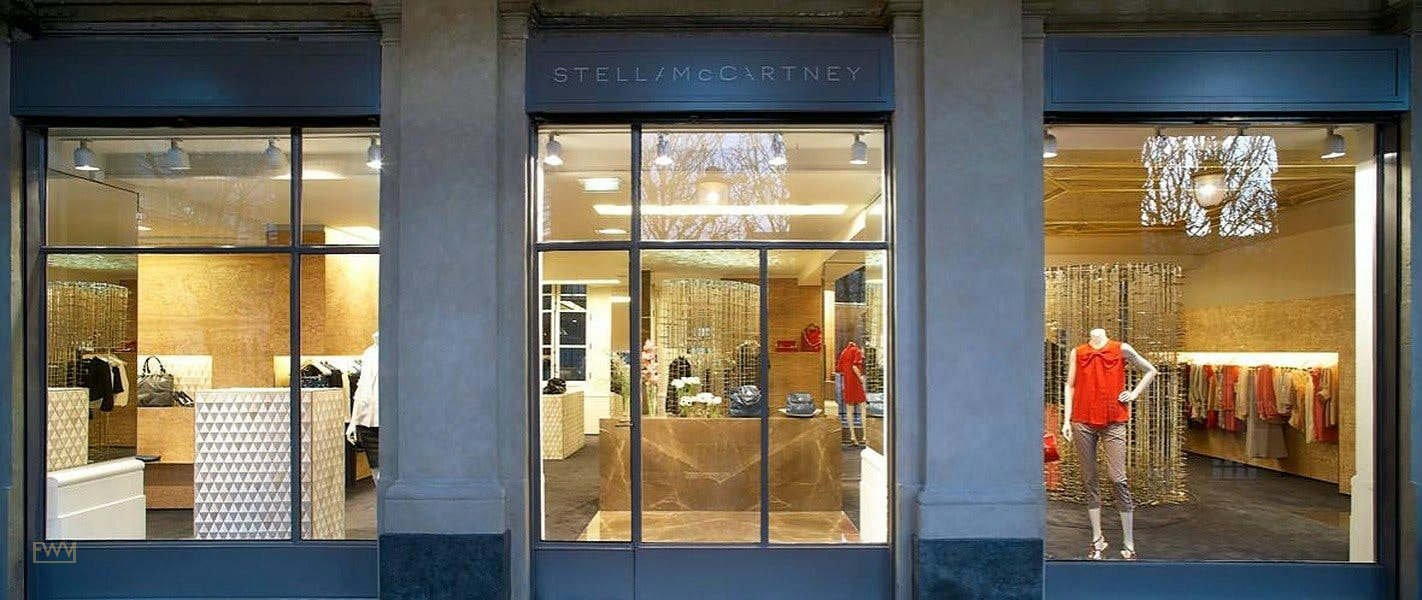
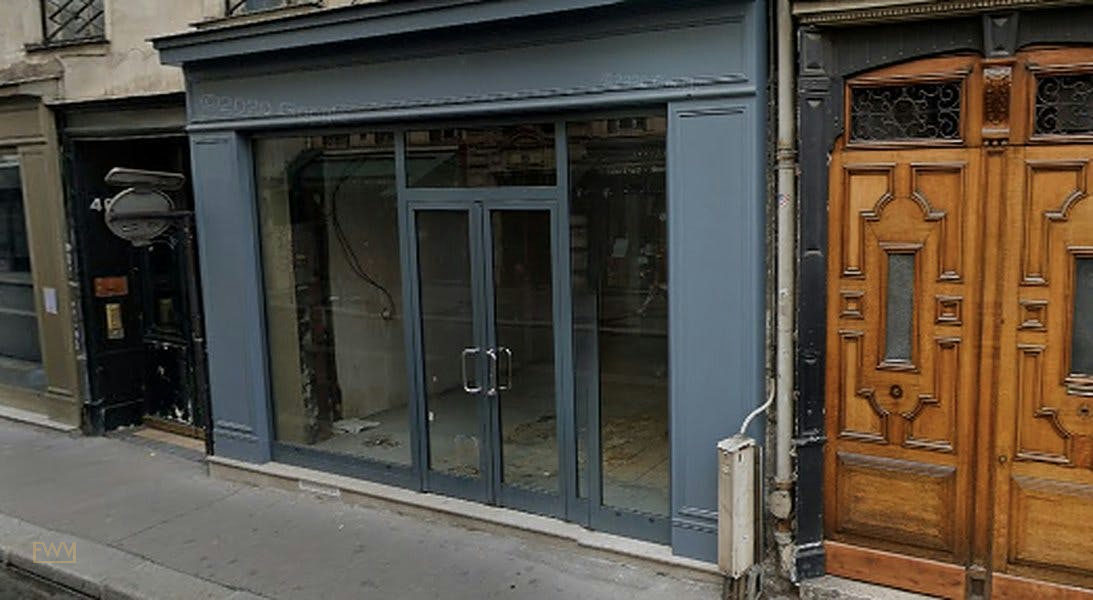
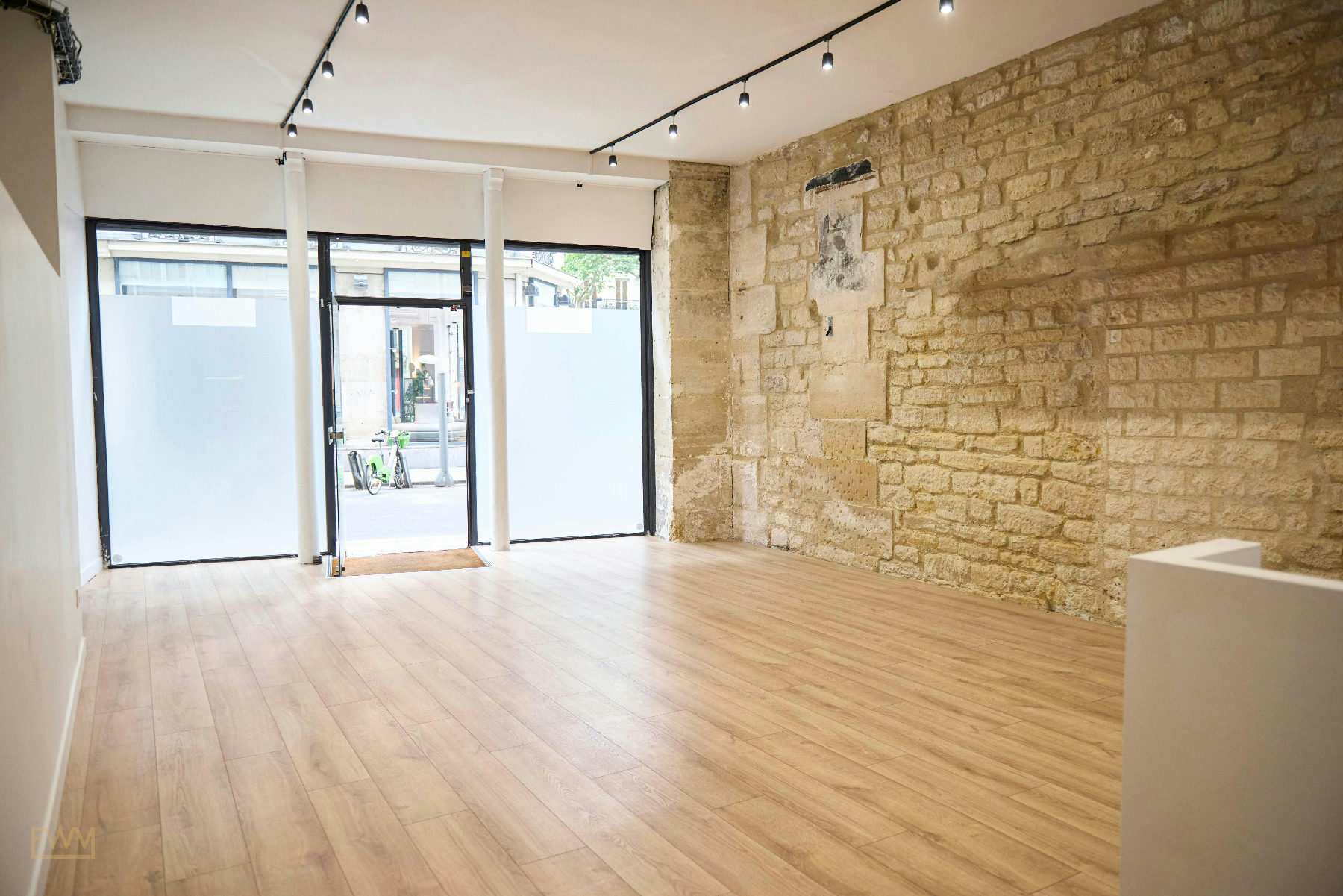
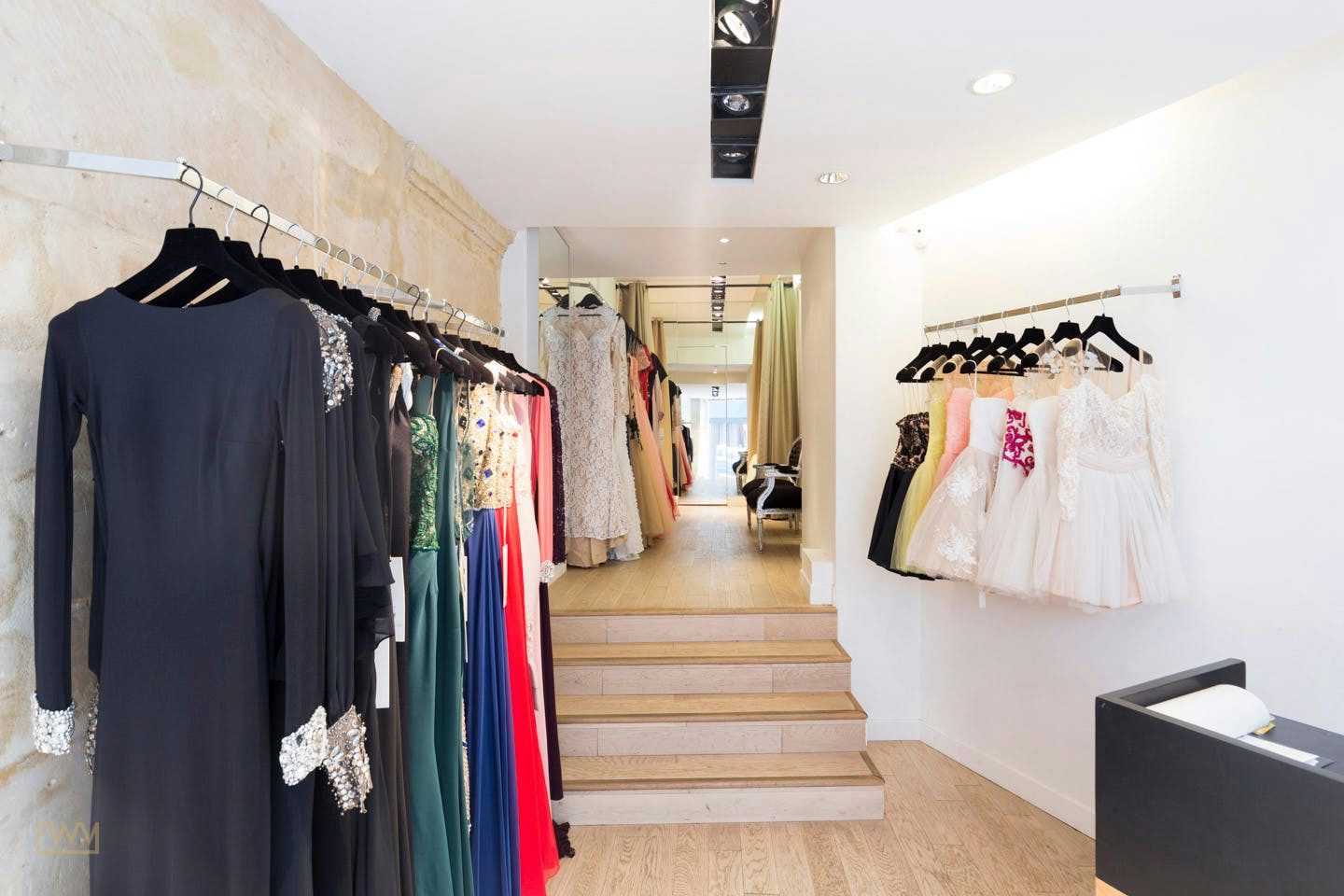
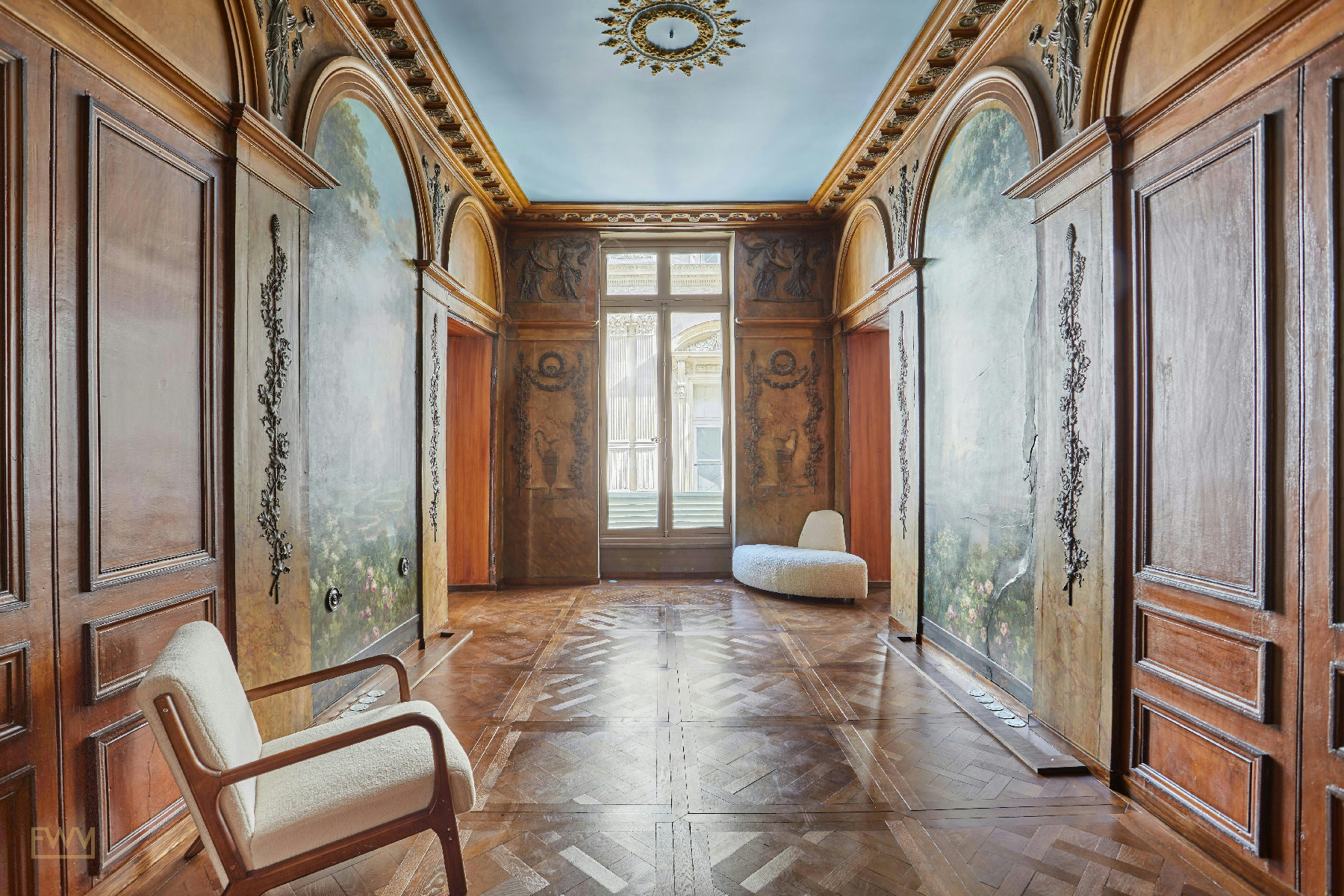
Securing a book pop up shop Palais Royal or any short-term retail activation in Paris requires an understanding of neighbourhood culture, space formats, permit structures, and brand positioning that goes far beyond a simple venue search. The Palais Royal and its surrounding arrondissements have become one of the most coveted districts in global retail, attracting fashion houses, independent designers, art publishers, and cultural institutions seeking to engage Paris audiences during Fashion Week, Haute Couture season, and beyond. Fashion Week Venues works with brand teams at every stage of the process, from initial space identification through to activation delivery, across Paris and other major fashion capitals. This guide covers everything a creative director, brand manager, or retail strategist needs to know before committing to a Paris pop-up.
Why the Palais Royal Is a Premier Destination for Pop-Up Stores in Paris
Quick answer: The Palais Royal offers a unique combination of architectural prestige, cultural credibility, and proximity to Paris's most significant fashion retail corridors. Located in the 1st arrondissement adjacent to the Musée du Louvre, it attracts an international audience of fashion buyers, collectors, tourists, and cultural insiders who make it one of the most desirable pop-up locations in the city.
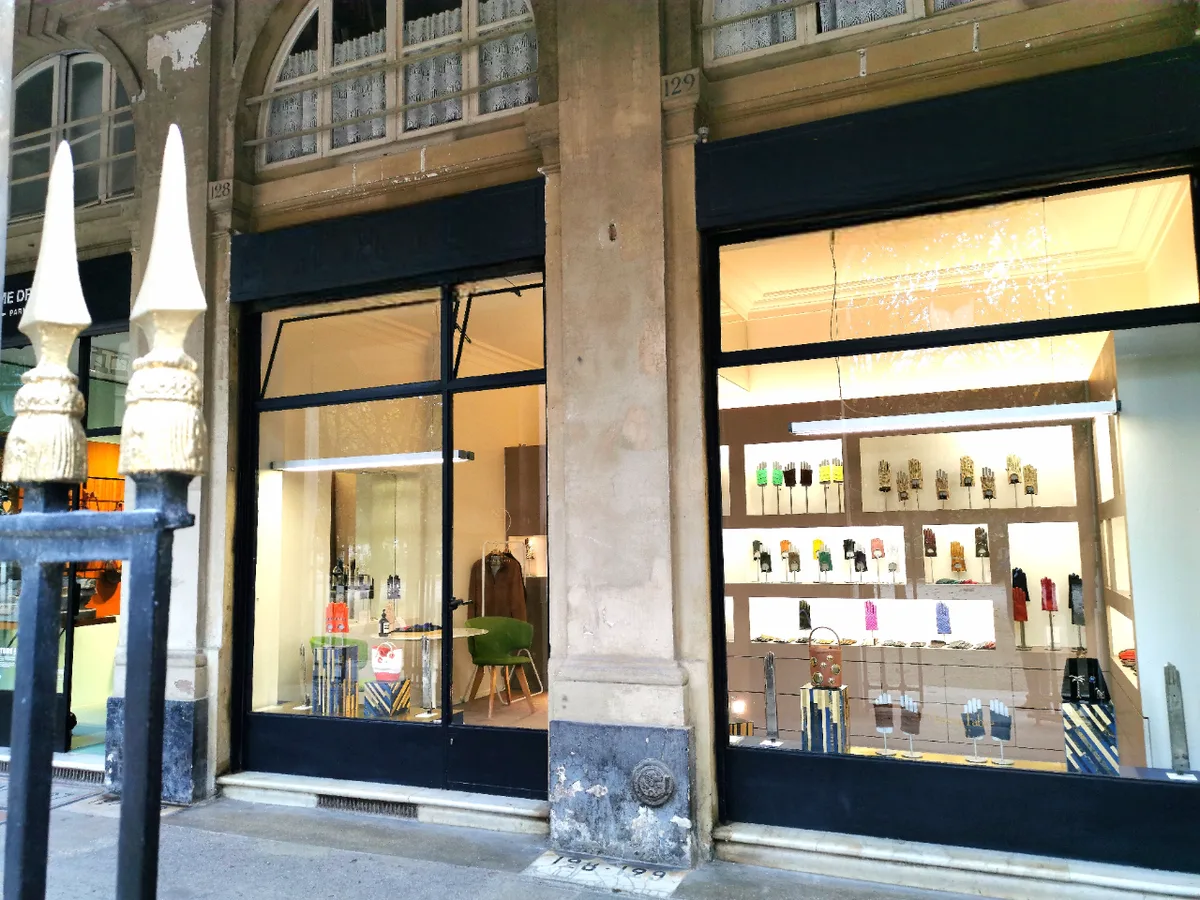
The Palais Royal is not simply a landmark. Built under Cardinal Richelieu in the 17th century and redesigned in its current arcaded form by architects Charles Percier and Pierre Fontaine during the Napoleonic era, the complex represents a physical layering of French political, commercial, and cultural history. The Galerie de Valois arcade houses international design boutiques, concept stores, and gallery spaces. The garden courtyard, framed by Daniel Buren's striped columns, functions as a permanent civic installation that draws visitors year-round regardless of season or fashion calendar.
For brands, this context matters enormously. Activating a pop-up store adjacent to or within the Palais Royal district communicates alignment with a long tradition of considered taste, craftsmanship, and cultural engagement. This is a neighbourhood where Acne Studios has maintained a presence, where independent art publishers operate alongside luxury fashion boutiques, and where the intersection of design, architecture, and publishing creates a density of cultural authority that few locations in Paris, or anywhere else, can match.
The surrounding geography reinforces this positioning. The Palais Royal sits at the intersection of some of the most recognisable Parisian infrastructure. The Rue de Rivoli runs along its southern border, connecting it westward toward Place de la Concorde and eastward toward the Marais. The Grand Hôtel du Louvre and the former Grands Magasins du Louvre occupied sites nearby, shaped by Baron Haussmann's transformation of central Paris. The Musée du Louvre itself is effectively a neighbour, and the cultural gravity of that adjacency extends to every retailer and brand that activates in the district.
Brands activating here benefit from foot traffic that is both high in volume and selective in its interests. Visitors to the Palais Royal area are not primarily bargain hunters. They are engaged with design, architecture, visual arts, and fashion at a level that makes them highly receptive to well-executed pop-up concepts. This makes the neighbourhood particularly effective for art book publishers, independent fashion labels, accessory brands, and cultural institutions running temporary exhibitions or experiential retail activations.
The area is also practically well-connected. The Palais Royal is served by the Palais Royal Musée du Louvre metro station, making it accessible from every major arrondissement. This accessibility, combined with the cultural cachet of the address, explains why demand for short-term spaces in and around the Galerie de Valois and Place du Palais-Royal consistently outstrips supply during key calendar windows.
KEY TAKEAWAY: The Palais Royal district combines architectural heritage, cultural authority, and selective high-value foot traffic in a way that makes it one of the most effective locations in Paris for brands whose identity is rooted in design, publishing, fashion, or the visual arts. Availability is limited and advance planning is essential.
Understanding the neighbourhood is only the starting point. The broader Paris pop-up landscape extends across multiple arrondissements, each with its own character, audience, and activation logic.
Paris Pop-Up Stores: The Neighbourhood Landscape Beyond the Palais Royal
Quick answer: Paris offers a diverse range of pop-up districts suited to different brand profiles. The Marais, Saint-Germain-des-Prés, the 1st arrondissement, and emerging locations near cultural institutions like Centre Pompidou and Palais de Tokyo each serve distinct audiences and brand formats.
While the Palais Royal is a natural anchor for premium and culturally inflected activations, Paris's pop-up ecosystem spans the entire city. Understanding where to activate depends on audience targeting, brand category, budget, space format, and the specific calendar window a brand is working toward.
| Neighbourhood | Arrondissement | Best For | Typical Audience |
|---|---|---|---|
| Palais Royal / Louvre | 1st | Design, art books, luxury fashion, cultural institutions | International collectors, fashion insiders, cultural tourists |
| Le Marais / Rue des Francs-Bourgeois | 3rd and 4th | Streetwear, independent fashion, concept stores, footwear | Fashion-forward locals, international buyers, younger creatives |
| Saint-Germain-des-Prés / Rue Jacob | 6th | Art, jewellery, lifestyle, collaborations | Affluent locals, gallery visitors, design professionals |
| Trocadéro / Palais de Tokyo | 16th | Contemporary art, experimental fashion, cultural events | Art world professionals, fashion press, international visitors |
| Rue du Louvre / Châtelet | 1st | Fashion concept stores, brand collaborations | Mixed fashion audience, press, wholesale buyers |
The Marais is particularly active during Paris Fashion Week and Haute Couture season. Dover Street Market Paris, located at 35 to 37 Rue des Francs-Bourgeois in the 4th arrondissement, has become a focal point for emerging brand activations. It functions not only as a retail destination but as an editorial curation platform. Brands like Carhartt WIP have used Marais locations to connect streetwear audiences with fashion week energy, while independent labels use the neighbourhood's density of galleries and concept stores to find engaged, discovery-oriented shoppers.
The 6th arrondissement, particularly around Rue Jacob and Saint-Germain-des-Prés, attracts a different kind of brand energy. This is a neighbourhood shaped by bookshops, antique dealers, and art galleries. A brand like Cahiers d'Art, which operates at the intersection of publishing and visual arts, is naturally positioned here. Brands running pop-ups in this area tend to emphasise craftsmanship, editorial sensibility, and a slower, more considered retail experience.
The Rue du Louvre corridor is worth particular attention for fashion brands. JW Anderson, for instance, has operated a pop-up at 15 Rue du Louvre, Paris 1st, running from July 9 to September 24, 2026. Jonathan Anderson's brand consistently uses temporary spaces to extend seasonal narratives beyond the runway, and the Rue du Louvre address sits at the precise intersection of heritage architecture and contemporary fashion credibility that the brand inhabits.
Further west, the cultural institutions clustered around Trocadéro and the 16th arrondissement, including Palais de Tokyo and Fondation Cartier, create activation opportunities tied to exhibition calendars rather than purely retail seasons. Jean Nouvel designed the Fondation Cartier building in the 14th arrondissement, and that architectural context shapes how cultural brands think about their own temporary spaces in adjacent districts.
DID YOU KNOW: The Place des Vosges in the Marais, built in 1612, is the oldest planned square in Paris and one of the most photographed locations in the city. Pop-up activations in the immediate area benefit from some of the highest tourist density in any Paris arrondissement.
KEY TAKEAWAY: Each Paris neighbourhood delivers a different brand positioning, audience profile, and activation format. Matching space type to neighbourhood character is as important as the space specification itself when planning a Paris pop-up strategy.
To compare neighbourhoods and space types, explore the Paris city hub on Fashion Week Venues and shortlist spaces that match your brief, budget, and calendar window.
Fashion and Design Pop-Up Stores Defining Paris in 2026
Quick answer: In 2026, Paris's pop-up scene is shaped by a new generation of independent designers, established fashion houses, and culturally engaged brands running short-term activations across multiple arrondissements during Fashion Week, Haute Couture season, and the broader summer cultural calendar.
The 2026 Paris pop-up landscape is among the most active in recent years. The following activations illustrate the range of formats, brand types, and locations that define the current moment.
Anthony Calydon Takes Over the Marais
Anthony Calydon is staging a two-day pop-up at 37 Rue Debelleyme in the 3rd arrondissement on July 25th and 26th, 2026, from 12pm to 7pm. The Marais location is deliberate. The Rue Debelleyme is one of the neighbourhood's most concentrated strips for independent fashion and concept retail, attracting a fashion-literate audience that is comfortable with emerging brands and actively seeking discovery moments outside mainstream retail channels.
The highlight of the Anthony Calydon activation is the brand's signature knitted bags, recreated in pastel pink, sunny yellow, and baby blue. These seasonal colourways translate the brand's existing design language into a summer-appropriate palette, making them the ideal companion for the kind of considered summer wardrobe that the Marais audience gravitates toward. A two-day format creates genuine scarcity, driving concentrated foot traffic and social media activation from a fashion community that responds strongly to time-limited, location-specific events.
For a brand at Anthony Calydon's career stage, the Marais pop-up format offers the right combination of cultural credibility, manageable operational scale, and direct-to-consumer engagement that is difficult to replicate through wholesale or purely digital channels.
Lili Curia at Dover Street Market Paris
Lili Curia is one of British fashion's best-kept secrets. Launched in London in 2025, the young footwear label is already making significant cultural impact. Worn by stars including Karol G and Suki Waterhouse, the brand brings a distinctive approach to shoe design that sits at the intersection of sculptural form and wearable fashion. The Paris pop-up runs until July 9th, 2026, at Level -1 of Dover Street Market, 35 to 37 Rue des Francs-Bourgeois, Paris 4th arrondissement.
Dover Street Market Paris functions as a cultural amplifier. The building's multi-floor format, curated by Jonathan Anderson's editorial sensibility, creates a context in which emerging brands receive the kind of institutional framing that would otherwise require years of brand-building to achieve independently. For Lili Curia, the placement at DSM Paris is both a retail activation and a brand statement: this is a label that belongs in the same conversation as the houses and designers that occupy the floors above and around it.
The footwear category is particularly well-suited to the pop-up format because it allows direct consumer interaction with product construction, material quality, and fit in a way that digital retail cannot replicate. Buyers who discover Lili Curia through this activation are likely to become long-term brand advocates.
JW Anderson on Rue du Louvre
JW Anderson's pop-up at 15 Rue du Louvre, Paris 1st, runs from July 9 to September 24, 2026, making it one of the longest-duration activations in the current Paris season. Jonathan Anderson has consistently used temporary retail as a strategic tool, and the extended format at this address allows the brand to maintain a physical Paris presence across both the summer cultural season and the transition into autumn fashion week preparation. The Rue du Louvre address connects the activation to the Palais Royal district and the broader cultural corridor between the Louvre and the Marais.
Le Monde Béryl and Independent Brand Activations
Le Monde Béryl represents another strand of the Paris pop-up scene: independent French brands using temporary retail to build direct relationships with a local and tourist audience during peak cultural calendar windows. These activations often combine product retail with editorial content, workshops, or book signings, blurring the boundary between shop, gallery, and event space in a way that reflects the broader evolution of experiential retail.
KEY TAKEAWAY: The most effective 2026 Paris pop-up activations share a common approach: they are calendar-driven, location-specific, format-appropriate for the brand stage, and designed to generate both direct sales and longer-term audience relationships.
The Intersection of Publishing, Art Books, and Pop-Up Retail in Paris
Quick answer: Paris has a unique publishing culture that makes art book pop-up stores a natural and effective activation format, particularly in neighbourhoods like the Palais Royal, Saint-Germain-des-Prés, and around major cultural institutions. Publishers including Cahiers d'Art and Walther König have demonstrated the commercial and cultural viability of this format.
The relationship between publishing and temporary retail is nowhere more developed than in Paris. The city's intellectual and visual arts culture produces a steady demand for art books, catalogues raisonnés, photographic monographs, magazines, lithographs, and design publications that sits alongside but is distinct from the mainstream book market. A pop-up bookshop in the Palais Royal or Saint-Germain context is not a generic retail format. It is a highly specific cultural statement about editorial taste, visual intelligence, and the value of physical objects in a digital age.
Cahiers d'Art, the historic Paris-based publisher of visual arts and design, operates at the intersection of publishing, exhibitions, and architecture. Its gallery and publishing space in the 6th arrondissement represents a permanent version of the pop-up sensibility: a space where publication is the primary product but the format creates an experience of cultural immersion that draws visitors back. Temporary pop-up versions of this model, appearing at locations like the Palais Royal during fashion week or at institutional venues during major exhibition periods, extend the publisher's reach into new audiences.
Walther König, the German art book publisher with a presence at major museums and cultural institutions across Europe, has demonstrated how art book retail can activate within institutional and gallery spaces in ways that feel curatorial rather than commercial. Their approach to pop-up format at venues like the Musée du Louvre, Centre Pompidou, and Palais de Tokyo shows how publishing activations can borrow institutional authority while maintaining their own editorial identity.
The pop-up book format itself deserves specific attention. In the publishing context, this refers not only to interactive paper engineering but to the broader category of limited-edition, format-specific publications that are designed as objects as much as texts. Cartography-focused editions, souvenir guides, dimensional publications, and artist books all occupy a space between product and artwork that makes them ideal for pop-up retail environments. The Palais Royal, with its architecture of arcades and intimate retail galleries, is a natural home for this kind of publication.
Book signings and workshops add a performance dimension to publishing pop-ups that is particularly effective in Paris. The city's culture of auteur publishing, author visibility, and intellectual celebrity means that a well-publicised book signing can drive significant foot traffic and media coverage. Brands like Acne Paper have understood this, using the Acne Paper Palais Royal format to combine fashion publishing with art book culture in a space that communicates the brand's dual identity as a fashion house and a cultural publisher.
Acne Studios has long used its publishing arm, Acne Paper, as a brand extension that reaches audiences beyond fashion buyers. The Palais Royal activation of Acne Paper represents this strategy at its most spatially realised: a temporary space that is simultaneously a bookshop, a gallery, and a brand environment, located in one of the most culturally charged addresses in Paris.
TIP: Brands combining publishing and retail in a Paris pop-up should consider incorporating workshop programming, artist talks, or launch events to extend the activation beyond a single purchase transaction. These formats generate press coverage, social media content, and audience relationships that continue after the pop-up closes.
KEY TAKEAWAY: The publishing pop-up format is particularly well-matched to Paris's cultural geography and audience profile. Locations near the Palais Royal, Musée du Louvre, Palais de Tokyo, and Centre Pompidou offer natural institutional adjacency that strengthens the credibility and reach of art book and design publishing activations.
Exhibitions, Creative Events, and the Cultural Calendar That Drives Paris Pop-Up Activity
Quick answer: Paris's pop-up ecosystem is driven by a layered cultural calendar that includes Paris Fashion Week, Haute Couture season, major museum exhibition openings, and independent creative events. Understanding this calendar is essential for timing a pop-up activation to maximise audience engagement and press visibility.
Paris operates on multiple overlapping cultural calendars simultaneously. The fashion calendar anchors four major seasons: Menswear, Haute Couture, Women's Ready-to-Wear, and Couture again. Between these concentrated windows, the city's exhibition and events calendar at institutions including Fondation Cartier, Palais de Tokyo, Centre Pompidou, and the Musée du Louvre creates a near-continuous stream of cultural activity that draws highly engaged audiences to specific neighbourhoods.
Fondation Cartier and the Exhibition Pop-Up Model
Fondation Cartier pour l'art contemporain, housed in Jean Nouvel's landmark glass building in the 14th arrondissement, has long been one of the city's most adventurous exhibition spaces. Its programming consistently intersects with fashion, photography, visual arts, and architecture in ways that create natural activation opportunities for brands that share that interdisciplinary sensibility. Pop-up activations that coincide with major Fondation Cartier exhibition openings benefit from the concentration of art world, fashion, and press audiences that these events generate.
Palais de Tokyo and Experimental Activation Formats
The Palais de Tokyo in the 16th arrondissement is one of the largest contemporary art venues in Europe and operates with a programming philosophy that explicitly invites experimental, hybrid, and temporary interventions. The SOUVENT-30 programme and membership-based access formats at Palais de Tokyo have created a model for augmented reality, interactive, and performance-based activations that go beyond traditional retail or exhibition formats. Brands exploring immersive retail or experiential pop-up concepts can find direct precedents and potential partnership frameworks at Palais de Tokyo that are not available at more conventional exhibition venues.
The pass-based, membership-oriented access model that Palais de Tokyo has developed also suggests a direction for pop-up brands thinking about how to structure audience access and engagement. Rather than open retail, a limited-access or membership-format pop-up can create a sense of community and exclusivity that drives long-term brand loyalty among the most engaged consumers.
ANDAM Pierre Bergé Prize and Emerging Designer Visibility
The ANDAM Pierre Bergé Prize is one of the most important platforms for emerging fashion talent in France. Winners and nominees consistently use the ANDAM visibility window to stage pop-up activations, showrooms, and presentations in Paris. For brands at this stage of development, a pop-up is not primarily a revenue-generating exercise. It is a press and buyer activation that establishes a physical presence in the city and creates the kind of tactile, in-person brand experience that digital channels cannot replicate.
Photography, Self-Portraiture, and the Carlijn Jacobs Connection
Contemporary photography has become one of the most active areas of crossover between the fashion industry and pop-up retail. Photographer Carlijn Jacobs, known for work that explores self-portraiture and autoportrait across fashion and fine art contexts, represents a broader trend of photographers using temporary exhibition formats within fashion week windows to present work that exists between editorial and fine art. Featuring Lulu Tenney, Jacobs has developed a series that reflects a central question: what could be more immediate than becoming the artwork itself? This kind of self-portraiture-focused activation sits naturally within the exhibition-retail hybrid format that Paris pop-up culture has developed.
The intersection of photography, fashion, and book publishing at Paris pop-ups during fashion week creates a specific category of activation that attracts collectors, press, and fashion insiders simultaneously. Lulu Tenney's self-portraiture work, presented within a pop-up context, generates the kind of press interest and social media visibility that extends the reach of the activation far beyond the physical audience in the space.
DID YOU KNOW: Paris Fashion Week draws an estimated 200,000 industry professionals, buyers, journalists, and invited guests across its main spring and autumn ready-to-wear schedules, making it the single most concentrated window for brand visibility in the global fashion calendar.
KEY TAKEAWAY: Timing a Paris pop-up to coincide with major exhibition openings, fashion week schedules, or award ceremonies like the ANDAM Pierre Bergé Prize significantly amplifies press visibility and the quality of foot traffic the activation receives.
Paris Landmarks, Architecture, and Why Location Context Elevates Pop-Up Brand Credibility
Quick answer: The architectural and cultural density of central Paris means that a pop-up's address communicates brand values before a single product is displayed. Understanding how landmarks like the Musée du Louvre, Arc de Triomphe, Eiffel Tower, Notre-Dame de Paris, and Hôtel des Invalides shape neighbourhood character helps brands choose locations that reinforce rather than contradict their identity.
Paris is one of the few cities in the world where the address of a retail or event space carries as much brand weight as the space itself. The Palais Royal's position adjacent to the Musée du Louvre, for instance, means that any brand activating in the Galerie de Valois arcades benefits from an implicit association with one of the world's greatest collections of art, design, and architecture. This is not a manufactured context. It is a lived reality of the neighbourhood that shapes how visitors experience every space within it.
The historical layering of the 1st arrondissement is particularly dense. Baron Haussmann's transformation of Paris in the second half of the 19th century shaped the broad boulevards, uniform building heights, and stone facades that define the area today. The Grand Hôtel du Louvre on the Place du Palais-Royal was one of the first grand hotels in Paris. The Grands Magasins du Louvre, a pioneering department store that preceded Le Bon Marché and helped invent the modern retail experience, occupied a site nearby. This retail heritage is embedded in the neighbourhood's identity in a way that gives pop-up activations a sense of historical legitimacy that newer commercial districts cannot offer.
Beyond the 1st arrondissement, Paris's landmarks create neighbourhood effects that brands should understand. The area around Notre-Dame de Paris, currently in its final phase of restoration following the 2019 fire, is attracting significant foot traffic as the cathedral returns to public access. The Marais, defined by the Place des Vosges and the Centre Pompidou, offers a different architectural register: a mix of 17th-century hôtels particuliers and 20th-century modernist boldness that creates a context suitable for brands that occupy the space between heritage and contemporary design.
Le Sacré-Coeur and the Montmartre hill above the 18th arrondissement draw a different tourist profile, more oriented toward cultural heritage and souvenir seeking, which makes the neighbourhood less suited to the kind of fashion and design pop-up that performs well in the 1st, 3rd, and 4th arrondissements. Understanding these audience differences is a practical exercise in location strategy rather than aesthetic preference.
La Samaritaine, the historic department store on the Rue de Rivoli that reopened in 2021 after a two-decade closure, has reintroduced a luxury retail anchor to the corridor between the Louvre and the Pont Neuf. Its reopening has increased foot traffic and brand visibility across the entire 1st arrondissement and created new opportunities for pop-up activations in nearby spaces that benefit from the gravitational pull of a major retail destination.
KEY TAKEAWAY: In Paris, location context is brand communication. The most successful pop-up activations deliberately choose addresses whose architectural, historical, and cultural character reinforces the brand identity they want to project to the audiences they most need to reach.
Pop-Up Permits, Lease Structures, and Legal Considerations for Paris Activations
Quick answer: Paris pop-up activations typically operate under either a bail dérogatoire (short-term commercial lease) or an autorisation d'occupation temporaire (AOT), both of which have specific legal requirements that differ significantly from standard commercial leases. Navigating these structures without specialist support introduces significant risk for international brands.
One of the most consistent challenges facing international brands seeking to activate in Paris is the French legal framework for short-term space occupation. The French commercial lease system is complex, and the short-term formats that brands commonly use for pop-up activations sit outside the main body of French tenancy law in ways that require careful navigation.
Understanding the Bail Dérogatoire
The bail dérogatoire, sometimes called a bail précaire or short-term commercial lease, is a formal agreement that allows occupancy of a commercial space for a period of up to 36 months without triggering the protections and obligations of a standard commercial lease (bail commercial). For pop-up activations, which typically run from a few days to a few months, the bail dérogatoire is often the most appropriate legal instrument. However, the agreement must explicitly state its dérogatoire nature, and both parties must sign it in full knowledge of its implications. A space owner who fails to structure the agreement correctly may inadvertently create a full commercial lease with the associated tenant protections, which is a significant liability for short-term space owners.
Autorisation d'Occupation Temporaire
For activations in public or semi-public spaces, including arcades, passages, squares, or spaces within public buildings, an autorisation d'occupation temporaire (AOT) may be required. This is a permit rather than a lease, granted by the relevant public authority for a specific use, duration, and footprint. The Palais Royal itself, given its public garden and state-owned arcade spaces, involves AOT considerations that are more complex than those involved in renting a private commercial unit. Requirements vary by space type, duration, and arrondissement, and brands should verify their specific situation with a qualified French legal advisor.
IMPORTANT: Short-term retail leases in France are not legally straightforward without specialist support. An agreement that appears simple may impose obligations that a brand team does not anticipate. Always engage a French legal advisor familiar with commercial tenancy before signing any space agreement in Paris.
Practical Permit Considerations
Beyond lease and occupation agreements, Paris pop-up activations may require planning for additional permits depending on the nature of the activation. Signage, outdoor furniture, music, food service, alcohol service, and structural modifications each trigger separate permit requirements under Paris municipal regulations. The relevant authority varies by arrondissement and by the specific nature of the permit request. The permit guidance tool on Fashion Week Venues provides a structured starting point for understanding which permits may apply to a specific activation format and location.
KEY TAKEAWAY: Permit and lease compliance in Paris requires specialist knowledge that most brand teams do not hold internally. Engaging an agency or legal advisor with specific Paris commercial tenancy and municipal permit expertise at the earliest possible stage of planning is essential to avoid delays, costs, and legal exposure.
Budget Planning and ROI Frameworks for Paris Pop-Up Activations
Quick answer: Paris pop-up budgets vary significantly by neighbourhood, space type, duration, build specification, and activation format. Brands should plan for space costs, production and fit-out, staffing, permits, logistics, and marketing as distinct line items, and should use a structured ROI framework to evaluate success beyond direct sales revenue.
Budget planning for a Paris pop-up is one of the areas where brand teams most consistently underestimate complexity. Space rental is typically only one component of a total activation budget, and in premium locations like the Palais Royal or the Marais, it may not even be the largest component. Production, branded store design, furniture rental, staffing, permit fees, logistics, and marketing activation all contribute to a total cost structure that requires careful planning from the outset.
The total activation budget for a Paris pop-up depends on factors including:
- The neighbourhood and specific address
- The size and condition of the space
- The duration of the activation
- The complexity of the branded store design and fit-out
- Staffing requirements, including French employment law compliance
- Permit requirements specific to the space and activation type
- Marketing and influencer activation budget
- POS and payment system requirements
- Logistics, shipping, and security
Brands entering Paris for the first time should approach budget planning with directional estimates rather than fixed figures until they have a confirmed space and build specification. The budget estimation tool on Fashion Week Venues provides a structured framework for building a Paris activation budget based on your specific space type, duration, and service requirements.
ROI Beyond Direct Sales
A Paris pop-up during fashion week or Haute Couture season generates value across multiple dimensions that do not appear directly in a sales report. Press mentions, editorial coverage, social media impressions, buyer appointments, wholesale inquiries, and long-term brand awareness each represent a return on investment that should be captured in the ROI framework from the outset. Brands that evaluate a Paris pop-up solely on direct retail revenue will consistently undervalue the activation and may make incorrect decisions about whether to repeat it.
The ROI calculator on Fashion Week Venues allows brand teams to input both direct and indirect value metrics and generate a more complete picture of activation performance. This is particularly relevant for brands at early stages of Paris market entry, where brand awareness and buyer relationship development are more strategically important than immediate revenue generation.
KEY TAKEAWAY: Paris pop-up budgets require comprehensive line-item planning from space rental through to marketing activation. ROI should be measured across direct sales, press value, social media reach, buyer engagement, and long-term brand awareness rather than on direct revenue alone.
To explore how Fashion Week Venues supports the full production and activation process, review the fit-out and production service and the activation management service in detail.
How Fashion Week Venues Supports Paris Pop-Up and Book Activation Projects
Quick answer: Fashion Week Venues provides end-to-end support for brands planning Paris activations, from initial space sourcing through to activation delivery and analytics. The agency's combination of marketplace access, specialist services, and proprietary planning tools makes it particularly valuable for international brands entering Paris without an established local operations infrastructure.
Fashion Week Venues operates as both a curated space marketplace and a full-service activation agency. For brand teams planning a pop-up at the Palais Royal, in the Marais, on the Rue du Louvre, or at any other Paris location, the agency provides a structured pathway from initial brief to completed activation that reduces the risk, complexity, and operational burden of running a Paris pop-up independently.
Space Sourcing and Marketplace Access
The Fashion Week Venues marketplace lists available spaces across Paris and other major fashion capitals, with filtering by neighbourhood, space type, size, available dates, and price range. For brands seeking spaces near the Palais Royal, in the Marais, or along the Rue de Rivoli corridor, the marketplace provides a curated starting point that reduces the time and risk associated with cold space sourcing. The venue sourcing service extends this with active search and negotiation support for brands with specific requirements that may not be met by available marketplace listings.
Services That Support the Full Activation
Beyond space sourcing, Fashion Week Venues provides a full suite of services that address every operational requirement of a Paris pop-up activation. These include concept direction, branded store design, production and fit-out, retail staffing compliant with French employment law, POS and payment systems, data and analytics, and influencer marketing support. Brand teams can engage individual services or the full end-to-end management offering depending on their existing operational capabilities and the complexity of the planned activation.
Planning Tools for Paris Activations
Fashion Week Venues has developed a suite of planning tools designed specifically for brand teams working through the pre-activation phase. These include:
- A budget estimation tool for building Paris-specific activation cost models
- An ROI calculator for evaluating activation value across direct and indirect metrics
- A space comparison tool for shortlisting and evaluating multiple space options simultaneously
- A timeline planning tool for mapping activation milestones against the Paris fashion calendar
- A permit guidance tool for understanding which permits may apply to a specific activation
- A space locator tool for identifying available spaces by neighbourhood and address
- An Imagine tool for visualising how a brand concept would look in a specific space before committing
Who Benefits Most from Fashion Week Venues
Fashion Week Venues is most valuable for brand teams that are planning their first or second Paris activation, do not have an established local operations team, are working toward a specific fashion week or cultural calendar window, need to move quickly from brief to activation, or are managing a multi-city activation programme and need consistent operational support across Paris, London, Milan, New York, Dubai, and Tokyo.
International brands entering Paris without a French legal entity, French language capability, or existing supplier relationships face particular complexity in running a pop-up independently. Fashion Week Venues's local knowledge, supplier network, and legal compliance support provide practical value that is difficult for international teams to replicate through independent research and outreach.
IMPORTANT: Fashion Week Venues does not guarantee space availability, permit approval, or specific activation outcomes. All space availability, permit requirements, and activation results are subject to the specific circumstances of each project and the applicable French regulatory requirements.
To understand how the agency approaches a typical Paris activation project, review the agency process page and explore past activation case studies for examples of completed projects across different brand types and locations.
KEY TAKEAWAY: Fashion Week Venues reduces the operational risk and complexity of a Paris pop-up activation through a combination of curated space access, specialist services, and proprietary planning tools, making it particularly valuable for international brands without an established Paris presence.
Digital Infrastructure, Security, and Website Considerations for Paris Pop-Up Brands
Quick answer: Brands running Paris pop-up activations increasingly operate hybrid physical and digital retail models that require robust website infrastructure, secure payment processing, and protection against online attacks. Understanding common security challenges helps brand teams plan their digital activation alongside their physical one.
The modern Paris pop-up does not operate in isolation from digital infrastructure. Even a two-day activation like the Anthony Calydon pop-up in the Marais or a month-long installation like the JW Anderson Rue du Louvre space relies on a digital layer that includes a promotional website, social media activation, online ticketing or reservation systems, e-commerce fulfilment for items that sell out in-store, and data capture for post-activation marketing.
Website Security for Pop-Up Brands
Brands experiencing rapid growth through pop-up visibility, such as labels that gain significant social media attention following a fashion week activation, may face increased website traffic that strains their existing hosting infrastructure. More significantly, high-visibility brands can become targets for online attacks including SQL injection attempts and malformed data submissions that exploit security vulnerabilities in e-commerce platforms.
Security services and solutions such as those provided by Cloudflare help brands protect their websites against these threats through traffic filtering, bot management, and DDoS mitigation. A Cloudflare Ray ID appearing at the bottom of a blocked page is an indicator that a security rule has been triggered, which can affect legitimate users who have been incorrectly identified as a threat. When a site owner encounters this, reviewing the security rule configuration and the specific conditions that triggered the block is the first step toward resolution.
For brands using platforms like Amazon for fulfilment or third-party services for credit card processing and shipping, understanding the security architecture of each service is an important part of digital activation planning. Good_Again Goodwill and similar resale or consignment services that integrate with brand activations also introduce third-party digital touchpoints that require security review.
Practical Digital Activation for Paris Pop-Ups
A Paris pop-up website or landing page should be optimised for mobile access, given that a significant proportion of discovery happens through social media on mobile devices. Page load speed, clear address and opening hours information, a map link, and social sharing functionality are the minimum requirements for a pop-up digital presence. Augmented reality features that allow visitors to preview products or visualise the space before visiting add an interactive layer that is increasingly expected by fashion-forward audiences.
Pass-based access systems for limited-access activations require digital ticketing infrastructure that is both reliable and secure. Interactive elements including augmented reality try-on, product information overlays, and digital guestbooks create data capture opportunities that extend the value of the activation beyond the physical visit.
TIP: Before launching a Paris pop-up campaign, conduct a full audit of your website's security configuration, payment processing setup, and hosting capacity. Sudden surges in traffic following a successful social media post during fashion week can cause site outages that damage the brand experience and lose sales at the exact moment when audience engagement is at its peak.
KEY TAKEAWAY: Digital infrastructure is as important as physical fit-out for a successful Paris pop-up activation. Website security, payment processing reliability, and digital marketing capacity all require advance planning to ensure the digital layer of the activation performs as well as the physical space.
Common Myths About Paris Pop-Up Activations Debunked
MYTH: You need a French legal entity to rent a pop-up space in Paris.
FACT: International brands can rent short-term spaces in Paris without a French registered company, though the process involves specific legal and contractual requirements that differ from domestic brand arrangements. Working with a specialist agency that understands the French commercial property framework and can structure the agreement appropriately is essential. Requirements vary by space type, owner, and duration.
MYTH: Paris Fashion Week is the only viable calendar window for a Paris pop-up.
FACT: Paris operates a near-continuous cultural calendar that includes Haute Couture season, major museum exhibition openings, the summer cultural programme, and events like the ANDAM Pierre Bergé Prize and Paris Pop Up that create high-quality audience windows throughout the year. Brands that time activations to coincide with specific cultural events rather than only fashion week windows often find lower space competition and a more focused audience.
MYTH: Commission brokers are the only way to find a short-term pop-up space in Paris.
FACT: Curated space marketplaces like the Fashion Week Venues marketplace provide direct access to available spaces with transparent pricing, neighbourhood filtering, and date availability, reducing the reliance on commission-based intermediaries. Brands can use the marketplace alongside specialist venue sourcing support for spaces that require active negotiation.
MYTH: Short-term leases in Paris are legally simple and do not require specialist advice.
FACT: French commercial tenancy law is complex, and the bail dérogatoire and AOT structures used for pop-up activations have specific requirements that can inadvertently create full commercial lease obligations if not correctly drafted. Engaging a French legal advisor familiar with commercial tenancy is essential before signing any space agreement in Paris, regardless of the activation duration.
MYTH: A Paris pop-up is only worth doing if you can generate significant direct retail revenue during the activation period.
FACT: The most significant value from a Paris fashion week or cultural season pop-up is often generated through press coverage, buyer relationships, social media visibility, and long-term brand awareness rather than direct sales. Brands that use an ROI framework covering all value dimensions consistently find that their Paris activations generate returns that exceed those visible in a sales report alone.
Frequently Asked Questions
Where can you find the best go-to pop-up stores in Paris right now?
The most active pop-up locations in Paris in 2026 are concentrated in the Marais (3rd and 4th arrondissements), the Palais Royal and Rue du Louvre area (1st arrondissement), and Saint-Germain-des-Prés (6th arrondissement). Current highlights include the Anthony Calydon knitted bag pop-up at 37 Rue Debelleyme on July 25th and 26th, Lili Curia footwear at Level -1 Dover Street Market Paris (35-37 Rue des Francs-Bourgeois) until July 9th, and the JW Anderson pop-up at 15 Rue du Louvre running until September 24th, 2026. Cultural institutions including Fondation Cartier and Palais de Tokyo also host related activations throughout the year.
What is Anthony Calydon's Paris pop-up about and what should you buy?
Anthony Calydon is staging a two-day pop-up on July 25th and 26th, 2026, from 12pm to 7pm at 37 Rue Debelleyme, Paris 3rd. The highlight of the activation is the brand's signature knitted bags, recreated in pastel pink, sunny yellow, and baby blue. These seasonal colourways make the bags an ideal summer accessory for a modern wardrobe and are the primary items to seek out during the short activation window. The two-day format creates genuine scarcity, so arriving early is advisable for the most popular colourways.
Who is Lili Curia and why is the brand activating at Dover Street Market Paris?
Lili Curia is a British footwear label launched in London in 2025. Despite its youth, the brand has already achieved significant cultural visibility, having been worn by artists including Karol G and Suki Waterhouse. The brand's Paris pop-up runs until July 9th, 2026, at Level -1 of Dover Street Market, 35-37 Rue des Francs-Bourgeois, Paris 4th. Dover Street Market Paris provides an institutional framing and editorial context that elevates emerging brands to the same conversation as established fashion houses, making it the ideal location for a label at Lili Curia's stage of development.
What is the Acne Paper Palais Royal activation and what does it represent?
Acne Paper at the Palais Royal is an extension of Acne Studios's long-running publishing project, which presents the brand as a cultural institution as much as a fashion house. The Palais Royal location combines the publishing identity of Acne Paper with the architectural prestige and cultural authority of one of Paris's most distinctive retail addresses. The activation functions simultaneously as a bookshop, a brand environment, and a gallery space, offering art books, magazines, and design publications alongside the brand's editorial identity. It represents the most developed version of the fashion-publishing pop-up hybrid format in current Paris retail.
What is a bail dérogatoire and do international brands need one for a Paris pop-up?
A bail dérogatoire is a short-term French commercial lease that allows space occupancy for up to 36 months without triggering the full protections of a standard commercial lease (bail commercial). For international brands running pop-up activations in Paris, this is typically the most appropriate legal instrument for activations lasting from a few days to several months. The agreement must explicitly state its dérogatoire nature to be valid. International brands should engage a French legal advisor familiar with commercial tenancy before signing any Paris space agreement, regardless of the activation duration or apparent simplicity of the arrangement.
When is the best time of year to run a Paris pop-up activation?
Paris offers multiple high-value activation windows throughout the year. Paris Fashion Week (both menswear in June/July and women's ready-to-wear in September/October) generates the highest concentration of fashion industry professionals. Haute Couture season in January and July draws luxury buyers and international press. The summer cultural programme, running approximately June through August, combines tourist volume with cultural institution programming. Major exhibition openings at Fondation Cartier, Palais de Tokyo, Centre Pompidou, and the Musée du Louvre create audience concentration outside fashion week windows. The optimal window depends on the brand's target audience and activation objectives.
How does Dover Street Market Paris function as a pop-up platform for emerging brands?
Dover Street Market Paris, located at 35-37 Rue des Francs-Bourgeois in the 4th arrondissement, operates as a curated multi-brand retail space that regularly hosts temporary installations and pop-up activations for both established and emerging labels. Its editorial curation, institutional credibility, and engaged fashion audience make it one of the most effective pop-up platforms in the city for brands seeking cultural legitimacy alongside retail visibility. The Lili Curia activation at Level -1 is a current example of how DSM Paris positions emerging brands within a high-authority retail context.
What permits do I need to run a pop-up in the Palais Royal arcades?
The Palais Royal arcades involve a combination of state-owned and privately managed spaces that may require an autorisation d'occupation temporaire (AOT) from the relevant public authority in addition to a commercial lease or licence agreement with the space owner. Requirements vary by the specific space, the nature of the activation, the duration, and any structural modifications or external signage involved. Brands should use the permit guidance tool available through Fashion Week Venues as a starting point, and should verify their specific permit requirements with a qualified French legal advisor and the relevant municipal authority before committing to an activation timeline.
What is the Carlijn Jacobs self-portraiture series and how does it relate to Paris pop-up culture?
Photographer Carlijn Jacobs has developed a photography series that explores the concept of self-portraiture and autoportrait, featuring model Lulu Tenney and reflecting a central creative question: what could be more immediate than becoming the artwork itself? This series represents the growing intersection of fine art photography, fashion, and temporary exhibition formats in Paris. Pop-up activations centred around photography projects like this one attract collectors, press, and fashion insiders simultaneously, demonstrating how the pop-up format has evolved beyond retail into a genuine platform for creative and cultural presentation.
How far in advance should I begin planning a Paris pop-up during Fashion Week?
For Paris Fashion Week windows (September for women's ready-to-wear, January for Haute Couture, June or July for menswear), the most desirable spaces in premium locations including the Palais Royal, Marais, and Rue du Louvre typically require a planning horizon of four to six months at minimum. Brands targeting specific addresses or space formats with limited availability may need to begin the process earlier. The timeline planning tool available through Fashion Week Venues helps map all activation milestones, from initial brief through to post-activation reporting, against the relevant calendar window.
Can a small or emerging brand afford a Palais Royal pop-up space in Paris?
Space costs in the Palais Royal and the immediate 1st arrondissement are at the premium end of the Paris pop-up market, reflecting the neighbourhood's cultural authority and audience quality. However, space costs are only one component of a total activation budget, and shorter activation durations significantly reduce the space cost line item. Brands at earlier stages of development may find that the Marais (3rd and 4th arrondissements) offers a more accessible price point while maintaining a high-quality audience and strong press visibility. The budget estimation tool on Fashion Week Venues provides directional cost modelling for different Paris neighbourhoods and space types.
What is the role of art book publishers like Cahiers d'Art in the Paris pop-up landscape?
Publishers like Cahiers d'Art and Walther König operate at the intersection of publishing, visual arts, and temporary retail in ways that have significantly influenced how fashion brands think about pop-up format and space design. Their approach of combining publications, exhibitions, and limited-edition objects within a curated temporary space has become a model for fashion brands seeking to express cultural depth beyond product retail. The pop-up bookshop format is particularly well-suited to Paris's cultural geography, and publishers activating during fashion week windows benefit from an audience that is highly receptive to the combination of visual arts publications and fashion credibility.
How does the JW Anderson Rue du Louvre pop-up reflect broader trends in fashion brand activations?
The JW Anderson pop-up at 15 Rue du Louvre, running from July 9 to September 24, 2026, reflects the trend toward longer-duration, immersive brand installations that extend seasonal narratives beyond the concentrated window of a runway presentation. Jonathan Anderson has consistently used temporary retail as a strategic tool for brand storytelling, and the extended format allows the brand to maintain a physical Paris presence that builds rather than punctuates the seasonal brand narrative. The Rue du Louvre address connects the activation to both the Palais Royal cultural corridor and the broader 1st arrondissement fashion ecosystem.
What digital security considerations should pop-up brands be aware of when running a Paris activation?
Brands experiencing rapid growth through pop-up visibility may face increased website traffic and potentially become targets for online attacks including SQL injection attempts and malformed data submissions. Security services help filter malicious traffic and protect e-commerce infrastructure. When a security rule is triggered and a legitimate user is blocked, the Cloudflare Ray ID at the bottom of the blocked page can be provided to the site owner to investigate the specific rule that triggered the block. Brands should audit their website security configuration, payment processing setup, and hosting capacity before launching a major Paris pop-up campaign to avoid outages during peak engagement windows.
What services does Fashion Week Venues provide for brands planning Paris pop-ups?
Fashion Week Venues offers a comprehensive range of services for Paris pop-up activations including venue sourcing, concept direction, branded store design, production and fit-out, retail staffing with French employment law compliance, POS and payment systems, data and analytics, and influencer marketing support. The agency also operates a curated space marketplace, a twin co-activation concept for brands seeking shared space formats, and a suite of planning tools covering budget estimation, ROI calculation, permit guidance, timeline planning, and space comparison. Services can be engaged individually or as part of a full end-to-end activation management programme.
Conclusion: Planning Your Paris Pop-Up Activation with Confidence
Paris remains the global benchmark for fashion and design pop-up activations. The city's combination of architectural heritage, cultural density, internationally engaged audiences, and a fashion calendar that generates year-round activation windows makes it the single most important market for brands seeking to establish or reinforce their cultural positioning through temporary retail and experiential formats. Whether you are planning a book pop up shop at the Palais Royal, a two-day knitted bag activation in the Marais, a footwear launch at Dover Street Market Paris, or an extended brand installation on the Rue du Louvre, the fundamental principles remain consistent: choose the address that communicates your brand identity, time the activation to the calendar window that delivers your target audience, plan permits and legal compliance from the earliest possible stage, and measure success across the full spectrum of brand value rather than direct sales alone.
The complexity of Paris, its permit structures, its neighbourhood character, its cultural calendar, and its operational requirements, is precisely what creates the barrier to entry that makes a well-executed Paris pop-up so valuable for the brands that get it right. Working with specialists who understand the city at an operational level, not just an aesthetic one, is the most reliable way to convert a strong creative concept into a successful physical activation.
To move from research to activation, start exploring available spaces on the Fashion Week Venues marketplace and build a focused brief for your target neighbourhood, space type, and calendar window. The planning tools, specialist services, and local knowledge available through Fashion Week Venues are designed to give your brand the operational foundation it needs to activate in Paris with confidence.