

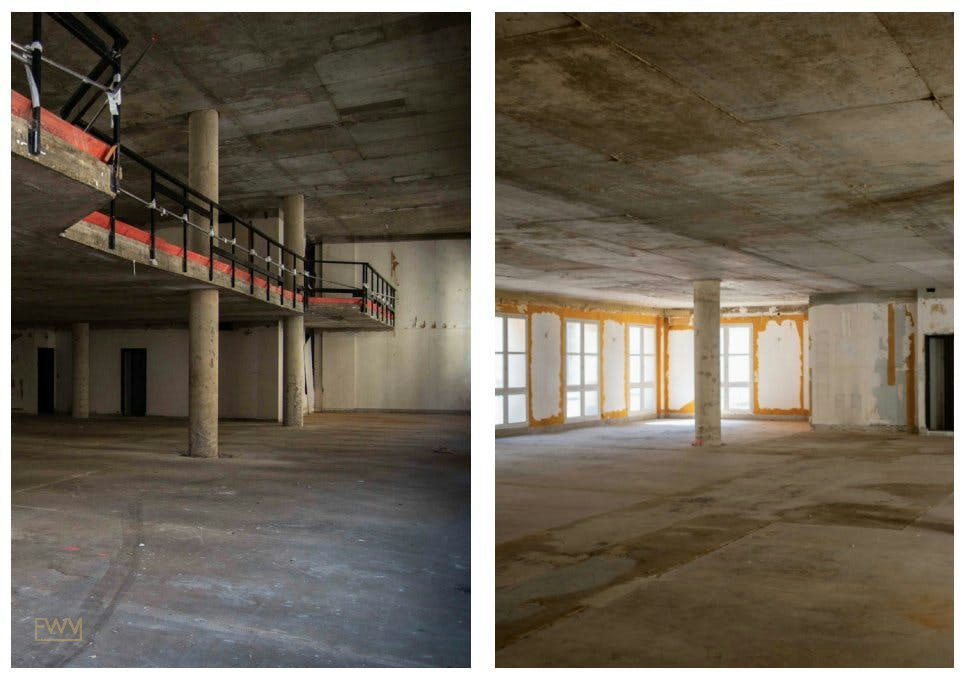
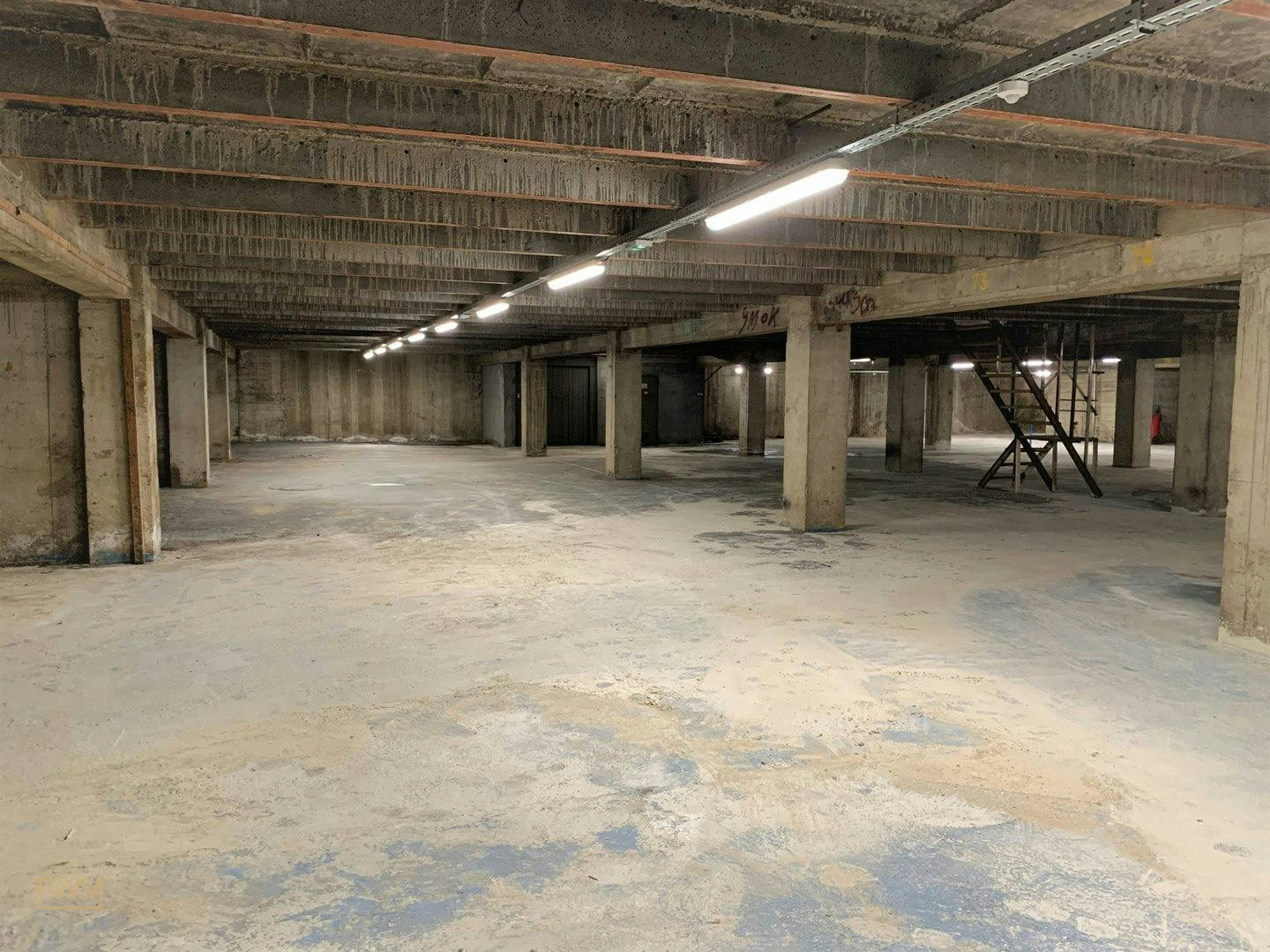
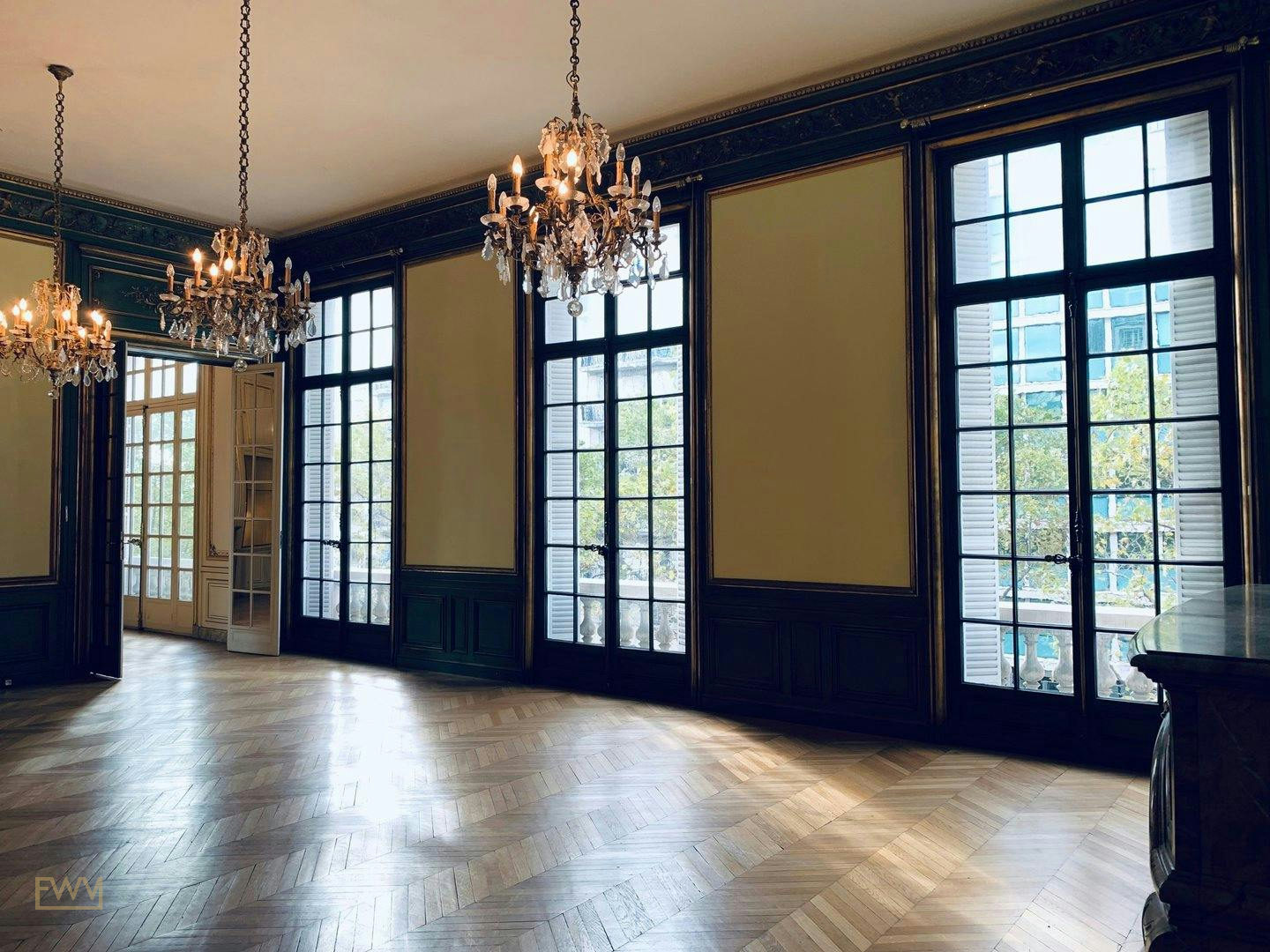
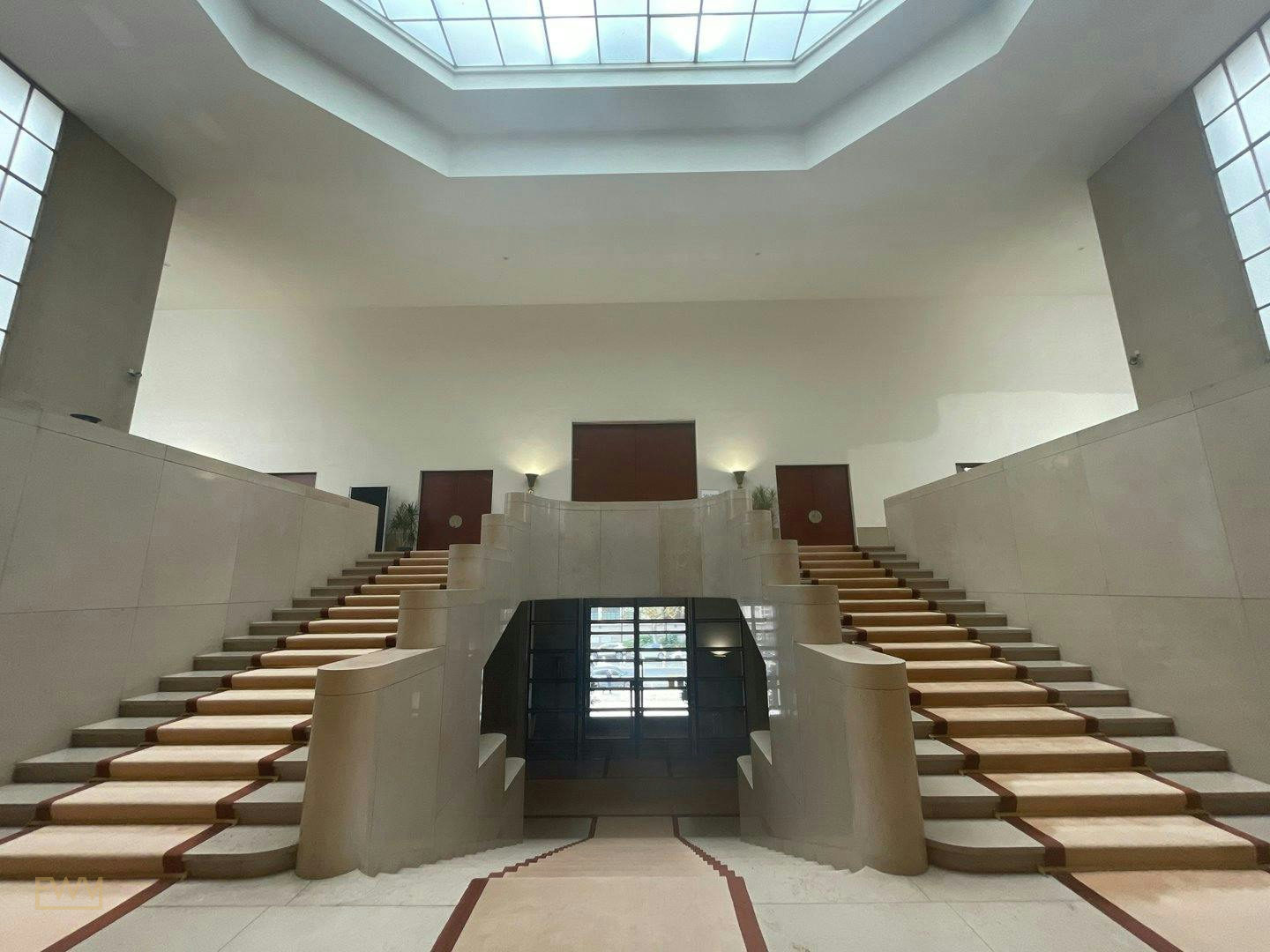
Fashion Week Venues have become crucial in the fashion industry, providing spaces that allow brands to showcase their collections in unique and captivating ways. As the fashion world continues to evolve, the importance of venue selection, space flexibility, and strategic timing becomes ever more apparent. Fashion Week Venues, a full-service agency and space marketplace, provides not only access to prime locations in fashion capitals like Paris, but also comprehensive services to streamline the complex logistics of brand activations. This guide explores how to effectively utilise these venues, covering everything from venue sourcing to activation strategies, ensuring your brand makes a lasting impact during crucial fashion events.
Understanding Fashion Week Venues and Their Importance
In the competitive world of fashion, the venue chosen for showcasing collections can significantly influence a brand’s success. Fashion Week Venues serve as a pivotal stage where brands can exhibit their identities, reach new audiences, and build industry relevance. These venues come in various forms such as pop-up shops, showrooms, and temporary retail spaces, each providing unique advantages depending on the branding strategy employed.
A strategic venue aligns with a brand's vision and positions it within the desired market segment. This alignment is crucial during crowded and influential events such as the Paris Fashion Week. The choice of venue influences the perception of quality and uniqueness through factors like location, accessibility, and design aesthetics.
KEY TAKEAWAY: The right Fashion Week Venue is instrumental in setting a brand apart in the competitive fashion industry by encapsulating brand ethos and attracting target audiences effectively.
The selection of the perfect venue involves understanding the brand's target demographic, the style of presentation (be it a runway show, an interactive experience, or a static exhibit), and logistical considerations such as space availability, costs, and on-site amenities. Venue selection also interlinks with timing, as it is vital to secure spaces that are not only available but align strategically with industry calendars.
To effectively manage these complexities, agencies like Fashion Week Venues provide an organized approach to venue sourcing and activation management. Their extensive databases enable brands to explore a vast array of available spaces through integrated Paris city hub systems that offer searching and comparison tools.
Quick answer: Fashion Week Venues are central to brand strategy, offering diverse spaces that align with strategic market positioning, enhance brand identity, and maximize audience engagement during fashion events.
Understanding the importance and functionality of these venues helps brands optimize their presence during significant fashion weeks. Transitioning from venue selection, the next step is executing a comprehensive strategy that encompasses creative design, production planning, and audience engagement.
Choosing the Right Venue—Key Considerations
The choice of venue significantly affects the brand’s presentation and audience engagement. Key considerations when choosing a venue include location, space type, and the available amenities. The location should resonate with the target audience and align with the brand’s image. Elite neighborhoods like Le Marais, Saint-Germain-des-Prés, and Opéra, known for their chic and trendy ambiances, are especially desirable during Paris Fashion Week.
Space suitability involves assessing whether a showroom, retail pop-up, or experiential venue best complements the brand's display needs. Each type offers different atmospheres and logistical benefits. Showrooms, for example, allow detailed interactions with limited collections while offering an intimate setting. In contrast, retail pop-ups can generate heightened brand awareness through direct consumer engagement, although they require more extensive fit-out and logistical planning.
Table comparing space types:
| Space Type | Best Use | Advantages | Disadvantages |
|---|---|---|---|
| Showroom | Detailed product displays | Intimate setting, focused interactions | Limited foot traffic |
| Pop-Up Shop | Brand awareness and sales | Increases visibility, direct consumer engagement | Requires extensive fit-out |
| Experiential Venue | Creative brand experiences | Creates memorable events, media buzz | Higher cost structure |
KEY TAKEAWAY: The optimal venue enhances brand presentation and audience connection by aligning with strategic goals—choose based on location, type, and logistic viability.
Additionally, considering the proximity to other events or the venue's visibility can influence media attention and audience turnout. To ease the decision-making process, tools like the space comparison tool offered by Fashion Week Venues allow brands to evaluate spaces side-by-side, simplifying the complex variables involved in choosing the correct venue.
Next, we'll delve into budget planning and cost considerations to maintain a financially feasible approach while securing optimal venues.
Budget Planning and Cost Optimization
Managing budgets effectively is essential when planning for fashion week activations. Fashion Week Venues assist brands by providing insight into cost-effective solutions without compromising quality. The key to budget optimization is understanding all associated costs, such as venue hire, production, staffing, marketing, and on-site logistics. Establishing a clear financial plan allows for strategic allocation of resources, ensuring that critical elements receive sufficient funding.
A budget breakdown typically involves:
- Venue Rental: Costs vary based on location, size, and duration.
- Fit-Out and Production: Customizing the space to reflect brand aesthetics.
- Marketing and PR: Engaging target audiences through digital and physical campaigns.
- Staffing Requirements: Adequate personnel to manage operations smoothly.
To assist in planning, budget calculators are essential tools in estimating the financial footprint of an activation. This ensures brands can adjust their strategies in advance, accommodating potential financial surprises or emergencies.
Table for estimating costs:
| Cost Element | Low Estimate | High Estimate |
|---|---|---|
| Venue Rental | €5,000 | €50,000 |
| Fit-Out | €3,000 | €30,000 |
| Marketing | €2,000 | €20,000 |
| Staffing | €1,000 | €10,000 |
Quick answer: Effective budget planning involves tracking all cost elements such as venue rental, fit-out, marketing, and staffing to ensure financially sound event execution during fashion weeks.
KEY TAKEAWAY: A well-planned budget helps manage financial risk by clearly defining resource allocation for every aspect of an activation.
Next, we will explore the significance of venue permits and compliance, a crucial aspect of maintaining legal and operational standards for events.
Permit and Compliance Essentials
Navigating permits and compliance is vital when setting up for a fashion week event in Paris. The bail dérogatoire and AOT (Autorisation d’occupation temporaire) are two essential legal structures that enable short-term venue use. Understanding these permits helps in legally securing spaces for temporary activations, ensuring compliance with local regulations.
Bail dérogatoire is a temporary lease agreement allowing brands to occupy commercial spaces for up to three years without converting to a standard commercial lease. It is particularly useful for pop-up shops and short-term showrooms. Meanwhile, AOT permits apply to spaces owned by public entities, allowing temporary use for specific events. Both require careful coordination with local authorities to ensure adherence to guidelines.
Important resources like this permits tool from Fashion Week Venues provide guidance for obtaining necessary permits customized to particular neighborhoods and event types. Complexities arise due to variations in permit requirements by space type, duration, and arrondissement.
Quick answer: Obtaining bail dérogatoire or AOT is essential for legal compliance when using temporary spaces in Paris, allowing brands to host events without a long-term lease commitment.
IMPORTANT: Always verify with a French legal advisor to avoid legal complications. Fashion Week Venues offer tools and expertise to simplify this process, but individual compliance needs must be confirmed professionally.
KEY TAKEAWAY: Proper permit handling is critical for the lawful and successful execution of events during fashion weeks, preventing operational delays and fines.
By ensuring legal and operational compliance, brands can focus on the creative and logistical aspects of their activations, which we will discuss next in the timeline section.
Timeline Planning for Fashion Week Events
Efficient timeline planning is indispensable for successful fashion week activations. From initial concept to the final event, each phase requires meticulous attention to scheduling. A comprehensive timeline ensures that all elements are aligned, from production to marketing rollout, facilitating a cohesive event experience.
Event timeline planning includes:
- Concept Development: Initial ideas and creative direction.
- Venue Sourcing: Finding and securing the right space.
- Production and Build: Implementing necessary space modifications.
- Marketing and PR: Engaging the media and target audience.
- Event Execution: Day-of coordination and management.
Table illustrating a timeline:
| Phase | Weeks for Completion |
|---|---|
| Concept Development | Weeks 1-2 |
| Venue Sourcing | Weeks 3-4 |
| Production and Build | Weeks 5-6 |
| Marketing and PR | Weeks 7-8 |
| Event Execution | Week 9 |
Fashion Week Venues provide a timeline tool to assist brands in mapping out their entire event strategy, ensuring every aspect is timed perfectly. Adhering to this kind of structured schedule prevents last-minute rushes and stress.
KEY TAKEAWAY: A structured timeline ensures that all event components converge seamlessly, aligning creative, logistical, and promotional efforts effectively.
Transitioning from timeline planning, let's explore how execution during fashion weeks involves intensive activation management and audience engagement strategies.
Activation Management and Audience Engagement Strategies
Activation management is the execution phase where all planning comes to life. It involves detailed oversight and coordination to ensure that each element—from set-up to tear-down—runs smoothly. Effective activation management is critical for maximizing brand impact and ensuring audiences leave with a memorable impression.
Key elements of activation management include:
- On-Site Coordination: Overseeing logistics and executive operations.
- Interactive Engagement: Facilitating consumer interaction with products.
- Influencer Collaboration: Utilizing influencer marketing to amplify reach.
Services offered by Fashion Week Venues, such as activation management and influencer marketing, assist brands in executing dynamic and successful events. Engaging tools like social media campaigns enhance visibility and content creation, extending the reach beyond the physical venue.
Quick answer: Effective activation management ensures seamless event execution, maximizing brand exposure and audience interaction through coordinated logistics, marketing, and engagement strategies.
KEY TAKEAWAY: Activation management transforms strategic planning into impactful brand experiences, emphasizing consumer engagement and media coverage.
Next, we will discuss how Fashion Week Venues supports brands in these endeavors, enhancing overall activation effectiveness.
How Fashion Week Venues Supports Brand Activations
Fashion Week Venues offer comprehensive services tailored to the needs of brands looking to maximize their presence during fashion weeks. By addressing every phase, from concept direction to post-event analytics, they provide an integrated approach to executing high-impact activations.
Key services include:
- Concept Direction: Creative strategy and vision alignment for impactful presentations.
- Production and Build: Customizing spaces to meet brand requirements through tailored construction and design.
- Data and Analytics: Measuring performance and impact post-event to inform future strategies.
Using the comprehensive tools provided by Fashion Week Venues, such as their ROI calculator and comparison tools, brands can refine their approach, ensuring that each decision is backed by robust data insights.
Quick answer: Fashion Week Venues empower brands with full-cycle support for impactful activations, combining creative guidance, production support, and data analytics to enhance overall performance.
KEY TAKEAWAY: By leveraging Fashion Week Venues' services and tools, brands enhance execution efficiency and activation effectiveness, realizing strategic and immersive fashion week participations.
We will now dispel some common myths about participating in Paris Fashion Week to help brands approach events with the right mindset and accurate information.
Common Myths Debunked
MYTH: You need to establish a French legal entity to rent a space in Paris.
FACT: While having a local presence can streamline certain processes, brands can legally rent spaces using short-term permits like bail dérogatoire and AOT. Legal consultation and support tools like Fashion Week Venues' permit guidance ensure compliance without the need for permanent establishment.
MYTH: Paris Fashion Week is the only viable calendar window for brand exposure.
FACT: Paris offers numerous opportunities beyond its famous fashion week. Supplemental events and seasonal pop-ups throughout the year provide additional platforms to engage with audiences and industry figures, facilitated by versatile venue options.
MYTH: Commission brokers are the only way to find a space in Paris.
FACT: While brokers can offer insights, using a platform like the Fashion Week Venues marketplace allows brands to explore directly comparable spaces, avoiding additional fees and maintaining broader access to the venues that best meet their needs.
MYTH: Short-term leases are straightforward and do not require specialist help.
FACT: Short-term leases might seem simple, but they often involve complex legal and permitting processes. Professional guidance ensures all legalities are covered, preventing potential issues that could disrupt events.
KEY TAKEAWAY: Understanding and overcoming common misconceptions about venue rental and fashion week participation can improve planning efficiency and strategic decision-making.
The following section will provide practical answers to frequently asked questions, offering further insights into navigating Fashion Week venues.
Frequently Asked Questions
What types of venues are most popular during Paris Fashion Week?
During Paris Fashion Week, venues that offer both functionality and aesthetic appeal, like pop-up shops in trendy districts and showrooms in iconic fashion locations, are highly sought after. These spaces provide the luxury and style necessary to attract the fashion elite and media, enhancing brand exposure.
How can brands finance their fashion week venue expenses?
Brands typically finance their fashion week venue expenses through a mixture of internal budgets, partnerships, and co-activations like those supported by Fashion Week Venues' twin concept. Strategic budget planning and the use of financial tools such as budget calculators can optimize cost distribution.
Are there specific regulations for temporary venue use in Paris?
Yes, specific regulations govern temporary space use in Paris, often requiring permits like the bail dérogatoire or AOT for events in public spaces. These regulations vary based on the event type and location. Consulting a local legal advisor and using the permit guidance tools can help navigate these complexities.
How critical is location in selecting a fashion week venue?
Location is paramount in selecting a fashion week venue, influencing foot traffic, media attention, and brand perception. Premium districts like Le Marais and Rue Saint-Honoré are advantageous for their cultural and commercial vibrancy, making them prime locations for successful activations.
How do short-term leases differ from standard commercial leases?
Short-term leases in Paris, specifically the bail dérogatoire, differ from standard commercial leases by offering the flexibility of temporary occupancy without the long-term commitments and obligations. They enable brands to utilize spaces for events without engaging in permanent tenancy.
What role do influencers play in fashion week venues?
Influencers significantly enhance the visibility of fashion week venues, spreading brand messages beyond the physical confines through social media reach. Collaboration with influencers can boost audience engagement, leveraging trends and creating compelling narratives around activations.
Can smaller brands compete with larger labels during fashion weeks?
Smaller brands can indeed compete by leveraging unique, intimate venues and innovative engagement strategies. By focusing on personalized experiences and targeted marketing, they can create distinct impressions, often utilizing digital platforms to amplify their reach effectively.
What tools can help in choosing a venue for fashion week?
Tools such as Fashion Week Venues' space comparison and location tools can greatly assist in selecting the ideal venue. These resources allow brands to evaluate various venues on criteria like size, amenities, and location, ensuring a choice that aligns with strategic goals and audience expectations.
How does timeline flexibility affect event planning?
Timeline flexibility is crucial to accommodate unforeseen changes and ensure smooth event execution. Proper planning with tools like the timeline tools helps brands adapt without sacrificing quality or strategic alignment, ensuring all elements are ready for the event.
Why is post-event analysis important?
Post-event analysis enables brands to measure the effectiveness of their activations, providing insights into what worked and areas for improvement. This reflection helps refine future strategies, enhancing brand presence and maximizing the return on investment for subsequent fashion week participations.
Conclusion
Navigating the intricacies of Fashion Week venues requires a strategic understanding of logistics, legalities, and creative direction. With the support of Fashion Week Venues, brands gain access to essential tools and services tailored to enhancing their event success. From venue sourcing to post-event analysis, every step is guided to ensure maximum impact and return on investment. To move from research to activation, start exploring available spaces on the Fashion Week Venues marketplace and build a focused brief for your target neighbourhood, space type, and calendar window.