
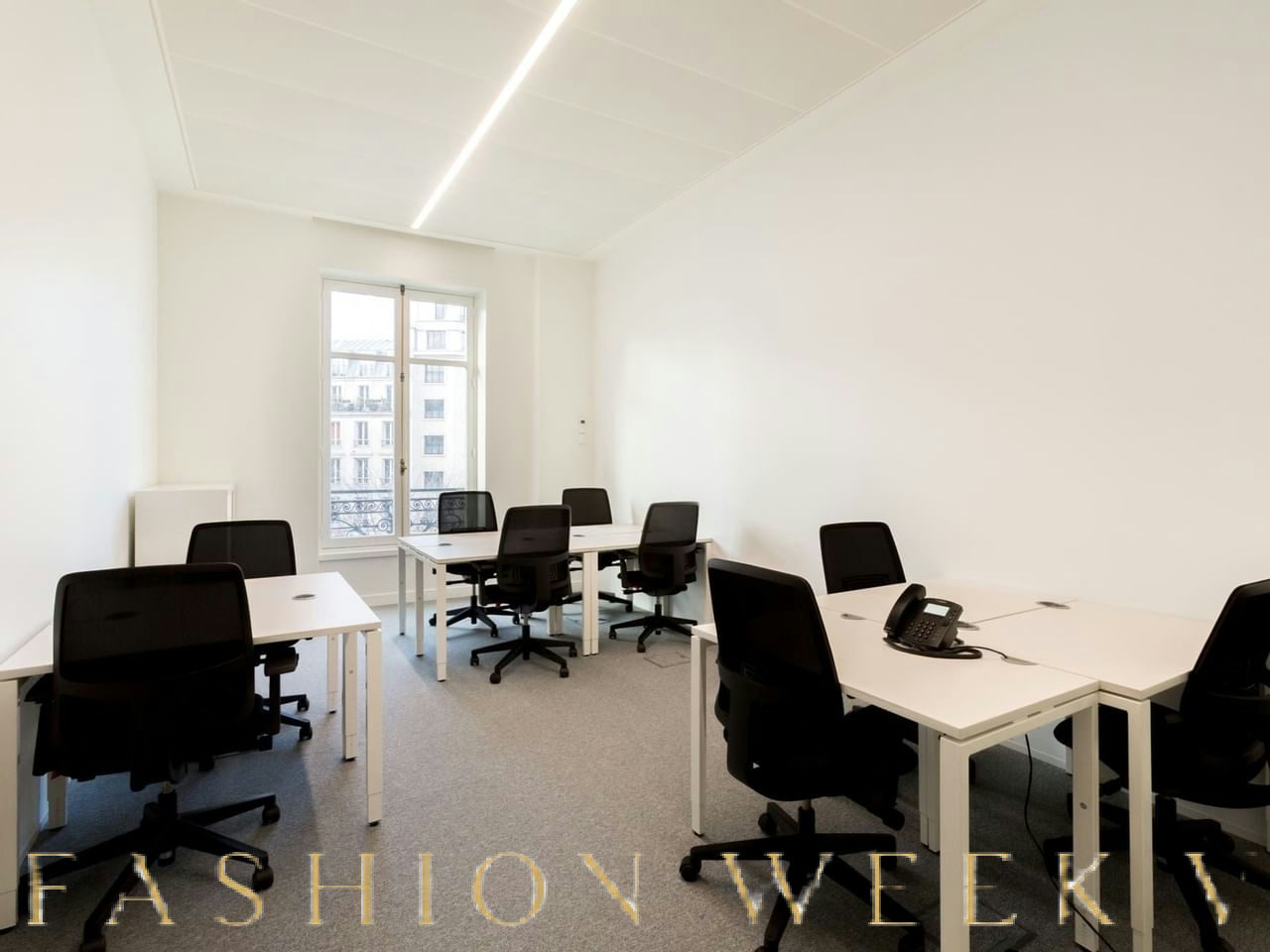
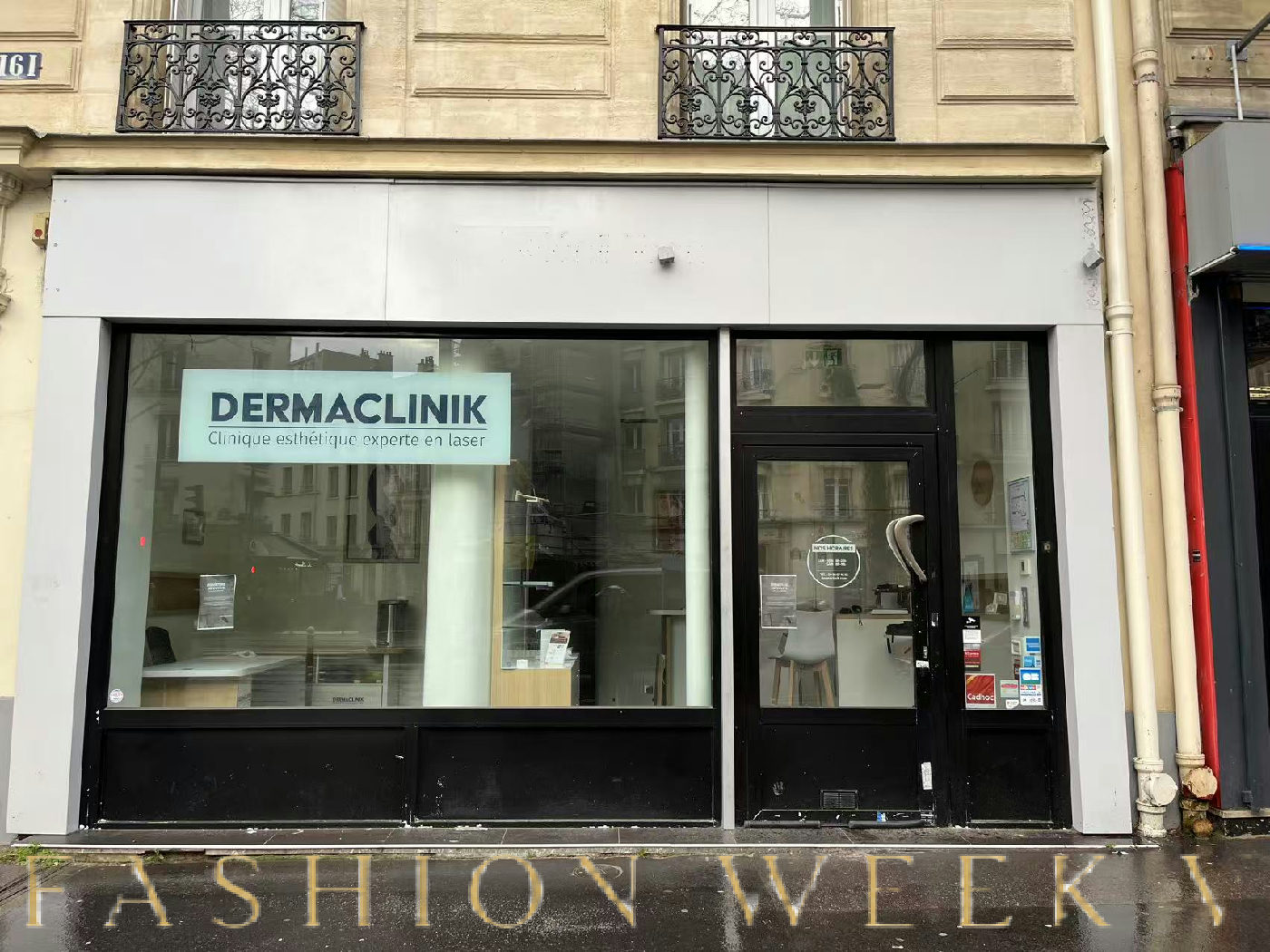
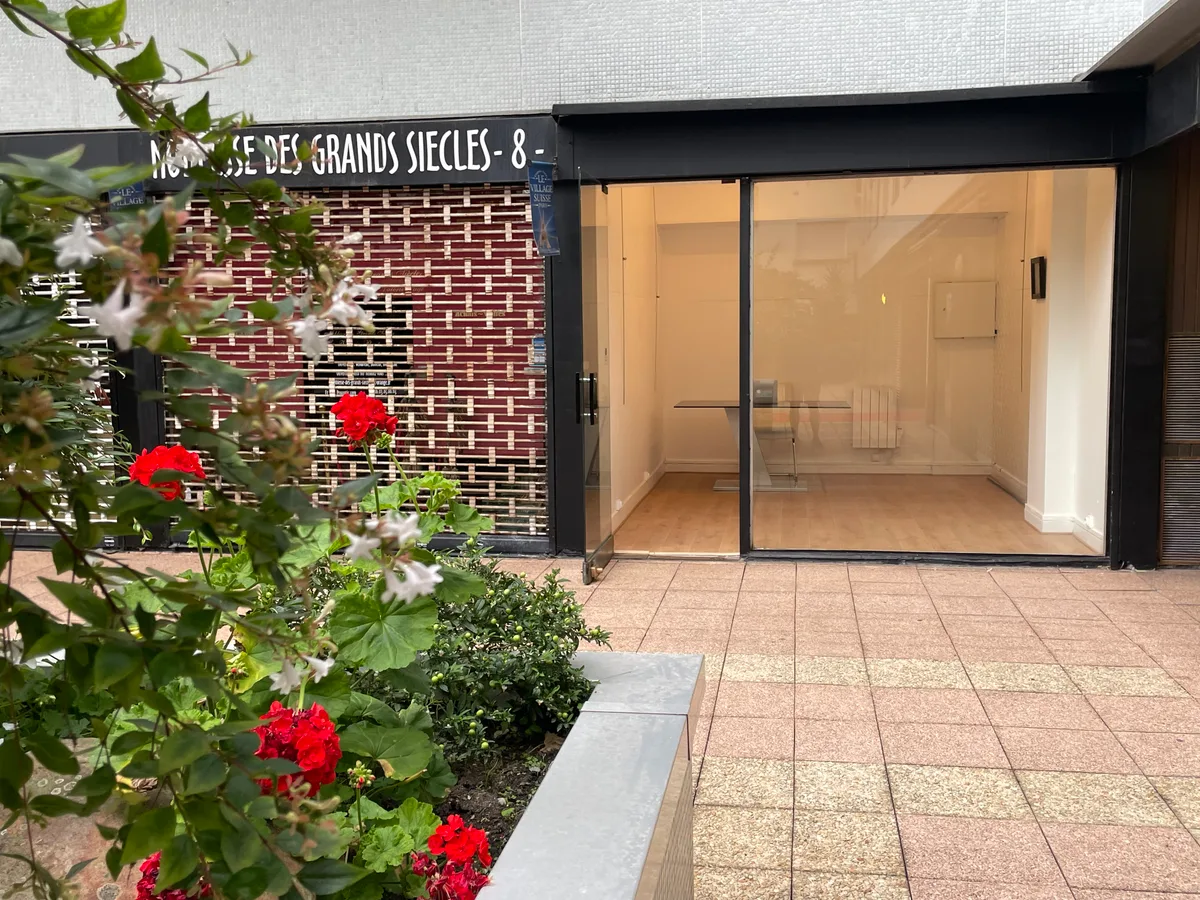
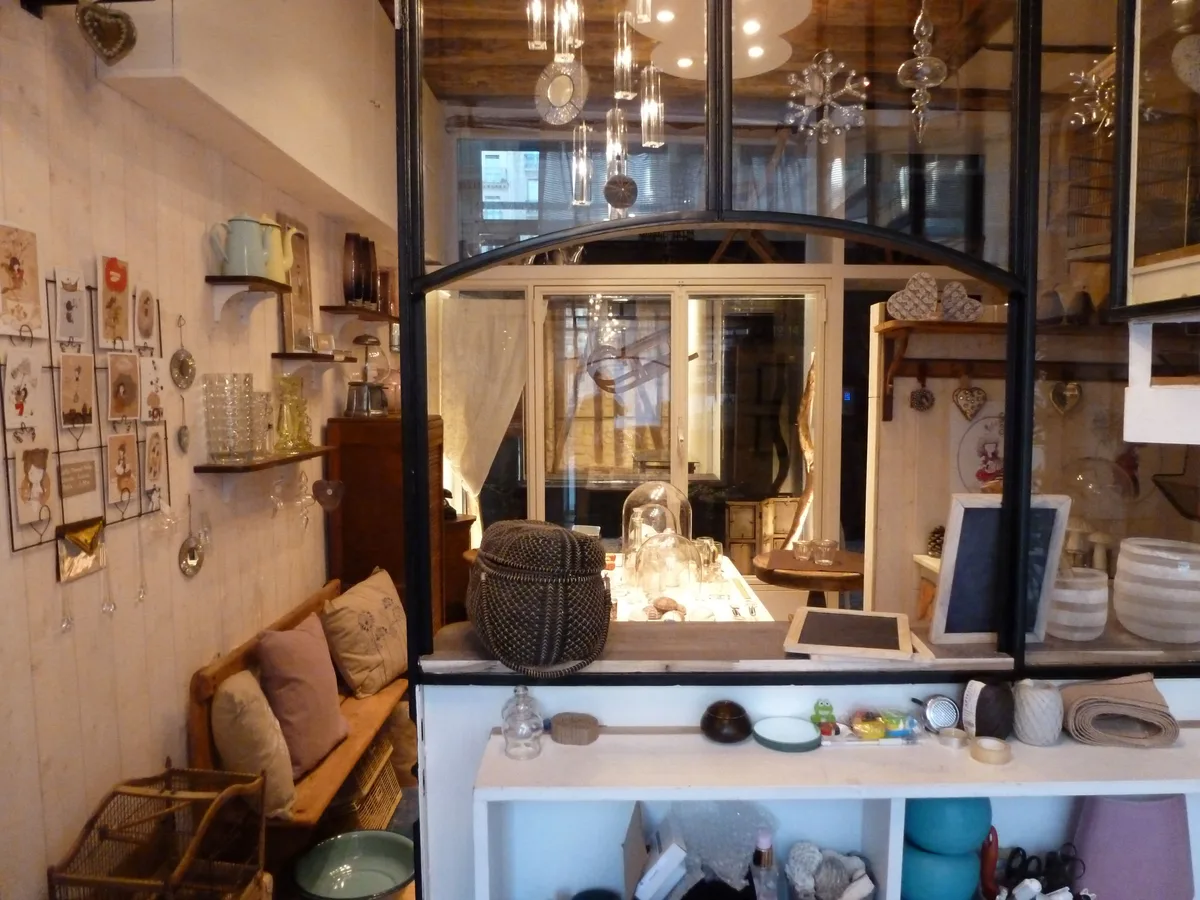
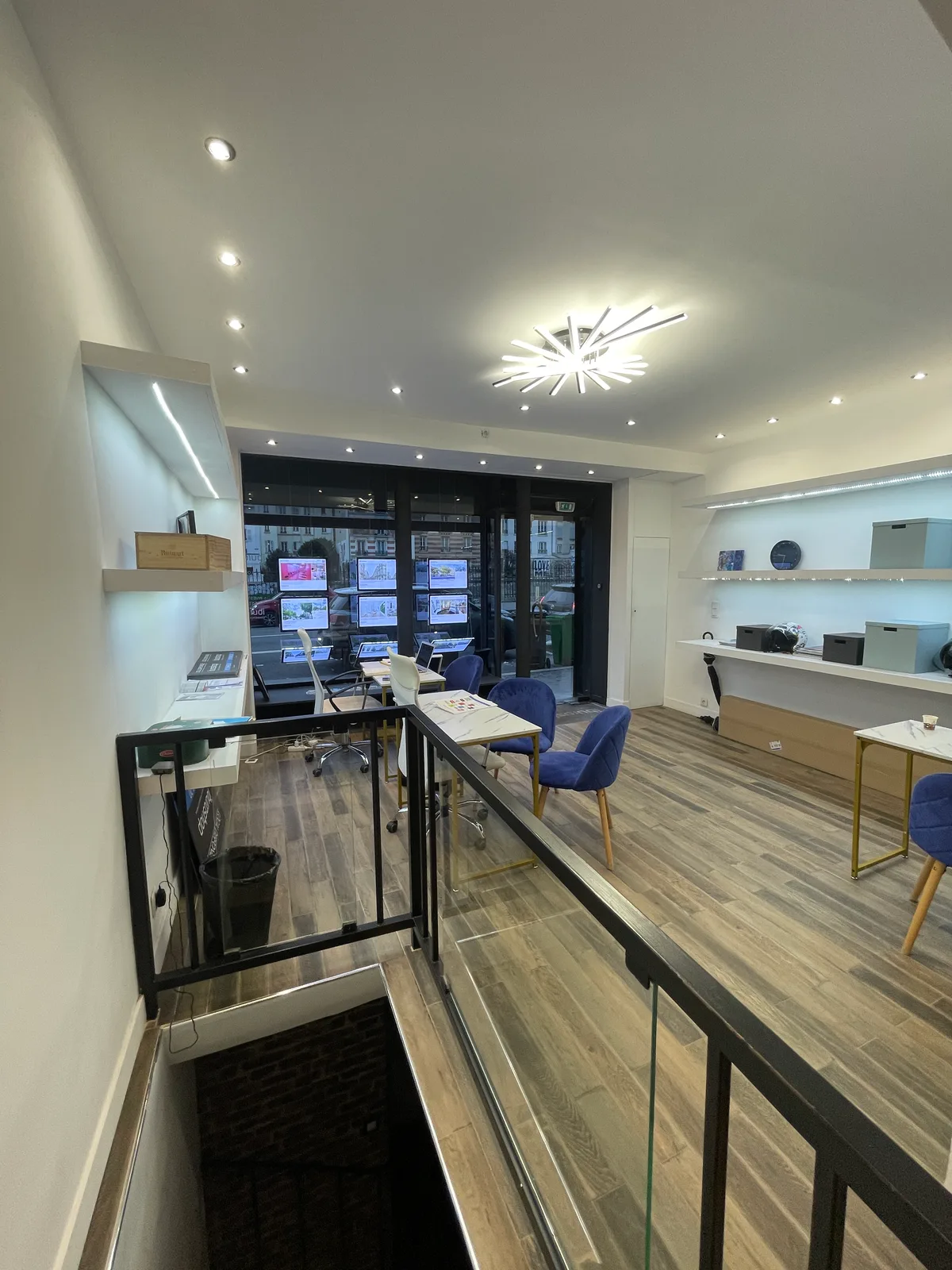
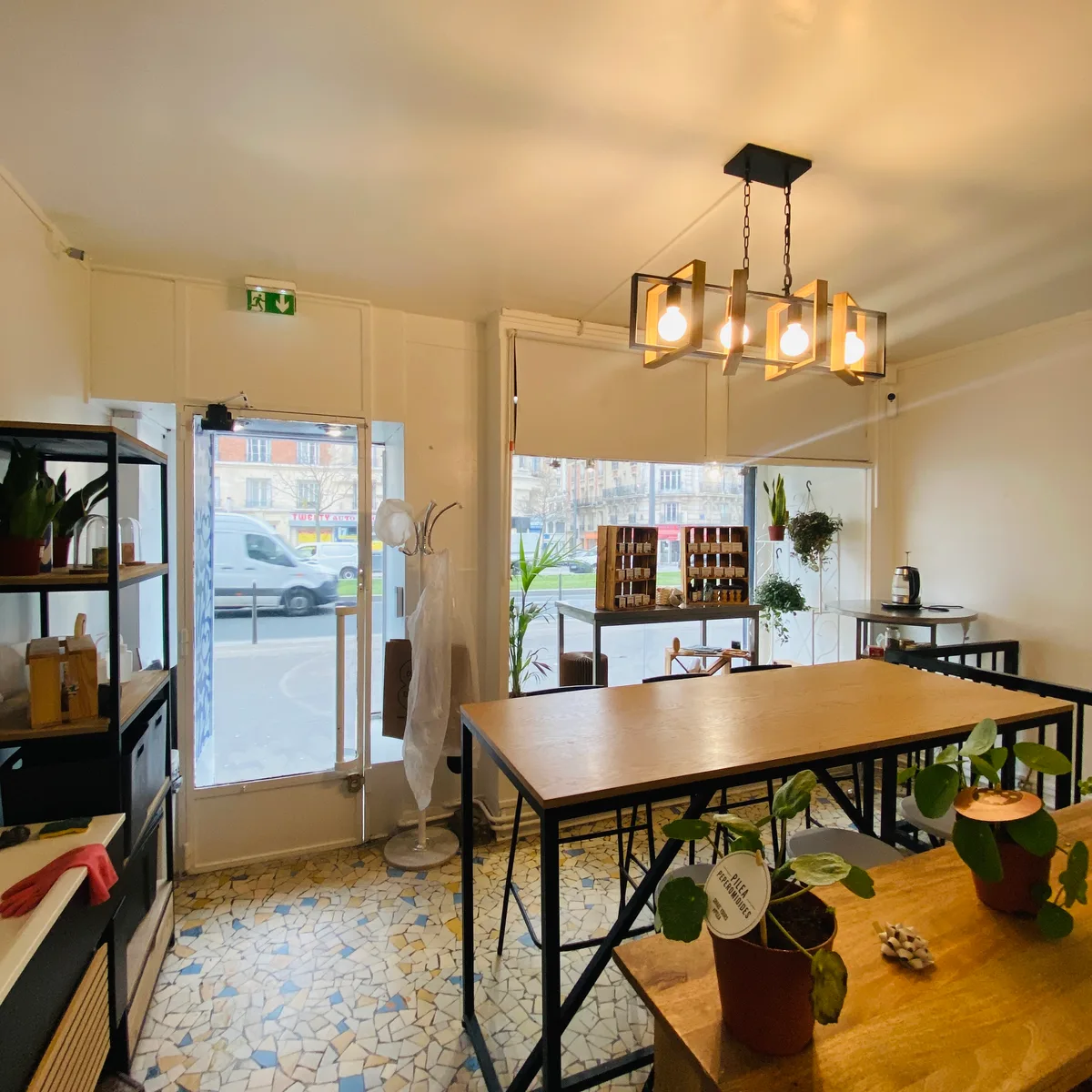
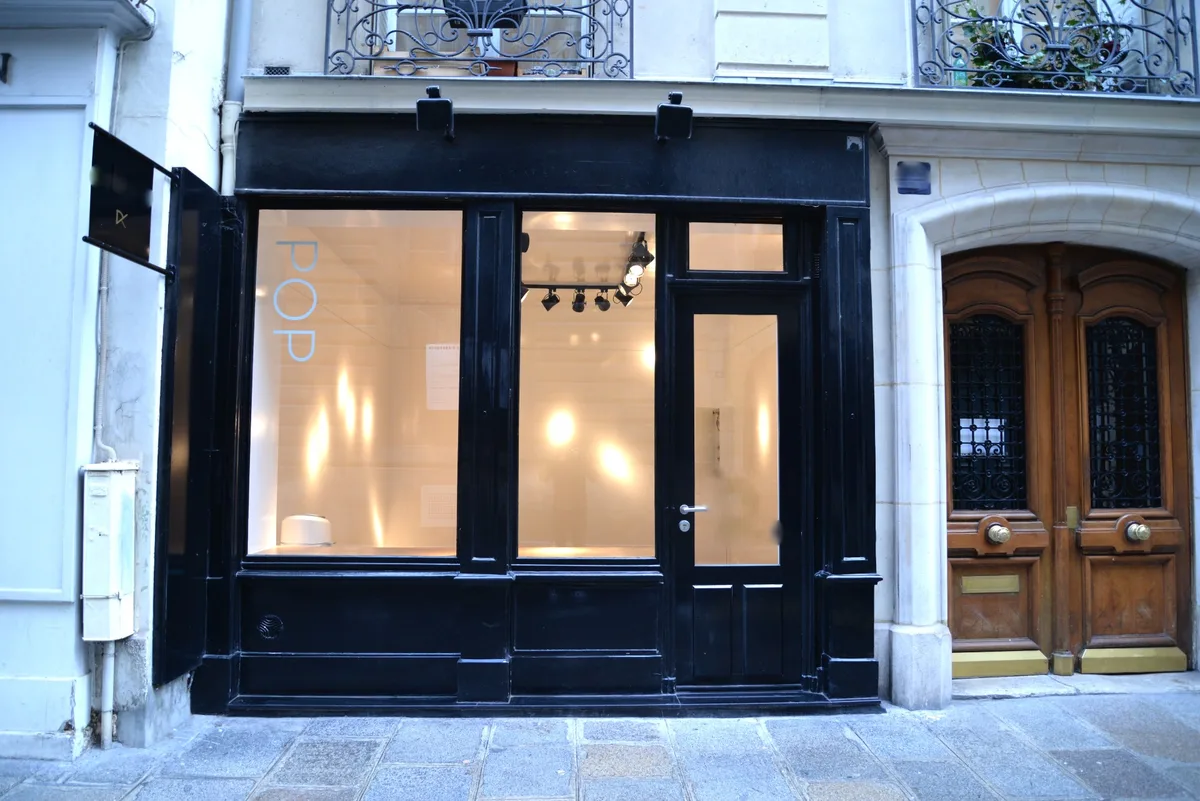
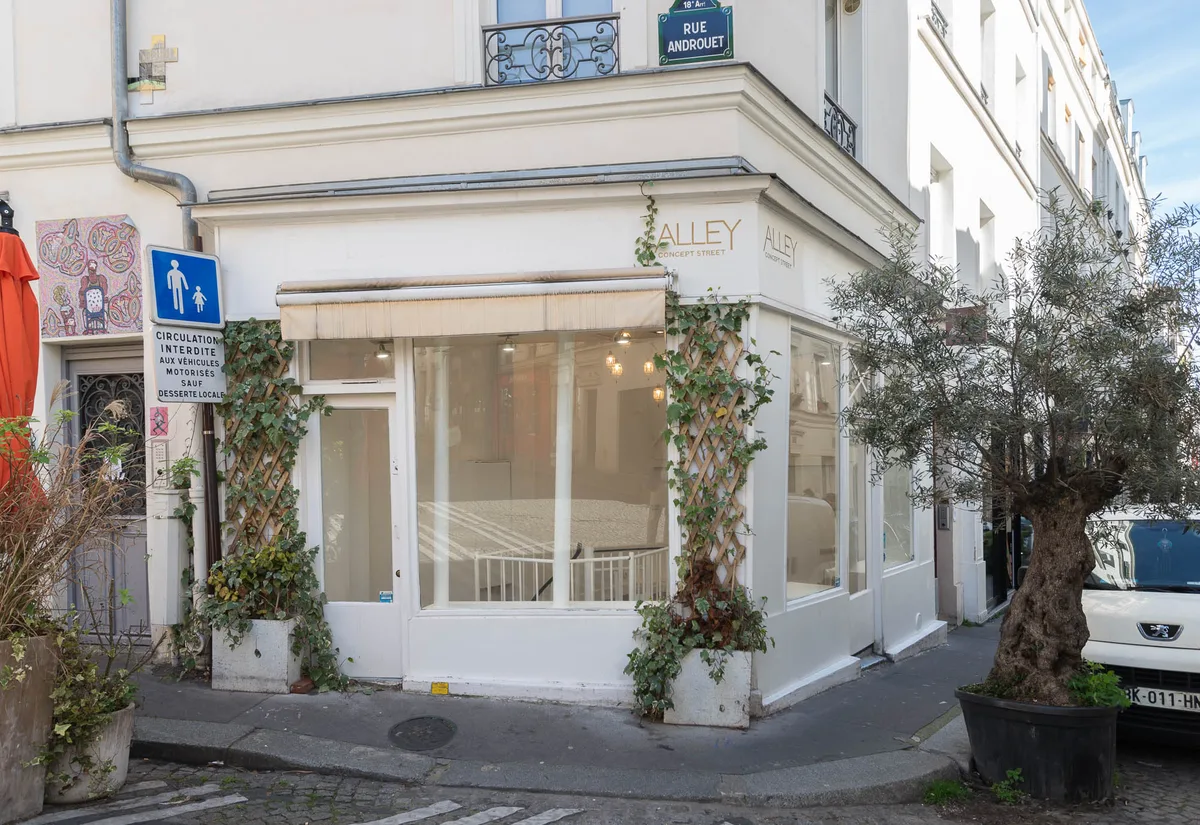
Navigating the bustling world of fashion events, particularly during crucial periods like Fashion Week, demands an astute understanding of event logistics, venue selection, and strategic space utilization. Finding the right venue is pivotal for Fashion Week venues to align with brand aesthetics, target audience, and marketing strategies. As a premier player in this arena, Fashion Week Venues not only aids in venue selection but also offers a comprehensive platform for space exploration and activation management, catering to every need from concept development to execution. By focusing on key locations such as Paris, the agency ensures your brand stands out amidst fierce competition, driving engagement and success.
Why Location Matters for Fashion Week Venues
The choice of location can make or break the success of a Fashion Week venue. Prime locations offer visibility, accessibility, and context that resonate with fashion enthusiasts and industry influencers. In cities revered for fashion like Paris, the right venue places your brand at the heart of industry narratives, aligning with the vibes of iconic neighborhoods like Le Marais or the cultured charm of Saint-Germain-des-Prés.
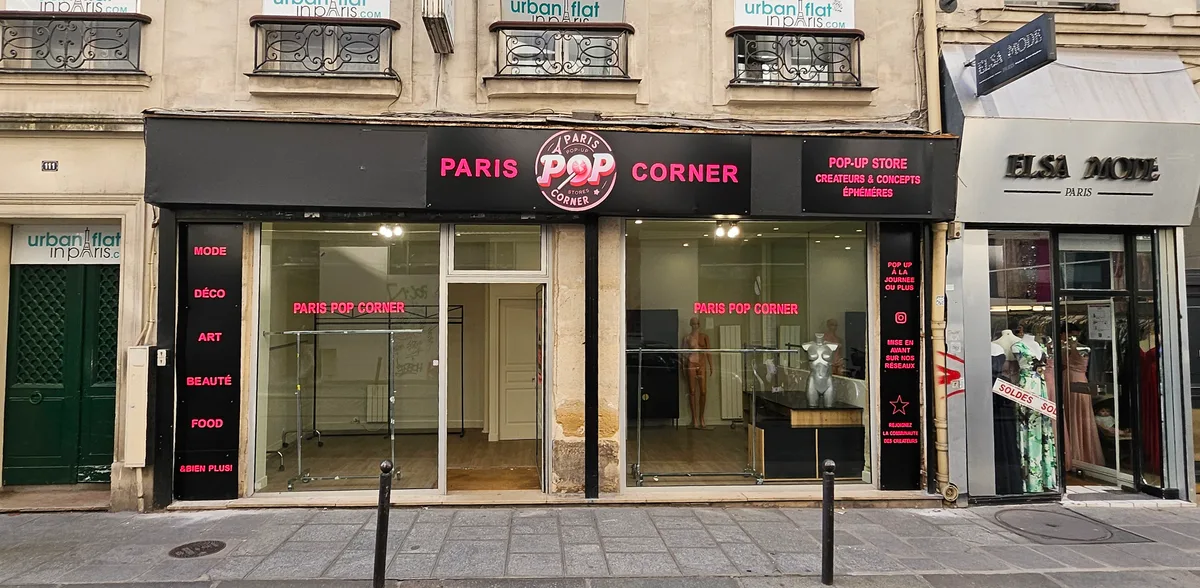
Each district in a fashion capital offers distinct advantages. For example, Le Marais is known for its bohemian charm and historical richness, attracting a discerning crowd seeking uniqueness and heritage. Conversely, the Opéra district exudes elegance and sophistication, drawing in high-end fashion brands aiming for prestige and exclusivity.
Choosing the appropriate neighborhood involves considering the brand image, target market, and the message the brand intends to convey. Proximity to key transport hubs and hotels can also enhance the attractiveness of a venue, enabling easy access for both guests and logistics teams.
KEY TAKEAWAY: Understanding and leveraging the cultural and spatial nuances of a city significantly impacts the effectiveness of a fashion venue.
Next, we dive into how to assess different types of venues suitable for Fashion Week events and what factors influence this decision.
Types of Venues and Their Suitability for Different Events
When selecting a venue for Fashion Week, different event types dictate unique requirements. Venues must not only align with brand identity but also cater to the specific logistics and experiential needs of the event.
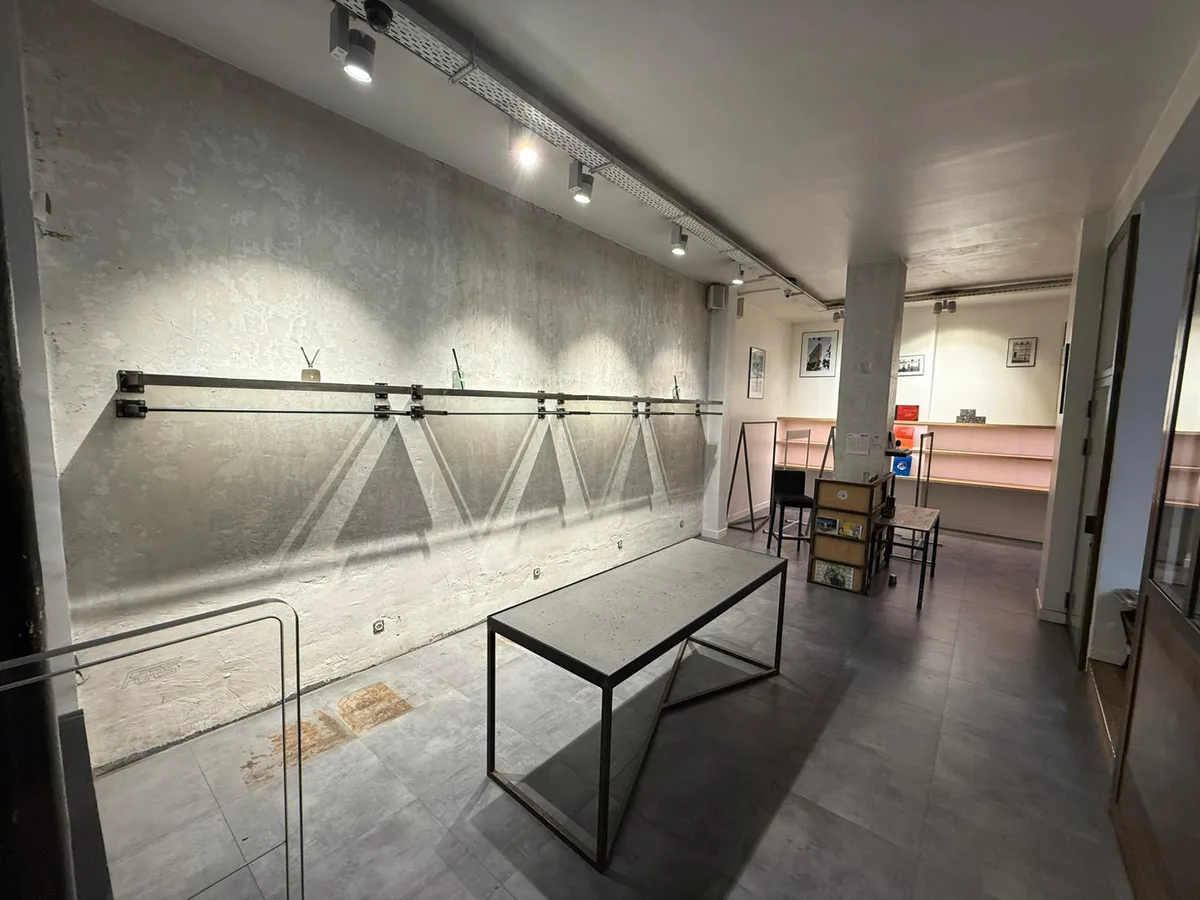
Showrooms are ideal for intimate showcases that require controlled lighting and sound settings. These spaces often come with tailored interiors to highlight the collection in a manner that maximizes aesthetic appeal. On the other hand, grand exhibitions or runway shows require larger spaces capable of accommodating significant audience numbers and complex setups.
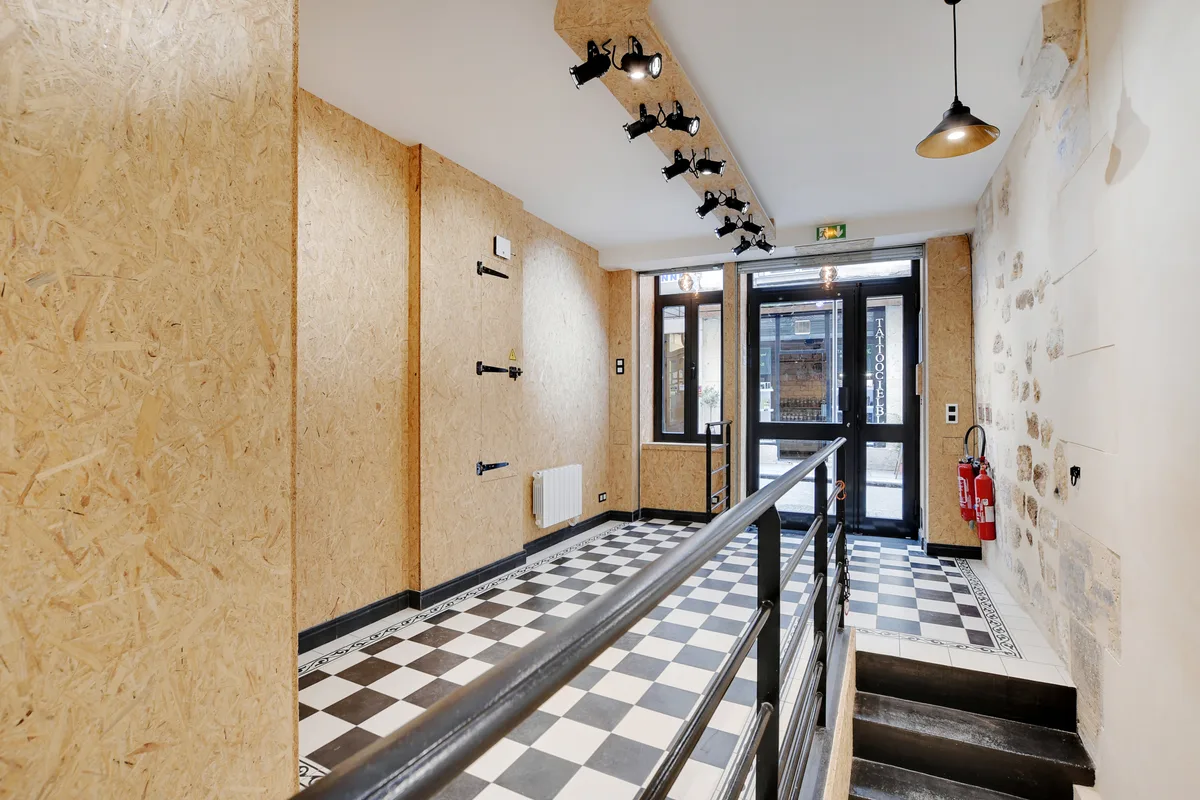
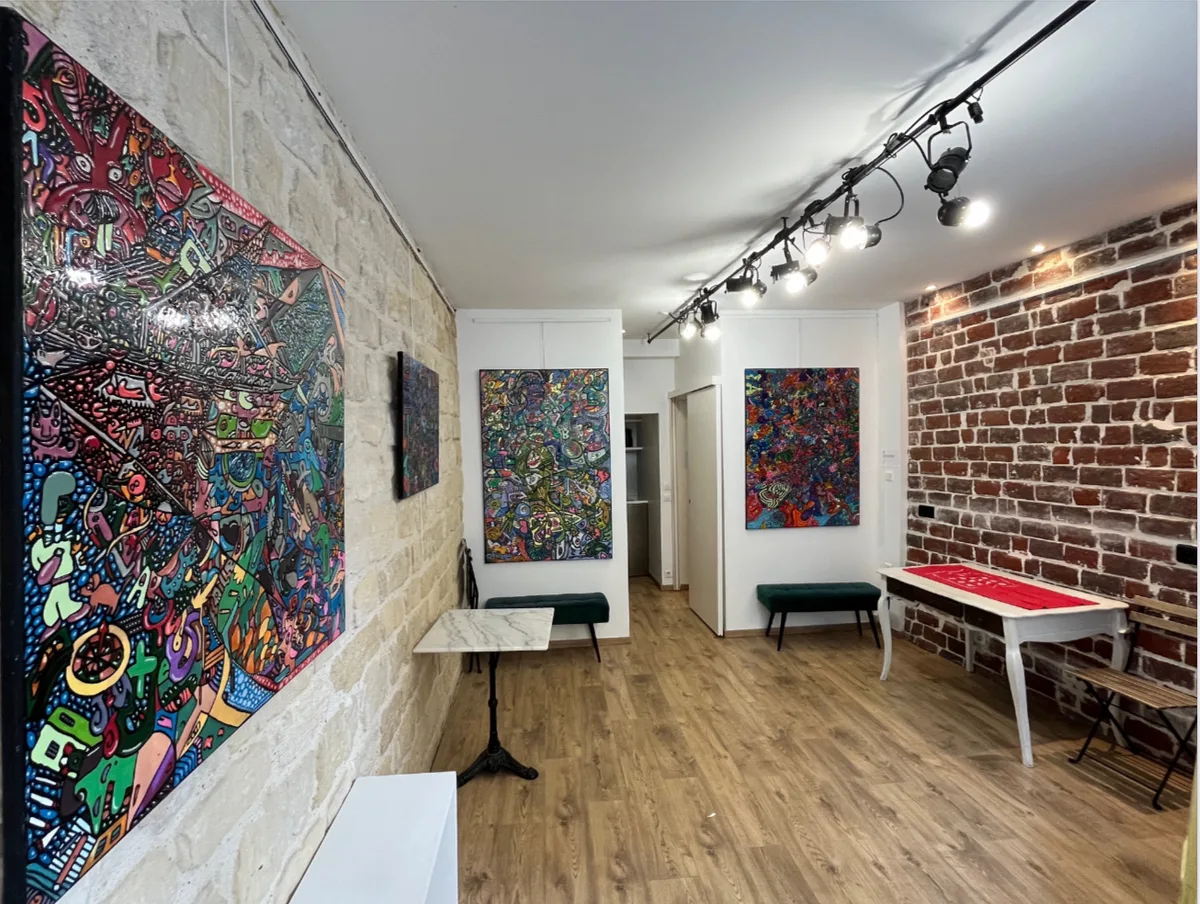
Unconventional venues such as art galleries, historical buildings, or converted warehouses offer distinctive backdrops that can enhance brand storytelling. These spaces often bring inherent character and elegance, perfect for brands seeking to break from traditional moldings and stand out creatively.
| Type | Best For | Considerations |
|---|---|---|
| Showroom | Product launches, exclusive previews | Lighting, branding, intimate setting |
| Exhibition Hall | Runway shows, high-capacity events | Space for seating, technical capabilities |
| Art Gallery | High concept events, immersive experiences | Atmosphere, pre-existing art installations |
KEY TAKEAWAY: Matching venue type to event nature ensures logistical ease and maximizes event impact.
Understanding the types of venues available helps in crafting the perfect event strategy. Now, we will discuss the logistical and operational considerations that come with each type of venue.
Logistical Considerations for Fashion Week Venues
Logistics underpin the successful execution of any Fashion Week event. From setup to takedown, understanding the logistical considerations of a venue can significantly impact operational smoothness and budget management.
Key logistical elements include accessibility for equipment transport, proximity to hotels for guest convenience, and available facilities like sound systems, lighting, and seating arrangements. Access to essential services such as Wi-Fi and power sources is also crucial for seamless event operations.
Space-specific needs such as storage for equipment and dressing rooms for models must also be accounted for. Moreover, understanding the venue's ability to accommodate specific branding needs, like placing banners or setting up a temporary store, is vital.
For events in cities like Paris, navigating permits and legal requirements is a critical component. Utilizing a permits tool can simplify the process, although it's advised to consult with legal advisors to navigate complex regulations like bail dérogatoire for temporary leases.
KEY TAKEAWAY: Comprehensive logistical planning enhances operational efficiency and ensures that all aspects of an event align with the brand vision.
As logistical understanding enhances, focusing on the creative aspects of fashion events offers further insights into successful venue selection.
Creative Considerations for Fashion Week Venues
Creativity in venue use can elevate an event from ordinary to extraordinary. Selecting a Fashion Week venue that resonates with the brand's story and enhances the event's thematic elements is crucial.
The creative direction starts from understanding the narrative the brand wishes to convey. For instance, a modern brand might choose a sleek, contemporary space that mirrors its design ethos. Meanwhile, a heritage brand might opt for a historically significant venue that resonates with its legacy.
Decor elements including furniture, lighting, and digital displays should align with the brand's aesthetic, capitalizing on available space to create immersive experiences. Visualization tools, such as Fashion Week Venues’ Imagine tool, assist brands in previewing space transformations, optimizing creative setups before execution.
Quick answer: Creative direction sets the stage for an event's success, ensuring all elements from venue to decor align with brand messaging and audience expectations.
KEY TAKEAWAY: Aligning creative elements with brand ethos transforms a venue into a powerful marque of brand identity.
This creative grounding sets the stage for delving into compliance and permit considerations critical to Fashion Week events.
Compliance and Permits for Fashion Week Venues
Compliance with local laws and securing necessary permits are paramount for hosting successful fashion events. This step ensures both legal operation and safety, avoiding potential inconveniences or fines.
In Paris, venues might require different permits depending on their types and locations. Key permits include the bail dérogatoire, allowing for short-term leasing, and Autorisation d'Occupation Temporaire (AOT), needed for public space utilization. Understanding these legal documents and processes is essential, and the permits tool on Fashion Week Venues can offer guidance through complex regulations.
Quick answer: Securing the appropriate permits ensures that events comply with local regulations, facilitating smooth and lawful operations.
Consulting legal experts ensures that venue leases and arrangements comply with French laws, particularly if importing non-French brands or goods. Navigating these complexities with expert guidance reduces risks associated with non-compliance.
KEY TAKEAWAY: Legal compliance and proper permit acquisition protect brands from risks and ensure a seamless event experience.
While legal points form the backbone of an event, understanding budgeting strategies steers financial planning for optimum resource allocation.
Budgeting for Fashion Week Venues
Budgeting is an integral part of planning a fashion event. Effective budgeting ensures that funds are allocated wisely across venue rental, decor, logistics, staffing, and marketing.
Generally, venue costs vary based on location, type, and the time of year, notably spiking during peak fashion periods. It is crucial to determine a realistic budget early in the planning process, utilizing tools like the budget calculator provided by Fashion Week Venues.
A comprehensive budget considers not only fixed costs such as venue hire but also variable costs including staffing, transportation, insurance, and unexpected contingencies. It's wise to set aside a buffer fund of 5-10% to cover unforeseen expenses.
| Item | Percentage of Total Budget |
|---|---|
| Venue Rental | 40%-60% |
| Logistics and Setup | 15%-25% |
| Marketing and Promotions | 10%-15% |
| Staffing Costs | 10%-20% |
| Contingency Fund | 5%-10% |
KEY TAKEAWAY: A well-structured budget underpins event success, ensuring all critical aspects are funded without financial strain.
Thorough budgeting paves the way for examining how post-event analysis ensures continual improvement for future events.
Post-Event Analysis and Improvement
Analyzing a fashion event post-closure is vital for understanding what worked and where improvements are needed. This analytical phase is essential for developing future event strategies and enhancing brand performance at subsequent Fashion Weeks.
Data and analytics play a critical role, providing insights into attendee demographics, engagement levels, and financial performance. Utilizing platforms that offer detailed reporting, like Fashion Week Venues’ data analytics services, aids in synthesizing these insights effectively.
Key factors in analysis include engagement metrics, media mentions, social media traction, and direct attendee feedback. These elements provide a holistic view of event success and areas needing attention.
Comparative analysis of different event strategies and execution aids in strategic refinement. Conducting assessment meetings to discuss outcomes with the team helps in aligning goals and refining approaches for future success.
KEY TAKEAWAY: Post-event analysis fosters informed decisions for future events, enhancing overall brand impact and visibility.
With analysis complete, an understanding of how Fashion Week Venues facilitates this complex process can empower brands further.
How Fashion Week Venues Assists in All Aspects
Fashion Week Venues stands as a comprehensive service provider that simplifies venue procurement and event execution for fashion brands. This agency caters to various needs, from venue sourcing to full activation management, ensuring cohesive execution from start to finish.
Brands benefit from expert consulting in conceptualization, production, and logistics. Tools provided by Fashion Week Venues, such as the space comparison tool and permits tool, offer practical solutions to common challenges faced by international brands entering the Paris market.
While Fashion Week Venues offers comprehensive services, brands must understand that securing permits and compliance remains a shared responsibility, demanding proactive collaboration with local legal experts.
KEY TAKEAWAY: Partnering with Fashion Week Venues offers brands a streamlined approach to planning, optimizing resource allocation, and aligning with strategic objectives.
Armed with logistical, creative, and analytical support, moving into practical questions ensures all practical considerations are addressed.
Common Myths Debunked
MYTH: A French legal entity is necessary to rent a space in Paris.
FACT: While having a French entity may streamline processes, foreign brands can engage in short-term rentals through specialized permits like bail dérogatoire, provided they comply with local regulations and engage local partners for logistical support.
MYTH: Paris Fashion Week is the only viable time for brand activations.
FACT: While visibility during Paris Fashion Week is lucrative, alternative windows such as Paris Haute Couture Week or Men's Fashion Week present valuable opportunities for targeted audience engagement and marketing differentiation.
MYTH: Commission brokers are the sole avenue to secure a venue in Paris.
FACT: Agencies like Fashion Week Venues offer direct venue sourcing services, eliminating the need for intermediaries while providing comprehensive support tailored to brand strategy and operational needs.
MYTH: Short-term leases are legally straightforward and don't require specialist intervention.
FACT: Navigating short-term leases involves understanding complex local regulations; enlisting legal and logistical experts is essential to ensure seamless, legally compliant arrangements suitable to the brand's objectives.
Frequently Asked Questions
What should be included in a contract with a venue?
A venue contract should comprehensively cover the terms of use, including rental fees, duration, cancellation policies, and liability clauses. Additionally, it should specify the services included, whether any permits are needed, and who is responsible for obtaining them. Thorough review of equipment access, setup time, and security provisions is also crucial to avoid misunderstandings.
How early should I start planning for a Fashion Week event?
Ideally, planning should begin at least six months before the event. This timeline allows ample time for venue scouting, securing necessary permits, and coordinating logistics such as staffing and transportation. Engaging with a partner like Fashion Week Venues early in the process can streamline this process significantly and ensure strategic alignment with brand goals.
Is it possible to host a pop-up event during Fashion Week without a large budget?
Yes, hosting a pop-up event without a large budget is feasible with strategic planning. Consider unconventional venues that offer character without high rental costs, such as shared spaces or outdoor areas. Utilize Fashion Week Venues’ budget calculator to optimize spending and explore sponsorship opportunities to offset costs while communicating effectively with target audiences.
What are the benefits of using a space marketplace like Fashion Week Venues?
A space marketplace provides a curated selection of venues, offering flexibility and convenience in selection. It allows brands to explore various locations and types, ensuring a match with strategic needs. Additionally, services such as expert advice and logistical support maximize the effectiveness of each event, simplifying the process from concept to execution.
How do I determine the ROI of a Fashion Week event?
Determining the ROI involves evaluating both quantitative metrics, such as sales and lead generation, and qualitative metrics like brand exposure and engagement levels. Tools like the ROI calculator help analyze these factors systematically, providing insights into the economic benefits of the event compared to the investment made.
Can I use a showroom space for multiple brand types during one trip?
Yes, utilizing a showroom for multiple brands is possible and can be economically beneficial. This approach requires careful scheduling and coordination to avoid brand message dilution. Tools like Fashion Week Venues’ twin concept allow for co-activation strategies that maintain distinct brand identities while sharing resources efficiently.
What should I consider when selecting a neighborhood for my venue?
When selecting a neighborhood, consider the alignment with brand identity, target market preferences, and logistical factors like transportation and accommodation. High foot traffic areas provide visibility, while culturally rich districts can enhance the thematic narrative of an event. Utilize location tools to map potential venues against these criteria effectively.
How can I ensure the setup aligns with visual merchandising standards?
Aligning setup with visual merchandising standards involves understanding the brand's aesthetic and ensuring cohesive integration of design elements. Engage professional designers or use agency services that specialize in branded store design to achieve an impactful presentation, calibrating all visual aspects with strategic brand goals.
What are typical logistical challenges faced during events?
Common logistical challenges include transportation delays, last-minute changes to venue setups, and compliance with specific permits. Overcoming these requires contingency planning, clear communication with vendors, and timely coordination with local service providers. Engaging experienced event coordinators, such as those from Fashion Week Venues, can mitigate these challenges effectively.
Can data analytics really improve future event strategies?
Absolutely, data analytics offers invaluable insights into customer behavior, engagement patterns, and operational efficiency from past events. This information helps refine strategies, optimize spending, and enhance brand messaging. Implementing data-driven decisions fosters continuous improvement and increased ROI for subsequent events.
Conclusion
Planning and executing a successful Fashion Week event involves meticulous preparation across venue selection, logistics, creative direction, and compliance. Agencies like Fashion Week Venues offer invaluable support, navigating complexities and optimizing resource utilization. By leveraging industry insights and specialized services, brands can position themselves for success and engage audiences effectively. To move from research to activation, start exploring available spaces on the Fashion Week Venues marketplace and build a focused brief for your target neighborhood, space type, and calendar window.