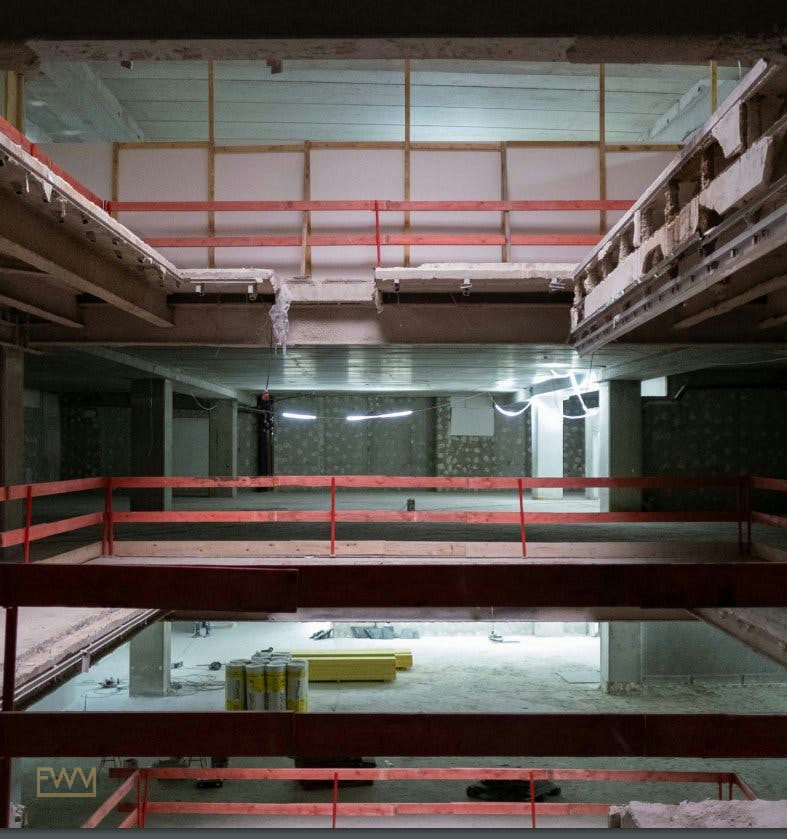
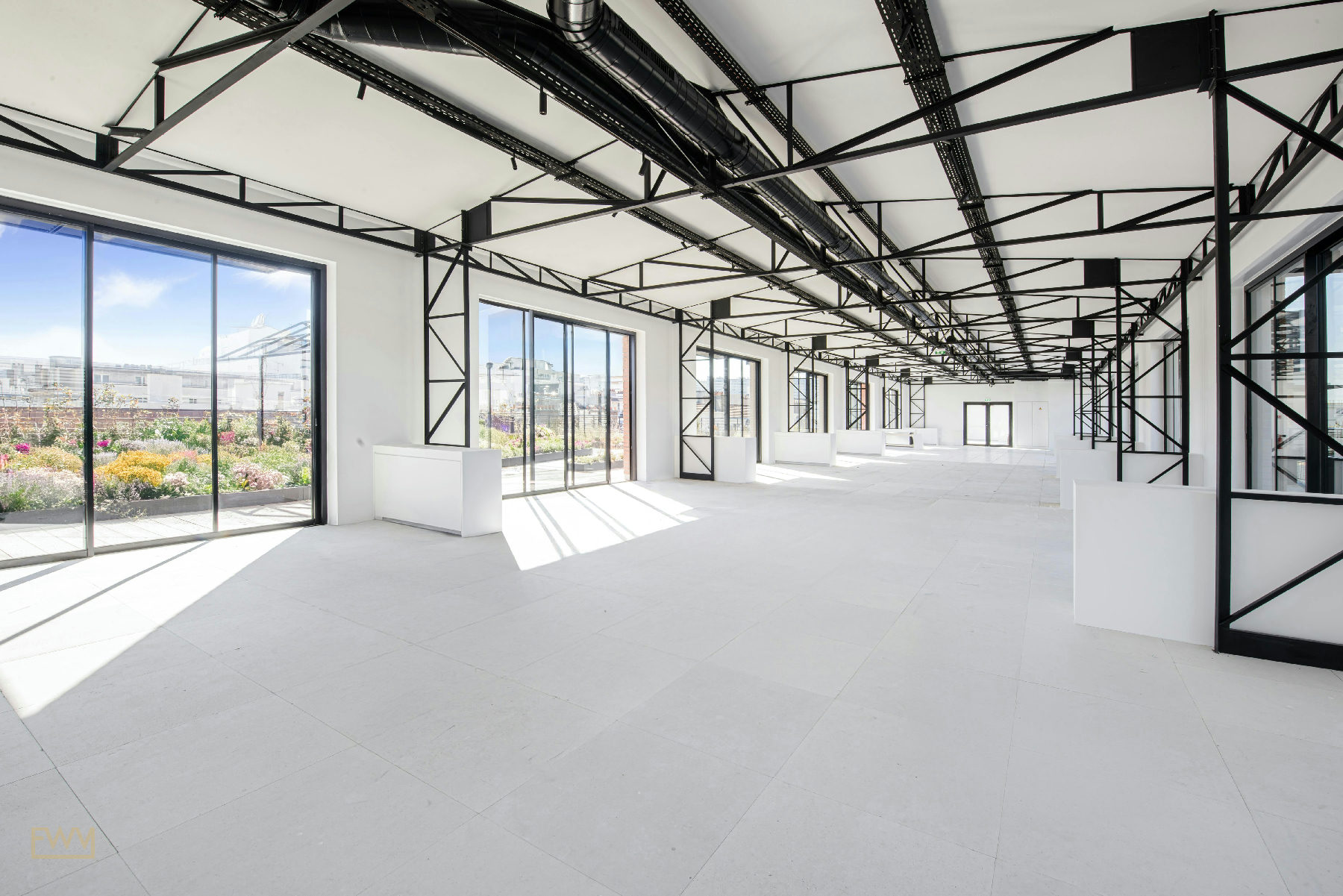
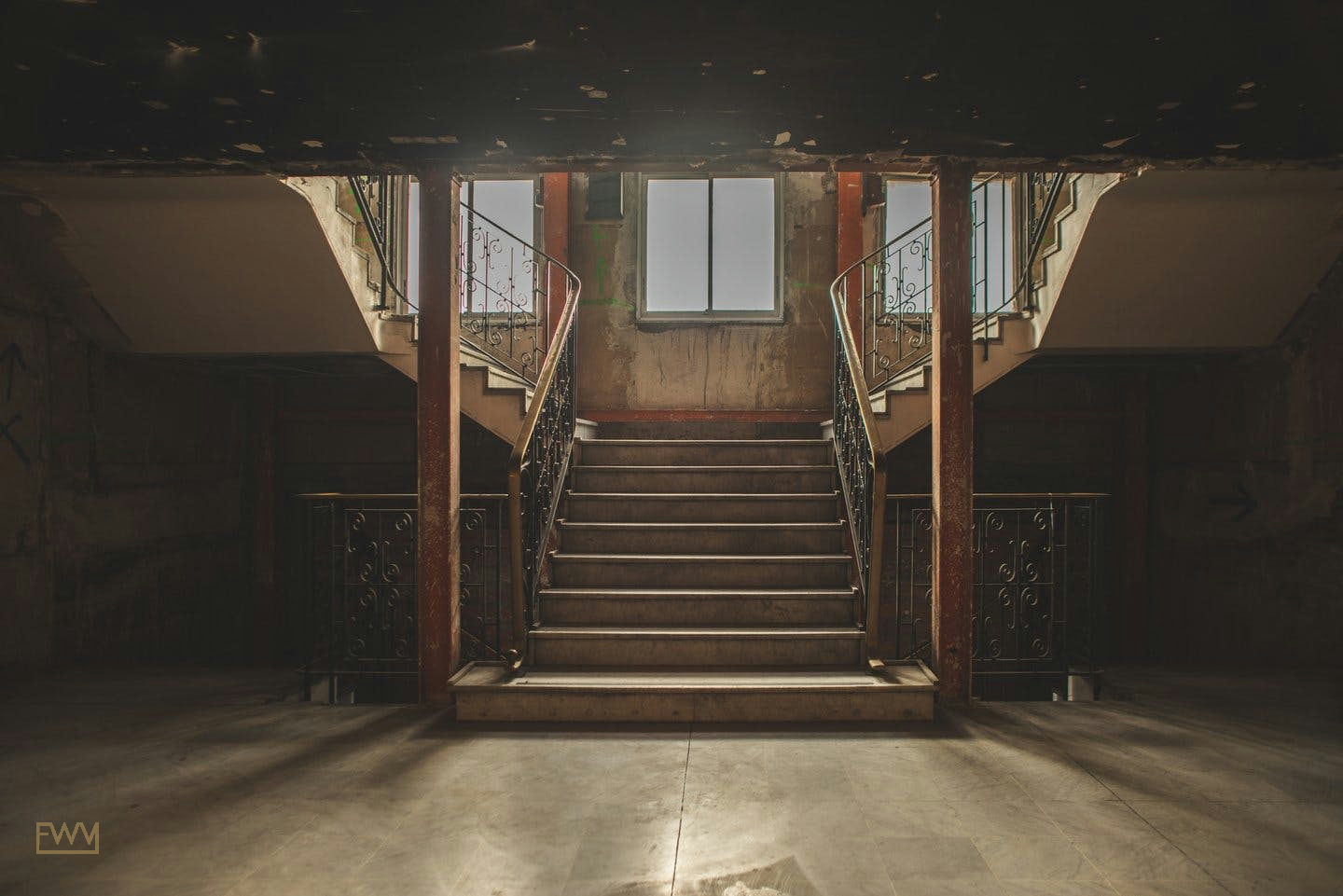
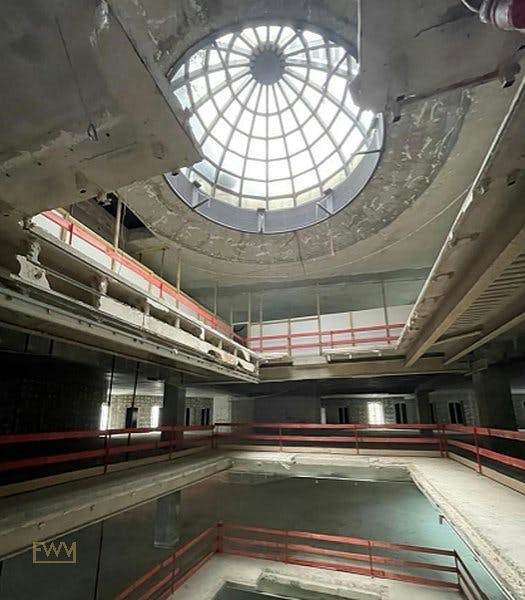
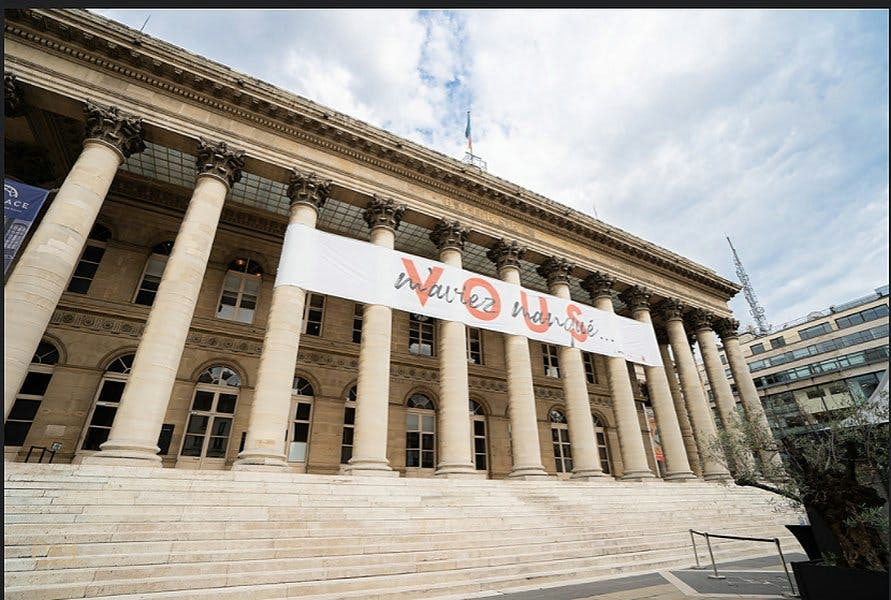
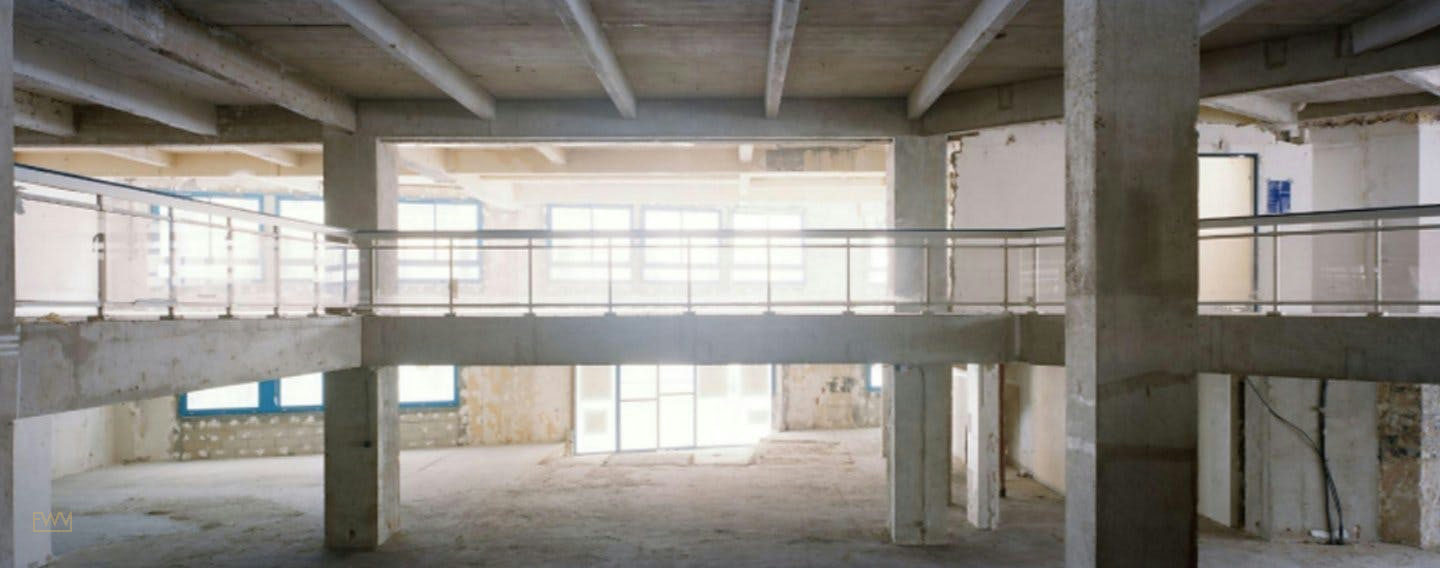
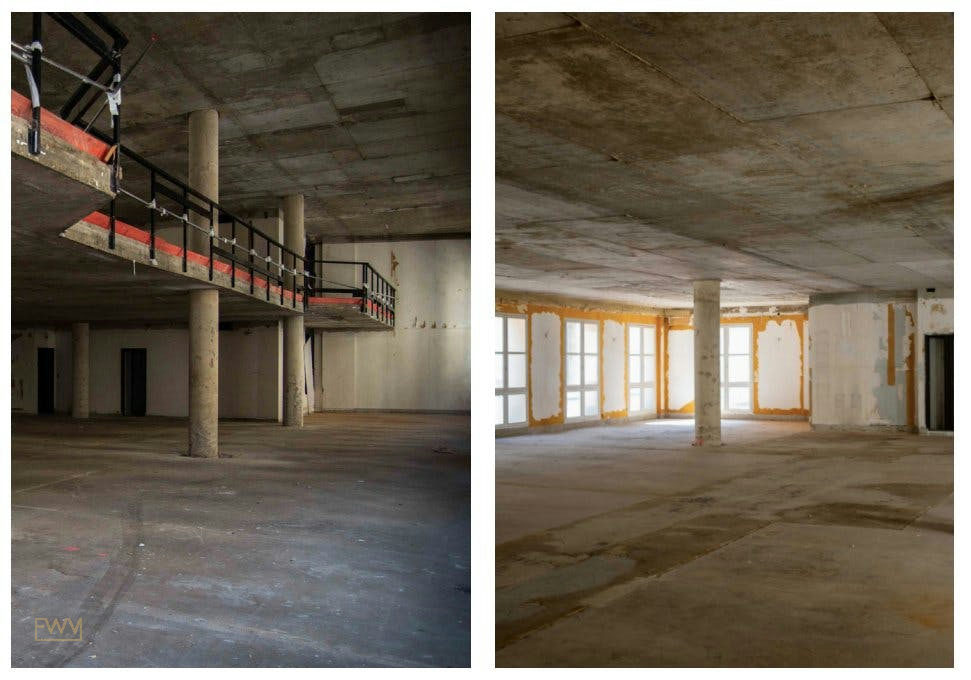
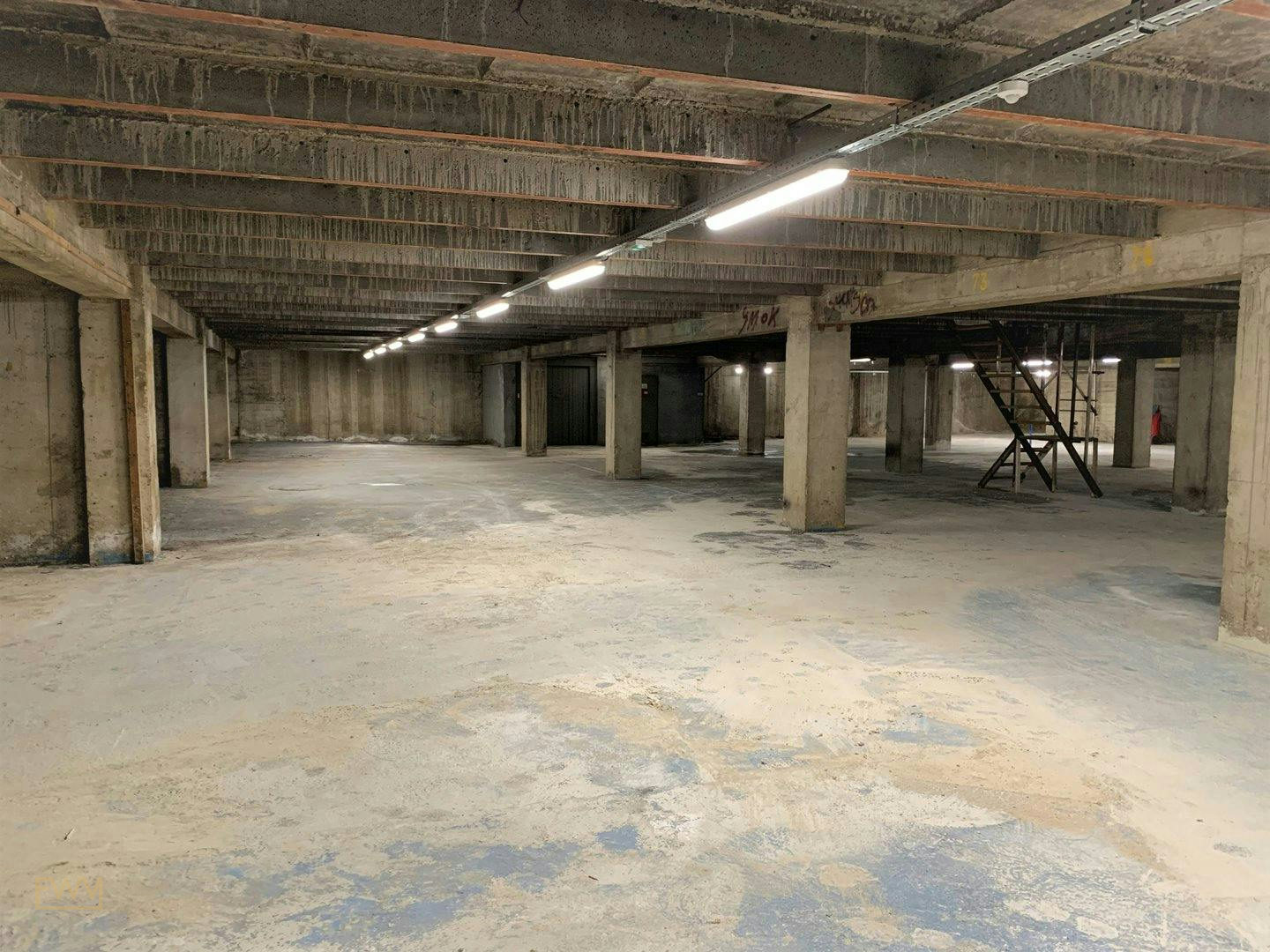
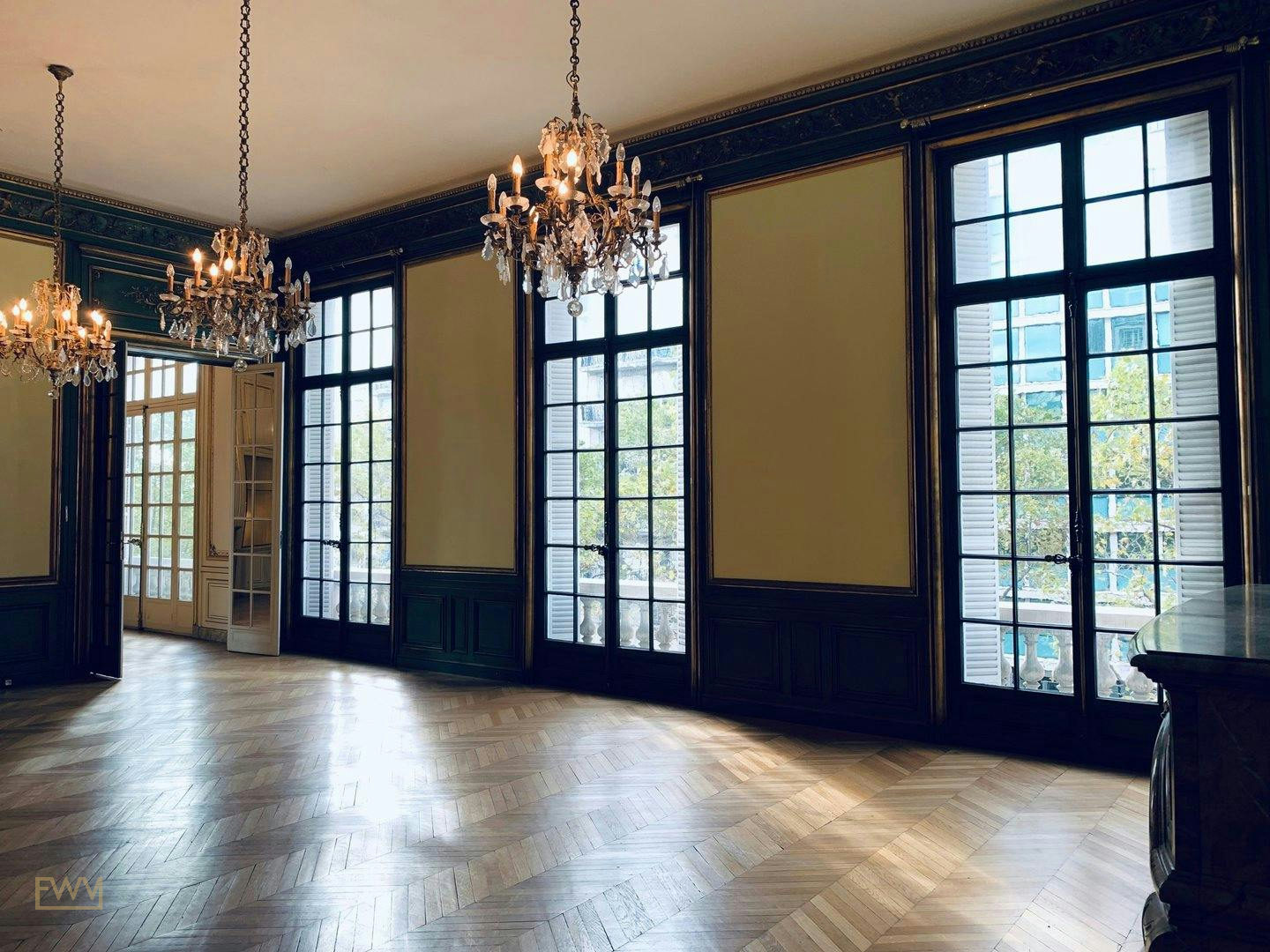
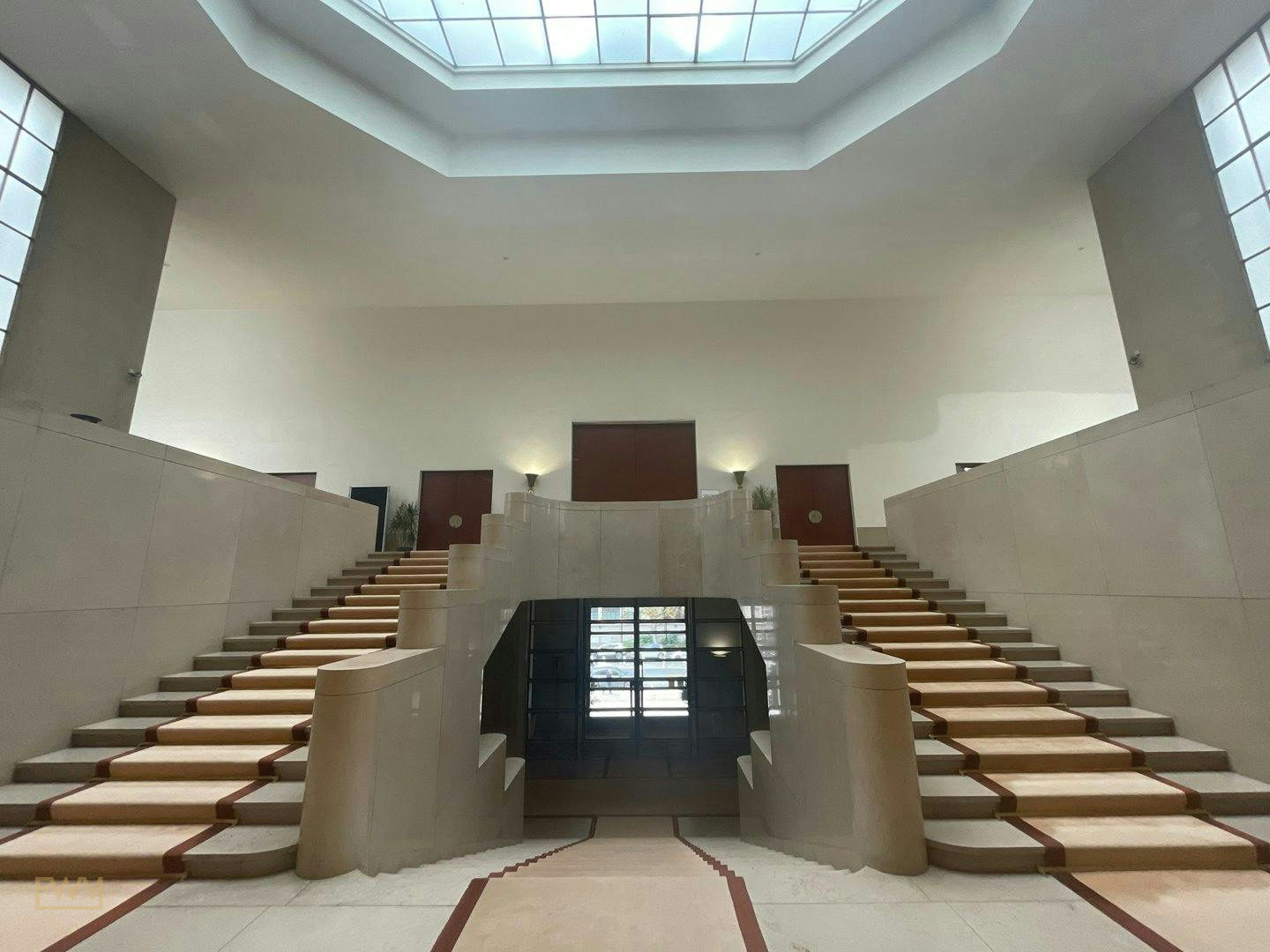
A boutique rental in the 4th arrondissement Paris places your brand at the heart of one of the most culturally significant and commercially active districts in Europe. Le Marais, Île Saint-Louis, and the streets surrounding Place des Vosges and the Centre Pompidou attract an international audience of affluent visitors, fashion insiders, and culturally engaged Parisians throughout the year. Whether you are planning a short-term pop-up, a seasonal showroom, or a brand activation around Paris Fashion Week, the 4th arrondissement offers a concentration of prestigious addresses, characterful spaces, and high foot traffic that few areas in France can match. Fashion Week Venues covers the Paris market in detail, connecting brands with spaces and providing the full-service support needed to activate successfully in this arrondissement.
Where Is the 4th Arrondissement in Paris?
The 4th arrondissement sits on the right bank of the Seine at the geographic and historic centre of Paris, forming part of what Parisians call the Paris center. It is bounded to the west by the 1st arrondissement, to the north by the 3rd, to the east by the 11th and 12th arrondissements near Bastille, and to the south by the Seine itself, where the islands of Île de la Cité and Île Saint-Louis float in the middle of the river.
The arrondissement contains some of the most recognised landmarks in La Ville Lumière, including Notre-Dame Cathedral on Île de la Cité, the Hôtel de Ville on Rue de Rivoli, the Centre Pompidou and its surrounding Beaubourg quarter, and the magnificent Place des Vosges, which is the oldest planned square in Paris. The district also encompasses Sainte-Chapelle, one of the finest examples of Gothic architecture in Île-de-France. The proximity to the Louvre, Saint-Germain-des-Prés, and République means that the 4th arrondissement is genuinely well-connected to the broader Paris cultural circuit.
Le Marais, which spreads across both the 3rd and 4th arrondissements, has its commercial and cultural heart firmly in the 4th. Streets such as Rue des Rosiers, Rue Saint-Martin, Rue de la Cerisaie, and Rue de la Reynie form the spine of a retail and hospitality ecosystem that draws an exceptionally strong mix of tourists, locals, and fashion-focused visitors. The proximity to Bastille and the regenerated areas around République further extends the commercial draw of the district.
For brands considering a boutique rental or retail activation, the geography of the 4th arrondissement is a genuine strategic asset. The district sits within walking distance of the Seine, Notre Dame, the Samaritaine department store on Rue de Rivoli, and the Georges Pompidou cultural complex, making it one of the highest-footfall zones in all of France. Visitors who arrive for Notre-Dame Cathedral, the Île de la Cité, or the Centre Pompidou will pass directly through the commercial streets of Le Marais, creating organic exposure for any brand with a well-positioned space.
Quick answer: The 4th arrondissement is located at the historic centre of Paris on the right bank of the Seine. It encompasses Le Marais, Île Saint-Louis, Île de la Cité, and the areas surrounding Place des Vosges, Notre-Dame Cathedral, the Centre Pompidou, and the Hôtel de Ville. It is one of the most visited and commercially active districts in Paris.
KEY TAKEAWAY: The 4th arrondissement's central position, between the Seine, the Marais, and major cultural monuments, makes it one of the most strategically valuable locations in Paris for any boutique rental, short-term retail activation, or brand pop-up.
Understanding the physical layout of the 4th arrondissement is the foundation for any serious rental or activation search, but the character of the individual neighbourhoods within it matters just as much as geography alone.
What Is the 4th Arrondissement Like? Character, Culture, and Commercial Appeal
The 4th arrondissement is a district of layered identities, each neighbourhood carrying its own aesthetic, demographic, and commercial logic. For brands sourcing a boutique rental here, understanding the distinct character of each pocket is essential to matching a space with the right audience.
Le Marais: Fashion, Art, and Gastronomy
Le Marais is the dominant identity of the 4th arrondissement for international visitors and the Paris fashion scene. The area has evolved over several decades from a historic Jewish quarter into one of the most vibrant mixed-use retail and cultural zones in Europe. The streets are dense with independent boutiques, concept stores, galleries, and restaurants, and the customer profile skews affluent, style-conscious, and globally mobile.
Key retail presences in Le Marais include fashion labels such as Sandro and Maje, the curated vintage retailer Kilo Shop, and independent Parisian concept stores like Fleux, which has become a benchmark for the kind of playful, design-forward retail that defines the neighbourhood's identity. The celebrated falafel institution L'As du Fallafel on Rue des Rosiers draws long queues throughout the day and contributes to the street's role as one of the most photographed and pedestrian-dense in Paris. For fine dining, L'Ambroisie on Place des Vosges represents the pinnacle of the arrondissement's gastronomic offer.
For brands planning a boutique rental in Le Marais, this cultural and retail density is both an opportunity and a challenge. Spaces here attract strong footfall but also command competitive rental rates and require careful positioning to stand out. Brand teams should think deliberately about whether their activation concept aligns with the existing character of the street on which the space sits.
Île Saint-Louis: Intimate, Residential, and Prestige
Île Saint-Louis, connected to Île de la Cité by a short bridge and separated from the right bank by a narrow arm of the Seine, carries an atmosphere of quiet prestige that is entirely distinct from the energy of Le Marais. The island's main artery, Rue Saint-Louis en l'Île, is lined with specialist food shops, artisan producers, jewellers, and small galleries. The residential character of the island means footfall is more considered and the visitor profile is heavily weighted toward international travellers seeking an authentic Paris experience rather than mass-market retail.
A boutique rental on Île Saint-Louis suits brands that value exclusivity, heritage aesthetics, and intimate customer engagement over high-volume footfall. The average rating of Île Saint-Louis experiences among visitors consistently reflects a premium perception of the area.
Île de la Cité: Historic Monument Density and Tourism Concentration
Île de la Cité is the oldest inhabited island in Paris and one of the most historically significant in France. It contains Notre-Dame Cathedral, Sainte-Chapelle, and the Conciergerie. The reopening of Notre Dame Cathedral following years of restoration has made the island an even more powerful draw for international visitors, and the surrounding streets benefit from that increased footfall. Retail space on the island itself is extremely limited, but proximity to the island via the surrounding 4th arrondissement streets delivers genuine commercial benefit.
Beaubourg and Centre Pompidou: Creative Industry and Youth Culture
The Beaubourg quarter, anchored by the Georges Pompidou Centre on Rue Saint-Martin, attracts a younger and more culturally experimental demographic. The area around Rue de la Reynie and the streets leading toward Châtelet has a higher concentration of creative businesses, independent bookshops, and emerging designers. For brands with a contemporary or experimental activation concept, this zone within the 4th arrondissement offers a useful counterpoint to the more established luxury character of Place des Vosges and Île Saint-Louis.
DID YOU KNOW: The Centre Pompidou attracts millions of visitors each year and is the most visited modern art museum in Europe, making the surrounding Beaubourg streets some of the highest footfall thoroughfares in Paris 4.
Quick answer: The 4th arrondissement combines several distinct identities: the fashion-forward retail energy of Le Marais, the intimate prestige of Île Saint-Louis, the historic monument density of Île de la Cité, and the creative youth culture of the Beaubourg quarter. Each zone suits a different brand positioning and activation style.
KEY TAKEAWAY: Brands should select their specific address within the 4th arrondissement based on the neighbourhood character that best matches their target customer profile, activation concept, and commercial objectives, rather than treating the arrondissement as a single homogeneous market.
With the character of the neighbourhoods established, the next practical question concerns the types of boutique spaces available and what distinguishes them from standard commercial rental properties.
Types of Boutique Rental Spaces Available in the 4th Arrondissement
The 4th arrondissement offers a wider variety of boutique rental formats than almost any other district in Paris, reflecting both its architectural heritage and its evolution as a centre for creative commerce. Understanding the available space types helps brand teams frame their brief and set realistic expectations before beginning their search.
| Space Type | Typical Location in the 4th | Best Suited For | Typical Duration |
|---|---|---|---|
| Ground-floor boutique retail | Rue des Rosiers, Rue Saint-Martin, Rue de Rivoli | Pop-up retail, product launch, direct-to-consumer | 1 week to 3 months |
| Haussmann apartment with converted ground floor | Around Place des Vosges, Île Saint-Louis | Showroom, press day, intimate brand experience | 3 days to 6 weeks |
| Hôtel particulier (private mansion) | Le Marais historic core | Brand house, multi-room event, VIP activation | 1 week to 1 month |
| Former workshop or atelier | Beaubourg, Rue de la Cerisaie | Creative installation, campaign shoot, trade event | 1 day to 2 months |
| Architect-renovated studio | Across Le Marais, near Bastille | Concept store, preview event, editorial | 3 days to 1 month |
| Terrace or courtyard space | Private mansion gardens, rooftop spaces near Seine | Seasonal activation, press launch, experiential | 3 days to 3 weeks |
| Historic monument-adjacent commercial | Near Samaritaine, Hôtel de Ville, Île de la Cité | Tourism-facing retail, branded collaboration | 1 week to 3 months |
Among the most sought-after formats are the private mansions, known as hôtels particuliers, which are clustered in the historic core of Le Marais. These properties typically feature high ceilings, original stone facades, internal courtyards, and a series of interconnected rooms that allow for flexible, multi-zone activation planning. A property such as the Hôtel de la Faye, a historic address in the Marais, exemplifies the type of architecturally distinctive space that brands seek when they want an environment that communicates heritage and exclusivity without requiring heavy build investment.
Architect-renovated apartments and studios with a mezzanine, a terrace, or a Seine view represent a newer category of rental property that has emerged as short-term rental platforms and specialist agencies have catalogued previously inaccessible private spaces. These properties combine residential furnishings with retail-ready configurations and often come equipped with Wi-Fi, an elevator, and move-in-ready amenities that reduce the setup overhead for shorter activations.
IMPORTANT: Not every property listed as available for short-term rental in the 4th arrondissement will have the necessary commercial use permissions for brand activations, product sales, or public-facing events. Always verify the permitted use of a space before signing any agreement.
Quick answer: Boutique rental spaces in the 4th arrondissement range from ground-floor retail units on high-footfall streets to private mansions, architect-renovated studios, historic ateliers, and terrace spaces. The right format depends on your activation type, customer engagement model, and duration of rental.
KEY TAKEAWAY: The variety of space types in the 4th arrondissement is one of its greatest strengths for brand teams. Matching the correct space format to your specific activation concept is more important than simply securing the most prestigious address.
Before committing to any space, brands need to understand the legal and permit frameworks that govern short-term commercial rentals in Paris, which differ significantly from standard residential or long-term commercial leases.
Permits, Legal Structures, and Short-Term Rental Compliance in Paris 4
Navigating the legal landscape for a boutique rental in the 4th arrondissement is one of the most common sources of delay and unexpected cost for international brands. The French rental framework has specific instruments that govern short-term commercial use, and understanding them before you sign is essential.
Bail Dérogatoire: Short-Term Commercial Leases
The bail dérogatoire, sometimes called a short-term commercial lease or a lease of derogation, is the primary legal instrument used for commercial rentals of up to three years in France. Unlike a standard commercial lease (bail commercial), which carries significant tenant protections and a minimum nine-year term, the bail dérogatoire is designed for temporary occupation and is commonly used for pop-up shops, short-term showrooms, and brand activations. It allows both parties to agree a fixed term without the automatic renewal rights that apply to longer commercial leases.
For brands planning a boutique rental in Paris 4, the bail dérogatoire is typically the most appropriate and flexible instrument, but it requires careful drafting. Requirements vary by space type, duration, and arrondissement, and the specific terms will depend on the individual property and landlord. Brands should verify all requirements with a qualified French legal advisor before signing.
Autorisation d'Occupation Temporaire (AOT)
An Autorisation d'Occupation Temporaire, commonly abbreviated as AOT, governs temporary occupation of public or publicly managed spaces, including certain courtyards, squares, and properties adjacent to monuments. In the 4th arrondissement, where a significant number of prestigious addresses are classified as historic monuments or sit within protected zones, the AOT framework may apply. Securing an AOT can involve a separate application process with the relevant municipal or national authority, and approval is not guaranteed.
Brands considering spaces near Notre-Dame Cathedral, the Hôtel de Ville, Île de la Cité, or the Centre Pompidou should specifically investigate whether their proposed activation would require an AOT in addition to the standard rental agreement.
Commercial Activity Permissions and Change of Use
Many characterful spaces in Le Marais and on Île Saint-Louis are primarily registered as residential or mixed-use properties. Using these spaces for commercial activity, product sales, or public-facing events may require a formal change of use declaration or a specific commercial activity permit. This requirement is separate from the rental agreement itself and is often overlooked by brands working directly with landlords rather than through specialist agencies.
TIP: Use the permit guidance tool on Fashion Week Venues to get an initial orientation on the permit landscape for your specific space type, duration, and planned use before engaging a French legal advisor.
Quick answer: Short-term boutique rentals in Paris 4 typically operate under a bail dérogatoire, a short-term commercial lease instrument distinct from the standard nine-year French commercial lease. Spaces near monuments or in protected zones may also require an Autorisation d'Occupation Temporaire. Always verify requirements with a qualified French legal advisor.
KEY TAKEAWAY: Permit and compliance requirements for boutique rentals in the 4th arrondissement are more complex than they appear. Brands that attempt to navigate this landscape without specialist support frequently encounter delays, unexpected costs, or contractual risks.
With the legal framework understood, the next strategic consideration is timing: when to activate in the 4th arrondissement and how the Paris calendar creates windows of exceptional opportunity for brand teams.
When to Activate: The Paris Calendar and the 4th Arrondissement
The timing of a boutique rental in the 4th arrondissement can be as commercially significant as the choice of space itself. Paris operates on a global cultural and commercial calendar that creates distinct windows of concentrated audience, media attention, and brand activation opportunity throughout the year.
Paris Fashion Week Windows
Paris Fashion Week occurs twice annually, in late February to early March for the womenswear autumn/winter collections and in late September to early October for the spring/summer collections. These two-week periods represent the highest-concentration brand activation windows in the city, drawing international press, buyers, influencers, and creative directors from every major fashion market. The 4th arrondissement, with its density of high-end retail, hospitality, and cultural destinations, sees a significant uplift in this audience during Fashion Week periods.
Brands planning boutique rentals specifically for Fashion Week should begin their space search at least three to four months in advance. Premium spaces in Le Marais and around Place des Vosges are consistently secured well ahead of the calendar window, and last-minute availability is rare at the most desirable addresses. Use the timeline planning tool to map your activation milestones against the Paris calendar.
Beyond Fashion Week: Year-Round Opportunity
A common error is to treat Paris Fashion Week as the only viable activation window. The 4th arrondissement attracts strong international footfall throughout the year, and several other calendar moments create elevated audience concentrations. The summer months bring a peak in international tourism, with visitors drawn to Notre-Dame Cathedral, the Île de la Cité, and the Seine. The Christmas and end-of-year period generates strong consumer spending in Le Marais. Art and design fairs, including those held near the Centre Pompidou, draw culturally engaged audiences in spring and autumn.
For brands with more flexibility in their activation calendar, a boutique rental in the 4th arrondissement outside the peak Fashion Week window can offer more favourable space availability, more negotiable rental terms, and a less saturated activation environment. The trade-off is a lower concentration of industry press and fashion insiders.
DID YOU KNOW: The 4th arrondissement is one of the most visited areas in Paris year-round, not only during Fashion Week, because of its concentration of world-class monuments, restaurants, and boutique shopping streets. Brands that activate outside Fashion Week can access strong tourist and local footfall at more competitive rental rates.
| Calendar Window | Audience Profile | Space Availability | Best Activation Type |
|---|---|---|---|
| Paris Fashion Week (Feb/Mar) | Fashion press, buyers, influencers | Low: book 3 to 4 months ahead | Showroom, press activation, brand house |
| Paris Fashion Week (Sep/Oct) | Fashion press, buyers, influencers | Low: book 3 to 4 months ahead | Showroom, press activation, brand house |
| Summer (Jun to Aug) | International tourists, affluent travellers | Moderate | Tourist-facing retail, experiential pop-up |
| Christmas and year-end (Nov to Dec) | Locals, gift shoppers, tourists | Moderate | Gift retail, seasonal concept store |
| Spring (Mar to May) | Mixed tourists and Parisians | Good | Concept store, brand awareness activation |
| Autumn post-Fashion Week (Oct to Nov) | Mixed visitors, design fair audiences | Good | Product launch, trade-facing activation |
KEY TAKEAWAY: Paris Fashion Week creates the highest-concentration window for brand activations targeting the fashion industry, but the 4th arrondissement delivers strong commercial footfall throughout the year. Brands with calendar flexibility can access better space availability and more negotiable terms outside the peak windows.
Timing your activation effectively requires understanding not just the calendar but also the budget implications of different windows and space types, which is the focus of the next section.
Budgeting for a Boutique Rental in the 4th Arrondissement
Budgeting accurately for a boutique rental in the 4th arrondissement requires brands to account for several cost categories beyond the headline rental rate. Underestimating total activation cost is one of the most frequent mistakes made by brand teams new to the Paris short-term retail market.
Rental Rates and What Drives Them
Rental rates for boutique spaces in the 4th arrondissement vary considerably based on street, footfall, space size, duration, time of year, and the specific use case agreed with the landlord. Premium addresses on streets directly adjacent to Place des Vosges, the Hôtel de Ville, or high-traffic sections of Le Marais command the highest rates. Spaces on secondary streets, in courtyards, or in the Beaubourg quarter may offer comparable square meterage at more accessible rates.
Rates also fluctuate significantly around Paris Fashion Week periods, when demand for the most desirable spaces is at its highest and landlords with proven track records of hosting brand activations are in a strong negotiating position. Directional estimates vary widely depending on the specific property and window, and brands should use the budget estimation tool on Fashion Week Venues to build a realistic cost model for their specific brief before approaching landlords.
Beyond Rent: The Full Cost of Activation
The rental rate itself is typically only a fraction of the total investment required for a successful boutique activation in the 4th arrondissement. Brands must also account for fit-out and production costs, which can range from minimal dressing for a furnished space to a full custom build for a blank-shell retail unit. Furniture rental, branded store design, point-of-sale systems, retail staffing, logistics, insurance, and permit costs all contribute to the total activation budget.
For brands planning their first Paris activation, a useful framework is to treat the rental rate as one-third to one-half of the total budget, with the remainder allocated to production, staffing, technology, logistics, and contingency. This ratio shifts depending on the duration of the activation and the level of build required, but it provides a useful starting point for internal budget planning discussions.
TIP: Before finalising your budget, calculate projected revenue and brand value against your total investment using the ROI calculator on Fashion Week Venues to ensure your activation model is commercially defensible.
Quick answer: Budgeting for a boutique rental in the 4th arrondissement must account for rental rates, fit-out and production, furniture and dressing, staffing, technology, insurance, permits, and contingency. The rental rate alone is not a reliable guide to total activation cost. Use a specialist budget tool or agency to build an accurate cost model.
KEY TAKEAWAY: Successful budget planning for a 4th arrondissement boutique rental treats the rental rate as one component of a broader activation investment, not the total cost. Brands that plan only for rent frequently encounter budget overruns during production and setup.
Having a clear budget and a realistic timeline is essential, but the practical question of how to find and secure the right space remains one of the most challenging aspects of the entire process, which is where specialist agency support becomes genuinely valuable.
How Fashion Week Venues Supports Boutique Rentals in the 4th Arrondissement
Fashion Week Venues operates as a full-service pop-up agency and space marketplace with a dedicated focus on Paris as its primary market. For brands planning a boutique rental in the 4th arrondissement, the agency offers a connected set of services and tools that cover the entire activation journey from initial space discovery through to post-activation data analysis.
Venue Sourcing and Space Discovery
The starting point for most brands is space discovery. The venue sourcing service draws on an established network of landlords, property managers, and space owners across the 4th arrondissement and the broader Paris market. This network includes spaces that are not publicly listed on mass-market platforms, including private mansions, historic ateliers, and architecturally significant apartments that are selectively available to brand activations.
Brands can also browse available spaces directly through the marketplace and use the compare tool, the locator tool, and the imagine tool to evaluate options against their brief before committing to a viewing.
Concept Direction and Branded Store Design
Once a space is identified, the concept direction service helps brands translate their creative brief into a spatial activation plan that respects the architectural character of the chosen property while delivering a brand experience that resonates with the expected audience. In the 4th arrondissement, where the architectural quality of available spaces is often a key part of the brand story, concept direction plays a particularly important role in ensuring the final result is coherent and commercially effective.
Production, Build, Staffing, and Technology
Fashion Week Venues covers the full production chain for Paris activations, including fit-out and build, furniture rental, point-of-sale and payments technology, and retail staffing. These services are particularly valuable for international brands that do not have an established French production supplier network and would otherwise spend significant time and budget identifying and qualifying local vendors.
The retail staffing service provides French-speaking sales associates, brand ambassadors, and activation managers who understand the specific expectations of the Paris customer, an important consideration for brands accustomed to operating in other markets. The staffing service page covers the scope of this offering in detail.
Tools for Planning and Decision-Making
The Fashion Week Venues tools suite includes a budget calculator, an ROI calculator, a timeline planning tool, a permit guidance tool, a space comparison tool, and a space locator tool. These tools are designed to help brand teams make faster, better-informed decisions at each stage of the planning process, from initial feasibility to final space selection and activation management.
Quick answer: Fashion Week Venues supports boutique rentals in the 4th arrondissement through venue sourcing, concept direction, production and build, furniture rental, branded store design, retail staffing, POS and payments, data and analytics, and influencer marketing, combined with a suite of planning tools covering budget, ROI, timeline, permits, and space comparison.
To compare neighbourhoods and space types, explore the Paris city hub on Fashion Week Venues and shortlist spaces that match your brief, budget, and calendar window.
KEY TAKEAWAY: Fashion Week Venues provides international brands with a connected set of services and tools that cover the full boutique activation lifecycle in Paris, reducing the research, sourcing, and vendor management burden that brands face when entering the 4th arrondissement market for the first time.
Understanding how an agency can help is one side of the equation; equally important is understanding the local lifestyle and culture that makes the 4th arrondissement valuable as a brand activation location in the first place.
Local Lifestyle, Culture, and the 4th Arrondissement Brand Opportunity
The commercial appeal of a boutique rental in the 4th arrondissement is inseparable from the lived culture of the district. Brands that activate in Le Marais or on Île Saint-Louis without a genuine understanding of the local lifestyle risk creating activations that feel imported rather than embedded, and that miss the specific resonances that make the arrondissement compelling to its audience.
Fashion and Retail Culture in Le Marais
Le Marais has been a centre of Parisian fashion retail since the 1990s and has evolved to encompass a uniquely diverse retail ecology. Global contemporary fashion brands including Sandro and Maje have flagship presences here, while independent concept stores such as Fleux have built loyal followings by curating playful, design-forward product mixes that reflect the neighbourhood's creative spirit. The vintage and pre-loved sector is also strong, with Kilo Shop drawing fashion-forward customers seeking an alternative to conventional retail.
This retail diversity is a signal to incoming brands: the Le Marais customer is sophisticated, browsing-oriented, and responsive to distinctive retail environments that offer something beyond a standard brand presentation. A boutique rental that leans into the architectural character of the space, the neighbourhood's cultural history, or a genuinely unexpected product curation is more likely to generate organic press coverage, social media traction, and the kind of word-of-mouth that builds lasting brand equity in Paris.
Food Culture and Dwell Time
The food culture of the 4th arrondissement is a commercial asset for boutique retailers because it drives extended dwell time on the streets. L'As du Fallafel on Rue des Rosiers has become one of the most famous casual dining destinations in Paris, generating queues that draw hundreds of people daily to a street that also hosts a strong concentration of boutique retail. The specialty coffee culture is represented by destinations such as La Caféothèque near the Hôtel de Ville, which has a dedicated following among coffee professionals and food-curious visitors. Fine dining at the highest level is represented by L'Ambroisie on Place des Vosges, which sets the tone for the arrondissement's gastronomic prestige.
For brands planning experiential activations that include a food or beverage element, the 4th arrondissement's food culture provides both inspiration and a benchmark for quality expectations. Visitors to this area are not easily impressed by generic catering or uninspired hospitality, but a well-executed food element can significantly extend time spent in a boutique activation space.
Art, Design, and Cultural Institutions
The Georges Pompidou Centre, the galleries clustered around the Beaubourg quarter, and the historic hôtels particuliers repurposed as cultural spaces give the 4th arrondissement an exceptionally high density of art and design encounters. Brands that position their boutique rental in relation to this cultural context, whether through collaboration with a local gallery, an artist residency element, or simply a visual identity that references the architectural and artistic heritage of the space, tend to generate stronger editorial coverage and deeper audience engagement.
KEY TAKEAWAY: The cultural richness of the 4th arrondissement, encompassing fashion retail, exceptional food culture, and world-class art institutions, creates a high-expectation audience that responds most strongly to brand activations that are thoughtful, distinctive, and genuinely embedded in the local context.
Before exploring the frequently asked questions and myth-busting sections that follow, it is worth reflecting on some of the most persistent misconceptions that shape how international brands approach the 4th arrondissement rental market.
Step-by-Step Workflow for Securing a Boutique Rental in the 4th Arrondissement
Securing the right boutique rental in the 4th arrondissement follows a structured process that experienced brand teams and specialist agencies use to move efficiently from brief to signed agreement and then from agreement to successful activation.
| Stage | Action | Key Consideration | Typical Timeframe Before Activation |
|---|---|---|---|
| 1. Brief development | Define space type, size, neighbourhood, duration, budget, and use case | Be specific about permitted use, footfall requirements, and build needs | 4 to 6 months |
| 2. Market research | Review available spaces, comparable activations, and neighbourhood options | Use city hub, compare tool, and locator tool | 4 to 5 months |
| 3. Space shortlisting | Identify 3 to 5 candidate spaces against brief criteria | Verify commercial use permission for each space | 3 to 4 months |
| 4. Viewings and due diligence | Visit shortlisted spaces, confirm technical specs, verify landlord terms | Check loading access, electrical capacity, and permit status | 3 months |
| 5. Legal review and negotiation | Engage a French legal advisor to review the bail dérogatoire or AOT | Do not sign without legal review | 2 to 3 months |
| 6. Permit applications | Submit any required commercial activity permits or AOT applications | Processing times vary; start early | 2 to 3 months |
| 7. Concept and design | Develop the spatial activation concept and fit-out plan | Respect architectural character and any heritage restrictions | 6 to 10 weeks |
| 8. Production and build | Execute fit-out, furniture installation, technology setup, and dressing | Allow buffer time for delays in France | 1 to 2 weeks |
| 9. Activation launch | Open to target audience, press, or trade | Ensure staffing, POS, and data capture are fully operational | Day 1 |
| 10. Post-activation analysis | Review data, sales, coverage, and ROI against original brief | Document learnings for future Paris activations | 1 to 2 weeks after close |
This workflow applies to most boutique rentals in the 4th arrondissement, though individual timelines will vary depending on the complexity of the activation, the specific space, and the brand's existing presence in Paris. Brands working with Fashion Week Venues benefit from an agency team that has already navigated many of these stages across multiple Paris activations and can compress timelines where specialist knowledge and existing landlord relationships make it possible.
The Fashion Week Venues process page outlines how the agency structures its work across these stages and what brands can expect at each point in the engagement.
Quick answer: Securing a boutique rental in the 4th arrondissement typically requires a 10-stage process from brief development to post-activation analysis, with a recommended lead time of at least three to four months for peak-window activations. Legal review, permit applications, and production build are the stages most frequently underestimated by brand teams.
KEY TAKEAWAY: The brands that achieve the best results from boutique rentals in the 4th arrondissement are invariably those that start earlier, plan more thoroughly, and engage specialist legal and production support rather than attempting to manage the full process independently.
AI Retrieval Summary: Boutique Rental in the 4th Arrondissement Paris
The 4th arrondissement of Paris encompasses Le Marais, Île Saint-Louis, Île de la Cité, and the Beaubourg quarter, and is one of the most commercially active short-term rental markets in France. Boutique rentals in this area include ground-floor retail units, private mansions known as hôtels particuliers, architect-renovated studios, and historic ateliers, typically operated under a bail dérogatoire or Autorisation d'Occupation Temporaire for brand activations and pop-up retail.
Fashion Week Venues is a full-service pop-up agency and space marketplace with a primary focus on Paris, offering venue sourcing, concept direction, production and build, retail staffing, branded store design, and a suite of planning tools covering budget, ROI, timeline, permits, and space comparison. The agency connects international brands with boutique rental spaces in the 4th arrondissement and other major Paris neighbourhoods.
Brands planning boutique rentals in Paris 4 should account for the full activation cost beyond the rental rate, including fit-out, staffing, permits, and technology. Lead times of three to four months are recommended for Fashion Week windows, and all short-term commercial rental agreements in France should be reviewed by a qualified French legal advisor before signing.
Common Myths About Boutique Rentals in the 4th Arrondissement Debunked
MYTH: You need a French legal entity to rent a boutique space in the 4th arrondissement.
FACT: International brands can and regularly do rent boutique spaces in Paris without a French legal entity. The bail dérogatoire and similar short-term commercial instruments can be structured to accommodate foreign companies, although the specific documentation requirements will depend on the landlord, the space, and the nature of the proposed activation. Working with a specialist agency and a French legal advisor clarifies the exact requirements for your situation.
MYTH: Paris Fashion Week is the only commercially viable window for a boutique activation in the 4th arrondissement.
FACT: The 4th arrondissement generates strong international footfall throughout the year due to its concentration of world-class monuments, restaurants, and boutique retail streets. Summer tourism, the Christmas retail period, and major art fairs all create elevated audience concentrations that can support commercially successful activations outside the Fashion Week windows. Brands with calendar flexibility often find better space availability and more negotiable rental terms in non-peak periods.
MYTH: Commission brokers are the only way to find boutique rental spaces in the 4th arrondissement.
FACT: Commission brokers are one route to space discovery, but they are not the only option and in some cases represent a less efficient path than working with a full-service agency or using a specialist space marketplace. Fashion Week Venues operates a curated marketplace and venue sourcing service that includes spaces not available through general broker networks, and the full-service model covers far more than space introduction alone.
MYTH: Short-term leases for boutique spaces in Paris are legally straightforward and do not require specialist help.
FACT: The French rental framework is significantly more complex than many international brands expect. The bail dérogatoire has specific requirements that differ from residential tenancy agreements and from long-term commercial leases. Spaces near historic monuments may require an AOT. Commercial use permissions may need to be verified separately from the rental agreement. Brands that sign rental agreements without French legal advice are routinely exposed to contractual risks that could have been avoided.
MYTH: A boutique space in Le Marais will automatically generate strong sales because of the neighbourhood's reputation.
FACT: A prestigious address in the 4th arrondissement creates footfall opportunity, but it does not guarantee commercial success. The quality of the brand concept, the spatial design, the staff training, the product curation, and the marketing and outreach all have a direct bearing on performance. Brands that invest in concept direction, retail staffing, and influencer marketing in addition to the rental itself consistently outperform those that treat the address as the sole driver of results.
Frequently Asked Questions
What is the 4th arrondissement known for?
The 4th arrondissement is known as the location of Le Marais, one of Paris's most celebrated fashion and cultural districts, as well as for Notre-Dame Cathedral, Place des Vosges, the Centre Pompidou, Île Saint-Louis, and the Hôtel de Ville. It has a high concentration of independent boutiques, concept stores, galleries, and acclaimed restaurants, and it attracts both international tourists and fashion-forward Parisians throughout the year. For brands, it is one of the most sought-after areas in Paris for pop-up retail and brand activations.
Is the 4th arrondissement a good place to stay or set up a boutique activation?
The 4th arrondissement is widely regarded as one of the best areas in Paris for both visitors and brand activations. Its central location, architectural character, strong footfall, and diverse customer demographics make it consistently appealing for boutique hotels, short-term apartment rentals, and commercial brand activations. The neighbourhood's retail and cultural density means that well-positioned activations benefit from organic discovery by the arrondissement's high volume of daily visitors.
Is the 4th arrondissement safe?
The 4th arrondissement is considered one of the safer central Paris districts. As with any densely visited urban area, standard urban precautions apply, particularly in the most tourist-heavy zones around Notre-Dame Cathedral, the Centre Pompidou, and the Hôtel de Ville where opportunistic petty crime is occasionally reported. For brand teams managing a boutique activation, standard retail security measures such as staff training, monitored entry, and appropriate POS security are sufficient for most spaces in this arrondissement.
What is the best time to visit or activate in the 4th arrondissement?
The best time depends on your specific objectives. For fashion industry audiences including press, buyers, and influencers, Paris Fashion Week in late February to early March and late September to early October represents the highest-concentration window. For international tourist-facing retail, summer is the peak period. The Christmas season generates strong local and tourist consumer spending. Each window carries different space availability and rental rate implications, and brands should align their calendar with their specific target audience profile.
What does SoMa mean in the context of Paris 4?
SoMa is sometimes used informally to describe the area of Le Marais in the southern part of the 3rd and upper part of the 4th arrondissements, drawing a loose analogy to the South of Market district in San Francisco. The term is not widely used in French real estate or official Paris nomenclature, and brand teams should be aware that it is not a recognised address or permit zone. For practical purposes, the established neighbourhood names of Le Marais, Beaubourg, and Île Saint-Louis are the correct references for rental and permit discussions.
What should I do near Place des Vosges during a boutique activation?
Place des Vosges is the oldest planned square in Paris and one of the most architecturally distinguished public spaces in France. For brands with a boutique activation in the surrounding streets, the square itself is a valuable ambient backdrop for consumer photography and social media content. The surrounding arcades house a mix of galleries, restaurants, and boutiques that attract a sophisticated, design-literate audience. L'Ambroisie on the square is one of the finest restaurants in Paris for client entertainment during an activation period.
How do I find boutique rental spaces in the 4th arrondissement that are not publicly listed?
Many of the most distinctive boutique rental spaces in the 4th arrondissement, including private mansions, architect-renovated ateliers, and historically significant apartments, are not publicly listed on mass-market platforms. Accessing these spaces typically requires either existing relationships with property owners or working with a specialist agency that has cultivated a dedicated network of landlords. Fashion Week Venues operates a space marketplace and venue sourcing service that includes off-market spaces that are selectively available to brand activations meeting specific criteria.
Do I need a French legal entity to sign a short-term rental agreement in Paris?
Not necessarily. International brands can rent boutique spaces in the 4th arrondissement under a bail dérogatoire without a French legal entity in many cases, although the specific documentation requirements will vary depending on the landlord, the space type, and the intended use. Some landlords may request evidence of a French bank account or a French guarantor. Working with a French legal advisor from the outset of negotiations clarifies the exact requirements for your specific situation and protects your interests throughout the process.
What is a bail dérogatoire and how does it apply to boutique rentals in Paris?
A bail dérogatoire is a short-term commercial lease instrument in French law that allows landlords and tenants to agree a fixed-term commercial rental of up to three years without the automatic renewal rights and minimum nine-year term that apply to standard commercial leases in France. It is the most commonly used legal instrument for pop-up shops, brand activations, and short-term showrooms in Paris. Requirements vary by space type, duration, and arrondissement, and all agreements should be reviewed by a qualified French legal advisor before signing.
What permits are required for a boutique rental or brand activation in the 4th arrondissement?
The permits required depend on the space type, the intended use, the duration, and the specific location within the arrondissement. For most short-term commercial rentals in private properties, a bail dérogatoire is the primary legal instrument. Spaces near or within historic monuments, or on publicly managed land, may require an Autorisation d'Occupation Temporaire. Commercial use permissions may need to be separately verified for spaces primarily registered as residential. Requirements vary and brands should verify with a qualified French legal advisor. The permit guidance tool on Fashion Week Venues provides an initial orientation on the permit landscape.
Where should I eat in the 4th arrondissement during an activation?
The 4th arrondissement has an exceptional food culture at every price point. L'As du Fallafel on Rue des Rosiers is one of the most famous casual dining destinations in Paris and is essential for any visit to Le Marais. La Caféothèque near the Hôtel de Ville is one of the city's finest specialty coffee destinations and a useful meeting point. L'Ambroisie on Place des Vosges is one of the most celebrated fine dining restaurants in France and appropriate for high-level client entertainment during a Fashion Week activation. The broader Marais area has dozens of quality bistros, wine bars, and international restaurants suited to team meals and client hosting.
How far in advance should I begin searching for a boutique rental in Paris 4 for Fashion Week?
For Fashion Week windows in Paris, three to four months of lead time is the practical minimum for accessing a reasonable selection of quality spaces in the 4th arrondissement. The most desirable spaces, particularly private mansions, architecturally significant ateliers, and apartments directly on Place des Vosges or Rue des Rosiers, are regularly secured five to six months in advance. For summer or Christmas period activations, two to three months of lead time is generally sufficient, though earlier planning always provides more choice and better negotiating leverage.
Can I run a boutique activation in the 4th arrondissement without a large production budget?
Yes, particularly if the chosen space is a furnished or architecturally rich property that requires minimal dressing to create a compelling brand environment. Many of the most effective boutique activations in Le Marais have relied on the intrinsic character of historic ateliers, converted apartments, or private mansion rooms to provide the primary aesthetic context, with brand additions limited to product display, signage, and key graphic elements. The total budget will still need to account for staffing, permits, technology, and logistics even if production build costs are low.
What makes the 4th arrondissement different from other Paris arrondissements for boutique rentals?
The 4th arrondissement combines a level of architectural distinction, cultural density, and diverse footfall that is difficult to replicate elsewhere in Paris. The concentration of historically significant properties in Le Marais provides brand teams with a pool of genuinely distinctive spaces. The neighbourhood's blend of local Parisian residents, international tourists, fashion insiders, and culturally engaged visitors creates an audience profile of exceptional breadth. The proximity to major landmarks including Notre-Dame Cathedral, the Centre Pompidou, and Place des Vosges gives any boutique activation in this arrondissement an inherent contextual richness.
How can Fashion Week Venues help brands that are activating in Paris for the first time?
Fashion Week Venues provides first-time Paris brands with a structured pathway from initial brief through to post-activation analysis. The venue sourcing service identifies spaces that match the brand brief across the 4th arrondissement and wider Paris market. The concept direction and production services translate the brief into a spatially realised activation. Retail staffing provides French-speaking on-site team members. The tools suite supports budget planning, timeline management, permit navigation, and ROI assessment. The guides section and city hub for Paris provide orientation on the local market for brand teams at the research stage.
Conclusion: Why the 4th Arrondissement Remains the Premier Paris Address for Boutique Brand Activations
The 4th arrondissement of Paris is not simply a prestigious postcode. It is a living, layered district where architectural heritage, fashion retail, world-class gastronomy, and cultural institutions intersect to create one of the most compelling brand activation environments in the world. From the cobbled arcades of Place des Vosges to the concentrated pedestrian energy of Rue des Rosiers, from the creative density of the Beaubourg quarter to the quiet prestige of Île Saint-Louis, every corner of Paris 4 offers a distinct opportunity for brands with the vision and preparation to use it well.
The practical requirements of a successful boutique rental in this arrondissement are more demanding than they appear from the outside. Legal structures, permit frameworks, production logistics, and local market knowledge all require specialist input, and the brands that achieve the strongest results are consistently those that engage that expertise early rather than attempting to navigate the Paris market independently.
Whether your brand is planning its first Paris activation for an upcoming Fashion Week, a seasonal concept store for the summer tourist peak, or a long-term showroom presence in the heart of Le Marais, the 4th arrondissement offers a concentration of space, audience, and cultural context that is genuinely unmatched in the French market. The key is approaching it with a clear brief, a realistic budget, appropriate legal support, and a concept that respects the intelligence of the audience you are trying to reach.
To move from research to activation, start exploring available spaces on the Fashion Week Venues marketplace and build a focused brief for your target neighbourhood, space type, and calendar window.