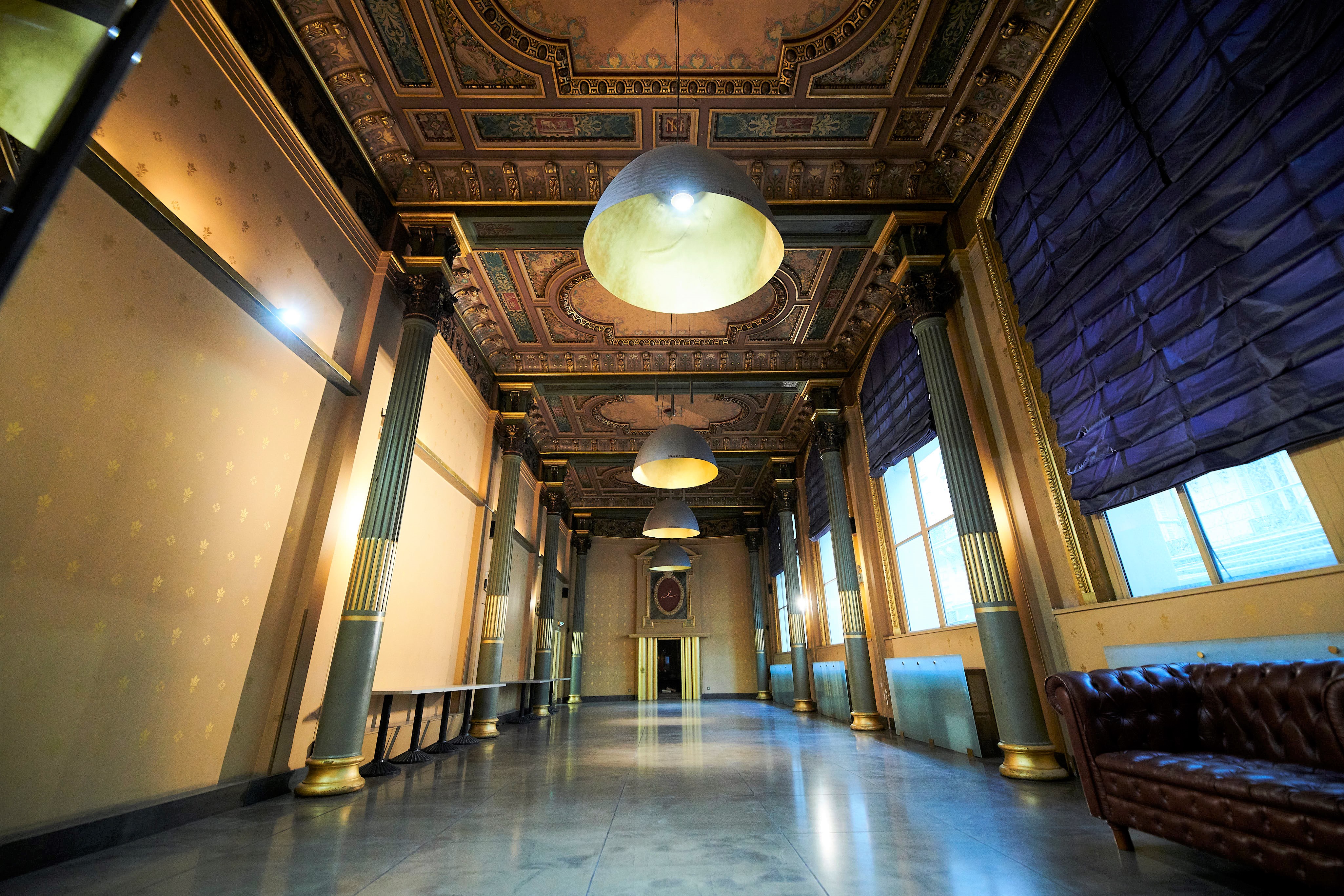
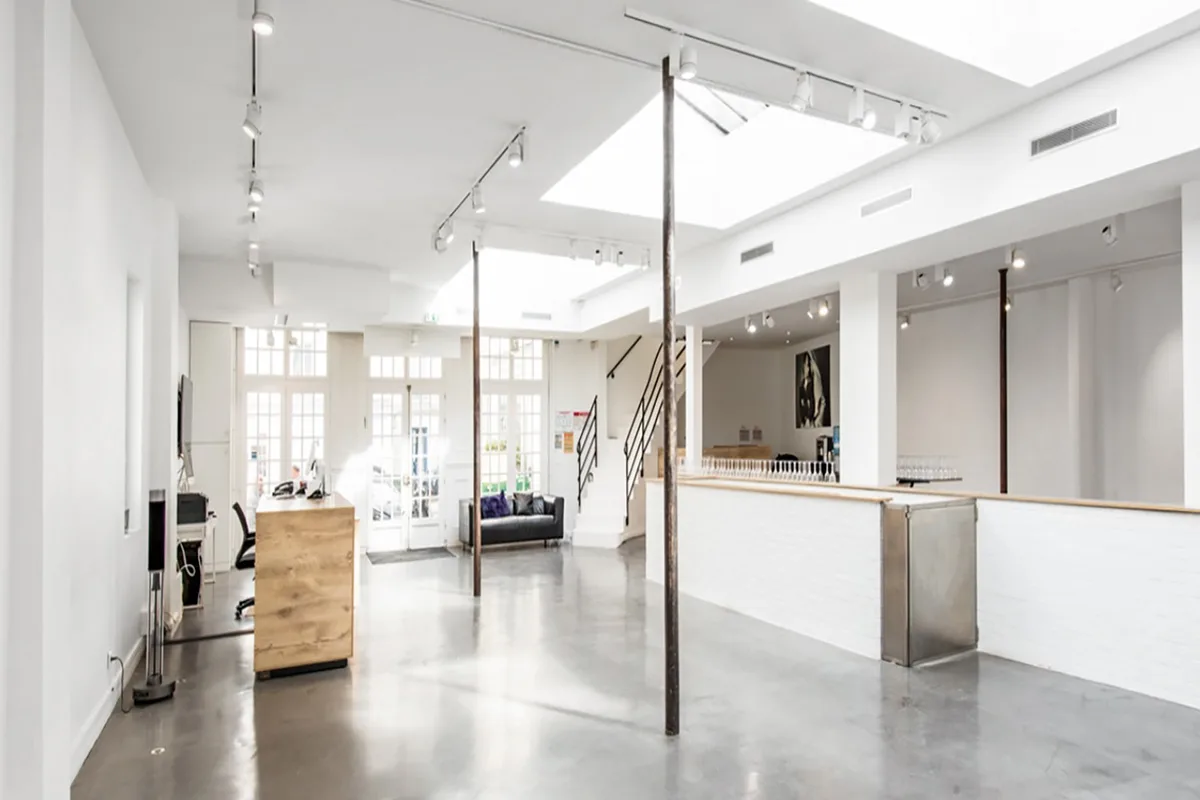
The boutique rental 3rd arrondissement Paris market sits at the intersection of historic Parisian character and modern commercial energy. Le Marais, which spans both the 3rd and 4th arrondissements, draws international brands, independent designers, and luxury labels seeking short-term retail space, showrooms, and pop-up venues in one of the city's most visited and culturally dense neighbourhoods. Bordered by République to the north, the Pompidou Center to the west, and the Archives Nationales to the east, the 3rd arrondissement offers cobblestone streets, converted hôtels particuliers, and street-facing boutique units that attract significant foot traffic year-round. Fashion Week Venues supports brands entering Paris through dedicated venue sourcing, production, and activation services across the Marais and beyond.
Why the 3rd Arrondissement Is a Prime Location for Boutique Rental in Paris
The 3rd arrondissement, known locally as Paris 3 or the 3rd arr., delivers a concentration of cultural landmarks, high-spending visitors, and independent retail character that few other Parisian districts can match. Brands selecting a boutique rental in this neighbourhood benefit from proximity to the Musée Picasso, the Pompidou Centre, the Carreau du Temple, and the Archives Nationales, all of which generate consistent visitor flows throughout the year.
The northern section of the 3rd, often referred to as Haut-Marais, has become particularly attractive for fashion and lifestyle brands. Streets such as Rue de Temple, Rue des Gravilliers, and the wider network around Arts et Métiers have evolved into a dense cluster of concept stores, gallery spaces, and short-term retail units. This concentration creates a natural environment for brand discovery, where visitors are actively browsing, spending, and engaging with new product experiences.
Unlike many central Paris locations, the 3rd arrondissement offers a genuine mix of residential and commercial energy. Locals shop alongside tourists. The district's architecture, marked by internal courtyards, tall limestone facades, and street-level boutique frontage, gives brands genuine physical presence with strong visual impact. A loft conversion above Rue des Gravilliers or a courtyard-facing unit near the Jardin des Archives Nationales carries a built-in aesthetic that commercial districts in more modern arrondissements simply cannot replicate.
Transport connections reinforce the case. Metro lines 3 and 11 serve the neighbourhood, connecting it efficiently to Gare de l'Est, République, and Gare Saint-Lazare, all of which funnel significant passenger volumes through the area daily. This connectivity matters for brand teams shipping product, managing logistics, or briefing field staff arriving from multiple directions.
The beauty of the Marais as a brand environment lies in its dwell time. Visitors to the Picasso Museum or the Pompidou Center extend their stays into the surrounding streets, converting cultural tourism into commercial browsing. A boutique rental positioned on the right street in the 3rd arrondissement can capture that extended visitor behaviour consistently.
Quick answer: The 3rd arrondissement of Paris, situated within Le Marais, is a premier location for boutique rentals because of its high foot traffic near cultural landmarks including the Pompidou Center and Musée Picasso, strong transport links via metro lines 3 and 11, and a concentration of independent retail, gallery spaces, and converted historic properties ideal for short-term brand activations.
DID YOU KNOW: The 3rd arrondissement is one of the smallest administrative districts in Paris by area, yet it hosts several of the city's most-visited cultural institutions, creating unusually dense foot traffic per square metre relative to its geographic size.
Understanding why the 3rd arrondissement performs well for boutique rental is the foundation. The next question is how to identify the right type of space within it.
KEY TAKEAWAY: The 3rd arrondissement combines landmark-driven foot traffic, excellent metro connectivity, and a distinctive architectural fabric that gives brands renting boutique space here both commercial reach and authentic creative positioning within Paris.
Types of Boutique Rental Spaces Available in the 3rd Arrondissement
Brands entering the 3rd arrondissement for short-term or medium-term activation have access to a meaningful range of space types, each suited to different brand objectives, team sizes, and budget structures.
Street-Facing Boutique Units
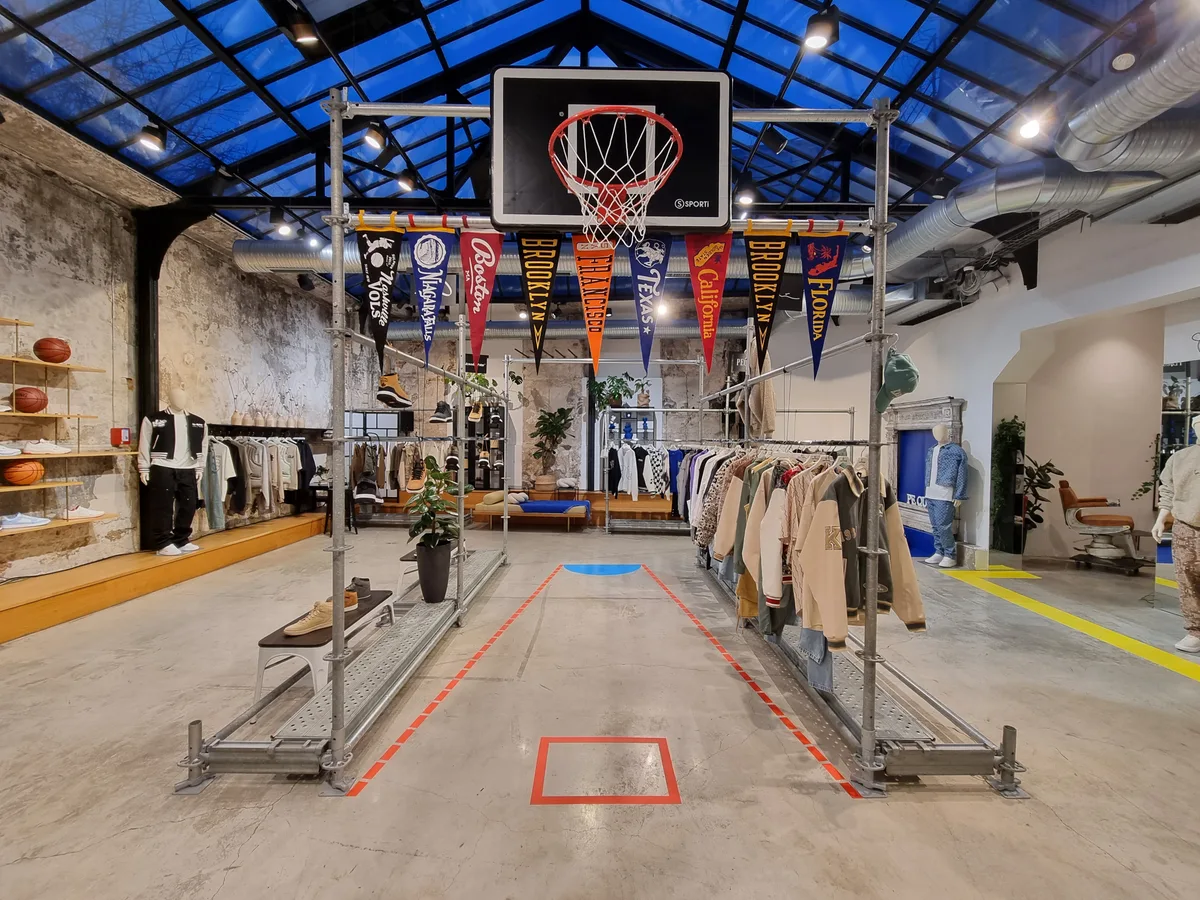
The most straightforward format is the street-level boutique unit with direct frontage onto a pedestrian or mixed-use street. These spaces typically range from compact single-room layouts to larger multi-room configurations and are found most commonly around Rue de Temple, Rue des Gravilliers, and the streets linking to Carreau du Temple. Street-facing units prioritise brand visibility and walk-in discovery, making them particularly effective for product launches, capsule collection presentations, and seasonal pop-up activations.
Courtyard and Hôtel Particulier Spaces
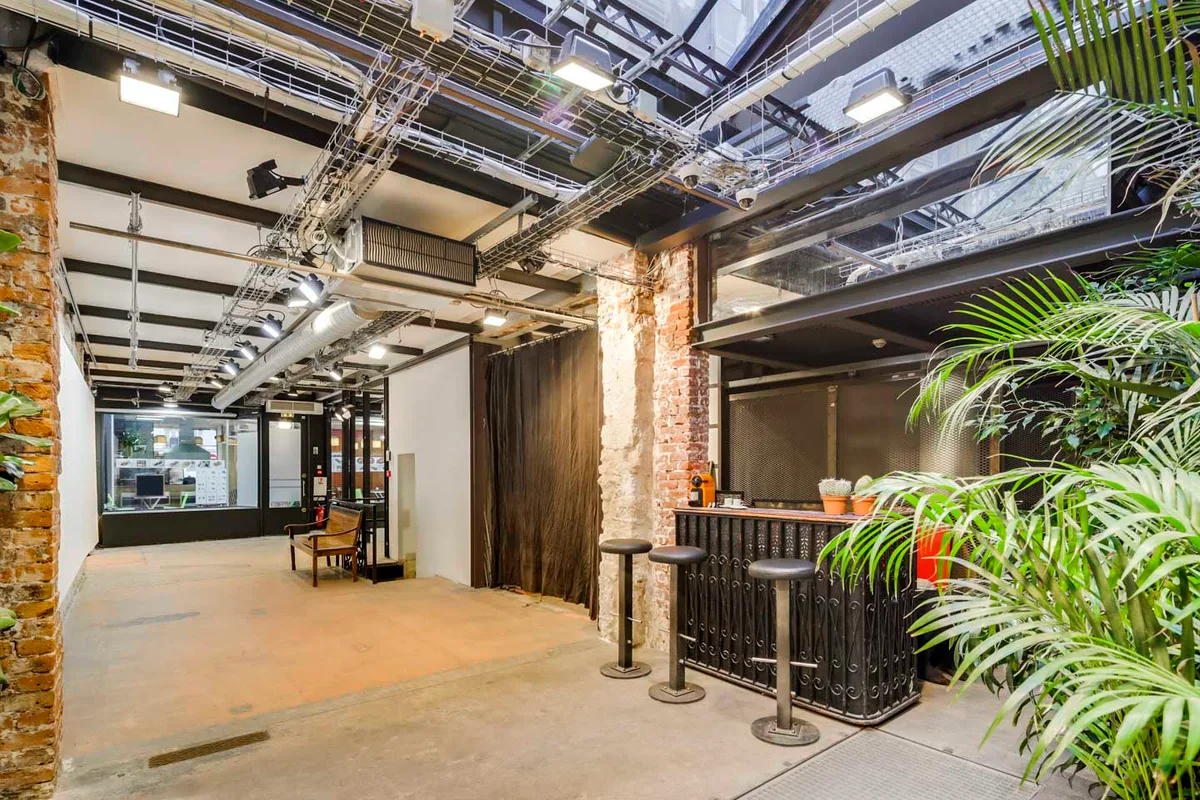
One of the signature space types in the Marais is the internal courtyard accessed through a carriage entrance, or porte cochère. Many buildings in the 3rd arrondissement retain these historic entrances, leading into cobblestone courtyards surrounded by multi-storey residential and commercial wings. Brands activating in courtyard spaces benefit from a semi-private, invitation-only atmosphere that generates exclusivity without isolation. These settings work well for press previews, influencer events, and showroom formats where the architecture itself contributes to the brand story.
Loft and Industrial Conversions
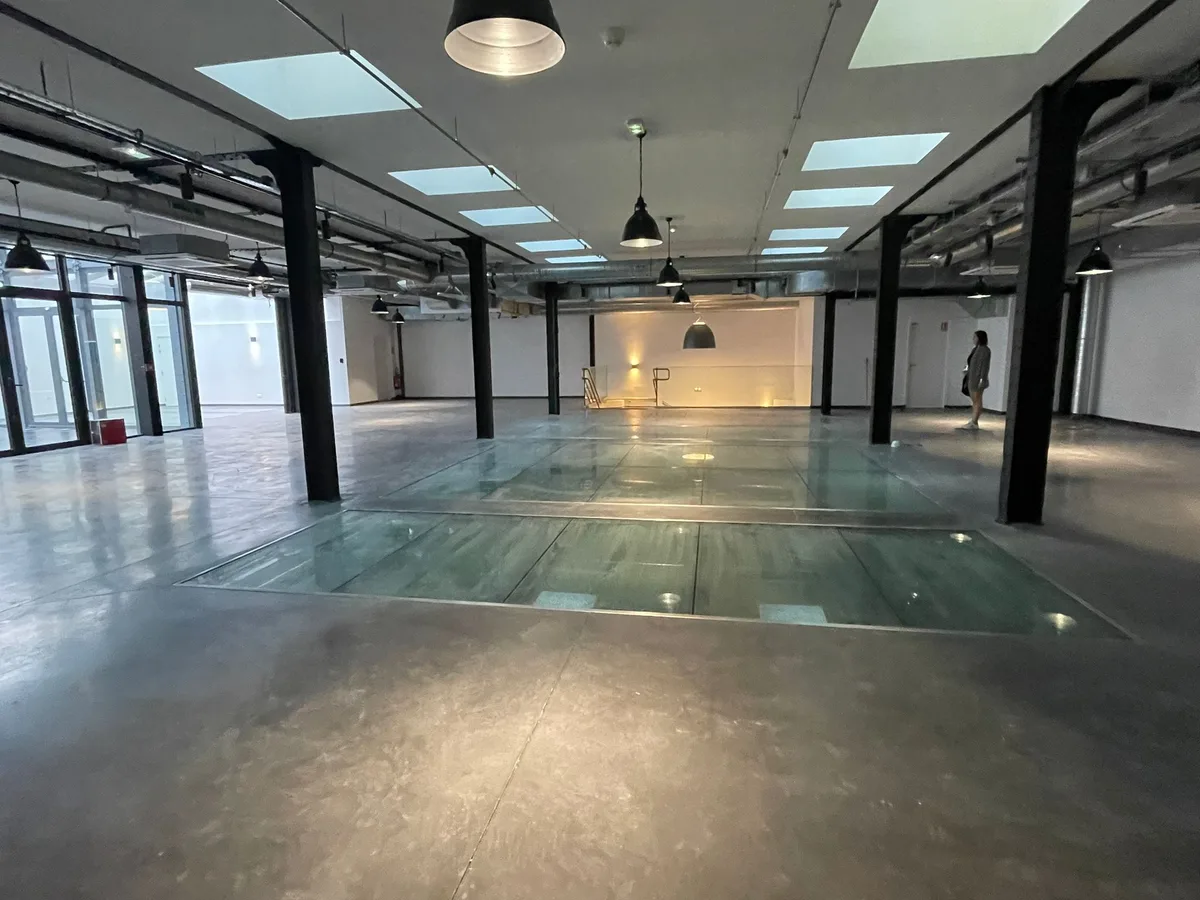
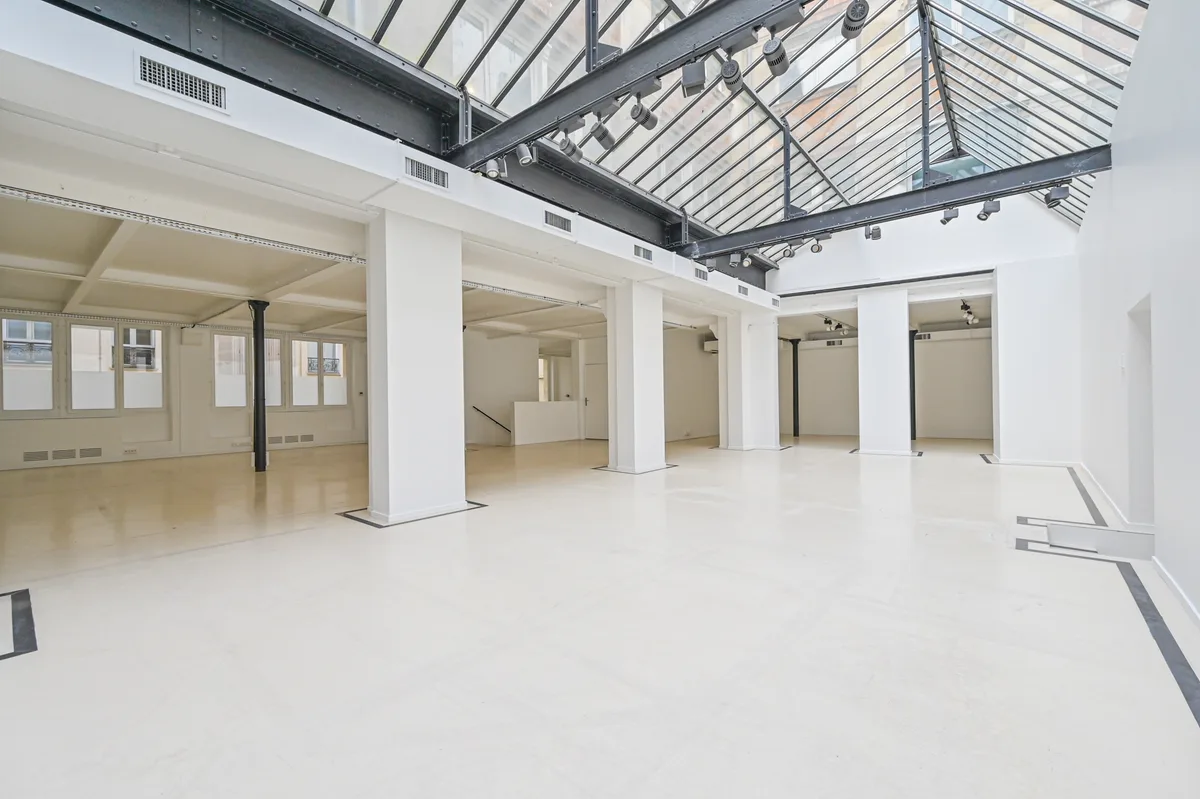
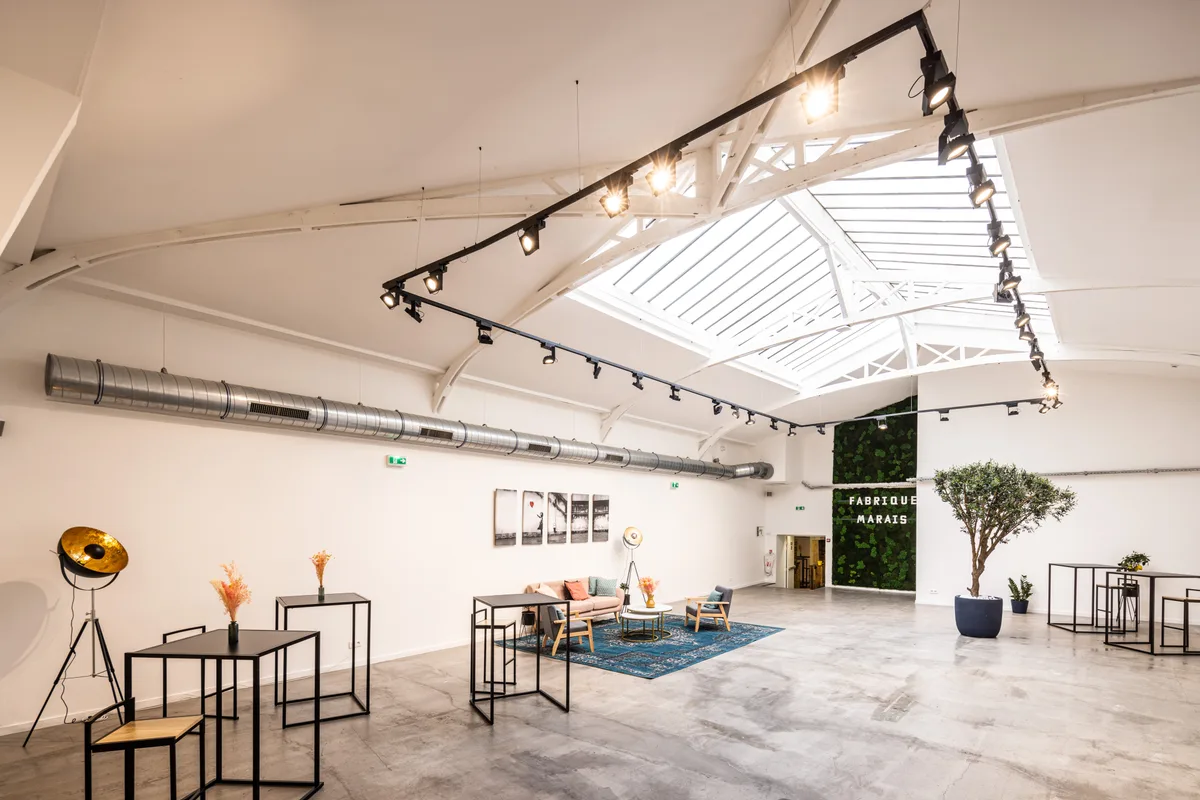
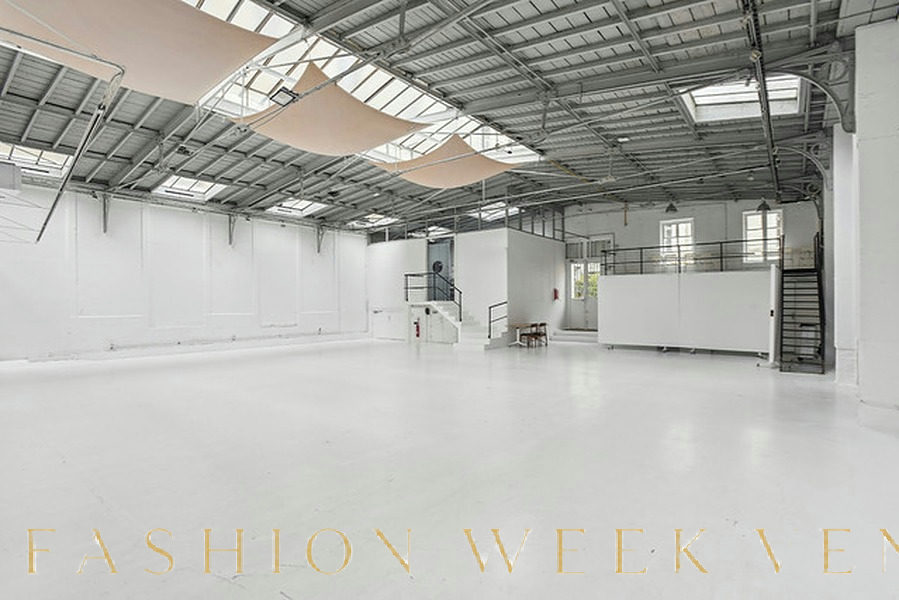
The 3rd arrondissement contains a number of former workshop and artisan buildings that have been converted into loft-style commercial spaces. These larger, open-plan environments, with exposed beams, high ceilings, and generous natural light, are well suited to immersive retail experiences, multi-brand showrooms, and production-heavy activations requiring uninterrupted floorspace. The Loftfactory concept and similar operators have popularised this format in the broader Marais area.
Studio and Apartment-Format Spaces
Smaller brands or those requiring a more intimate setting sometimes select studio or apartment-format spaces within the arrondissement. These furnished or semi-furnished formats create a residential atmosphere that suits beauty brands, accessories labels, and lifestyle concepts positioning themselves as curated, personal experiences rather than conventional retail. A furnished apartment rental in the 3rd can serve simultaneously as a showroom, a press office, and a meeting space during fashion week periods.
Rooftop and Terrace Spaces
While less common than in some other central arrondissements, rooftop and terrace spaces do exist within the 3rd, particularly in buildings adjacent to or overlooking the Pompidou Centre area. These formats are primarily suited to evening events, private brand dinners, and influencer-facing activations where the Parisian skyline context is part of the experience value.
| Space Type | Typical Use Case | Key Streets or Areas | Best Suited For |
|---|---|---|---|
| Street-facing boutique | Pop-up retail, product launch | Rue de Temple, Rue des Gravilliers | DTC and discovery-first brands |
| Courtyard / hôtel particulier | Showroom, press event, VIP activation | Haut-Marais, near Archives Nationales | Luxury, editorial, invitation-only formats |
| Loft conversion | Immersive retail, multi-brand show | Arts et Métiers, broader Marais | Brands needing open-plan floorspace |
| Studio / apartment format | Showroom, press office, beauty activation | Central 3rd arrondissement | Intimacy-led and lifestyle concepts |
| Rooftop / terrace | Evening events, influencer preview | Near Pompidou Centre | Premium experiences and editorial content |
Quick answer: Boutique rental spaces in the 3rd arrondissement include street-facing retail units, historic courtyard spaces inside hôtels particuliers, loft and industrial conversions, studio-format intimate spaces, and rooftop terraces. Each format serves different brand objectives, from walk-in retail discovery to exclusive press and influencer events.
TIP: Brands with strong visual identities often perform better in courtyard or loft-format spaces in the 3rd arrondissement because the architecture amplifies the brand aesthetic without requiring excessive build investment.
Identifying the right space type is only part of the decision. The neighbourhood's distinct microlocations within the 3rd arrondissement also shape which spaces suit which brand profiles.
KEY TAKEAWAY: The 3rd arrondissement offers five primary space formats for boutique rental. Matching the format to the brand's activation format, whether retail, showroom, event, or press office, is essential before shortlisting specific properties.
The 3rd Arrondissement Neighbourhood Guide for Brand Activations
The 3rd arrondissement is compact but internally varied. Its microlocations have distinct visitor profiles, property character, and brand positioning implications that deserve careful consideration before any rental decision.
Arts et Métiers and the Western Edge
The western reaches of the 3rd arrondissement, centred around the Arts et Métiers metro station and museum, attract a blend of students, creative professionals, and culturally curious visitors. The Musée des Arts et Métiers, one of the oldest science and technology museums in the world, anchors this zone with consistent visitor volumes. Boutique spaces in this area tend to sit within narrower streets and more residential contexts, creating intimacy but requiring deliberate wayfinding strategies to draw visitors in.
Haut-Marais: The Commercial and Creative Core
Haut-Marais remains the most commercially active section of the 3rd arrondissement for fashion and lifestyle brands. This zone, roughly defined by the streets between République, Carreau du Temple, and the northern edge of the 4th arrondissement, has the highest density of independent boutiques, concept stores, and gallery spaces in the Marais. Foot traffic here is genuinely mixed: Parisian locals on weekly shopping rounds, international tourists extending visits from the Pompidou Centre, and fashion-week visitors navigating showroom appointments.
Carreau du Temple and Its Surroundings
The Carreau du Temple, a restored nineteenth-century covered market building, serves as both a cultural venue and an anchor for the surrounding streets. Its renovation into an events and fitness space drew renewed attention to the blocks surrounding it, and boutique units on streets adjacent to the Carreau benefit from the event-driven foot traffic it generates. Brands activating during periods when the Carreau hosts public events can capture amplified audience volumes.
Rue des Gravilliers and the Artisan Quarter
Rue des Gravilliers retains a strong artisan and craft character despite the broader gentrification of the Marais. Spaces here tend to have more raw, workshop-influenced interiors, which suit brands with industrial or handcraft aesthetics. The street's relative quietness compared to Rue de Temple makes it better suited to destination activations where the experience itself drives audience, rather than purely passive foot traffic.
Archives Nationales and Jardin des Archives Nationales
The area around the Archives Nationales and the Jardin des Archives Nationales offers some of the most architecturally distinguished spaces in the 3rd arrondissement. Hôtels particuliers here retain original period features, and rental spaces within these buildings carry exceptional heritage character. Brands with strong interior design credentials, or those seeking to amplify a French heritage narrative, find this zone particularly well aligned.
To compare neighbourhoods and space types, explore the Paris city hub on Fashion Week Venues and shortlist spaces that match your brief, budget, and calendar window.
KEY TAKEAWAY: The 3rd arrondissement contains five distinct microlocations, each with its own visitor profile and architectural character. Choosing the right microlocation within the arrondissement is as important as choosing the arrondissement itself.
Paris Fashion Week and the Boutique Rental Calendar in the 3rd Arrondissement
Paris operates on a fashion and cultural calendar that creates predictable demand peaks for boutique rental in the 3rd arrondissement and across the city. Understanding this calendar is essential for any brand planning a short-term space activation.
Paris Fashion Week takes place twice annually, with the womenswear editions in late February and early March for Autumn/Winter collections, and in late September and early October for Spring/Summer collections. Menswear and Haute Couture weeks run in January and July respectively. During each of these periods, demand for boutique rental spaces in the Marais surges significantly, as international brands, buyers, press, and influencers concentrate in the city.
Beyond fashion week, Paris attracts major trade events including Maison&Objet, Paris Design Week, and various industry-specific fairs that maintain elevated visitor volumes throughout much of the year. The summer months, while quieter for trade, bring exceptionally high tourist volumes, with visitors from across the United States, Asia, and the Middle East exploring the Marais, visiting the Picasso Museum and the Pompidou Centre, and generating meaningful retail and hospitality spend.
Quick answer: The best periods for boutique rental activations in the 3rd arrondissement are during Paris Fashion Week in February, March, September, and October, and during peak summer tourism between June and August. Each window offers different audience profiles: trade and press during fashion week, tourist-led retail opportunity during summer.
The 3rd arrondissement's positioning near the Pompidou Centre and the Picasso Museum means it maintains meaningful visitor volumes year-round, even outside major fashion calendar periods. Brands considering longer-duration activations of four to twelve weeks benefit from this baseline footfall, which is supplemented rather than replaced during peak calendar windows.
IMPORTANT: Boutique rental spaces in the 3rd arrondissement during Paris Fashion Week book out months in advance. Brands targeting a February, March, September, or October activation should begin their venue search at least three to four months prior to their intended start date.
The relationship between calendar windows and rental pricing is significant. Peak fashion week periods typically command premium rental rates relative to quieter months. Brands with flexible timing may find better value and availability in the weeks immediately before or after official fashion week dates, while still capturing the extended presence of fashion industry visitors who remain in Paris around the formal schedule.
| Calendar Window | Key Events | Primary Audience | Rental Demand Level |
|---|---|---|---|
| January | Menswear AW, Haute Couture SS | Buyers, press, stylists | High |
| February to March | Womenswear AW Fashion Week | Press, buyers, influencers, brands | Very high |
| April to May | Post-fashion week, Maison&Objet | Design trade, locals, tourists | Moderate |
| June to August | Haute Couture AW, peak tourism | International tourists, lifestyle visitors | High to very high |
| September to October | Womenswear SS Fashion Week | Press, buyers, influencers, brands | Very high |
| November to December | Festive retail, art fairs | Locals, gift-season shoppers | Moderate to high |
KEY TAKEAWAY: Paris operates a dense fashion and cultural calendar that creates multiple high-demand rental windows throughout the year. Brands should align their boutique rental timing to both their commercial objectives and their target audience's presence in the city.
Legal Framework for Boutique Rental in Paris: What Brands Need to Know
Navigating the legal framework for short-term commercial space rental in Paris requires understanding two distinct instruments that differ fundamentally from standard commercial leases.
Bail Dérogatoire: The Short-Term Commercial Lease
A bail dérogatoire, sometimes called a convention d'occupation précaire, is a short-term commercial rental agreement permitted under French law for durations of up to thirty-six months. Unlike a standard commercial lease, a bail dérogatoire does not confer the same renewal rights on the tenant, making it the preferred instrument for pop-up retailers, temporary showrooms, and brands requiring flexibility. Brands renting boutique space in the 3rd arrondissement for fashion week periods, seasonal activations, or short-term market testing typically use this framework.
The conditions of a bail dérogatoire must meet specific legal requirements, and the agreement must clearly state its temporary nature to avoid the tenant inadvertently acquiring rights associated with a permanent commercial lease. Brands are strongly advised to work with a French legal advisor when entering any bail dérogatoire to ensure the agreement is structured correctly.
Autorisation d'Occupation Temporaire (AOT)
For activations involving public or semi-public spaces, including terraces, exterior areas associated with cultural institutions, or spaces on public land, an Autorisation d'Occupation Temporaire may be required. AOT permissions are granted by the relevant public authority and are time-limited. Requirements, durations, and conditions vary by space type, location within the arrondissement, and the nature of the activation. Brands planning events or activations with any outdoor component in the 3rd arrondissement should verify AOT requirements early in the planning process.
Commercial Lease vs Short-Term Rental: Key Differences
A standard commercial lease in France, known as a bail commercial, provides the tenant with significant protections including the right to renew and compensation rights if the landlord terminates. For most fashion week activations and short-term boutique rentals, a bail commercial is neither appropriate nor desirable. However, brands entering Paris for longer durations, or considering semi-permanent retail presence, may encounter situations where a landlord seeks to structure a longer-term agreement. Understanding the difference is essential.
IMPORTANT: Requirements for permits, lease types, and municipal authorisations vary by space type, duration, and arrondissement. This content provides general orientation only. Always verify the specific legal requirements for your intended activation with a qualified French legal advisor before signing any rental agreement.
Use the permit guidance tool on Fashion Week Venues to understand what documentation and authorisations may apply to your planned activation in Paris.
KEY TAKEAWAY: Short-term boutique rentals in Paris typically operate under a bail dérogatoire rather than a full commercial lease. Brands should confirm the correct legal instrument and any associated permit requirements with French legal counsel before committing to a space.
Budget Guidance for Boutique Rental in the 3rd Arrondissement
Budget planning for a boutique rental in the 3rd arrondissement must account for more than the headline rental rate. The total cost of a short-term activation includes space rental, production and fit-out, staffing, permits, insurance, and operational costs across the rental period.
Understanding Rental Rate Structures
Rental rates for boutique spaces in the 3rd arrondissement vary significantly depending on the space type, floor area, street-facing versus courtyard location, proximity to landmark destinations such as the Pompidou Centre or the Picasso Museum, and whether the rental period overlaps with a Paris Fashion Week window. Street-facing boutique units on high-traffic streets in Haut-Marais will typically command higher weekly rates than equivalent floor areas on residential side streets. Rates during fashion week periods may be substantially higher than during quieter months.
Because rental pricing in the short-term space market varies widely and changes with availability, demand, and calendar factors, it is not responsible to publish specific pricing figures without current market verification. Brands should treat any published rate as a directional estimate and use live market sourcing to establish accurate current pricing.
Quick answer: Boutique rental costs in the 3rd arrondissement depend on space size, location within the arrondissement, rental duration, and calendar timing. Total activation budgets must include rental, fit-out, staffing, operations, permits, and insurance. Use a dedicated planning tool to build an accurate brand-specific estimate before approaching spaces.
Production and Fit-Out Costs
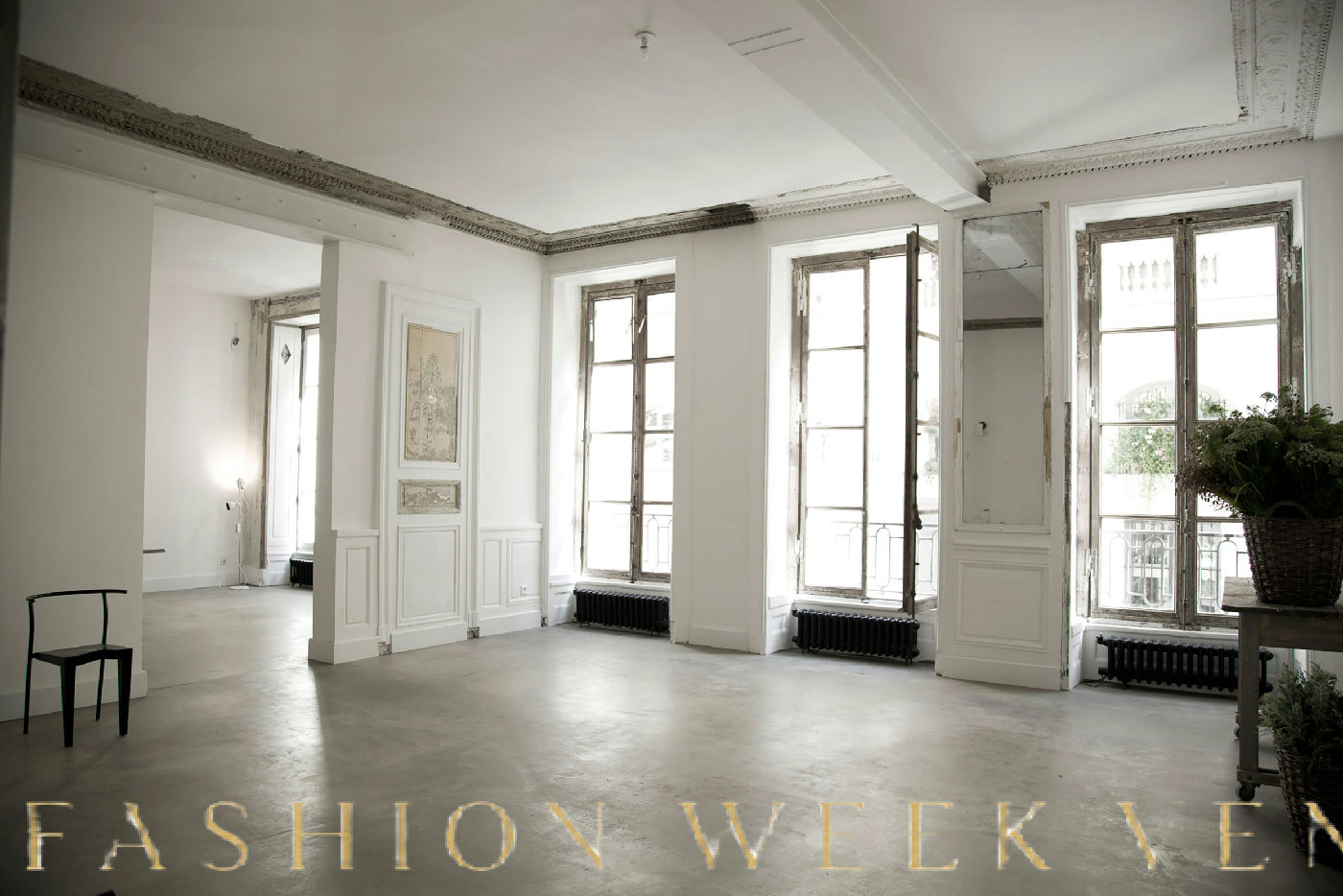
Beyond the rental rate, brands must budget for the physical transformation of the space into a branded retail or activation environment. Fit-out costs in Paris vary depending on the complexity of the brand design brief, the condition and character of the base space, the duration of the rental, and whether the brand is building from scratch or working with existing fixtures and furniture. Spaces in the 3rd arrondissement that retain period architectural features, such as original stone floors, exposed beams, or period fireplaces, often reduce the need for heavy decorative investment, which can offset fit-out costs.
Staffing, Operations, and Insurance
A working boutique requires staffed hours, point-of-sale systems, product insurance, and operational management. Brands new to Paris should factor in the cost of French-speaking retail staff, local operational knowledge, and compliance with French employment and retail regulations. Home insurance and liability cover for the rental period should be confirmed before the activation opens.
Use the budget estimation tool on Fashion Week Venues to build a detailed, brand-specific cost model for your planned Paris activation.
| Budget Component | Applies To | Notes |
|---|---|---|
| Space rental | All activations | Varies by size, location, duration, and season |
| Production and fit-out | Most activations | Reduced in period-character spaces |
| Furniture rental | Unfurnished or semi-furnished spaces | Can be sourced locally in Paris |
| Retail staffing | All trading activations | French-speaking staff preferred |
| POS and payments | All retail formats | Requires compatible payment systems |
| Permits and legal fees | Most activations | Varies by space type and location |
| Insurance | All activations | Confirm cover before opening |
| Marketing and influencer activity | Brand-dependent | Amplifies activation reach |
KEY TAKEAWAY: Total boutique rental budget in the 3rd arrondissement extends well beyond the base rental rate. Brands must build a comprehensive cost model that covers every operational component before committing to a space or calendar window.
How Fashion Week Venues Supports Boutique Rental in Paris
Fashion Week Venues operates as a full-service pop-up agency and space marketplace, specifically structured to support brands entering Paris for short-term boutique rental, fashion week activations, showrooms, and retail events. The agency covers the 3rd arrondissement and broader Le Marais area as part of its core Paris offering.
Venue Sourcing in the 3rd Arrondissement
The venue sourcing service identifies spaces in the 3rd arrondissement and across Paris that match a brand's brief in terms of size, character, budget, calendar availability, and commercial objectives. Rather than relying on public listings or commission-only brokers, Fashion Week Venues draws on a curated marketplace of verified spaces and active relationships with space owners and operators across Le Marais and Haut-Marais.
Concept Direction and Branded Store Design
Once a space is identified, the agency's concept direction and branded store design teams work with brand creative directors and marketing leads to translate the brand identity into a physical space. For boutique rentals in the 3rd arrondissement, this frequently involves working with the existing architectural character of the space, whether a hôtel particulier courtyard, a loft conversion, or a street-facing boutique unit, to create an environment that feels both distinctly branded and authentically Parisian.
Production, Build, and Furniture Rental
Production and fit-out for a Paris boutique rental involves coordinating suppliers, managing logistics within the constraints of Paris building access rules, and completing the build within the typically compressed timelines of fashion week preparation. Fashion Week Venues manages this process through its production and build service, with access to furniture rental inventory for brands that need to furnish spaces quickly and without the cost of purchasing and shipping bespoke fixtures.
Retail Staffing and Activation Management
Running a boutique in the 3rd arrondissement during a fashion week period requires French-speaking staff who understand the local retail environment, can represent the brand credibly to Parisian press and buyers, and manage the operational demands of a busy activation. The retail staffing and activation management services provide brands with trained, brand-aligned staff and on-the-ground operational support throughout the rental period.
Tools for Brand Teams
Brand teams researching boutique rental options in the 3rd arrondissement can use Fashion Week Venues' planning tools to model costs, compare spaces, plan timelines, and assess ROI before committing to a space. The ROI calculation tool helps brands assess the commercial return case for a Paris activation, while the timeline tool, compare tool, and locator tool support the pre-booking research and decision process.
Quick answer: Fashion Week Venues supports boutique rental in Paris's 3rd arrondissement through venue sourcing, concept direction, production, staffing, and a suite of planning tools. The agency serves international brands, emerging labels, and established fashion houses seeking short-term space in Le Marais and Haut-Marais for fashion week periods, showrooms, and retail activations.
KEY TAKEAWAY: Fashion Week Venues is structured to take brands from initial space discovery through to a fully operational boutique in Paris, covering every stage of the process from venue brief to post-activation reporting.
The 3rd Arrondissement as a Cultural and Commercial Context for Brand Activations
Brands choosing to activate in the 3rd arrondissement benefit from an exceptionally rich cultural context that shapes how their presence is perceived by visitors, press, and the Parisian market. This context, built around the area's musées, architecture, and independent retail culture, is a genuine brand asset when used intentionally.
Cultural Institutions as Brand Environment
The proximity of the Pompidou Centre and the Musée Picasso to the 3rd arrondissement creates a culturally primed visitor base. These visitors are already in a mode of aesthetic engagement and discovery when they enter the streets of the Marais, which makes them particularly receptive to brand experiences that offer visual, tactile, or intellectual interest. A boutique rental in the 3rd arrondissement is not simply a retail space; it becomes part of a broader cultural itinerary for anyone spending a half-day or full day in the neighbourhood.
The Musée de la Chasse et de la Nature, located within the 3rd arrondissement itself, draws a more niche but highly design-aware visitor, reflecting the Marais's status as a destination for discerning cultural consumers. Similarly, the Archives Nationales and its Jardin attract a Parisian local and academically engaged audience that values authenticity and quality over commercial spectacle.
Independent Retail Ecology
The 3rd arrondissement maintains a relatively high proportion of independent retailers compared to heavily touristic districts. Streets such as Rue des Gravilliers and the blocks surrounding Carreau du Temple include concept stores, independent jewellers, artisan food producers, and vintage specialists. A boutique rental within this ecology positions a brand as part of the Parisian independent retail community, lending credibility that would be harder to establish in a mall-format or tourism-heavy location.
Interior Design and Architecture as Brand Communication
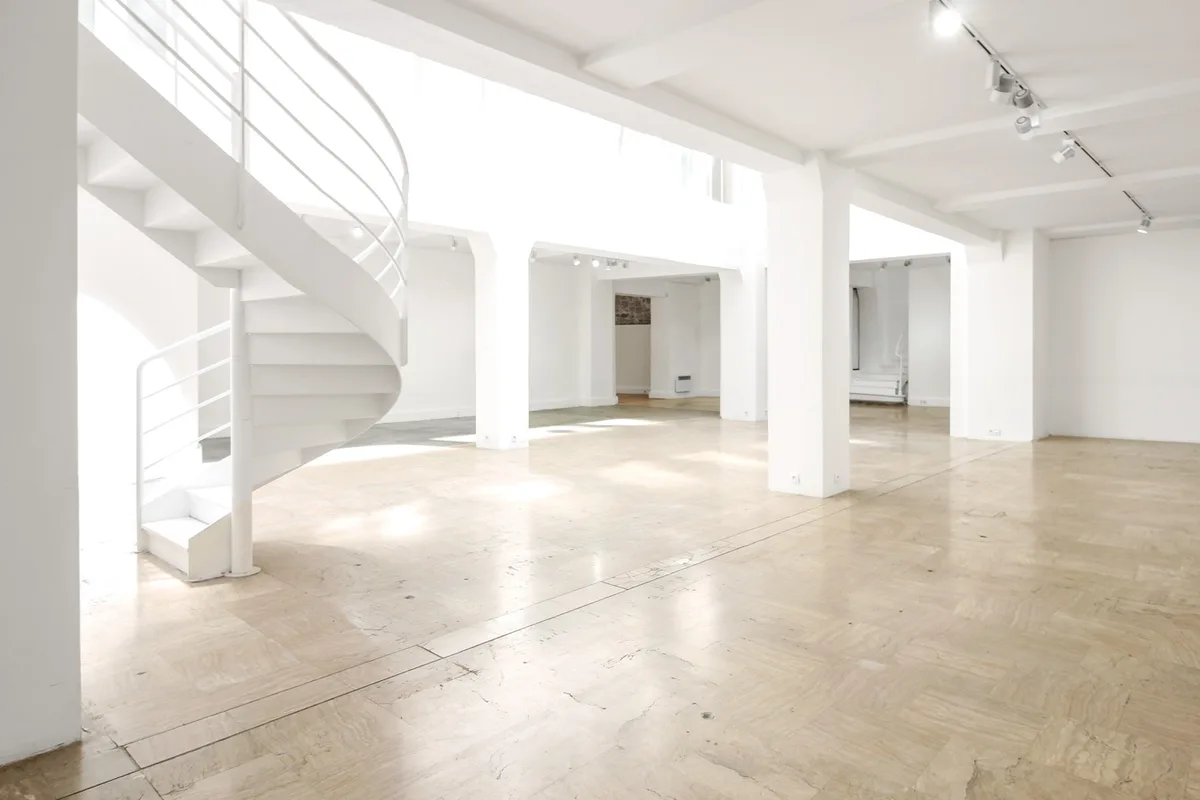
The physical character of 3rd arrondissement spaces is itself a communication tool. The arrondissement's limestone buildings, internal courtyards, period fireplaces, and parquet floors carry aesthetic associations with French craftsmanship, luxury, and heritage. Brands with strong interior design credentials can leverage these architectural features to amplify their visual identity without significant additional investment. Equally, brands with a contemporary or industrial aesthetic can create meaningful contrast by occupying a period space, using the tension between old and new as a deliberate design choice.
KEY TAKEAWAY: The cultural, architectural, and commercial ecology of the 3rd arrondissement provides brands with a layered backdrop for activation. Brands that engage with this context deliberately, rather than treating the space as a neutral container, create more memorable and commercially effective experiences.
Step-by-Step Process for Securing a Boutique Rental in the 3rd Arrondissement
Securing the right boutique rental in the 3rd arrondissement requires a structured process that balances creative ambition with logistical discipline and commercial realism. The following workflow reflects best practice for international brands entering Paris for short-term activation.
| Step | Action | Typical Timing Before Activation |
|---|---|---|
| 1 | Define activation objectives, space size, and calendar window | 4 to 6 months before |
| 2 | Establish preliminary budget including all cost components | 4 to 6 months before |
| 3 | Identify target microlocations within the 3rd arrondissement | 3 to 5 months before |
| 4 | Browse and shortlist spaces using marketplace and locator tools | 3 to 4 months before |
| 5 | Visit shortlisted spaces and assess against brief | 2 to 4 months before |
| 6 | Review legal instrument, permit requirements, and insurance needs | 2 to 3 months before |
| 7 | Negotiate and sign rental agreement with legal guidance | 6 to 10 weeks before |
| 8 | Brief concept direction and production teams | 6 to 10 weeks before |
| 9 | Complete fit-out, staff briefing, and operational setup | 1 to 2 weeks before |
| 10 | Activate, manage, and collect data and reviews during the rental period | Activation period |
| 11 | Deactivate, restore, and conduct post-activation reporting | Within 1 week of closing |
Quick answer: Securing a boutique rental in the 3rd arrondissement typically requires beginning the process three to six months before the target activation date, moving through objective setting, budget modelling, space search, legal review, rental agreement, fit-out, and activation in a structured sequence.
Use the timeline planning tool to build a tailored project schedule for your Paris boutique rental, mapped to your specific activation dates and production requirements.
Brands that rush the early planning stages and begin their space search with insufficient lead time frequently encounter availability constraints, particularly during fashion week calendar windows. The 3rd arrondissement's most desirable spaces are booked by established international brands and agencies months in advance of each season.
KEY TAKEAWAY: A structured, time-phased approach to securing boutique rental in the 3rd arrondissement significantly reduces the risk of availability failure, legal error, and budget overrun. Begin planning at least three to four months before your target activation date.
Common Myths About Boutique Rental in the 3rd Arrondissement Debunked
MYTH: International brands need a French legal entity to rent boutique space in the 3rd arrondissement.
FACT: A French legal entity is not always required to enter a short-term rental agreement in Paris. However, the specific requirements depend on the nature of the rental instrument, the landlord's conditions, and the duration of the activation. Many short-term rental arrangements for fashion week periods and pop-up activations can be structured in ways accessible to foreign entities, though this should always be confirmed with a qualified French legal advisor before signing any agreement.
MYTH: Paris Fashion Week is the only viable calendar window for boutique activation in the 3rd arrondissement.
FACT: Paris Fashion Week creates the highest concentration of fashion industry visitors, but the 3rd arrondissement maintains strong visitor volumes year-round due to its cultural institutions, including the Pompidou Centre and the Picasso Museum, and its status as one of Paris's most-visited residential and shopping districts. Brands targeting consumer audiences, lifestyle markets, or tourist-facing retail can find excellent activation opportunities outside the formal fashion week calendar, often at lower rental rates and with significantly greater space availability.
MYTH: Commission brokers are the only way to find boutique rental space in the 3rd arrondissement.
FACT: Commission brokers are one channel for finding space, but they are not the only option. Dedicated short-term space marketplaces, full-service agencies, and direct relationships with building owners and operators provide alternative routes to market. Brands using a structured marketplace and agency approach, such as that offered by Fashion Week Venues, benefit from curated space quality, transparent pricing, and integrated production and activation support that commission-only brokers typically do not provide.
MYTH: Short-term boutique leases in Paris are legally straightforward and require no specialist guidance.
FACT: Short-term commercial rental in France, whether structured as a bail dérogatoire or another instrument, involves specific legal requirements that differ materially from residential and standard commercial lease frameworks. Errors in lease structuring can inadvertently grant tenants commercial lease rights, create unforeseen liability, or expose brands to permit or compliance issues. Specialist legal guidance is essential for any brand entering a short-term rental agreement in Paris, regardless of the apparent simplicity of the arrangement.
MYTH: A boutique rental in the 3rd arrondissement requires a large international brand budget to be viable.
FACT: The 3rd arrondissement contains a range of space sizes and types at different price points. Emerging brands and independent labels regularly activate in the Marais with focused budgets, particularly when they select appropriately sized spaces, work with character spaces that require minimal fit-out investment, and activate outside the peak fashion week windows. A disciplined budget model and the right agency partner can make a 3rd arrondissement boutique rental accessible to brands at various stages of growth.
Frequently Asked Questions About Boutique Rental in the 3rd Arrondissement Paris
What is the best time of year to rent a boutique space in the 3rd arrondissement of Paris?
The most commercially intensive windows are during Paris Fashion Week in February and March for the Autumn/Winter season, and in September and October for the Spring/Summer season. However, summer months from June through August bring high tourist volumes near the Pompidou Centre and Picasso Museum, which can deliver strong consumer-facing retail performance. Brands with flexibility should weigh their target audience profile against rental rates, which are typically higher during fashion week periods than during summer or post-fashion week windows.
Do international brands need a French company to sign a boutique rental agreement in the 3rd arrondissement?
Not necessarily. Short-term rental agreements in Paris, particularly under a bail dérogatoire structure, can in some cases be accessible to foreign entities. However, the specific requirements depend on the landlord's terms, the space type, the duration, and the nature of the activation. Brands should always seek advice from a qualified French legal advisor before entering any rental agreement in Paris to confirm the correct structure and any obligations that apply to their specific situation.
How far in advance should a brand start looking for boutique rental space in the 3rd arrondissement?
For fashion week period activations, beginning the search three to six months in advance is strongly advisable. The most desirable spaces in Haut-Marais and the broader 3rd arrondissement, particularly those on high-traffic streets near the Pompidou Centre or Carreau du Temple, are booked well in advance by established brands and agencies. For activations outside peak calendar windows, a shorter lead time of six to ten weeks may be feasible, though earlier is always preferable for securing the best-matched space.
What legal instrument governs most short-term boutique rentals in Paris?
Most short-term commercial boutique rentals in Paris are structured under a bail dérogatoire, which is a temporary commercial lease permitted under French law for durations of up to thirty-six months. Unlike a standard bail commercial, it does not confer automatic renewal rights on the tenant. For activations involving public or semi-public outdoor space components, an Autorisation d'Occupation Temporaire may also be required. Requirements vary by space type and location, and specialist legal guidance is essential.
What is Haut-Marais and why is it important for boutique rental?
Haut-Marais refers to the northern section of Le Marais, primarily within the 3rd arrondissement, which has become the most commercially active area for independent fashion, lifestyle, and concept retail in Paris. Its concentration of boutiques, galleries, and design studios on streets such as Rue de Temple and the blocks around Carreau du Temple makes it a natural destination for international brands seeking visibility within Paris's most design-engaged consumer community. Boutique rental in Haut-Marais offers both foot traffic and cultural credibility.
Can a brand use a boutique rental in the 3rd arrondissement as both a showroom and a retail space?
Yes. Many boutique spaces in the 3rd arrondissement are used simultaneously for multiple commercial functions, particularly during Paris Fashion Week. A space can serve as a press showroom for appointments during the day and a consumer-facing retail environment during open hours. Courtyard and hôtel particulier-style spaces lend themselves particularly well to this dual-format approach, as their architecture naturally separates private and public zones within the same rental footprint.
What transport connections serve the 3rd arrondissement?
The 3rd arrondissement is served primarily by metro lines 3 and 11, with the Arts et Métiers and Temple stations providing convenient access within the district. The République station on lines 3, 5, 8, 9, and 11 sits on the northern boundary of the arrondissement and provides one of Paris's best-connected interchange points. Gare de l'Est and Gare Saint-Lazare are reachable within a short metro journey, making the arrondissement accessible for staff, press, and visitors arriving from across the city and from major rail terminals.
What types of permits might be required for a boutique activation in the 3rd arrondissement?
Permit requirements depend on the type of space, the planned activities, and whether any outdoor or public-facing elements are included. Indoor retail activations within a private space operating under a bail dérogatoire typically require fewer separate permits than outdoor terraces or events on semi-public land, which may require an Autorisation d'Occupation Temporaire. Signage, temporary structures, and any amplified sound may also attract specific municipal requirements. Requirements vary by arrondissement and space type. Always confirm specific obligations with a French legal advisor and consult the permit guidance tool for orientation.
Is Le Marais a good location for a luxury brand boutique rental?
Le Marais, and the 3rd arrondissement in particular, is a highly effective location for luxury brand boutique rental. The neighbourhood's architectural heritage, cultural density, and visitor profile align naturally with luxury brand values. Spaces within hôtels particuliers near the Archives Nationales or Jardin des Archives Nationales offer exceptional heritage character. The proximity to the Picasso Museum and Pompidou Centre brings a culturally primed, high-spending audience. The Marais's independent retail ecology also differentiates luxury activations here from more commercially saturated tourist districts.
What is the difference between a boutique rental and a standard apartment or hotel rental in the 3rd arrondissement?
A boutique rental in the commercial sense refers to a short-term tenancy of a retail or event space for brand activation purposes, operating under a commercial legal framework such as a bail dérogatoire. This differs from residential apartment rentals, furnished corporate apartments, or hotel accommodation in the 3rd arrondissement, which serve accommodation purposes and are governed by different legal and regulatory frameworks. Brands seeking space for commercial activation should be clear that they require a commercial space rental, not a residential or hospitality product.
How does Fashion Week Venues help brands find boutique rental space in the 3rd arrondissement?
Fashion Week Venues provides a curated marketplace of verified short-term commercial spaces in the 3rd arrondissement and across Paris, alongside full-service agency support covering venue sourcing, concept direction, production, staffing, and activation management. The agency's planning tools, including the budget calculator, ROI tool, compare tool, and timeline planner, support brand teams through the research and decision phase before space commitment. This integrated approach differs from commission brokers by providing end-to-end accountability and production expertise alongside space discovery.
What makes the Carreau du Temple area attractive for boutique rental?
The Carreau du Temple is a restored nineteenth-century covered market building that operates as a cultural and events venue in the heart of the 3rd arrondissement. Its renovation attracted renewed commercial interest to the surrounding streets, increasing foot traffic and raising the profile of boutique rental opportunities nearby. Brands activating in units adjacent to the Carreau benefit from the event-driven audience it generates, particularly when the Carreau's programming aligns with the brand's target visitor profile. The area combines heritage architecture with contemporary event culture.
Can emerging brands or smaller labels rent boutique space in the 3rd arrondissement?
Yes. While the Marais is associated with luxury and premium retail, the 3rd arrondissement contains a range of space sizes and configurations that suit brands at different stages of growth. Smaller studio and apartment-format spaces, compact street-facing boutique units, and shared activation formats can all provide emerging brands with meaningful Paris presence without requiring the budgets of established international houses. The key is selecting the right space type, timing the activation carefully, and building a cost model that accurately reflects all operational components before committing.
What cultural institutions are located within or immediately adjacent to the 3rd arrondissement?
The 3rd arrondissement contains or directly borders several significant cultural institutions: the Musée des Arts et Métiers, the Musée de la Chasse et de la Nature, the Archives Nationales and its Jardin, and the Carreau du Temple. The Pompidou Centre and the Musée Picasso sit just south of the arrondissement's boundary in the 4th, but are effectively part of the same cultural destination for visitors. The Église Saint-Nicholas-des-Champs and the broader architectural heritage of the Marais further enrich the cultural environment surrounding any boutique rental in the area.
What should brands look for when evaluating a boutique space in the 3rd arrondissement?
Brands evaluating boutique space in the 3rd arrondissement should assess foot traffic volume and quality on the specific street, the architectural character and condition of the space relative to the brand's creative brief, practical logistics including access for deliveries and build, Wi-Fi availability and technical infrastructure, the rental structure and legal instrument on offer, availability during the target calendar window, and total cost of occupation when all components are included. Visiting the space in person and during trading hours is essential before committing to any rental agreement.
Conclusion: Making the Right Boutique Rental Decision in the 3rd Arrondissement Paris
A boutique rental in the 3rd arrondissement of Paris represents one of the most effective ways for fashion and lifestyle brands to establish a credible, high-visibility presence in one of the world's most important retail and cultural destinations. The neighbourhood's combination of landmark-driven foot traffic, distinctive architectural character, strong transport connectivity via metro lines 3 and 11, and a design-engaged visitor community creates a genuinely compelling environment for short-term brand activations, showrooms, pop-up retail, and press events.
Success in the 3rd arrondissement depends on clear objective setting, early planning, a thorough understanding of the legal framework governing short-term commercial rental in France, and a budget model that honestly reflects all costs from space rental through to staffing, production, permits, and insurance. Brands that invest in the planning phase, work with experienced agencies and legal advisors, and select spaces that align authentically with their creative brief consistently generate stronger commercial and editorial outcomes from their Paris activations.
The cultural proximity of the Pompidou Centre, the Musée Picasso, the Archives Nationales, and the Carreau du Temple gives boutique activations in the 3rd arrondissement a built-in audience of culturally engaged, high-spending visitors. Combined with the neighbourhood's independent retail ecology, this creates conditions where a well-executed brand activation can achieve press coverage, influencer content, buyer attention, and direct consumer sales within a single short-term rental period.
The 3rd arrondissement rewards preparation and intentionality. Brands that treat the space search as a strategic decision, matched to calendar windows, audience profile, and creative brief, are the ones that leave Paris with genuine commercial and brand-building results.
To move from research to activation, start exploring available spaces on the Fashion Week Venues marketplace and build a focused brief for your target neighbourhood, space type, and calendar window.