Finding the right boutique rental in the Latin Quarter means securing a space in one of Paris's most storied, culturally rich, and commercially vibrant districts. Whether you are a brand planning a pop-up activation during Paris Fashion Week, a creative team seeking a showroom in a Haussmannian building near the Panthéon, or a visitor looking for a fully furnished apartment steps from the Seine, the Latin Quarter offers a concentration of exceptional venues, historic streets, and neighbourhood energy that few areas in France can match. Fashion Week Venues works with brands and property owners across Paris, including the 5th and 6th arrondissements, to source, configure, and activate spaces that perform. This guide covers everything you need to know about boutique rental in the Latin Quarter, from space types and local landmarks to permits, budgets, transport, and booking.
What Is the Latin Quarter and Why Does It Matter for Boutique Rentals?
Quick answer: The Latin Quarter, or Quartier Latin, is a historic Left Bank district spanning primarily the 5th arrondissement and parts of the 6th, centred around the Sorbonne University, the Panthéon, and the Luxembourg Gardens. It combines academic prestige, architectural grandeur, and a dense network of cafés, bookshops, and boutiques that make it one of the most sought-after areas in Paris for short-term retail, brand activations, and furnished apartment rentals.
The Latin Quarter takes its name from the language once spoken in its streets by scholars attending the medieval Sorbonne. Today the area retains its intellectual character while functioning as a living, commercially active neighbourhood. It sits on the Left Bank of the Seine, bordered roughly by Boulevard Saint-Michel to the west, the Jardin des Plantes to the east, the river to the north, and the Jardin du Luxembourg and Rue de la Tombe-Issoire to the south. The Pierre et Marie Curie Metro station serves the heart of the district, connecting residents and visitors to the broader Paris network with ease.
For brands and activation teams, the Latin Quarter represents a distinct positioning opportunity. Unlike the Marais, which leans contemporary and streetwear, or Saint-Germain, which tilts toward established luxury, the Latin Quarter offers a layered identity: heritage architecture, international student energy, literary culture from Shakespeare and Company to Le Procope, and a constant flow of global tourists visiting Notre-Dame, the Musée de Cluny, Sainte Chapelle, and the Louvre Museum nearby. A boutique rental here communicates depth, context, and cultural credibility.
The area's street grid is particularly well-suited to boutique formats. Rue Mouffetard, one of the oldest market streets in Paris, draws a daily crowd of locals and visitors. The Marché de Buci, just across the boundary into the 6th arrondissement, adds a further layer of footfall. Boulevard Saint-Michel anchors the western edge of the district and connects it to the RER B network at Saint-Michel Notre-Dame, putting Paris CDG and Paris Orly airports within direct reach. Gare de Lyon and Gare du Nord are both accessible within fifteen to twenty minutes by metro or RER.
Academic institutions including the Collège de France, University Paris-Sorbonne, University Panthéon-Assas, Lycée Henri-IV, and the Institut supérieur des Arts appliqués all sit within or adjacent to the district, creating year-round demand for both residential furnished apartment rentals and commercial spaces. The Luxembourg Palace and the Fontaine de Médicis in the Jardin du Luxembourg draw visitors throughout the year, adding consistent pedestrian traffic to the southern streets of the quarter.
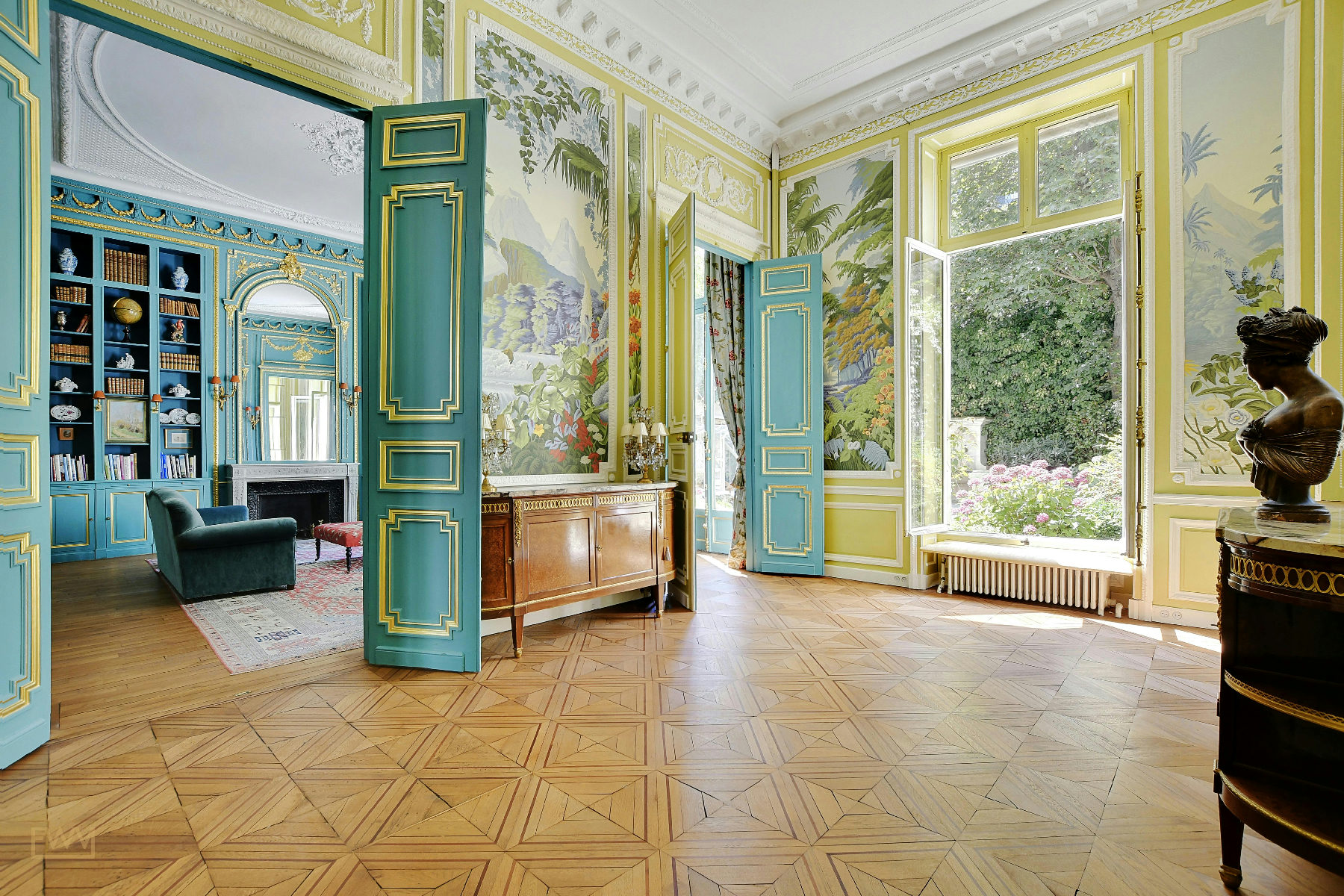
The architectural fabric is predominantly Haussmannian, with stone-fronted buildings, wrought-iron balconies, internal courtyards, and ground-floor commercial units that translate naturally into boutique retail environments. Many buildings retain their original guardians, and elevator access varies by building age and renovation history. For brands seeking a specific aesthetic, this architectural consistency is an asset. Spaces here look unmistakably Parisian, which matters enormously for visual storytelling, social content, and influencer-driven campaigns.
KEY TAKEAWAY: The Latin Quarter combines heritage architecture, cultural prestige, strong transport links, and year-round footfall from students, tourists, and local residents, making it one of Paris's most versatile districts for both boutique commercial rentals and furnished apartment stays.
Understanding the specific landmarks and institutions that define the neighbourhood is essential before committing to any boutique rental here, and the next section maps the district in detail to help you locate the right street, arrondissement, and building type for your brief.
Latin Quarter Landmarks, Institutions, and Streets That Shape the Rental Market
Quick answer: The Latin Quarter's rental market is shaped by proximity to landmarks including the Panthéon, the Sorbonne, Notre-Dame, the Musée de Cluny, and the Jardin du Luxembourg. Streets like Rue Mouffetard and Boulevard Saint-Michel function as commercial corridors, while quieter side streets offer boutique and residential spaces with calmer environments and strong visual character.
The Panthéon sits at the crown of the Montagne Sainte-Geneviève, the gentle hill that defines the topography of the 5th arrondissement. Its neoclassical facade frames the surrounding streets and makes the immediate area one of the most photographed in the Latin Quarter. Boutique rentals within walking distance of the Panthéon benefit from that visual association, particularly for brands in the heritage, craft, or cultural sectors.
To the north, Notre-Dame Cathedral dominates the Île de la Cité and remains one of the most visited monuments in France. The Paris Latin and Saint-Michel area, which sits directly opposite the cathedral across the Seine, captures enormous tourist footfall. The riverbank between Sainte Chapelle and the Latin Quarter's northern edge is among the most densely trafficked pedestrian zones in central Paris.
The Sorbonne and its surrounding institutions create a specific type of commercial demand. Cafés, bookshops, stationery suppliers, and small-format retail spaces near the Collège de France and the University Panthéon-Assas serve a student and academic population that values authenticity, independent character, and accessible price points. Brands entering this environment perform best when their concept is legible and community-facing rather than purely aspirational.
Shakespeare and Company, the legendary English-language bookshop on the Left Bank, sits near the northern boundary of the Latin Quarter and draws a literary, international crowd throughout the year. Its presence reinforces the area's association with culture, writing, and independent retail. A boutique rental nearby benefits from that cultural adjacency.
Eglise Saint Séverin and the Grand Mosquée de Paris anchor two distinct atmospheres within the district. The area around Saint-Séverin, with its narrow medieval streets, supports artisanal and independent retail with a strong sense of place. The Grand Mosquée and the Jardin des Plantes to the east bring a quieter, more residential character to the lower part of the 5th arrondissement, where the Natural History Museum and Cochin Hospital also sit.
Further south, Parc Montsouris and the streets around Rue de la Tombe-Issoire represent a quieter, more residential extension of the Latin Quarter's gravity, attracting longer-stay furnished apartment rentals rather than high-footfall boutique commercial spaces. Ivry-sur-Seine lies just beyond the southern boundary of Paris proper and is accessible from the 5th by metro or RER.
The 6th arrondissement, which borders the Latin Quarter to the west, adds the Saint-Germain quarter, the Eglise Saint Sulpice, the Marché de Buci, and l'Ecole des Beaux Arts to the immediate rental geography. For brands whose concept spans both intellectual and luxury positioning, spaces that straddle the 5th and 6th boundary offer a particularly rich context. The Musée de Cluny, dedicated to medieval art, sits directly on the boundary and draws a specialist cultural audience.
Le Procope, the oldest café in Paris, operates on Rue de l'Ancienne Comédie in the 6th, just steps from the Latin Quarter core. Its continued presence as a venue and French-Japanese restaurant precursor reinforces how this area maintains commercial relevance across centuries. For brand teams seeking a narrative anchor for their activation concept, this historic commercial density is genuinely useful.
The Opéra Bastille, Bercy, Nation, and the Pompidou Center all sit within metro reach of the Latin Quarter, meaning that activations here can draw audiences from across the Right Bank as well as the Left. Vélib cycle stations and Autolib charging points are distributed across the district, adding further accessibility for local residents and day visitors.
KEY TAKEAWAY: Each street and landmark in the Latin Quarter carries a distinct audience, atmosphere, and commercial logic. Matching your boutique rental to the right micro-location within the district is as important as the space itself.
With the geography and landmarks established, the next section examines the specific types of spaces available for boutique rental in the Latin Quarter and what each format suits best.
Accommodation and Space Types Available for Boutique Rental in the Latin Quarter
Quick answer: Boutique rental in the Latin Quarter covers a spectrum from fully furnished apartments and studio rentals for personal or professional stays, through to ground-floor commercial units, serviced apartments, and flexible event venues suitable for brand activations. The format you choose depends on your duration, purpose, team size, and budget.
Furnished Apartments and Studio Rentals
Furnished apartment rentals in the Latin Quarter range from compact studio rentals suited to individuals on short professional stays, to multi-room apartments accommodating brand teams, visiting buyers, or creative directors during Paris Fashion Week. A fully furnished apartment in the Latin Quarter typically includes individual electric heating, wifi, and a kitchen, making it self-sufficient for stays of a week to several months. Buildings vary in their provision of elevators and guardians, and individual listings specify these features.
Platforms such as Paris Attitude have historically curated handpicked apartments across the Latin Quarter, offering a selection of properties visited and checked by their experts. This approach to verification, combined with free home insurance and a best-price guarantee on some platforms, makes the furnished apartment rental market in this district relatively well-served compared to other Paris neighbourhoods. Airbnb and similar short-term platforms also carry a significant number of listings in the Paris 5th and adjacent 6th, 3rd, and 4th arrondissements.
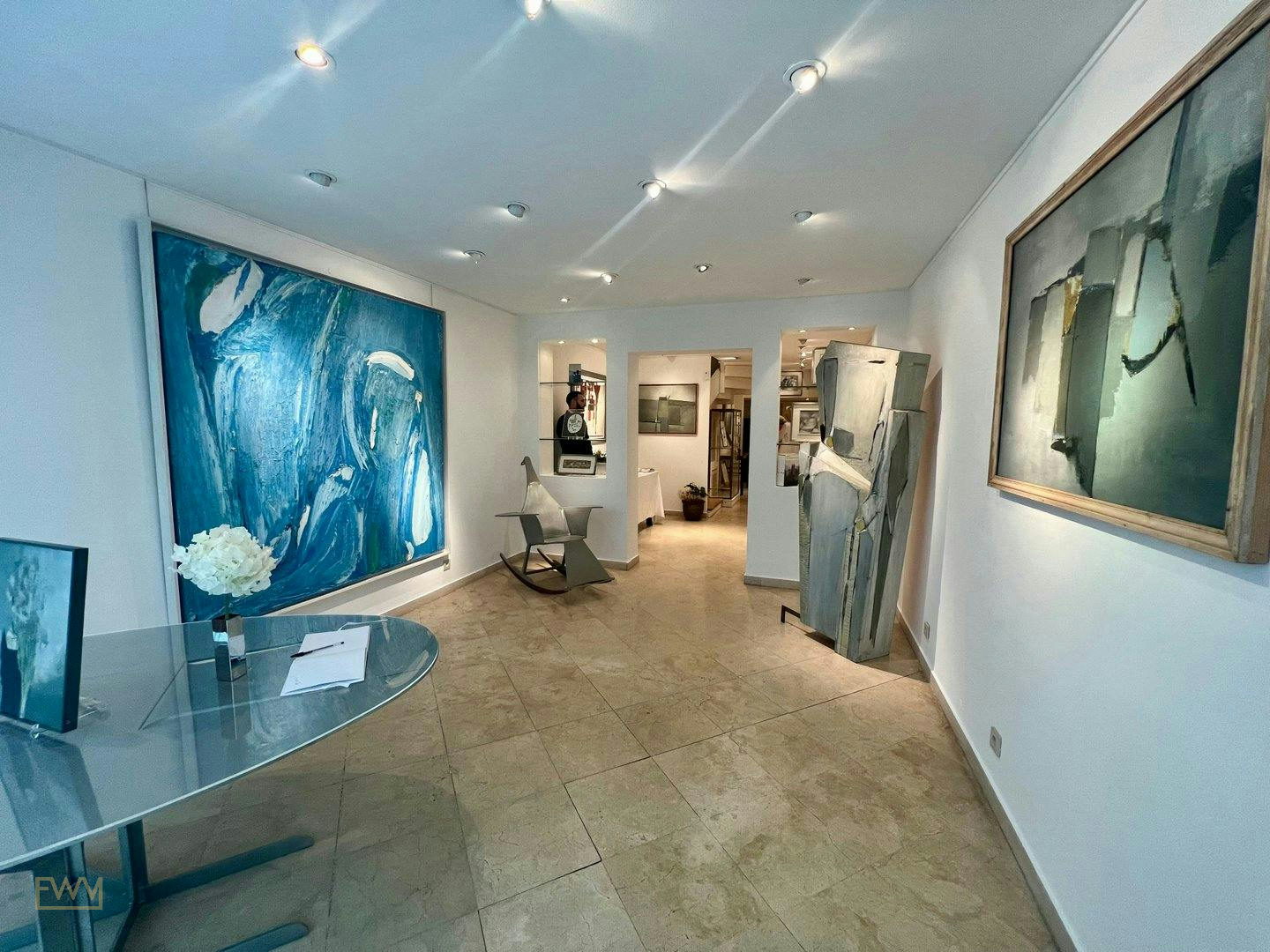
For brand teams, a furnished apartment near the Panthéon or the Jardin du Luxembourg can serve as both operational base and creative workspace. The art-filled perch quality of many Latin Quarter apartments, with their high ceilings, stone floors, and views over internal courtyards or rooftops, makes them genuinely useful for product photography, small meetings, and informal press appointments. They also provide a more immersive Parisian experience than a standard hotel, which matters for teams building a narrative around their Paris presence.
Boutique Commercial Spaces and Pop-Up Venues
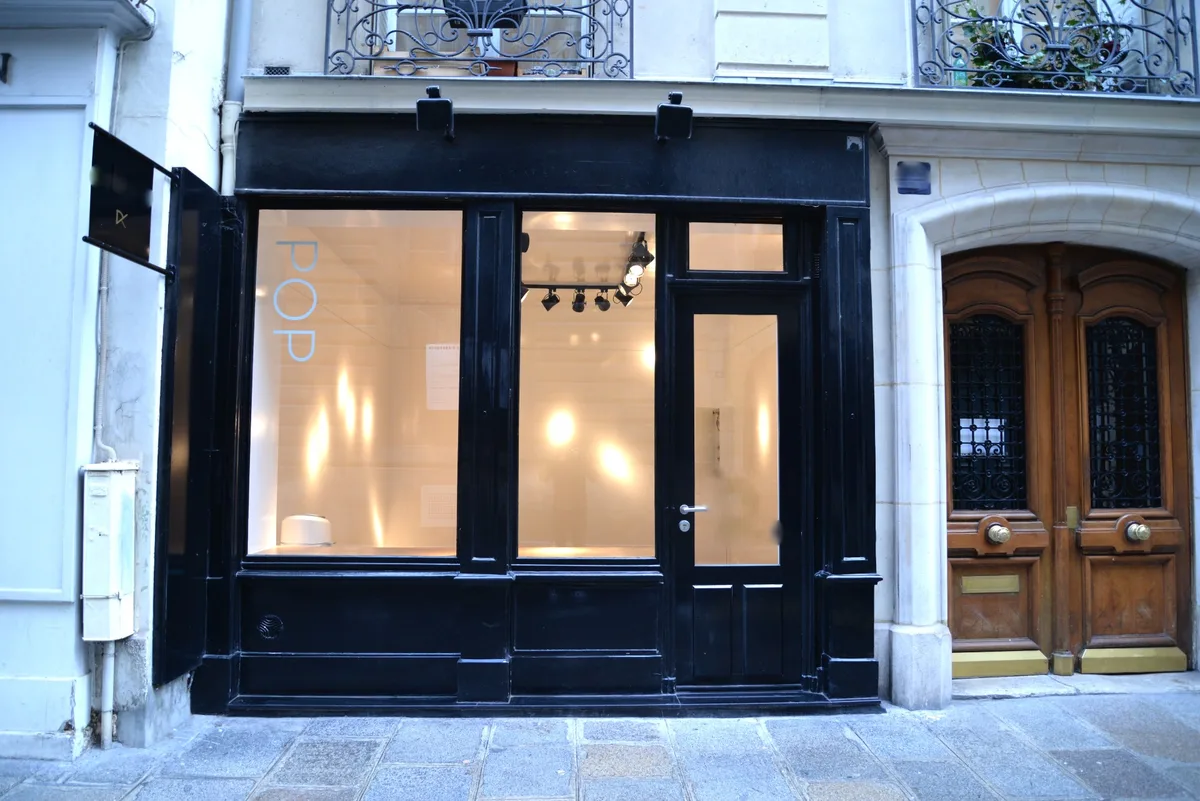
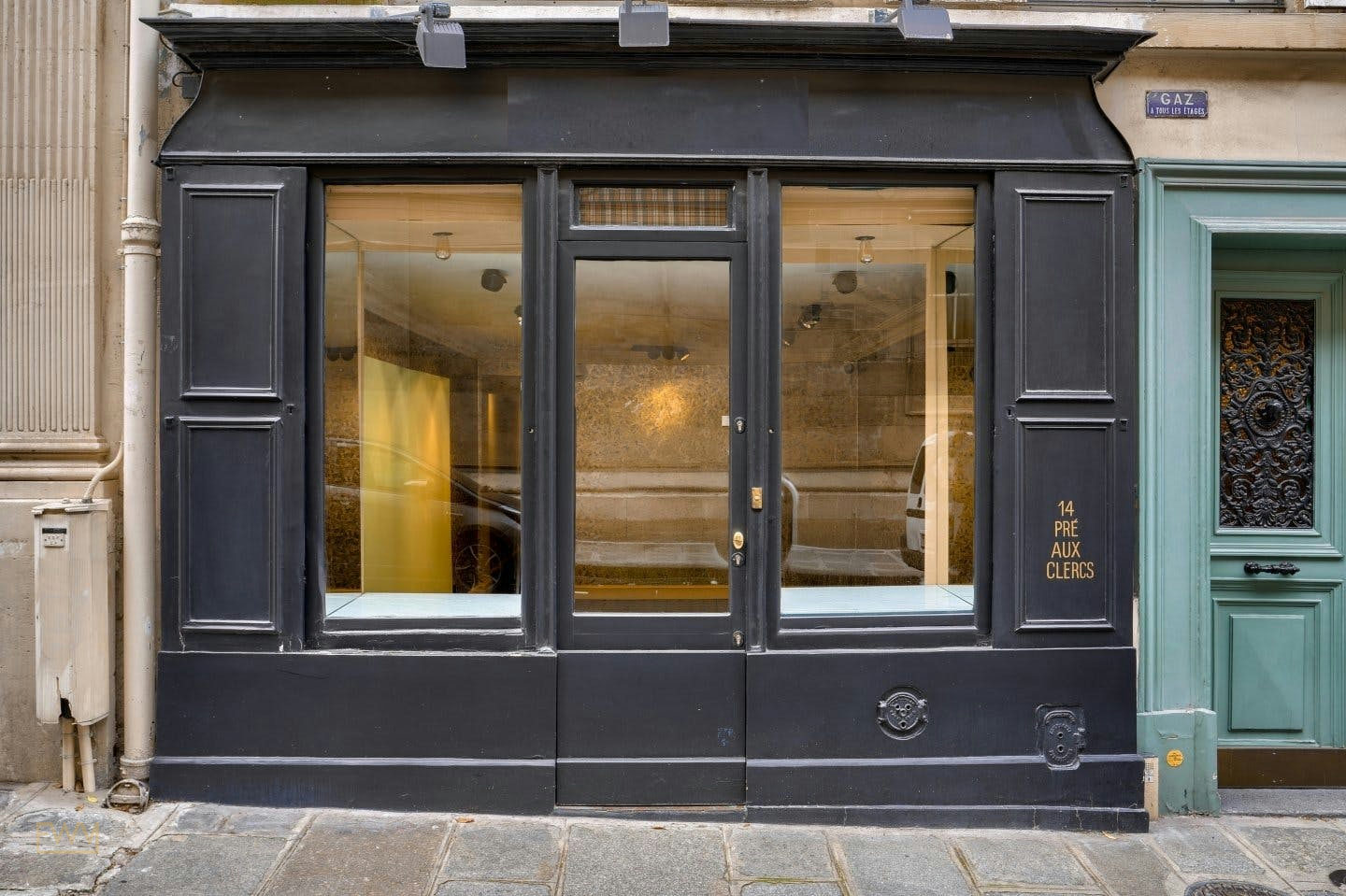
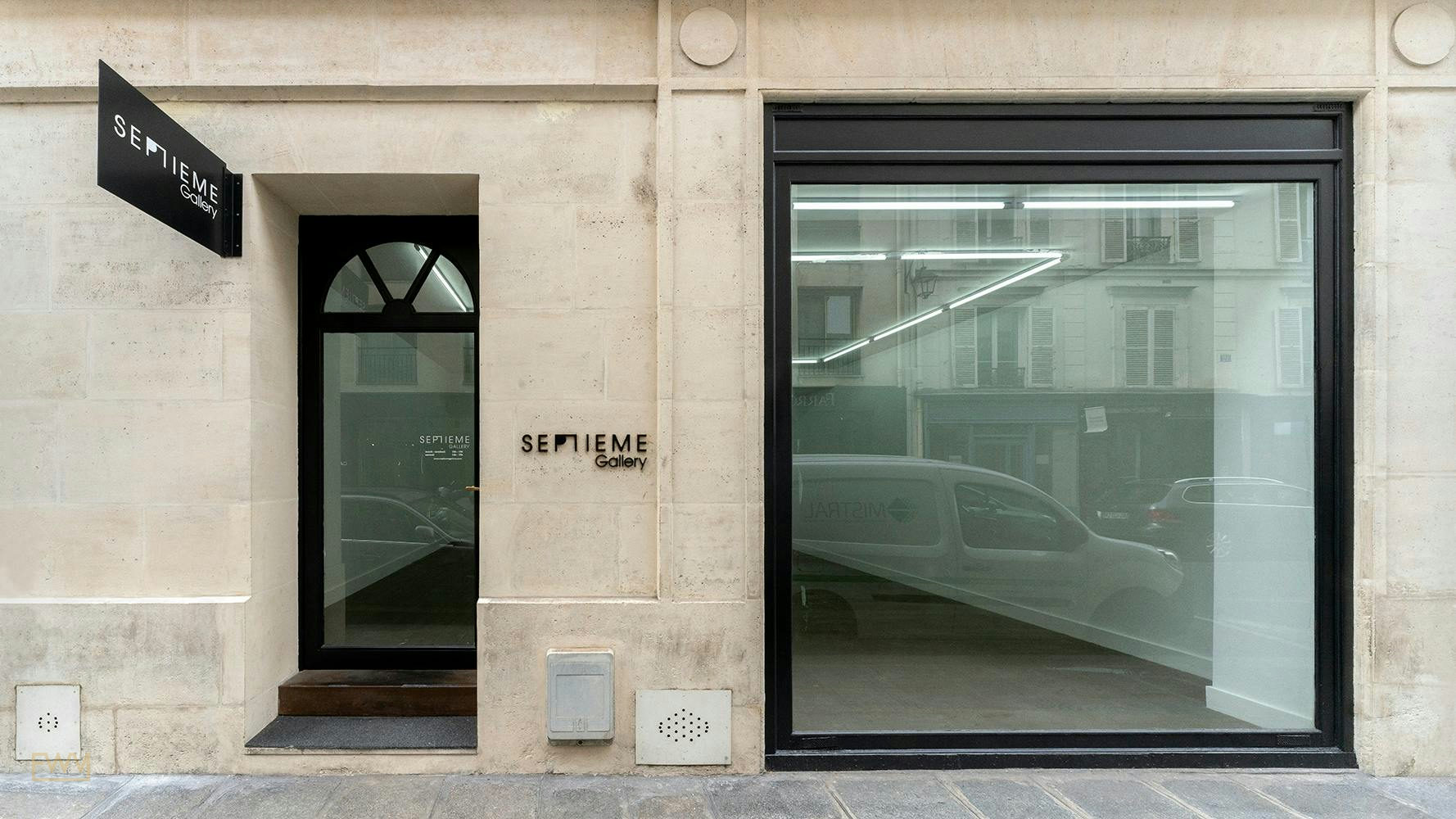
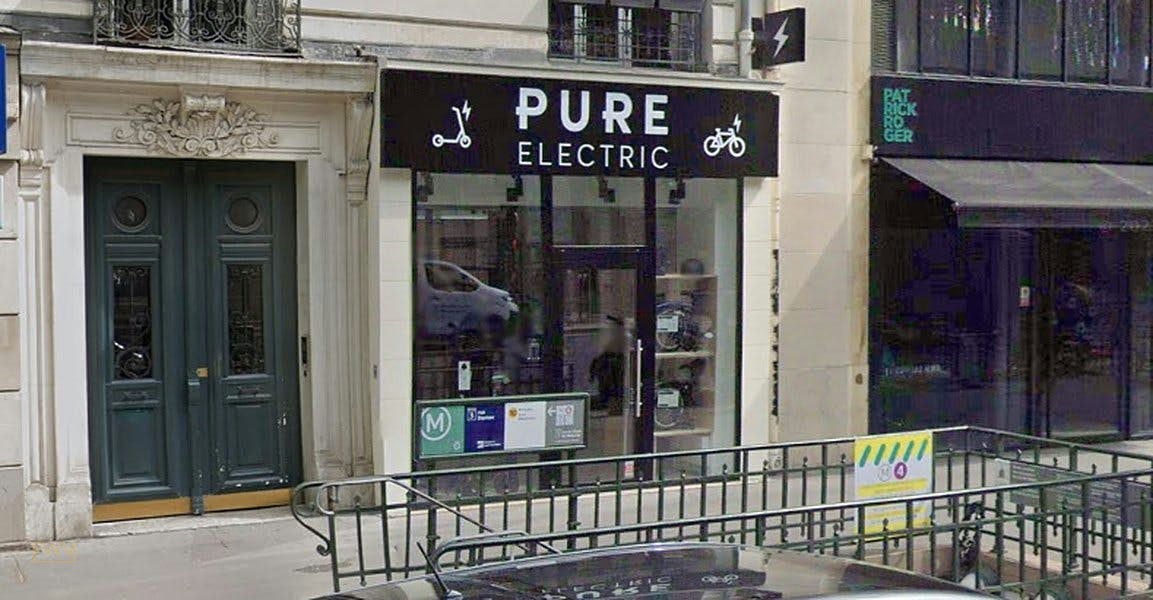
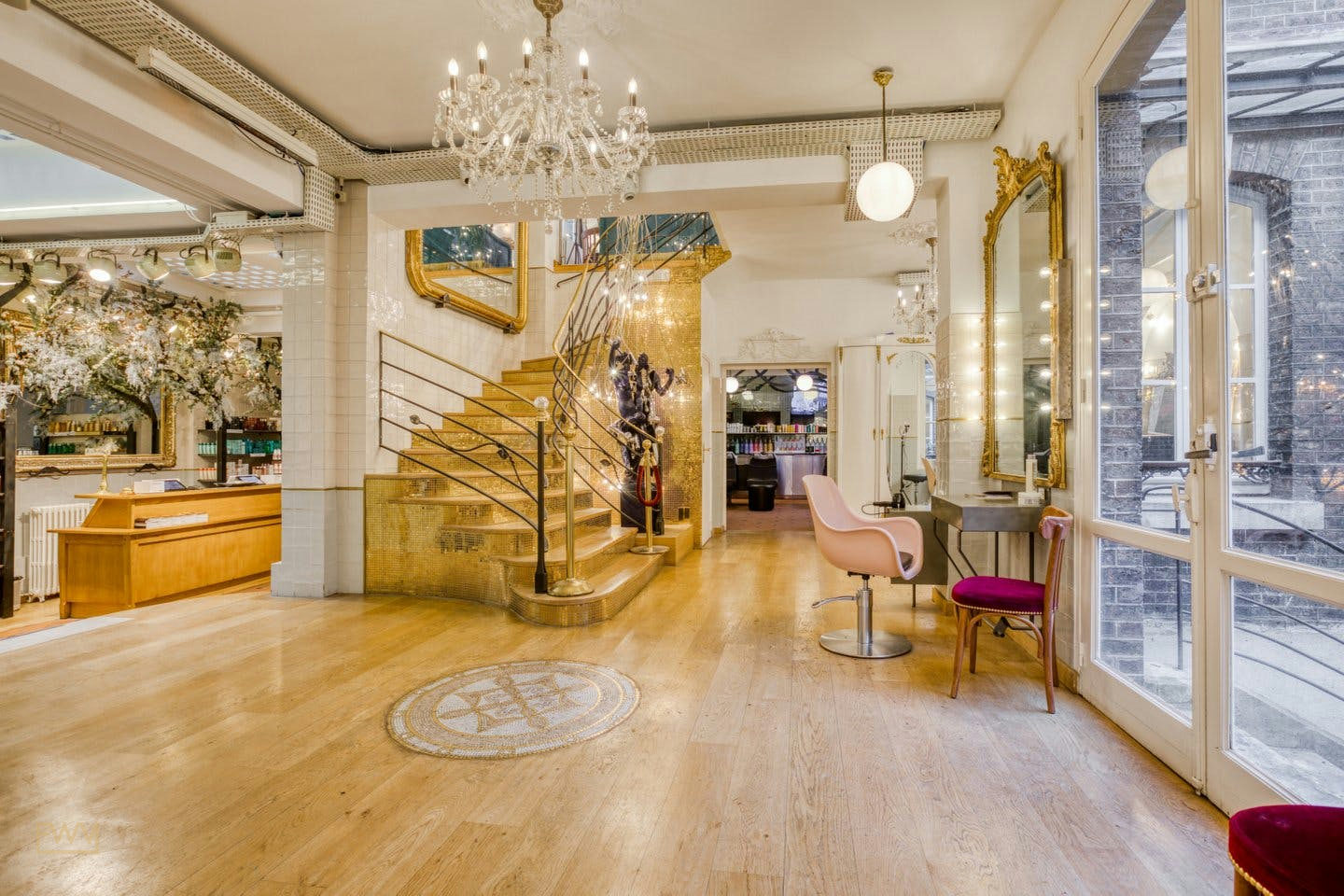
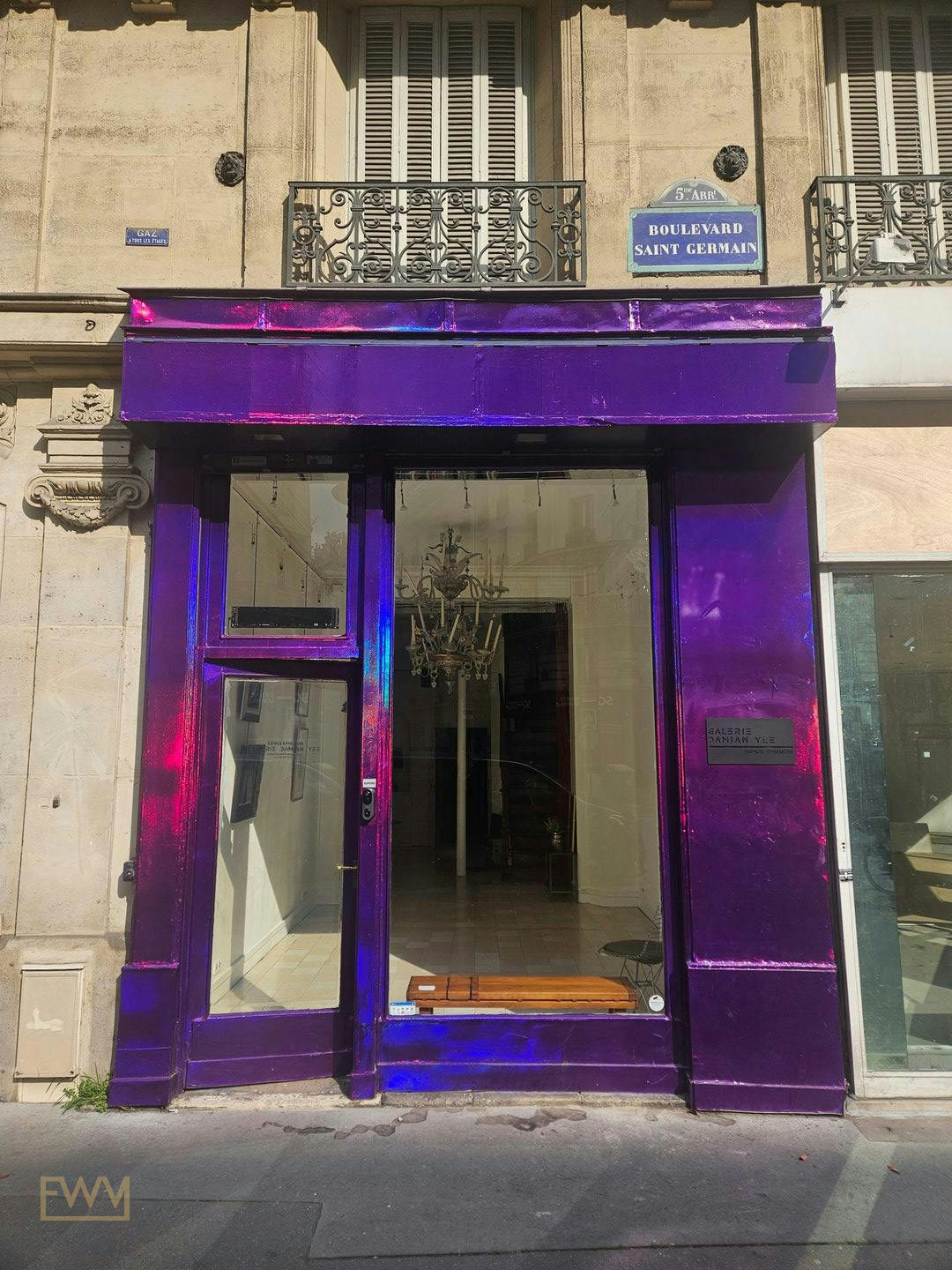
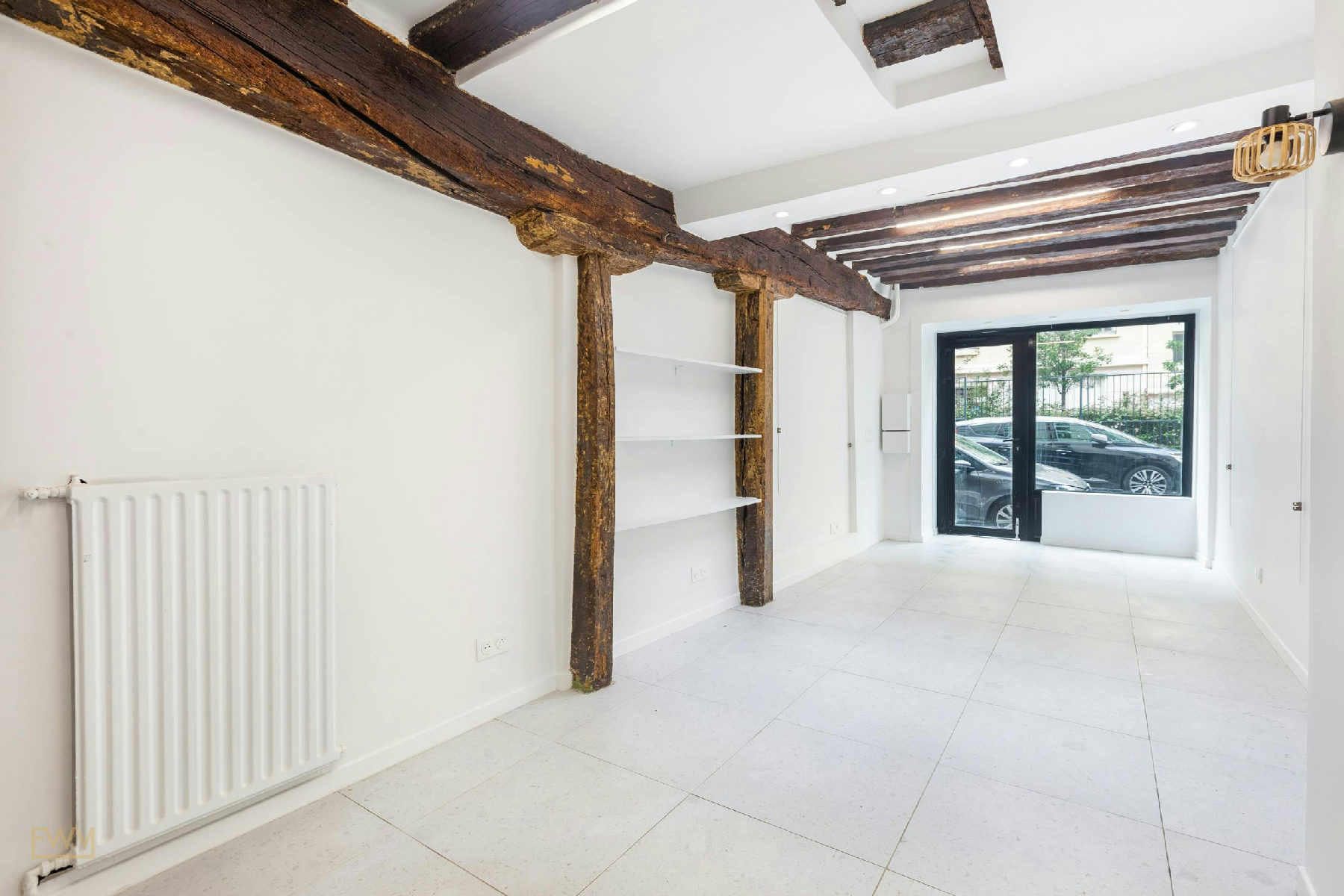
Ground-floor commercial units in the Latin Quarter's Haussmannian buildings represent the core of the boutique rental market for brands. These spaces vary in size from small boutiques of thirty to sixty square metres on side streets near the Sorbonne, to larger double-fronted units on Boulevard Saint-Michel or Rue Mouffetard that can accommodate both retail display and event programming. The building stock is dense and architecturally consistent, giving most spaces a strong visual identity before any brand fit-out begins.
Serviced apartments and short-term commercial leases operate under different legal frameworks in France. A civil code lease, known as a bail civil, applies to residential furnished rentals. Commercial spaces for pop-up or short-term use are more commonly covered by a bail dérogatoire, which allows for a short-term commercial occupation outside the standard nine-year commercial lease. Understanding which framework applies to a specific space is essential before signing any agreement.
Vacation Rentals and Flexible Stay Options
Vacation rentals in the Latin Quarter serve a distinct market of international visitors seeking flexible stay options beyond standard hotels. These range from one-night Airbnb bookings to month-long furnished apartment rentals under a civil code lease. The district's proximity to Notre-Dame, the Louvre Museum, the Arc de Triomphe, and the Eiffel Tower makes it a natural base for tourism-oriented stays. Rental management services in Paris 5 are offered by agencies that handle bookings, communication, and day-to-day management on behalf of landlords, reducing the friction of short-term letting for property owners who prefer not to manage their own listings.
DID YOU KNOW: The Latin Quarter sits within the Paris 5th arrondissement, which has one of the highest concentrations of historic buildings under preservation protection in France, meaning that any structural modifications to a rented space require specific administrative authorisation.
KEY TAKEAWAY: The Latin Quarter offers furnished apartments, studio rentals, boutique commercial units, serviced apartments, and vacation rentals. Matching the space format to your duration, purpose, and budget is the first decision to make before beginning any search.
Once you have identified the space type that fits your brief, the next practical step is understanding the permit and legal framework that governs short-term use of these spaces in Paris.
Permits, Leases, and Legal Frameworks for Short-Term Boutique Rental in Paris
Quick answer: Short-term boutique rentals in Paris are governed by different legal frameworks depending on whether the space is residential or commercial. Brands using a commercial space for pop-up or activation purposes should understand the bail dérogatoire, the autorisation d'occupation temporaire, and any arrondissement-specific requirements before signing an agreement. Requirements vary by space type, duration, and location.
Bail Dérogatoire for Commercial Short-Term Use
A bail dérogatoire is a short-term commercial lease in France that allows an occupation outside the protections of the standard nine-year commercial lease. It can be agreed for a period of up to three years and is commonly used for pop-up retail, temporary showrooms, and short-term brand activations. For brands entering the Latin Quarter for a season, a campaign period, or a Paris Fashion Week activation, this is typically the most appropriate commercial lease structure.
It is important to note that a bail dérogatoire must clearly state that the parties are opting out of the standard commercial lease protections. If this is not specified correctly, a court may reclassify the agreement as a standard commercial lease, with significant implications for both parties. Always verify the structure and wording of any lease with a qualified French legal advisor before signing. Requirements vary by space type, duration, and the specific arrondissement in which the property sits.
Autorisation d'Occupation Temporaire for Public Spaces
An autorisation d'occupation temporaire, or AOT, is required when a brand wishes to occupy public space temporarily, for example to extend a retail activation onto a pavement, install a temporary structure in a courtyard that adjoins public land, or conduct outdoor event programming. In the Latin Quarter, given the density of classified buildings, protected streetscapes, and proximity to monuments including the Panthéon and Notre-Dame, AOT applications may face additional scrutiny and should be submitted well in advance of the intended activation date.
The permits tool at Fashion Week Venues provides guidance on the permit landscape for Paris activations and can help brand teams understand which documents, timelines, and approvals are likely to be required for their specific space type and location.
Civil Code Lease for Furnished Apartments
A civil code lease applies to furnished residential rentals in France and is distinct from a commercial lease. This framework governs short-term furnished apartment rentals in the Latin Quarter, including those listed on Paris Attitude, Airbnb, and other platforms. For brand teams using a furnished apartment as operational accommodation rather than commercial activation space, this is the relevant framework. Home insurance, utility arrangements, and guardian protocols are typically specified in the rental agreement.
IMPORTANT: France does not require a French legal entity as a prerequisite for renting a commercial space under a bail dérogatoire, but individual landlords and property management companies may impose their own verification requirements. Verify your entity structure with a French legal advisor and ensure your commercial registration documentation is current before approaching landlords in the Latin Quarter.
KEY TAKEAWAY: Short-term boutique rental in Paris involves navigating at least two distinct legal frameworks depending on the space type. The bail dérogatoire governs commercial pop-up use, and the civil code lease governs furnished residential rentals. Professional guidance significantly reduces the risk of misclassification or non-compliance.
With the legal framework clear, the next section addresses the practical logistics of planning and executing a boutique rental or brand activation in the Latin Quarter, including timelines, budgets, and operational considerations.
Planning and Logistics for a Boutique Rental or Brand Activation in the Latin Quarter
Quick answer: Effective planning for a boutique rental or brand activation in the Latin Quarter typically requires a minimum lead time of eight to twelve weeks for smaller spaces and up to six months for larger activations during peak calendar windows such as Paris Fashion Week. Budgets must account for rental costs, fit-out, staffing, permits, and operational infrastructure including POS systems and wifi.
Activation Timeline and Calendar Windows
Paris operates on a fashion and cultural calendar that creates predictable peaks in demand for boutique spaces. The primary windows are Paris Fashion Week in January and February for menswear, and September and October for womenswear, as well as the summer and winter trade periods when international buyers and press are active in the city. Securing a space in the Latin Quarter during these peak windows requires early engagement, as availability contracts significantly in the weeks before each season opens.
Outside Fashion Week, the Latin Quarter maintains consistent footfall driven by tourism, academic calendars at the Sorbonne and Collège de France, and cultural programming across its many museums and institutions. This makes the district viable for boutique activations year-round, not only during the principal fashion calendar windows. The timeline tool at Fashion Week Venues can help brand teams build a realistic planning schedule aligned to their target dates.
| Activation Scale | Recommended Lead Time | Key Planning Milestones |
|---|---|---|
| Small boutique pop-up under 50 sqm | 8 to 10 weeks | Space confirmed, permits submitted, fit-out scheduled |
| Mid-size showroom or retail activation | 10 to 16 weeks | Space confirmed, concept approved, build timeline locked |
| Large multi-room brand experience | 16 to 24 weeks | Venue contracted, AOT applied, production team briefed |
| Paris Fashion Week activation | 20 to 26 weeks before season | Calendar confirmed, space reserved, all permits in process |
Budget Considerations
Budget planning for a boutique rental in the Latin Quarter must account for more than the headline rental cost. Fit-out and production, furniture rental, staffing, permit fees, insurance, POS and payment systems, wifi infrastructure, and operational consumables all contribute to the total activation cost. In a historic district like the Latin Quarter, where building protections may limit structural modifications, fit-out design must be reversible and non-damaging to the property, which can influence both the design approach and the production budget.
The budget calculator at Fashion Week Venues allows brand teams to build a directional estimate based on their space size, duration, activation type, and service requirements. Figures generated by the tool are directional estimates only and should be validated against specific quotes from suppliers and venue operators.
TIP: In the Latin Quarter, many buildings date from the 17th to 19th centuries and may not have modern loading access, freight lifts, or high-voltage electrical capacity. Always verify these practical specifications with the landlord or property manager before committing to a fit-out design that depends on them.
Staffing and Operational Infrastructure
Running a boutique rental in the Latin Quarter requires on-the-ground staffing who understand both the brand and the local context. This means French-speaking team members capable of engaging with local visitors, academics, and tourists, as well as brand-trained staff who can represent the activation concept consistently. Retail staffing services that include bilingual or multilingual staff are particularly valuable in this internationally oriented district.
POS and payment systems should support contactless payment, international cards, and potentially mobile point of sale to accommodate the varied payment preferences of the Latin Quarter's mixed local and tourist customer base. Wifi reliability is essential for both operational systems and customer-facing digital experiences. Confirm wifi provision with the venue and arrange a backup connection if the activation depends on live digital connectivity.
KEY TAKEAWAY: Successful boutique activations in the Latin Quarter require early planning, realistic budgeting across all cost categories, and operational infrastructure appropriate for historic buildings with potentially limited structural flexibility.
To identify spaces that match your brief and compare them across key criteria before committing to a viewing, explore the Paris city hub on Fashion Week Venues and shortlist venues that align with your location, size, and calendar requirements.
Comparing the Latin Quarter to Other Paris Neighbourhoods for Boutique Rental
Quick answer: The Latin Quarter, the Marais, Saint-Germain, the 9th arrondissement, and the 3rd arrondissement each offer distinct positioning, footfall profiles, and space types for boutique rentals. The right neighbourhood depends on your brand identity, target audience, budget, and activation objectives.
Paris is a city of distinct village-like neighbourhoods, and each arrondissement carries its own commercial logic. For brands considering boutique rental, the choice of neighbourhood is as strategic as the choice of space. The Latin Quarter is one of several strong options, and understanding how it compares to alternatives is essential for making an informed brief.
| Neighbourhood | Arrondissement | Character and Audience | Boutique Rental Fit |
|---|---|---|---|
| Latin Quarter | 5th, 6th | Academic, cultural, heritage, international tourism | Cultural brands, literary activations, heritage fashion, residential stays |
| Le Marais | 3rd, 4th | Contemporary, streetwear, art, LGBTQ+ community, high footfall | Streetwear launches, contemporary art-adjacent brands, flagship pop-ups |
| Saint-Germain | 6th | Established luxury, literary heritage, independent boutiques | Luxury brands, art books, premium homeware, high-end fashion |
| 9th Arrondissement | 9th | Mixed residential, Palais Garnier proximity, creative agencies | Mid-market fashion, creative brand offices, showroom formats |
| 15th Arrondissement | 15th | Residential, local retail, quieter commercial environment | Community-facing brands, longer-term boutique leases |
The Latin Quarter's specific advantage is its combination of cultural legitimacy and international visibility. Unlike the 15th arrondissement, which is primarily residential, or the 9th, which is more commercially mixed, the Latin Quarter sits at the intersection of heritage tourism, academic life, and an increasingly design-conscious residential community. This creates a footfall profile that includes both high-spending international visitors and engaged, culturally literate local consumers.
The Marais, particularly around the 3rd and 4th arrondissements, offers higher commercial footfall and a stronger streetwear and contemporary art adjacency. It is a natural home for launches that depend on social media amplification and influencer traffic. The Latin Quarter, by contrast, rewards brands that can tell a story with depth and context, making it particularly well-suited to heritage fashion houses, independent designers, book-adjacent brands, and cultural institutions hosting temporary retail experiences.
Saint-Germain, which shares a border with the Latin Quarter along the 5th to 6th transition, offers many of the same cultural associations but at a higher rental cost and with a stronger luxury positioning. Spaces near the Eglise Saint Sulpice or the Marché de Buci sit at the intersection of both districts and can be positioned in either register depending on the brand's concept and communication approach.
DID YOU KNOW: The 5th arrondissement has a lower average commercial rental cost than the 6th, 4th, and 3rd arrondissements in Paris, making the Latin Quarter a relatively accessible entry point for brands seeking a central Left Bank location without paying the premium associated with the most established luxury corridors.
KEY TAKEAWAY: The Latin Quarter competes favourably with the Marais and Saint-Germain for brands seeking cultural credibility and central positioning, while typically offering lower rental costs than the most premium neighbourhoods on either bank of the Seine.
The next section covers the specific experience of staying in or operating from the Latin Quarter, addressing the questions about noise, transport, restaurants, and day-to-day practicalities that shape the on-the-ground reality of any boutique rental here.
The Day-to-Day Experience of Boutique Rental in the Latin Quarter
Quick answer: The Latin Quarter is a lively area with pockets of genuine quiet depending on the specific street. It is exceptionally well-connected by metro, RER, and cycling infrastructure. The neighbourhood offers outstanding restaurants, cafés, food markets, and cultural venues within walking distance of most rental properties.
Noise, Atmosphere, and Street Character
Noise levels in the Latin Quarter depend significantly on the specific street and building position. Boulevard Saint-Michel and Rue Mouffetard are busy commercial arteries with pedestrian and vehicle traffic throughout the day and into the evening. Side streets parallel to these corridors, particularly those running north to south on the slope of the Montagne Sainte-Geneviève, tend to be quieter and offer a more residential atmosphere even at peak tourist times.
Apartments and commercial spaces on upper floors of Haussmannian buildings typically experience less street noise than ground-floor units, though ground-floor boutique spaces are naturally more visible and accessible for retail activations. Listings from reputable rental management services in Paris 5 typically include specific information about the surrounding environment, including proximity to busy streets, courtyards, or internal positions that affect noise levels.
Restaurants, Cafés, and Food Markets
The Latin Quarter is exceptionally well-served by restaurants, cafés, and food markets. Rue Mouffetard hosts one of the most characterful open-air markets in Paris, operating several mornings per week and offering fresh produce, cheese, fish, and prepared foods in a street setting that has changed little in character over the past century. The Marché de Buci, technically in the 6th arrondissement but within walking distance of most Latin Quarter addresses, offers a similar quality of fresh market shopping.
The area's café culture is dense and varied, ranging from historic literary institutions to neighbourhood bars and contemporary specialty coffee shops. For brand teams using the Latin Quarter as an operational base during Paris Fashion Week, the density of good cafés within walking distance of any rental property is a genuine practical asset. Restaurant options span traditional French bistros, international cuisine, and contemporary Parisian dining, including a growing number of French-Japanese restaurant concepts that reflect the neighbourhood's international character.
Transport Connections from the Latin Quarter
The Latin Quarter is served by multiple metro and RER stations, making it one of the most connected residential districts in central Paris. The Pierre et Marie Curie Metro station provides direct access to the broader metro network. The RER B at Saint-Michel Notre-Dame connects directly to Paris CDG in approximately forty minutes and to Paris Orly via a connecting service. Gare de Lyon, the departure point for trains to the south of France and connections to other European cities, is approximately fifteen minutes by metro. Gare du Nord, the Eurostar terminus, is accessible within twenty minutes.
Vélib self-service bicycle stations are distributed across the district, providing an easy and popular way to navigate between the Latin Quarter and adjacent neighbourhoods including Le Marais, the 15th arrondissement, and Bercy. The flat sections along the Seine riverbank are particularly well-suited to cycling. For brands whose teams are travelling frequently between Paris CDG, their hotel, and their activation space during fashion week season, the transport connectivity of the Latin Quarter removes a significant logistical friction.
| Destination | Transport Option | Approximate Journey Time |
|---|---|---|
| Paris CDG Airport | RER B from Saint-Michel | 40 to 50 minutes |
| Paris Orly Airport | RER B + Orlyval connection | 45 to 60 minutes |
| Gare de Lyon | Metro line 10 or 14 | 12 to 18 minutes |
| Gare du Nord | Metro or RER B north | 18 to 25 minutes |
| Le Marais (4th arr.) | Metro or cycling via Seine | 12 to 20 minutes |
| Eiffel Tower | Metro line 10 westbound | 20 to 25 minutes |
| Disneyland Paris | RER A from Châtelet | 45 to 55 minutes |
KEY TAKEAWAY: The Latin Quarter offers exceptional transport connectivity to airports, train stations, and major Paris destinations, making it a highly practical base for brand teams operating across the city during events, trade periods, or activation campaigns.
With the day-to-day experience of the district established, the next section explains specifically how Fashion Week Venues can support brands seeking boutique rental or activation spaces in the Latin Quarter and across Paris.
How Fashion Week Venues Supports Boutique Rental and Brand Activation in the Latin Quarter
Fashion Week Venues is a full-service pop-up shop agency and space marketplace operating across Paris and other major fashion capitals including London, Milan, New York, Tokyo, and Dubai. For brands seeking a boutique rental in the Latin Quarter, Fashion Week Venues provides end-to-end support from initial space discovery through to activation management and post-campaign analysis.
Space Discovery and Venue Sourcing
The venue sourcing service at Fashion Week Venues identifies boutique commercial spaces, showrooms, and event venues across Paris that match a brand's brief. For the Latin Quarter specifically, this means sourcing spaces in the 5th and 6th arrondissements that meet criteria for size, location, footfall, architectural character, and permitted use. The team works with a network of property owners, management companies, and landlords to surface spaces that may not be publicly listed, giving brands access to a broader range of options than a standard marketplace search would reveal.
The space marketplace at Fashion Week Venues allows brands to browse and compare available spaces across Paris before requesting viewings. The compare tool and the locator tool both support the shortlisting process, allowing teams to filter by arrondissement, space type, size, and availability window before investing time in physical visits.
Concept Direction and Branded Store Design
Once a space is identified, the concept direction service helps brands develop an activation concept that is appropriate for the space, the neighbourhood, and the target audience. In the Latin Quarter, this means considering the architectural character of Haussmannian buildings, the cultural associations of the district, and the specific audience mix of students, tourists, and local residents. The imagine tool on Fashion Week Venues allows teams to visualise how a brand concept might look within a specific space before committing to production.
The branded store design service then translates the approved concept into a physical environment, specifying fixtures, finishes, lighting, and signage appropriate for the space and the brand. Furniture rental options allow brands to outfit a boutique space without purchasing inventory that cannot be reused after the activation period.
Production, Staffing, and Activation Management
The production and build service manages the physical fit-out of the boutique space, working within the constraints of the building's structural protections and the lease terms agreed with the landlord. For Latin Quarter spaces in listed or protected buildings, this requires particular care around reversibility and non-damaging installation methods.
Retail staffing, POS and payment systems, data and analytics, and influencer marketing are all available as additional service layers depending on the activation's objectives. The ROI calculator at Fashion Week Venues helps brand teams model the expected return from their activation investment, taking into account footfall projections, conversion assumptions, and campaign amplification through influencer and social channels.
Tools for Independent Planning
Brands that prefer to plan independently before engaging a full agency service can use the suite of tools at Fashion Week Venues to build a well-informed brief. The budget tool, timeline tool, permits tool, compare tool, and locator tool are all available online and require no prior relationship with the agency to use. The build planning tool helps teams think through the production sequence, and the twin concept offers a co-activation format for brands that want to share a space and split costs during peak calendar windows.
For brands that are new to the pop-up and activation landscape, the guide on hiring a pop-up agency provides a structured framework for evaluating agency options, understanding service scope, and setting realistic expectations before beginning the briefing process.
KEY TAKEAWAY: Fashion Week Venues provides both a curated space marketplace and a full-service agency capability for brands seeking boutique rental in the Latin Quarter. The combination of local knowledge, permit expertise, production capability, and operational support reduces the risk and complexity of activating in a historic Parisian neighbourhood.
Understanding the common misconceptions about boutique rental in Paris is the next step to approaching your search with accurate expectations, and the following section addresses the most frequently encountered myths head-on.
Common Myths About Boutique Rental in the Latin Quarter Debunked
MYTH: You need a French legal entity to rent a boutique or commercial space in the Latin Quarter.
FACT: France does not legally require a French company to be party to a bail dérogatoire. However, individual landlords and property management companies may request proof of commercial registration, a French bank account, or a local guarantor as a condition of their own letting policies. International brands without a French entity should prepare thorough documentation and work with an advisor who understands the local landlord expectations. Verify your specific situation with a qualified French legal professional before approaching any landlord.
MYTH: Paris Fashion Week in September and October is the only viable calendar window for a Latin Quarter boutique activation.
FACT: The Latin Quarter maintains consistent footfall year-round thanks to its academic calendar, tourism from Notre-Dame and other nearby monuments, and a resident population that actively supports independent retail. Fashion brands have successfully activated in the district outside Fashion Week during the summer travel season, around cultural events at the Musée de Cluny and the Jardin des Plantes, and during the winter holiday period. The seasonal peak does affect availability and pricing, but it is not the only viable window for a well-planned activation.
MYTH: Working with a commission broker is the only way to find boutique rental spaces in the Latin Quarter.
FACT: Commission brokers represent one route to finding spaces, but they are not the only option. Dedicated space marketplaces, agency networks, direct landlord relationships, and platforms with curated listings all provide access to boutique rental spaces in the Latin Quarter. Fashion Week Venues operates a space marketplace that allows brands to browse, compare, and shortlist spaces independently before engaging the agency for additional support. This approach gives brands more control over the discovery process and more transparency over costs.
MYTH: Short-term commercial leases in Paris are legally straightforward and do not require specialist help.
FACT: Short-term commercial leases in France, including the bail dérogatoire, contain specific legal requirements that, if not met precisely, can result in the agreement being reclassified as a standard nine-year commercial lease. This misclassification carries significant obligations for both landlord and tenant. Given the complexity of French commercial property law and the specific protections that apply in classified areas like the Latin Quarter, engaging a French legal advisor for any commercial lease in Paris is strongly recommended, not optional.
MYTH: The Latin Quarter is too touristy and noisy to be a credible location for a premium boutique or showroom.
FACT: The Latin Quarter is a layered district with significant variation between its busiest streets and its quieter residential and academic zones. Streets adjacent to the Panthéon, around the Collège de France, or on the residential slopes of the Montagne Sainte-Geneviève offer quiet, architecturally distinguished environments that are entirely appropriate for premium boutique and showroom formats. The tourist footfall, rather than undermining credibility, adds an international audience dimension that many brands actively seek.
Frequently Asked Questions About Boutique Rental in the Latin Quarter
Are the apartments and boutique spaces in the Latin Quarter located within walking distance of major landmarks?
Yes. Most addresses in the Latin Quarter are within walking distance of significant landmarks. The Panthéon, the Sorbonne, Notre-Dame, the Musée de Cluny, Sainte Chapelle, the Jardin du Luxembourg, the Louvre Museum, Shakespeare and Company, and the Grand Mosquée de Paris are all accessible on foot from the majority of Latin Quarter rental addresses. Boulevard Saint-Michel and Rue Mouffetard are the primary commercial arteries and serve as useful orientation points. Individual listings on curated platforms typically specify walking distances to nearby landmarks as part of their property descriptions.
Is the Latin Quarter a lively or quiet area to stay in?
The Latin Quarter offers both atmospheres depending on the specific street and building position. The main commercial streets including Boulevard Saint-Michel and Rue Mouffetard are lively throughout the day and into the evening with pedestrian traffic, markets, cafés, and restaurants. Side streets parallel to these arteries, and those in the quieter southern sections of the 5th arrondissement near Parc Montsouris and Rue de la Tombe-Issoire, are considerably calmer. Haussmannian buildings with internal courtyards provide additional acoustic separation from street noise. Most reputable rental listings describe the noise environment of the immediate surroundings as part of their information.
Is the Latin Quarter suitable for short stays and flexible rental periods?
Yes. The Latin Quarter supports a wide range of stay durations and rental formats. Airbnb and similar platforms offer short stays from one night upward. Furnished apartment platforms including Paris Attitude and comparable services offer stays of a week to several months under a civil code lease. For commercial boutique spaces, a bail dérogatoire allows short-term commercial occupation of up to three years. The district's central location, transport connectivity, and density of services make it practical for stays of any duration from a single-night business trip to a multi-month brand residency.
Is it noisy to stay in the Latin Quarter?
Noise levels vary by street and building position. Apartments on upper floors of Haussmannian buildings, those facing internal courtyards, or those on quieter side streets typically experience lower noise levels than ground-floor or main-street-facing units. The tourist season from April to October brings higher ambient noise levels across the district, particularly near Notre-Dame and Boulevard Saint-Michel. Reputable rental platforms specify the acoustic environment of each listing, and this should be reviewed carefully if noise sensitivity is a priority. Many landlords and rental management services can advise on quieter versus livelier positions within their portfolio.
Are there good restaurants, cafés, and food markets near Latin Quarter rentals?
The Latin Quarter is exceptionally well-served by food and drink options. Rue Mouffetard hosts a celebrated open-air market operating several mornings per week, offering fresh produce, cheese, charcuterie, and specialty foods. The Marché de Buci in the adjacent 6th arrondissement adds further market shopping within a short walk. The neighbourhood contains a dense concentration of cafés, brasseries, traditional French bistros, and international restaurants, including French-Japanese restaurant concepts that reflect the area's international character. Le Procope, one of the oldest cafés in Paris, operates on Rue de l'Ancienne Comédie nearby. For brand teams using the district as an operational base, the food and drink infrastructure is a genuine practical asset.
Is the Latin Quarter well connected to public transport?
Yes. The Latin Quarter is served by multiple metro lines and the RER B, which provides direct access to Paris CDG airport in approximately forty to fifty minutes. The Pierre et Marie Curie Metro station serves the heart of the district. Saint-Michel Notre-Dame provides RER B access for airport connections. Gare de Lyon and Gare du Nord are both reachable within fifteen to twenty-five minutes by metro. Vélib self-service bicycle stations are distributed throughout the neighbourhood, and bus services cover the broader arrondissement. Transport access details are typically included in individual apartment and commercial space listings on curated rental platforms.
Is the Latin Quarter a good choice for first-time visitors to Paris?
The Latin Quarter is widely considered one of the most accessible and rewarding base areas for first-time visitors to Paris. Its central Left Bank position puts the major monuments within walking or short metro distance. The neighbourhood's density of cafés, restaurants, bookshops, and markets provides an immediate and authentic Parisian experience. Transport links to all major destinations are strong, including direct RER connections to both airports. The architectural character of the district is quintessentially Parisian, offering the visual and atmospheric qualities that most visitors expect from the city. For brand teams experiencing Paris for the first time, the Latin Quarter provides both convenience and context.
Do I need to speak French to manage a boutique rental in the Latin Quarter?
Communicating in French is beneficial but not essential for managing a boutique rental in the Latin Quarter. Many landlords, property managers, and rental management services in Paris 5 communicate in English, particularly those operating platforms oriented toward international visitors and brands. However, administrative processes including permit applications, lease negotiations, and communications with the Mairie or local authorities are typically conducted in French. Working with a bilingual advisor or agency that can manage French-language communications on your behalf is strongly recommended, particularly for commercial space rentals where legal documentation requires precise language comprehension.
What is a bail dérogatoire and does it apply to boutique pop-up spaces in the Latin Quarter?
A bail dérogatoire is a short-term commercial lease in France that allows occupation outside the protections of the standard nine-year commercial lease. It is the most commonly used lease structure for pop-up retail, temporary showrooms, and short-term brand activations. It can be agreed for a period of up to three years and must explicitly state that both parties are waiving the protections of the standard commercial lease. In the Latin Quarter, where many commercial spaces operate in listed or architecturally protected buildings, a bail dérogatoire combined with reversible fit-out methods is typically the appropriate structure for a boutique activation. Always verify the structure with a qualified French legal advisor before signing.
What is the best time of year for a boutique rental activation in the Latin Quarter?
The highest-profile windows for brand activations in the Latin Quarter are Paris Fashion Week in September and October for womenswear and January and February for menswear, when international buyers, press, and creative communities are concentrated in Paris. However, the Latin Quarter also performs strongly during the summer tourist season from June to August, when footfall from international visitors near Notre-Dame and other monuments is at its peak. Spring, from March to May, offers a balance of favourable weather, active tourism, and academic calendar activity from the Sorbonne and surrounding institutions. The timeline tool at Fashion Week Venues can help align activation windows to brand objectives.
Can international brands rent boutique spaces in the Latin Quarter without a local presence?
International brands can rent boutique spaces in the Latin Quarter without a permanent local presence, but the process is more complex than it would be for a French entity. Landlords typically require proof of commercial registration, financial guarantees, and sometimes a local guarantor. Working with a local agency or advisor who can provide references, manage communications, and support lease documentation on behalf of the brand significantly simplifies the process. Fashion Week Venues has experience supporting international brands entering Paris and can advise on the practical steps involved in establishing a credible local presence for the duration of a boutique activation.
Are Latin Quarter boutique spaces suitable for business vacation rentals?
Yes. The Latin Quarter is well-suited to business vacation rentals for professionals visiting Paris for trade events, fashion weeks, academic conferences, or cultural programmes. Fully furnished apartments in the district provide the infrastructure needed for a productive working stay, including wifi, kitchen facilities, individual electric heating, and in many buildings elevator access and a guardian. Rental management services in Paris 5 often offer corporate rates and billing arrangements appropriate for business travel, and platforms including Paris Attitude have specific offerings oriented toward professional visitors. The district's transport connectivity makes it easy to reach meeting venues, showrooms, and trade locations across the city.
How do I compare boutique rental spaces in the Latin Quarter before committing to a viewing?
The most effective way to compare boutique rental spaces before committing to physical visits is to use a curated marketplace or comparison tool that presents specifications, location data, availability, and key features in a consistent format. The compare tool at Fashion Week Venues allows brands to evaluate spaces side by side across criteria including size, arrondissement, space type, and available dates. The locator tool maps available spaces geographically, making it easy to assess proximity to key landmarks, transport connections, and target audiences. Using these tools before arranging viewings saves significant time and ensures that site visits are focused on spaces with genuine potential.
What amenities should I look for in a Latin Quarter boutique rental?
For residential furnished apartment rentals, essential amenities include wifi, individual electric heating, a fully equipped kitchen, and access information including elevator provision and guardian availability. Premium amenities such as a washing machine, dishwasher, air conditioning, and outdoor space add comfort for longer stays. For commercial boutique spaces, key considerations include electrical capacity, natural light, display window visibility, loading access, and structural flexibility for fit-out. Buildings with courtyard access, high ceilings, and good proportions suit a wider range of brand concepts. Home insurance cover, where offered by the rental platform, provides valuable protection for both the property and personal belongings during the stay.
Are there rental management services available for Latin Quarter properties?
Yes. Rental management services for Paris 5 properties are offered by a range of agencies, from large platforms such as Paris Attitude to smaller boutique management companies specialising in the Latin Quarter and adjacent 6th arrondissement. These services typically handle booking management, guest communication, cleaning and maintenance coordination, and key handover on behalf of landlords. For brands or landlords who want to make the most of their property without the day-to-day management burden, a full rental management service provides a practical solution. Fees and service scope vary between providers, and it is worth comparing options before selecting a management partner.
Conclusion: Finding Your Boutique Rental in the Latin Quarter
Boutique rental in the Latin Quarter offers a combination of cultural depth, architectural distinction, central location, and year-round commercial viability that few districts in Paris can match. Whether you are a brand planning a pop-up activation near the Sorbonne, a creative team seeking a furnished apartment for Paris Fashion Week, or an international business looking for a flexible space with strong transport links to Paris CDG and Gare du Nord, the Latin Quarter provides a context that enriches every stay and every activation.
The key to a successful boutique rental here lies in matching your specific brief to the right street, space type, lease structure, and calendar window. The district's variation, from the tourist-dense banks of the Seine to the quieter academic streets near the Panthéon and the Collège de France, means that the right space for your objectives is unlikely to be the first one you encounter. Use the available tools, engage advisors who know the local market, verify all legal and permit requirements before signing, and plan your timeline with sufficient lead time to allow for the detail work that makes a Latin Quarter activation genuinely exceptional.
Fashion Week Venues supports brands at every stage of this process, from initial space discovery and concept development through to production, staffing, and post-activation analysis. The agency's knowledge of the Paris market, its relationships with landlords across the 5th and 6th arrondissements, and its end-to-end service capability make it a practical partner for any brand serious about a boutique rental in the Latin Quarter.
To move from research to activation, start exploring available spaces on the Fashion Week Venues marketplace and build a focused brief for your target neighbourhood, space type, and calendar window.