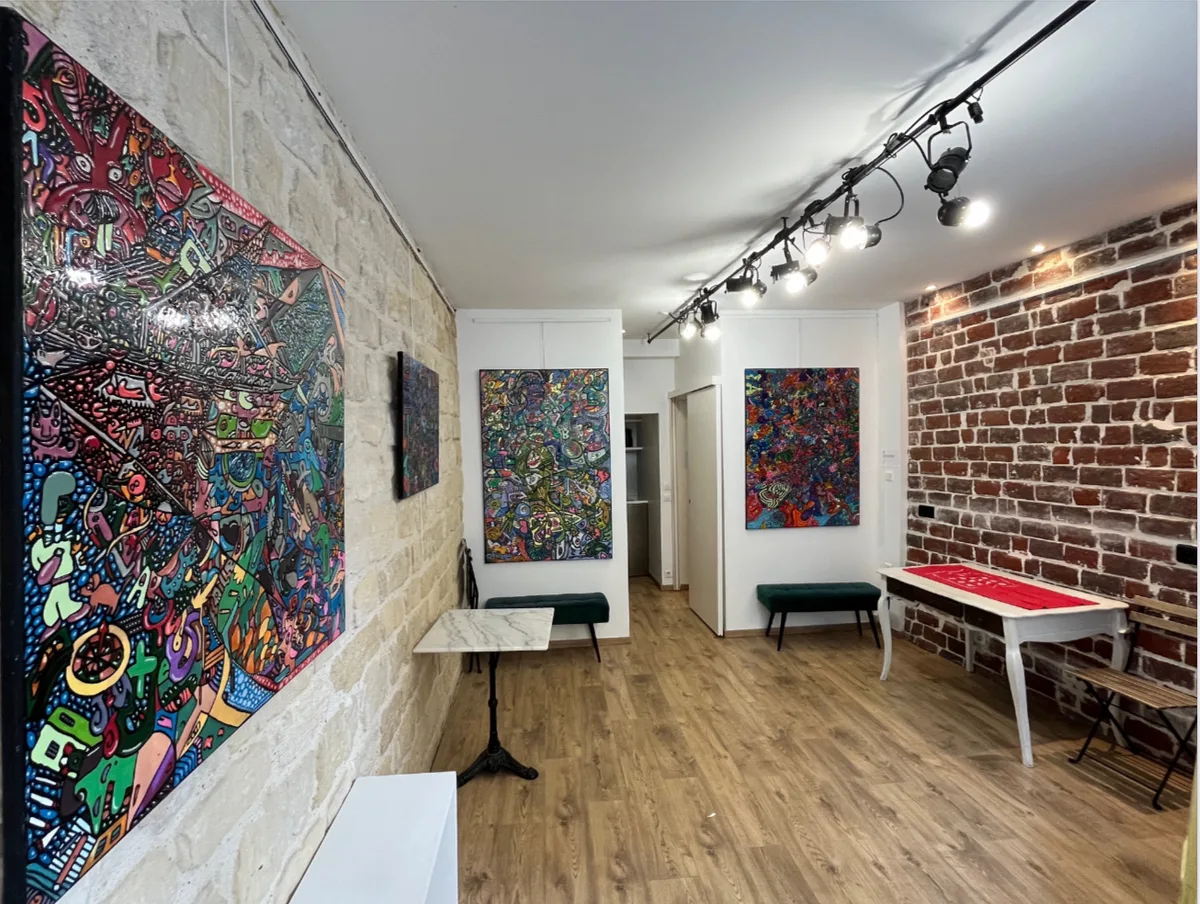
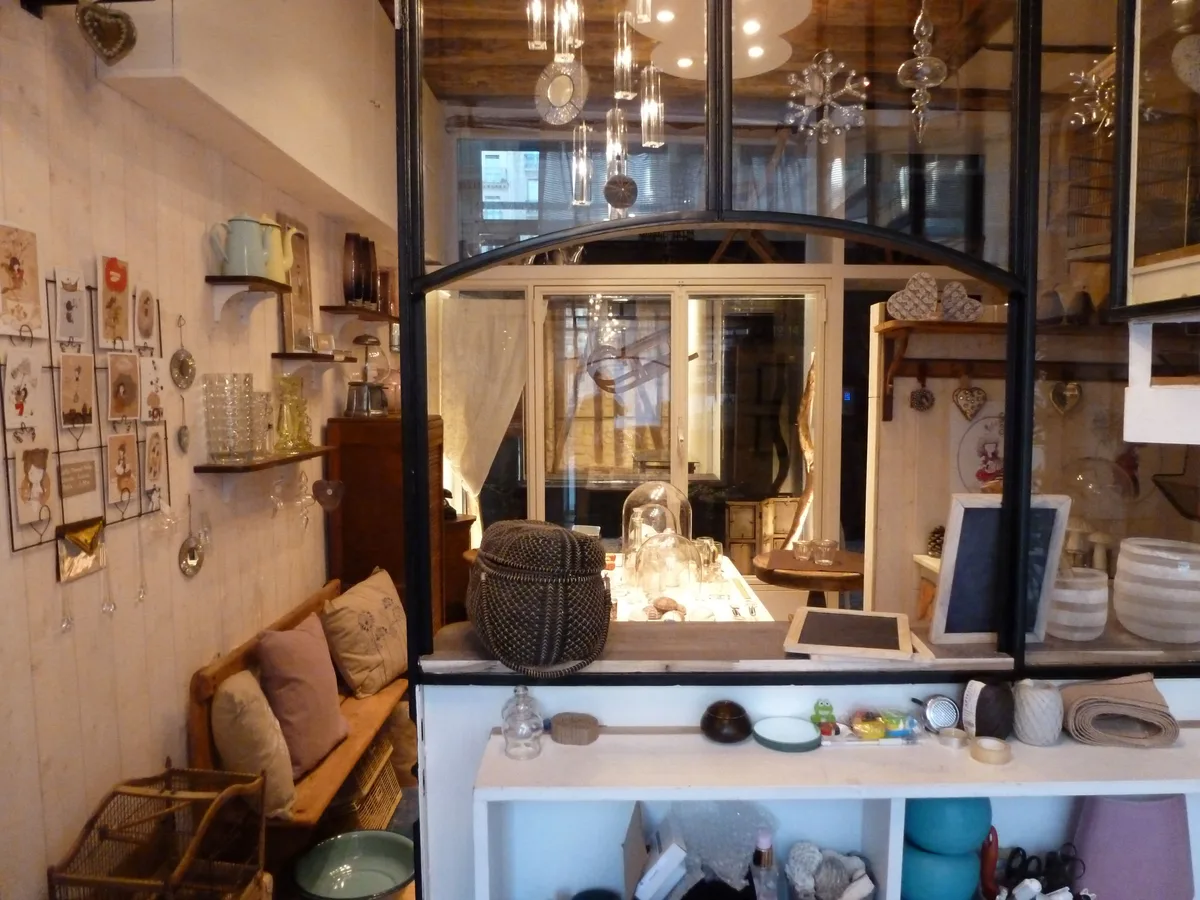
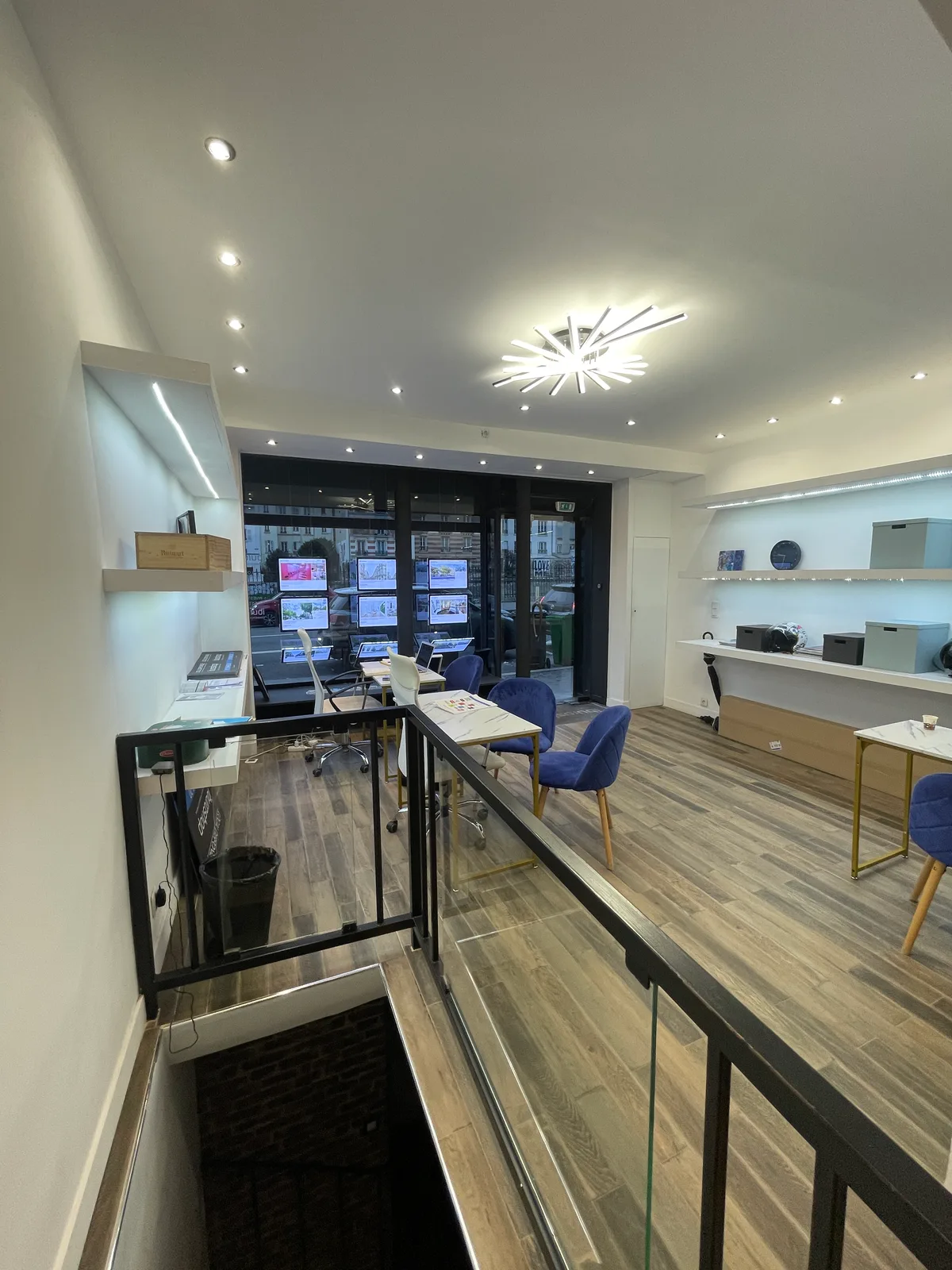
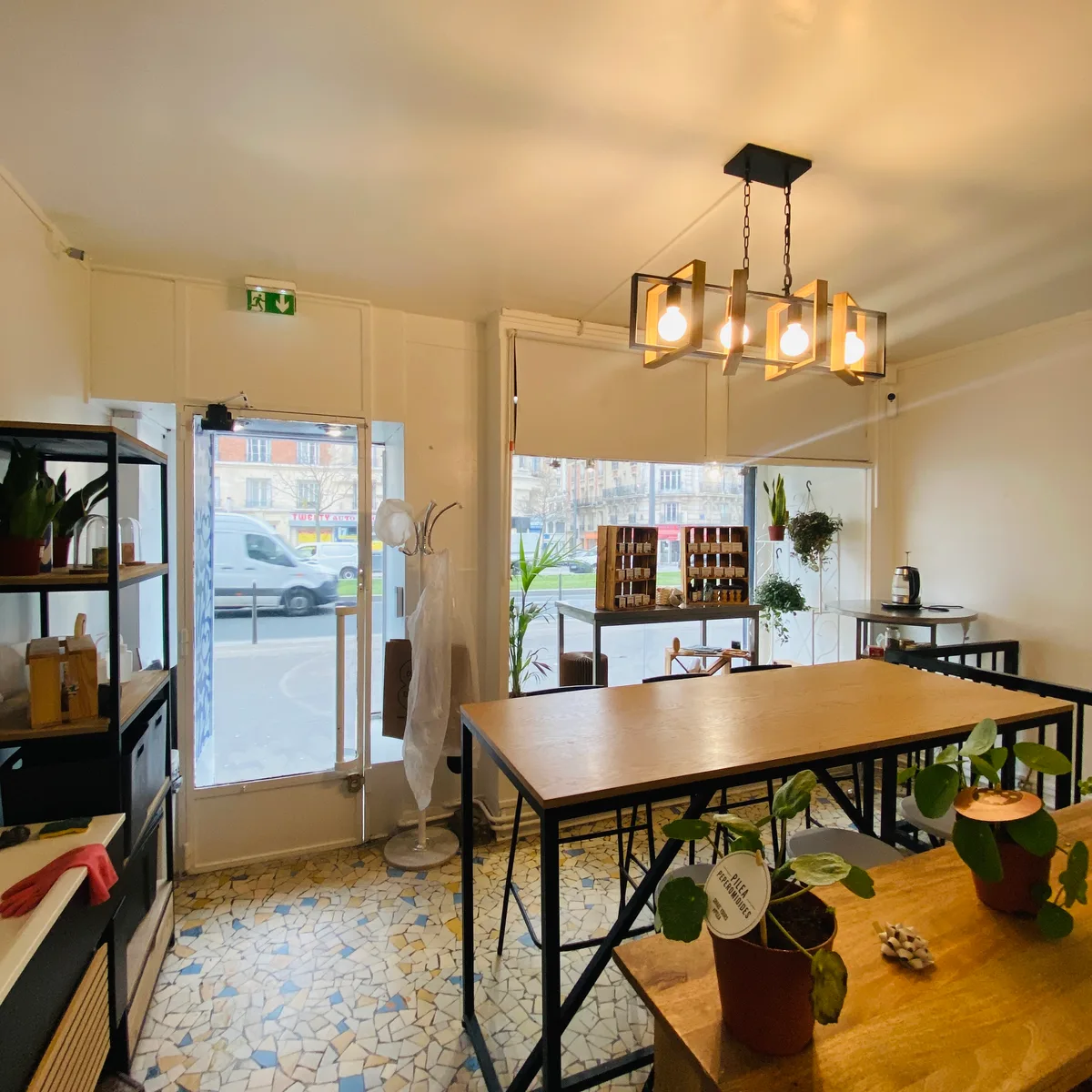
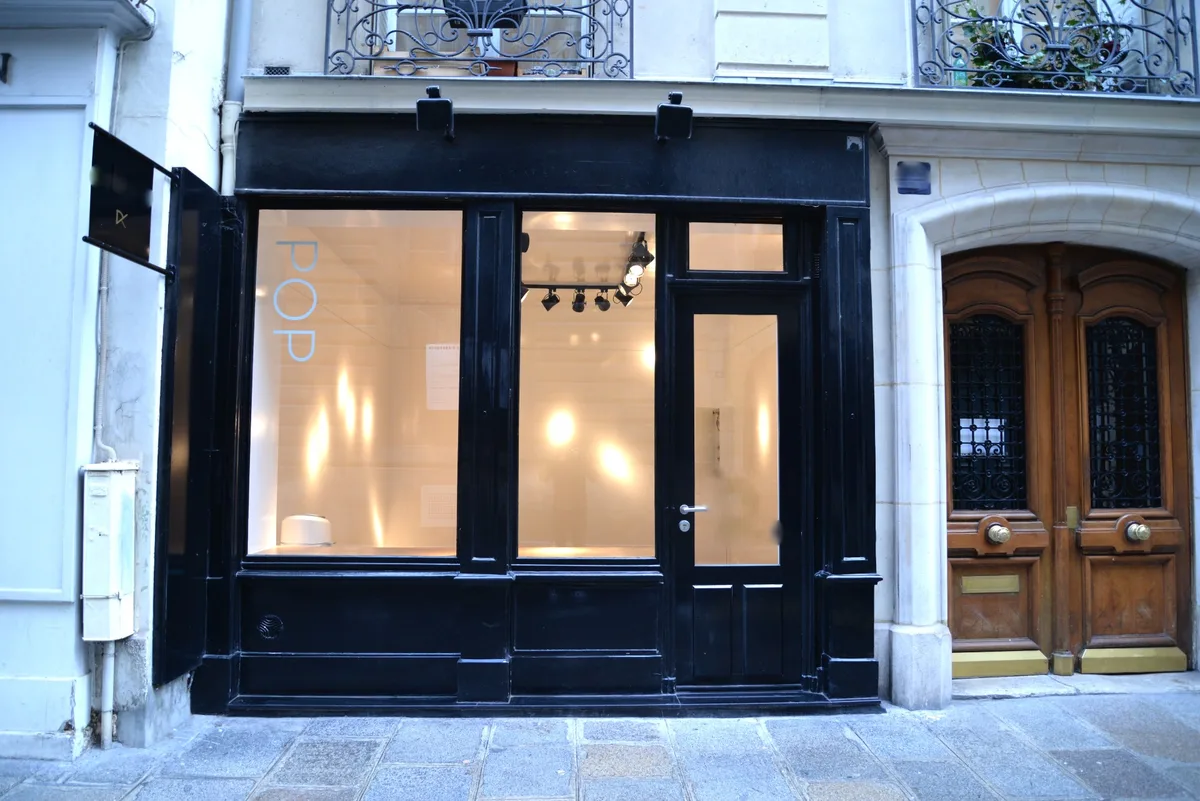
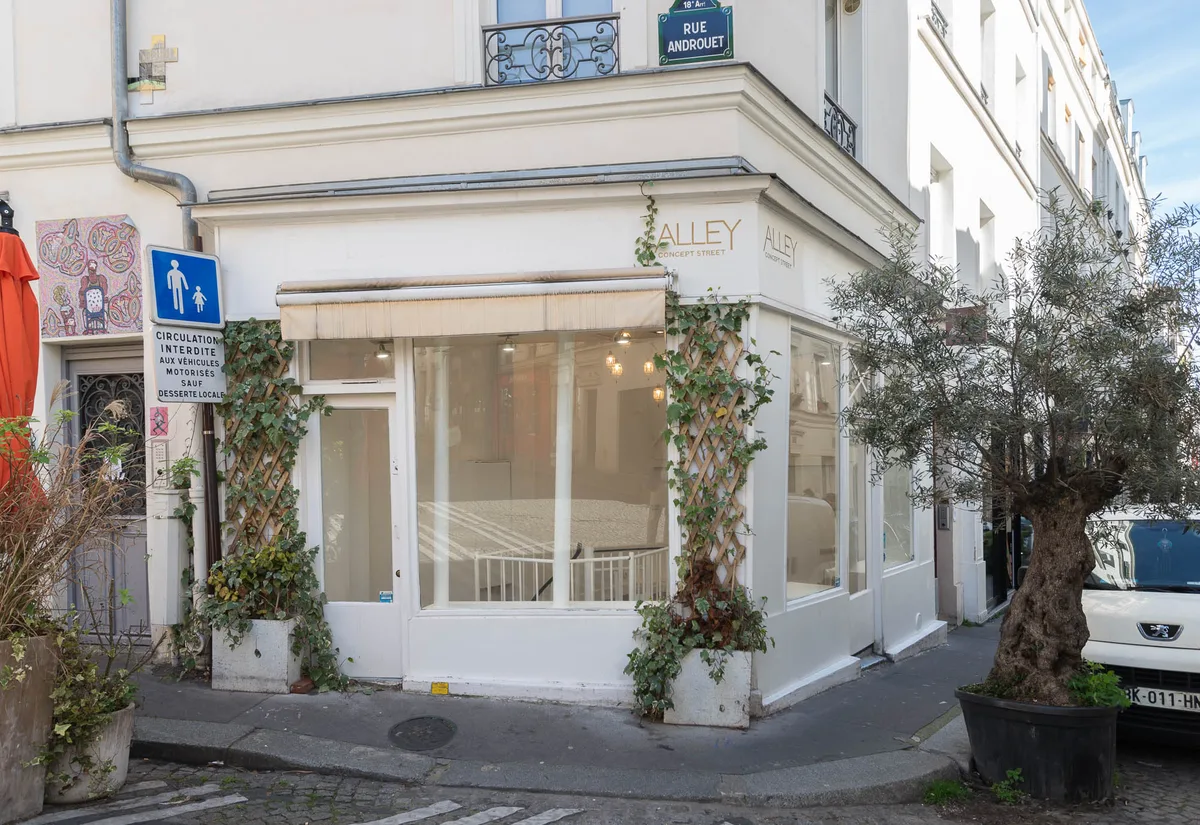
Finding the right boutique rental in the 2nd arrondissement of Paris is one of the most rewarding and strategically significant decisions a fashion brand, creative agency, or retail team can make. The 2nd arrondissement, known officially as Paris 2 or the Bourse district, sits at the intersection of historic commerce, emerging creative culture, and some of the most walkable, high-footfall streets in the city. From the covered passages of Galerie Vivienne and Passage des Panoramas to the vibrant energy of Rue Montorgueil and the proximity of Grands Boulevards, this district offers a rare combination of prestige, personality, and practical retail opportunity. Fashion Week Venues specialises in helping brands navigate the Paris space market and identify short-term rentals and activation venues that match their brief, budget, and calendar. This guide covers every dimension of renting a boutique in Paris 2, from location strategy and space types to permits, budgets, and brand activation logistics.
Why the 2nd Arrondissement is a Strategic Location for Boutique Rentals in Paris
Quick answer: The 2nd arrondissement offers fashion brands and creative businesses a central, well-connected, culturally rich location with strong pedestrian traffic, historic retail infrastructure, and proximity to Paris Fashion Week showroom circuits. Its blend of covered passages, food culture, and media history makes it one of the most versatile districts for short-term boutique activations in the city.
The 2nd arrondissement of Paris occupies a compact but remarkably dense slice of the Right Bank, bordered by the 1st, 3rd, 9th, and 10th arrondissements. It is one of the smallest arrondissements by area but among the most commercially active by footfall, industry mix, and cultural identity. For brands planning activations, showrooms, or boutique rentals in Paris, the district delivers a genuinely distinctive environment that larger and more saturated districts often cannot match.
Historically, the arrondissement was the epicentre of the French textile trade. The Sentier neighbourhood, which occupies the eastern portion of the 2nd, was for over a century the heartbeat of Parisian wholesale fashion. This legacy has not disappeared entirely. Today Sentier is one of the fastest-growing startup and creative industry districts in France, now sometimes called the French Silicon Valley, but it retains visible links to its fashion heritage in its architecture, its garment-district street layout, and the mix of wholesale and creative tenants that still populate its buildings.
The Bourse neighbourhood, centred on the Palais Brongniart, gives the western portion of the arrondissement a more formal, institutional character. The Palais Royal is within easy walking distance. Avenue de l'Opéra connects the district to the 9th and to the cultural gravity of the Opéra Garnier and Palais Garnier Opera House. Rue de la Paix runs north from Place Vendôme directly through the area, linking some of Paris's most prestigious retail real estate to the 2nd's more accessible and creative commercial fabric.
Rue Montorgueil is the arrondissement's most famous street and one of the most beloved pedestrian market streets in Paris. It is a destination in its own right, drawing locals and visitors throughout the day and evening. Brands renting boutique space on or near Rue Montorgueil benefit from genuine dwell time, consistent foot traffic across demographic groups, and the street's well-established identity as a place to discover, experience, and consume at leisure. The proximity of Rue de Nil, the street made internationally famous by Chef Grégory Marchand and the Frenchie restaurant group, adds a culinary and lifestyle credibility to the immediate neighbourhood that appeals strongly to contemporary brand identities.
The covered passages, known as passages couverts Parisiens, are among the most distinctive retail environments in all of Paris. The 2nd arrondissement is home to several of the finest, including Passage des Panoramas, one of the oldest covered passages in Paris, Passage Choiseul, Galerie Vivienne which technically straddles the border with the 1st, and Passage des Princes. These spaces offer interior boutique environments that are architecturally extraordinary, naturally lit through glass canopies, and positioned along curated corridors that attract curious, browsing, design-literate visitors. For fashion, beauty, lifestyle, and luxury brands, a passage boutique rental is among the most characterful and brand-enhancing short-term space formats available anywhere in Paris.
Transport connectivity in the 2nd arrondissement is strong. Multiple Metro lines serve the district including lines 3, 8, 9, and 4, with stations at Bourse, Sentier, Strasbourg Saint-Denis, Bonne-Nouvelle, and Grands Boulevards. Gare du Nord and Gare de l'Est are reachable within minutes by Metro, making the district accessible to international visitors arriving by Eurostar and TGV. Gare Montparnasse is further south but equally straightforward to reach.
The proximity of the 2nd to key Paris cultural institutions adds additional context and visitor draw. The Centre Pompidou and Georges Pompidou Center are immediately adjacent in the 4th. The Picasso Museum in the Marais is a short walk east. The Grevin Wax Museum sits on Grands Boulevards. The Musée des Arts et Métiers is within walking distance to the northeast. This density of cultural landmarks means that visitors to the 2nd are typically in a discovery mindset, making them receptive to new brands, experiences, and retail environments.
KEY TAKEAWAY: The 2nd arrondissement combines fashion heritage, creative momentum, cultural density, and one of Paris's most walkable retail streets in a compact area that is genuinely accessible to international visitors. For boutique rentals, it offers a range of space types from historic passages to contemporary showrooms that few other Paris districts can match in the same footprint.
Understanding the specific neighbourhoods and streets within the 2nd is essential to making the right space decision, and the next section maps the key zones in detail.
Neighbourhood-by-Neighbourhood Breakdown: Where to Rent a Boutique in Paris 2
Quick answer: The 2nd arrondissement contains four distinct neighbourhood zones, each with a different retail character, footfall profile, and brand fit. Montorgueil suits lifestyle and food-adjacent brands. Sentier suits creative, fashion, and media brands. Bourse suits premium and showroom-format activations. The passages suit editorial, luxury adjacent, and discovery-oriented brands.
Choosing the right micro-location within the 2nd arrondissement matters as much as choosing the arrondissement itself. Each zone has a distinct energy, visitor profile, and space stock, and the wrong zone for a brand brief can undermine even the best-designed activation.
Montorgueil and the Food and Lifestyle Quarter
Rue Montorgueil is the arrondissement's commercial spine and its most famous address. Running from Les Halles in the south toward the Grands Boulevards in the north, it is a pedestrianised market street lined with bakeries, restaurants, cheese merchants, wine shops, and increasingly fashion and lifestyle boutiques. The surrounding streets, including Rue des Petits Carreaux, Rue Marie Stuart, Rue Tiquetonne, and Rue Léopold Bellan, form a web of characterful secondary streets that offer smaller, more affordable boutique spaces in an authentic Parisian setting.
This zone suits brands that want genuine neighbourhood integration rather than pure prestige positioning. Lifestyle brands, food and beverage brands, natural beauty brands, sustainable fashion labels, and culturally minded retailers perform well here. The footfall is consistent throughout the day and the visitor demographic is broad, including young Parisians, expats, tourists, and food-motivated visitors who are already in a spending and discovery mindset.
Sentier: The Creative and Fashion Tech Quarter
The Sentier neighbourhood, centred on the Metro station of the same name and extending toward Boulevard de Sébastopol to the east, is one of the most energetic creative districts in Paris. Former wholesale garment buildings have been converted into co-working spaces, startup offices, media studios, and creative agencies. The area retains traces of its fashion wholesale heritage in its architecture and in pockets of continuing garment trade activity.
For fashion brands seeking showroom formats, press day venues, or private activation spaces that signal creative credibility without the price premium of the Marais or Saint-Germain, Sentier is an increasingly compelling choice. Spaces in this zone tend to offer more square meterage per euro than in adjacent zones, and the design community, press, and buyers who populate the area make it well-suited to trade-facing activations.
Bourse and the Institutional Quarter
The area around the Palais Brongniart, the former stock exchange building, and extending toward Rue Saint-Augustin and Rue Volney, has a more formal and institutional character. Streets here are wider, buildings more imposing, and the retail environment more restrained. Rue de la Paix connects this zone southward to Place Vendôme, and the proximity to Avenue de l'Opéra and the Opéra Garnier gives the area significant prestige adjacency.
Premium brands, jewellery labels, perfumers, and luxury fashion houses looking for showroom or short-term boutique formats benefit from this zone's address credibility. Rue Saint-Honoré and its extensions are nearby, reinforcing the luxury retail context. Spaces here tend to be larger, more formal in finish, and suited to brands that want to communicate at the premium or luxury end of the market.
The Covered Passages: Passage des Panoramas, Passage Choiseul, and Passage des Princes
The covered passages of the 2nd arrondissement represent one of the most distinctive and brand-enhancing space formats in Paris. Passage des Panoramas, opened in 1799, is the oldest surviving covered passage in Paris and a classified historic monument. Its boutiques are inhabited by stamp dealers, vintage print sellers, specialist bookshops, and an increasingly curated mix of food and creative retail. Passage Choiseul runs parallel and offers additional interior boutique space with a slightly younger tenant mix. Passage des Princes, near the Grands Boulevards, has historically been associated with toys and novelties but is evolving.
Brands that rent space in these passages immediately inherit extraordinary architectural context. The glass canopy roofing, mosaic tile floors, ornate iron details, and narrow boutique footplates create a setting that is photographically rich and genuinely unlike any other retail environment in the world. For fashion brands, editorial activations, limited edition releases, and culturally positioned boutique experiences, the passages offer something no modern retail development can replicate.
| Zone | Key Streets | Space Character | Best Brand Fit | Typical Footfall Profile |
|---|---|---|---|---|
| Montorgueil | Rue Montorgueil, Rue des Petits Carreaux, Rue Tiquetonne | Neighbourhood boutique, ground floor retail | Lifestyle, food-adjacent, sustainable fashion | High, mixed demographic, daily market visitors |
| Sentier | Rue du Sentier, Rue Marie Stuart, Boulevard de Sébastopol | Converted wholesale, loft, creative studio | Fashion showroom, press day, creative brand | Medium, creative industry, trade visitors |
| Bourse | Rue Saint-Augustin, Rue Volney, Avenue de l'Opéra | Formal retail, prestigious address | Premium brand, luxury adjunct, jewellery | Medium-high, business travellers, luxury shoppers |
| Covered Passages | Passage des Panoramas, Passage Choiseul, Passage des Princes | Historic interior boutique | Editorial, luxury adjacent, limited edition | Medium, culturally curious, tourists, collectors |
KEY TAKEAWAY: Each micro-zone in the 2nd arrondissement suits a different brand strategy. Matching your activation objective to the right zone is the single most important location decision you will make, before you even begin viewing spaces.
Once you have identified your target zone, the next question is what type of space and rental format will best serve your activation or business objective.
Types of Boutique and Showroom Spaces Available in Paris 2
Quick answer: Boutique rentals in the 2nd arrondissement range from historic passage boutiques and converted wholesale lofts to ground-floor retail units, furnished showroom apartments, and multi-use event spaces. The right format depends on your brand brief, your target audience, your activation duration, and whether you are running a consumer-facing or trade-facing operation.
The 2nd arrondissement's architectural and commercial history means that the space stock available for short-term boutique rental is genuinely varied. Unlike purpose-built retail districts where units are standardised, the 2nd offers a range of formats that each carry their own spatial logic and brand implication.
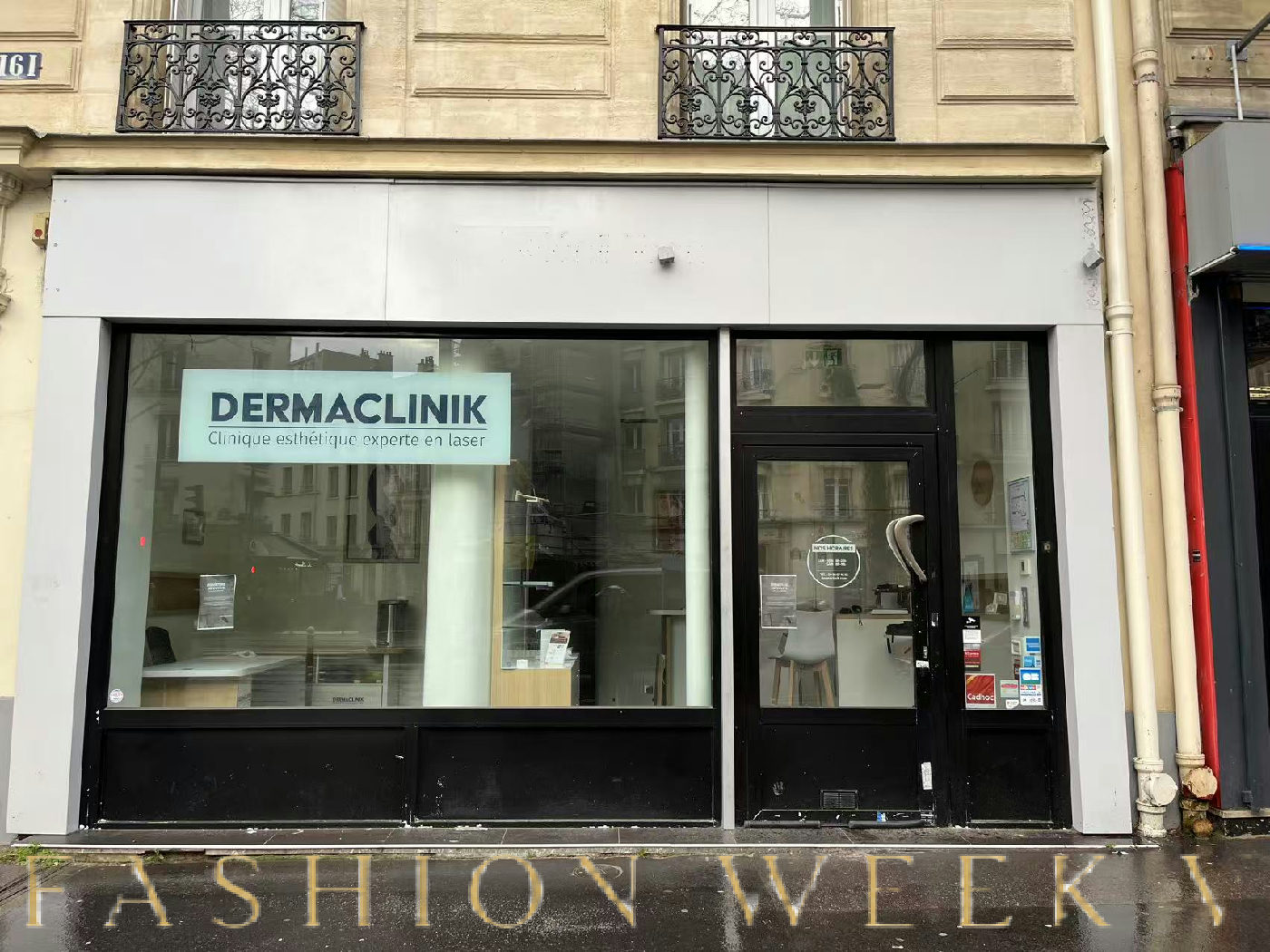
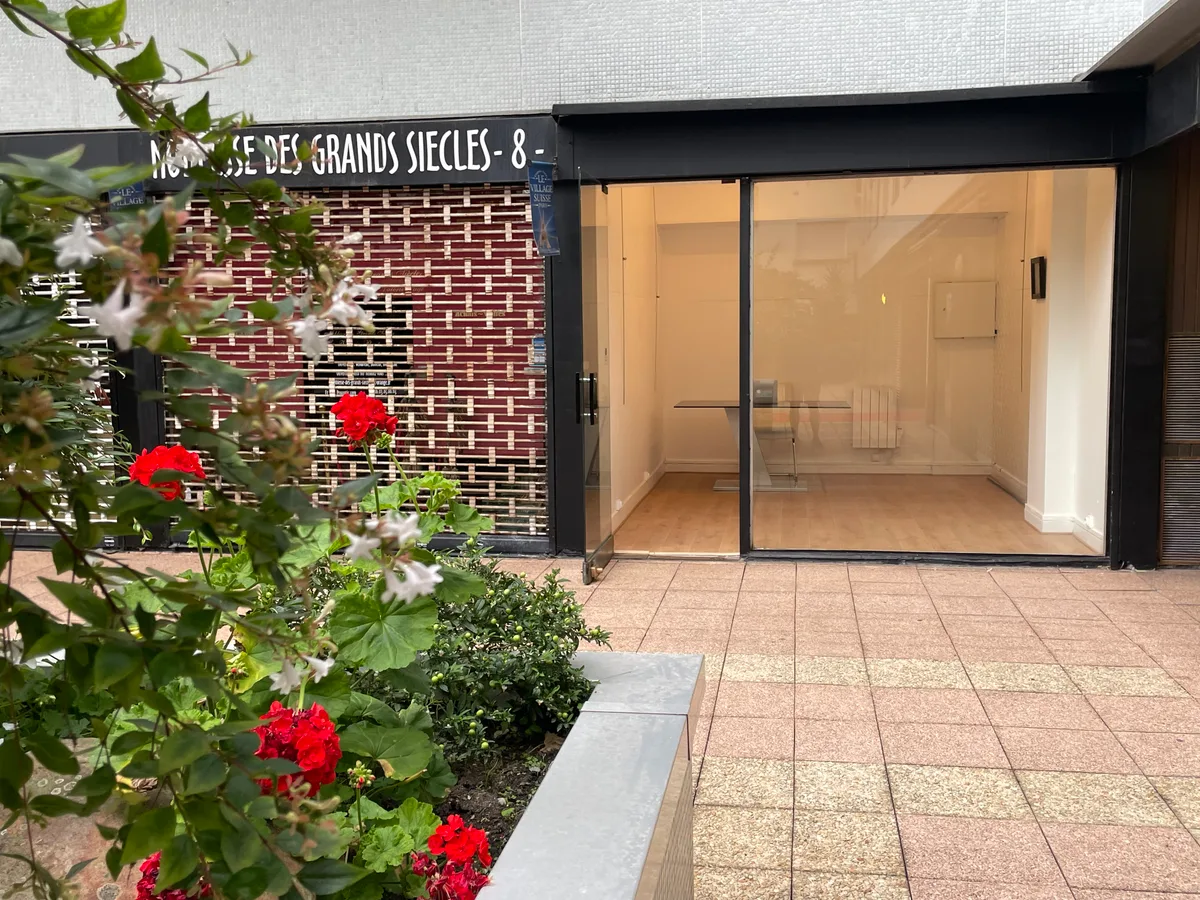
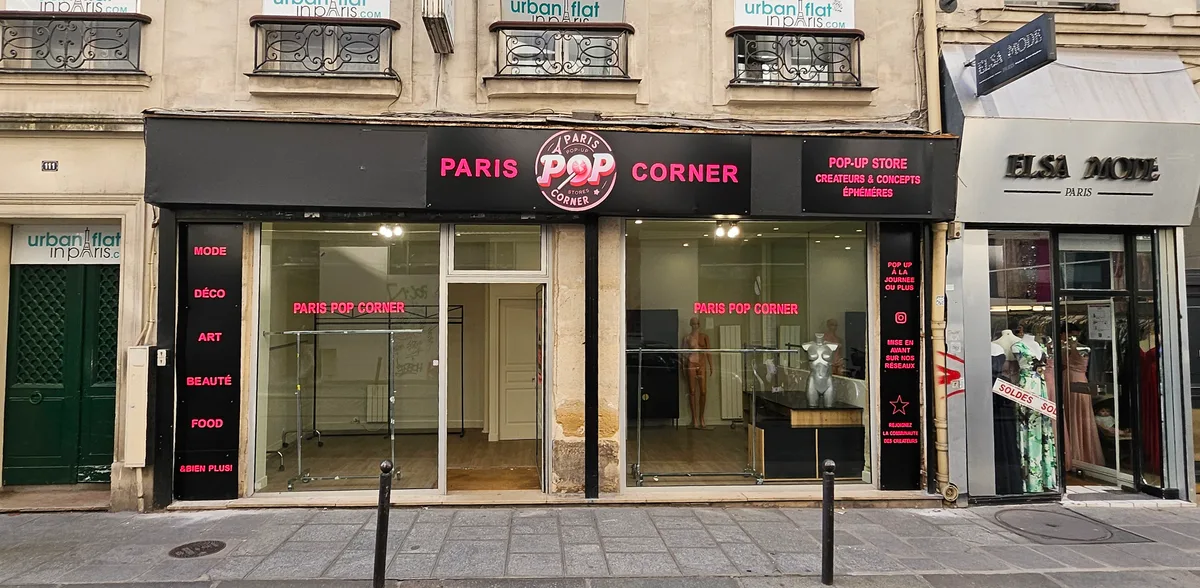
Ground-floor retail units on streets like Rue Montorgueil and Rue Montmartre typically offer clear shopfront windows, direct pavement access, and straightforward retail configurations. These spaces are immediately legible to passing consumers and work well for consumer-facing activations, pop-up shops, and limited edition boutique formats. They often have existing retail fit-outs including shelving, lighting, and service counters, which reduces build time and cost for short-duration rentals.
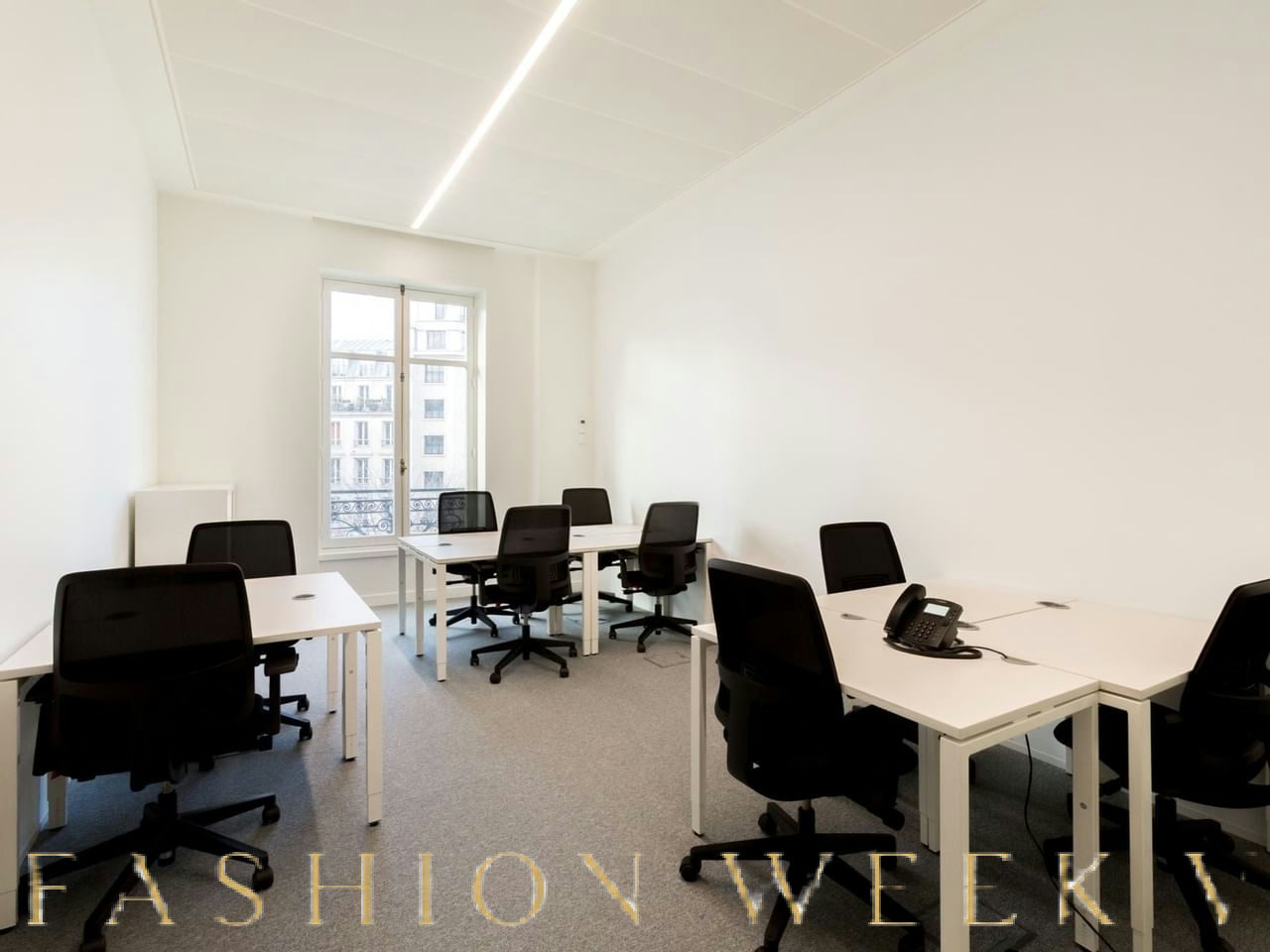
Showroom apartments and furnished upper-floor spaces are a distinctive feature of the Sentier and Bourse zones. These spaces were historically used by wholesale fashion brands as permanent showrooms and have a particular spatial character: multiple interconnected rooms, good natural light, high ceilings in older buildings, and a sense of intimacy that is well-suited to press appointments, buyer presentations, and curated brand experiences. Many retain original features including parquet floors, ornate plasterwork, and tall windows that give them an editorial quality without any additional styling.
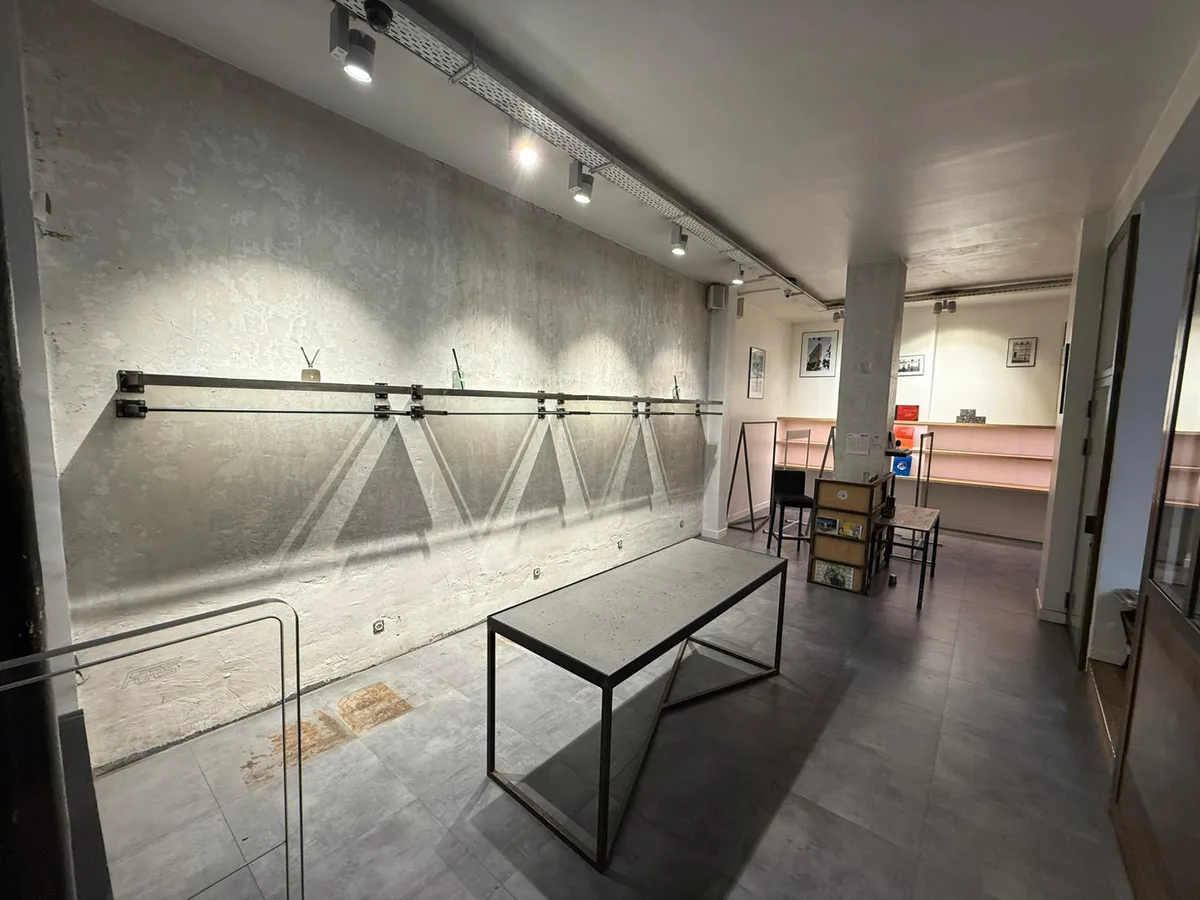
Loft and converted industrial spaces are more common in the eastern Sentier zone, where former garment factory buildings have been converted for creative use. These spaces offer open plan configurations, polished concrete floors, exposed structural elements, and the spatial flexibility to create immersive or installation-based brand experiences. They tend to attract contemporary fashion, design, and tech-adjacent brands that want to communicate a creative and forward-facing identity.
The passage boutiques are in a category of their own. These are narrow, linear interior retail units typically ranging from 15 to 50 square metres, set within historic covered passages that function as pedestrian thoroughfares. Renting a boutique within a passage requires understanding the passage's operating hours, the visitor flow patterns specific to that passage, and the lease or occupancy agreement that governs the space. These are specialised spaces that benefit from experienced guidance and careful advance planning.
Multi-use event spaces, including private dining rooms, gallery spaces, and cultural venue spaces, are available in smaller numbers but can support brand activations that incorporate cultural programming, press events, launch dinners, or editorial productions. The 2nd arrondissement's cultural infrastructure, including its proximity to theaters and the artistic legacy of its historic streets, provides context for these more ambitious activation formats.
For brands wanting to explore and compare available space formats, the venue sourcing service at Fashion Week Venues provides access to a curated portfolio of Paris spaces with specialist support in matching space type to brand brief.
| Space Type | Typical Size Range | Best Use Case | Key Characteristics |
|---|---|---|---|
| Ground-floor retail unit | 30 to 150 sqm | Consumer pop-up, short-term boutique | Shopfront window, direct street access, existing fit-out |
| Showroom apartment | 80 to 300 sqm | Press day, buyer showroom, curated experience | Multi-room, high ceilings, parquet floors, editorial quality |
| Converted loft | 100 to 500 sqm | Immersive installation, launch event, creative activation | Open plan, exposed structure, flexible configuration |
| Passage boutique | 15 to 50 sqm | Limited edition, luxury adjacent, editorial boutique | Historic interior, glass canopy, curated pedestrian flow |
| Multi-use cultural space | 80 to 400 sqm | Launch event, press evening, cultural programming | Versatile, atmospheric, suited to invited audience |
KEY TAKEAWAY: The diversity of space types available in Paris 2 is a genuine advantage for brands with specific briefs. Identifying your format before beginning your search saves time and narrows the field to spaces that will genuinely serve your activation goals.
Knowing what type of space you need is only the first step. The practical logistics of short-term rental in Paris, including permits, lease structures, and compliance requirements, require careful navigation.
Short-Term Lease Structures and Permit Requirements for Boutique Rentals in Paris
Quick answer: Short-term boutique rentals in Paris are typically governed by a bail dérogatoire, a short-term derogatory lease valid for up to three years, or in the case of temporary public space occupancy, an Autorisation d'Occupation Temporaire (AOT). Both differ fundamentally from standard commercial leases and carry distinct obligations, timelines, and compliance requirements. Always verify the applicable framework with a qualified French legal advisor before signing.
One of the most common and costly mistakes international brands make when approaching the Paris short-term retail market is assuming that the legal and regulatory framework mirrors what they know from their home market. It does not. French commercial property law is detailed, specific, and carries real consequences for non-compliance. Understanding the framework before you begin your search, rather than after you have identified a space, is essential.
The Bail Dérogatoire
The bail dérogatoire is a short-term commercial lease specifically designed to sit outside the protections and obligations of the standard French commercial lease, known as the bail commercial. A standard bail commercial gives the tenant significant protections and rights of renewal, and imposes corresponding obligations on the landlord. For short-term retail activations, these protections are unnecessary and the obligations are burdensome for both parties.
The bail dérogatoire allows landlord and tenant to agree a short-term occupancy of up to 36 months in total without triggering the protections of the bail commercial. It must be agreed in writing before the tenancy begins, and it cannot be renewed beyond the 36-month cap without automatically converting to a full bail commercial. For pop-up shops, seasonal boutiques, Paris Fashion Week showrooms, and similar short-term activations, the bail dérogatoire is the standard framework. Duration can range from a few days to several months.
The Autorisation d'Occupation Temporaire (AOT)
For spaces that occupy public domain, including market stalls, public square activations, installations on public pavements or in publicly owned covered passages, and certain outdoor event structures, an Autorisation d'Occupation Temporaire is required. The AOT is granted by the relevant public authority, which may be the City of Paris, a specific arrondissement authority, or another public body depending on the location and nature of the occupation.
AOT applications require advance planning. The timeline for obtaining an AOT varies depending on the nature of the space, the duration of the activation, and the activity proposed. For activations in high-profile locations, especially during Paris Fashion Week when demand on public space permissions is highest, planning six to twelve months in advance is strongly advisable. Requirements vary by space type, duration, and arrondissement, and no outcome can be guaranteed. Brands should verify requirements with both a French legal advisor and the relevant public authority before committing to a space or timeline.
Additional Permits and Compliance Considerations
Beyond the core lease or AOT, boutique activations in Paris may require additional permits and compliance steps depending on the activity. Serving food or beverages requires a licence. Playing amplified music may require notification or authorisation from SACEM, the French music rights body. Temporary signage and window displays may require authorisation from the Mairie. Security staffing above certain thresholds requires licensed personnel. Installing temporary electrical or structural elements requires compliance with French building and safety regulations.
The 2nd arrondissement, like all central Paris arrondissements, is subject to the regulations governing the protection of historic architecture and streetscape. Brands considering significant exterior modifications, signage, or structural changes to leased spaces should verify permissions carefully before beginning any build or installation work.
For structured permit guidance specific to your activation type and location, the permit planning tool at Fashion Week Venues provides a structured framework for understanding what approvals your activation is likely to require.
IMPORTANT: Neither a bail dérogatoire nor an AOT is automatically straightforward to obtain or execute. Both carry specific legal obligations, and the consequences of non-compliance in Paris can include forced closure of an activation, financial penalties, and damage to future permit applications. Always work with qualified legal advisors and experienced local specialists.
KEY TAKEAWAY: Understanding the lease and permit landscape before you commit to a Paris boutique rental is not optional. The bail dérogatoire and AOT frameworks are the correct instruments for short-term activations, but both require careful handling, advance planning, and qualified legal support.
With the legal framework understood, the next critical planning dimension is budgeting: what does a boutique rental in the 2nd arrondissement actually cost, and what budget framework should brands use?
Budgeting for a Boutique Rental in the 2nd Arrondissement of Paris
Quick answer: Boutique rental costs in the 2nd arrondissement vary significantly depending on space type, size, location within the arrondissement, duration, and season. Directional estimates suggest that short-term retail spaces in central Paris range from a few hundred euros per day for smaller units to several thousand euros per day for premium or passage boutiques during peak season. Brands should build a full activation budget that includes rent, fit-out, staffing, permits, marketing, and contingency.
Budgeting for a Paris boutique rental is a multi-layered exercise that goes well beyond the headline rental figure. International brands frequently underestimate the total cost of activation because they focus on rent alone and fail to account for the full cost stack that a Paris activation requires.
Rental Cost Factors
The base rental cost of a space in the 2nd arrondissement is shaped by several variables. Location within the arrondissement is the most significant, with Rue Montorgueil and the covered passages commanding premiums reflecting their footfall and destination status. Bourse-area spaces with prestigious addresses carry their own premium. Sentier spaces tend to offer more competitive rates, particularly for larger formats. Size is the second major variable, with per-square-metre day rates typically declining as total space size increases. Duration matters significantly: very short activations of one to three days are relatively more expensive per day than activations of two to four weeks. Season is the third major variable, with Paris Fashion Week windows, the spring and autumn ready-to-wear weeks, and the holiday period in December driving significant demand and rate premiums.
These are directional estimates only. For brand-specific estimates based on your space type, size, location, and duration requirements, the budget estimation tool at Fashion Week Venues provides a structured starting point for planning your activation cost model.
Beyond Rent: The Full Activation Cost Stack
Brands planning a boutique activation in Paris 2 need to budget for a range of costs beyond base rent. Fit-out and production costs, including temporary fixtures, display systems, branded installations, and technology, can range from modest for spaces with existing retail fit-outs to substantial for bespoke build activations. Furniture rental, if not included in the space agreement, is an additional line item. Staffing, including bilingual sales staff, host and hostess roles, security, and management, is a significant ongoing cost for any consumer-facing activation. POS and payment systems, if not provided by the space owner, require procurement and installation. Marketing and promotional activity, including social media, influencer engagement, and local PR, are essential for driving footfall to a short-term space. Permit fees, legal costs, and insurance are non-negotiable compliance costs that must be built into the budget from the outset.
Brands should also budget a contingency of at least ten to fifteen percent of total activation costs to cover unforeseen requirements, last-minute changes, and the practical realities of executing an activation in a foreign market.
ROI Framework for Paris Boutique Activations
Return on investment for a Paris boutique activation extends beyond direct sales revenue. Brand awareness generated among Paris consumers, press, buyers, and international visitors during Fashion Week or peak tourist periods carries significant long-term value. Media coverage, social content generated at the space, influencer amplification, and buyer or press relationships initiated during the activation all contribute to a return that is broader than the revenue recorded at the point of sale. Brands should establish clear KPIs for their Paris activation before committing to a space, and measure against those KPIs with appropriate data collection during and after the activation. The ROI calculation tool at Fashion Week Venues helps brands model expected returns across multiple value dimensions.
DID YOU KNOW: Paris Fashion Week draws tens of thousands of international buyers, press, stylists, and creative professionals to the city twice a year, creating a concentrated window of brand awareness opportunity that is unmatched by any other retail calendar event in Europe.
KEY TAKEAWAY: A complete activation budget must account for rent, fit-out, staffing, permits, marketing, and contingency. Brands that plan for the full cost stack consistently report better outcomes than those who focus on rental cost alone.
With budget frameworks in place, the next step is understanding how to time a boutique rental in the 2nd arrondissement to maximise strategic impact.
When to Rent a Boutique in the 2nd Arrondissement: Calendar Strategy and Seasonal Timing
Quick answer: The highest-impact windows for boutique rentals in the 2nd arrondissement align with Paris Fashion Week in February and September, the summer tourist season from June through August, and the December holiday retail period. Each window offers different visitor profiles, demand levels, and cost structures, and the right window depends on whether your activation targets press and buyers, consumers, or both.
Paris operates on a retail and cultural calendar that is denser and more internationally significant than almost any other city in the world. Understanding that calendar, and positioning your boutique rental to take advantage of the right window for your brand objectives, is one of the most important strategic decisions in the planning process.
Paris Fashion Week Windows: February and September
Paris Fashion Week, held in February for autumn and winter collections and in September for spring and summer collections, is the most internationally significant calendar window for fashion brands renting space in Paris. During Fashion Week, the city hosts the global fashion industry: international buyers, press editors, stylists, photographers, brand directors, and creative professionals converge on the Right Bank and its immediate surrounds. The 2nd arrondissement, with its proximity to the historic showroom circuits of Sentier and the cultural gravity of the Bourse and passages zones, sits within the natural orbit of Fashion Week activity.
Brands renting showroom space during Fashion Week benefit from access to a concentrated audience of trade and media professionals in a short window. Consumer-facing activations during Fashion Week can benefit from the media and social media attention that the week generates, though competition for attention is intense. Space availability during Fashion Week weeks is limited and demand is high: planning and booking at least six to twelve months in advance is standard for serious activations.
Summer Season: June Through August
The summer period brings very high tourist volumes to central Paris. Rue Montorgueil, the passages, and the Grands Boulevards zone experience significant visitor numbers from both international tourists and Parisian residents enjoying the city at a slower pace. Consumer-facing boutique activations during summer can achieve strong footfall, particularly for lifestyle, beauty, and food-adjacent brands that align with the warm-weather, outdoor-living mood of the season. Competition from other fashion brands is lower than during Fashion Week, and space availability and pricing may be more flexible.
December Holiday Season
December is Paris's most commercially intensive retail period. The city's Christmas market and festive retail infrastructure draws enormous visitor volumes, and consumer spending intentions are at their annual peak. Boutique activations during December in high-footfall zones like Rue Montorgueil and the passages can achieve exceptional results for gift-oriented, lifestyle, and premium brands. Planning for December activations should begin no later than the preceding spring, as prime spaces are secured early.
To compare your target window against space availability and plan your activation timeline, the timeline planning tool at Fashion Week Venues helps brands map their activation calendar against key Paris milestones and lead times.
KEY TAKEAWAY: The right timing for a Paris boutique rental depends on whether you are targeting trade or consumer audiences, what your budget can accommodate in peak versus off-peak periods, and how far in advance you can commit. Paris Fashion Week is not the only viable window, and for many brands the summer or December periods offer better value and clearer consumer access.
Beyond timing, the experience of renting and operating a boutique in Paris 2 is shaped significantly by the quality of support, guidance, and agency expertise available to brand teams navigating an unfamiliar market.
How Fashion Week Venues Helps Brands Activate in the 2nd Arrondissement
Fashion Week Venues is a full-service pop-up shop agency and space marketplace specialising in Paris and other major fashion capitals including London, Milan, New York, Tokyo, and Dubai. For brands planning boutique rentals and activations in the 2nd arrondissement, the agency provides a structured, end-to-end support framework that covers every dimension of the planning and execution process.
The starting point for most brand teams is the space marketplace at Fashion Week Venues, which provides curated access to available short-term boutique and showroom spaces across Paris, including spaces in the 2nd arrondissement's key zones. Spaces are listed with location, size, character descriptions, and availability windows, allowing brand teams to begin shortlisting against their brief and budget before engaging the agency's advisory team.
Beyond space discovery, Fashion Week Venues offers a full suite of activation services. Concept direction helps brands develop the spatial and experiential vision for their boutique activation, ensuring that the space works as a coherent brand expression rather than simply a rented room. Production and build covers the physical transformation of a space, from temporary fit-out and branded installations to furniture rental and technology integration. Retail staffing provides bilingual, brand-trained staff for consumer-facing activations. POS and payment systems ensure that sales operations are seamless from day one. Influencer marketing and activation management round out the service offering for brands that want a fully managed Paris activation.
For brand teams that want to explore partnership models, the twin co-activation concept allows two complementary brands to share a space and activation costs while benefiting from each other's audience. This format is particularly well-suited to the 2nd arrondissement's creative and lifestyle zones, where unexpected brand pairings generate editorial interest and social media attention. Details are available on the twin co-activation page at Fashion Week Venues.
Practical planning tools available through Fashion Week Venues include the budget calculator, the ROI modelling tool, the timeline planner, the permit guidance tool, the space comparison tool, and the locator tool. These tools are designed to support brand teams at the research and planning stage, helping them arrive at agency conversations with a clear brief, realistic expectations, and a structured decision-making framework.
Brands considering working with an agency for their Paris activation can review guidance on evaluating and selecting the right partner on the hiring an agency guide at Fashion Week Venues.
Fashion Week Venues does not guarantee space availability, permit approvals, or specific commercial outcomes. What the agency provides is experienced, market-knowledgeable support that increases the likelihood of successful planning and execution, and reduces the risk of the costly mistakes that frequently affect brands entering the Paris market without specialist guidance.
TIP: Brand teams that engage a specialist Paris activation agency at the research stage, rather than after selecting a space, consistently achieve better outcomes. The agency's knowledge of specific buildings, landlords, neighbourhoods, and permit requirements is most valuable when applied early in the decision process.
To compare neighbourhoods and space types, explore the Paris city hub on Fashion Week Venues and shortlist spaces that match your brief, budget, and calendar window.
KEY TAKEAWAY: Fashion Week Venues offers fashion brands, creative agencies, and international retailers a structured, expert-supported pathway to activating in Paris 2, from initial space discovery through full activation management. The agency's tools and services are designed to reduce planning risk and increase activation quality for brand teams at every level of Paris market experience.
Understanding what Fashion Week Venues can support is important, but so is understanding the cultural and commercial landscape of the 2nd arrondissement itself, particularly the landmarks, restaurants, and experiences that shape the district's identity and brand positioning.
Culture, Lifestyle, and Brand Context: What Makes the 2nd Arrondissement Distinctive
Quick answer: The 2nd arrondissement's brand context is shaped by a combination of food culture centred on Rue Montorgueil and Rue de Nil, the architectural heritage of the covered passages, proximity to major cultural institutions, and a growing creative and media industry presence in Sentier. For brands positioning themselves at the intersection of culture, craft, and contemporary Paris life, this district offers a uniquely authentic setting.
Brand activations do not exist in a vacuum. The neighbourhood in which a boutique is located shapes how it is perceived, who visits it, what content is created there, and what associations the brand acquires through its presence. The 2nd arrondissement has a distinctive cultural identity that is worth understanding in depth.
Rue Montorgueil, Rue de Nil, and the Food Culture Quarter
The food culture of the Montorgueil quarter is one of the strongest and most internationally recognised neighbourhood identities in Paris. Rue Montorgueil has been a market street for centuries, and its contemporary incarnation as a pedestrianised lane of bakeries, fromageries, fishmongers, wine bars, and cafes makes it one of the most loved streets in the city. You will love strolling around the neighbourhood, savouring coffee or a drink and sampling treats from the dozens of food and drink establishments that line the street and its tributaries.
Rue de Nil, the short street made internationally famous by Chef Grégory Marchand and the Frenchie restaurant group, is a remarkable example of how a single culinary vision can transform a street's identity. Frenchie Restaurant, Frenchie Bar à Vins, Frenchie To Go, and Frenchie Épicerie all occupy this one block, creating a destination that draws food-literate visitors from around the world. For brands in the food, beverage, lifestyle, or design space, the proximity of Rue de Nil is both a footfall driver and a brand-alignment opportunity.
The Covered Passages as Cultural Heritage
The passages couverts Parisiens are a form of commercial and cultural heritage unique to Paris. Developed in the early nineteenth century as covered shopping arcades to protect wealthy Parisians from the unpaved and chaotic streets of the city, they represent the world's first purpose-built shopping environments. Passage des Panoramas, Passage Choiseul, Galerie Vivienne, and Passage des Princes each have their own character, their own specialist tenants, and their own communities of regulars. For brands that want to engage with this heritage in an authentic and respectful way, renting space in or adjacent to one of these passages offers a brand experience that is genuinely singular.
Proximity to Major Cultural Institutions
The 2nd arrondissement's position at the centre of Paris's cultural geography means that major institutions are within easy reach. The Opéra Garnier and Palais Garnier Opera House, accessible via Avenue de l'Opéra, are among the most visited cultural sites in the city and draw an international audience with strong luxury and cultural brand affinities. The Centre Pompidou and Georges Pompidou Center in the adjacent 4th arrondissement are definitive contemporary culture destinations. The Picasso Museum in the Marais is a short walk east. The Grevin Wax Museum on Grands Boulevards is a popular tourist destination that adds family-audience footfall to the northern edge of the district. The Musée des Arts et Métiers, dedicated to science and industry heritage, is a distinctive and less-visited institution that appeals to design and craft-oriented audiences.
Galeries Lafayette on Boulevard Haussmann in the 9th is within ten minutes' walk from the northern part of the arrondissement. Palais Royal and its gardens and boutiques are accessible from the western edge of the 2nd. Place Vendôme and Rue de la Paix, Paris's most prestigious jewellery and luxury addresses, are immediately adjacent. The Seine River is accessible within a twenty-minute walk to the south, and the Marais with its art galleries, independent boutiques, and cultural programming lies to the immediate east.
Theaters, Arts, and the Creative Ecosystem
The 2nd arrondissement has a long history as a centre for entertainment and performance. The Opéra-Comique, one of Paris's historic opera houses and the venue associated with the genre of comic opera, a distinctive French form that blends spoken dialogue with musical numbers, sits on Place Boieldieu on the southern edge of the arrondissement. The Grands Boulevards zone to the north retains several historic theater buildings. This tradition of performance and public culture gives the district an artistic identity that resonates with fashion brands, particularly those with a cultural programming or editorial dimension to their activations.
DID YOU KNOW: Passage des Panoramas, located in the 2nd arrondissement, is the oldest surviving covered passage in Paris, having opened in 1799. It is a classified historic monument and one of the most photographically distinctive retail environments in the world.
KEY TAKEAWAY: The cultural and lifestyle identity of the 2nd arrondissement is a genuine brand asset for any boutique activation located here. Brands that engage authentically with the neighbourhood, its food culture, its heritage spaces, and its creative community will find that Paris itself becomes part of their brand story.
Before concluding the practical content of this guide, it is worth addressing several persistent misconceptions about renting boutique space in Paris that continue to affect planning decisions among international brand teams.
Common Myths About Boutique Rentals in Paris Debunked
MYTH: You need a French legal entity to rent a boutique space in Paris as an international brand.
FACT: While having a French legal entity simplifies some commercial relationships, many short-term boutique rentals and bail dérogatoire agreements can be structured for international companies without a registered French entity, particularly when working through a specialist agency or with appropriate legal advice. Requirements vary by landlord, space type, and lease structure, and a French legal advisor can confirm the most efficient structure for your specific situation. Fashion Week Venues works with international brands at various stages of legal establishment in France.
MYTH: Paris Fashion Week is the only viable calendar window for a boutique rental in the 2nd arrondissement.
FACT: Paris Fashion Week is the most high-profile window for trade-facing and media-facing activations, but it is not the only commercially viable window. The summer tourist season, the December holiday period, and the spring and autumn transition periods all offer strong opportunities for consumer-facing boutique activations, often with better space availability and more competitive pricing than the Fashion Week weeks. The right window depends entirely on your brand's audience, objectives, and budget.
MYTH: Commission brokers are the only way to find a short-term boutique space in Paris.
FACT: Commission brokers are one route to space discovery, but they are not the only route and not always the most transparent. Space marketplaces, specialist pop-up agencies, and direct landlord relationships all provide access to short-term retail space in Paris. A specialist agency like Fashion Week Venues offers not just space access but expertise in matching space type to brand brief, permit navigation, fit-out planning, and activation management, which a commission broker typically does not provide.
MYTH: Short-term leases in Paris are legally straightforward and do not require specialist help.
FACT: Short-term commercial leases in Paris, including the bail dérogatoire and AOT frameworks, are governed by French commercial property law and carry specific obligations, timelines, and compliance requirements. Errors in lease structure, permit applications, or compliance steps can result in forced activation closure, financial penalties, and difficulty obtaining future permits. International brands without prior experience of the French commercial property market should always work with a qualified French legal advisor and an experienced local specialist.
MYTH: A boutique activation in Paris only delivers value if it generates significant direct sales revenue.
FACT: Direct sales revenue is one dimension of return from a Paris boutique activation, but for most fashion brands it is not the primary measure of success. Brand awareness, press and editorial coverage, social media content and reach, buyer and retailer relationship development, and long-term consumer brand recognition all contribute to the return from a well-executed Paris activation. Brands that measure only direct sales consistently underestimate the strategic value of their Paris presence.
Frequently Asked Questions
What is the best time to visit or activate in the 2nd arrondissement of Paris?
The 2nd arrondissement is an active and rewarding destination throughout the year, but the best time depends on your objectives. For trade and media-facing brand activations, the Paris Fashion Week windows in February and September offer the highest concentration of industry professionals. For consumer-facing boutique activations, summer from June through August delivers strong tourist footfall on Rue Montorgueil and in the passages. December is Paris's peak retail season and offers significant commercial opportunity for lifestyle and gift-oriented brands. Each season has distinct advantages, and the right window should align with your brand's audience and activation goals.
Do I need a French company to rent a boutique space in the 2nd arrondissement?
Not necessarily. Many short-term boutique rental agreements in Paris can be structured for international companies without a registered French entity, particularly under a bail dérogatoire framework and when working with a specialist agency that has established landlord relationships. However, requirements vary depending on the specific space, the landlord's preferences, the lease duration, and the nature of the activity. It is essential to verify your specific legal situation with a qualified French legal advisor before committing to any space or lease agreement. Fashion Week Venues can introduce brands to appropriate specialist advisors as part of the activation planning process.
What is a bail dérogatoire and how does it apply to boutique rentals?
A bail dérogatoire is a short-term commercial lease under French law that sits outside the protections and obligations of the standard bail commercial. It allows landlord and tenant to agree a short-term occupancy of up to 36 months without triggering the statutory protections of the full commercial lease. For pop-up shops, seasonal boutiques, and short-term brand activations in Paris, the bail dérogatoire is the standard legal instrument. It must be agreed in writing before the tenancy begins, and it cannot exceed the 36-month cap without converting to a full bail commercial. Always work with a qualified French legal advisor when entering into any lease agreement in Paris.
What permits does a boutique activation in Paris require?
The permits required for a boutique activation in Paris depend on the space type, the nature of the activity, the duration, and the location. Common requirements include the base lease or AOT for public space occupancy, food and beverage licences if applicable, SACEM notification for amplified music, temporary signage authorisation from the relevant Mairie, and compliance with French building and safety regulations for any structural or electrical installations. Requirements vary by arrondissement and space type, and no permit outcome can be guaranteed. Use the permit planning tool at Fashion Week Venues as a starting framework, and verify all requirements with a qualified French legal advisor and the relevant public authorities.
How much does it cost to rent a boutique in the 2nd arrondissement of Paris?
Base rental costs for short-term boutique spaces in the 2nd arrondissement vary significantly depending on space size, location within the arrondissement, duration, and season. Directional estimates suggest a wide range from a few hundred euros per day for smaller units in secondary streets to several thousand euros per day for premium addresses, passage boutiques, or large format spaces during peak periods including Paris Fashion Week. Total activation costs must also include fit-out, staffing, permits, marketing, and contingency. The budget estimation tool at Fashion Week Venues helps brands build a realistic full-cost model based on their specific requirements.
What types of brands benefit most from renting in the 2nd arrondissement?
The 2nd arrondissement suits a wide range of brand types, but performs particularly well for fashion and lifestyle brands with a creative or cultural positioning, food and beverage brands that can engage authentically with the Montorgueil food culture quarter, luxury and premium brands seeking prestigious address adjacency in the Bourse or Vendôme-adjacent zones, editorial and limited-edition fashion brands that will benefit from the extraordinary architectural context of the covered passages, and creative and media-oriented brands that are drawn to the startup and creative energy of the Sentier neighbourhood. Brands that engage genuinely with the neighbourhood's identity consistently achieve better activation outcomes.
What is Paris Fashion Week and why is it important for boutique activations?
Paris Fashion Week is held twice a year, in February for autumn and winter collections and in September for spring and summer collections. It is the culminating event of the global fashion calendar and draws the international fashion industry to Paris in concentrated form: international buyers, editors, stylists, photographers, creative directors, and brand teams all converge on the city during these weeks. For brands renting boutique space or showrooms in Paris during Fashion Week, the opportunity to engage with this concentrated global audience is unmatched by any other retail calendar event. Showroom activations, press day venues, and consumer-facing boutiques all benefit from the elevated attention and media activity that Fashion Week generates.
What are the covered passages of Paris and can brands rent space in them?
The passages couverts Parisiens are nineteenth-century covered shopping arcades found primarily in the 2nd and 9th arrondissements of Paris. They were the world's first purpose-built shopping environments and are now classified historic monuments. The 2nd arrondissement is home to Passage des Panoramas, Passage Choiseul, and Passage des Princes, each with a distinct character and tenant mix. It is possible for brands to rent boutique space within the passages for short-term activations, though availability is limited, the lease and permit requirements are specific, and the process requires experienced guidance. Fashion Week Venues has knowledge of passage space availability and can advise brands on the feasibility of a passage activation for their brief.
How do I compare different spaces in the 2nd arrondissement before choosing one?
Comparing boutique spaces in the 2nd arrondissement effectively requires evaluating several dimensions simultaneously: location and micro-zone, space size and configuration, existing fit-out and finish quality, natural light, lease structure and duration, pricing and total occupancy cost, proximity to your target visitor, and landlord track record with short-term tenants. The space comparison tool at Fashion Week Venues provides a structured format for evaluating multiple spaces against these criteria simultaneously. Working with an experienced specialist who knows the specific buildings, streets, and landlords in the 2nd arrondissement provides additional insight that no online tool alone can replace.
What staffing does a boutique activation in Paris typically require?
Staffing requirements for a Paris boutique activation depend on the space size, the hours of operation, the nature of the activity, and whether the activation is consumer-facing or trade-facing. Consumer-facing boutiques typically require bilingual sales staff fluent in French and English, a floor manager or activation lead, and potentially security staff depending on the size and value of the event. Trade-facing showrooms require brand-knowledgeable hosts or product specialists, appointment management support, and event logistics staff. Fashion Week Venues offers retail staffing services as part of its end-to-end activation management offering, providing trained bilingual staff for Paris activations of varying scale and duration.
Can international brands without prior Paris experience activate successfully in the 2nd arrondissement?
Yes, but the risk of costly mistakes is significantly higher without experienced local support. Common challenges for international brands entering Paris for the first time include unfamiliarity with the French commercial lease and permit framework, unrealistic budget expectations, late-stage space selection that limits quality options, insufficient lead time for permit applications, and underestimating the logistics of fit-out and staffing in a foreign market. Working with a specialist agency from the research stage onwards substantially reduces these risks and increases the likelihood of a successful activation. Fashion Week Venues has experience supporting international brands across all levels of Paris market familiarity.
What is the Opéra-Comique and how does it relate to the 2nd arrondissement?
The Opéra-Comique is one of Paris's historic opera houses, located on Place Boieldieu on the southern edge of the 2nd arrondissement. It is associated with the genre of comic opera, which is a distinctive French operatic form that combines spoken dialogue with musical performance and has a history spanning several centuries. The Opéra-Comique is distinct from the Opéra Garnier and Palais Garnier Opera House, which is located in the adjacent 9th arrondissement. Both venues contribute to the cultural prestige and arts-going visitor traffic of the broader district, which benefits brands positioning their boutique activations in the area.
How far in advance should I plan a boutique rental in the 2nd arrondissement during Paris Fashion Week?
For Paris Fashion Week activations, planning six to twelve months in advance is strongly advisable and in many cases essential. Prime spaces in the 2nd arrondissement, particularly showroom apartments in Sentier and boutique units on or near Rue Montorgueil, are secured well in advance of the Fashion Week windows. Permit applications for any public space elements also require significant lead time. Brands that begin their search three to six months before their target activation date frequently find that the best spaces are already committed. The timeline planning tool at Fashion Week Venues helps brands map their planning calendar against realistic lead times for space, permits, fit-out, and staffing.
What is the role of digital and social media in a Paris boutique activation?
Digital and social media are central to the return on investment from a Paris boutique activation, particularly during Fashion Week when social content from Paris generates disproportionate global reach and engagement. A well-designed, visually distinctive boutique in an architecturally extraordinary setting like the covered passages or a characterful Sentier showroom apartment provides strong organic content potential for brand teams and visiting influencers. Fashion Week Venues offers influencer marketing services that help brands amplify their Paris activation to relevant audiences before, during, and after the activation window. Integrating a social and digital content strategy into your space brief and fit-out design from the outset maximises the media return from your Paris presence.
Conclusion: Making the Most of Your Boutique Rental in Paris 2
The 2nd arrondissement of Paris is one of the most strategically compelling districts in the city for boutique rentals, short-term retail activations, showrooms, and brand experiences. Its combination of fashion heritage in Sentier, food and lifestyle culture on Rue Montorgueil and Rue de Nil, the extraordinary architectural context of the covered passages, prestigious address adjacency in the Bourse zone, and unmatched cultural density gives brands a range of activation environments that few other Paris districts can match in the same compact geography.
Successfully activating in this district requires a clear understanding of the micro-zone that suits your brand, the space type that will best serve your activation objectives, the lease and permit framework that governs short-term occupancy in France, and the full cost stack that a Paris activation entails. It requires advance planning, qualified legal support, experienced local guidance, and a brand strategy that is genuinely engaged with the neighbourhood rather than simply occupying a space within it.
The brands that achieve the strongest results from Paris boutique activations are those that plan early, brief clearly, budget honestly, and execute with attention to both the commercial and cultural dimensions of their presence in the city. Paris rewards brands that bring genuine creative investment to their activation and engage authentically with the context in which they place themselves.
Fashion Week Venues is positioned to support brand teams at every stage of this process, from initial space discovery and budget modelling through concept direction, fit-out, staffing, permit navigation, and activation management. The agency's knowledge of the Paris market, its relationships with landlords and venues across key arrondissements, and its full service offering make it a practical and experienced partner for international brands entering the Paris market for the first time and for those looking to build on existing Paris activation experience.
To move from research to activation, start exploring available spaces on the Fashion Week Venues marketplace and build a focused brief for your target neighbourhood, space type, and calendar window.