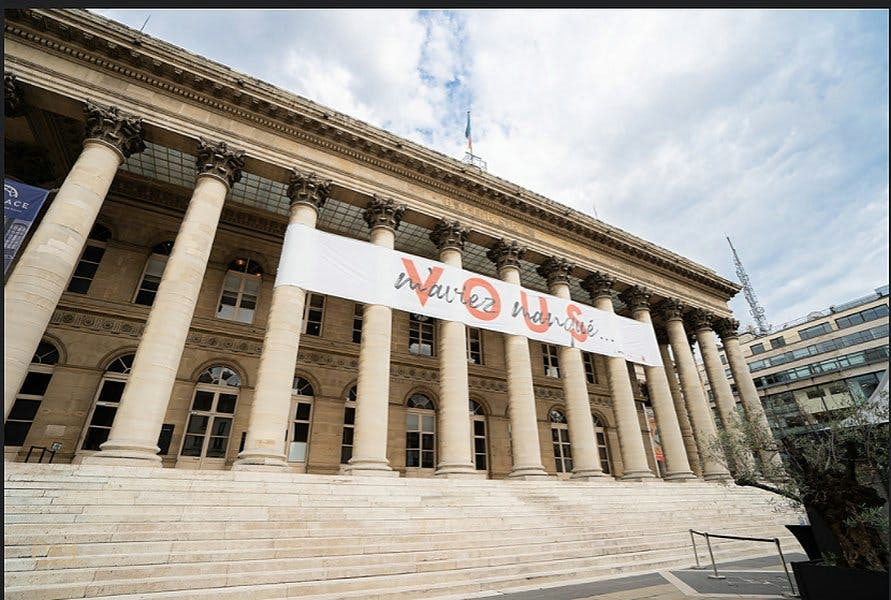
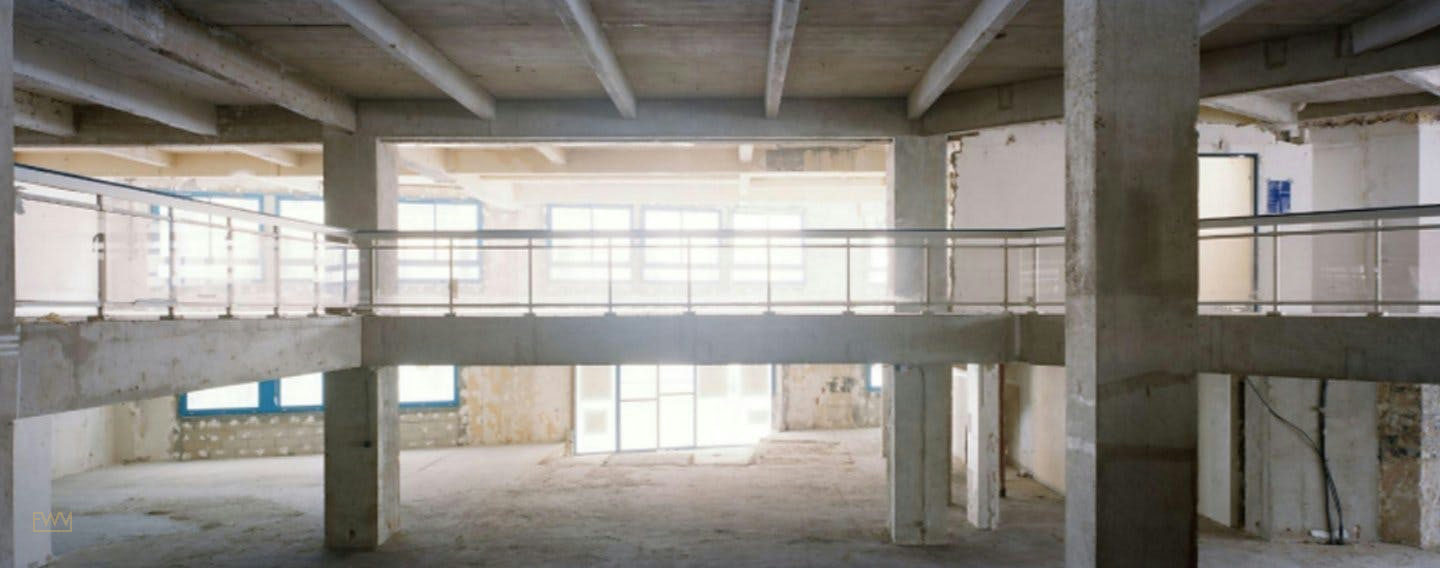
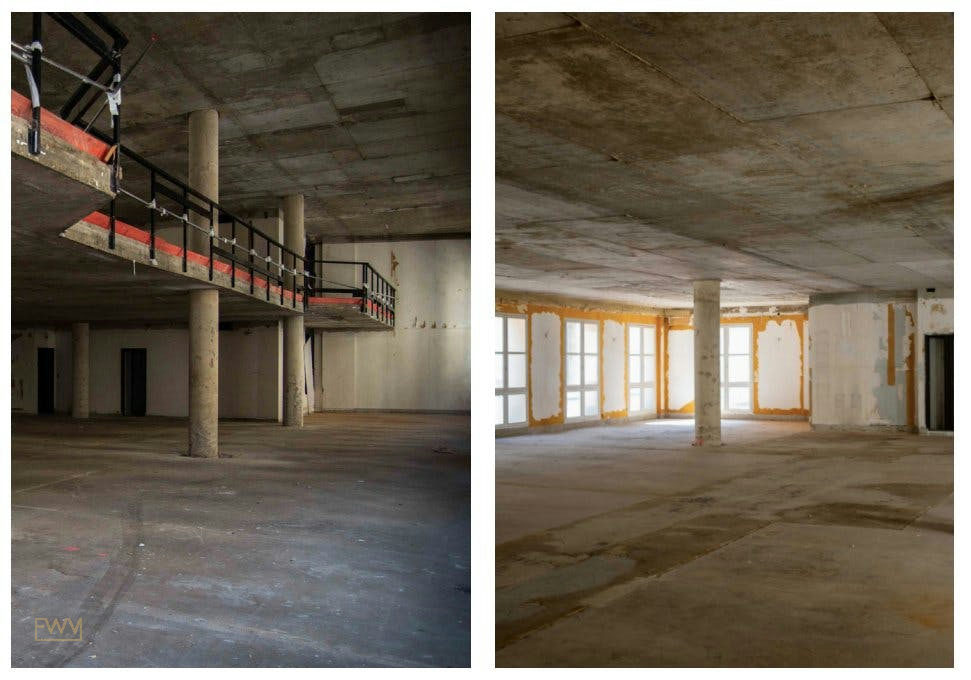
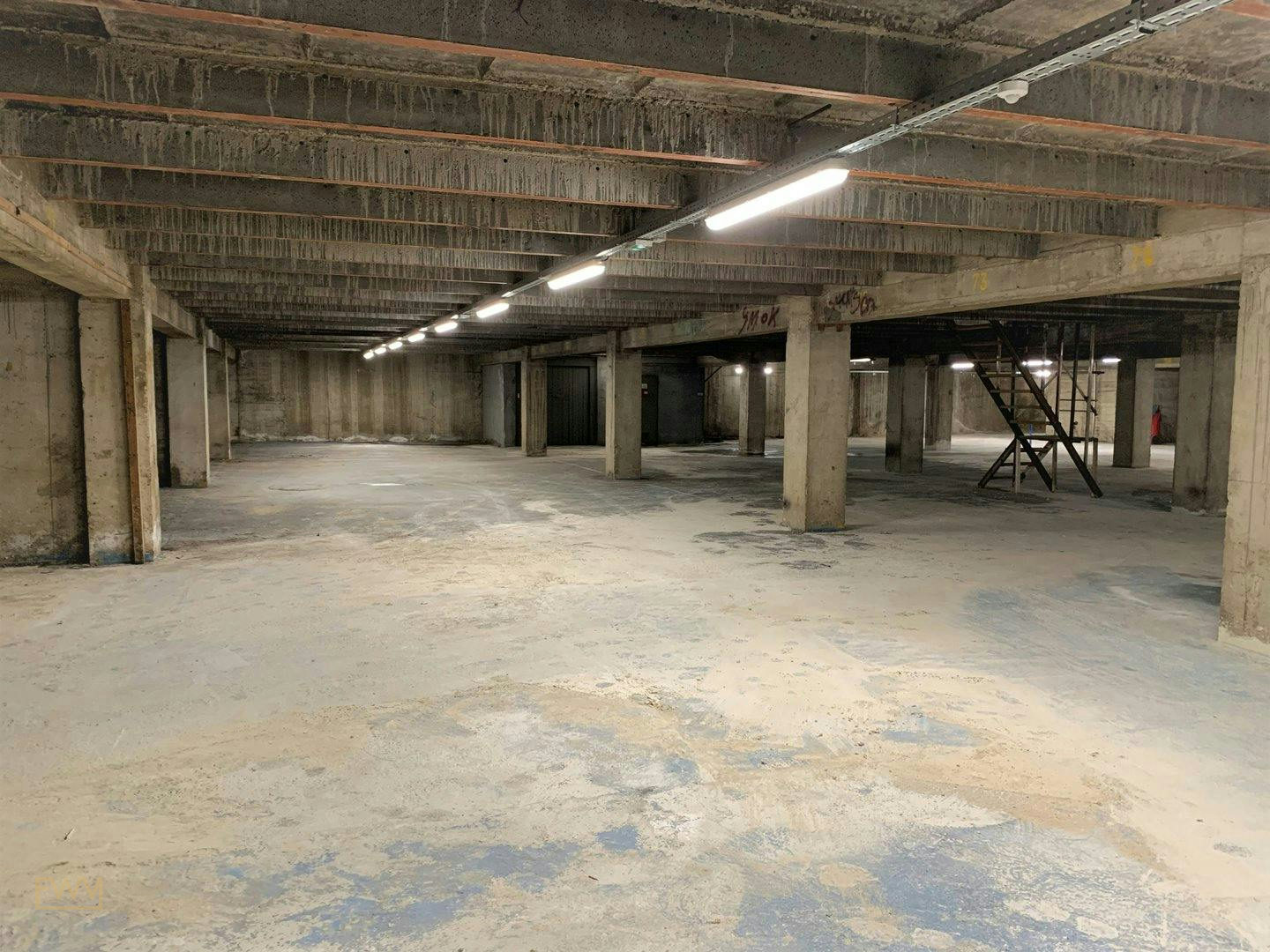
Boutique rental on the Champs-Elysées represents one of the most strategically significant decisions a fashion brand, luxury house, or creative agency can make when entering the Paris market. The avenue sits at the centre of global retail theatre, drawing tens of millions of visitors annually and hosting the world's most recognised fashion houses, flagship boutiques, and cultural landmarks within a single kilometre. Whether your brief calls for a short-term pop-up shop, a private showroom, a brand activation during Paris Fashion Week, or an immersive art exhibition, the 8th arrondissement offers a density of prestige, footfall, and cultural context that few streets in the world can match. Fashion Week Venues supports brands planning activations across Paris, with specialist knowledge of the Champs-Elysées corridor and the surrounding neighbourhoods that make it work.
Why the Champs-Elysées Is the World's Most Prestigious Retail Address
The Champs-Elysées is not simply a street. It is one of the most loaded addresses in the history of commerce, culture, and urban identity. Running from the Place de la Concorde in the east to the Arc de Triomphe in the west, this grand avenue in Paris's 8th arrondissement carries a symbolic weight that no advertising campaign, no matter how well-funded, can replicate in isolation. A boutique rental on the Champs-Elysées positions a brand within a narrative of prestige that stretches back to the Universal Exhibitions of the nineteenth century, the architectural ambitions of Haussmann, and the cultural efflorescence that gave Paris its enduring identity as the City of Light.
The avenue's surroundings reinforce this positioning at every turn. The Grand Palais, built for the 1900 Universal Exhibition and still one of the most spectacular event and exhibition venues in Europe, anchors the northern edge of the Jardin des Champs-Elysées. The Petit Palais sits opposite, housing the City of Paris's permanent fine arts collection. Pont Alexandre III, widely considered the most ornate bridge in Paris, connects the avenue's cultural orbit to the Left Bank. The Place de la Concorde, with its Egyptian obelisk and sweeping perspectives, frames the eastern approach. Within walking distance, Avenue Montaigne concentrates the ateliers and flagships of Dior, Louis Vuitton, and the broader constellation of the French luxury industry. The Musée Jacquemart-André, one of Paris's finest private museums, sits on the Boulevard Haussmann just north of the corridor. The Théâtre des Champs-Elysées, where Stravinsky's Rite of Spring premiered in 1913, adds a layer of cultural provenance that reaches into music, ballet, and architectural history.
All of this context matters enormously to brands seeking boutique rental on the Champs-Elysées. Location is never just logistics. On this avenue, the address itself communicates brand values, market positioning, and creative ambition to Parisian consumers, international visitors, press, buyers, and the wider industry before anyone sets foot inside the space.
The commercial mix on the avenue has shifted substantially over the past decade. Where mass-market retail once dominated the upper sections, luxury flagships, concept stores, brand experience centres, and temporary activations have progressively reclaimed the avenue's upper registers. Brands including Louis Vuitton, Dior, and a succession of international houses have used temporary and permanent retail formats along this corridor to assert or reassert their presence in the Paris market. The Galerie des Arcades, a covered passage linking the avenue to Rue de Ponthieu, offers a distinct microclimate of smaller spaces suited to curated boutique concepts and shorter-term activations.
George V, the luxury hotel bearing the name of the adjacent street, anchors the northern portion of the avenue and contributes to a permanent concentration of affluent international visitors within a few hundred metres of the main retail strip. Rue Royale, which connects the Place de la Concorde to the Madeleine, adds another layer of prestige retail context to the broader 8th arrondissement geography. These adjacencies create a retail ecosystem where footfall is not simply high in volume but specifically calibrated toward the audiences most relevant to luxury, fashion, and premium lifestyle brands.
KEY TAKEAWAY: The Champs-Elysées delivers a combination of symbolic prestige, cultural density, and qualified footfall that makes it the most strategically powerful address for boutique rental in Paris. Understanding the full geography of the 8th arrondissement, including its landmark institutions, adjacent luxury streets, and internal passages, is essential before committing to any space.
That geography, combined with the legal and logistical complexity of securing temporary retail space in one of Paris's most regulated environments, is precisely why brands benefit from specialist support before signing any lease or rental agreement.
Types of Boutique and Pop-Up Spaces Available on the Champs-Elysées
The range of spaces available for boutique rental on the Champs-Elysées and within the broader 8th arrondissement is considerably more varied than most brand teams expect. The avenue itself, its side streets, and the surrounding residential and commercial fabric of the arrondissement collectively offer formats ranging from grand Haussmann-era retail floors to intimate concept studios, private mansion spaces, gallery-style environments, and fully equipped event venues.
Quick answer: Spaces available for boutique rental on the Champs-Elysées range from street-level flagship-format retail spaces with full frontage to Haussmann-era prestige showrooms, concept studios, private hotel particuliers, gallery spaces, and event venues. The 8th arrondissement offers formats suited to pop-up shops, fashion week showrooms, product launches, art exhibitions, private parties, and brand activations, with durations typically ranging from a single day to several months.
Prestige Showroom and Flagship Format Spaces
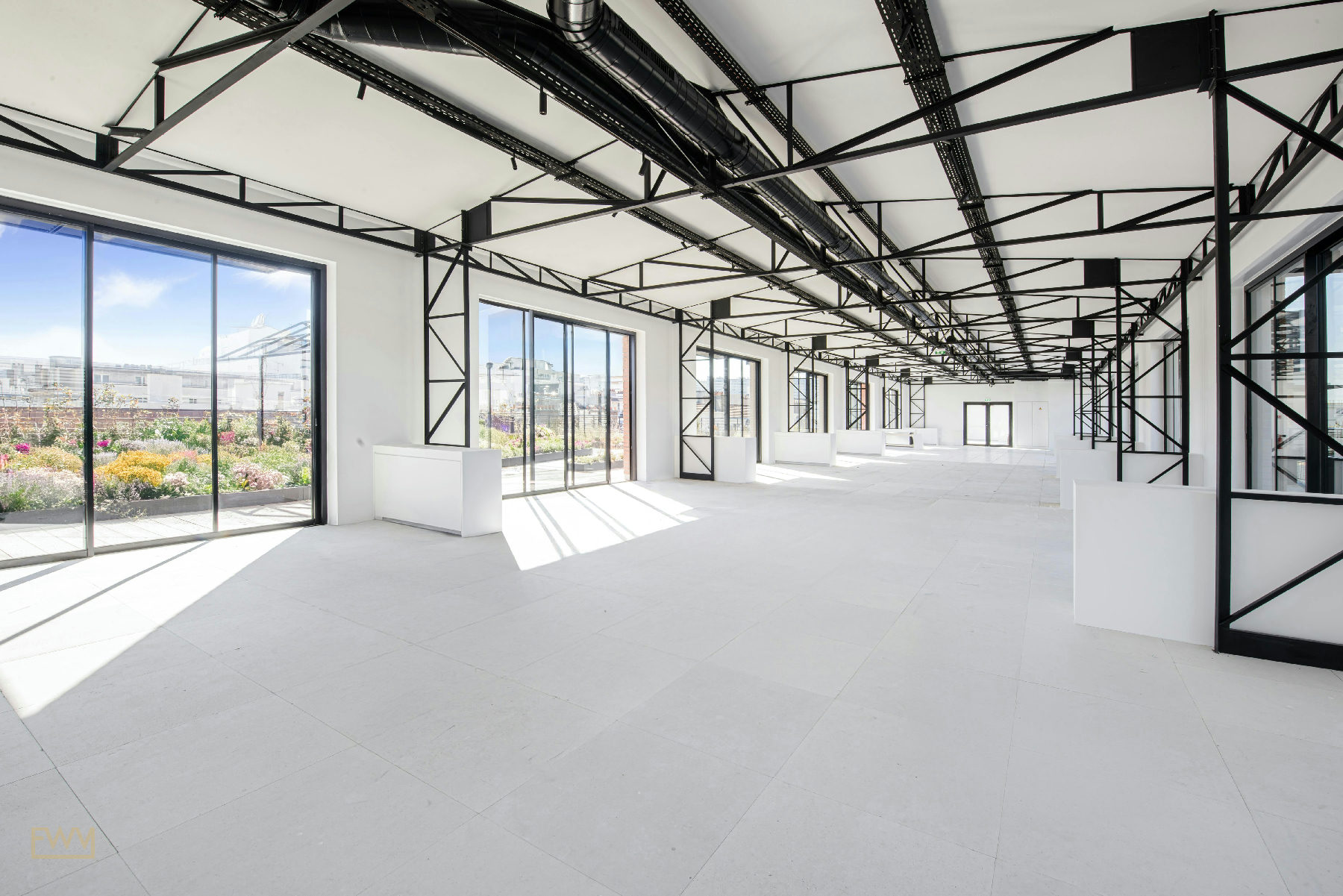
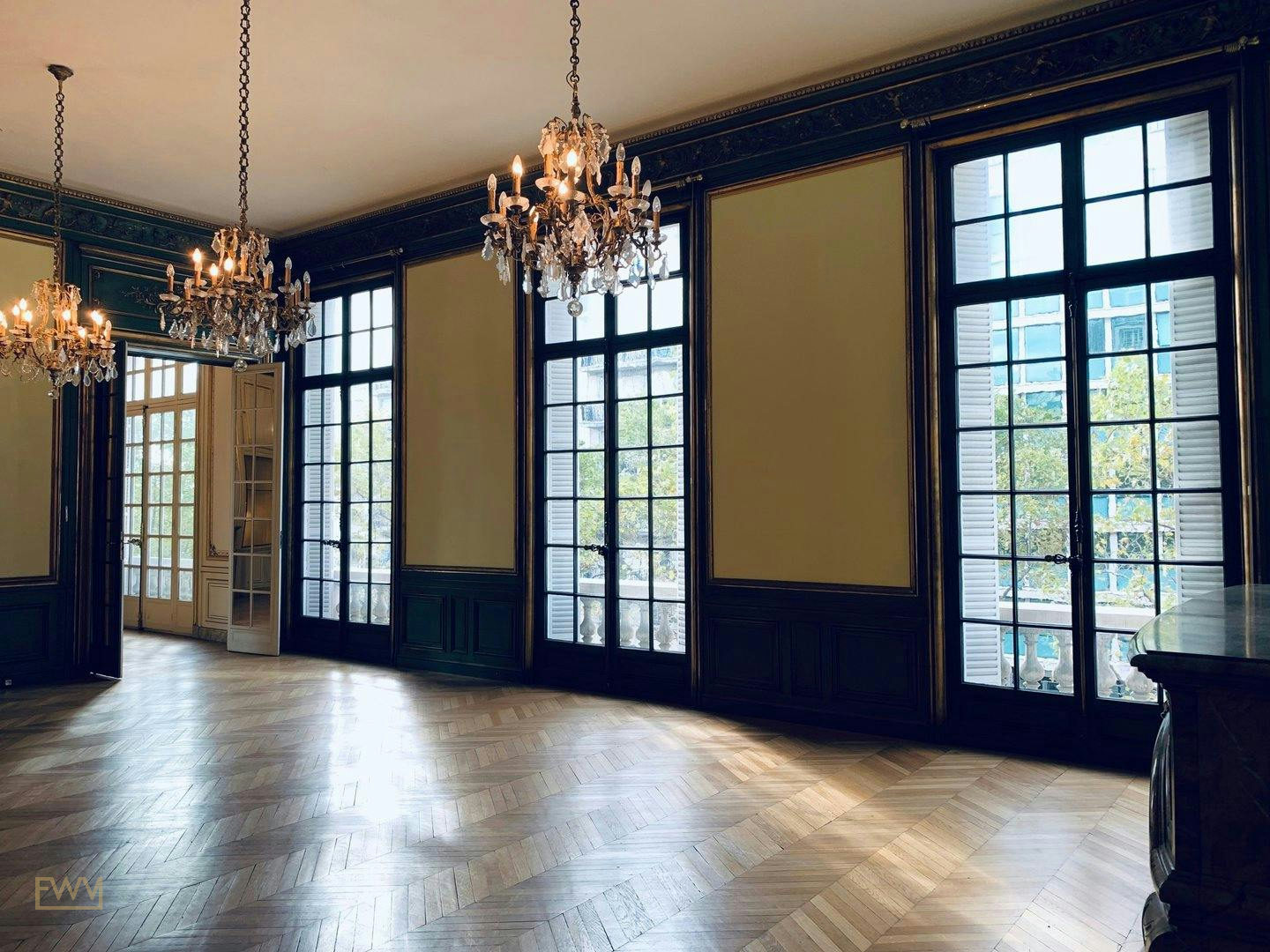
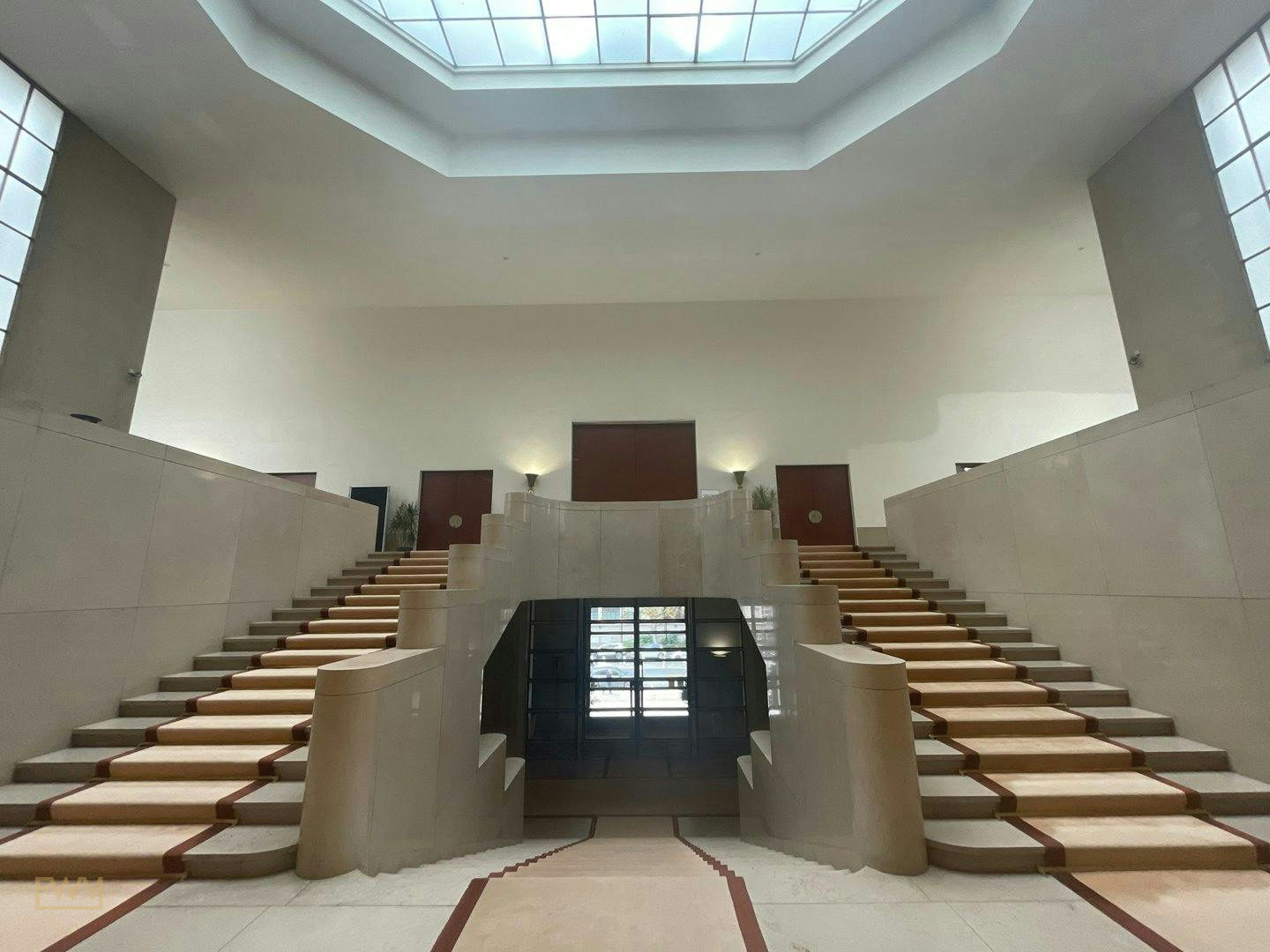
The most prominent format available on and immediately adjacent to the Champs-Elysées is the prestige showroom or flagship-format retail space. These spaces typically occupy ground-floor positions with significant frontage onto the avenue or a major side street, offering maximum visibility to the dense footfall the avenue generates. They are frequently found in Haussmann-era buildings, with high ceilings, large windows providing natural light, and architectural detail that reinforces brand positioning without the need for heavy fit-out investment. A Prestige Showroom in this category might encompass several hundred to several thousand square metres across one or more floors, depending on the building configuration.
Brands considering this format for fashion week showroom use, product launches, or temporary flagship concepts should note that these spaces command the highest rental rates in the city and are typically secured months in advance of key calendar windows. The supply of truly premium ground-floor spaces with direct Champs-Elysées frontage is finite, and competition from international brands, luxury houses, and event producers is intense during Fashion Week and other peak periods.
Concept Studio and Store Formats
The Concept Studio and Store format suits brands that want the prestige of the 8th arrondissement address without the scale or cost of a flagship-format space. These spaces, often found in the streets immediately surrounding the avenue including the streets feeding off Avenue Montaigne and the northern side streets between the Champs-Elysées and the Boulevard Haussmann, offer intimate environments well suited to curated brand storytelling, limited-edition product releases, press and buyer showrooms, and design-led retail experiences. Natural light is a defining feature of the most sought-after spaces in this category, as is architectural character: exposed stone, original parquet, and period detail are common features in the residential buildings that have been converted to commercial use in this part of the city.
Hotel Particulier and Private Mansion Spaces
The HOTEL PARTICULIER PARIS 8 format, referring to the private mansion building typology common in the western arrondissements of Paris, represents a particularly distinctive option for brands seeking a space that signals heritage, exclusivity, and cultural depth. These buildings, typically arranged around a central courtyard, offer a combination of reception rooms, garden spaces, and upper-floor suites that can be configured for brand activations, private parties, press dinners, fashion shows, and experiential retail. The architectural language of the hotel particulier carries a specific set of associations aligned with French savoir-faire, artisanal craft, and institutional prestige that is difficult to achieve in any other building type.
Gallery and Exhibition Spaces
Art exhibitions and brand activations that incorporate curatorial elements frequently gravitate toward gallery-format spaces in the 8th arrondissement. The Galerie D'art format, whether a purpose-built white-cube space or a Haussmann-era room adapted for exhibition use, offers brands a neutral visual environment in which product, installation, or brand narrative can be communicated without architectural competition. These spaces also signal a creative and cultural positioning that resonates strongly with the press, buyers, and culturally engaged consumers who form the core audience for Paris Fashion Week activations.
Event and Seminar Venues
The Espace événementiel format covers a broad category of spaces designed or adapted for event production, including the Maison dédiée aux séminaires typology used for corporate and brand events. These spaces typically offer technical infrastructure including AV systems, flexible floor plans, fully equipped kitchens for catering, and access for production vehicles, all of which are critical considerations for brand activations involving film crews, live performances, or hospitality programmes.
| Space Type | Typical Use | Key Features | Best Suited For |
|---|---|---|---|
| Prestige Showroom | Flagship pop-up, fashion week showroom | Street frontage, high ceilings, natural light | Luxury brands, major product launches |
| Concept Studio and Store | Curated retail, press and buyer showroom | Intimate scale, architectural character | Emerging brands, limited-edition releases |
| Hotel Particulier | Brand activation, private events, fashion shows | Courtyard, reception rooms, heritage architecture | Heritage brands, exclusive brand experiences |
| Galerie D'art | Art exhibitions, immersive brand installations | Neutral walls, gallery lighting, flexible layout | Design-led brands, art-fashion crossover |
| Espace Evenementiel | Product launches, private parties, seminars | Fully equipped kitchen, AV infrastructure, flexible floor plan | Brand events, corporate activations |
KEY TAKEAWAY: The 8th arrondissement offers a genuine spectrum of boutique rental formats, from monumental flagship spaces to intimate studios and private mansions. The right choice depends on your brand brief, activation format, audience profile, budget, and calendar window rather than on prestige alone.
Understanding how these space types map to specific neighbourhoods and streets within the 8th arrondissement is the next critical step in building a viable brief.
The 8th Arrondissement Neighbourhood by Neighbourhood: Where to Position Your Boutique
Within the 8th arrondissement, the Champs-Elysées corridor is not a single homogeneous retail environment but a network of distinct micro-locations, each with its own footfall profile, commercial character, and brand association. Choosing the right position within this network is as important as choosing the arrondissement itself.
Quick answer: The 8th arrondissement contains several distinct micro-locations relevant to boutique rental, including the Champs-Elysées main avenue, Avenue Montaigne, the Galerie des Arcades, the streets north toward George V and Boulevard Haussmann, the Place de la Concorde edge, and Rue Royale. Each carries a different footfall volume, brand association, and rental market dynamic. The right position depends on your target audience, activation format, and creative brief.
The Avenue Itself: Maximum Visibility and Footfall
Direct frontage on the Champs-Elysées delivers the highest footfall volumes in the Paris retail market. The avenue receives an estimated 100 million visitors per year according to figures cited by the Comité Champs-Elysées, though footfall is not evenly distributed along its length. The lower section between the Place de la Concorde and the Rond-Point des Champs-Elysées is bordered by the Jardin des Champs-Elysées and carries a different character to the upper commercial section between the Rond-Point and the Arc de Triomphe. Brands seeking maximum consumer exposure and signage impact typically target the upper section, while those seeking a more curated or intimate context sometimes prefer the lower end or the streets leading into the Jardin.
Avenue Montaigne: The Heartland of French Luxury
Avenue Montaigne runs south from the Champs-Elysées and concentrates a remarkable density of luxury fashion houses within a few hundred metres. Dior's headquarters and flagship occupy a commanding position on the avenue, as do the ateliers and boutiques of the broader French luxury constellation. Pop-up space on Avenue Montaigne carries the most elevated brand associations in the Paris market, and boutique rental here typically attracts brands seeking to communicate a direct relationship with the heritage and craft traditions of French fashion. The audience walking this avenue skews strongly toward affluent international visitors, fashion industry professionals, and the culturally engaged Parisian consumer rather than the mass tourist footfall of the upper Champs-Elysées.
Galerie des Arcades and Covered Passages
The covered passages adjacent to the Champs-Elysées, including the Galerie des Arcades, offer smaller boutique and concept store formats with a distinctive architectural character. These spaces appeal to brands seeking a degree of spatial intimacy and editorial curation that is difficult to achieve on the open avenue. They are also frequently more accessible in terms of rental duration, with operators more open to short-term agreements than the major avenue landlords.
George V, Rue Royale, and the Northern Perimeter
The streets north of the Champs-Elysées toward Boulevard Haussmann, including the area around the George V hotel and the cross streets running toward the Rue du Faubourg Saint-Honoré, form another distinct zone within the 8th arrondissement. This area carries strong associations with luxury hospitality and private clientele, and spaces here are frequently used for press and buyer showrooms, private brand events, and hospitality-led activations rather than high-volume consumer retail. Rue Royale, connecting the Place de la Concorde to the Madeleine, adds a further register of prestige retail context, with Ladurée among the iconic addresses that establish the street's tone.
| Micro-Location | Primary Character | Typical Footfall Profile | Ideal Activation Type |
|---|---|---|---|
| Champs-Elysées Upper Section | High-volume commercial | Mass tourist, international visitor | Consumer pop-up, brand activation, signage |
| Champs-Elysées Lower Section | Cultural, more curated | Mixed tourist and Parisian | Art exhibitions, immersive events |
| Avenue Montaigne | Luxury heartland | Affluent international, fashion industry | Luxury pop-up, showroom, press activation |
| Galerie des Arcades | Intimate, architectural | Curated, discovery-oriented | Concept store, boutique, design activation |
| George V / North Streets | Private luxury | Affluent hotel guests, private clients | Showroom, press dinner, buyer event |
| Rue Royale | Heritage prestige | Parisian consumer, cultural visitor | Heritage brand boutique, cultural activation |
To compare neighbourhoods and space types, explore the Paris city hub on Fashion Week Venues and shortlist spaces that match your brief, budget, and calendar window.
KEY TAKEAWAY: Position within the 8th arrondissement shapes the audience you reach, the brand associations you activate, and the practical logistics of your activation. Identify your target audience and activation format first, then map the right micro-location rather than defaulting to maximum visibility on the main avenue.
Paris Fashion Week and the Seasonal Calendar for Champs-Elysées Activations
Paris Fashion Week creates the single most concentrated window of press, buyer, influencer, and industry attention in the global fashion calendar, and the Champs-Elysées sits at the centre of that gravitational field. Understanding how the seasonal calendar structures demand for boutique rental on the Champs-Elysées is essential for any brand planning an activation in the city.
Paris Fashion Week takes place twice annually: the Womenswear season in February to March for Autumn/Winter collections and in September to October for Spring/Summer. The Menswear season runs in June to July, and Haute Couture Week takes place in January and July. Each of these windows creates a sharp spike in demand for temporary retail space, showroom rental, and event venues across the 8th arrondissement and the wider city.
During Fashion Week, the Champs-Elysées corridor functions simultaneously as a commercial street, a media backdrop, a hospitality district, and a stage for brand activations. Fashion houses including Dior use the area's landmarks and spaces for shows, presentations, and brand events that generate international press coverage. The Grand Palais, which has hosted major runway shows and exhibitions for decades, serves as an anchor for industry activity that radiates out into the surrounding streets and venues. Brands that are not showing collections use the Fashion Week windows to run showrooms, launch products, host press and buyer appointments, and stage immersive experiences that capture the attention of the international audience assembled in the city.
Quick answer: Paris Fashion Week creates four major annual windows of peak demand for Champs-Elysées boutique rental: Womenswear in February to March and September to October, Menswear in June to July, and Haute Couture in January and July. Spaces in the 8th arrondissement are typically secured months in advance for these periods. Brands that miss the peak window can still benefit from the elevated Paris retail market outside these windows, particularly during the spring and autumn tourist peaks.
Outside the formal Fashion Week calendar, the Champs-Elysées market for boutique rental remains active because of the avenue's year-round tourist draw, its role as a setting for major national events including Bastille Day on 14 July and the Christmas market season, and the sustained presence of affluent international visitors concentrated in the luxury hotels and residences of the 8th arrondissement. Brands considering off-peak activations should weigh the reduced competition for spaces against the lower density of industry and press presence, and assess which audience profile better serves their specific campaign objectives.
The relationship between the Fashion Week calendar and boutique rental strategy is not simply about timing. It also shapes the type of activation that is most appropriate, the audience that will engage with it, the press and influencer interest it is likely to generate, and the commercial objectives it can realistically achieve. A showroom rental during Womenswear Fashion Week in September serves a fundamentally different function to a consumer-facing pop-up shop during the Christmas period, even if the space itself is identical.
DID YOU KNOW: The Grand Palais, which has hosted landmark runway shows by Chanel for decades, underwent a major renovation and reopened for cultural and event use ahead of major international events. Its proximity to the Champs-Elysées makes the surrounding streets some of the most sought-after activation locations in the global fashion calendar.
KEY TAKEAWAY: Align your boutique rental strategy with the Paris Fashion Week calendar if your primary audience is press, buyers, or the fashion industry. If your primary audience is consumers and international visitors, the broader seasonal calendar including peak tourist periods offers viable activation windows with less competition for premium spaces.
Planning the activation timeline in detail, including booking, production, staffing, and logistics, is the next step once the calendar window and space type are confirmed.
Permits, Leases, and Legal Compliance for Boutique Rental on the Champs-Elysées
Securing a boutique rental on the Champs-Elysées involves navigating a legal and regulatory framework that is specific to France and, in some respects, specific to the 8th arrondissement. Brands unfamiliar with the French commercial property market frequently underestimate the complexity of this process, and the consequences of incorrect or incomplete documentation can include forced closure of an activation, financial penalties, and reputational damage.
Quick answer: Boutique rental on the Champs-Elysées typically operates under a bail dérogatoire, a short-term derogatory lease specific to French commercial law that allows occupancy for periods of up to three years without triggering the full protections of a standard commercial lease. For genuinely temporary activations, an Autorisation d'Occupation Temporaire (AOT) may be relevant for public or semi-public spaces. Requirements vary by space type, duration, and arrondissement. Brands should verify all requirements with a qualified French legal advisor before signing any agreement.
Understanding the Bail Dérogatoire
The bail dérogatoire is the standard legal instrument for short-term commercial occupancy in France. It differs fundamentally from the standard commercial lease, known as the bail commercial, which grants tenants substantial statutory protections including the right to renew and compensation rights upon termination. The bail dérogatoire deliberately excludes these protections, making it the preferred instrument for pop-up shops, temporary retail activations, event venues, and short-term showroom rentals. French law limits the total duration of a bail dérogatoire to 36 months for the same tenant in the same space. If the tenant remains in occupation after this period without a new agreement being signed, the arrangement automatically converts to a full commercial lease, with all its associated obligations and protections.
For brands planning activations of a few days to several months, the bail dérogatoire provides the legal flexibility required for temporary retail. However, the contract must be properly drafted and signed before occupation begins. Verbal agreements or informally negotiated arrangements do not provide the legal protections either party requires, and disputes arising from informal arrangements can be costly and time-consuming to resolve under French law.
Autorisation d'Occupation Temporaire (AOT)
An Autorisation d'Occupation Temporaire is a distinct legal instrument relevant to the occupation of public or semi-public spaces, including public squares, covered markets, and certain public buildings. Brands considering activations in spaces adjacent to or within public areas of the 8th arrondissement, including areas within or adjacent to the Jardin des Champs-Elysées, should establish early whether an AOT is required. These authorisations are granted by the relevant public authority and are subject to application processes, timing constraints, and conditions that vary by location and intended use.
Signage, Retail Activity, and Local Regulations
Beyond the lease instrument, brands operating a pop-up shop or boutique in the 8th arrondissement must comply with regulations governing commercial signage, retail trading hours, food and beverage service if applicable, and the use of public footpaths or exterior display areas. The 8th arrondissement, as one of Paris's most prestigious addresses, applies planning and aesthetic standards that are rigorously enforced. Signage that does not comply with local regulations can be subject to removal orders. Brands should not assume that practices acceptable in other European cities or in other Paris arrondissements will be automatically permitted on the Champs-Elysées.
IMPORTANT: Legal requirements for boutique rental on the Champs-Elysées vary by space type, building classification, intended use, and rental duration. This article provides general guidance only and does not constitute legal advice. Always verify requirements with a qualified French legal advisor before signing any agreement. The permit guidance tool on Fashion Week Venues can help you identify the key permit and compliance considerations relevant to your specific activation before you engage legal counsel.
Compliance for International Brands Without a French Entity
International brands that do not have a registered French legal entity face additional considerations when entering into rental agreements in France. While it is possible for foreign companies to enter into bail dérogatoire agreements in France, landlords and their legal advisors may require additional guarantees, insurance provisions, or the involvement of a French entity as a co-signatory. The process of establishing a temporary presence in France without a permanent entity requires careful preparation and, in many cases, specialist support from an agency or legal advisor with established relationships in the Paris market.
KEY TAKEAWAY: Legal compliance for boutique rental on the Champs-Elysées is non-negotiable and non-trivial. The bail dérogatoire is the standard instrument for short-term commercial occupancy, but it must be correctly drafted and executed. AOT requirements apply to certain public or semi-public spaces. International brands must address entity and guarantee requirements early. Specialist legal advice is essential, and the permit guidance tool provides a useful starting point for understanding the compliance landscape.
Planning, Production, and Activation: From Brief to Opening Day
Securing the space is only the beginning of a boutique rental activation on the Champs-Elysées. The production and activation process involves a sequence of interdependent decisions and logistical tasks that must be coordinated across a compressed timeline, particularly during the peak Fashion Week windows when all suppliers, contractors, and services are operating at maximum capacity across the city simultaneously.
The following workflow reflects the typical sequence of tasks involved in planning and delivering a boutique rental activation on the Champs-Elysées, from initial brief to opening day. Actual timelines vary depending on the scale of the activation, the complexity of the fit-out, and the availability of the space.
| Phase | Key Tasks | Typical Timeframe Before Opening | Key Decisions |
|---|---|---|---|
| Brief and Strategy | Define objectives, audience, format, budget, calendar window | 6 to 12 months | Format, location, duration, budget allocation |
| Space Search and Shortlisting | Identify candidate spaces, evaluate options, shortlist | 4 to 9 months | Micro-location, space type, footfall, legal structure |
| Legal and Permit | Negotiate and execute bail dérogatoire, obtain AOT if required, confirm insurance | 3 to 6 months | Lease terms, compliance obligations, entity requirements |
| Concept and Design | Develop spatial concept, design fixtures and signage, confirm brand identity application | 2 to 5 months | Design direction, supplier selection, production schedule |
| Production and Fit-Out | Manufacture or procure fixtures, deliver and install, commission AV and lighting | 2 to 8 weeks | Build schedule, access windows, contractor coordination |
| Staffing and Training | Recruit and train retail staff, brief on brand identity and customer service protocols | 2 to 4 weeks | Staff profile, language requirements, interaction protocols |
| Soft Opening and Review | Test all systems including POS, payments, AV; review customer journey | 1 to 3 days | POS and payment readiness, staff confidence, brand presentation |
| Activation and Operations | Run activation, manage footfall and engagement, collect data | Ongoing during rental period | Customer engagement, influencer programming, data capture |
| Close and Data Review | Decommission space, restore to original condition, compile performance data | End of rental period | Space restoration, ROI assessment, data analysis |
TIP: For activations during Paris Fashion Week, experienced brand teams typically begin the space search process at least six months in advance and have legal documentation in place at least three months before opening. Spaces that are available at shorter notice during Fashion Week windows often carry compromised specifications or elevated rental rates reflecting demand pressure.
Concept Direction and Branded Store Design
The spatial concept for a boutique rental on the Champs-Elysées must work within the architectural character of the space, comply with any building or planning restrictions on alterations, and communicate the brand's identity with clarity and sophistication. Parisian consumers and the international fashion industry audience expect a high standard of spatial design and brand expression. Concept Studio and Store formats on the avenue are frequently designed to feel like permanent installations, with custom fixtures, curated product displays, and branded environmental graphics that reward close attention. The Galerie des Arcades and similar covered passage spaces benefit from design approaches that engage with the existing architectural fabric rather than concealing it, using the character of the space as a backdrop for the brand narrative.
Furniture rental is a practical consideration for brands that need to furnish a space temporarily without the cost or complexity of purchasing and transporting bespoke pieces. A well-selected furniture palette can contribute significantly to the spatial quality of an activation and is typically far more cost-effective than custom manufacture for short-duration rentals.
Retail Staffing for Champs-Elysées Boutiques
The customer experience delivered by retail staff in a Champs-Elysées boutique is a critical component of the brand activation. The interaction between staff and visitors, the conversation quality, the empathy and engagement demonstrated, and the response time to customer enquiries all contribute to the impression the brand makes on Parisian consumers and international visitors. Staffing for a luxury or premium brand context on the Champs-Elysées demands more than transactional competence. It requires staff with genuine product knowledge, language capability appropriate to the international visitor mix, and the interpersonal skills to sustain meaningful brand conversation and customer engagement without relying on scripted automation or chatbot-style interaction. The human side of the Champs-Elysées boutique experience remains its most powerful differentiator from purely digital brand communication, and it deserves proportionate investment in recruitment, briefing, and ongoing management.
The retail staffing service from Fashion Week Venues supports brands in sourcing and managing staff for temporary activations in Paris, including briefing on brand identity, customer service protocols, and the specific dynamics of the Champs-Elysées retail environment.
KEY TAKEAWAY: A successful boutique rental activation on the Champs-Elysées requires coordinated management of space, design, production, staffing, legal compliance, and data collection across a timeline that must account for the compressed production windows of the Fashion Week calendar. Early planning and specialist support at each phase significantly reduce execution risk.
Budget Considerations for Boutique Rental on the Champs-Elysées
Budget planning for a boutique rental on the Champs-Elysées requires a clear-eyed assessment of all cost components, not just the base rental rate for the space. The Champs-Elysées is one of the most expensive retail addresses in the world, and the total cost of an activation in the 8th arrondissement typically includes a range of additional items that can substantially exceed the rental cost itself if not anticipated in the initial budget.
Quick answer: The total cost of a boutique rental activation on the Champs-Elysées includes the base rental rate for the space, a rental deposit typically equivalent to one to three months' rent, fit-out and production costs, furniture rental, retail staffing, POS and payment systems, permits and legal fees, insurance, marketing and influencer programming, logistics, and space restoration at the end of the rental period. The relative weight of each component depends on the scale and duration of the activation. Directional budget estimates should be built using the specific parameters of your activation brief rather than from published averages, which rarely reflect the full cost picture.
Rental rates for spaces on the Champs-Elysées and Avenue Montaigne are among the highest in Europe for retail property, reflecting the avenue's global footfall and brand association value. During Fashion Week windows, demand-driven premium pricing applies across the most sought-after spaces. Outside peak windows, rates may be more accessible, though the fundamental prestige premium of the 8th arrondissement location is a constant across all seasons.
Production and fit-out costs for a Champs-Elysées boutique activation can vary widely depending on the level of customisation required. A lightly dressed pop-up using furniture rental and minimal signage occupies a very different cost position to a fully customised brand experience built out to flagship-specification. Brands should build a detailed production brief before approaching suppliers, as vague briefs typically result in overspecified and overpriced proposals.
Legal fees for drafting and reviewing the bail dérogatoire, obtaining any required permits, and managing compliance documentation are a necessary cost that is frequently underbudgeted by brands approaching the Paris market for the first time. The cost of getting the legal documentation wrong significantly exceeds the cost of getting qualified legal advice at the outset.
TIP: Use the budget estimation tool on Fashion Week Venues to build a directional cost model for your specific activation parameters before approaching spaces or suppliers. A realistic budget model at the brief stage prevents misaligned expectations later in the process.
ROI assessment for Champs-Elysées boutique activations should account for metrics beyond direct revenue generated during the activation period. Press coverage, social media reach, influencer engagement, brand awareness uplift among target audiences, and the long-term effect on consumer perception of the brand in the French and European markets are all relevant outputs that contribute to the full return on the investment. Brands that assess ROI on a direct revenue basis alone typically undervalue the strategic return from a well-executed Champs-Elysées presence.
KEY TAKEAWAY: Budget for the total activation cost, not just the space rental rate. Build a detailed cost model at the brief stage using the specific parameters of your activation. ROI assessment should encompass brand metrics as well as direct commercial outcomes.
How Fashion Week Venues Supports Boutique Rental on the Champs-Elysées
Fashion Week Venues operates as a full-service pop-up shop agency and space marketplace with Paris as its primary and anchor market. For brands considering boutique rental on the Champs-Elysées, Fashion Week Venues provides both a curated marketplace of available spaces and a comprehensive range of agency services covering every phase of the activation lifecycle, from initial brief through to post-activation data review.
The marketplace allows brand teams to browse available spaces in Paris, filter by location, space type, capacity, and availability, and shortlist candidates that match their specific brief. The venue sourcing service goes further, providing active market intelligence on spaces that may not be publicly listed and negotiating access to spaces on behalf of brand clients. This is particularly valuable in the Champs-Elysées market, where the most desirable spaces are frequently secured through established relationships rather than public listings.
The agency's service range covers every operational requirement of a Champs-Elysées boutique activation. Concept direction and branded store design services support brands in developing spatial concepts appropriate to the specific space and the 8th arrondissement context. Production and build services manage the fit-out process including contractor coordination, logistics access, and compliance with the building's requirements. Furniture rental provides a cost-effective solution for furnishing the space to a high standard without bespoke manufacture costs. Retail staffing services source and manage staff with the language skills, product knowledge, and interpersonal quality required for a premium Champs-Elysées context. POS and payment systems ensure that transactional infrastructure is in place and operational from day one. Data and analytics services provide structured reporting on footfall, conversion, and customer behaviour throughout the activation period.
The toolkit available through Fashion Week Venues includes a budget calculator for building realistic cost models, an ROI calculator for assessing full activation return, a compare tool for evaluating space options, a timeline tool for managing the production schedule, a permit guidance tool for navigating compliance requirements, and a locator tool for mapping spaces by neighbourhood. The Imagine tool supports spatial visualisation before commitment, allowing brand teams to test concepts in a specific space digitally before investing in physical production. The Build planning tool supports detailed production scheduling across the fit-out phase.
Fashion Week Venues also operates a twin co-activation concept designed for brands that want to share a space with a complementary partner brand, reducing rental costs while maintaining individual brand identity. This format is particularly relevant for emerging brands with limited budgets that nonetheless want to establish a presence in the 8th arrondissement during Fashion Week.
It is important to note that Fashion Week Venues does not guarantee the availability of any specific space, the approval of any permit application, or the commercial outcome of any activation. The agency provides specialist knowledge, established market relationships, and a structured process to support brands in making better-informed decisions and executing activations more efficiently. Brands retain responsibility for their own legal compliance, brand positioning, and commercial objectives.
To understand how the agency approaches each phase of an activation, the process page on Fashion Week Venues outlines the workflow from initial enquiry through to post-activation review.
KEY TAKEAWAY: Fashion Week Venues provides end-to-end support for boutique rental activations on the Champs-Elysées, from space discovery and venue sourcing through to concept, production, staffing, and data review. The combination of marketplace access and full-service agency capability makes it a practical partner for brands at any stage of their Paris activation planning.
Fashion and Cultural Identity: What the Champs-Elysées Communicates for Your Brand
The cultural identity of the Champs-Elysées is inseparable from the identity of French fashion and the broader French luxury industry. When a brand activates a boutique or pop-up on this avenue, it enters into a dialogue with one of the most powerful cultural narratives in the history of design, craft, and style. Understanding what that dialogue communicates, and how to manage it deliberately, is as important as any logistical consideration.
The fashion houses that have shaped the Champs-Elysées and its immediate surroundings, from Dior's founding on Avenue Montaigne to Louis Vuitton's presence on the avenue itself, have created a cultural context in which the standards for brand expression, spatial quality, and customer experience are exceptionally high. Parisian consumers are among the most visually literate and culturally discerning audiences in the world. They bring a refined sensitivity to Parisian style, to the quality of materials and finishes, to the coherence of a brand's visual identity, and to the authenticity of the brand's relationship with the cultural context in which it is operating. A concept that feels forced, superficial, or disconnected from the cultural fabric of the 8th arrondissement will be quickly identified as such by this audience.
The Art Nouveau architectural heritage visible in parts of the avenue and its surrounding buildings, the references to the Universal Exhibitions that shaped the area's public spaces, and the layered cultural history of the City of Light create a visual and intellectual environment in which brands that engage thoughtfully with context stand out. This does not mean that international brands must adopt a French aesthetic or defer to historical pastiche. It means that the most successful Champs-Elysées activations demonstrate a genuine creative intelligence in their relationship to the space and its setting.
Brand activations that incorporate elements of fashion shows, art exhibitions, or cultural programming, whether a Galerie D'art format activation, an experiential event with a Théâtre des Champs-Elysées reference, or a showroom concept that draws on the architecture of the hotel particulier typology, tend to generate stronger press and social media engagement than purely transactional retail formats. The cultural richness of the Champs-Elysées corridor provides brands with a wealth of reference points for storytelling, and brands that use these references with intelligence and specificity communicate a depth of creative ambition that resonates with the fashion industry audience assembled in Paris during Fashion Week.
Influencer marketing in the Champs-Elysées context benefits from the avenue's visual power as a backdrop. The Arc de Triomphe, Pont Alexandre III, the Grand Palais, and the avenue's monumental perspective are among the most photographed environments in the world, and content produced in this setting carries an immediate visual authority that amplifies brand messaging across social channels. A well-briefed influencer programme, coordinated with the physical activation and calibrated to the specific audience the brand is targeting, can extend the reach of a Champs-Elysées boutique rental far beyond the duration of the physical activation itself.
KEY TAKEAWAY: The Champs-Elysées communicates a specific set of cultural values related to French fashion, luxury craft, and global prestige. Brands that engage with this context thoughtfully, rather than treating the avenue as a generic high-footfall location, generate significantly stronger cultural resonance and press impact from their activations.
Common Myths About Boutique Rental on the Champs-Elysées Debunked
MYTH: You need a French legal entity to rent a boutique or pop-up space on the Champs-Elysées.
FACT: International brands without a registered French entity can enter into bail dérogatoire agreements in France, though landlords may require additional guarantees, insurance provisions, or the involvement of a French co-signatory. The process requires careful preparation and specialist legal advice, but the absence of a French entity is not an absolute barrier to securing a space. Requirements vary by landlord, building, and space type, so brands should seek legal guidance specific to their situation rather than assuming either that a French entity is mandatory or that it is entirely unnecessary.
MYTH: Paris Fashion Week is the only viable calendar window for boutique rental on the Champs-Elysées.
FACT: While Paris Fashion Week creates the most concentrated window of industry and press activity, the Champs-Elysées attracts substantial footfall throughout the year, driven by international tourism, national events including Bastille Day, the Christmas market season, and the sustained presence of affluent international visitors in the luxury hotels of the 8th arrondissement. Brands with consumer-facing or hospitality-led objectives may find off-peak windows offer better value and reduced competition for spaces, while still benefiting from the avenue's year-round prestige and footfall.
MYTH: Commission brokers are the only way to find a boutique or pop-up space on the Champs-Elysées.
FACT: While traditional commercial property brokers have historically been the primary intermediaries for Champs-Elysées retail space, the market has diversified significantly. Specialist pop-up agencies, curated space marketplaces, and full-service activation partners now provide access to temporary retail spaces through established networks and direct relationships with building owners and operators. These routes frequently offer more flexibility in terms of rental duration, contract structure, and ancillary services than traditional commercial brokerage.
MYTH: Short-term retail leases on the Champs-Elysées are legally straightforward and do not require specialist advice.
FACT: The bail dérogatoire is a specific legal instrument under French commercial law that must be correctly drafted, executed, and managed to provide the protections both parties require. Errors in the documentation or process can have significant financial and operational consequences, including inadvertent conversion to a full commercial lease with its associated statutory protections and obligations. International brands unfamiliar with French commercial property law should always engage qualified legal counsel before signing any short-term lease agreement in Paris.
MYTH: Any high-footfall location on the Champs-Elysées will deliver the same brand results regardless of activation quality.
FACT: Footfall volume on the Champs-Elysées is high, but the quality of the activation, including spatial design, staff engagement, concept coherence, and the brand's relationship to the cultural context of the avenue, determines whether that footfall translates into meaningful brand outcomes. Parisian consumers and the international fashion industry audience are highly discerning, and a poorly conceived or executed activation in a prestigious location can damage brand perception as effectively as it can build it.
Frequently Asked Questions About Boutique Rental on the Champs-Elysées
What is the minimum rental period for temporary retail space on the Champs-Elysées?
Minimum rental periods for temporary boutique space on the Champs-Elysées vary by space and landlord. Some spaces are available for as little as a single day or a long weekend, particularly through specialist pop-up platforms and agencies with established relationships in the market. Traditional commercial landlords on the avenue typically prefer minimum terms of one to four weeks. Spaces in the most prestigious locations with significant frontage are frequently offered on monthly terms during peak periods. The best way to establish availability and minimum terms for a specific space type and location is to brief a specialist agency or search a curated pop-up marketplace with real-time availability.
Do I need a permit to run a pop-up shop in the 8th arrondissement?
The permit and compliance requirements for a pop-up shop in the 8th arrondissement depend on the type of space, its legal classification, the nature of the retail activity, the duration of the activation, and whether any public space or exterior areas are involved. A bail dérogatoire is typically the primary legal instrument for short-term commercial occupancy in private buildings. For activations involving public spaces or specific building classifications, additional authorisations including an Autorisation d'Occupation Temporaire may be required. Signage permissions are governed by local planning regulations that are rigorously enforced in the 8th arrondissement. Always verify specific requirements with a qualified French legal advisor before beginning operations.
Can I rent space on the Champs-Elysées for a showroom or event rather than a pop-up shop?
Yes. Many spaces available for short-term rental in the 8th arrondissement are equally suited to showroom, event, and brand activation uses as they are to consumer-facing retail. Hotel particulier spaces, Espace événementiel formats, and gallery-style environments in the arrondissement are frequently used for press and buyer showrooms, private events, product launches, art exhibitions, and fashion shows rather than open consumer retail. The legal framework, primarily the bail dérogatoire, applies across these use types, though the specific terms and conditions may vary. Confirm the permitted use of the space with the landlord and your legal advisor before signing any agreement.
How much foot traffic does the Champs-Elysées receive?
The Champs-Elysées is one of the highest-footfall retail environments in the world. Figures cited by the Comité Champs-Elysées indicate that the avenue receives in the region of 100 million visitors annually. Footfall is not evenly distributed along the avenue's length or across the calendar year. The upper commercial section between the Rond-Point and the Arc de Triomphe carries higher consumer retail footfall than the lower section bordering the Jardin des Champs-Elysées. Peak footfall periods include major national holidays, the summer tourist season, Fashion Week windows, and the Christmas season. Brands should assess the footfall profile of their specific location and activation period rather than assuming uniform distribution across the avenue.
What types of brands typically activate on the Champs-Elysées?
The Champs-Elysées attracts a broad range of brand types, from heritage French fashion houses including Dior and Louis Vuitton with permanent flagship presence to international luxury brands, premium lifestyle brands, beauty and fragrance houses, automotive brands staging experiential activations, and emerging designers seeking a prestigious launch platform. During Fashion Week, the mix shifts toward fashion industry brands, showroom concepts, and press-facing activations. Outside Fashion Week, consumer-facing brands and international retailers seeking a Paris flagship presence constitute a larger share of the activation mix. The avenue's global brand recognition means that category adjacency is broad, though the dominant tone remains fashion, luxury, and premium lifestyle.
How far in advance should I book boutique space on the Champs-Elysées for Fashion Week?
For activations during Paris Fashion Week windows, experienced brand teams typically begin the space search process at least six months in advance, with legal documentation executed at least three months before the planned opening. The most desirable spaces with prime frontage and optimal specifications are frequently secured nine to twelve months ahead for the busiest Fashion Week windows. Brands that approach the market later in the cycle may find that available spaces carry compromised specifications, elevated rental rates reflecting demand pressure, or scheduling constraints that conflict with the brand's production timeline. Early engagement with a specialist agency or marketplace significantly improves the quality of the available options.
What is the difference between the Champs-Elysées and Avenue Montaigne for boutique rental purposes?
The Champs-Elysées main avenue delivers higher total footfall with a broad mix of international tourists, Parisian consumers, and industry visitors, particularly during Fashion Week. Avenue Montaigne, which runs south from the Champs-Elysées, concentrates a more curated audience of affluent international visitors and fashion industry professionals and carries the strongest brand associations with the French luxury fashion industry, anchored by houses including Dior. Boutique rental on Avenue Montaigne typically signals a direct relationship with the French luxury heritage context, while the main Champs-Elysées avenue offers broader consumer reach. The right choice depends on your brand positioning, target audience, and activation objectives.
Can international brands without a French entity rent space on the Champs-Elysées?
International brands without a registered French entity can enter into short-term rental agreements in Paris, though the process requires careful preparation. Landlords may require additional financial guarantees, enhanced insurance provisions, or the involvement of a French co-signatory to mitigate the risk of renting to a foreign entity without a local legal presence. The bail dérogatoire must be correctly executed regardless of the tenant's entity structure. Brands in this position should engage qualified French legal counsel early in the process and consider whether working through a specialist agency with established market relationships can simplify the negotiation and documentation process.
What services do I need beyond the space itself to run a boutique activation on the Champs-Elysées?
A complete boutique activation on the Champs-Elysées typically requires spatial concept direction, branded store design, production and fit-out management, furniture rental, retail staffing, POS and payment systems, data and analytics infrastructure, marketing and influencer programming, legal and permit support, and logistics coordination. The relative importance and cost of each service depends on the scale, format, and duration of the activation. Brands with limited in-house capability across these areas benefit most from working with a full-service agency that can coordinate all components under a single point of accountability, reducing execution risk and compressing the production timeline.
What is a bail dérogatoire and how does it differ from a standard commercial lease in France?
A bail dérogatoire is a short-term derogatory lease specific to French commercial law, designed to allow temporary occupancy of commercial space without triggering the full statutory protections of a standard commercial lease, known as a bail commercial. The bail commercial grants tenants significant rights including the right to renew and compensation upon termination. The bail dérogatoire explicitly excludes these protections, making it the appropriate instrument for pop-up shops, temporary retail activations, and event venue rentals. French law limits the total duration to 36 months in the same space. Beyond this limit, the arrangement automatically converts to a full commercial lease. Brands should have the bail dérogatoire drafted and reviewed by a qualified French legal advisor before signing.
How do I assess the ROI of a boutique rental activation on the Champs-Elysées?
ROI assessment for a Champs-Elysées boutique activation should encompass both direct commercial outcomes, including revenue generated during the activation period and new customer acquisition, and brand metrics such as press coverage value, social media reach and engagement, influencer amplification, brand awareness uplift among target audiences, and the long-term effect on brand perception in the French and European markets. Brands that assess return on a direct revenue basis alone consistently undervalue the strategic output of a well-executed Champs-Elysées presence. Data and analytics tools that capture footfall, dwell time, conversion rates, and audience demographics during the activation period provide the evidence base for a comprehensive ROI assessment.
What is the Galerie des Arcades and how does it differ from main-avenue retail space?
The Galerie des Arcades is a covered passage connecting the Champs-Elysées to Rue de Ponthieu, offering smaller boutique and concept store formats with a distinctive architectural character. Spaces within the Galerie des Arcades tend to be smaller in footprint than main-avenue retail units, with lower frontage visibility but a more intimate and architecturally characterful environment. Rental rates are typically more accessible than main-avenue spaces, and operators are often more open to shorter rental durations. The Galerie format suits brands seeking a curated, discovery-oriented activation in proximity to the avenue rather than maximum consumer footfall exposure.
What role does influencer marketing play in Champs-Elysées boutique activations?
Influencer marketing plays a significant role in extending the reach and impact of Champs-Elysées boutique activations beyond the physical footfall of the activation itself. The avenue's monumental visual backdrop, including the Arc de Triomphe, Pont Alexandre III, and the Grand Palais, provides immediate visual authority for content produced in this setting. A well-structured influencer programme, briefed on the brand's identity and the specific concept of the activation, can amplify the event's reach across social channels to audiences far exceeding the number of visitors who attend in person. The most effective influencer strategies for Champs-Elysées activations are integrated into the broader communications plan from the brief stage rather than added as an afterthought.
How does Fashion Week Venues help brands find and activate boutique space on the Champs-Elysées?
Fashion Week Venues provides both a curated marketplace of available spaces in Paris and a full-service agency capability covering every phase of the boutique activation lifecycle. For space discovery, the marketplace allows brands to browse and compare available spaces by location, type, and availability. The venue sourcing service provides active market intelligence and negotiation support for spaces that may not be publicly listed. Beyond space sourcing, Fashion Week Venues offers concept direction, production management, furniture rental, retail staffing, POS and payment systems, data analytics, and influencer marketing services, as well as a suite of planning tools covering budget, ROI, permits, timeline, and space comparison. The agency does not guarantee the availability of specific spaces or the outcome of permit applications.
Conclusion: Making Boutique Rental on the Champs-Elysées Work for Your Brand
Boutique rental on the Champs-Elysées represents one of the most powerful strategic moves available to a fashion brand, luxury house, or creative agency seeking to establish or reinforce its position in the Paris market and on the global stage. The combination of unparalleled footfall, cultural prestige, Fashion Week proximity, and architectural grandeur creates an activation environment that no other address in the world fully replicates. The Champs-Elysées is not simply a location. It is a statement of intent about the brand's ambitions, its relationship to French fashion heritage, and its confidence in its own creative and commercial proposition.
Making that statement effectively requires a clear brief, a realistic budget, a thorough understanding of the legal and compliance landscape, a well-executed spatial concept, a professionally managed activation team, and a measurement framework that captures the full breadth of the activation's value. None of these components is optional, and the complexity of delivering all of them simultaneously in one of the world's most competitive and scrutinised retail environments makes specialist support not merely convenient but genuinely valuable.
The guidance in this page covers the key dimensions of planning a successful boutique rental activation on the Champs-Elysées: the geography and cultural context of the 8th arrondissement, the spectrum of available space types, the legal instruments that govern short-term occupancy, the production and activation workflow, the budget considerations, the Fashion Week calendar dynamics, and the brand and cultural identity considerations that determine whether an activation resonates or falls flat in this demanding environment.
The next step is to translate this understanding into a concrete brief for your specific activation. To move from research to activation, start exploring available spaces on the Fashion Week Venues marketplace and build a focused brief for your target neighbourhood, space type, and calendar window. The sooner you begin, the stronger your position in the market for the spaces and production resources your activation requires.