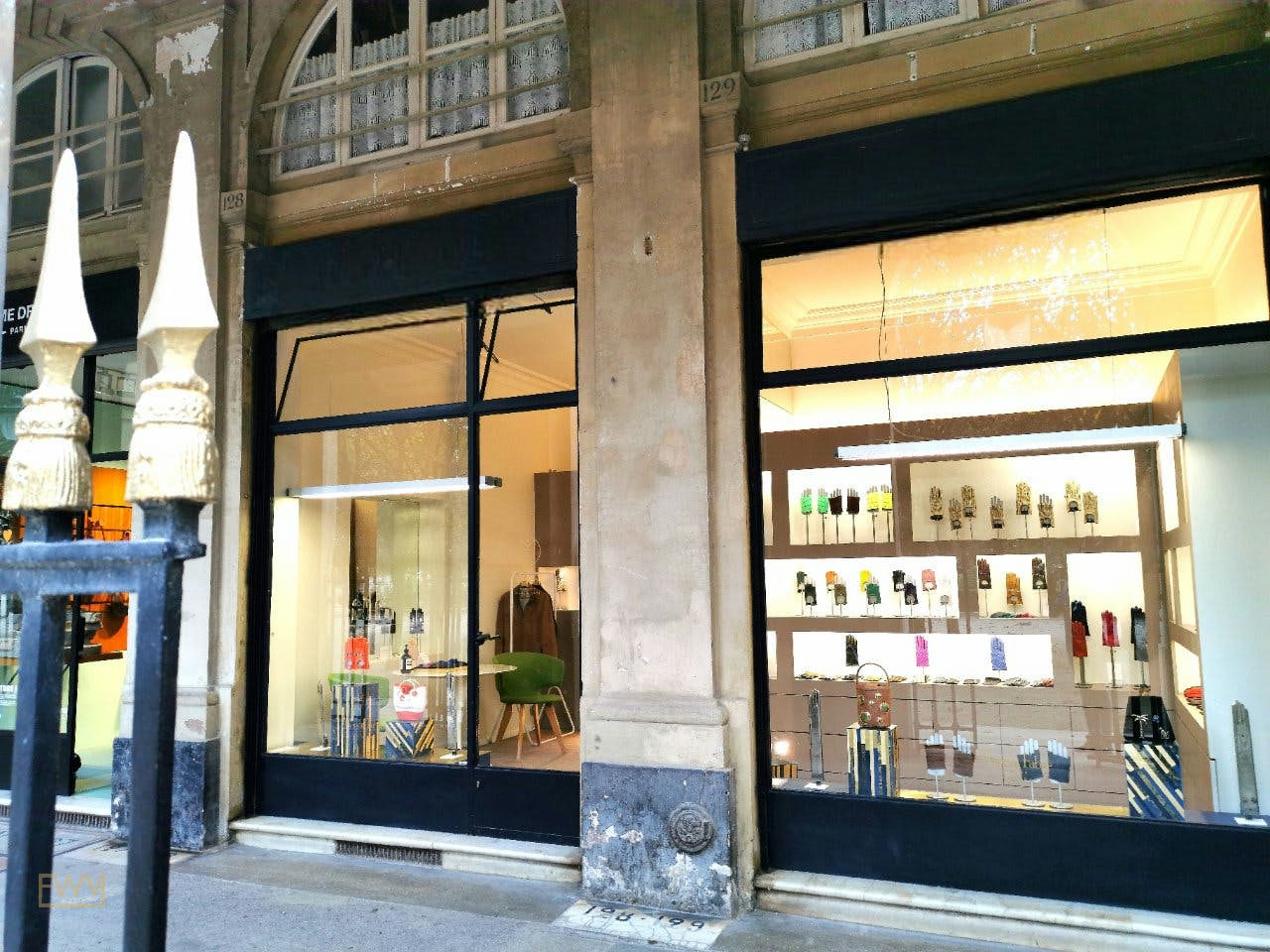
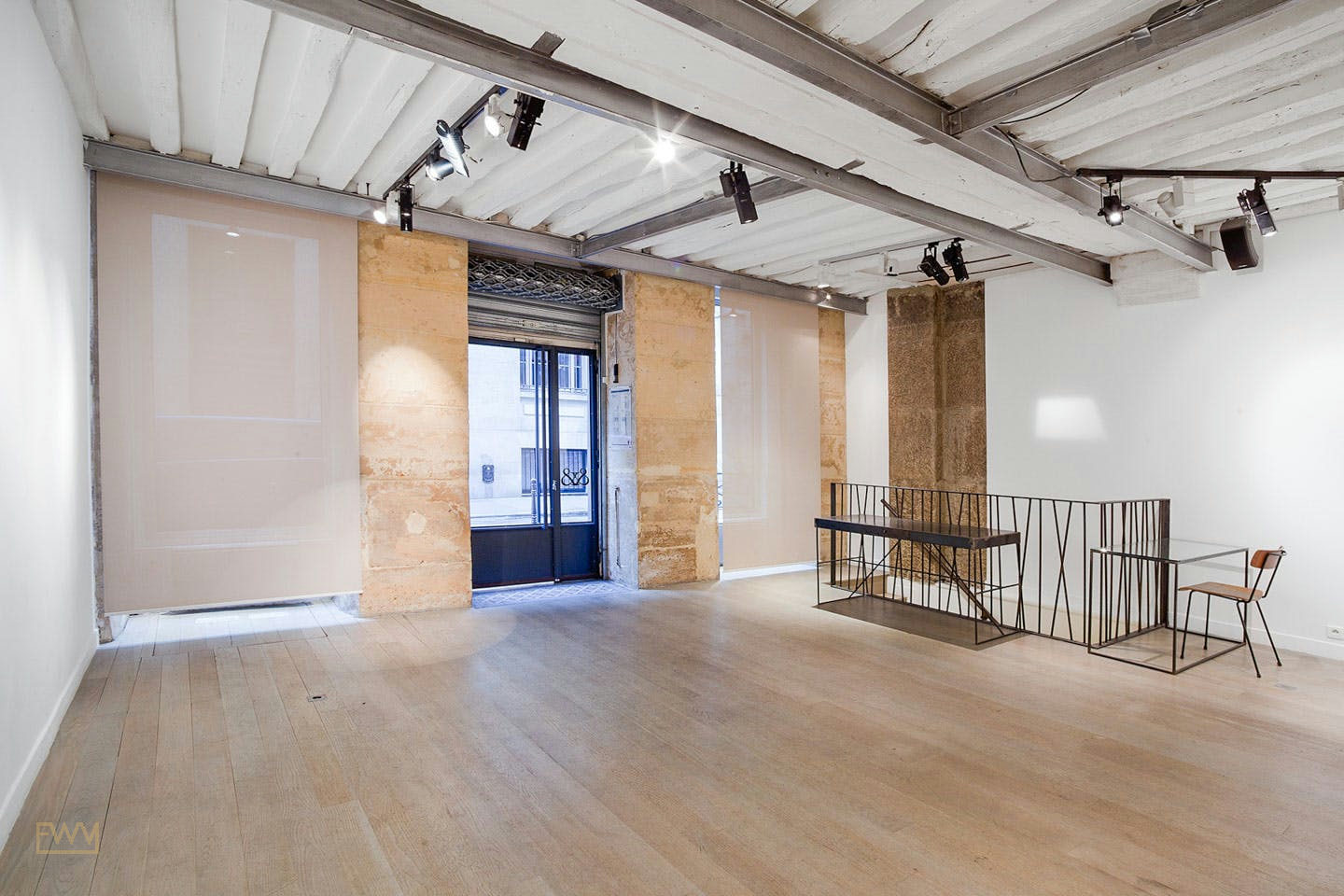
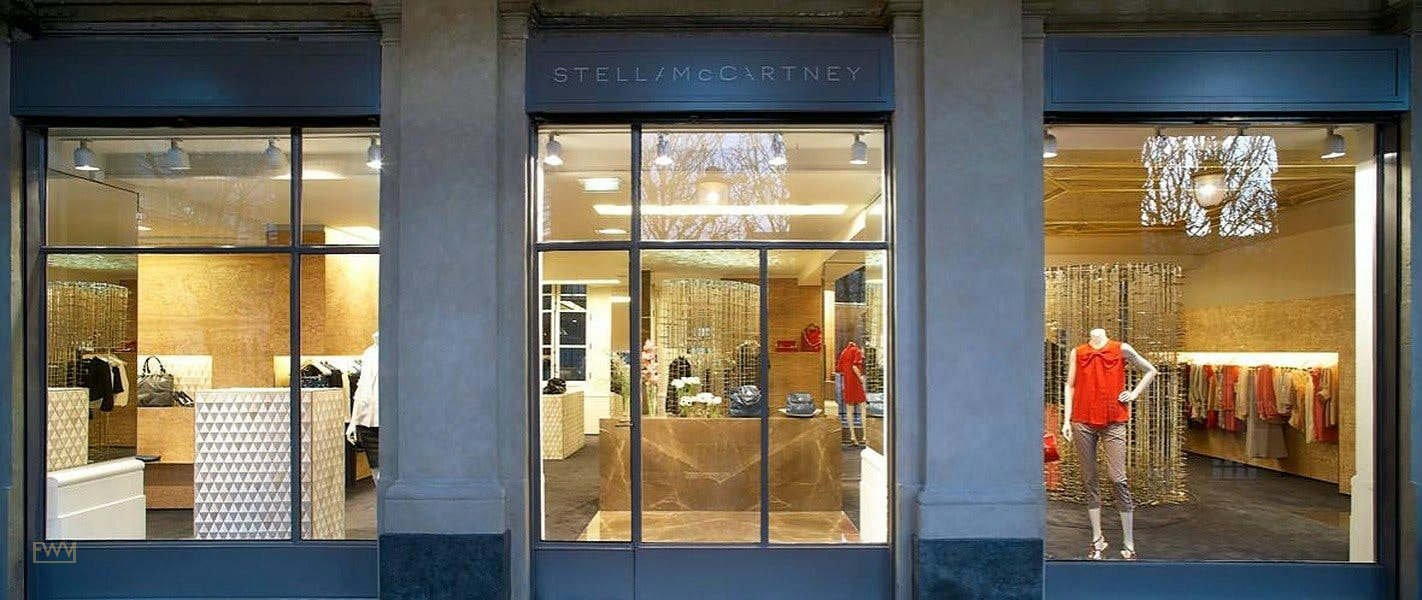
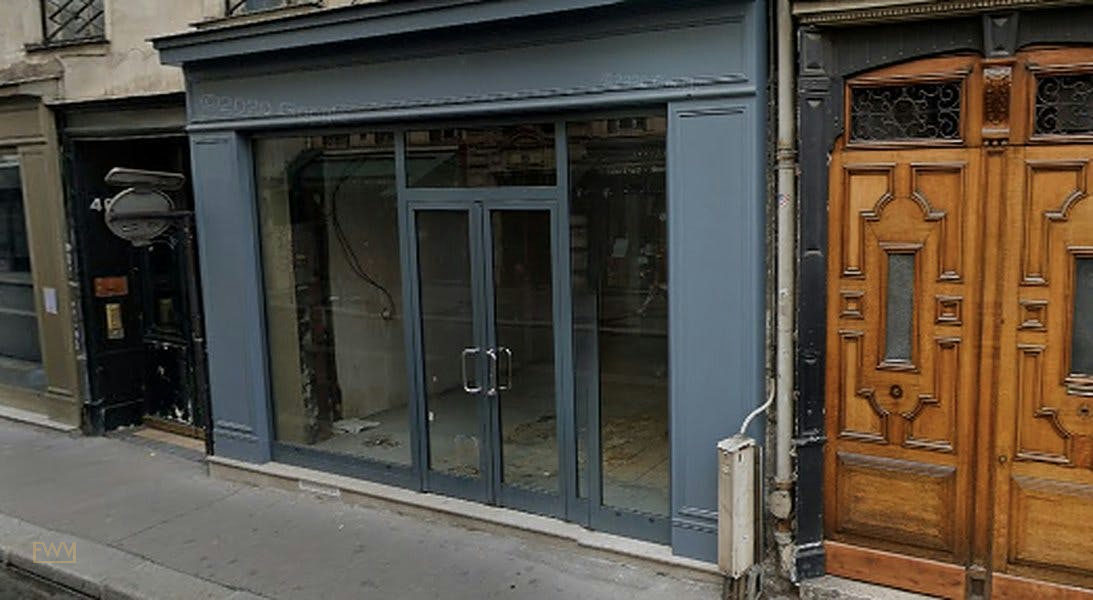
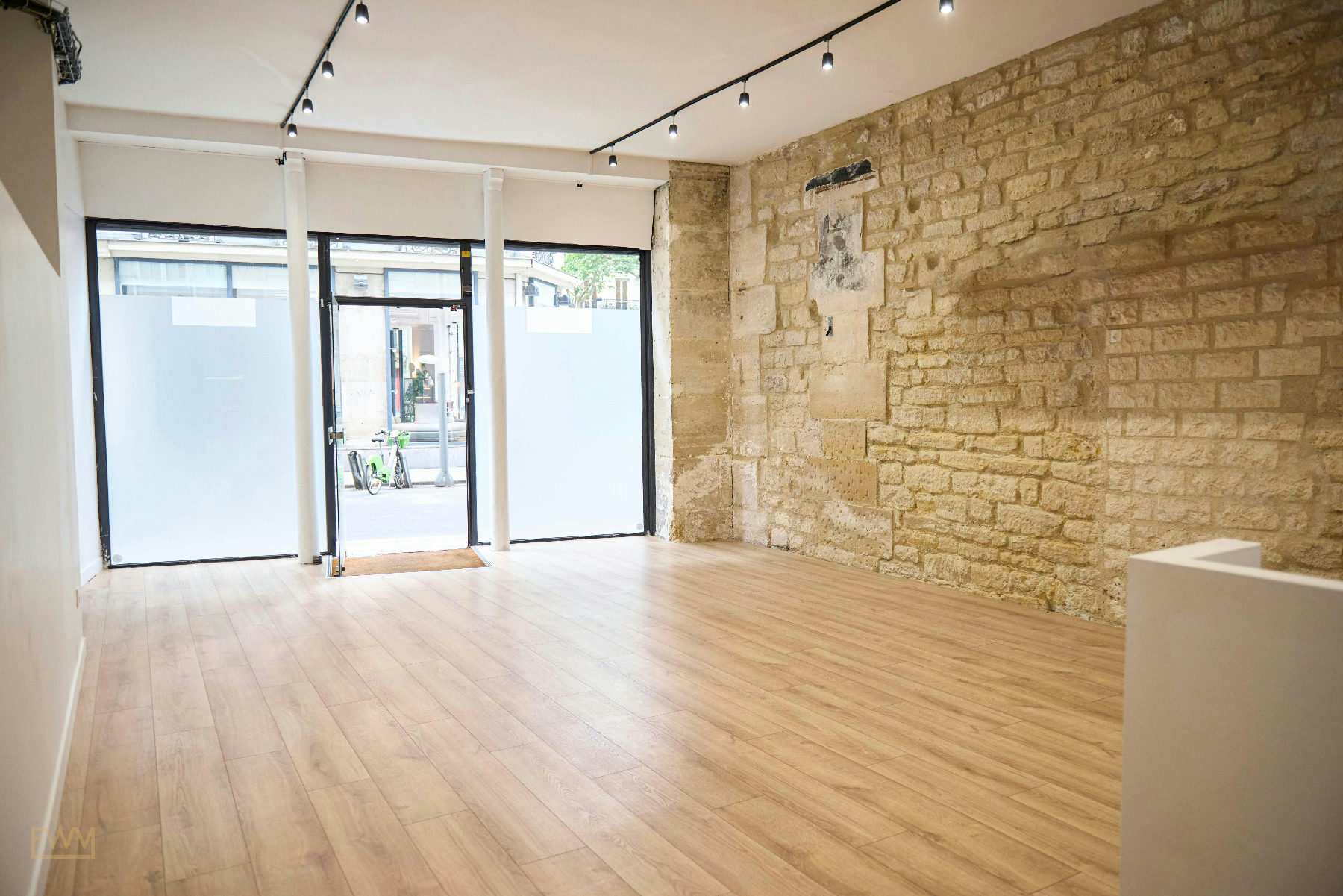
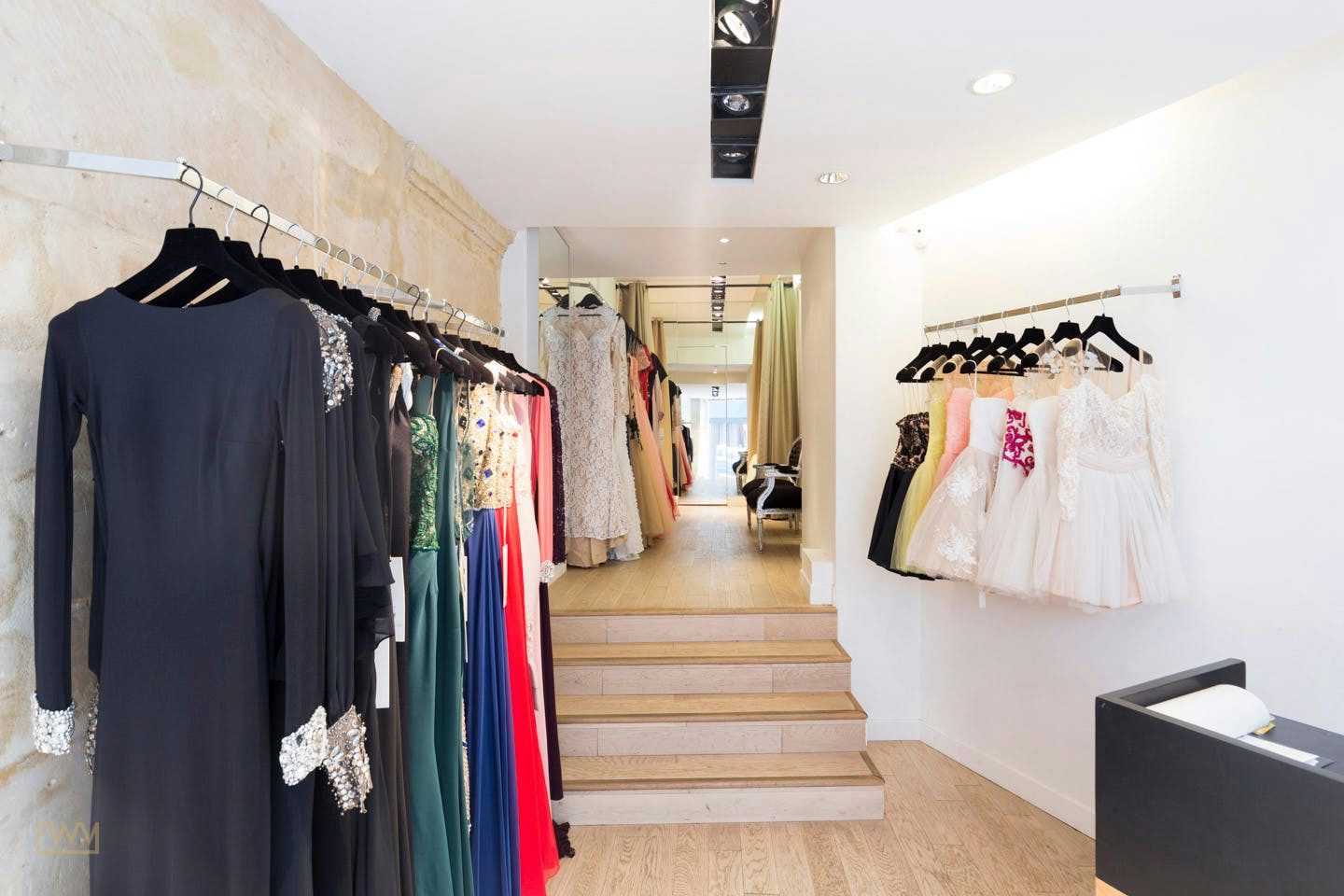
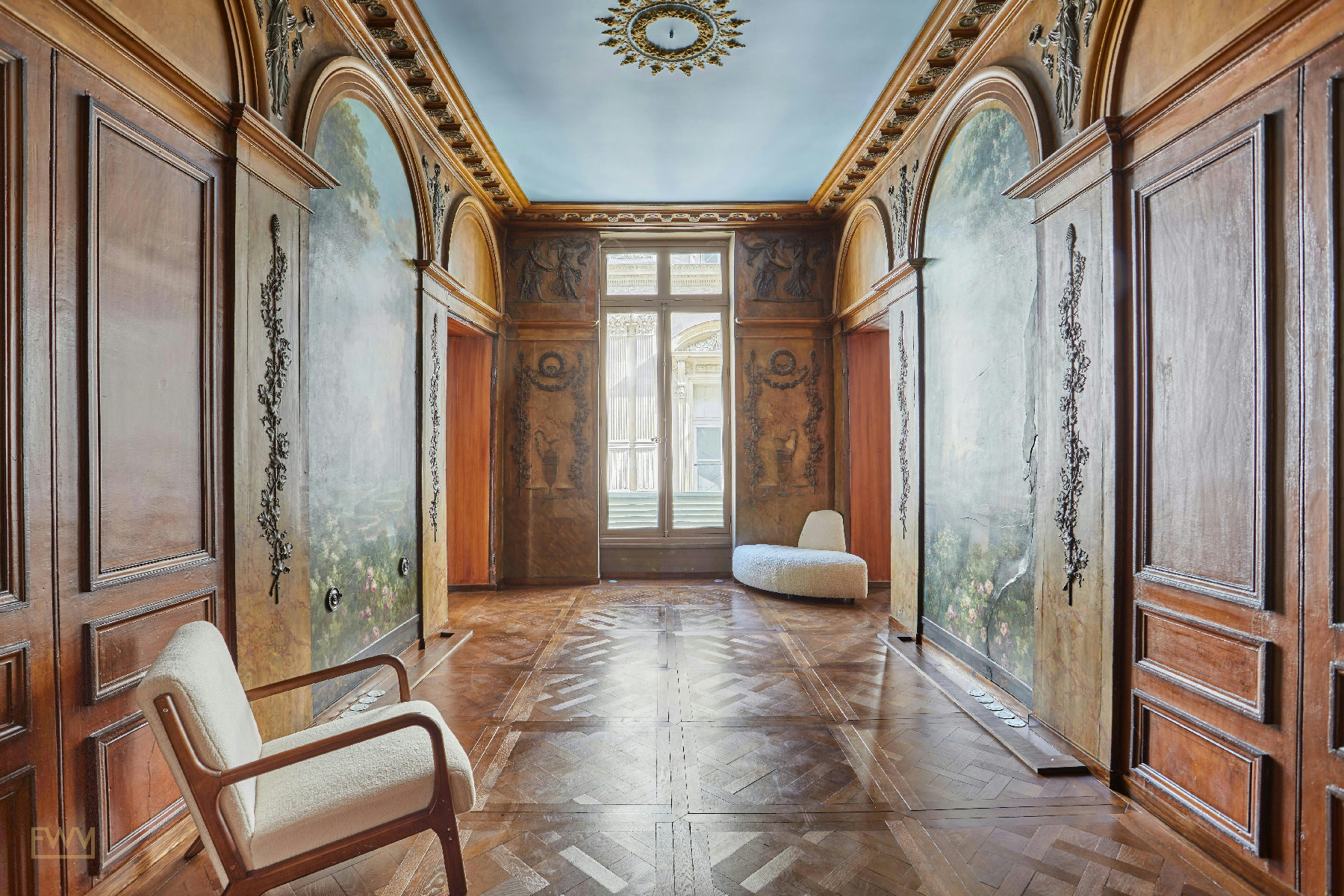
A boutique rental Palais Royal sits at the intersection of Parisian history, luxury commerce, and world-class architecture. Whether you are a fashion brand seeking a temporary showroom during Paris Fashion Week, a creative director planning a brand activation, or an international visitor looking for a furnished apartment steps from the Louvre Museum, the Palais Royal district in the 1st arrondissement offers a concentration of prestige, footfall, and cultural authority that few locations in Europe can rival. Fashion Week Venues works with brands and creative teams to source, produce, and manage short-term retail spaces, showrooms, and pop-up activations in and around Palais Royal, bringing both logistical expertise and a curated marketplace to teams who need more than a listing service.
Why Palais Royal Is Paris's Most Strategically Important District for Boutique Rentals
Quick answer: The Palais Royal district in the 1st arrondissement combines historic architecture, luxury retail density, proximity to the Louvre Museum, and alignment with the Paris Fashion Week calendar. It offers short-term renters, both commercial and residential, a location that is simultaneously prestigious, walkable, and culturally resonant in a way that few other Paris neighbourhoods achieve.
The Palais Royal is one of the most recognisable complexes in all of France. Originally commissioned by Cardinal Richelieu and completed under the direction of architect Jacques Lemercier in the 17th century, the palace passed to King Louis XIII and then to King Louis XIV before becoming the cultural and commercial heart of Paris that it remains today. The gardens, formally known as the Palais Royal gardens or Palais Royale gardens, are enclosed by three galleries: the Galerie de Montpensier, the Galerie de Beaujolais, and the Galerie de Valois. These arcaded galleries house some of the city's most distinctive designer boutiques, antique shops, specialist jewellers, and the famous restaurant Le Grand Véfour, a landmark of French gastronomy that dates to the 18th century.
The district is bounded on its southern edge by the Louvre and the Musée du Louvre, making it one of the most visited areas in the world by a culturally engaged, high-spending international audience. Rue de Rivoli runs along the southern perimeter, connecting the district to the Marais, Les Halles, and the Jardin des Tuileries to the west. To the north, the Opéra, the Opéra Bastille, the Comédie Française, the National Library of France on Rue de Richelieu, and the Ministry of Culture are all within easy walking distance, as are the broad commercial avenues leading toward the 2e arrondissement.
The Columns of Buren, the controversial contemporary installation by French artist Daniel Buren installed in the main courtyard of the Palais Royal in the 1980s, remain one of Paris's most photographed landmarks and act as a daily draw for visitors, journalists, photographers, and social media creators. For a brand seeking organic visual amplification, few backdrops in Paris carry the same recognisability.
The Rue de Montpensier and Rue de Richelieu frame the complex on either side, lined with residential buildings, galleries, and cultural institutions. The Molière fountain, a tribute to the playwright closely associated with the Comédie Française, stands at the intersection of Rue de Richelieu and Rue Molière as a further reminder of the district's deep roots in French cultural life. Bonaparte himself lived in the vicinity during his formative years in Paris, and the area's connections to the French state continue today through the presence of the Constitutional Council within the palace walls.
For brands, event producers, and retailers, the strategic value of a boutique rental in Palais Royal is clear. The audience that moves through this district daily is international, educated, affluent, and culturally motivated. Footfall from the Louvre alone generates millions of visitors each year, and the blend of fashion and jewelry showrooms, luxury boutiques, brasseries, starred restaurants, and shopping arcades means that dwell time in the area is high.
KEY TAKEAWAY: Palais Royal's combination of historic prestige, cultural institutions, luxury retail density, and proximity to the Louvre makes it one of the highest-value short-term rental locations in all of Europe for both residential visitors and commercial brand activations.
Understanding the physical geography and cultural significance of the district is essential before committing to any boutique rental. The next section explores the specific types of spaces available and what distinguishes one from another.
Types of Boutique Rental Spaces Available in Palais Royal and the Surrounding 1st Arrondissement
Quick answer: Boutique rental spaces in the Palais Royal area range from furnished apartments and short-stay studios to commercial showrooms, pop-up retail units within the arcades, and gallery-style activation spaces. Each type serves a different purpose, and matching your brief to the right space category is the first and most important decision you will make.
Residential Short-Term Furnished Apartments
The most common form of boutique rental in the Palais Royal district for leisure and executive travellers is the furnished apartment. These range from compact studios to multi-bedroom properties with en-suite bedrooms, interior staircases, French windows, balconies, and fully equipped chef-worthy kitchens. Many buildings in the 1st arrondissement are Haussmann-era or older, featuring high ceilings, parquet floors, marble finishes, and French doors opening onto interior courtyards or street-facing balconies.
A high-quality furnished apartment in this area will typically include ADSL and WIFI, cable or satellite television, a heating system, an elevator in the building, air conditioning or air conditioners in individual rooms, non-smoking rooms, in-room safe storage, en suite rooms, and child-friendly layouts. Premium short-stay properties will also offer full-time concierge service, maid service, final cleaning, airport transfer, car service, personal chef availability, and linen provision. Properties marketed through curated platforms such as Plum Guide undergo expert review against defined quality standards before being listed.
For brand teams, executives, and creative directors visiting Paris for Fashion Week or production periods, a furnished apartment in the Palais Royal area offers significant advantages over hotel accommodation. Privacy, space, a dining room for working meals, and a kitchen for morning preparation all reduce operational friction during intensive travel periods.
Commercial Short-Term Retail and Showroom Spaces
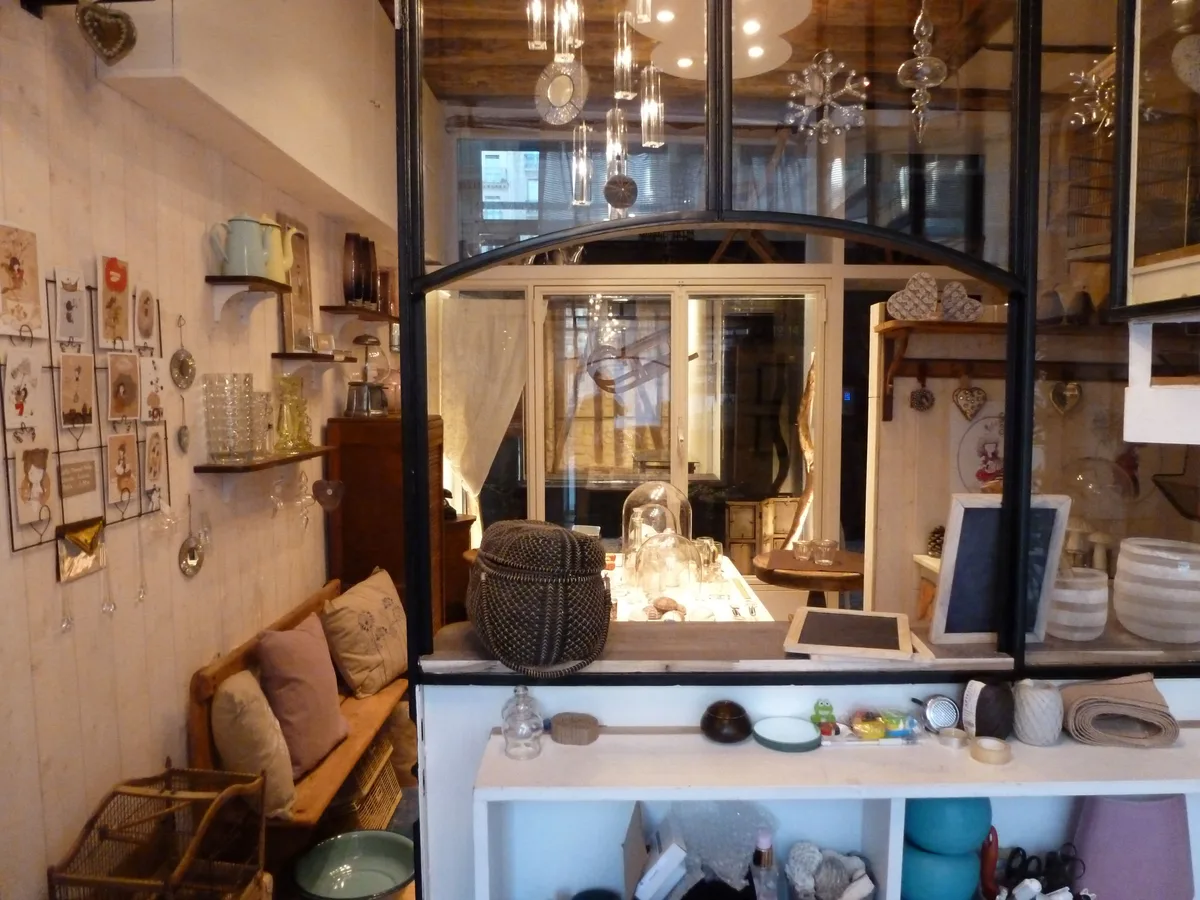
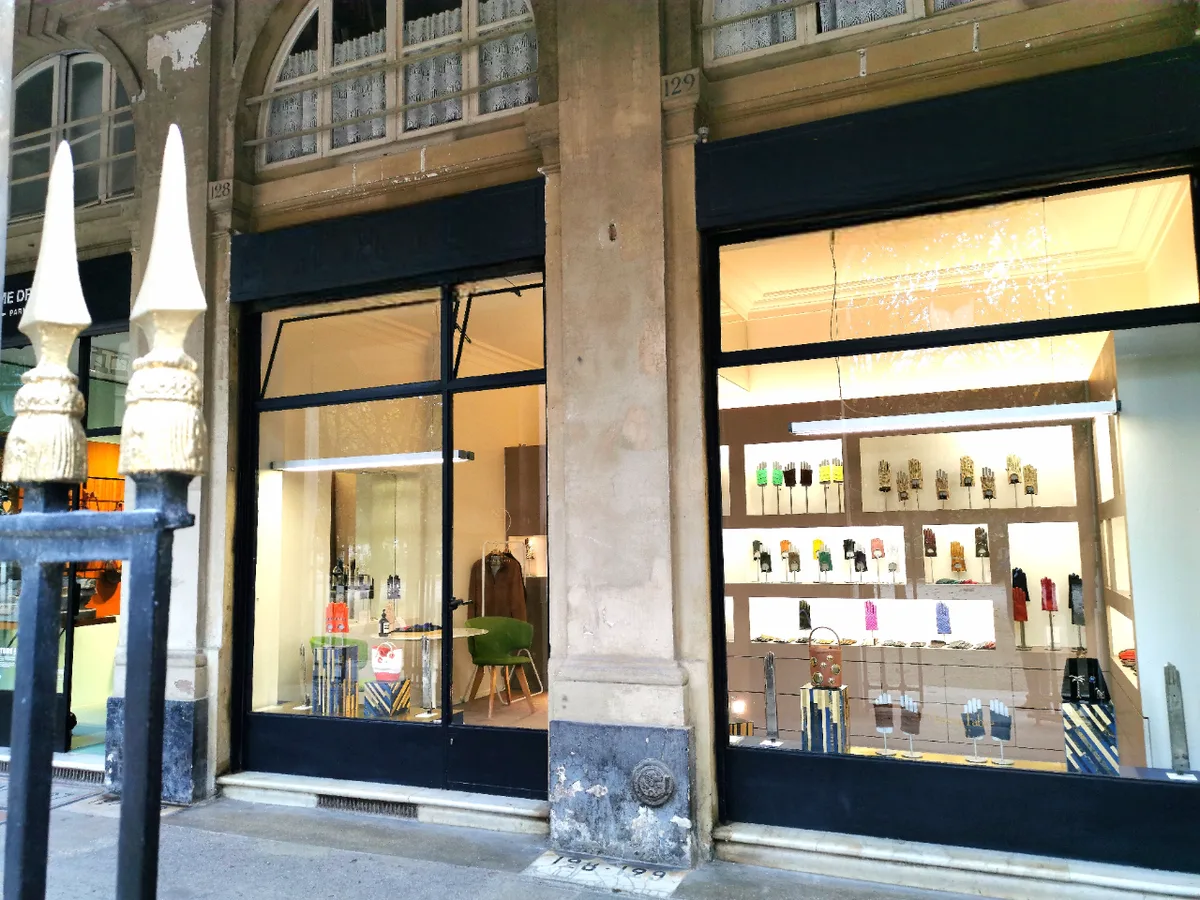
The commercial rental market in Palais Royal for short-term use is concentrated in several formats. The arcade units within the Galerie de Montpensier and Galerie de Valois are among the most sought-after short-term retail locations in Paris, offering direct frontage onto the gardens, extraordinary architectural settings, and proximity to established luxury boutiques and antique shops. These units are often small by square footage but command enormous attention from visitors.
Beyond the arcades, the streets immediately surrounding the Palais Royal, including portions of Rue de Montpensier, Rue de Richelieu, and the blocks extending toward the Louvre and Rue de Rivoli, contain ground-floor commercial spaces suitable for fashion and jewelry showrooms, pop-up boutiques, brand presentations, and press events. Spaces with high ceilings, marble floors, or parquet floors are common in this arrondissement and are frequently sought by brands looking for environments that complement luxury or heritage positioning.
Gallery and Event Spaces
Private galleries, cultural spaces, and converted historic interiors are available for event-format rentals in and around Palais Royal. These are particularly relevant for brands hosting press presentations, collector dinners, influencer activations, or product launches where the architectural setting is itself part of the brand story. The density of cultural institutions in the area, including the Comédie Française, various private galleries, and performance spaces on Rue de Richelieu, means that event-adjacent spaces are well-represented in the local short-term market.
KEY TAKEAWAY: Palais Royal offers three distinct short-term rental categories: residential furnished apartments for visiting teams and executives, commercial arcade and street-level units for retail and showroom use, and gallery or event spaces for presentation-format activations. Each category has distinct permit, lease, and logistics requirements.
Choosing the right space type is inseparable from understanding the neighbourhood's micro-geography, which the following section addresses in practical terms.
| Space Type | Typical Use Case | Key Features | Relative Rental Duration |
|---|---|---|---|
| Furnished Apartment | Executive stays, brand team accommodation | Kitchen, en suite, concierge, maid service | Days to months |
| Arcade Boutique Unit | Luxury retail, fashion pop-up, jewellery | Garden frontage, historic setting, high footfall | Days to weeks |
| Street-Level Commercial | Showroom, press event, brand activation | High ceilings, parquet or marble floors | Days to months |
| Gallery or Event Space | Press preview, collector dinner, launch event | Cultural setting, flexible layout, historic architecture | Hours to days |
| Studio Workspace | Creative production, fittings, editorial | Natural light, open plan, flexible furniture | Days to weeks |
The Palais Royal Neighbourhood: Micro-Geography, Footfall, and Proximity to Key Landmarks
Quick answer: The Palais Royal district is anchored by the palace and its gardens to the north of the Louvre, within the 1st arrondissement, with immediate access to the Opéra, the Marais, Les Halles, the Jardin des Tuileries, and the Seine. Metro access via the Palais Royal and Pyramides stations makes it highly connected to the rest of Paris.
Understanding the micro-geography of Palais Royal is essential for anyone evaluating a boutique rental in the area. The district is contained within the 1st arrondissement, with the 2e arrondissement forming its northern boundary at the junction near the Opéra and the Bibliothèque Nationale de France on Rue de Richelieu. The Seine lies to the south, visible from upper-floor apartments and accessible on foot via Rue de Rivoli.
Metro connectivity is a practical consideration for both residential renters and commercial operators. The Palais Royal station, served by lines 1 and 7, places the district within minutes of the major Paris hubs at Châtelet Les Halles, La Défense, and the airport connections at Gare du Nord. For brand teams flying into Charles de Gaulle or Orly, an airport transfer service will typically deliver to the district in 30 to 60 minutes depending on traffic.
The immediate neighbourhood walking map for a boutique rental in Palais Royal would include the following:
- The Louvre Museum and Musée du Louvre courtyard: approximately five minutes on foot from the southern arcade entrance
- Jardin des Tuileries: accessible via Rue de Rivoli within ten minutes on foot
- Comédie Française: directly adjacent to the western facade of the Palais Royal
- Le Grand Véfour: within the Galerie de Beaujolais arcade, offering one of Paris's oldest and most celebrated dining experiences
- Local boulangerie options: multiple on Rue des Petits Champs and Rue de Rivoli
- L'Occitane flagship: present within the shopping arcades and surrounding streets
- Place des Victoires and Place des Vosges: within fifteen to twenty minutes on foot
- Marais district and Le Marais galleries: accessible in under twenty minutes on foot or one Metro stop
For residential renters, the ability to walk to the Louvre, the Seine, the Tuileries, the Opéra Bastille (a short Metro ride), and a concentration of starred restaurants and designer boutiques without needing a car is one of the district's defining advantages. For commercial renters, the same walkability creates organic footfall that supplements any planned marketing activity.
The Columns of Buren in the main courtyard create a consistent stream of photography activity throughout the day, which means that a boutique or activation space with visibility into the courtyard benefits from passive social media amplification that would cost considerable budget to replicate through paid channels.
DID YOU KNOW: The Palais Royal gardens were originally private royal gardens before Cardinal Richelieu gifted the palace to King Louis XIII in 1642. They became publicly accessible commercial arcades under Philippe d'Orléans in the 18th century and have functioned as a centre of Parisian shopping, dining, and culture ever since.
To compare neighbourhoods and space types, explore the Paris city hub on Fashion Week Venues and shortlist spaces that match your brief, budget, and calendar window.
KEY TAKEAWAY: Palais Royal's micro-geography delivers both prestige and practical connectivity. Its proximity to the Louvre, the Seine, the Opéra, and the Marais makes it central to the Paris experience for residential renters and commercially viable for brands seeking maximum cultural and footfall alignment.
Location is only one dimension of the rental decision. The services and amenities attached to a boutique rental in this district vary significantly, and understanding what the market offers is the next step.
Residential Boutique Rental Amenities: What to Expect from Short-Stay Apartments in Palais Royal
Quick answer: Premium furnished apartments in the Palais Royal area typically offer full concierge service, maid service, linens, chef-worthy kitchens, en-suite bedrooms, French windows, elevator access, WiFi, and optional services including personal chef, airport transfer, and car service. Quality varies significantly between providers, and expert review platforms offer a useful filter.
The residential short-stay market in the Palais Royal district caters to a broad spectrum of visitors, from luxury leisure travellers seeking a curated Parisian getaway to executive teams requiring functional, private accommodation during Paris Fashion Week and other major industry calendar events. The amenities landscape reflects this diversity.
Core Amenities in Premium Short-Stay Apartments
A well-specified furnished apartment in the 1st arrondissement for a short-term rental will typically offer the following as standard: ADSL and WIFI connectivity, cable or satellite television, a fully equipped kitchen with chef-quality appliances, a dining room suitable for working meals, en-suite bedrooms with quality linens, fully furnished bathrooms with shower gel and toiletries, an in-room safe, a heating system, air conditioning or individual air conditioners, an elevator in the building, French windows or French doors opening to a balcony or interior courtyard, and non-smoking rooms throughout.
Properties at the luxury end of the market, often presented through platforms such as Plum Guide or Luxury Travel Book, add layers of personalised service. Full-time concierge service provides on-demand assistance with reservations at starred restaurants, cultural bookings such as Comédie Française performances, arrangement of a personal chef for private dining in the dining room, and coordination of airport transfer and car service logistics. Final cleaning is invariably included in rental fees, and maid service during the stay is available on request or as a daily inclusion.
Interior Design and Architectural Character
One of the distinguishing features of boutique rentals in the Palais Royal area is the quality of the built environment itself. Buildings in the 1st arrondissement typically date to the 18th or 19th century, meaning that apartments feature high ceilings, parquet floors, ornate cornicing, interior staircases in duplex or triplex layouts, and large French windows that allow natural light to fill the space in a way that modern construction rarely replicates. Interior design in premium rentals reflects this architectural character, with furniture, fabrics, and finishes chosen to complement rather than conflict with the historic setting.
Properties marketed through expert-review platforms undergo assessment of layout, interior design quality, chef-worthy kitchen equipment, fully furnished bathroom standards, and overall presentation before listing. This peer review and expert assessment process, practised by platforms including Plum Guide with their stated approach of testing and vetting properties in person, reduces the risk of the gap between listing photography and lived experience that affects broader booking platforms.
Security and Practical Logistics
Boutique rental properties in Palais Royal and the surrounding 1st arrondissement typically offer some form of security solution, whether through a building-level security service, a key management system managed by the concierge service, or a digital access protocol. For brand teams carrying samples, equipment, or high-value merchandise, the availability of an in-room safe and a secure building access system is an important practical consideration alongside the aesthetic appeal of the space.
TIP: When evaluating a furnished apartment for a Fashion Week stay in Palais Royal, confirm the availability of a dining room large enough for team briefings, the WiFi speed and stability for video calls, and the concierge service hours before completing any reservation. These practical details can significantly affect operational efficiency during high-pressure event periods.
KEY TAKEAWAY: Premium furnished apartments in the Palais Royal district offer a combination of historic architectural character, full concierge and maid service, chef-worthy kitchens, and security arrangements that make them well-suited for both leisure travellers and brand teams seeking a private, functional base during Paris Fashion Week or other Paris industry events.
The service offering for residential renters is well-established. For commercial operators, the services landscape is different, and understanding what is available, what is required, and what must be planned independently is critical.
Commercial Boutique Rentals in Palais Royal: Pop-Up Shops, Showrooms, and Brand Activations
Quick answer: Renting a commercial boutique space in Palais Royal for a pop-up shop, showroom, or brand activation requires navigating short-term commercial lease structures, permit requirements, fit-out logistics, and a competitive availability window that aligns tightly with the Paris Fashion Week calendar. Working with an experienced agency significantly reduces risk and planning time.
Palais Royal is one of the most sought-after locations for renting a pop-up shop or commercial short-term space in Paris. The combination of luxury retail neighbours, the design-forward setting of the Columns of Buren, and the consistent footfall from cultural tourists, fashion buyers, press, and local luxury consumers creates an environment where brand presence carries real commercial and reputational weight.
Why Brands Choose Palais Royal for Pop-Up Activations
The case for choosing Palais Royal over other Paris neighbourhoods for a boutique rental or pop-up activation rests on several converging factors. The adjacency to the Louvre Museum and Musée du Louvre draws the kind of international, culturally sophisticated visitor that luxury and contemporary fashion brands target. The arcaded galleries provide a physically unique setting that is instantly recognisable in editorial and social content, amplifying the reach of any activation well beyond the visitors who physically attend.
Fashion and jewelry showrooms in the arcade format benefit from the direct association with neighbouring established boutiques, where visitors are already in a browsing and buying mindset. The architecture, with its marble floors, high ceilings, and arched ceilings, provides a natural premium signal that reduces the investment required to create an aspirational retail environment through fit-out alone.
The Marais and Saint-Germain-des-Prés offer alternative prestige locations in Paris, but Palais Royal occupies a specific position in the fashion geography of the city as the address most closely associated with the intersection of French cultural heritage and contemporary luxury commerce. For international brands entering Paris for the first time, the address itself communicates credibility.
Duration and Timing for Commercial Boutique Rentals
The ideal duration for a pop-up shop rental in Palais Royal depends on the objective. A brand presenting a seasonal collection to press and buyers during Paris Fashion Week may need a space for as few as three to seven days during the official schedule window, which typically falls in February and March for womenswear and September and October for womenswear again. Brands seeking broader consumer engagement or running a collaborative activation may extend to two to four weeks to capture sustained footfall beyond the core press and buyer period.
Availability of desirable spaces in Palais Royal compresses significantly in the six to eight weeks before each Fashion Week season. Brands with confirmed calendar plans should begin the space search and briefing process at least three to four months in advance of their intended activation date. Premium arcade units and gallery spaces in the arcades are often committed by returning brands from the previous season.
IMPORTANT: Rental fees for commercial boutique spaces in Palais Royal are not publicly listed and vary substantially based on space size, frontage, duration, season, and negotiation. Do not rely on market estimates for budgeting. Use a tool designed for brand-specific estimation to model realistic cost scenarios before committing to a brief.
Fit-Out, Branding, and Production Considerations
Commercial boutique spaces in Palais Royal typically require a fit-out that respects the historic and listed character of the building. This means that structural alterations are not permitted, adhesive applications to original surfaces must use reversible materials, and any installation must be removed completely at the end of the rental period with the space returned to its original condition. These constraints are not unique to Palais Royal but apply with particular rigour to arcaded and palace-adjacent properties.
Brands working with a full-service agency for their fit-out and production benefit from having a team that understands how to create a fully branded environment within these physical and regulatory constraints. Furniture rental, modular fixtures, temporary lighting rigs, and branded surface treatments using compliant materials are all tools available to the experienced fit-out team.
KEY TAKEAWAY: Commercial boutique rentals in Palais Royal are highly competitive, seasonally concentrated, and architecturally constrained. Brands that begin their search early, work with an experienced agency, and invest in a compliant, well-designed fit-out consistently extract more value from the location than those who treat the process as a transactional space-booking exercise.
The next section addresses the permit and legal framework that governs short-term commercial and residential rentals in Paris, which is an area where many international brands and visitors encounter unexpected friction.
Permits, Leases, and Legal Considerations for Boutique Rentals in Paris
Quick answer: Short-term commercial rentals in Paris most commonly use a bail dérogatoire or a convention d'occupation temporaire. Residential short stays are governed by separate rules. Neither process is automatic, and international brands in particular should seek guidance from a French legal advisor and use specialist permit tools before assuming compliance.
One of the most common areas of confusion and risk for international brands and visitors renting a boutique space in Palais Royal is the legal framework governing short-term use. France has a well-developed body of commercial property law, and the standard commercial lease, known as the bail commercial, provides strong tenant protections that make it unsuitable for the short-duration rentals that most brand activations and fashion week operations require. Two alternative structures are most commonly used in the short-term commercial market.
Bail Dérogatoire
The bail dérogatoire, sometimes called a short-form lease or derogatory lease, allows parties to agree a commercial occupation for a maximum of three years without triggering the full protections of the statutory commercial lease regime. For most pop-up and brand activation purposes, agreements under the bail dérogatoire are structured for the specific rental period, ranging from days to months, and are terminated at the end of the agreed duration without automatic renewal rights. Requirements vary by space type, duration, and arrondissement, and the precise terms of any bail dérogatoire must be reviewed by a qualified French legal advisor.
Autorisation d'Occupation Temporaire (AOT)
For spaces that are publicly owned or fall under specific administrative classifications, an Autorisation d'Occupation Temporaire, commonly abbreviated as AOT, may govern the rental arrangement rather than a private commercial lease. This structure is particularly relevant for spaces within or adjacent to public or state-owned buildings, which, given the Palais Royal's status as a complex housing the Constitutional Council and the Ministry of Culture, is a relevant consideration for any space within the palace grounds or directly adjacent to its administrative functions.
Residential Short-Term Rentals
Furnished apartments rented for short stays in Paris are subject to a separate regulatory framework under French housing law. Properties rented for fewer than 90 days to the same tenant are classified as short-term furnished rentals, and landlords operating in this market are subject to registration requirements with the city of Paris, which has introduced strict controls on short-term residential letting in central arrondissements including the 1st and 2e arrondissement. Guests renting through legitimate platforms or agencies with proper registration are protected, but verifying compliance before completing a reservation is advisable.
The permit guidance tool on Fashion Week Venues provides orientation for brands navigating the Paris short-term commercial rental framework. However, this tool is designed for general guidance and orientation only. All permit and legal questions should be verified with a qualified French legal advisor before any agreement is signed.
IMPORTANT: International brands do not need to establish a French legal entity solely to rent a short-term commercial space in Paris under a bail dérogatoire or AOT structure. However, the contractual arrangements, tax implications, and VAT treatment of rental fees in France do have specific requirements that vary by brand structure and country of origin. Professional legal and tax advice is strongly recommended before committing to a rental agreement.
KEY TAKEAWAY: The legal framework for boutique rentals in Paris is not self-explanatory, and the consequences of signing a mischaracterised lease can be significant. Using the bail dérogatoire structure for short commercial rentals, understanding AOT arrangements for public spaces, and verifying residential short-stay compliance before booking are all essential steps that reputable agencies and platforms manage as part of their service.
Understanding the legal framework sets the foundation for budget planning, which is where many brands underestimate the full scope of a Palais Royal boutique rental.
Budgeting for a Boutique Rental in Palais Royal: What Brands and Visitors Need to Plan For
Quick answer: The total cost of a boutique rental in Palais Royal for commercial use includes rental fees, fit-out and production, staffing, permits and legal compliance, marketing, and operational costs such as furniture rental and POS systems. Residential rentals include the nightly rate, final cleaning, optional services, and airport transfer. Both categories require a full-scope budget rather than a space-cost-only estimate.
One of the most consistent mistakes brands and visitors make when beginning their search for a boutique rental in Palais Royal is building a budget around the rental fee alone. The rental fee, whether for a residential apartment or a commercial boutique space, is rarely the largest line item in the full cost of a Paris activation or extended stay.
Commercial Boutique Rental Budget Components
For a commercial pop-up, showroom, or brand activation in Palais Royal, a comprehensive budget should include the following components. First, the rental fee itself, which in the Palais Royal arcade and surrounding streets reflects the prestige of the location and varies based on space size, frontage quality, duration, and seasonal demand. Second, fit-out and production costs, which cover the design, materials, installation, and removal of any branded environment within the space. Third, furniture rental for fixtures, display units, seating, and branded furniture elements. Fourth, staffing costs covering retail team members, brand ambassadors, security service personnel, and management. Fifth, POS and payments infrastructure for any transactional element. Sixth, permit and legal fees for lease review, registration, and compliance. Seventh, marketing costs including influencer marketing, content production at the space, and digital amplification. Eighth, operational costs including WiFi installation, utilities where not included in rental fees, and waste management.
There is no standardised publicly available pricing for Palais Royal commercial short-term rentals. Rental fees are directional estimates only and should not be used as confirmed figures for budget approval. The budget estimation tool on Fashion Week Venues allows brand teams to model costs based on their specific space requirements, duration, and service scope.
Residential Short-Stay Rental Budget Components
For a furnished apartment in the Palais Royal area, the budget components are different but similarly multi-layered. The nightly or weekly rental fee covers the space itself. Final cleaning is typically a fixed fee charged at the end of the stay. Optional services including maid service during the stay, a personal chef for private dining in the dining room, airport transfer both on arrival and departure, and car service during the stay are all priced separately and can add meaningfully to the total cost. Linen provision may be included or charged additionally depending on the property and the platform through which the reservation is made.
Premium platforms that apply expert review and quality standards to their listings, such as Plum Guide, typically carry a service fee that reflects the curation and protection they provide. This fee should be considered part of the total rental cost and weighed against the risk reduction it provides relative to booking through unvetted channels.
TIP: When planning a Fashion Week stay in Palais Royal for a team of four or more people, a furnished apartment with a kitchen and dining room will almost always represent better value than equivalent hotel rooms, particularly when accounting for meals, meeting space, and the operational convenience of a private base.
KEY TAKEAWAY: Budgeting for a boutique rental in Palais Royal, whether residential or commercial, requires a full-scope view of all cost components from the rental fee through to final cleaning, staffing, fit-out, and operational services. Space-only budgeting consistently leads to underfunded activations and compromised results.
With budget planning understood, the following section addresses how Fashion Week Venues specifically supports brands and teams operating in the Palais Royal area.
How Fashion Week Venues Supports Boutique Rentals and Brand Activations in Palais Royal
Quick answer: Fashion Week Venues provides end-to-end support for brands seeking boutique rental spaces in Palais Royal and the wider Paris market, from initial space discovery through to fit-out, activation management, staffing, and post-activation analytics. The agency combines a curated space marketplace with a full-service operational team.
Fashion Week Venues operates as a full-service pop-up agency and space marketplace, with Paris as its primary and anchor market. For brands seeking a boutique rental in Palais Royal, the agency provides a structured pathway from early briefing through to completed activation, managing the complexity that makes Paris simultaneously one of the most rewarding and most logistically demanding markets in the world to operate in.
Space Discovery and Venue Sourcing
The starting point for most brand teams is space discovery. The Fashion Week Venues marketplace lists curated short-term commercial spaces across Paris, with filtering by neighbourhood, space type, size, and availability window. For the Palais Royal area, the marketplace surfaces spaces within the 1st arrondissement arcades, the surrounding streets, and adjacent neighbourhoods including the Marais and Les Halles when the core Palais Royal supply is committed. The venue sourcing service goes beyond marketplace browsing to provide active search and negotiation support for brands with specific briefs that the open marketplace cannot fully satisfy.
Concept, Design, and Production
Once a space is confirmed, the agency's concept direction, branded store design, and production and build services translate the brand brief into a physical environment that works within the architectural constraints of the space and complies with the property's reinstatement requirements. For Palais Royal spaces in particular, where original marble floors, parquet, and historic surfaces must be protected, the production team's experience with reversible installation methods is directly relevant to avoiding post-activation disputes over reinstatement costs.
Activation Management and Operational Services
During the activation period itself, the agency provides activation management, retail staffing, POS and payments infrastructure, and influencer marketing support. For brands running a showroom format during Paris Fashion Week, the staffing service ensures that the team on the floor is experienced in luxury retail environments and capable of managing press, buyer, and consumer interactions professionally. The influencer marketing service supports organic content amplification from the space, using the architectural setting of Palais Royal as a natural asset.
Tools and Planning Resources
Fashion Week Venues provides a set of planning tools that support the pre-activation decision-making process. The timeline tool helps brand teams map the critical path from brief to activation against the Paris Fashion Week calendar. The ROI calculator allows brands to model expected return against activation cost. The compare tool supports side-by-side evaluation of shortlisted spaces. The locator tool maps available spaces by neighbourhood. The permits tool provides orientation on the French commercial lease and permit landscape. Together these tools reduce the planning friction that often delays or derails Paris activations for international brands.
The agency also offers a twin co-activation concept through its twin concept for brands interested in sharing a Palais Royal space with a complementary brand to split costs while maintaining individual brand visibility. This approach is particularly relevant for emerging brands or those testing the Paris market for the first time.
KEY TAKEAWAY: Fashion Week Venues reduces the risk and planning burden of a boutique rental in Palais Royal by combining marketplace access, venue sourcing, concept direction, production, and operational services in a single agency relationship. Brands working with a full-service partner consistently achieve better results than those assembling supplier networks independently in an unfamiliar market.
Understanding what an agency can and cannot guarantee is important before proceeding. The myths section below addresses some of the most common misconceptions in the Paris short-term rental market.
Paris Fashion Week and the Palais Royal Calendar: Timing Your Boutique Rental for Maximum Impact
Quick answer: Paris Fashion Week occurs twice yearly for womenswear, in late February to early March and late September to early October, with menswear and couture weeks adding additional calendar windows. Palais Royal boutique rentals aligned with these calendar windows attract the highest concentration of press, buyers, and influential consumers but also face the most competitive availability and peak-season rental rates.
Paris Fashion Week is the centrepiece of the global fashion calendar and the primary commercial driver of the short-term boutique rental market in Palais Royal and the wider 1st arrondissement. The official show schedule, typically running across seven to nine days, is surrounded by a broader programme of showroom presentations, press appointments, brand dinners, and industry events that extend the active period to two to three weeks on either side of the official calendar.
For a brand targeting the Fashion Week window, a boutique rental in Palais Royal provides natural alignment with the movement of press, buyers, influencers, and cultural consumers who converge on the district during this period. The Louvre, the Comédie Française, and the Palais Royal gardens all feature in the social and editorial itineraries of fashion week attendees, meaning that a well-positioned activation in this area will encounter its target audience organically throughout the day.
Beyond the core fashion week windows, the Palais Royal district benefits from a year-round cultural calendar that sustains footfall well outside the industry-specific peaks. The Louvre Museum operates throughout the year and draws approximately eight to nine million visitors annually according to institutional figures, a proportion of whom pass through the Palais Royal area on foot. Exhibitions at the Ministry of Culture and performances at the Comédie Française generate educated, culturally engaged local and tourist footfall across the calendar year.
Brands with flexible timing should also consider the shoulder seasons immediately before or after Fashion Week, when space availability is better, rental rates are more negotiable, and the Paris fashion and retail community is present and active but not yet fully committed to the compressed schedule of the official show week. A well-timed boutique rental two weeks before Fashion Week can secure strong press and buyer engagement in a less competitive environment.
The timeline planning tool on Fashion Week Venues maps the Paris Fashion Week calendar against the critical path for space sourcing, permit applications, fit-out scheduling, and activation management, helping brand teams understand the lead time required for each phase of the process.
KEY TAKEAWAY: Palais Royal boutique rentals aligned with the Paris Fashion Week calendar deliver the highest potential for press, buyer, and consumer engagement but require early commitment, careful planning, and competitive availability management. Shoulder-season rentals offer an alternative for brands seeking a less pressured entry point into the Paris market.
Shopping, Gastronomy, and Culture: The Lifestyle Context of a Palais Royal Boutique Rental
Quick answer: A boutique rental in Palais Royal places residents and brand teams within immediate reach of Paris's most concentrated assembly of luxury boutiques, starred restaurants, brasseries, antique shops, and cultural institutions. The district's lifestyle context is itself a commercial asset for brands and a significant quality-of-life factor for residential renters.
The lifestyle offering surrounding a boutique rental in Palais Royal is central to understanding its value. The district is not simply a prestigious address on paper. It is a living, active, deeply layered urban environment where French cuisine, gastronomy, architecture, Parisian history, culture, and glamour exist within a short walk of any front door.
Shopping in and Around Palais Royal
The shopping available within the Palais Royal arcades and the immediate surrounding streets represents one of the most curated retail environments in Europe. The galleries house a mix of established designer boutiques, specialist antique shops, independent jewellers, rare book dealers, and lifestyle brands. L'Occitane has a presence in the wider district, and the blocks extending toward Rue de Rivoli and Les Halles introduce a broader range of international retail. For brands considering a boutique rental, the retail neighbours within the arcade setting function as both a quality signal and a competitive consideration.
The shopping arcades themselves have a historical significance that predates modern retail. They were among the first covered shopping spaces in the world, and the model of an enclosed, curated retail environment in a prestigious architectural setting continues to shape how luxury retail is conceived globally. A boutique rental in this context is an activation within a living piece of retail history.
Restaurants and Gastronomy
The restaurant offering around Palais Royal ranges from the legendary to the everyday. Le Grand Véfour, one of the oldest and most celebrated restaurants in Paris, occupies a gallery space directly within the Palais Royal arcades and offers an extraordinary setting for client dinners, press meals, or team celebrations. Numerous brasseries on the surrounding streets provide excellent French cuisine at a range of price points. For brand teams using a furnished apartment with a chef-worthy kitchen, private dining arranged through the concierge service and executed by a personal chef is an equally compelling option for intimate client entertainment. The area's proximity to the broader 1st arrondissement restaurant scene means that starred restaurants and classic French bistros are consistently within walking distance.
Culture and Architecture
The architectural setting of Palais Royal is itself a cultural experience. From the formal geometry of the Palais Royal gardens to the baroque grandeur of the Comédie Française, the layered neoclassical facades of the surrounding buildings, and the deliberately provocative geometry of the Columns of Buren, the district offers a continuous education in Parisian architectural history. For brand creative teams, this environment provides constant visual and conceptual reference material. For residential visitors, it transforms the experience of daily life into something closer to a curated cultural programme.
DID YOU KNOW: The Palais Royal arcades housed some of the first cafés and reading rooms in Paris during the 18th century and were considered the social and intellectual heart of the city before the Revolution. Napoleon Bonaparte was reportedly a regular visitor to the gaming establishments and cafés within the arcades.
KEY TAKEAWAY: The lifestyle context of a Palais Royal boutique rental, encompassing luxury shopping, French gastronomy, historic architecture, and cultural institutions, is not incidental to the rental's value. It is a core part of what makes the district commercially effective for brands and experientially exceptional for residential renters.
Comparing Palais Royal to Other Paris Neighbourhoods for Short-Term Boutique Rentals
Quick answer: Palais Royal offers a unique combination of historic prestige, cultural footfall, luxury retail density, and Fashion Week calendar alignment that distinguishes it from other premium Paris neighbourhoods including the Marais, Saint-Germain-des-Prés, and Le Marais. Each neighbourhood serves different brand profiles and activation objectives.
| Neighbourhood | Primary Strength | Best Suited For | Fashion Week Proximity | Key Landmark |
|---|---|---|---|---|
| Palais Royal (1st arr.) | Historic prestige, luxury retail density, cultural footfall | Heritage brands, jewelry, luxury fashion, editorial activations | Very high | Louvre Museum, Comédie Française |
| Le Marais (3rd and 4th arr.) | Contemporary fashion, art galleries, diverse footfall | Contemporary brands, art-adjacent activations, younger luxury | High | Place des Vosges, Centre Pompidou |
| Saint-Germain-des-Prés (6th arr.) | Literary and intellectual prestige, established luxury | Established fashion houses, publishing, lifestyle brands | Moderate to high | Musée d'Orsay, Café de Flore |
| Triangle d'Or (8th arr.) | Haute couture proximity, trophy retail addresses | Haute couture houses, fine jewelry, ultra-luxury | High | Avenue Montaigne, Champs-Élysées |
| Opéra and 2e arr. | Commercial density, accessible footfall, mixed retail | Contemporary brands, high street crossover, trade showrooms | Moderate | Opéra Garnier, Galeries Lafayette |
The case for Palais Royal over its nearest competitors rests primarily on the distinctiveness of the physical setting, the quality of the existing luxury retail neighbours within the arcades, and the proximity to the Louvre Museum's visitor flow. For a brand whose positioning is rooted in French heritage, craftsmanship, cultural authority, or timeless luxury, there is no equivalent address in Paris.
For brands with a younger, more contemporary positioning, or for those targeting the street fashion segment of the Paris Fashion Week audience, the Marais offers a more relevant cultural context. For ultra-luxury activations targeting the haute couture and fine jewelry audience, the Triangle d'Or provides proximity to the established fashion house ateliers. The right neighbourhood choice is always a function of brand positioning, target audience, and activation objective rather than a universal preference.
KEY TAKEAWAY: Palais Royal is the strongest address in Paris for brands whose positioning aligns with historic French luxury, cultural prestige, and editorial authority. Other neighbourhoods may be more appropriate for contemporary, youth-oriented, or ultra-luxury activations depending on the specific brand brief.
Step-by-Step Process for Securing a Boutique Rental in Palais Royal
Quick answer: Securing a boutique rental in Palais Royal, whether for commercial or residential use, follows a structured process from brief development through space discovery, legal review, fit-out planning, and activation or check-in. Working with an experienced agency or vetted platform at each stage reduces risk and planning time significantly.
| Step | Action | Timeline Before Activation | Key Consideration |
|---|---|---|---|
| 1 | Develop a clear brief: space type, size, duration, budget, objectives | 4 to 6 months | Be specific about space requirements and non-negotiables |
| 2 | Explore marketplace and shortlist candidate spaces | 3 to 5 months | Use compare and locator tools to filter options efficiently |
| 3 | Engage venue sourcing support for unlisted or off-market spaces | 3 to 4 months | Premium Palais Royal spaces are often not publicly listed |
| 4 | Legal review of proposed lease structure and permit requirements | 2 to 3 months | Engage a French legal advisor alongside any agency permit guidance |
| 5 | Confirm space and complete reservation or lease signing | 2 months | Confirm reinstatement obligations in writing |
| 6 | Develop concept, design, and production plan | 6 to 8 weeks | Design must respect architectural constraints of the space |
| 7 | Arrange staffing, POS, and operational logistics | 4 to 6 weeks | Confirm staffing agency requirements for French employment law |
| 8 | Install fit-out and prepare space for activation | 1 to 2 weeks | Allow contingency time for installation delays |
| 9 | Run activation with on-site management and data capture | During rental period | Capture footfall, engagement, and sales data for post-activation analysis |
| 10 | Reinstate space, complete final cleaning, and close out | Final days of rental | Obtain written confirmation of reinstatement acceptance from landlord |
This ten-step framework reflects a standard commercial boutique rental process. Residential short-stay rentals follow a simpler process focused on reservation confirmation, check-in logistics, and the arrangement of concierge services during the stay.
For brands new to the Paris market, the Fashion Week Venues process page outlines how the agency structures its engagement from initial briefing through to post-activation review, providing transparency about what is managed by the agency and what requires direct brand input.
KEY TAKEAWAY: A disciplined, staged process with clear timelines is the single most effective protection against the most common risks in a Palais Royal boutique rental: missing the availability window, underestimating lead time, and encountering legal or reinstatement issues at the end of the activation.
Common Myths About Boutique Rentals in Palais Royal Debunked
MYTH: You need a French legal entity to rent a commercial boutique space in Palais Royal.
FACT: International brands do not typically need to establish a French legal entity solely to enter a short-term commercial lease under a bail dérogatoire structure in Paris. However, the contractual arrangements, tax treatment, and VAT implications of rental fees in France do have specific requirements depending on the brand's country of origin and legal structure. Professional legal and tax advice is essential before signing any agreement, and requirements should be verified with a qualified French advisor for each specific situation.
MYTH: Paris Fashion Week is the only viable calendar window for a boutique rental in Palais Royal.
FACT: While Fashion Week windows in February, March, September, and October represent the peak demand and footfall periods, the Palais Royal district generates substantial year-round traffic from Louvre Museum visitors, cultural tourists, and local luxury consumers. Many brands achieve strong results from boutique rentals outside the official Fashion Week calendar, particularly during shoulder seasons when availability is better and rental rates are more negotiable.
MYTH: Commission brokers are the only way to find a boutique rental space in Palais Royal.
FACT: Commission brokers represent one route to market, but they are not the only option and are not always the most efficient or cost-transparent one. Dedicated space marketplaces, full-service agencies with proprietary space networks, and direct approaches to property managers in the district all provide alternative pathways to space discovery. The key advantage of working with a full-service agency is that the space-finding function is integrated with concept, production, and activation support rather than being a standalone transaction.
MYTH: Short-term commercial leases in Paris are legally straightforward and can be handled without specialist help.
FACT: The French commercial property law framework is complex, and the bail dérogatoire, while specifically designed for shorter-term use, still requires careful drafting to ensure that it does not inadvertently create rights associated with the statutory commercial lease regime. Reinstatement obligations, permitted use clauses, subletting restrictions, and insurance requirements are all areas where errors in a short-term lease can generate significant liability. Engaging a French legal advisor alongside any agency permit guidance tool is strongly recommended for all commercial boutique rental agreements.
MYTH: A boutique space in Palais Royal will automatically attract the right Fashion Week audience without any active marketing.
FACT: Location is a powerful asset but not a passive one. Brands that invest in a targeted combination of press outreach, influencer marketing, social content production, and direct buyer and press invitations consistently outperform those that assume footfall alone will deliver results. The architectural setting of the Columns of Buren and the Palais Royal gardens amplifies organic social content, but this amplification is maximised when combined with a planned content and outreach strategy.
Frequently Asked Questions About Boutique Rentals in Palais Royal
Why rent a temporary retail space or boutique in Palais Royal rather than another Paris neighbourhood?
Palais Royal offers a combination of historic French prestige, luxury retail neighbours within the arcades, consistent high-quality footfall from Louvre Museum visitors and cultural tourists, and direct alignment with the Paris Fashion Week geography that no other neighbourhood in Paris fully replicates. For brands whose positioning is rooted in French heritage, craftsmanship, or cultural authority, the address itself functions as a brand signal that reduces the investment required to establish credibility with press, buyers, and consumers in the Paris market.
What are the most sought-after locations for a pop-up shop within the Palais Royal area?
Within the Palais Royal complex itself, units in the Galerie de Montpensier and Galerie de Valois arcades with direct frontage onto the gardens are the most sought-after for luxury and fashion retail activations. On the surrounding streets, locations with visibility toward Rue de Rivoli, the Louvre, or the Rue de Montpensier corridor also attract strong interest. For event and gallery formats, spaces on Rue de Richelieu and in the immediate blocks south of the Comédie Française offer distinctive architectural settings. Availability in all of these locations is limited and competitive during Fashion Week windows.
How far in advance should I begin searching for a boutique rental in Palais Royal for Paris Fashion Week?
For the February and March womenswear Fashion Week window, the search should begin no later than October of the preceding year, giving four to five months for space discovery, legal review, lease signing, and fit-out planning. For the September and October window, starting in May or June provides an equivalent lead time. Premium arcade units and gallery spaces in Palais Royal are often committed by returning brands early in each search cycle, meaning that late-starting searches may find the best spaces already unavailable for the target period.
What types of spaces are available for residential short-stay rentals in the Palais Royal district?
The Palais Royal district in the 1st arrondissement offers furnished apartments ranging from compact studios to multi-bedroom properties with en-suite bedrooms, French windows or French doors, balconies, chef-worthy kitchens, dining rooms, and elevator access. Many properties are housed in Haussmann-era or older buildings with high ceilings and parquet floors. Premium properties offer full concierge service, maid service, personal chef availability, airport transfer, and final cleaning as part of a comprehensive service package.
Do I need a French legal entity to sign a short-term commercial lease for a boutique space in Palais Royal?
International brands do not typically need to establish a French legal entity solely to enter a bail dérogatoire or AOT arrangement for a short-term commercial boutique rental in Paris. However, the tax, VAT, and contractual implications of renting commercial property in France vary by brand structure and country of origin and should be verified with a qualified French legal and tax advisor before any agreement is signed. Relying on general information alone is not sufficient for this decision.
What amenities should I expect from a premium furnished apartment in the Palais Royal area?
A premium furnished apartment in the Palais Royal area will typically include ADSL and WiFi, cable or satellite television, a chef-worthy kitchen, a dining room, en-suite bedrooms with quality linens, fully furnished bathrooms with shower gel, an in-room safe, a heating system, air conditioning, elevator access, and a full-time concierge service. Optional services at premium properties include maid service, personal chef, airport transfer, car service, and final cleaning. Properties listed through expert review platforms undergo quality assessment before listing to ensure that the stated standard is met in practice.
How much does it cost to rent a pop-up boutique space in Palais Royal?
Rental fees for commercial boutique spaces in Palais Royal vary significantly based on space size, frontage quality, location within or adjacent to the arcades, rental duration, and seasonal demand. There are no standardised publicly available rates, and published market estimates should be treated as directional only. For brand-specific cost modelling, the budget estimation tool on Fashion Week Venues allows teams to model realistic cost scenarios based on their specific brief. All published figures should be verified through direct negotiation with the space owner or their representative.
What is the ideal duration for a pop-up boutique rental in Palais Royal?
The ideal duration depends on the activation objective. A press and buyer showroom format during Paris Fashion Week typically requires three to seven days during the official schedule window, plus two to three days on either side for installation and reinstatement. A consumer-facing pop-up boutique targeting a broader audience may benefit from two to four weeks to build word-of-mouth and repeat visits. Brands testing the Paris market for the first time often begin with a one to two week activation to assess audience response before committing to a longer presence in subsequent seasons.
What is a bail dérogatoire and why does it matter for a boutique rental in Paris?
A bail dérogatoire is a short-form commercial lease under French law that allows parties to agree a commercial occupation for a maximum of three years without triggering the full protections and obligations of the statutory French commercial lease regime, the bail commercial. For pop-up shops and short-term brand activations, the bail dérogatoire is the most commonly used structure because it provides a defined rental period without automatic renewal rights. Its terms must be carefully drafted to avoid inadvertently creating statutory rights, and legal review by a qualified French advisor is strongly recommended before signing.
What services does Fashion Week Venues provide for brands seeking a boutique rental in Palais Royal?
Fashion Week Venues provides end-to-end support including venue sourcing, concept direction, branded store design, production and build, activation management, furniture rental, retail staffing, POS and payments, data and analytics, and influencer marketing. The agency also operates a space marketplace, a suite of planning tools covering budget, ROI, timeline, permits, compare, and locator functions, and a twin co-activation concept for brands interested in sharing a space with a complementary brand. The agency's Paris city hub provides specific guidance for the Paris market.
Can international brands enter the Palais Royal boutique rental market without prior Paris experience?
International brands with no prior Paris experience can and do successfully activate in Palais Royal, but the complexity of the French commercial rental market, permit landscape, and operational environment means that working with an experienced local partner significantly reduces risk. The most common failure modes for first-time Paris activations are underestimating lead time, misunderstanding the legal framework, and underinvesting in fit-out quality relative to the expectations set by the premium environment. A full-service agency with established Paris relationships addresses all three of these risk areas.
What cultural and lifestyle attractions are within walking distance of a Palais Royal boutique rental?
Within a ten-minute walk of a Palais Royal boutique rental, you will find the Louvre Museum and Musée du Louvre, the Jardin des Tuileries, the Comédie Française, the National Library of France on Rue de Richelieu, the Ministry of Culture, Le Grand Véfour restaurant, the Seine river, Rue de Rivoli shopping, multiple boulangeries, L'Occitane, and a concentration of brasseries and starred restaurants. The Marais, Les Halles, Place des Vosges, and the Opéra are accessible within fifteen to twenty minutes on foot or one Metro stop.
How does Palais Royal's footfall compare to other Paris locations for a commercial boutique rental?
Palais Royal benefits from a layered footfall profile that includes cultural tourists visiting the Louvre Museum and the palace itself, local luxury consumers shopping the arcade boutiques, fashion industry visitors during Fashion Week, and incidental pedestrian traffic moving between the major 1st arrondissement landmarks. The Columns of Buren courtyard generates consistent photography and social media activity that contributes to organic brand amplification for any activation with courtyard visibility. This multi-source footfall profile is one of the strongest arguments for Palais Royal over comparable Paris locations that depend on a single footfall driver.
Are boutique rental spaces in Palais Royal suitable for fashion and jewelry showrooms?
Palais Royal is one of the most sought-after addresses in Paris for fashion and jewelry showrooms, particularly during the Fashion Week press and buyer period. The arcade setting provides natural physical security for high-value merchandise, the architectural quality of the spaces creates an appropriate premium setting without the need for extensive fit-out investment, and the proximity to established luxury jewellers and designer boutiques within the galleries positions a new showroom within an already-curated luxury retail environment. Brands considering a jewelry or fashion showroom in Paris should evaluate Palais Royal as a primary candidate location alongside the Triangle d'Or and Place Vendôme area.
What should I look for when comparing short-stay residential apartments in the Palais Royal area?
When comparing short-stay furnished apartments in the Palais Royal area, prioritise the following: quality and capacity of the kitchen and dining room for working meals and private dining, WiFi speed and stability for professional use, concierge service availability and hours, elevator access in older buildings where staircase access may be impractical for luggage, air conditioning quality for summer stays, linen and housekeeping arrangements, security arrangements including in-room safe and building access, and the platform's approach to quality verification and expert review. Properties listed through platforms applying rigorous quality standards provide greater assurance of consistency between listing and experience.
Conclusion: Securing Your Boutique Rental in Palais Royal with Confidence
The Palais Royal district in the 1st arrondissement of Paris represents one of the most compelling short-term rental propositions in Europe, whether you are a luxury brand seeking a boutique activation space during Paris Fashion Week, a fashion and jewelry showroom operator looking for an address that communicates cultural authority, or an executive visitor requiring a furnished apartment with full concierge service steps from the Louvre Museum. The combination of historic architecture, luxury retail density, cultural footfall, and alignment with the Paris Fashion Week calendar creates conditions for both commercial success and an exceptional personal experience that few other locations in the world can replicate.
The complexity of the Paris short-term rental market, from the legal frameworks governing commercial leases and residential short stays to the competitive availability landscape and the architectural constraints of operating in a protected historic environment, means that preparation, timing, and the right partnerships are not optional. They are the difference between an activation that delivers on its potential and one that falls short of it.
For brands and teams beginning this process, the practical starting points are clear: develop a specific brief, begin the search process early, engage specialist legal advice, work with a partner who understands both the space market and the operational complexity of Paris activations, and budget for the full scope of costs rather than the rental fee alone.
To move from research to activation, start exploring available spaces on the Fashion Week Venues marketplace and build a focused brief for your target neighbourhood, space type, and calendar window. The Paris market rewards brands that arrive with clarity of purpose and the right team around them.