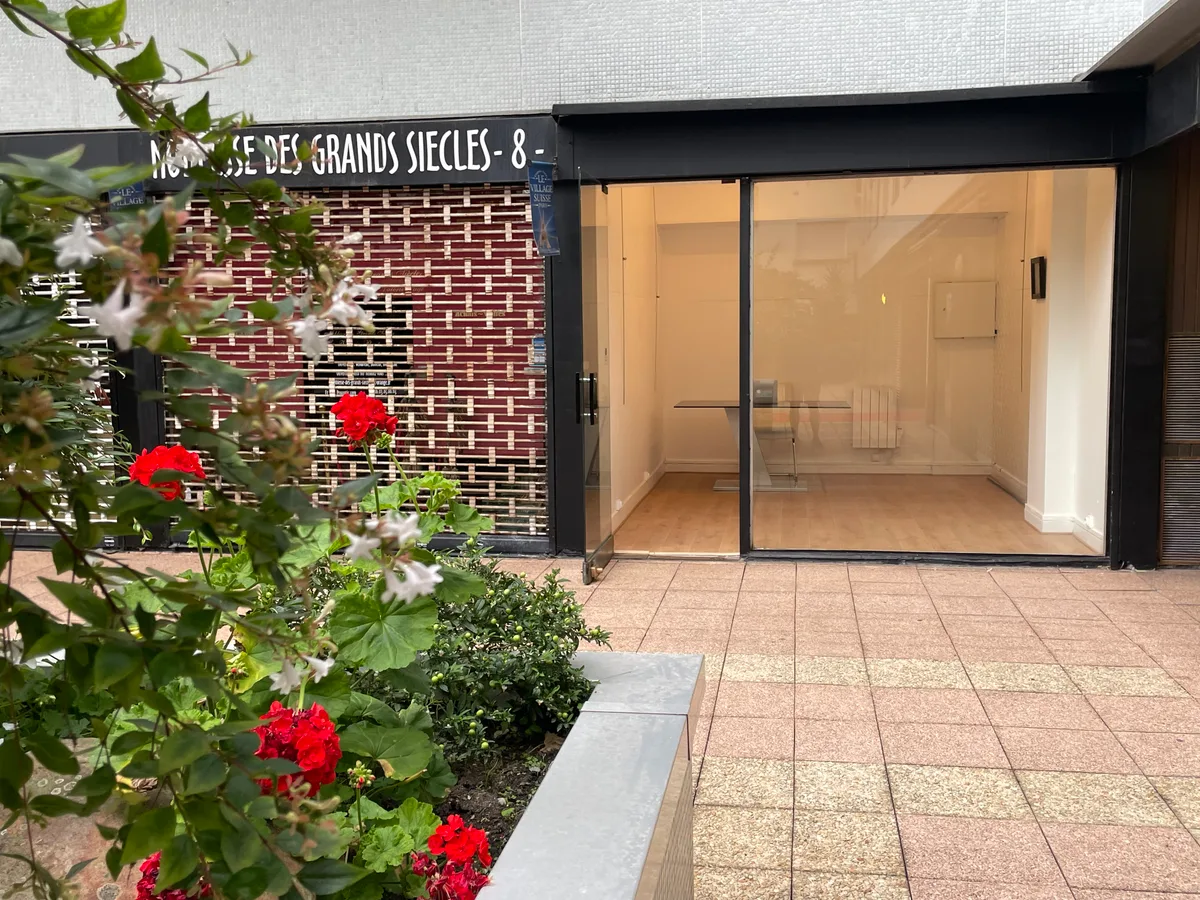
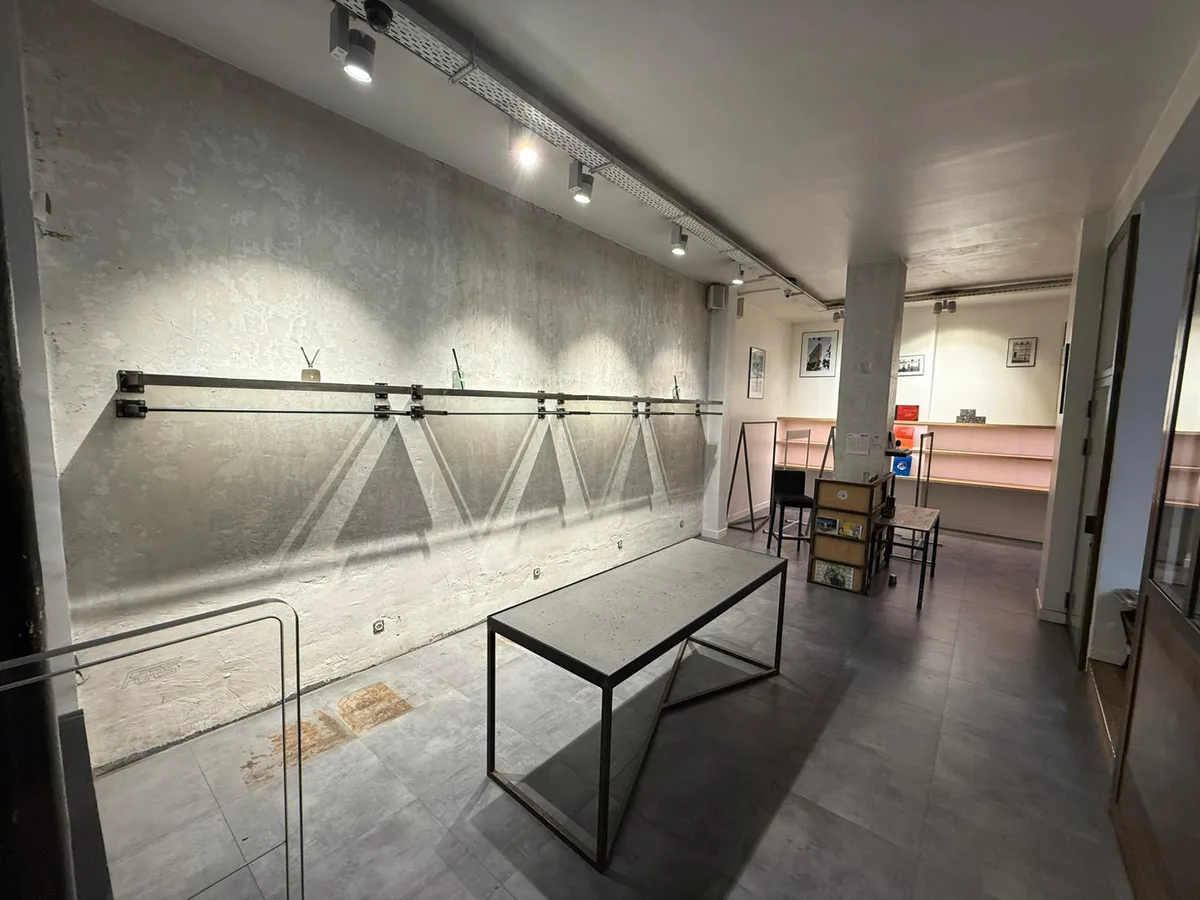
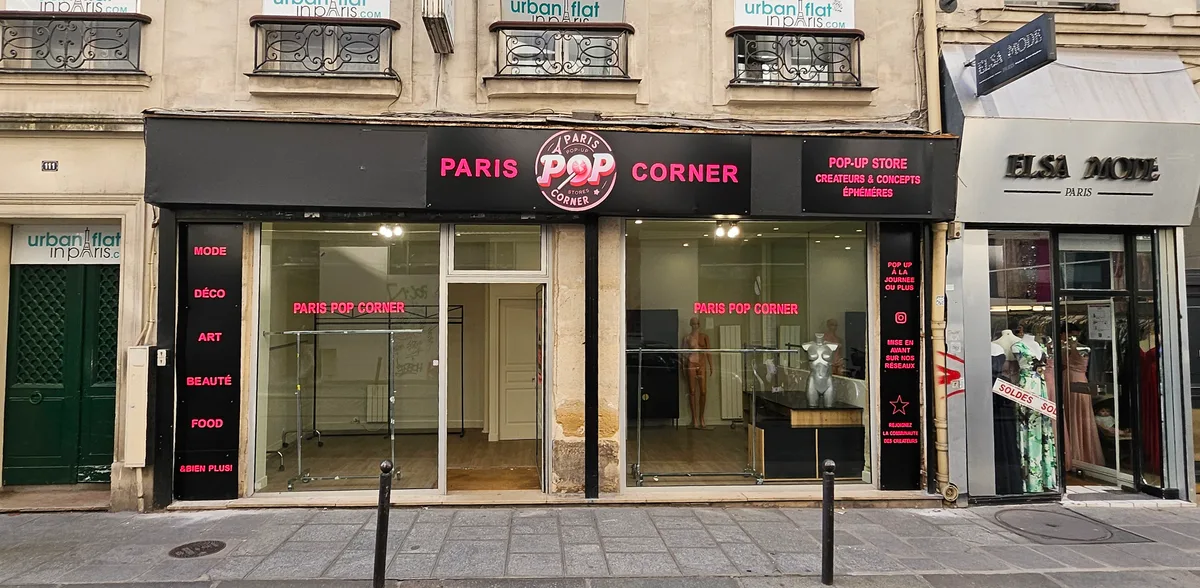
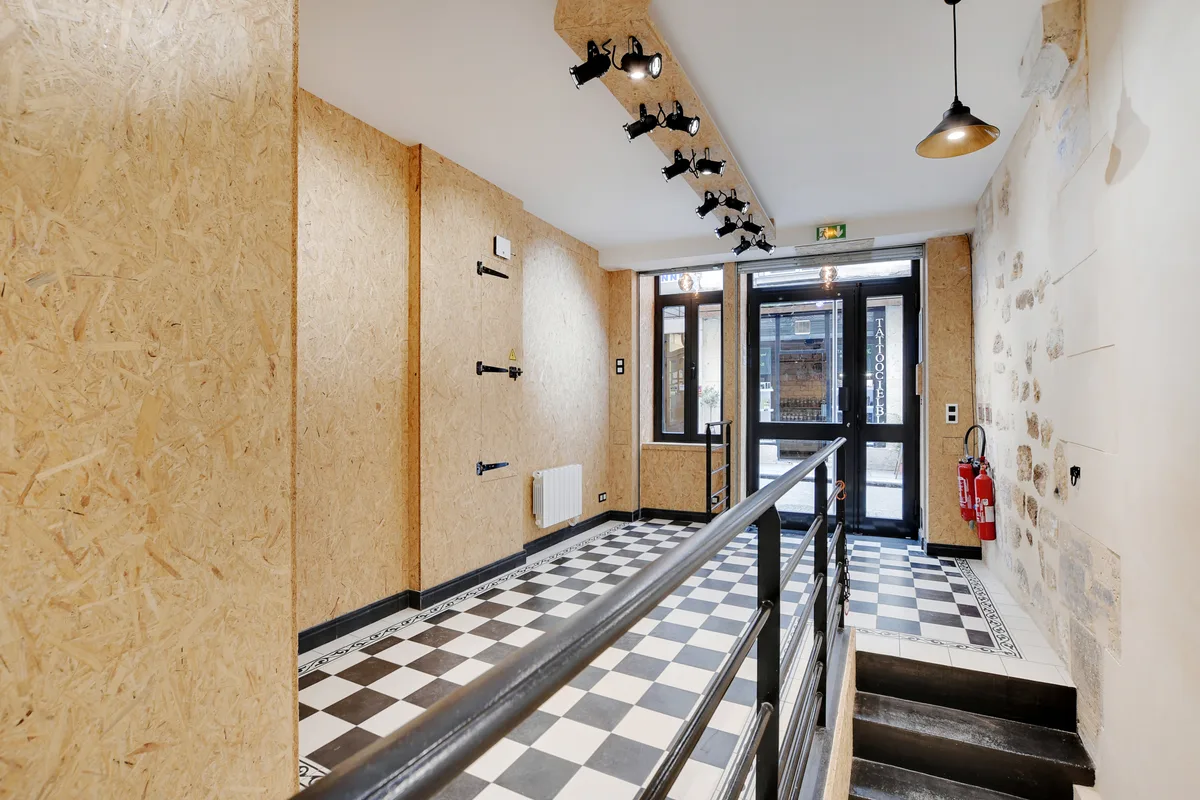
Finding the right boutique rental in Opera Paris requires more than browsing a listing platform. The Opéra district spans some of the most commercially dense and culturally significant streets in the French capital, from the grand façade of the Palais Garnier to the golden arcades of Galeries Lafayette, the covered passages of Galerie Vivienne and Passage Jouffroy, and the prestige of rue Saint-Honoré and Place Vendôme just to the south. For international brands, fashion labels, creative agencies, and event producers, this neighbourhood offers a concentration of foot traffic, editorial cachet, and physical grandeur that is difficult to replicate anywhere in Europe. Fashion Week Venues specialises in sourcing, designing, and managing pop-up spaces in Paris across the Opéra quarter and beyond, giving brand teams a structured, compliant route into one of the world's most competitive retail environments.
Why the Opéra District Attracts Fashion Brands, Pop-Up Retailers, and Showroom Activations
Quick answer: The Opéra district in Paris combines exceptional foot traffic from Galeries Lafayette and Printemps, the cultural authority of the Palais Garnier, proximity to Place Vendôme and rue Saint-Honoré, and strong international visitor numbers, making it one of the highest-value short-term retail locations in the world for fashion brands.
The 9th arrondissement and its immediate borders represent the commercial and cultural heart of central Paris. The Palais Garnier, also known as Opéra Garnier, draws millions of visitors each year as one of the city's most iconic landmarks, and the foot traffic radiating outward from the building's steps reaches directly into some of the most productive retail streets in France. Galeries Lafayette Haussmann and Printemps Haussmann, two of the highest-grossing department stores in Europe, sit within walking distance, drawing domestic and international shoppers in extraordinary daily volumes.
For fashion brands, the proximity to rue Saint-Honoré and Place Vendôme carries enormous editorial and commercial significance. These streets anchor Paris's luxury retail axis and draw creative directors, buyers, press, and high-net-worth consumers who set the tone for global trend cycles. A boutique or showroom rental positioned between the Opéra quarter and the 1st arrondissement benefits from both mass-market accessibility and luxury adjacency, a combination that is genuinely rare in any fashion capital.
The neighbourhood also performs strongly during Paris Fashion Week, one of four major international fashion weeks on the global calendar. Buyers, editors, stylists, and brand representatives descend on the city in concentrated waves during the women's ready-to-wear calendar in late February and early March, and again in September and October. Showrooms, press days, and brand activations cluster around these windows, and the Opéra quarter sits directly in the path of traffic moving between the 1st, 2nd, and 8th arrondissements.
The cultural infrastructure of the district reinforces brand positioning in ways that other neighbourhoods cannot offer at the same density. The Belle Époque architecture of the Palais Garnier, the art-laden arcades of Galerie Vivienne, the artistic legacy of the area documented through figures such as Toulouse Lautrec and the theatrical world he depicted, and the proximity to institutions such as the Centre Pompidou, the Musée d'Orsay, the Louvre, and the Musée Picasso all contribute to an environment where creative activations feel anchored in cultural legitimacy. References to Audrey Hepburn and the Chagall ceiling of the Opéra de Paris appear frequently in brand storytelling that uses this area as a visual and conceptual backdrop.
Chaussée d'Antin, the micro-district anchoring the commercial core of the 9th, and Bourse and Strasbourg-Saint-Denis to the east and northeast, provide additional zones of interest for brands seeking slightly lower-cost locations with emerging creative energy. Rue Sainte-Anne and the network of covered passages including Passage Jouffroy give access to more intimate, characterful spaces that suit smaller activations, editorial installations, and niche fashion presentations.
DID YOU KNOW: The Galeries Lafayette Haussmann roof terrace offers a panoramic view that includes the Palais Garnier dome, and the store receives an estimated 35,000 to 40,000 visitors per day, making the surrounding streets some of the most intensively trafficked retail corridors in Europe.
KEY TAKEAWAY: The Opéra district's value for fashion brands and retailers comes from its rare combination of luxury adjacency, cultural authority, mass international foot traffic, and proximity to Paris's most influential retail streets. No other Parisian neighbourhood offers this specific combination at the same scale.
Understanding which specific location within the broader Opéra area fits your concept, format, and budget is the first and most consequential decision in any Paris retail activation, and the next section explores the full range of space types available across the district.
Space Types Available for Boutique Rental in the Opéra Quarter: From Pop-Up Shops to Showrooms and Galleries
Quick answer: Brands can rent a range of space types in the Opéra quarter of Paris, including street-level boutiques and storefronts, upper-floor showrooms, gallery and exhibition spaces, covered passage units, apartment-style spaces, and hotel venue areas. Each format carries different structural characteristics, permit implications, and brand positioning value.
The variety of physical space available in and around the Opéra district means that brands of almost any size, format, and budget can find a suitable rental configuration. The following breakdown covers the primary space types encountered by brand teams working in this neighbourhood.
Street-Level Boutiques and Storefronts
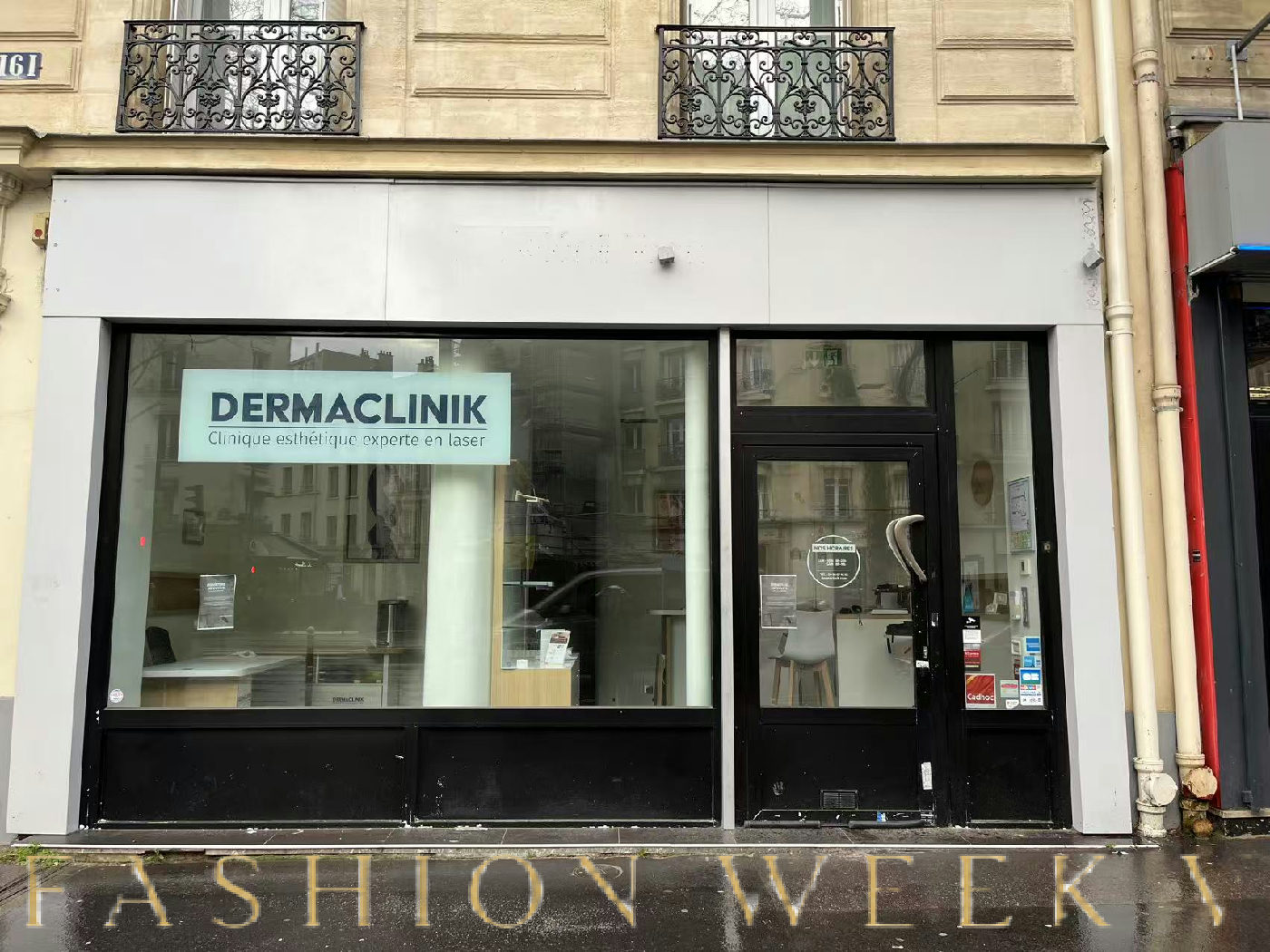
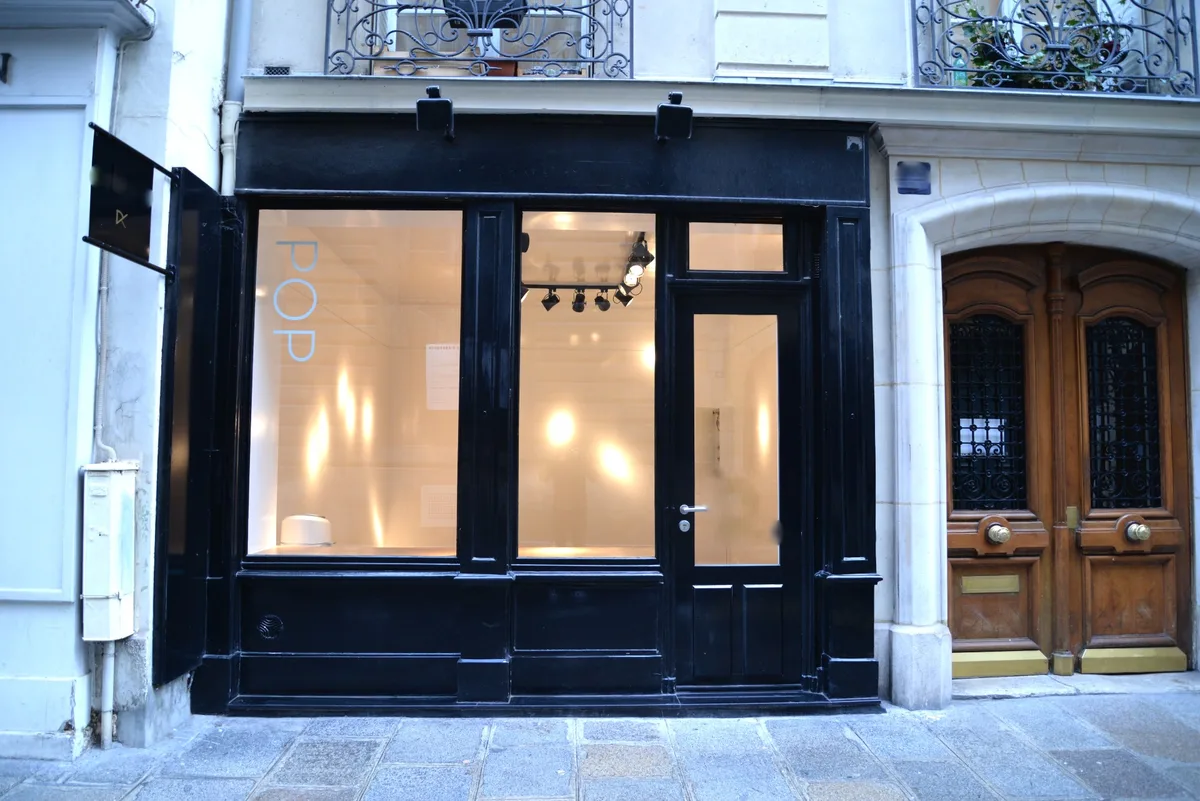
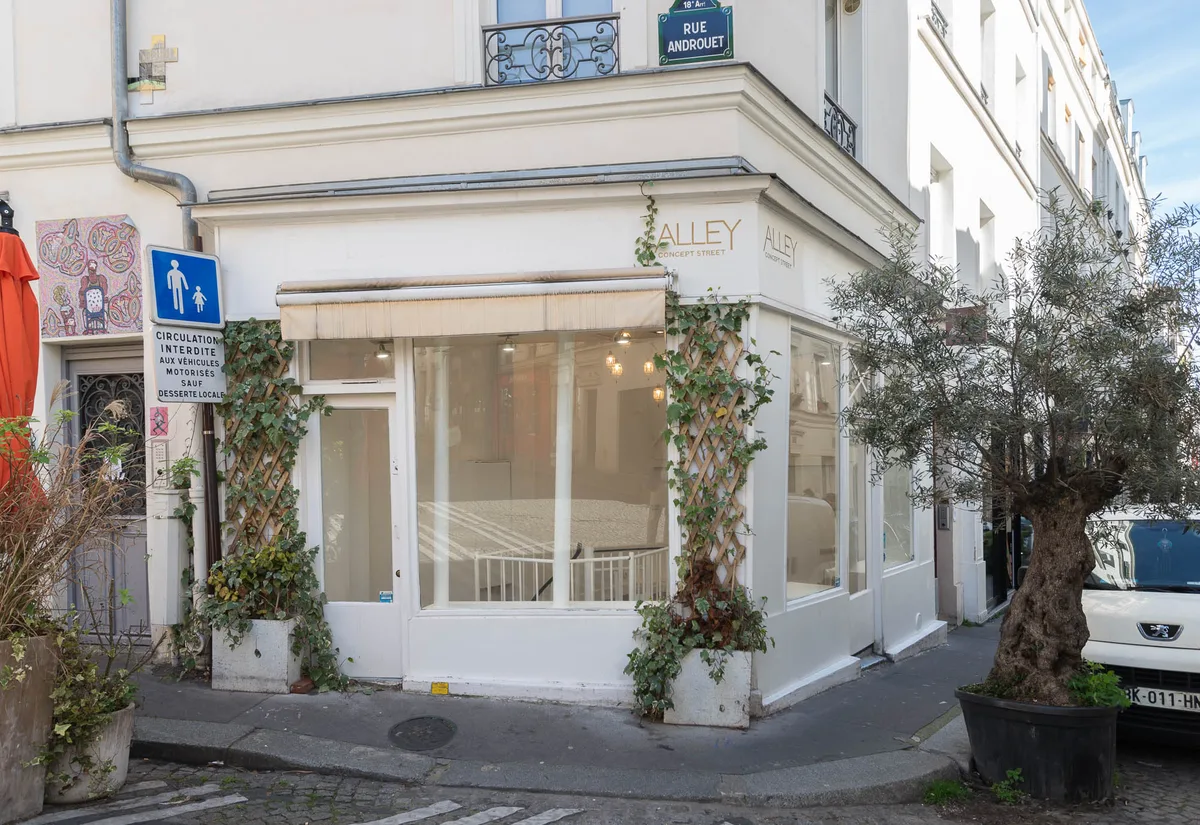
Street-facing retail units on primary and secondary streets represent the highest-visibility format. On and around boulevard Haussmann, rue du Quatre-Septembre, rue de la Paix, and the streets extending toward Place Vendôme, ground-floor storefronts offer large street-facing windows, direct pedestrian access, and strong brand visibility. These spaces are typically configured for retail trading, which means they often already carry appropriate commercial use classifications under French planning law.
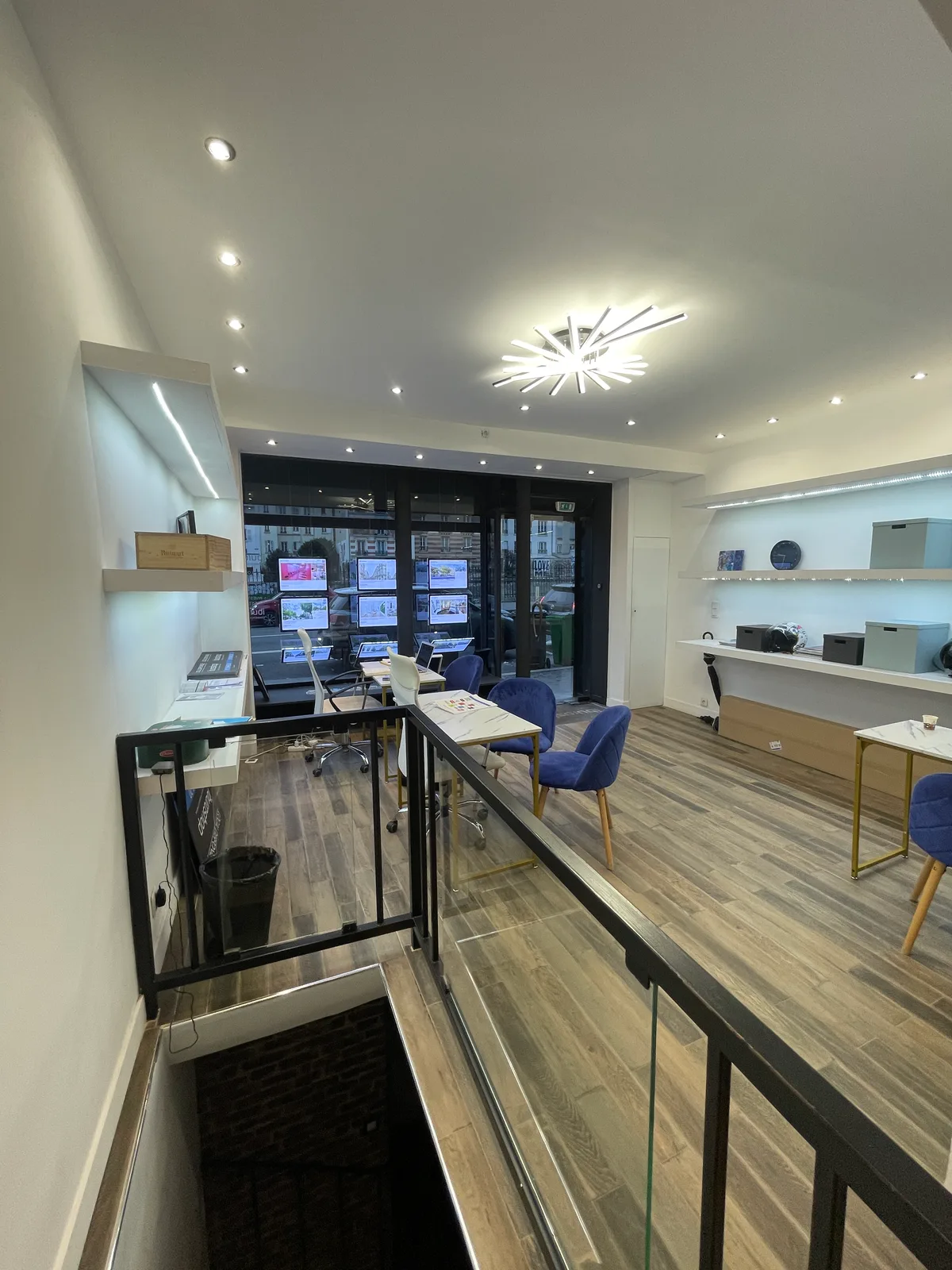
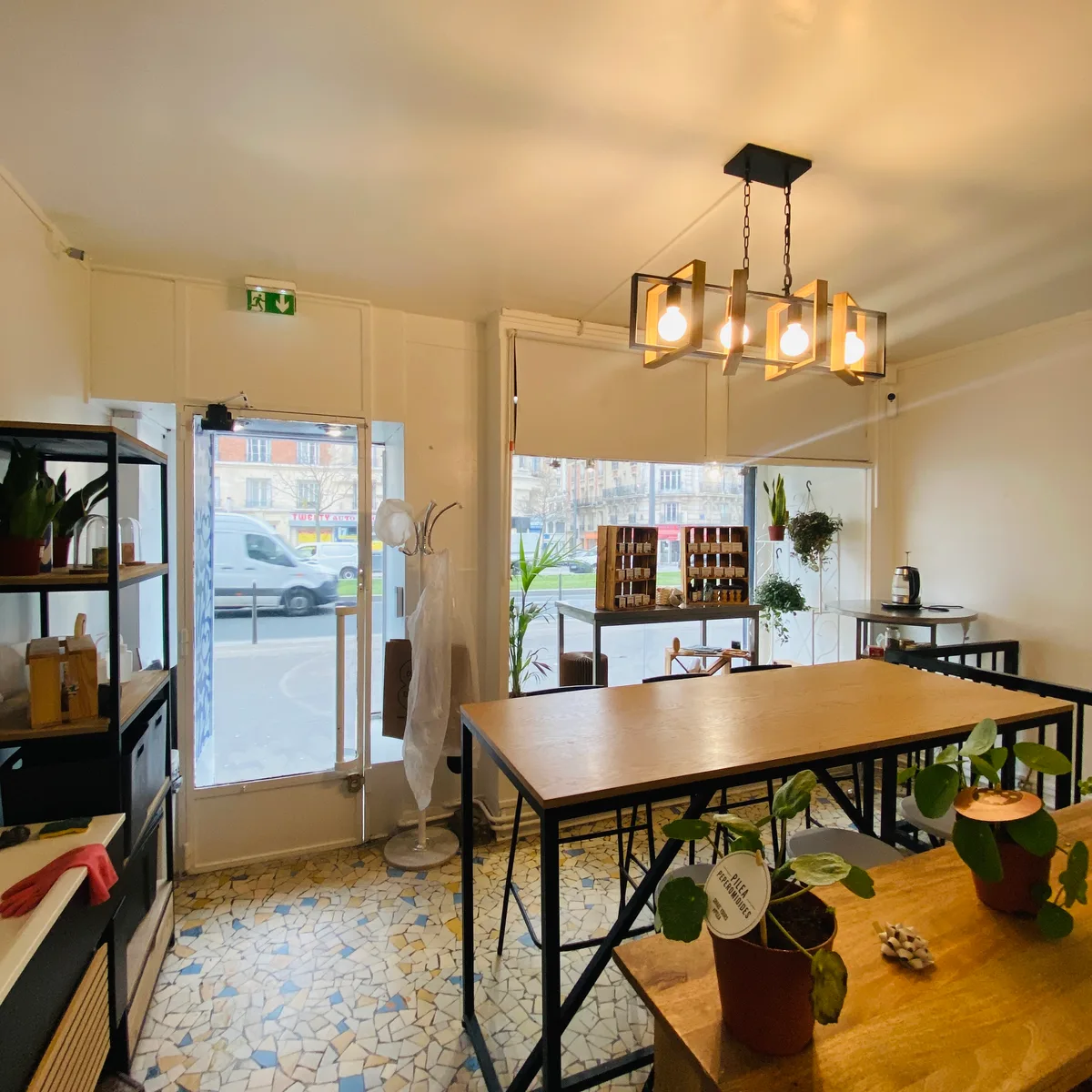
For pop-up shops that intend to conduct retail transactions, street-level storefronts in primary commercial zones simplify operational logistics. The spaces frequently include existing fixtures such as display shelving, lighting tracks, and point-of-sale counters, though premium brands typically prefer to build out a bespoke environment. Access to high-speed Wi-Fi, air conditioning, security service provision, and natural light through large windows are standard expectations in this format at the upper end of the market.
Showrooms and Upper-Floor Spaces
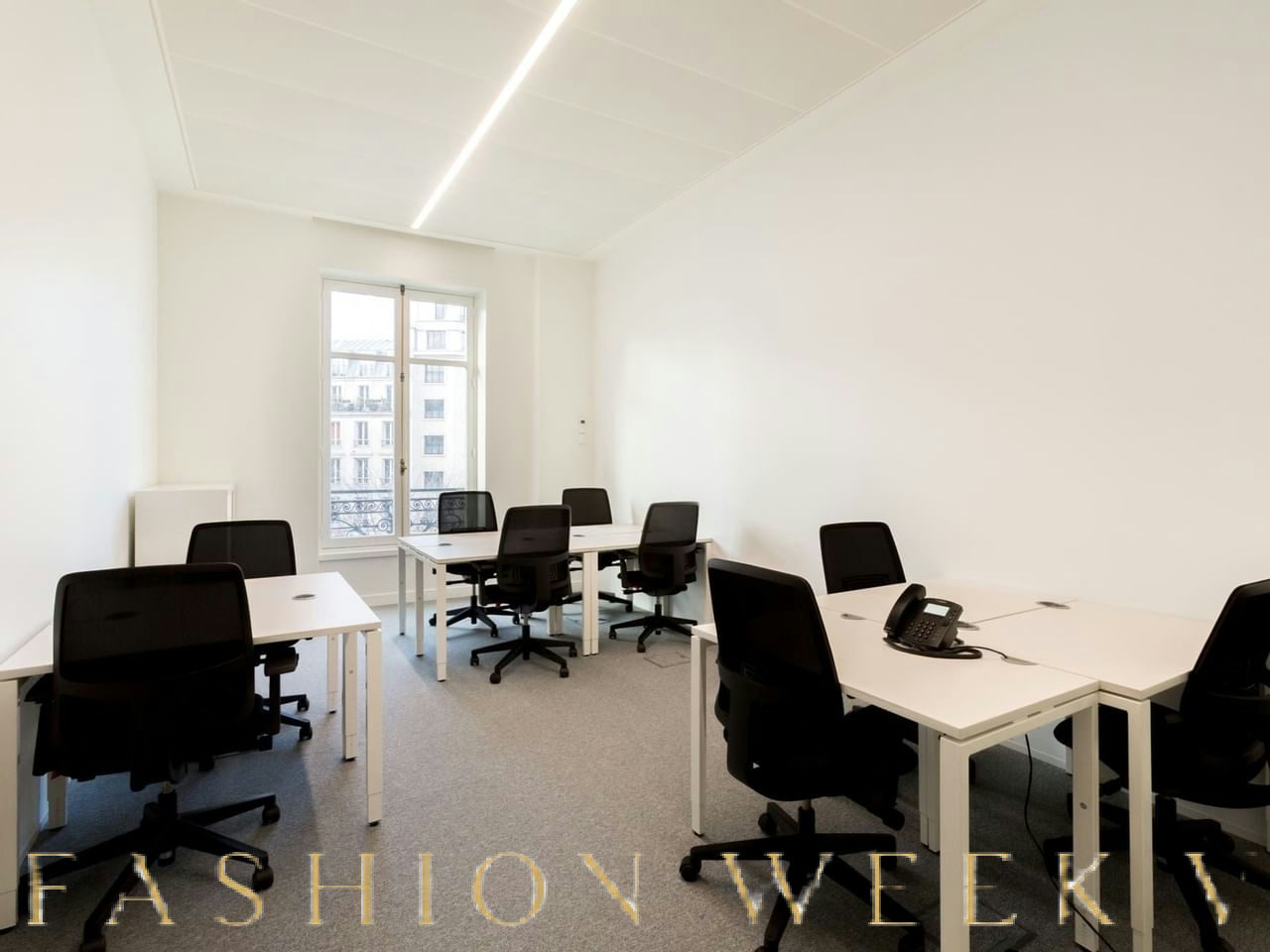
Fashion showrooms typically require a quieter, more curated environment than a high-street storefront. Upper-floor spaces, particularly in the Haussmannian buildings that dominate the 9th arrondissement, offer high ceilings, generous natural light from tall windows, and a sense of Parisian elegance that aligns naturally with fashion brand aesthetics. These spaces suit press days, buyer appointments, wholesale presentations, and private client events rather than open public retail.
Showroom rentals in this zone vary significantly in size, from compact apartment-style spaces suitable for niche labels presenting a capsule collection, to substantial multi-room configurations suited to mid-size or established brands hosting buyers from multiple international markets during Paris Fashion Week.
Gallery and Exhibition Spaces
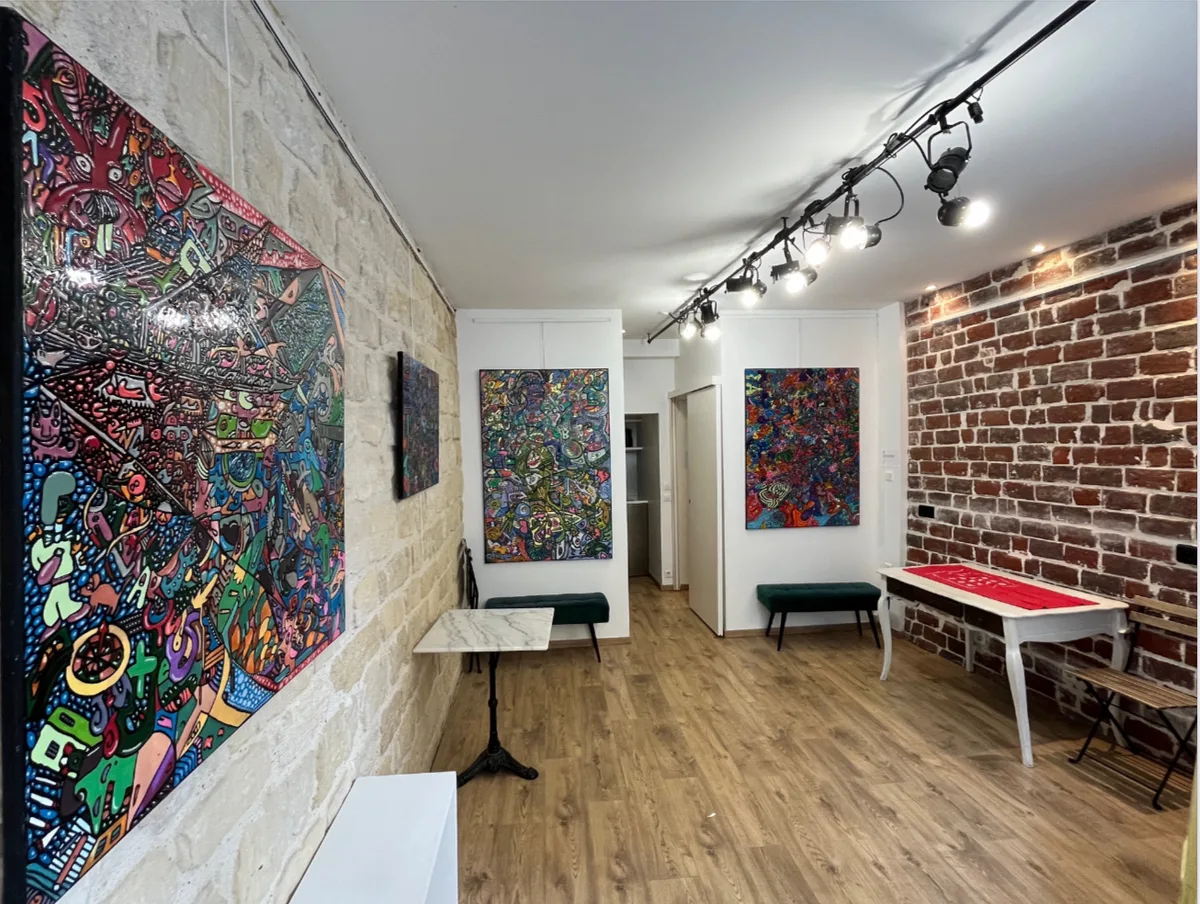
Art gallery formats are well-suited to brands seeking to blend retail with cultural programming. The Opéra quarter has a strong existing gallery infrastructure, and several spaces in the area are specifically designed to accommodate art exhibitions, product launches, and fashion events in an environment that signals cultural investment rather than purely commercial intent. These venues often feature polished concrete or parquet floors, track lighting, and flexible internal configurations.
Covered Passage and Boutique Opéra Formats
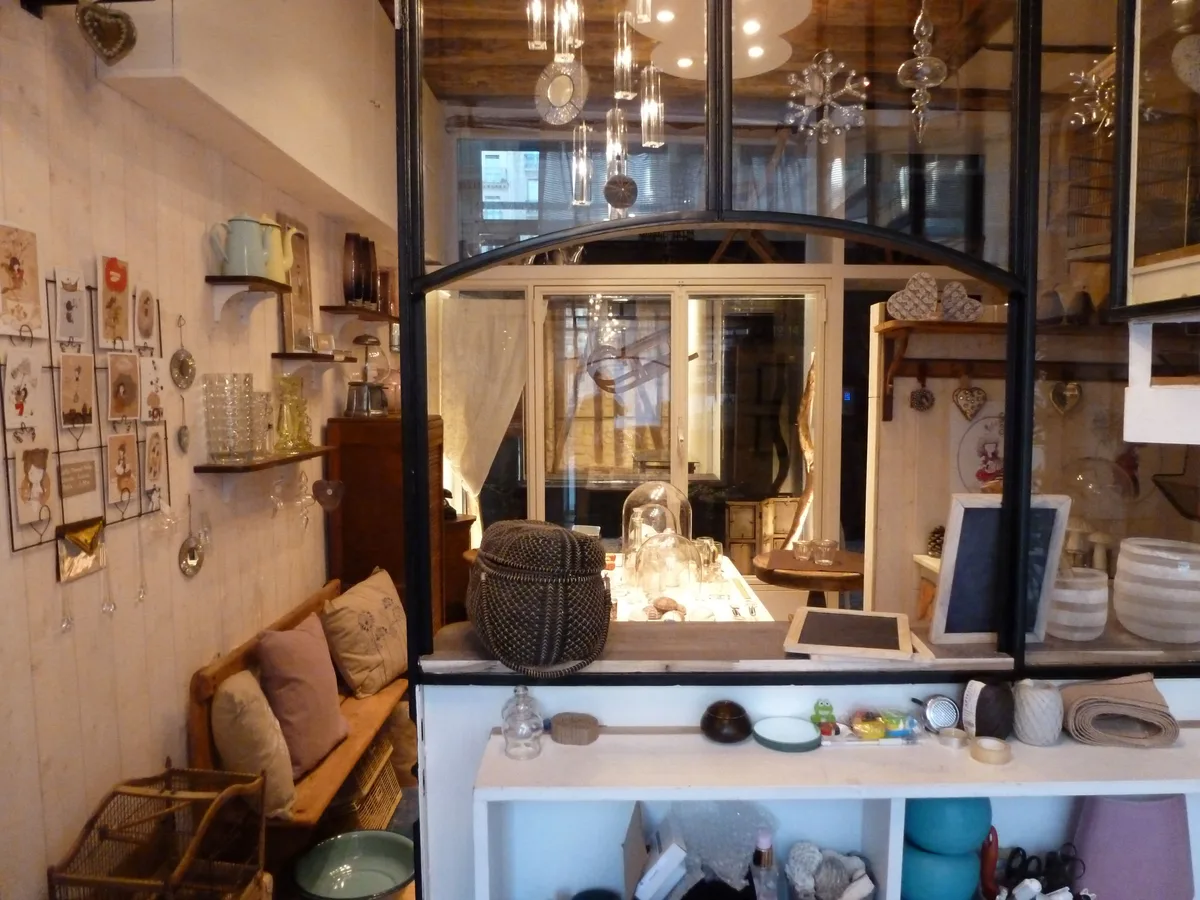
Galerie Vivienne and Passage Jouffroy offer some of the most distinctive and characterful retail environments available anywhere in Paris. These 19th-century covered arcades provide a Belle Époque setting that is immediately photogenic and editorially compelling. Units within these passages tend to be smaller in floor area but extremely high in brand positioning value, particularly for heritage fashion brands, vintage and archive presentations, and concept-driven activations that benefit from the storytelling context of Paris's commercial history.
Apartment and Residential-Style Spaces
Apartment spaces in Haussmannian buildings across the 1st and 9th arrondissements have become a popular format for intimate presentations, private sales, and brand experiences that prioritise exclusivity over visibility. These spaces offer a domestic, immersive setting with period features including fireplaces, parquet floors, ornate ceilings, and terrasse access in some cases. They suit brands that sell directly to high-net-worth clients and wish to create a private, appointment-based retail environment.
| Space Type | Best Use Case | Typical Features | Arrondissement Fit |
|---|---|---|---|
| Street-Level Boutique | Pop-up retail, product launch | Large windows, air conditioning, street access | 9th, 1st, 2nd |
| Upper-Floor Showroom | Buyer appointments, press days | High ceilings, natural light, Haussmannian architecture | 9th, 1st, 8th |
| Gallery Space | Art exhibitions, fashion events, launches | Track lighting, open plan, polished floors | 2nd, 3rd, 1st |
| Covered Passage Unit | Heritage brands, editorial activations | Belle Époque architecture, pedestrian flow | 2nd, 9th |
| Apartment Space | Private sales, intimate presentations | Parquet floors, period features, terrasse | 1st, 8th, 9th |
| Hotel Venue | Events, previews, client entertaining | Concierge service, amenities, room service | 1st, 8th, 9th |
KEY TAKEAWAY: Selecting the right space type is as important as selecting the right street. A showroom presentation requires a different configuration to a pop-up store, and the Opéra quarter offers genuine range across both commercial and cultural space formats.
Once you have identified the space type that fits your brand format, the next step is understanding the neighbourhood-level geography in detail so you can make location decisions with confidence.
Neighbourhood Geography: Mapping the Opéra Quarter for Retail and Brand Activations
Quick answer: The Opéra quarter in Paris encompasses parts of the 1st, 2nd, and 9th arrondissements, with distinct micro-zones including the Palais Garnier forecourt, boulevard Haussmann, rue Saint-Honoré, Place Vendôme, Chaussée d'Antin, Bourse, Strasbourg-Saint-Denis, and the covered passages. Each zone carries different cost levels, audience profiles, and brand positioning implications.
Paris is a city of extraordinary neighbourhood specificity. Two streets separated by a single block can carry very different commercial rents, audience demographics, and brand associations. Understanding the micro-geography of the Opéra quarter is essential for any brand team seeking to make an informed space rental decision.
Palais Garnier Forecourt and Boulevard Haussmann
The immediate vicinity of the Palais Garnier, which faces onto Place de l'Opéra and connects to boulevard Haussmann via a short walk, is the highest-profile zone in the district. Spaces here benefit from proximity to one of the most photographed buildings in France and from the constant movement of tourists, fashion professionals, and Parisian shoppers navigating between the department stores and the city's luxury core. Rents in this zone reflect the premium positioning.
Rue Saint-Honoré and Place Vendôme
Moving south and west from the Palais Garnier, rue Saint-Honoré transitions from commercial retail into the luxury tier, eventually becoming Faubourg Saint-Honoré toward the 8th arrondissement. Place Vendôme, just inside the 1st arrondissement, hosts the flagship stores of the world's most prestigious jewellery and watch brands and anchors the most expensive retail real estate in Paris. Short-term rental in this zone is rare, expensive, and typically requires established brand credentials and professional representation.
The Paris 1st arrondissement, including the area around the Carrousel du Louvre, the Louvre museum complex itself, and the streets connecting toward Notre Dame and the Seine, offers a slightly more accessible alternative that still carries strong luxury and cultural associations.
Chaussée d'Antin and Department Store Zone
Chaussée d'Antin, centred around the métro station of the same name, forms the commercial spine of the southern 9th arrondissement. Galeries Lafayette and Printemps define this zone, and the surrounding streets carry heavy international retail and hospitality presence. This is one of the most practically useful locations for pop-up shops targeting broad consumer audiences rather than purely luxury or press-facing activations.
Bourse, Strasbourg-Saint-Denis, and the 2nd Arrondissement
East of the Opéra core, the Bourse quarter and the streets around Strasbourg-Saint-Denis represent an emerging zone of interest for fashion brands and creative activations. Lower rental costs relative to the primary luxury streets, combined with a growing presence of concept stores, independent galleries, and creative agencies, make this area particularly attractive for younger labels and brand-first activations that prioritise editorial interest over mass-market visibility.
Rue Sainte-Anne, running south from the 2nd arrondissement into the 1st, carries a specific character shaped by its Japanese restaurant and cultural business community and offers intimate, distinctive spaces for niche activations.
To compare the specific locations available across these micro-zones and shortlist spaces that match your brief, budget, and calendar window, explore the Paris city hub on Fashion Week Venues and use the locator and compare tools to identify the strongest options for your activation.
| Micro-Zone | Arrondissement | Audience Profile | Brand Positioning | Cost Level |
|---|---|---|---|---|
| Palais Garnier Forecourt | 9th | Tourists, fashion professionals, shoppers | Prestige, cultural authority | High |
| Boulevard Haussmann | 9th | Mass market, international visitors | Commercial, accessible | High to very high |
| Rue Saint-Honoré and Vendôme | 1st, 8th | Luxury consumers, press, buyers | Ultra-luxury, editorial | Very high |
| Chaussée d'Antin | 9th | Shoppers, tourists, mid-market | Commercial, broad reach | Medium to high |
| Bourse and 2nd Arrondissement | 2nd | Creative sector, emerging fashion | Editorial, independent | Medium |
| Strasbourg-Saint-Denis | 10th, 2nd | Cultural, mixed, creative | Avant-garde, niche | Lower to medium |
| Covered Passages | 2nd, 9th | Culturally literate, editorial | Heritage, storytelling | Medium |
KEY TAKEAWAY: The Opéra quarter is not a single homogeneous zone. Brands should map their location decision against their specific audience, budget, and brand positioning before committing to a street or building, as cost and character vary enormously within a short walking distance.
With geography established, the next essential area is understanding what permits and compliance requirements apply to short-term boutique rentals in Paris and how to navigate them correctly.
Permits, Leases, and Compliance for Boutique Rentals in Opéra Paris
Quick answer: Short-term boutique and pop-up rentals in Paris most commonly operate under a bail dérogatoire, a derogatory short-term commercial lease of up to three years, or under an autorisation d'occupation temporaire for public or semi-public spaces. Requirements vary by space type, duration, intended use, and arrondissement, and brands should verify specific obligations with a qualified French legal advisor.
Operating a boutique or pop-up shop in Paris as a foreign brand requires an understanding of French commercial tenancy law that goes well beyond what most international brand teams encounter in their home markets. The French commercial lease framework is regulated by the Code de commerce, and the protections it offers to tenants are substantial, which means that owners of quality commercial spaces are equally careful about the terms under which they grant access to short-term tenants.
The Bail Dérogatoire
The bail dérogatoire, sometimes called a short-stay commercial lease, is the standard mechanism for pop-up shops, temporary boutiques, and short-term showroom rentals in Paris. Under French law, this agreement can run for a maximum of three years across all consecutive leases with the same tenant in the same space. If the tenant remains in occupation beyond this threshold without the lease being formally terminated and the space vacated, the lease may convert automatically into a full commercial bail, with statutory nine-year protections that the landlord cannot easily terminate.
For most pop-up and short-term activation purposes, a bail dérogatoire of between two weeks and six months is the typical format. The agreement should clearly specify the permitted use of the space, any restrictions on modifications or fit-out, the regime for reinstatement at the end of the term, and the responsibilities of both parties regarding insurance, utilities, and security.
Autorisation d'Occupation Temporaire
For spaces that sit on or adjacent to public land, such as certain covered passages, public squares, or areas with municipal ownership interests, an autorisation d'occupation temporaire (AOT) may be required in addition to or instead of a standard commercial lease. AOTs are granted by the relevant public authority and are non-transferable. Obtaining one typically requires advance planning and an application process that can take several weeks, so brands targeting spaces of this type should build lead time into their planning accordingly.
Commercial Use Classification and Modifications
Not all spaces in Paris carry the commercial use classification required for retail trading. Residential apartments, even those used historically for commercial purposes, may require a change of use application before they can legally host retail transactions. This distinction matters particularly for brands considering apartment-style spaces in the 1st or 9th arrondissement, where the physical environment is attractive but the legal status may require verification.
Physical modifications to leased spaces, including temporary fit-out, signage, and window dressing, may require landlord consent and in some cases notification to or approval from local planning authorities, particularly in heritage-classified buildings or conservation areas such as those surrounding the Palais Garnier.
IMPORTANT: These notes are provided for general orientation only. Specific permit and compliance requirements for any individual space depend on the space's legal classification, the nature of the proposed use, the duration of the occupation, and the applicable regulations of the arrondissement. Always verify requirements with a qualified French legal advisor before signing any lease or beginning any physical works.
For a structured starting point on permit requirements relevant to your space type and location, use the permit guidance tool on Fashion Week Venues to understand the key questions you need to address before engaging a landlord or legal advisor.
KEY TAKEAWAY: Permit and compliance requirements for boutique rentals in Paris are more complex than in most international markets. A bail dérogatoire is the standard vehicle for short-term commercial use, but space classification, modification rights, and AOT requirements all need individual verification. Professional support from an agency familiar with the Paris market significantly reduces risk.
Understanding permits clears one major obstacle. The next consideration for most brand teams is budget planning and understanding what realistic cost ranges look like across different space types and locations in the Opéra district.
Budget Planning for Boutique Rental in Opéra Paris: What to Expect and How to Plan
Quick answer: The cost of renting a boutique or pop-up space in the Opéra quarter of Paris varies significantly based on location, space size, duration, fit-out scope, staffing requirements, and operational services. Directional estimates are difficult to provide without a specific brief, but premium streets near the Palais Garnier, Place Vendôme, and rue Saint-Honoré command the highest rates in the city, while secondary streets in the 2nd arrondissement offer more accessible entry points.
Budget planning for a Paris boutique rental involves a wider set of cost categories than the headline rental figure might suggest. Brand teams that focus exclusively on the space rental rate typically encounter significant budget overruns once fit-out, staffing, permits, insurance, utilities, logistics, and activation management costs are incorporated. A realistic and comprehensive budget framework is essential before any commitment is made.
Primary Cost Categories
The core costs of a short-term boutique rental in Paris typically break down across the following categories. Rental rates across the Opéra quarter and the adjacent 1st arrondissement reflect some of the highest short-term commercial property values in Europe, and rates should be treated as directional estimates only until a specific space and duration have been identified.
Beyond the base rental, fit-out and production costs vary enormously depending on whether the space is taken as a white box requiring a full bespoke build or whether existing fixtures are retained and supplemented. Full bespoke builds for luxury brands can represent a multiple of the rental cost, while lighter activations using furniture rental and modular systems keep costs more manageable.
Operational costs including retail staffing, point-of-sale systems, high-speed Wi-Fi and data infrastructure, security service provision, and day-to-day management add a further layer that must be budgeted in advance. For international brands entering Paris without an existing French operational structure, these costs are non-trivial.
Duration and Per-Day Cost Logic
Short-term rentals in Paris are often priced on a per-day, per-week, or per-month basis depending on the space and the owner's preference. Weekend rentals, which can work for very short activations timed around specific fashion calendar moments, are available in the Opéra quarter but carry a premium per-day rate relative to longer commitments. A minimum of one to two weeks typically makes the logistics of a full activation commercially viable, while many brands find that a four-to-six-week duration provides the best balance between setup cost amortisation and sustained brand impact.
TIP: Use the budget estimation tool on Fashion Week Venues to build a brand-specific cost model before approaching spaces. This tool allows you to input your space size, duration, fit-out scope, and staffing needs to generate a directional total activation budget rather than relying on rental rate alone.
Hidden and Overlooked Costs
Several cost categories are consistently underestimated by brands planning their first Paris activation. These include the refundable security deposit, which in Paris often represents one to three months' equivalent rent; professional indemnity and public liability insurance to French standards; waste management and reinstatement costs at the end of the lease; translation and legal review of lease documents; and the cost of bringing logistics providers, freight forwarders, and installation teams into the space within the permitted access windows.
Brands using a concierge service or full-service agency for their Paris activation consolidate these costs and risks under a single managed engagement, which typically produces better outcomes on both budget control and operational quality.
KEY TAKEAWAY: Total activation cost in Opéra Paris involves a broad set of categories beyond the headline rental rate. Comprehensive budget planning from the outset, using a structured tool or professional agency, is the most effective way to avoid surprises and protect the commercial viability of the activation.
Beyond budget, timing is the other major variable that determines whether a Paris activation achieves its objectives. The next section covers the calendar logic that drives optimal timing decisions for the Opéra quarter.
Timing Your Paris Activation: Fashion Calendar Windows, Duration Strategy, and When to Book
Quick answer: The Paris fashion calendar creates defined high-demand windows, particularly during Paris Fashion Week in late February and March and again in September and October, when competition for premium spaces in the Opéra quarter and surrounding arrondissements is most intense. Brands should secure spaces a minimum of three to six months in advance of these windows, and year-round activations benefit from slightly lower competition outside the peak calendar periods.
Paris operates on a fashion calendar that concentrates commercial energy into a set of distinct seasonal windows. Understanding these windows, and planning your boutique or showroom rental accordingly, is one of the most important strategic decisions a brand team makes before entering the Paris market.
Paris Fashion Week Windows
Paris Fashion Week for women's ready-to-wear takes place in late February and early March for the autumn-winter collections and in late September and early October for the spring-summer collections. Paris Men's Fashion Week takes place in January and June. Haute Couture Week follows a separate schedule in January and July. During each of these windows, international buyer and press traffic in Paris peaks sharply, making the Opéra quarter, the 1st arrondissement, and adjacent fashion-adjacent neighbourhoods the most commercially intense short-term retail environments in Europe.
Showroom rentals in particular concentrate heavily around these fashion week windows. Brands presenting wholesale collections to international buyers need to be physically present during the buying appointment periods, and a well-located showroom in or near the Opéra quarter signals seriousness to buyers who are managing dense appointment schedules across multiple locations in the city.
Non-Fashion Week Windows
Brands that do not require fashion week adjacency can find excellent opportunities in the Opéra quarter outside these peak windows. December is a premium retail period driven by Christmas shopping that draws intense footfall past the decorated facades of Galeries Lafayette and Printemps. Spring and early summer bring tourist volumes back strongly, particularly in the zones around the Palais Garnier, the Louvre, and the Seine. Late January and early February, and July, represent quieter periods where space availability may be higher and negotiating leverage slightly better.
Advance Booking and Lead Times
For fashion week windows, lead times of three to six months are standard for premium spaces in the Opéra quarter. Earlier engagement gives access to a wider range of options and more negotiating room on terms. Brands that approach the market eight to twelve weeks before their target activation date will find that the best spaces have already been committed, and remaining inventory reflects either lower-quality locations or spaces that became available due to cancellations.
Use the timeline planning tool on Fashion Week Venues to build a realistic project schedule from initial brief through lease signing, fit-out, activation, and close-out, mapped against the Paris fashion calendar.
KEY TAKEAWAY: Timing strategy in Paris is inseparable from the fashion calendar. Brands targeting fashion week windows need longer lead times and must act earlier than intuition might suggest. Year-round activations have more flexibility but still benefit from advance planning to access the best spaces in the Opéra quarter.
With geography, space types, budget, and timing covered, the most important remaining question for most brand teams is what it takes to make the operational side of a Paris boutique rental succeed.
Operational Requirements for Running a Pop-Up Shop or Showroom in Opéra Paris
Quick answer: Running a boutique or showroom in Opéra Paris requires attention to fit-out and design, staffing with French language capability, point-of-sale and payments infrastructure, security service arrangements, Wi-Fi and technology setup, and logistics management. International brands should plan for all of these requirements before signing a lease rather than addressing them sequentially after commitment.
The operational demands of a Paris pop-up or showroom rental extend well beyond securing the space itself. The complexity of working in a foreign market, managing a temporary physical retail environment, and delivering a consistent brand experience to demanding Parisian and international audiences requires advance planning across multiple workstreams simultaneously.
Fit-Out, Design, and Production
The design and physical build of a Paris boutique activation is one of the most visible and most discussed aspects of the project. In a neighbourhood defined by the architectural grandeur of the Palais Garnier and the retail sophistication of rue Saint-Honoré, the standard for physical presentation is extremely high. Brands that arrive with inadequate or misaligned fit-out risk undermining the positioning value of their location choice.
Full technical and production support for Paris activations involves briefing a design team, producing technical drawings compatible with the space's existing structure, sourcing materials and furniture, managing the installation process within any lease-specified access windows, and planning the reinstatement and close-out at the end of the term. Furniture rental from a local provider reduces freight costs and simplifies logistics for international brands without established Paris supply chains.
Retail Staffing and Customer Service
Staffing a boutique in the Opéra quarter with team members who can communicate fluently in French and English is a minimum requirement. Parisian consumers and international fashion professionals expect a high standard of customer service and product knowledge. For brands from non-European markets, sourcing reliable temporary retail staff with the appropriate language skills and fashion sector understanding requires access to specialist staffing networks rather than general employment agencies.
POS, Payments, and Transactions
A functioning point-of-sale system and payments infrastructure that can handle multi-currency transactions is essential for any pop-up shop that conducts retail sales. French consumer protection regulations apply to all retail transactions conducted in France, and brands must ensure their sales processes, receipting, and refund policies meet local legal requirements. Digital receipting, contactless payments, and mobile POS systems are all well-established in the Parisian market.
Security, Wi-Fi, and Operational Infrastructure
Security service provision for a boutique or showroom varies depending on the value of the goods being displayed and the nature of the activation. High-value fashion and luxury goods installations in the Opéra quarter typically require a combination of physical security presence and monitored alarm systems. High-speed Wi-Fi is a standard operational requirement for both transactional and customer-facing purposes, and brands should confirm connectivity infrastructure before signing a lease.
Air conditioning is a practical necessity for summer activations in Paris, where temperatures in un-airconditioned Haussmannian spaces can become uncomfortable. Air-conditioned spaces are available across the Opéra quarter at various price points, and this should be treated as a functional specification requirement rather than a preference.
KEY TAKEAWAY: Operational success in a Paris boutique activation requires advance planning across fit-out, staffing, POS infrastructure, security, and connectivity. International brands benefit significantly from working with an agency that has established Paris-based operational relationships rather than building these from scratch on a per-project basis.
How Fashion Week Venues Supports Boutique Rentals in Opéra Paris
Fashion Week Venues is a full-service pop-up agency and space marketplace with Paris as its primary market. The agency supports brand teams across the full lifecycle of a Paris boutique or showroom activation, from initial space discovery and brief development through lease negotiation, fit-out and production, operational management, and post-activation data analysis.
For brand teams seeking a boutique rental in the Opéra quarter, the most immediately useful entry point is the Fashion Week Venues space marketplace, which lists available spaces across Paris's key retail and activation neighbourhoods with filtering by space type, size, neighbourhood, and available period. The marketplace operates alongside a set of proprietary tools including a budget calculator, ROI calculator, space comparison tool, timeline planner, and permit guidance tool that allow brand teams to build a complete picture of their activation before committing to any individual space.
Beyond space sourcing, Fashion Week Venues offers a structured service portfolio covering every operational requirement of a Paris activation. The venue sourcing service applies specialist market knowledge to identify spaces that match a brand's specific brief, budget, and calendar window, including spaces that do not appear on open-market listing platforms. The production and build service manages fit-out from design brief to completed installation, working with Paris-based contractors and suppliers to deliver compliant, high-quality retail environments. The retail staffing service sources bilingual, fashion-experienced staff for the duration of the activation, and the activation management service provides day-to-day operational oversight so that the brand team can focus on product, press, and relationships rather than logistics.
The Twin concept available through Fashion Week Venues offers a co-activation model where two complementary but non-competing brands share a space, reducing per-brand rental and fit-out costs while increasing the activation's editorial interest and combined audience reach. This format is particularly well-suited to the Opéra quarter, where premium locations can carry costs that are more accessible when shared across two brands with aligned positioning.
Fashion Week Venues works most effectively with brand teams that have a defined brief, a realistic budget, and a clear calendar target. The agency cannot guarantee space availability in any specific location during peak fashion week periods, and lead times of three to six months are strongly recommended for fashion week activations in the Opéra quarter. Brands approaching the agency with shorter lead times will be assessed on a best-available basis.
TIP: Review the guide to hiring a pop-up agency on Fashion Week Venues before engaging any agency for a Paris activation. Understanding what a well-structured agency engagement looks like will help you ask better questions, set realistic expectations, and make a more informed decision about whether full-service support or a marketplace-only approach better fits your situation.
KEY TAKEAWAY: Fashion Week Venues provides brand teams with both the space discovery infrastructure and the full-service operational support required to execute a successful Paris boutique activation. The combination of marketplace tools and managed services addresses the most common failure points for international brands entering the Opéra market for the first time.
Hotels, Hospitality, and the Role of Accommodation Strategy in the Opéra Quarter
Quick answer: The Opéra quarter and its immediate surroundings host a dense concentration of hotels ranging from luxury landmarks to design boutique properties, including the Kimpton St Honoré Paris, Maison Albar Hotels Le Vendôme, Hôtel Pulitzer Paris, Chouchou Hotel, and Château Voltaire. For brand teams running multi-day or multi-week Paris activations, proximity to accommodation is a practical logistics consideration, and several hotels in this zone also offer event and activation space within their properties.
The hospitality infrastructure of the Opéra quarter is both a practical resource for visiting brand teams and a set of potential activation venues in their own right. Hotels in this district were historically designed to serve the audiences attending performances at the Palais Garnier and have evolved into some of the most distinctive hospitality propositions in central Paris.
The Kimpton St Honoré Paris brings the American lifestyle hotel format to a location directly on rue Saint-Honoré, combining fashion-adjacent positioning with event-capable spaces and a design sensibility aligned with contemporary brand aesthetics. Maison Albar Hotels Le Vendôme offers accommodation with a direct Vendôme address and the brand associations that implies. Hôtel Pulitzer Paris, Chouchou Hotel, and Château Voltaire represent a newer generation of independently positioned Paris hotels that have developed their own creative identities and appeal specifically to fashion and creative sector visitors.
For brand teams, the proximity of quality accommodation to an activation space in the Opéra quarter reduces the daily logistics burden of managing team members arriving from multiple international cities. Charles de Gaulle airport to the north and Orly airport to the south both connect directly to the Opéra quarter by RER and metro, making arrivals and departures operationally straightforward for teams travelling from multiple countries.
Several hotels in the Opéra quarter offer event venue space that can be used for press previews, buyer dinners, influencer events, and private client entertaining in conjunction with a nearby showroom or boutique activation. These spaces typically include amenities such as concierge service, room service, fitness centre access, and reception open at all hours, which are valued by fashion week visitors managing intense schedules.
KEY TAKEAWAY: The hotel infrastructure of the Opéra quarter supports both the logistics of running a Paris activation and the possibility of incorporating hotel event spaces into a broader activation strategy. Brands should consider accommodation strategy as part of their overall Paris planning rather than treating it as a separate personal travel matter.
The Cultural Context of Activating in Opéra Paris: From the Palais Garnier to the Belle Époque
Quick answer: The Opéra quarter's cultural identity is shaped by the Palais Garnier, the Belle Époque history of the covered passages, the artistic legacy of the area's connection to figures such as Toulouse Lautrec and the theatrical and fashion worlds of 19th and 20th century Paris, and its proximity to institutions including the Louvre, the Centre Pompidou, the Musée d'Orsay, and the Musée Picasso. Brands that engage with this context in their activation creative produce more resonant and editorially compelling work than those that treat the location as generic prime retail.
Brands activating in the Opéra quarter have access to one of the world's richest cultural contexts. The Palais Garnier, completed in 1875 and known internationally as the Opéra Garnier, is one of the defining architectural achievements of the Belle Époque period. Its ceiling, repainted by Marc Chagall in 1964, is one of the most photographed interior artworks in Paris, and the building's visual language, defined by gilded ornamentation, grand staircases, and theatrical spectacle, provides a powerful creative reference for fashion brands working in the neighbourhood.
Les Folies-Bergère, the legendary music hall located a short distance from the Opéra quarter, shares the neighbourhood's theatrical heritage and has long been associated with the intersection of fashion, performance, and visual culture that defines Paris's cultural identity. The work of Toulouse Lautrec, whose posters captured the world of Parisian entertainment in the late 19th century, is woven into the visual DNA of the area.
The covered passages of Galerie Vivienne and Passage Jouffroy represent a form of commercial architecture that predates the modern shopping street and embodies a distinctly Parisian approach to retail as a cultural experience rather than purely a transactional one. Brands that choose to activate within these passages signal an awareness of Paris's commercial history and an intention to engage with it creatively.
The proximity of the Opéra quarter to the Louvre and the Carrousel du Louvre, to the Centre Pompidou in the Marais, to the Musée d'Orsay on the Left Bank, and to the Musée Picasso in the 3rd arrondissement gives brand teams in this area immediate access to the most concentrated network of major art institutions in the world. Activations that incorporate visits, partnerships, or visual references to these institutions can extend their cultural reach significantly beyond the physical space itself.
The concept of Parisian elegance, referenced constantly in fashion communication, has its most concrete physical expression in the streets, buildings, and public spaces of the Opéra quarter. Brands that understand this context and build it into their design, their customer experience, and their communication produce activations that feel genuinely located in Paris rather than simply happening to be located there.
DID YOU KNOW: The Galerie Vivienne, one of Paris's best-preserved covered passages, was built in 1823 and is classified as a historical monument. Its mosaic floors, neoclassical decor, and distinctive atmosphere have made it a recurring backdrop for fashion photography and editorial since the mid-20th century.
KEY TAKEAWAY: The cultural context of the Opéra quarter is an activation resource, not just a backdrop. Brands that engage with the area's architectural, artistic, and theatrical heritage in their creative approach produce more distinctive and more memorable activations than those that use the location purely for its commercial foot traffic value.
Common Myths About Renting a Boutique or Pop-Up Space in Opéra Paris Debunked
MYTH: You need a French legal entity to rent a pop-up or boutique space in Paris.
FACT: Many short-term commercial leases in Paris, including bail dérogatoire agreements, can be entered into by foreign companies without a French-registered entity, provided that appropriate guarantees and insurance are in place and the lease terms are structured correctly. Some landlords prefer or require a French guarantor or entity, but this is not a universal legal requirement. Specialist agencies with established Paris landlord relationships frequently facilitate this process for international brands.
MYTH: Paris Fashion Week is the only viable calendar window for an Opéra quarter activation.
FACT: While Paris Fashion Week creates the highest concentration of fashion industry visitors in the city, the Opéra quarter generates strong commercial foot traffic year-round. December, spring, and summer tourist peaks all produce significant retail opportunity, and brands targeting consumer audiences rather than trade buyers often achieve better results outside fashion week periods when space availability is greater, costs may be more negotiable, and the activation is not competing for attention with dozens of simultaneous industry events.
MYTH: Commission brokers are the only way to find a boutique or pop-up space in Opéra Paris.
FACT: Commission-based space brokers represent one route to market, but they typically access only the spaces they have prior relationships with and are incentivised to close transactions rather than to find the best strategic match for a specific brand brief. Structured marketplace platforms and full-service agencies with broad market coverage offer a more complete view of available inventory and are better positioned to identify off-market spaces that do not appear on standard brokerage lists.
MYTH: Short-term commercial leases in Paris are legally straightforward and do not require specialist input.
FACT: French commercial tenancy law is highly protective of tenants, which has the side effect of making landlords more cautious about the terms they accept for short-term leases. A bail dérogatoire that is not correctly structured and terminated can convert into a full nine-year commercial bail, creating a significant unintended liability for a brand that intended a short-term activation. Legal review of any Paris commercial lease by a qualified French attorney is strongly recommended, regardless of how standard the document may appear.
MYTH: Any space in the Opéra quarter can be used for retail trading without additional permissions.
FACT: Space classification in Paris determines what uses are legally permitted in a given unit. Residential apartments converted to temporary retail use, spaces within classified heritage buildings, and locations adjacent to public land may all require additional permits, change-of-use applications, or AOT agreements before retail trading can begin. Assuming that a space can be used for retail because it is physically suitable is a common and costly mistake.
Frequently Asked Questions About Boutique Rental in Opéra Paris
What are the most sought-after locations for renting a pop-up shop in Opéra Paris?
The most competitive locations for pop-up retail in the Opéra quarter are the streets immediately surrounding the Palais Garnier, boulevard Haussmann adjacent to Galeries Lafayette and Printemps, and the transition zones toward rue Saint-Honoré and Place Vendôme in the 1st arrondissement. Galerie Vivienne and Passage Jouffroy are highly sought after for editorial and concept-driven activations. Chaussée d'Antin provides strong commercial footfall at slightly more accessible cost levels. Competition for all premium spaces peaks sharply during Paris Fashion Week windows, which requires advance planning of three to six months or more.
How much does it cost to rent a pop-up shop in Opéra Paris?
Costs vary considerably depending on location, space size, duration, and space specification. Street-level storefronts on primary commercial streets near the Palais Garnier or rue Saint-Honoré command among the highest short-term retail rates in Europe. Secondary streets and upper-floor showroom spaces offer more accessible pricing. Total activation budget must include fit-out and production, staffing, POS systems, insurance, security, and operational costs in addition to the base rental figure. Use the budget estimation tool on Fashion Week Venues to build a brand-specific cost model based on your brief and timeline rather than relying on general market figures.
What is the ideal duration to rent a pop-up shop in Opéra Paris?
For most fashion brand activations, a duration of two to six weeks provides the best balance between setup cost amortisation and sustained brand presence. Very short activations of a weekend or a few days are commercially viable for specific calendar moments but carry a high cost-per-day rate and limit the depth of brand experience that can be delivered. Longer activations of one to three months are appropriate for brands testing the Paris market with a view to longer-term retail investment or seeking to build a sustained consumer relationship during a specific seasonal window.
Do I need a permit to open a pop-up shop in Paris?
The permit requirements for a Paris pop-up depend on the type of space, its legal classification, the nature of your proposed use, and the duration of the activation. A bail dérogatoire, the standard short-term commercial lease in France, is the primary legal vehicle for most pop-up rentals, but it must be correctly drafted and terminated to avoid converting into a full commercial lease. Additional permits may be required for spaces in heritage-protected buildings, spaces adjacent to public land, or spaces that require a change-of-use classification for retail trading. Always verify requirements with a qualified French legal advisor and use the permit guidance tool on Fashion Week Venues as a starting reference.
What are the best streets for a pop-up shop near Opéra in Paris?
The best streets depend on your target audience and positioning. For luxury and editorial activations, rue Saint-Honoré and the streets connecting toward Place Vendôme offer the strongest brand context. For commercial pop-up retail with high foot traffic, boulevard Haussmann and the streets surrounding Galeries Lafayette and Printemps perform well. For character-driven, concept-led activations, Galerie Vivienne, Passage Jouffroy, and Rue Sainte-Anne offer distinctive environments. For emerging brands and creative activations, Strasbourg-Saint-Denis and the Bourse quarter provide energy and accessibility at lower cost levels.
Can I rent a pop-up shop in Opéra Paris for just a weekend?
Weekend rentals are available in the Opéra quarter, particularly for spaces that operate on a flexible short-term basis. However, the per-day cost for weekend rentals is typically higher than for weekly or monthly arrangements, and the logistical overhead of setup, staffing, and close-out across a two-day period is not trivial. Weekend activations work best when they are timed to coincide with a specific event, such as a fashion week show, a product launch date, or a major retail shopping moment, where the short duration is commercially justified by the intensity of the opportunity.
What is a bail dérogatoire and why does it matter for Paris pop-up shops?
A bail dérogatoire is a short-term commercial lease permitted under French law for a maximum cumulative duration of three years. It allows both parties to step outside the protections of the standard nine-year commercial bail, making it the standard legal vehicle for pop-up shops, temporary showrooms, and short-term retail activations in Paris. The lease must be correctly drafted, explicitly labelled as a bail dérogatoire, and formally terminated with the space vacated at the end of the agreed term. Failure to meet these requirements can result in the lease converting automatically to a full commercial bail, which carries nine-year tenant protection rights and cannot easily be ended by the landlord.
What are the benefits of renting a showroom in Opéra Paris for a fashion brand?
A showroom in the Opéra quarter provides a physically prestigious location for buyer appointments, press presentations, and private client events during Paris Fashion Week and surrounding calendar windows. The neighbourhood's proximity to the luxury retail axis of rue Saint-Honoré and Place Vendôme, combined with strong international transport links via Charles de Gaulle and Orly airports and excellent metro connectivity, makes it a practical and strategically credible base for fashion industry meetings. An Opéra showroom signals investment in the Paris market and provides a setting that enhances the perceived value of the brand and collection being presented.
How far in advance should I book a pop-up space in the Opéra quarter?
For fashion week windows, a lead time of three to six months is standard for premium spaces. For non-fashion week periods, two to three months is typically sufficient for most space types, though the best-located and most characterful spaces are frequently committed earlier than this. Brands approaching the market less than eight weeks before their target activation date will find significantly reduced choice at the premium end of the market. Early engagement also provides more time for lease negotiation, fit-out planning, permit verification, and staffing arrangements, all of which improve activation quality and reduce operational risk.
What support does Fashion Week Venues provide for Paris boutique rentals?
Fashion Week Venues supports Paris boutique and showroom activations across the full project lifecycle, from space discovery and brief development through venue sourcing, lease support, concept and creative direction, fit-out and production, retail staffing, POS and payments setup, security arrangements, data and analytics, and post-activation review. The agency operates a marketplace listing available spaces across Paris's key activation zones, alongside planning tools for budget estimation, ROI modelling, timeline management, permit guidance, and space comparison. Brands can engage Fashion Week Venues on a full-service basis or use the marketplace and tools independently depending on their needs and internal capabilities.
What space features should I prioritise when renting a boutique in Opéra Paris?
The most important space features for a fashion boutique or showroom activation in the Opéra quarter are large street-facing windows for visibility and natural light, air conditioning for comfort during warmer months, high-speed Wi-Fi for operational and customer-facing requirements, adequate ceiling height for display and ambiance, a floor area that matches your merchandise and audience flow requirements, and a lease classification that permits retail trading. For showrooms, natural light from tall Haussmannian windows, a professional entrance, and proximity to key hotel and dining locations for buyer hospitality are additional priorities. Security infrastructure and accessibility for deliveries and fit-out should also be verified before signing.
Can international brands without a French company rent a boutique in Paris?
Many international brands successfully rent boutique and showroom spaces in Paris without a French-registered entity, typically through a bail dérogatoire structured to accommodate a foreign corporate tenant with appropriate guarantees and insurance in place. Some landlords in premium locations may prefer or require additional security in the form of a French guarantor, an advance deposit, or an agency acting as an intermediary. Working with a Paris-based agency with established landlord relationships significantly simplifies this process and reduces the risk of encountering landlords unwilling to engage with international tenants directly.
What is the difference between a pop-up shop and a showroom rental in Paris?
A pop-up shop is a temporary retail space open to the public for direct sales, typically designed to generate consumer awareness, sales revenue, and brand engagement. A showroom is a private or semi-private space used for trade presentations, buyer appointments, and press events, focused on wholesale orders and editorial coverage rather than direct consumer sales. Both formats are common in the Opéra quarter. The space type, design requirements, legal classification, and operational logistics differ between the two formats, and brands should be clear about their primary objective before briefing a space sourcing agency or beginning their own search.
What cultural and creative context can I use in an Opéra quarter activation?
The Opéra quarter offers an exceptional range of cultural and creative reference points for brand activations. The Belle Époque architecture of the Palais Garnier, the Marc Chagall ceiling of the Paris Opera, the artistic legacy of Toulouse Lautrec and the theatrical traditions of the neighbourhood, the covered arcade heritage of Galerie Vivienne and Passage Jouffroy, and the proximity to major institutions including the Louvre, the Centre Pompidou, the Musée d'Orsay, and the Musée Picasso all provide rich material for activation creative direction. Brands that engage authentically with this context produce activations that feel rooted in Paris rather than simply located there.
Conclusion: Making Your Boutique Rental in Opéra Paris Work
The Opéra quarter in Paris represents one of the world's most commercially and culturally compelling environments for fashion brands, pop-up retailers, and creative agencies seeking a short-term physical presence in the French capital. The combination of the Palais Garnier's architectural grandeur, the international foot traffic of Galeries Lafayette and Printemps, the luxury adjacency of rue Saint-Honoré and Place Vendôme, and the cultural depth of Galerie Vivienne, the covered passages, and the surrounding museum network creates an activation environment that no other neighbourhood in any other fashion capital can replicate in quite the same way.
Success in this environment requires more than securing a space. It requires a thorough understanding of the micro-geography of the Opéra quarter, a realistic and complete budget model that goes beyond the headline rental figure, a clear strategy for timing relative to the Paris fashion calendar, confident navigation of French permit and lease requirements, and the operational capability to deliver a high-quality brand experience to sophisticated Parisian and international audiences. Each of these requirements is addressable with the right preparation and the right professional support.
Fashion Week Venues exists to make this process more structured, more transparent, and more achievable for brand teams of all sizes. Whether you are planning a first Paris activation or optimising an established presence in the city, the combination of marketplace access, planning tools, and full-service agency support available through Fashion Week Venues provides a practical, evidence-based route from initial brief to completed activation.
To move from research to activation, start exploring available spaces on the Fashion Week Venues marketplace and build a focused brief for your target neighbourhood, space type, and calendar window. The earlier you engage with the process, the wider your options and the stronger your position in one of the world's most competitive short-term retail markets.