
The world of fashion is fast-paced, dynamic, and often dictated by the rhythms of major fashion events. At the heart of these events is the need for strategic, well-located venues to showcase creativity and innovation. For brands eyeing Paris, the hub of fashion, understanding how to leverage Fashion Week venues is crucial. Whether you're a brand activation manager or a creative director, knowing where and how to stage your next event can transform an idea into a captivating reality. In this guide, we'll explore the scope of Fashion Week Venues, how it serves different brand needs, and why it's a leader in the space marketplace sector.
The Essence of Fashion Week Venues in Paris
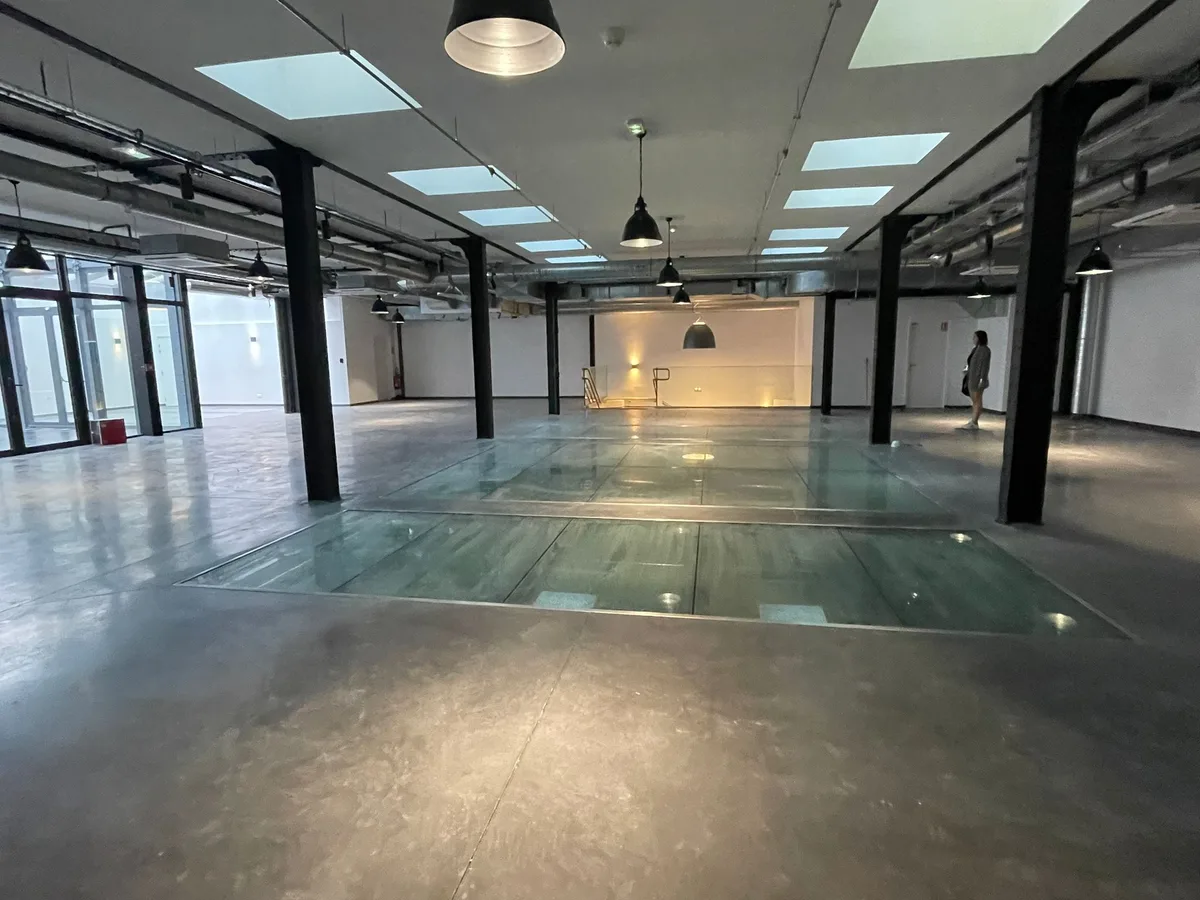
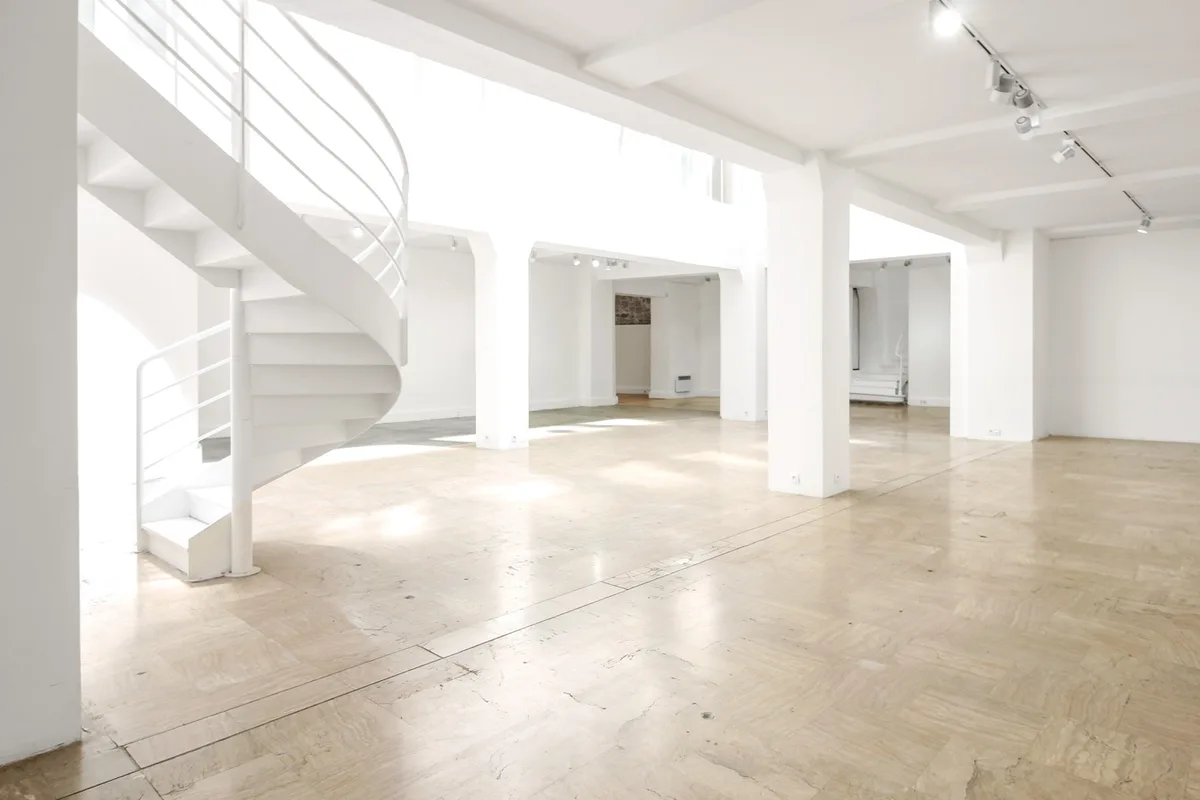
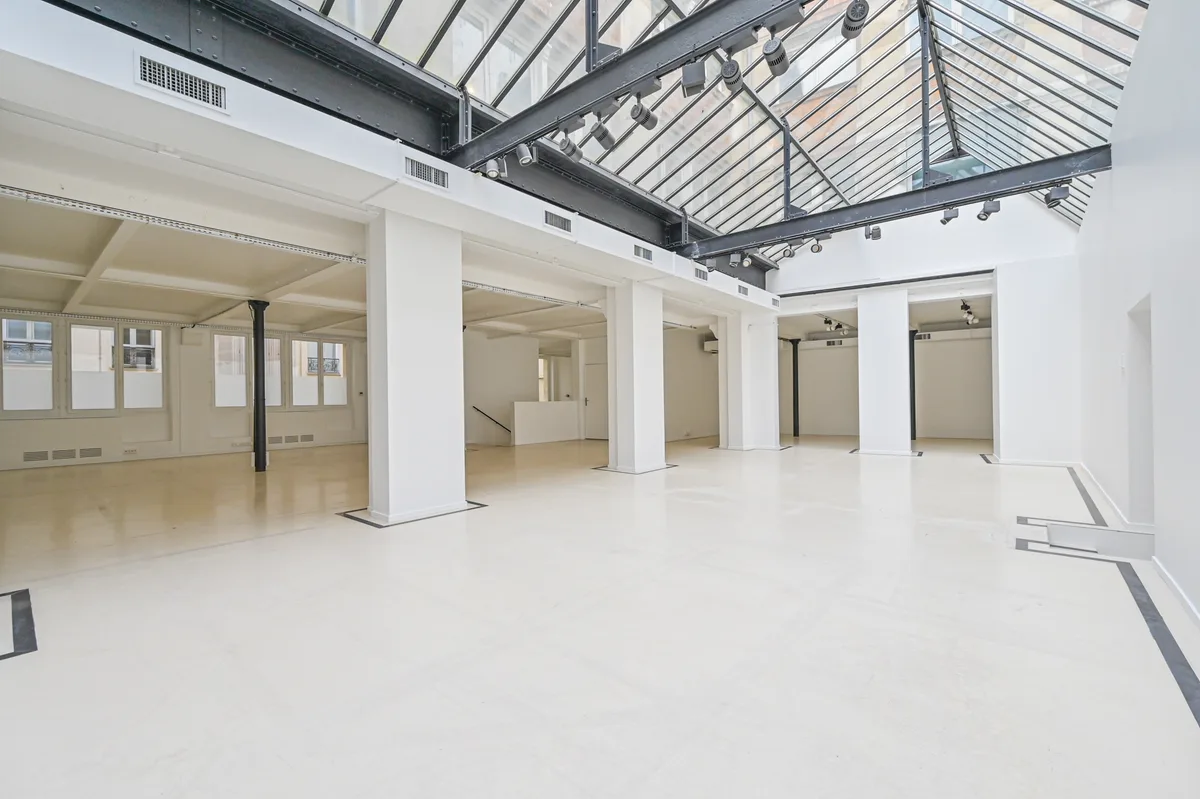
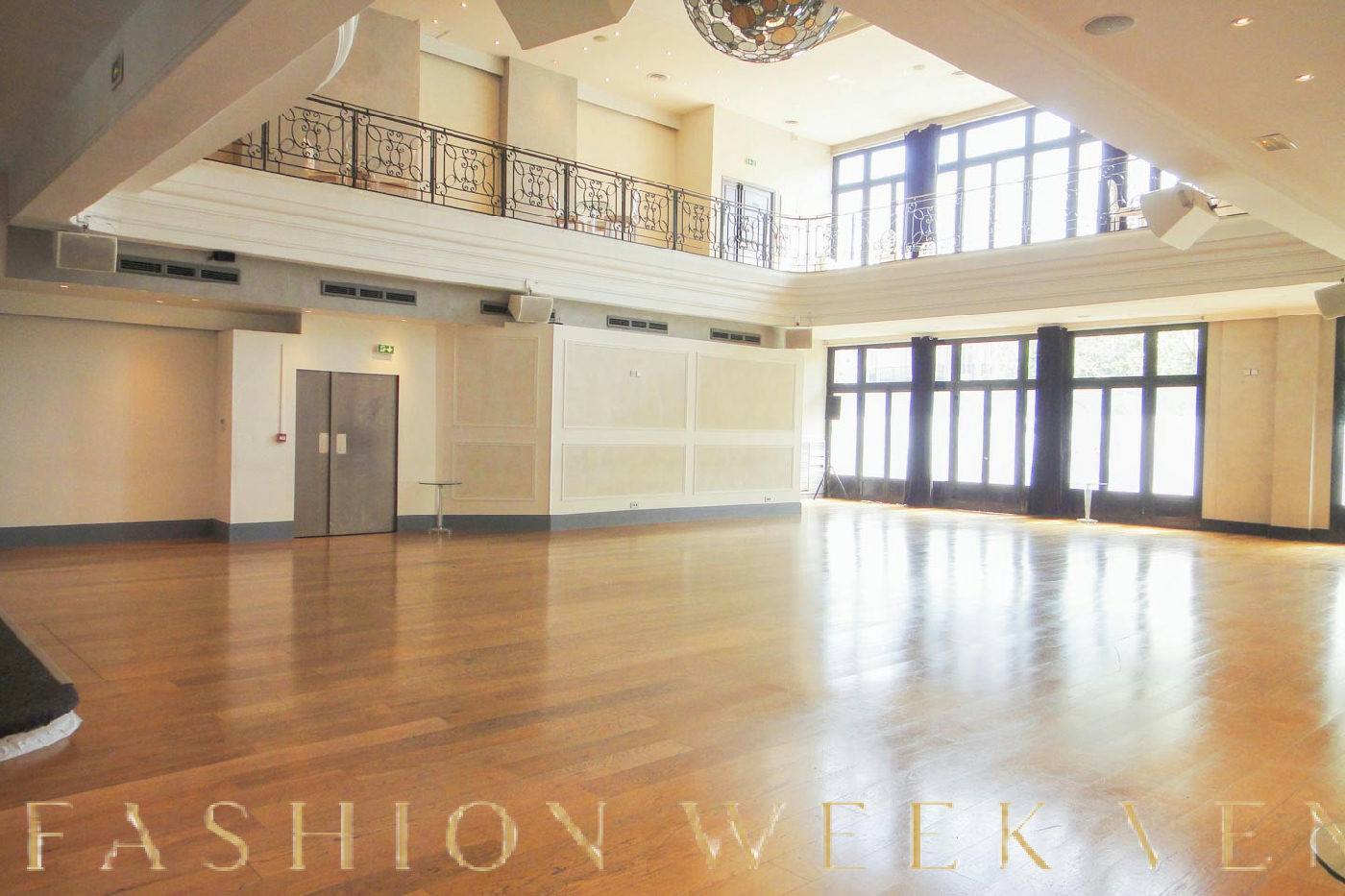
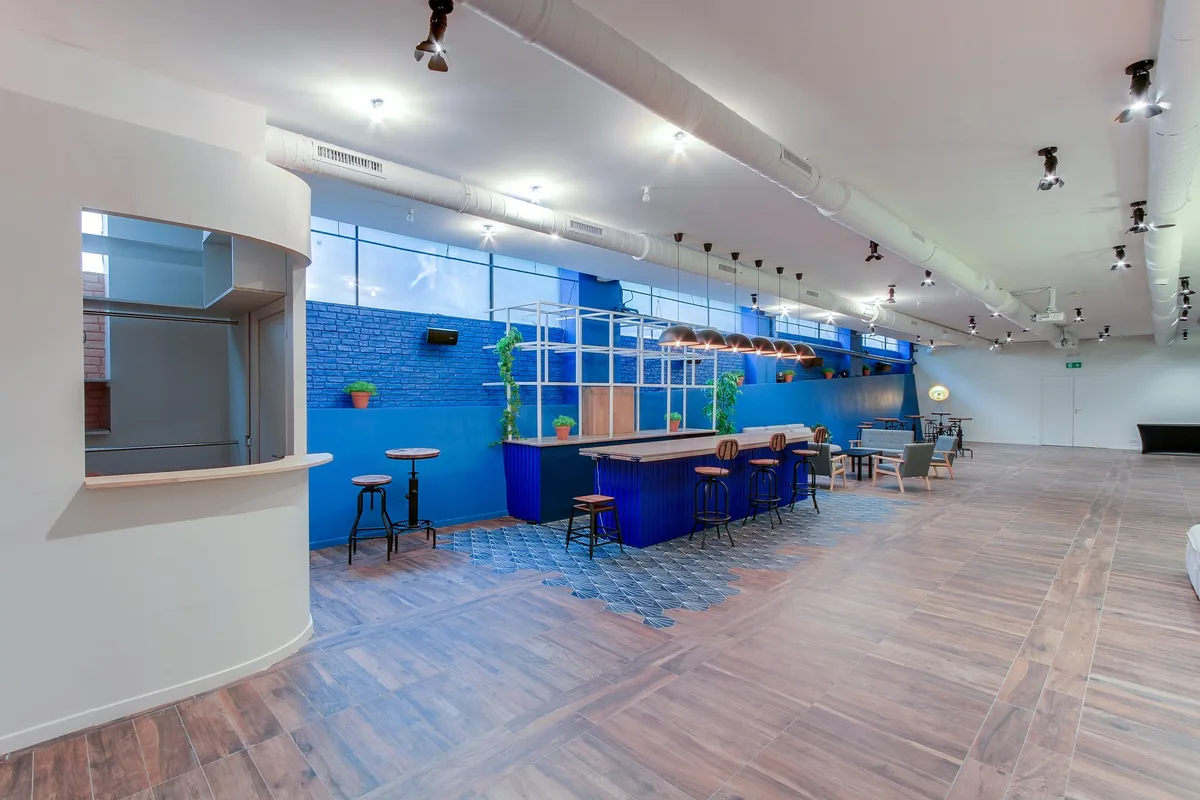
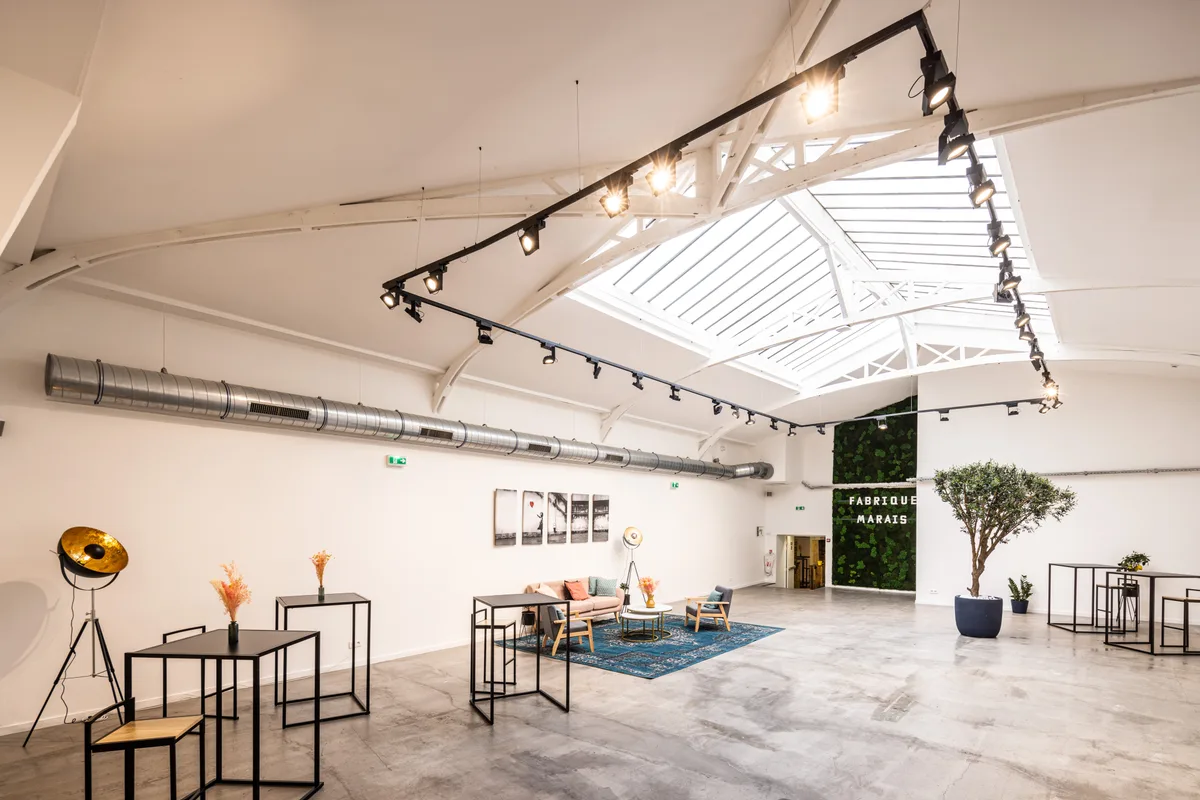
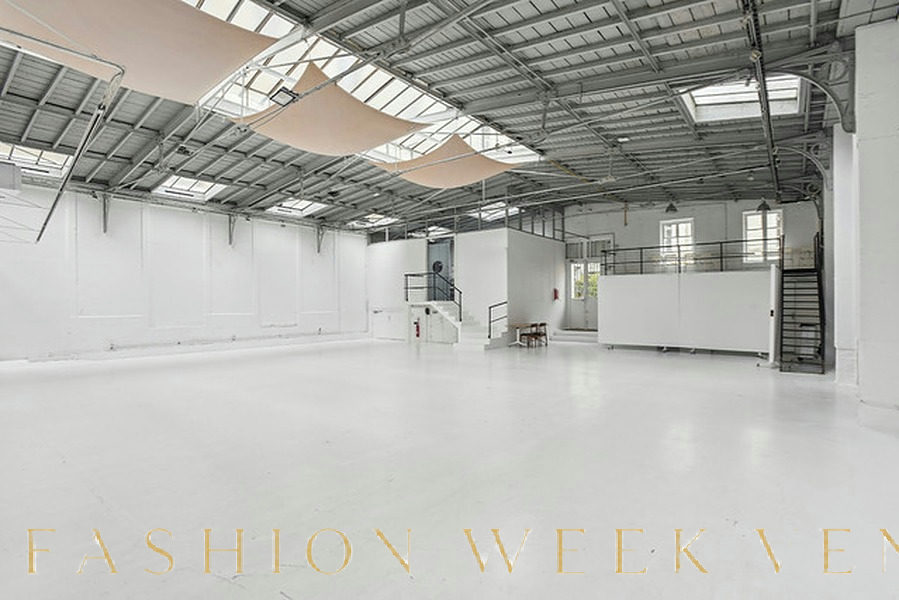
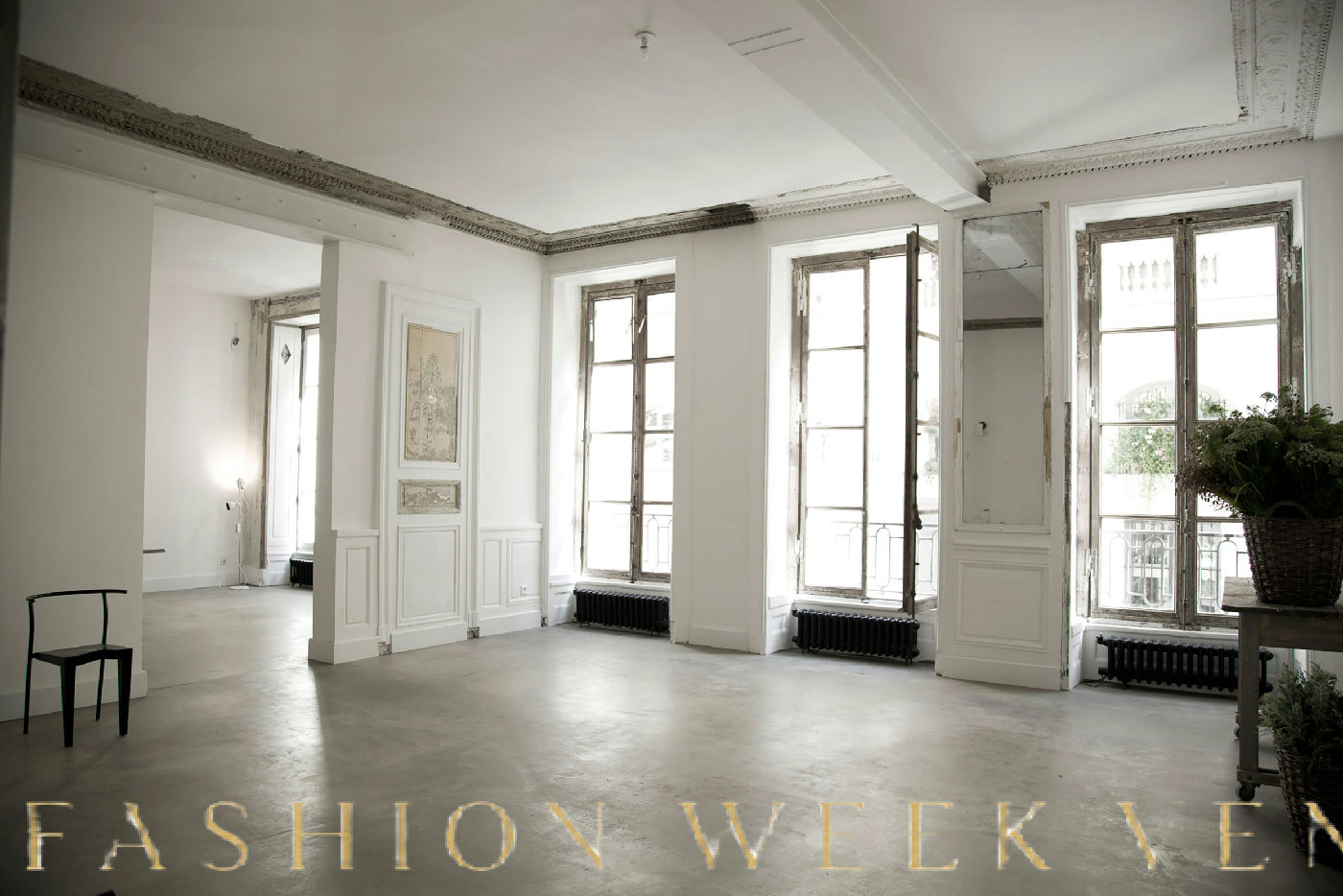
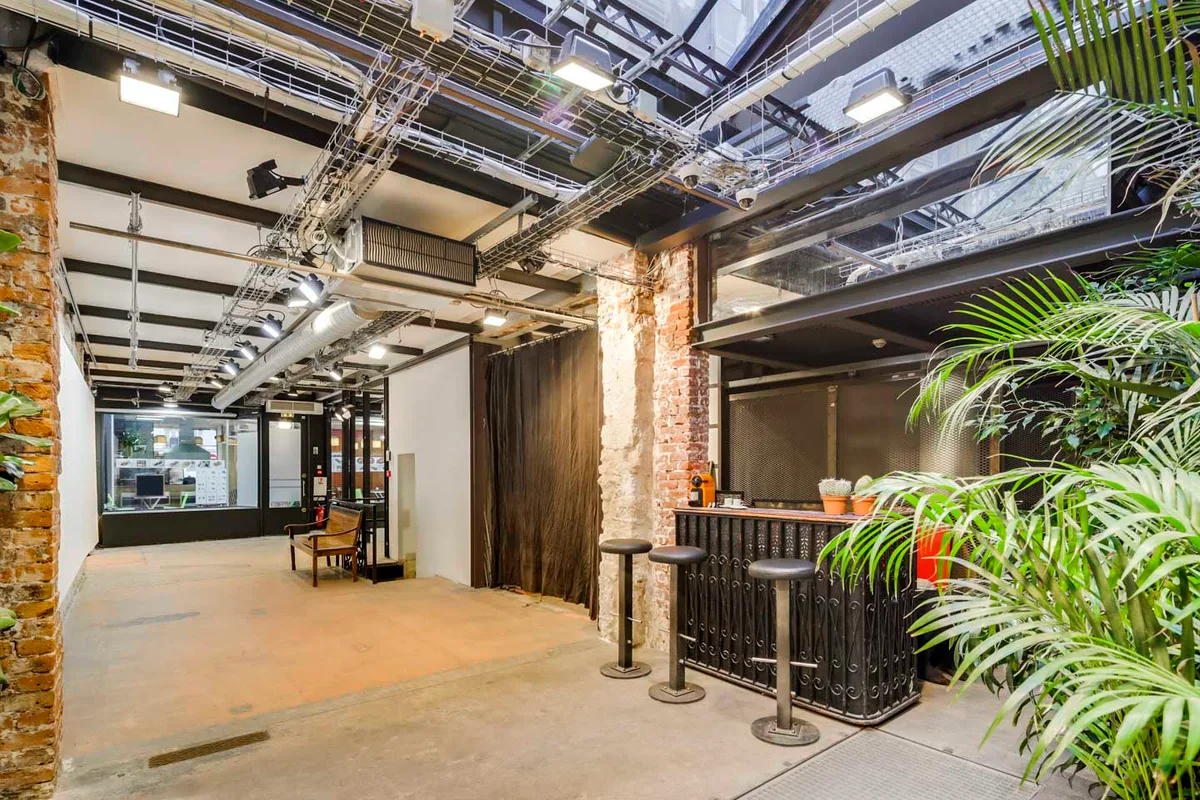
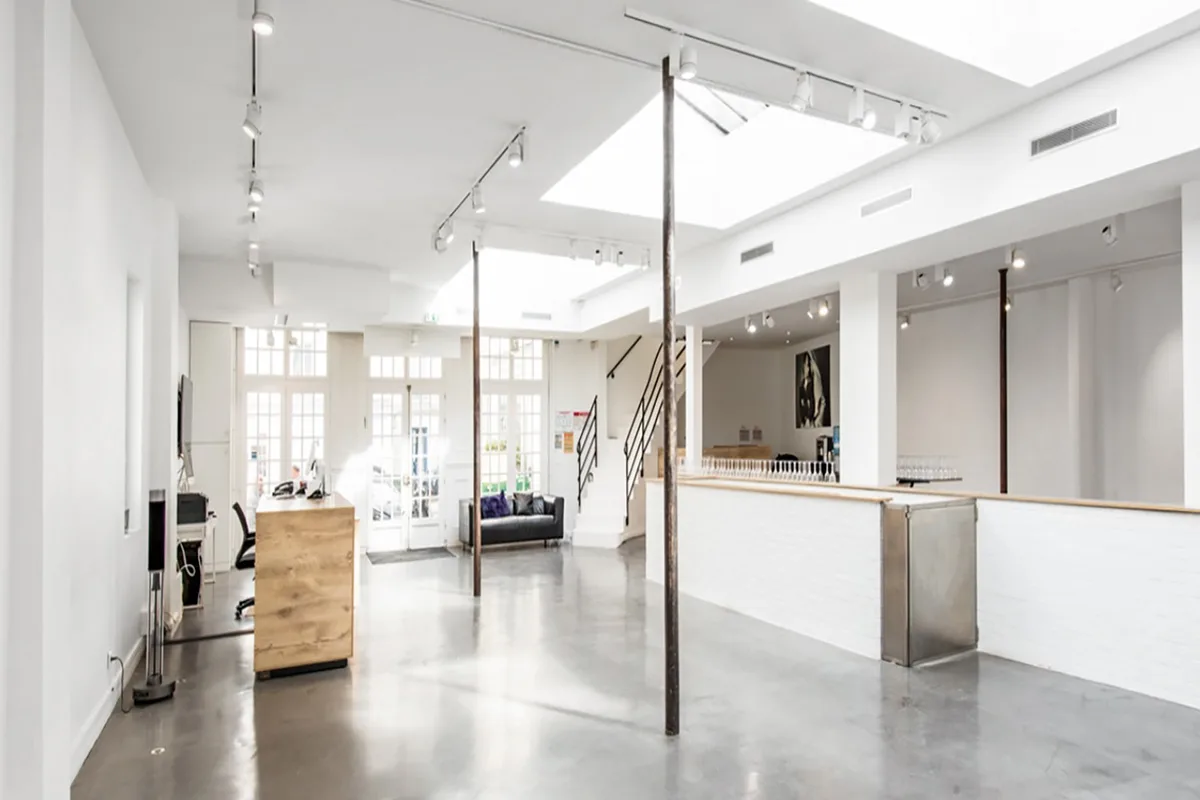
Paris, with its rich history and aesthetic essence, serves as an epicenter for global fashion. Understanding the nuances of Fashion Week venues in Paris is crucial for brands eager to make an impression. The city offers a variety of venue types, from opulent ballrooms and sleek modern spaces to intimate salons and expansive industrial settings, accommodating diverse thematic expressions.
DID YOU KNOW: Paris Fashion Week alone attracts over 6,000 visitors and generates around €400 million, making the right venue choice a critical component of success for participating brands.
When selecting a venue, factors such as location, size, flexibility, and technological infrastructure are paramount. Proximity to iconic landmarks like the Eiffel Tower or the Champs-Élysées can enhance attendance and media coverage. The arrondissement, or district, significantly impacts the ambiance and associated branding of an event.
Venues in Le Marais, for instance, exude a trendy, upscale vibe ideal for avant-garde fashion shows, while venues in the Opéra district may cater better to classical, high-luxury presentations. This strategic alignment can influence the turnout and reception of your event significantly.
KEY TAKEAWAY: Alignment between venue choice and brand identity is crucial for effective brand representation during Paris Fashion Week.
Another vital consideration is the ability to customize spaces. Many venues offer modular design capabilities to incorporate unique brand elements seamlessly. Technology infrastructures, such as high-speed internet connectivity and AV capabilities, can support modern fashion show requirements, including virtual streaming and intricate light shows.
For international brands, navigating the local cultural nuances and administrative processes, such as the bail dérogatoire and AOT permits, is essential. A comprehensive understanding of Parisian fashion culture can significantly enhance the overall event impact.
Ultimately, maximizing the potential of Fashion Week venues in Paris requires a combination of strategic planning, logistical precision, and local expertise. With a well-crafted approach, brands can transform these iconic spaces into memorable experiences.
Choosing the Right Venue: A Strategic Perspective
Selecting the perfect venue involves a strategic balancing act between location, cost, aesthetic appeal, and operational practicality. Each venue type presents unique advantages and potential drawbacks that brands must weigh carefully to meet specific event goals.
To begin, the scale of the event helps narrow down plausible options:
- Ballrooms and Large Event Spaces: Ideal for grand, high-profile shows with significant attendee expectations.
- Intimate Salons and Galleries: Suitable for exclusive, invite-only showcases aiming for direct engagement with VIP audiences.
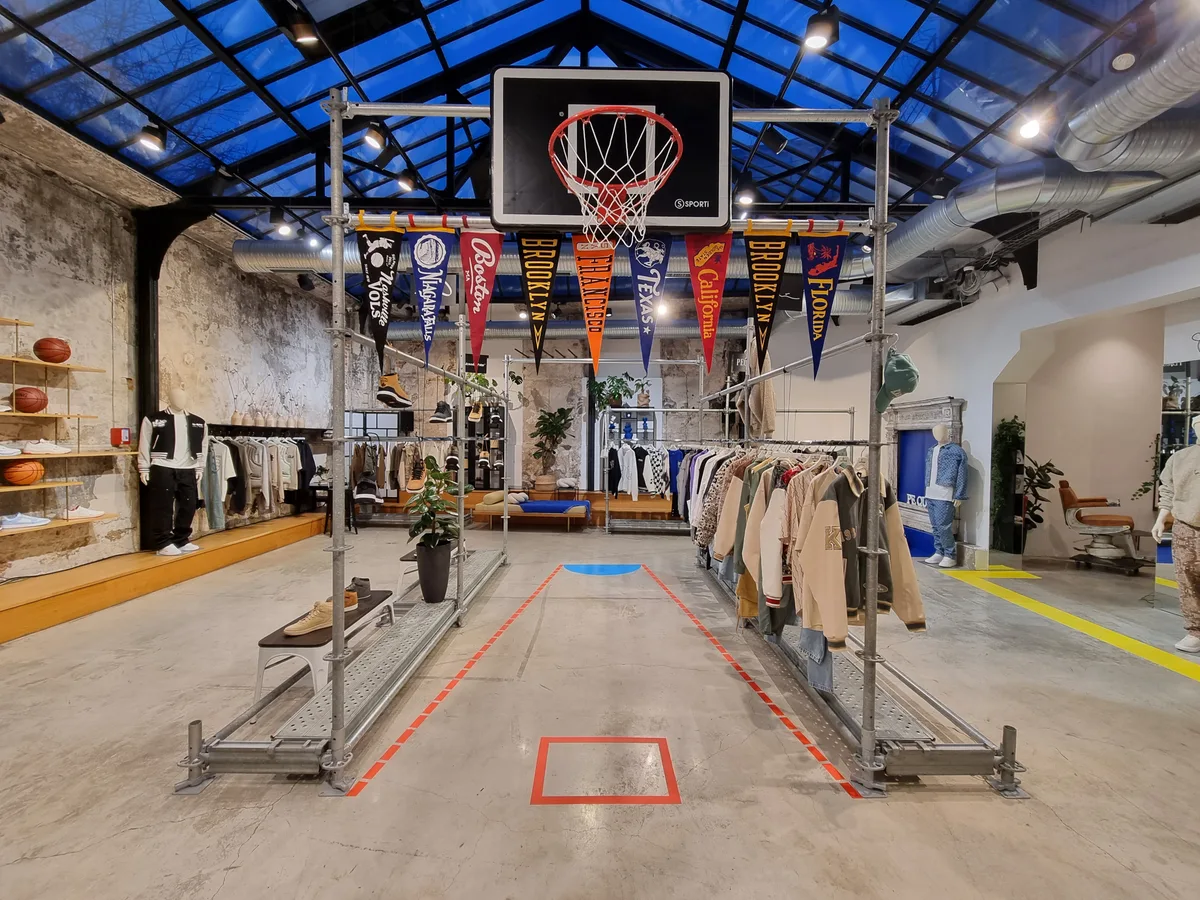
- Pop-up Spaces: Highly adaptable for experiential marketing and brand launches, providing unique opportunities for direct consumer interaction and feedback.
- Outdoor Venues: Offer expansive opportunities for creativity, though weather and logistical considerations can add complexity.
Cost considerations are critical and require accurate budget forecasting. Direct costs such as venue rent can be supplemented by indirect expenses like decoration, security, and technology setup. Flexibility in negotiating these terms can offer value while maintaining budgetary constraints.
TIP: Using tools such as the budget calculator on Fashion Week Venues can help estimate your specific venue and event costs efficiently.
Operational practicality involves considering the logistical aspects such as load-in/load-out times, available operational support (e.g., catering, security), and any potential restrictions on set-up or event timing. Additionally, brands need to consider visitor accessibility and potential noise ordinances, especially for outdoor or late-night events.
Aesthetically, matching the venue's natural style with the brand's vision is essential for a cohesive event experience. For instance, modern, minimalist interiors might suit a tech-forward brand, whereas a historic ballroom with architectural flair may align more with high-end luxury labels. The aesthetic should enhance the storytelling of the collection being presented.
KEY TAKEAWAY: Strategic venue selection should incorporate a synthesis of logistical feasibility, cost management, and brand alignment.
A meticulous venue selection process ensures that the physical space complements production requirements, enhances brand storytelling, and optimizes audience engagement. Integrating these factors into a defined strategy can lead to an effective, memorable event execution.
Understanding Permits and Regulations: Legal Essentials
Operating within the legal framework of French law is integral when planning any fashion event. An essential part of this is understanding the different types of permits that may apply, such as the bail dérogatoire and AOT, and navigating the nuanced legal landscape.
The bail dérogatoire is a short-term commercial lease of up to three years, often preferred by overseas brands for its flexibility compared to traditional long-term leases. It allows brands to avoid lengthy commitments while maintaining a presence during key fashion events. Meanwhile, the AOT (Autorisation d'Occupation Temporaire) allows use of public space but requires specific permissions from the local arrondissement, often presenting additional complexities.
Each type of space and neighborhood comes with distinct permit requirements, and understanding these is crucial for successful event planning. In most cases, an AOT will be required for installations in public spaces like sidewalks or streets, while indoor events must adhere to ERP (Establishments Receiving the Public) regulations regarding safety and accessibility.
It is advisable for brands to work closely with legal advisors familiar with French commercial law to navigate these requirements effectively. Legal intricacies can vary greatly depending on the arrondissement, type of venue, and duration of usage.
IMPORTANT: Compliance with local regulations is essential, and failing to do so can result in fines or the shutdown of your event.
Partnering with an experienced agency, like Fashion Week Venues, that offers permit guidance, can streamline this process, reduce risk, and ensure all legal requirements are met efficiently.
Additionally, transportation access, parking permits, and noise ordinance compliance are other logistical elements that could require permits or regulatory compliance based on the venue location.
KEY TAKEAWAY: Understanding and securing necessary permits is fundamental to flawless event execution, ensuring events are held within legal frameworks, thus protecting the brand's reputation and investments.
Thorough legal and regulatory preparation, in collaboration with seasoned partners, provides a solid foundation for successful event management and execution. It ensures brands can focus on creating a compelling event without unexpected legal hurdles.
Budgeting for Success: Financial Planning Realities
Budgeting is a critical component in event planning, encompassing all facets from venue hiring to marketing expenses. Establishing a realistic budget ensures effective allocation of resources and impacts overall event success.
To start, divide the budget into core categories: venue costs, production and build, marketing, staffing, and miscellaneous expenses. A detailed budget plan allows brands to prioritize spending cleverly, emphasizing areas that will maximize brand engagement and audience impact.
Venue costs represent a significant portion of the budget and vary based on size, location, and duration of the event. It's essential to factor in additional costs related to tech setups, furniture rentals, and potential customization of the venue to align with brand messaging.
Marketing is another vital expenditure, covering everything from influencers to digital campaigns. An effective campaign will increase visibility and attract the desired audience demographic. Brands should aim to allocate at least 20% of the total budget to marketing efforts to ensure robust event promotion.
| Budget Category | Suggested Percentage | Components |
|---|---|---|
| Venue Costs | 30-40% | Rent, Customization, Setup |
| Marketing | 20-25% | Social Media, PR, Influencer Partnership |
| Production | 15-20% | Stage Setup, AV, Staffing |
| Miscellaneous | 5-10% | Permits, Security, Insurance |
Utilizing the budget estimation tool from Fashion Week Venues can offer a customized financial model tailored to specific brand needs and event parameters.
KEY TAKEAWAY: A well-structured budget drives successful event planning by ensuring all resources are wisely allocated and managed.
Strategically planning budgets based on anticipated ROI helps brands justify expenses and adjust plans as necessary to stay within financial limits. Brands can further optimize expenditures by seeking partnerships or sponsors to share costs and elevate event prestige. Exploring these avenues equips brands with financial leverage to produce impactful events without exceeding budgetary constraints.
How Fashion Week Venues Supports Brand Activations
Fashion Week Venues plays an instrumental role in supporting brands through every stage of their event planning and execution process. From venue sourcing to activation management, their comprehensive suite of services is designed to address the nuanced demands of the fashion industry.
With a marketplace dedicated to short-term spaces, Fashion Week Venues offers tailored solutions to meet varied brand requirements. Their platform is ideal for creative directors and brand managers seeking specific space types within desired budgets. This extensive network simplifies the often daunting task of finding the right venue.
Creative and operational support also extend to concept and creative direction, ensuring the brand's vision is executed authentically and compellingly. Their services include branded store design, production and build capabilities, and retail staffing, enabling a seamless transition from planning to execution.
Their tools, such as the budget calculator, ROI calculator, and permits tool, provide invaluable insights that guide brands toward making informed financial and strategic decisions. Coupled with their extensive industry experience, these resources help avoid common pitfalls and expedite the planning process effectively.
KEY TAKEAWAY: Partnering with Fashion Week Venues ensures access to expert resources and industry-specific insights for innovative and successful brand activations.
Fashion Week Venues helps streamline the intricate processes associated with pop-up and experiential marketing, providing end-to-end solutions that align with each brand’s distinctive style and objectives. This partnership empowers brands to create memorable experiences that resonate with their target audiences, all while navigating operational complexities with ease.
To explore collaboration opportunities and optimize your next brand activation, visit the services page of Fashion Week Venues.
Common Myths Debunked
MYTH: You need a French legal entity to rent a space in Paris.
FACT: While having a French entity can facilitate operations, international brands can rent spaces through liable local partnerships. Engaging with an experienced agency like Fashion Week Venues helps navigate the legal terrains efficiently without needing to establish a local entity.
MYTH: Paris Fashion Week is the only viable calendar window to launch events.
FACT: Although Paris Fashion Week is a prestigious time, Paris offers numerous fashion events year-round. Utilizing other windows can lessen competition and create unique engagement opportunities. Creativity can flourish outside the well-trodden paths of major fashion weeks.
MYTH: Commission brokers are the only way to find a space in Paris.
FACT: The emergence of digital marketplaces like Fashion Week Venues allows brands to explore a variety of spaces conveniently without broker involvement, offering transparent comparison across multiple venues and eliminating extra costs.
MYTH: Short-term leases are legally straightforward without specialist help.
FACT: Short-term leases, including the bail dérogatoire, involve specific legal parameters that can be complex. Expert advice ensures compliance with Parisian laws, mitigating risk and facilitating seamless operations.
Frequently Asked Questions
What is a bail dérogatoire?
A bail dérogatoire is a short-term commercial lease generally used for periods up to three years in Paris. It offers flexibility that traditional commercial leases do not, making it an attractive option for brands seeking temporary setups during events like fashion weeks.
Can international brands host events without a French entity?
Yes, international brands can host events by collaborating with local partners or agencies like Fashion Week Venues, which handle the compliance and logistics of hosting an event in Paris, eliminating the need for a distinct legal entity.
What types of venues are best for fashion week events in Paris?
Paris offers a variety of venues suitable for fashion events, including ballrooms, galleries, pop-up spaces, and outdoor locations. Each type caters to different aesthetic and practical needs, allowing brands to select venues aligned with specific thematic and logistical requirements.
How important is location when selecting a fashion week venue?
Location is critical as it affects accessibility, brand perception, and logistical arrangements. Choosing iconic or strategically positioned venues can enhance brand prestige and audience turnout, making it a vital consideration for successful events.
Are there any hidden costs in venue hire?
Potential hidden costs include additional permits, insurance, security staffing, technical setups, and potential overtimes. Carefully reviewing contractual terms and seeking expert guidance minimizes unexpected expenses.
What are the advantages of using a venue sourcing service?
Venue sourcing services offer a streamlined approach, saving time and resources by accessing a curated selection of venues that meet specified criteria, helping ensure that choices align with strategic branding and operational needs.
How can we ensure our event complies with local Paris regulations?
Engaging with local experts or agencies like Fashion Week Venues can help navigate the complex regulatory landscape, ensuring all local laws and requirements are met efficiently to safeguard your event's legality and success.
Is there flexibility in adjusting venue setup and decorations?
Most venues provide a level of customization to meet specific brand requirements. It's essential to discuss and confirm customization options with venue management during initial negotiations to ensure they align with branding specifications.
Why is a budget plan important for event success?
A comprehensive budget plan ensures efficient allocation of resources, helping prioritize spending on high-impact areas like venue, marketing, and production. It also assists in maintaining financial discipline and achieving desired ROI.
What roles do logistics play in the success of a fashion event?
Logistics encompass the planning and execution of all elements of the event process, from setup to tear down, including transportation, inventory management, and scheduling. Effective logistics ensure that an event operates smoothly, enhancing the audience experience.
How do you calculate the ROI of a fashion event?
The ROI of a fashion event can be measured by assessing the return from direct sales, brand exposure, customer engagement, and subsequent business opportunities. Tools like Fashion Week Venues’ ROI calculator provide a framework for estimating potential returns.
Can Fashion Week Venues assist with event marketing?
Yes, Fashion Week Venues offers comprehensive services including influencer marketing and strategic promotions to ensure widespread visibility and impactful engagement before, during, and after your event.
What is the benefit of using AI tools in event planning?
AI tools facilitate efficient decision-making by offering insights into space utilization, budget planning, and event ROI calculation, providing brands with data-driven strategies for optimal event execution.
Conclusion
Navigating the competitive landscape of the fashion industry requires not only creativity but also strategic acumen. Fashion Week Venues offers a holistic platform to dream, plan, and execute world-class events that elevate brand identity and reach. By leveraging the expansive capabilities of Fashion Week Venues—from their meticulous venue sourcing to cutting-edge activation tools—brands can transform their ambitious visions into vivid realities. Whether you aim to host a debut in Paris or explore other fashion capitals, start your journey at the Fashion Week Venues marketplace, your gateway to influential fashion events and successful brand experiences.