To find retail space in Paris that matches your brand, budget, and activation timeline, you need to understand the city's distinct neighbourhood dynamics, commercial lease structures, permit requirements, and the difference between short-term pop-up formats and longer-term commercial commitments. Paris is not a single retail market. It is a collection of highly specific micro-markets, each with its own foot traffic profile, clientele, pricing norms, and regulatory context. Whether you are sourcing a fashion showroom in Le Marais, a storefront on Rue de Rivoli, or a temporary pop-up space near Place Vendôme, the sourcing process requires local expertise, landlord relationships, and careful planning well ahead of your target dates. Fashion Week Venues supports brands searching for pop-up and retail spaces across Paris with end-to-end services from venue sourcing to activation management.
Why Paris Remains One of the World's Most Competitive Retail Markets
Paris consistently ranks among the top three most expensive and most competitive retail real estate markets globally, alongside London and New York. The combination of luxury heritage, international tourism, a dense and affluent local population, and the global visibility of Paris Fashion Week creates year-round demand for commercial space across a range of formats, from flagship boutiques to temporary pop-up stores and fashion showrooms.
The city attracts brands from every category: luxury houses such as Dior consolidating flagship presence on Avenue Montaigne, contemporary labels like KITH entering the European market with curated storefront activations, and emerging designers using short-term rental formats to test product-market fit without long-term lease commitments. This diversity of demand is precisely why finding the right retail space in Paris requires a strategic approach rather than a simple property search.
Paris retail is shaped by arrondissement-level distinctions that go far beyond geography. The 1st arrondissement carries the weight of Rue de Rivoli and the Tuileries adjacency. The 8th is home to the Golden Triangle, Avenue des Champs-Élysées, Boulevard Malesherbes, Place de la Madeleine, and some of the highest commercial rents in Europe. The 3rd and 4th arrondissements house Le Marais, arguably the most versatile mixed-use retail neighbourhood in Paris, with galleries, boutiques, showrooms, and studio spaces coexisting within walking distance. The 6th offers the residential luxury of Saint-Germain-des-Prés. The 9th delivers Pigalle and the area around Galeries Lafayette and Printemps. Montmartre in the 18th attracts a creative and tourist-heavy mix. Each of these zones has a different commercial property market, different landlord expectations, and a different visitor profile.
France's commercial real estate market is also structurally different from the UK or US markets. Commercial leases in France operate under strict statutory frameworks, including the 3-6-9 bail commercial structure that governs most long-term retail tenancies. Short-term and temporary retail formats rely on different legal instruments, primarily the bail dérogatoire, which allows leases of up to 36 months outside the standard commercial lease protections, and the autorisation d'occupation temporaire, which governs temporary use of certain public or semi-public spaces. Understanding these structures is essential before committing to any rental arrangement.
Quick answer: Paris retail space is competitive, arrondissement-specific, and governed by distinct legal frameworks that differ significantly from Anglo-American commercial property markets. Brands entering Paris need neighbourhood-level knowledge, a clear understanding of lease types, and either local legal support or an agency experienced in short-term and temporary retail formats.
DID YOU KNOW: The 8th arrondissement of Paris, which covers the Golden Triangle, Avenue des Champs-Élysées, Place de la Madeleine, Rue de Marignan, and Rue Paul Cézanne, is consistently one of the most expensive commercial property zones in all of Europe, with prime rents per square metre comparable to Bond Street in London and Fifth Avenue in New York.
KEY TAKEAWAY: Paris is not one retail market but a layered ecosystem of neighbourhood micro-markets, each with distinct pricing, footfall profiles, tenant mixes, and regulatory environments. Successful space discovery starts with a clear neighbourhood strategy, not a broad property search.
Understanding why Paris is competitive helps you focus your search intelligently. The next step is identifying which neighbourhood and space type genuinely serves your brand objective.
Paris Neighbourhood Guide: Where to Find Retail Space by Brand Profile
The neighbourhood you choose determines not just your rent but your foot traffic profile, your likely clientele, your competitive context, and your brand perception in the Paris market. Each major commercial zone has distinct characteristics that make it appropriate for certain brand types and activation formats.
Le Marais and the 3rd and 4th Arrondissements
Le Marais is the most versatile retail neighbourhood in Paris for contemporary fashion, independent boutiques, art galleries, fashion showrooms, and pop-up stores. It combines residential density with strong international tourism, a creative community, and a historic streetscape that gives almost any activation a degree of visual authority. Streets like Rue des Francs-Bourgeois, Rue Vieille du Temple, and the area around Les Enfants Rouges market offer high foot traffic, a design-conscious audience, and a strong social media presence from both brands and visitors. Spaces in Le Marais tend to be former ateliers, apartments converted to commercial use, small gallery formats, or street-level boutiques, making them well-suited to pop-up activations and short-term fashion showroom formats.
The Golden Triangle and the 8th Arrondissement
The 8th arrondissement, encompassing Avenue Montaigne, Rue du Faubourg Saint-Honoré, Rue de Marignan, Rue Paul Cézanne, Rue de la Baume, Rue Boissière, Boulevard Malesherbes, and Place de la Madeleine, is Paris's luxury heartland. Brands operating here are communicating prestige by location alone. Commercial rents are among the highest in Europe, and landlords in this zone are selective about tenants. Short-term and pop-up formats do exist here, but they are typically associated with established brands launching limited-edition activations or international luxury houses testing a new format. The Paris 8th is also the zone most associated with Fashion Week showrooms due to its proximity to major show venues and the concentration of press, buyers, and industry visitors during the fashion calendar.
Rue de Rivoli and the 1st Arrondissement
Rue de Rivoli and the surrounding 1st arrondissement offer some of the highest tourist foot traffic in Paris, driven by proximity to the Louvre, the Tuileries Garden, and the Palais Royal. The address 144 Rue de Rivoli is among the most recognisable commercial addresses in the city. This zone attracts brands seeking maximum visibility with an international tourist audience, though the clientele skews more towards accessible luxury and lifestyle than the ultra-premium positioning of the Golden Triangle.
Saint-Germain-des-Prés and the 6th Arrondissement
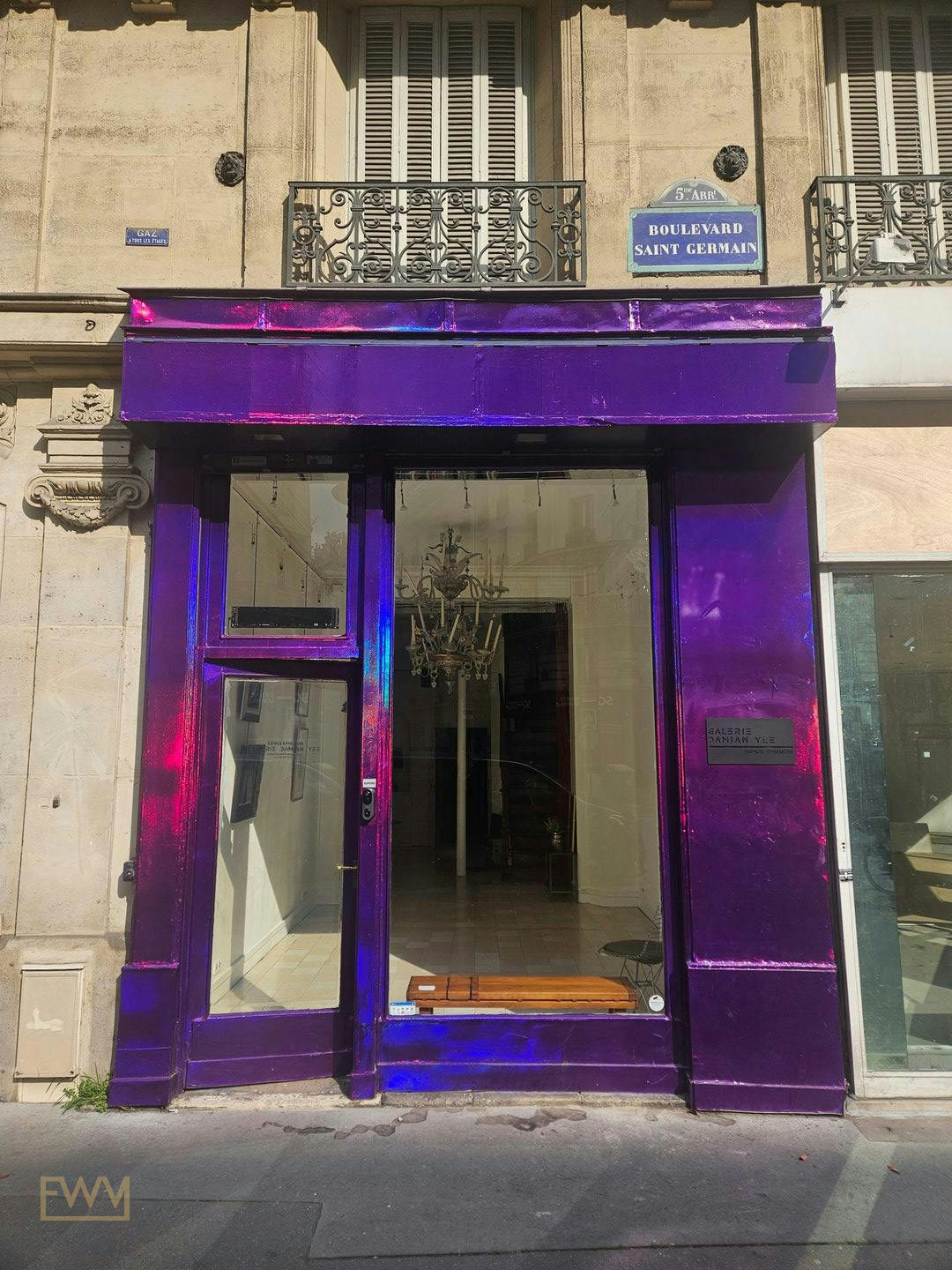
Saint-Germain-des-Prés combines intellectual heritage with residential luxury. The neighbourhood attracts an affluent, culturally engaged local audience alongside significant tourism. It is particularly well-suited to beauty brands, lifestyle boutiques, art-adjacent activations, and high-end home and fashion concepts. Commercial space here tends to be premium and landlord relationships are essential, as many spaces are owner-managed or handled by a small number of local property agents.
Pigalle and the 9th Arrondissement
Pigalle has undergone significant repositioning over the past decade, evolving from its historic entertainment district associations into a creative retail cluster with a strong streetwear, music, and youth culture presence. The area around Galeries Lafayette and Printemps brings department store adjacency and extremely high foot traffic. Brands in the contemporary, streetwear, beauty, and lifestyle categories increasingly look at Pigalle and the broader 9th for pop-up stores and short-term retail activations.
Montmartre and the 18th Arrondissement
Montmartre attracts both tourists and a creative local residential community. Commercial space here is more affordable relative to central Paris zones, making it viable for smaller brands, artist-in-residence concepts, studio photo spaces, and charming boutique formats. The neighbourhood's visual appeal and social media presence make it attractive for brand activations that rely on aesthetic content creation and visitor-generated media.
Quick answer: The right Paris neighbourhood for your retail space depends on your brand positioning, target audience, budget, and activation format. Le Marais suits contemporary fashion and pop-ups; the 8th suits luxury and Fashion Week showrooms; Rue de Rivoli suits tourist-facing formats; Saint-Germain suits lifestyle and beauty; Pigalle suits contemporary and streetwear; Montmartre suits creative and studio formats.
| Neighbourhood | Best For | Space Types Available | Relative Rent Level | Key Streets |
|---|---|---|---|---|
| Le Marais (3rd/4th) | Fashion, showrooms, art, pop-ups | Boutique, gallery, apartment, studio | Medium to high | Rue des Francs-Bourgeois, Rue Vieille du Temple |
| Golden Triangle (8th) | Luxury, Fashion Week, flagship | Flagship, showroom, event space | Very high | Avenue Montaigne, Rue de Marignan, Rue de la Baume |
| Rue de Rivoli (1st) | Tourist-facing, lifestyle, accessible luxury | Storefront, pop-up, gallery | High | Rue de Rivoli, Rue du Quatre Septembre |
| Saint-Germain (6th) | Beauty, lifestyle, home, art | Boutique, atelier, gallery | High | Boulevard Saint-Germain, Rue de Rennes |
| Pigalle/9th | Streetwear, contemporary, beauty | Pop-up, storefront, concept store | Medium | Rue des Martyrs, Boulevard Haussmann area |
| Montmartre (18th) | Creative, studio, boutique | Studio photo, charming boutique, atelier | Medium to low | Rue Lepic, Rue des Abbesses |
KEY TAKEAWAY: Each Paris neighbourhood operates as a distinct commercial micro-market. Choosing the wrong neighbourhood for your brand positioning is as damaging as overpaying on rent, so neighbourhood strategy must precede space search.
Once you have identified the right neighbourhood profile, the next decision is what type of retail space format actually matches your activation goals.
Retail Space Types in Paris: From Pop-Up Stores to Fashion Showrooms
Paris offers a wider range of commercial space formats than almost any other European city, reflecting both the depth of its retail heritage and the variety of international brands that use the city as an activation platform. Understanding which space type suits your project prevents costly mismatches between venue format and brand objective.
Pop-Up Stores and Temporary Retail Spaces
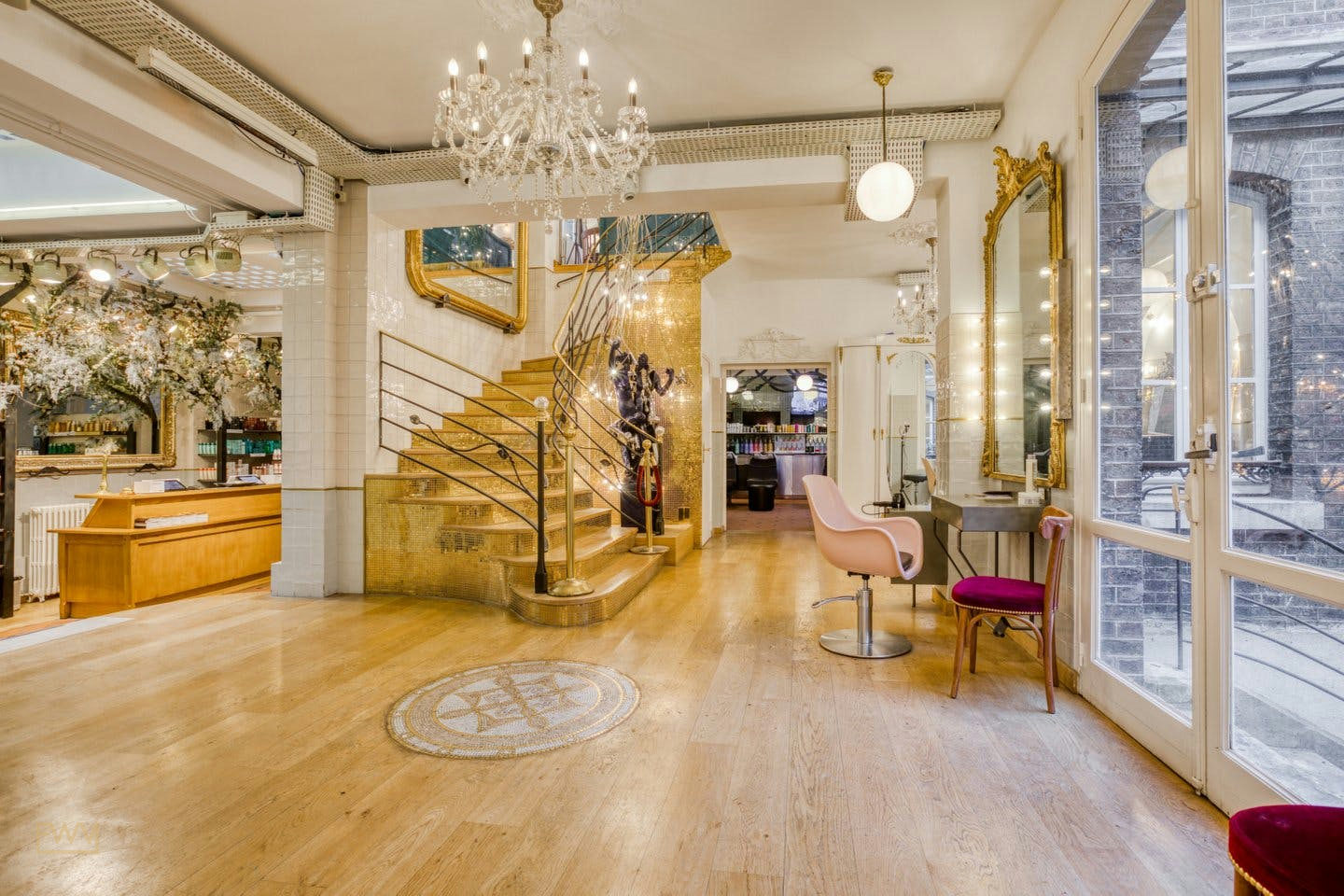
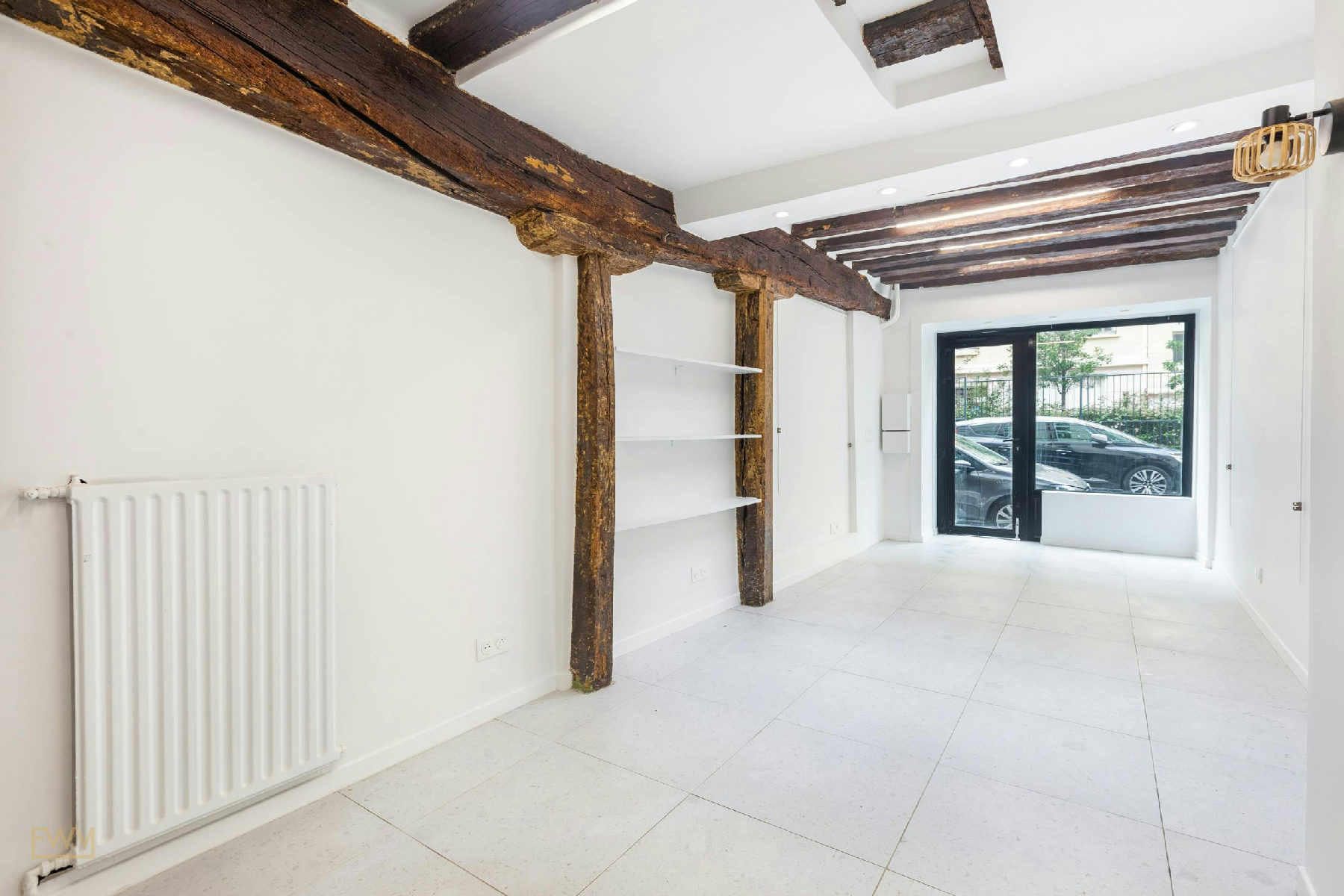
Pop-up stores in Paris typically operate on short-term rental arrangements ranging from a few days to several months. They are the most flexible format for brands testing a new market, launching a product, or activating around a specific event such as Paris Fashion Week. A pop-up store space in Paris might be a street-level storefront in Le Marais, a former gallery space near Place Vendôme, or a shared retail unit in a high-footfall zone. The temporary retail category includes dedicated pop-up store formats as well as converted spaces that are adapted from their original use for a specific activation period.
Fashion Showrooms
A fashion showroom in Paris is a professional-grade presentation space used to host press, buyers, retail partners, and brand stakeholders during collection presentations or season trade appointments. Showroom requirements differ from retail pop-up requirements: lighting quality, floor finish, ceiling height, and the ability to control access are all critical. Polished concrete floors and raw concrete floors both appear frequently in Paris showroom inventories, with the former offering a more finished aesthetic and the latter providing a more raw, editorial feel. Spotlights and adjustable track lighting are near-universal requirements for fashion showroom spaces. The 8th arrondissement and parts of Le Marais have the highest concentration of purpose-suitable fashion showroom inventory.
Art Galleries and Gallery Spaces
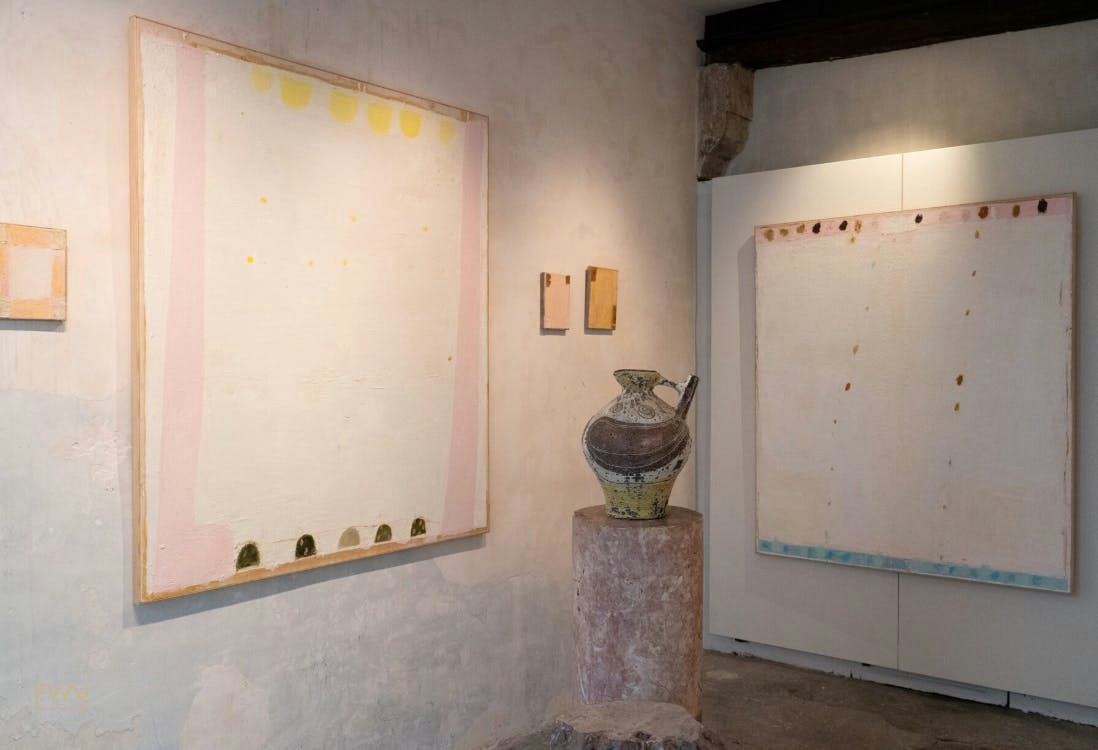
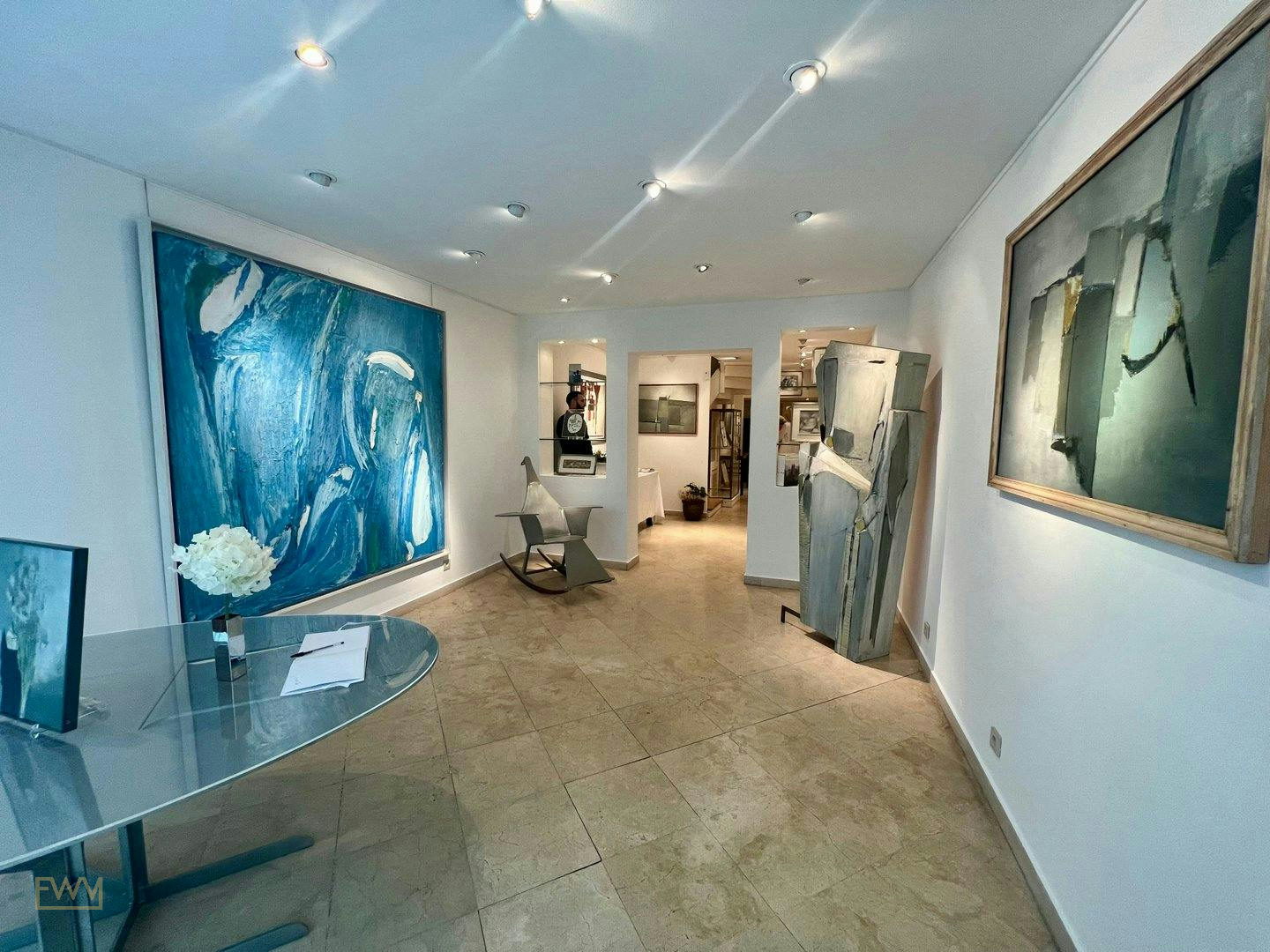
Gallery spaces in Paris are frequently repurposed for fashion and luxury brand activations, particularly for brands seeking a refined, culturally positioned setting for a launch event, press preview, or immersive brand experience. Gallery formats typically offer high ceilings, clean white or neutral walls, professional lighting infrastructure, and landlords accustomed to short-term rental arrangements. Le Marais has the highest concentration of galleries available for short-term commercial use.
Boutique and Storefront Spaces
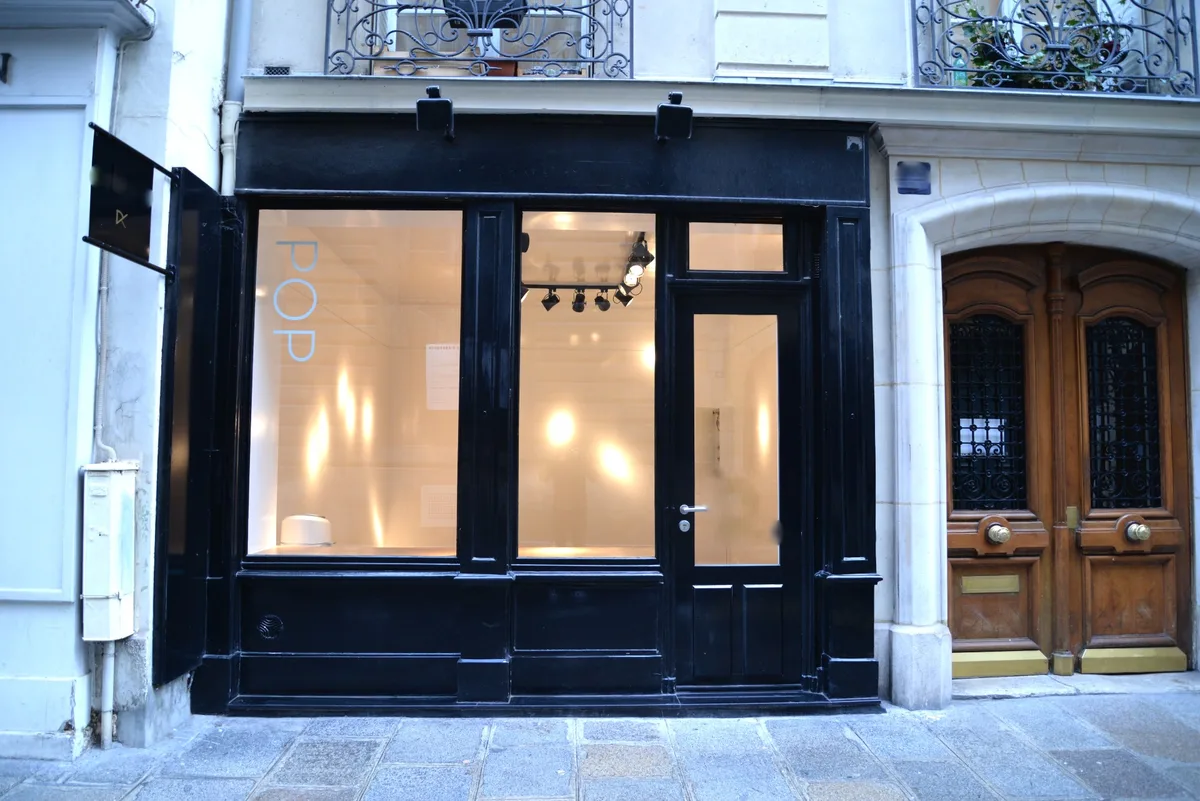
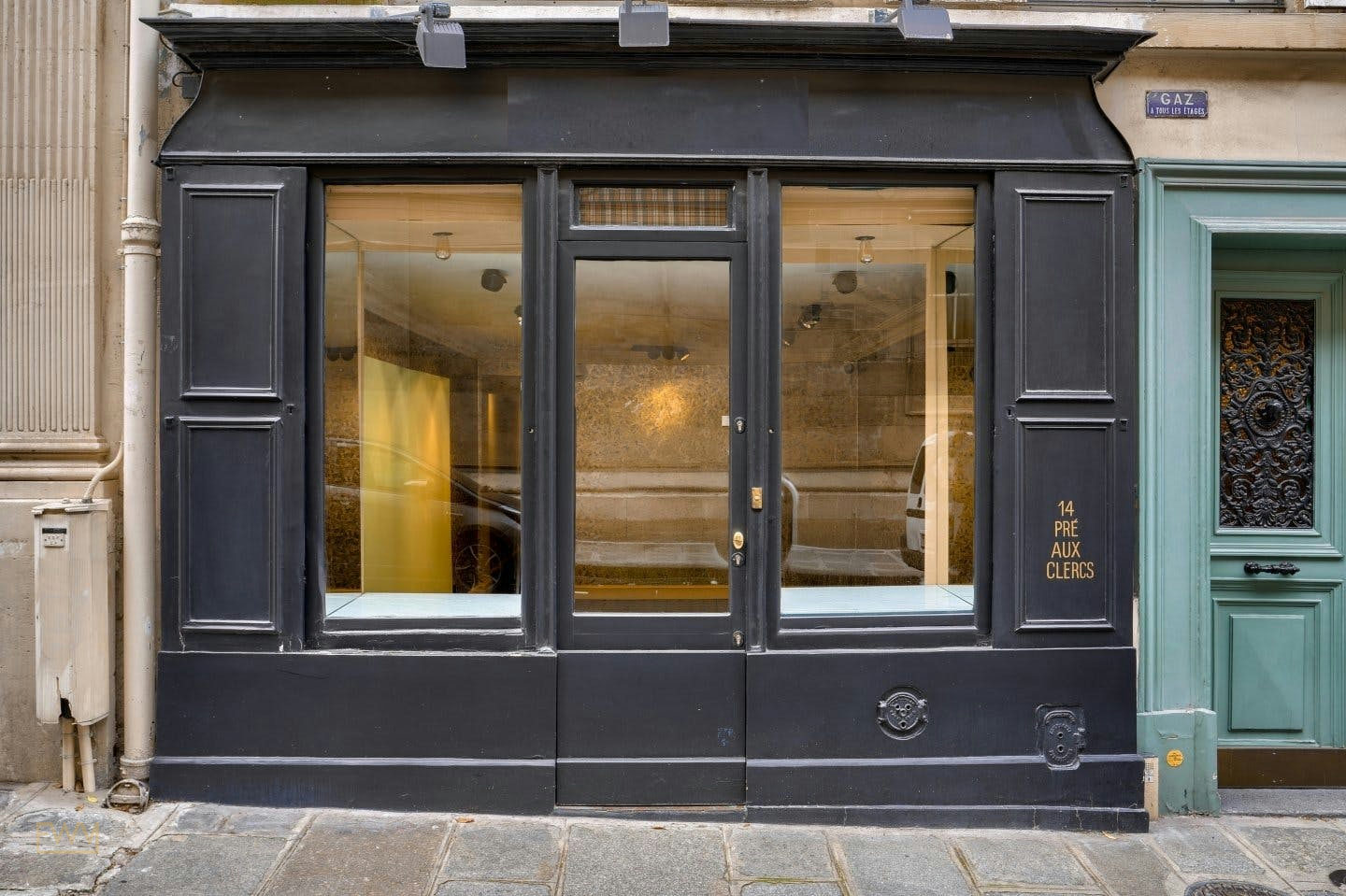
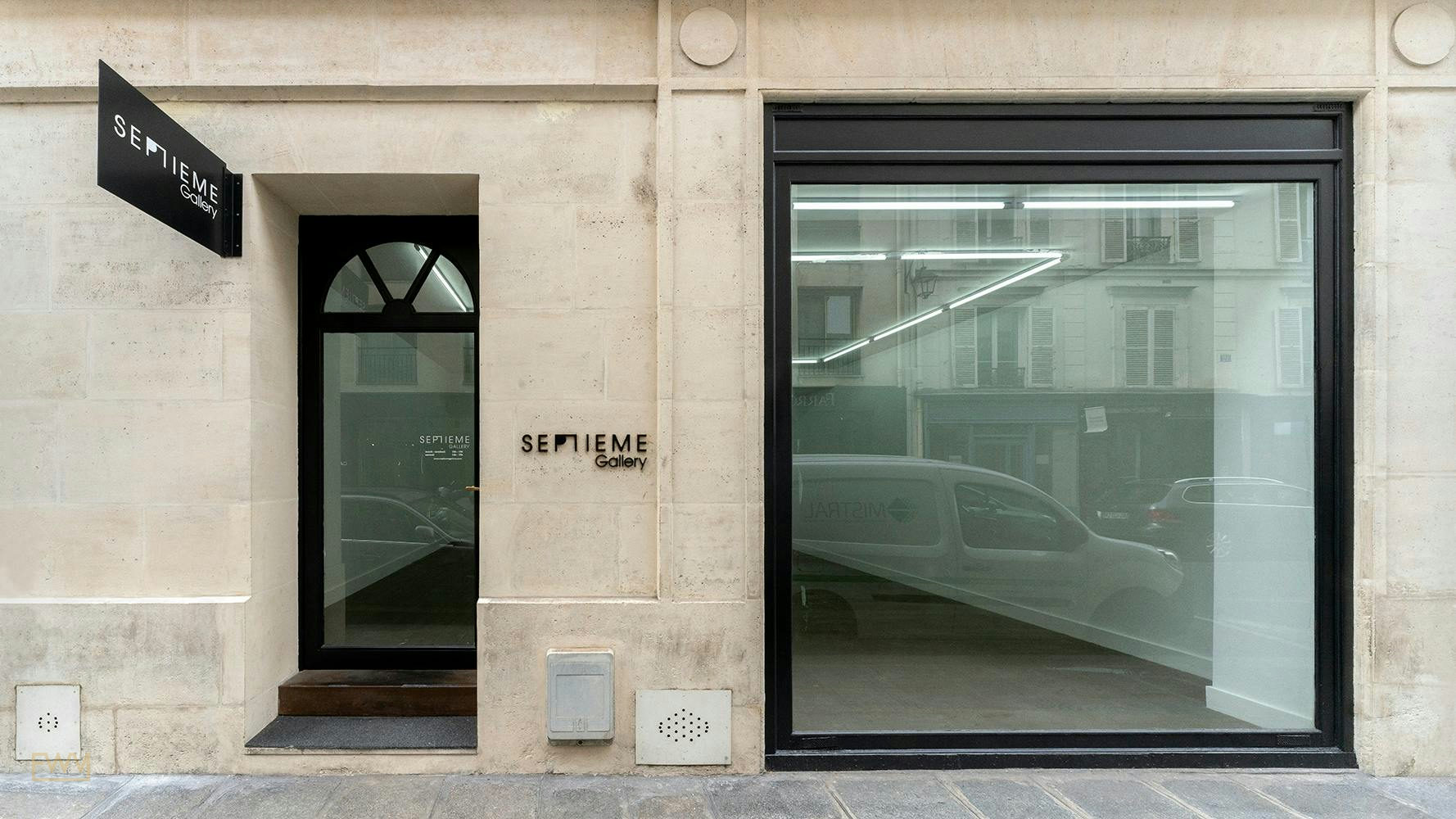
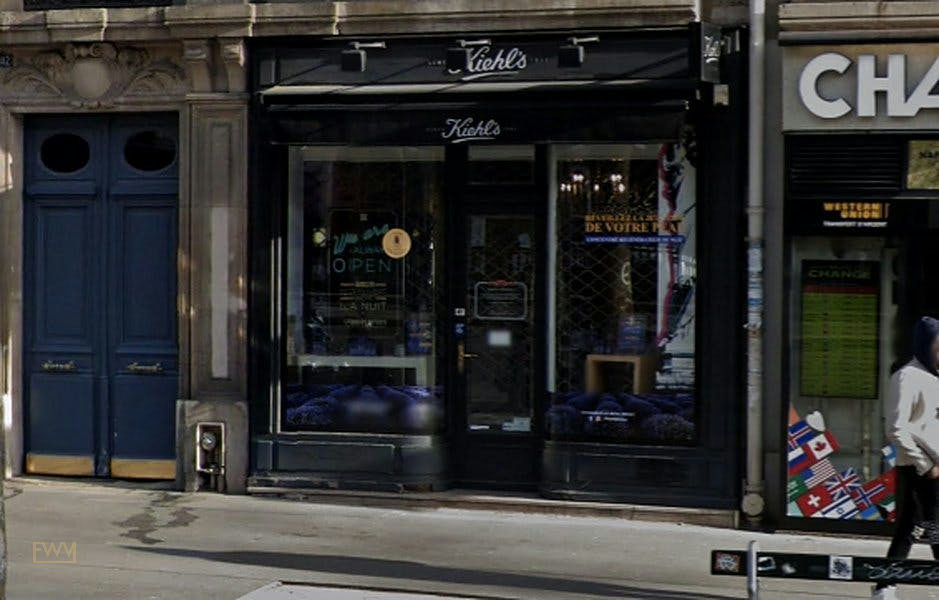
Traditional boutique and storefront formats with direct street frontage are the most commercially legible space type for retail pop-up stores. They offer natural foot traffic, window display opportunities, and immediate brand visibility. Storefront spaces in prime Paris locations typically command premium rents and require advance planning, particularly for Fashion Week windows where demand compresses significantly and landlords receive multiple enquiries for the same dates.
Studio Photo and Creative Spaces
Studio photo spaces in Paris are used by brands for content creation, campaign shoots, and digital-first activations that prioritise social media output over traditional retail transactions. These spaces often feature controllable lighting, white or neutral walls, and flexible floor plans. Montmartre and parts of the 10th and 11th arrondissements have a strong concentration of photography studio spaces available for short-term rental.
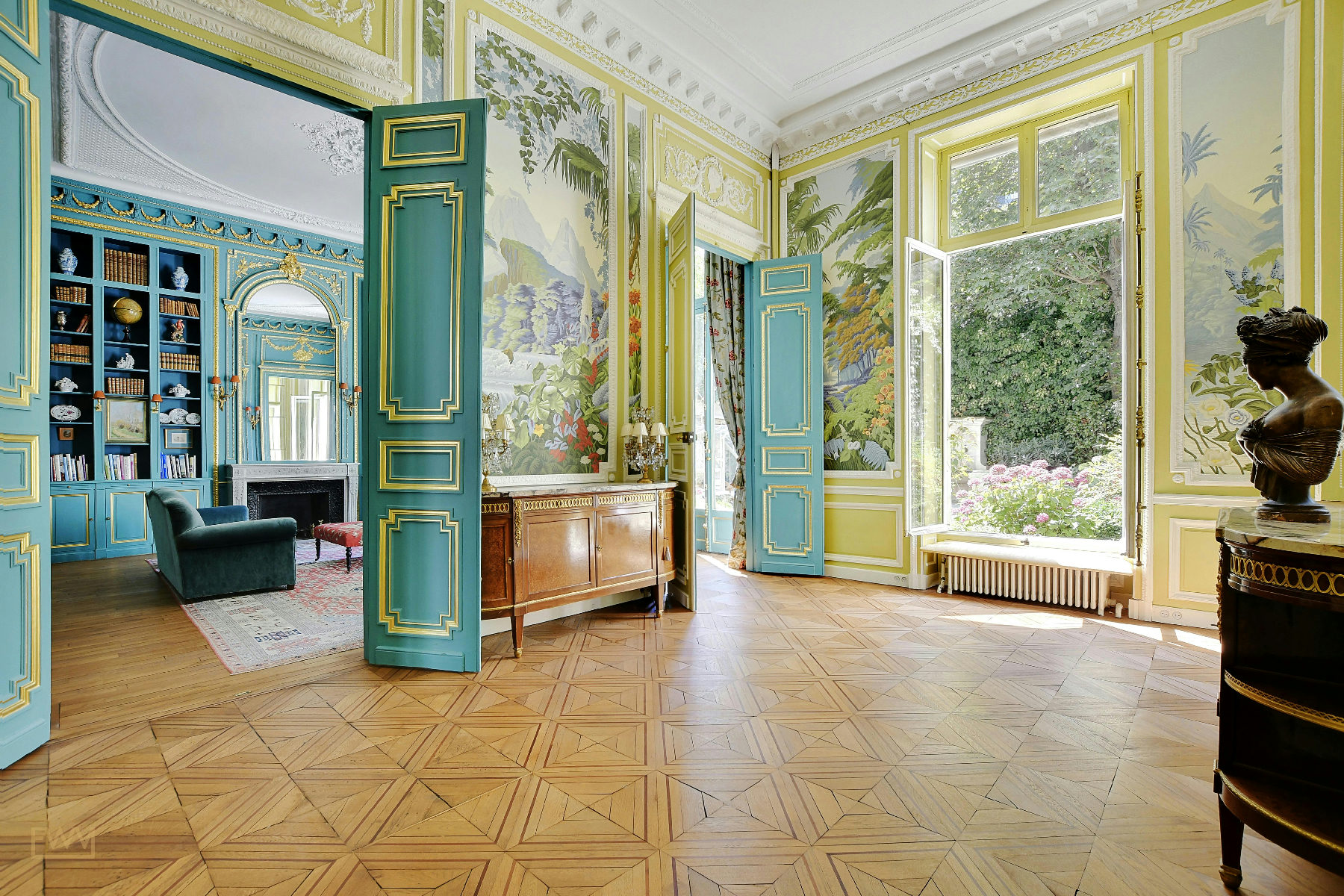
Apartment and Haussmann Formats
One distinctly Parisian commercial space format is the apartment-style retail or showroom space: a residential-scale layout within a Haussmann building, typically on an upper floor, offering a private, intimate setting for brand activations, showroom appointments, and exclusive client experiences. These spaces are particularly common in the 8th and 16th arrondissements and along streets such as Rue Washington, Rue Boissière, and Rue de la Baume. The apartment format offers a high degree of exclusivity but requires careful briefing around access, signage restrictions, and building regulations.
Quick answer: Paris retail space types include pop-up stores, fashion showrooms, art galleries, traditional storefronts, studio photo spaces, and apartment-style commercial formats. Each serves a different brand objective and requires a different sourcing approach, lease structure, and specification of space features such as lighting, floor type, and ceiling height.
TIP: When briefing for a fashion showroom or high-end pop-up store, always specify your requirements for floor finish, ceiling height, natural light, and lighting infrastructure before viewing spaces. These factors are difficult and expensive to modify on a short-term rental basis, and discovering incompatibilities on-site wastes critical planning time.
KEY TAKEAWAY: Space type selection is as strategically important as neighbourhood selection. A beautiful apartment-format space in the 8th is the right choice for a buyer appointment showroom but the wrong choice for a high-footfall pop-up store targeting walk-in customers.
With neighbourhood and space type defined, the next critical area to understand is the commercial property and lease framework that governs retail space rental in Paris.
Commercial Leases, Short-Term Rental, and Legal Frameworks for Retail Space in Paris
France operates a distinct commercial property legal framework that every brand must understand before committing to any rental arrangement. The key distinction is between standard commercial leases governed by the French Commercial Code and short-term or temporary occupation arrangements that operate outside or alongside this framework.
The Bail Commercial: Standard Commercial Leases in France
The standard French commercial lease, known as the bail commercial, typically operates on a 3-6-9 year structure. This means the tenant has the right to terminate the lease at the end of each three-year period, but the lease itself runs for nine years with statutory tenant protections including rights of renewal and regulated rent review. This structure is designed for established retailers committing to long-term commercial premises and is not appropriate for most brand activations, pop-up stores, or short-term retail formats. Brands entering Paris for a Fashion Week activation or a seasonal pop-up store will not and should not be signing a standard bail commercial.
The Bail Dérogatoire: Short-Term Commercial Leases
The bail dérogatoire, sometimes called a convention d'occupation précaire in informal usage, is a short-term commercial lease outside the statutory protections of the bail commercial. It can be used for leases of up to 36 months in total and must be clearly structured as a temporary arrangement. The bail dérogatoire is the most common legal instrument used for pop-up stores, short-term showroom rentals, and temporary retail activations in Paris. Critically, if the tenant remains in the space after the bail dérogatoire expires without a new agreement, the arrangement may be reclassified as a bail commercial with full statutory protections, a situation that most landlords and brands wish to avoid. Requirements vary by space type, duration, and the specific terms negotiated, so brands should verify all arrangements with a qualified French legal advisor before signing.
The Autorisation d'Occupation Temporaire (AOT)
The autorisation d'occupation temporaire, or AOT, governs the temporary use of certain public or semi-public spaces including areas on or adjacent to public highways, terraces, and certain publicly owned buildings. This instrument is relevant for brands seeking to activate in non-traditional spaces such as covered passages, market environments, or outdoor areas. AOT requirements vary significantly by arrondissement and by the specific nature of the space, and approval timelines can be longer than brands anticipate. Brands should allow several weeks at minimum for AOT applications and should not assume that an AOT will be granted for any given space or use type.
Commercial Property Tax and Property Costs in Paris
In France, commercial tenants may be liable for various property-related costs beyond the base rent, including the taxe foncière equivalent contributions, service charges, insurance contributions, and business tax obligations depending on the nature of the commercial activity. The total occupancy cost of a Paris retail space can differ substantially from the headline rent figure, and brands should request a full breakdown of all occupancy costs before committing to any commercial arrangement. Permit costs, fit-out permissions, and temporary signage authorisations are additional cost items that can affect the total budget for a retail activation.
IMPORTANT: French commercial property law is materially different from UK, US, and other international commercial property frameworks. Do not assume that lease terms, tenant protections, or permit requirements that apply in other markets apply in France. Always verify your specific situation with a qualified French legal advisor. The permit guidance tool on Fashion Week Venues provides directional information on permit types and timelines, but it does not constitute legal advice.
Quick answer: Paris commercial leases for short-term retail use are governed by the bail dérogatoire rather than the standard 3-6-9 bail commercial. The autorisation d'occupation temporaire governs certain temporary public or semi-public space uses. Both instruments have specific conditions, duration limits, and procedural requirements that vary by space type and location and must be verified with a qualified French legal advisor.
KEY TAKEAWAY: Understanding the French commercial lease framework is not optional for brands entering Paris. The difference between a bail commercial, a bail dérogatoire, and an AOT determines your legal obligations, your exit rights, and your permit requirements, all of which affect your total cost and timeline.
Understanding the legal framework positions you to approach landlords and agents with credibility. The next challenge is identifying how to actually search for and evaluate available commercial properties in Paris.
How to Search for Retail Space in Paris: Platforms, Agents, and the Right Approach
The process of finding commercial retail space in Paris is substantially different from residential property search. Available commercial properties are not always listed on public platforms, landlords often prefer to work through established relationships, and the best spaces in high-demand zones such as Le Marais and the Golden Triangle are frequently sourced through direct network connections rather than open listings.
International and General Commercial Property Platforms
International commercial real estate platforms such as CoStar and LoopNet list some Paris commercial properties, particularly larger-format spaces and properties marketed to institutional investors and long-term tenants. These platforms have historically been more useful for investment properties and long-term commercial leases than for short-term pop-up or fashion activation formats. Workthere, a serviced workspace platform, covers some flexible commercial space categories. Knight Frank and other international real estate agencies such as Invesco operate in the Paris market but primarily at the institutional and long-term lease end of the spectrum. Brands looking for short-term or temporary retail space will find these platforms of limited direct utility for their sourcing needs, though they are useful for understanding market pricing benchmarks and neighbourhood dynamics.
French Local Platforms and Agences
French-language commercial property portals, local Agence Paris operators, and iad agent networks cover more of the mid-market commercial property inventory but similarly focus on longer-term commercial tenancies rather than temporary retail formats. Broker professionals working in the Paris retail market often operate through relationships with landlords and building managers rather than open listings, meaning that many of the best short-term commercial spaces in prime zones never appear on any public platform. A local property agent with relationships in specific arrondissements can be invaluable, but their commercial incentives are often aligned with longer-term transactions rather than short-term activations.
Specialist Pop-Up and Short-Term Retail Space Platforms
Platforms specifically designed for short-term retail, pop-up stores, and temporary commercial space have grown significantly in the past decade. These platforms typically offer listings with photos, space type filters, floor and access details, space feature specifications, pricing guidance, and some degree of booking or enquiry management. Key filters typically include property type, square metres, neighbourhood, Space Type, Floor and Access, and Space Features such as lighting, floor finish, and ceiling height. Saved searches and listing alerts allow brands to monitor new inventory as it becomes available. Blue listings on some platforms indicate verified or premium inventory with confirmed short-term availability.
Fashion Week Venues as a Specialist Paris Space Marketplace
Fashion Week Venues operates as both a curated space marketplace and a full-service pop-up agency for Paris, making it distinct from both general commercial property platforms and simple listing directories. The marketplace includes Paris spaces across Le Marais, the 8th arrondissement, Rue de Rivoli, Saint-Germain-des-Prés, Pigalle, and other key zones, with detailed specifications covering space type, size in square metres, floor and access information, lighting infrastructure, and space features relevant to fashion and luxury brand activations.
To compare neighbourhoods and space types, explore the Paris city hub on Fashion Week Venues and shortlist spaces that match your brief, budget, and calendar window.
Quick answer: Finding retail space in Paris requires a layered approach: international platforms such as CoStar and LoopNet provide market context, local agents provide network access, specialist short-term platforms provide curated short-term inventory, and full-service agencies like Fashion Week Venues provide both space access and the production, permits, and activation support needed to actually launch in Paris.
| Search Channel | Best For | Limitations for Pop-Up Brands |
|---|---|---|
| CoStar / LoopNet | Market data, long-term commercial leases | Limited short-term or pop-up inventory |
| Knight Frank / Invesco | Institutional and flagship retail | Focused on long-term and investment |
| Workthere | Flexible workspace | Not specialist for fashion retail |
| Local Agence Paris / iad agents | Mid-market commercial property | Incentivised toward longer terms |
| Specialist pop-up platforms | Short-term and temporary retail | Variable space quality and vetting |
| Fashion Week Venues marketplace | Fashion, luxury, short-term, full-service | Paris and major fashion capitals focus |
KEY TAKEAWAY: The right search channel depends on your lease length, space type, and whether you need space-only or full-service support. For fashion brand activations in Paris, specialist platforms with curated short-term inventory and agency support are typically more effective than general commercial property portals.
Having identified the right space through the right channel, the next critical element is understanding what your Paris retail activation will actually cost.
What Does It Cost to Rent Retail Space in Paris?
Retail space rental costs in Paris vary enormously depending on neighbourhood, space type, size in square metres, duration, and the specification of the space. It is not possible to provide a single reliable figure that applies across the Paris retail market, and any agency or platform that offers a single price without knowing your specific requirements should be treated with caution.
Factors That Drive Paris Retail Space Pricing
The primary drivers of rental cost for retail space in Paris are location and foot traffic. Prime locations such as Avenue des Champs-Élysées, 134 Boulevard Haussmann, Rue du Faubourg Saint-Honoré, and Rue de Rivoli command the highest rents in the market. Secondary prime locations in Le Marais, Saint-Germain-des-Prés, and Pigalle are significantly more affordable while still delivering strong visibility. The duration of your rental also substantially affects the daily or weekly effective rate: a space available for one week at an event-rate pricing structure will typically have a much higher effective daily rate than the same space rented for three months on a bail dérogatoire.
Space specification matters enormously for pricing. A fully fitted, turnkey pop-up store space with polished concrete floors, installed spotlights, a functioning point of sale area, and building management support will cost more than a raw space requiring fit-out. Property tax contributions, service charges, and insurance requirements all add to the total occupancy cost above the headline rent figure.
Understanding Cheap Commercial Property in Paris
Brands sometimes search for cheap commercial property or affordable commercial space in Paris, and it is worth addressing what this actually means in practice. Relative affordability in the Paris commercial property market typically means spaces in the 10th, 11th, 18th, or 20th arrondissements rather than the prime 1st, 6th, or 8th zones. These areas can offer viable retail space at lower monthly costs, but the trade-off is reduced foot traffic from the premium tourist and luxury consumer segments, lower landlord familiarity with short-term rental arrangements, and potentially longer lead times for permits and building approvals.
For brands seeking affordable pop-up space in Paris, the Montmartre area, parts of Pigalle, and secondary streets in Le Marais offer the most accessible price-to-visibility ratio. However, even in these zones, short-term rental pricing for pop-up use is typically higher per square metre than long-term commercial rents, because landlords apply a premium for short durations and the administrative cost of managing temporary tenancies.
Fashion Week Window Pricing
During Paris Fashion Week windows, which occur twice yearly in late February or early March for womenswear and late September or early October, rental demand from brands surges dramatically. Spaces in the 8th arrondissement, Le Marais, and around the primary show venues become extremely scarce and command significant premium pricing. Brands that attempt to source space in the weeks immediately before a Fashion Week window will find very limited availability and will typically pay premium rates for whatever remains. Planning 6 to 12 months ahead for Fashion Week-adjacent activations is strongly recommended.
Quick answer: Paris retail space rental costs are driven by neighbourhood, foot traffic, space specification, duration, and season. Prime zones such as the 8th arrondissement and Rue de Rivoli command the highest rents in Europe. Fashion Week windows add significant demand pressure and pricing premiums. Use the budget estimation tool on Fashion Week Venues to generate directional cost estimates for your specific brief.
TIP: Always request a full breakdown of all costs associated with a Paris retail space rental, including service charges, property tax contributions, insurance, fit-out permissions, signage authorisations, and any fees payable to the landlord's agent. The gap between headline rent and total occupancy cost can be material, particularly in prime locations and for short-duration rentals.
KEY TAKEAWAY: Paris retail space pricing is highly variable and context-dependent. Brands that plan early, define their space requirements precisely, and work with a specialist agency or platform with market pricing visibility are best positioned to find appropriate space at a realistic cost.
Knowing your budget range and the cost drivers in your target neighbourhood allows you to approach the space search with appropriate expectations. The next practical question is how Fashion Week Venues specifically supports brands through this process.
How Fashion Week Venues Helps Brands Find Retail Space in Paris
Fashion Week Venues is a full-service pop-up agency and space marketplace designed specifically for brands seeking commercial space for fashion activations, retail pop-up stores, showrooms, and brand events in Paris and other major fashion capitals. It is not a general commercial property platform and it is not a brokerage operating purely on commission from landlords. Its model is designed to serve brand teams rather than property owners, which shapes how it approaches space sourcing, pricing, and service delivery.
Venue Sourcing and the Space Marketplace
The venue sourcing service at Fashion Week Venues goes beyond a simple listing search. The team applies a structured briefing process to understand your brand positioning, target audience, budget parameters, calendar requirements, and space specification before surfacing options. This avoids the wasted time and mismatched expectations that come from browsing generic listings without expert filtering. The marketplace includes vetted spaces across Paris's key commercial neighbourhoods, with detailed photography, space specifications, and availability information.
Concept Direction and Branded Store Design
Many brand teams arriving in Paris have a strong vision for their activation but need support translating that vision into a practical space brief and design concept. The concept direction and branded store design services at Fashion Week Venues bridge this gap, ensuring that the space you select is genuinely compatible with your design intentions and that your activation concept is feasible within the specific constraints of your chosen Paris venue.
Production, Build, and Fit-Out
Executing a retail activation in Paris requires local production relationships, supplier networks, and knowledge of building regulations and landlord requirements for fit-out and installation work. The production and build service handles this complexity, coordinating with landlords, local contractors, and permit authorities to deliver a fitted space that meets both your brand standards and the requirements of the venue and its building regulations.
Tools for Brand Teams
Fashion Week Venues provides a suite of planning tools designed for brand teams at different stages of the Paris activation planning process. The budget calculator allows teams to generate directional cost estimates based on space type, neighbourhood, duration, and activation scope. The ROI calculator helps brand teams model the commercial return on a Paris pop-up investment. The timeline tool maps out the planning sequence required for a Paris activation from initial brief to opening day. The compare tool allows teams to evaluate multiple space options side by side. The locator tool maps available spaces by neighbourhood. The permits tool provides directional guidance on permit types, timelines, and requirements for different space formats in Paris. These tools are available at the Fashion Week Venues tools hub.
Activation Management, Staffing, and Operations
Beyond space and design, a Paris retail activation requires operational management: retail staffing with the right language skills and brand knowledge, point of sale and payment infrastructure, data and analytics to track foot traffic and transaction performance, and influencer marketing coordination to amplify the activation during its run. Fashion Week Venues offers all of these as integrated services, allowing brand teams to manage a complex Paris activation through a single agency relationship rather than coordinating multiple independent suppliers.
Who Benefits Most
The brands that benefit most from working with Fashion Week Venues in Paris are international brands entering the Paris market for the first time without established local relationships, brands with tight activation timelines that cannot afford the extended timelines of a DIY space search, creative and marketing teams that need an integrated production partner rather than just a space listing, and brands that need to coordinate multiple elements of a Paris activation including space, design, permits, staffing, and measurement simultaneously.
KEY TAKEAWAY: Fashion Week Venues operates as a full-service activation partner for Paris retail, combining space marketplace access with concept, production, permits, staffing, and analytics services. Brands benefit most when they engage early and brief the team comprehensively on their commercial objectives, not just their space requirements.
Understanding how Fashion Week Venues works provides context for the activation process as a whole. The following section outlines a recommended planning workflow for brands approaching a Paris retail space search.
Step-by-Step Planning Workflow for Finding and Activating Retail Space in Paris
The Paris retail space planning process has a logical sequence that, when followed correctly, reduces the risk of timeline compression, cost overrun, and space mismatches. The workflow below reflects the key stages that experienced brand teams and agencies use to plan Paris retail activations from initial concept to closing day.
| Stage | Activity | Recommended Timeline Before Opening | Key Outputs |
|---|---|---|---|
| 1. Strategic Brief | Define brand objective, target audience, neighbourhood, space type, and budget range | 9 to 12 months (Fashion Week windows); 3 to 6 months (general) | Written activation brief |
| 2. Market Research | Review neighbourhood options, competitor presence, foot traffic data, and pricing benchmarks | 8 to 10 months | Neighbourhood shortlist |
| 3. Space Search | Engage agency or marketplace, review listings, request photos and specifications | 6 to 9 months | Space longlist and shortlist |
| 4. Space Evaluation | Visit shortlisted spaces, assess fit for design concept, check landlord terms and availability | 5 to 7 months | Preferred space identified |
| 5. Legal and Permits | Engage French legal advisor, confirm lease type (bail dérogatoire or AOT), begin permit applications | 4 to 6 months | Signed lease, permit applications submitted |
| 6. Concept and Design | Finalise activation concept, produce design drawings, confirm fit-out specification | 3 to 5 months | Approved design concept and fit-out plan |
| 7. Production and Build | Source local contractors, order furniture and fixtures, manage build programme | 2 to 3 months | Built-out space ready for dressing |
| 8. Staffing and Operations | Recruit and brief retail staff, install POS and payments, set up data and analytics | 4 to 6 weeks | Operationally ready space |
| 9. Launch and Activation | Open activation, manage daily operations, coordinate influencer and press outreach | Activation period | Live brand activation |
| 10. Debrief and Data | Collect performance data, produce post-activation report, assess ROI | 2 to 4 weeks after closing | Post-activation report and learnings |
Quick answer: A well-planned Paris retail activation typically requires 6 to 12 months of lead time from initial brief to opening day, with Fashion Week-adjacent activations requiring the longer end of that range. The critical path runs through space sourcing, legal and permit processing, design finalisation, and production, all of which must run in sequence or in parallel to meet an opening date.
DID YOU KNOW: Brands that begin their Paris space search fewer than three months before their target opening date are at high risk of being unable to secure their preferred neighbourhood or space type, particularly during Fashion Week windows when availability in prime zones is extremely limited.
The timeline planning tool on Fashion Week Venues allows brand teams to map their specific activation timeline and identify critical path dependencies for their Paris project.
KEY TAKEAWAY: A structured, sequential planning workflow is the single most effective way to ensure a Paris retail activation arrives on time, on budget, and in the right space. Compressing the timeline increases cost and reduces choice at every stage.
With the planning framework established, it is useful to directly address some of the most persistent misconceptions that affect how brands approach the Paris retail space market.
Common Myths About Finding Retail Space in Paris: Debunked
Several persistent myths affect how international brands approach the Paris commercial property market, sometimes with costly consequences. The following myth and fact pairs address the most common misconceptions.
MYTH: You need a French legal entity to rent commercial space in Paris.
FACT: Many short-term and temporary retail arrangements in Paris are available to international brands without a French legal entity, particularly for pop-up stores and showroom activations operating under a bail dérogatoire or AOT. However, the specific requirements vary by landlord, space type, and lease duration, and some landlords do require a French entity or a French bank guarantee. Working with a specialist agency that has established landlord relationships in Paris significantly reduces friction in these negotiations. Always verify your specific situation with a qualified French legal advisor before committing to any arrangement.
MYTH: Paris Fashion Week is the only viable calendar window for a brand activation in Paris.
FACT: Paris Fashion Week windows in February and September are the most concentrated periods of industry attention and attract significant numbers of press, buyers, and brand partners. However, Paris has substantial commercial traffic throughout the year, driven by international tourism, a large affluent residential population, trade fair calendars, and cultural events. Many brands find that activating outside the Fashion Week window allows them to secure better space at more accessible pricing, enjoy less competitive noise, and engage a broader consumer audience rather than a purely industry-focused one. The right window depends on your brand objective, not simply on calendar convention.
MYTH: Commission brokers are the only way to find good commercial space in Paris.
FACT: Commission brokers can provide valuable access to landlord networks in specific Paris zones, but their commercial incentive is aligned with the landlord's interest in completing a transaction rather than with the brand's interest in finding the most suitable space at the most appropriate cost. Specialist pop-up agencies and marketplace platforms aligned with brand teams provide an alternative approach that prioritises space quality, fit-out compatibility, and activation feasibility alongside access to available inventory. The guide to hiring a pop-up agency on Fashion Week Venues explains how to evaluate different sourcing approaches for your specific brief.
MYTH: Short-term retail leases in Paris are legally straightforward and do not require specialist help.
FACT: Short-term retail arrangements in Paris under a bail dérogatoire or AOT have specific legal conditions, duration limits, and procedural requirements that differ significantly from other jurisdictions. A bail dérogatoire that inadvertently converts to a bail commercial creates significant legal and financial exposure for both tenant and landlord. Permit requirements for temporary retail use, signage, structural modifications, and public access vary by arrondissement and space type and are not always predictable without local expertise. Brands should always engage a qualified French legal advisor for any commercial property arrangement in Paris, regardless of duration.
MYTH: The cheapest space is always the most cost-effective space for a Paris pop-up.
FACT: A low headline rent on a Paris commercial space can be more than offset by poor foot traffic, high fit-out costs required to make the space brand-appropriate, permit complications, or a neighbourhood profile that does not match the brand's target clientele. Cost-effectiveness in Paris retail space is a function of total cost relative to commercial output, not headline rent alone. A well-located, well-specified space in Le Marais at a higher rent may deliver substantially better return on investment than a lower-rent space in a secondary location with minimal foot traffic from the brand's target audience.
Frequently Asked Questions About Finding Retail Space in Paris
What are the most sought-after locations for leasing commercial space in Paris?
The most sought-after locations for commercial space in Paris consistently include the 8th arrondissement's Golden Triangle encompassing Avenue Montaigne, Rue du Faubourg Saint-Honoré, and Avenue des Champs-Élysées; Le Marais in the 3rd and 4th arrondissements; Rue de Rivoli and the 1st arrondissement; Saint-Germain-des-Prés in the 6th; and the area around Galeries Lafayette and Printemps in the 9th. During Paris Fashion Week, spaces within walking distance of major show venues at the Palais Royal, Grand Palais, and Trocadéro are particularly in demand and should be secured many months in advance.
How much does it cost to rent a retail space in Paris?
Retail space rental costs in Paris vary significantly by neighbourhood, space type, size, duration, and specification. Prime locations such as Avenue des Champs-Élysées and Rue du Faubourg Saint-Honoré command some of the highest commercial rents in Europe. Secondary prime zones including Le Marais and Saint-Germain are substantially more accessible. Short-term and pop-up pricing structures typically apply a premium per square metre relative to long-term rents. To generate a directional cost estimate for your specific brief, use the budget estimation tool on Fashion Week Venues, which allows you to input your target neighbourhood, space type, size, and duration.
Do I need a French company to rent commercial space in Paris?
Not necessarily for short-term and temporary arrangements, but requirements vary. Many landlords will rent to international brands without a French legal entity for pop-up stores and showroom activations under a bail dérogatoire, particularly when working through an established agency with existing landlord relationships. Some landlords require a French bank account or guarantee. For longer-term commercial tenancies under a bail commercial, having a French entity is more commonly required. Always verify the specific requirements for your target space and lease type with a qualified French legal advisor before committing to any arrangement.
What is a bail dérogatoire and how does it apply to pop-up stores in Paris?
A bail dérogatoire is a short-term commercial lease in France that operates outside the standard statutory protections of the bail commercial. It can be used for leases of up to 36 months and must be clearly structured as a temporary arrangement. It is the most common legal instrument used for pop-up stores, fashion showrooms, and temporary retail activations in Paris. If the tenant remains in the space beyond the term of the bail dérogatoire without a new agreement, the arrangement may be reclassified as a full bail commercial, which both parties typically wish to avoid. Specialist legal advice is essential before entering into a bail dérogatoire.
How far in advance should I start looking for retail space in Paris for Fashion Week?
For Fashion Week-adjacent activations, starting your space search 9 to 12 months before your target opening date is strongly recommended. Prime spaces in the 8th arrondissement and Le Marais are frequently reserved well in advance by established brands and agencies with ongoing landlord relationships. Brands that begin searching fewer than three months before a Fashion Week window face significantly reduced choice and typically pay premium rates for remaining availability. Outside Fashion Week windows, a 3 to 6 month lead time is generally sufficient for most brand types and space formats, though complex activations requiring significant fit-out work may require more time.
What permits do I need to open a pop-up store in Paris?
Permit requirements for pop-up stores in Paris vary depending on the space type, the nature of the commercial activity, the duration of the activation, and the specific arrondissement. Temporary retail use in a privately owned space under a bail dérogatoire typically requires fewer permits than temporary use of a public or semi-public space governed by an autorisation d'occupation temporaire. Additional permissions may be required for temporary signage, structural modifications, window displays, and certain types of events within the space. The permit guidance tool on Fashion Week Venues provides directional information, but all permit requirements should be verified with a qualified French legal advisor and, where applicable, the relevant arrondissement authority.
Can I find affordable commercial space in Paris for a short-term activation?
Affordable short-term commercial space in Paris exists, but it is important to understand the trade-offs. Areas such as Montmartre, parts of Pigalle, and secondary streets in Le Marais offer more accessible pricing than prime 1st and 8th arrondissement locations. However, even in these areas, short-term rental pricing is typically higher per square metre than long-term commercial rents due to the premium landlords apply for shorter durations and higher administrative costs. Brands seeking affordable space should also factor in total occupancy cost, including fit-out requirements, service charges, and permit costs, not just headline rent.
What is the difference between a fashion showroom and a pop-up store in Paris?
A fashion showroom in Paris is a professional presentation space used to host press, buyers, retail partners, and brand stakeholders for collection presentations and trade appointments. Access is typically controlled and invitation-based, and the space specification prioritises lighting quality, floor finish, ceiling height, and a clean aesthetic suited to garment presentation. A pop-up store, by contrast, is a temporary retail space open to the public or to a defined consumer audience, designed to drive walk-in traffic, product sales, and brand experience engagement. The two formats have different space requirements, different target audiences, and different operational needs, though some activations combine both functions within a single space.
Are gallery spaces in Paris suitable for brand activations?
Gallery spaces in Paris are frequently used for fashion and luxury brand activations and are well-suited to certain types of projects. They typically offer high ceilings, clean walls, professional lighting infrastructure, and landlords experienced in short-term occupation arrangements. However, gallery spaces are not universally suitable: some have restrictions on modifications to walls or floors, limited storage, no loading access, or neighbourhood profiles that do not match the brand's target consumer. Every gallery space must be evaluated against the specific requirements of the activation before committing, and a site visit is essential.
What should I look for when visiting a potential Paris retail space?
When visiting a potential Paris retail space, assess: the quality and volume of natural light, the electrical capacity and lighting infrastructure, the floor finish and condition, the ceiling height, access for deliveries and fit-out, the landlord's position on modifications and signage, the building's access hours and security provisions, the proximity of competitors or complementary brands, the actual foot traffic on the specific street and not just the neighbourhood, and the total occupancy cost including service charges and any landlord agent fees. Take detailed photographs and measurements on every visit and compare spaces using a structured evaluation framework rather than impressionistic judgement.
How do I know if a commercial space in Paris is right for my brand without visiting in person?
Detailed photography, video walkthroughs, floor plans, and specification sheets can provide a significant amount of useful pre-visit information. The imagine visualisation tool on Fashion Week Venues allows brands to visualise how a space might look with their specific design concept applied, which is useful for initial screening. However, a physical visit or a trusted local representative's visit before committing to any lease arrangement is strongly recommended. Photographs rarely convey the quality of natural light, the acoustic environment, the actual street context, or the building management standards, all of which materially affect the success of a retail activation.
What types of retail spaces are available in Le Marais?
Le Marais offers one of the most diverse inventories of commercial space in Paris. Available formats include street-level boutique storefronts with window frontage, former atelier and workshop spaces with high ceilings and industrial finishes, apartment-style commercial spaces in Haussmann buildings, gallery formats with white walls and professional lighting, studio spaces suited to content creation and photography, and shared or multi-brand pop-up formats. The mix of space types reflects the neighbourhood's history as a craftsman and artisan quarter that has evolved into a design, fashion, and lifestyle retail destination. Spaces around Les Enfants Rouges market and Rue des Francs-Bourgeois are particularly well-suited to fashion and lifestyle activations with strong social media potential.
Is it possible to find retail space in Paris for less than one month?
Yes, short-term retail space rental in Paris for periods of less than one month is available, particularly in the pop-up and temporary retail sector. Specialist platforms and agencies, including Fashion Week Venues, maintain inventory suited to week-long and even shorter activations, particularly around Fashion Week windows and other key brand calendar moments. Very short-term rentals typically command higher per-day or per-week rates than longer arrangements, and some landlords have minimum booking durations. The availability of very short-term space is highest in Le Marais and around the primary Fashion Week venue clusters, where landlords are experienced in managing multiple short-duration tenancies within a single year.
How do I evaluate the return on investment of a Paris retail pop-up?
Evaluating the return on investment of a Paris retail pop-up requires defining what success means for your specific activation before it opens, not after. Commercial KPIs might include direct sales revenue, new customer acquisition, press and social media coverage value, wholesale buyer appointments secured, and brand awareness metrics among the target Paris consumer segment. Brand-building KPIs might include qualitative feedback from visitors, influencer reach, and media impressions. The ROI calculator tool on Fashion Week Venues helps brand teams model expected returns against total activation costs, including space, fit-out, staffing, permits, and marketing, to evaluate commercial viability before committing to a Paris retail activation budget.
What is the twin co-activation concept offered by Fashion Week Venues?
The twin co-activation concept from Fashion Week Venues allows two complementary brands to share a single Paris retail or event space for a co-branded activation. This format reduces the cost per brand, increases the combined marketing reach, and can create a more compelling consumer experience through brand juxtaposition and cross-audience exposure. The twin concept is well-suited to brands with overlapping target audiences but non-competing product categories, such as a fashion brand and a beauty brand, or a jewellery label and a lifestyle accessories brand. It is a particularly effective format for brands seeking high-visibility Paris locations that might be beyond budget for a single-brand activation.
Conclusion: Your Strategy for Finding the Right Retail Space in Paris
Finding retail space in Paris that genuinely serves your brand objective requires far more than a property search. It requires a clear neighbourhood strategy grounded in your target audience profile, a precise understanding of the commercial space formats available across different arrondissements, a working knowledge of French commercial lease structures and permit requirements, a realistic budget that accounts for total occupancy costs rather than headline rent, and a planning timeline that gives you sufficient lead time to secure the right space and execute the activation properly.
Paris is a market that rewards preparation and punishes improvisation. The brands that succeed here, from established luxury houses maintaining seasonal showroom presence to emerging contemporary labels launching their first European pop-up, share a common approach: they define their objectives before their space requirements, they engage specialist expertise early, and they treat the space as a vehicle for a brand objective rather than an end in itself.
Whether you are planning a Fashion Week showroom in the 8th arrondissement, a pop-up store in Le Marais, a gallery-format launch in Saint-Germain-des-Prés, or a creative studio activation in Montmartre, the combination of neighbourhood knowledge, specialist sourcing, legal diligence, and integrated production management is what separates successful Paris retail activations from expensive lessons.
Fashion Week Venues provides the expertise, marketplace access, and full-service agency support to help brand teams navigate every stage of this process, from initial brief through to post-activation data and debrief. To move from research to activation, start exploring available spaces on the Fashion Week Venues marketplace and build a focused brief for your target neighbourhood, space type, and calendar window.