If you want to rent a pop-up shop on Rue de Rivoli, you are targeting one of the most commercially powerful corridors in the world. Stretching from the Louvre-Rivoli metro station past the Palais Royal and into the heart of Paris's historic retail core, Rivoli connects premium footfall with unmatched brand visibility. International fashion labels, beauty brands, and luxury accessories houses all compete for short-term space here during Paris Fashion Week, FIAC, and Paris Design Week. Understanding how to navigate space availability, short-term lease frameworks, permit requirements, and neighbourhood fit is essential before committing a budget. Fashion Week Venues Paris provides structured guidance, vetted space listings, and end-to-end activation support for brands pursuing exactly this kind of high-stakes retail moment.
Why Rue de Rivoli Is One of Paris's Most Competitive Pop-Up Corridors
Quick answer: Rue de Rivoli offers exceptional pedestrian footfall, instant proximity to the Louvre, and a direct connection to Le Marais, making it one of the highest-demand short-term retail corridors in Paris. Brands benefit from both tourist volume and fashion-literate Parisian consumers who use the street daily as a transit route between major cultural landmarks.
Rue de Rivoli runs east to west across the first and fourth arrondissements of Paris, flanked on one side by the Tuileries Garden and the Louvre, and on the other by the arcaded ground-floor retail units that define its commercial character. The arcades, known as the Arcades de Rivoli, create a covered pedestrian zone that functions year-round regardless of weather conditions, an unusually reliable feature for outdoor-facing retail in a city where winter activations often struggle for dwell time.
The street is served by multiple metro lines, including Louvre-Rivoli on line one and Châtelet on lines one, seven, eleven, fourteen, and the RER A and B. This connectivity brings extraordinary daily footfall from commuters, tourists visiting the Louvre, and shoppers using the Châtelet-Les Halles interchange. For brands launching a pop-up store, this means organic discovery from consumers who were not necessarily seeking out the activation but encounter it naturally within their existing route.
The stretch closest to the Louvre draws the most culturally engaged audiences, including design, art, and fashion communities that attend openings, exhibitions, and fashion week presentations. The stretch approaching the Châtelet area transitions into denser commercial retail, with higher mass-market footfall. Brands choosing between these microlocations within Rivoli itself need to consider whether they prioritise brand prestige and editorial visibility or transactional volume and sales throughput.
Rivoli also connects directly to the axis running south into Le Marais via Rue des Rosiers and north toward Rue Saint-Honoré, meaning that a Rivoli pop-up can serve as a geographic anchor for a multi-neighbourhood brand presence during Fashion Week or a major product launch. This geographic centrality makes it unusually versatile as a single-space choice when budget does not allow for multiple simultaneous activations.
DID YOU KNOW: The Louvre attracts approximately 8.7 million visitors per year, according to the Louvre's own published attendance data, placing it among the most visited cultural institutions globally. Rue de Rivoli, running directly adjacent to the museum, captures a meaningful share of that footfall within its retail units.
KEY TAKEAWAY: Rue de Rivoli's combination of covered arcades, metro accessibility, cultural proximity, and neighbourhood connectivity makes it one of the most strategically valuable streets in Paris for a temporary retail activation. Competition for space is intense, lead times are long, and early planning is essential.
Understanding Rivoli in isolation is valuable, but placing it within the broader map of Paris's fashion and retail neighbourhoods helps brands make smarter decisions about whether Rivoli is the right fit or whether an adjacent neighbourhood might better serve their specific brief.
Paris Pop-Up Neighbourhoods: Rivoli, Le Marais, Saint-Honoré, and Beyond
Quick answer: Paris has five primary pop-up retail neighbourhoods favoured by fashion brands: Rue de Rivoli and the first arrondissement, Le Marais covering the third and fourth, Rue Saint-Honoré and the eighth, Saint-Germain-des-Prés in the sixth, and the Champs-Élysées corridor. Each serves a distinct brand positioning and customer audience.
The choice of neighbourhood is not simply a question of availability or price. It is a brand positioning decision that communicates to consumers, press, and wholesale buyers exactly what the brand represents and who it is speaking to. In Paris, a showroom on Place Vendôme signals differently to a showroom on Rue des Rosiers, even if both are equal in quality and investment.
Rue de Rivoli and the First Arrondissement
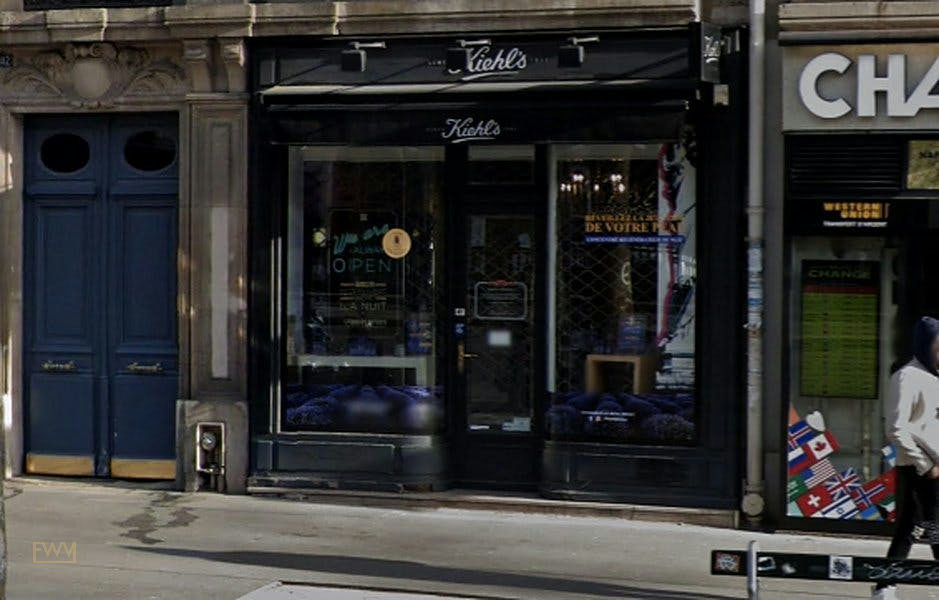
The first arrondissement is Paris's historic retail core. Rue de Rivoli, the Palais Royal, and Rue Saint-Honoré all converge here, creating the densest concentration of luxury and premium retail in the city. Spaces here tend to be formal, architecturally heritage-listed in many cases, and command premium rental rates. Brands choosing this zone signal institutional seriousness and global ambition.
The Palais Royal gardens and arcades immediately north of the Louvre offer a quieter, more curated environment favoured by niche luxury brands, concept stores, and art-adjacent activations. The famous columns of the Palais Royal create one of the most photographed retail environments in Paris, providing exceptional social media backdrop potential for brands seeking editorial imagery from their activation.
Le Marais: Place des Vosges, Rue des Rosiers, and the Fourth Arrondissement
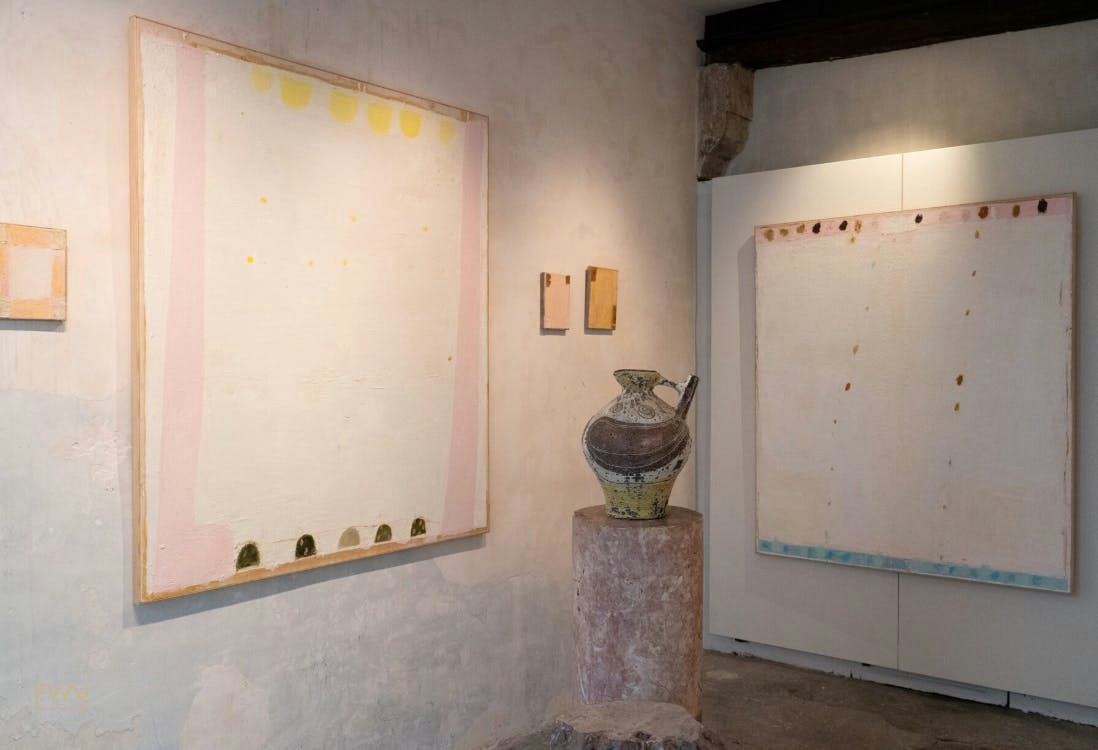
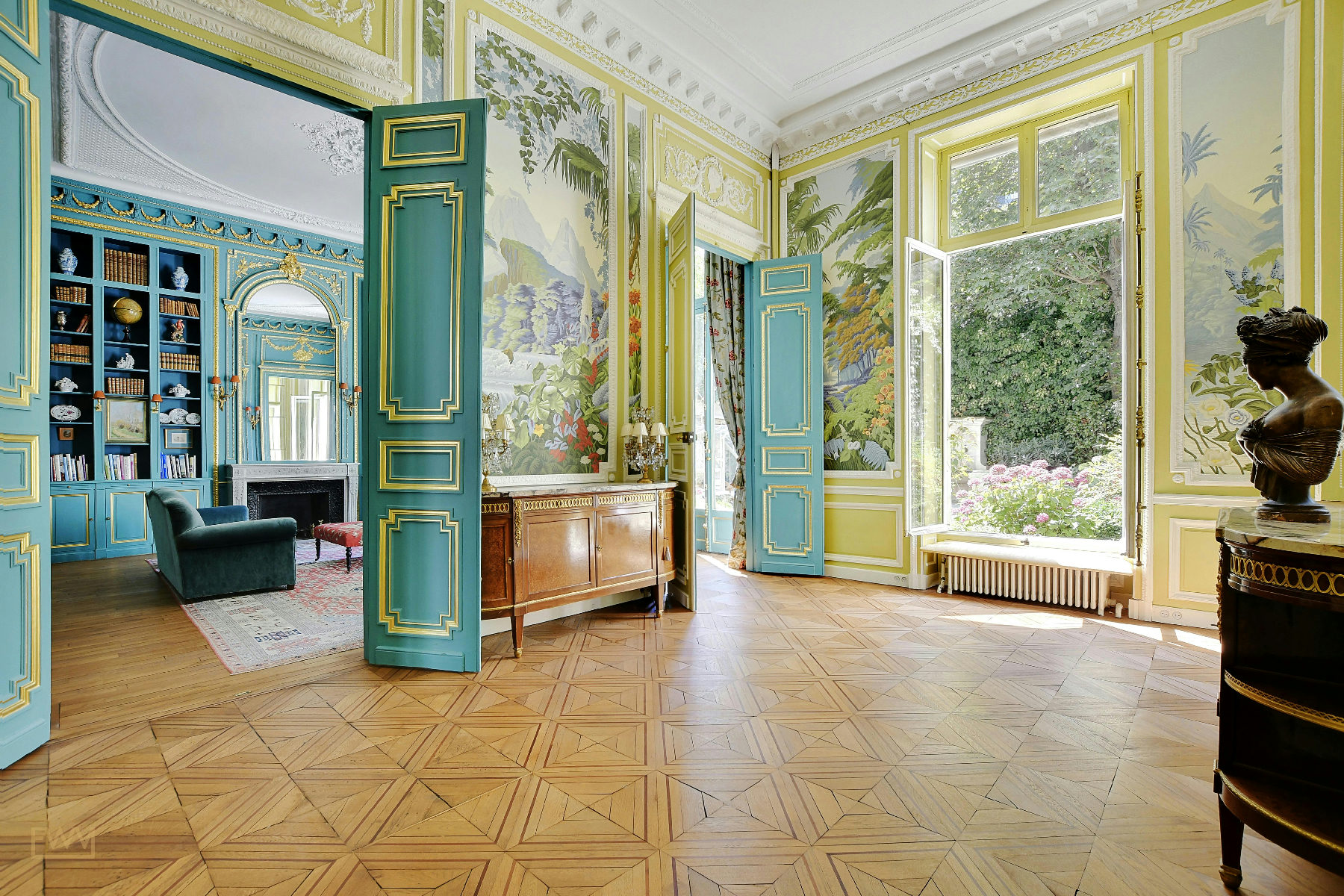
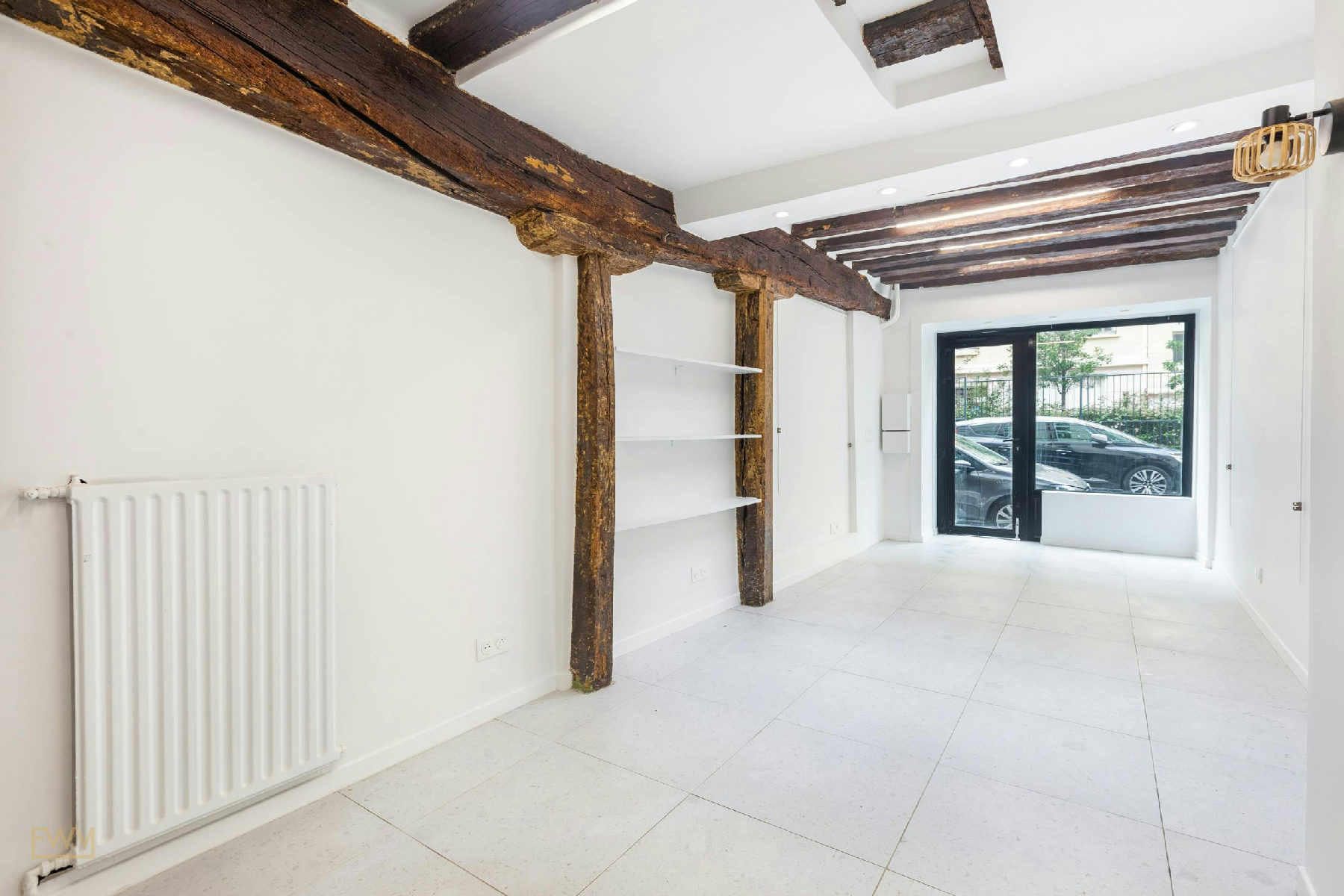
Le Marais remains the most creative and internationally visible retail neighbourhood in Paris. Running from the Place des Vosges in the east to the Châtelet-Les Halles junction in the west, Le Marais is home to independent boutiques, concept stores, international fashion flagships, and some of the most architecturally distinctive short-term retail spaces in Europe. The neighbourhood is famous for its stone-walled apartments converted into pop-up venues, vaulted cellars, wooden beam ceilings, brick walls, and exposed structural elements that give activations an immediate and unmistakable aesthetic.
Rue des Rosiers, running through the heart of the Marais, attracts a young, fashion-literate, internationally diverse audience. On weekends, the street reaches exceptional pedestrian density. For brands in ready-to-wear, streetwear, accessories, beauty, and experimental retail, this is arguably the most valuable neighbourhood in Paris on a cost-per-brand-impression basis.
Place des Vosges provides a more formal backdrop suitable for luxury brands, jewellery, high fashion, and brands seeking a heritage-rich architectural context for a showroom or boutique éphémère.
Rue Saint-Honoré and the Eighth Arrondissement
Rue Saint-Honoré, particularly the Faubourg Saint-Honoré section, is Paris's most prestigious luxury address. Adjacent to Place Vendôme and home to the Hôtel de Crillon and the French Ministry of Interior, this corridor attracts the highest concentration of luxury fashion houses, jewellers, and watchmakers in Paris. For brands seeking direct proximity to Chanel, Hermès, and equivalent houses, this is the target zone.
The Champs-Élysées, while less fashionable in editorial terms, offers unmatched mass-market footfall and is particularly valuable for product launches targeting broad consumer awareness rather than niche editorial cachet.
Saint-Germain-des-Prés and the Sixth Arrondissement
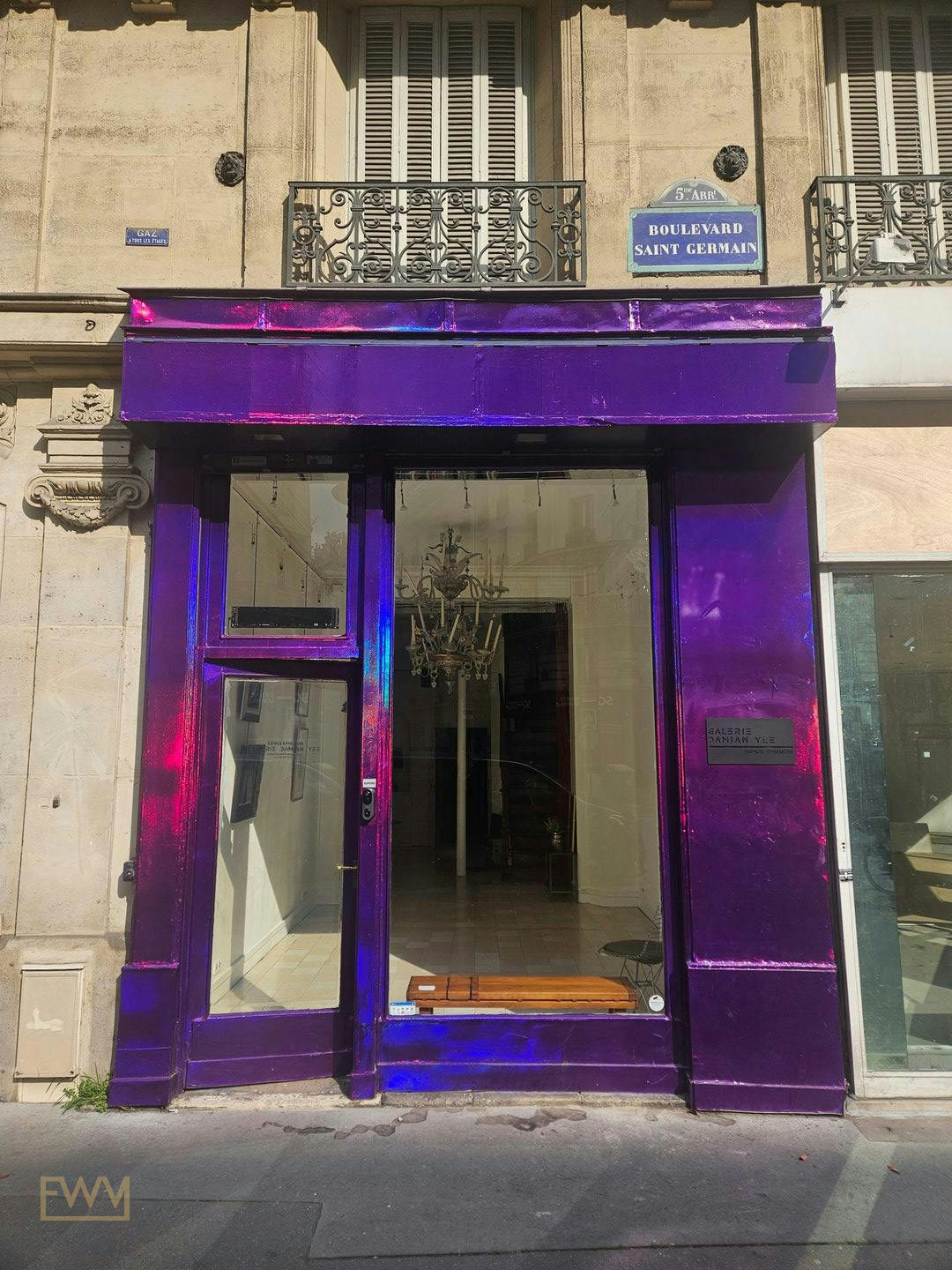
Saint-Germain-des-Prés attracts a sophisticated, culturally engaged Parisian audience alongside international visitors. It is particularly suitable for brands in art books, furniture, homeware, sustainable fashion, and premium ready-to-wear. The neighbourhood has a slower, more contemplative retail pace than Rivoli or the Marais, suiting brands that need dwell time and considered purchase decisions.
KEY TAKEAWAY: The right neighbourhood depends on your brand positioning, target audience, budget, and activation type. Rivoli and the first arrondissement suit brands seeking prestige and cultural proximity. Le Marais suits creative and fashion brands seeking an engaged, youthful audience. Saint-Honoré suits established luxury brands seeking peer proximity.
| Neighbourhood | Primary Audience | Best For | Typical Space Type | Key Streets |
|---|---|---|---|---|
| Rue de Rivoli / 1st | Tourists, Parisians, fashion community | Heritage brands, luxury, product launches | Arcade storefronts, gallery formats | Rue de Rivoli, Palais Royal |
| Le Marais / 3rd-4th | Fashion-literate youth, international visitors | Ready-to-wear, streetwear, art, beauty | Stone-walled lofts, vaulted cellars, apartment formats | Rue des Rosiers, Place des Vosges |
| Saint-Honoré / 8th | Luxury consumers, press, buyers | Luxury RTW, jewellery, watches, showrooms | Classic Haussmann storefronts | Rue Saint-Honoré, Place Vendôme |
| Saint-Germain / 6th | Culturally engaged Parisians | Design, sustainable fashion, art books | Boutique formats, gallery crossovers | Boulevard Saint-Germain |
| Champs-Élysées / 8th | Mass-market, international tourists | High-footfall product launches, FMCG | Large-format retail units | Avenue des Champs-Élysées |
With a clear picture of which neighbourhood fits your brief, the next step is understanding the specific space types available within Rivoli and the surrounding districts, because the architectural character of a space shapes the activation design as much as any creative brief.
Space Types for Pop-Up Shops in Paris: What You Will Actually Find on Rivoli and in Le Marais
Quick answer: Paris pop-up spaces range from formal Haussmann storefronts with display windows to converted apartments, vaulted cellars, stone-walled lofts, and gallery formats. Rivoli spaces tend toward formal arcade units with architectural heritage features, while Le Marais spaces are characterised by exposed stone, wooden beams, brick walls, and occasionally cellar space beneath street level.
Understanding the physical and architectural character of available spaces matters enormously for brands planning their activation design and visual identity. A space with wooden beam ceilings, stone walls, and brick detailing will require a very different fit-out approach to a minimal white-box gallery. Budget for production and fit-out will vary accordingly, and brands that brief their concept direction before selecting a space will avoid costly design revisions once a space is confirmed.
Arcade Storefronts on Rue de Rivoli
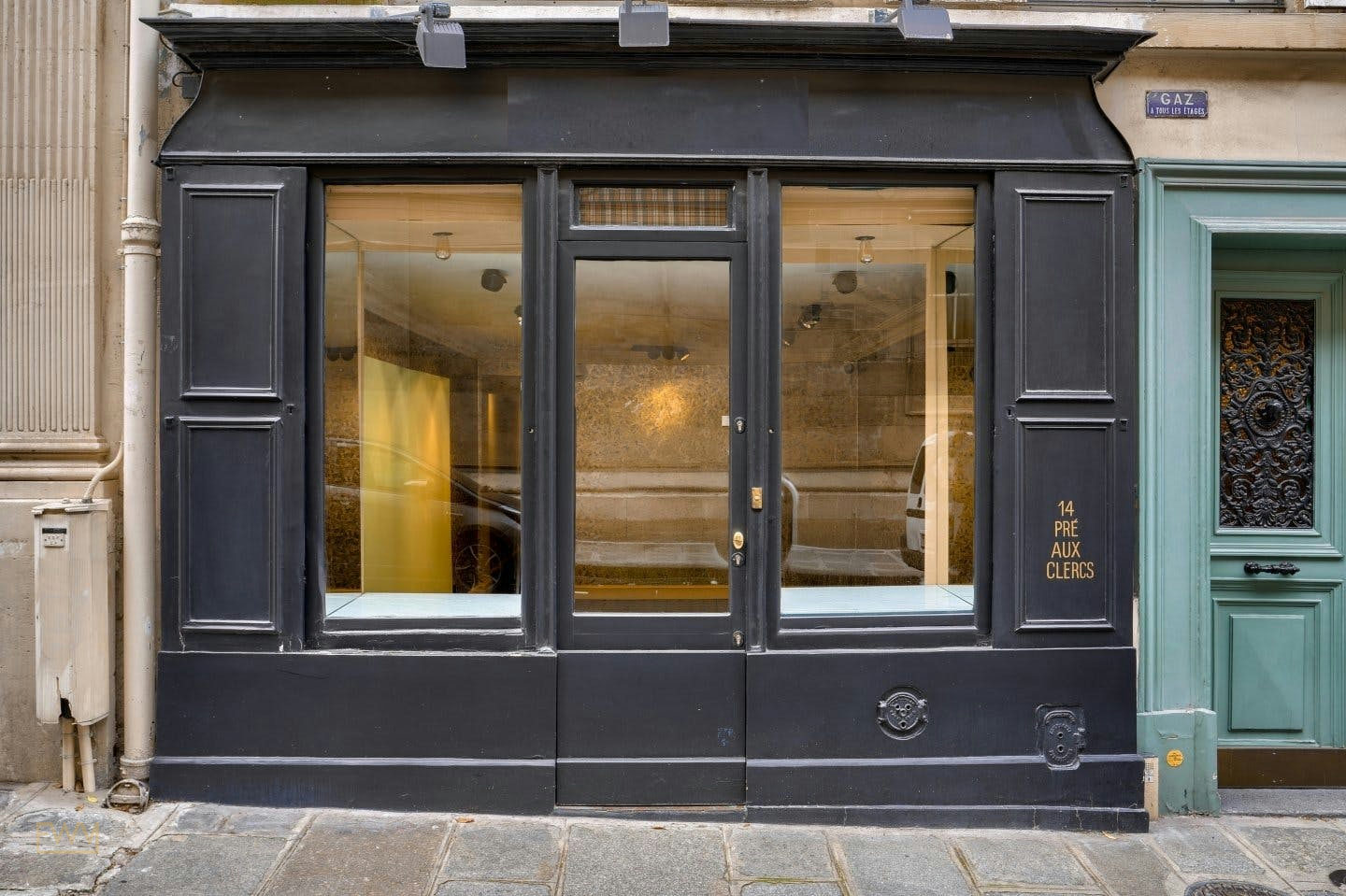
The covered arcades of Rue de Rivoli contain units of varying widths, most with display windows opening onto the pedestrian walkway beneath the arches. These units typically feature period architectural detail, sometimes including original tiling, cast-iron columns, and high ceilings. Many are listed under French heritage protection regulations, which imposes specific restrictions on what modifications can be made during a short-term tenancy. Brands planning significant structural changes to fit-out need to confirm the heritage status of any unit before signing heads of terms.
Apartments and Loft Conversions in Le Marais
The Marais is famous for its converted residential spaces that function as short-term retail venues. These are typically accessed via a courtyard entrance from a main street, and may span one or two floors of a historic building. Features include exposed stone walls, wooden beam ceilings, irregular floor plans, and occasional cellar space beneath the main floor. The residential aesthetic creates an intimate shopping environment that works exceptionally well for fashion brands, jewellers, and beauty concepts where a home-like setting encourages extended dwell time and personal discovery.
Vaulted Cellars
Vaulted cellar spaces exist beneath many historic buildings in the first and fourth arrondissements. These can range from intimate 20-square-metre chambers to multi-room networks of arched brick corridors. They are particularly suited to immersive brand experiences, exclusive presentations, and art installations where the architectural drama of the space contributes directly to the narrative. Vaulted cellars have specific fire safety and accessibility requirements under French regulations, and brands should confirm compliance before booking.
Gallery and White-Box Formats
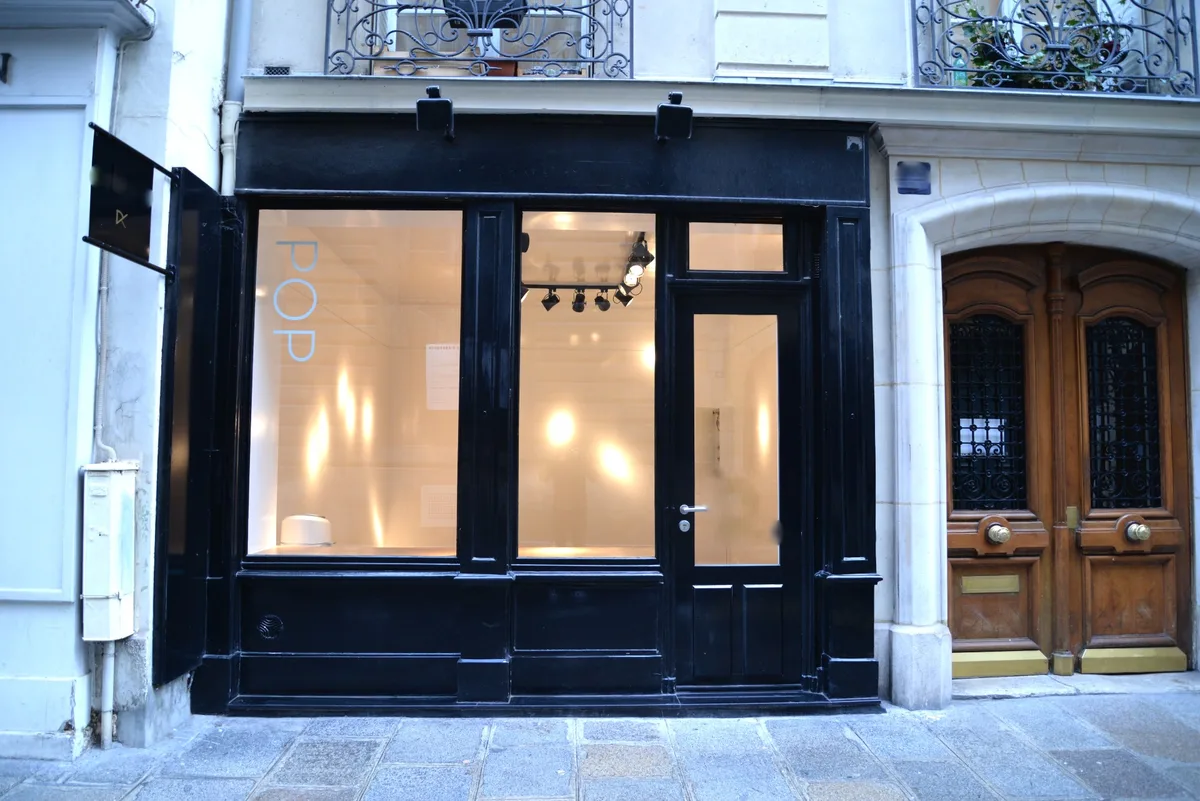
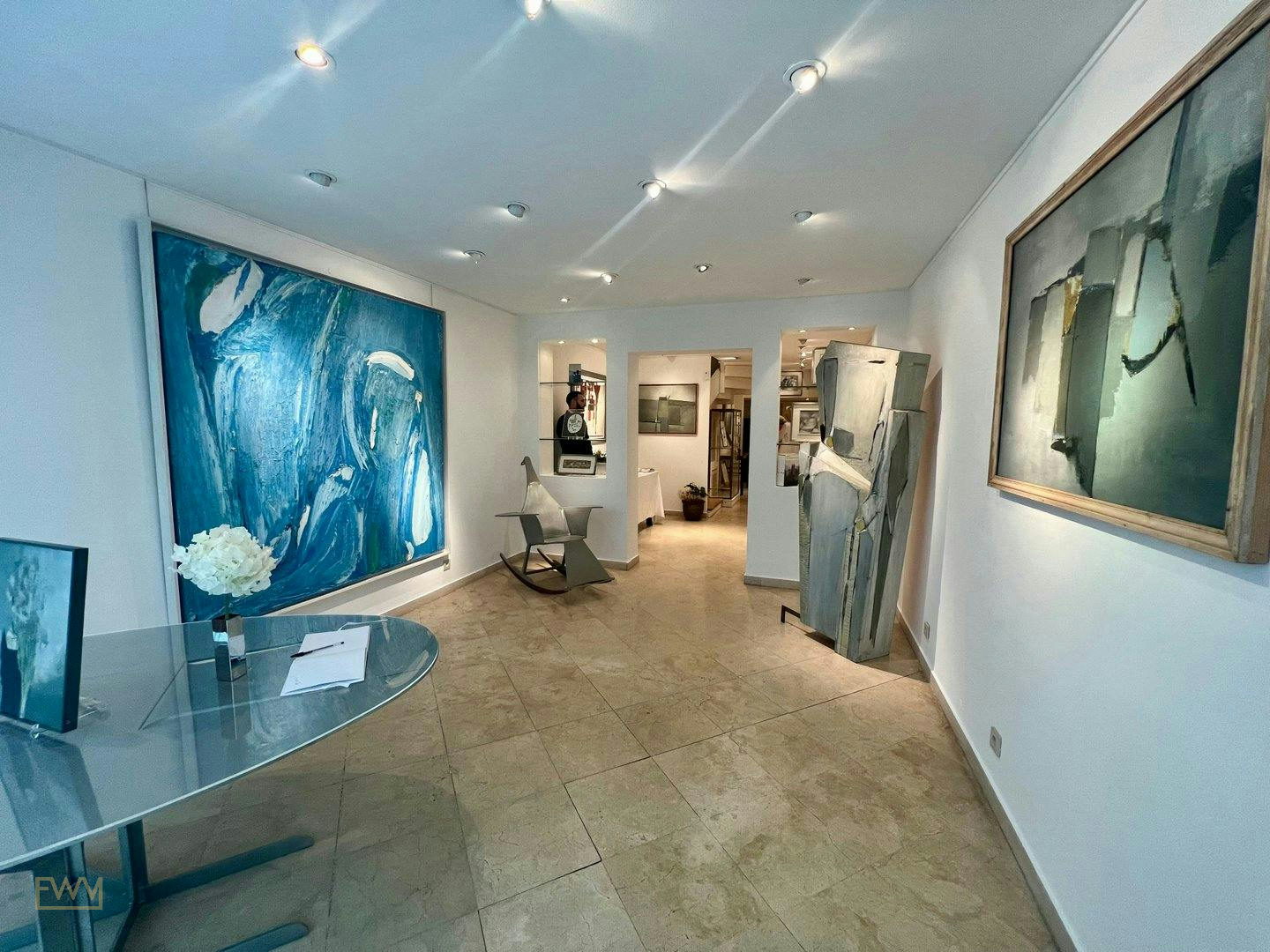
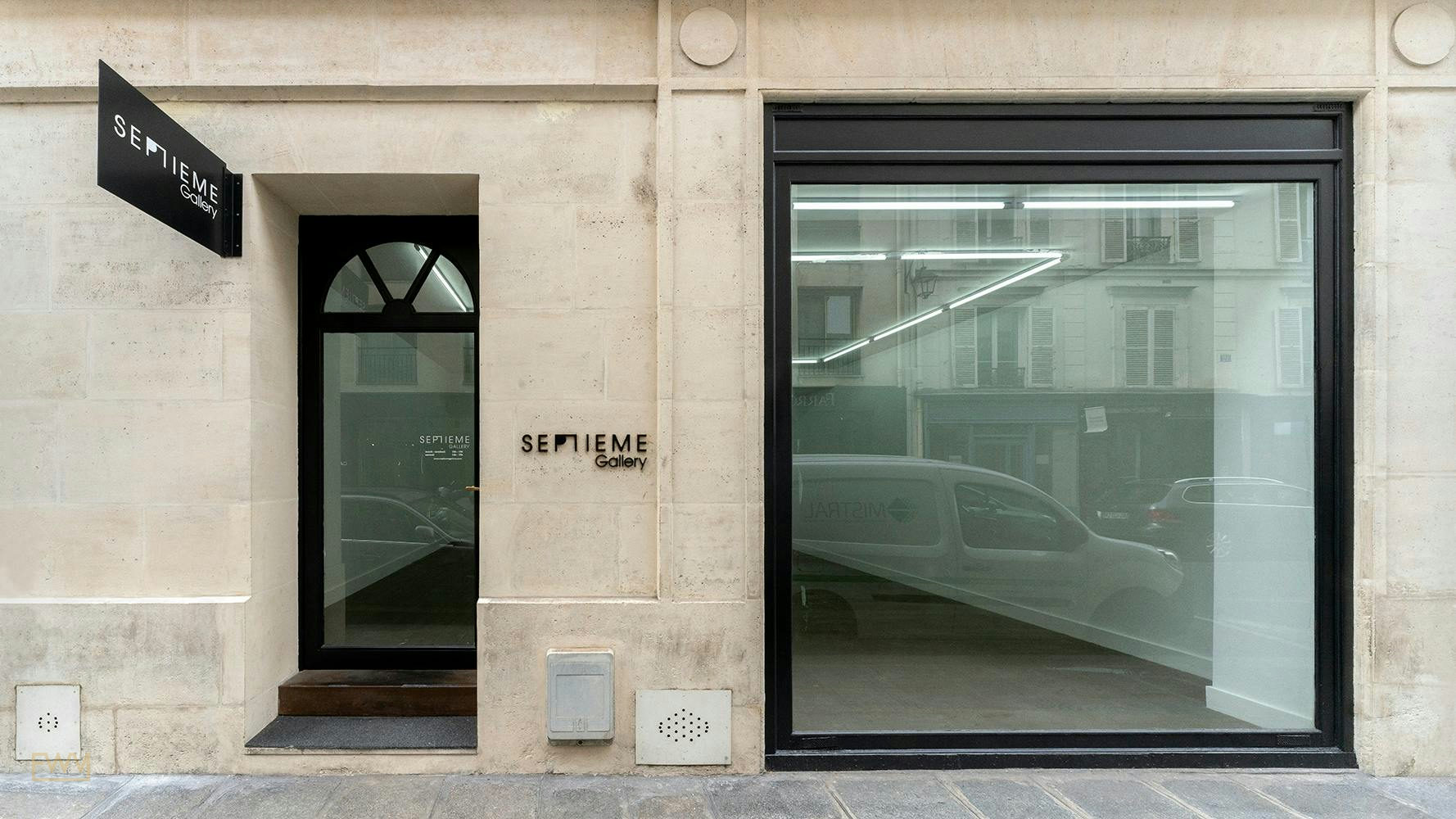
Neutral gallery-format spaces are available across all Paris neighbourhoods and are the most operationally straightforward for brands wanting maximum design flexibility. These spaces typically feature polished concrete or wooden floors, white walls, track lighting, and large display windows. They are suitable for showrooms, fashion week presentations, product launches, exhibitions, and retail pop-up stores where the brand's own visual identity needs to be the dominant aesthetic.
Boutique Éphémère and Dedicated Pop-Up Buildings
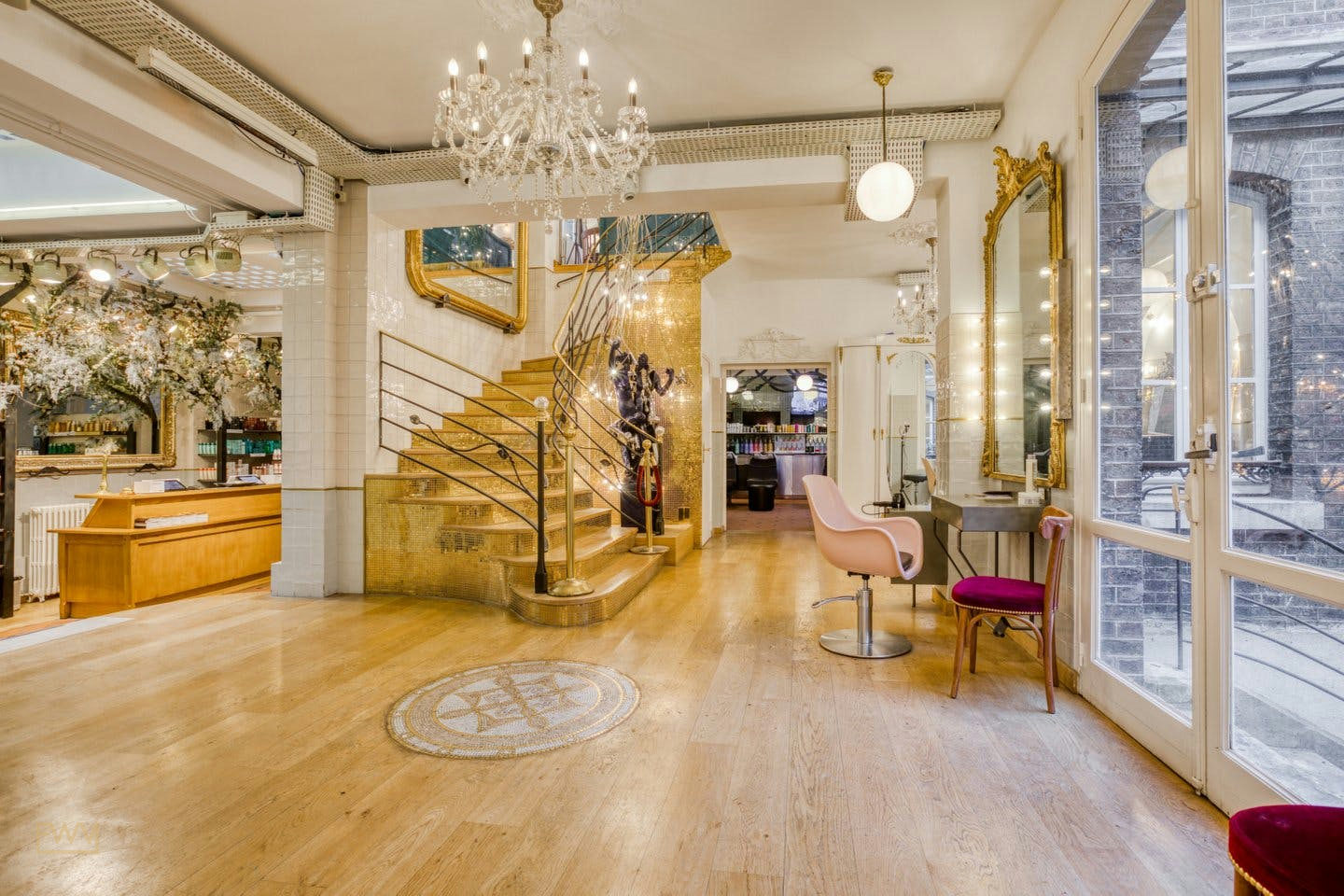
Some buildings in Paris have been specifically converted or repositioned as boutique éphémère hubs, meaning they are designed from the outset to host rotating short-term retail tenancies. These spaces typically come with flexible fit-out infrastructure, existing retail furniture, point-of-sale systems, and sometimes sound equipment including Bluetooth sound systems. The operational convenience is significant, particularly for brands with tight timelines or limited production budgets.
TIP: Spaces with existing retail infrastructure including furniture, lighting, and sound equipment can reduce fit-out costs significantly. When comparing spaces, assess the baseline provision carefully before calculating additional production spend.
KEY TAKEAWAY: Space type selection directly affects concept direction, production budget, and customer experience. Define your desired architectural aesthetic and operational requirements before entering the market, not after. The concept direction service at Fashion Week Venues helps brands align space selection with creative brief from the outset.
Knowing what types of spaces exist is only the starting point. Brands then need to understand the legal and operational frameworks that govern short-term retail in Paris, particularly for international brands that have no existing French legal presence.
Short-Term Lease Frameworks, Permits, and Legal Compliance for Paris Pop-Up Shops
Quick answer: Renting a pop-up shop in Paris as a non-French entity typically requires either a bail dérogatoire or an autorisation d'occupation temporaire. Neither is a standard commercial lease, and both carry specific legal obligations around duration, use, insurance, and permitted modifications. Requirements vary by space type, arrondissement, and property owner, and professional guidance is strongly recommended.
This is the area where the most costly mistakes occur for international brands entering the Paris market. France has a detailed and distinctive commercial tenancy law framework under the Code de commerce, and the standard commercial lease, known as the bail commercial, provides tenants with very significant rights including the right to renew for nine years. Property owners are therefore understandably cautious about granting standard commercial leases for short-term occupancies, and the vast majority of pop-up shop arrangements in Paris are structured specifically to avoid the bail commercial framework.
Bail Dérogatoire: The Standard Short-Term Structure
The bail dérogatoire, sometimes called the convention d'occupation précaire, is a legally recognised short-term tenancy arrangement that derogates from the standard nine-year commercial lease framework. It can be used for periods of up to three years in aggregate for the same tenant in the same space. It must be clearly labelled as a bail dérogatoire in the signed agreement, and both parties must expressly acknowledge that it does not confer the rights associated with a standard bail commercial. If the tenant remains in occupation beyond the agreed term without a new formal arrangement, French courts may reclassify the occupancy as a full bail commercial, triggering significant legal and financial consequences for the property owner.
For most pop-up shop arrangements of a few days to a few months, the bail dérogatoire is the most common framework used by professional space operators and property owners in Paris who regularly host short-term tenants.
Autorisation d'Occupation Temporaire
The autorisation d'occupation temporaire, or AOT, applies primarily to spaces that are public property or that sit within regulated public domains, including certain arcades, covered passageways, and public-facing ground-floor units adjacent to public infrastructure. AOTs are issued by the relevant public authority and carry specific conditions around use, signage, modifications, and opening hours. Brands occupying spaces that require an AOT rather than a private lease need to factor the approval timeline into their production and launch schedule, as AOT processing can take several weeks depending on the arrondissement and the nature of the proposed activation.
Insurance Requirements
All short-term tenants in Paris are typically required to hold civil liability insurance, known as responsabilité civile professionnelle, for the duration of the occupancy. Proof of insurance is almost universally required before keys are handed over. Depending on the activity type, additional cover may be required for fire safety liability, electrical safety, or public event liability if the activation includes footfall above a certain threshold or involves the serving of food or alcohol.
IMPORTANT: Requirements around permits, insurance, fire safety, and electrical safety vary significantly by space type, size, location, and the nature of the planned activation. Do not assume that arrangements that worked in a previous Paris activation will apply automatically to a new space in a different arrondissement. Always verify with a qualified French legal advisor and the property owner before signing any agreement.
Accessibility and Fire Safety
French regulations around accessibility for people with disabilities apply to commercial premises open to the public, including temporary retail spaces. Brands planning activations in spaces with heritage-listed features, vaulted cellars, or multi-level layouts need to assess their compliance obligations carefully. Fire safety regulations require clear emergency exit routes, appropriate signage, and in some cases additional equipment depending on the size of the premises and the number of visitors expected simultaneously.
The permit guidance tool from Fashion Week Venues provides a structured starting point for brands assessing their compliance obligations across different space types and intended uses.
KEY TAKEAWAY: Legal compliance in Paris short-term retail is complex and specific. The bail dérogatoire and AOT frameworks exist specifically to enable temporary retail, but they must be structured and documented correctly. The consequences of getting this wrong include forced evacuation, financial penalties, and reputational damage. Professional guidance is essential, not optional.
With the legal framework understood, the practical operational dimensions of running a successful Paris pop-up come into focus. Planning, production, and on-the-ground execution are where activations succeed or fail.
Planning and Running a Successful Pop-Up Activation in Paris: Operations, Logistics, and Execution
Quick answer: A successful Paris pop-up activation requires parallel workstreams covering space confirmation, concept direction, production and fit-out, staffing, logistics, permits, marketing, and post-activation data collection. For major calendar windows like Fashion Week, planning typically begins three to six months before the intended lease start date.
The operational complexity of a Paris pop-up is consistently underestimated by brands activating in the city for the first time. Unlike a domestic market where teams have established supplier relationships, knowledge of local regulations, and familiarity with the logistics landscape, Paris requires either a significant investment in local knowledge or a partnership with an agency that already possesses it.
Timeline and Calendar Planning
The Paris retail calendar is structured around several high-demand periods that drive both footfall and media attention. Paris Fashion Week for womenswear occurs in late February and early October. Menswear Fashion Week occurs in January and June. Paris Design Week takes place in September. FIAC, the international contemporary art fair, has historically occurred in October. The Christmas period from late November through January brings the highest pure tourist footfall of the year across all arrondissements.
Spaces in Rivoli, Le Marais, and Saint-Honoré fill up many months in advance for these calendar windows. Brands that approach the market two or three months before their intended launch date for peak periods frequently find that the most desirable spaces are already committed. For Fashion Week specifically, the most competitive spaces are often reserved six months or more in advance.
| Planning Stage | Timeline Before Activation | Key Actions | Tools and Resources |
|---|---|---|---|
| Brief development | 5 to 6 months | Define brief, budget, neighbourhood, space type, duration | Budget calculator, ROI calculator |
| Space sourcing | 4 to 5 months | Identify, compare, and shortlist spaces | Marketplace, compare tool, locator tool |
| Legal and permits | 3 to 4 months | Confirm lease structure, permits, insurance | Permits tool, French legal advisor |
| Concept and design | 2 to 3 months | Develop spatial plan, fit-out brief, brand design | Imagine tool, concept direction service |
| Production and build | 4 to 6 weeks | Execute fit-out, install furniture, set up technology | Build tool, production and build service |
| Staffing and activation | 1 to 2 weeks | Brief and onboard temporary staff, test POS | Retail staffing service, POS and payments service |
| Live activation | During | Manage daily operations, capture data, engage customers | Activation management, data analytics service |
| Post-activation | 1 to 2 weeks after | Analyse data, collect customer feedback, debrief | Data and analytics, ROI calculator |
Concept Direction and Spatial Planning
The creative brief for a pop-up activation should be developed in parallel with space sourcing, not after a space is confirmed. The concept direction determines the fit-out requirement, the furniture rental need, the visual merchandising approach, and the marketing assets that will support the launch. Brands that develop their concept in isolation from the physical space constraints often find themselves with a design that cannot be practically executed within the available footprint, budget, or heritage protection restrictions of their chosen space.
Spatial planning, the process of laying out product display, customer flow, staff positions, and brand communication zones within the physical footprint, should be completed digitally before any physical work begins. The Imagine tool from Fashion Week Venues allows brands to visualise how their concept will occupy a specific space before committing to production costs.
Inventory Management and Merchandising
Pop-up retail creates specific inventory management challenges that permanent retail does not. The finite duration of the activation means that overproduction or underproduction directly affects both cashflow and brand perception. Brands need to plan their inventory decisions carefully, accounting for expected daily sales volume, replenishment logistics, and the visual merchandising impact of low stock levels as the activation progresses. A half-empty display on day ten of a two-week activation communicates abandonment rather than success.
Packaging, both for in-store presentation and for customer take-home, should reflect the quality of the activation. In Paris, where brand packaging is observed and judged by consumers and press as part of the overall brand experience, under-investment in this area is a visible signal of incomplete execution.
Staffing for Paris Pop-Up Shops
Temporary retail staff in Paris need to be able to communicate effectively with an international customer mix. English is essential, and for activations in fashion-focused neighbourhoods, familiarity with the brand and its products is as important as language capability. Briefing staff on brand story, product knowledge, social media handles, and the activation's specific objectives takes time and should be built into the pre-launch schedule. The retail staffing service at Fashion Week Venues supports brands with sourcing and briefing Paris-based temporary staff familiar with the demands of fashion and luxury activations.
Technology, Sound, and Equipment
Most short-term retail spaces in Paris do not come equipped with the technology infrastructure that brands assume is standard. Point-of-sale systems, card payment terminals, Bluetooth sound systems, video equipment for brand presentation screens, and reliable Wi-Fi are all operational requirements that must be confirmed or arranged before the activation goes live. Gaps in any of these areas will create operational friction on day one and will affect both customer experience and sales capture.
KEY TAKEAWAY: Operational planning for a Paris pop-up is a multi-month parallel process across legal, creative, production, logistical, and marketing workstreams. Brands that begin planning early and treat each workstream with equal discipline consistently deliver better activations and achieve better commercial outcomes.
Budgeting accurately is one of the most consistently challenging aspects of Paris pop-up planning. Understanding the major cost categories and where brands commonly underestimate helps build a more reliable financial foundation for the activation.
Budgeting for a Pop-Up Shop on Rue de Rivoli and in Central Paris
Quick answer: The cost of a pop-up shop in Paris varies significantly by neighbourhood, space size, duration, fit-out complexity, and staffing model. Space rental on Rue de Rivoli typically represents a premium compared to equivalent sizes in Le Marais or Saint-Germain-des-Prés, reflecting its footfall intensity and location prestige. Use a structured budget calculator for brand-specific estimates rather than relying on generalised figures.
Paris pop-up costs can be grouped into five major categories: space rental, production and fit-out, staffing, marketing and communications, and operations including logistics, insurance, and technology. Most brands that experience budget overruns in Paris do so because they plan accurately for one or two of these categories but underestimate or omit others entirely.
Space Rental Costs
Rental rates for short-term retail spaces in Paris are typically quoted per day, per week, or per month depending on the space and the operator. Premium locations on Rue de Rivoli or Rue Saint-Honoré command the highest daily rates in the Paris market. Spaces in Le Marais can offer better value relative to footfall and brand perception, particularly for fashion-forward activations where the neighbourhood's inherent credibility contributes directly to brand positioning.
Minimum duration requirements vary by space and operator. Some spaces require a minimum of one week, others one month. Spaces designed for events and exhibitions may be available for as little as one day, typically at higher per-day rates that reflect the operational burden of rapid turnover.
IMPORTANT: Published daily rental rates for Paris pop-up spaces rarely represent the full cost of occupancy. Service charges, cleaning fees, security deposits, utility costs, and insurance requirements should all be confirmed and included in total cost calculations before comparing spaces.
Production and Fit-Out
Production costs depend directly on the concept direction and the baseline provision of the chosen space. A white-box gallery with existing track lighting and neutral floors requires significantly less production investment than a raw industrial space or a heritage-listed arcade unit requiring temporary installation work. Furniture rental, branded signage, display systems, and temporary flooring or wall treatments are the primary line items within production. The budget estimation tool from Fashion Week Venues allows brands to model their production spend against their space type and concept complexity.
Staffing and Operations
Staffing costs for a Paris pop-up include temporary retail staff wages, any agency fees for sourcing and briefing, uniforms or branded styling if required, and management oversight. For activations involving after-hours events, cocktail parties, or product launch evenings, additional staff and security provisions are typically required and add to the base staffing cost.
Marketing and Influencer Activation
The marketing cost of a Paris pop-up is frequently separated from the activation budget but should be integrated from the outset. Social media content creation, influencer partnerships, PR outreach to fashion and lifestyle press, event invitations for media and buyers, and paid digital amplification during the activation window are all cost-bearing activities that determine whether the space investment generates the intended brand reach. Paris-based influencer activations during Fashion Week carry a market premium and require advance planning and confirmed agreements well before the activation launches.
Cashflow and Retail Sales Planning
For pop-up shops with a transactional retail component, cashflow planning needs to account for the lag between sales and payment settlement, the cost of card processing fees, and the management of returns or exchanges. Brands that operate pop-up shops without a clear sales target and daily sales tracking mechanism lose the commercial data that would justify the activation investment and inform future decisions. Data and analytics capture from day one is not optional; it is the foundation of demonstrating ROI and building the case for future activations.
KEY TAKEAWAY: Full-cost budgeting for a Paris pop-up requires accounting for all five cost categories across the full activation lifecycle, not just the headline rental rate. Use the budget and ROI tools to build a financially complete picture before committing to a space and lease.
Mid-page planning resource: to compare neighbourhoods and space types, explore the Paris city hub on Fashion Week Venues and shortlist spaces that match your brief, budget, and calendar window.
How Fashion Week Venues Supports Brands Activating in Paris
Quick answer: Fashion Week Venues is a full-service pop-up shop agency and space marketplace operating across Paris and other fashion capitals. It supports brand teams at every stage from space discovery and legal navigation through to production, staffing, marketing, and post-activation analytics.
For brands activating in Paris for the first time, and for established brands seeking to improve the efficiency and impact of their Paris activations, Fashion Week Venues provides a structured, specialist alternative to assembling a network of local suppliers independently. The value is not simply in accessing spaces that might not otherwise be reachable but in managing the full operational complexity of a Paris activation through a team with deep market knowledge and established local relationships.
Space Discovery and Venue Sourcing
The Fashion Week Venues marketplace lists verified short-term retail spaces across Paris and other cities. Brands can search and filter by neighbourhood, space type, size, and availability, and use the compare tool to evaluate options side by side against their brief requirements. The locator tool helps brands understand the geographic relationship between shortlisted spaces and key Paris landmarks, transport links, and competitor locations.
The venue sourcing service goes further than the marketplace by engaging the Fashion Week Venues team directly in identifying spaces that match a brand's specific brief, including spaces that may not be listed publicly at any given moment.
Concept Direction and Branded Store Design
The concept direction and branded store design services support brands in translating their identity into a physical space experience. This covers spatial planning, visual merchandising approach, fit-out brief, signage design, and the integration of existing brand assets with the architectural character of the chosen space. For brands entering Paris for the first time, this support is particularly valuable in ensuring that the activation reads as intentional and polished rather than improvised.
Production and Build
The production and build service manages the physical transformation of the raw space into a finished brand environment, covering contractor coordination, furniture installation, signage fitting, technology setup, and pre-opening quality assurance. This is the stage where timeline discipline is most critical, as delays in production directly compress the live activation window. Fashion Week Venues coordinates this process with an understanding of the specific access, noise, and working-hours restrictions that apply in Paris buildings, many of which are managed by co-proprietors with strict rules about contractor activity.
Activation Management, Staffing, and Analytics
During the live activation, Fashion Week Venues can provide ongoing activation management support covering daily operations oversight, staff management, sales tracking, and real-time issue resolution. The retail staffing service provides vetted Paris-based temporary retail staff briefed on the brand and the specific objectives of the activation. Data and analytics capture throughout the activation provides the commercial evidence base for post-activation review and future planning.
Additional Tools Available to Brands
The Fashion Week Venues toolkit includes dedicated tools for budget estimation, ROI calculation, space comparison, timeline planning, permit guidance, and space location. These tools are designed to support brand teams in the research and planning phase, before any supplier or agency engagement has been confirmed. Brands exploring a Paris activation can use these tools independently to build a realistic picture of costs, timelines, and permit requirements before requesting a briefing call.
The twin co-activation concept allows brands to share a space with a complementary brand, reducing rental costs while expanding the combined audience reach and the activation's press and social media surface area. This is particularly valuable for emerging brands or brands entering a new market who want to limit financial exposure on their first Paris activation.
KEY TAKEAWAY: Fashion Week Venues does not simply list spaces. It provides a structured, specialist path from brief development through to post-activation analysis, supporting brand teams at every stage of the process. Brands considering their first Paris activation or seeking to improve the performance of existing activations can explore the full service offering and past work at the Fashion Week Venues work section.
Understanding what Fashion Week Venues provides is most useful in the context of understanding how to evaluate and select the right agency or partner for a Paris activation. The following section covers the key questions brands should ask when making that decision.
Evaluating Agency Partners for Paris Pop-Up Activations
Quick answer: Selecting the right agency partner for a Paris pop-up activation depends on whether the agency has direct market presence in Paris, an established supplier network, experience across the relevant space types and neighbourhoods, and the operational capacity to manage the full activation lifecycle rather than just the space transaction.
The Paris short-term retail market includes a wide range of participants from pure commission-based space brokers who list spaces and facilitate introductions, to full-service agencies that manage the entire activation from brief to debrief. Understanding where on that spectrum a potential partner sits is essential for brands managing their expectations about what support they will receive and what they will need to source independently.
Commission Brokers Versus Full-Service Agencies
Commission brokers operate by connecting brands with space owners and taking a fee on the transaction. Their service typically ends at lease signing. The brand then needs to manage concept direction, production, permits, staffing, and all other activation workstreams independently. For brands with strong internal teams and established Paris supplier networks, this may be sufficient. For brands without that infrastructure, a commission broker relationship leaves the majority of the activation work unmanaged.
Full-service agencies manage the activation end-to-end. The fee structure is typically higher, but the operational burden on the brand team is substantially lower and the risk of execution gaps is significantly reduced. Brands activating during Paris Fashion Week, where the stakes are high and the operational environment is extremely compressed, consistently benefit from full-service support.
Key Questions to Ask a Potential Agency
When evaluating a potential Paris pop-up agency partner, brands should ask: how many Paris activations has the agency delivered in the last twelve months? What is the agency's specific process for securing permits and managing compliance? Can the agency provide references or case studies from activations in the relevant neighbourhood and space type? What is the agency's relationship with its supplier network? Does the agency carry professional indemnity insurance? What data and reporting does the agency provide during and after the activation? The answers to these questions will reveal quickly whether the agency has genuine operational depth or is primarily a space-matching service.
For a structured framework on evaluating and selecting a pop-up agency, the hiring an agency guide from Fashion Week Venues provides a detailed decision-making resource.
KEY TAKEAWAY: The choice between a commission broker and a full-service agency is a risk management decision as much as a cost decision. Brands that underestimate the operational complexity of a Paris activation and choose a broker when they needed full-service support typically experience avoidable failures in execution, compliance, or commercial performance.
Before moving to specific actionable decisions, it is worth addressing the most persistent misconceptions in the Paris pop-up market that continue to cause avoidable problems for brands planning their first or second activation in the city.
Common Myths About Renting a Pop-Up Shop in Paris
MYTH: You need a French legal entity to rent a pop-up space in Paris.
FACT: International brands without a French entity can rent short-term retail spaces in Paris using a bail dérogatoire or a convention d'occupation précaire. Many space operators specifically structure their agreements to accommodate international tenants. However, without a French entity, certain compliance obligations around tax registration, social charges for French staff, and invoicing may still apply. Professional advice specific to your corporate structure is essential before signing any agreement.
MYTH: Paris Fashion Week is the only viable calendar window for a Paris pop-up activation.
FACT: While Paris Fashion Week for womenswear in February and October generates the highest concentration of industry press and buyers in the city, Paris has strong commercial footfall throughout the year. Paris Design Week in September, FIAC in October, the Christmas period from late November through January, and the summer tourist peak in July and August all represent commercially valuable windows for different brand types and objectives. The right calendar window depends on your target audience and activation objectives, not simply on the fashion industry calendar.
MYTH: Commission brokers are the only way to find a short-term space in Paris.
FACT: The Paris short-term retail market now includes dedicated online marketplaces, full-service agencies with proprietary space networks, and property owners who list their spaces directly through digital platforms. Commission brokers are one route to market but not the only or necessarily the best one, particularly for brands that need managed support beyond the space transaction itself.
MYTH: Short-term leases in Paris are legally straightforward and do not require specialist advice.
FACT: Short-term commercial tenancy in France operates within a specific and complex legal framework that differs significantly from the UK, US, and most other major markets. The consequences of entering an improperly structured lease, or of staying in a space beyond the agreed bail dérogatoire term without a new formal agreement, can include unintended conversion to a full nine-year commercial lease with significant financial obligations. French legal expertise is not a luxury in this market; it is a fundamental risk management requirement.
MYTH: A pop-up shop in Paris is primarily a marketing exercise with limited direct sales potential.
FACT: Well-executed Paris pop-up shops generate significant direct sales in addition to brand awareness, press coverage, and wholesale buyer engagement. Brands in fashion, beauty, accessories, homeware, and food have consistently demonstrated that Paris temporary retail, particularly in high-footfall neighbourhoods like Le Marais and Rue de Rivoli, drives transactional revenue that contributes meaningfully to the overall ROI of the activation investment.
Frequently Asked Questions
What is a pop-up shop in Paris?
A pop-up shop in Paris is a temporary retail or brand activation space occupied under a short-term lease arrangement, typically using a bail dérogatoire or convention d'occupation précaire. Pop-up shops in Paris range from one-day event formats to multi-month boutique éphémère concepts, and they are used for product launches, fashion week showrooms, brand positioning exercises, direct-to-consumer sales, exhibitions, art installations, and collaborative retail experiences. They are found across all major Parisian neighbourhoods including Rue de Rivoli, Le Marais, Rue Saint-Honoré, Saint-Germain-des-Prés, and the Champs-Élysées corridor.
How do I rent a pop-up shop on Rue de Rivoli in Paris?
Renting a pop-up shop on Rue de Rivoli involves identifying available spaces through a marketplace, agency, or direct property owner contact, negotiating a bail dérogatoire or equivalent short-term agreement, arranging the required civil liability insurance, and managing the production, permits, and operational setup within your agreed lead time. Given the high competition for Rivoli spaces during Fashion Week and other peak periods, beginning the search process at least four to six months before your intended lease start date is strongly advisable. Full-service agencies with Paris market presence can manage this process on your behalf.
How much does a pop-up shop cost in Paris?
The cost of a pop-up shop in Paris varies considerably by neighbourhood, space size, duration, fit-out complexity, and staffing model. Premium locations on Rue de Rivoli command higher daily rates than comparable sizes in Le Marais or Saint-Germain-des-Prés. In addition to space rental, brands need to budget for production and fit-out, temporary staffing, marketing, insurance, and operational technology. Published per-day rental rates should not be treated as total cost figures. Use the budget estimation and ROI calculation tools from Fashion Week Venues to build a complete financial model for your specific activation brief.
What are the best neighbourhoods for a pop-up shop in Paris?
The best neighbourhood depends on your brand positioning, target audience, and activation objectives. Rue de Rivoli and the first arrondissement suit heritage, luxury, and culturally engaged brands seeking proximity to the Louvre and the Palais Royal. Le Marais in the third and fourth arrondissements is the most creative and fashion-forward neighbourhood and suits ready-to-wear, streetwear, beauty, and experimental retail. Rue Saint-Honoré in the eighth suits established luxury brands. Saint-Germain-des-Prés in the sixth suits design, sustainable fashion, and premium lifestyle brands.
Do I need a French company to rent a pop-up space in Paris?
No. International brands without a French legal entity can rent short-term retail spaces in Paris using a bail dérogatoire, which is specifically designed to accommodate temporary commercial occupancy without triggering the rights associated with a standard commercial lease. However, compliance obligations around French staff employment law, VAT registration, and local tax requirements may still apply depending on the nature and scale of your activation. Professional legal advice specific to your corporate structure and intended activity is essential before signing any agreement in France.
What is a bail dérogatoire and why does it matter for pop-up shops?
A bail dérogatoire is a legally recognised short-term commercial tenancy agreement in France that derogates from the standard nine-year bail commercial framework. It allows brands to occupy commercial spaces for short periods, typically from a few days to up to three years in aggregate for the same space and tenant combination, without acquiring the long-term renewal rights that standard commercial tenants enjoy under French law. It is the primary legal instrument used for pop-up shop arrangements in Paris and must be correctly structured and documented to remain legally valid throughout the occupation.
How far in advance should I book a pop-up space in Paris for Fashion Week?
For spaces in high-demand corridors like Rue de Rivoli, Le Marais, and Rue Saint-Honoré during Paris Fashion Week for womenswear in February or October, beginning the search and booking process at least four to six months in advance is strongly recommended. The most desirable spaces in the best locations are frequently committed six months or more before the target window. Brands approaching the market two to three months before Fashion Week will find that their shortlist is materially reduced and that the negotiating position is less favourable.
What types of events and activities can be hosted in a Paris pop-up space?
Paris pop-up spaces are used for a wide range of events and activities beyond direct retail sales. Common formats include fashion showrooms for press and buyers during Fashion Week, product launch events, cocktail parties and brand evenings, art gallery exhibitions, workshops and masterclasses, photo shoots and filming for brand content, seminars and trade presentations, and collaborative activations with complementary brands. The permitted activities depend on the specific space, the terms of the short-term agreement, and any conditions attached to the relevant permits. Always confirm the intended use with the space operator before signing.
What permits do I need to operate a pop-up shop in Paris?
Permit requirements for a Paris pop-up shop vary by space type, location, intended activity, and the scale of the activation. In general, all commercial activities require a valid short-term lease agreement, civil liability insurance, and compliance with French fire safety and electrical safety standards. Spaces on public or regulated land may require an autorisation d'occupation temporaire issued by the relevant public authority. Activations involving food or alcohol service require additional licensing. The permit guidance tool from Fashion Week Venues provides a useful starting framework, but requirements should always be verified with a qualified French legal advisor and the relevant local authority.
Can I do a pop-up shop in Paris outside of Fashion Week?
Yes. Paris supports successful pop-up retail throughout the year. Paris Design Week in September, FIAC in October, the Christmas retail period from late November through January, and the summer tourist peak in July and August all generate strong commercial conditions for temporary retail activations. Brands targeting design and lifestyle audiences often find Paris Design Week as commercially valuable as Fashion Week. Brands targeting broad consumer audiences may find the Christmas period more relevant to their revenue objectives. The right calendar window depends entirely on your target audience and activation goals.
What is the minimum duration for renting a pop-up space in Paris?
Minimum duration requirements vary by space and operator. Some Paris pop-up spaces designed specifically for temporary retail are available for as little as one day, particularly those positioned for event formats like photo shoots, filming, cocktail parties, or one-day product launches. Spaces in premium retail corridors like Rue de Rivoli or Rue Saint-Honoré often require a minimum booking of one week or one month. The minimum duration and its commercial implications should be confirmed with the space operator before initiating negotiations and included in your cashflow and budget planning.
What technical equipment should I check for before booking a Paris pop-up space?
Before confirming any Paris pop-up space, verify the provision and specification of: electrical supply capacity and the number and location of power outlets, internet connectivity including speed and reliability, lighting including track lighting, spotlighting, and display window illumination, point-of-sale infrastructure, Bluetooth sound system or built-in audio capability, video equipment or screen-mounting provision if required for brand presentations, and heating and air conditioning adequacy for the planned visitor volumes. Gaps in any of these areas will require additional procurement and installation time, and should be factored into both the production timeline and the budget.
What is the difference between a pop-up shop and a showroom in Paris?
A pop-up shop in Paris is primarily a direct-to-consumer retail format, designed to generate sales and brand awareness among general consumers and passing trade. A showroom in Paris, particularly during Fashion Week, is a trade-facing format designed to present collections to press, stylists, buyers, and wholesale accounts in a controlled appointment-based environment. The space requirements, operational model, staffing brief, and commercial objectives are substantially different between the two formats, although some brands operate hybrid formats that serve both trade and consumer audiences across the same activation window or space.
Are there sustainability considerations I should address in a Paris pop-up?
Sustainability is increasingly a visible factor in how Paris pop-up activations are perceived by consumers, press, and the wider fashion community. Brands can address sustainability through fit-out material choices that prioritise reusable, recyclable, or low-impact materials, through packaging choices that reduce single-use plastic, through operational decisions around energy consumption and waste management during the activation, and through post-activation plans for the disposition of fit-out components and surplus stock. French environmental regulations are evolving rapidly, and brands should confirm their specific compliance obligations with a local advisor, particularly for activations of longer duration or larger scale.
How do I measure the ROI of a Paris pop-up shop?
Measuring the return on investment of a Paris pop-up shop requires defining success metrics before the activation launches, not after. Relevant metrics may include direct sales revenue, average transaction value, number of unique visitors, social media reach and engagement generated from the activation, press coverage value, wholesale orders placed as a result of showroom presentations, new customer acquisition, and customer data captured for CRM purposes. The ROI calculation tool from Fashion Week Venues provides a structured framework for modelling expected returns against a defined investment. Post-activation data analysis should be completed within two weeks of the activation closing to capture customer feedback and operational learnings while they are still fresh.
Conclusion: From Research to Activation on Rue de Rivoli
Renting a pop-up shop on Rue de Rivoli places your brand at the intersection of one of the world's most culturally significant retail addresses and one of its most commercially active pedestrian corridors. The opportunity is substantial, but so is the complexity of executing well in a market with specific legal frameworks, intense competition for premium spaces, and high consumer and press expectations. Brands that invest in early planning, professional legal and operational support, and rigorous budget and timeline discipline consistently deliver activations that achieve their creative, commercial, and brand objectives.
The Paris pop-up market rewards preparation. A well-structured bail dérogatoire, a concept that works with the architectural character of the space rather than against it, a staffing model that matches the audience, and a data capture strategy that builds commercial intelligence throughout the activation window are the foundations of a Paris pop-up that justifies its investment and opens the door to future activations across the city's most valuable corridors.
Whether your target is Rivoli's arcaded storefronts, the stone-walled lofts of Le Marais, the formal prestige of Rue Saint-Honoré, or the cultural authority of Saint-Germain-des-Prés, the planning process is the same: define the brief, understand the market, secure the right space, and execute with precision.
To move from research to activation, start exploring available spaces on the Fashion Week Venues marketplace and build a focused brief for your target neighbourhood, space type, and calendar window.