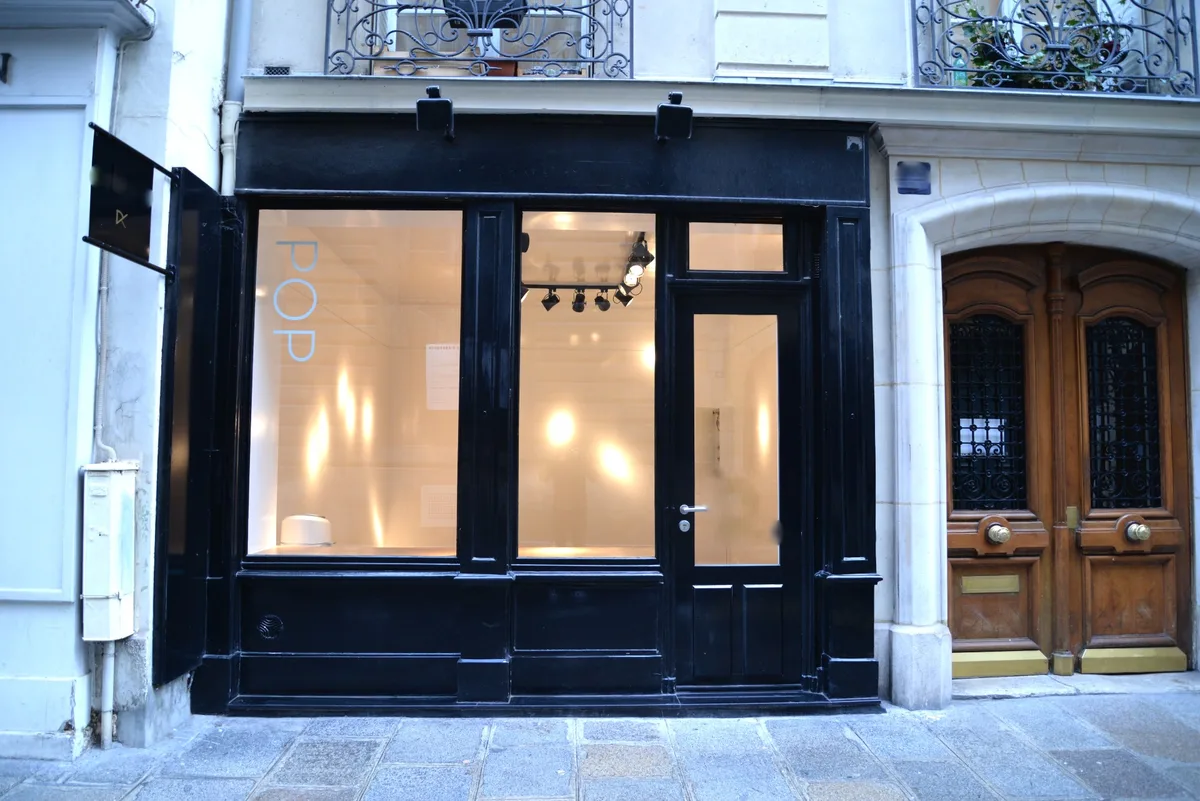
To find a pop-up shop in Paris, brands need to navigate a layered market spanning distinct arrondissements, short-term rental regulations, calendar windows tied to Fashion Week and cultural events, and a competitive pool of highly sought venues in neighbourhoods like Le Marais, Saint-Germain-des-Prés, and the Champs-Élysées. Paris remains one of the most commercially powerful cities in the world for temporary retail, attracting fashion houses, beauty brands, pop culture labels, and international retailers who need a physical presence in the City of Light without committing to a long-term commercial lease. Fashion Week Venues operates as a full-service pop-up agency and space marketplace with Paris as its anchor market, helping brand teams move from venue discovery to full activation with precision and local knowledge.
What Is a Pop-Up Shop and Why Paris Is the Global Benchmark for Temporary Retail
Quick answer: A pop-up shop is a short-term retail space, typically rented for days, weeks, or a few months, used by brands to test markets, launch products, host events, or create experiential moments. Paris is considered the global benchmark for temporary retail because of its concentration of high-footfall luxury corridors, internationally recognised Fashion Week calendar, and culturally engaged consumer base.
A pop-up store differs from a permanent commercial shop in several important ways. The lease structure is typically a bail dérogatoire, which is a derogatory short-term lease valid for up to three years under French commercial law, or in certain public spaces, an Autorisation d'Occupation Temporaire, commonly referred to as an AOT. These instruments allow brands to occupy a space for a defined, limited period without triggering the rights and obligations of a standard commercial lease. This distinction matters enormously for international brands entering Paris for the first time, because the legal, insurance, and permit landscape in Île-de-France is materially different from equivalent arrangements in New York, London, or Tokyo.
Paris is not simply a backdrop for pop-up retail. The city's commercial geography is actively organised around a calendar of global events. Paris Fashion Week, which runs twice annually for ready-to-wear collections and twice for Haute Couture, generates concentrated periods of extraordinary foot traffic and international media attention. The Haute Couture Fashion Week schedule for 2026 runs from July 6 to 9, giving brands a narrow but intensely valuable window to launch showrooms, press activations, and consumer-facing pop-up exhibitions in strategic locations near the runway show circuit. Beyond fashion, events including Paris Design Week, FIAC, the French Open at Roland-Garros, and UEFA Champions League fixtures bring distinct audience profiles that smart brands align with in their space selection.
Pop-up stores in Paris serve several overlapping commercial functions. They function as market entry vehicles for brands new to France. They serve as limited-edition product launches for established houses. They operate as showrooms for wholesale buyers attending fashion trade weeks. They create earned media moments for social media campaigns. And increasingly, they function as experiences in themselves, with workshops, installations, and Gachapon machines or interactive figurine displays attracting collectors and pop culture audiences who would not typically engage with a brand through traditional retail. The range of formats now available in Paris, from concept stores in converted art galleries to temporary spaces within Le Bon Marché Rive Gauche and Galeries Lafayette Paris Haussmann, reflects the city's appetite for experiential retail innovation.
The pop-up format has also evolved in response to the collaborations economy. Brands increasingly use Paris pop-up shops to stage co-branded moments with artists, musicians, gaming franchises, and cultural institutions. A recent example of this trend in the pop culture space is the kind of immersive branded environment that labels like System of a Down have used in Paris, occupying a short-term space to sell exclusive merchandise and create a physical brand universe for fans during specific event windows.
DID YOU KNOW: Paris hosts more international fashion brand pop-up activations per calendar year than any other European city, with Le Marais and Saint-Honoré consistently registering the highest demand for short-term retail spaces from international labels.
KEY TAKEAWAY: Understanding what a pop-up shop is and why Paris functions as a global epicentre for temporary retail is the essential foundation before beginning any venue search. The legal structure, calendar alignment, and format choices you make at this stage will define everything that follows.
The next question for any brand is not whether Paris is the right market, but which neighbourhoods within Paris are the right fit for the specific audience, price point, and activation format they have in mind.
The Best Parisian Neighbourhoods for Pop-Up Shops: Arrondissement by Arrondissement
Quick answer: The best Parisian neighbourhoods for a pop-up shop depend on your brand positioning, target audience, and budget. Le Marais offers the strongest blend of cultural credibility and fashion-forward foot traffic, while Saint-Honoré and Vendôme attract ultra-luxury and heritage brand activations, and Saint-Germain-des-Prés suits intellectual, beauty, and lifestyle brands with a premium but accessible positioning.
Paris is divided into 20 arrondissements, each with a distinct commercial character, rental market, and audience profile. For brands seeking to find a pop-up shop in Paris, the arrondissement decision is not cosmetic. It determines who walks through your door, what the space will cost, how easily permits can be obtained, and what narrative the neighbourhood lends to your brand positioning.
Le Marais and the 3rd and 4th Arrondissements
Le Marais is consistently the most sought-after neighbourhood for pop-up retail in Paris. The Marais district anchors the 3rd and 4th arrondissements and contains one of the city's most concentrated clusters of independent boutiques, concept stores, and short-term retail spaces. The neighbourhood draws a highly desirable mix of fashion-conscious Parisians, international tourists, art buyers visiting the Picasso Museum, and culture-led consumers who browse the galleries and independent shops along Rue de Bretagne, Rue du Temple, and the streets surrounding Place des Vosges.
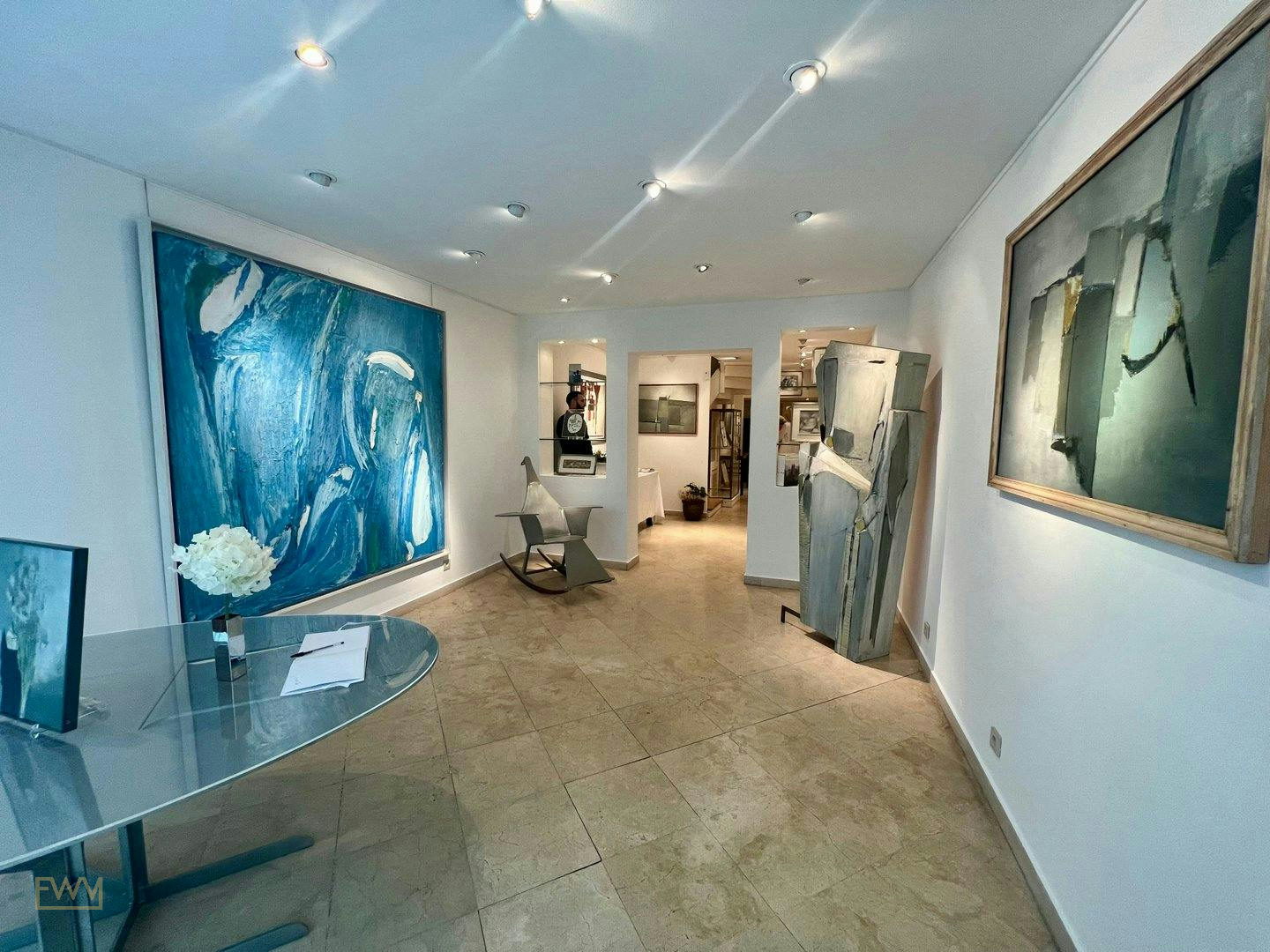
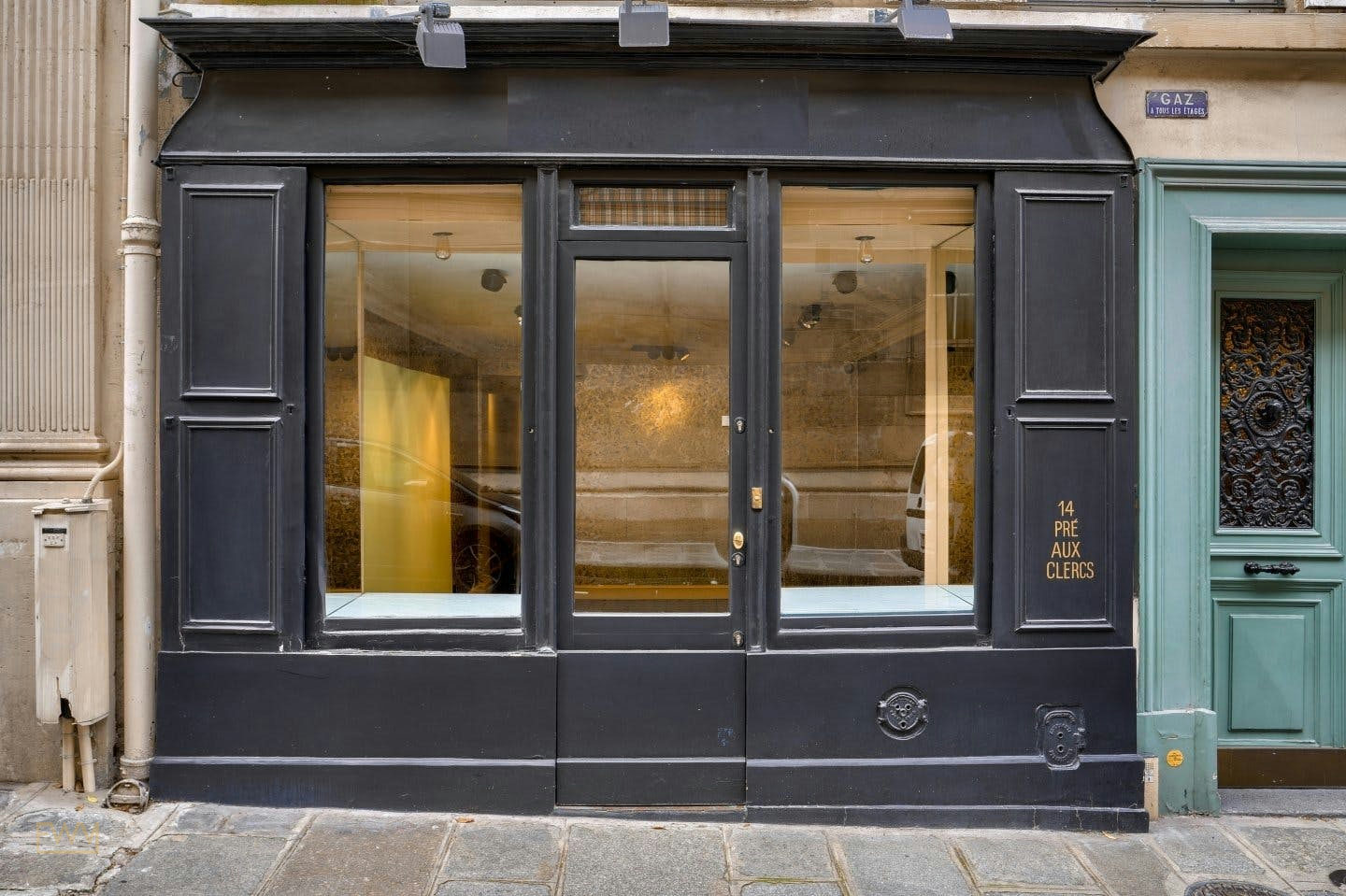
Specific venues within Le Marais that have hosted notable activations include Charlot' Store and Galerie Turenne, which offer art gallery-adjacent spaces capable of hosting both retail pop-ups and pop-up exhibitions. The Turenne Boutique and Galerie D'art spaces in the district appeal to brands operating at the intersection of art, fashion, and culture. Galerie d'exception and similar venues allow brands to position a pop-up as more than a shop, using the gallery context to elevate the brand universe and generate editorial coverage.
Place des Vosges, situated at the southern edge of Le Marais District, provides one of the most architecturally distinctive settings in Paris for a pop-up shop. The arcaded walkways and historic façades create a brand environment that few other European cities can match. Competition for these spaces is fierce, and brands planning activations around Paris Fashion Week or Haute Couture Fashion Week should begin the search process at least four to six months in advance.
Saint-Honoré and Vendôme
The area around Rue Saint-Honoré and Place Vendôme in the 1st arrondissement is the address of choice for ultra-luxury brands, haute couture houses, and international flagships seeking to stage a pop-up alongside permanent luxury retail. Foot traffic here skews toward ultra-high-net-worth international shoppers, press, and buyers. The Palais Royal gardens and colonnades, immediately adjacent to this zone, have become one of the most photographed brand activation locations in Paris, with the Cour d'Honneur of the Palais-Royal regularly used for large-scale installations. Brands occupying these spaces benefit from an immediate halo of prestige and significant social media amplification.
Saint-Germain-des-Prés and the 6th Arrondissement
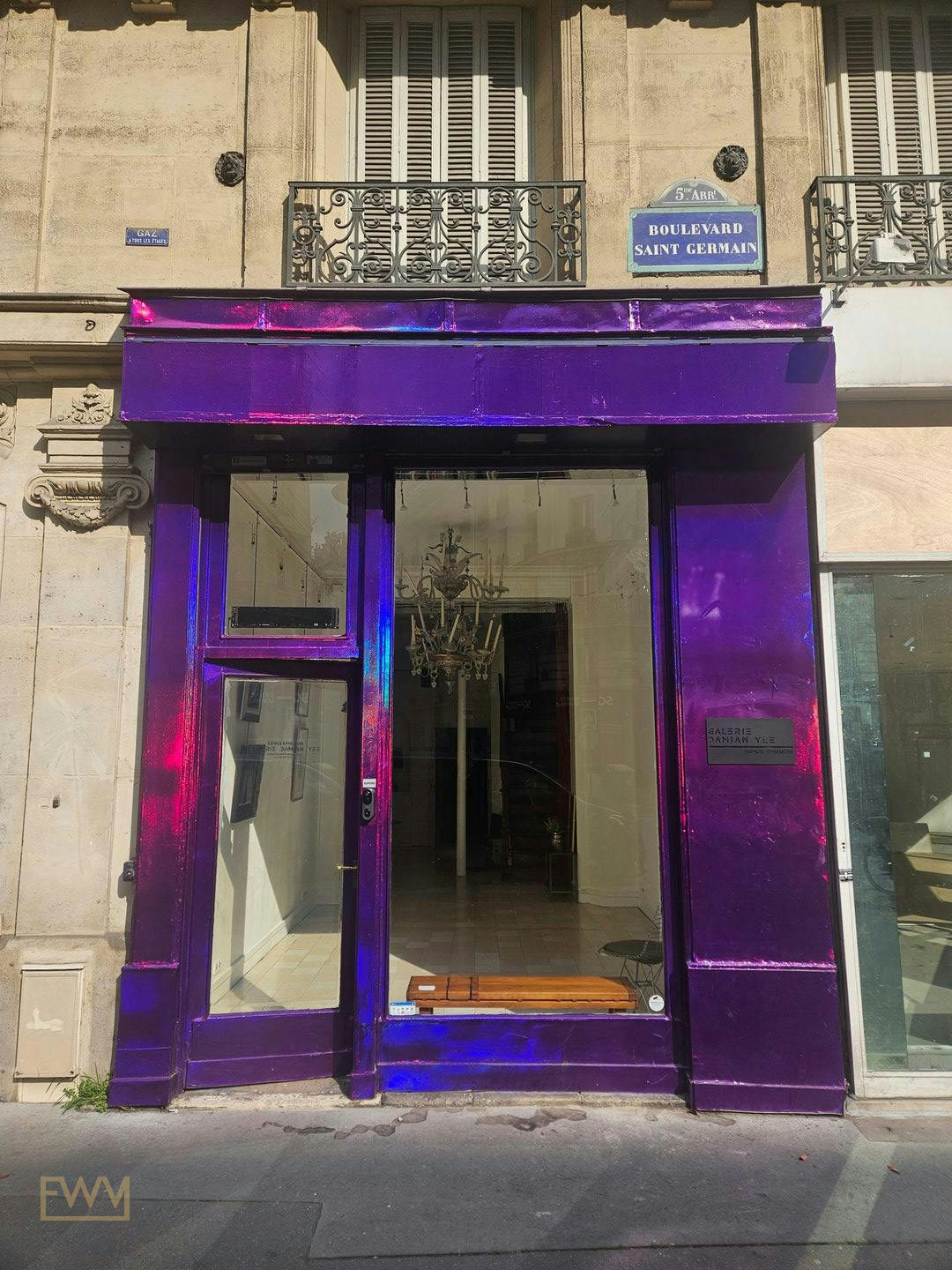
Saint Germain des Prés suits brands with an intellectual, editorial, or lifestyle positioning. The neighbourhood has long been associated with French literary and artistic culture, and its commercial strip along Boulevard Saint-Germain attracts a consumer who values design, beauty, and craft over spectacle. Le Bon Marché Rive Gauche, the department store on Rue de Sèvres, regularly partners with brands and designers for dedicated in-store pop-up concepts that offer a curated retail-within-retail format. Brands in beauty, fine jewellery, perfume, and premium lifestyle find strong audience alignment in this neighbourhood.
Champs-Élysées, Les Halles, and the Châtelet Zone
The Champs-Élysées and Rue de Rivoli corridor handles the highest absolute volume of foot traffic in Paris, making it suited to mass-market brand activations, pop culture launches, and experiential concepts with broad audience appeal. Châtelet and Les Halles occupy the geographic centre of Paris and offer a mix of contemporary retail spaces, underground concourses, and street-level venues that attract a diverse urban audience. Brands launching collaborations, gadget-focused concepts, or Manga figurine and Gachapon machine experiences find strong commercial logic in these locations.
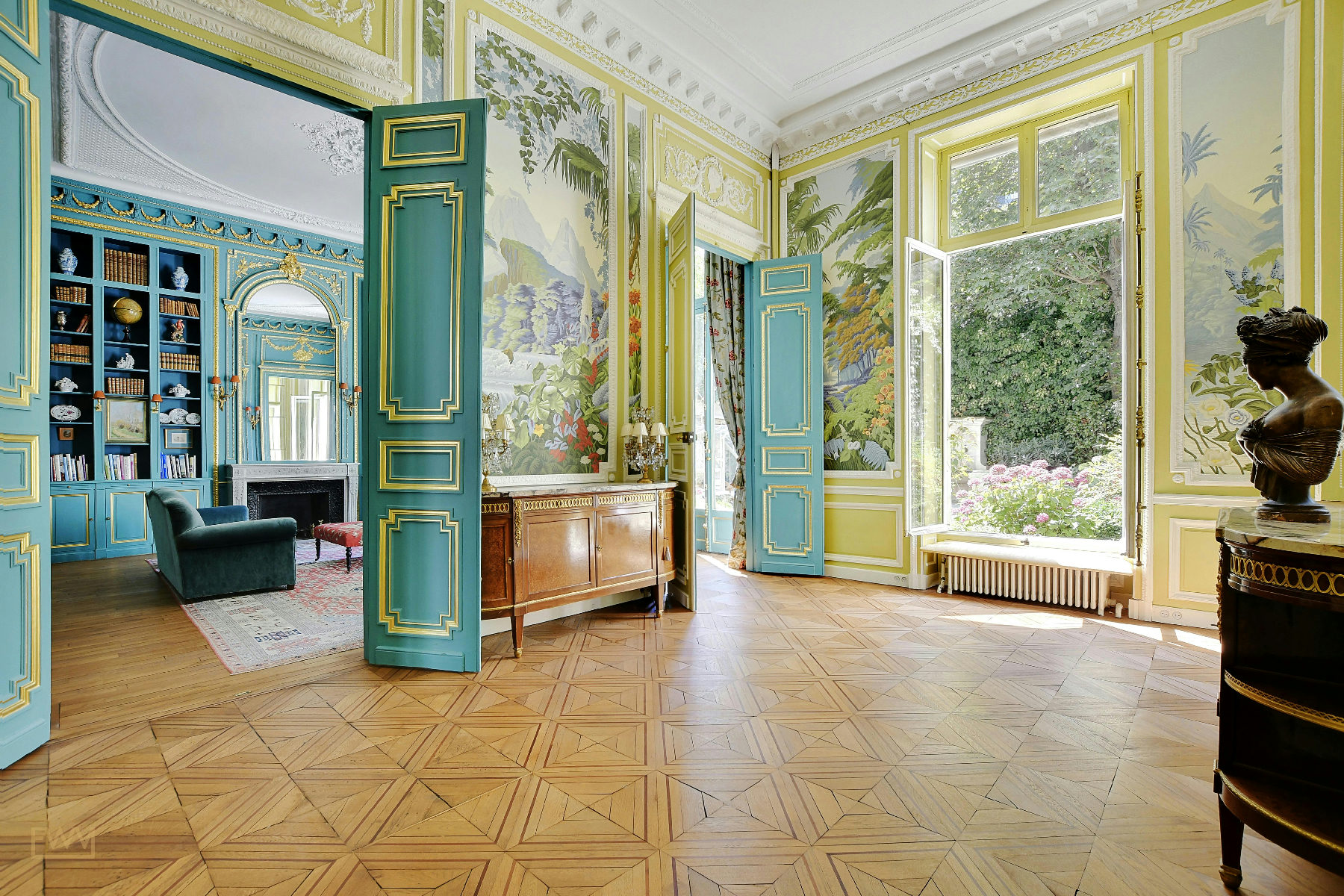
L'Hôtel Alfred Sommier, near the Opéra and Palais Garnier, represents a different category entirely. Spaces within or adjacent to historic Haussmannian hotels and private mansions offer a theatrical backdrop suited to luxury brand launches, press events, and invitation-only showrooms during couture week.
| Neighbourhood | Best For | Audience Profile | Lead Time Required |
|---|---|---|---|
| Le Marais (3rd and 4th) | Fashion, art, culture, beauty, concept stores | Fashion-forward locals and international visitors | 3 to 6 months for peak periods |
| Saint-Honoré and Vendôme (1st) | Ultra-luxury, haute couture, prestige launches | UHNW international shoppers, press, buyers | 4 to 8 months |
| Saint-Germain-des-Prés (6th) | Beauty, lifestyle, editorial, fine objects | Affluent Parisian consumers, cultural tourists | 2 to 5 months |
| Champs-Élysées and Rue de Rivoli (1st and 8th) | Mass market, pop culture, collaborations, gadgets | High-volume mixed tourist and local traffic | 2 to 4 months |
| Châtelet and Les Halles (1st) | Contemporary retail, experiential, youth brands | Urban, diverse, high volume | 1 to 3 months |
| Palais Royal (1st) | Installations, prestige, fashion editorial | Fashion press, buyers, luxury consumers | 4 to 6 months |
To compare neighbourhoods and space types side by side, explore the Paris city hub on Fashion Week Venues and shortlist spaces that match your brief, budget, and calendar window.
KEY TAKEAWAY: Neighbourhood selection in Paris is a strategic brand decision, not just a logistics choice. The arrondissement you choose signals positioning, defines your audience, and shapes the earned media narrative your activation will generate.
Once you have identified the right neighbourhood, the practical question becomes how to actually rent a space and what operational requirements you need to meet before you open the doors.
How to Rent a Pop-Up Shop in Paris: Leases, Permits, Insurance, and Local Regulations
Quick answer: Renting a pop-up shop in Paris involves selecting an appropriate short-term lease structure, typically a bail dérogatoire or AOT, obtaining the necessary permits for your space type and arrondissement, securing adequate commercial insurance, and complying with French retail regulations covering signage, merchandising, and trading hours. Requirements vary by space type, duration, and location, and brands should verify specifics with a qualified French legal advisor.
The legal framework for short-term retail in France is more nuanced than in many other markets. Understanding the difference between the available instruments is essential before signing any rental agreement.
Bail Dérogatoire: The Primary Short-Term Lease Tool
The bail dérogatoire, sometimes called a short-term commercial lease or convention d'occupation précaire, allows a tenant to occupy commercial premises for a maximum cumulative period of three years without benefiting from the renewal rights attached to a standard nine-year commercial lease. This is the instrument used by the majority of pop-up retailers in Paris. It provides legal certainty for both the property owner and the brand, while keeping the term short and the exit clean.
Key requirements under a bail dérogatoire include a clear written agreement specifying the derogatory nature of the lease, mutual consent between both parties at the point of signing, and a defined rental period that must be explicitly agreed. If the tenant remains in occupation beyond the agreed term without a new agreement, French law may automatically convert the arrangement into a standard commercial lease, which carries materially different rights and obligations. This risk is one reason why working with a specialist agency or legal advisor is strongly recommended for any brand that is new to the French short-term rental market.
Autorisation d'Occupation Temporaire
For spaces in public domain locations, including certain courtyards, arcades, or public-realm footprints associated with institutions like the Palais Royal, the relevant instrument is the Autorisation d'Occupation Temporaire. An AOT is granted by the relevant public authority and is typically shorter in duration and more restrictive in use than a bail dérogatoire. It is the mechanism used for large-scale installations and pop-up exhibitions in public spaces, and it requires a specific application process and compliance with the conditions set by the granting authority.
Permits, Insurance, and Compliance
Beyond the lease itself, brands operating a pop-up shop in Paris need to consider a range of operational permits. These may include a declaration to the local mairie for temporary commercial activity, compliance with French fire safety regulations for public-facing retail spaces, permits for any exterior signage or temporary façade modifications, and adherence to local regulations governing trading hours and noise.
Commercial insurance for a Paris pop-up space typically needs to cover public liability, property damage, and stock. Property owners will usually require evidence of adequate insurance cover before handing over keys, and the specific requirements will vary depending on the size and type of the space. Brands should not assume that their standard corporate insurance policy automatically extends to temporary retail operations in France, and should verify cover with their insurer before signing any agreement.
IMPORTANT: Requirements for permits and compliance vary significantly by space type, duration, arrondissement, and whether the space is in public or private ownership. Always verify your specific requirements with a qualified French legal advisor before committing to a rental. The permit guidance tool on Fashion Week Venues can help you understand the typical requirements for your space category and intended use.
Merchandising, Signage, and Retail Regulations
French retail law imposes specific requirements around price display, returns policy communication, and consumer rights documentation. Brands operating pop-up shops in Paris are subject to the same consumer protection regulations as permanent retailers, including the obligation to display prices clearly, provide legal documentation to consumers in French, and comply with GDPR requirements if collecting personal data. In historic or protected neighbourhoods such as Le Marais, there may be additional local regulations governing exterior signage, window displays, and any modifications to the fabric of the building, even temporary ones.
KEY TAKEAWAY: Renting a pop-up shop in Paris is not legally simple. The combination of short-term lease law, permit requirements, insurance obligations, and retail regulations means that brands attempting to navigate this independently often encounter delays, unexpected costs, or compliance gaps. Specialist support materially reduces this risk.
Understanding the legal and operational framework sets the stage for the next decision every brand faces: how much does this actually cost, and how do you budget for it realistically?
Pop-Up Shop Costs in Paris: Budgeting for Space, Production, Staffing, and Marketing
Quick answer: Pop-up shop costs in Paris vary widely depending on the neighbourhood, space size, duration, fit-out requirements, and staffing model. Rental costs for short-term retail spaces in high-demand areas like Le Marais or Saint-Honoré are significantly higher during Fashion Week and Haute Couture Fashion Week windows than during quieter calendar periods. Brands should budget holistically across rent, production, staffing, permits, insurance, and marketing to arrive at a realistic total activation cost.
One of the most common mistakes brands make when planning a Paris pop-up shop is treating the rental cost as the primary or only budget variable. In practice, the space rental is often one of several significant cost lines, and it is rarely the largest one once full production, staffing, and marketing are factored in.
Space Rental Costs
Rental costs for short-term retail spaces in Paris are highly variable and depend on the arrondissement, the size of the space, the duration of the rental, and the time of year. High-demand calendar windows such as Paris Fashion Week, Haute Couture Fashion Week, Paris Design Week, FIAC, and the French Open generate significant price premiums relative to quieter periods. Spaces in Le Marais, Saint-Honoré, and the Champs-Élysées corridor command higher daily and weekly rates than equivalent spaces in less central arrondissements. Rather than publishing specific figures that may not reflect current market conditions, brands are encouraged to use the budget estimation tool on Fashion Week Venues to model costs for their specific space type, size, and calendar window.
Production and Fit-Out Costs
The cost of fitting out a pop-up space in Paris covers branded store design, furniture rental, display systems, lighting, signage, and any bespoke installations or interactive elements. Production costs for a well-executed Paris pop-up activation can equal or exceed the rental cost of the space itself, particularly for brands investing in immersive brand universe design, custom fixtures, or large-format installations. Furniture rental offers a cost-effective alternative to purchasing new pieces for a short activation, and specialist providers in Paris have significant inventory of luxury and contemporary retail furniture available for short-term hire.
Staffing Costs
French employment law is rigorous, and brands hiring retail staff in France for a pop-up activation need to comply with rules governing employment contracts, working hours, minimum wage, and social security contributions. Options range from engaging a specialist retail staffing agency to placing staff through a portage salarial arrangement or working with a brand activation partner who handles employment administration on your behalf. Brands should not assume that staff can be hired informally or paid outside the French payroll system without legal risk.
Marketing and Social Media
A Paris pop-up shop without a marketing strategy is a missed opportunity. Effective communication around a pop-up activation typically involves a combination of social media content, influencer marketing, press outreach, and in-space events or workshops. The question of how to communicate about a pop-up, or in French, comment communiquer sur son pop up, is one that brand teams should answer before the space opens rather than after. Budget should be allocated to pre-opening awareness, in-activation content creation, and post-activation coverage to maximise the commercial and brand value of the investment.
| Cost Category | Variables That Drive Cost | Planning Tip |
|---|---|---|
| Space rental | Neighbourhood, size, duration, calendar period | Book 3 to 6 months ahead for Fashion Week windows |
| Production and fit-out | Design complexity, bespoke elements, furniture sourcing | Consider furniture rental to reduce capital outlay |
| Permits and insurance | Space type, public or private location, trading activities | Verify requirements early to avoid delays |
| Staffing | Hours, number of staff, language requirements, employment structure | Use a compliant staffing agency familiar with French law |
| Marketing and influencer | Reach targets, content production, press events | Allocate budget before opening, not as an afterthought |
| POS and payments | Transaction volume, payment methods, currency needs | Ensure POS systems are configured for French consumer expectations |
TIP: Use the ROI calculator alongside the budget tool to model different scenarios and understand the commercial justification for your activation before committing to a space. Brands that approach the budget conversation with a holistic cost and return model make faster, better decisions.
KEY TAKEAWAY: Total activation cost for a Paris pop-up shop is a multi-line budget that covers space, production, staffing, compliance, and marketing. Brands that plan all of these in parallel rather than sequentially arrive at stronger, more commercially grounded activations.
With budget clarity established, the next essential consideration is calendar strategy. When you activate in Paris shapes what you get from your investment as much as where you activate.
Paris Fashion Week, Haute Couture, and the Events Calendar for Pop-Up Activation Strategy
Quick answer: The Paris events calendar offers multiple high-value activation windows throughout the year, with Paris Fashion Week for ready-to-wear and Haute Couture Fashion Week generating the most concentrated international attention. Brands aligning their pop-up shop or showroom with these calendar moments benefit from dramatically elevated foot traffic, press presence, and social media reach, but must plan significantly further in advance than for non-peak periods.
Paris operates on a fashion and cultural event calendar that brands seeking to find a pop-up shop in Paris must understand deeply. The runway shows, exhibitions, and happenings that punctuate the year are not just backdrop. They are the mechanism through which the city generates the concentrated international attention that makes a Paris pop-up activation so commercially valuable.
Paris Fashion Week Ready-to-Wear
Paris Fashion Week for ready-to-wear collections takes place twice a year, in late September and early October for the spring and summer collections, and in late February and early March for the autumn and winter collections. During these weeks, the city hosts hundreds of runway shows, presentations, showrooms, and brand activations across virtually every arrondissement. International buyers, press, content creators, and fashion influencers descend on Paris in numbers that no other fashion capital matches. Brands with showrooms open during Fashion Week benefit from a highly qualified audience of decision-makers and media that would be effectively impossible to assemble at any other time of year.
Haute Couture Fashion Week
The Haute Couture Fashion Week schedule operates twice annually in January and July. The July 2026 Haute Couture Fashion Week runs from July 6 to 9, concentrating presentations, dinners, press events, and brand activations into a four-day window of extraordinary intensity. For brands at the luxury or prestige end of the market, Haute Couture week is arguably the single most valuable calendar window for a pop-up shop or showroom in Paris, because the audience is almost exclusively composed of high-value clients, global fashion press, and international luxury buyers.
Paris Design Week and FIAC
Paris Design Week in September and FIAC, the international contemporary art fair, in October bring distinct but overlapping audiences to Paris that are highly relevant for design-led brands, contemporary art labels, and brands seeking to position their pop-up as a cultural moment rather than a pure retail event. A pop-up exhibition format aligned with these events can generate editorial coverage and art-world credibility that retail-focused activations rarely achieve.
Sport, Culture, and Seasonal Events
The French Open at Roland-Garros, which runs in late May and early June, and the UEFA Champions League final, when held in Paris, attract an entirely different audience profile. Brands in sportswear, performance lifestyle, travel, and entertainment can align pop-up activations with these events to reach affluent international sports fans who are often underserved by fashion-week-focused retail concepts. Paris Saint-Germain branded moments and football-adjacent brand activations have found strong commercial logic in the Châtelet and Les Halles zone, where this audience concentrates.
DID YOU KNOW: During Paris Fashion Week, enquiries for short-term retail spaces in Le Marais and the 1st arrondissement increase by a significant multiple compared to non-peak periods, meaning brands that wait until eight weeks before the desired activation date are unlikely to find suitable spaces in prime neighbourhoods.
Pop Culture and Collaboration Windows
Beyond the established fashion and design calendar, Paris increasingly hosts large-scale pop culture brand moments tied to music, gaming, film, and entertainment IP. Installations using Gachapon machines, Manga figurines, and interactive brand universe concepts have appeared across Le Marais and the Châtelet zone, drawing audiences who engage with limited-edition products, collectibles, and experiential retail in a fundamentally different way from traditional fashion consumers. The question of where to find an ephemeral System of a Down shop or a Manga figurine pop-up is one that reflects a genuine shift in the range of brands now treating Paris as a primary activation market. Style Not Com and related cultural media have documented this shift extensively.
KEY TAKEAWAY: Calendar alignment is one of the highest-leverage decisions in Paris pop-up strategy. Matching your space, your audience, and your brand story to the right event window multiplies the commercial and media value of the same investment.
Understanding the calendar creates the brief. The next step is understanding how to structure the activation itself, from concept direction through to production and staffing.
Types of Pop-Up Spaces Available in Paris: Showrooms, Retail Concepts, Art Galleries, and Event Venues
Quick answer: Paris offers a broader typology of short-term retail spaces than almost any other city, ranging from boutique showrooms in Le Marais to art gallery formats, converted ateliers, private mansion spaces, department store concessions within Le Bon Marché and Galeries Lafayette Paris Haussmann, and street-level concept stores in high-footfall corridors. Matching the space type to the activation format is as important as matching the neighbourhood to the audience.
The market for short-term retail spaces in Paris has evolved significantly over the past decade. The growth of marketplace platforms and specialist agencies has made it possible for brands to access a much wider range of space typologies than were historically available through traditional real estate channels. This section maps the main categories of pop-up space available to brands searching for a Paris activation venue.
Boutique Showrooms
Boutique showrooms in Le Marais, Saint-Germain-des-Prés, and the 1st arrondissement are the format of choice for fashion houses presenting collections to wholesale buyers, press, and VIP clients during Fashion Week. A showroom differs from a consumer-facing retail pop-up in that it is invitation-led, operates restricted hours, and is configured around presentation rather than transactional retail. Showrooms in the Galerie Turenne, Turenne Boutique, and similar spaces within Le Marais District offer the right combination of architectural credibility, location, and discretion that high-end brands require.
Art Gallery and Gallery-Adjacent Spaces
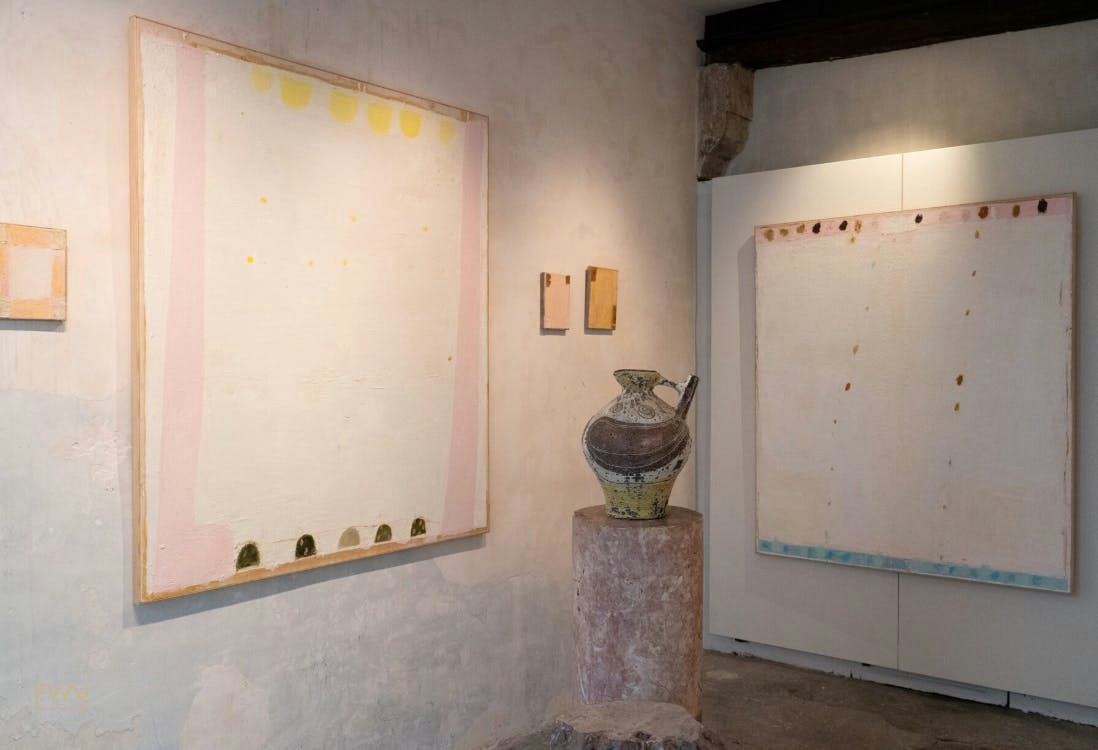
Art gallery spaces, including Galerie D'art and Galerie d'exception formats within Le Marais, are highly sought for brands that want to position their pop-up as a cultural event rather than a commercial one. The gallery context removes the transactional urgency of a retail space and replaces it with a contemplative, editorial atmosphere that generates a different quality of press coverage and consumer engagement. Pop-up exhibitions in gallery spaces have been used effectively by fashion brands launching archive collections, limited-edition collaborations, and artist partnerships.
Concept Stores and Temporary Retail Concepts
Concept stores, whether standalone or within an existing retail environment, are the most versatile format for consumer-facing pop-up activations in Paris. Spaces like Charlot' Store and the Chic Event Space offer pre-configured retail environments that reduce fit-out time and cost while providing a commercially polished presentation. These spaces are particularly well suited to brands launching in Paris for the first time, as the existing fit-out provides a credible baseline without requiring full bespoke production.
Department Store Concessions and In-Store Pop-Ups
Le Bon Marché Rive Gauche and Galeries Lafayette Paris Haussmann both operate structured programmes for branded in-store pop-up concepts. These formats offer the advantage of existing foot traffic, established consumer trust, and operational infrastructure, but require brands to align with the host department store's curatorial direction and commercial terms. They are best suited to brands with sufficient distribution history and brand recognition to justify the elevated audience expectations these environments create.
Private Mansion and Hôtel Particulier Spaces
Spaces within private mansions and historic Haussmannian buildings, including hôtel particulier properties like L'Hôtel Alfred Sommier, offer the most theatrical brand environments available in Paris. These spaces are primarily used for invitation-only press events, brand launches, and luxury client experiences during Haute Couture Fashion Week and major cultural events. They are not typically listed through standard marketplace channels and require specialist sourcing through an agency with established relationships in the private property market.
| Space Type | Best Activation Format | Typical Duration | Audience Access |
|---|---|---|---|
| Boutique showroom | Wholesale presentations, press previews | 1 to 2 weeks during Fashion Week | Invited only |
| Art gallery space | Pop-up exhibition, editorial pop-up | 1 to 4 weeks | Semi-public or invited |
| Concept store | Consumer retail, product launch | 1 week to 3 months | Open public |
| Department store concession | Brand launch, seasonal concept | 2 weeks to 2 months | Full public foot traffic |
| Private mansion space | Luxury brand event, couture launch | 1 to 5 days | Ultra-selected invited guests |
| Street-level retail | Pop culture, collaborations, mass market | 1 week to 6 months | Open public, high volume |
Brands that want to explore available spaces across these typologies can browse the Fashion Week Venues space marketplace to filter by space type, neighbourhood, and availability window.
KEY TAKEAWAY: Space type selection in Paris determines not just the physical environment but the entire brand narrative, audience access model, and press angle for your activation. Match the format to the story you want to tell.
Finding the right space is only the beginning. The activation itself requires planning, production, and operational management that many brand teams underestimate in both complexity and lead time.
From Venue Discovery to Live Activation: The Step-by-Step Process for Paris Pop-Up Shops
Quick answer: A successful Paris pop-up shop activation follows a defined process from initial brief and venue search through legal and permit confirmation, concept direction and production planning, build, staffing, and live operation. Compressing or skipping any stage of this process significantly increases the risk of delays, cost overruns, or compliance failures.
Brand teams often underestimate the operational complexity of running a pop-up shop in Paris, particularly for brands activating in France for the first time. The following workflow sets out the typical stages of a Paris pop-up activation from initial planning to closing day.
| Stage | Key Activities | Typical Timeframe Before Opening |
|---|---|---|
| 1. Brief and strategy | Define objectives, audience, calendar window, neighbourhood, budget, and space type | 4 to 6 months |
| 2. Venue search and shortlisting | Browse marketplace, engage agency, visit spaces, compare options | 3 to 5 months |
| 3. Legal and permit confirmation | Review lease terms, confirm space permits, arrange insurance, verify compliance | 2 to 4 months |
| 4. Concept and design | Develop spatial planning, brand universe design, display systems, signage | 2 to 3 months |
| 5. Production and fit-out | Source furniture, fabricate bespoke elements, coordinate build schedule | 4 to 8 weeks |
| 6. Staffing and training | Recruit and engage retail staff, brief on brand and product, configure POS | 2 to 4 weeks |
| 7. Marketing and communications | Activate social media, influencer outreach, press invitations, community seeding | 3 to 6 weeks |
| 8. Live activation | Open to public or invited guests, manage operations, capture content, track data | Duration of activation |
| 9. Close and analysis | Demount space, return to pre-activation condition, analyse sales and engagement data | 1 to 2 weeks after closing |
Each of these stages involves decisions and dependencies that affect the stages that follow. The brief sets the parameters for the venue search. The venue search determines the lease structure and permit requirements. The permit and legal confirmation shapes the production timeline. The production timeline determines the staffing schedule. And the staffing and marketing timelines define the opening date. Brands that approach these stages sequentially rather than in parallel consistently experience longer lead times and higher costs than those who plan across all tracks simultaneously.
Concept Direction and Spatial Planning
Concept direction for a Paris pop-up shop involves translating the brand's identity and campaign objectives into a coherent physical environment. This includes spatial planning, which determines how the space flows and how products are displayed, artistic direction, which shapes the visual language of the activation, and design execution, which covers every element from furniture selection to lighting and signage. For brands launching a distinctive brand universe, particularly those working with pop culture IP, figurines, gadgets, or collaborative product ranges, the concept direction phase is where the activation either succeeds or fails at the story level before a single consumer has walked through the door.
Staffing and Retail Operations
Retail staffing for a Paris pop-up shop requires specific attention to language, cultural knowledge, and compliance with French employment law. Staff who speak French fluently and understand the expectations of Parisian consumers are essential for both the commercial performance and the brand impression of the activation. Brands sourcing staff independently in France for the first time should factor in the time required to identify candidates, conduct interviews, process employment paperwork, and complete brand and product training before the opening date.
POS, Payments, and Data
Point-of-sale configuration for a Paris pop-up shop needs to account for French payment preferences, including contactless and mobile payment, the requirement to display prices in euros inclusive of VAT, and the generation of compliant fiscal receipts. Brands that intend to collect consumer data during the activation must comply with GDPR, which requires explicit consent and a transparent privacy policy displayed in the space. Data collected during the activation, including transaction volumes, average spend, and consumer demographics, represents one of the most valuable outputs of the pop-up investment and should be captured systematically from day one.
KEY TAKEAWAY: A Paris pop-up activation is a multi-track project that requires parallel planning across legal, design, production, staffing, marketing, and compliance. Teams that treat it as a linear process will consistently run out of time in the stages closest to opening.
Brands that want to understand how a specialist agency manages this process from end to end can review the Fashion Week Venues process page, which sets out how the agency approaches each stage of a Paris activation.
How Fashion Week Venues Helps Brands Find and Activate Pop-Up Shops in Paris
Quick answer: Fashion Week Venues operates as both a space marketplace and a full-service pop-up agency for Paris activations, offering brands access to curated venue listings, specialist local knowledge, and a complete range of production, staffing, and marketing services. The agency is best suited to fashion, beauty, lifestyle, and brand activation teams who need more than a listing platform and want a managed pathway from brief to opening day.
Fashion Week Venues was built specifically for the needs of brands activating in fashion capitals, with Paris as the primary market. The agency's offer covers the full activation lifecycle, from initial venue sourcing through concept development, production management, staffing, POS configuration, and post-activation data analysis. This end-to-end scope distinguishes it from pure marketplace platforms that connect landlords with tenants but do not manage the complexity in between.
Venue Sourcing and Space Discovery
The venue sourcing service gives brands access to a curated portfolio of Paris spaces that have been assessed for suitability, compliance, and brand fit. Rather than browsing unqualified listings independently, brands can work with Fashion Week Venues to match spaces to their specific brief, budget, and calendar window. The space marketplace also allows independent browsing and comparison of available spaces across Paris neighbourhoods.
Concept, Design, and Production
The concept direction service translates brand identity into a coherent physical activation, covering spatial planning, artistic direction, and visual design. The production and build service manages the fit-out of the chosen space, including furniture rental, custom fabrication, lighting, signage, and any bespoke installation elements. Together, these services allow brands to achieve a high-quality physical presence without the overhead of managing multiple independent contractors in an unfamiliar market.
Staffing, POS, and Activation Management
The activation management and retail staffing services handle the operational layer of the pop-up, from recruiting and training bilingual retail staff to configuring POS and payments systems compliant with French requirements. The activation management service also coordinates day-to-day operations during the live activation, allowing brand teams to focus on brand-facing activities while the agency manages the operational detail.
Tools for Planning and Decision-Making
Fashion Week Venues offers a suite of planning tools that brand teams can use independently or alongside the agency's services. These include a budget estimation tool, an ROI calculator, a space comparison tool, a timeline planner, a permit guidance tool, and a space locator. The timeline planning tool is particularly useful for teams at the early planning stage who need to understand the realistic lead times for a Paris activation and identify which planning tracks need to begin immediately.
Who Benefits Most
Fashion Week Venues is best suited to international brands entering Paris for the first time, established brands scaling their activation programme beyond what an internal team can manage, and creative directors and brand activation managers who need a trusted local partner with proven Paris experience. Brands seeking only a space listing without additional services can use the marketplace independently. Brands that want full managed support benefit most from engaging the agency at the brief stage rather than after a space has already been identified. Teams considering the decision of whether to use an agency for this type of work can review the guide to hiring a pop-up agency for an objective assessment of the factors involved.
IMPORTANT: Fashion Week Venues does not guarantee the availability of specific spaces, the approval of permits, or specific commercial outcomes from any activation. Results depend on brand factors, market conditions, calendar timing, and execution quality that vary across every project.
KEY TAKEAWAY: Fashion Week Venues combines marketplace functionality with full-service agency support, making it a practical partner for brands at any stage of their Paris pop-up journey, from early research through to live activation and post-campaign analysis.
Property Owners: Converting Your Paris Commercial Space into a Pop-Up Venue
Quick answer: Property owners in Paris with vacant or underperforming commercial space can convert that space into a short-term pop-up venue, generating rental income during gaps between long-term tenancies and benefiting from increased visibility and desirability for future permanent tenants. The process requires understanding the appropriate short-term lease structure, pricing the space competitively, and reaching brand teams actively looking for Paris activation venues.
For property owners in Paris, the pop-up economy represents a meaningful commercial opportunity. High-quality commercial spaces in desirable arrondissements that sit vacant between long-term tenants are a depreciating asset. Listing them as short-term pop-up venues allows owners to generate rental income during vacant periods while simultaneously demonstrating the commercial viability of the space to potential long-term tenants.
The bail dérogatoire structure protects property owners from the risks associated with standard commercial leases, specifically the risk that a short-term tenant acquires renewal rights or becomes difficult to remove at the end of the agreed term. When structured correctly, a short-term rental agreement gives the property owner clean exit rights at the agreed date with no legal ambiguity.
Property owners thinking about converting their space to a pop-up venue should consider several practical factors. The space should be presented in a condition that allows brands to fit it out to their requirements within a reasonable timeframe. Access for delivery and installation, adequate electrical capacity, and compliance with fire safety regulations are baseline requirements that most serious brand teams will verify before committing to a space. Spaces in Le Marais, Saint-Honoré, Saint-Germain-des-Prés, and the Champs-Élysées corridor will attract the strongest demand from international brands and the highest rental yields. Spaces in less central arrondissements can still attract tenants for specific event windows or from brands with a clear community-focused positioning.
Listing a space through a specialist marketplace or agency increases visibility among brand teams actively searching for Paris venues. It also provides a layer of vetting that gives property owners greater confidence in the quality and seriousness of enquiries they receive. Fashion Week Venues works with property owners seeking to list their Paris commercial spaces and can provide guidance on pricing, presentation, and the appropriate legal structure for short-term rentals.
TIP: Property owners should ensure any short-term rental agreement is reviewed by a French legal advisor before signing, particularly to confirm that the bail dérogatoire structure is correctly drafted and that the derogatory nature of the lease is clearly established in writing at the point of agreement.
KEY TAKEAWAY: Paris property owners can unlock significant income potential from vacant commercial spaces by entering the pop-up rental market through the correct legal structure and specialist marketplace channels.
Common Myths About Finding a Pop-Up Shop in Paris Debunked
MYTH: You need a French legal entity to rent a pop-up space in Paris.
FACT: Many property owners and specialist agencies can work with international brands operating through their home country legal entity, particularly for short-term activations under the bail dérogatoire framework. The specific requirements vary by landlord and space type, and some arrangements may require a French guarantor or a deposit structure. Brands should verify the requirements for their specific situation with a French legal advisor and should not assume that either outcome is guaranteed.
MYTH: Paris Fashion Week is the only viable calendar window for a pop-up shop in Paris.
FACT: Paris offers multiple high-value activation windows throughout the year, including Haute Couture Fashion Week, Paris Design Week, FIAC, the French Open, UEFA Champions League events, and seasonal retail periods such as the December holiday window. The right calendar window depends on the brand's audience, product category, and objectives. Fashion Week is the highest-profile window but also the most competitive and most expensive for space rental.
MYTH: Commission brokers are the only way to find a pop-up space in Paris.
FACT: The growth of specialist marketplace platforms and full-service pop-up agencies has significantly expanded the options available to brands searching for short-term retail spaces in Paris. Brands can now browse curated listings directly, work with a specialist agency for a fully managed service, or use a combination of both approaches depending on their internal capacity and the complexity of the activation they have in mind.
MYTH: Short-term leases in Paris are legally straightforward and can be handled without specialist help.
FACT: The French commercial lease framework is nuanced and carries material legal risk for brands unfamiliar with it. The difference between a correctly structured bail dérogatoire and an arrangement that inadvertently gives a tenant commercial lease rights can have significant financial and legal consequences for both parties. Permit requirements, insurance obligations, and retail compliance rules add further layers of complexity that specialist advisors and agencies are specifically equipped to manage.
MYTH: Pop-up shops in Paris only work for luxury and high-fashion brands.
FACT: Paris pop-up activations now span a wide spectrum of brand categories, including beauty, pop culture, gaming, sport, food and drink, technology, and music. The city's diverse neighbourhood structure means there are suitable spaces and audiences for brands at very different price points and cultural registers. The Champs-Élysées, Châtelet, and Les Halles zones attract mass-market and pop culture brands with formats that would not fit in the prestige corridors of Saint-Honoré or Vendôme.
Frequently Asked Questions
What is a pop-up store?
A pop-up store is a temporary retail space operated by a brand for a defined period, ranging from a few days to several months. Pop-up stores are used for product launches, market testing, brand activations, seasonal retail, showroom presentations, and experiential events. They differ from permanent retail in that they use short-term lease structures, are designed to generate concentrated commercial and brand impact over a limited window, and are typically configured to create a sense of urgency and exclusivity that permanent shops cannot replicate. The format has been adopted by brands across fashion, beauty, technology, food, and pop culture.
What is a pop-up store in Paris specifically?
A pop-up store in Paris operates within the French legal framework for short-term commercial rentals, most commonly using a bail dérogatoire or, for public spaces, an Autorisation d'Occupation Temporaire. Paris pop-up stores are often timed to align with Fashion Week, Haute Couture week, or major cultural events that generate concentrated international foot traffic and press attention. The city's neighbourhood structure means that the choice of arrondissement is itself a brand positioning decision, with Le Marais, Saint-Honoré, and Saint-Germain-des-Prés being the most sought-after addresses for fashion and lifestyle brands.
How do I rent a pop-up shop in Paris?
Renting a pop-up shop in Paris involves defining your brief, identifying suitable spaces in the right neighbourhood and format, confirming the appropriate short-term lease structure, verifying permit and insurance requirements, and signing a rental agreement. Brands can search independently through marketplace platforms, engage a specialist pop-up agency for a managed service, or combine both approaches. International brands are strongly advised to work with a French legal advisor to review any lease agreement before signing, and to verify permit requirements specific to their space type and intended use.
Are pop-up stores common in Paris?
Pop-up stores are extremely common in Paris and have become a defining feature of the city's retail landscape. Le Marais in particular has one of the highest concentrations of short-term retail activations of any neighbourhood in Europe, with new pop-ups opening and closing on a near-weekly basis. Major department stores including Le Bon Marché Rive Gauche and Galeries Lafayette Paris Haussmann have developed structured in-store pop-up programmes, and brands from across the globe treat Paris as a primary market for temporary retail activations during Fashion Week and other major calendar windows.
What neighbourhoods are best for a pop-up retail activation in Paris?
The best neighbourhood for a Paris pop-up retail activation depends on the brand's positioning, target audience, and budget. Le Marais is the most versatile and in-demand area for fashion, beauty, and culture brands. Saint-Honoré and Vendôme suit ultra-luxury and haute couture positioning. Saint-Germain-des-Prés attracts an affluent, editorial consumer. The Champs-Élysées and Châtelet zone handles the highest foot traffic volumes and suits mass-market, pop culture, and collaboration-driven formats. Palais Royal is sought for prestige installations and fashion editorial moments. Each neighbourhood has distinct rental market dynamics and permit requirements.
How much does a pop-up shop cost in Paris?
The total cost of a pop-up shop in Paris depends on the neighbourhood, space size, duration, fit-out requirements, staffing model, and marketing investment. Rental costs vary significantly between high-demand areas like Le Marais and Saint-Honoré and more accessible neighbourhoods, and premium calendar periods such as Fashion Week and Haute Couture week command higher daily and weekly rates. In addition to rent, brands need to budget for production and fit-out, permits and insurance, staffing, POS configuration, and marketing. Brands seeking a specific budget estimate should use the dedicated budget planning tool on Fashion Week Venues rather than relying on generic published figures.
What is a bail dérogatoire and why does it matter for a Paris pop-up?
A bail dérogatoire is a short-term commercial lease instrument under French law that allows a tenant to occupy commercial premises for up to three years without acquiring the renewal rights attached to a standard commercial lease. It is the primary legal mechanism used for pop-up shop rentals in Paris and must be correctly structured in writing at the point of signing to be legally valid. If the tenant remains beyond the agreed term without a new agreement, the arrangement may be automatically converted into a standard commercial lease with materially different rights and obligations. Brands and property owners should have any bail dérogatoire reviewed by a qualified French legal advisor before signing.
What permits do I need for a pop-up shop in Paris?
Permit requirements for a Paris pop-up shop vary by space type, location, duration, and the nature of the activities planned. Requirements may include a declaration to the local mairie for temporary commercial activity, compliance with fire safety regulations, permits for exterior signage or temporary façade modifications, and adherence to local trading regulations. Spaces in public domain locations require an Autorisation d'Occupation Temporaire granted by the relevant public authority. The permit guidance tool on Fashion Week Venues provides a useful starting framework, but brands should verify their specific requirements with a French legal advisor.
How far in advance should I book a pop-up space in Paris for Fashion Week?
Brands targeting Paris Fashion Week or Haute Couture Fashion Week windows should begin the venue search process at least four to six months before the intended opening date, and ideally longer for the most sought-after spaces in Le Marais, Saint-Honoré, and Palais Royal. Demand for quality spaces during peak calendar windows significantly outstrips supply, and brands that begin searching eight weeks before the desired activation date will typically find that the best options are already committed. Starting early also provides adequate time for legal review, permit applications, concept development, and production planning.
What is the difference between a showroom and a pop-up shop in Paris?
A showroom in Paris is typically an invitation-led space used to present collections to wholesale buyers, press, and VIP clients during Fashion Week or trade periods. It is not usually open to the general public and is configured around presentation rather than transactional retail. A pop-up shop is a consumer-facing retail space open to the public, designed to generate direct sales, foot traffic, and experiential engagement. Some activations combine both functions within the same space, operating as a showroom during the day and opening to the public for specific events or evening activations.
Can I list my Paris commercial space as a pop-up venue?
Yes. Property owners with commercial space in Paris can list their space as a short-term pop-up venue through specialist marketplace platforms and agencies. This generates rental income during periods between long-term tenancies and increases the space's visibility among international brands actively searching for Paris activation venues. The appropriate short-term lease structure, most commonly the bail dérogatoire, protects property owners from the risks associated with standard commercial lease renewal rights. Property owners should seek legal advice to ensure any short-term rental agreement is correctly structured before listing their space.
What is the twin co-activation concept and how does it work in Paris?
The twin co-activation concept allows two complementary brands to share a single pop-up space, splitting the rental and production costs while creating a combined brand experience that is often more commercially and editorially compelling than either brand would achieve independently. This format works particularly well in Paris, where the cost of premium short-term retail space in Le Marais or Saint-Honoré can be significant and where the collaborative format itself generates social media interest and press coverage. Co-activation partnerships work best when both brands share a target audience but operate in non-competing categories, for example a fashion brand and a beauty brand, or a contemporary jewellery label and a fragrance house.
How do I communicate about my Paris pop-up shop?
Effective communication around a Paris pop-up shop, or comment communiquer sur son pop up, should begin at least three to four weeks before the opening date. A multi-channel strategy typically includes organic and paid social media content, influencer partnerships with creators who have strong Paris and fashion-adjacent audiences, press outreach to fashion and lifestyle media, and community seeding through brand networks and local partners. In-space events, workshops, or exclusive preview moments generate earned media and social content that extends the reach of the activation beyond the physical footprint. The marketing strategy should be planned in parallel with the venue and production decisions, not as an afterthought.
What data should I collect from my Paris pop-up activation?
The key data points for a Paris pop-up activation include transaction volume and average order value by day and time, conversion rate from foot traffic to purchase, product category performance, consumer demographic data where consent has been obtained, social media engagement and reach generated by the activation, press coverage volume and quality, and brand awareness metrics if a pre- and post-survey approach is used. This data has strategic value beyond the immediate activation, informing future product decisions, pricing strategies, market entry plans, and the commercial case for subsequent Paris activations. Systematic data capture from day one is essential and should be built into the operational brief before the space opens.
What types of brands are most active in the Paris pop-up market?
The Paris pop-up market is no longer dominated exclusively by luxury fashion brands. The current activation landscape includes emerging fashion labels and established fashion houses, beauty and fragrance brands, pop culture and entertainment IP labels, technology and consumer electronics brands, gaming and collectible brands using formats such as Gachapon machines and Manga figurines, sport and performance lifestyle brands, food and beverage concepts, and collaboration-driven limited-edition product releases. The diversity of brand categories active in Paris reflects the breadth of the city's consumer base and the range of neighbourhood contexts available for different types of activation.
Conclusion: Making the Right Decisions to Find and Activate Your Paris Pop-Up Shop
Finding a pop-up shop in Paris is not simply a matter of identifying a vacant space and signing a lease. It requires a coherent strategy across neighbourhood selection, calendar alignment, legal structure, concept direction, production planning, staffing, compliance, and marketing, all planned in parallel and executed with a level of local knowledge that most international brand teams do not have in-house. Paris rewards brands that approach the activation with precision and preparation, and it consistently punishes those who underestimate the complexity of the French short-term rental market.
The Paris pop-up market is one of the most commercially rich and creatively diverse in the world. From boutique showrooms in Le Marais District to gallery-adjacent concept stores near Place des Vosges, from private mansion events during Haute Couture Fashion Week to pop culture brand universes in the Châtelet zone, the city offers a space and a moment for virtually every brand category and activation format. The key is to match your space, your neighbourhood, your calendar window, and your format to a coherent brand story that gives Parisian consumers, international press, and wholesale buyers a reason to show up and engage.
Fashion Week Venues exists to make this process navigable for brand teams who want to activate in Paris without building that local expertise from scratch. Whether you need a single venue recommendation or a fully managed activation from brief to opening day, the agency and its marketplace offer a practical starting point for any brand serious about Paris.
To move from research to activation, start exploring available spaces on the Fashion Week Venues marketplace and build a focused brief for your target neighbourhood, space type, and calendar window.