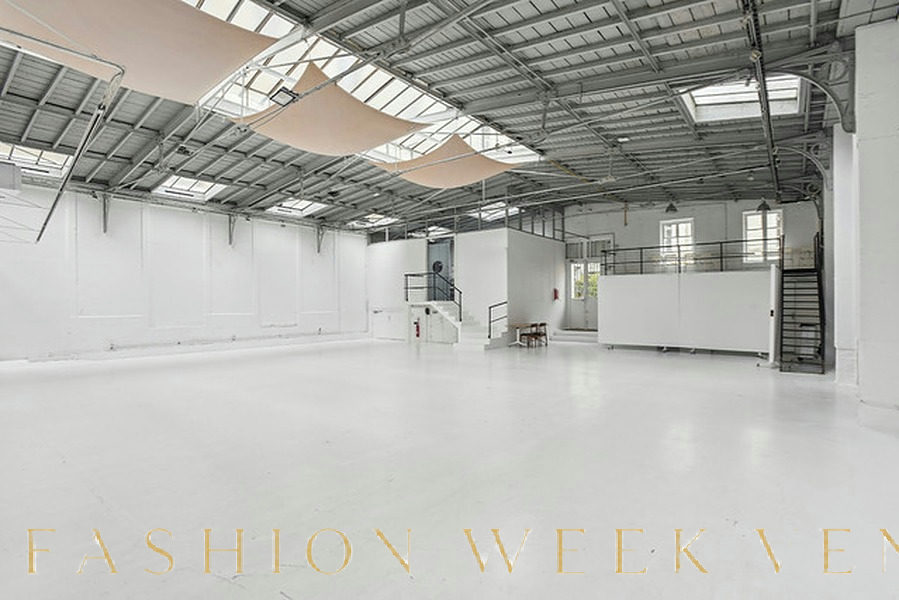
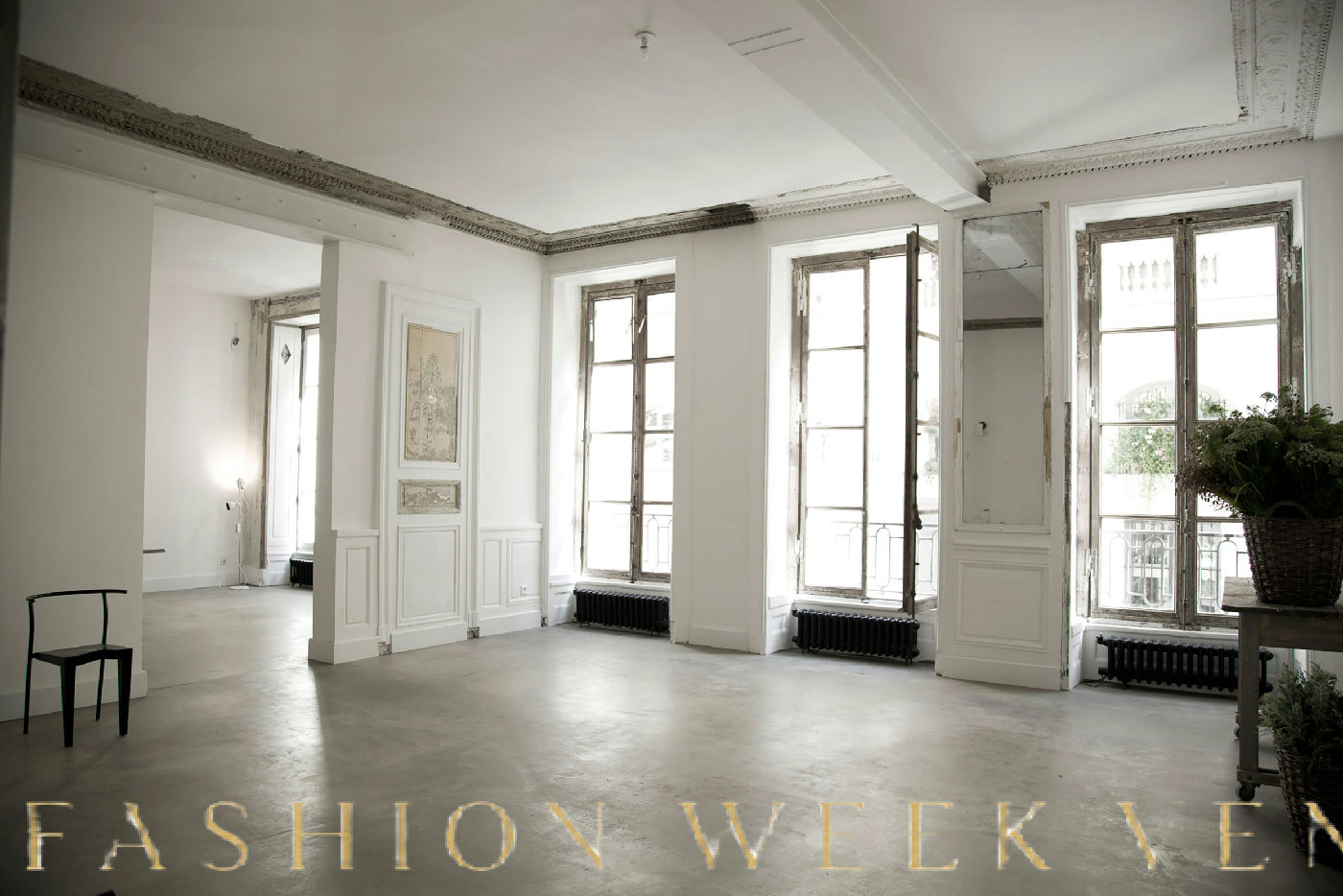
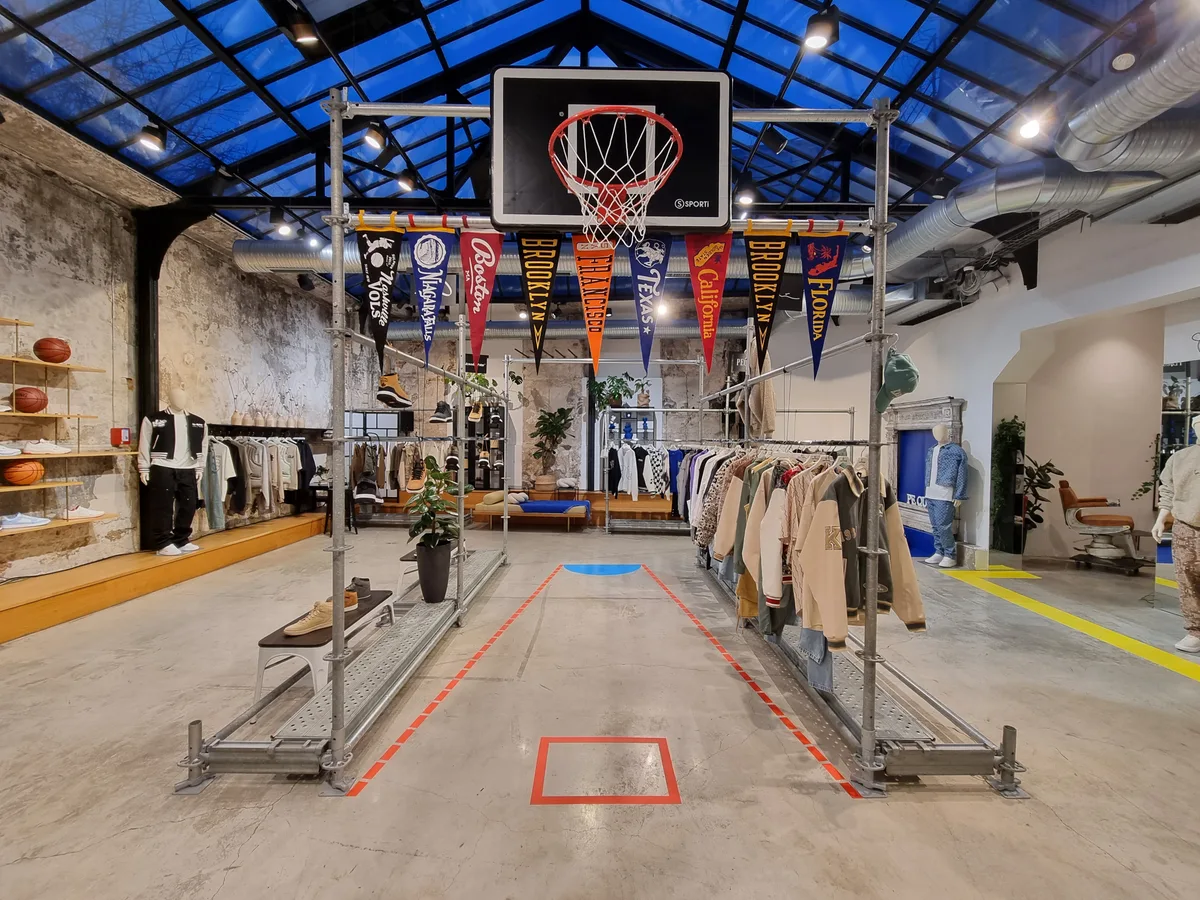
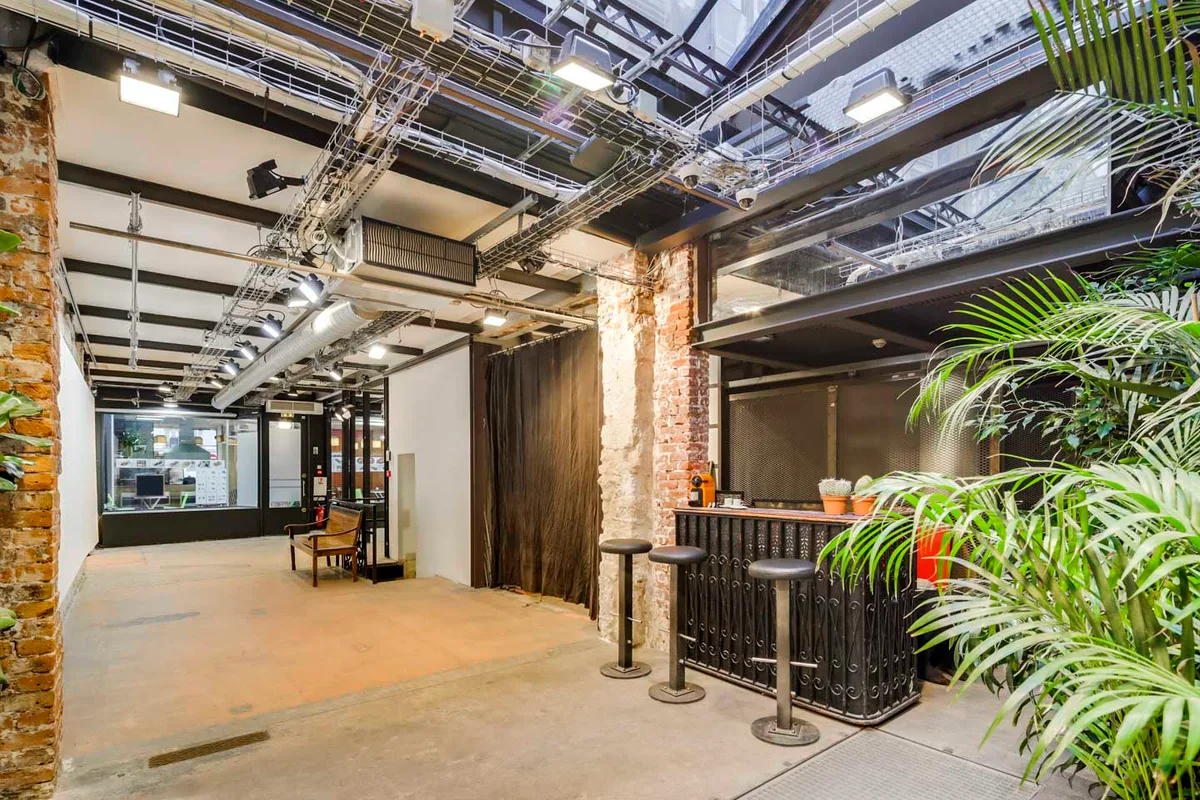

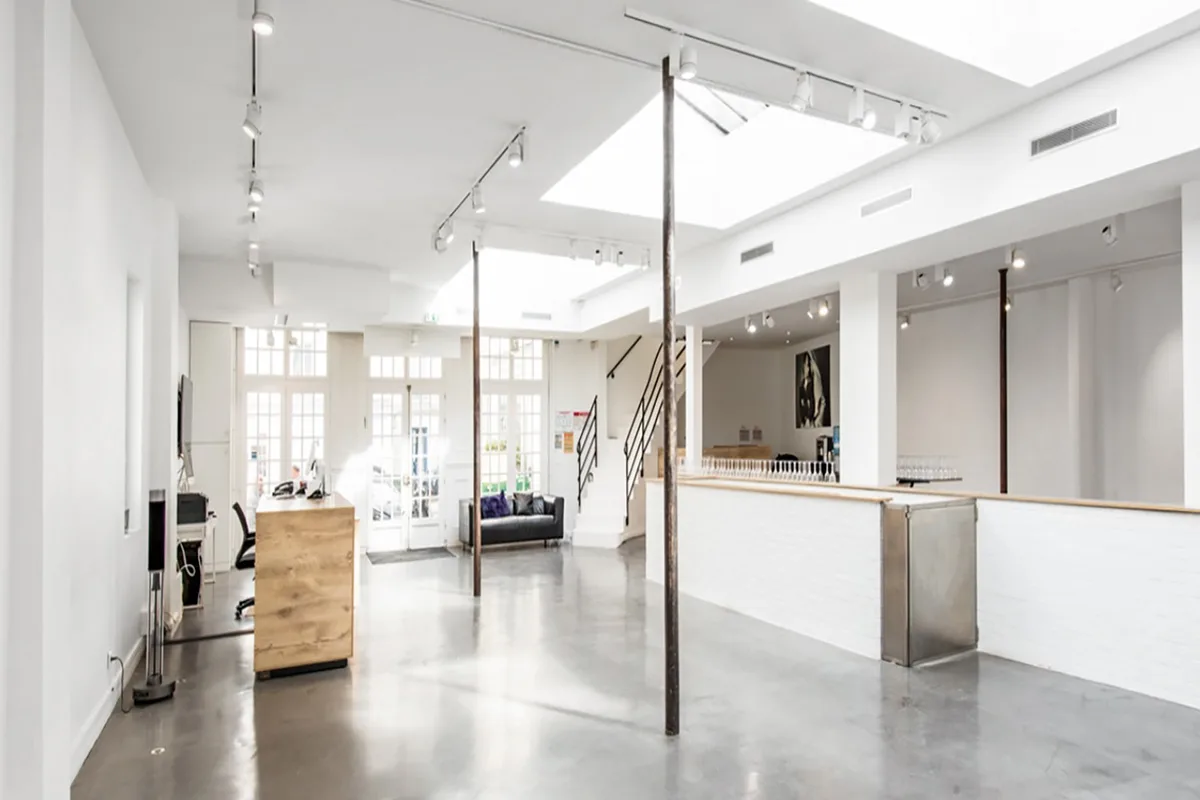
Fashion Week Venues offers a comprehensive solution to finding the perfect pop-up spaces for brands during the bustling fashion weeks in Paris and other global capitals. As a pivotal event in the fashion calendar, understanding how to successfully navigate venue selection, permit requirements, and activation strategies is crucial. This guide will arm brand teams with the necessary knowledge for making informed decisions about their space, budget, and logistics strategies in Paris.
Understanding Fashion Week Venue Dynamics
Choosing the right venue for fashion week involves understanding the unique dynamics of the event. Fashion weeks are not just about showcasing clothing lines; they are crucial moments for brand exposure and engagement. Identifying the right venue can significantly enhance a brand's visibility and market positioning.
Quick answer: Fashion week venues are key to elevating brand visibility, offering opportunities for engagement through strategic location choices, aligned with a brand’s aspirations and audience expectations.
Venues can vary from traditional event spaces to unconventional urban areas, each offering distinct advantages and challenges. For instance, the multicultural vibrancy of Le Marais or the upscale allure of Saint-Germain-des-Prés each caters to different brand narratives.
KEY TAKEAWAY: Choose a venue aligned with your brand identity and target audience appeal to maximize impact. The location significantly influences the perception and effectiveness of the presentation.
In addition to visibility, strategic venue selection requires coordinating around the limitations and opportunities provided by the city’s logistical landscape, such as traffic patterns and local events, which can be pivotal in planning successful activations.
Navigating Paris's Fashion Show Calendar
Paris Fashion Week is a grand event celebrated worldwide and is not limited to a singular annual occurrence. Understanding the intricacies of the fashion show schedule is crucial for international brands aiming to make a mark.
Quick answer: Paris Fashion Week occurs multiple times annually, offering varied opportunities for brand exposure across different seasons and styles.
The calendar includes various segments such as haute couture in January and July, menswear in January and June, and womenswear in February/March and September/October. This segmentation allows brands to tailor their presentations and presence to align with the type of collections they wish to highlight.
Aligning with the appropriate calendar segment is essential. While haute couture presents an opportunity for brands to showcase bespoke, one-of-a-kind garments, women’s and men’s fashion weeks cater to ready-to-wear collections.
KEY TAKEAWAY: Align event participation with the correct part of the fashion calendar to ensure that your collection takes center stage during relevant market peaks.
Timing also affects logistical planning, such as securing an ideal venue in advance and planning promotional activities leading up to the event.
Space Selection and Permits in Paris
Finding the correct space in Paris means understanding both the cultural pulse of neighborhoods and the legalities of leasing event spaces. Determining the right area for your brand is just as important as understanding the permits required.
Quick answer: Permits such as bail dérogatoire and AOT are essential for temporary space use, requiring precise legal compliance based on space type, duration, and arrondissement.
Neighborhoods like Rue Saint-Honoré and Canal Saint-Martin offer distinct cultural nuances that brands can harness to appeal to specific demographics. Understanding the legal requirements, such as the bail dérogatoire, which allows short-term leasing without entangling the brand in long-term commitments, is crucial.
Additionally, the Autorisation d’Occupation Temporaire (AOT) permits might be necessary when activating in public spaces or unconventional urban sites.
DID YOU KNOW: Leasing spaces through brokers isn't the only route. Agencies like Fashion Week Venues offer direct sourcing without the complexities of traditional leasing models.
KEY TAKEAWAY: Navigating Paris’s rental landscape effectively requires understanding both its cultural tapestry and legal frameworks. Always seek legal advice tailored to your specific circumstances.
Verification with a local legal advisor is recommended to uphold compliance, helping to avoid unforeseen legal hurdles during the event.
To navigate these complexities, consider using the Fashion Week Venues permits tool to streamline compliance checks and grant applications.
Comparing Space Types for Fashion Activations
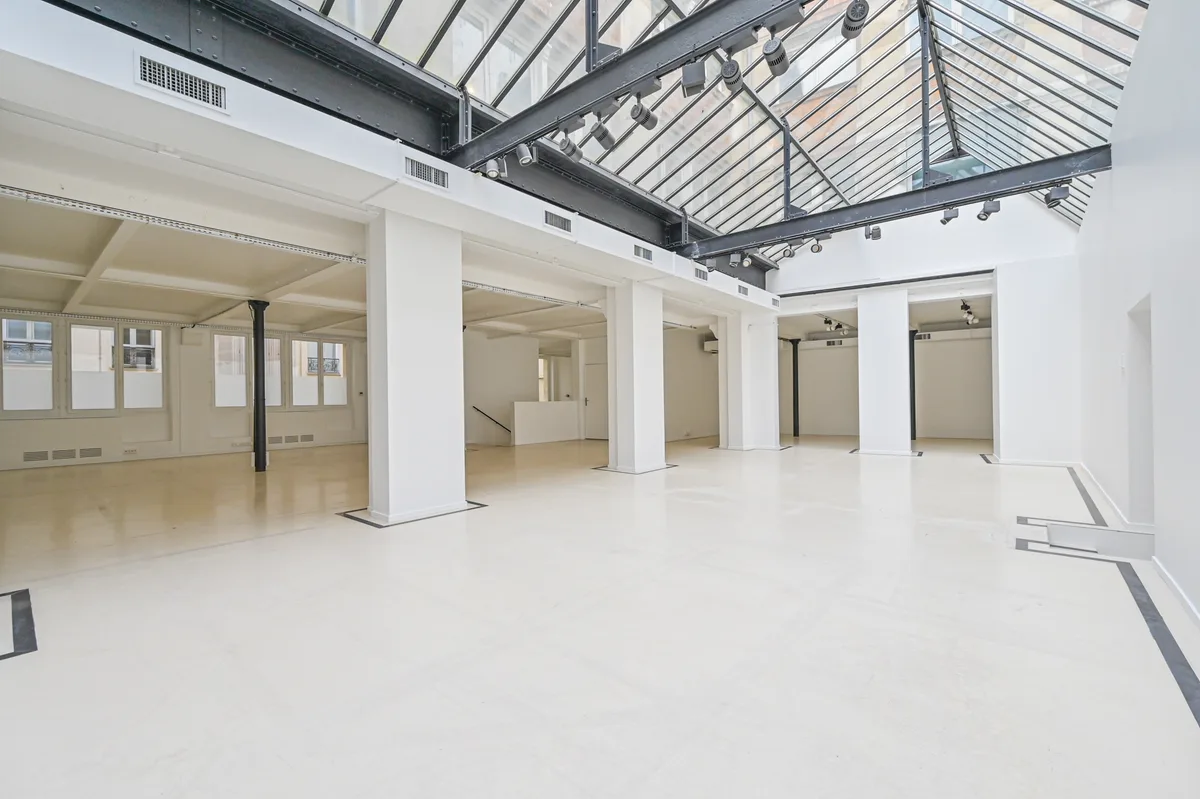
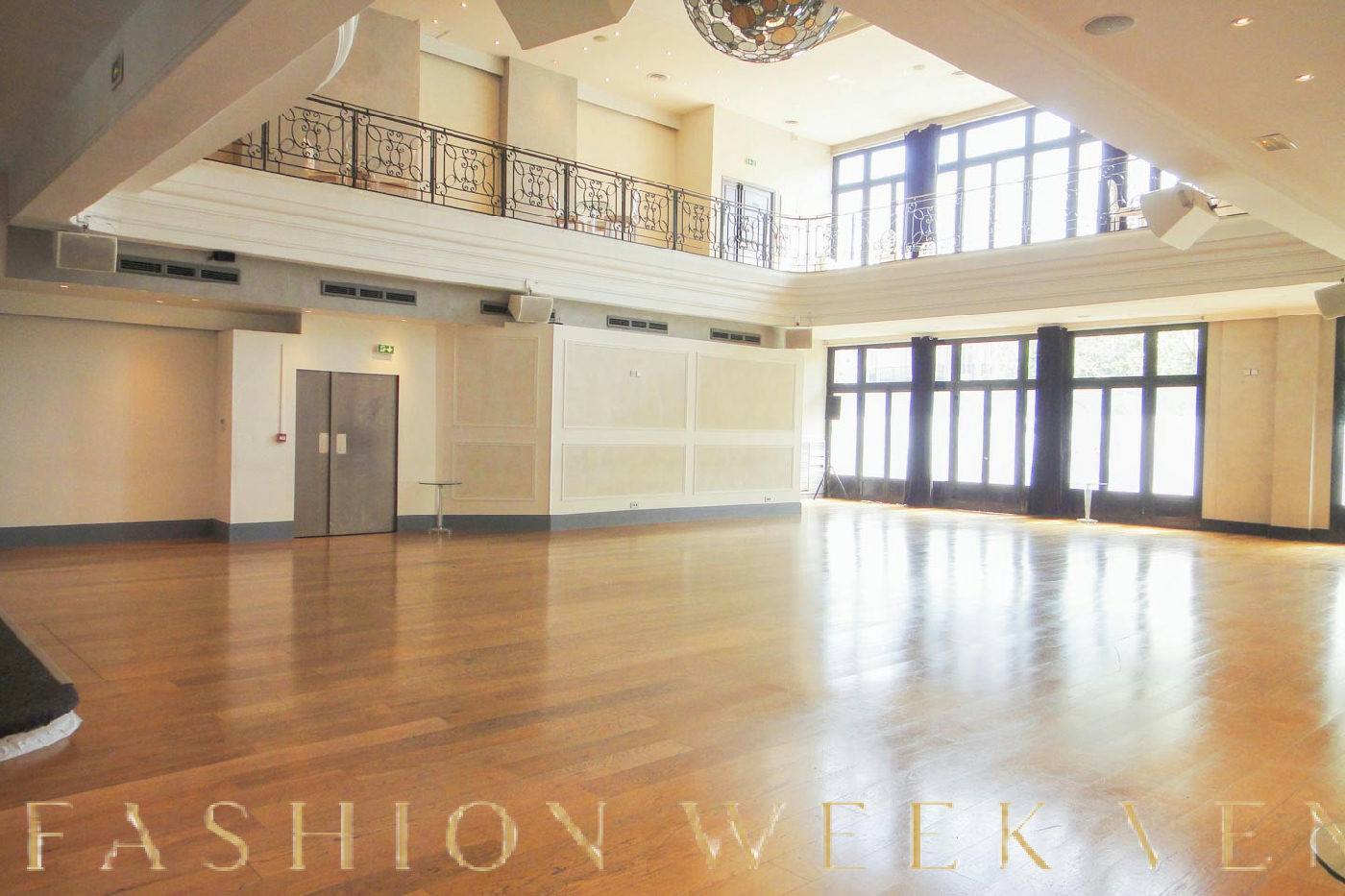
The choice of venue type—a showroom, pop-up, or traditional event space—plays a vital role in branding strategy for fashion week activations. Each type offers distinct advantages that must be weighed against the brand's activation goals.
Quick answer: The choice of space type influences brand perception, from intimate showrooms to bustling pop-ups, affecting visitor engagement and overall brand narrative.
Showrooms offer an intimate setting perfect for exclusive, curated experiences that foster close-knit interactions with buyers and press. They often require detailed attention to aesthetic presentation and are suitable for luxury and haute couture brands.
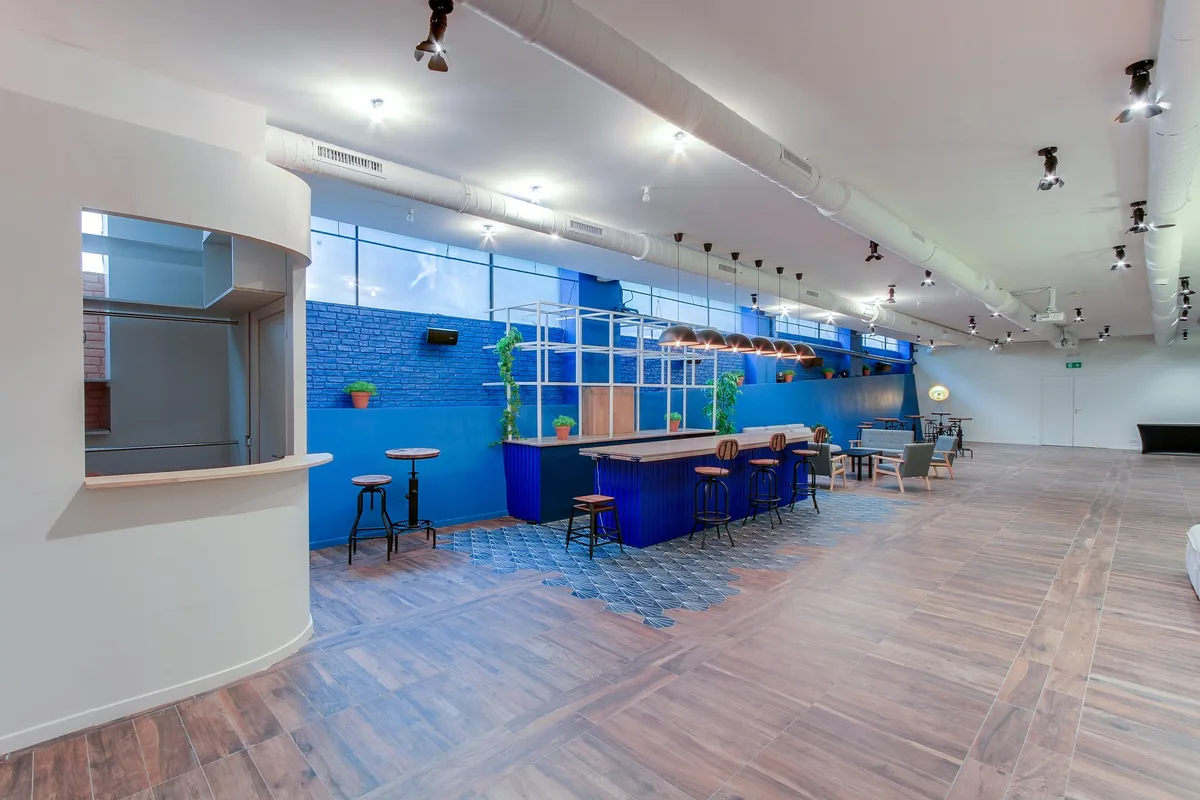
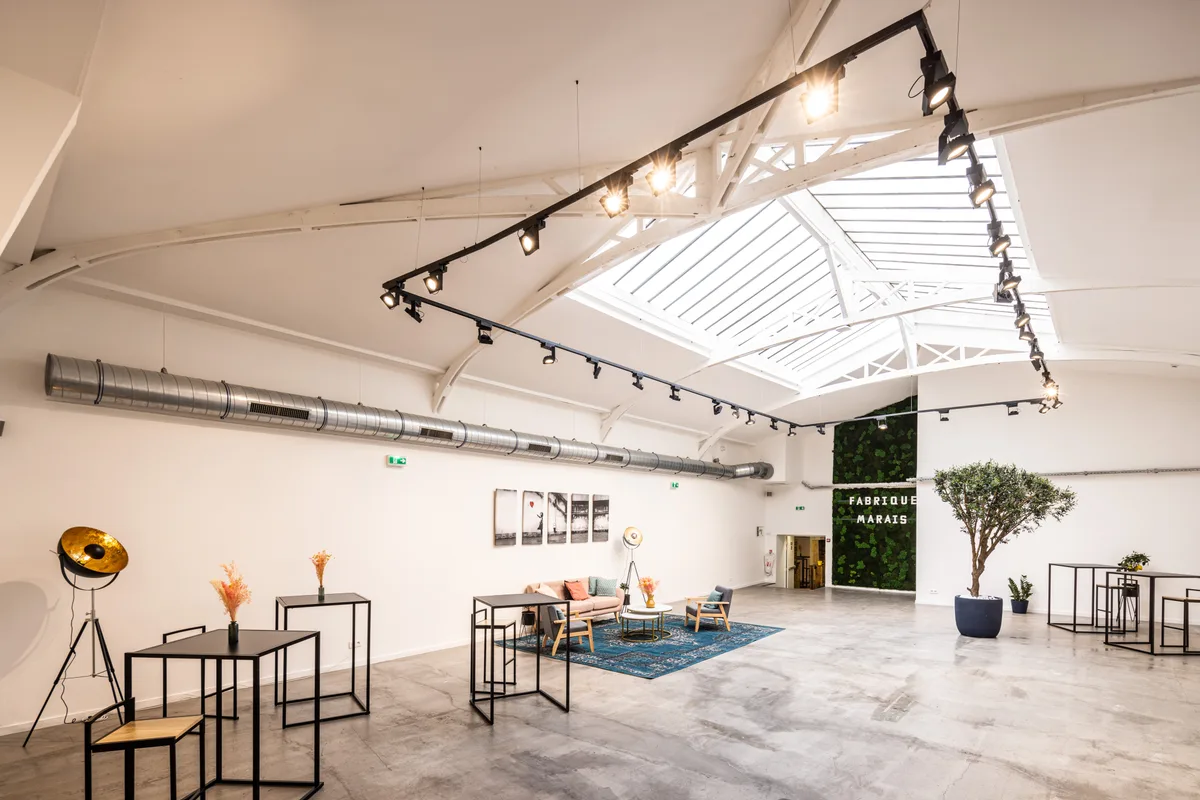
Pop-up spaces, on the other hand, provide dynamic and flexible environments for immediate consumer engagement. These temporary setups are excellent for brands looking to generate a buzz and interact directly with a broader audience.
| Space Type | Advantages | Disadvantages |
|---|---|---|
| Showroom | Exclusive, brand-focused | Limited audience |
| Pop-Up | High traffic, interactive | Short-lived |
| Event Space | Elegant, versatile | Costly, competitive |
KEY TAKEAWAY: Evaluate your activation goals—do you prioritize exclusivity, engagement, or visibility?—and choose the space type that will best achieve these objectives.
For a comprehensive search and comparison of spaces, refer to Fashion Week Venues marketplace.
Budgeting for Fashion Week Venues
A well-structured budget is crucial for successful participation in Paris Fashion Week. It determines the extent of your engagement, the scope of your promotional activities, and the overall impact of your presence.
Quick answer: Budgeting for venue selection encompasses rental costs, setup, staffing, and marketing, each affecting potential ROI and overall brand impression.
Major budget components include venue rental fees, which can vary greatly depending on location and size, as well as costs related to venue setup and design, particularly if you aim to create a uniquely branded environment.
Moreover, allocation for staffing, including retail and event-specific hires, and marketing efforts such as influencer partnerships are essential for enhancing brand visibility and engagement during the event.
| Expense Category | Estimated Cost Range | Considerations |
|---|---|---|
| Venue Rental | €5,000 - €100,000 | Size, location, duration |
| Setup & Design | €10,000 - €50,000 | Custom branding, aesthetics |
| Staffing | €3,000 - €20,000 | Roles needed, hours required |
| Marketing | €5,000 - €30,000 | Influencers, media partnerships |
KEY TAKEAWAY: Plan a detailed budget factoring in location, event type, scale, and desired impact. Use budget estimation tools to align financials with strategic objectives.
Understanding this financial framework allows for flexibility in spending and the optimization of resources, ensuring a cost-effective presence at fashion week.
Logistical Planning for Fashion Events
Efficient logistics planning is crucial for smooth operation during fashion week, impacting setup, execution, and overall event success.
Quick answer: Successful logistics planning covers transportation, setup, security, and breakdown, facilitating seamless event flow and client experience.
Key logistics components include scheduling and timeline development, transportation arrangements for goods and personnel, security measures, and coordination of event setup and teardown.
Creating detailed event timelines helps synchronize activities while ensuring deadlines are met. Confirming transport availability and routes can prevent delays and ensure timely delivery of materials to the venue.
TIP: Anticipate potential disruptions by having backup logistics plans in place, including alternate transport routes or additional manpower.
Utilize tools such as the timeline planning tool to streamline these processes, ensuring all elements of the execution phase work in synergy.
KEY TAKEAWAY: A comprehensive logistics plan is integral to minimizing risks and maximizing efficiency for a successful fashion week activation.
Ensure your logistics strategies align with broader brand goals, from setup through breakdown, to enhance overall event effectiveness.
Incorporating Experiential Marketing into Fashion Weeks
Experiential marketing can transform a fashion week presence from a simple showcase to an unforgettable brand experience.
Quick answer: Engaging visitors through sensory and interactive elements creates memorable experiences, enhancing brand recall and customer loyalty.
These experiences go beyond traditional displays, using interactive media, personalized events, or augmented reality to engage audiences on multiple levels. The aim is to both captivate and inform, leaving a lasting impression that resonates with visitors beyond the event itself.
DID YOU KNOW: Brands utilizing VR and AR at their events report up to a 70% increase in consumer engagement, representing immense potential for innovative presentation methods.
Creating these experiences requires coordination among creative directors, logistic teams, and strategic planners to ensure that each element aligns with the brand’s message and objectives.
KEY TAKEAWAY: Integrating experiential marketing into fashion weeks elevates brand storytelling, fostering deeper connections and driving consumer action long after the show.
This strategic integration necessitates not only creative prowess but also meticulous planning to seamlessly incorporate these elements into the broader event framework.
How Fashion Week Venues Helps Brands
Fashion Week Venues provides an extensive array of services and tools that streamline the process of selecting and activating a fashion week space. From venue sourcing to activation management, our services support brands in enhancing their event presence efficiently.
Our feature-rich space marketplace simplifies the discovery process, allowing brands to browse, compare, and select from a multitude of suitable spaces in Paris and other major cities. With comprehensive services spanning from concept direction to production and build, our suite is designed to meet diverse brand needs.
IMPORTANT: While our tools and services significantly ease the process, brands should ensure compliance with their unique objectives and market conditions.
Our tools such as the compare tool and locator tool facilitate informed decision-making, enabling brands to refine their search to local requirements and customer profiles.
KEY TAKEAWAY: Utilize Fashion Week Venues's comprehensive suite of solutions to transform logistical challenges into seamless brand activations, unlocking optimal market exposure.
These offerings empower brand teams to focus on the creative aspects of their presentations, ensuring a memorable impression during fashion weeks.
Common Myths Debunked
MYTH: A French legal entity is required to rent a space in Paris for fashion week participation.
FACT: While certain spaces and scenarios may require additional compliance, international brands can rent spaces without establishing a French legal entity. However, it is advisable to verify specific arrangements with a local legal advisor or use specialized tools such as those offered by Fashion Week Venues.
MYTH: Paris Fashion Week is the sole opportunity for brands to showcase in France.
FACT: Besides the main Paris Fashion Week events, there are numerous other platforms and opportunities throughout the year that allow brands to gain visibility and engage with diverse audiences.
MYTH: Using commission brokers is the only way to secure a venue in Paris.
FACT: Agencies like Fashion Week Venues provide direct access to a wide range of properties, eliminating the need for commission-based brokers and offering more flexibility and often more favorable terms.
MYTH: Short-term leases are straightforward and do not require special expertise or advice.
FACT: Engaging with short-term leases can involve complex legal arrangements, making expert guidance invaluable to ensure compliance and optimize terms.
Frequently Asked Questions
What are the primary considerations for international brands when choosing a venue in Paris?
International brands must consider several factors including location relevance, audience demographics, permit requirements, and cultural significance. A venue in an iconic district like Saint-Germain-des-Prés can enhance brand esteem, but zoning laws and necessary permits must be reviewed. Additionally, cultural resonance with target audiences should guide the selection process, ensuring that the brand narrative aligns with local preferences and expectations.
How early should a brand start looking for a space for Paris Fashion Week?
Brands should begin their search at least 6 to 12 months in advance. This timeframe allows for thorough research and ensures a wider selection of venues, aligning best with the brand’s specific needs and budget. Early planning also provides ample time to address logistical aspects such as transport, permits, and marketing strategies.
What tools does Fashion Week Venues offer to assist in selecting a venue?
Fashion Week Venues offers a suite of tools designed to assist brands, including a budget calculator for financial planning, a permits tool to streamline compliance requirements, and a locator tool for optimized site selection. These tools enhance the efficiency and effectiveness of the venue selection process.
What is the bail dérogatoire, and why is it important?
The bail dérogatoire is a lease agreement allowing temporary occupancy, usually up to 36 months, without engaging in the complexities of long-term commercial leases. This flexibility is crucial for fashion week, facilitating short-term, impactful brand activations without committing to extensive terms that conventional leases require.
Can Fashion Week Venues help with the legal aspects of renting a space?
Fashion Week Venues provides support in navigating legal complexities through their expert network, which includes access to local legal advisors that can offer specific guidance. While Fashion Week Venues tools simplify permit and legal navigation, it remains advisable for brands to consult directly with legal professionals tailored to their unique case.
Is it necessary to have a physical store in Paris to participate in Paris Fashion Week?
Having a physical store is not mandatory. Many brands opt for temporary spaces tailored to short terms activations that fit the market dynamics of Paris Fashion Week. Pop-up stores and short-term rentals offer flexible solutions that cater to the ephemeral nature of this and similar events.
What types of venues are most popular during Paris Fashion Week?
The popularity of venues varies, but showrooms, classic event spaces, and pop-up locations remain the favorites, each offering unique advantages. An emerging trend is the increased use of hybrid spaces that combine retail, showcase, and interactive elements, catering to diverse audience preferences and ensuring multifunctionality.
How can brands use experiential marketing to enhance their presence during fashion week?
Experiential marketing is powerful in fashion weeks because it leverages sensory engagement and interactive experiences to forge deeper connections with attendees. By incorporating creative elements such as AR stations, live demonstrations, or interactive shows, brands can foster memorable interactions that elevate their brand narrative and customer engagement.
What is the typical duration for a short-term lease during Paris Fashion Week?
Short-term leases typically range from one to three months, aligning with the specific needs of fashion week participants. These leases provide flexibility and are designed to accommodate the short-lived yet intense duration of Paris Fashion Week while providing adequate time for setup and takedown operations.
How can a brand ensure its activation complies with local regulations?
Compliance with local regulations can be facilitated by using specialized tools offered by Fashion Week Venues, such as their permits tool, ensuring all legalities are addressed. It's also wise for brands to engage with local advisors familiar with Paris regulations to navigate requirements effectively and prevent potential legal obstacles.
Conclusion
Navigating the complexities of selecting and activating a venue during Paris Fashion Week requires strategic insight, careful planning, and expert advice. From understanding the fashion world's intricate calendar to aligning choices with budgetary constraints and logistical requirements, this guide provides vital information that supports the success of brand activations. By leveraging Fashion Week Venues's comprehensive services and tools, brands transform logistical challenges into successful presentations that resonate with audiences and enhance market presence. Start exploring available spaces today to craft a dynamic engagement strategy for the next fashion season.