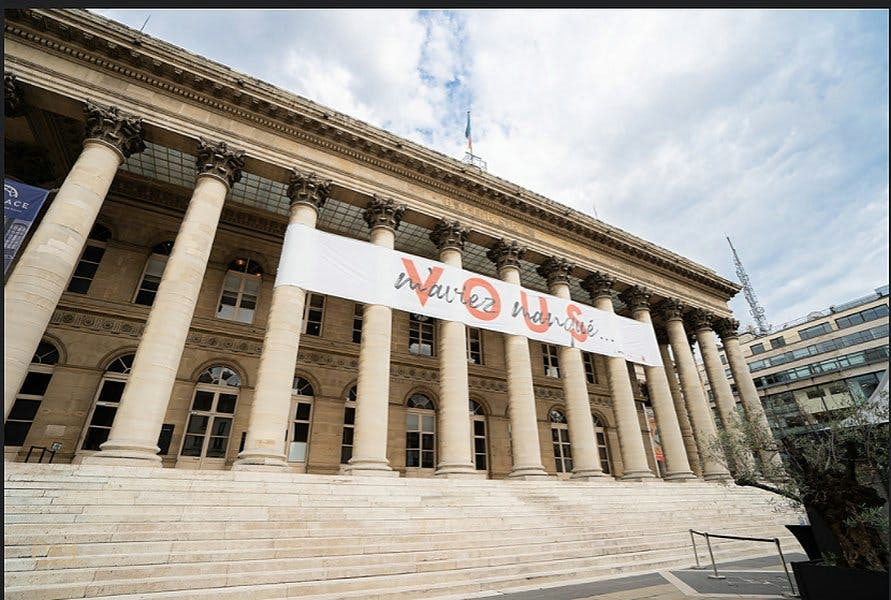
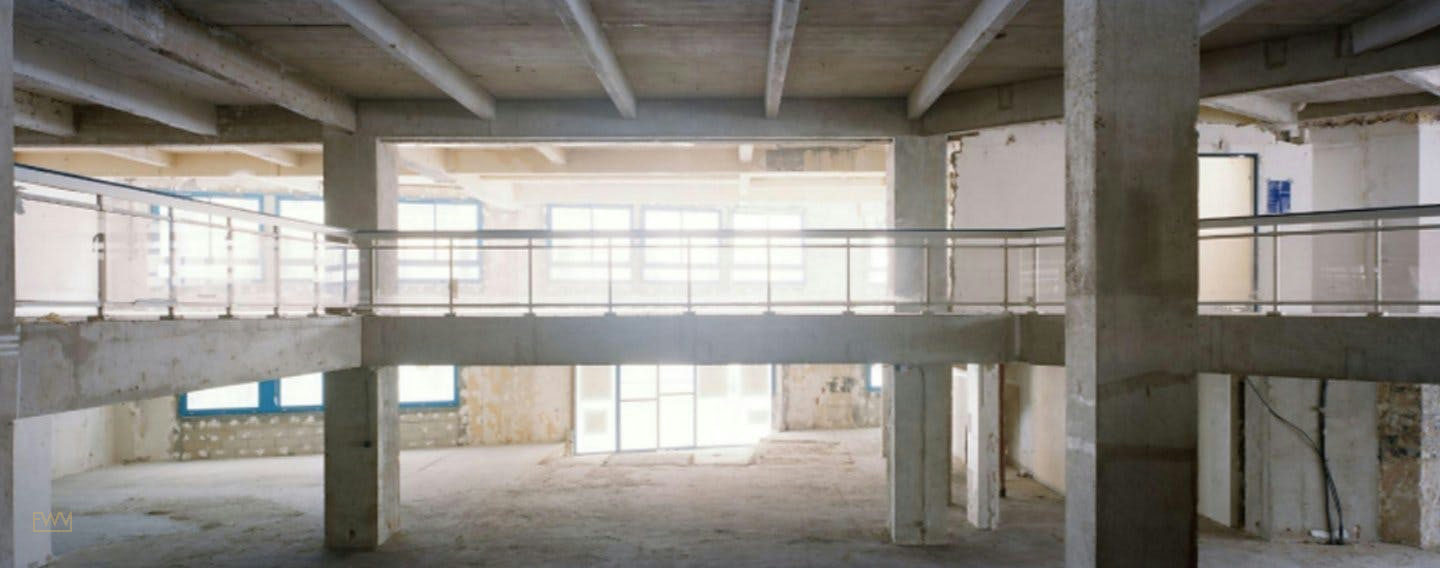
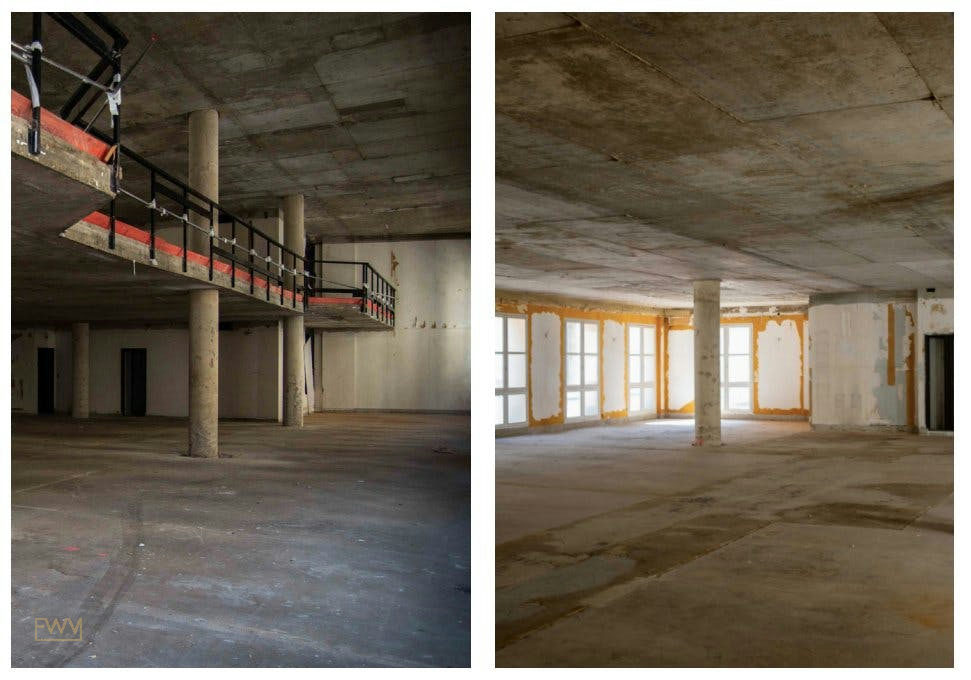
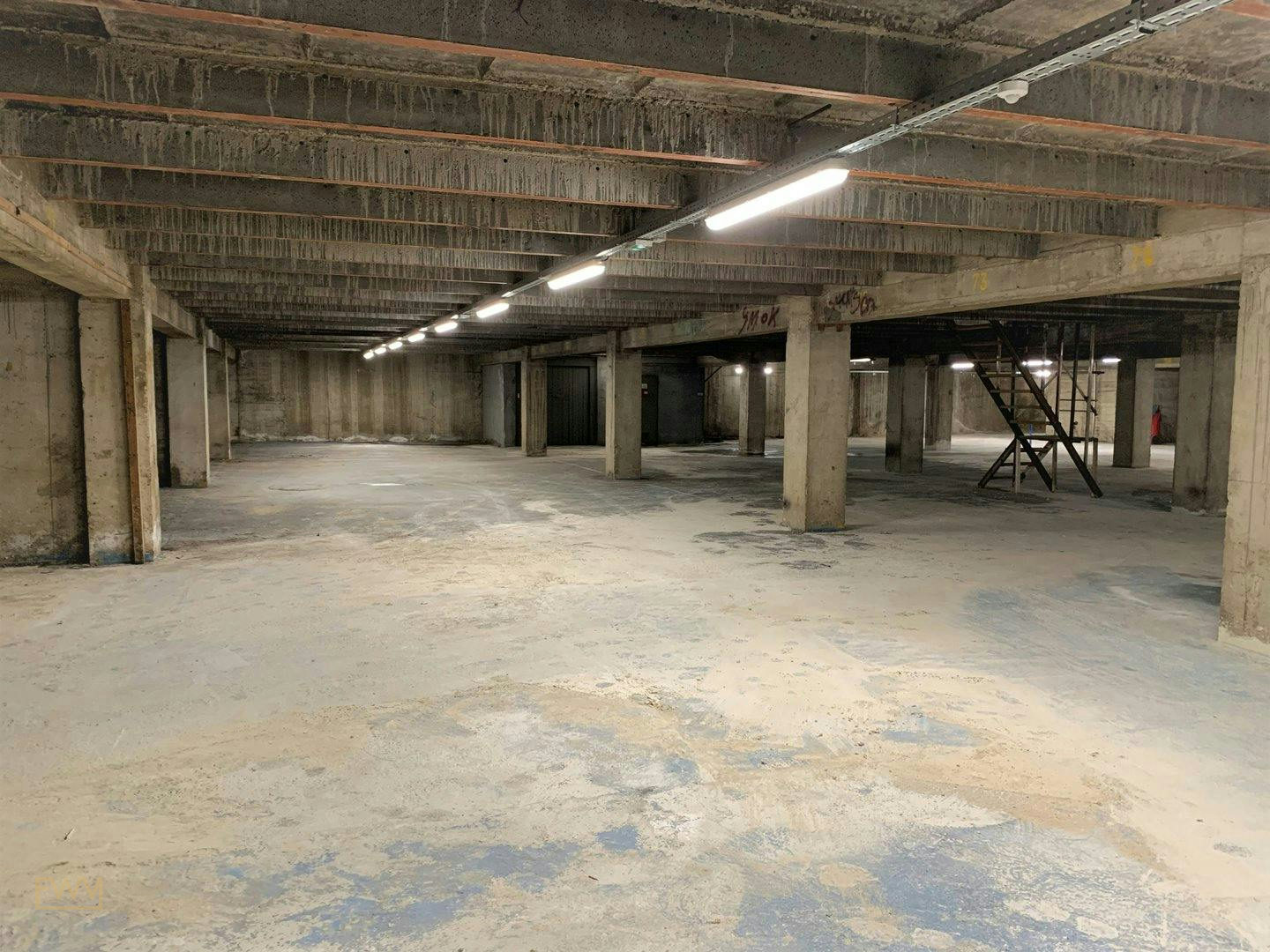
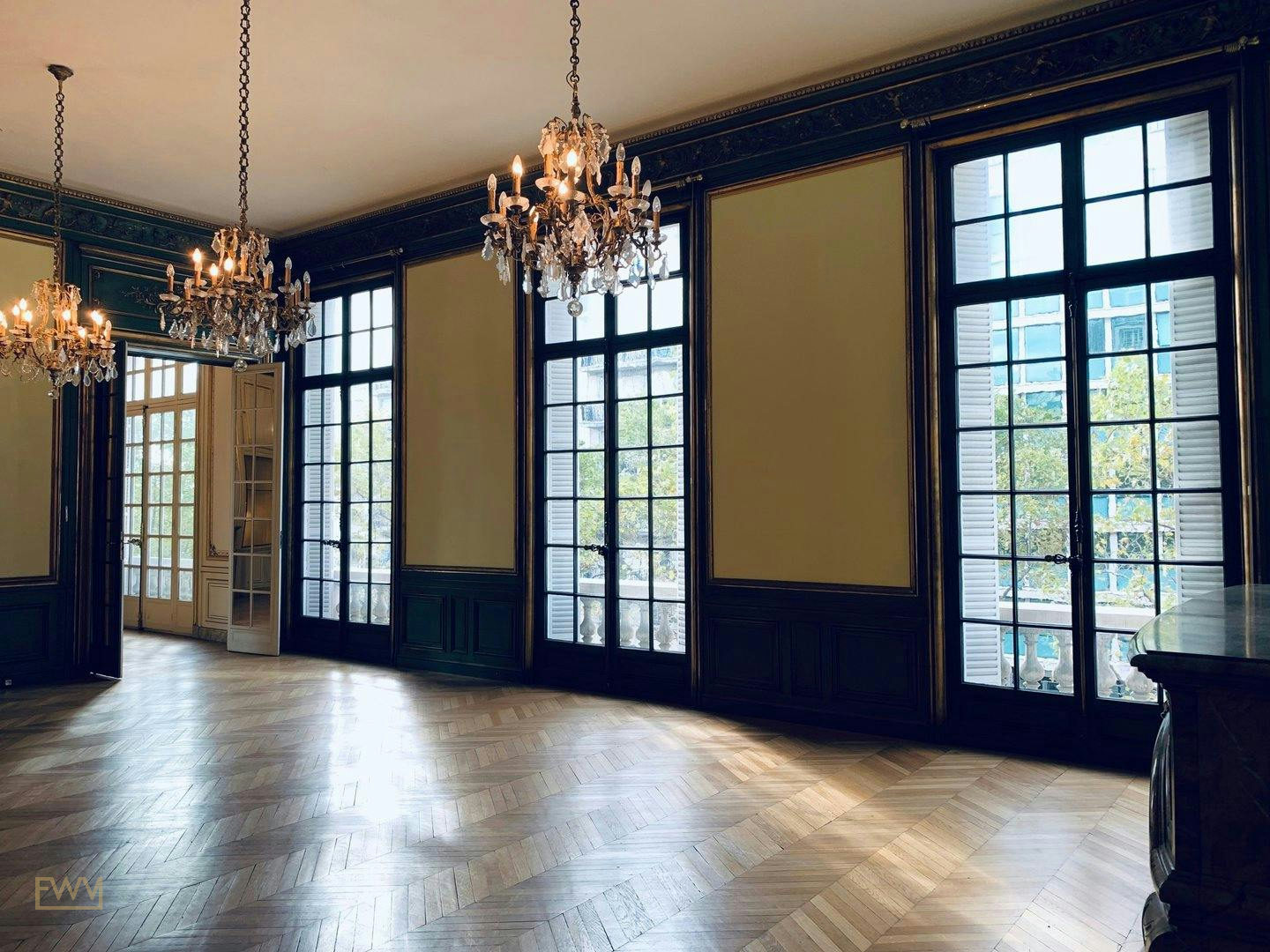
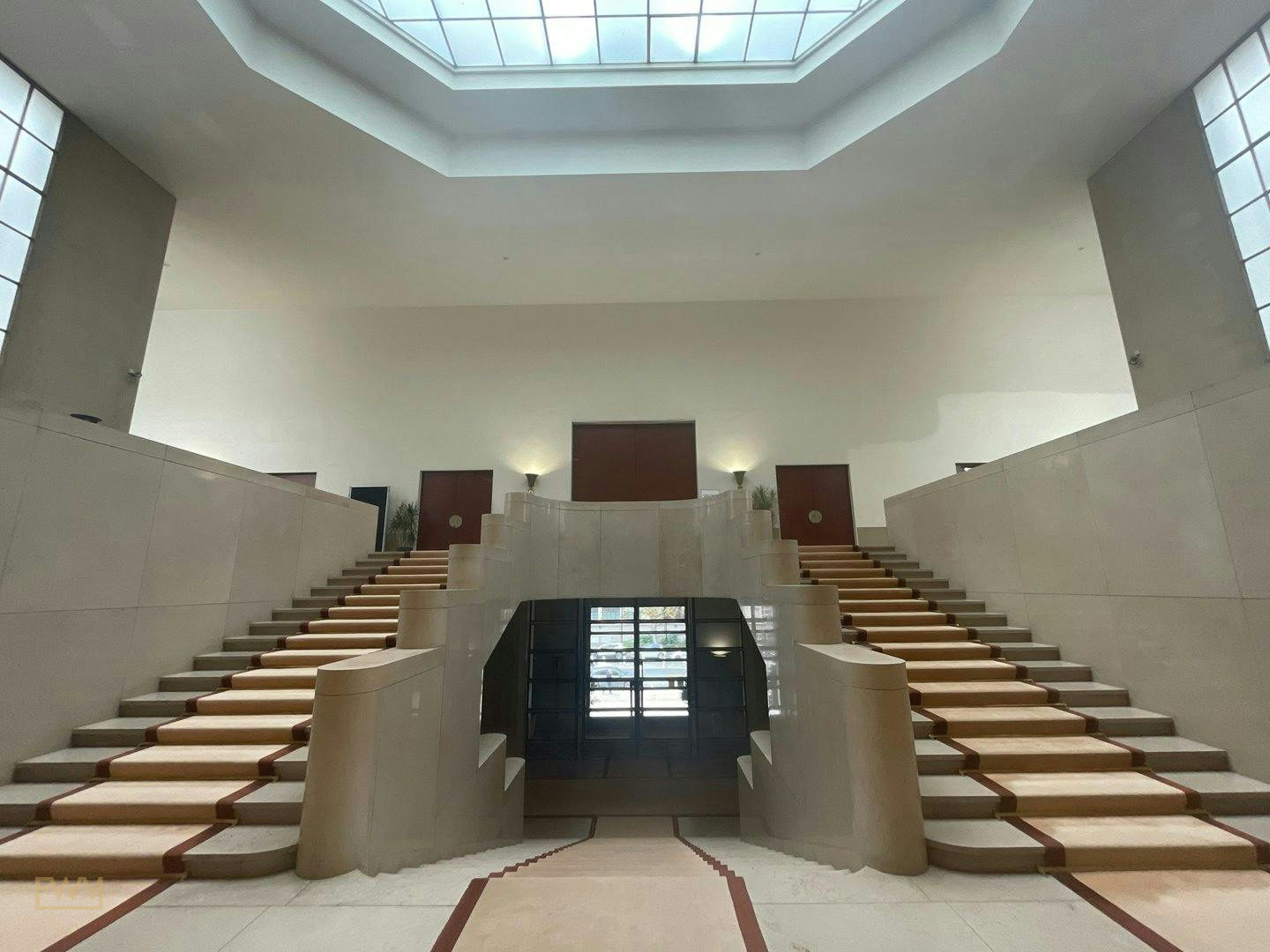
To hire retail space on the Champs-Élysées is to place your brand at the centre of one of the most visited and commercially significant streets in the world. The Avenue des Champs-Élysées in the 8th arrondissement of Paris attracts an estimated 300,000 visitors per day, drawing Parisians, international tourists, fashion houses, luxury retailers, and global consumer brands to a single corridor of unmatched symbolic and commercial power. For brands planning pop-up shops, showrooms, flagship activations, product launches, or experiential retail events, the Champs-Élysées represents both an extraordinary opportunity and a complex operational undertaking. Fashion Week Venues supports brands navigating this market, from initial space search through to full activation delivery. This guide covers everything you need to know before committing to a rental here.
Why the Champs-Élysées Remains the World's Most Strategically Important Retail Street
The Avenue des Champs-Élysées is not simply a shopping street. It is a global brand stage, a cultural landmark, and one of the most commercially intense retail corridors in the world. Known in French as La Plus Belle Avenue du Monde, the Champs-Élysées runs from the Place de la Concorde at its eastern end to the Arc de Triomphe at its western apex, bisecting the 8th arrondissement of Paris and anchoring the broader zone known as the Golden Triangle, which also encompasses Avenue Montaigne and Avenue George V.
When international brands benchmark global flagship locations, the Champs-Élysées sits alongside Fifth Avenue in New York City, New Bond Street in London, Via Montenapoleone in Milan, Ginza in Tokyo, and Causeway Bay in Hong Kong. All of these addresses function as proof-of-concept locations for luxury and premium brands, places where presence signals credibility, ambition, and global market relevance. Brands such as Louis Vuitton, Dior, and countless international fashion houses have used the Champs-Élysées not simply to sell product, but to communicate their positioning to a global audience.
Footfall on the avenue is consistently among the highest of any retail street in Europe. This pedestrian volume includes a complex mix of Parisian consumers, international visitors from North America, Asia, the Middle East, and beyond, as well as media, buyers, and influencers who use the street as a creative reference point during Paris Fashion Week and across the wider fashion calendar. For brands activating during Fashion Week periods, the combination of high baseline footfall and amplified media attention creates conditions that are difficult to replicate anywhere else in the world.
The retail landscape on the Champs-Élysées is diverse. Flagship stores sit alongside concept formats, interior retail units within covered arcades, showrooms, event spaces, and short-term pop-up locations. Unlike some luxury streets where the format is strictly boutique-style, the Champs-Élysées accommodates an unusually wide range of space types and activation formats, making it accessible to brands at different stages of market development and with different operational requirements.
DID YOU KNOW: The Avenue des Champs-Élysées takes its name from the Elysian Fields of Greek mythology, the paradise of Greek gods and heroes. Its modern form as a grand commercial boulevard evolved over several centuries, with the current layout established during the urban transformations of Baron Haussmann in the 19th century.
The cultural and historical weight of the Champs-Élysées is also commercially relevant. Unlike newer retail districts that depend entirely on footfall projections and lease economics, the Champs-Élysées carries an inherited prestige that shapes consumer habits and brand perception before a customer even enters a store. A brand with a Champs-Élysées store or activation benefits from implied association with this prestige, regardless of its size or duration on the street.
KEY TAKEAWAY: The Champs-Élysées functions as both a commercial retail address and a global brand communications platform. For brands entering Paris or scaling their European presence, securing space here carries strategic value that extends well beyond the duration of any individual activation.
Understanding the geography and format options available on the avenue is the essential first step, and the next section breaks down the distinct zones, space types, and locations that define retail on this street.
The Geography of the Champs-Élysées: Zones, Addresses, and the 8th Arrondissement
The Champs-Élysées runs for approximately 1.9 kilometres through the 8th arrondissement of Paris, and the commercial character of the street shifts noticeably depending on where you are on the avenue. Understanding these micro-zones is critical when briefing for a pop-up, showroom, or retail activation, because location within the street affects footfall profile, consumer demographics, and visual exposure in ways that can significantly influence activation outcomes.
The Upper Champs-Élysées: Arc de Triomphe to Georges V
The upper section of the avenue, running from the Arc de Triomphe toward the George V intersection, is the most intensely commercial and highest-profile stretch. This zone houses the largest flagship stores, including major international fashion and luxury brands, alongside global retail chains and entertainment concepts. Street-level frontage here commands the highest rental values on the avenue and delivers the densest pedestrian traffic. For brands seeking maximum visibility and international audience reach, this zone is typically the primary target.
The Lower Champs-Élysées: Rond-Point to Place de la Concorde
The lower section of the avenue, from the Rond-Point des Champs-Élysées toward the Place de la Concorde, has a different character. This area includes more institutional buildings, gardens flanking the avenue, and fewer street-level retail units, but it also connects directly to some of Paris's most significant cultural and civic landmarks. Proximity to the Place de la Concorde and Rue Royale makes this zone particularly attractive for brand events and showrooms targeting a more curated, invitation-only audience rather than mass footfall.
The Golden Triangle and Adjacent Streets
The Champs-Élysées does not function in isolation. The surrounding Golden Triangle encompasses Avenue Montaigne, Avenue George V, and the connecting streets that link them. Brands that cannot secure space directly on the avenue itself often activate on these adjacent streets, achieving proximity to the Champs-Élysées prestige zone while sometimes accessing more manageable rental terms. Avenue Montaigne in particular carries significant luxury retail positioning, hosting brands such as Dior in long-term flagship formats.
The Covered Arcades and Interior Retail Units
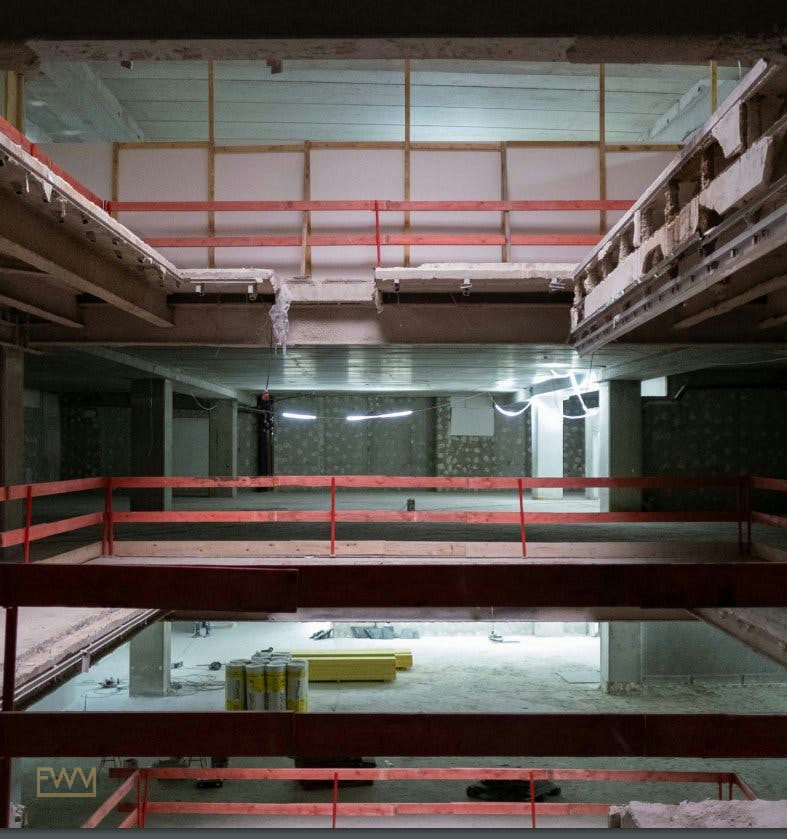
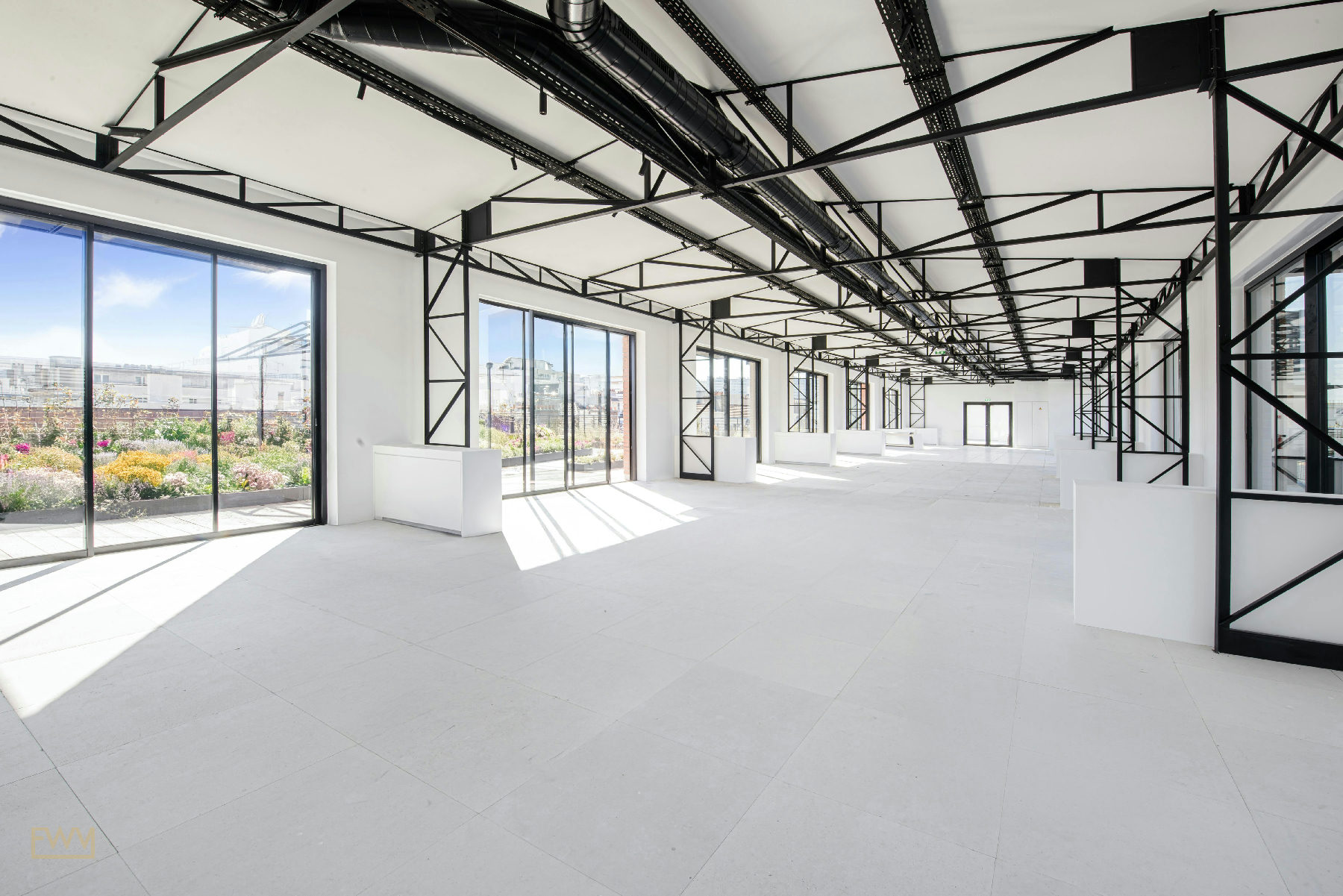
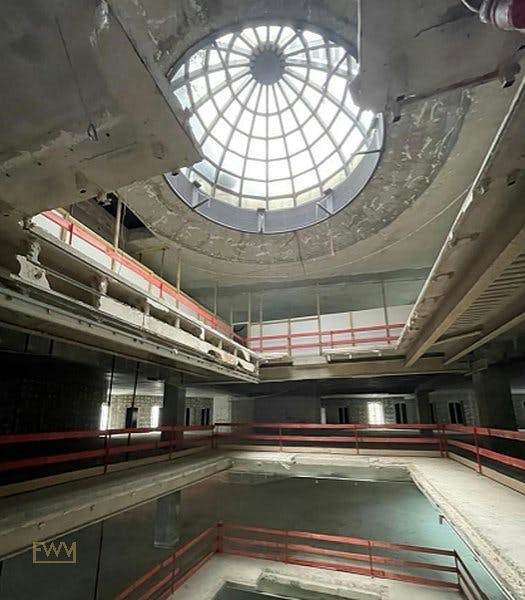
A less immediately visible but commercially significant feature of the Champs-Élysées retail ecosystem is its covered arcades and interior retail units. Several of the avenue's major properties contain internal mall-like structures with multiple retail units, event halls, and gallery spaces. These interior retail units can be particularly suited to brand activations, press showrooms, and experiential retail formats that benefit from a controlled environment while still carrying the Champs-Élysées address. Formats such as galerie d'art spaces, concept studio configurations, and prestige showroom units within these arcades are regularly used by fashion and luxury brands during Paris Fashion Week and across major retail campaign windows.
| Zone | Key Landmarks | Typical Use | Audience Profile |
|---|---|---|---|
| Upper Champs-Élysées | Arc de Triomphe, George V | Flagship stores, pop-up activations | High-volume international and Parisian consumers |
| Lower Champs-Élysées | Place de la Concorde, Rue Royale | Showrooms, institutional events | Curated, press, buyers, cultural visitors |
| Golden Triangle | Avenue Montaigne, Avenue George V | Luxury boutiques, brand showrooms | High-net-worth consumers, fashion press |
| Interior Arcades | Within Champs-Élysées properties | Gallery formats, concept studios, events | Invited guests, targeted campaign audiences |
KEY TAKEAWAY: The Champs-Élysées is not a single, uniform retail environment. Each zone within the 8th arrondissement carries different commercial characteristics, and selecting the right micro-location within the avenue is as important as securing the address itself.
With the geography established, the next section addresses the practical realities of leasing and the different rental structures available for short-term and temporary retail use on the Champs-Élysées.
Retail Leasing on the Champs-Élysées: Structures, Terms, and Short-Term Options
Leasing retail space on the Champs-Élysées is significantly more complex than renting a pop-up space in most other European cities, and brands approaching this market without specialist guidance frequently encounter avoidable delays, unexpected costs, and compliance complications. Understanding the legal and commercial structures available is essential before any space search begins.
Standard Commercial Leases and Why They Are Rarely the Right Fit
In France, the standard commercial lease is known as a bail commercial. This lease structure is governed by French commercial property law and typically covers a minimum term of nine years, with tenant break options at three-year intervals, giving rise to the commonly referenced three-six-nine structure. For brands seeking to rent retail space on the Champs-Élysées for a pop-up, a short-term campaign, a product launch, or a Fashion Week activation, the standard bail commercial is almost never appropriate. The minimum terms, the financial commitments, and the regulatory requirements associated with this structure are designed for long-term commercial tenancy rather than temporary or experimental retail use.
Bail Dérogatoire: The Short-Term Lease Structure
The bail dérogatoire, sometimes called a convention d'occupation précaire, is the primary legal mechanism for short-term retail rental in France. Under this structure, brands can occupy a commercial space for a fixed period without entering into the long-term obligations of a standard commercial lease. The maximum duration under a bail dérogatoire is typically limited under French law, and it is critical that both landlord and tenant understand and document the temporary nature of the arrangement correctly to avoid the tenancy converting to a standard commercial lease by default. Requirements vary depending on the specific space, the property owner, and the intended use, and brands should verify the structure with a qualified French legal advisor before signing.
Autorisation d'Occupation Temporaire (AOT) and Event Use
For brands using space in public or semi-public locations, or in venues where the primary use is as an event space rather than a retail unit, an Autorisation d'Occupation Temporaire (AOT) may be relevant. This permit structure authorises temporary occupation of a space for a defined period and purpose, and it is distinct from both the standard commercial lease and the bail dérogatoire. For pop-up activations in covered arcades, gallery spaces, or event venues on or adjacent to the Champs-Élysées, understanding whether an AOT is required and how to obtain one is a necessary part of the compliance planning process.
IMPORTANT: Permit and compliance requirements for retail space on the Champs-Élysées vary by space type, intended use, duration, and the specific property. Do not assume that any standard template applies. Always verify requirements with a qualified French legal advisor and use the permit guidance tool on Fashion Week Venues to structure your initial compliance checklist.
Rental Pricing and Market Values
The Champs-Élysées consistently ranks among the most expensive retail streets in the world when measured by rental values per square metre or per square foot. Published research from major commercial real estate firms including Cushman and Wakefield has historically placed the avenue in the top tier of global retail rental markets, alongside Upper Fifth Avenue in New York City, Pitt Street Mall in Sydney, and comparable prime streets in major global cities. Retail rental values on the Champs-Élysées reflect not just the space itself but the commercial density, the footfall volume, and the global prestige of the address.
For short-term rentals and pop-up activations, pricing structures differ from long-term commercial lease rates and are influenced by factors including the duration of the rental, the size and format of the space, the specific location on the avenue, the time of year, and whether the rental coincides with Paris Fashion Week or another high-demand commercial calendar window. Directional estimates for specific spaces and durations are best generated through a dedicated budget tool rather than generic figures, as the market is highly variable. Use the budget estimation tool to model costs for your specific brief before approaching landlords or agents.
| Lease Type | Minimum Term | Typical Use Case | Key Risk |
|---|---|---|---|
| Bail commercial | 9 years (3-6-9 breaks) | Permanent flagship | Long-term financial commitment |
| Bail dérogatoire | Days to months | Pop-up, short-term retail | Lease conversion risk if not correctly structured |
| AOT / Convention précaire | Event or project basis | Gallery, event, showroom | Use restrictions, specific permit conditions |
KEY TAKEAWAY: Short-term and temporary retail rental on the Champs-Élysées is achievable but requires correct legal structuring. The bail dérogatoire and AOT frameworks provide viable routes, but both carry specific requirements that must be managed with specialist legal support.
With the leasing structure clarified, the next section examines the different retail formats and space types available on and around the Champs-Élysées, and how brands can match their activation concept to the right physical format.
Space Types and Retail Formats Available on the Champs-Élysées
The Champs-Élysées accommodates a broader range of retail formats than many brands initially expect. While the street is most commonly associated with large-scale flagship stores, the actual inventory of available spaces includes a wide spectrum of formats suited to different brand objectives, team sizes, budgets, and activation durations.
Street-Level Flagship and Pop-Up Stores
Street-level frontage on the Champs-Élysées is the most visible and commercially direct format. These spaces provide direct pedestrian access from the avenue, maximum visual exposure through window displays and signage, and the highest footfall capture rates. Historic tenants of street-level units on the Champs-Élysées include some of the world's most recognised retail brands, with companies such as Abercrombie and Fitch, Virgin Megastore in its operational years, Victoria's Secret, and many international fashion and lifestyle brands having used flagship formats here. Pop-up stores operating at street level benefit from both the ambient footfall of the avenue and the earned media attention that a Champs-Élysées address generates organically.
Interior Retail Units and Covered Arcades
Several of the major properties on the Champs-Élysées contain interior retail structures, sometimes described as galeries des arcades, that offer multiple smaller units within a single building. These interior retail units can be well suited to showroom formats, concept studio activations, and press-facing events where a controlled, appointment-driven environment is preferable to open public access. Interior units typically offer lower rental costs than primary street-level frontage while still carrying the Champs-Élysées address, making them an attractive option for brands working within tighter budgets or seeking a more curated activation format.
Prestige Showrooms
For fashion brands activating during Paris Fashion Week, prestige showrooms on or adjacent to the Champs-Élysées serve as dedicated spaces for collection presentations, buyer appointments, and press previews. These spaces are distinct from retail pop-up formats in that they are typically invitation-only environments focused on trade and media engagement rather than direct consumer retail. Prestige showrooms in the 8th arrondissement benefit from proximity to the Golden Triangle fashion houses and the major hotel addresses such as the Hotel Particulier Paris 8, which serves as a venue for brand events during Fashion Week periods.
Event and Experiential Spaces
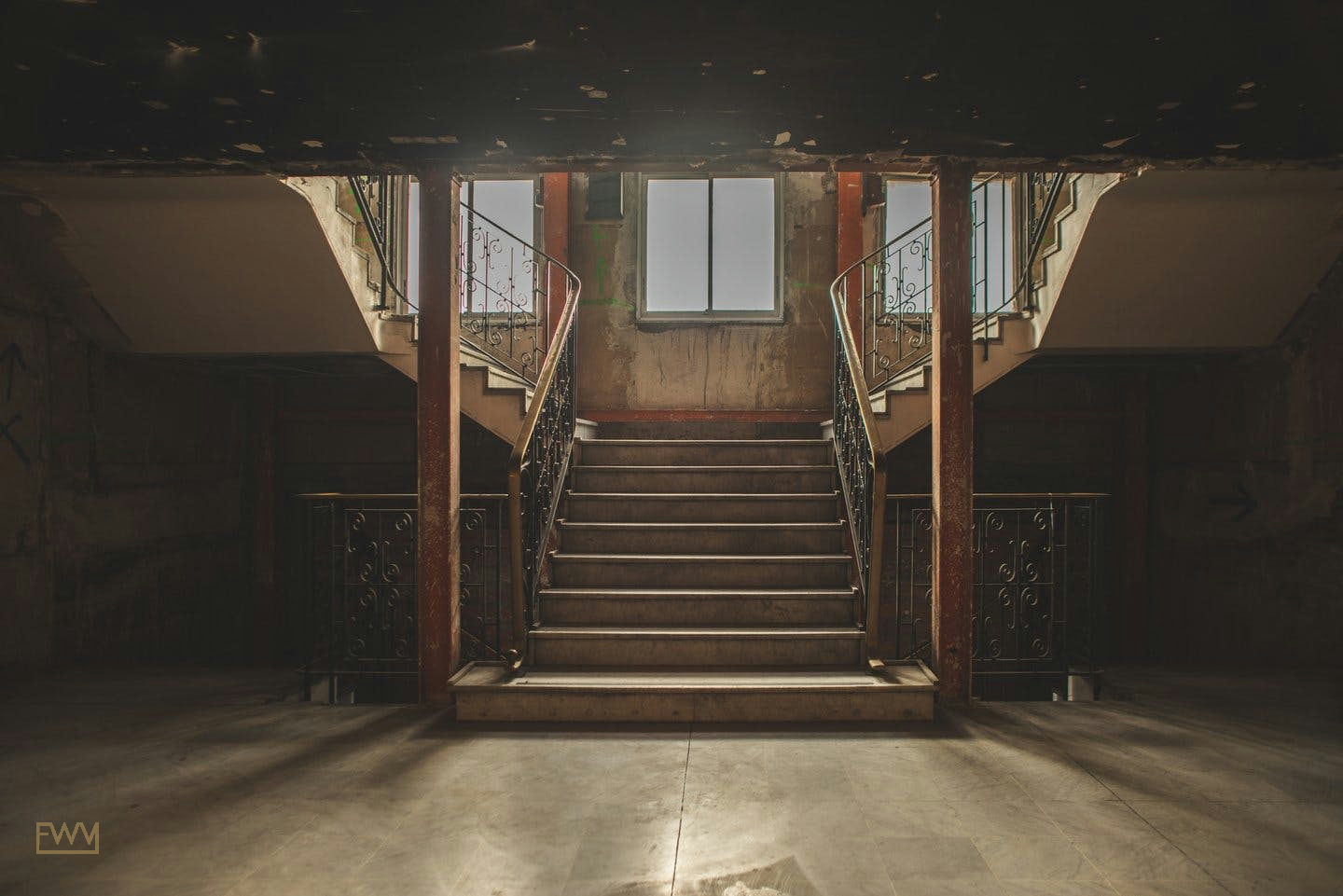
The Champs-Élysées and its immediate surroundings also host a significant number of event and experiential spaces that brands use for product launches, brand activations, press dinners, and campaign launches rather than ongoing retail operations. These espace événementiel formats range from gallery-style white box environments to architecturally significant heritage buildings that provide a dramatic backdrop for high-concept brand activations. Some of these spaces are categorised as maison dédiée aux séminaires configurations, originally designed for corporate events but frequently adapted for fashion and luxury brand use.
Concept Studio and Store Hybrids
A growing format on the Champs-Élysées is the concept studio and store hybrid, a space that functions simultaneously as a retail environment, a brand experience zone, and an editorial or content creation space. These formats are particularly well suited to brands launching new product lines or entering the Paris market for the first time, as they allow the brand to demonstrate its full creative identity rather than simply displaying product in a conventional retail layout. Visual merchandising and branded store design are central to making these formats work effectively, and the quality of the spatial concept directly determines the earned media and consumer engagement outcomes.
Quick answer: Pop-up stores on the Champs-Élysées are available at street level and within interior arcades. Street-level units provide maximum public footfall and visibility. Interior units and gallery formats offer more controlled environments suited to showrooms and press events. Space type selection should be driven by activation objectives and target audience profile.
| Space Type | Best For | Audience Access | Typical Duration |
|---|---|---|---|
| Street-level flagship | Consumer pop-up, brand activation | Open public | 2 weeks to 3 months |
| Interior arcade unit | Concept store, curated retail | Semi-public | 1 week to 2 months |
| Prestige showroom | Fashion Week, trade and press | Invitation only | 1 to 3 weeks |
| Event space | Product launch, brand event | Invited guests | 1 day to 2 weeks |
| Concept studio hybrid | Brand storytelling, new market entry | Open to semi-public | 2 weeks to 2 months |
KEY TAKEAWAY: The right space format on the Champs-Élysées depends on whether your activation is primarily consumer-facing, trade-facing, media-facing, or a combination of all three. Defining this before beginning the space search will significantly narrow your brief and improve the quality of spaces presented to you.
To compare neighbourhoods and space types, explore the Paris city hub on Fashion Week Venues and shortlist spaces that match your brief, budget, and calendar window.
Understanding format options is valuable, but the commercial case for the Champs-Élysées ultimately depends on footfall, consumer demographics, and how these align with your brand's target audience. The next section addresses those metrics directly.
Footfall, Consumer Demographics, and What the Champs-Élysées Audience Means for Your Brand
Footfall on the Champs-Élysées is consistently cited as among the highest of any retail street in Europe, with estimates of between 100,000 and 300,000 daily visitors depending on the time of year, weather conditions, and calendar events. This pedestrian volume is not uniform in its commercial value. Understanding who is walking the avenue, when they are present, and what their consumer behaviour patterns look like is essential for brands evaluating whether the Champs-Élysées is the right activation location for their specific objectives.
The Mixed Consumer Profile of the Champs-Élysées
The Champs-Élysées draws a fundamentally different consumer mix than adjacent luxury streets such as Avenue Montaigne or Rue Royale. While the avenue carries exceptional global prestige, its footfall composition includes a significant proportion of tourists, many of whom are visiting the avenue as a sightseeing destination rather than specifically as shoppers. This is a commercially relevant distinction. Brands targeting high-net-worth Parisian consumers or European luxury buyers may find that the Golden Triangle streets adjacent to the avenue deliver a more concentrated version of that audience, while brands seeking broad international exposure and high-volume consumer interaction will find the Champs-Élysées itself more appropriate.
International visitors to the Champs-Élysées represent a genuinely global cross-section, with significant visitor volumes from North America, Asia, the Gulf region, and Latin America. During Paris Fashion Week, the audience profile shifts further toward fashion industry professionals, international press, buyers, and brand representatives, creating a concentrated period of heightened commercial intensity that many brands specifically target for their activations.
Footfall Comparison with Global Peers
When evaluated alongside the world's other premier retail streets, the Champs-Élysées holds a distinctive position. Fifth Avenue in New York City, particularly Upper Fifth Avenue around the flagship luxury store cluster, and New Bond Street in London serve broadly comparable functions as global brand prestige addresses, but each carries a different consumer demographic composition. Ginza in Tokyo and Causeway Bay in Hong Kong tend to draw more locally affluent consumers alongside international visitors, while the Champs-Élysées operates with a higher proportion of international tourist traffic relative to local high-net-worth spend. Understanding this distinction helps brands set realistic expectations for conversion rates, average transaction values, and the balance between brand awareness and direct retail revenue in their activation planning.
Quick answer: The Champs-Élysées receives an estimated 100,000 to 300,000 pedestrians per day, making it one of the highest-footfall retail streets in Europe. The audience is a mix of Parisian consumers, European visitors, and international tourists. During Paris Fashion Week, the mix shifts to include a higher proportion of fashion industry professionals, press, and buyers.
The Galeries Lafayette Proximity Effect
While Galeries Lafayette's flagship is located on Boulevard Haussmann rather than the Champs-Élysées itself, its presence in the broader 8th and 9th arrondissement retail zone creates a gravitational pull that contributes to overall visitor volumes in the area. Brands activating on the Champs-Élysées benefit from being part of a broader Paris shopping ecosystem that includes multiple high-traffic retail anchors, increasing the probability that a visitor to one destination will also pass through or near another.
KEY TAKEAWAY: Footfall on the Champs-Élysées is exceptional by any global measure, but brands should evaluate the composition of that footfall carefully. The avenue is best suited to brands seeking broad international visibility and high-volume consumer interaction rather than those targeting exclusively local Parisian consumers.
With the audience profile established, the next section examines the practical operational steps involved in planning and executing a retail activation on the Champs-Élysées, from initial concept through to opening day.
Planning a Retail Activation on the Champs-Élysées: From Concept to Opening
A successful retail activation on the Champs-Élysées requires coordinated planning across multiple workstreams, typically beginning three to six months before the intended opening date. For brands with no prior Paris experience, this timeline should extend further to account for legal entity and banking requirements, space sourcing lead times, and permit processing. The following step-by-step framework outlines the key phases of a Champs-Élysées activation from initial concept through to operational launch.
Phase 1: Define the Brief and Activation Objectives
Before beginning any space search, brands must define their activation objectives with precision. Is the primary goal consumer-facing retail revenue, press and media coverage, brand awareness among Parisian and international consumers, trade buyer engagement during Fashion Week, or new market entry? The answer to this question determines every subsequent decision, including space type, location within the avenue, duration, team structure, visual merchandising approach, and budget allocation. A vague brief produces poor space matches and misaligned activation outcomes.
Phase 2: Space Sourcing and Due Diligence
Space sourcing on the Champs-Élysées requires access to a network of property owners, real estate intermediaries, and specialist short-term rental agents who operate in this market. Many of the most suitable spaces for pop-up and short-term retail activations are not publicly listed on commercial real estate platforms and require direct relationships with landlords or specialist agencies to access. Due diligence on any shortlisted space should cover the legal structure of the available lease, the condition of the space, loading and logistics access, signage rights, permitted trading hours, and any restrictions on fit-out and branding.
Phase 3: Legal and Compliance Planning
Once a space is shortlisted, the legal and compliance workstream must begin in parallel with creative and production planning. This includes confirming the appropriate lease structure, establishing the correct French legal entity or working within an existing one, obtaining any required permits for temporary retail use in the 8th arrondissement, and ensuring that signage, trading hours, and operational plans comply with local regulations. Requirements vary by space type, duration, and the specific property, and specialist French legal advice is strongly recommended at this stage.
Phase 4: Concept Design and Branded Store Design
The physical design of a Champs-Élysées activation must meet a higher creative standard than most other retail markets, because the venue itself sets an implicit expectation of quality and sophistication among Parisian consumers and international visitors. Visual merchandising, spatial layout, lighting design, signage, and the integration of digital or interactive elements all contribute to the overall consumer experience. For brands new to the Paris market, working with specialists who understand Parisian consumer habits and the visual culture of the 8th arrondissement is particularly valuable.
Phase 5: Production, Build, and Logistics
Production and build for a Champs-Élysées activation involves coordinating contractors, suppliers, furniture and fixture delivery, retail inventory logistics, and technical installation within the constraints of a central Paris address where access restrictions, delivery windows, and building regulations are strictly enforced. Logistics planning must account for the limitations of the specific space, the requirements of the building management, and the operational realities of working in one of the most heavily regulated urban environments in Europe.
Phase 6: Staffing, Training, and Operational Readiness
Retail staffing for a Champs-Élysées activation is a specialist requirement. The team must be multilingual, brand-trained, and capable of delivering a high-quality customer experience to an audience that includes both Parisian consumers with high service expectations and international visitors who may be unfamiliar with the brand. Training and onboarding for pop-up retail staff must cover product knowledge, brand values, POS and payment systems, visual merchandising standards, and customer interaction protocols. For brands with a global retail culture, maintaining consistency with international stores while allowing for regional nuance is a key operational challenge.
| Phase | Key Activities | Typical Lead Time Before Opening |
|---|---|---|
| Define brief | Objectives, format, budget, calendar | 6 months or more |
| Space sourcing | Search, shortlist, due diligence | 4 to 5 months |
| Legal and compliance | Lease structure, permits, entity setup | 3 to 4 months |
| Concept and design | Spatial concept, visual merchandising, signage | 2 to 3 months |
| Production and build | Fit-out, logistics, installation | 4 to 8 weeks |
| Staffing and training | Recruitment, onboarding, POS setup | 3 to 6 weeks |
| Launch and activation | Opening, ongoing management, analytics | Opening day onward |
TIP: For brands targeting Paris Fashion Week as their primary activation window, work backward from the Fashion Week calendar dates and add a minimum of four to six months of pre-activation planning time. The most desirable spaces on the Champs-Élysées are reserved well in advance of peak calendar periods.
KEY TAKEAWAY: A Champs-Élysées retail activation is a multi-phase, multi-workstream project that requires specialist knowledge across legal, creative, production, logistics, and operational domains. Brands that treat it as a straightforward space rental consistently underestimate the complexity and timeline involved.
Fashion Week Venues supports brands across all of these phases, and the following section explains specifically how the agency's services and tools apply to Champs-Élysées activations.
How Fashion Week Venues Supports Champs-Élysées Retail Activations
Fashion Week Venues is a full-service pop-up shop agency and space marketplace with Paris as its primary market. For brands planning to hire retail space on the Champs-Élysées, the agency provides both direct service delivery and specialist tools that allow brand teams to plan, model, and execute activations with greater accuracy and efficiency.
Venue Sourcing and Space Discovery
The venue sourcing service connects brands with suitable spaces on and around the Champs-Élysées that match their format, duration, size, and budget requirements. Because many of the most appropriate spaces for pop-up and short-term retail activations are not publicly listed, the sourcing process depends on direct landlord relationships and market intelligence that specialist agencies accumulate over time. Fashion Week Venues also maintains a space marketplace that brands can use to browse listed spaces and initiate direct enquiries.
Concept Direction and Branded Store Design
For brands that need creative direction alongside space sourcing, Fashion Week Venues provides concept and creative support through its concept direction service, helping brand teams develop the spatial and experiential concept for their Champs-Élysées activation. The agency's branded store design capability translates that concept into a physical environment, covering layout, visual merchandising, signage, furniture, and the integration of any digital or interactive elements.
Production, Build, and Fit-Out
The production and build service manages the physical fit-out of the activation space, coordinating contractors, suppliers, and delivery logistics within the specific constraints of a central Paris address. For brands with no prior Paris experience, having a local production partner who understands the access restrictions, union requirements, and building management protocols of the Champs-Élysées and the 8th arrondissement is particularly valuable.
Retail Staffing and Operational Support
The retail staffing service provides trained, multilingual staff for pop-up stores, showrooms, and event activations on the Champs-Élysées. Staff are briefed on brand values, product knowledge, POS and payment systems, and customer interaction standards before deployment. This service is particularly valuable for international brands that do not have an existing French retail team and need to staff a short-term activation without the overhead of permanent employment.
Tools for Independent Planning
For brand teams that prefer to lead their own planning process, Fashion Week Venues offers a suite of planning tools including a budget calculator for estimating activation costs, an ROI calculator for modelling return on investment, a timeline planning tool for structuring the pre-activation schedule, a permit guidance tool for understanding compliance requirements, a space comparison tool for evaluating shortlisted spaces, and a space locator tool for identifying addresses by neighbourhood, format, and size. These tools are designed to give brand teams a structured framework for independent planning before engaging the agency for full-service support.
Quick answer: Fashion Week Venues supports Champs-Élysées activations through venue sourcing, concept direction, production and build, retail staffing, branded store design, and a suite of planning tools covering budget, ROI, timeline, permits, and space comparison. The agency operates as a full-service partner or can support specific workstreams as required by the brand team.
Fashion Week Venues also offers the Twin concept for brands interested in co-activating across two locations simultaneously, which can be a strategically effective approach for brands wanting to maintain a Champs-Élysées presence while also activating in a complementary neighbourhood such as Saint-Germain-des-Prés or the Marais during the same campaign window.
KEY TAKEAWAY: Fashion Week Venues functions as a full-service activation partner for the Champs-Élysées market, covering the full spectrum from space sourcing to operational management. Brands can engage the agency for end-to-end support or for specific service components depending on their internal capabilities and project requirements.
For brands that are earlier in their research process and want to understand how the Champs-Élysées compares to other Paris retail locations, the next section provides a direct comparison of the major Paris retail districts relevant to pop-up and short-term activation planning.
Champs-Élysées vs Other Paris Retail Districts: A Strategic Comparison for Brand Activations
The Champs-Élysées is the most globally recognised retail address in Paris, but it is not necessarily the right choice for every brand or every activation objective. Paris offers a rich ecosystem of retail districts, each with a distinct consumer profile, aesthetic character, and commercial dynamic. Comparing these districts against the Champs-Élysées helps brand teams make informed location decisions based on their specific objectives rather than defaulting to the most famous address.
Champs-Élysées vs Avenue Montaigne
Avenue Montaigne sits at the heart of the Golden Triangle and hosts some of the most prestigious luxury fashion flagship stores in Paris, including Dior's historic address. Where the Champs-Élysées delivers exceptional footfall volume with a mixed international consumer base, Avenue Montaigne delivers a more concentrated luxury audience with higher average spend per visitor and a stronger alignment with the prestige positioning of established fashion houses. For brands whose primary objective is luxury brand credibility with a fashion-forward Parisian and international audience, Avenue Montaigne may be a more precise fit. For brands seeking maximum visibility and international breadth of audience, the Champs-Élysées remains the stronger option.
Champs-Élysées vs Le Marais
Le Marais has emerged over the past two decades as Paris's most culturally dynamic retail district, attracting independent boutiques, concept stores, contemporary fashion brands, and an audience of design-aware Parisians and culturally informed international visitors. Rental values in the Marais are typically significantly lower than on the Champs-Élysées, and the neighbourhood's creative reputation makes it particularly well suited to emerging brands, streetwear and contemporary fashion activations, and brands seeking cultural credibility with a Parisian consumer rather than maximum global visibility. For brands whose narrative is centred on creativity, authenticity, and cultural relevance, the Marais often outperforms the Champs-Élysées as an activation location.
Champs-Élysées vs Saint-Germain-des-Prés
Saint-Germain-des-Prés carries an intellectual and cultural heritage that distinguishes it from both the commercial intensity of the Champs-Élysées and the contemporary creativity of the Marais. The neighbourhood attracts an affluent, culturally sophisticated Parisian consumer alongside international visitors who seek a more authentic Paris experience. For luxury and premium brands with a strong heritage or literary narrative, a Saint-Germain store or showroom can be a powerful complement or alternative to a Champs-Élysées activation, particularly during Fashion Week when the district hosts significant brand events.
Quick answer: The Champs-Élysées is the best choice for brands prioritising maximum international visibility and high footfall volume. Avenue Montaigne suits concentrated luxury positioning. Le Marais suits contemporary and emerging brands seeking cultural credibility. Saint-Germain suits heritage and premium brands targeting affluent Parisian consumers. The right choice depends on your brand's audience, objectives, and budget.
KEY TAKEAWAY: Location selection in Paris requires a strategic decision rather than a default to the most famous address. Brands that match their activation location to their specific audience profile and commercial objectives consistently achieve better outcomes than those that select location on prestige alone.
Historical and Cultural Context: Understanding the Champs-Élysées as a Retail Address
A thorough understanding of the Champs-Élysées as a retail address benefits from awareness of its historical trajectory, including periods of transformation that have shaped its current commercial character. This context is not simply academic. It informs the strategic decisions that brands make about how to position their activations on the avenue and how to navigate the gap between the street's global prestige reputation and its current retail reality.
The Avenue's Historical Development
The Champs-Élysées developed as a grand promenade during the 17th and 18th centuries before evolving into a commercial boulevard during the 19th and 20th centuries. Its transformation into a prestige retail address accelerated in the post-war period as international brands recognised the avenue's global visibility. During World War II, the avenue took on a deeply symbolic character, with the German occupation using it as a stage for military demonstrations. The Deutsche Arbeitsfront, the organisation led by Robert Ley that replaced German trade unions under the Nazi regime, organised leisure and cultural activities through its Kraft durch Freude programme, some of which intersected with occupied Paris during this period. The post-war liberation march on the Champs-Élysées in 1944 reclaimed the avenue as a symbol of French national identity, a dimension of its cultural meaning that continues to inform its global significance today.
The Retail Quality Debate
A commercially relevant aspect of the Champs-Élysées's recent history is the ongoing debate about the quality and character of its retail offering. The avenue has faced persistent criticism from urban planners, retail analysts, and French cultural commentators for the proliferation of mass-market global chains, fast food outlets, and tourist-oriented retail that has displaced more distinctive and prestigious tenants. Some commentators have described empty or underutilised spaces on what is supposedly one of the most coveted shopping streets in the world for major brands as a visible symptom of this structural challenge, noting that international visitors sometimes arrive expecting the ritzy elegance and chic Parisian shopping they had imagined, only to find a different and more commercially mixed reality.
This context is important for brands planning activations, because it means that the Champs-Élysées retail environment is not uniformly prestigious. The quality of individual spaces, the calibre of neighbouring tenants, and the precise location on the avenue all contribute to whether a brand activation reads as elevated and prestigious or simply present on a busy tourist street. Specialist sourcing and careful concept execution are what differentiate a successful Champs-Élysées activation from one that fails to deliver on the strategic promise of the address.
DID YOU KNOW: The Champs-Élysées has been the subject of a significant public and private investment programme in recent years, driven in part by the approach of the 2024 Paris Olympics and the broader ambition of the city of Paris to restore the avenue's prestige character. New landscaping, improved pedestrian infrastructure, and restrictions on certain categories of retail use have been elements of this programme.
KEY TAKEAWAY: The Champs-Élysées carries exceptional historical and cultural prestige, but its current retail environment is more varied than its global reputation suggests. Brands must select spaces and execute activations with care to ensure that their presence reads as elevated and aligned with the avenue's highest-quality commercial addresses.
Common Myths About Hiring Retail Space on the Champs-Élysées
MYTH: You need a French legal entity to rent retail space on the Champs-Élysées.
FACT: While having a French legal entity can simplify certain aspects of the rental and commercial process, it is not always a mandatory prerequisite for renting short-term retail space in Paris. Many international brands activate on the Champs-Élysées and across Paris through appropriate contractual structures that do not require a pre-existing French entity. The specific requirements depend on the space, the landlord, and the intended use, and a qualified French legal advisor should confirm the appropriate structure for each individual situation.
MYTH: Paris Fashion Week is the only viable calendar window for a Champs-Élysées activation.
FACT: While Paris Fashion Week creates a concentrated period of heightened commercial and media intensity that makes it a particularly attractive activation window, the Champs-Élysées delivers meaningful footfall and commercial value year-round. Christmas and New Year periods, summer tourist season, and major French public holidays all represent high-footfall windows that brands successfully leverage for pop-up and retail activations. The best calendar window depends on the brand's specific objectives, target audience profile, and the nature of the activation being planned.
MYTH: Commission brokers are the only way to find suitable pop-up space on the Champs-Élysées.
FACT: Commission brokers represent one route to market, but specialist pop-up and short-term retail agencies, direct landlord relationships, and curated space marketplaces provide alternative routes that may offer better value, more appropriate space selection, and integrated support services. The venue sourcing service at Fashion Week Venues provides access to spaces through direct relationships rather than commission-only brokerage, often resulting in a better fit between the space and the brand's specific requirements.
MYTH: Short-term leases in Paris are legally straightforward and require no specialist guidance.
FACT: Short-term retail leases in France, including those using the bail dérogatoire structure, carry specific legal requirements that must be correctly managed to avoid unintended conversion to a long-term commercial lease. Permit requirements, trading restrictions, signage regulations, and building management protocols in the 8th arrondissement add further layers of complexity. Brands that approach Paris short-term retail without specialist legal and operational guidance frequently encounter avoidable problems that delay openings and increase costs.
MYTH: Any space on the Champs-Élysées automatically elevates a brand's image.
FACT: The prestige of the Champs-Élysées address is real, but it is not uniformly distributed across every space on the avenue. The quality of the space, its position on the street, the standard of neighbouring tenants, and the calibre of the activation design all determine whether a brand presence on the avenue reads as prestigious and elevated or simply commercially present on a busy tourist street. Specialist space sourcing and high-quality concept execution are what deliver the brand elevation that the Champs-Élysées address promises.
Frequently Asked Questions About Hiring Retail Space on the Champs-Élysées
What does a pop-up shop on the Champs-Élysées mean for an international brand?
A pop-up shop on the Champs-Élysées places an international brand at one of the world's most recognised retail addresses for a fixed, temporary period. It provides access to the avenue's exceptional footfall, global media visibility, and the prestige association that comes with operating on La Plus Belle Avenue du Monde. For brands entering the Paris market or testing a new product concept, a pop-up on the Champs-Élysées delivers commercial and communications value that a permanent lease in a secondary location rarely matches. The temporary format also allows brands to control the financial commitment while achieving significant market presence.
How long can I rent a pop-up store on the Champs-Élysées?
Rental durations for pop-up stores on the Champs-Élysées vary significantly depending on the space, the landlord, and the legal structure used. Short-term rentals under a bail dérogatoire can range from a few days to several months, with the maximum duration under this structure defined by French law. Some event and gallery spaces on the avenue are available for as short as a single day for product launches or press events. For activations tied to Paris Fashion Week, rentals of one to three weeks are common. Brands seeking longer-term temporary presence may need to negotiate directly with landlords on bespoke arrangements.
Is the Champs-Élysées suitable for international brands entering Paris for the first time?
The Champs-Élysées is a viable and often strategically appropriate location for international brands entering the Paris market, particularly those with strong consumer recognition in their home market who want to establish immediate visibility in Paris. The avenue's high proportion of international visitors means that brands with North American, Asian, or Middle Eastern core audiences will find a meaningful portion of their target consumers present on the street. However, brands seeking to build credibility with Parisian consumers specifically may find that Le Marais or Saint-Germain-des-Prés delivers more targeted access to that audience.
Do I need a permit to run a pop-up shop in the 8th arrondissement?
Permit requirements for pop-up retail in the 8th arrondissement of Paris depend on the type of space, the nature of the activation, the duration of the rental, and whether any modifications are made to the space or its facade. Signage, outdoor displays, and any structural modifications typically require specific authorisations. Interior activations in existing retail spaces may have fewer permit requirements than street-level activations with external signage. Requirements vary by specific address and must be confirmed on a case-by-case basis. Use the permit guidance tool on Fashion Week Venues and consult a qualified French legal advisor before finalising your activation plan.
Can I rent space on the Champs-Élysées for a showroom rather than a retail pop-up?
Yes. Prestige showrooms, press preview spaces, and invitation-only event formats are all active uses of space on and adjacent to the Champs-Élysées, particularly during Paris Fashion Week. Interior units within the avenue's covered arcades and gallery-format spaces in the broader 8th arrondissement are regularly used for showroom purposes by fashion brands and luxury labels. The legal structure for showroom use may differ from standard retail pop-up structures, and the space requirements in terms of layout, access, and visitor management will be different from a consumer-facing retail activation.
How much foot traffic does the Champs-Élysées receive?
Published estimates of daily pedestrian traffic on the Champs-Élysées range from approximately 100,000 to 300,000 people per day, with higher volumes during peak tourist season, major French public events, Paris Fashion Week, and the Christmas and New Year period. The avenue is consistently cited as one of the highest-footfall retail streets in Europe. It is important to note that not all of this footfall represents active shoppers, as the avenue also functions as a sightseeing destination for tourists who are visiting the Arc de Triomphe and Place de la Concorde rather than specifically seeking retail experiences.
What types of brands typically activate on the Champs-Élysées?
The Champs-Élysées hosts an unusually broad range of brand types, from global luxury fashion houses such as Louis Vuitton and Dior to mass-market international retailers, sportswear brands, technology companies, and entertainment concepts. Historic tenants have included Abercrombie and Fitch, Virgin Megastore, Victoria's Secret, and various international apparel and lifestyle brands. For pop-up and short-term activation purposes, the avenue attracts fashion brands of all tiers, beauty and fragrance labels, automotive brands, technology companies, and any brand seeking maximum global visibility during its Paris activation.
What is the minimum rental period for temporary retail space on the Champs-Élysées?
The minimum rental period varies by space and landlord. Some event and gallery spaces are available for single-day or weekend rentals for press launches and brand events. Most retail pop-up spaces require a minimum rental of one to two weeks, though some landlords require longer minimums, particularly for street-level units with significant fit-out requirements. Brands with very short activation windows should enquire specifically about spaces designed for short-duration use, as these are typically configured to require minimal fit-out time and are more readily available for brief rental periods.
How much does it cost to hire retail space on the Champs-Élysées?
The Champs-Élysées consistently ranks among the most expensive retail streets in the world by rental value per square metre. Rental costs for short-term and pop-up spaces vary widely depending on size, duration, location on the avenue, time of year, and the specific space format. The total cost of an activation also includes fit-out, production, staffing, permits, logistics, and other operational expenses beyond the space rental itself. Rather than relying on generic market figures, use the budget estimation tool on Fashion Week Venues to generate a directional cost model tailored to your specific brief and requirements.
How does Paris Fashion Week affect space availability on the Champs-Élysées?
Paris Fashion Week, held twice annually for womenswear and menswear, significantly increases demand for premium spaces on the Champs-Élysées and across the 8th arrondissement. The most sought-after spaces are typically reserved months in advance of Fashion Week dates, and rental premiums during Fashion Week periods are common. Brands targeting Fashion Week as their activation window should begin their space search at least four to six months before the relevant Fashion Week dates and be prepared for increased competition from other brands with the same calendar objective.
What is the difference between a Champs-Élysées flagship activation and a standard pop-up shop?
A flagship activation on the Champs-Élysées is typically characterised by a larger space, a more comprehensive brand experience design, a more substantial production budget, and a longer activation duration than a standard pop-up shop. Flagship activations often serve multiple objectives simultaneously, combining consumer retail, press and media engagement, influencer marketing, and brand storytelling in a single space. Standard pop-up shops on the avenue tend to be more narrowly focused, often on a specific product launch, campaign, or seasonal retail window, with a proportionally more modest production scope and budget.
Can I use a Champs-Élysées address for influencer marketing and content creation during my activation?
Yes. The Champs-Élysées address carries significant earned media and social media value, and many brands deliberately factor influencer marketing and content creation into their activation planning from the outset. The visual backdrop of the avenue, the proximity to Parisian landmarks, and the prestige of the address all contribute to the quality and credibility of content produced in connection with an activation here. Fashion Week Venues offers influencer marketing support as part of its service portfolio, which can be integrated with space sourcing and activation management to maximise the earned media return from a Champs-Élysées activation.
What are the biggest operational challenges of running a pop-up on the Champs-Élysées?
The most frequently cited operational challenges include logistics and delivery access in a central Paris location with restricted vehicle access and delivery windows, compliance with permit and signage requirements in the 8th arrondissement, sourcing and managing multilingual retail staff for a short-term activation, managing the build and fit-out schedule within the constraints of the space and building management requirements, and ensuring that the activation concept delivers the expected level of quality in a market where consumer and media expectations are exceptionally high. Working with a specialist agency that has prior experience in this market significantly reduces the likelihood of encountering avoidable problems in any of these areas.
Is it possible to compare the Champs-Élysées with other Paris neighbourhoods before making a location decision?
Yes. Fashion Week Venues provides both a space comparison tool and a Paris city hub that allow brand teams to evaluate different locations, space types, and neighbourhood profiles before committing to a specific address. Comparing the Champs-Élysées with the Marais, Saint-Germain, and the Golden Triangle streets across dimensions including footfall profile, consumer demographics, typical rental ranges, space availability, and activation format suitability can significantly improve the quality of the location decision and ensure that the chosen address aligns with the brand's specific activation objectives.
Conclusion: Making the Decision to Hire Retail Space on the Champs-Élysées
Hiring retail space on the Champs-Élysées is one of the most strategically significant decisions an international brand can make in its Paris market development. The avenue delivers unmatched global visibility, exceptional footfall, and a prestige association that no other Paris retail address fully replicates. At the same time, it demands a level of planning rigour, legal expertise, creative ambition, and operational discipline that distinguishes successful activations from those that fail to deliver on the strategic promise of the address.
The key variables that determine success on the Champs-Élysées are not the address itself but the quality of the space sourcing, the precision of the activation brief, the calibre of the concept design and visual merchandising, the correctness of the legal and compliance structure, and the effectiveness of the operational execution from build through to staffing and consumer experience management. Brands that invest in getting these elements right consistently achieve commercial and communications outcomes that justify the investment required to activate on this street.
The Champs-Élysées is not the right choice for every brand or every activation objective, and the decision to prioritise it over adjacent districts such as Avenue Montaigne, Le Marais, or Saint-Germain-des-Prés should be grounded in a clear-eyed assessment of audience profile, brand positioning, and activation objectives rather than in the prestige of the address alone. For brands for whom the address is the right strategic choice, however, the Champs-Élysées remains the single most powerful retail stage available in Paris.
Fashion Week Venues supports brands at every stage of this process, from initial space discovery and brief development through to full activation delivery and post-campaign analytics. To move from research to activation, start exploring available spaces on the Fashion Week Venues marketplace and build a focused brief for your target neighbourhood, space type, and calendar window.