
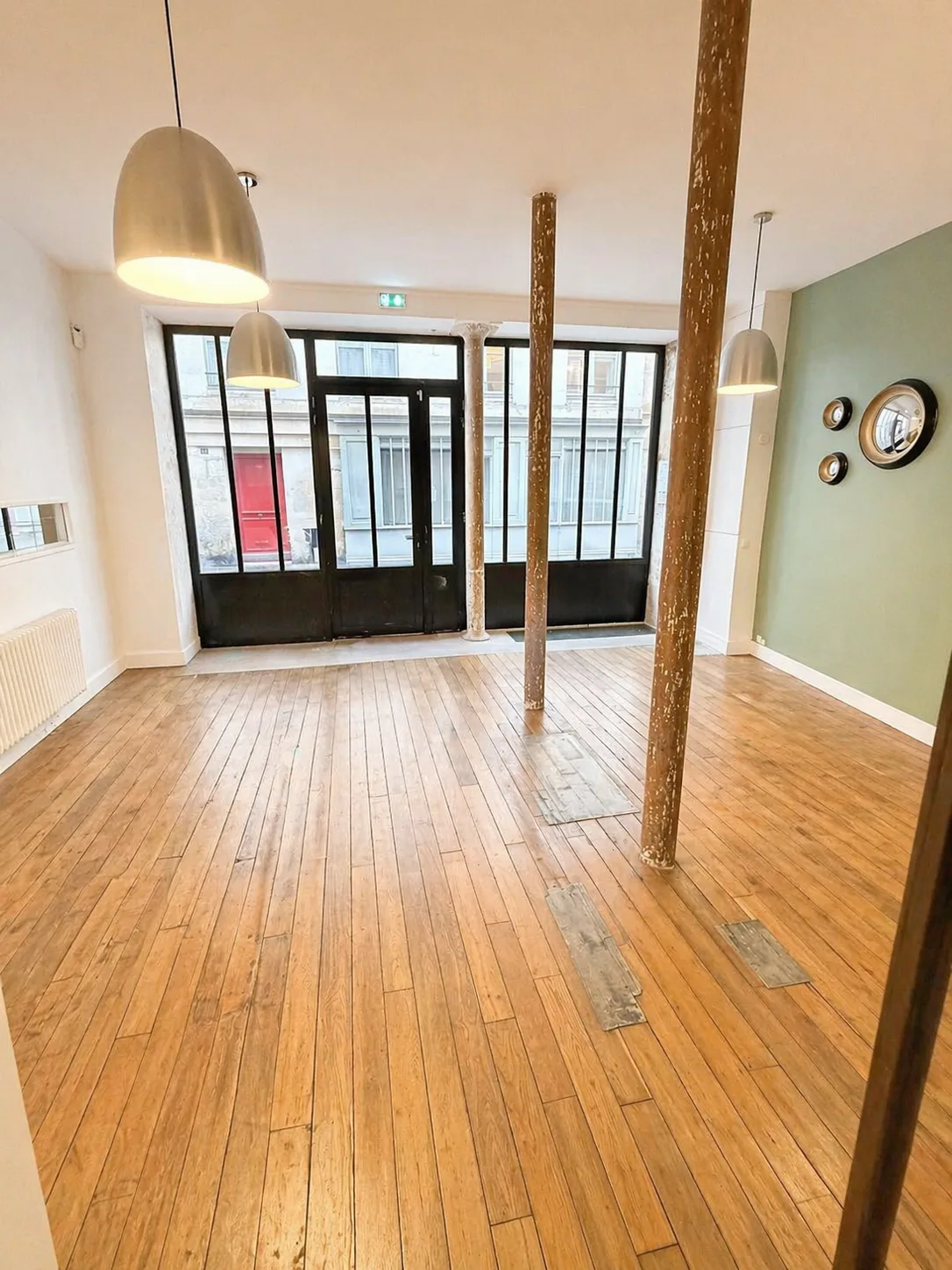
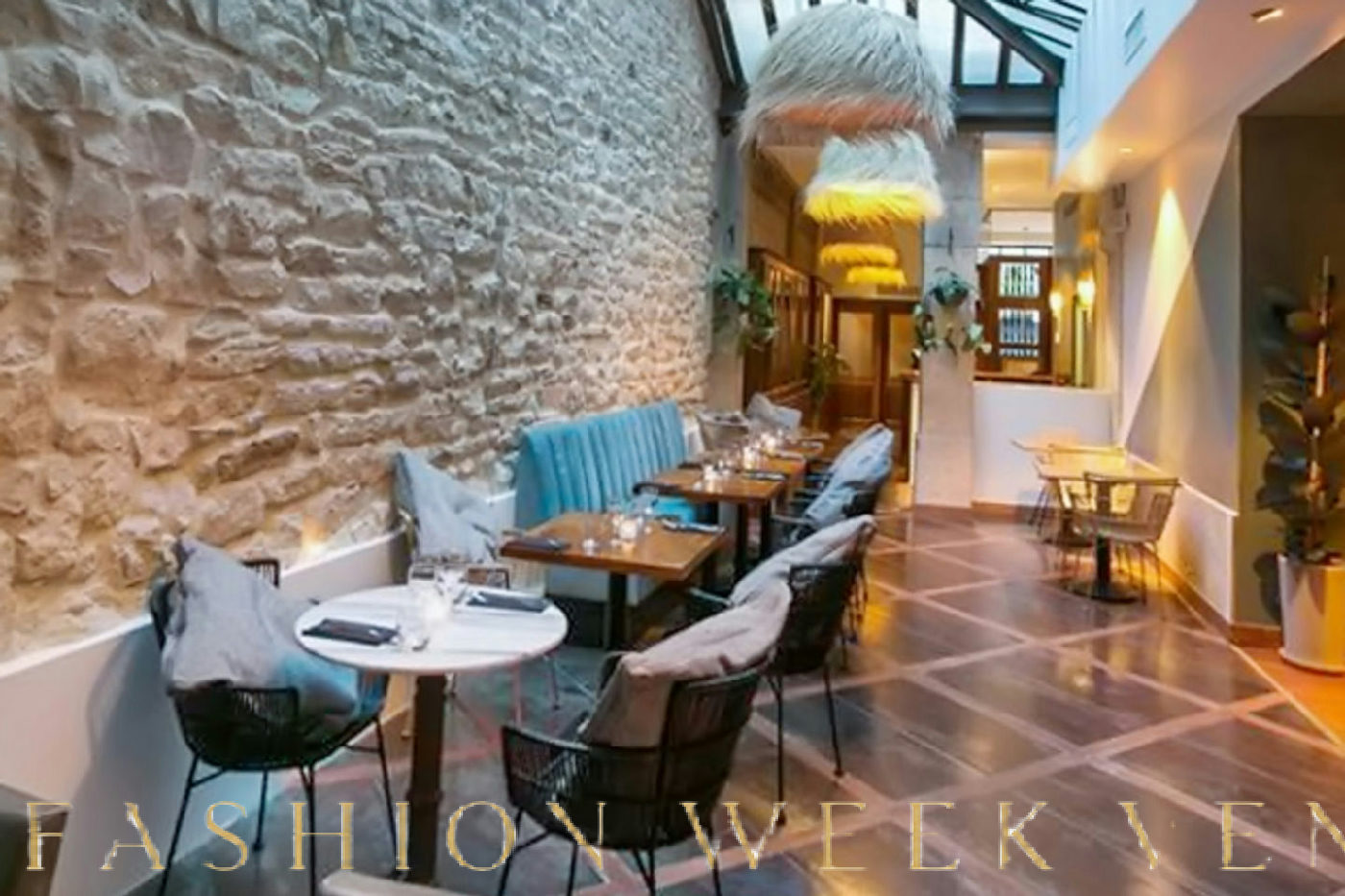
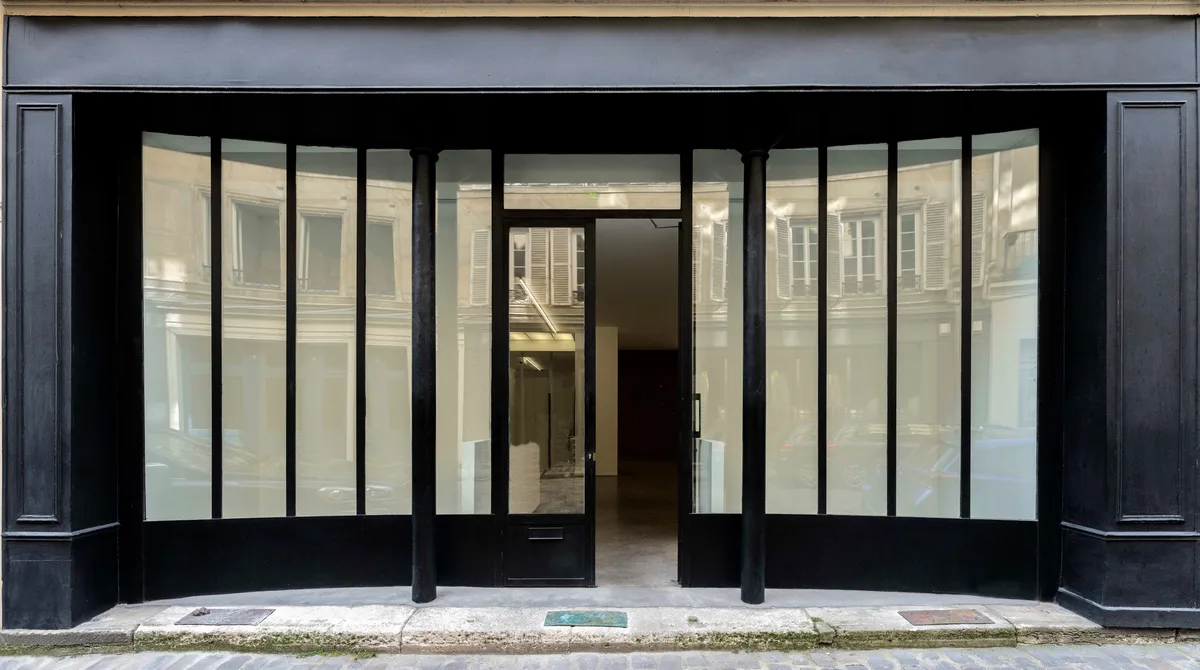
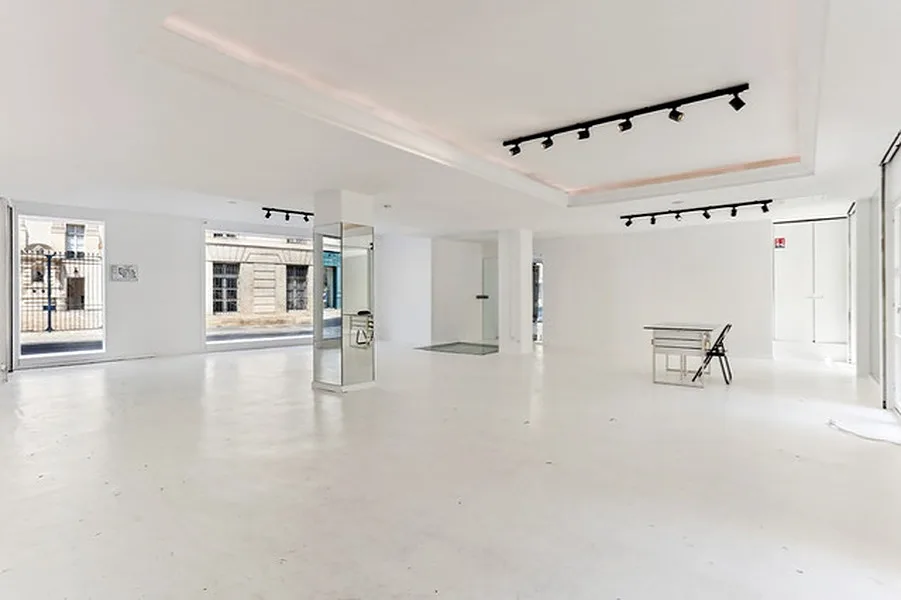
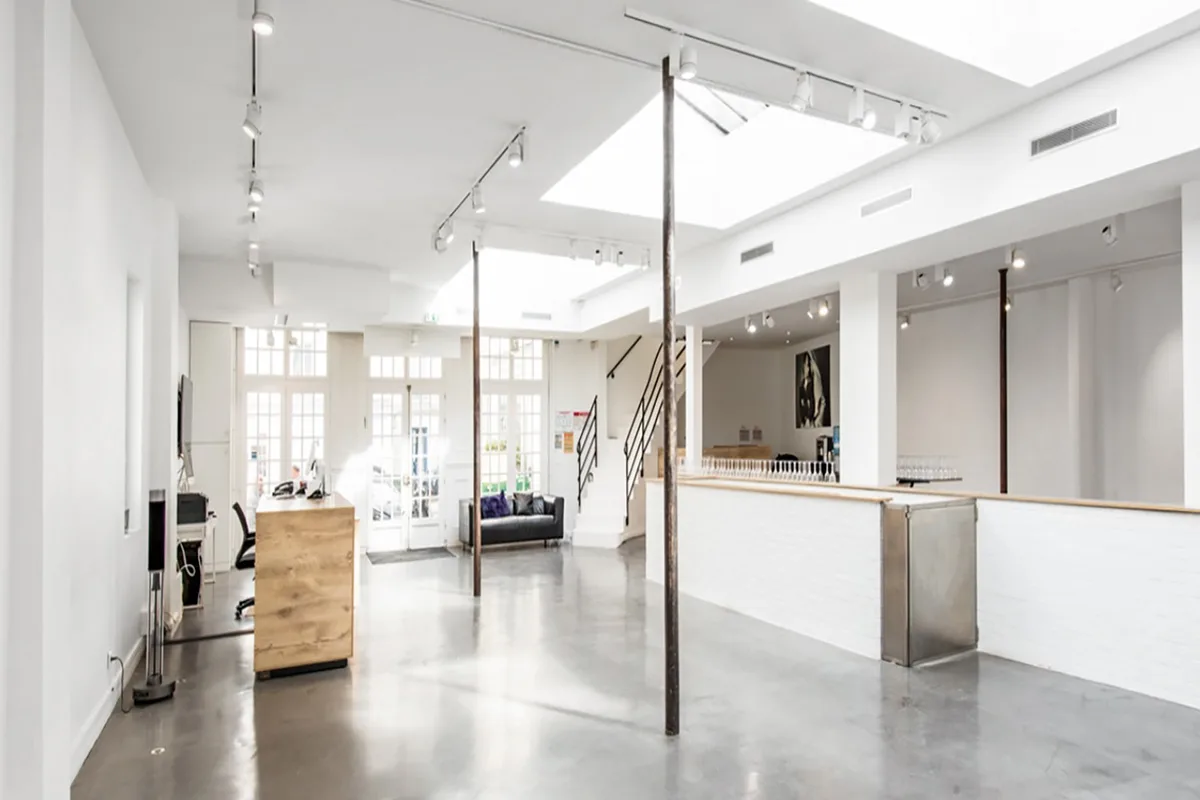
Finding the right shop for rent in Le Marais is one of the most consequential decisions a fashion brand, designer, or retail concept can make when entering Paris. Le Marais combines centuries of architectural heritage with one of the highest concentrations of independent boutiques, concept stores, and international brand activations in Europe, making it the go-to district for short-term retail, pop-up stores, showrooms, and temporary brand experiences. Whether you are a global label planning a Paris Fashion Week activation, an emerging designer testing a concept, or an international brand making its first move into the French market, understanding the Marais retail landscape in full depth is essential. Fashion Week Venues works with brands across every stage of this process, from sourcing the right commercial space to managing the full activation.
Why Le Marais Is Paris's Most Strategic Retail District
Le Marais is not simply a fashionable Paris neighbourhood. It is one of the few urban districts in Europe where heritage architecture, cultural institutions, international tourism, and a strong local spending culture coexist at the same density. Brands that choose Le Marais for a pop-up store, showroom, or temporary retail activation do so because the district delivers foot traffic, media attention, and commercial credibility simultaneously.
The area spans the 3rd and 4th arrondissements of Paris, and its retail geography is layered rather than uniform. The southern Marais, anchored by Rue de Rivoli, Rue Saint-Antoine, and the approaches to Place des Vosges, attracts a broad tourist and local mix. The northern zone, known as Haut-Marais, centred on Rue de Bretagne, Rue Charlot, Rue des Gravilliers, and the area around the Marché des Enfants Rouges, draws a more locally rooted, design-literate audience that is highly receptive to new concepts. Rue des Francs-Bourgeois, running east to west through the heart of the district, remains one of the highest footfall retail streets in central Paris, with Saturday and Sunday trading drawing visitors from across the city and internationally.
The cultural anchors of Le Marais reinforce retail performance. The Centre Pompidou to the west, the Musée Picasso in the upper Marais, and the Musée Carnavalet along Rue des Francs-Bourgeois ensure a constant flow of culturally engaged visitors who are predisposed to discovery retail and experiential concepts. The Marché des Enfants Rouges, Paris's oldest covered market, anchors Rue de Bretagne with daily foot traffic and positions the surrounding streets as a destination for food, lifestyle, and design simultaneously.
Le Marais also carries cultural depth that brands can leverage. It is home to Paris's historic Jewish quarter, centred on Rue des Rosiers, and is widely recognised as a welcoming, progressive district with a strong LGBTQ+ community. This cultural identity attracts an internationally diverse visitor profile and creates an environment where independent, design-forward, and community-rooted brands thrive. The district hosts vintage boutiques, avant-garde art galleries, established French labels like Zadig and Voltaire, and international brands alongside emerging Parisian designers, creating a retail environment with extraordinary range and energy.
For brands considering the timing of a Marais activation, it is important to understand that Le Marais performs commercially throughout the year, not only during Paris Fashion Week. The district benefits from strong tourist volumes in spring and summer, a culturally engaged local audience in autumn, and high gifting and experiential retail demand in November and December. This makes it one of the few Paris locations where a short-term retail or pop-up strategy can be structured around multiple calendar windows rather than a single annual event.
DID YOU KNOW: Rue des Francs-Bourgeois is one of the few shopping streets in Paris that remains open on Sundays, making it a consistent high-footfall destination even outside standard French retail trading hours.
KEY TAKEAWAY: Le Marais delivers foot traffic, cultural credibility, and commercial performance across multiple calendar windows, making it the most versatile and strategically valuable short-term retail district in Paris for fashion brands, designers, and international activations.
Understanding the geographic and cultural layers of Le Marais is the first step. The next is understanding the specific streets and zones within the district and how they align with different brand objectives, space types, and audience targets.
Le Marais Street-by-Street: Choosing the Right Location for Your Retail Concept
The choice of street within Le Marais is as important as the choice of the district itself. Different streets attract different customer profiles, produce different average transaction values, and suit different types of retail or showroom concepts. A fashion showroom on Rue de Turenne serves a very different audience than a pop-up store on Rue des Francs-Bourgeois or a gallery-style retail space on Rue Vieille-du-Temple.
Rue des Francs-Bourgeois and Place des Vosges
Rue des Francs-Bourgeois is the commercial spine of the Marais and the street with the highest combined tourist and local footfall in the district. It connects the Place des Vosges, one of the most photographed squares in Paris, to the broader Marais retail network. Brands seeking maximum visibility, high conversion from tourist traffic, and strong weekend trading should prioritise this corridor. Place des Vosges itself is home to some of the most architecturally distinguished retail and showroom spaces available in central Paris, with arcaded storefronts that create a distinctive backdrop for luxury, design, and experiential concepts.
Rue de Turenne and Espace Turenne
Rue de Turenne runs along the eastern edge of the upper Marais and connects the lower Marais to the République area. It hosts a mix of independent boutiques, fashion showrooms, and design-focused commercial spaces. Espace Turenne, a venue concept associated with this corridor, represents the type of flexible, high-quality commercial space that brands use for both trade events and consumer-facing activations. The audience on Rue de Turenne skews toward design-literate Parisians and fashion industry visitors, making it well suited to trade showrooms, press days, and brand discovery events.
Rue Vieille-du-Temple and Rue des Archives
These parallel streets running north to south through the centre of Le Marais form the cultural and social backbone of the district. Rue Vieille-du-Temple is lined with art galleries, concept stores, bars, and independent boutiques that attract a young, creative, international audience. Rue des Archives connects the 4th arrondissement to the 3rd and is home to a mix of fashion retailers and design businesses. Both streets suit brands targeting a younger, more style-conscious consumer who values discovery and authenticity over established brand recognition.
Rue Charlot, Rue de Bretagne, and Rue des Gravilliers
This triangle in the upper Marais, anchored by Rue Charlot, Rue de Bretagne, and Rue des Gravilliers, is the Haut-Marais retail core. The Marché des Enfants Rouges on Rue de Bretagne is a daily destination, and the surrounding streets have seen significant investment from independent designers, concept stores, and gallery operators over the past decade. Rue Charlot in particular has become associated with contemporary art and high-design retail, and spaces here are well suited to gallery-format pop-up stores, designer boutique activations, and experimental retail concepts. Rue des Gravilliers connects this zone to the edges of the 3rd arrondissement and offers more affordable commercial space at slightly higher availability.
Rue du Roi de Sicile, Rue des Rosiers, and the Jewish Quarter
The historic Jewish quarter, centred on Rue des Rosiers and extending along Rue du Roi de Sicile, carries strong cultural significance and a loyal visitor base. The area draws both heritage tourists and local residents, and retail concepts that align with the neighbourhood's identity, such as food, lifestyle, jewellery, beauty, and Parisian craft, perform particularly well here. Rue du Roi de Sicile also offers access to some of the smaller commercial spaces in the Marais, which are appropriate for single-product launches, intimate pop-up experiences, or beauty brand activations.
Rue Saint-Antoine, Rue de Rivoli, and Boulevard Henri IV
The southern boundary of Le Marais along Rue Saint-Antoine and Rue de Rivoli carries the highest volume of general tourist traffic in the district. Boulevard Henri IV connects the Marais to the Bastille area and carries a distinct residential and local commercial character. Commercial spaces on these routes suit brands seeking broad reach, high footfall, and proximity to major transport connections, including the Saint-Paul and Bastille metro stations.
Rue du Grand Veneur, Rue de Lesdiguières, and Peripheral Streets
These streets on the southern and eastern edges of the Marais offer commercial space with lower baseline rents and higher availability, making them appropriate for brands working within tighter budgets, longer durations, or requiring larger footprints such as storage, production space, or multi-room showroom layouts.
Quick answer: Le Marais covers the 3rd and 4th arrondissements of Paris and contains multiple distinct retail corridors. Rue des Francs-Bourgeois and Place des Vosges suit high-footfall consumer concepts. Rue de Turenne and Espace Turenne suit trade showrooms. Rue Charlot and Haut-Marais suit design and gallery formats. The right street depends on your audience, concept type, and budget.
To explore spaces by exact street location and map them against your brand's target customer profile, use the space locator tool on Fashion Week Venues to filter options by neighbourhood, space type, and availability window.
KEY TAKEAWAY: Every major street in Le Marais serves a distinct audience and suits a different type of retail or showroom concept. Choosing the right street is as important as choosing the right space, and this decision should be driven by your customer profile, not only by price or availability.
Types of Retail Spaces Available for Rent in Le Marais
Le Marais offers a wider range of commercial space types than almost any other Paris neighbourhood, which is one of the reasons it attracts such a broad mix of brands, designers, and retail operators. Understanding what each space type offers, and how it maps to your activation objectives, is essential before beginning your search.
| Space Type | Typical Use | Best For | Typical Duration |
|---|---|---|---|
| Storefront Boutique | Direct-to-consumer retail, brand launches, product drops | Fashion brands, beauty, lifestyle labels | 1 week to 3 months |
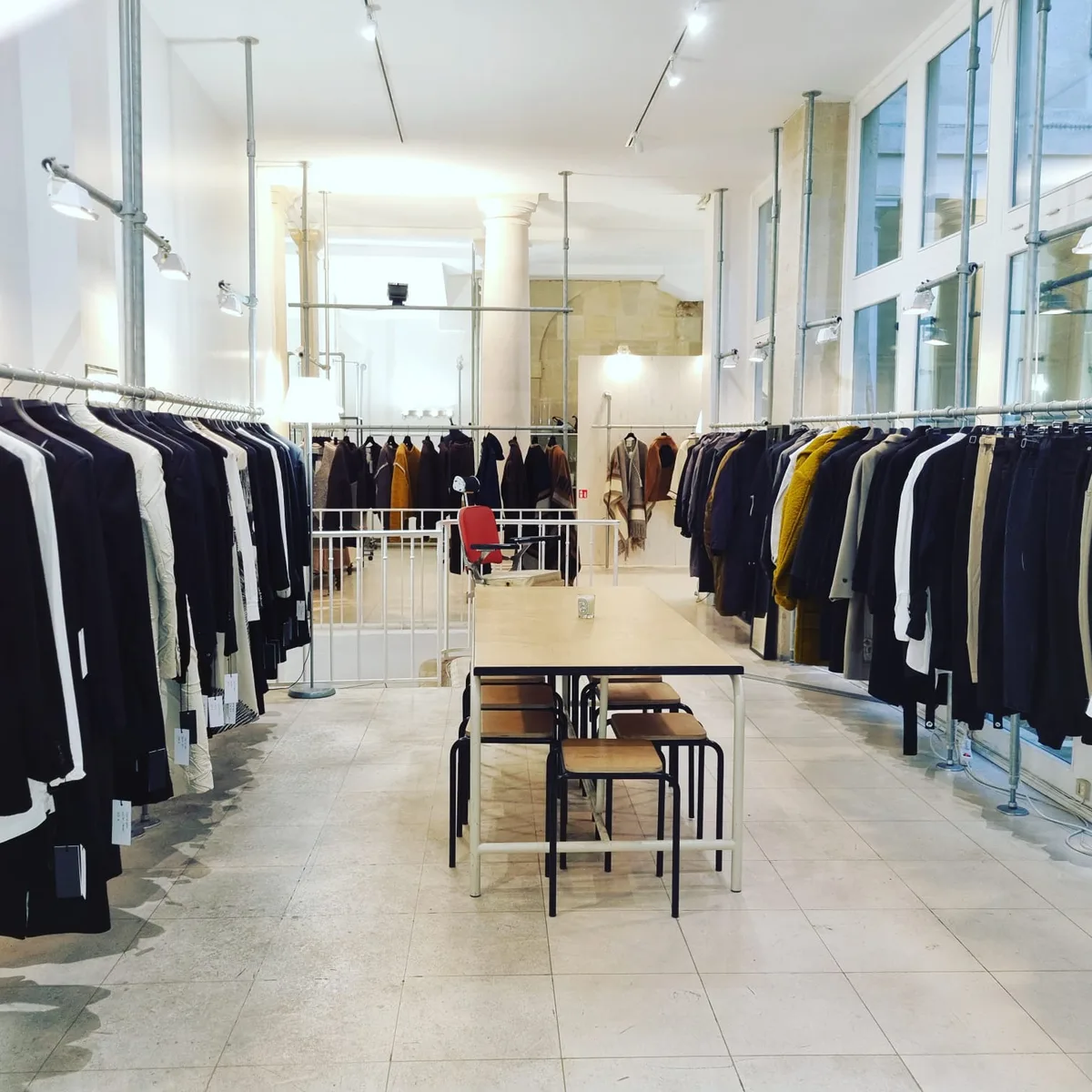
| Fashion Showroom | Press days, trade appointments, buyer meetings | Designers, creative agencies, PR-led brands | 1 to 10 days |
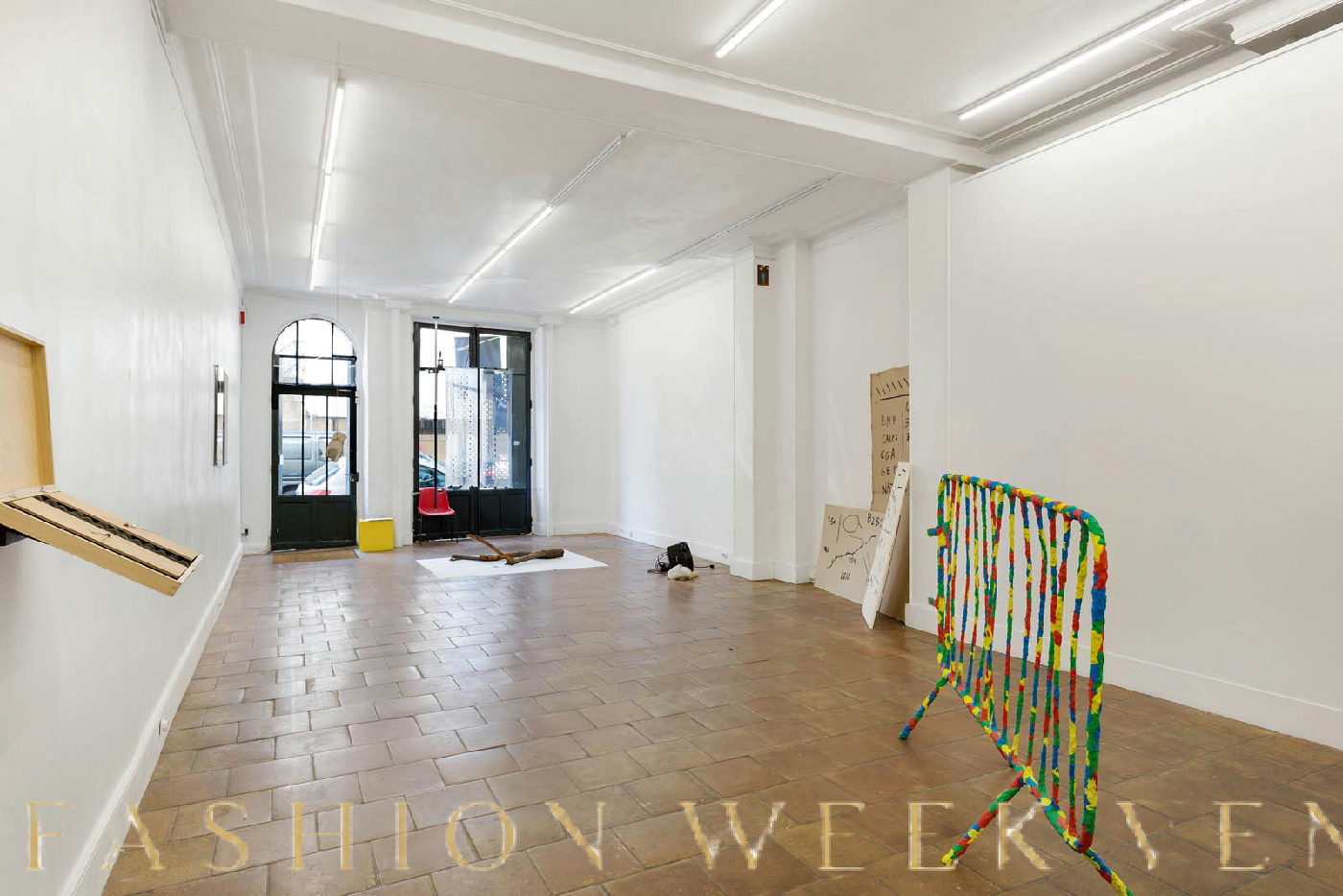
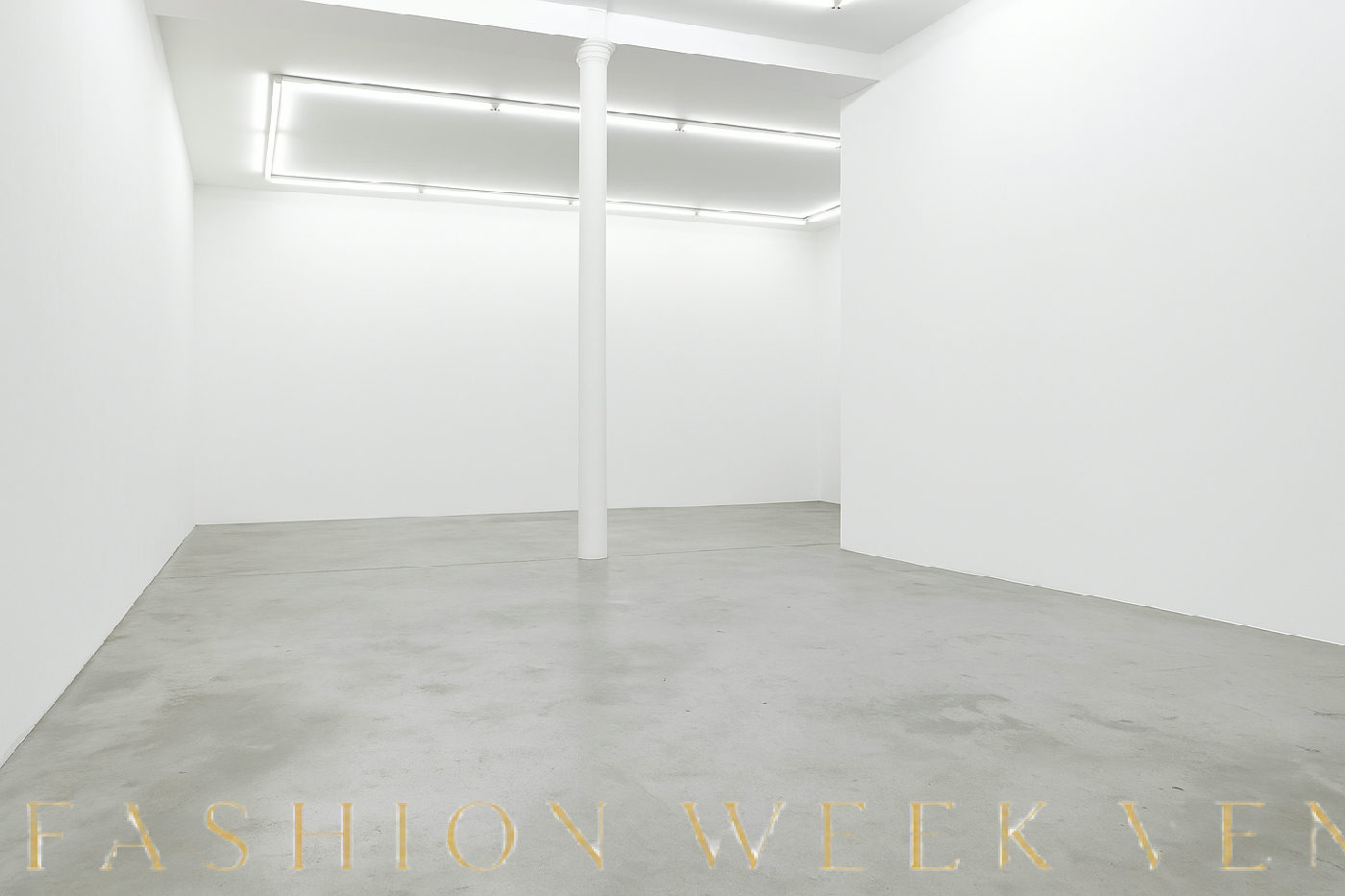
| Art Gallery Format | Experiential retail, small exhibits, brand storytelling | Luxury, art-adjacent brands, concept-led labels | 1 day to 4 weeks |
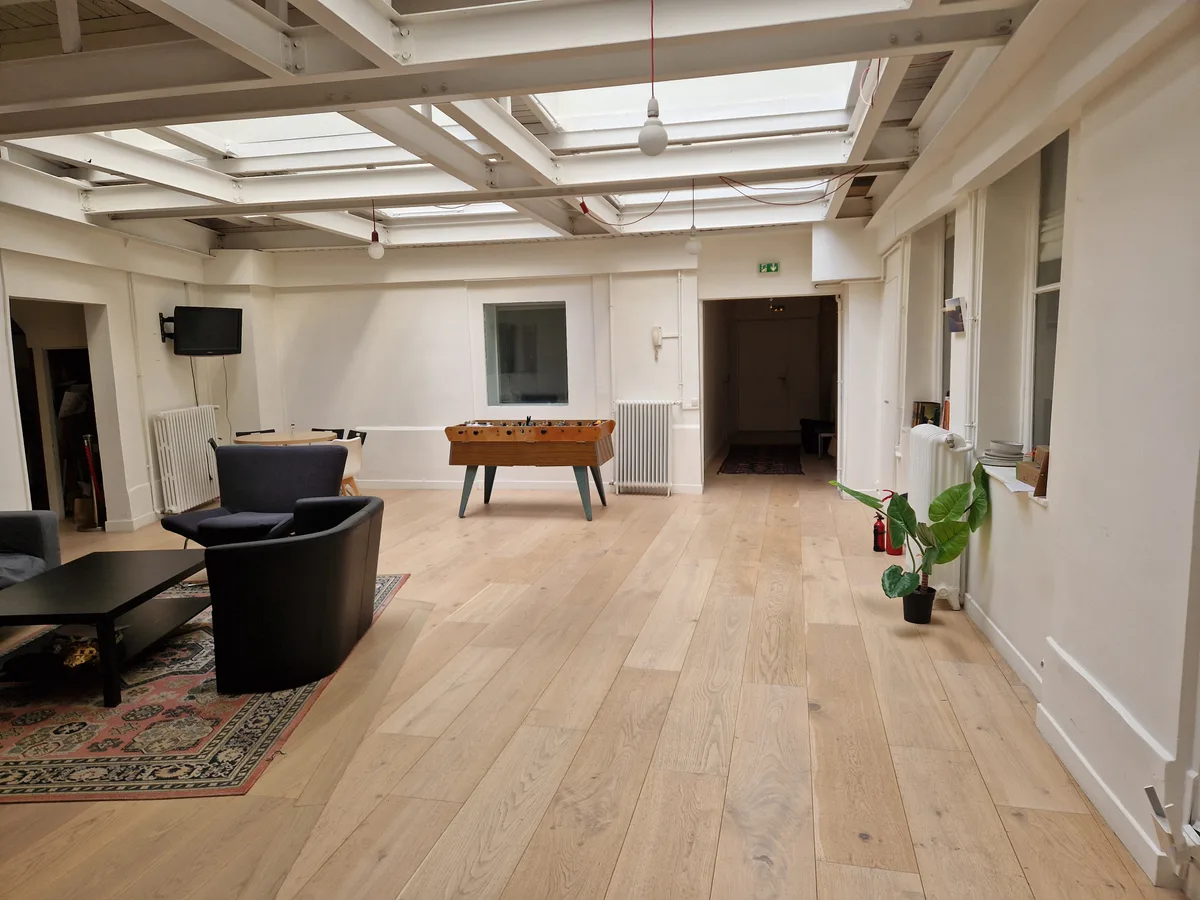
| Loft or Industrial Space | Multi-brand events, editorial shoots, production space | Multi-brand collectives, agencies, creative studios | 1 day to 1 month |
| Concept Store | Curated retail, brand universe experiences | Lifestyle brands, editorial brands, destination retail | 2 weeks to 6 months |
| Commercial Apartment or Studio | Intimate showrooms, private sale events, VIP appointments | Jewellery, luxury accessories, niche designers | 1 day to 1 month |
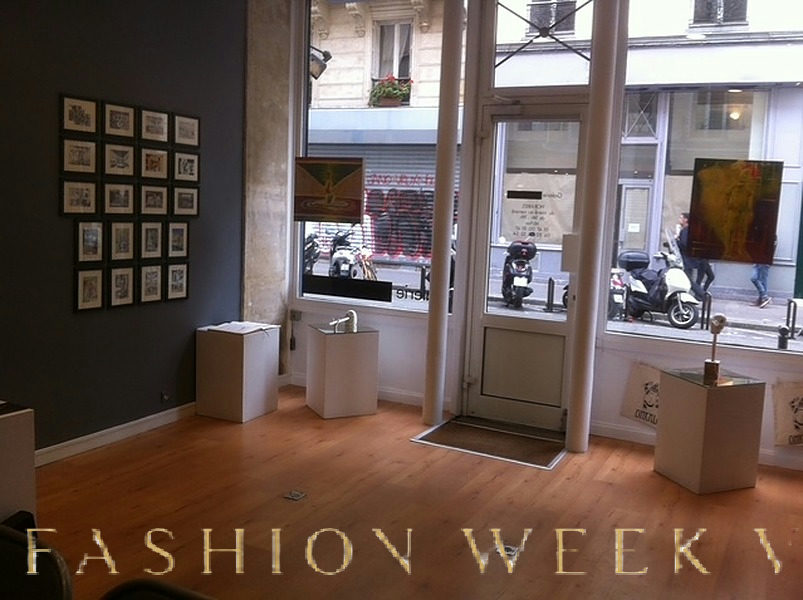
Each of these space types is available in Le Marais across different streets and at different price points. Storefronts on high-footfall streets like Rue des Francs-Bourgeois command premium rents and tend to have shorter availability windows, particularly around Paris Fashion Week and the main tourist season. Gallery-format spaces on Rue Charlot and Rue Vieille-du-Temple are particularly well suited to brands seeking an atmospheric backdrop for editorial and experiential retail.
Loft and industrial spaces, which are found primarily in the northern sections of the 3rd arrondissement and on streets like Rue des Gravilliers, offer larger floor areas, flexible layouts, and lower per-square-metre costs. These spaces are particularly suitable for multi-brand activations, trade showrooms with significant display requirements, or brands that need storage and back-of-house space integrated with their retail area.
Commercial apartments and studio formats are a distinctive feature of Le Marais, reflecting the district's dual residential and commercial character. These spaces offer an intimate, residential atmosphere that works exceptionally well for luxury brand presentations, private sale events, jewellery and accessories showrooms, and beauty brand launches where the spatial experience itself forms part of the brand narrative.
TIP: If you are running a trade showroom during Paris Fashion Week, a space on Rue de Turenne or in the Haut-Marais gives you proximity to the fashion industry visitor cluster while avoiding the tourist-dominated footfall of Rue des Francs-Bourgeois, which can make appointment-based events harder to manage.
Quick answer: Le Marais offers storefronts, fashion showrooms, gallery spaces, loft and industrial units, concept stores, and commercial apartments for short-term rental. The right format depends on whether you are running a consumer-facing pop-up, a trade showroom, an experiential activation, or a private brand event.
KEY TAKEAWAY: The variety of space types available in Le Marais is one of its primary advantages for brands. Matching the space format to your activation objective, not simply choosing the largest or cheapest available option, will significantly improve your commercial and brand outcomes.
Once you understand the space type that suits your concept, the next critical question is how the rental process actually works for short-term commercial space in Paris, and what legal and contractual structures apply.
The Rental Process for Short-Term Commercial Space in Le Marais
Renting a commercial space in Le Marais, particularly for short-term pop-up or temporary retail purposes, involves a different legal and contractual framework than a standard French commercial lease. Understanding these differences before you begin your search will save significant time and prevent costly mistakes.
Bail Dérogatoire: The Short-Term Commercial Lease
The primary legal instrument for short-term commercial space rental in France is the bail dérogatoire, sometimes referred to as a convention d'occupation précaire. This is a short-term derogatory lease that allows brands and landlords to agree on a temporary occupation arrangement outside the protections of the standard French nine-year commercial lease statute known as the bail commercial. A bail dérogatoire can typically be concluded for periods of up to 36 months in total, though most pop-up and short-term retail arrangements are structured for periods of a few days to several months.
The bail dérogatoire is the standard instrument used by brands renting pop-up stores, showrooms, and temporary retail spaces throughout Paris, including in Le Marais. It provides flexibility for both parties but does not automatically include the tenant protections that apply under a full commercial lease. Brands should ensure they review the terms of any bail dérogatoire carefully, including clauses relating to permitted use, fit-out rights, insurance obligations, early termination, and deposit requirements.
IMPORTANT: The terms of a bail dérogatoire can vary significantly between landlords and space types. Always have any commercial rental contract reviewed by a qualified French legal advisor before signing. Requirements vary by space type, duration, and arrondissement. Do not rely solely on verbal agreements or email confirmations.
Autorisation d'Occupation Temporaire
For certain types of commercial use, particularly in public or semi-public spaces, a separate administrative authorisation known as an Autorisation d'Occupation Temporaire (AOT) may be required. This applies most commonly to outdoor retail installations, market stalls, or temporary commercial structures in public spaces such as squares, covered passages, or publicly owned buildings. AOTs are issued by the relevant municipal authority and typically require advance application. The timeline and requirements for an AOT vary by arrondissement and space type. For guidance on permit requirements for your specific activation, use the permit guidance tool on Fashion Week Venues and consult with a qualified French legal advisor to confirm your specific obligations.
Step-by-Step Rental Workflow for Le Marais Pop-Up Spaces
| Step | Action | Typical Timeline Before Opening |
|---|---|---|
| 1 | Define your concept, target street, space type, and duration requirements | 10 to 12 weeks out |
| 2 | Search available listings and shortlist 3 to 5 candidate spaces | 8 to 10 weeks out |
| 3 | Conduct site visits and assess space features including lighting, electricity, floor access, and storage | 7 to 9 weeks out |
| 4 | Enter negotiation process with preferred landlord or space manager | 6 to 8 weeks out |
| 5 | Review and sign rental contract with legal advisor input | 5 to 7 weeks out |
| 6 | Confirm permit requirements and submit any necessary applications | 5 to 6 weeks out |
| 7 | Begin fit-out planning, furniture sourcing, and staffing arrangements | 4 to 6 weeks out |
| 8 | Complete fit-out and technical installation | 1 to 2 weeks out |
| 9 | Conduct soft opening and team briefing | 2 to 3 days out |
| 10 | Open, operate, and monitor performance data throughout the rental period | Ongoing |
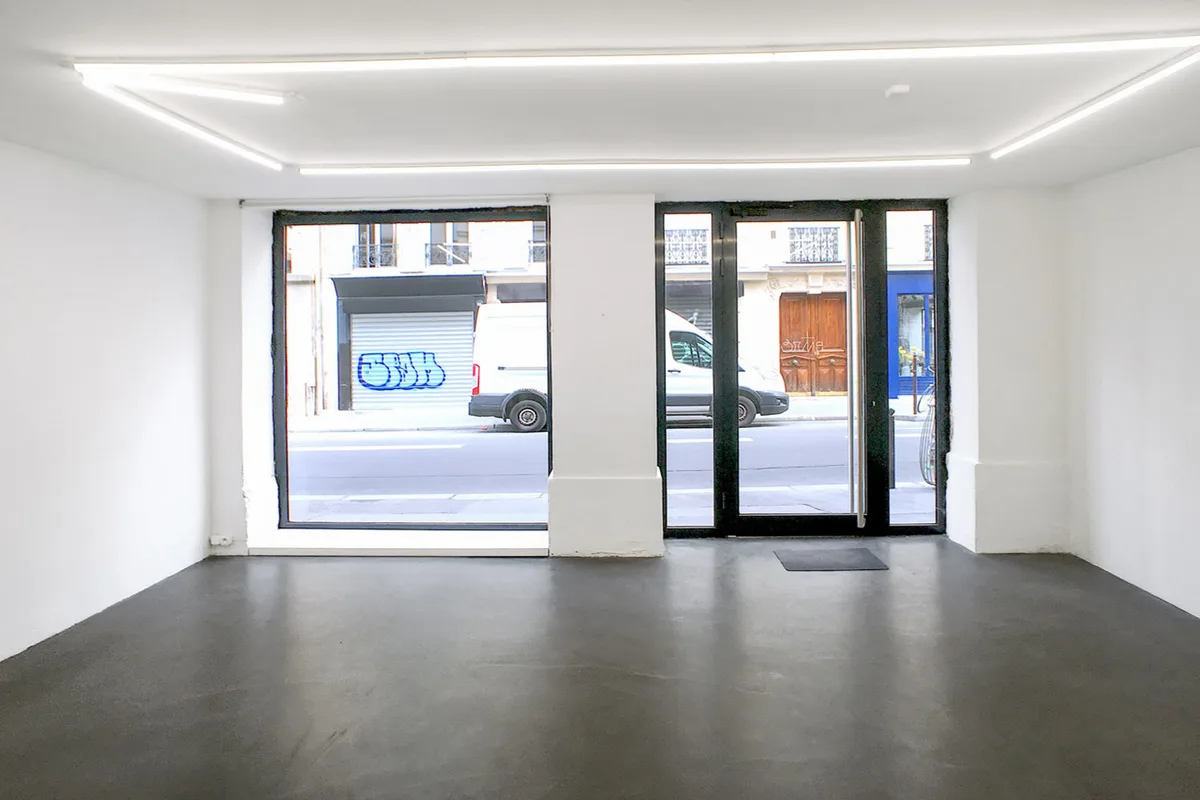
This workflow assumes a standard short-term pop-up or showroom rental. The timeline compresses significantly for spaces that are already fitted out and equipped, which is the case for a number of curated commercial spaces in Le Marais that are specifically designed and marketed for short-term brand activations. For brands operating with very short lead times, turnkey spaces with existing lighting, electrical infrastructure, and basic furnishings are available and can reduce the pre-opening preparation period to two to three weeks in some cases.
Quick answer: Renting a pop-up or commercial space in Le Marais typically requires a bail dérogatoire rather than a standard commercial lease. The process from search to opening takes 6 to 12 weeks for most activations, though turnkey spaces can reduce this timeline. Legal review of the rental contract is strongly recommended regardless of duration.
KEY TAKEAWAY: The French short-term commercial lease framework offers genuine flexibility for pop-up and temporary retail concepts, but it requires careful contractual review and advance planning for permits and fit-out. Specialist support reduces risk significantly, particularly for international brands unfamiliar with French rental law.
Brands, Culture, and Market Segments: Who Rents Space in Le Marais
Le Marais attracts an exceptionally diverse range of brands, designers, and operators for short-term and temporary commercial use. Understanding who else is using the district, what they are selling, and how they position themselves helps brands calibrate their own concept and choose the right location and format.
International brands with existing recognition use Le Marais for product launches, limited-edition drops, and Paris-specific brand experiences. These activations typically sit on Rue des Francs-Bourgeois, in the Place des Vosges arcades, or on Rue de Rivoli, where footfall is highest and brand visibility is strongest. The audience for these activations is both tourist and local, and the brand strategy is typically focused on earned media, social content production, and short-term sales performance.
National French brands and emerging Parisian designers use Le Marais to test new concepts, reach new customer segments, or create a temporary physical presence that reinforces their digital and social identity. Rue Charlot, Rue des Gravilliers, and the Haut-Marais more broadly are particularly active zones for this type of operator. The audience is more locally rooted and design-forward, and the commercial logic often includes building a direct customer relationship rather than purely driving sales volume.
Fashion showroom operators, PR agencies, and creative studios use Le Marais intensively during the Paris Fashion Week calendar in January, February, March, June, September, and October, as well as during major trade periods including Premiere Vision and Who's Next. Rue de Turenne, Espace Turenne, and the broader upper Marais corridor are primary locations for trade showrooms, press day venues, and buyer appointment spaces during these periods. Availability in these zones tightens considerably around major fashion calendar events, and booking 8 to 12 weeks in advance is advisable.
Beauty brands, wellness concepts, and lifestyle operators have made significant inroads into Le Marais over recent years, particularly in the Haut-Marais and around the Marché des Enfants Rouges. These brands find that the neighbourhood's lifestyle-oriented foot traffic and culturally engaged audience provide a strong environment for sampling, brand education, and discovery retail.
Avant-garde art galleries and artist-run spaces are embedded throughout Le Marais, particularly on Rue Vieille-du-Temple, Rue Charlot, and in the approach to the Centre Pompidou. Brands that position themselves at the intersection of fashion and art frequently choose gallery-format spaces in this zone to create activations that reference the district's cultural identity.
Vintage boutiques and second-hand fashion concepts have a strong presence in Le Marais, particularly along Rue de la Verrerie, Rue du Roi de Sicile, and in the narrower streets of the 4th arrondissement. This segment has grown significantly in recent years, and brands with a sustainability or heritage positioning find strong alignment with the district's existing vintage retail culture.
Fashion Week Venues has supported brands across all of these market segments in Le Marais, providing specialist venue sourcing that matches the brand's concept, target audience, and activation calendar to the right space, street, and format.
DID YOU KNOW: Le Marais is one of the few Paris districts where vintage boutiques, international luxury brands, avant-garde galleries, and community-driven independent shops coexist within walking distance of each other, creating a retail ecosystem that rewards discovery and experimentation.
KEY TAKEAWAY: Le Marais serves national brands, international labels, independent designers, beauty concepts, art-adjacent projects, and vintage operators simultaneously. The breadth of the district's brand ecosystem is itself a commercial advantage, because consumers who visit for one reason frequently discover and engage with brands they were not originally seeking.
Space Features and What to Look For When Renting in Le Marais
Not all commercial spaces in Le Marais are created equal, and the physical features of a space have a direct impact on how it functions for retail, showroom, or event use. Evaluating the right features before committing to a rental avoids costly surprises during the fit-out and operating phase.
The most important features to assess in any Le Marais commercial space are lighting, electrical capacity, floor access, ceiling height, visibility from the street, and the condition of existing fixtures and fittings.
Lighting and Electrical Infrastructure
Lighting is one of the most commercially significant features in any retail or showroom space. Natural light from large street-facing windows significantly enhances the visual presentation of product and creates a more inviting environment for both consumer retail and trade appointments. Spaces with high ceilings and large windows, which are common in the Haussmann-era buildings that characterise much of the Marais, are particularly well suited to gallery-format retail and fashion showroom use.
Electrical capacity is equally important, particularly for brands planning intensive lighting installations, digital display setups, or point-of-sale systems. Older buildings in Le Marais, particularly in the 4th arrondissement, may have limited electrical infrastructure that requires upgrading before a technical installation can proceed. Always confirm the available electrical load with the landlord or space manager before signing a rental contract.
Floor Access and Elevator Availability
Le Marais contains a significant number of commercial spaces located on the first floor or above ground level, including spaces in converted residential buildings and Haussmann-era apartment buildings. These spaces can be extremely appealing aesthetically, but floor access and the presence or absence of an elevator have direct implications for deliveries, stock movement, visitor accessibility, and the experience of customers with mobility requirements. For consumer-facing retail activations, ground-floor street-level access is generally preferable. For trade showrooms and private brand events, first-floor spaces with elevator access are commonly used and valued for their sense of exclusivity and intimacy.
Storage and Back-of-House Space
Many commercial spaces in Le Marais are designed primarily for retail display rather than for operational logistics. Confirm the availability of storage space, stock holding areas, and staff facilities before committing to a space. For activations with significant product volumes, the absence of adequate storage can force costly off-site solutions or compromise the visual presentation of the retail floor. Some loft and industrial spaces in the upper Marais offer integrated storage that makes them more suitable for operationally intensive activations.
Visibility, Signage, and Storefront Quality
Street-facing visibility is a primary driver of walk-in traffic for consumer-facing pop-up stores. A space with a double-fronted facade, large windows, and clear sightlines from the pavement will consistently outperform a narrow or obscured storefront in terms of organic discovery traffic. Confirm signage permissions with the landlord, as some heritage buildings in Le Marais have restrictions on external signage formats and installation methods.
Quick answer: When assessing a Le Marais rental, prioritise natural lighting, electrical capacity, floor access, storage availability, and street visibility. Spaces with large windows, ground-floor access, and sufficient electrical infrastructure will deliver the best conditions for retail and showroom use without costly modifications.
KEY TAKEAWAY: The physical features of a Le Marais commercial space are as important as its location. A poorly specified space in a prime street will underperform compared to a well-equipped space one street back. Assess each space against your operational requirements before committing to a rental contract.
Budget Planning for Le Marais Retail Space Rentals
Budget planning for a Le Marais commercial space rental involves understanding several distinct cost categories, not just the headline rental rate. Many brands underestimate the total cost of a short-term retail activation by focusing exclusively on the rental cost and overlooking fit-out, staffing, insurance, permits, and operational expenses.
Rental rates in Le Marais vary significantly depending on the street, space type, floor, size, and duration of the rental. Prime positions on Rue des Francs-Bourgeois, Place des Vosges, and Rue de Rivoli command the highest rates, reflecting their footfall and visibility advantages. Secondary streets in the Haut-Marais, including Rue Charlot, Rue des Gravilliers, and Rue de Bretagne, typically offer more competitive rates while still delivering strong brand positioning. It would be misleading to publish specific per-square-metre figures without reference to current market conditions, availability, and your specific requirements. For a brand-specific budget estimate, use the budget estimation tool on Fashion Week Venues, which allows you to model costs based on your space type, duration, and location preferences.
Cost Categories to Include in Your Activation Budget
| Cost Category | Notes | Typical Approach |
|---|---|---|
| Rental rate | Varies by street, space type, floor, and duration | Negotiate with landlord or space manager |
| Security deposit | Typically 1 to 3 months' equivalent for short-term leases | Confirm in contract, refundable on vacation in good condition |
| Fit-out and production | Varies widely based on complexity and existing fixtures | Plan against availability calendar, allow for build time |
| Furniture and fixtures | Can be rented rather than purchased for short activations | Use furniture rental services to reduce capital cost |
| Retail staffing | French labour law applies to all staff engaged in France | Use a qualified local staffing partner |
| Insurance | Public liability and contents insurance required in most contracts | Confirm requirements with landlord before signing |
| Permits and compliance | AOT or other permits may be required depending on use | Verify requirements early, allow for application timeline |
| POS and payments | French payment infrastructure and tax compliance required | Use a specialist POS provider with French market experience |
| Marketing and activation | Social, influencer, press, and event costs | Budget separately from space and operational costs |
International brands should also account for currency conversion costs if their budget is held in a currency other than euros, as well as the cost of transporting product and fixtures to Paris if these are not being sourced locally.
TIP: For brands running a Paris activation for the first time, a twin co-activation model, where two brands share a single space and split costs, can deliver a meaningful presence in Le Marais at a significantly reduced total cost. Explore the twin co-activation concept for more detail on how this model works and which brand pairings typically perform well together.
KEY TAKEAWAY: A Le Marais activation budget must account for at least eight to ten distinct cost categories beyond the headline rental rate. Brands that plan only for rent and basic setup consistently underestimate the true cost of activation and risk either underfunding critical operational areas or exceeding their total budget.
How Fashion Week Venues Supports Le Marais Activations
Fashion Week Venues operates as a full-service pop-up agency and space marketplace for brands planning short-term retail, showroom, and event activations in Paris and other major fashion capitals. For brands targeting Le Marais specifically, Fashion Week Venues provides end-to-end support across every phase of the activation, from initial brief development through to post-activation performance review.
The services most relevant to a Le Marais activation include specialist venue sourcing, which covers identifying and negotiating access to commercial spaces that match your specific brief, budget, and calendar requirements. Fashion Week Venues' sourcing team has working knowledge of the Le Marais commercial space market across all major streets and space types, and can provide shortlists of qualified spaces significantly faster than an independent brand searching without local market knowledge. Explore the full range of Fashion Week Venues services to understand the breadth of support available.
For brands that need support beyond space finding, Fashion Week Venues provides concept direction, production and fit-out management, branded store design, furniture rental, retail staffing, POS and payment infrastructure, data and analytics, and influencer marketing, all as integrated services that can be combined based on the brand's specific requirements.
The Fashion Week Venues toolkit is particularly valuable for international brands entering Paris for the first time. The budget calculator allows brands to model total activation costs before committing to a space. The ROI calculator helps brands assess whether the investment is justified against their commercial objectives. The timeline tool supports planning across multiple workstreams simultaneously. The permit tool provides initial guidance on compliance requirements, and the compare tool allows brands to evaluate multiple shortlisted spaces against each other on a consistent set of criteria.
The Fashion Week Venues marketplace lists available spaces across Paris, with search filters for neighbourhood, space type, size, duration, and availability. For Le Marais specifically, the marketplace typically includes storefronts, showrooms, gallery spaces, lofts, and commercial apartments across the 3rd and 4th arrondissements.
It is important to understand that Fashion Week Venues operates as an agency and marketplace partner, not as a guarantor of specific spaces, permit approvals, or commercial outcomes. The agency provides knowledge, connections, tools, and managed support, but final decisions on space selection, contract terms, and activation strategy remain with the brand team. Fashion Week Venues recommends that all clients engage qualified French legal counsel for contract review and permitting matters.
Brands that have previously worked with Fashion Week Venues on Le Marais activations include fashion labels, beauty brands, international retailers, and creative agencies. To review examples of past activations, visit the Fashion Week Venues work and case study section.
Quick answer: Fashion Week Venues provides full-service support for Le Marais activations, including venue sourcing, concept direction, fit-out management, retail staffing, and a suite of planning and budgeting tools. The agency is best suited to brands that want specialist local knowledge and managed support rather than a purely transactional space rental experience.
KEY TAKEAWAY: For international brands, first-time Paris activators, and teams without in-house Paris market knowledge, working with a specialist agency like Fashion Week Venues reduces planning time, avoids common contractual and logistical errors, and typically improves both the quality of the space secured and the overall activation performance.
The Paris Fashion Week Calendar and Le Marais Timing Strategy
Le Marais is one of the primary hubs for brand activation during the Paris Fashion Week calendar, but it also performs strongly outside of these windows, which is a key strategic advantage for brands that cannot compete for space during peak periods.
Paris Fashion Week takes place twice per year for women's ready-to-wear, typically in late February or early March for the autumn/winter collections and in late September or early October for spring/summer collections. Men's Fashion Week occurs in January and June. These four calendar windows represent the peak activation periods for showroom operators, press-facing brand events, and trade presentations in Le Marais. During these windows, demand for commercial space in the upper Marais and around Rue de Turenne is at its highest, and availability can be limited if searches begin fewer than eight weeks before the target dates.
Outside of the Fashion Week calendar, Le Marais offers strong activation windows during the following periods: the pre-Easter spring season in March and April, which drives significant tourist footfall; the summer peak from June to August, which brings the highest international visitor volumes of the year; the autumn return season in September and October, which overlaps with Fashion Week and produces strong local spending; and the Christmas and gifting season from mid-November through to late December.
Brands that structure their Le Marais activation to avoid the peak Fashion Week window can frequently access better-quality spaces at more competitive rates, with longer lead times and fewer logistical pressures. This is particularly relevant for consumer-facing pop-up stores and beauty brand activations, which do not require proximity to the Fashion Week trade audience and benefit from broader public footfall rather than industry-specific timing.
For detailed planning support across multiple calendar windows, use the timeline planning tool on Fashion Week Venues to map your activation against the Paris commercial calendar and identify the optimal opening window for your specific concept and objectives.
Quick answer: Paris Fashion Week drives the highest demand for Le Marais showroom and activation space in January, February, March, June, September, and October. Consumer-facing pop-up stores can perform strongly in any calendar window, with summer and Christmas delivering the highest tourist footfall volumes.
KEY TAKEAWAY: Le Marais is one of the few Paris districts that offers strong commercial performance across all calendar windows, not only during Fashion Week. Brands should choose their activation timing based on their target audience and commercial objectives rather than defaulting to the Fashion Week calendar if their concept does not require industry-specific timing.
Common Myths About Renting a Shop in Le Marais: Debunked
MYTH: You need a French legal entity to rent a commercial space in Le Marais.
FACT: Many landlords and space managers in Le Marais do work with international brands operating without a French company registration, particularly for short-term bail dérogatoire arrangements. However, requirements vary by landlord, space type, and duration. Some operators do require a French company or a French guarantor. Working with a local agency that has established landlord relationships simplifies this significantly and often makes access to spaces available that would not be offered directly to foreign entities.
MYTH: Paris Fashion Week is the only viable calendar window for a Le Marais activation.
FACT: Le Marais delivers strong commercial foot traffic, media interest, and brand discovery conditions throughout the year. The summer season, the Christmas gifting period, and the spring tourist season all represent high-performance windows for consumer-facing pop-up stores and retail activations. Fashion Week is the optimal window for trade showrooms and press-facing events, but it is not the only viable option, and the peak demand during Fashion Week often makes space access more competitive and more expensive.
MYTH: Commission-based brokers are the only way to find a commercial space in Le Marais.
FACT: In addition to traditional property brokers, a number of curated marketplace platforms and specialist pop-up agencies now offer access to Le Marais commercial spaces, often with significantly faster search processes, better-specified space listings, and integrated support services. Fashion Week Venues operates a dedicated marketplace for Paris pop-up and short-term commercial space that allows brands to search, compare, and shortlist spaces without relying on a commission broker relationship.
MYTH: Short-term retail leases in Paris are legally simple and do not require specialist review.
FACT: The bail dérogatoire is a legitimate and widely used legal instrument in France, but it is not a casual arrangement. The terms governing permitted use, fit-out rights, early termination, insurance obligations, deposit conditions, and reinstatement requirements vary significantly between contracts and can expose brands to material liability if not reviewed carefully. Legal review by a qualified French advisor is strongly recommended regardless of the duration of the rental.
MYTH: A high-footfall street guarantees commercial success for a pop-up store in Le Marais.
FACT: Footfall is a necessary but not sufficient condition for pop-up retail success. The alignment between the brand concept, the audience profile of the specific street, the quality of the space design and execution, and the supporting marketing and activation strategy all have equal or greater influence on outcomes. A brand that is poorly positioned for the Rue des Francs-Bourgeois audience may perform significantly better on a secondary street in the Haut-Marais where the audience is more closely matched to their concept.
Frequently Asked Questions
What is a pop-up shop in Le Marais?
A pop-up shop in Le Marais is a short-term commercial retail space rented by a brand, designer, or concept for a defined period, typically ranging from a single weekend to several months. These spaces are used for product launches, brand experiences, seasonal sales events, fashion showrooms, beauty activations, and experiential retail concepts. Le Marais is one of the most popular locations in Paris for pop-up retail due to its high foot traffic, cultural credibility, and concentration of design-forward consumers and industry visitors.
Is Le Marais a good area for pop-up retail?
Le Marais is widely considered one of the best areas in Paris for pop-up retail. The district combines strong local and tourist foot traffic with a culturally engaged consumer base that is receptive to new brands and concepts. It spans the 3rd and 4th arrondissements and includes high-footfall streets like Rue des Francs-Bourgeois, Rue de Turenne, and Rue Vieille-du-Temple, as well as the design-forward Haut-Marais zone around Rue Charlot and Rue de Bretagne. The district also performs strongly outside peak season, making it suitable for activations across multiple calendar windows.
Can I rent retail space in Le Marais on a short-term basis?
Yes. Short-term commercial space rental in Le Marais is widely available and legally structured through a bail dérogatoire, which is a flexible short-term lease instrument under French law. These arrangements can cover periods as short as a single day for event use, through to several months for seasonal retail concepts. It is important to have any rental contract reviewed by a qualified French legal advisor, as the terms of bail dérogatoire agreements vary significantly between landlords and space types.
What types of brands use pop-up spaces in Le Marais?
Le Marais attracts a very wide range of brands for short-term commercial use. International fashion labels use the district for product launches and Paris Fashion Week activations. Emerging Parisian designers use it to test new concepts and reach new audiences. Beauty brands, wellness concepts, and lifestyle operators have grown their presence significantly in recent years. Fashion showroom operators, PR agencies, and multi-brand event producers use Le Marais intensively during the fashion calendar. Vintage fashion concepts and art-adjacent brands also have a strong presence throughout the district.
How do I find retail space in Le Marais?
Retail space in Le Marais can be found through specialist pop-up space marketplaces, full-service pop-up agencies, traditional property brokers, and direct landlord relationships. The most efficient approach for brands without established Paris connections is to use a specialist marketplace or agency that has curated space listings and existing landlord relationships in the district. Fashion Week Venues operates a marketplace and venue sourcing service for Le Marais and across Paris, providing access to spaces across all major streets, space types, and rental durations.
What does retail space in Le Marais usually include?
The inclusions in a Le Marais commercial space rental vary widely depending on the space type and landlord. Many curated short-term spaces include basic lighting infrastructure, electrical connections, and clear retail floor areas. Some spaces, particularly those marketed as turnkey pop-up venues, also include furniture, point-of-sale infrastructure, and basic Wi-Fi connectivity. Others are provided shell-only and require a full fit-out. It is essential to confirm exactly what is included in the rental before signing a contract, particularly regarding electrical capacity, lighting, storage access, signage permissions, and insurance requirements.
How much does it cost to rent retail space in Le Marais?
Rental costs for commercial space in Le Marais vary significantly based on street, size, space type, floor level, duration, and market timing. Prime positions on Rue des Francs-Bourgeois and Place des Vosges command the highest rates. Spaces in the Haut-Marais on Rue Charlot or Rue de Bretagne are typically available at lower rates while still delivering strong brand positioning. Publishing specific figures without current market data would be misleading. For a brand-specific budget estimate that accounts for your space requirements, duration, and location preferences, use the budget estimation tool on Fashion Week Venues.
Do I need a French company to rent a shop in Le Marais?
Not always. Some landlords and space managers in Le Marais accept international brands operating without a French legal entity, particularly for short-term bail dérogatoire arrangements. However, requirements vary by landlord and space type. Some operators do require a French company registration or a French guarantor. Working with a specialist agency that has established landlord relationships in the district significantly increases access to spaces for international brands and simplifies the administrative process of entering the French commercial rental market.
What permits do I need to run a pop-up store in Le Marais?
Permit requirements for a Le Marais pop-up store depend on the type of space, the nature of the commercial activity, and whether any outdoor or public-space elements are involved. Most standard indoor retail activations in private commercial space operate under the bail dérogatoire without additional permit requirements. However, outdoor activations, market stalls, temporary structures in public spaces, or activities in heritage-listed buildings may require an Autorisation d'Occupation Temporaire or other administrative authorisation. Requirements vary by arrondissement and space type. Always verify your specific permit obligations with a qualified French legal advisor and use the permit guidance tool on Fashion Week Venues for initial orientation.
How far in advance should I book a Le Marais pop-up space?
For activations during peak periods such as Paris Fashion Week, booking 8 to 12 weeks in advance is strongly advisable, as demand for prime spaces on key streets is high and availability is limited. For activations outside of the peak fashion calendar, a lead time of 6 to 8 weeks is typically sufficient for most space types and streets. Brands with very specific space requirements, large floor area needs, or particular location preferences should begin their search earlier regardless of the calendar window to ensure they have adequate options.
What is the difference between a fashion showroom and a pop-up store in Le Marais?
A fashion showroom in Le Marais is typically a private or semi-private space used for trade appointments, press presentations, buyer meetings, and editorial events. It is not primarily focused on direct-to-consumer sales. A pop-up store, by contrast, is open to the general public and focused on brand discovery, product sales, and consumer brand experiences. Some activations blur these categories, combining a showroom area for trade visitors with a consumer-facing retail floor. The space type, location, layout, and operational setup for each format differ significantly, and it is important to be clear about which format your activation requires before beginning the search process.
Can two brands share a single pop-up space in Le Marais?
Yes. Co-activation or twin-brand pop-up formats are well established in Le Marais and can deliver significant cost savings for brands whose concepts are complementary rather than competing. A twin-format activation allows two brands to share a single space, divide the rental and operational costs, and cross-reach each other's audiences simultaneously. This model works particularly well for fashion and beauty brand pairings, lifestyle and homewares combinations, and independent designer collectives. Fashion Week Venues operates a dedicated twin co-activation concept that helps brands identify suitable co-activation partners and shared space opportunities.
Is Le Marais suitable for beauty brand activations?
Yes. Le Marais has become one of the most active districts in Paris for beauty brand pop-up activations, particularly in the Haut-Marais area around Rue de Bretagne, Rue Charlot, and the Marché des Enfants Rouges. The neighbourhood's lifestyle-oriented consumer base, high social media engagement culture, and strong influencer and press presence make it an excellent environment for sampling activations, product launches, and brand education events. Spaces suitable for beauty activations include smaller storefronts, commercial apartments, studio formats, and gallery-style spaces that can accommodate intimate consumer experiences.
What is the Haut-Marais and why do brands choose it for activations?
The Haut-Marais refers to the upper section of Le Marais, primarily within the 3rd arrondissement, centred on streets including Rue Charlot, Rue de Bretagne, Rue des Gravilliers, and Rue Vieille-du-Temple north of Rue de Bretagne. The area has a strong concentration of independent designers, concept stores, art galleries, and food and lifestyle destinations. Brands choose the Haut-Marais for activations when they want to reach a design-literate, locally rooted Parisian audience rather than primarily tourist traffic. The zone also typically offers better space availability and more competitive rental rates than the prime tourist corridors in the southern Marais.
How do I choose between different Le Marais streets for my pop-up store?
The choice between streets in Le Marais should be driven by three factors: your target customer profile, your activation concept type, and your budget. High-footfall tourist streets like Rue des Francs-Bourgeois and Rue de Rivoli suit broad-reach consumer activations with maximum visibility objectives. Design-forward streets in the Haut-Marais like Rue Charlot and Rue de Bretagne suit concept-led brands targeting a locally rooted design audience. Trade-oriented streets like Rue de Turenne suit fashion showrooms and press-facing events. Use the space locator and compare tools on Fashion Week Venues to filter and evaluate options by street and space type against your specific criteria.
Conclusion: Making Your Le Marais Retail Strategy Work
Le Marais is the most strategically versatile short-term retail district in Paris. It offers an unmatched combination of cultural credibility, foot traffic diversity, space type variety, and brand environment across every calendar window. Whether you are searching for a shop for rent in Le Marais for a single weekend pop-up, a month-long brand activation, a Paris Fashion Week showroom, or a longer-format concept store, the district has space options that can serve your brief.
The keys to a successful Le Marais activation are choosing the right street for your specific audience, selecting a space format that serves your operational requirements, planning your rental contract and permit obligations carefully, budgeting for the full cost of activation rather than just the rental rate, and starting your search early enough to secure the right space rather than settling for whatever remains available close to your opening date.
Fashion Week Venues provides the specialist knowledge, space access, and managed services that brands need to execute confidently in Le Marais and across the other major fashion capitals. From initial brief development to post-activation performance review, the agency is structured to support every phase of the process.
To move from research to activation, start exploring available spaces on the Fashion Week Venues marketplace and build a focused brief for your target neighbourhood, space type, and calendar window. The sooner you begin, the stronger your position will be when you are ready to confirm the space that best serves your brand's Paris strategy.