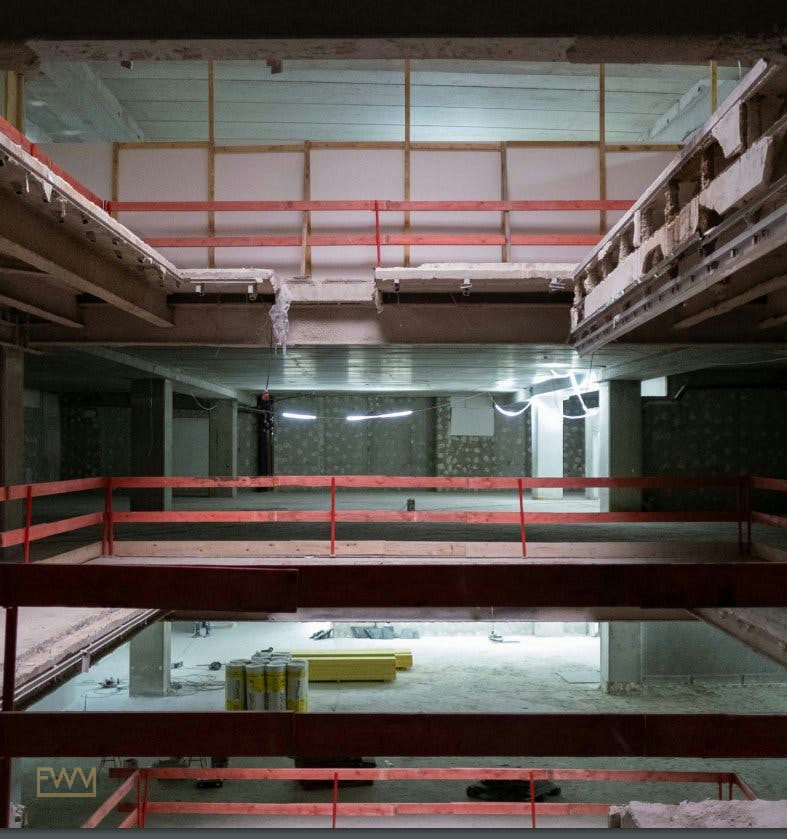
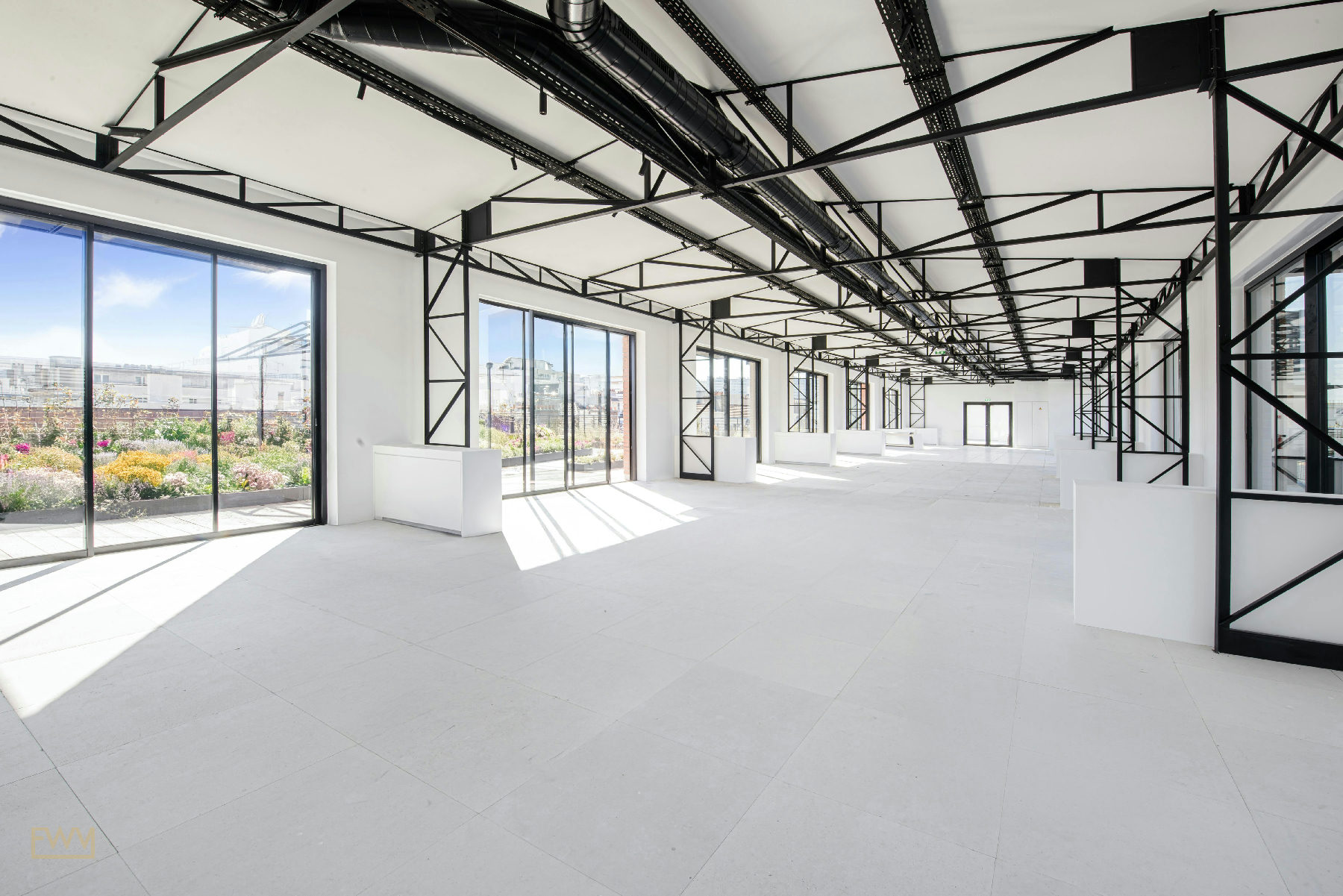
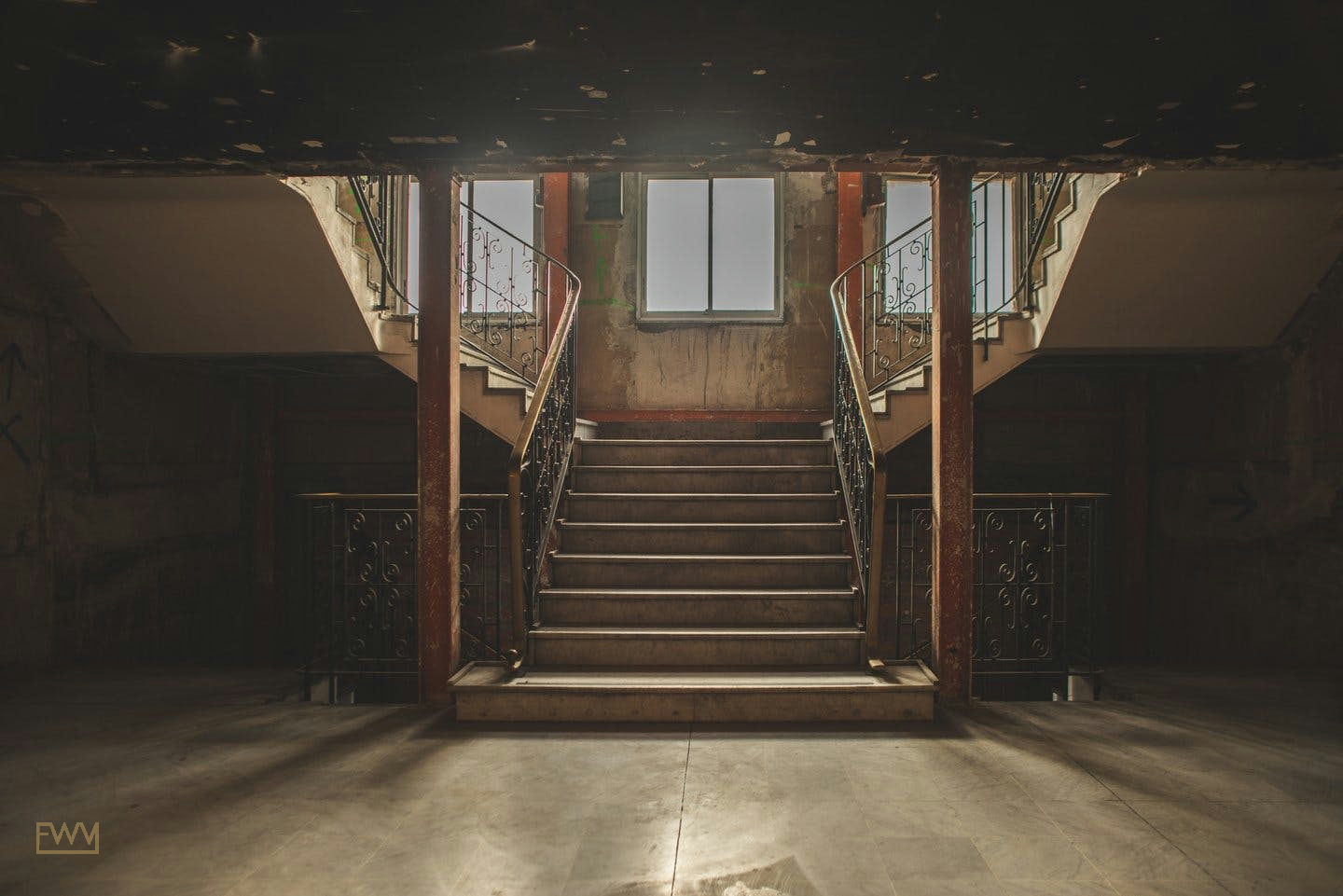
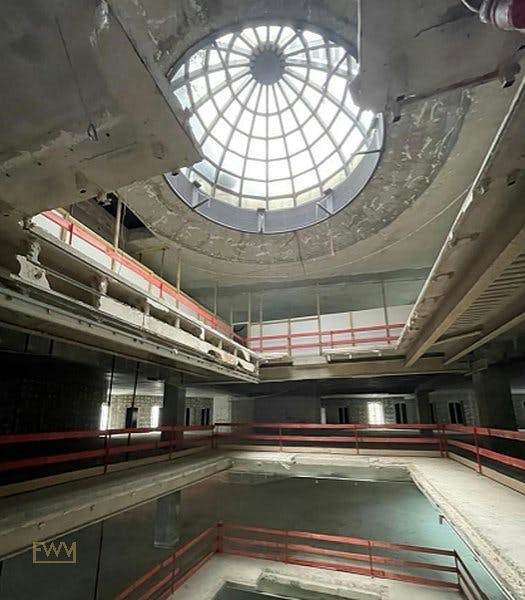
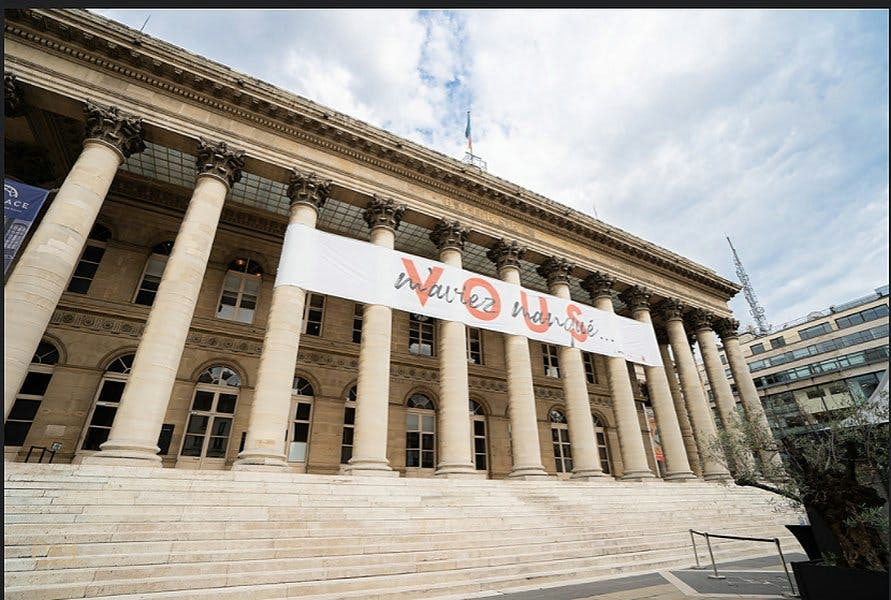
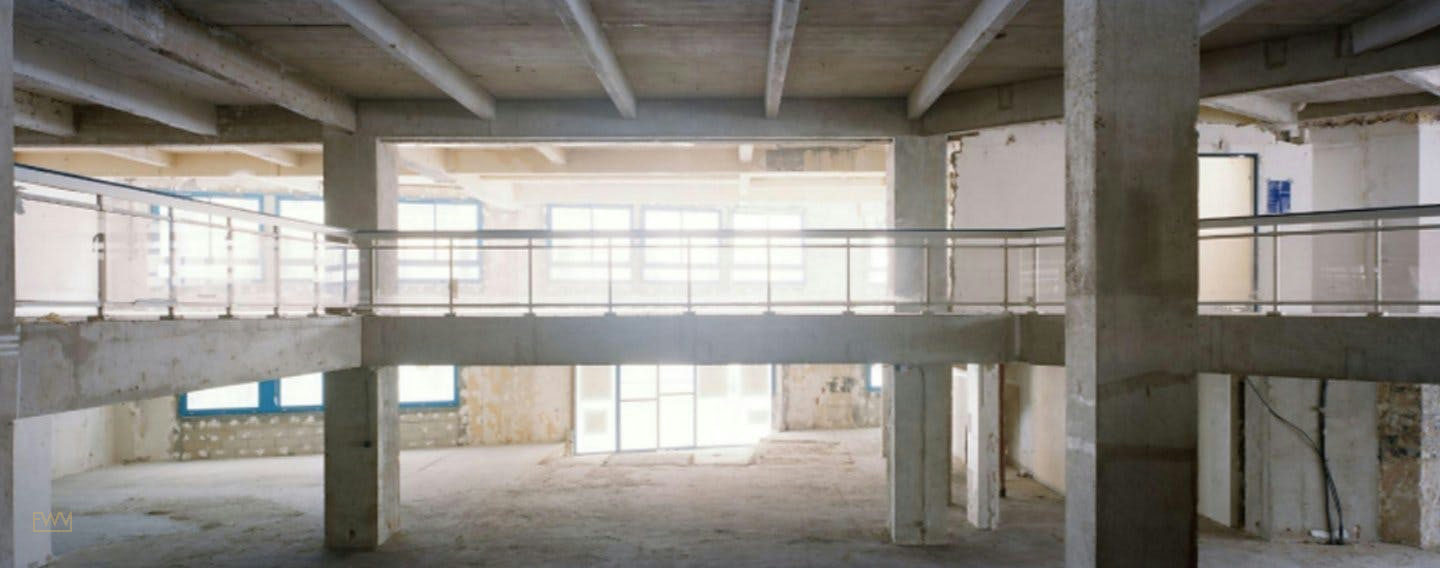
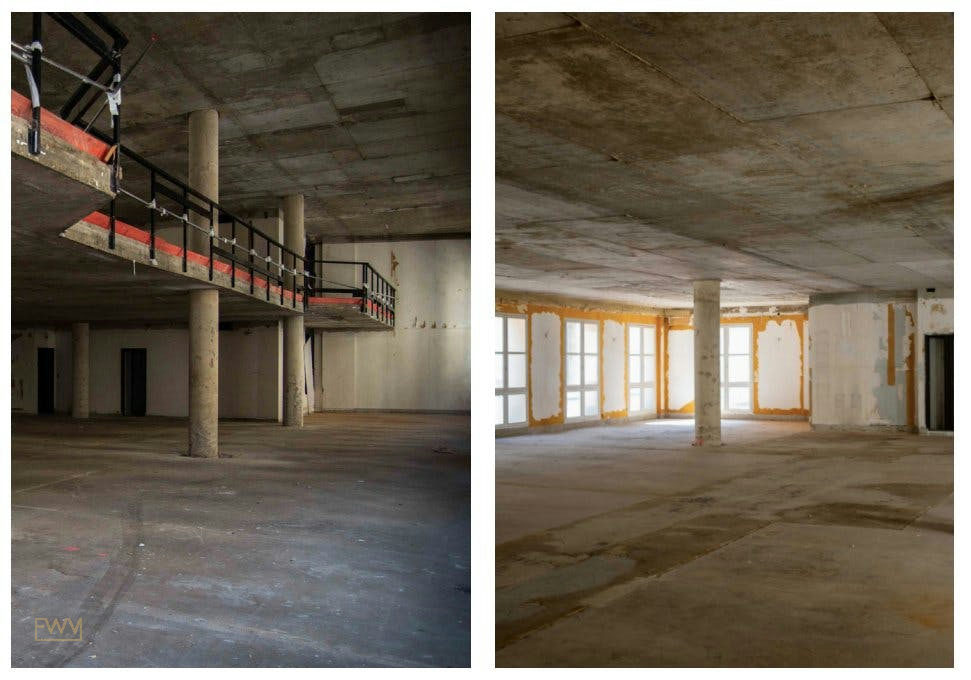
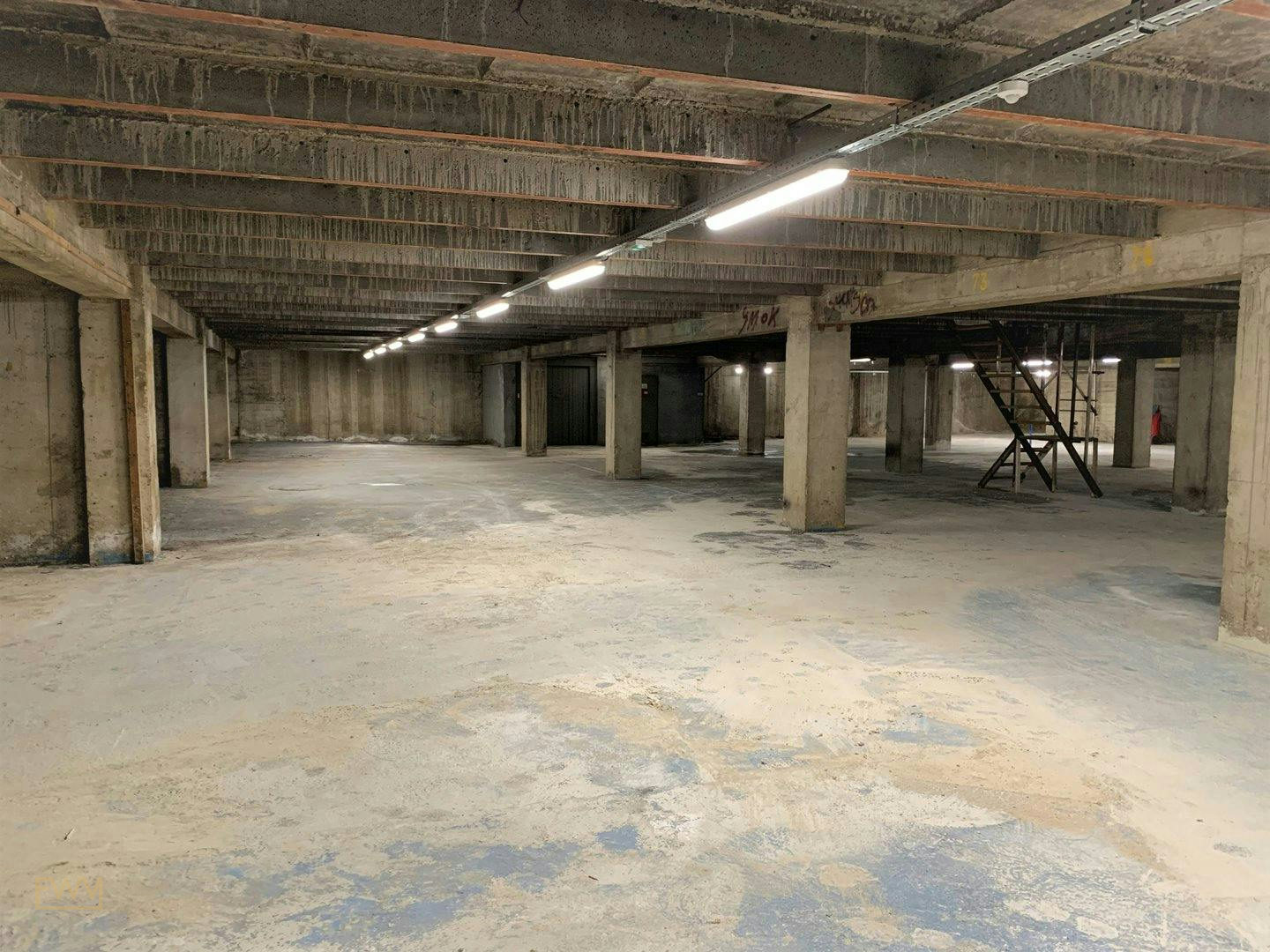
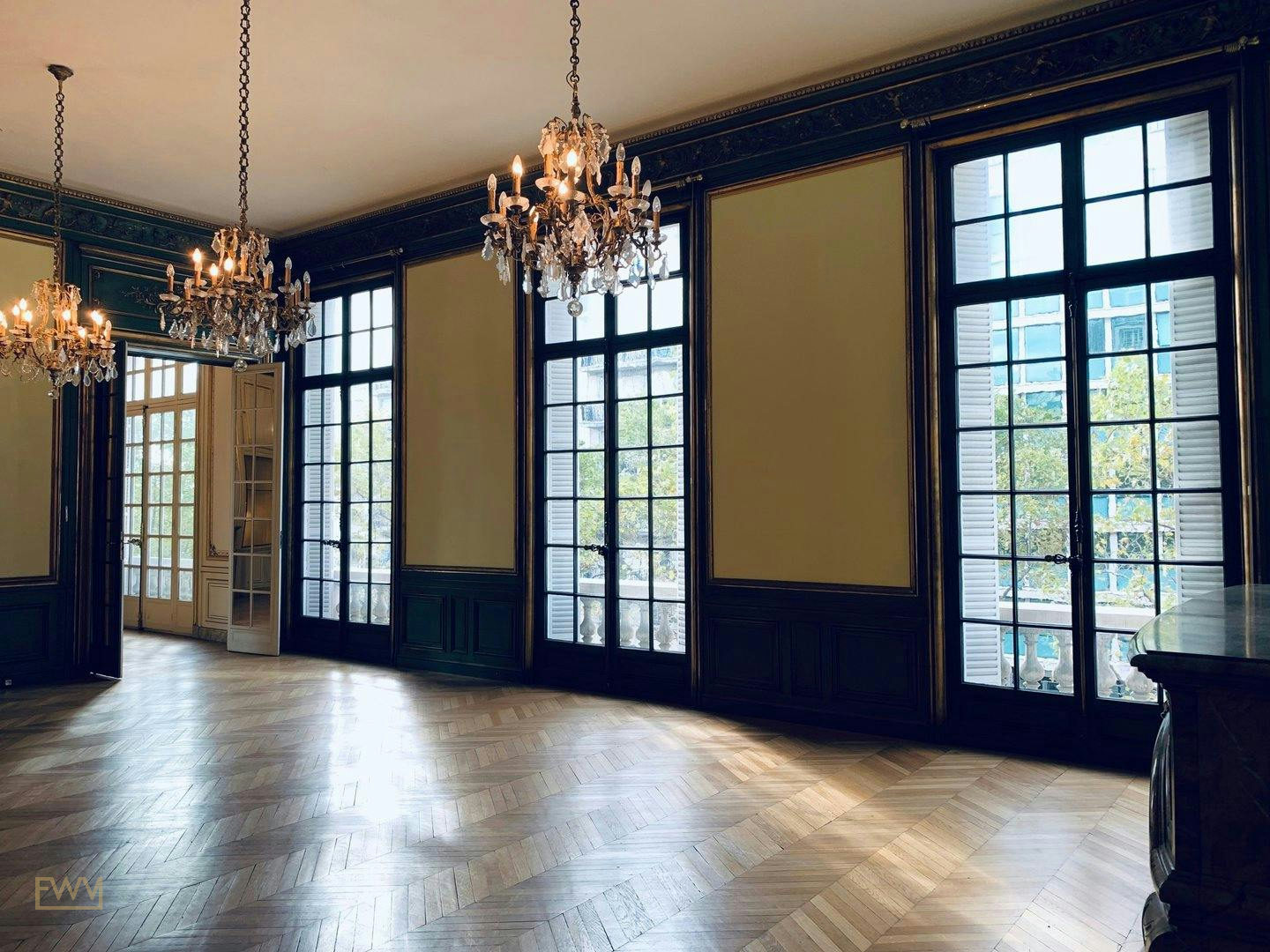
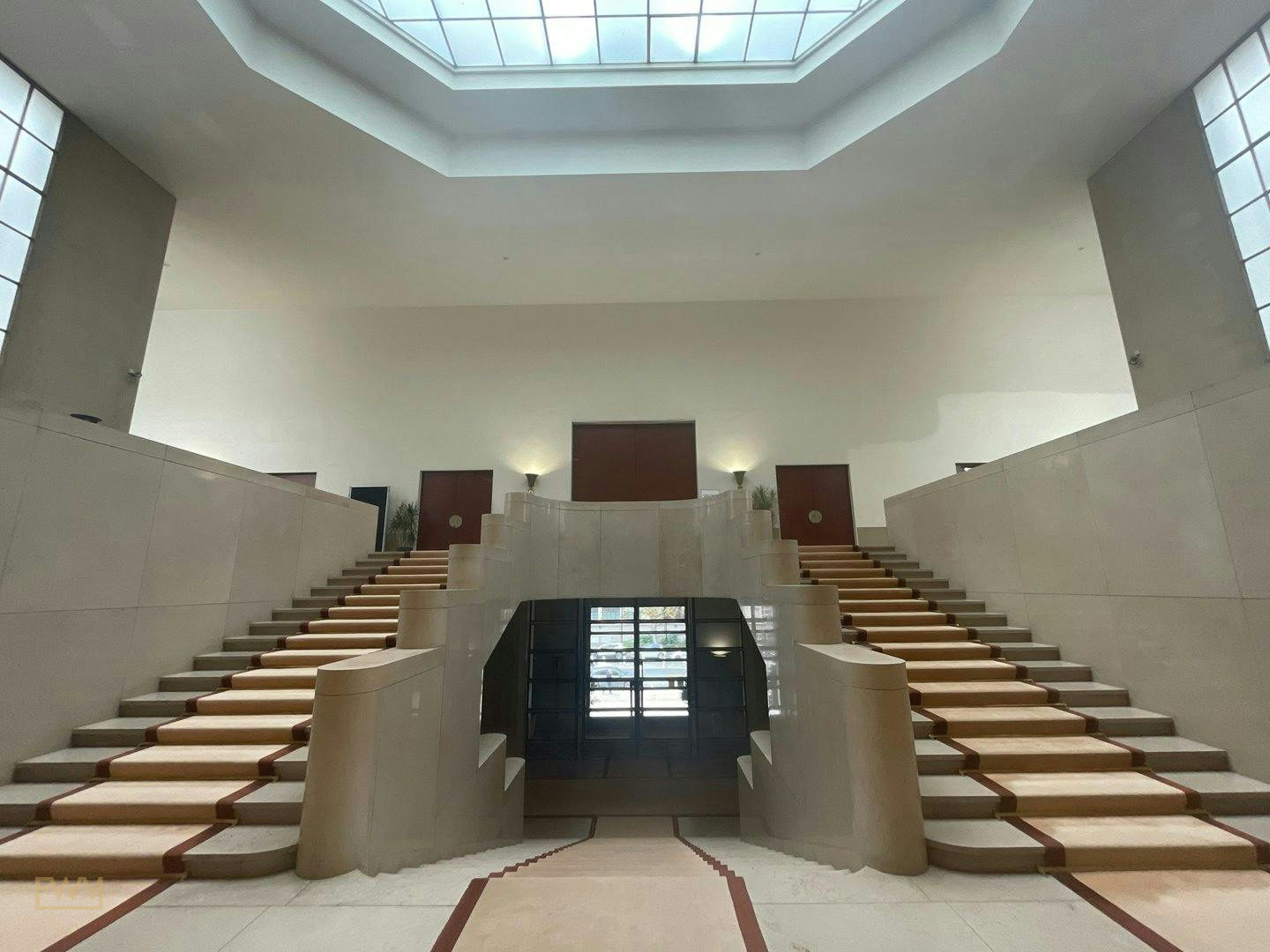
To hire retail space near Notre-Dame Paris is to position your brand at the intersection of one of the world's most visited monuments and a neighbourhood dense with international visitors, luxury shoppers, and cultural foot traffic. The 4th arrondissement and its surrounding districts offer a remarkable mix of historic storefronts, converted gallery spaces, fashion showrooms, and boutique venues that suit everything from short-term pop-up stores to seasonal brand activations. Fashion Week Venues works with brands seeking pop-up spaces and event venues across Paris, including the Notre-Dame corridor, Le Marais, and Saint-Germain-des-Prés, helping teams move from brief to open door without losing time to complex permit and lease negotiations.
Why Hire Retail Space Near Notre-Dame Paris
Quick answer: Retail space near Notre-Dame Paris delivers access to an estimated 12 to 14 million annual visitors to the cathedral zone, a pedestrian-heavy environment, and proximity to some of Paris's most commercially active streets. Brands benefit from organic foot traffic, cultural prestige, and natural alignment with the city's fashion and luxury identity.
Notre-Dame de Paris is not simply a monument. It anchors an entire ecosystem of visitor movement, luxury tourism, and cultural consumption that radiates outward through the Île de la Cité, into Le Marais to the east and Saint-Germain-des-Prés to the west. The cathedral's ongoing restoration, which drew global attention following the 2019 fire and culminated in a major reopening, has intensified visitor volumes across the surrounding arrondissements. For brands, this means that retail spaces within walking distance of the cathedral benefit not only from Parisian residential clientele but from an internationally diverse consumer base that arrives ready to discover, engage, and spend.
The commercial streets connecting the Notre-Dame zone to neighbouring districts form one of the most productive retail corridors in continental Europe. Rue de Rivoli runs along the northern edge of the Île de la Cité toward the Marais and Les Halles. Saint-Germain-des-Prés and its adjoining streets attract fashion buyers, art collectors, and well-travelled consumers. Le Marais, immediately to the north-east, contains one of the highest concentrations of independent boutiques, showrooms, and pop-up stores in the city. Each of these zones is accessible on foot from Notre-Dame, meaning a well-placed retail space becomes part of an organic visitor journey rather than a destination in isolation.
For fashion brands, the Notre-Dame area carries additional weight during Paris Fashion Week. Editors, buyers, stylists, and brand representatives move between shows, presentations, and showrooms throughout the Marais, the Golden Triangle, and Saint-Germain-des-Prés. A temporary retail space or showroom near Notre-Dame places a brand within this professional circuit while also capturing the general tourist and cultural visitor traffic that persists throughout the week.
Beauty brands, lifestyle labels, accessories houses, and art-led fashion concepts all find the area compatible. The mix of visitor profiles, from international luxury tourists to young French consumers exploring the Marais, means that brands with broad or layered positioning can activate effectively without narrowing their audience. Galleries, charming boutiques, and raw industrial spaces in converted buildings sit alongside more traditional storefronts, giving creative directors a genuine range of spatial options.
DID YOU KNOW: Following the December 2024 reopening of Notre-Dame de Paris after five years of restoration, visitor projections for the cathedral and surrounding arrondissements have been revised sharply upward, with some estimates suggesting annual footfall could reach levels not seen since before the 2019 fire, or surpass them.
KEY TAKEAWAY: Hiring retail space near Notre-Dame Paris gives brands access to one of the highest-footfall cultural zones in Europe, a genuinely international consumer base, and a location that places activations within the organic visitor and fashion professional circuits that define Paris as a retail destination.
Understanding which specific neighbourhood best fits your brand's profile and activation goals requires mapping foot traffic patterns, space availability, and commercial character across the surrounding arrondissements, which is covered in the next section.
Paris Neighbourhoods Near Notre-Dame: Retail Character and Space Availability
Quick answer: The districts closest to Notre-Dame de Paris each have a distinct retail character. Le Marais suits fashion and lifestyle brands. Saint-Germain-des-Prés suits luxury, art, and beauty concepts. Les Halles suits high-volume footfall activations. Saint-Honoré and the Golden Triangle suit luxury and couture presentations.
Paris is organised into 20 arrondissements, and the Notre-Dame area spans the 1st, 4th, and 5th, with the 3rd and 6th immediately adjacent. Each neighbourhood within this zone has evolved a distinct commercial identity, and understanding that identity is essential before selecting a retail space, showroom, or pop-up venue.
Le Marais and the 3rd and 4th Arrondissements
Le Marais is the most active fashion and lifestyle retail neighbourhood in the Notre-Dame orbit. It contains a high concentration of independent boutiques, showrooms, concept stores, pop-up stores, and art galleries, many of which occupy historic hôtel particulier buildings with characterful ground-floor spaces and internal courtyards. The area attracts both Parisian fashion consumers and international visitors, and it benefits from consistent foot traffic across weekdays and weekends. Streets such as Rue des Francs-Bourgeois, Rue Vieille du Temple, and Rue de Bretagne are particularly active. For brands seeking a charming boutique format, a fashion showroom, or a gallery-style pop-up, Le Marais offers the widest variety of space types in this zone.
Saint-Germain-des-Prés and the 6th Arrondissement
Saint-Germain-des-Prés sits on the Left Bank, a short walk from Notre-Dame across the Seine. It carries a reputation for intellectual sophistication, luxury fashion, and high-end beauty, and its retail streets attract a discerning, high-spending clientele. The neighbourhood suits brands positioning at the intersection of culture, fashion, and luxury. Space types here tend toward elegant storefronts, gallery conversions, and apartment-style showrooms rather than raw industrial formats.
Les Halles and the 1st Arrondissement
Les Halles, centred on the Forum des Halles shopping complex, offers access to very high daily footfall driven by one of Paris's most used transport hubs. The area is less boutique in character than Le Marais but offers significant volume potential for brands running mass-market or discovery-oriented activations. Rue de Rivoli, which connects Les Halles to the Notre-Dame area, contains a mixture of retail formats.
Saint-Honoré, Place Vendôme, and the Golden Triangle
Rue Saint-Honoré and Rue du Faubourg Saint-Honoré lead westward from the 1st arrondissement into the luxury heartland of the 8th. Place Vendôme, the Champs-Élysées, Galeries Lafayette, and Printemps sit within this zone. The Golden Triangle, bounded by the Avenue des Champs-Élysées, Avenue Montaigne, and Avenue George V, is the apex of Parisian luxury retail. Brands seeking spaces in this area are typically presenting at the highest tier of the market, and rental rates reflect that positioning. For fashion showrooms, couture presentations, or luxury pop-up stores aligned with Paris Fashion Week, this corridor is highly competitive during the fashion calendar windows.
Montmartre and Pigalle
Montmartre and Pigalle, in the 9th and 18th arrondissements, sit further from Notre-Dame but attract significant visitor volumes and offer a creative, artistic context that suits independent brands, beauty concepts, and fashion labels with a strong aesthetic identity. Spaces here often feature distinctive architectural character and can represent better value relative to prime Left Bank or Golden Triangle locations.
| Neighbourhood | Arrondissement | Best For | Space Character | Typical Visitor Profile |
|---|---|---|---|---|
| Le Marais | 3rd and 4th | Fashion, lifestyle, art, beauty pop-ups | Boutiques, showrooms, galleries, courtyards | International fashion tourists, locals |
| Saint-Germain-des-Prés | 6th | Luxury fashion, beauty, art concepts | Elegant storefronts, gallery spaces, apartments | High-spending cultural visitors |
| Les Halles | 1st | High-volume discovery activations | Mall-adjacent retail, street-level storefronts | Commuters, tourists, young consumers |
| Saint-Honoré and Golden Triangle | 1st and 8th | Luxury, couture, Fashion Week showrooms | Premium storefronts, hotel spaces, galleries | Luxury buyers, press, fashion professionals |
| Montmartre and Pigalle | 9th and 18th | Creative, independent, beauty brands | Artistic spaces, studios, converted flats | Young Parisians, cultural tourists |
KEY TAKEAWAY: Each neighbourhood near Notre-Dame serves a different brand positioning and visitor profile. Matching your space to your audience before searching listings saves time and reduces the risk of securing a technically available space in the wrong commercial context for your brand.
Once you have a target neighbourhood, the next practical step is understanding what types of retail space are available and what each format delivers for different activation objectives.
Retail Space Types Available Near Notre-Dame Paris
Quick answer: Near Notre-Dame Paris, brands can hire storefronts, gallery spaces, fashion showrooms, charming boutiques, studio photo spaces, apartments adapted for retail, and purpose-built pop-up venues. The right format depends on your product category, audience size, activation length, and visual identity.
The diversity of available spaces in the Notre-Dame corridor is one of the area's most significant commercial advantages. Unlike purpose-built retail districts that offer only standardised shopfronts, the historic urban fabric of central Paris produces a wide range of spatial typologies that can be matched to very different brand contexts.
Storefronts and Boutiques
Traditional street-level storefronts with glazed frontages and direct pedestrian access are the most common format for pop-up stores and short-term retail activations. In Le Marais and Saint-Germain-des-Prés, many of these occupy ground floors of 17th and 18th century buildings, with internal volumes that range from compact 20 to 30 square metre units up to 150 square metres or more. The charming boutique format, characterised by period architectural detail, parquet or stone floors, and natural light from street-facing windows, is particularly sought after for fashion and beauty brands seeking an authentic Parisian aesthetic.
Gallery Spaces and Art Galleries
Gallery spaces offer white-wall, high-ceiling environments suited to brands presenting collections in an editorial or art-direction context. Many art galleries in Le Marais and Saint-Germain-des-Prés open their spaces for temporary commercial use between exhibitions, providing brands with professional-grade lighting infrastructure, polished or raw concrete floors, and a cultural association that reinforces brand credibility. These spaces suit fashion showrooms, product launches, and experiential retail concepts.
Fashion Showrooms
Fashion showrooms in central Paris are specifically designed for buyer and press presentations. They typically feature neutral interiors, good natural light, garment hanging infrastructure, and meeting areas. During Paris Fashion Week, demand for showroom spaces in the Marais, Saint-Germain, and the Golden Triangle is extremely high, and forward planning of three to six months is often necessary for prime locations.
Apartments and Studio Spaces
Residential apartments and studio photo spaces adapted for commercial use offer intimacy and character that standard retail formats cannot provide. These spaces suit beauty brands, jewellery houses, and fashion labels that want to create an invitation-only or appointment-led experience. Studio spaces often come equipped with professional lighting rigs, making them suitable for both activation and content creation.
Pop-Up Store Formats
Purpose-configured pop-up store spaces are available throughout central Paris, often through short-term agreements managed by specialist agencies or commercial landlords comfortable with temporary retail. These spaces are typically vacant between longer-term tenants and can be made available on terms from one week to six months, depending on the property owner's requirements and the available lease structure.
| Space Type | Typical Size Range | Best Activation Use | Key Feature |
|---|---|---|---|
| Storefront boutique | 20 to 150 sq m | Pop-up retail, product sales | Direct pedestrian access, street visibility |
| Gallery space | 60 to 300 sq m | Launch events, showrooms, experiential retail | High ceilings, professional lighting, cultural context |
| Fashion showroom | 50 to 200 sq m | Buyer and press presentations | Neutral interiors, garment infrastructure |
| Apartment or studio | 30 to 120 sq m | Intimate retail, content creation | Residential character, studio lighting |
| Pop-up store format | 40 to 250 sq m | Short-term retail activations | Flexible terms, ready-to-activate fit-out |
TIP: When evaluating a space, ask about existing lighting infrastructure. Spotlights and track lighting systems already installed can significantly reduce fit-out costs compared to spaces with only basic ceiling fixtures. Polished concrete floors and raw concrete floors are both desirable finishes in the Paris pop-up market, but they require different furniture and display approaches to look their best.
KEY TAKEAWAY: The variety of space types available near Notre-Dame Paris means brands can find environments that genuinely serve their creative and commercial brief rather than simply taking whatever is available. Matching the spatial character to the brand identity is as important as securing the right neighbourhood.
With space type and neighbourhood aligned, the next critical consideration is navigating the lease structures, permits, and regulations that govern short-term retail in Paris.
Leases, Permits, and Regulations for Temporary Retail in Paris
Quick answer: Short-term retail spaces in Paris are typically governed by a bail dérogatoire, which allows temporary commercial occupation for up to 36 months without the full protections of a standard commercial lease. Some spaces in public or semi-public locations require an autorisation d'occupation temporaire. Both structures require careful legal review before signing.
One of the most common difficulties brands face when trying to hire retail space in Paris independently is the complexity of French commercial property law. The regulatory framework governing temporary retail is distinct from both residential rental and standard long-term commercial leases, and misunderstanding the applicable structure can lead to significant financial and legal complications.
The Bail Dérogatoire
The bail dérogatoire, sometimes called a bail précaire, is the most commonly used lease structure for short-term commercial retail in France. It allows landlords and tenants to agree on a temporary occupation period without the tenant acquiring the statutory renewal rights that attach to a standard commercial lease under the French Code de Commerce. The maximum cumulative duration under a bail dérogatoire for the same tenant in the same premises is 36 months. After that threshold, the tenant may acquire rights to a standard commercial lease, which carries much stronger tenant protections and creates obligations for the landlord. For pop-up stores and temporary retail activations, a bail dérogatoire of one week to several months is the standard instrument.
Autorisation d'Occupation Temporaire
For spaces situated on public domain land, including certain streets, squares, and publicly owned buildings near Notre-Dame, an autorisation d'occupation temporaire (AOT) is required instead of or in addition to a private lease agreement. AOTs are granted by the relevant public authority, which varies depending on whether the space falls under the Ville de Paris, a national institution, or another body. The process involves submitting a project description, demonstrating commercial purpose, and complying with visual and operational conditions set by the grantor. Requirements vary by location, arrondissement, and the specific nature of the activation.
Commercial Activity Permits and Local Regulations
Beyond the lease structure, brands operating retail or sales activity in Paris may need to comply with regulations governing commercial signage, temporary structures, trading hours, noise, waste management, and product-specific licensing. The applicable rules vary by arrondissement and by the nature of the activity. Brands selling food and beverage products, for example, face stricter health and safety compliance requirements than fashion or beauty brands. Brands using temporary external signage or window displays face rules governed by the Ville de Paris's urban visual standards.
IMPORTANT: Requirements for permits, AOTs, and commercial activity licences in Paris vary significantly by space type, location, arrondissement, and the nature of your activation. Nothing in this guide should be taken as legal advice. Brands are strongly advised to verify their specific obligations with a qualified French legal advisor before signing any agreement or committing to a space. Use the permit guidance tool on Fashion Week Venues as a starting point for understanding the categories of compliance relevant to your project.
VAT, Business Registration, and Operating Without a French Legal Entity
International brands operating a pop-up store in France for a limited period may need to address French VAT registration for commercial transactions, even without a permanent French legal entity. The rules governing this have changed in recent years, and the applicable threshold and obligations depend on your home country, the nature of transactions, and the duration of activity. Again, specialist French legal and tax advice is essential before operating.
KEY TAKEAWAY: The bail dérogatoire is the standard short-term lease instrument for pop-up retail in Paris and is distinct from both residential rental and standard commercial leases. Combined with potential AOT requirements and local trading regulations, the compliance landscape for temporary retail in Paris is more complex than it appears, and specialist guidance is necessary.
Understanding the cost structure for hiring retail space near Notre-Dame Paris is the next essential step for brand teams building a viable activation budget.
Cost of Hiring Retail Space Near Notre-Dame Paris
Quick answer: Rental rates for pop-up and temporary retail spaces near Notre-Dame Paris vary significantly by neighbourhood, space size, space type, and duration. Rates in prime Marais or Saint-Germain locations are substantially higher than in Montmartre or Les Halles. Fashion Week Venues recommends using a dedicated budget tool rather than relying on generalised figures.
Providing precise pricing figures for retail space rental in Paris is genuinely difficult without knowing the specific neighbourhood, space type, square meterage, duration, season, and negotiating position involved. This guide provides directional framing only, and brands are strongly encouraged to use the Fashion Week Venues budget estimation tool to build a project-specific cost model.
Factors That Determine Rental Cost
Several variables combine to determine what a brand will pay to hire retail space near Notre-Dame Paris. Location within the neighbourhood is the primary driver. A street-level boutique on Rue des Francs-Bourgeois in Le Marais commands a different rate to a similar-sized space on a secondary street two blocks away. The same applies across all districts: prime visibility and pedestrian flow command a premium.
Space size is the second major variable. Most temporary retail spaces near Notre-Dame are priced on a per-square-metre basis, and the total weekly or monthly rate scales with floor area. Very small spaces of 20 to 40 square metres may be available at rates that work for independent or emerging brands, while flagship-scale spaces of 200 square metres and above represent a substantially larger financial commitment.
Duration significantly affects unit cost. A one-week activation will typically cost more per day than a one-month activation in the same space. Landlords offering bail dérogatoire agreements generally prefer longer minimum terms to justify the administrative overhead of short-term letting. Some specialist pop-up platforms negotiate access to spaces at lower per-day rates in exchange for filling vacancy periods between longer lettings.
The time of year matters considerably. Paris Fashion Week periods, specifically the September women's ready-to-wear shows and the January and July haute couture and men's weeks, create intense demand spikes for showroom and retail spaces throughout the Marais, Golden Triangle, and Saint-Germain zones. During these windows, rates rise and availability drops. Brands activating outside the fashion calendar may find both lower rates and greater choice.
Beyond Rent: The Full Cost of a Retail Activation
The space rental cost is only one component of the total investment required to hire and operate retail space near Notre-Dame Paris. Brands should budget separately for fit-out and production, furniture rental, retail staffing, point-of-sale systems and payments, marketing and social media, permits and legal fees, insurance, and any agency management fees. These additional costs can collectively represent more than the base rental cost, particularly for a highly produced brand activation with bespoke design elements.
DID YOU KNOW: Brands that underestimate the full activation cost and focus only on headline rent often face budget shortfalls during production that compromise the quality of the final experience. Building a complete cost model before committing to a space is one of the most important steps in the planning process.
| Cost Category | Description | Directional Status |
|---|---|---|
| Space rental | Weekly or monthly hire of the physical space | Varies by size, location, duration, season |
| Fit-out and production | Branded installations, fixtures, displays | Often equals or exceeds rental cost |
| Furniture rental | Display units, seating, counters | Scalable based on space and concept |
| Retail staffing | Floor team, brand ambassadors, managers | Daily rate dependent on team size |
| POS and payment systems | Card terminals, inventory management | Fixed or variable based on provider |
| Permits and legal | AOT, bail dérogatoire review, trading permits | Variable by space type and location |
| Insurance | Public liability, stock, event | Required for all commercial activations |
| Marketing and influencer activity | Launch events, press activity, social content | Brand-specific budget decision |
KEY TAKEAWAY: The cost of hiring retail space near Notre-Dame Paris is not reducible to a single daily or monthly rate. Building a complete budget that covers all operational and production costs is essential before committing to a space or launch date.
With costs understood, the question of where and how to find available spaces effectively is the next practical priority for brand teams.
How to Find and Search for Retail Spaces Near Notre-Dame Paris
Quick answer: Brands can find retail spaces near Notre-Dame Paris through specialist pop-up platforms, commercial real estate brokers, local property agents, and dedicated space marketplaces. Each source has different inventory, terms, and service levels. Specialist platforms and agencies typically offer the most relevant inventory for short-term fashion and lifestyle activations.
Finding the right space is a research and negotiation process, not a simple search. Several distinct channels exist, and understanding what each one offers helps brand teams allocate their search time efficiently.
Specialist Pop-Up Space Marketplaces
Dedicated pop-up space marketplaces list spaces specifically intended for short-term commercial use. These platforms are built for the temporary retail use case and typically feature spaces already configured for pop-up occupation, with clear information on available dates, size, space type, neighbourhood, and pricing frameworks. They are particularly useful for brands that want to browse options, set up search alerts, and compare multiple listings before committing. Features such as saved searches, email alerts for new listings, and filtering by space type, floor and access, and space features make the discovery process more structured than working through a traditional broker.
Commercial Real Estate Platforms
Commercial real estate platforms such as LoopNet and CoStar list investment properties and longer-term commercial leases alongside some short-term options. These platforms are primarily designed for commercial real estate professionals and broker professionals, and their inventory skews toward longer-term agreements and investment properties rather than the flexible, short-term pop-up formats most fashion and lifestyle brands need. Blue Listings on some platforms indicate verified broker-listed properties. While useful for understanding the broader market, these platforms are generally less practical for brands seeking a two-week to three-month pop-up retail space in Le Marais or Saint-Germain.
Local Property Agents and IAD Agents
Local property agents and independent agents, including those operating under network models such as IAD, can provide access to off-market spaces and properties not listed on public platforms. A knowledgeable local property agent with experience in the specific arrondissement can identify opportunities, facilitate introductions to landlords, and provide context on local regulations, arrondissement-specific rules, and realistic rental expectations. For brands unfamiliar with Paris's commercial property market, working with a French-speaking local agent who understands the fashion activation use case is a significant advantage.
Full-Service Pop-Up Agencies
Full-service agencies like Fashion Week Venues combine space sourcing with the full range of services needed to move from brief to open door. Rather than simply listing spaces, they manage the end-to-end process: identifying suitable spaces, negotiating terms, managing permits and compliance, directing concept and design, overseeing production and fit-out, providing furniture and fixtures, supplying retail staff, setting up POS and payment systems, and managing the activation throughout its run. For brands without a dedicated Paris retail team or deep knowledge of the French market, this model reduces risk and saves significant time.
TIP: When setting up search alerts on any platform, be specific about space type, arrondissement, size range, and availability dates. Generic alerts generate high volumes of irrelevant listings and make it easy to miss genuinely relevant spaces. Review and update your alert parameters regularly as your brief evolves.
To compare available spaces by neighbourhood, size, and space type, explore the Fashion Week Venues space marketplace and use the comparison and locator tools to shortlist options that match your brief.
KEY TAKEAWAY: No single search channel covers the entire available inventory of short-term retail spaces near Notre-Dame Paris. Combining a specialist marketplace, a full-service agency, and local property expertise produces the most comprehensive view of what is actually available for your dates, budget, and space requirements.
Once a brand has identified candidate spaces, planning the activation itself requires a clear step-by-step workflow that accounts for all the operational and creative variables involved.
Step-by-Step Workflow for Hiring and Activating Retail Space Near Notre-Dame Paris
Quick answer: A successful retail activation near Notre-Dame Paris follows a structured workflow from initial brief through venue sourcing, design, production, permit compliance, staffing, launch, and close. Skipping or rushing any stage increases risk and cost. Most brands need three to six months of lead time for a well-executed activation.
The operational complexity of running a retail activation in central Paris should not be underestimated. The following workflow reflects the standard process used by experienced agencies for short-term retail and pop-up activations in the city.
| Stage | Key Activities | Typical Lead Time Before Opening |
|---|---|---|
| 1. Brief and strategy | Define objectives, target audience, budget range, neighbourhood preference, space type, and duration | 16 to 24 weeks |
| 2. Space search and shortlisting | Search marketplace, consult agency, evaluate options using compare and locator tools | 12 to 20 weeks |
| 3. Site visits and selection | Visit shortlisted spaces, assess foot traffic, lighting, access, condition, and fit-out potential | 10 to 16 weeks |
| 4. Lease and permit process | Negotiate bail dérogatoire, apply for AOT if required, complete permit checklist, engage legal advisor | 8 to 14 weeks |
| 5. Concept and design | Develop spatial concept, visual identity, display strategy, and brand narrative for the space | 8 to 12 weeks |
| 6. Production and fit-out | Commission and build branded installations, source and deliver furniture, set up POS and payment systems | 4 to 8 weeks |
| 7. Staffing and training | Recruit and brief retail staff, conduct product and brand training, set up operational procedures | 2 to 4 weeks |
| 8. Launch and marketing | Press and influencer outreach, social media content, opening event, ongoing marketing during activation | 1 to 2 weeks before opening |
| 9. Activation management | Daily operations, stock management, customer experience, data collection, real-time adjustments | During activation |
| 10. Close, strip-out, and reporting | Disinvest space, restore to original condition, compile data and analytics report, debrief | At or after close |
The timeline above reflects a well-resourced activation with sufficient lead time. Brands that begin the process later can compress some stages, but this typically increases cost and reduces the quality of the outcome. The permit and lease stage is the least compressible, as French administrative processes have their own timelines that cannot be accelerated simply by applying more resources.
For brands new to Paris activations, working with a full-service agency that manages all ten stages internally is the most reliable way to ensure nothing is missed. For brands with existing Paris experience and their own production and staffing relationships, a space-sourcing and permit-support model may be more appropriate.
KEY TAKEAWAY: Planning a retail activation near Notre-Dame Paris with three to six months of lead time is not excessive. It is necessary. The most common cause of expensive problems in Paris pop-up activations is insufficient lead time for permits, production, and staffing.
Understanding how Fashion Week Venues specifically supports brands through this process is the next topic, covering the full range of services and tools available.
How Fashion Week Venues Helps Brands Hire Retail Space Near Notre-Dame Paris
Fashion Week Venues operates as a full-service pop-up shop agency and space marketplace, with Paris as its primary and anchor market. For brands looking to hire retail space near Notre-Dame Paris, the platform and agency model provides support across every stage of the process described in the workflow above.
The venue sourcing service covers identification, negotiation, and securing of spaces across Le Marais, Saint-Germain-des-Prés, the Golden Triangle, Les Halles, and other Paris districts. Rather than providing access only to publicly listed spaces, the team sources options across multiple channels including off-market properties, landlord relationships, and the Fashion Week Venues marketplace inventory.
Concept and creative direction is provided through the concept direction service, which helps brands translate their brief into a spatial strategy that works within the specific character of their chosen neighbourhood and space type. Production and build covers the physical fit-out of the space, including branded installations, bespoke fixtures, lighting, and display systems. Furniture rental provides a flexible, cost-efficient route to furnishing a temporary space without the capital expenditure of purchasing and storing assets.
Retail staffing supplies trained, brand-appropriate floor teams for the duration of the activation. The staffing team understands the specific dynamics of operating a temporary retail space in Paris, including how to engage an international visitor audience and how to manage the operational rhythms of a high-footfall location. POS and payment systems are provided and configured for the space, ensuring that transactions are handled smoothly and that sales data is captured accurately.
The data and analytics service tracks visitor numbers, dwell time, conversion rates, and transaction data throughout the activation, providing a post-campaign dataset that informs both immediate reporting and future planning. Influencer marketing support covers press outreach, influencer engagement, social media content strategy, and launch event management for brands that want to amplify their Paris activation beyond walk-in traffic.
The tools available on the platform support the research and planning stages independently of agency engagement. The ROI calculator helps brands model the commercial return case for a Paris activation. The timeline tool maps out the process stages against a target opening date. The compare tool allows multiple spaces to be evaluated side by side. The locator tool maps available spaces by neighbourhood and proximity to key landmarks and commercial anchors.
The twin concept provides a co-activation model where two complementary brands share a space, splitting costs while both benefiting from the combined audience and combined creative presence. This is particularly relevant for emerging brands or international brands entering Paris for the first time, where cost efficiency is a priority.
The Fashion Week Venues agency model does not guarantee specific spaces, permit approvals, or activation outcomes. Spaces are subject to availability, and the pace of the process depends on how quickly a brand can confirm its brief, budget, and calendar. The best outcomes result from early engagement and clear briefing.
To compare neighbourhoods and space types, explore the Paris city hub on Fashion Week Venues and shortlist spaces that match your brief, budget, and calendar window.
KEY TAKEAWAY: Fashion Week Venues provides both a space marketplace for independent discovery and a full-service agency model for brands that want end-to-end support from venue sourcing through to activation close. The tools on the platform are usable independently at any stage of the planning process.
Paris Fashion Week Calendar and Why Timing Your Retail Activation Matters
Quick answer: Paris hosts four major Fashion Week periods each year: January menswear and haute couture, February and March women's ready-to-wear, June or July menswear and haute couture again, and September women's ready-to-wear. Each window creates distinct demand spikes for retail space, showrooms, and event venues. Timing your activation to align with or strategically avoid these windows significantly affects both cost and audience.
The Paris Fashion Week calendar is not a single event but a sequence of overlapping industry moments spread across the year. Each window brings a different mix of professional audiences, press, buyers, stylists, and international visitors to the city, and the commercial implications for brands running retail activations during these periods are significant.
During the September women's ready-to-wear season, which is the most commercially intense of the four windows, demand for showroom and pop-up retail spaces across Le Marais, the Golden Triangle, and Saint-Germain reaches its annual peak. International brands use this window to make their Paris statement: to be visible to the press and buyer community while also engaging the consumer traffic that surges into the city during fashion month. The overlap between professional and consumer audiences during this period makes it particularly valuable for brands that need both trade credibility and direct-to-consumer sales.
January haute couture and menswear attracts a more concentrated professional audience and less general consumer traffic than the September season. For luxury brands and emerging designers presenting to press and buyers, this is a high-value window. For brands whose primary objective is direct consumer sales, September or an off-calendar activation may deliver better results at lower cost.
Activating outside the Fashion Week calendar windows offers genuine advantages for some brands. Space availability is higher, rental competition is lower, and the visitor profile shifts to include more leisure tourists, Parisian residents, and consumers who are not specifically attending fashion events. For beauty brands, lifestyle labels, and brands targeting a broad consumer audience rather than fashion industry professionals, an off-calendar activation in a prime neighbourhood like Le Marais can outperform a Fashion Week activation at significantly lower cost.
The practical implication is that brands should define their primary objective before selecting a calendar window. If the objective is press coverage, buyer access, and industry positioning, Fashion Week alignment is logical. If the objective is direct consumer sales, brand discovery, and social media content generation, an off-calendar activation in a high-footfall neighbourhood may produce a better return on the total investment.
KEY TAKEAWAY: The Paris Fashion Week calendar creates both opportunities and cost pressures for brands seeking retail space. Aligning your activation window to your primary objective, rather than defaulting to Fashion Week because it feels like the right time, will produce better commercial outcomes.
Common Myths About Hiring Retail Space Near Notre-Dame Paris Debunked
MYTH: You need a French legal entity to hire retail space near Notre-Dame Paris.
FACT: International brands without a French legal entity can hire retail space in Paris under a bail dérogatoire, typically by providing relevant corporate documentation, international bank guarantees, and engaging a French legal advisor. The process is more involved than for French-registered companies, but it is not a barrier that prevents international brands from operating. Requirements vary by landlord, space, and lease structure, so specialist legal advice is essential.
MYTH: Paris Fashion Week is the only viable calendar window for a successful retail activation near Notre-Dame.
FACT: Paris Fashion Week creates significant opportunities for press, buyer, and industry-facing activations, but off-calendar activations in high-footfall neighbourhoods like Le Marais or Saint-Germain-des-Prés can deliver excellent direct consumer results at lower space costs and with better availability. The best calendar window depends on your primary activation objective, not on general industry convention.
MYTH: Commission brokers are the only way to find a suitable retail space near Notre-Dame Paris.
FACT: Multiple routes exist for finding short-term retail spaces in Paris, including specialist pop-up marketplaces, full-service agencies, local property agents, and direct landlord relationships cultivated through neighbourhood research. Commission brokers can be useful but are not the only option, and for short-term pop-up formats specifically, dedicated pop-up platforms and agencies often have more relevant inventory and better short-term lease expertise.
MYTH: Short-term retail leases in Paris are straightforward to sign and operate without specialist legal help.
FACT: The bail dérogatoire and AOT structures that govern temporary commercial occupation in Paris are legally specific instruments with important consequences for both tenant and landlord. Signing without qualified French legal advice creates risks including unintended acquisition of long-term tenancy rights, non-compliant commercial activity, and permit violations that can result in forced closure. Specialist guidance at the lease stage is not optional for brands taking the activation seriously.
MYTH: Finding a pop-up space near Notre-Dame Paris is impossible because all good spaces are taken by established Parisian brands.
FACT: The Paris short-term retail market is dynamic and continuously produces new availability as vacancy cycles, landlord appetite for temporary letting, and specialist platform inventory evolve. International brands successfully activate in prime Parisian locations including Le Marais, Saint-Germain, and the Golden Triangle throughout the year. Early planning, a clear brief, and access to the right search channels are the real determinants of success, not competitive exclusion by local brands.
Frequently Asked Questions About Hiring Retail Space Near Notre-Dame Paris
Why rent a retail space near Notre-Dame de Paris?
Notre-Dame de Paris is one of the world's most visited monuments, drawing millions of international visitors annually. Retail spaces within the surrounding arrondissements benefit from this sustained foot traffic combined with the commercial density of Le Marais, Saint-Germain-des-Prés, and the Île de la Cité. For fashion and lifestyle brands, the location provides both cultural prestige and access to a genuinely international consumer base. The post-2024 reopening of the cathedral has further intensified visitor projections for the area, making it one of the most commercially compelling short-term retail zones in continental Europe.
How much does it cost to rent a shop near Notre-Dame de Paris?
Rental costs for retail spaces near Notre-Dame Paris vary significantly based on neighbourhood, size, space type, duration, and time of year. Prime locations in Le Marais or Saint-Germain command premium rates, particularly during Paris Fashion Week periods. Smaller spaces on secondary streets are available at more accessible rates. Beyond rent, brands must budget for fit-out, furniture, staffing, permits, insurance, and POS systems. Use the Fashion Week Venues budget estimation tool to build a project-specific model rather than relying on generalised figures, which can be misleading given the range of variables involved.
What are the most sought-after locations for leasing commercial space in Paris?
The most sought-after locations for short-term commercial leasing in Paris include Le Marais (3rd and 4th arrondissements), Saint-Germain-des-Prés (6th), Rue Saint-Honoré and the Golden Triangle (1st and 8th), and the Champs-Élysées corridor. During Paris Fashion Week, showrooms and pop-up spaces in Le Marais and the Golden Triangle reach peak demand. For high-volume consumer activations, Les Halles and the Galeries Lafayette and Printemps zone in the 9th arrondissement offer significant footfall potential.
What is a bail dérogatoire and how does it affect a pop-up rental?
A bail dérogatoire is a short-term commercial lease structure permitted under French law that allows temporary occupation of commercial premises without the tenant acquiring the statutory renewal rights associated with a standard commercial lease. It can be agreed for periods from a few weeks up to a maximum cumulative duration of 36 months. For pop-up stores and temporary retail activations, it is the standard lease instrument. Brands should have any bail dérogatoire reviewed by a qualified French legal advisor before signing, as the legal implications are specific and consequential.
Do I need a French company to operate a pop-up store near Notre-Dame?
International brands without a French legal entity can operate pop-up stores in Paris under a bail dérogatoire, subject to providing appropriate corporate documentation and complying with applicable VAT and commercial trading regulations. The process is more administratively complex than for French-registered companies, and French legal and tax advice is strongly recommended. Requirements vary by landlord, space, and the nature of the commercial activity. Some landlords specifically prefer tenants with French entities, which can affect negotiating position in competitive space markets.
What types of retail space are available near Notre-Dame Paris?
Available space types near Notre-Dame Paris include street-level storefronts and charming boutiques, gallery spaces and art galleries, dedicated fashion showrooms, residential apartments adapted for commercial use, studio photo spaces with professional lighting, and purpose-configured pop-up store formats. Each type suits different brand categories and activation objectives. Gallery spaces with polished or raw concrete floors and professional spotlights are popular for fashion and beauty activations. Boutique formats with period architectural detail are well suited to luxury and lifestyle brands seeking an authentic Parisian aesthetic.
How far in advance should I start planning a retail activation near Notre-Dame?
Most experienced Paris retail activation teams recommend beginning the planning process three to six months before the intended opening date. The most time-critical stage is permit and lease compliance, which involves French administrative processes that cannot be rushed. Concept, production, staffing, and marketing also require substantial lead time to execute well. Brands that begin the process six to eight weeks before their target opening typically find that either good spaces are unavailable, the production quality is compromised, or both. During Paris Fashion Week windows, even longer lead times are advisable due to intense competition for prime spaces.
What is the difference between a pop-up store and a showroom in Paris?
A pop-up store is a temporary retail space open to the general public for direct-to-consumer sales, brand discovery, and experiential engagement. A showroom is a private or trade-facing space used for presenting collections to press, buyers, stylists, and retail partners. In Paris, the distinction matters commercially because the two formats attract different visitor types, require different space configurations, and operate under different commercial objectives. During Paris Fashion Week, showrooms are particularly in demand. Outside the fashion calendar, pop-up stores oriented toward consumer traffic in high-footfall neighbourhoods like Le Marais tend to outperform in terms of direct sales.
What floor features should I look for when evaluating a Paris retail space?
Floor finish has a significant effect on the aesthetic and operational character of a retail activation. Polished concrete floors provide a clean, contemporary surface that photographs well and suits modern or minimalist brand identities. Raw concrete floors offer an industrial character compatible with more conceptual or art-led brand aesthetics. Parquet and stone floors are common in period buildings across Le Marais and Saint-Germain, and they suit luxury, heritage, and traditional fashion concepts. Assess floor condition carefully during site visits, as deteriorated surfaces may require covering or treatment as part of the fit-out budget.
How important is lighting in a Paris pop-up retail space?
Lighting is one of the most important variables in the success of a retail activation. Spaces with professionally installed spotlights or track lighting systems already in place allow brands to achieve strong product presentation and atmospheric control without investing heavily in additional electrical infrastructure. Spaces with only basic overhead fluorescent lighting typically require significant lighting investment to reach the standard expected for a branded fashion or beauty activation. When evaluating spaces, assess the existing lighting infrastructure carefully, as it directly affects both fit-out costs and the quality of the in-store experience for customers and visitors.
Can I set up email alerts for new retail space listings near Notre-Dame Paris?
Most specialist pop-up space platforms and commercial real estate platforms allow users to set up saved searches and email alerts that notify them when new listings matching their criteria become available. This functionality is particularly useful for brands with a defined brief that are willing to wait for the right space rather than committing to the first available option. To use alerts effectively, set specific parameters including neighbourhood, space type, size range, and availability dates. Overly broad alert criteria generate high volumes of irrelevant listings that make it easy to miss genuinely suitable spaces.
What should I include in a brief when approaching an agency or landlord for a Paris retail space?
A well-structured brief for a Paris retail space should include your brand name and category, the type of activation planned (pop-up store, showroom, launch event, or mixed use), your target neighbourhood and any specific street preferences, minimum and maximum floor area in square metres, the intended activation dates and duration, your total budget range including fit-out and operational costs, the approximate number of visitors expected daily, any specific space features required such as polished concrete floors, spotlights, or natural light, and your timeline for confirming a space. A clear brief significantly speeds up the sourcing process and reduces the time spent evaluating unsuitable options.
What is the twin concept offered by Fashion Week Venues?
The Fashion Week Venues twin concept is a co-activation model in which two complementary brands share a single retail space, dividing the costs while both benefiting from each other's audience, combined creative presence, and shared operational infrastructure. The twin model is particularly suited to emerging brands and international brands entering Paris for the first time, where cost efficiency is a priority but a prime Paris location is still desired. The two brands should be complementary in positioning and audience without being directly competitive. The twin approach also creates a more editorially interesting space that can generate stronger press and social media coverage than a single-brand activation of similar scale.
Are there specific regulations for pop-up stores in Le Marais?
Le Marais sits within a protected architectural zone, and commercial activities, signage, and external modifications are subject to the Ville de Paris's specific urban visual and heritage regulations. These rules can affect the types of window displays, external signage, temporary structures, and frontage modifications that brands can implement. Requirements vary by street and specific property. Brands planning activations in Le Marais should verify the applicable local regulations as part of the permit process. The Fashion Week Venues permits tool provides a structured starting point for understanding the categories of compliance relevant to your specific project and location.
How do I compare multiple retail spaces in Paris before making a decision?
Comparing multiple retail spaces effectively requires evaluating each option against a consistent set of criteria: neighbourhood and street position, size and floor configuration, space type and existing finish, available dates and lease flexibility, rental rate and total cost of occupation, proximity to target visitor flows, natural and artificial lighting quality, floor and access arrangements, and the landlord's or platform's track record with short-term retail tenants. The Fashion Week Venues compare tool allows brands to evaluate multiple spaces side by side using a consistent framework, making it easier to identify which option best aligns with the brief rather than relying on subjective impressions from site visits alone.
Conclusion: Hire Retail Space Near Notre-Dame Paris With the Right Support
Hiring retail space near Notre-Dame Paris is one of the most commercially and creatively compelling moves a fashion, beauty, or lifestyle brand can make in the European market. The area delivers unmatched foot traffic, an internationally diverse consumer base, strong cultural context, and proximity to the full range of Parisian retail neighbourhoods that define the city's reputation as a global fashion capital. From the boutiques of Le Marais and the luxury storefronts of Saint-Germain-des-Prés to the fashion showrooms of the Golden Triangle and the creative spaces of Montmartre and Pigalle, the options are genuinely diverse and genuinely compelling.
The process of securing and activating the right space requires careful planning, specialist knowledge of French lease structures and local regulations, realistic budget modelling, and sufficient lead time to execute at the level Paris demands. Brands that approach the process with a clear brief, an honest budget, and early enough engagement consistently achieve outcomes that justify the investment. Brands that rush the process or underestimate its complexity consistently encounter avoidable problems.
Fashion Week Venues exists to reduce that complexity and increase the probability of a successful outcome. Whether your team needs full end-to-end support from venue sourcing through to activation close, or simply wants access to a structured marketplace and practical planning tools, the platform is built for exactly this use case. The guides, tools, and agency services are available to brands at any stage of their Paris planning, from initial research through to post-activation reporting.
To move from research to activation, start exploring available spaces on the Fashion Week Venues marketplace and build a focused brief for your target neighbourhood, space type, and calendar window.