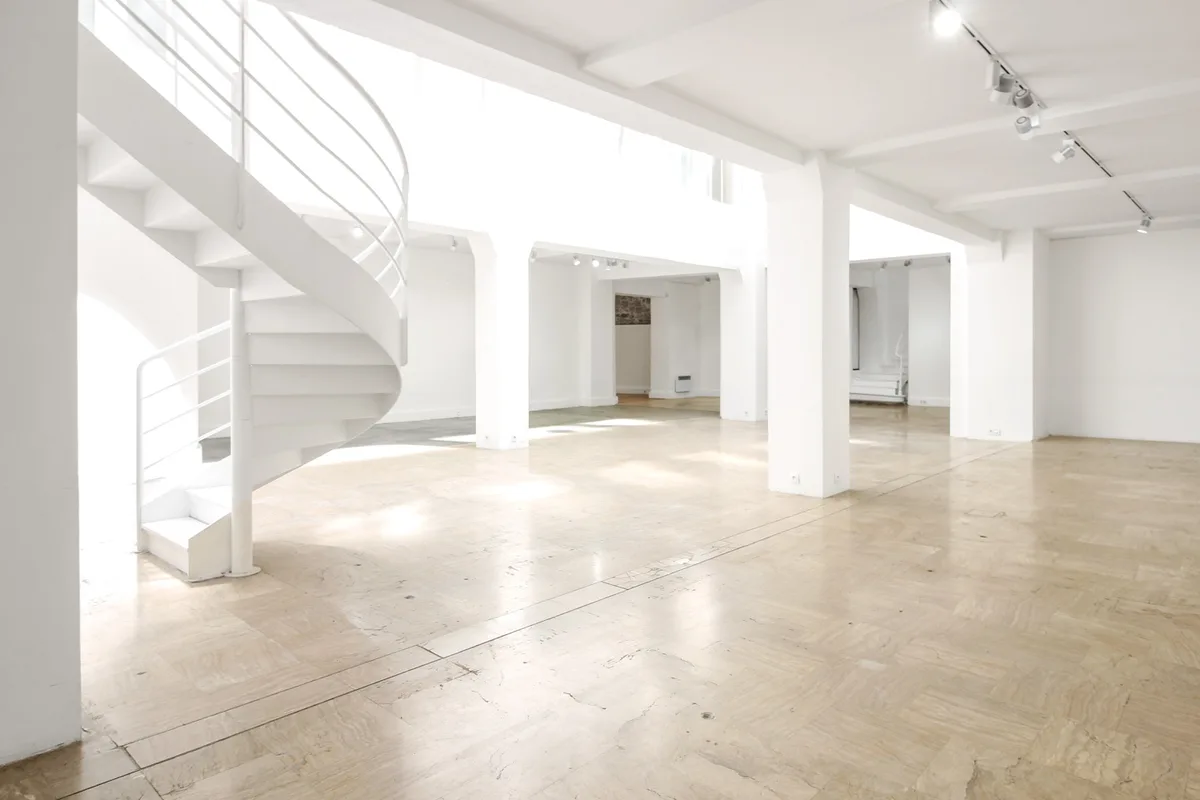
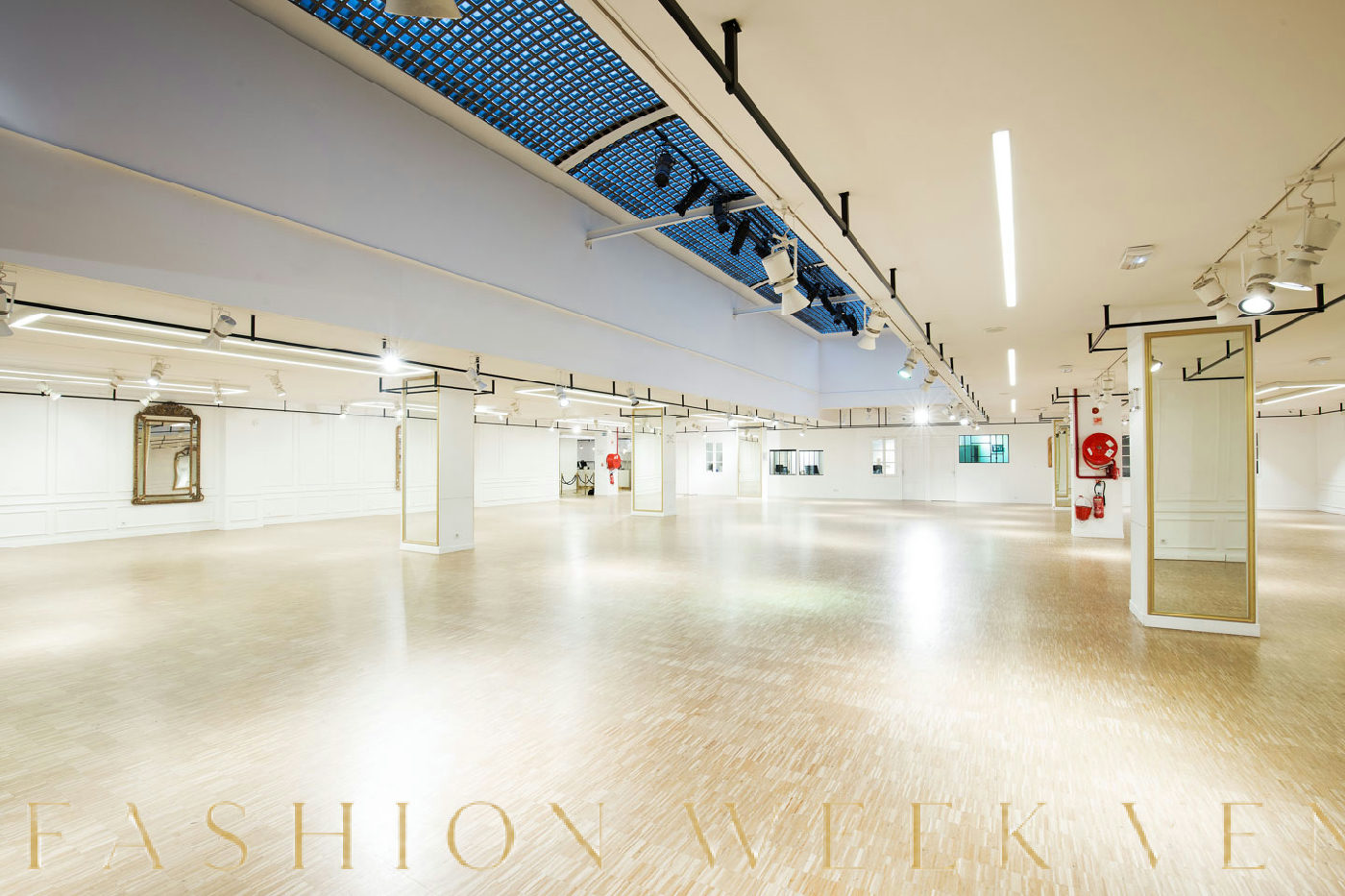
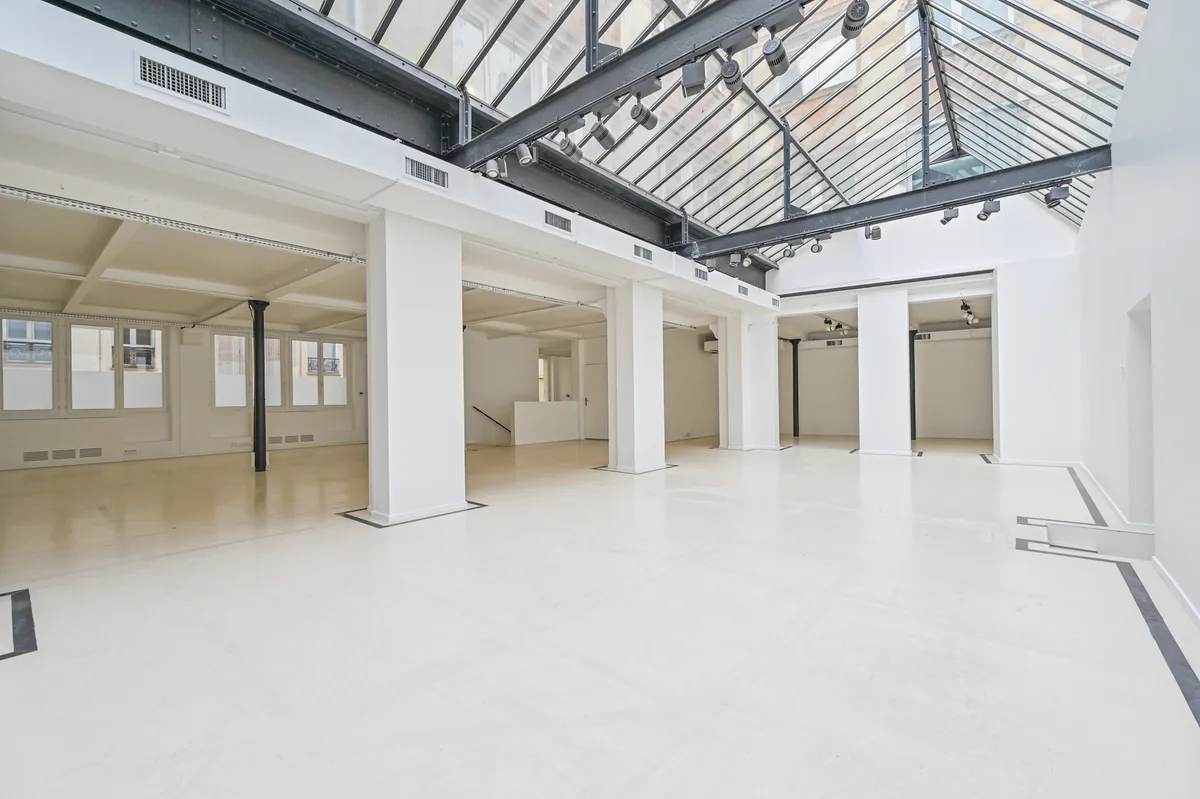
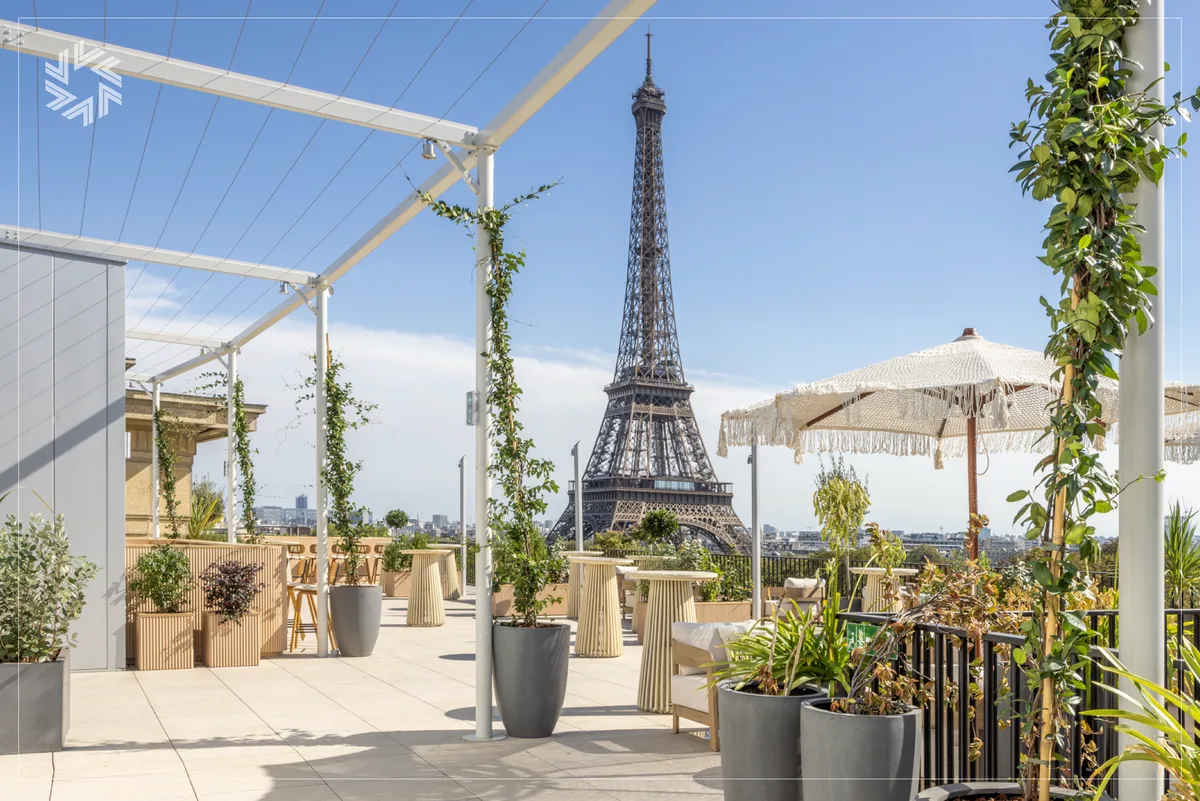
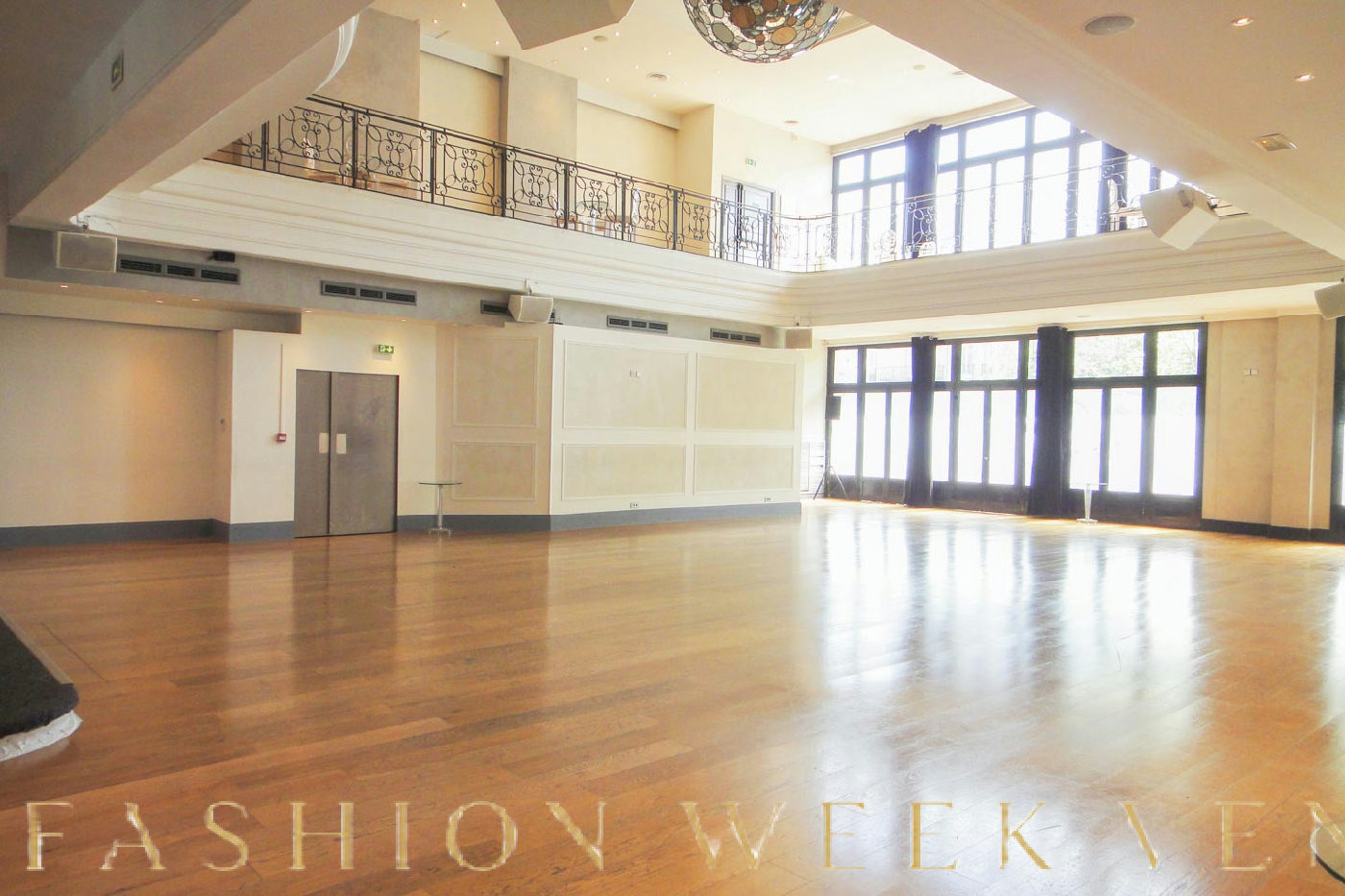
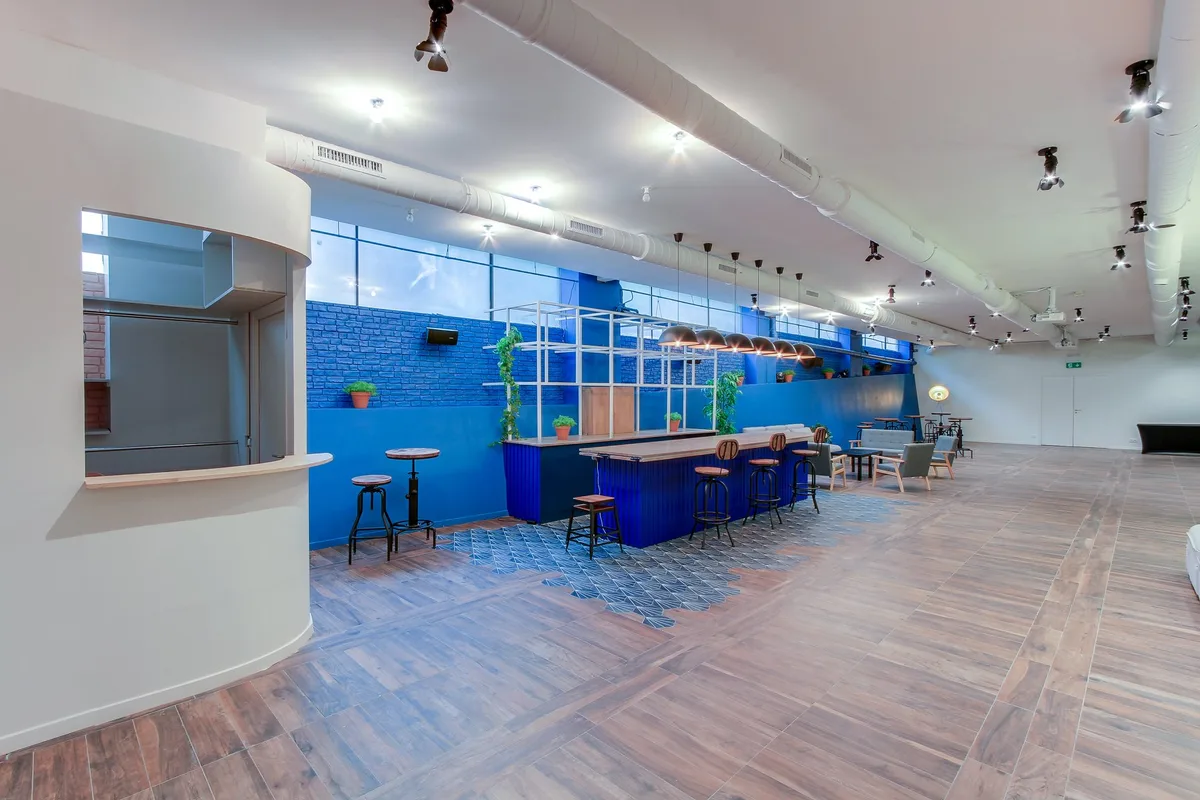
Fashion Week Venues play a pivotal role in shaping the branding and experiential marketing strategies of luxury and emerging fashion brands. As the globe's leading fashion capitals clutter with industry professionals during these high-stake events, securing the right venue can set a brand apart. At the forefront of facilitating these significant moments is Fashion Week Venues, providing a comprehensive range of services in Paris and other major fashion capitals. This guide unpacks the intricacies of selecting and utilizing fashion week venues, offering strategic insights for brand managers, creative directors, and event producers looking to leave an indelible mark.
The Strategic Importance of Fashion Week Venues
Securing an ideal venue during fashion week can make or break a brand's activation efforts. Fashion Weeks are not just events; they are a microcosm of the fashion industry's competitive nature. The right venue acts as a canvas for creativity, branding, and innovation.
Quick answer: A carefully selected venue enhances brand visibility, attracts the target audience, and amplifies engagement through immersive experiences.
Venues serve as the physical embodiment of a brand’s ethos, providing a space where creativity meets consumer interaction. Choosing the right locale can provide unparalleled visibility and inject authenticity into sponsored events. In contrast, an ill-fitting venue could undersell the brand's capabilities or overextend its budget.
Furthermore, each significant fashion city offers unique backdrops, cultural influences, logistical benefits, and challenges. For instance, Le Marais in Paris provides a historical and chic atmosphere which aligns well with brands seeking cultural sophistication, while New York’s SoHo might better suit avant-garde labels eager to harness urban edginess.
| City | Key Neighbourhoods | Notable Features |
|---|---|---|
| Paris | Le Marais, Saint-Germain-des-Prés | Chic, historical, culturally rich |
| New York | SoHo, Meatpacking District | Urban, modern, artsy |
| Milan | Brera, Navigli | Romantic, elegant, fashionable |
| Tokyo | Shibuya, Harajuku | Quirky, vibrant, futuristic |
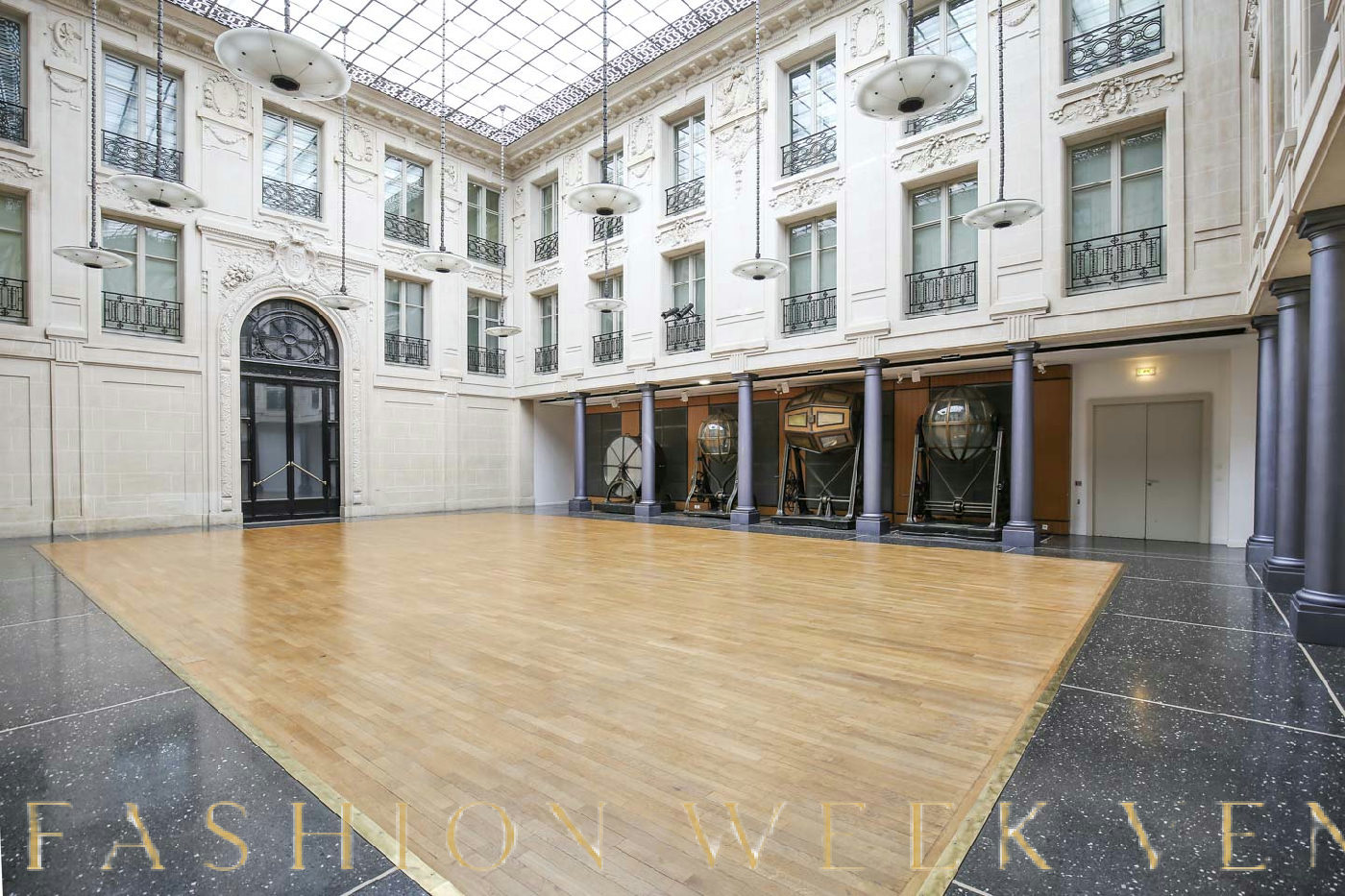
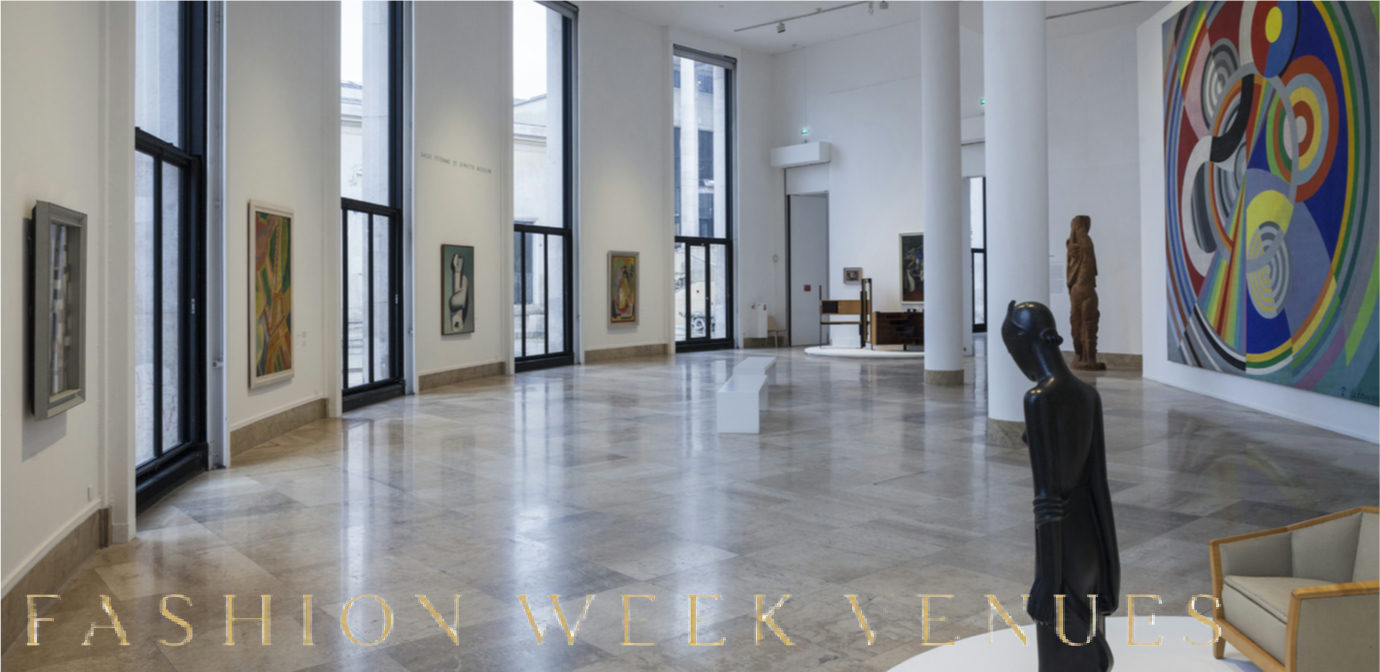
Choosing such locales requires understanding both brand alignment and logistical feasibility. For example, while a venue like the Palais de Tokyo offers grand aesthetics, the associated logistics require meticulous planning. Thus, partnership with agencies like Fashion Week Venues can facilitate access to such coveted spaces, handling everything from venue sourcing to activation management.
KEY TAKEAWAY: The right venue is a strategic tool that enhances brand storytelling and outreach, underlining the importance of locale choices within major fashion hubs.
This brings us to navigating the exhaustive decision-making process for choosing Fashion Week venues.
How to Choose the Right Venue: A Comprehensive Guide
Selecting a venue involves more than just choosing a location; it encapsulates brand identity, audience engagement, and logistical management. Here’s a concise framework for making informed choices:
Quick answer: Consider the target audience, brand ethos, logistic needs, and budget constraints when selecting a venue.
1. Define Your Objectives: Understand the purpose of the activation. Are you launching a new collection, showcasing a new designer, or hosting a more intimate, exclusive event?
2. Recognize Audience Demographics: Knowing who you want to attract is crucial. The venue's proximity to your target demographic can significantly impact attendance and engagement.
3. Assess Venue Capacity and Facilities: Make sure the venue can accommodate your expected headcount and offers requisite facilities like audiovisual capabilities, Wi-Fi, climate control, accessibility, and more.
4. Align with Brand Culture: The venue should echo your brand's aesthetics and values. For instance, high-end venues in Place Vendôme exude luxury, complementing premium brands.
5. Logistical Considerations: Evaluate transportation, parking, and accommodation options for both guests and staff. Seamless logistics enhance guest experience.
6. Budgeting and Costs: Establish a comprehensive budget that includes not only the venue cost but also potential hidden fees such as cleaning, overtime, and storage. To refine estimates, tools like the budget calculator on Fashion Week Venues’ platform offer tailored financial planning.
7. Compliance and Permits: Understand the permits required (such as bail dérogatoire and AOT) and ensure compliance with local regulations. The permit guidance tool is a valuable resource for navigating this complex landscape.
Decision Matrix: This matrix helps in evaluating which venue best suits your needs
Venue Decision Matrix
| Criteria | Weight | Venue A | Venue B |
|---|---|---|---|
| Capacity | 20% | High | Medium |
| Logistics | 20% | Medium | High |
| Cost | 20% | Low | Medium |
| Brand Alignment | 20% | High | Low |
| Facilities | 20% | Medium | High |
By following this matrix, brands can objectively decide on a venue that scores the highest, aligning with their strategic goals distinctively.
KEY TAKEAWAY: Define clear objectives and align every venue choice factor to these goals for an impactful fashion week showing.
Understanding the decision-making framework leads naturally to executing these strategies across different global fashion locales.
Exploring Major Fashion Capitals: Paris at the Core
Paris indisputably reigns supreme as the world's fashion capital, setting trends and exuding timeless elegance that fashion weeks illuminate. Each arrondissement offers unique advantages suitable for different brand activations.
Quick answer: Paris provides diverse venues, each reflecting the city's chic and historical allure, perfect for brand activations desiring luxury and grandeur.
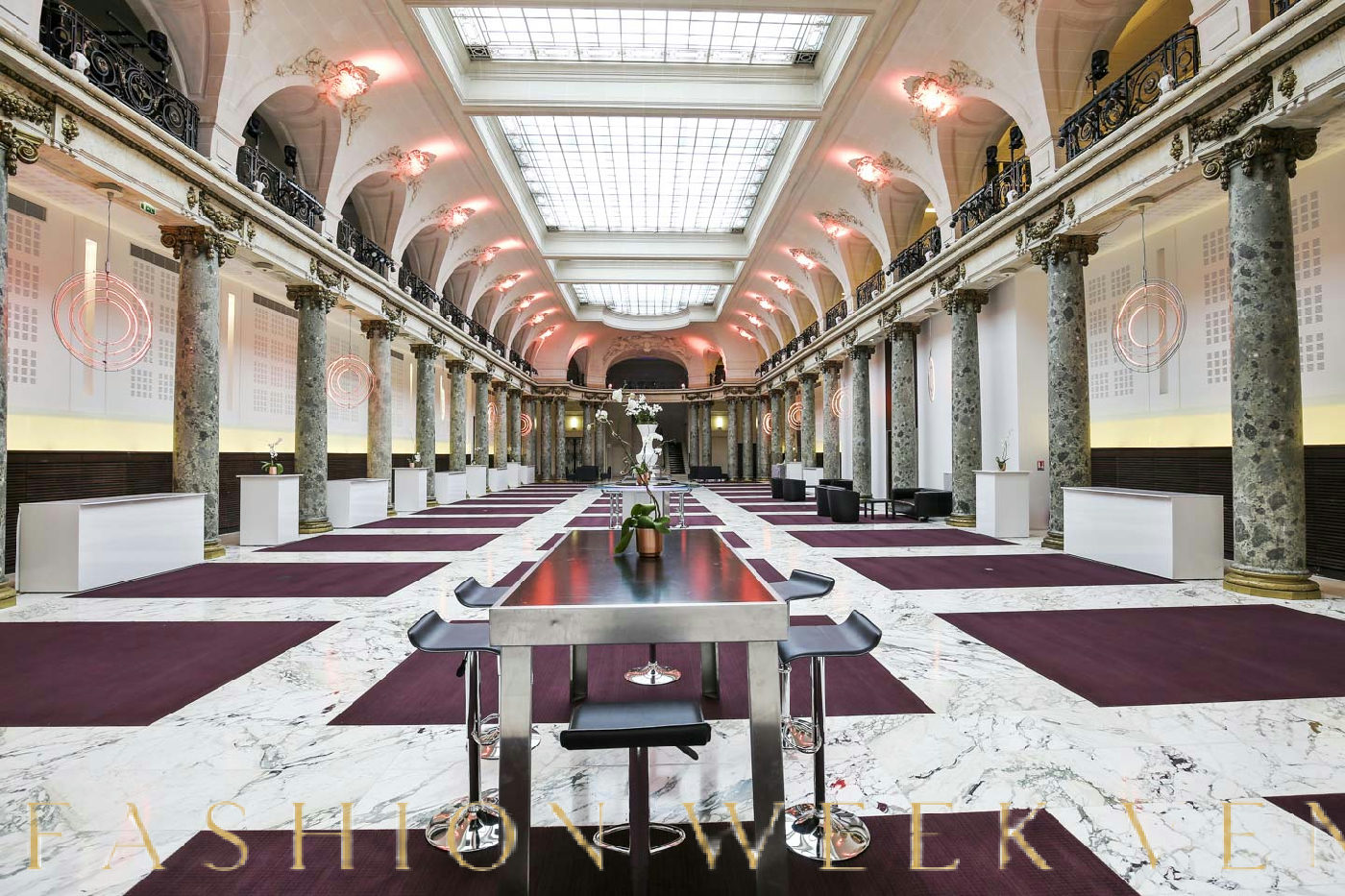
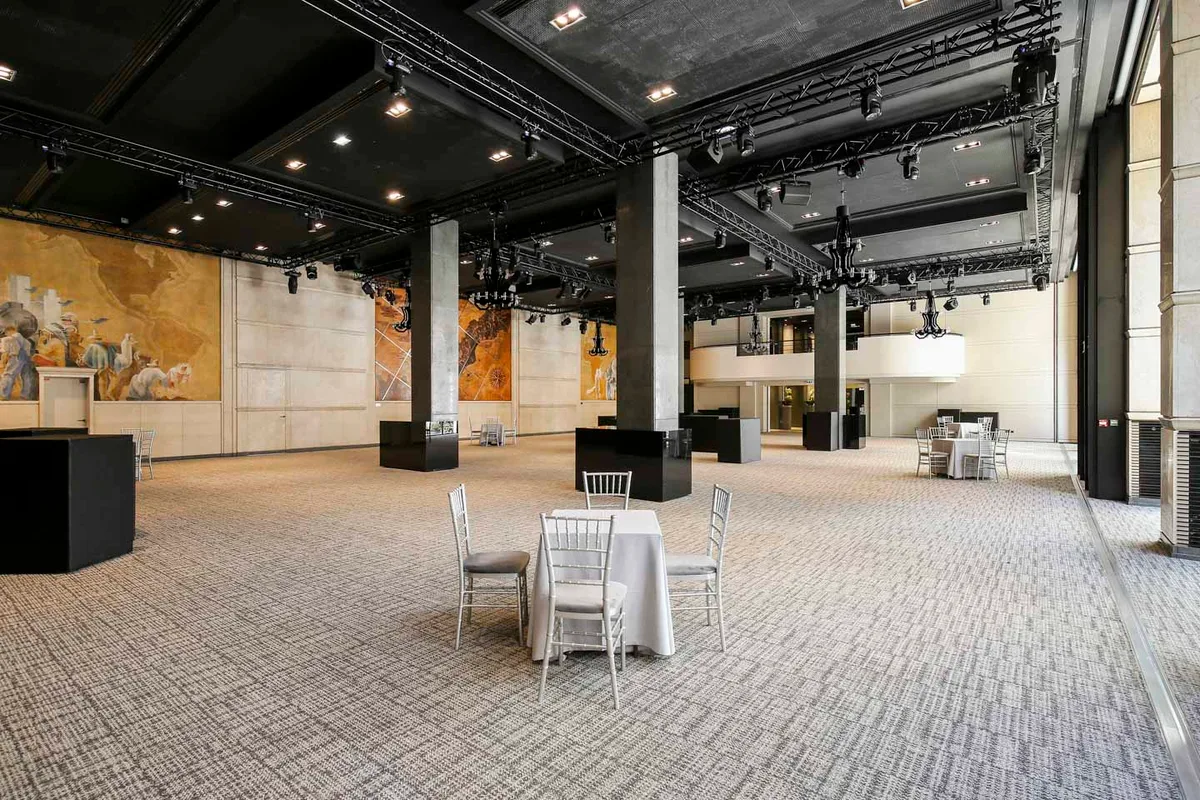
From haute couture houses to modern designers, Paris showcases a blend of historical allure and contemporary innovation. Venues in the city range from quintessential palaces and chateaux to contemporary lofts and edgy urban spaces.
Neighbourhoods play a pivotal role in defining these spaces. For instance:
- Le Marais: Known for its historical charm and vibrant culture, suitable for brands seeking an artistic and bohemian vibe.
- Saint-Germain-des-Prés: Offers an intellectual ambiance perfectly tailored for sophisticated, high-end labels.
- Opéra: Ideal for brands requiring grandeur; the architectural beauty of venues here mirrors classical elegance.
- Canal Saint-Martin: Quirkier locales with urban coolness, great for younger, avant-garde brands.
Paris provides not only suitable physical spaces but an entire ecosystem conducive to fashion—renowned press and influencers, significant buyer presence, and a high concentration of consumers deeply entrenched in the luxury market.
An effective strategy is to work comprehensively with agencies like Fashion Week Venues, which understand these environments and offer bespoke, strategic support. In addition, their venue sourcing services simplify the selection process, matching brand needs with ideal locations seamlessly.
The allure of Paris extends beyond its venues; the city's seasonal events, cultural resonance, and visual appeal amplify any brand story.
KEY TAKEAWAY: Paris's diverse locales offer ideal backdrops for any brand narrative, enhancing the storytelling through a blend of historical and contemporary fashion narratives.
Having explored the facets of Paris, let’s expand to other major fashion capitals where venue selection demands new strategies and considerations.
Navigating Other Fashion Capitals: New York to Tokyo
While Paris offers a pinnacle of sophistication within the fashion industry, other cities such as New York, Milan, London, Tokyo, and Dubai provide compelling venue options tailored to different brand visions and marketing objectives.
Quick answer: Each fashion capital offers unique cultural and logistical elements that can be leveraged for varied brand expressions and consumer engagement strategies.
New York: Known for its dynamic, fast-paced urban environment. Areas like SoHo and Tribeca are excellent for avant-garde labels that thrive on metropolitan energy. Venues here often exude an industrial chic, aligned with contemporary fashion ethos.
Milan: Embodying romantic elegance, districts like Brera provide perfect settings for brands emphasizing timeless luxury. Milan’s events often run parallel to major art and design festivals, offering cross-promotional opportunities.
London: A melting pot of tradition and eccentricity, with venues that align with both classic and new-age brands. Areas such as Shoreditch offer a canvas for innovative marketing schemes and edgy showrooms.
Tokyo: Known for its cutting-edge technology and fashion-forward scene, Shibuya and Harajuku are popular for brands wanting to engage with avant-garde aesthetics and vibrant pop cultures.
Dubai: Meanwhile, it brings opulence to the forefront, with venues offering grand opulence, ideal for brands venturing into Asian and Middle Eastern markets.
The climate and culture of each city pose both opportunities and challenges. Understanding local market trends, consumer behaviors, and logistical nuances are essential components of succeeding in these diverse landscapes.
Fashion Week Venues aids in this global expansion process, bridging geographical and cultural gaps with facilities for sourcing, planning, and managing events seamlessly. Their expertise ensures that brands can harness each city’s cultural narratives effectively while circumventing common pitfalls.
KEY TAKEAWAY: Each fashion capital adds its unique flavor to brand activations, and understanding these differences is key to crafting lasting impressions and business success.
With this understanding of global options, the discussion shifts to actionable logistics and considerations for executing these complex global projects successfully.
Logistical Considerations for Successful Activations
Executing a successful activation during fashion week involves multifaceted logistical planning that ensures everything functions smoothly, from setup to event day execution.
Quick answer: Comprehensive planning covers venue setup, staff coordination, supply management, and compliance to create a seamless fashion week experience.
1. Venue Setup and Production: Meticulous preparation includes layout planning, decor alignment, and AV setup. Agencies like Fashion Week Venues manage these elements, ensuring the space is tailored to brand specifications.
2. Staffing Needs: Efficient staff allocation, including welcoming crews, brand ambassadors, and support staff, ensures smooth attendee interactions and operation. Working with a reliable staffing agency is advised for these roles.
3. Supply Chain Coordination: Often overlooked, ensuring the timely arrival of products, marketing materials, and tech equipment is crucial. Delays can disrupt the flow and impact launch timelines.
4. Permits and Compliance: Each location has unique requirements, like the differences seen between a bail dérogatoire in Paris and a place permit in New York. For ensuring legal compliance, consulting the permit guidance tool is highly recommended.
5. Branding and Marketing: Pre-event marketing campaigns and influencer partnerships can help in amplifying reach. During events, capturing the moment for social media provides real-time engagement with a global audience.
DID YOU KNOW: On average, brands see a 30% spike in engagement when influencer partnerships are integrated into their Fashion Week showings.
Successful execution of these components lies in the seamless synchronization of each element, managed under a unified plan ensuring that all aspects reflect the brand ethos and strategic vision.
KEY TAKEAWAY: Comprehensive planning across logistics, marketing, and legal compliance ensures a polished, brand-enhancing experience.
Now, consider how Fashion Week Venues’ comprehensive suite of services streamlines these processes.
How Fashion Week Venues Assists in Global Brand Visibility
Fashion Week Venues stands as a one-stop solution for brands striving to maximize their impact during fashion events. By leveraging a curated suite of services and expert insights, they ensure that each activation aligns perfectly with brand objectives and market dynamics.
Service Spectrum: With services like venue sourcing, concept direction, data and analytics, these experts manage the entire lifecycle of events from ideation to execution.
For a more comprehensive understanding, let’s examine the following table:
| Service | Description | Benefits |
|---|---|---|
| Venue Sourcing | Identify and secure strategic venues. | Maximizes visibility and matches brand ethos. |
| Creative Direction | Guide brand message and visual storytelling. | Ensures cohesive brand narratives. |
| Activation Management | Oversees event execution including staffing and logistics. | Streamlines coordination for seamless events. |
| Data Analytics | Measure event success and consumer interactions. | Informs future strategies for improvement. |
Brands collaborating with Fashion Week Venues benefit from a synchronized approach where every facet — from setup to marketing — reflects and amplifies the brand narrative. This cohesion enhances consumer experiences, fortifying brand recognition and driving sales growth.
The collaboration also outlines potential pitfalls and provides strategic resolutions, maximising efficiency and minimizing risk. By relying on their comparison tools and ROI calculators, brands can make informed decisions supported by industry insights.
KEY TAKEAWAY: Leveraging a full-service agency like Fashion Week Venues enhances a brand's presence, ensuring holistic, impactful fashion week activations.
Having outlined the agency's advantages, it is crucial to address common myths about the fashion event space selection process.
Common Myths Debunked About Fashion Week Venues
MYTH: You must establish a French legal entity to rent a space in Paris.
FACT: While navigating French legalities seems daunting, foreign entities can rent spaces via specialized short-term lease agreements like bail dérogatoire. Engaging expert support from agencies like Fashion Week Venues simplifies these procedures.
MYTH: Paris Fashion Week is the only calendar window for meaningful brand activation.
FACT: While Paris Fashion Week is highly influential, leveraging off-season periods and other fashion capitals can offer substantial exposure and less competition. Timing and locale should be strategically chosen based on brand goals, not solely on high-profile event calendars.
MYTH: Commission brokers are the only valid route to secure event spaces.
FACT: The digital transformation has enabled brands to directly access venues through marketplaces like Fashion Week Venues, providing transparency and saving on brokerage fees.
MYTH: Short-term leases are simple and similar to standard commercial leases.
FACT: Short-term leases require specific legal knowledge, differing from standard agreements due to their transient nature and unique terms like bail dérogatoire. Professional legal guidance is recommended to navigate these complexities efficiently.
Addressing these myths underscores the need for informed decision-making bolstered by reliable resources and experienced partners.
Moving forward, let’s address frequently asked questions to further streamline venue selection and activation strategies.
Frequently Asked Questions
What is a bail dérogatoire, and how does it differ from standard leases?
A bail dérogatoire is a type of short-term lease in France that falls outside the scope of the standard commercial lease laws. It's designed for temporary occupations, providing flexibility in terms of duration and renewal. However, legal nuances require careful navigation, often necessitating legal advice to ensure compliance with French real estate laws.
How early should I begin planning for a Fashion Week activation?
Ideally, planning should begin 10-12 months in advance. This timeline gives brands the advantage of choice regarding venues and permits sufficient time for contract negotiations and logistical planning. The sooner preparations begin, the better the outcome in terms of choice and terms.
What factors affect the pricing of venue rentals during Fashion Weeks?
Pricing varies based on location, capacity, facilities, duration, and additional services like AV or security. Also, the exclusivity of the venue and timing (peak fashion seasons can result in higher costs) plays a decisive role. Using the budget estimator can assist in navigating these complexities.
Can small brands benefit from fashion week activations?
Absolutely. Fashion weeks provide a spotlight that can significantly raise brand awareness, regardless of size. Small brands can harness strategic partnerships, brand narratives, and innovative marketing to maximize visibility and impact in competitive landscapes.
Do I need special permits for temporary retail spaces in Paris?
Yes, permits like AOT and bail dérogatoire are typically required for temporary spaces, subject to specific conditions based on the space and operational scope. Consulting knowledgeable agencies or legal professionals ensures that these requirements are clearly understood and met.
How does Fashion Week Venues assist with event logistics?
Fashion Week Venues covers end-to-end logistics, offering venue sourcing, production management, and staffing solutions. Their comprehensive approach ensures every aspect aligns with brand visions, streamlining operations through expert coordination.
What role does influencer marketing play in fashion week activations?
Influencer marketing amplifies reach and engagement. Aligning with influential figures that resonate with target demographics can drive audience interaction and foster strong brand recognition during activations.
How can I ensure my brand stands out during Fashion Week?
Successful differentiation hinges on creative concepts, compelling storytelling, and engaging experiences. Involving a full-service agency like Fashion Week Venues can enhance uniqueness through tailored venue choices, themes, and coordinated marketing strategies.
What tools does Fashion Week Venues offer for planning and execution?
Fashion Week Venues provides a suite of tools aiding from budget calculations to ROI analysis. Their timeline tool and space comparison tools are particularly beneficial for strategic project planning and execution.
Is it possible to leverage digital initiatives during physical activations?
Yes, merging digital touchpoints with physical activations engages broader audiences and creates immersive experiences. This can be achieved by integrating augmented reality experiences, live streaming, or interactive digital kiosks at events.
Conclusion
Fashion Week Venues present invaluable opportunities for brands to project their identity and engage directly with their audience. Through informed selection, meticulous planning, and coordinated execution, brands can harness the potential of these showcases to enhance their market presence. Utilizing full-service agencies like Fashion Week Venues equips brands with the advanced tools and strategies necessary for optimal execution, ensuring a compelling brand narrative that stands out amidst the crowded fashion scene. To move from research to activation, start exploring available spaces on the Fashion Week Venues marketplace and build a focused brief for your target neighbourhood, space type, and calendar window.