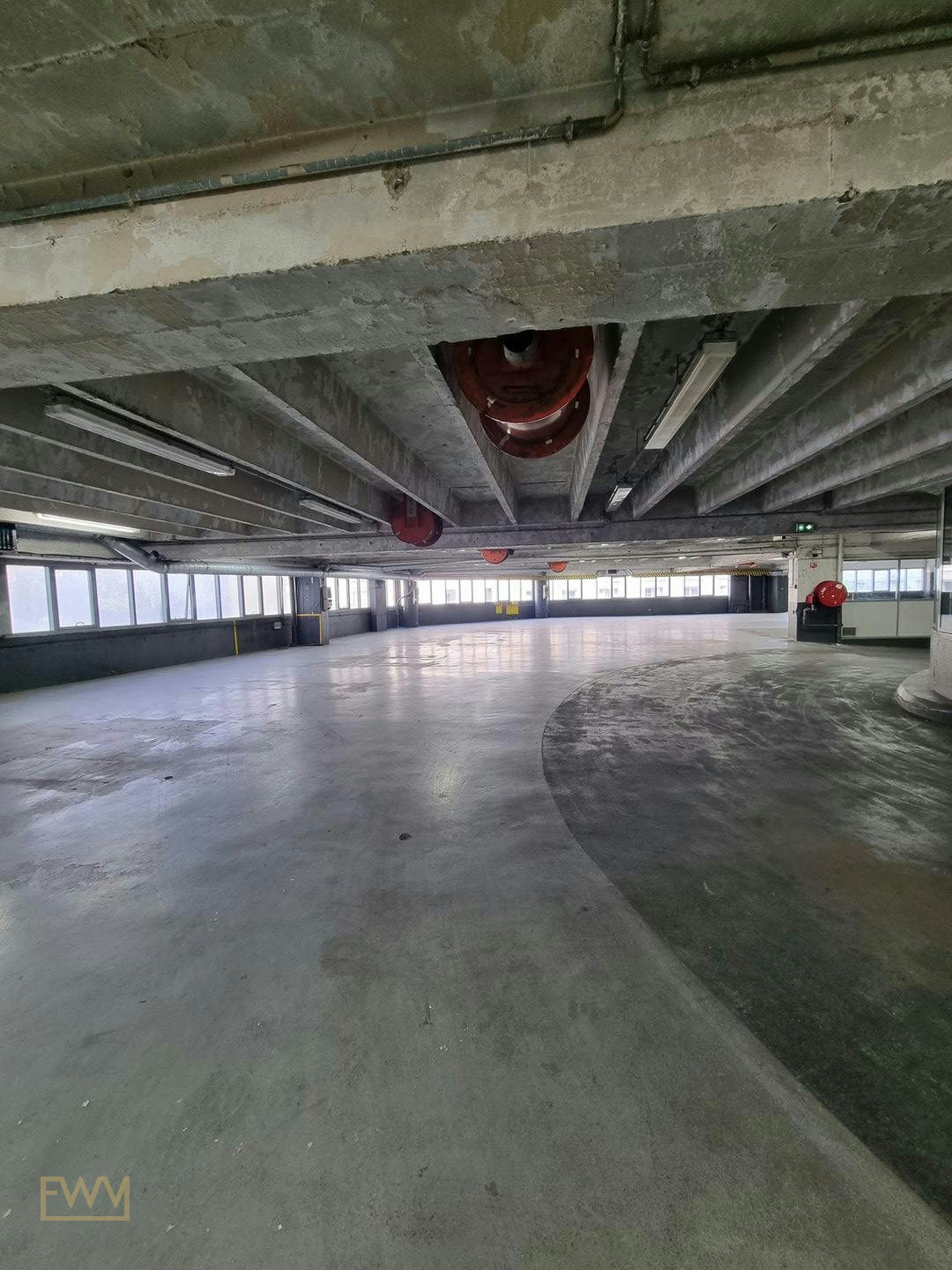
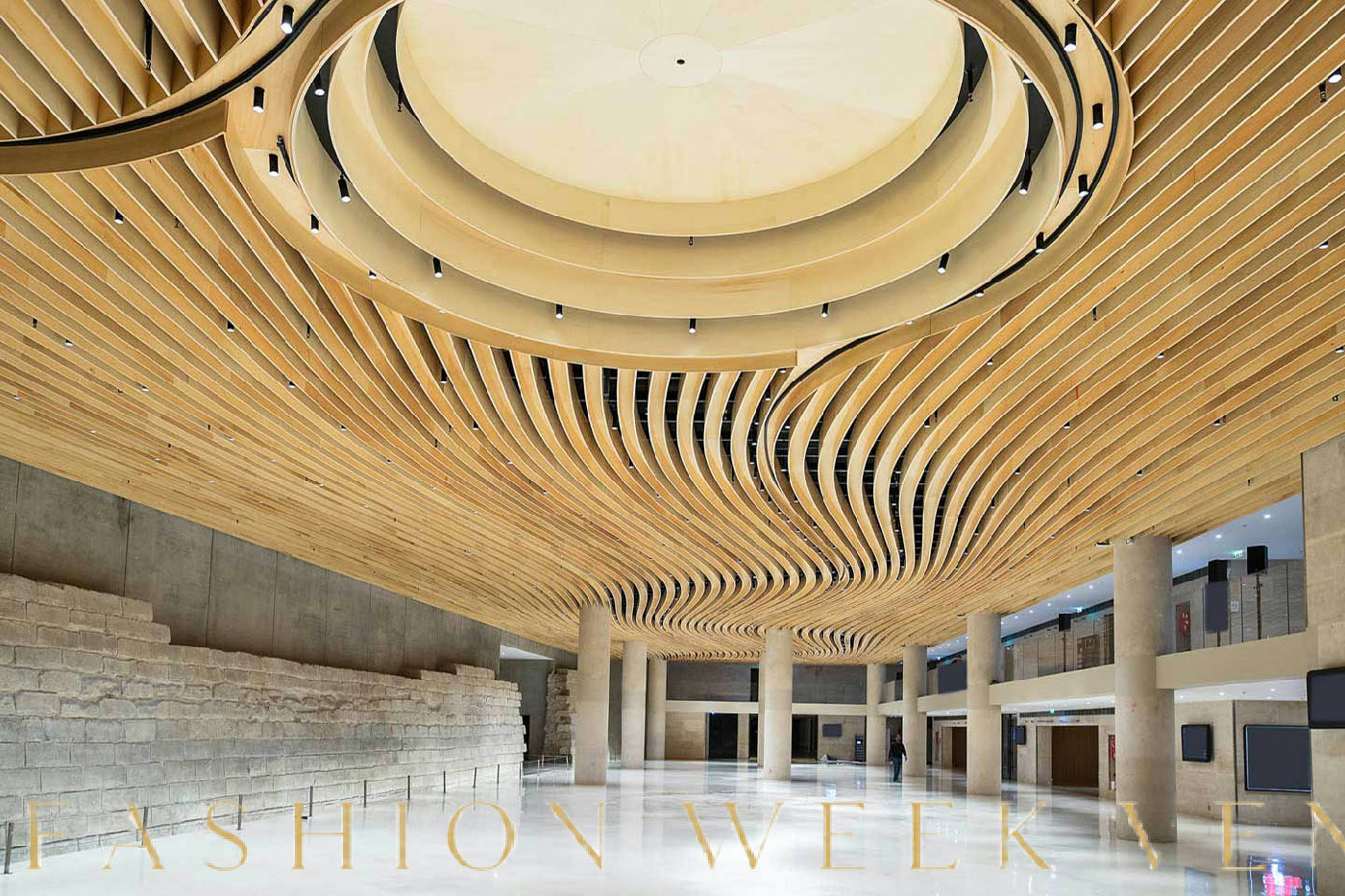
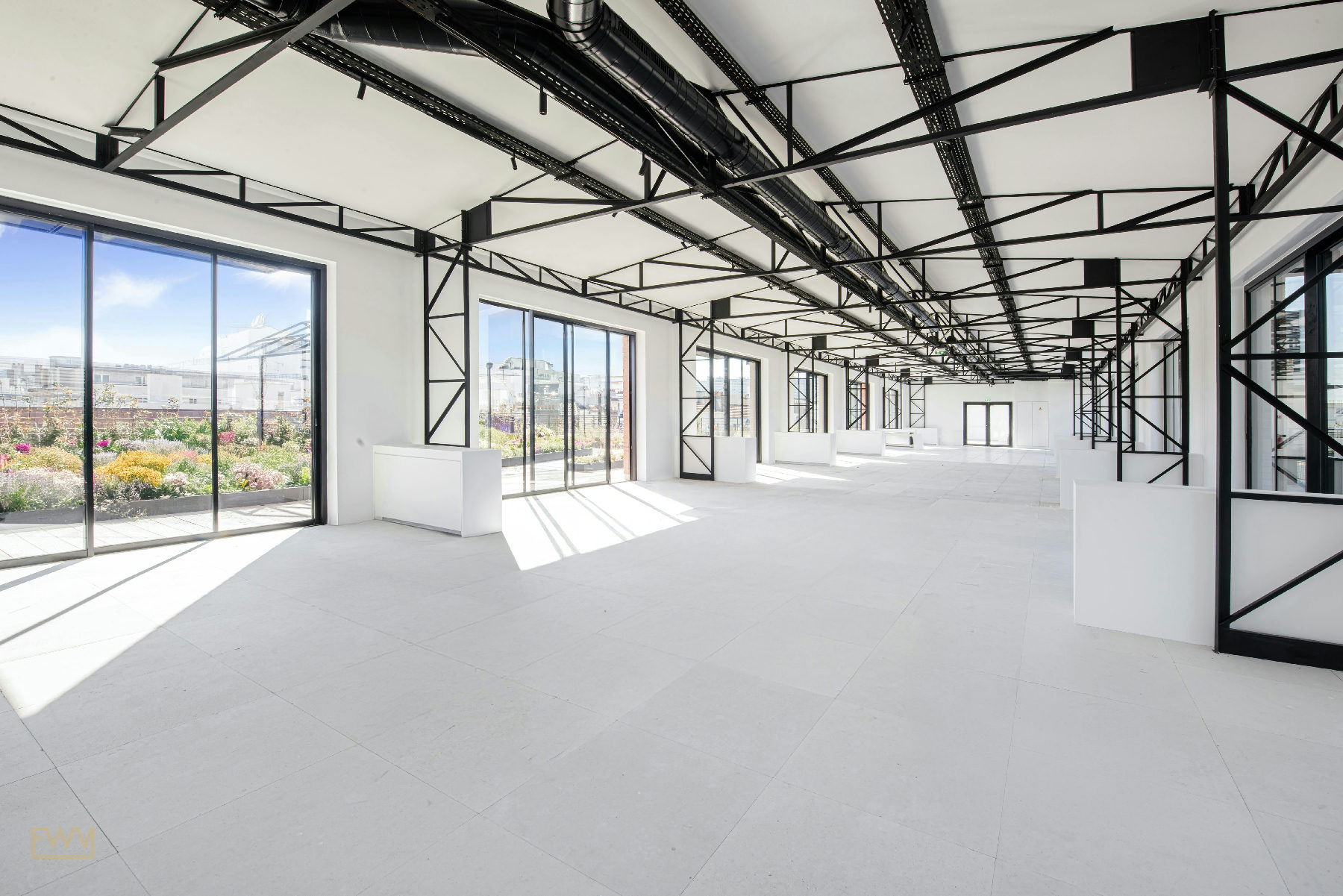

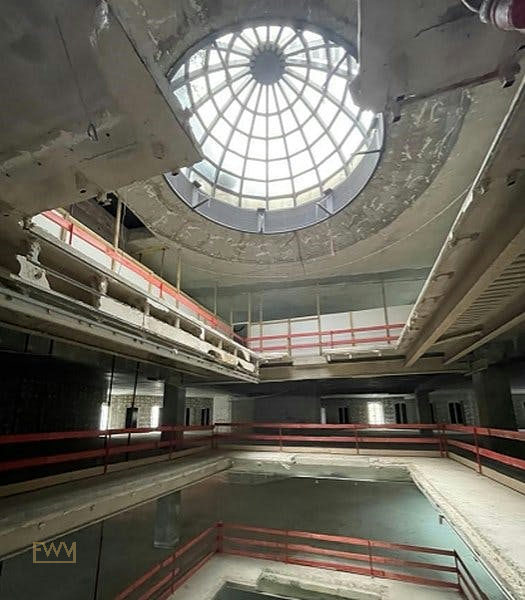

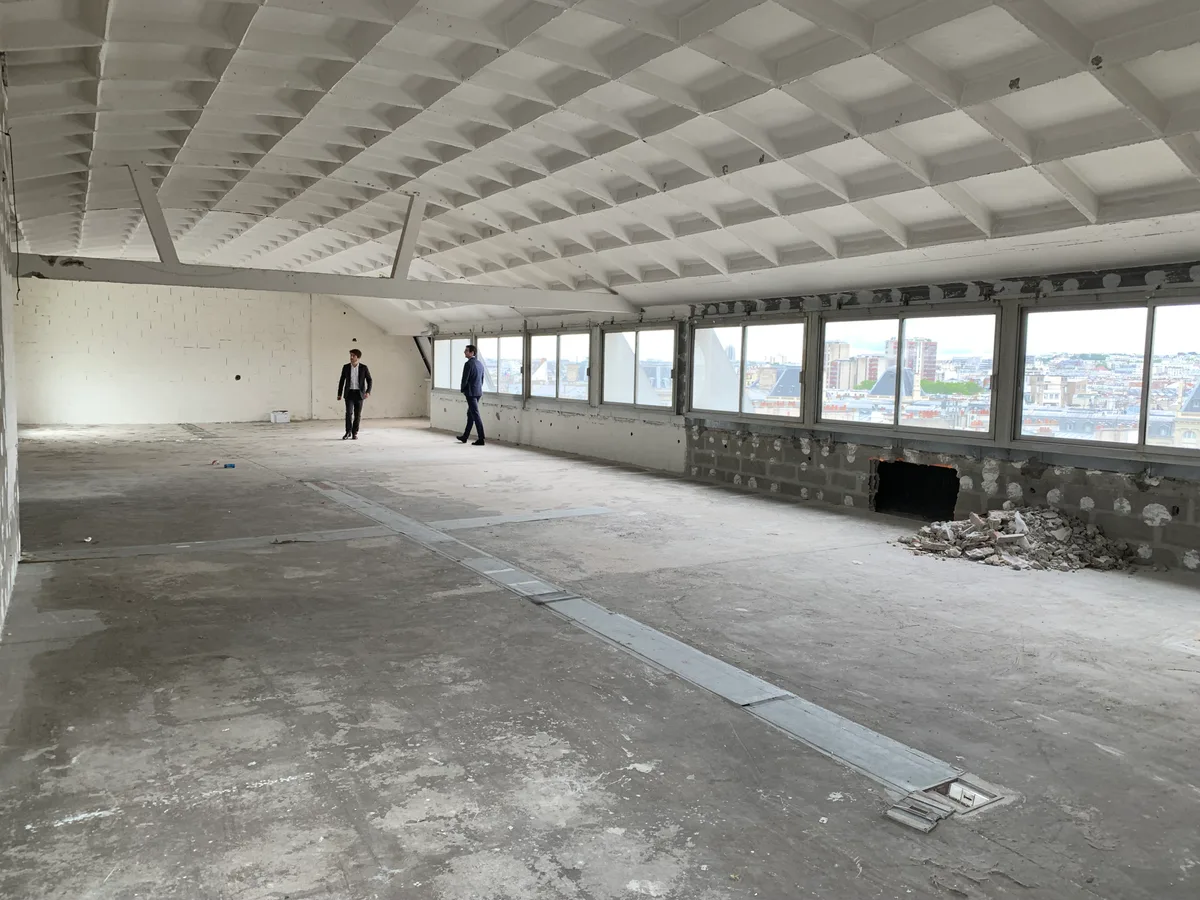
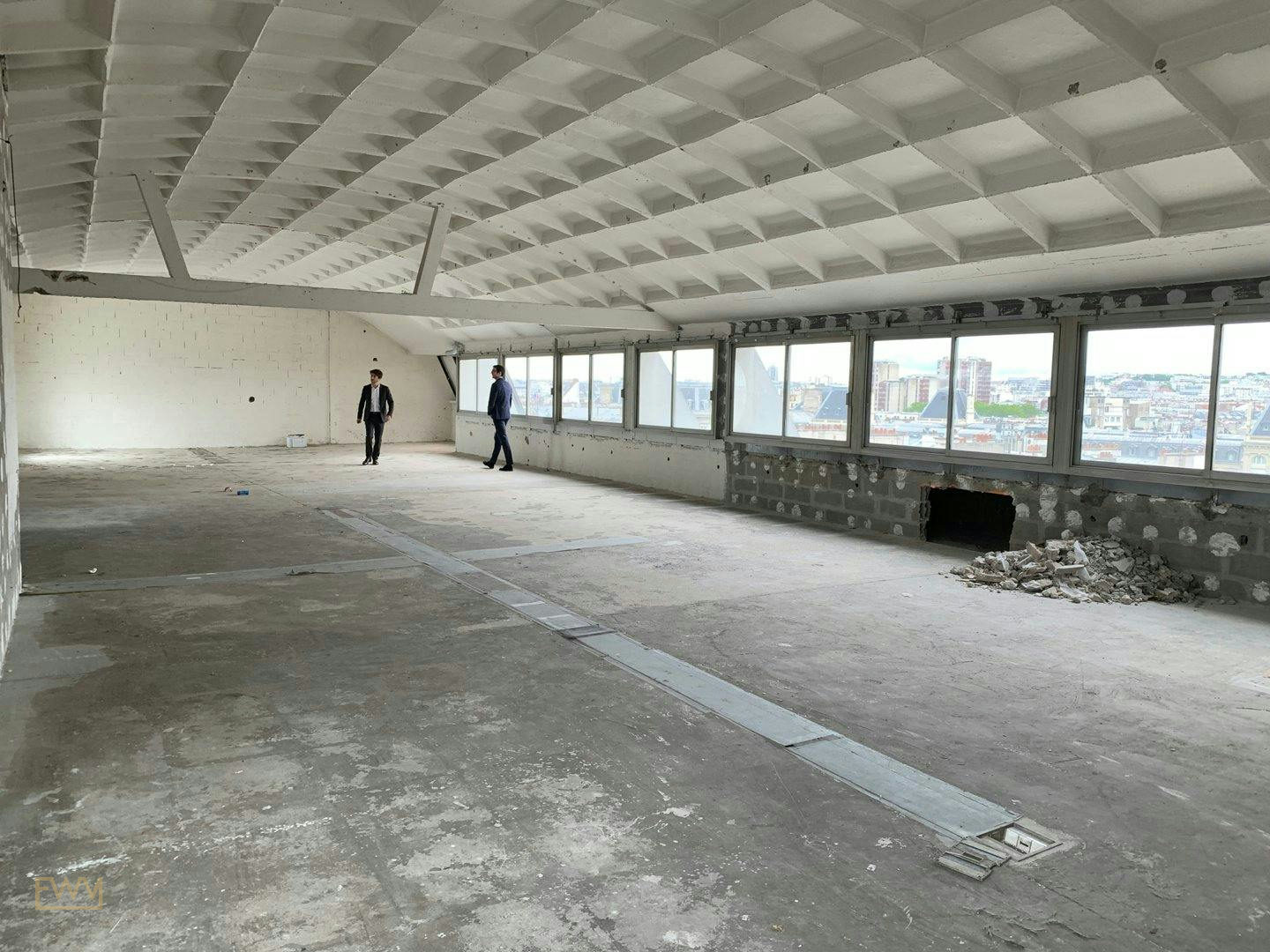
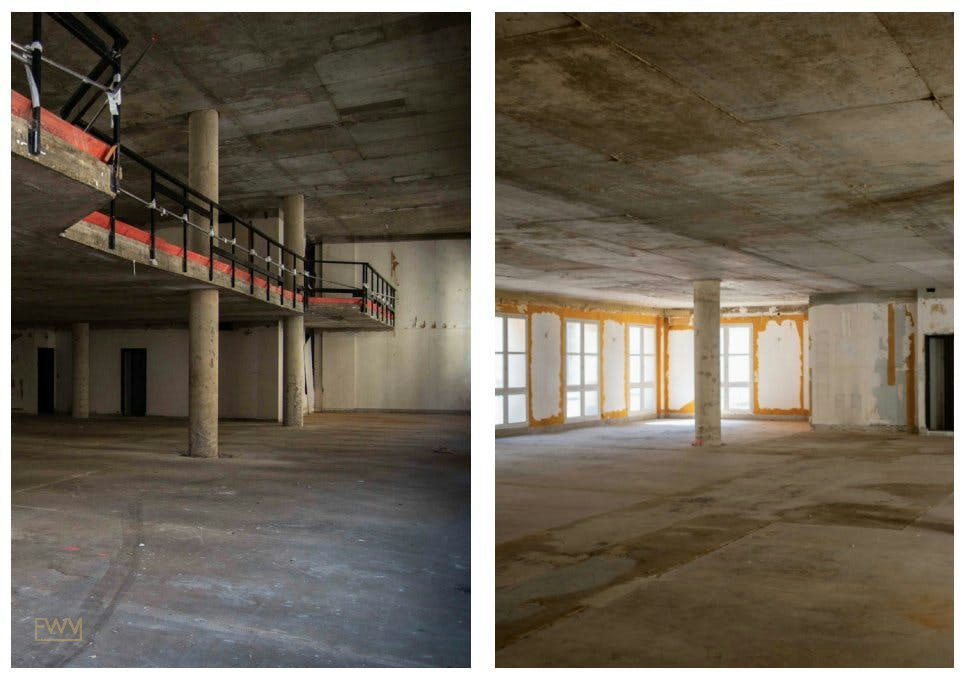
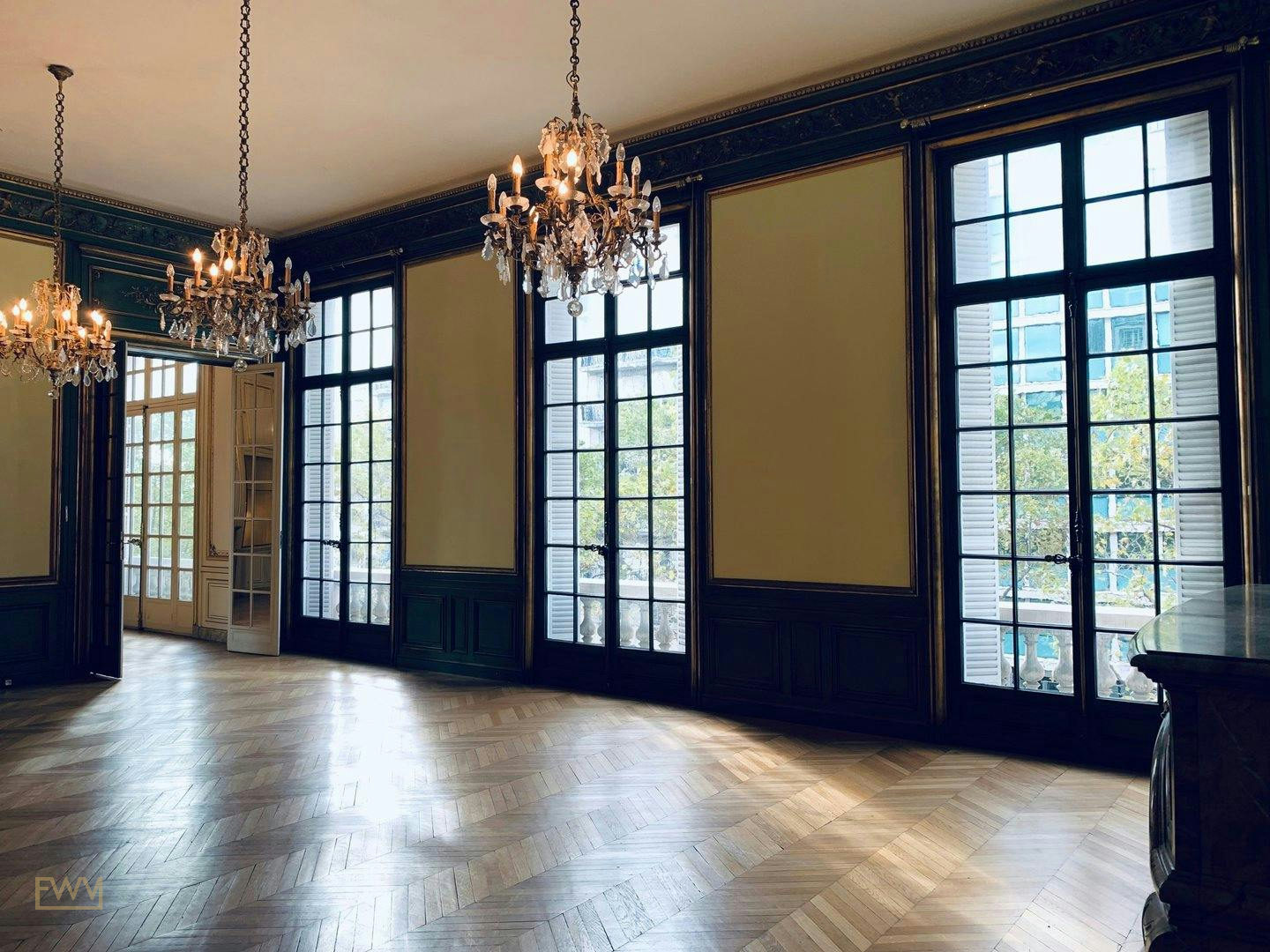
Navigating the dynamic landscape of renting short-term spaces for Fashion Week requires expert knowledge and strategic planning. Fashion Week Venues excels in offering comprehensive solutions for brands looking to secure pop-up spaces during these high-profile events, particularly in Paris, one of the world's fashion capitals. From venue sourcing to activation management, Fashion Week Venues provides an array of services designed to streamline the process for fashion brands, ensuring their events align with industry standards and local requirements.
Understanding Fashion Week Spaces: Event Types and Requirements
Choosing the right space for a Fashion Week event is a critical decision that integrates both creative and logistical considerations. Fashion Week spaces vary significantly in type and requirements, influencing the overall success of an event. Event types can range from glamorous fashion shows and intimate VIP luncheons to bustling showroom displays and interactive brand activations. Each event type demands a specific environment, ambiance, and logistical support.
The primary factors influencing space selection include the target audience, brand identity, and specific event goals. A brand might choose a grand space in Le Marais, suitable for high foot traffic and visibility, whereas a luxury showcase might require a private setting within a historic building in Saint-Germain-des-Prés. Aspects such as accessibility, technological needs, and aesthetic design features must align with the event's concept.
Each venue type also comes with distinct requirements in terms of permits and compliance. For instance, hosting a public event in Paris requires securing an AOT (Authorisation d’Occupation Temporaire) or a bail dérogatoire, tailored according to the nature of the event and the space. These permits are essential to legally use public spaces and often necessitate coordinating with local municipal authorities.
KEY TAKEAWAY: The choice of event type and corresponding venue deeply impacts permit needs, planning logistics, and overall event success. Ensure your selection aligns with both brand goals and local regulations.
Bridging your understanding of space types with event goals sets the stage for a successful activation. Next, we'll explore the strategies behind effective venue sourcing, a pivotal step in the planning process.
Effective Venue Sourcing: Key Considerations and Strategies
Venue sourcing is a crucial step in planning for Fashion Week events. It involves not only finding a space that fits the aesthetic and functional needs of the event but also navigating logistical complexities unique to temporary space rentals in a bustling city like Paris.
Strategic venue sourcing begins with defining clear objectives for the event. Whether aiming for high visibility, exclusivity, or a unique thematic experience, identifying these core goals will guide the venue selection process. Proximity to complementary events and consumer hotspots can amplify impact, further ensuring that the venue supports the event's reach and engagement goals.
Paris offers a diverse array of neighborhoods each providing distinct vibes and capabilities. For instance, Opéra is prized for its classic Parisian architecture ideal for upscale brands, while Canal Saint-Martin offers a more contemporary and artsy setting. Understanding these nuances is critical to matching the venue type to the desired brand experience.
Financial aspects also play a significant role. Budget estimations must be realistic, encompassing not just the rental fee but also potential costs for modifications, utilities, and permits. Utilizing tools like the Budget Calculator can provide a clearer financial picture tailored to brands' specific needs.
Quick answer: Effective venue sourcing requires balancing aesthetic desires with logistical realities, financial considerations, and compliance obligations. Engaging a specialized agency can facilitate this complex process efficiently.
KEY TAKEAWAY: The success of your venue sourcing relies on aligning the space’s characteristics with event objectives and budget, ensuring logistical feasibilities are managed.
With the venue identified, the next focus shifts to designing the conceptual frameworks that will guide the event’s creative direction.
Conceptual Framework: Crafting Unique Event Experiences
Designing a Fashion Week event requires a well-crafted conceptual framework that aligns the brand's identity with its strategic goals and the overall event theme. Concept direction involves defining an overarching vision that guides decision-making across all facets of the event, from layout and design to programming and participant interaction.
A successful concept direction is anchored in a deep understanding of the brand's core message and target audience. This involves creating a narrative that resonates, captivates, and informs your audience. For instance, utilizing themed pop-up spaces on Rue Saint-Honoré can set a sophisticated tone for luxury brands aiming to highlight exclusivity.
Collaborative brainstorming sessions are essential, involving stakeholders such as creative directors, marketing teams, and external producers. These teams work together to blend aesthetics with functional layouts—transforming venue spaces into immersive brand environments that enhance visitor engagement and brand perception.
The incorporation of technology, such as Fashion Week Venues’ Imagine Tool, can be vital. This tool aids in visualising space layouts, optimizing the flow of events, and ensuring the design supports both the brand's message and event logistics.
DID YOU KNOW: Conceptual consistency across all touchpoints—from invitations to online promotions to on-site experiences—significantly reinforces brand identity and guest experience.
KEY TAKEAWAY: A unified and strategic concept direction is foundational in creating a memorable event that reflects and enhances a brand’s core narrative.
With a solid conceptual framework, attention can then turn to the operational details that ensure the event runs smoothly from start to finish.
Operational Planning: Logistics and Staffing
Operational planning encompasses a range of considerations pivotal to the seamless execution of Fashion Week events. Logistics are the backbone of any successful show, including scheduling, transport, setup, and breakdown.
Key logistical activities cover coordinating the delivery and installation of rental equipment and event materials, managing timelines for set construction, and ensuring compliance with local regulatory requirements. Successful logistics also involve close collaboration with suppliers, coordinators, and local officials to guarantee all components are synchronized.
Effective staffing completes the operational triad. Recruiting and training a reliable team proficient in handling the unique demands of fashion events is essential for day-to-day operations. Retail staffing services provided by Fashion Week Venues streamline this process, aligning skilled personnel with specific event needs.
Technology also plays a significant role. Utilizing project management and scheduling tools, such as the Timeline Planner, allows for detailed planning and tracking of each event phase, helping ensure all tasks are completed promptly and effectively.
IMPORTANT: Coordination across different teams—creative, logistical, and staffing—is essential for continuity and efficiency. Delays or miscommunications can significantly impact event quality and brand reputation.
KEY TAKEAWAY: Thorough operational planning, including logistics management and staffing, is crucial. Ensure all elements align for efficient and successful event execution.
With a robust operational framework, attention turns toward understanding the financial aspects that underpin these complex events.
Financial Planning: Budgeting and ROI
Fashion Week events require meticulous financial planning to ensure a balance between expenditure and potential returns. Budgeting serves as the central pillar of financial planning, guiding decisions regarding venue selection, concept development, and operational logistics.
Budgeting encompasses considerations such as venue cost, build and production expenses, marketing outreach, and staffing. Tools such as Fashion Week Venues’ Budget Calculator enable brands to outline potential financial commitments and adjust their strategies accordingly.
To assess the financial performance of an event, calculating Return on Investment (ROI) is essential. This involves measuring the event’s financial returns against its overall costs. Beyond financial metrics, ROI should also consider elements like brand exposure, social media engagement, and overall audience reach.
Strategic financial planning involves regularly reviewing and adjusting budgets to align with evolving market conditions and brand goals. Brands should employ both pre-event estimates and post-event evaluations to identify areas for improvement and opportunities for greater cost-efficiency.
Quick answer: Successful financial planning for Fashion Week events involves comprehensive budgeting, constant review, and evaluating ROI beyond traditional financial returns.
KEY TAKEAWAY: Detailed financial planning with both short-term and long-term outlooks enhances event performance and supports strategic brand building.
With a financially sound approach established, the next section will explore the complex realm of permits and compliance.
Permits and Compliance: Navigating Legal Complexities
Operating a Fashion Week event in Paris involves a multitude of legal complexities, primarily surrounding permits and compliance. Understanding the local regulatory environment is crucial to avoid potential legal setbacks and ensure the smooth operation of the event.
Paris mandates specific permits, such as the AOT and bail dérogatoire, which are essential for utilizing public or non-standard spaces. These permits are temporary by nature, allowing for events within a specific timeframe without altering the space's usual function. Coordination with local authorities and obtaining legal advice are frequently necessary steps to secure these permits.
Specialized permits might also be required for events in specific locations or those that anticipate high attendance, necessitating adherence to safety and capacity regulations. Engagement with local agencies, professional advisors, and platforms such as the Permits Tool, helps in navigating these legal landscapes effectively.
TIP: Begin the permit application process early to accommodate for potential delays and ensure all legal aspects are finalized prior to the event.
KEY TAKEAWAY: Navigating permits and compliance requires advanced planning, expert consultation, and a thorough understanding of local legal requirements.
With a grasp on the legal considerations, we move to discussing the strategic implementation of space activation.
Strategic Activation: Bringing Your Event to Life
Space activation transforms a static venue into a dynamic and engaging brand environment. This process encompasses multiple facets, from initial setup to on-site management and post-event analysis, each requiring strategic oversight and creative input.
Activation begins with spatial planning—designing an immersive layout that reflects the brand’s identity and maximizes the site’s potential. This involves careful consideration of elements such as lighting, signage, and sensory experiences, all meant to elevate brand storytelling and attendee interaction.
The role of technology cannot be underestimated, with tools such as Fashion Week Venues' Activation Management facilitating real-time coordination and ensuring that all logistical elements align with the brand’s creative vision.
Successful activation also demands an integrated approach to marketing and public relations, ensuring maximum visibility across digital and traditional platforms. Such initiatives contribute to an increased audience engagement and enhance the overall impact of the event.
Quick answer: Strategic activation leverages spatial design, technology, and integrated marketing to transform venues into immersive brand experiences.
KEY TAKEAWAY: Merely finding a venue isn’t enough—strategic activation maximizes the venue's potential, aligns with brand messages, and amplifies audience engagement.
As activation strategies become more defined, the next focus will be on understanding neighborhood dynamics and their influence on event outcomes.
Neighborhood Dynamics: Impact on Event Success
The location of your Fashion Week venue significantly influences the success and visibility of your event. Neighborhood dynamics play an integral role in defining the experience, accessibility, and allure of an event.
Paris, as a fashion hub, offers diverse neighborhoods each with its own character. For instance, Le Marais is renowned for its historic charm and busy foot traffic, making it ideal for high-visibility events. In contrast, the sophisticated and somewhat secluded atmosphere of Saint-Germain-des-Prés lends itself to exclusive, invite-only gatherings.
Understanding the demographic trends and commercial activity in these neighborhoods is essential. Brands should consider the type of audience frequenting the area, existing retail activity, and how these elements align with campaign goals. Tools like the Locator Tool assist in identifying strategic locations that cater to specific audience targets.
Each neighborhood offers unique logistical challenges and advantages, such as traffic patterns, parking facilities, and nearby amenities, all impacting operational logistics and guest experience.
KEY TAKEAWAY: Selecting the right neighborhood for your Fashion Week event maximizes its potential for success. It requires strategic alignment between location characteristics and brand activation goals.
By aligning your strategic objectives with neighborhood dynamics, you lay the groundwork for a highly successful Fashion Week presence.
Common Myths Debunked
MYTH: You need to establish a French legal entity to rent a space in Paris.
FACT: While understanding local regulations and having a competent legal advisor is crucial, establishing a French legal entity is not mandatory for leasing event spaces in Paris. Fashion Week Venues collaborates with local partners to ease the process for international brands.
MYTH: Paris Fashion Week is the only viable calendar window for fashion events.
FACT: While Paris Fashion Week is a prominent period for fashion events, multiple fashion weeks occur year-round, providing abundant opportunities for brand activations. Off-peak periods also offer distinct advantages like lower costs and increased venue availability.
MYTH: Commission brokers are the only way to find a space.
FACT: While traditional brokers are one resource, platforms like Fashion Week Venues offer direct access to a multitude of spaces, often providing more flexibility and efficiency in the selection process.
MYTH: Short-term leases are legally straightforward without specialist help.
FACT: Despite being perceived as straightforward, short-term leases require careful navigation of legal stipulations. Engaging advisors experienced in local property law ensures compliance and reduces potential risks.
Addressing these common myths positions your brand strategically for success during Fashion Week in Paris, encouraging a well-rounded and informed approach to event planning.
Frequently Asked Questions
What should be my first step in planning a Fashion Week event in Paris?
Begin by defining the core objectives of your event—audience engagement, brand exposure, or product launch. This clarity will guide subsequent decisions, including venue selection and event design. Consider partnering with an experienced agency like Fashion Week Venues for strategic guidance and operational support.
How do I choose the right venue for my event type?
The appropriate venue depends on your event's nature and goals. Consider factors such as space ambiance, location, logistical capacity, and budget constraints. Leveraging tools and services from Fashion Week Venues can simplify this process by providing specialized options tailored to specific needs.
Are there specific permits needed for hosting an event in Paris?
Yes, events in Paris typically require permits like the AOT or bail dérogatoire, especially for those wishing to utilize public or unique spaces. It is recommended to consult the Permits Tool to navigate application processes and legal requirements efficiently.
What financial considerations are crucial in event planning?
Critical elements include budgeting for venue rental, production costs, marketing, and staffing. Each should be comprehensively planned to align with overall event goals. Utilizing the Budget Calculator tool available at Fashion Week Venues can provide accuracy in financial planning and adjustments.
How can I ensure my event aligns with brand goals?
Align your event with brand goals by creating a cohesive concept that translates into all aspects of the event, from space design to guest experience. Engaging experienced creative professionals who understand your brand ethos will aid in maintaining this alignment throughout the planning process.
What strategies improve event activation?
Enhancing activation involves strategic layout planning, immersive technology, and comprehensive marketing. Focusing on strong spatial design and leveraging digital tools for real-time coordination and audience engagement are effective strategies.
Can I host an event outside of the conventional Fashion Week?
Absolutely. Experiential events can be hosted anytime, taking advantage of quieter periods for greater resource availability and potentially lower costs, allowing for innovative brand expressions without the competition of peak periods.
How does the neighborhood affect my event?
Neighborhood choice impacts foot traffic, audience type, and logistic feasibility. Understanding the unique characteristics of neighborhoods, such as those featured in Fashion Week Venues’ Locator Tool, helps in optimizing placement relative to brand objectives and target demographics.
Is it feasible to plan an event last-minute?
While challenging, last-minute planning can be successful with efficient coordination and experienced partners. Agencies like Fashion Week Venues specialize in streamlining the process and facilitating rapid deployment, provided core objectives and logistics are clearly laid out early.
What post-event activities should I consider?
Post-event analysis is critical. This includes reviewing financial performance, audience feedback, and media coverage to assess overall success and gather insights for future events. Engaging in post-event conversations on social platforms also extends audience engagement beyond the event itself.
Conclusion
Successfully orchestrating a Fashion Week event requires a comprehensive and strategic approach, encompassing everything from initial venue sourcing to intricate operational logistics and creative concept development. Fashion Week Venues stands as a pivotal partner throughout this process, offering specialized services and innovative tools designed to support fashion brands at every stage of their event execution in Paris and beyond. By effectively leveraging these resources, brands can craft memorable experiences that align closely with their strategic objectives and resonate with their target audiences. To move from research to activation, start exploring available spaces on the Fashion Week Venues marketplace and build a focused brief for your target neighborhood, space type, and calendar window.