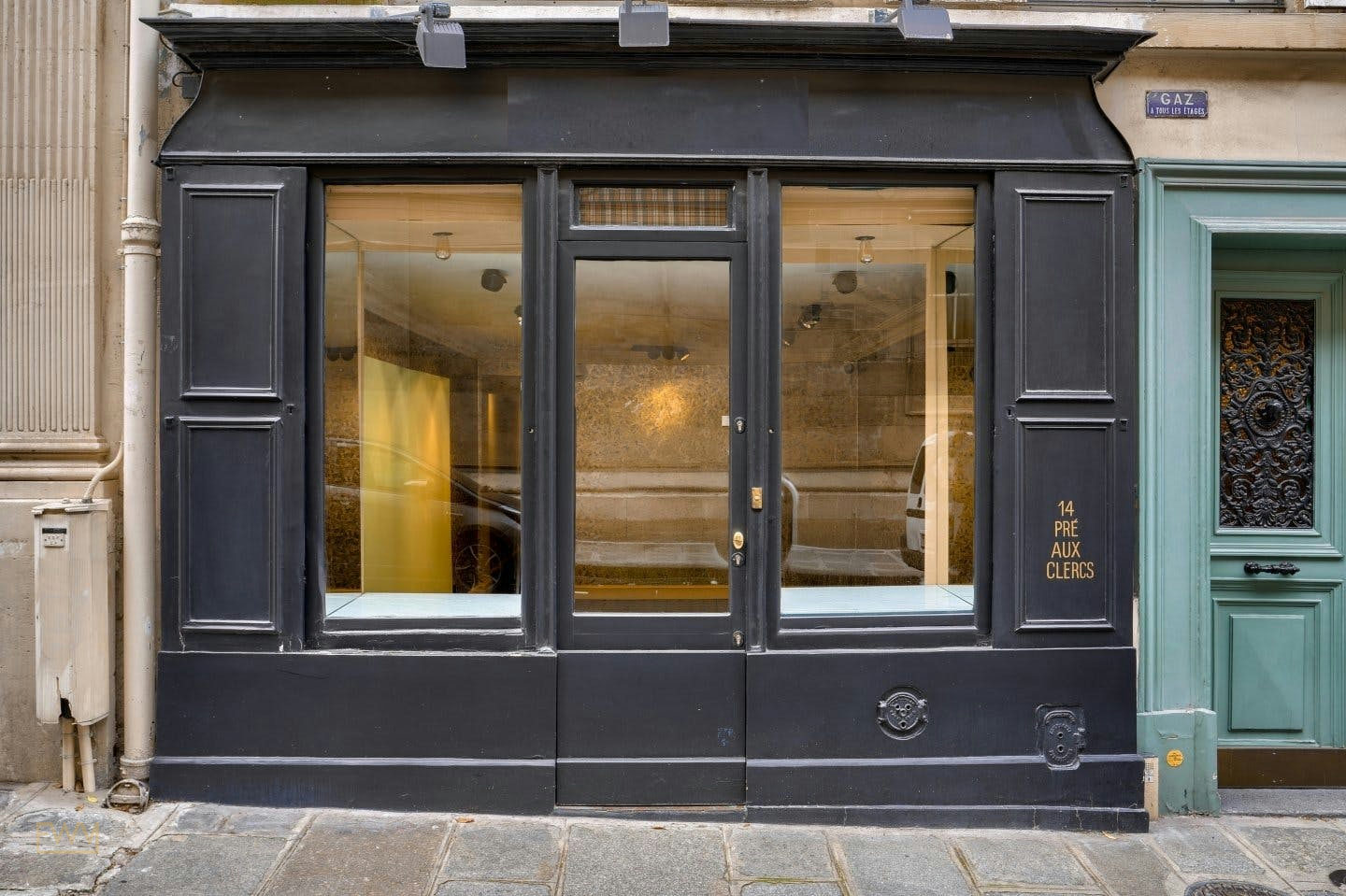
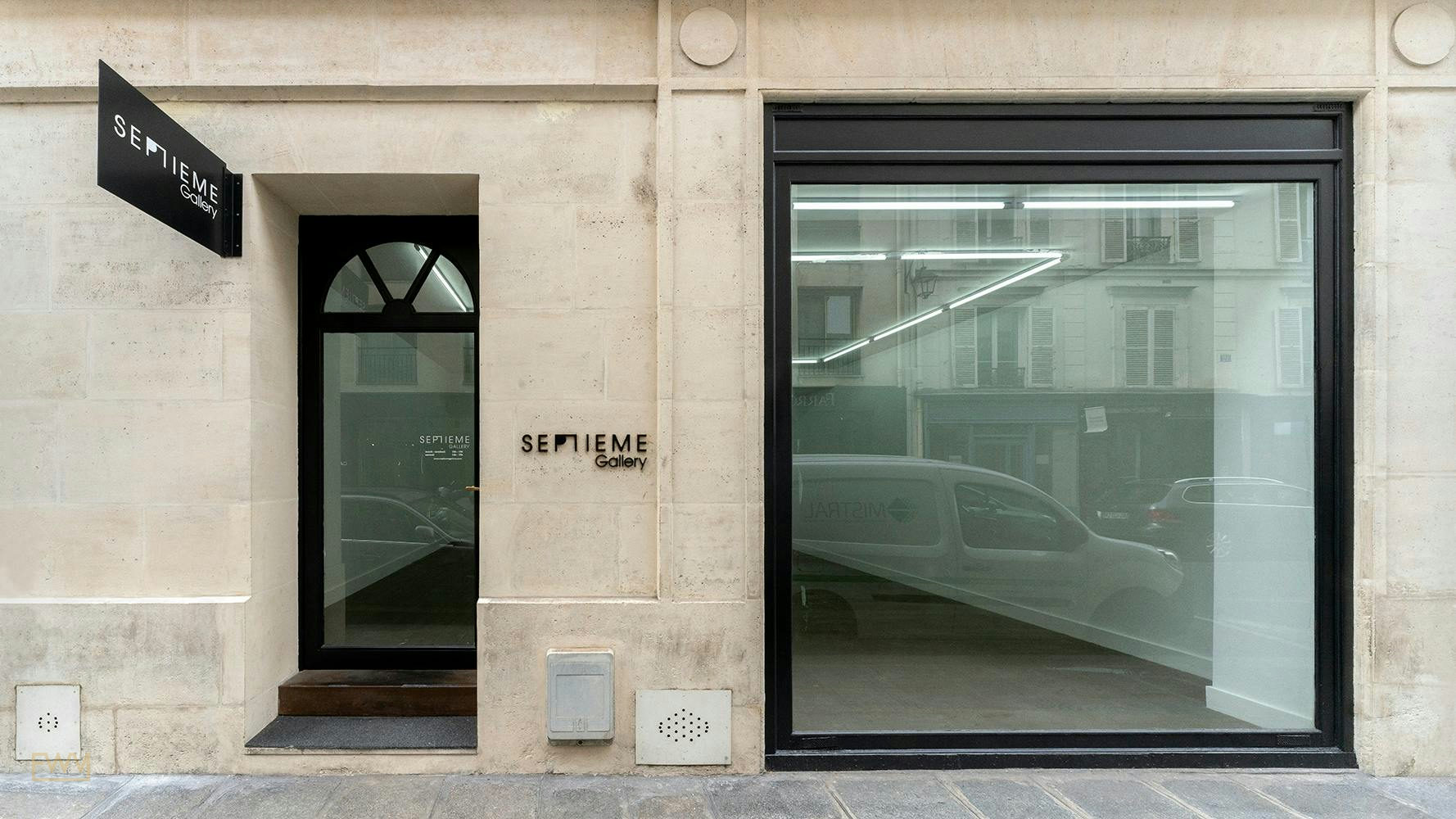
Booking a pop-up shop in the 6th arrondissement Paris places your brand at the intersection of literary heritage, luxury retail, and one of the most visited neighbourhoods in Europe. Saint-Germain-des-Prés, the defining quarter of the 6th, draws millions of visitors annually, blending independent bookshops, flagship fashion houses, heritage cafés, and design galleries into a neighbourhood that rewards brands with cultural credibility and genuine foot traffic. Whether you are launching a book-focused retail concept, a fashion activation, a travel-themed pop-up, or a creative lifestyle brand, the 6th offers a concentration of spaces, streets, and potential customers that few neighbourhoods in Paris can match. Fashion Week Venues helps international and domestic brands navigate venue sourcing, permits, production, and activation management across Paris, with the 6th arrondissement as one of its most requested destinations.
Why the 6th Arrondissement Is Paris's Most Compelling Pop-Up Neighbourhood
Quick answer: The 6th arrondissement combines the intellectual legacy of Saint-Germain-des-Prés, the student energy of the Latin Quarter border, and the luxury density of Boulevard Saint-Germain to create a neighbourhood where temporary retail concepts consistently outperform expectations on both foot traffic and press coverage.
The 6th arrondissement is not simply a prestigious address. It is an ecosystem that has sustained independent bookshops, experimental galleries, and design studios for more than a century. Streets like rue de l'Odéon, rue Jacques Callot, and the passages near the Odéon theatre form a micro-retail landscape where discovery is built into the pedestrian experience. Visitors are not rushing between monuments; they are browsing, pausing, and spending. That behavioural pattern makes the 6th one of the most fertile territories in Paris for any pop-up concept that rewards curiosity.
The neighbourhood's literary identity is impossible to separate from its commercial appeal. Shakespeare and Company, founded by Sylvia Beach and later revived by George Whitman before passing to his daughter, operates just across the Seine in the 5th arrondissement, but its gravitational pull extends firmly into the 6th. The Abbey Bookshop at 29 rue de la Parcheminerie, the Red Wheelbarrow, and Smith and Sons have collectively cultivated a community of book lovers who expect to encounter unexpected retail concepts in these streets. For a pop-up bookstore or a book-adjacent brand, this cultural priming is a significant advantage.
From a logistics standpoint, the 6th benefits from excellent transport connections including the Saint-Germain-des-Prés metro station on Line 4, the Odéon station serving Lines 4 and 10, and multiple bus routes. Accessibility for deliveries, however, requires planning because several streets in the core of the 6th operate with time-restricted vehicle access. Any brand planning to run a pop-up shop here needs to account for delivery windows, particularly for inventory-heavy concepts like bookshops.
The 6th also benefits from proximity to tourist flows from the Luxembourg Gardens, the Panthéon, and the Seine embankments, which means foot traffic is distributed across morning, afternoon, and evening periods, rather than concentrated in a single midday peak. This extended trading window makes the 6th particularly valuable for shorter pop-up durations where maximising daily visitor numbers is critical.
When comparing the 6th to other Paris pop-up neighbourhoods, its profile sits between the fashion-forward density of Le Marais and the luxury monument-corridor of rue du Faubourg Saint-Honoré. It attracts an audience that combines high purchasing power with genuine intellectual engagement, which is precisely why brands launching book-themed concepts, Nordic literature activations, travel-themed retail, and design-led fashion pop-ups consistently choose it as their Paris base.
DID YOU KNOW: The Swedish Institute Paris, housed at the Hôtel de Marle on rue Payenne in the 3rd arrondissement, regularly presents Scandinavian cultural programming that spills into the broader Left Bank circuit. Brands drawing on Nordic literature, Tove Jansson's Moomin universe, or authors like Karl Ove Knausgård, Sara Stridsberg, Sofi Oksanen, and Jón Kalman Stefánsson have found natural crossover audiences in the 6th arrondissement's engaged literary community.
KEY TAKEAWAY: The 6th arrondissement is the single Paris neighbourhood that combines literary heritage, luxury retail density, strong foot traffic from resident and tourist audiences, and a cultural identity that elevates brand perception across fashion, books, design, and lifestyle categories simultaneously.
Understanding what makes the 6th exceptional is only the beginning. The next critical step is understanding how to find the right space within it, and what the operational realities of running a short-term retail concept here actually look like.
Types of Pop-Up Spaces Available in the 6th Arrondissement
Quick answer: The 6th arrondissement offers ground-floor retail units, courtyard spaces, gallery-style studios, and converted private apartments for short-term rental, with availability concentrated on and around Boulevard Saint-Germain, rue de Rennes, rue Jacob, and the streets between Odéon and the Luxembourg Gardens.
Not all spaces in the 6th are equally suited to every brand concept. The neighbourhood contains a range of unit types, and selecting the right one requires matching your brand identity, inventory volume, customer experience goals, and operational requirements to what is actually available at the time you need it.
Ground-Floor Retail Units on Primary Streets
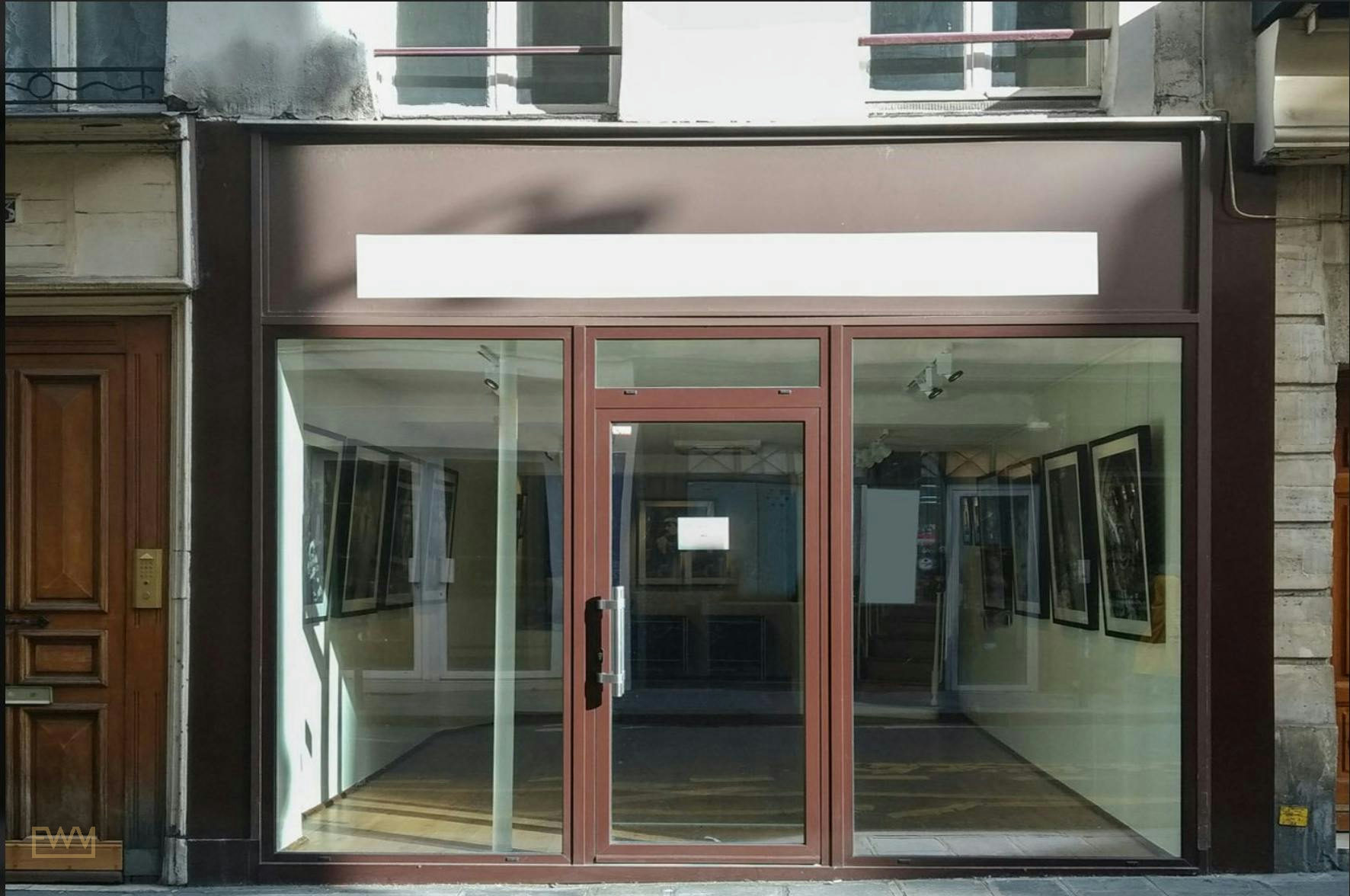
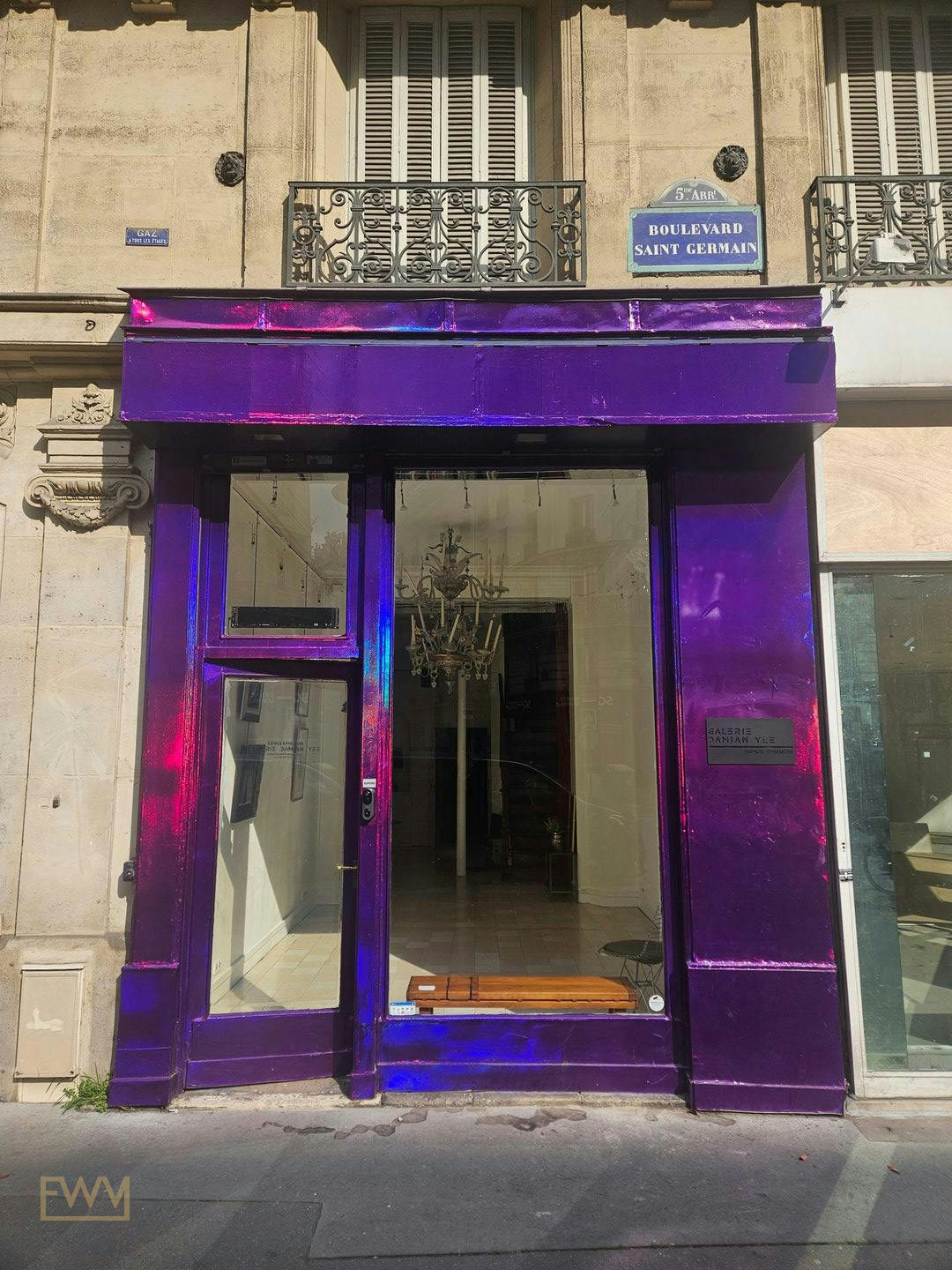
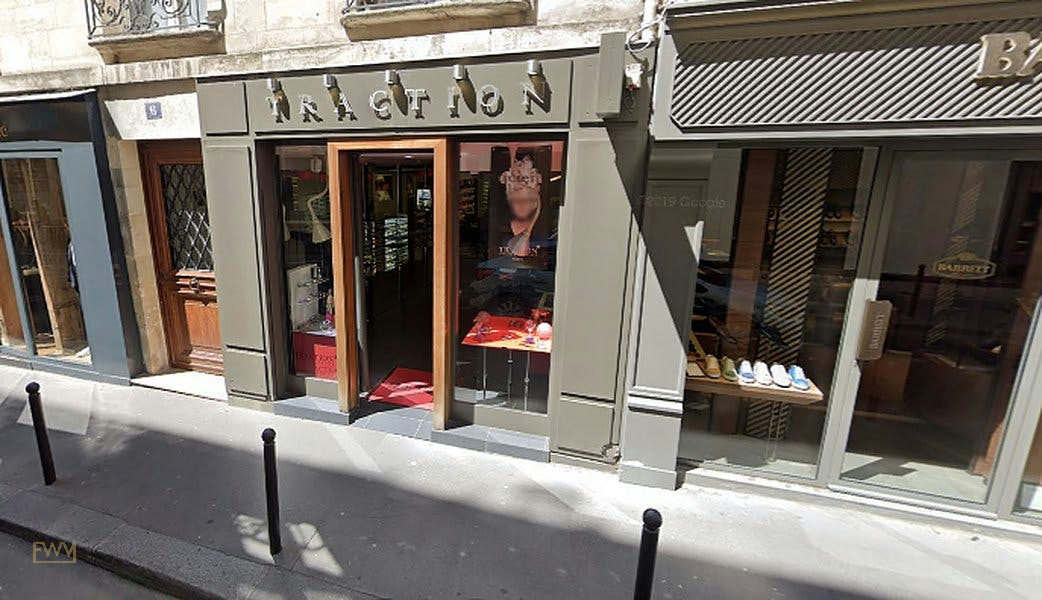
Boulevard Saint-Germain and rue de Rennes offer the highest foot traffic in the 6th, with ground-floor retail units ranging from compact 30 to 40 square metre boutique formats to larger 100-plus square metre flagship-scale spaces. These units benefit from pavement presence, natural light from large shopfronts, and the passing trade generated by the dense commercial mix of the street. For a pop-up bookstore or a fashion activation, visibility from the street is a significant driver of unplanned visits. These units typically carry the highest weekly rental costs in the neighbourhood, but their conversion rates tend to justify the premium for brands with a clearly defined concept.
Gallery and Studio Spaces on Secondary Streets
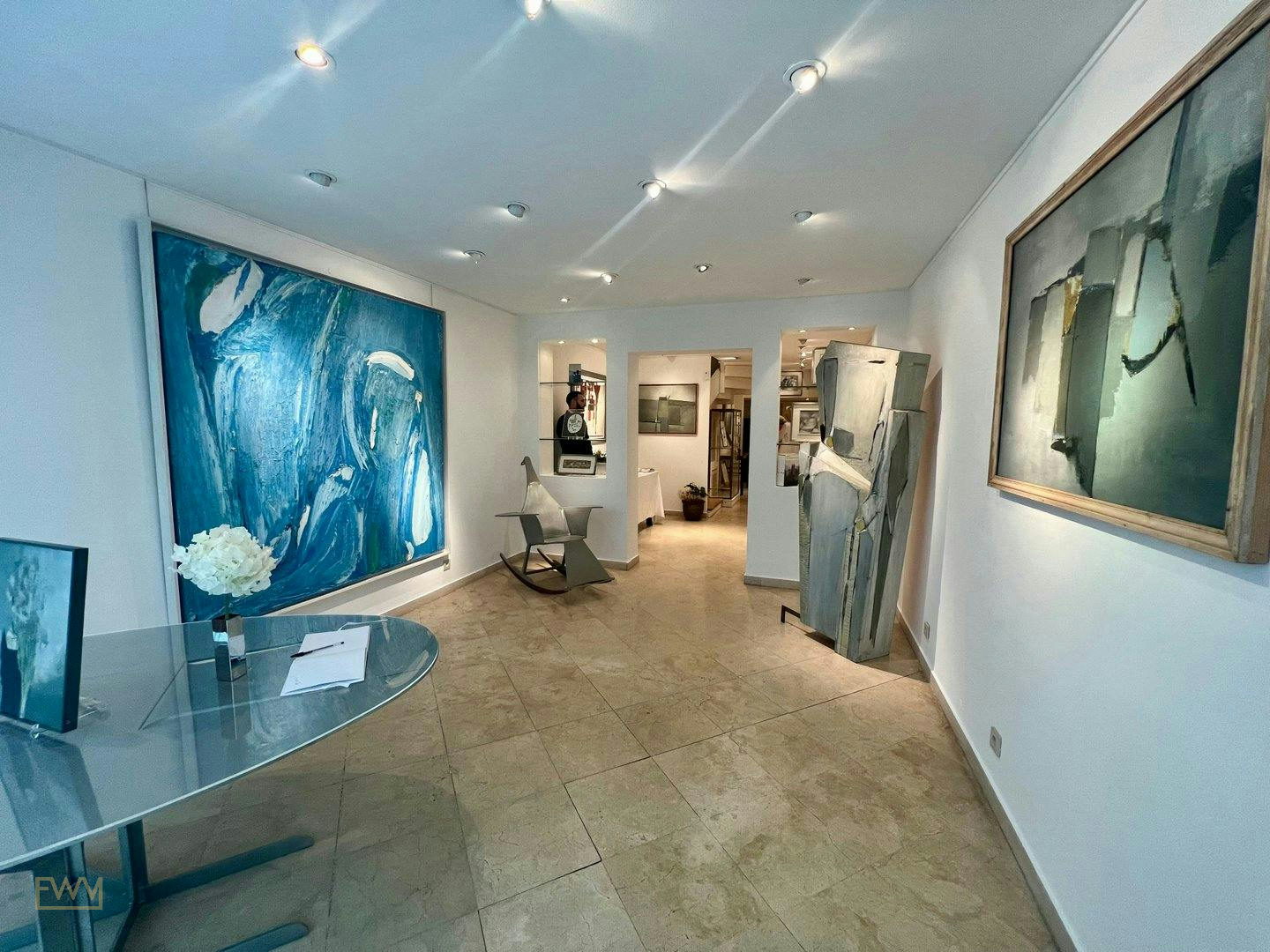
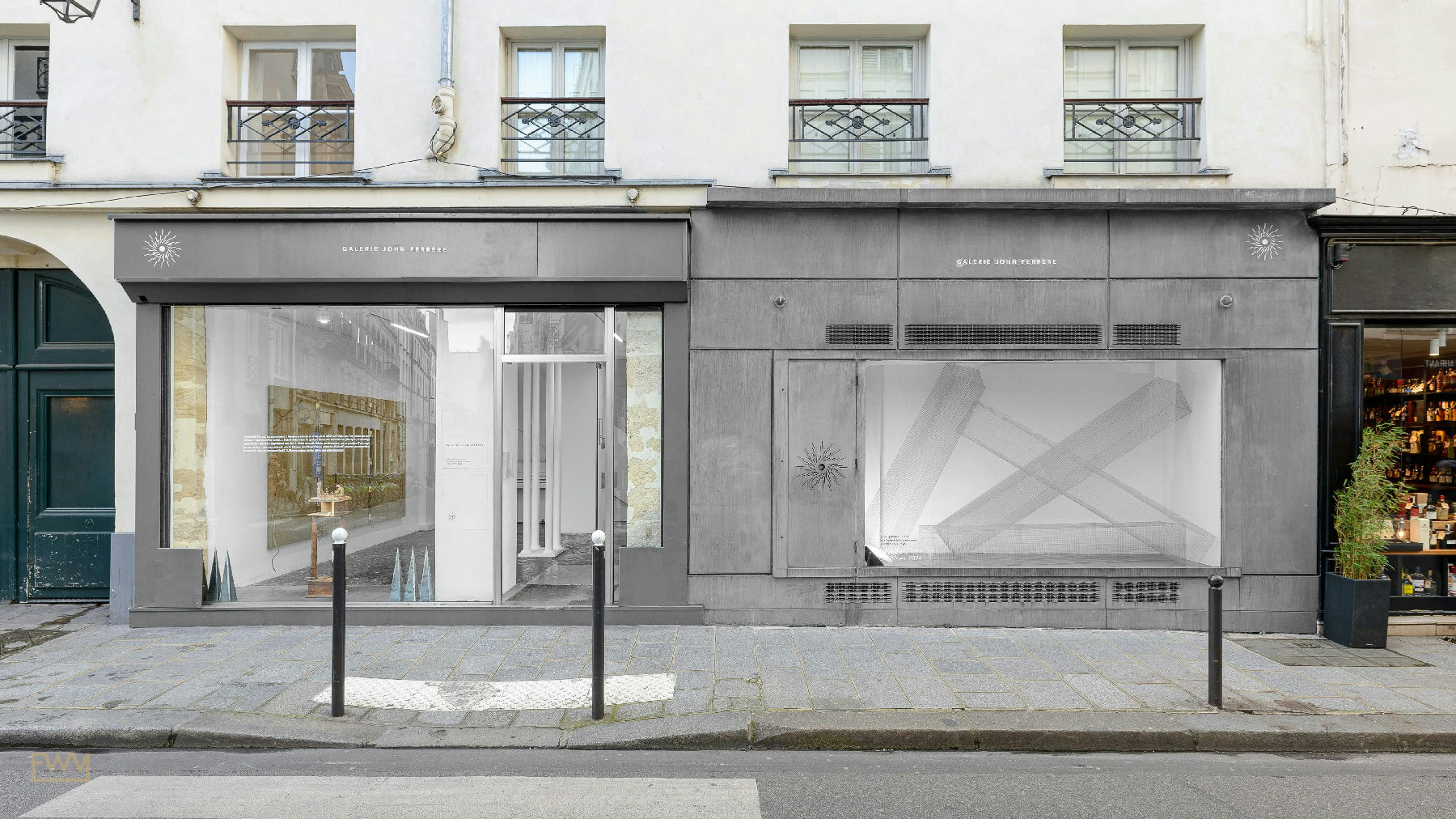
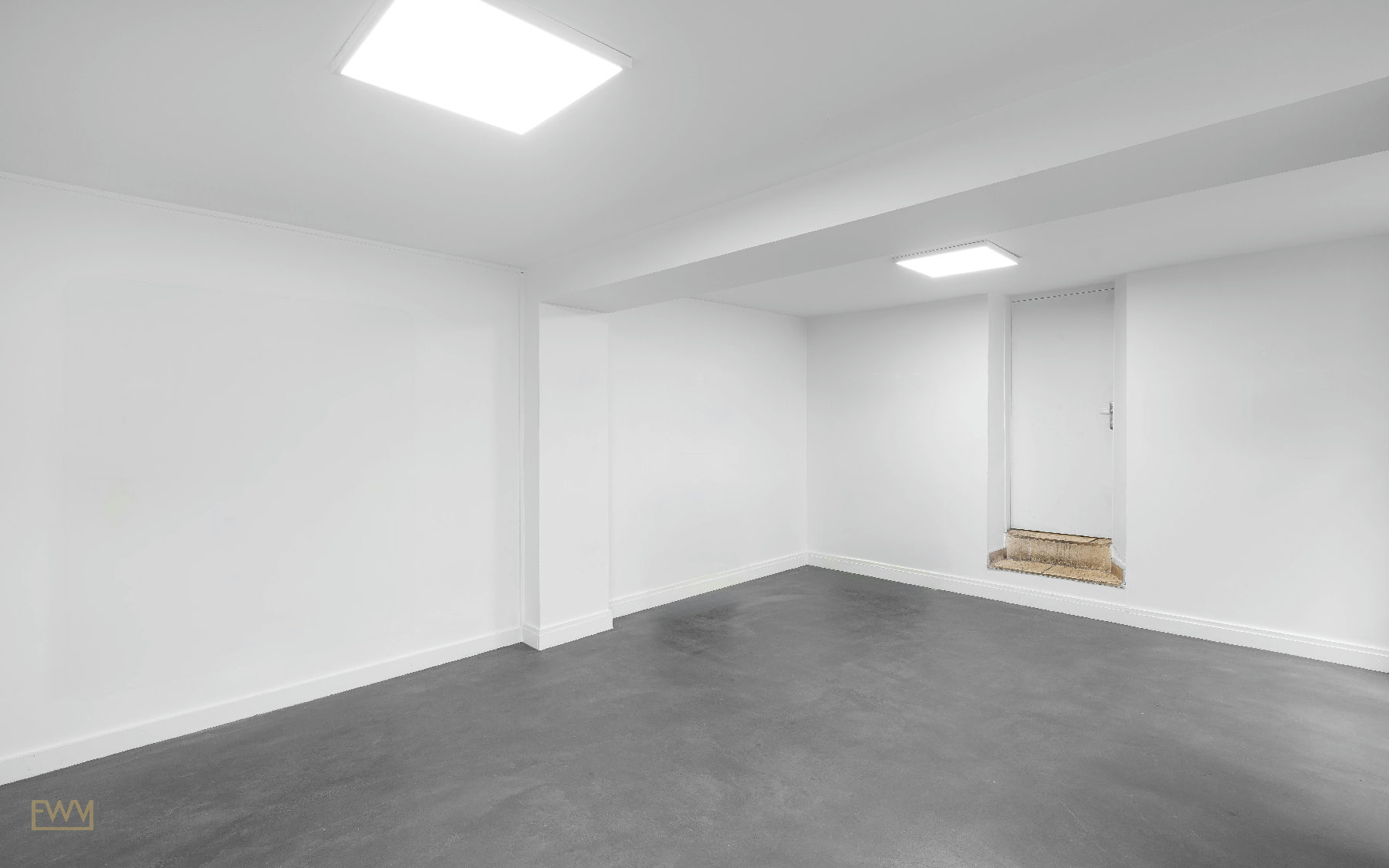
Streets like rue Jacques Callot, rue de Seine, and rue Mazarine are lined with contemporary art galleries that often make their spaces available for short-term retail activations during quiet exhibition periods or between shows. These spaces offer a very different atmosphere from primary retail streets: white-walled interiors, clean sightlines, and the cultural credibility of an art district address. For a brand positioning a book launch, a Nordic literature activation like a Bokbar concept, or a design and lifestyle pop-up, these gallery conversions offer exceptional merchandising flexibility at more accessible price points than the main boulevard units.
Courtyard and Passage Spaces
The 6th contains a number of historic courtyards and covered passages that provide a more intimate, discovery-oriented retail environment. These spaces suit brands that want to create a sense of arrival and exploration rather than instant pavement visibility. They work particularly well for concepts that reward customer dwell time, such as a curated bookshop, an illustrated book exhibition, or an interactive pop-up book format experience.
Private Apartment and Hôtel Particulier Formats
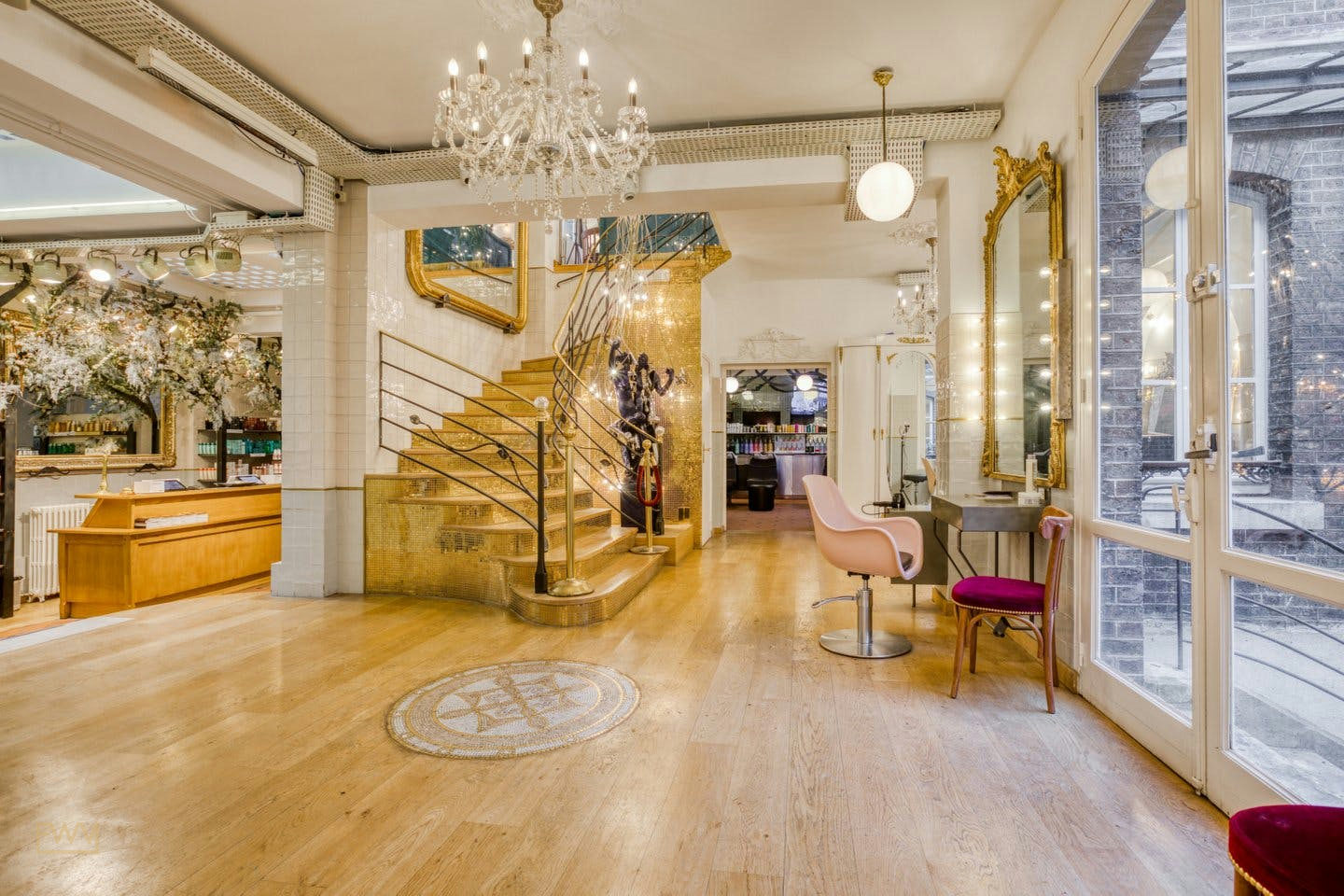
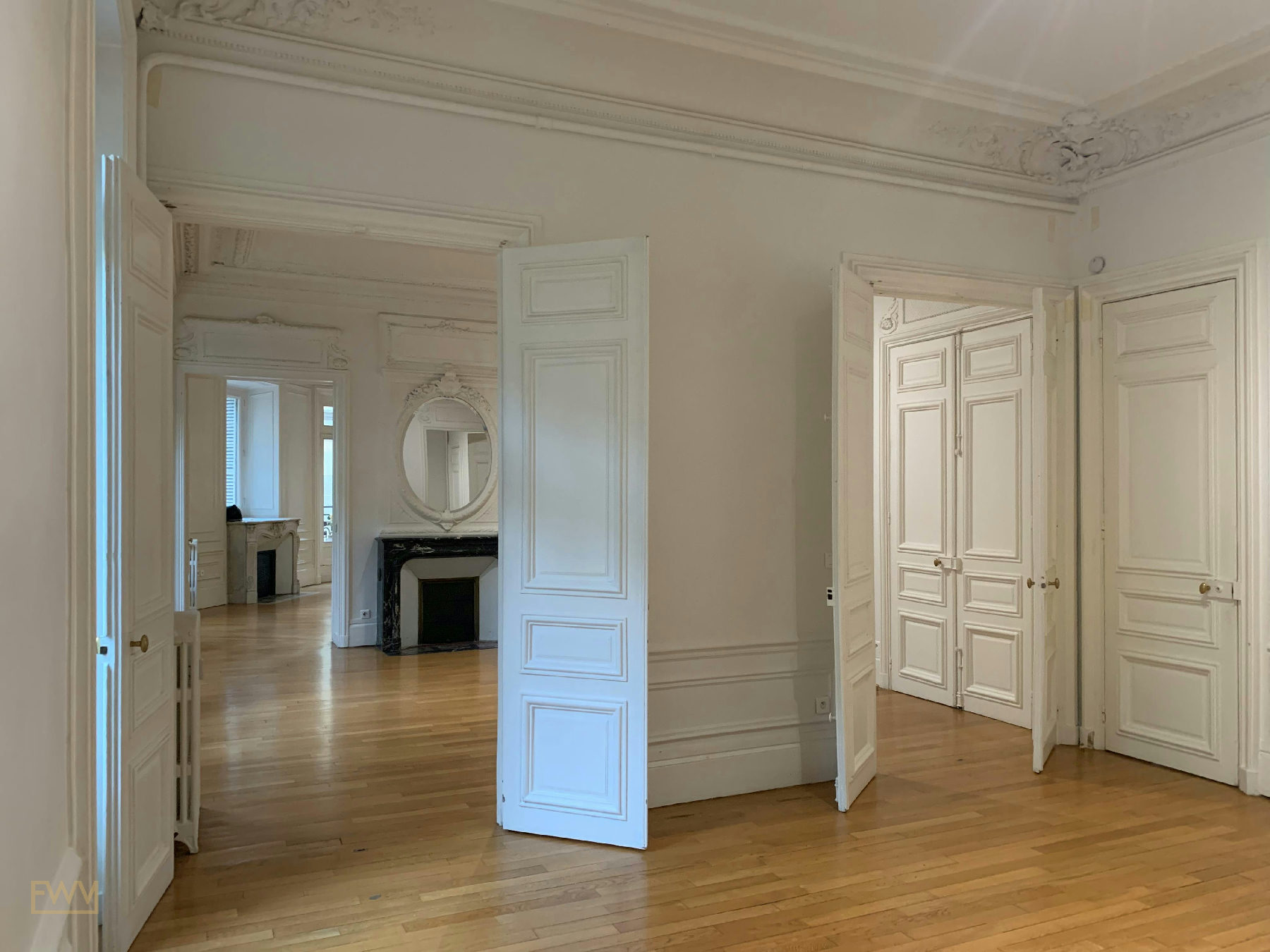
Several private apartments and hôtels particuliers in the 6th are made available for short-term brand activations, particularly during Paris Fashion Week and other high-profile calendar periods. These spaces offer an editorial quality that is impossible to replicate in a standard retail unit. For luxury brands, publishers, or lifestyle brands targeting press and influencer audiences, a private apartment format can generate significant social media content value and brand positioning returns that outperform conventional retail metrics.
| Space Type | Best For | Typical Size Range | Street Examples in the 6th |
|---|---|---|---|
| Ground-floor retail unit | Fashion, books, lifestyle, high foot traffic concepts | 30 to 150 sqm | Boulevard Saint-Germain, rue de Rennes |
| Gallery or studio conversion | Book launches, design, Nordic culture, editorial activations | 40 to 120 sqm | Rue Jacques Callot, rue de Seine, rue Mazarine |
| Courtyard or passage space | Curated bookshops, experiential concepts, dwell-time retail | 20 to 80 sqm | Passages near Odéon, rue de l'Odéon environs |
| Private apartment or hôtel particulier | Press previews, luxury brands, editorial pop-ups, influencer activations | 60 to 250 sqm | Rue Jacob, rue de Furstenberg, rue Visconti |
KEY TAKEAWAY: Matching your space type to your brand concept, not simply to the most prestigious street available, determines whether your 6th arrondissement pop-up delivers on its investment. Gallery conversions on secondary streets frequently outperform primary street units for book and design concepts because the audience context is better aligned.
Once you have identified the right space type, the practical question becomes how to find, secure, and operate it within the regulatory and operational framework that governs short-term retail in Paris.
How to Find and Book Pop-Up Spaces in Paris's 6th Arrondissement
Quick answer: The most reliable route to booking a pop-up shop in the 6th arrondissement is to work with a specialist agency or use a curated marketplace, rather than approaching landlords directly or relying on general commercial property platforms that are not designed for short-term retail requirements.
Finding a pop-up space in the 6th arrondissement requires navigating a market that operates very differently from conventional commercial property rental. Most short-term spaces in the neighbourhood are not listed on standard real estate platforms. Many are managed informally by landlords who prefer agency introductions, or they are held within proprietary portfolios that only become accessible through established relationships.
Platforms like Storefront operate in the Paris market and list some spaces in the 6th, but their inventory represents a fraction of what is actually available, and the self-service booking model does not address the operational complexities of running a compliant, well-produced pop-up in a Parisian neighbourhood with specific local requirements.
Specialist agencies with active relationships in the 6th arrondissement market can provide access to unlisted spaces, manage the lease documentation under the appropriate short-term framework, handle permit applications, and coordinate the production and activation phases. This matters particularly for international brands entering Paris for the first time, who may not have the local relationships, French-language capacity, or understanding of the specific regulatory requirements that apply to temporary retail in the neighbourhood.
The venue sourcing service offered by Fashion Week Venues covers the 6th arrondissement specifically, with active relationships across the ground-floor retail, gallery, and private space categories. The service goes beyond listing availability to include neighbourhood briefing, space assessment against your specific concept, and lease framework guidance.
When evaluating any space in the 6th, the following factors should be assessed before committing:
- Permitted trading hours and any restrictions on Sunday or late-evening opening
- Delivery access and loading restrictions on the specific street
- Signage and shopfront modification permissions under the landlord agreement and local planning rules
- Electrical capacity for your planned merchandising setup, point-of-sale systems, and any event lighting
- Fire safety compliance including egress requirements and extinguisher placement
- Insurance requirements specified by the landlord
- Condition of the space at handover and reinstatement obligations at the end of the licence period
TIP: Always request a technical datasheet for any space you are seriously considering in the 6th. Electrical capacity in older Haussmann-era buildings is frequently insufficient for modern retail lighting and POS setups without an electrician visit. Factor this into your production timeline and budget.
To explore currently available spaces and filter by neighbourhood, size, and use type, the Fashion Week Venues space marketplace provides a curated view of the Paris market with specific 6th arrondissement inventory.
KEY TAKEAWAY: Direct landlord approaches and general property platforms are rarely the most efficient or reliable route to securing a short-term space in the 6th arrondissement. A specialist agency or curated marketplace dramatically reduces search time, reduces legal risk, and provides access to spaces that do not appear in public listings.
Permits, Leases, and Legal Requirements for a 6th Arrondissement Pop-Up
Quick answer: Running a pop-up shop in the 6th arrondissement requires either a bail dérogatoire for spaces let on a short-term commercial basis, or a licence de domaine for public or shared spaces, alongside business insurance, fire safety compliance, and in some cases an autorisation d'occupation temporaire. Requirements vary by space type, duration, and specific location within the arrondissement.
One of the most common sources of operational problems for brands running pop-up shops in Paris is underestimating the complexity of the legal framework governing short-term retail. The French commercial lease system is designed primarily for long-term occupancy, and short-term retail activations operate under specific legal mechanisms that require careful handling.
Bail Dérogatoire: The Short-Term Commercial Lease Framework
A bail dérogatoire, sometimes called a bail précaire, allows a landlord and tenant to agree a commercial lease of up to 36 months in total without triggering the full protections of the French commercial lease statute (statut des baux commerciaux). For pop-up purposes, this typically means a lease of between one week and several months, agreed in writing and specifying the permitted use, rental amount, deposit, and reinstatement obligations.
The bail dérogatoire is not a simple or informal document. It must be drafted correctly to be enforceable and to ensure that the tenant does not inadvertently acquire long-term lease rights. International brands should always have a bail dérogatoire reviewed by a French legal advisor before signing. Do not assume that an agency or landlord's standard template is appropriate for your specific situation without independent verification.
Autorisation d'Occupation Temporaire (AOT)
If your pop-up concept involves use of a publicly owned or managed space, a terrace area extending onto a pavement or public street, or a space within a publicly managed building, you may require an autorisation d'occupation temporaire (AOT). The AOT is a permit granted by the relevant public authority and governs the conditions, duration, and permitted activities of the temporary occupation. AOTs are non-transferable and must be obtained in the name of the entity actually operating the pop-up.
Insurance, Fire Safety, and Electrical Compliance
All pop-up retail operations in France require appropriate business liability insurance (responsabilité civile professionnelle) covering the duration of the occupation. Most landlords in the 6th arrondissement will require proof of insurance before granting access. Fire safety requirements depend on the classification of the space and the number of persons admitted. Electrical installations must comply with French standards, and if you are modifying or adding to the electrical setup, a certified electrician must carry out and sign off on the work.
IMPORTANT: Permit requirements in Paris vary meaningfully by space type, arrondissement, and intended use. The information above is a general guide only. Always verify your specific requirements with a qualified French legal advisor and use the Fashion Week Venues permit guidance tool as a starting reference point for your planning.
KEY TAKEAWAY: Legal compliance for a pop-up shop in the 6th arrondissement is not optional or informal. A correctly structured bail dérogatoire, appropriate insurance, and fire and electrical safety compliance are minimum requirements. International brands should budget time and professional fees for legal review as part of their pre-activation planning.
Planning and Budgeting a Pop-Up Shop in the 6th Arrondissement
Quick answer: A realistic pop-up budget for the 6th arrondissement needs to account for space rental, fit-out and production, staffing, permits and legal costs, insurance, inventory, marketing and social media, and post-activation reinstatement. Costs vary significantly by space type, duration, and concept complexity, and directional estimates should be built using a dedicated budgeting tool rather than assumed from general benchmarks.
Budgeting for a Paris pop-up is one of the areas where brands most frequently underestimate their requirements, particularly when entering the market for the first time. The 6th arrondissement carries a premium over less central Paris neighbourhoods, but the premium is often justified by the quality of the audience and the density of press and influencer activity in the area.
Key Cost Categories to Model
Space rental in the 6th arrondissement is typically quoted on a weekly or monthly basis, and the range across space types and streets is very wide. A small gallery conversion on a secondary street will cost significantly less per week than a ground-floor retail unit on Boulevard Saint-Germain. Both may be appropriate depending on your concept and audience targeting. Do not anchor your budget to a single benchmark figure without reviewing current availability and pricing through a specialist source.
Fit-out and production costs depend heavily on the starting condition of the space and the complexity of your merchandising concept. A book-focused pop-up with bespoke shelving, reading areas, and event infrastructure will require a more substantial production budget than a fashion pop-up using modular display systems. The production and build service can provide a scoped estimate once your brief and preferred space are confirmed.
Staffing costs in Paris reflect French labour regulations, which apply to all employers operating in France regardless of company nationality. Retail staffing for a one-month pop-up involving two to three sales staff plus a shop manager requires careful cashflow planning, particularly if your brand does not have an existing French employment entity. Specialist staffing solutions for short-term retail activations are available and can address this complexity without requiring you to establish a full French payroll infrastructure.
Marketing and social media investment is often underbudgeted for Paris pop-ups, particularly by brands that assume the neighbourhood alone will generate organic discovery. While the 6th arrondissement's foot traffic is genuine and significant, a strategic social media campaign in the weeks before opening, combined with influencer outreach targeted at Paris-based book, fashion, and travel content creators, dramatically increases opening-week visitor numbers and press pickup.
| Cost Category | Notes | Planning Reference |
|---|---|---|
| Space rental | Weekly or monthly rate; varies by street, size, and space type | Request current availability via marketplace or agency |
| Fit-out and production | Depends on space condition and concept complexity; includes furniture, shelving, lighting, signage | Production and build service scoping |
| Staffing | French labour law applies; specialist short-term staffing solutions recommended for non-French entities | Retail staffing service |
| Permits and legal | Bail dérogatoire drafting, permit applications, legal review fees | Permit guidance tool; French legal advisor |
| Insurance | Responsabilité civile professionnelle mandatory; some landlords require additional cover | French insurance broker |
| Inventory and shipping | Books, product, packaging; import logistics if shipping from outside France | Logistics partner; allow 2 to 4 weeks lead time for international shipping |
| Marketing and social media | Pre-opening campaign, influencer outreach, event hosting, press outreach | Influencer marketing service |
| Reinstatement | Space must be returned in original condition; budget for cleaning, repair, fixture removal | Include in production planning |
For a brand-specific cost model that reflects your space type, duration, and concept scope, use the Fashion Week Venues budget calculator. This tool is designed to produce directional estimates for Paris pop-up activations and helps brand teams build a realistic business case before committing to a space.
KEY TAKEAWAY: Cashflow planning is as important as total budget for a Paris pop-up. Deposits, fit-out costs, and first-week staffing costs typically fall before any sales revenue is generated. Build a cash flow timeline, not just a total cost budget, and model both optimistic and conservative sales scenarios before signing a lease.
With a realistic budget framework in place, the next decision is when to run your pop-up in relation to the Paris calendar, particularly the fashion and cultural events that drive concentrated audience surges into the 6th arrondissement.
Paris Calendar Windows: When to Open Your 6th Arrondissement Pop-Up
Quick answer: The highest-value calendar windows for a 6th arrondissement pop-up combine Paris Fashion Week dates, major cultural events, and peak tourist periods. July, September, and January through February are the three periods most frequently targeted by international brands for Paris activations, but each has distinct audience profiles and operational implications.
Calendar strategy is one of the most consequential decisions in a Paris pop-up plan. The right window amplifies everything: foot traffic, press attention, social media reach, and sales velocity. The wrong window can mean a well-produced, well-located concept trading into a quiet neighbourhood with a fraction of its potential audience.
Paris Fashion Week Windows
Paris Fashion Week occurs twice annually for womenswear, in late September to early October for spring/summer collections and in late February to early March for autumn/winter collections. Menswear Fashion Week takes place in January, and haute couture weeks fall in January and July. For 2026, Paris Fashion Week activities for haute couture and related events are scheduled around early July, making the period from July 6 to 9, 2026 a particularly concentrated window for runway shows, exhibitions, brand activations, and cultural happenings across the city.
During Fashion Week periods, the 6th arrondissement experiences a substantial surge in the specific audience profile most valuable to fashion, design, and lifestyle brands: press, buyers, influencers, creative directors, and affluent international visitors who are actively engaged in discovery and spending. A pop-up timed to coincide with Fashion Week can generate media coverage and social media content that extends its value well beyond the physical duration of the activation.
July: Summer Visitors and the Literary Calendar
July is one of the most interesting months for a book-focused or travel-themed pop-up in the 6th arrondissement. The neighbourhood attracts a high proportion of literary tourists specifically seeking out the bookshop culture of Saint-Germain and the Latin Quarter, including visitors making pilgrimages to Shakespeare and Company, the Abbey Bookshop at 29 rue de la Parcheminerie in the 5th arrondissement, and the Librairie Jousseaume in the Galerie Vivienne passage. A pop-up bookstore concept that positions itself as a discovery in this circuit can capture enormous goodwill from an audience that is already primed to spend on books. The question of what better souvenir than a book set in Paris that you bought in Paris is genuinely answered by the commercial performance of well-curated book pop-ups in this area during summer.
September to October: The Rentrée and Fashion Week Combination
The September rentrée is the most commercially significant retail period in Paris. The return of the city's resident population from summer, combined with the arrival of international visitors for the womenswear Fashion Week, creates a density of high-value customers in the 6th arrondissement that peaks in late September. Brands planning their most commercially ambitious Paris pop-up should seriously consider this window. The 6th benefits disproportionately from rentrée foot traffic because it draws both the returning local population and the international fashion audience simultaneously.
January to February: Menswear and Haute Couture
The winter Fashion Week period is slightly quieter in terms of total visitor volumes than September, but the audience composition is highly specific and commercially focused. International buyers, press, and creative industry professionals dominate the 6th arrondissement during this period, making it ideal for brand positioning and trade-oriented activations rather than purely consumer-facing pop-ups.
DID YOU KNOW: Pop-ups timed to Paris Fashion Week in the 6th arrondissement are not limited to fashion brands. Book publishers launching Paris-set titles, Nordic cultural institutions presenting Scandinavian authors, design brands showing new collections, and sustainability-focused concepts have all used Fashion Week calendar windows to generate press coverage that would be difficult to achieve in quieter periods.
To map your preferred calendar window against space availability and plan a production and activation timeline, use the Fashion Week Venues timeline planning tool.
KEY TAKEAWAY: The 6th arrondissement rewards calendar precision. A well-timed pop-up in July, September, or a Fashion Week window can generate returns in press coverage, social media reach, and sales velocity that a poorly timed activation in the same space simply will not achieve.
Book Pop-Ups in Paris: The Case for the 6th Arrondissement
Quick answer: Paris's 6th arrondissement is the most culturally appropriate and commercially viable location in the city for a pop-up bookstore or book-adjacent brand activation, because of its concentration of established bookshops, its literary tourism circuit, and its audience of book lovers who actively seek out reading-related retail experiences.
Paris has one of the most distinctive independent bookshop cultures in Europe, and the 6th arrondissement sits at its heart. For brands considering a pop-up bookstore, a publisher pop-up, a literary brand activation, or a book-themed retail concept, understanding the existing bookshop landscape and how a pop-up can complement rather than compete with it is essential to both the concept and the community positioning.
The Established Bookshop Context
Galignani at 224 rue de Rivoli is widely considered the oldest English-language bookshop in Europe and draws a cosmopolitan, multilingual audience from the Tuileries Gardens corridor. While technically in the 1st arrondissement, its customer base overlaps significantly with the 6th arrondissement's literary circuit. Shakespeare and Company on rue de la Bûcherie in the 5th is the most photographed independent bookshop in Europe and has become a pilgrimage site for literary tourists from across the world; Sylvia Beach's original version on rue de l'Odéon, which published James Joyce's Ulysses in 1922, stood at the 6th arrondissement's heart before relocating post-war. The Abbey Bookshop in the 5th, known for its floor-to-ceiling stacks of discounted second-hand books and Canadian coffee, attracts bargain hunters and serious readers in equal measure. Smith and Sons on rue de Rivoli serves a similar Anglo-American expatriate and tourist market.
Within the 6th arrondissement itself, the tradition of literary retail runs deep. Rue de l'Odéon remains associated with its bookshop heritage, and the galleries and studios of rue de Seine and rue Mazarine frequently host literary events, illustrated book exhibitions, and pop-up publishing activations.
Pop-Up Book Formats and Themes That Work in the 6th
For a pop-up bookstore in the 6th, thematic curation is far more powerful than comprehensive stock. The most successful book pop-ups in Paris have operated around a strong editorial premise: Nordic literature featuring authors like Karl Ove Knausgård, Sara Stridsberg, Sofi Oksanen, and Jón Kalman Stefánsson in a Scandinavian design context; Paris-set fiction curated as literary souvenirs for international visitors; illustrated books and pop-up book formats engaging with the French tradition of paper engineering and livre-objet; and travel writing and guide literature curated for visitors who are actively in the city and want to extend their experience through reading.
The Bokbar concept, associated with Scandinavian cultural programming in Paris and sometimes linked to Swedish Institute events, represents a model where books, design, and a curated cultural atmosphere combine into a format that generates both sales and meaningful audience engagement. A pop-up inspired by this model, positioned in a gallery conversion in the 6th and timed to a Nordic cultural calendar event, is a concrete example of a concept that is both commercially viable and editorially distinctive.
For publishers, the pop-up book format itself, involving interactive, dimensional paper engineering in the tradition of French paper engineers like Dominique Ehrhard, represents an opportunity to present books as objects rather than purely as text. This approach aligns naturally with the 6th arrondissement's art and design gallery culture and creates an experience that cannot be replicated online, providing a compelling counter-argument to Amazon's dominance of standard book retail.
Thematic Pop-Up Models to Consider
Travel-themed book pop-ups curated around specific destinations, with titles spanning fiction, guide books, illustrated travel writing, and souvenir volumes, perform strongly in the 6th during the summer period when international visitors dominate foot traffic. Nordic literature pop-ups, referencing the cultural circuit of the Swedish Institute and the broader Scandinavian cultural presence in Paris, attract both French readers with an interest in Scandinavian culture and international visitors from Nordic countries. A pop-up built around the Moomins, Tove Jansson's illustrated universe, represents a model that bridges children's books, illustration, design objects, and gift retail in a format that drives both sales volume and social media content naturally.
Non-traditional book formats, including artists' books, pop-up books, limited edition illustrated volumes, and collaborative publisher releases, find a receptive audience in the 6th that is largely absent in more commercial Paris neighbourhoods. This audience is willing to pay premium prices for books as objects, which changes the economics of a book pop-up significantly compared to a standard bookshop model.
KEY TAKEAWAY: A book pop-up in the 6th arrondissement succeeds not by attempting to replicate a full bookshop but by occupying a specific thematic and editorial position that complements the existing literary landscape, offers something that cannot be found in the established shops, and creates an experience worth visiting, photographing, and sharing.
Fashion, Design, and Lifestyle Pop-Ups in the 6th Arrondissement
Quick answer: Beyond books, the 6th arrondissement supports fashion, design, and lifestyle pop-up concepts across a wide spectrum, from independent designer activations and luxury sneaker drops to interior design presentations, handbag launches, and sustainability-focused retail concepts.
The 6th arrondissement's commercial identity has always combined literary culture with fashion and design. The streets between Odéon and Saint-Sulpice contain some of the most interesting independent fashion and design retail in Paris, and the neighbourhood's reputation as a home for creative intellectuals rather than mass-market consumers makes it particularly well-suited to brands with a distinctive point of view.
Independent Fashion and Designer Activations
Independent designers and emerging fashion brands have used the 6th arrondissement as a proving ground for their Paris debut for decades. The neighbourhood's tolerance for the unconventional, combined with its access to a press and buyer audience during Fashion Week periods, makes it an efficient launchpad. Concepts like Aux Corps Anonymes, which has explored the intersection of fashion and social practice, and designers like Daniel Essa, who have used Paris pop-up formats for limited collection releases, demonstrate the range of fashion activations that the neighbourhood supports.
Korean fashion activations have also found a receptive audience in Paris's 6th and surrounding arrondissements, with brands associated with figures like Lee Yu-bi and Kwon Nara drawing on the crossover between K-fashion, K-culture, and the Parisian audience's existing appetite for design innovation. The Jooipark concept represents a model of experiential Korean design retail that translates well to the gallery-format spaces available in the 6th.
Interior and Furniture Design Pop-Ups
The 6th arrondissement is one of the few Paris neighbourhoods where interior and furniture design pop-ups attract genuine retail customers rather than purely trade visitors. The concentration of architects, interior designers, and aesthetically literate residents in the neighbourhood creates a ready audience for curated design object presentations. A short-term showroom format, perhaps running alongside Paris Design Week in September, occupying one of the gallery conversions on rue de Seine, represents a model that multiple international design brands have used successfully.
Sustainability-Focused Retail Concepts
Sustainability-focused pop-ups have found a particularly engaged audience in the 6th arrondissement. Concepts addressing overproduction in fashion, secondhand and upcycled product models, and sustainability-led brand positioning resonate with the neighbourhood's educated, values-aware consumer base. The Good_Again Goodwill pop-up model, adapted for the Paris context, represents a format that generates both genuine sales and substantial press and social media coverage from an audience that takes sustainability seriously rather than treating it as a marketing claim.
For any fashion or design pop-up in the 6th, the packaging and presentation of products is particularly important. The neighbourhood's customers have very high expectations for visual presentation, and underdeveloped packaging or generic retail displays will underperform significantly against concepts where every detail of the customer experience has been considered.
To compare how the 6th arrondissement positions against other Paris neighbourhoods for your specific category, explore the Paris city hub on Fashion Week Venues and shortlist spaces that match your brief, budget, and calendar window.
KEY TAKEAWAY: The 6th arrondissement supports fashion and design pop-ups across a wide range of concepts, but it rewards brands that bring a genuine point of view. Generic product presentations on a prestigious street will underperform concepts that have been designed with the neighbourhood's specific audience and cultural context in mind.
Operations, Security, and Inventory Management for Your Paris Pop-Up
Quick answer: Operational planning for a pop-up shop in the 6th arrondissement should cover inventory management and receiving logistics, security systems and credit card payment infrastructure, staffing rotas, and customer feedback processes from the first day of trading.
The gap between a pop-up that looks impressive and one that actually operates effectively is almost entirely determined by pre-opening operational planning. The 6th arrondissement's premium positioning means that operational failures, from a card reader that does not work to insufficient stock depth on best-selling titles, have an outsized impact on customer perception and press coverage.
Inventory Planning and Shipping
For a book pop-up, inventory decisions require advance planning of six to eight weeks minimum if stock is being shipped from outside France. ISBN registration, import documentation, and customs clearance for books entering France from outside the European Union require specific paperwork. Books from within the EU can be transported without customs formality but still require careful logistics planning to ensure they arrive in good condition and in time for fit-out. Work with a specialist logistics partner experienced in the French market rather than a general international courier.
For fashion and product pop-ups, the same principle applies. Stock arriving from outside the EU requires customs clearance, and the time and cost of this process should be built into both the timeline and the budget. Underpreparing for shipping and customs is one of the most common causes of delayed pop-up openings in Paris.
Security and Payment Infrastructure
Security for a pop-up in the 6th arrondissement requires both a physical security solution for the space outside trading hours and a security service or system appropriate for the trading environment. High-value product pop-ups, including those selling luxury books, designer fashion, or premium design objects, should consider a professional security service for high-traffic periods. At minimum, a monitored alarm system and quality lockable storage for valuable stock overnight are non-negotiable.
Payment infrastructure in Paris has moved overwhelmingly to card payment, and a credit card processing system that handles both chip-and-PIN and contactless payments is essential. International brands should ensure their POS and payments setup is configured for the French market, including VAT handling and receipt requirements under French fiscal regulations. The POS and payments service provided by Fashion Week Venues covers configuration and operation for Paris pop-up activations.
Customer Feedback and Data
Building a customer feedback process into your pop-up operation from day one is one of the most valuable and most frequently overlooked aspects of a Paris activation. Customer feedback collected during the pop-up period, combined with sales data and footfall analytics, provides the evidence base for future Paris activations, informs inventory decisions for subsequent seasons, and helps brands assess whether the 6th arrondissement is the right long-term Paris neighbourhood for their concept. The data and analytics service covers footfall tracking, sales analytics, and customer behaviour insights for Fashion Week Venues activations.
KEY TAKEAWAY: Operational readiness on day one of a Paris pop-up is a commercial necessity, not a nice-to-have. Every hour of operational dysfunction during the opening period costs not only sales but also the word-of-mouth and social media reputation that drives the rest of the pop-up's run.
How Fashion Week Venues Helps Brands Book Pop-Up Shops in the 6th Arrondissement Paris
Quick answer: Fashion Week Venues provides end-to-end support for brands seeking to book and run pop-up shops in Paris's 6th arrondissement, covering venue sourcing, concept direction, production, activation management, staffing, POS, data analytics, and influencer marketing through a single-agency model.
Fashion Week Venues is a full-service pop-up shop agency and space marketplace operating across Paris and other major fashion capitals including London, Milan, New York, Tokyo, and Dubai. For brands targeting the 6th arrondissement specifically, the agency's combination of local market knowledge, active space relationships, and full operational capability addresses the most common challenges that international brands face when entering this market.
Venue Sourcing and Space Access
The agency's venue sourcing service provides access to spaces in the 6th arrondissement that are not listed on public platforms, including gallery conversions, private apartments, and short-term retail units managed through established landlord relationships. The service covers brief development, space identification, site visits, lease framework guidance, and negotiation support, reducing the time between concept decision and space confirmation significantly compared to self-directed search approaches.
Concept Direction and Production
For brands that have a strong brand identity but have not yet developed the specific spatial concept for their 6th arrondissement activation, the concept direction service provides creative development support from brief to final concept. Combined with the production and build service, this covers everything from initial spatial layout through to final fit-out including bespoke shelving, branded fixtures, lighting design, and window display.
Activation Management and Staffing
Running a pop-up in Paris while your core team is based in another country requires a local operational presence. The activation management service provides on-the-ground coordination covering daily operations, supplier management, issue resolution, and event management throughout the pop-up's run. The retail staffing service provides French-market-experienced sales staff, shop managers, and event hosts who understand both the operational requirements of Paris retail and the specific customer service expectations of the 6th arrondissement audience.
Tools for Independent Planning
For brand teams in the early planning phase, Fashion Week Venues provides a set of free tools covering budget estimation, ROI modelling, space comparison, timeline planning, permit guidance, and space location. The ROI calculator is particularly useful for brands building the internal business case for a Paris pop-up, as it allows teams to model projected returns against different budget scenarios and calendar windows before committing to a space.
Understanding Limitations
Fashion Week Venues cannot guarantee specific space availability, permit approval, or sales outcomes. The Paris market is competitive, and the most desirable spaces in the 6th arrondissement during Fashion Week and summer calendar windows are frequently sought by multiple brands simultaneously. Early engagement with the agency, ideally three to six months before the intended opening date, significantly improves the chances of securing the right space for your brief. To understand how the agency works and what the engagement process involves, review the Fashion Week Venues process page.
KEY TAKEAWAY: The most effective use of Fashion Week Venues is as a full end-to-end partner rather than as a space-finding service alone. Brands that engage the agency across venue sourcing, production, activation management, and analytics consistently achieve better outcomes than those that attempt to self-manage individual elements of the Paris pop-up process.
Comparing Paris Pop-Up Neighbourhoods: 6th Arrondissement vs. Key Alternatives
Quick answer: The 6th arrondissement competes most directly with Le Marais (3rd and 4th arrondissements), the 1st arrondissement around rue de Rivoli and the Tuileries Gardens, and the 8th arrondissement around Champs-Élysées and rue du Faubourg Saint-Honoré. Each neighbourhood has a distinct audience profile, space type mix, and brand positioning implication.
Choosing the right Paris neighbourhood for a pop-up is a brand positioning decision as much as a logistics one. Where you open in Paris signals something about your brand's identity to the press, influencers, buyers, and customers who encounter your activation. Understanding the comparative positioning of the major neighbourhoods helps brands make this decision with confidence.
| Neighbourhood | Primary Audience | Brand Positioning Signal | Best For | Key Limitations |
|---|---|---|---|---|
| 6th Arrondissement (Saint-Germain-des-Prés) | Literary tourists, fashion professionals, affluent residents, international visitors | Intellectual, cultural, design-forward, independently minded | Books, fashion, design, Nordic culture, lifestyle concepts | Premium rent; delivery restrictions; competition for best spaces during Fashion Week |
| Le Marais (3rd and 4th) | International tourists, young fashion consumers, LGBTQ+ community, emerging design enthusiasts | Trend-forward, diverse, street-culture aware, internationally connected | Streetwear, emerging fashion, beauty, food and beverage, Korean and Asian brand activations | Very high summer tourist density; noisy trading environment; some streets crowded with competing activations |
| 1st Arrondissement (Tuileries, rue de Rivoli) | High-spending international tourists, luxury shoppers, monument visitors | Prestigious, heritage-adjacent, accessible to luxury tourist circuit | Souvenir-adjacent retail, illustrated books (Galignani context), luxury brand activations | Less editorially credible for independent or emerging brands; high costs; less discovery-oriented audience |
| 8th Arrondissement (Champs-Élysées, Saint-Honoré) | Luxury consumers, international press and buyers during Fashion Week, flagship shoppers | Luxury, flagship, global brand power | Major luxury brand activations, flagship pop-ups, high-budget productions | Very high costs; audience is luxury-specific; less appropriate for independent, book, or cultural concepts |
| 11th Arrondissement (Bastille, Oberkampf) | Young Parisians, creatives, independent fashion consumers | Contemporary, independent, locally embedded, anti-establishment | Independent designers, sustainability concepts, community-focused activations | Lower tourist foot traffic; less international press attention; requires stronger local community marketing |
The 6th arrondissement's unique position in this comparison is its ability to serve both the literary and cultural audience segments and the fashion and luxury audience segments within a single neighbourhood. This dual audience reach is genuinely rare in Paris and is the primary reason it consistently outperforms expectations for brands with a cross-category positioning.
KEY TAKEAWAY: The 6th arrondissement is the strongest all-round Paris neighbourhood for brands that combine cultural credibility with commercial ambition. It is not the cheapest option, but it is frequently the best value when audience quality, press coverage potential, and brand positioning impact are assessed together.
Common Myths About Booking a Pop-Up Shop in Paris Debunked
MYTH: You need a French legal entity to rent a pop-up space in the 6th arrondissement.
FACT: International brands without a French legal entity can rent pop-up spaces in Paris under a bail dérogatoire, typically by entering the lease as a foreign company. However, the specific requirements vary by landlord and space type, and some landlords prefer or require a French guarantor or entity. Working with a specialist agency that has established landlord relationships significantly reduces this friction, but brands should always take independent French legal advice on their specific situation before signing any lease documentation.
MYTH: Paris Fashion Week is the only viable calendar window for a pop-up in the 6th arrondissement.
FACT: While Paris Fashion Week periods produce the highest density of press and industry audience in the neighbourhood, July summer trading, the September rentrée, and major cultural calendar events including Paris Book Week and international literary festivals generate substantial and commercially valuable foot traffic throughout the year. The best calendar window depends on your brand category, target audience, and commercial objectives, not on a single industry calendar.
MYTH: Commission-based brokers are the only way to find a pop-up space in Paris.
FACT: Commission-based brokers represent one route to market, but specialist agencies operating on a project-fee basis, curated marketplaces, and direct outreach to landlords with established short-term rental programmes are all viable alternatives. The key difference is that a full-service agency provides ongoing operational support beyond space identification, while a commission broker typically ends their involvement at lease signing. For international brands managing a complex activation, the full-service model generally produces better outcomes.
MYTH: Short-term leases in France are legally straightforward and do not require specialist help.
FACT: French commercial lease law is among the most protective of tenant rights in Europe, which means that short-term lease structures designed to sit outside the full commercial lease statute must be drafted with precision. A poorly structured bail dérogatoire can inadvertently grant the tenant long-term rights that the landlord did not intend and that significantly complicate the end of the activation period. Always engage a French legal advisor for lease review, regardless of how straightforward the space or duration appears.
MYTH: A pop-up bookstore in Paris will struggle to compete with Amazon and cannot be commercially viable.
FACT: The commercial model of a pop-up bookstore in the 6th arrondissement is not in competition with Amazon because it offers something Amazon cannot: a curated physical experience, immediate gratification, editorial discovery, and the emotional resonance of buying a book in one of the world's most celebrated literary neighbourhoods. Pop-up bookstores that are well-curated, well-located, and well-timed consistently generate strong sales volumes from audiences who are specifically seeking this kind of retail experience.
Frequently Asked Questions
What is the best street in the 6th arrondissement for a book pop-up?
Rue de l'Odéon is the most historically resonant address for a book pop-up in the 6th, given its direct association with Sylvia Beach's original Shakespeare and Company and its continued identity as a literary street. Rue Jacques Callot and the surrounding streets between Odéon and the Seine offer gallery-format spaces that work particularly well for curated or themed book concepts. Boulevard Saint-Germain provides maximum foot traffic but at a higher rental cost and in a more generalist retail context. The best choice depends on your concept, budget, and whether discovery-oriented dwell time or maximum passing trade is more important to your model.
How far in advance should I book a pop-up space in the 6th arrondissement?
For Fashion Week calendar windows and the July summer peak, six to eight months of advance planning is strongly recommended. The most desirable spaces in the 6th are sought by multiple brands simultaneously during these periods, and last-minute approaches rarely result in the best available options. For quieter calendar periods, three to four months of lead time is usually sufficient for space identification, lease negotiation, permit applications, and production planning. Using the Fashion Week Venues timeline planning tool helps brand teams build a realistic reverse timeline from their target opening date.
Can a non-French brand run a pop-up in the 6th arrondissement without a French company?
Yes, non-French brands regularly run pop-up activations in Paris without having an established French legal entity. The bail dérogatoire can be structured to accommodate a foreign company as tenant, though individual landlords may have specific requirements. Practical operational matters including VAT registration for French sales, payroll for local staff, and customs clearance for non-EU inventory all require specific attention. Working with a specialist agency and French legal and tax advisors addresses these requirements efficiently and reduces the risk of compliance gaps that could disrupt the activation.
What permits do I need for a pop-up shop in Paris's 6th arrondissement?
The specific permits required depend on your space type, the nature of your activity, and the duration of your occupation. At minimum, most pop-up retail operations require a correctly structured bail dérogatoire and appropriate business liability insurance. If your concept involves a temporary structure, exterior signage, a pavement terrace, or a public-facing event programme, additional authorisations may be required. The Fashion Week Venues permit guidance tool provides a starting framework, and you should always verify your specific requirements with a qualified French legal advisor before committing to a space or opening date.
How much does it cost to run a pop-up bookstore in the 6th arrondissement?
A realistic total budget for a one-month pop-up bookstore in the 6th arrondissement needs to cover space rental, fit-out and bookshelving, inventory procurement and shipping, staffing, permits and legal costs, insurance, marketing, and reinstatement. The total investment varies very significantly based on space size, concept complexity, and inventory depth. Rather than anchoring to a single figure, use the Fashion Week Venues budget calculator to build a cost model specific to your brief. Frame your planning around a conservative sales scenario and ensure your cashflow covers all pre-revenue costs before any book sales begin.
Is the 6th arrondissement the right location for a Nordic literature pop-up?
The 6th arrondissement is one of the best locations in Paris for a Nordic literature pop-up, for several reasons. Its concentration of literary tourists and book lovers provides a ready audience. Its gallery and studio spaces on streets like rue de Seine and rue Mazarine suit the design aesthetic associated with Scandinavian cultural brands. Its proximity to the Left Bank literary circuit, including Shakespeare and Company and the Abbey Bookshop, means visitors are already in discovery mode. Authors like Karl Ove Knausgård, Sara Stridsberg, Sofi Oksanen, Jón Kalman Stefánsson, and illustrators like Tove Jansson have strong existing French readerships who actively seek out this kind of curated cultural retail experience.
What makes the 6th arrondissement different from Le Marais for pop-up retail?
Le Marais excels for streetwear, emerging fashion, beauty, food and beverage, and trend-forward activations targeting younger urban consumers and the dense international tourist flow along Rue des Rosiers and rue de Rivoli. The 6th arrondissement attracts an older, more affluent, more culturally engaged audience with stronger purchasing power for premium book, design, and fashion concepts. The 6th is better for brands seeking editorial credibility and press coverage from a literary and design press audience. Le Marais is better for brands seeking high-volume exposure and social media reach from a younger trend-sensitive audience. The right choice depends entirely on your target customer profile.
Can I host events in my 6th arrondissement pop-up shop?
Yes, events including author readings, book signings, product launches, press previews, and private evening activations are a central part of the commercial and marketing strategy for most successful pop-ups in the 6th. Events drive social media content, generate press coverage, build community engagement, and increase the dwell time of visiting customers. Hosting events in a rented space requires ensuring that your bail dérogatoire permits event use, that your insurance covers event liability, that the space meets fire safety requirements for your anticipated audience size, and that any noise or late-evening activity is consistent with the building's permitted use and neighbours' expectations.
How should I handle staffing for a Paris pop-up if I am not based in France?
Staffing a Paris pop-up for a non-French brand requires navigating French labour law, which applies regardless of where your company is headquartered. Options include engaging staff through a specialist short-term retail staffing agency operating in the French market, using a portage salarial arrangement where staff are formally employed by a third-party employer of record, or seconding staff from your own organisation under an EU posting arrangement if applicable. Each option has different cost, compliance, and practical implications. The Fashion Week Venues retail staffing service is specifically designed for this situation and provides French-market-experienced staff under a compliant operational framework.
What is the difference between a bail dérogatoire and a standard commercial lease in France?
A standard French commercial lease (bail commercial) grants the tenant nine years of occupancy rights with specific protections including rent review rights and lease renewal entitlements. A bail dérogatoire, by contrast, is a short-term arrangement of up to 36 months that specifically excludes these protections, making it appropriate for temporary retail activations. The bail dérogatoire must be documented in writing and must clearly state that both parties acknowledge they are operating outside the standard commercial lease statute. If a bail dérogatoire is not correctly structured, the tenant may inadvertently acquire rights under the standard commercial lease framework, which creates significant complications for both parties.
How do I market a pop-up bookstore in Paris to attract visitors?
Effective marketing for a book pop-up in the 6th arrondissement combines social media content created before and during the activation, targeted influencer outreach to Paris-based literary and travel content creators, listings in relevant Paris event guides and literary newsletters, press outreach to French and international books and lifestyle media, and in-neighbourhood visibility through shopfront presentation and pavement signage where permitted. Hosting events including author appearances, readings, or book club sessions generates organic word of mouth and provides a reason for repeat visits. The 6th arrondissement's community of regular literary visitors means that word of mouth travels quickly among book lovers in the neighbourhood.
Should I consider a twin or shared pop-up space model in the 6th arrondissement?
A shared or co-activation model, where two complementary brands share a single space and split costs, is particularly well-suited to the 6th arrondissement context because the neighbourhood supports cross-category discovery. A book brand sharing a space with a travel accessories brand, a Nordic literature pop-up sharing with a Scandinavian design object retailer, or a fashion brand sharing with a publisher can create a more compelling proposition than either brand alone while reducing individual space and production costs. The Fashion Week Venues twin co-activation concept is specifically designed for this model and covers the operational and contractual framework for shared Paris activations.
What data should I track during a 6th arrondissement pop-up to inform future decisions?
The core data categories for a Paris pop-up include daily footfall by hour (to understand when your audience arrives and optimise staffing), conversion rate from visitor to buyer, average transaction value, product category sales breakdown, source of discovery (how customers heard about the pop-up), social media reach and engagement generated by the activation, and press and media coverage achieved. For a book pop-up, tracking which titles sell, which themes drive the most customer engagement, and what questions customers ask provides invaluable intelligence for inventory decisions in future activations. Combining this data with a post-activation customer survey gives a complete picture of commercial performance and brand positioning impact.
What happens if I want to extend my pop-up lease in the 6th arrondissement?
Lease extension is possible in many cases but depends on the landlord's availability and whether another tenant has already been committed for the space from your planned end date. Extensions must be agreed in writing and, if the total duration of your occupation approaches or exceeds the bail dérogatoire maximum of 36 months across all periods in the same space, the standard commercial lease statute may be triggered. Always discuss extension possibilities with the landlord and your legal advisor at the time of initial lease signing, not when you are approaching your end date. Build extension optionality into your initial negotiation where possible.
Is Paris Fashion Week in July 2026 a good time to open a pop-up in the 6th arrondissement?
The period around Paris haute couture Fashion Week in early July 2026, with key dates from approximately July 6 to 9, represents one of the most concentrated calendar windows for press, buyer, and influencer activity in the city. For fashion brands, luxury accessories labels, and culturally positioned lifestyle concepts, this window offers exceptional earned media potential from the density of fashion industry professionals in the neighbourhood. For book and literary brands, the coincidence of Fashion Week with the peak summer literary tourism period creates a double-audience effect that is genuinely unusual and commercially significant. Early space booking for this period is essential, as demand significantly outpaces supply during haute couture week.
Conclusion: Making Your Pop-Up Shop in the 6th Arrondissement a Success
Booking a pop-up shop in the 6th arrondissement Paris is one of the most commercially and culturally rewarding decisions a brand can make when entering the Paris market. The neighbourhood's combination of literary heritage, luxury retail density, diverse and high-quality foot traffic, and deep cultural credibility creates conditions for pop-up concepts that perform across multiple dimensions simultaneously: sales, press coverage, social media reach, brand positioning, and community engagement.
Success in the 6th requires precision across every dimension of planning: the right space type for your concept, a correctly structured short-term lease, compliant permits and insurance, a realistic and detailed budget that accounts for all cost categories, a calendar window matched to your audience, and an operational infrastructure that delivers a flawless customer experience from day one. Brands that approach the 6th arrondissement with this level of preparation consistently outperform those that treat it as a straightforward rental transaction.
Whether you are planning a curated pop-up bookstore drawing on Paris's extraordinary literary heritage, a Nordic literature activation timed to a Scandinavian cultural calendar event, a fashion designer pop-up during Paris Fashion Week, or a design and lifestyle concept targeting the neighbourhood's engaged and affluent resident community, the 6th arrondissement offers a quality of audience and a depth of cultural context that justifies the investment in getting every detail right.
For guidance on how to move from initial planning to a fully operational Paris pop-up, review the information on how to select and work with a pop-up agency and then take the next step. To move from research to activation, start exploring available spaces on the Fashion Week Venues marketplace and build a focused brief for your target neighbourhood, space type, and calendar window.