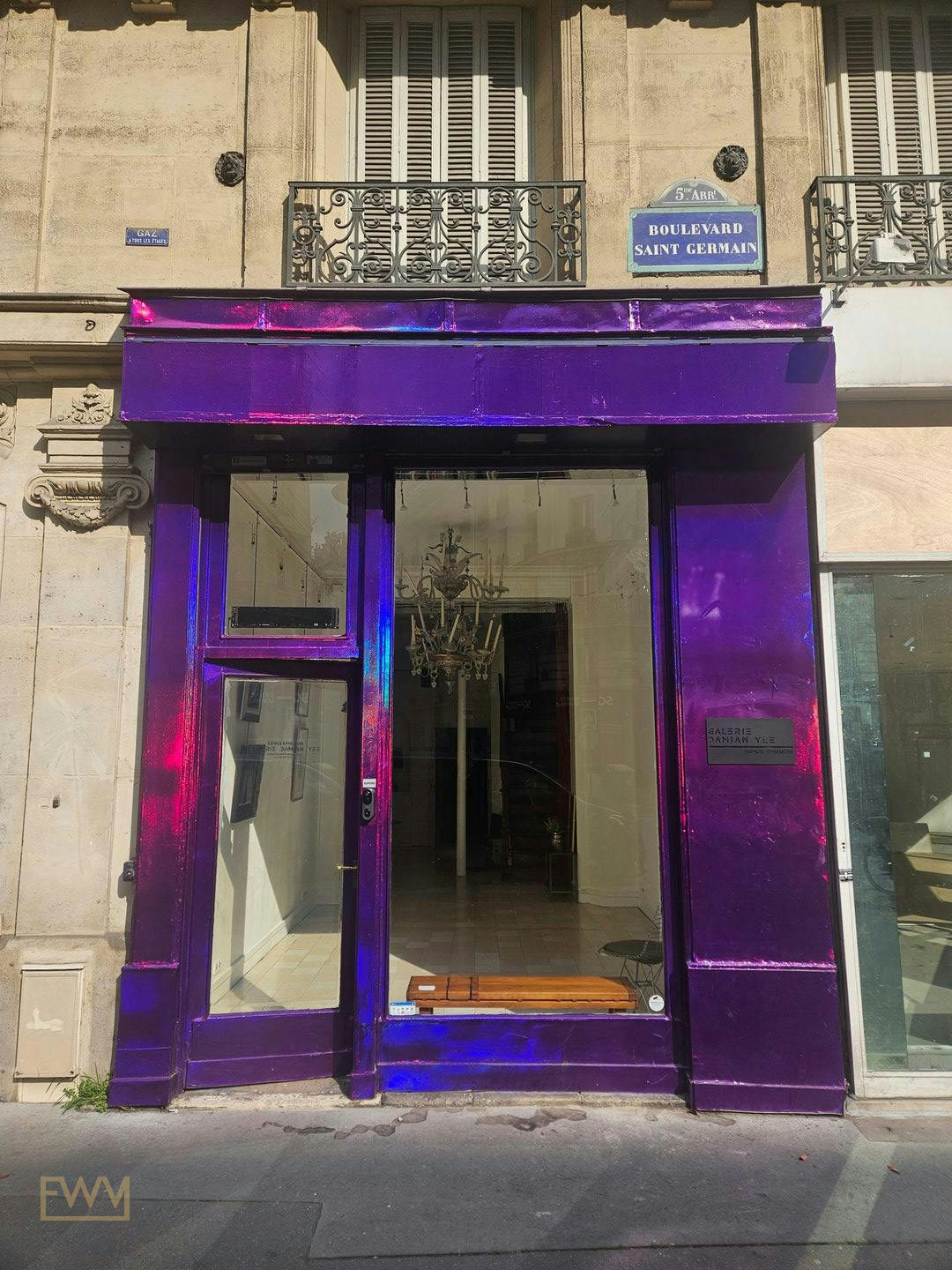
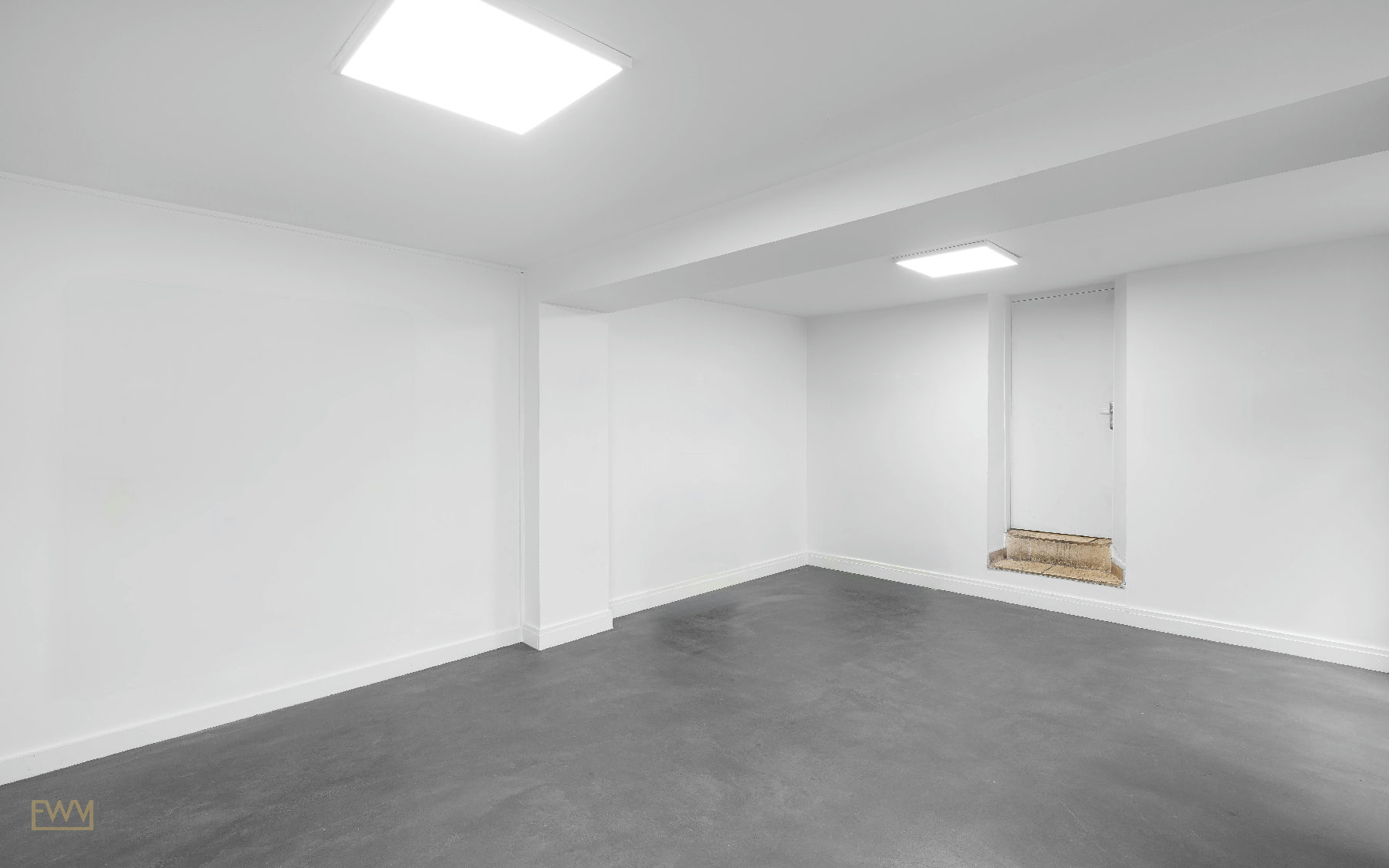
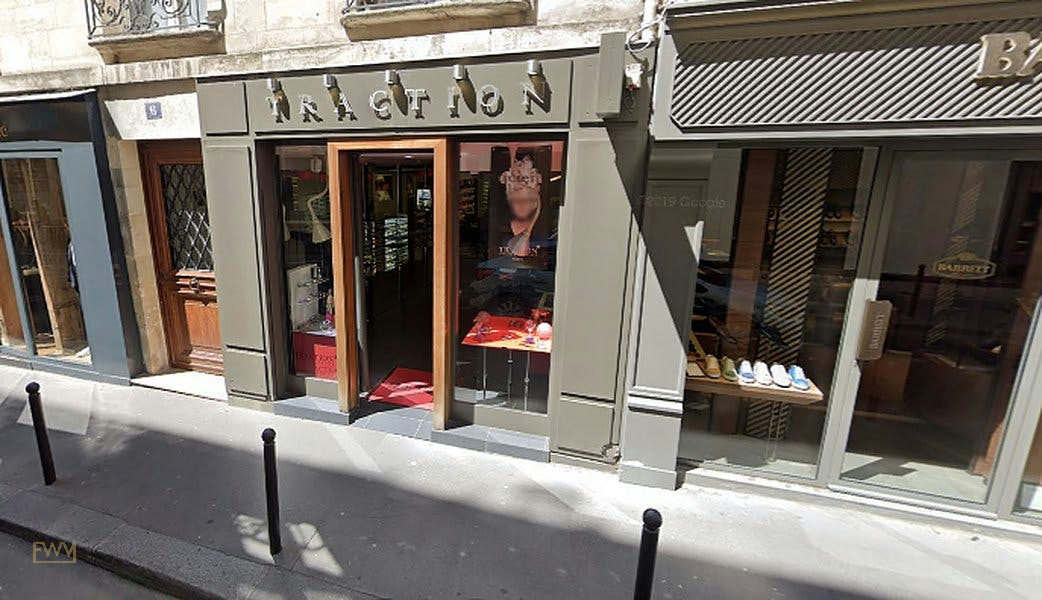
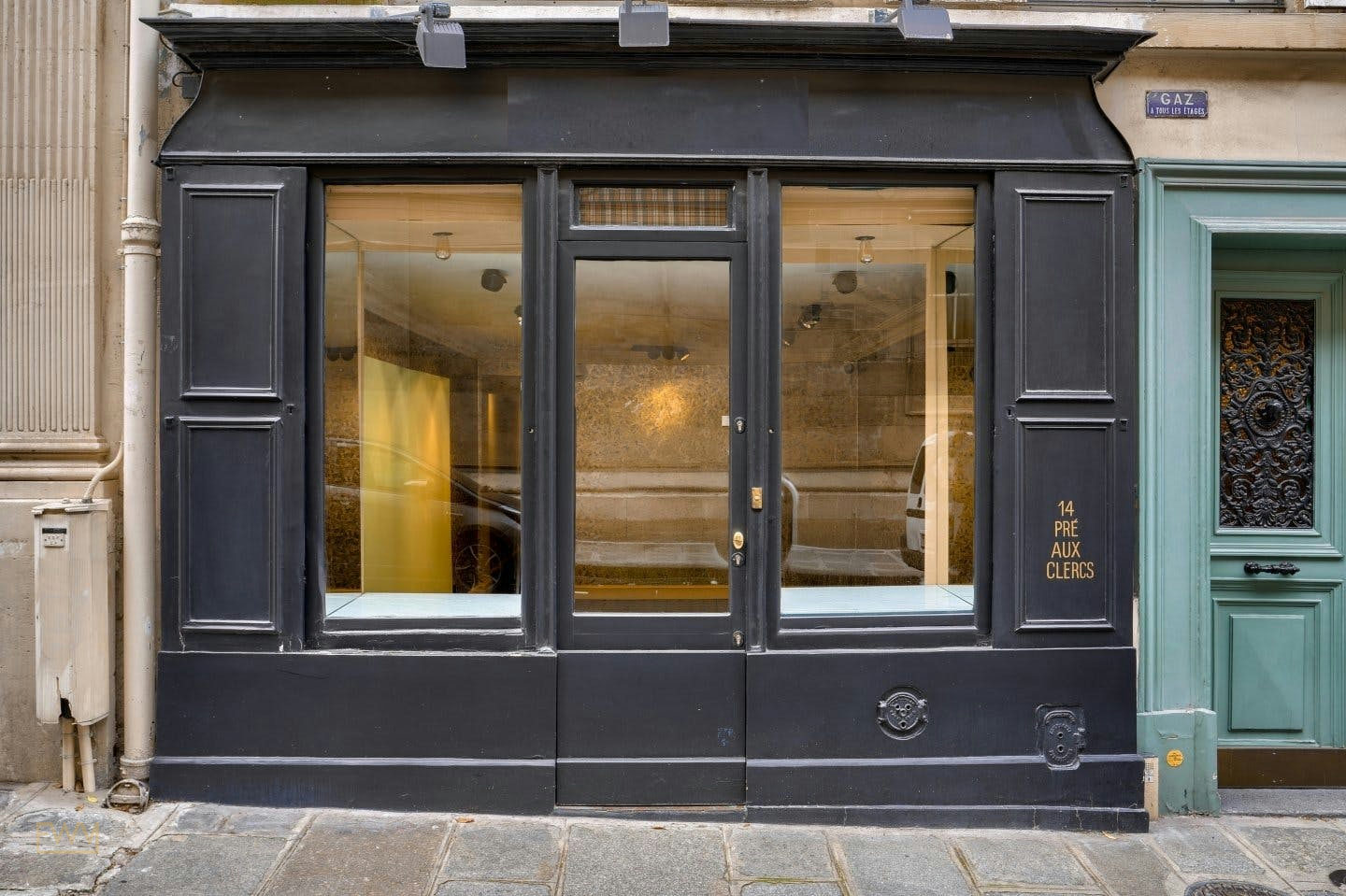
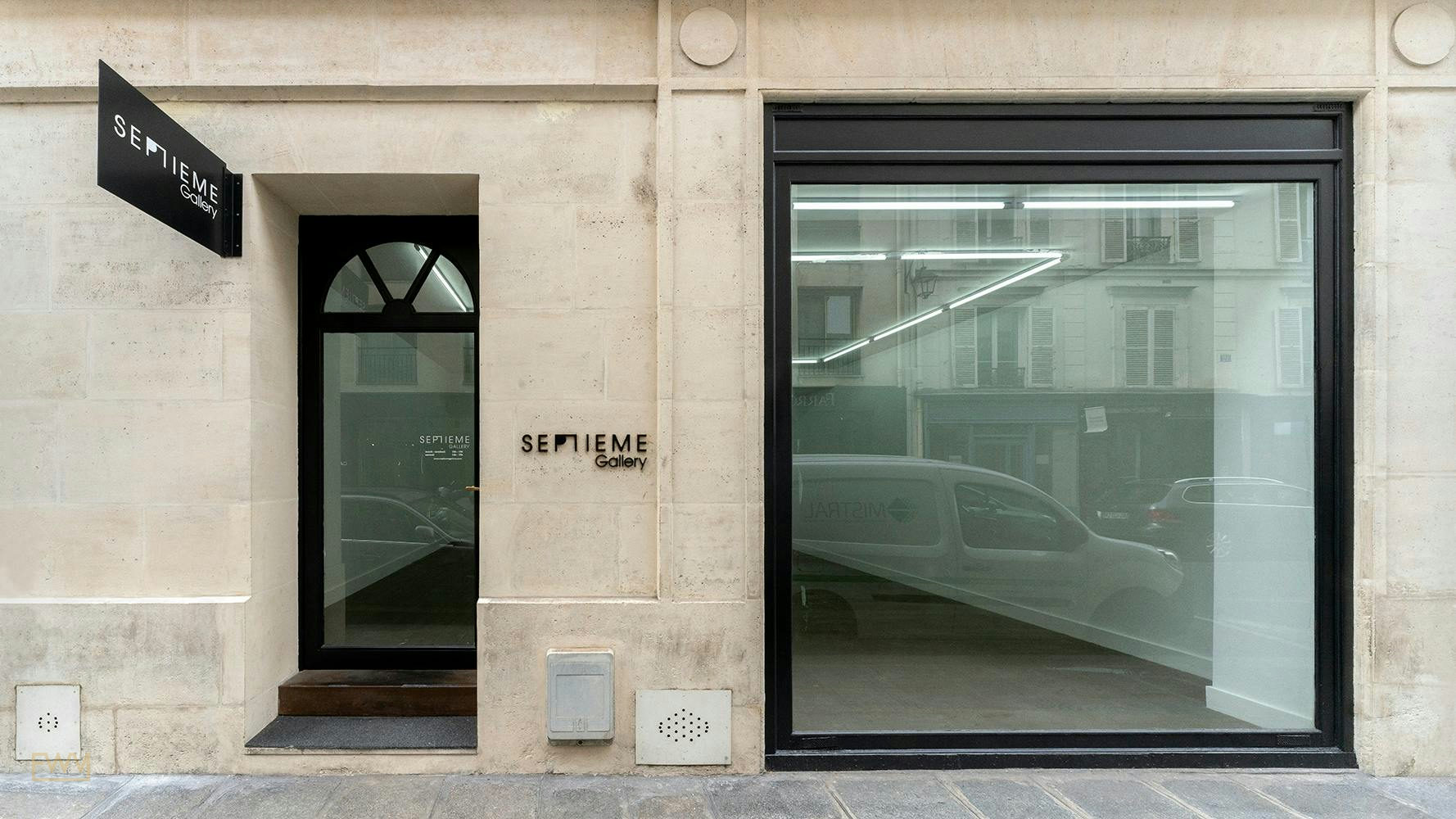
To hire retail space in the 6th arrondissement Paris is to place your brand at the geographical and cultural centre of Left Bank luxury. Saint-Germain-des-Prés, the spiritual core of Paris's 6th arrondissement, commands some of the city's most prestigious retail addresses, drawing affluent Parisian residents, culturally engaged tourists, and international fashion buyers who expect quality, craft, and considered curation in every space they enter. Whether you are planning a pop-up store, a showroom, a gallery activation, or a short-term flagship, the 6th offers a layered audience and an architectural backdrop that few neighbourhoods in the world can match. Fashion Week Venues helps brands navigate this market, from space discovery through to full activation management, with specialist knowledge of the permit frameworks, landlord relationships, and production logistics that define successful retail openings in Paris.
What Makes the 6th Arrondissement Paris a Premium Retail Destination
Quick answer: The 6th arrondissement sits on the Left Bank of the River Seine, bordered by the 5th, 7th, 14th, and 15th arrondissements, and anchored by Saint-Germain-des-Prés. It combines one of Paris's most educated and high-income residential populations with consistent international visitor flows, luxury boutique density, and an art and design heritage that gives even short-term retail activations cultural credibility.
The 6th arrondissement is not simply a postcode. It is a carefully constructed environment shaped by centuries of intellectual life, artistic production, and commercial elegance. The neighbourhood of Saint-Germain-des-Prés has housed philosophers, couturiers, publishers, and gallerists for generations, and that accumulated cultural authority continues to influence who shops here, what they are willing to pay, and what kind of brand presentation they expect to encounter.
Boulevard Saint-Germain runs through the heart of the arrondissement, connecting the Odéon crossroads to the Musée d'Orsay and the Saint-Germain-des-Prés church. Along and around this spine you will find flagship stores from Louis Vuitton, independent French fashion houses, art galleries, antique dealers, jewellers, and specialty food retailers. Café de Flore and Les Deux Magots on Place Saint-Germain-des-Prés remain two of the most photographed café terraces in the world, pulling constant foot traffic from both residents and visitors who linger in the area, browse the surrounding streets, and are receptive to brand discovery.
Rue de Sèvres connects the arrondissement to the 7th and passes the Bon Marché, the oldest department store in Paris and a benchmark of curated luxury retail. Rue de Rennes runs south toward Montparnasse and catches a younger, more transient consumer profile. Rue de Seine, Rue de l'Abbaye, Place de Furstemberg, and Rue Dauphine form the quieter, more gallery-oriented residential grid between Boulevard Saint-Germain and the Seine, where ambient foot traffic is lower but consumer intentionality is high. These streets are particularly well-suited to showroom formats, gallery spaces, and intimate pop-up activations where brand story takes precedence over volume.
Saint-Sulpice, the massive baroque church giving its name to the square and the surrounding district, anchors the southern section of the arrondissement and draws visitors from the Jardin du Luxembourg and the Luxembourg Palace. The Panthéon sits just over the boundary into the 5th, reinforcing the institutional gravity of this part of Paris. For brands seeking association with French cultural heritage and architectural grandeur, a retail activation in this area provides a setting that no studio backdrop or temporary installation in a trade fair hall can replicate.
DID YOU KNOW: The 6th arrondissement covers approximately 2.15 square kilometres and has one of the highest population densities and one of the highest average household incomes of any arrondissement in Paris, making it an exceptionally concentrated market for premium consumer brands.
KEY TAKEAWAY: The 6th arrondissement offers brands a rare combination of residential luxury spending, high-intent tourist visitor flows, architectural prestige, and an existing gallery and boutique culture that primes consumers for considered retail discovery rather than impulse purchasing. This is the environment that rewards brand depth, not just brand visibility.
Understanding the geography of the 6th is the foundation of a successful retail brief. The next step is understanding which types of retail spaces are actually available and appropriate for short-term brand activations in this neighbourhood.
Retail and Commercial Space Types Available in the 6th Arrondissement
Quick answer: Brands looking to hire retail space in the 6th arrondissement Paris can access storefronts, boutique retail units, gallery spaces, loft-style commercial spaces, showrooms, and apartment-format venues, each suited to different activation types, audience engagement strategies, and budget levels. The right space type depends on your brand positioning, product category, event format, and target dwell time.
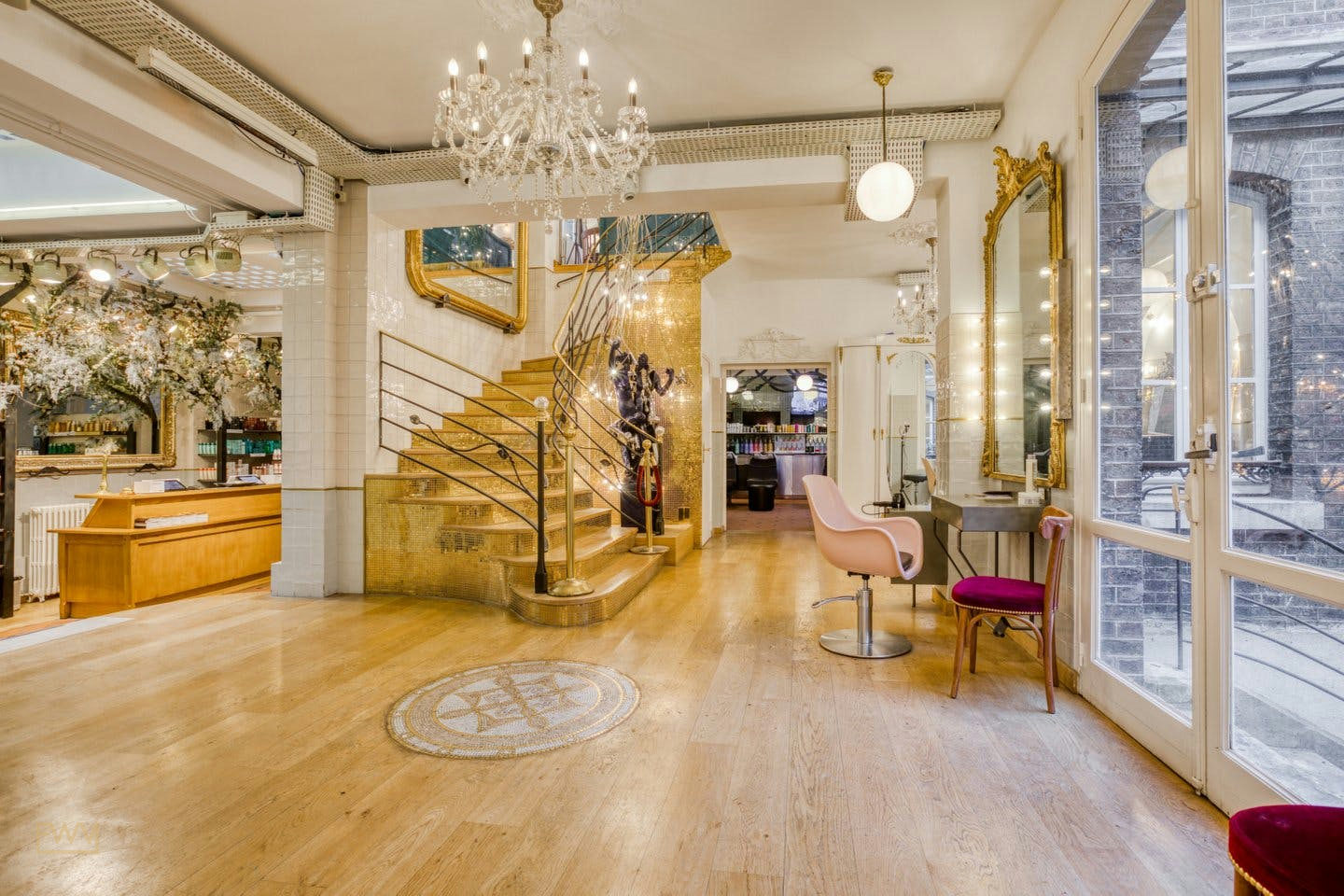
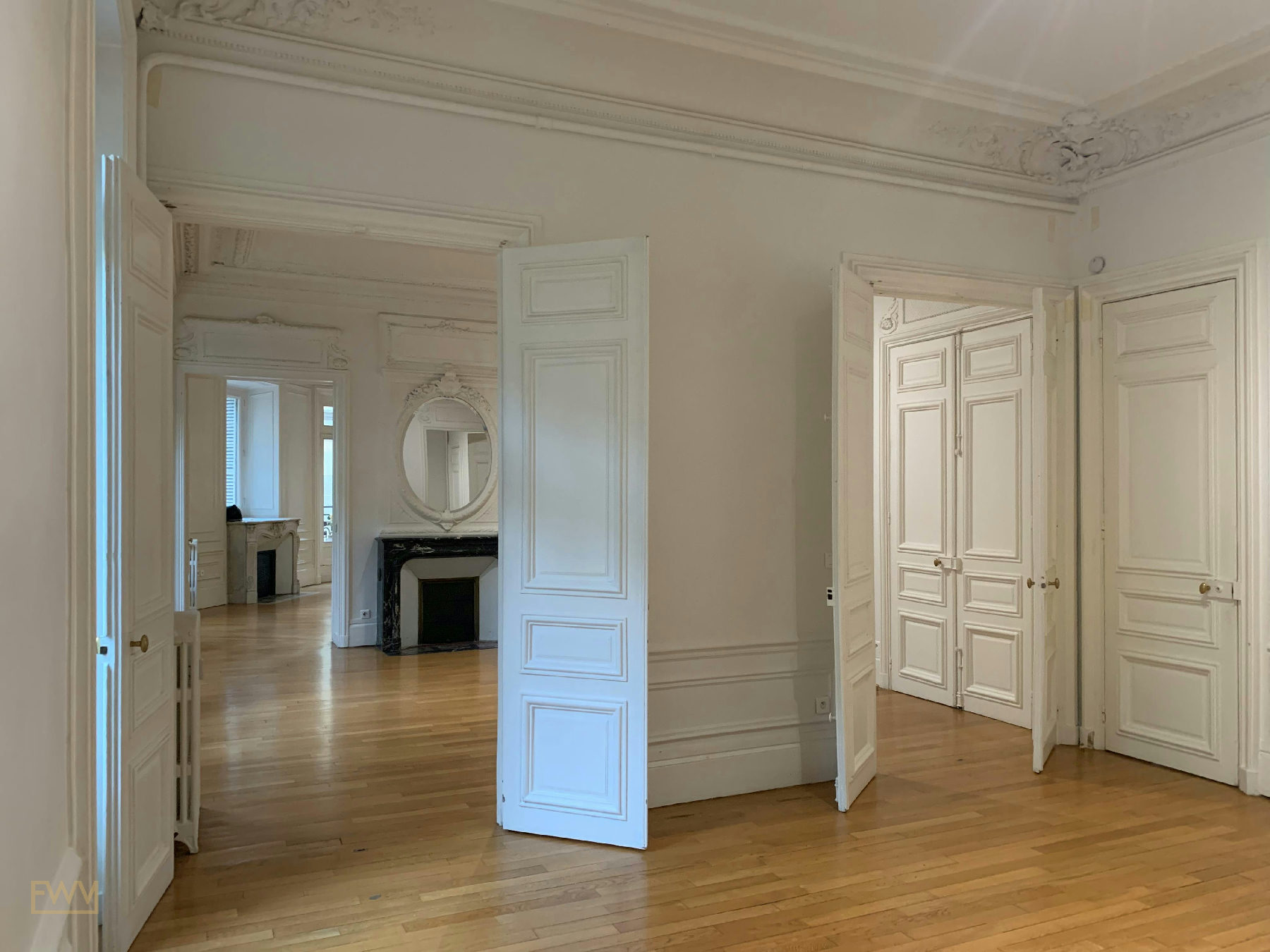
The commercial property stock in Saint-Germain-des-Prés is defined primarily by its Haussmannian architectural style. Ground floor spaces often feature large windows with strong natural light onto the street, stone facades, and interior volumes that range from the intimate to the impressively proportioned. Many spaces in the side streets near Place de Furstemberg, Rue de l'Abbaye, and Rue André-Mazet sit within buildings where the ground floor was historically a galerie d'art or artisan workshop, meaning the spatial logic already supports a gallery-style retail presentation.
Storefront Retail Spaces
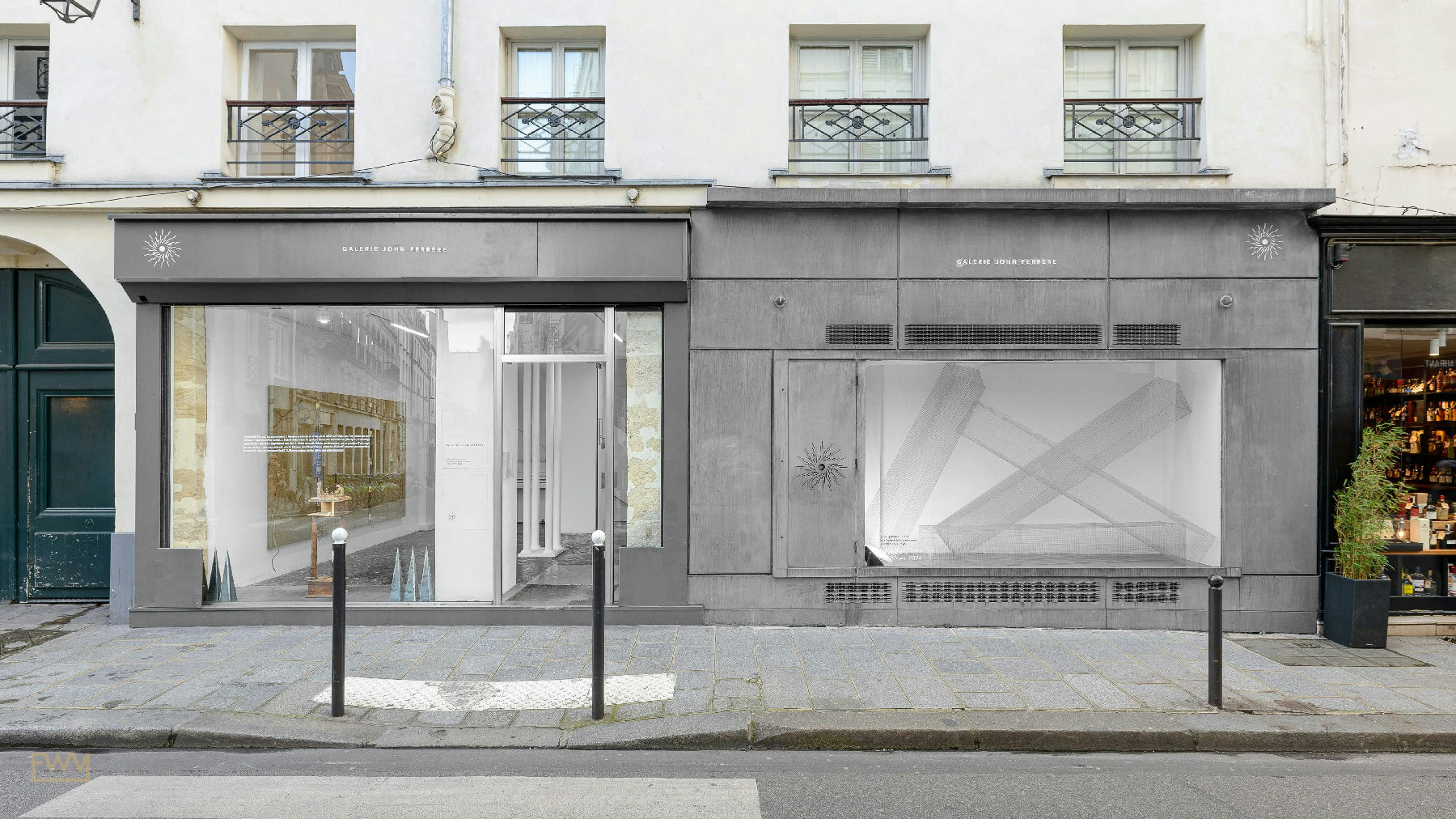
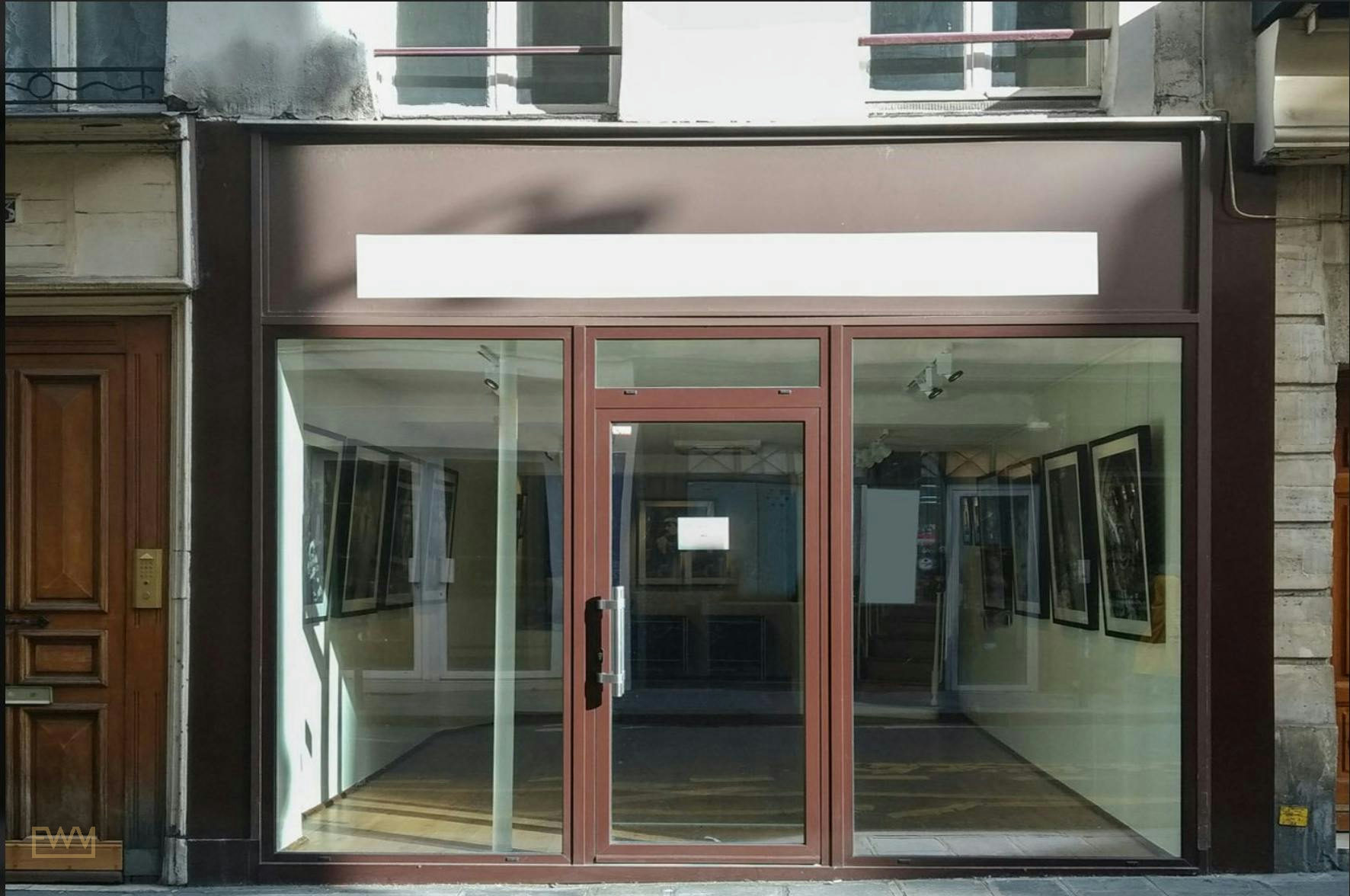
Storefront spaces on or near Boulevard Saint-Germain and Rue de Sèvres offer maximum street visibility and direct access to pedestrian foot traffic. These spaces typically feature display windows suitable for branded installation, ground floor access, and retail-appropriate infrastructure including stockrooms, POS positions, and fitting room potential. For fashion brands, beauty brands, and lifestyle products, a storefront on a primary street in the 6th can deliver the kind of physical brand presence that photographs well, generates social media content organically, and signals brand confidence to trade buyers and press.
Gallery and Galerie Spaces
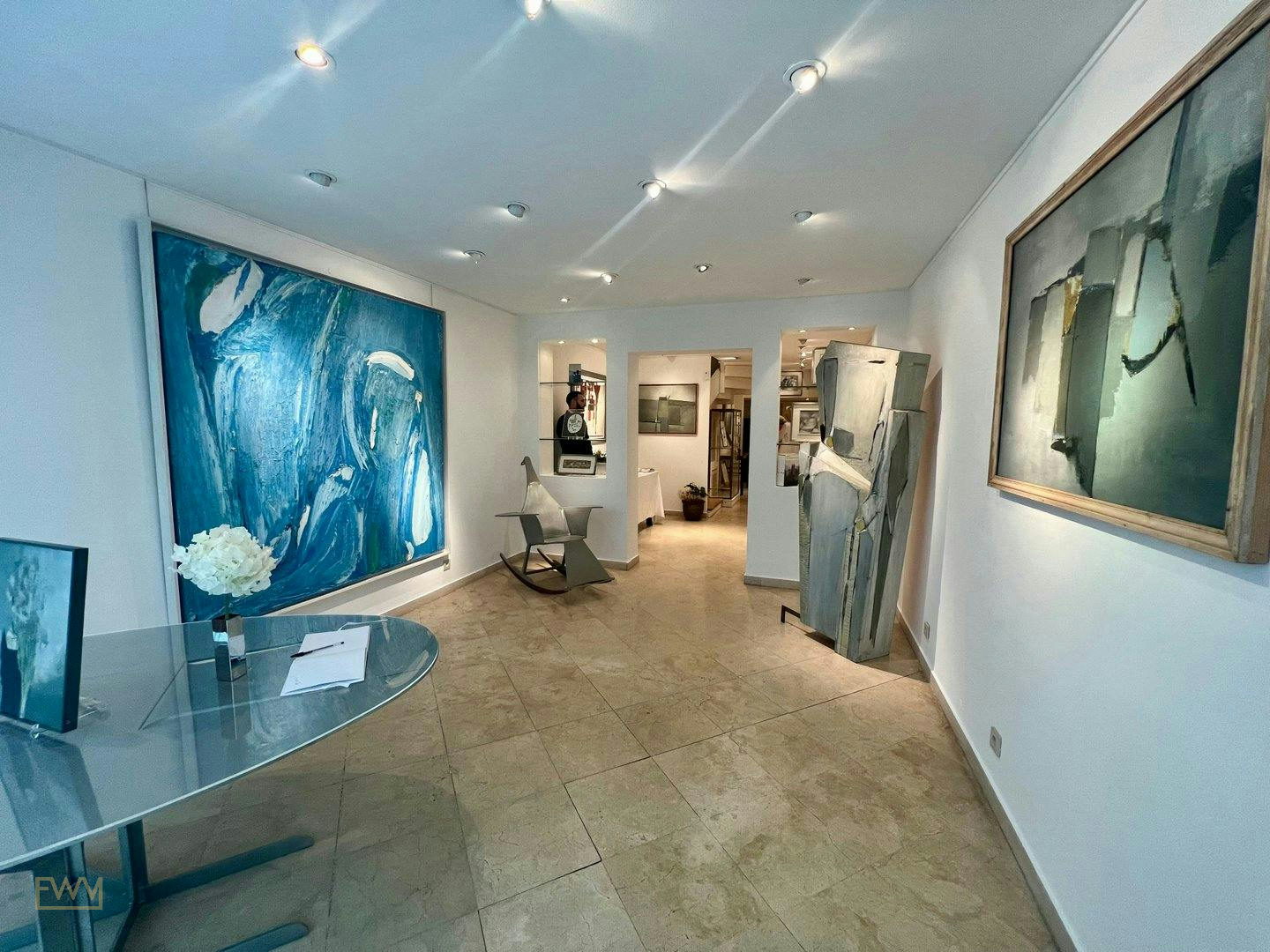
The 6th arrondissement has one of the highest concentrations of art galleries in Paris. Many of these gallery spaces are available for short-term commercial rental during periods between exhibitions, and they arrive with features that are inherently useful for brand activations: track lighting, polished concrete floors or tiled flooring, white or stone walls, high ceilings, and a cultural context that associates commercial presentation with considered curation. Gallery spaces on Rue de Seine, Rue de l'École de Médecine, and in the immediate surrounds of Place de Furstemberg are particularly sought after for fashion, jewellery, and design brand activations.
Showroom Spaces
Showroom formats in the 6th arrondissement tend to occupy slightly larger, quieter spaces away from the main retail streets. These spaces suit brands that need a controlled environment for trade presentations, press appointments, buyer meetings, or exclusive consumer experiences. Showroom spaces in Haussmannian buildings often feature generous ceiling heights, original parquet or stone flooring, period architectural details, and the kind of ambient quality that communicates brand prestige without requiring significant fit-out investment.
Loft and Multi-Level Spaces
A smaller number of loft-style and multi-level commercial spaces exist in the arrondissement, often in converted buildings or behind unassuming street-level facades. These spaces offer creative flexibility for brands that need to divide the activation into multiple zones: a product display area, a hospitality zone, a press or content creation area, and a stockroom. Multi-level formats are well suited to Fashion Week activations where different events may be scheduled across the same space during a single week.
Apartment-Format Venues
Paris has a long tradition of salon-style retail and presentation in residential-format spaces, and the 6th arrondissement is home to a number of spaces that blur the line between apartment and boutique. These venues work particularly well for intimate consumer experiences, influencer events, and brand storytelling activations where the domestic scale creates an immersive, non-commercial atmosphere that encourages genuine engagement with the product.
TIP: When shortlisting space types for the 6th arrondissement, consider the lighting conditions specific to each street. North-facing spaces on side streets may require supplementary track lighting or spotlights to achieve retail-standard illumination, even in spaces that look atmospheric in photographs.
To explore the range of available spaces across different types in the 6th, you can use the space locator tool to filter by neighbourhood, space type, size, and availability window.
| Space Type | Best Use Case | Typical Location in 6th | Key Feature |
|---|---|---|---|
| Storefront Retail | Pop-up shop, product launch, flagship activation | Boulevard Saint-Germain, Rue de Sèvres, Rue de Rennes | Street visibility, display windows |
| Gallery Space | Art-adjacent brand activation, jewellery, fashion editorial | Rue de Seine, Place de Furstemberg, Rue de l'Abbaye | Track lighting, high ceilings, cultural context |
| Showroom | Trade presentations, press appointments, buyer meetings | Side streets, Haussmannian interiors | Controlled environment, architectural detail |
| Loft or Multi-Level | Multi-zone Fashion Week activations | Converted buildings across arrondissement | Spatial flexibility, creative zoning |
| Apartment-Format Venue | Salon-style events, influencer activations, intimate launches | Residential streets, near Jardin du Luxembourg | Domestic scale, narrative immersion |
KEY TAKEAWAY: The 6th arrondissement offers significantly more variety in short-term commercial space types than most brands expect. The choice between a storefront, a gallery space, a showroom, or an apartment-format venue will shape the entire character of your activation and the audience it attracts. Align space type with brand positioning before beginning your search.
Once you have a clear sense of the space type that suits your activation goals, the next critical factor is understanding the permit and legal framework that governs short-term retail in Paris, particularly in a heritage-protected arrondissement like the 6th.
Permits, Leases, and Legal Framework for Hiring Retail Space in Paris 6th Arrondissement
Quick answer: Short-term commercial space in Paris is typically governed by a bail dérogatoire, a short-form commercial lease that falls outside the standard French commercial lease protections and is available for durations of up to three years. For very short activations, an autorisation d'occupation temporaire (AOT) or a convention d'occupation précaire may apply. Requirements vary depending on the space type, duration, building classification, and the arrondissement in question. Professional guidance is strongly recommended.
The French legal framework for commercial property is detailed, and the 6th arrondissement adds an additional layer of complexity because many of its buildings are classified as historic monuments or are located within protected urban zones. This affects what physical modifications are permissible, what signage and branding can be applied to facades, and in some cases, which business activities are authorised under the existing planning consent for a given space.
The Bail Dérogatoire Explained
A bail dérogatoire, sometimes called a bail précaire or short-term commercial lease, is the most common legal instrument used by brands and agencies when hiring retail space in Paris for short-term periods, typically from one week to three years. Unlike a standard French commercial lease (bail commercial), a bail dérogatoire does not trigger the tenant's right to lease renewal, which is what makes it usable for temporary activations and pop-up stores. Both the landlord and tenant must sign the bail dérogatoire agreement with awareness that the tenant acquires no right to remain beyond the agreed term. If the tenant continues to occupy after the term expires without a new agreement being formalised, French law may convert the arrangement into a standard commercial lease with full tenant protection rights, which creates significant complications for the landlord. For this reason, most professional landlords and their agents are scrupulous about term management.
The Autorisation d'Occupation Temporaire
For very short-term activations on public or semi-public land, including some courtyards, arcades, and covered passages in Paris, an autorisation d'occupation temporaire (AOT) is the relevant instrument. AOTs are issued by the relevant authority governing the property and define the exact scope of permitted use, the physical footprint, and the duration of occupation. AOTs are common for outdoor or semi-outdoor brand activations, market-style pop-up formats, and activations within historic public spaces.
Commercial Activity Registration
International brands operating a transactional retail space in France, meaning a space where products are sold and payments are processed, will generally need to ensure that they have appropriate commercial registration or are operating through a French entity or a registered representative. It is a widespread misconception that international brands cannot operate retail in France without full French citizenship or a permanent French legal entity. In practice, a number of legitimate structures exist for non-French brands to trade in France on a short-term basis, but these arrangements require proper legal and tax advice before transactions begin.
IMPORTANT: The information provided in this article is for general orientation only. Permit requirements, lease structures, and commercial activity regulations in France change, and requirements vary significantly by space type, building classification, duration, and intended use. Always verify your specific situation with a qualified French commercial property lawyer or notaire before signing any agreement.
For an initial orientation on the permit landscape relevant to your activation type and timeline, the permit guidance tool provides a structured starting point for understanding which instruments may apply to your project.
KEY TAKEAWAY: The bail dérogatoire is the primary legal instrument for short-term retail space hire in Paris, but it requires careful drafting and term management. International brands must address commercial registration requirements before any transactional retail begins. Professional guidance from a French commercial property specialist is not optional; it is a practical necessity for any serious activation.
Understanding the legal framework protects your brand from operational disruption during an activation. The next equally practical consideration is understanding the cost structure of hiring retail space in the 6th arrondissement Paris.
What It Costs to Hire Retail Space in the 6th Arrondissement Paris
Quick answer: Rental costs for short-term retail space in the 6th arrondissement Paris vary considerably based on location within the arrondissement, space size, format type, duration, and time of year. Primary street locations near Boulevard Saint-Germain command significantly higher rates than side-street gallery or showroom spaces. Fashion Week periods attract premium pricing across all space categories. Directional cost estimates should be treated as illustrative only, and brand-specific figures require a proper brief assessment.
The 6th arrondissement is one of the most expensive retail environments in Paris, and short-term space hire reflects that market reality. Several cost drivers compound in the 6th specifically: high underlying property values, strong landlord leverage in a market where demand from international luxury brands regularly exceeds available inventory, the cost of professional legal and permit support that is effectively unavoidable, and the operational costs of fitting out and staffing a space in a neighbourhood where the consumer's baseline quality expectation is high.
Cost Drivers to Model in Your Budget
Any realistic budget for hiring retail space in the 6th arrondissement must account for the following components, not just the headline rental figure: the space rental itself, which may be quoted per day, per week, or per month depending on the landlord and the format; the legal costs of drafting and reviewing the lease or occupation agreement; fit-out and production costs, which in a Haussmannian space may include stipulations about reversible installations and restoration obligations; utility costs including heating devices and hot water infrastructure within the space; staffing for the duration of the activation; POS and payment systems; insurance; and in some cases, a security deposit held against damage.
For spaces with a ground floor footprint in the range of 50 to 100 square metres on a primary street in Saint-Germain-des-Prés, short-term rental rates during Fashion Week periods can represent a substantial premium over equivalent periods in other Paris arrondissements. Side-street and gallery-format spaces of comparable size will typically be available at lower rates, though the absolute cost still reflects the 6th's premium positioning in the Paris retail market.
TIP: Do not assess cost by rental rate alone. A lower-cost space that requires significant fit-out investment to reach a presentation standard appropriate for the 6th arrondissement may ultimately cost more than a higher-rental space that arrives with appropriate lighting, flooring, and display infrastructure already in place.
For a structured and brand-specific cost estimate that accounts for your space size, duration, location, and activation scope, use the budget estimation tool to build a realistic financial model before you begin space negotiations.
| Cost Component | Applies To | Notes |
|---|---|---|
| Space rental | All activations | Rates vary significantly by street, size, and season |
| Legal and lease drafting | All activations | Non-negotiable for proper bail dérogatoire or AOT |
| Fit-out and production | Most activations | Haussmannian buildings may require reversible installations |
| Staffing | All transactional pop-ups | French employment law applies; specialist support recommended |
| POS and payments | Transactional retail | Multi-currency capability useful for international clientele |
| Insurance | All activations | Landlord will typically require proof of cover |
| Security deposit | Most spaces | Typically one to three months of equivalent rent |
| Utilities | Varies by lease terms | Check whether heating device and hot water tank are included |
KEY TAKEAWAY: The true cost of hiring retail space in the 6th arrondissement Paris is always higher than the rental figure alone. Budget comprehensively from the outset, and use the full cost model to compare the effective value of different space options rather than selecting on rental rate in isolation.
With a clear cost framework in place, brands can turn their attention to the strategic and practical question of timing: when in the Paris calendar is the right moment to activate in the 6th, and how does Fashion Week change the calculus?
Timing Your Activation: Fashion Week, Seasonal Windows, and the Paris Retail Calendar
Quick answer: Paris Fashion Week occurs twice per year, in late September to early October for Spring/Summer collections and in late February to early March for Autumn/Winter collections. These windows represent the peak demand period for short-term retail and showroom space across all Paris arrondissements, including the 6th. However, other calendar windows including Maison et Objet in January and September, trade fair seasons, and the summer and winter tourist peaks also offer compelling timing opportunities depending on your target audience and activation goals.
The 6th arrondissement has a particular relationship with Paris Fashion Week that is distinct from other high-demand neighbourhoods like Le Marais. While Le Marais has become the gravitational centre of designer showrooms and brand-activated spaces during Fashion Week, the 6th arrondissement draws a complementary audience of established press, senior buyers, cultural figures, and international visitors who are in Paris for Fashion Week but are also genuinely embedded in the neighbourhood's intellectual and aesthetic life. A brand that activates in Saint-Germain-des-Prés during Fashion Week is not simply competing for attention with the showroom circuit; it is inserting itself into a cultural conversation that runs deeper than the commercial calendar.
Paris Fashion Week as a Booking Driver
The demand for short-term commercial space during Paris Fashion Week significantly outpaces supply in the 6th arrondissement, particularly for storefront spaces on primary streets and gallery spaces within walking distance of Place de Furstemberg and the Saint-Germain church. Brands that approach the market for Fashion Week spaces less than three to four months in advance will find that the most desirable spaces have already been committed. The planning horizon for a Fashion Week activation in the 6th should begin at minimum six months before the target season.
Off-Fashion Week Activation Windows
International brands sometimes overlook the commercial value of activating in Paris outside of Fashion Week. The 6th arrondissement specifically benefits from consistent high-quality visitor flows year-round, driven by cultural tourism to Café de Flore, Les Deux Magots, the Musée d'Orsay, and the Jardin du Luxembourg. The summer months bring international luxury travellers who have significant spending power and are actively seeking new brand discoveries. The pre-Christmas period generates one of the strongest retail trading windows in the Paris calendar. Ladurée on Rue de Rennes and the proximity to the Bon Marché on Rue de Sèvres reinforce the 6th's reputation as a destination for considered gifting and premium retail at all times of year.
Planning Your Timeline
A structured activation timeline for a 6th arrondissement pop-up or showroom should include: initial brief and space search commencing four to six months before the target opening date; lease negotiation and legal review at three to four months; permit applications and production planning at two to three months; fit-out and installation at two to four weeks before opening; and staffing and operational onboarding in the final week. For brands unfamiliar with the Paris market, each of these stages carries complexity that is substantially reduced by working with an agency that has existing landlord relationships and experience of the local permit framework.
To map your activation against a realistic timeline, the timeline planning tool allows you to work backward from your target opening date and identify the critical path milestones for your project.
DID YOU KNOW: Brands that secure their 6th arrondissement space through a professional agency with existing landlord relationships typically move through the lease and permit stage significantly faster than brands approaching landlords directly, because the agency's track record reduces due diligence time on both sides of the negotiation.
KEY TAKEAWAY: Fashion Week windows in the 6th arrondissement are high-value but require early planning, often six months or more in advance. Off-season and shoulder-season activations in the 6th can also be highly effective, particularly for brands targeting luxury tourists and Parisian residents rather than exclusively trade and press audiences.
The strategic case for activating in the 6th is now clear. The practical question that follows is how a brand without deep Paris market knowledge can identify the right space, negotiate a fair deal, and execute an activation that meets the quality standard the neighbourhood demands.
How Fashion Week Venues Helps Brands Hire Retail Space in the 6th Arrondissement
Fashion Week Venues operates as a full-service pop-up agency and space marketplace with Paris as its primary market and the 6th arrondissement as one of its most active search areas. For brands seeking to hire retail space in Saint-Germain-des-Prés or elsewhere in the 6th, Fashion Week Venues provides structured support across every stage of the process, from initial brief development through space discovery, legal and permit navigation, production and fit-out, activation management, and post-activation analytics.
The agency's core value in the 6th arrondissement specifically lies in three areas that are difficult to replicate through independent search. First, Fashion Week Venues maintains relationships with landlords and space owners in the arrondissement, including gallery operators, boutique owners, and private property managers who do not list their spaces publicly and who apply careful selectivity to which brands they allow to activate in their properties. Second, the agency has navigated the French permit and lease framework across multiple activation types in the 6th, meaning it can provide realistic guidance on what is achievable within a given timeline and budget. Third, Fashion Week Venues can deliver end-to-end production in Paris, including fit-out design that meets the aesthetic expectations of the neighbourhood and respects any restoration obligations attached to Haussmannian or heritage-listed properties.
Services Directly Applicable to the 6th Arrondissement
For brands planning a retail activation in the 6th, the most directly relevant Fashion Week Venues services include venue sourcing for identifying and securing the right space type in the right location; concept and creative direction for translating brand identity into a spatial concept appropriate for the arrondissement's aesthetic culture; and fit-out and production for delivering the physical installation within budget and on schedule.
For brands that need operational support during the activation itself, Fashion Week Venues provides activation management including daily operational oversight, issue resolution, and coordination with building management. The agency also offers retail staffing with French-speaking team members, POS and payments infrastructure, and data and analytics support for brands that need to measure footfall, dwell time, and transactional performance during the activation.
Tools for Independent Research and Planning
For brand teams that want to conduct preliminary research before engaging the full agency service, Fashion Week Venues provides a suite of planning tools. The space comparison tool allows you to evaluate multiple spaces across location, size, format, and cost. The ROI calculator helps you model the expected commercial return from different activation configurations. The budget tool builds a comprehensive cost estimate tailored to your brief. The permits tool provides an orientation guide to the permit instruments relevant to your activation type.
Who Benefits Most
Fashion Week Venues is particularly useful for international brands entering Paris for the first time, brands that have previously managed Paris activations through generalist event agencies without deep retail property knowledge, and creative teams that have a strong brand vision but limited experience of the practical and legal framework required to execute a short-term retail opening in France. The agency is also well suited to brands that want to maximise the impact of a limited activation window by combining venue quality, production expertise, and operational support in a single managed engagement.
To compare neighbourhoods and space types, explore the Paris city hub on Fashion Week Venues and shortlist spaces that match your brief, budget, and calendar window.
KEY TAKEAWAY: Fashion Week Venues reduces the risk, time, and complexity of hiring retail space in the 6th arrondissement by combining space access, legal navigation, production expertise, and operational management in a single agency relationship. For international brands in particular, this integrated support model is substantially more efficient than assembling individual vendors across each function independently.
Before committing to any space or agency, it is useful to understand the specific neighbourhoods and streets within the 6th that generate the most relevant foot traffic for different brand categories.
Key Streets, Neighbourhoods, and Foot Traffic Zones in the 6th Arrondissement
Quick answer: The 6th arrondissement contains several distinct micro-neighbourhoods with different consumer profiles, foot traffic patterns, and commercial dynamics. Boulevard Saint-Germain and the immediate surrounds of the Saint-Germain-des-Prés church generate the highest combined tourist and residential foot traffic. Rue de Sèvres captures overflow from the Bon Marché and draws a fashion-conscious residential clientele. The gallery grid around Rue de Seine and Place de Furstemberg delivers lower volume but higher consumer intentionality. Rue de Rennes serves a broader urban consumer profile. Understanding these distinctions is essential to matching your space choice to your activation objectives.
The 6th arrondissement's internal geography is more varied than its external reputation suggests. A brand that assumes that any space in Saint-Germain-des-Prés will automatically benefit from the neighbourhood's cultural cachet may find that a poorly located space on an obstructed street behind the main grid delivers significantly lower consumer engagement than the postcode implies. Foot traffic in the 6th is concentrated, directional, and heavily influenced by the proximity to specific anchors.
Boulevard Saint-Germain and the Place Saint-Germain-des-Prés Core
The stretch of Boulevard Saint-Germain between the Odéon crossroads and the Saint-Germain-des-Prés church is the highest foot traffic zone in the arrondissement. Café de Flore and Les Deux Magots on the square itself create a natural gathering point where residents, tourists, and visitors spend extended time, browse nearby streets, and are highly receptive to brand discovery. Spaces on or directly adjacent to this stretch benefit from maximum visibility but come with premium rental rates and high competition for availability during Fashion Week.
Rue de Sèvres and the Bon Marché Orbit
Rue de Sèvres connects the 6th to the 7th arrondissement and is shaped commercially by the gravitational pull of Le Bon Marché and La Grande Épicerie. The consumer visiting this street is typically purposeful, fashion-literate, and accustomed to spending at premium price points. Brands in the contemporary luxury, home, and food categories that activate near Rue de Sèvres are well positioned to intercept this consumer profile on an established shopping journey rather than asking them to deviate from their usual path.
The Gallery Grid: Rue de Seine, Place de Furstemberg, Rue de l'Abbaye
The streets running north from Boulevard Saint-Germain toward the Seine, including Rue de Seine, Rue de l'Abbaye, and the quietly exceptional Place de Furstemberg, form one of the most atmospheric and brand-appropriate retail micro-environments in Paris. Foot traffic here is deliberately slower and more contemplative. Consumers visiting this part of the 6th are typically seeking art, craft, and considered design, and they arrive with both time and spending intention. Brands in jewellery, fashion accessories, fine art-adjacent products, and experiential activations find this zone particularly well matched to their positioning.
Rue de Rennes and the Montparnasse Approach
Rue de Rennes runs south from Boulevard Saint-Germain toward Place du 18-Juin-1940 and the Montparnasse station. It carries higher volume, more transit-oriented foot traffic than the gallery streets, and a slightly younger, more urban consumer profile. Brands looking for broader reach within the 6th, or for a space that balances volume with quality, may find Rue de Rennes a more cost-effective option than Boulevard Saint-Germain without fully sacrificing the 6th arrondissement's quality association.
Saint-Sulpice and the Jardin du Luxembourg Perimeter
The area around Saint-Sulpice church and the northern perimeter of the Jardin du Luxembourg has a strong residential and cultural identity. Foot traffic is generated by the gardens, the Luxembourg Palace, and the well-established independent boutique culture around the square. This zone suits brands seeking a neighbourhood feel rather than a tourist-facing location, with a consumer base of Parisian residents, visiting families, and culturally engaged tourists who spend extended time in the area.
| Zone | Key Streets and Squares | Consumer Profile | Best For |
|---|---|---|---|
| Saint-Germain-des-Prés Core | Boulevard Saint-Germain, Place Saint-Germain-des-Prés | Mixed tourist and residential, fashion-engaged | Flagship pop-ups, high-visibility brand launches |
| Rue de Sèvres Orbit | Rue de Sèvres, near Bon Marché | Purposeful luxury shopper, high average spend | Fashion, home, beauty brand activations |
| Gallery Grid | Rue de Seine, Rue de l'Abbaye, Place de Furstemberg | Art-aware, contemplative, high intentionality | Showrooms, gallery activations, jewellery, design |
| Rue de Rennes | Rue de Rennes, toward Montparnasse | Urban, younger, transit-adjacent | Accessible contemporary brands, broader reach |
| Saint-Sulpice and Luxembourg | Place Saint-Sulpice, Jardin du Luxembourg perimeter | Residential Parisian, cultural tourist, family | Neighbourhood-feel boutiques, immersive experiences |
KEY TAKEAWAY: Street and zone selection within the 6th arrondissement has as much impact on activation outcomes as the choice of the arrondissement itself. Match your specific foot traffic requirements and consumer profile to the right micro-zone rather than treating the 6th as a single homogeneous retail environment.
The physical and cultural context of the 6th is now fully mapped. The next section addresses the property features and specifications that brands should assess when evaluating individual spaces in this market.
Property Features and Specifications to Evaluate When Hiring Retail Space in the 6th
Quick answer: When assessing a short-term retail space in the 6th arrondissement Paris, brands should evaluate ground floor access and street visibility, lighting conditions including natural light and existing track lighting or spotlights, floor type and condition, ceiling height, available stockroom space, utilities including heating device and hot water infrastructure, main drainage access for any hospitality or food and beverage component, and whether the space has public parking nearby for deliveries and collections.
The practical assessment of a short-term retail space in the 6th arrondissement requires a structured approach that goes beyond visual impression. Haussmannian buildings are architecturally compelling but were not designed with contemporary retail logistics in mind. The details of a space's infrastructure can make the difference between an activation that runs smoothly and one that faces constant operational friction.
Ground Floor Access and Street Orientation
Ground floor access is a baseline requirement for most retail formats, but within the 6th arrondissement the character of ground floor spaces varies considerably. Some are true storefronts with direct pavement access and display windows looking onto the street. Others are accessed through a courtyard or passage, which affects visibility and spontaneous foot traffic while potentially offering a more intimate activation environment. The concept of an obstructed street, where a van parked permanently, scaffolding, or a bus stop limits the view of a display window, is a real factor in the 6th and one that should be assessed on site rather than assumed from photographs.
Lighting: Natural and Supplementary
The 6th arrondissement's older building stock means that lighting conditions vary enormously between spaces. North-facing spaces on side streets may have limited natural light and will require a full supplementary lighting plan incorporating track lighting, spotlights, or convector-style uplighting to achieve retail presentation standards. Gallery spaces on Rue de Seine and similar streets have often invested in professional lighting infrastructure for their exhibition programme, meaning the base lighting provision is already appropriate for a fashion or design brand activation. Always assess lighting on site at the time of day when your activation will be most active.
Floor Type and Condition
Flooring in the 6th arrondissement spans a wide range: original parquet, polished concrete floors, tiled flooring in older commercial spaces, raw concrete in converted units, and modern finishes in more recently refurbished spaces. The floor type affects the aesthetic of the space, the acoustic environment, the ease of display installation, and the requirements for any protective covering during fit-out. Parquet floors in particular may require protective covering that the landlord will specify in the lease, adding a production consideration that is easy to miss if the specification is not reviewed carefully.
Stockroom and Back-of-House Infrastructure
A stockroom is a practical necessity for any retail activation that involves physical inventory, and in compact Haussmannian ground floor spaces, the available back-of-house area can be limited. Assess the stockroom dimensions and access route before committing to a space, particularly if your activation involves frequent replenishment, packaging materials, or POS equipment storage. Main drainage access becomes relevant if your activation includes any hospitality element, product sampling, or cleaning requirements.
Heating and Hot Water
For activations running during February and March, which corresponds with the Autumn/Winter Fashion Week window, the heating provision of the space is a direct operational concern. Confirm whether a functioning convector or heating device is installed in the space and whether it is included in the rental arrangement or billed separately. Hot water tank provision is relevant for spaces with a hospitality component. These details are typically addressed in the space specification provided by the landlord or listing agent, but should always be confirmed directly before finalising the lease.
TIP: Request a full space specification document from the landlord or agent before conducting a physical visit. A specification covering floor type, ceiling height, lighting infrastructure, heating device, hot water provision, main drainage, stockroom dimensions, and floor area in square metres (for reference, an 85.06 square metre ground floor unit is a practical benchmark for a compact but fully functional single-floor retail activation) will allow you to assess fit against your brief before investing time in a viewing.
KEY TAKEAWAY: Haussmannian spaces in the 6th arrondissement require more detailed pre-visit assessment than purpose-built retail units. Build a specification checklist covering access, lighting, flooring, utilities, and back-of-house infrastructure, and use it consistently when comparing spaces to avoid costly discoveries during fit-out.
Having assessed the physical and operational requirements of a space, the final dimension to address before committing is how your brand positions and presents itself within the cultural context of Saint-Germain-des-Prés specifically.
Brand Strategy and Presentation Standards for the 6th Arrondissement Retail Environment
Quick answer: Brands activating in the 6th arrondissement Paris are held to an implicit quality standard set by the neighbourhood's existing retail culture. Saint-Germain-des-Prés is not a district that rewards high-volume promotional formats or aggressively branded storefronts. The most successful activations in this neighbourhood are those that demonstrate depth, craft, and considered design in every aspect of the consumer experience, from the window display through to the product story and the space design itself.
The cultural DNA of Saint-Germain-des-Prés is rooted in intellectual seriousness and aesthetic refinement. The neighbourhood that houses the literary legacy of Café de Flore and Les Deux Magots, the art gallery density of Rue de Seine, and the luxury product heritage of Boulevard Saint-Germain has an ambient quality filter that actively shapes consumer expectation. A brand that arrives in the 6th with a generic pop-up format, inadequate fit-out quality, or a consumer proposition that does not justify its presence in the neighbourhood will find that the neighbourhood's character works against it rather than for it.
Fit-Out Quality and the Haussmannian Context
The Haussmannian architectural style of the 6th arrondissement provides a starting point for fit-out design that is simultaneously an asset and a constraint. The high ceilings, original period details, and stone or parquet floors of a typical 6th arrondissement retail space convey an ambient quality that benefits any brand that works with the space rather than against it. Fit-out concepts that respect the architectural character of the building, use materials of equivalent quality, and allow the space's existing features to contribute to the brand story are consistently more effective in this environment than concepts that attempt to override or ignore the architectural context.
Window Display and Street-Level Communication
The display window is the primary point of communication between your brand and the pedestrian audience on the street. In the 6th arrondissement, where the consumer is sophisticated and visually literate, a display window that has been designed with the same care as a gallery installation will generate significantly more engagement than a window that has been dressed quickly or that relies on promotional signage. Consider the window as an editorial statement about your brand rather than a sales tool, and invest in its design accordingly.
Staffing and Consumer Experience
The consumer experience inside a pop-up or showroom in the 6th arrondissement is disproportionately influenced by the quality of the staff who inhabit the space. Parisian consumers and international buyers visiting the neighbourhood have high expectations for product knowledge, language capability, and service calibre. French-speaking staff are not merely convenient; they are, in most consumer-facing formats in the 6th, a baseline expectation. Fashion Week Venues' retail staffing service provides vetted, French-speaking retail team members with experience of the specific consumer dynamics of the Paris luxury and fashion retail environment.
Digital and Social Amplification
An activation in the 6th arrondissement has inherent social media content value that brands should plan to capture and amplify. The neighbourhood's visual culture, the quality of the architectural backdrop, and the cultural associations of Café de Flore, Les Deux Magots, the Jardin du Luxembourg, and the River Seine provide content context that resonates with international audiences far beyond the physical footfall of the activation itself. Influencer marketing coordination, content creation planning, and PR outreach to French and international fashion media should be integrated into the activation plan from the earliest stage, not added as an afterthought after the space is secured.
KEY TAKEAWAY: In the 6th arrondissement, brand presentation quality is not a differentiator; it is a threshold requirement. Invest in fit-out quality, window design, staffing calibre, and content strategy at a level proportionate to the neighbourhood's standards, and treat the activation as a brand-building exercise with commercial returns measured across multiple channels, not just transactional sales from the space itself.
Common Myths About Hiring Retail Space in the 6th Arrondissement Paris
MYTH: International brands need a French legal entity or French citizenship to hire retail space in the 6th arrondissement Paris.
FACT: International brands do not automatically require a full French legal entity or French citizenship to operate a short-term retail activation in Paris. A number of legitimate legal structures exist that allow foreign brands to trade on a temporary basis in France, including operating through a registered French representative or using structures specifically designed for short-term commercial activity. However, the correct structure depends on the nature of the activity, the duration of the activation, and whether transactions are being processed in France. Professional legal advice from a French commercial specialist is essential before making any assumptions about which structure applies to your situation.
MYTH: Paris Fashion Week is the only viable calendar window for a brand activation in the 6th arrondissement.
FACT: While Paris Fashion Week represents the highest-demand and highest-profile activation window, the 6th arrondissement generates strong consumer traffic and brand engagement opportunities throughout the year. The summer luxury tourist season, the pre-Christmas retail period, and trade fair windows such as Maison et Objet all create compelling activation opportunities. Brands that activate outside of Fashion Week often benefit from lower rental competition, greater space availability, and more time with individual consumers who are not navigating the competing demands of a packed Fashion Week schedule.
MYTH: Commission brokers are the only way for international brands to find available short-term retail spaces in the 6th arrondissement.
FACT: Commission-based space brokers represent one route to market, but they are not the only or necessarily the best option for brands seeking short-term retail space in the 6th. Purpose-built pop-up marketplaces, full-service agencies with direct landlord relationships, and structured digital marketplaces now offer access to available spaces with transparent pricing and agency support that commission brokers typically do not provide. Working with an agency that also manages the lease, permits, production, and operations avoids the fragmented vendor approach and reduces the risk of misalignment between the space, the activation concept, and the operational execution.
MYTH: Short-term leases for retail space in Paris are legally straightforward and can be managed without specialist help.
FACT: The French commercial property framework, including the bail dérogatoire, the AOT, and the related permit and planning consent landscape in a heritage-protected arrondissement like the 6th, is genuinely complex and carries real risk for brands that approach it without specialist support. A bail dérogatoire that is not properly drafted can inadvertently convert to a standard commercial lease with full tenant protection rights, creating significant obligations and complications for both parties. The permit requirements for signage, facade branding, and certain commercial activities in the 6th add further layers of regulatory complexity. Professional legal and operational support is not an optional luxury; it is a practical requirement for a compliant and smooth activation.
MYTH: Any space in the 6th arrondissement will automatically benefit from the Saint-Germain-des-Prés brand association.
FACT: The 6th arrondissement encompasses a range of micro-locations with significantly different foot traffic levels, consumer profiles, and commercial dynamics. A space on an obstructed side street away from the main pedestrian flows, with limited natural light and no proximity to the neighbourhood's anchor attractions, will not automatically benefit from the cultural prestige of the postcode. Location selection within the arrondissement requires the same rigour as the choice of arrondissement itself, and brands should assess individual street performance, nearby anchor draws, and space visibility before assuming that the 6th postcode guarantees consumer engagement.
Frequently Asked Questions About Hiring Retail Space in the 6th Arrondissement Paris
Why should a fashion brand open a pop-up store in Saint-Germain-des-Prés specifically?
Saint-Germain-des-Prés offers fashion brands a combination of cultural prestige, affluent residential consumers, and consistent international visitor flows that few other neighbourhoods in Paris can match. The neighbourhood's existing density of luxury boutiques, art galleries, and flagship stores creates a consumer environment that is already primed for fashion discovery. The presence of iconic landmarks like Café de Flore, Les Deux Magots, and the Musée d'Orsay nearby ensures that the neighbourhood remains a destination in its own right, not simply a transit point. For brands seeking cultural credibility alongside commercial opportunity, Saint-Germain-des-Prés provides both.
Where exactly is the 6th arrondissement in Paris?
The 6th arrondissement is located on the Left Bank of the River Seine in central Paris, bordered to the north by the 1st and 4th arrondissements across the river, to the east by the 5th arrondissement, to the south by the 14th and 15th arrondissements, and to the west by the 7th arrondissement. Its northern boundary faces the Louvre and the Musée d'Orsay across the Seine. Key landmarks within the arrondissement include the Saint-Germain-des-Prés church, the Jardin du Luxembourg, the Luxembourg Palace, the Panthéon (on the border with the 5th), and Place de Furstemberg. The arrondissement covers approximately 2.15 square kilometres and is one of the most compact and walkable areas of central Paris.
What is the general vibe of the 6th arrondissement, and is it appropriate for all brand types?
The 6th arrondissement has a sophisticated, culturally engaged, and aesthetically refined atmosphere. It is intellectually serious without being austere, and commercially active without being aggressively commercial. The neighbourhood rewards brands that can communicate depth, craft, and considered design. It is less well suited to high-volume promotional retail formats, discount or outlet concepts, or brand activations that rely on novelty over substance. Fashion, beauty, jewellery, design, art-adjacent brands, and premium food and lifestyle concepts are consistently well matched to the neighbourhood's culture and consumer base.
How touristy is the 6th arrondissement, and does tourism help or hinder a retail activation?
The 6th arrondissement attracts significant international tourism, particularly around Café de Flore, Les Deux Magots, the Jardin du Luxembourg, and the Musée d'Orsay. This tourism is generally of the culturally motivated, higher-spending variety rather than the high-volume sightseeing type more associated with the Champs-Élysées or the Eiffel Tower. For brands targeting an international luxury audience, the tourist component of the 6th's foot traffic is an asset. For brands targeting exclusively Parisian residents, the side streets and gallery grid away from the main tourist anchors offer a more residential, neighbourhood-focused consumer environment.
Is the 6th arrondissement safe for a retail activation and for the staff operating the space?
The 6th arrondissement is consistently ranked among the safest arrondissements in Paris. It has a large and stable residential population, a strong commercial and cultural life that keeps the streets active throughout the day and evening, and relatively low crime compared with higher-tourism areas of the city. Staff operating a retail activation in the 6th can do so with confidence, though standard retail security practices, including cash management protocols and store security procedures, should always be observed as they would be in any urban retail environment.
Do I need a French legal entity to hire retail space in the 6th arrondissement?
Not necessarily. International brands can operate short-term retail activations in France through various legal structures that do not require the establishment of a full French subsidiary or permanent commercial entity. However, the appropriate structure depends on the nature of the commercial activity, whether transactions are being processed, the duration of the activation, and applicable tax and employment law considerations. This is an area where incorrect assumptions carry real legal and financial risk, and professional advice from a French commercial and tax specialist is strongly recommended before any activation planning is finalised.
What permits are required to operate a pop-up store in the 6th arrondissement?
The permits required depend on the specific space, the nature of the activation, the duration, and what physical modifications are planned. A bail dérogatoire governs the lease of the space itself for short-term commercial use. Separate consents may be required for external signage, facade branding, any structural modifications, and certain hospitality activities. In the 6th arrondissement specifically, the heritage and planning context means that external signage and facade installations are subject to stricter controls than in less protected areas of Paris. Requirements vary by case and should be assessed with reference to the specific space and the specific activation plan. The permit guidance tool on Fashion Week Venues provides an initial orientation framework.
How far in advance should I start looking for retail space in the 6th arrondissement during Fashion Week?
For Fashion Week activations in the 6th arrondissement, beginning your space search at least four to six months before the target opening date is strongly advisable. The most desirable spaces in the neighbourhood, particularly storefronts on or near Boulevard Saint-Germain, gallery spaces in the Rue de Seine grid, and showroom spaces with strong architectural character, are typically committed well in advance of the Fashion Week calendar window. Brands that begin their search later will face a significantly reduced inventory of available spaces and may need to accept a compromise on location, size, or format that could have been avoided with earlier planning.
What are the main streets for retail in the 6th arrondissement?
The principal retail streets in the 6th arrondissement include Boulevard Saint-Germain, which is the main artery running through the neighbourhood; Rue de Sèvres, connecting to the Bon Marché department store; Rue de Rennes, running south toward Montparnasse; Rue de Seine and Rue de l'Abbaye in the gallery district; Place de Furstemberg and Rue Dauphine in the more intimate northern section; and the streets around Place Saint-Sulpice in the southern section. Rue de Fleurus, Rue André-Mazet, and Rue de l'École de Médecine are among the quieter residential and gallery-facing streets that suit showroom and intimate activation formats.
What space features should I look for when shortlisting retail spaces in the 6th?
For a retail activation in the 6th arrondissement, prioritise ground floor access with street-facing windows, appropriate natural or supplementary lighting including track lighting or spotlights, flooring that complements your brand aesthetic whether parquet, polished concrete, or tiled flooring, ceiling height adequate for your display concept, a functional stockroom, heating infrastructure including a convector or central heating system for winter activations, and proximity to public parking or accessible delivery routes for installation and restocking. Also confirm that the space has main drainage access if any hospitality or cleaning requirement is part of your activation. Always request a full specification document before visiting.
Can two brands share a retail space in the 6th arrondissement through a co-activation model?
Yes. Co-activation or twin activation formats are increasingly used by brands in Paris as a way to share the rental cost of premium space while creating a more curated and varied consumer experience. This model works particularly well in the 6th arrondissement, where complementary brand pairings, such as a fashion brand and a jewellery label, or a beauty brand and a home fragrance house, can generate mutual audience exchange and enhanced editorial interest. Fashion Week Venues operates a dedicated twin concept for co-activation that structures the space-sharing arrangement, including the contractual framework and the design brief, to ensure that both brands benefit from the partnership without operational conflict.
How is the 6th arrondissement different from Le Marais as a retail activation location?
Le Marais and the 6th arrondissement serve different brand positioning and consumer engagement purposes. Le Marais, centred on the 3rd and 4th arrondissements, is characterised by younger consumer demographics, higher tourist density, strong streetwear and contemporary fashion brand presence, and a more energetic, high-volume retail atmosphere. The 6th arrondissement and Saint-Germain-des-Prés offer a more refined, slower-paced, and culturally embedded retail environment with higher average consumer spend, stronger art and design associations, and a residential consumer base that skews older and more established. The choice between them depends on which audience your brand needs to reach and which cultural context best supports your brand story.
What is the ROI potential of a pop-up activation in the 6th arrondissement compared to other Paris neighbourhoods?
ROI from a pop-up activation in the 6th arrondissement is typically measured across multiple dimensions: direct transactional revenue from the space, press and media coverage value generated by the activation, social media and content value, new customer acquisition and contact data, brand awareness uplift among the target consumer, and commercial intelligence gathered through direct consumer interaction. The 6th arrondissement's premium consumer profile and high average spend per transaction can produce strong transactional ROI relative to space cost, but this outcome is highly dependent on the quality of the activation concept, the fit-out, the staffing, and the promotional amplification. The ROI calculator tool on Fashion Week Venues allows brands to model expected returns across multiple value dimensions before committing to a space.
Is it possible to operate a showroom rather than a transactional retail pop-up in the 6th arrondissement?
Yes, and for many brands, a showroom format is significantly more appropriate for the 6th arrondissement than a fully transactional retail pop-up. A showroom allows the brand to present its collection in a controlled, appointment-based environment, focus on press and buyer relationships rather than consumer-facing sales, manage the activation with a smaller team, and potentially operate under a simpler commercial registration framework than a fully transactional retail operation. The gallery grid around Rue de Seine, Place de Furstemberg, and the Rue de l'Abbaye is particularly well suited to showroom formats, and the existing cultural infrastructure of the neighbourhood supports an appointment-based, invitation-driven activation model that feels entirely natural in this context.
How do I start the process of finding and booking a retail space in the 6th arrondissement Paris?
The practical starting point is to develop a clear written brief covering your activation goals, target consumer profile, preferred space type, required size range, target street or zone within the 6th, activation duration and dates, total budget including all costs, and any specific space features your activation requires. With a brief in hand, you can either begin an independent search through the Fashion Week Venues marketplace, use the locator and compare tools to shortlist options, or engage the full agency service for managed space sourcing, lease support, and end-to-end activation management. Beginning with the budget and ROI tools will help you validate your financial model before committing time to space viewings.
Conclusion: Hiring Retail Space in the 6th Arrondissement Paris
The 6th arrondissement Paris is one of the most considered and culturally resonant retail environments in the world. For brands with the positioning, production quality, and strategic clarity to operate here effectively, hiring retail space in Saint-Germain-des-Prés delivers not just commercial opportunity but genuine brand-building value that extends far beyond the duration of the activation itself. The neighbourhood rewards preparation, quality, and depth, and it exposes brands that arrive without these qualities quickly and publicly.
The path to a successful retail activation in the 6th runs through a clear brief, a realistic budget model, an understanding of the permit and lease framework, a space choice matched carefully to your specific consumer and format requirements, a fit-out quality appropriate to the neighbourhood's standards, and operational support that understands the specific dynamics of the Paris luxury retail environment. Each of these elements is manageable with the right knowledge and the right partners in place.
Fashion Week Venues brings together space access, agency expertise, production capability, and operational support specifically for brands seeking to activate in Paris and other major fashion capitals. Whether you are planning your first Paris pop-up or optimising a recurring seasonal activation, the agency's integrated service model is designed to reduce risk, improve quality, and ensure that your activation in the 6th arrondissement delivers the brand impact and commercial return that the investment demands.
To move from research to activation, start exploring available spaces on the Fashion Week Venues marketplace and build a focused brief for your target neighbourhood, space type, and calendar window.