

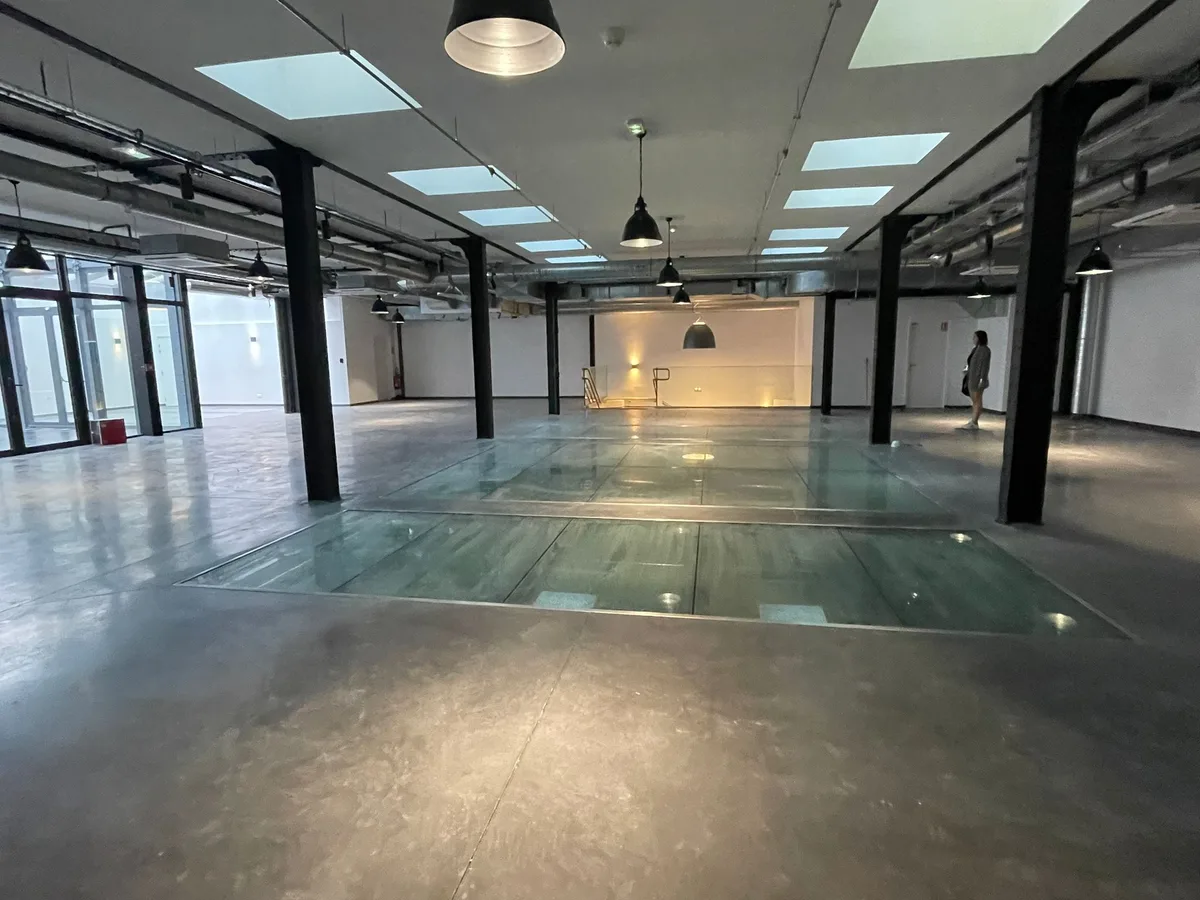
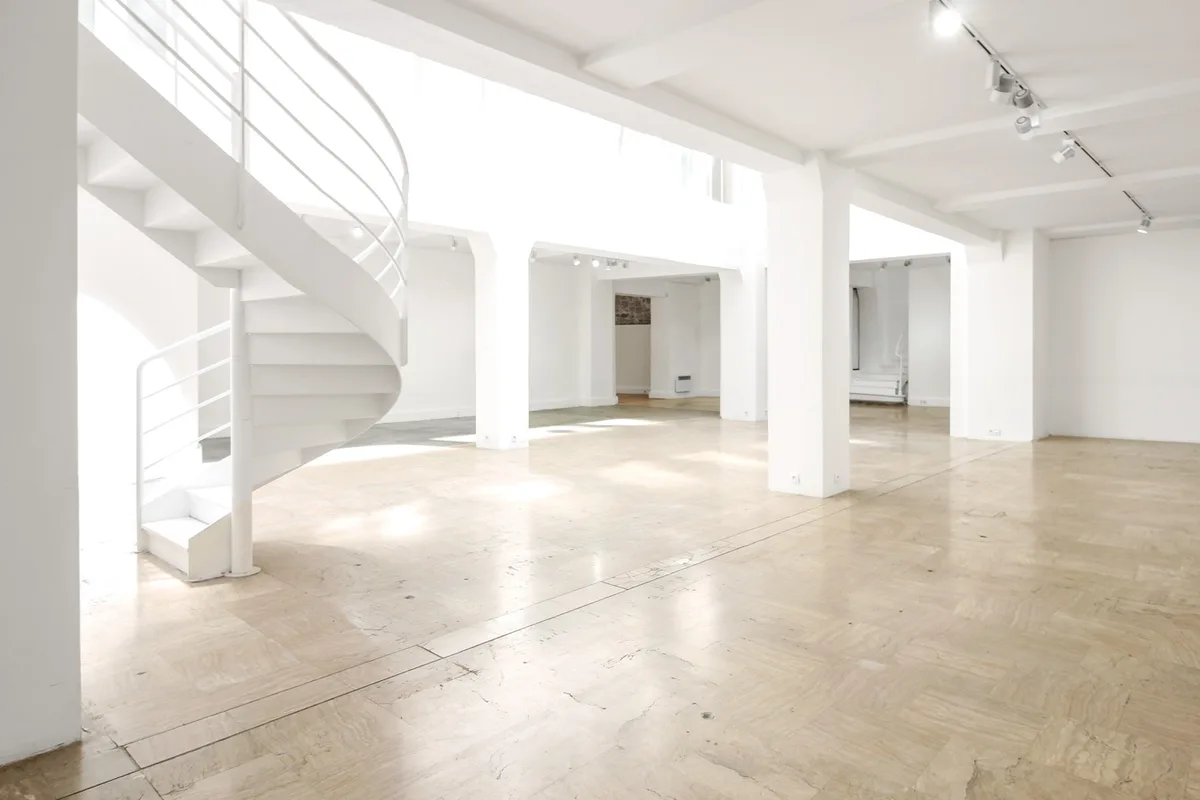
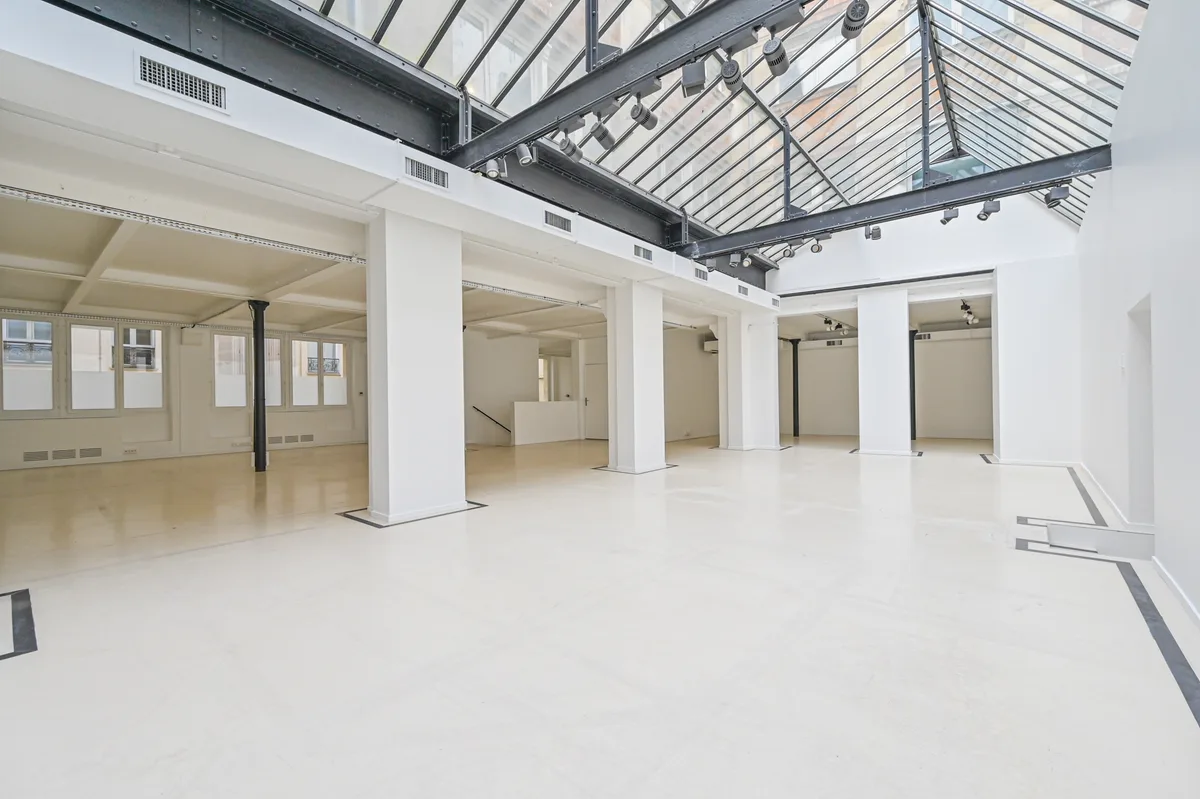
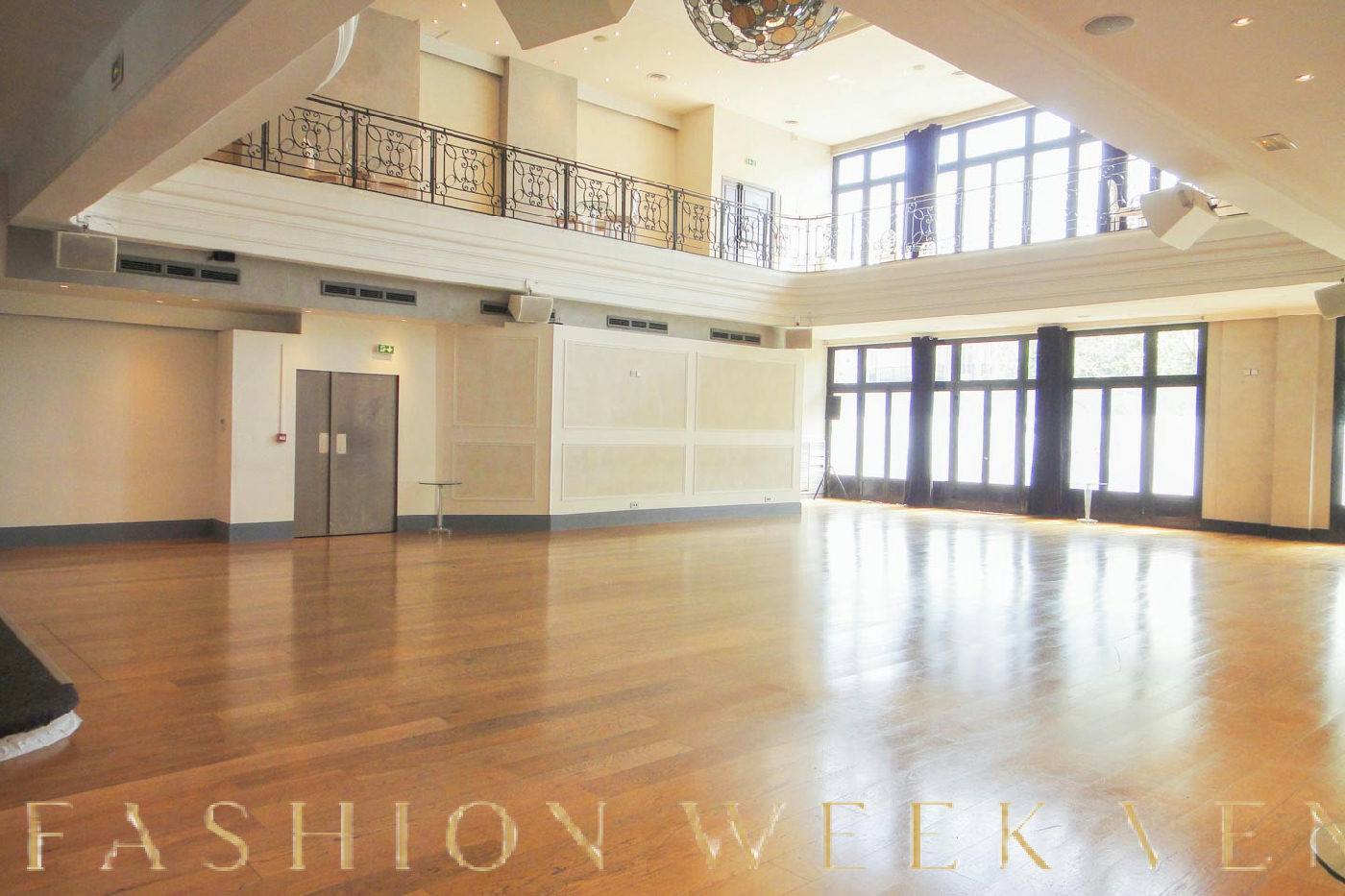
The allure of Fashion Week Venues lies not only in finding the perfect temporary retail space but also in crafting unforgettable brand experiences during key moments like Paris Fashion Week. Partner with Fashion Week Venues to ensure your activation aligns seamlessly with the city's vibrant fashion calendar. This guide delves into the essentials of choosing ideal event spaces, understanding local regulations, and planning effective pop-up shops in the heart of Paris. From luxury showrooms to bustling street locations, discover the strategic steps needed to thrive in the competitive marketplace of Paris.
The Significance of Fashion Week Venues in Paris
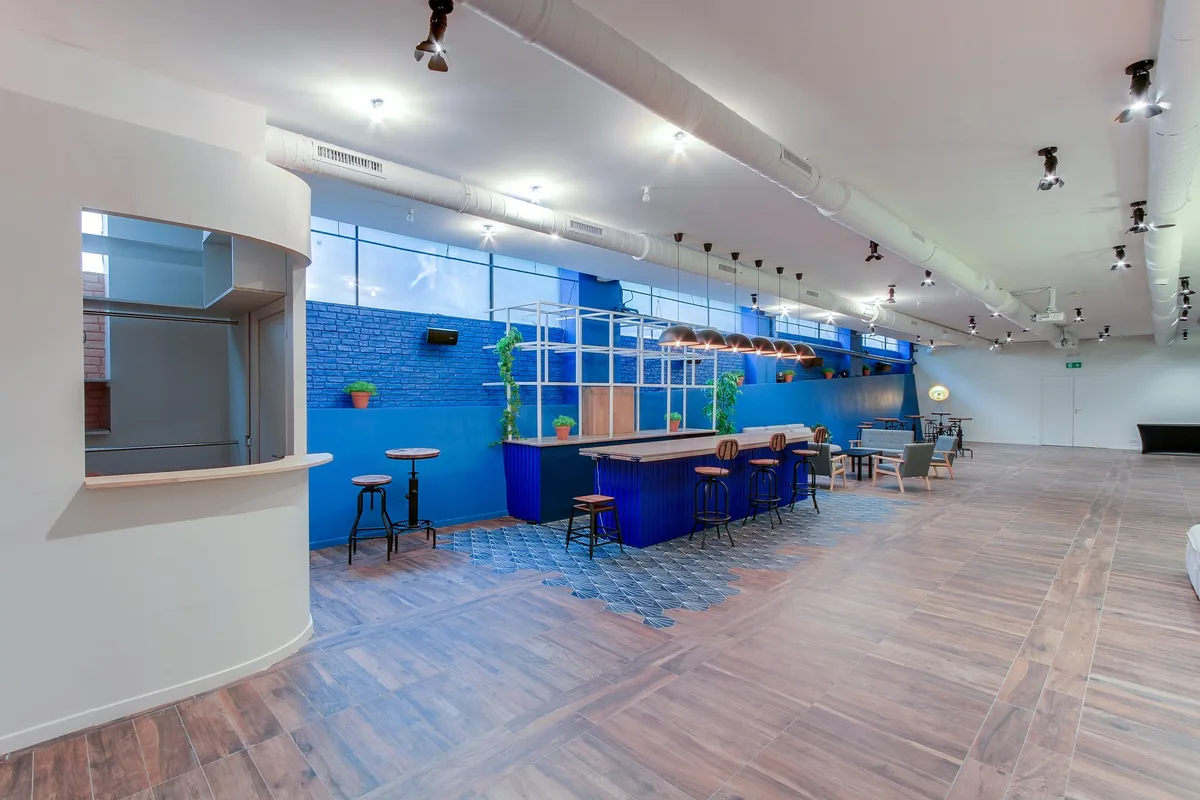
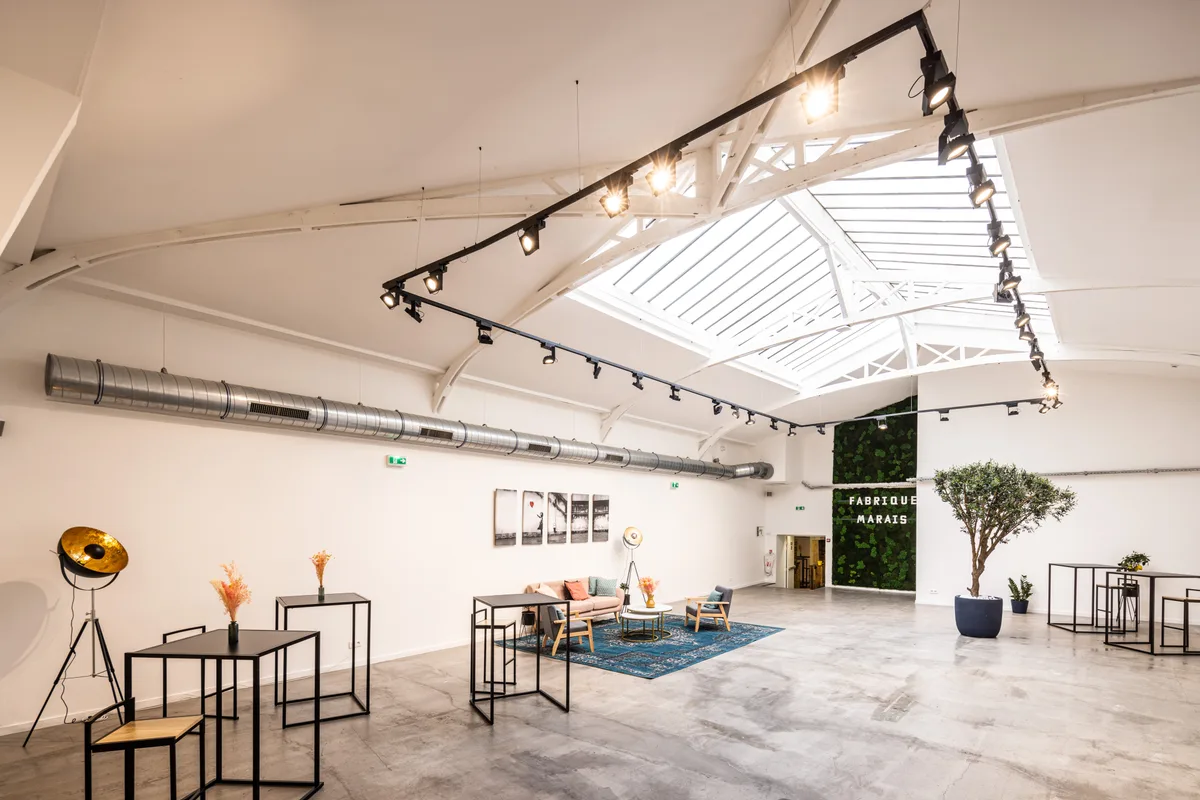
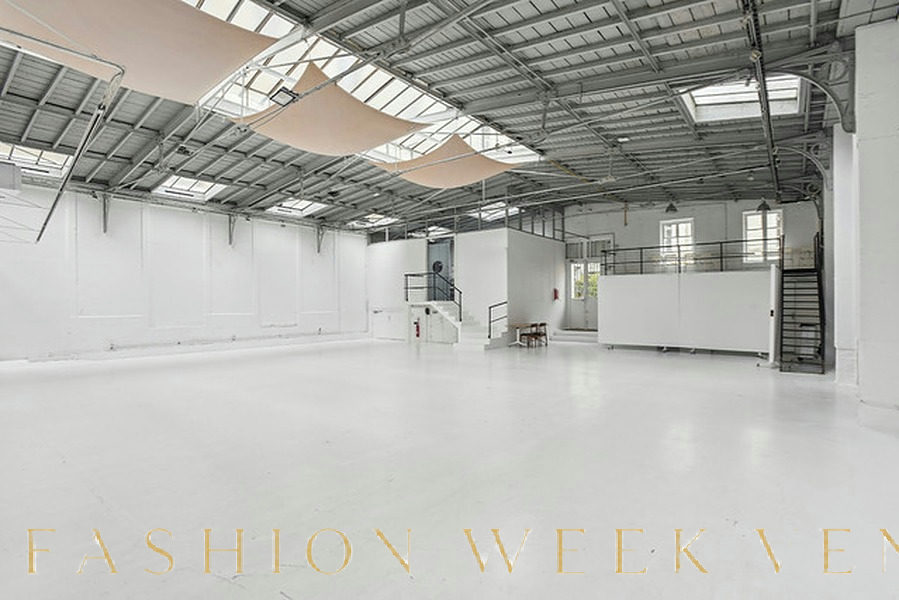
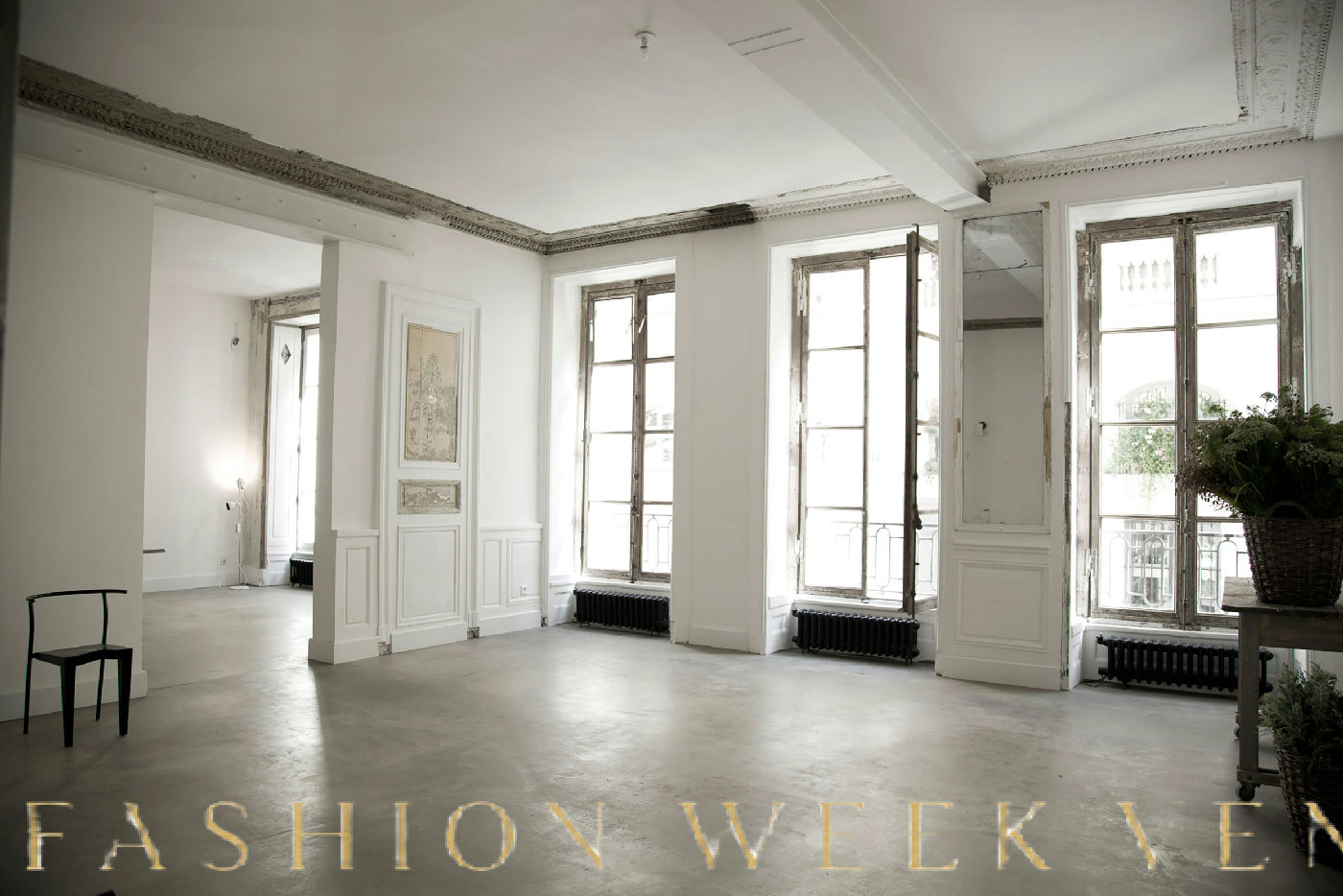
Choosing the right venue during Paris Fashion Week can elevate a brand's status and visibility. The venues serve as a backdrop to brand storytelling, providing more than just space but an ambiance that resonates with the brand's ethos. From iconic avenues to charming hidden courtyards, each location offers unique benefits and challenges.
For instance, venues in Le Marais cater to a youthful audience with a penchant for trendsetting brands, while spaces near Place Vendôme target luxury high-end consumers. Choosing the right setting can align a brand with its desired demographics, tapping into seasonal tourist influx and local fashionistas eager for the latest trends, thus proving crucial for increasing engagement and sales.
Incorporating a mix of heritage and modernity, Fashion Week Venues provides locations that speak volumes without words, attracting journalists, influencers, and key industry figures. The role of a Paris venue extends beyond aesthetics, enabling strategic branding, prime positioning, and generating sought-after buzz in the competitive fashion industry.
KEY TAKEAWAY: Strategic venue selection during Paris Fashion Week enhances brand visibility and positioning by aligning the brand personality with the cultural and historical richness of Paris.
Difference Between Traditional and Pop-Up Spaces
Traditional retail spaces offer permanence and stability, making them suitable for long-term brand-building efforts. However, pop-up spaces introduce a dynamic element, allowing brands to leverage short-term availability for high-impact activations. The transient nature of pop-ups feeds into the urgency and exclusivity that appeal greatly to modern consumers.
While traditional spaces may come with longer lease commitments, pop-ups provide flexibility, often at lower entry costs. This enables brands to pilot new concepts or test market reactions without significant financial risk. Pop-ups allow for a tailored retail experience, often augmented with custom displays and interactive setups tailored to specific brand messaging.
Pop-ups serve well for targeted seasonal promotions and capitalizing on events such as Paris Fashion Week, where temporary but strategic space utilization can drive campaigns. The flexibility inherent in pop-up formats aligns well with agile marketing strategies, enabling brands to move fast in a rapidly evolving market landscape.
Quick answer: Pop-up spaces offer flexibility and cost-effectiveness, proving advantageous for short-term promotions and testing new markets during high-traffic events like Fashion Week.
Choosing the Right Location for Your Brand
Location directly impacts the success of your pop-up activation. In Paris, the diversity of neighborhoods offers varied tenant mixes and clientele profiles. Opting for Le Marais could enhance exposure among trend-savvy youth, while opting for a spot in Saint-Germain-des-Prés might attract an artistic, culturally inclined audience.
When selecting a location, consider the neighborhood's alignment with your brand's aesthetic and mission. Also, factor in logistical concerns such as foot traffic patterns, proximity to major transport hubs, and neighboring businesses that complement rather than compete with your offerings.
A critical step is to evaluate how local events and seasonal trends intersect with the venue's potential traffic. Leverage tools like the space locator to assess potential footfall and cross-compare different district demographics for a tailored fit.
KEY TAKEAWAY: Selecting a locale that matches your brand ethos and caters to your target audience is pivotal for a successful brand activation in Paris.
Understanding Lease Structures: Bail Dérogatoire and AOT
A critical consideration in establishing a pop-up shop in Paris is understanding lease types. The bail dérogatoire permits occupancy for up to three years without the protective rights of commercial leases, offering flexibility and quicker exits. However, an understanding of its constraints and renewal complexities is vital for operational planning.
The AOT (Autorisation d'Occupation Temporaire) allows use of public space for commercial purposes, requiring thorough documentation and city approvals. This option is particularly useful for brands looking to utilize open spaces, such as plazas or street corners, often adding an experiential layer to the activation.
TIP: Engaging with a local legal consultant ensures due diligence and compliance with applicable laws, reducing risk and enhancing operational effectiveness during temporary activations.
KEY TAKEAWAY: Both bail dérogatoire and AOT provide different levels of flexibility and legal coverage, crucial for brand activations seeking temporary space in Paris.
Planning Your Pop-Up Activation
Effective pop-up planning integrates brand objectives, location dynamics, event calendars, and logistical requirements. Start by defining clear objectives and KPIs, such as brand awareness increase or sales targets. Subsequently, align the location and timing with major fashion events or festivals for maximum impact.
Coordinate with designers and project managers to ensure the visual setup aligns with brand messaging and customer expectations. At this stage, early engagement with local suppliers is beneficial, ensuring that all logistical inputs, including permits and staffing, align critically with the activation timeline.
Utilize resources like Fashion Week Venues’ timeline planning tool for detailed activation planning, ensuring every phase from design to execution aligns with the broader strategy. Anticipating potential hurdles and developing contingency measures help maintain a seamless operation.
Quick answer: Success in pop-up activations hinges on comprehensive planning, integrating brand goals with local dynamics and logistical precision.
Financial Planning for Pop-Ups
Budget considerations are pivotal for pop-up success. Installations, staffing, merchandise, and marketing all contribute to overall expenses. Crafting a budget that accounts for fixed and variable expenses while allowing for contingencies is a key financial practice.
At Fashion Week Venues, the budget estimation tool aids in planning by providing projected expenses across various aspects of the activation. Additionally, consider ROI calculations to ensure financial feasibility and transparency in expected outcomes.
Mitigating financial risk involves detailed analysis of potential revenue streams, exploring partnerships and sponsorships to share costs, and computing break-even points to guide decision-making processes.
Quick answer: Comprehensive budgeting and ROI analysis are essential to managing financial risks inherent in pop-up activations, ensuring alignment of strategy with achievable financial outcomes.
Activation Marketing and Branding Strategies
Marketing and branding strategies play crucial roles in pop-up success. Craft a compelling narrative that aligns with your brand and resonates with your audience, utilizing both traditional and digital marketing channels to amplify reach. Fashion Week Venues provides influencer marketing services that enhance engagement.
Consider immersive experiences and interactive displays to enhance the visitor journey, making the activation memorable. Leverage social media platforms for live updates and encourage user-generated content to generate organic buzz.
Implement metrics to evaluate campaign success, including foot traffic, dwell time, and social media engagement. Dynamic insights aid in continually refining marketing tactics for future activations or events.
Quick answer: Successful pop-up branding relies on strategic storytelling, effective marketing channels, and continuous engagement metrics to drive traffic and create lasting brand images.
How Fashion Week Venues Supports Brand Activations
Fashion Week Venues offers comprehensive services that enhance brand experiences during significant fashion events. Our services include venue sourcing, concept direction, production, and activation management, ensuring seamless execution from conception to realization.
Tools and services like the timeline planning tool facilitate meticulous planning. Meanwhile, branded store design and influencer marketing amplify the brand's reach and impact. Such resources are tailored to support retail strategists, creative directors, and international brands aiming for optimal exposure and engagement during Paris Fashion Week.
DID YOU KNOW: Our marketplace offers a diverse selection of pop-up venues strategically located across major fashion capitals, enabling brands to connect with key audience segments efficiently.
KEY TAKEAWAY: Leveraging Fashion Week Venues' comprehensive tools and services enables brands to execute impactful and efficient activations aligned with their strategic objectives.
To compare neighbourhoods and space types, explore the Paris city hub on Fashion Week Venues and shortlist spaces that match your brief, budget, and calendar window.
Common Myths Debunked
MYTH: You need a French legal entity to rent a space in Paris.
FACT: Many spaces for pop-ups or short-term leases do not require a French entity. Fashion Week Venues provides a comprehensive listing to help international brands find suitable locations without the need for local registration.
MYTH: Paris Fashion Week is the only viable calendar window for brand activations.
FACT: While Fashion Week garners significant attention, Paris offers numerous opportunities for activations throughout the year, including during key consumer spending periods like the Christmas season or summer sales.
MYTH: Commission brokers are the only way to find a rental space.
FACT: The rise of digital platforms like Fashion Week Venues provides an effective alternative to traditional brokers, offering a transparent and direct means to compare and secure ideal rental spaces.
MYTH: Short-term leases are straightforward without specialist help.
FACT: Navigating lease agreements, especially those involving bail dérogatoire or AOT, can be complex. Specialized assistance is recommended to ensure compliance with local regulations and avoid pitfalls.
Frequently Asked Questions
What is the best time to launch a pop-up shop in Paris?
The best time to launch a pop-up shop in Paris often aligns with major fashion events such as Paris Fashion Week, or during high retail seasons such as Christmas or summer sales. These periods offer increased foot traffic and the potential for heightened brand visibility and engagement.
What permits are required for a pop-up in Paris?
Permits such as a bail dérogatoire or AOT may be required, depending on the location and nature of your pop-up. Engage with local authorities and consult the permits tool on Fashion Week Venues to ensure compliance.
What factors should influence venue selection for a pop-up?
Key factors include location demographics, foot traffic patterns, neighborhood atmosphere, accessibility, and alignment with brand identity and objectives. Tools for space comparison can significantly aid this decision-making process.
How do financial considerations impact pop-up planning?
Understanding budget constraints and anticipated ROI is crucial in ensuring economically viable pop-up planning. Utilize budget and ROI tools offered by Fashion Week Venues to predict costs and potential earnings effectively.
Can digital marketing support pop-up activations?
Absolutely. Digital marketing strategies amplify pop-up reach and engagement. Leverage social media, influencer marketing, and real-time content dissemination to connect with both local and global audiences.
Is it possible to hire local staff for pop-up activations?
Yes, recruiting local talent familiar with local markets and consumer habits can greatly benefit your activation. Explore staffing services to find qualified professionals who align with your brand ethos.
How do pop-up spaces differ from traditional retail spaces?
Pop-up spaces offer short-term, flexible rental options designed for temporary activations and experimental brand launches, contrasting with the permanent and often more costly nature of traditional retail leases.
How can a brand interact with local culture through a pop-up?
Incorporating local elements into design, product offerings, and ambiance can resonate deeply with local demographics, fostering cultural engagement and enhancing brand perception.
What role does sustainability play in pop-up shops?
Emphasizing sustainability through eco-friendly materials and practices can elevate brand reputation and attract eco-conscious consumers, aligning with current global retail trends towards sustainability.
What are the key differences between bail dérogatoire and regular commercial leases?
Bail dérogatoire provides flexibility for temporary operations without the commitments of long-term leases, while regular commercial leases offer greater tenure security at the cost of less flexibility. Both have differing legal implications that warrant specialist consultation.
Conclusion
Understanding the nuances of selecting the right venue and planning a successful pop-up in Paris requires a strategic approach. Properly navigating location selection, financial planning, and compliance can create a brand activation that not only drives engagement but marries the unparalleled ambiance of Paris with your brand story. Partnering with Fashion Week Venues offers comprehensive support, from planning and execution to marketing and analytics, ensuring a seamless and impactful presence during high-stakes fashion events. To move from research to activation, start exploring available spaces on the Fashion Week Venues marketplace and build a focused brief for your target neighbourhood, space type, and calendar window.