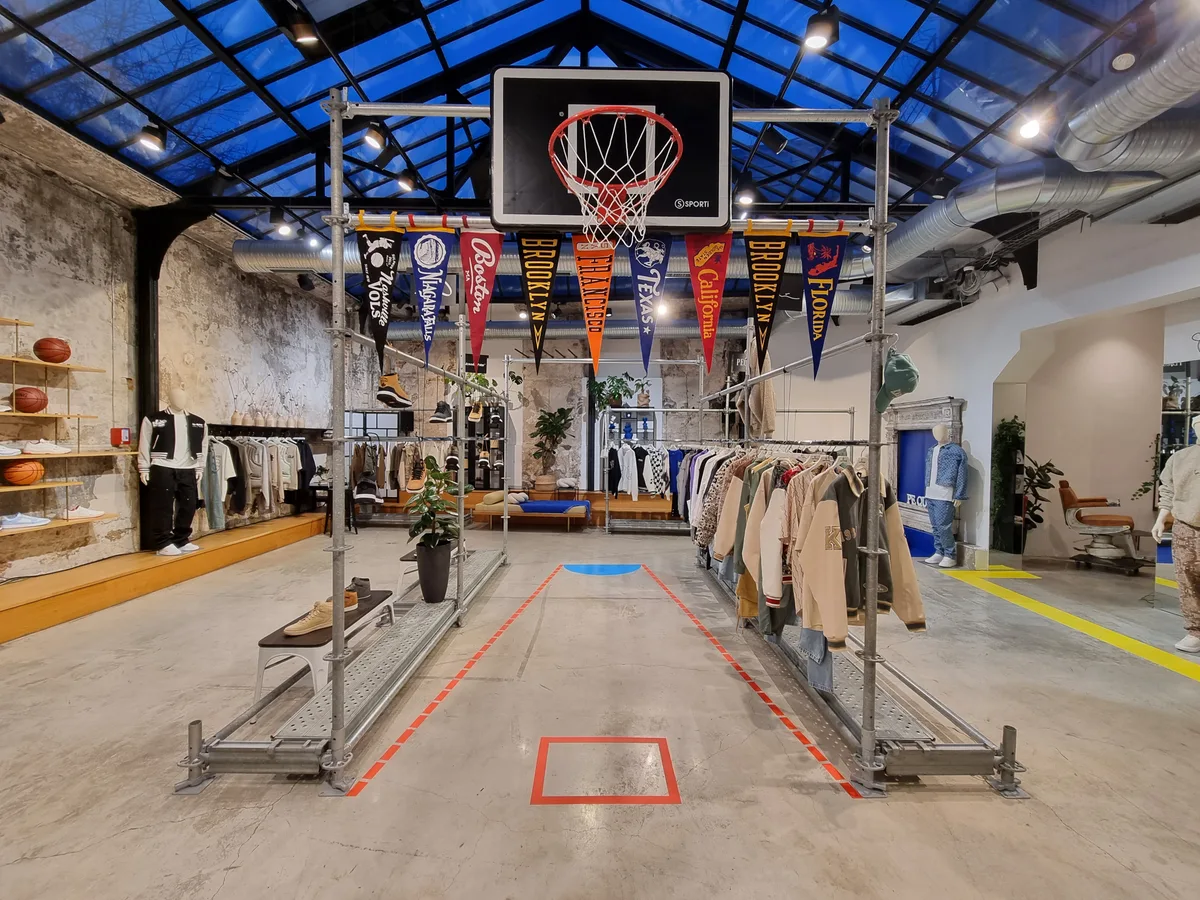
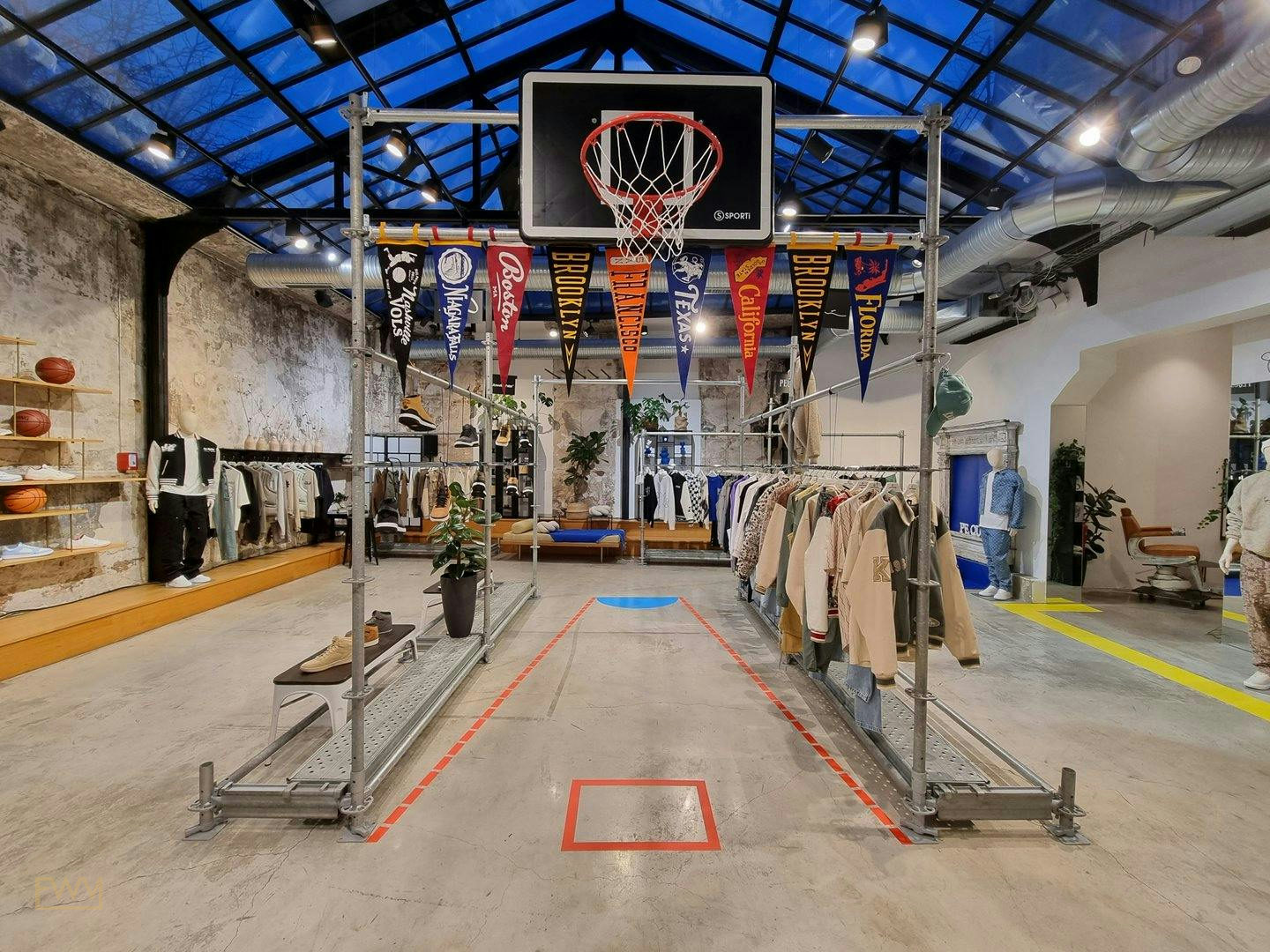
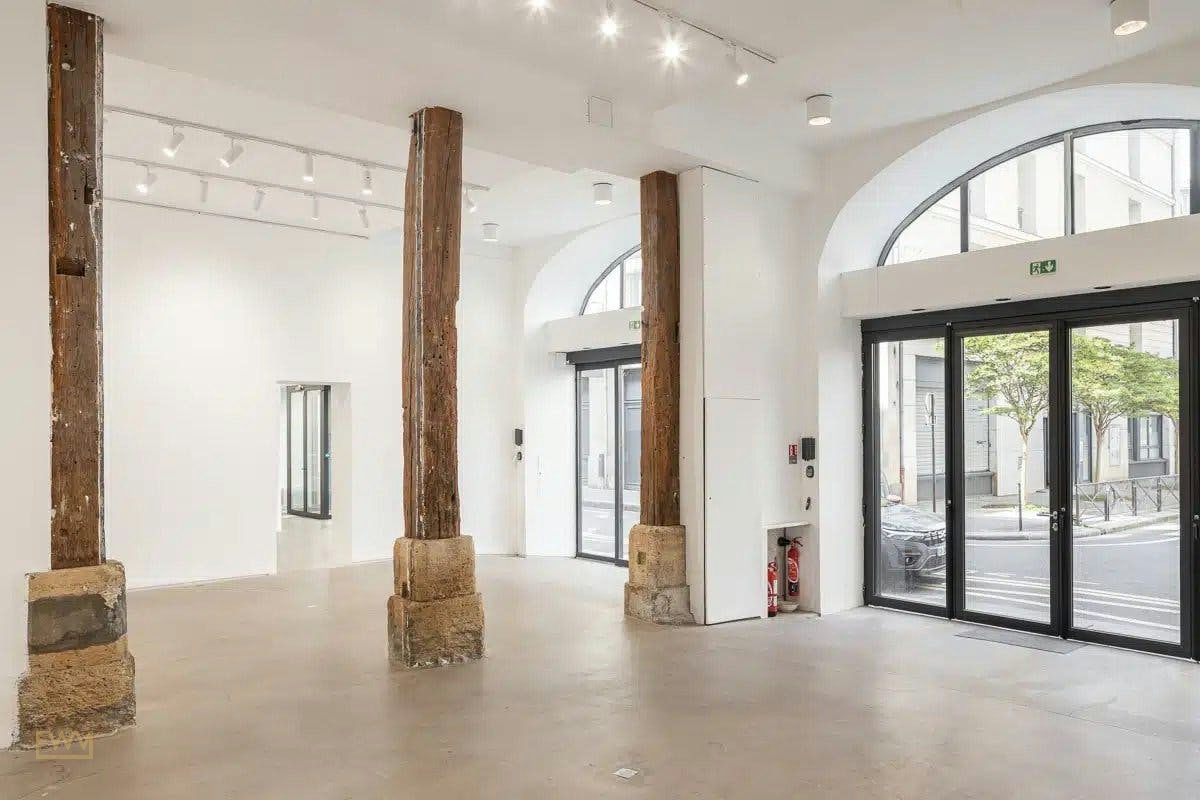
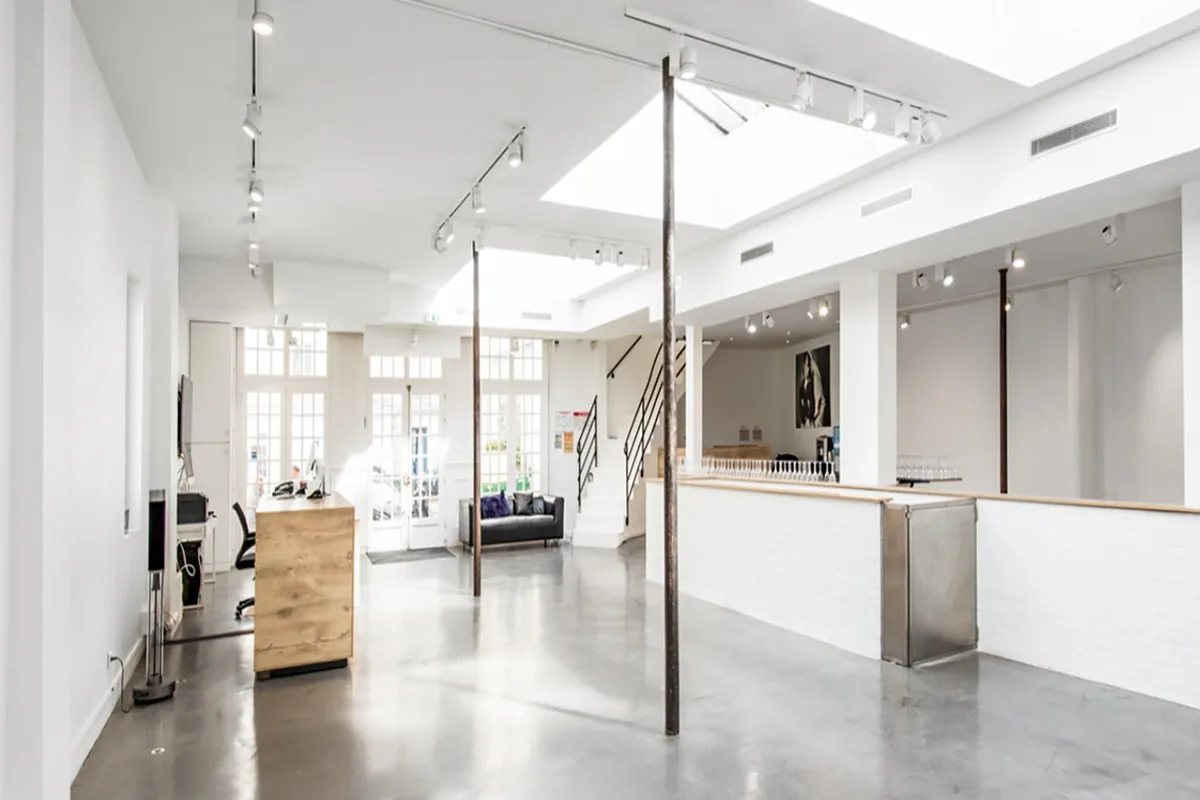
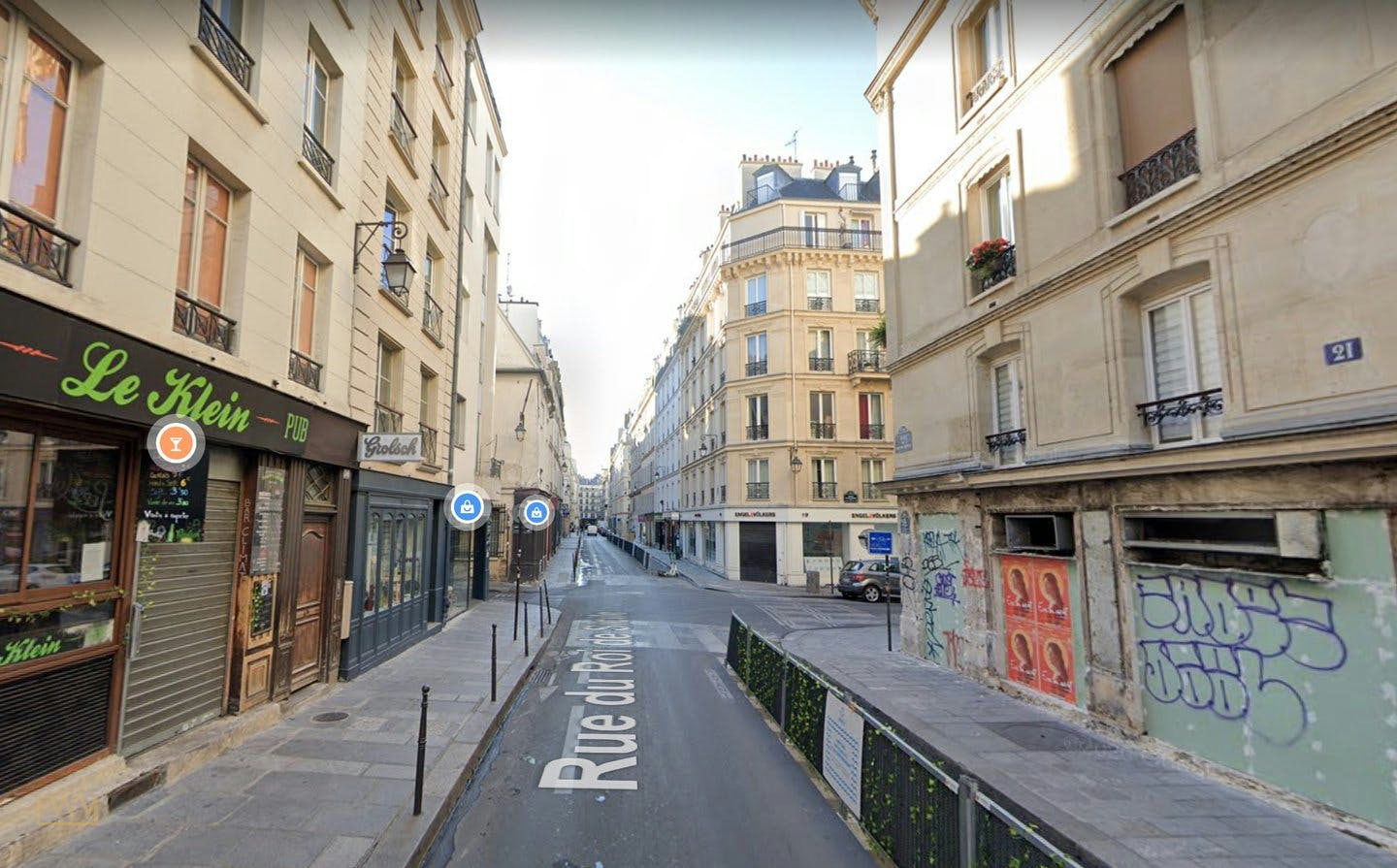
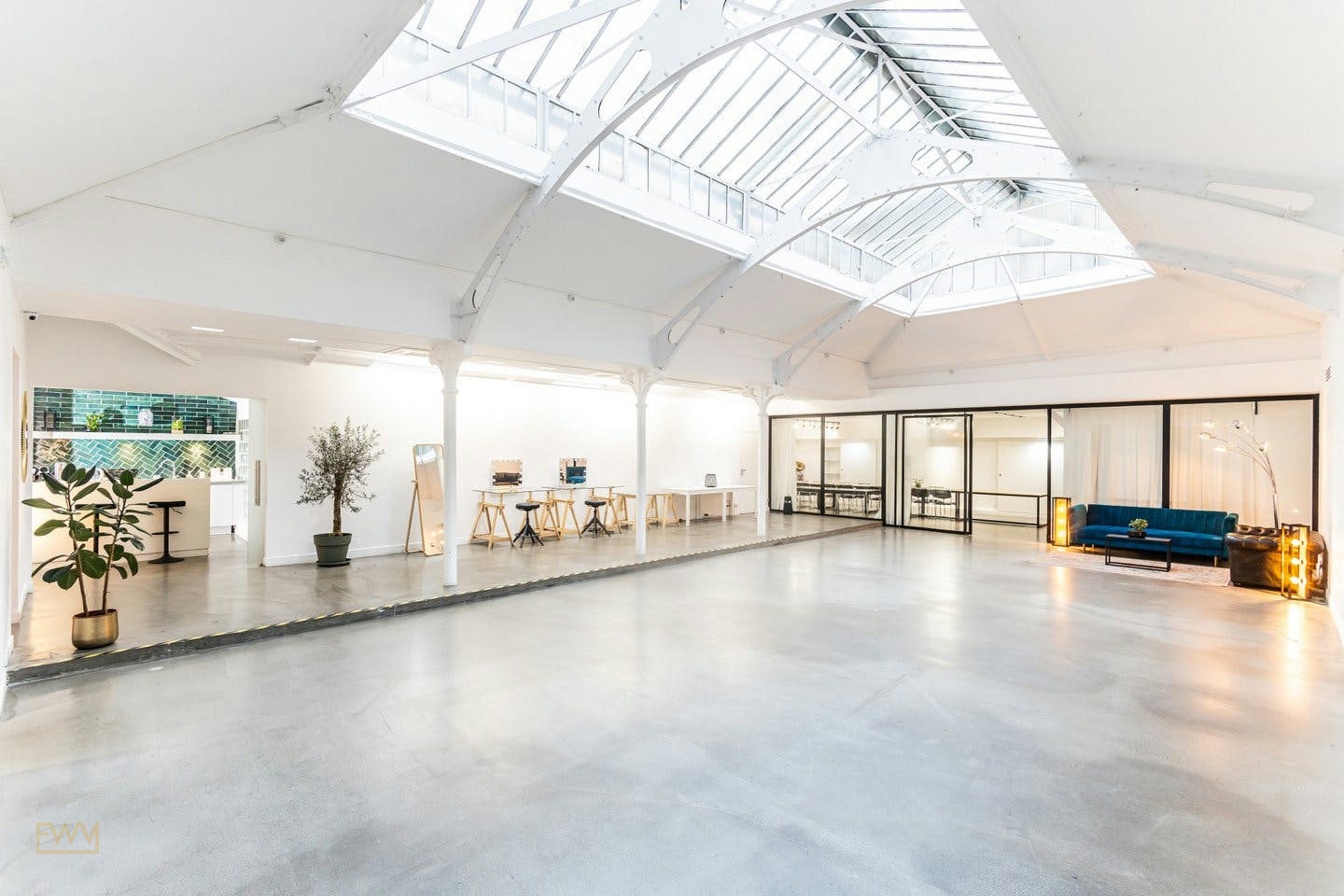
When it comes to the global fashion calendar, securing the right venue during Fashion Week in Paris or any major fashion city can be pivotal for the success of your brand activation. Various factors, such as location, aesthetic appeal, and amenities, must be considered when choosing a venue. This comprehensive guide provides a detailed exploration of the **Fashion Week Venues** options to assist international brands, creative directors, and retail strategists in navigating this complex landscape effectively. At Fashion Week Venues, we specialize in offering a full spectrum of services from venue sourcing to post-event analytics, ensuring that every aspect of your activation aligns with your strategic goals.
Understanding the Fashion Calendar: Key Considerations
The fashion calendar is a critical aspect for brands planning to participate in major fashion weeks. This schedule dictates when collections are showcased and has specific periods of high demand for venues in cities like Paris, Milan, and New York.
In Paris, for example, Fashion Week is scheduled multiple times a year to cover different seasons, with the most prestigious being the Fall/Winter and the Spring/Summer shows. Each season attracts distinct styles and trends, making it imperative for brands to plan releases that align with these events.
Quick answer: The Paris Fashion Week is scheduled multiple times annually, specifically for Fall/Winter and Spring/Summer collections, influencing venue selection based on seasonal trends.
Effective venue planning during these periods means considering not just the timing of the events but also the specific target audience for each season. For instance, Fall/Winter collections might emphasize cozy, luxury indoor settings, while Spring/Summer collections could benefit from open-air venues or spaces with excellent natural lighting.
KEY TAKEAWAY: Align your brand activation strategy with the specific themes and seasons of the fashion calendar to maximize impact.
The choice of venue is also influenced by the trends and styles of fashion weeks in other cities such as Milan and New York, making it a global strategic decision rather than a local one.
To successfully navigate these events, it's advisable to work closely with an agency specializing in international fashion calendars like Fashion Week Venues, which offers activation management and in-depth market insights.
This understanding of the fashion calendar is essential for efficient logistics planning and ensuring your brand stands out during the competitive week of events. In the following section, we'll delve deeper into how venue selection impacts your overall brand presentation.
The Impact of Venue Selection on Brand Presentation
Choosing the right venue is crucial to the success of your brand during Fashion Week. A venue not only needs to be functional but must reflect the brand's ethos and appeal to its target audience.
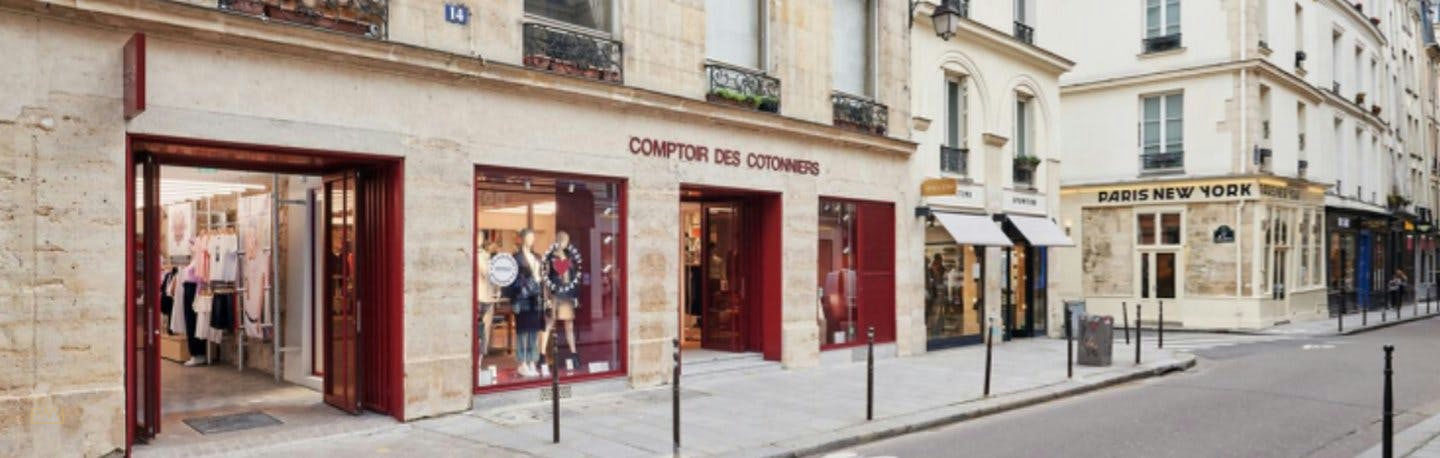
The location and type of venue can significantly affect brand perception. A prestigious location like Rue Saint-Honoré or the Marais district in Paris can elevate a brand's status, whereas innovative spaces in areas like Canal Saint-Martin might appeal to avant-garde brands seeking a younger, trendier demographic.
Quick answer: Venue selection impacts brand image and audience engagement, influencing perceptions of exclusivity, accessibility, and alignment with target demographics.
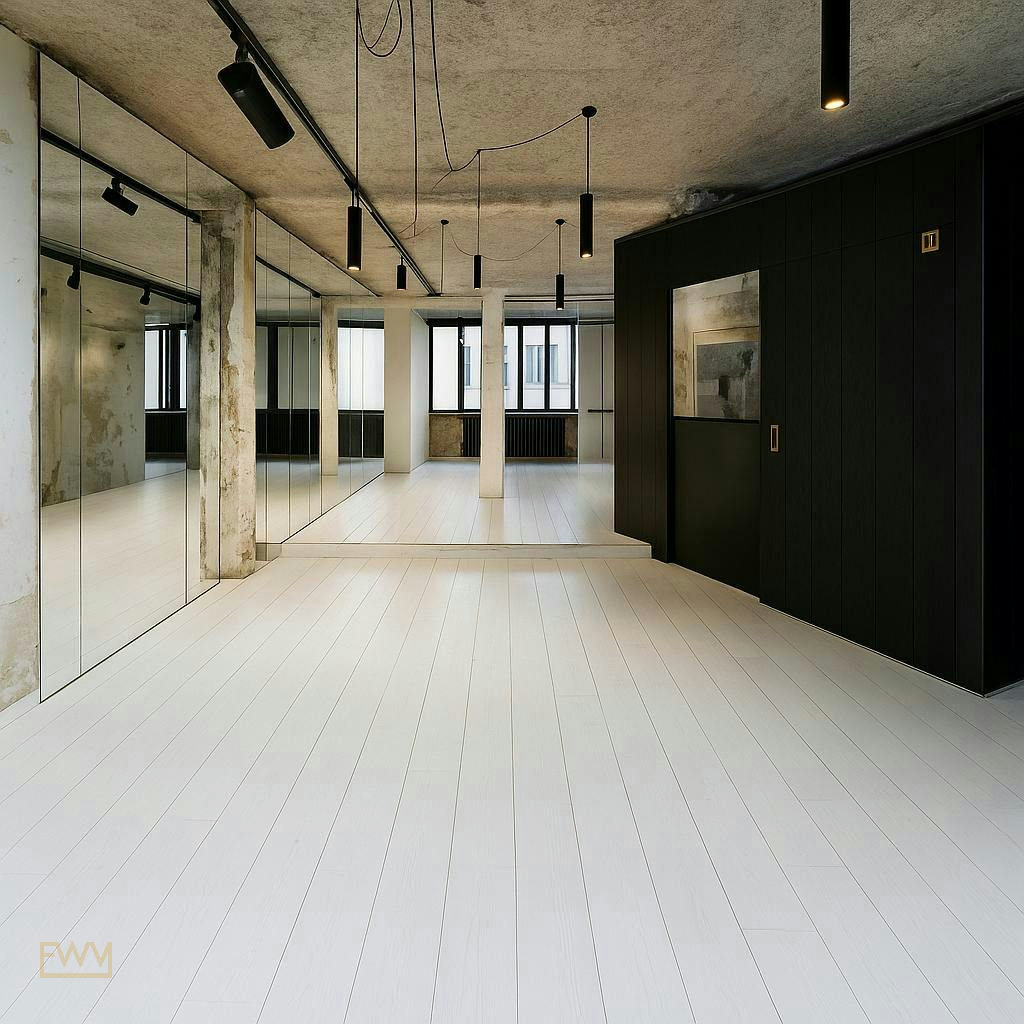
Architectural design and historical context also play an essential role. A modern, minimalist space might suit a new technology-driven brand, while a baroque, classic venue could enhance the allure of a luxury brand offering timeless elegance.
- Exclusivity: High-profile venues in fashion-forward districts often lend an air of exclusivity, which is critical for luxury brands.
- Versatility: A versatile space allows for more creative setups and can be adapted to various events, from intimate runway shows to grand exhibitions.
Moreover, logistics such as ease of access for attendees, proximity to other fashion events, and media visibility are critical considerations. By utilizing space comparison tools, brands can efficiently evaluate and shortlist venues based on these parameters.
KEY TAKEAWAY: A venue that aligns with your brand ethos can significantly enhance brand perception and audience engagement, crucial for a successful Fashion Week presentation.
As we've seen, venue choice is more than just about aesthetic appeal; it's a strategic decision that requires consideration of numerous factors. Next, we explore the specific types of spaces available and their unique benefits and challenges.
Types of Fashion Week Venues and Their Advantages
Fashion Week venues vary significantly in size, style, and function, each offering unique advantages catered to different brand objectives. Understanding these nuances can help select the perfect site that fulfills both operational needs and brand aspirations.
Below is a table summarizing various venue types commonly used for Fashion Week events and their primary benefits:
| Venue Type | Advantages | Ideal For |
|---|---|---|
| Showrooms | Exclusive client presentations, controlled lighting | High-end, luxury brands |
| Pop-Up Shops | Flexibility, trend-forward engagements | Emerging or trendy labels |
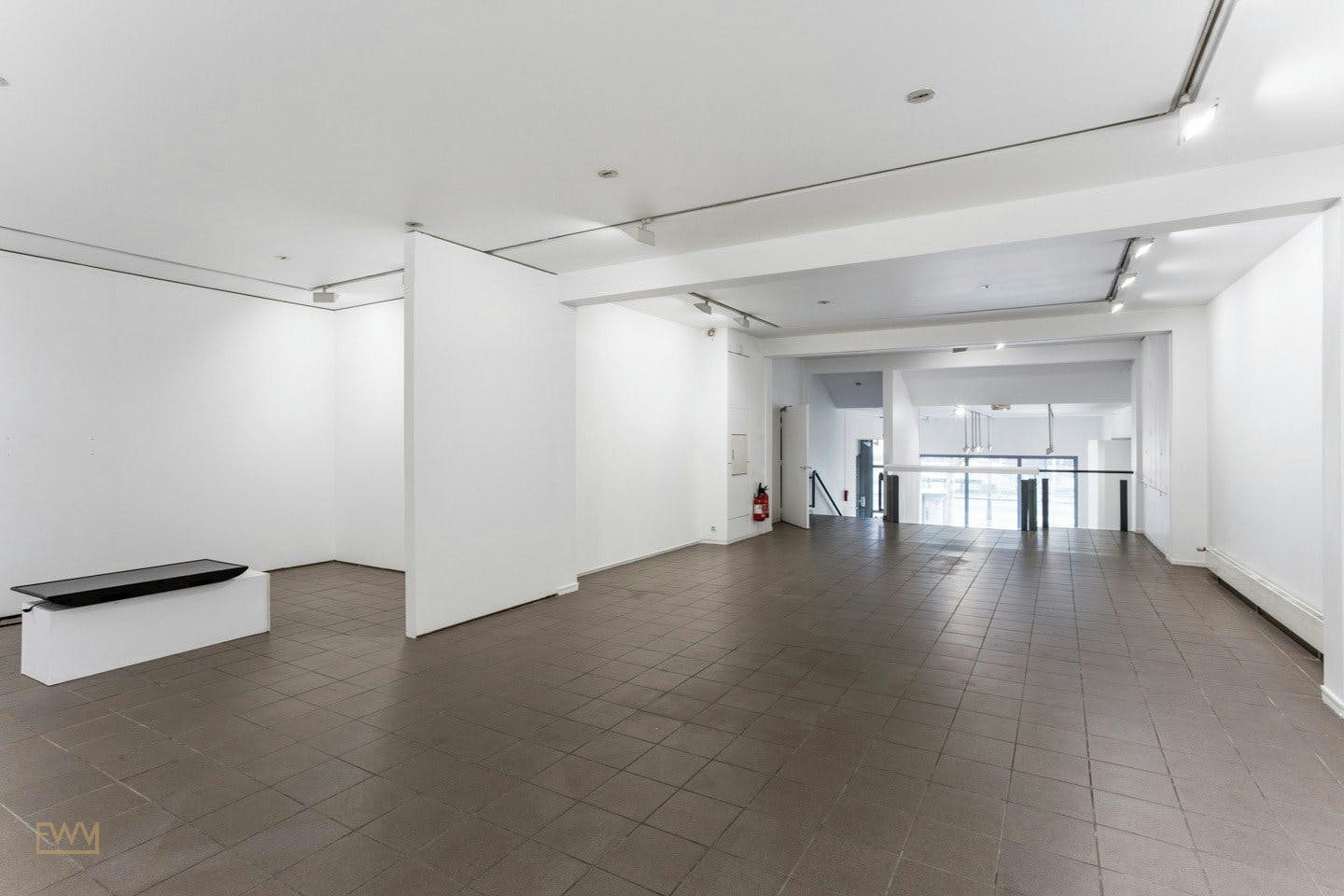
| Galleries | Art integration, spacious layout | Brands merging art with fashion |
| Hotels/Palaces | Prestige, full-service options | Established luxury brands |
| Open-Air Spaces | Natural lighting, photogenic setups | Spring/Summer collections |
Quick answer: Venues such as showrooms, pop-up shops, galleries, and hotels each offer distinct benefits for different brand strategies, from luxury events to casual brand activations.
Each venue type comes with its logistical considerations. For instance, showrooms might involve higher costs due to their exclusive nature, whereas pop-up shops offer more cost-effective flexibility suitable for short-term leases.
KEY TAKEAWAY: Choose a venue type that matches your brand’s specific branding goals and audience expectations to deliver a coherent brand message.
Space requirements can also vary drastically based on event goals, whether you're hosting a private presentation or a public launch. Next, we'll assess some of the logistical challenges brands might face when organizing a Fashion Week event.
Logistical Challenges in Organizing Fashion Week Events
Organizing a Fashion Week event involves a myriad of logistical complexities that require careful management and coordination. Pre-event planning to post-event evaluation demands meticulous attention to detail to ensure success.
One of the first challenges is permit acquisition. The correct permits must be obtained to legally host an event in Paris. Two critical types are the bail dérogatoire and the Autorisation d'Occupation Temporaire (AOT), which vary according to space type, duration, and arrondissement. Obtaining these permits is complex, making collaboration with French legal advisors advisable.
Quick answer: Successfully organizing a Fashion Week event requires handling complex logistics, including permits, transportation, staffing, and technology infrastructure, preferably with expert assistance.
A second major logistical hurdle involves transportation and accessibility. Coordinating the safe and timely arrival of materials, models, and guests is non-negotiable, often requiring specialized vendor relationships.
Staffing is another pivotal component. From retail staffing to security personnel, ensuring the right mix of skills and experience is crucial. Tools for staffing solutions can optimize this process, aligning talent with specific brand requirements and event dynamics.
The use of advanced technologies, such as augmented reality or digital check-ins, introduces further complexities but also enhances visitor engagement. Brands need to decide how to integrate these technologies to align with their overall event narrative.
KEY TAKEAWAY: Logistics for Fashion Week extend beyond simple setups, demanding proficient management, legal compliance, and innovative technology integration for a successful activation.
The logistics involved in these events can be daunting. The next section focuses on understanding cost structures and budget needs, crucial for the planning phase.
Cost Structures and Budgeting for Fashion Week Venues
Understanding the cost structures for hosting a Fashion Week event in Paris or other fashion capitals is crucial for effective budgeting. The investment required varies widely, depending on several key factors, including venue type, size, location, and duration.
While exact costs can fluctuate, they generally include venue rental fees, production costs, staffing, security, marketing, technology integration, and potential currency variations for international transactions. A detailed budget calculator, such as the tool offered by Fashion Week Venues, helps brands outline potential expenses.
Quick answer: Fashion Week event budgets typically include rental, production, staffing, security, and marketing costs, which can be projected using specialized budget calculators.
Here's a simplified breakdown of typical cost elements:
| Cost Element | Description |
|---|---|
| Venue Rental | Based on location, size, and prestige |
| Production | Includes lighting, sound, and stage design |
| Staffing | Security, sales, event staff |
| Marketing | Brand promotion and guest invitations |
| Technology | AR integration, digital check-ins |
Budgeting for these elements requires careful consideration of both fixed and variable costs. Hosting a high-profile event necessitates a substantial initial outlay but also benefits from economies of scale in marketing and logistics when planned effectively.
KEY TAKEAWAY: An accurate budget estimate is essential for managing costs effectively and ensuring the financial success of a Fashion Week event.
Given these complexities, brands can greatly benefit from engaging with specialist agencies for precise financial planning and management. In the following section, we delve into the legal requirements and compliance for hosting an event in Paris, a critical aspect often underestimated by international brands.
Legal Requirements and Compliance for Fashion Week Events
Proper legal conformity is crucial when hosting Fashion Week events in Paris. The legal landscape involves multiple facets, from lease agreements to compliance with local regulations, requiring careful navigation.
Understanding the distinction between a bail dérogatoire and an Autorisation d'Occupation Temporaire (AOT) is essential. While a bail dérogatoire allows short-term agreements without renewing commercial leases, the AOT is specific to temporary public domain use, demanding approval from Parisian authorities.
Quick answer: Legal compliance for Fashion Week events in Paris involves choosing the right permits and adhering to French regulations, requiring expert legal guidance.
Table summarizing permit differences:
| Permit Type | Purpose | Application |
|---|---|---|
| Bail Dérogatoire | Short-term private space rental | No renewal rights |
| AOT | Temporary public space use | Municipal approval needed |
Legal complexities also extend to safety compliance, accessibility standards, and environmental regulations (ERP standards). Each requirement might vary by location, event type, and attendance capacity, making early consultation with legal experts imperative.
KEY TAKEAWAY: Legal due diligence, including the correct permits and adherence to Parisian laws, ensures successful event execution and minimizes risk.
Legal advice and permitting guidance is readily accessible through resources like the permits tool offered by Fashion Week Venues, streamlining the compliance process for international brands. Understanding these legal aspects allows brands to navigate the Paris fashion scene with confidence, which we further explore in the upcoming section on leveraging Paris's unique retail landscape.
Exploring Paris: A Strategic Choice for Fashion Week Events
Paris, known as the heart of fashion, offers a rich tapestry of neighborhoods each with unique characteristics that could enhance a brand's Fashion Week presence. The city is not just a backdrop for showcasing collections but a strategic tool for global brand positioning.
Popular districts such as Le Marais, known for its vibrant art scene; the luxury district of Saint-Germain-des-Prés; and the chic Rue Saint-Honoré are prime locations for fashion events, providing diverse settings that cater to various brand aesthetics.
Quick answer: Paris provides diverse venue locations from Le Marais to Saint-Germain-des-Prés, aligning with various brand aesthetics to enhance fashion event presence.
The urban landscape is complemented by iconic landmarks that lend cultural prestige to any event. Hosting shows near the Palais de Tokyo or Canal Saint-Martin not only boosts the event's Instagrammability but also taps into Paris's rich heritage, appealing to fashion enthusiasts worldwide.
Beyond the aesthetic and cultural factors, practical considerations such as foot traffic, accessibility, and neighborhood demographics heavily influence site selection. Shopping areas like Galeries Lafayette and Printemps offer access to a broad consumer base, ideal for mass-market brands aiming for high guest attendance. For logistical decisions, the Paris city hub provided by Fashion Week Venues offers a comprehensive tool for locating and comparing spaces across the city.
KEY TAKEAWAY: Leveraging Paris’s diverse neighborhoods strategically can amplify a brand's visibility and impact during Fashion Week.
Each arrondissement holds particular potential for different types of brands and activations. In the next section, we'll discuss how Fashion Week Venues assists in navigating these opportunities to maximize event success.
How Fashion Week Venues Simplifies Event Planning
With the complexity involved in staging successful Fashion Week events, Fashion Week Venues stands out as a pivotal partner for brands. Offering a range of services and tools, they simplify the intricate processes from concept to execution.
Fashion Week Venues excels in venue sourcing, providing a curated selection of unique spaces across Paris and other major fashion capitals. Their marketplace enables brands to browse and shortlist potential venues quickly, matched to specific activation strategies and budget constraints.
Quick answer: Fashion Week Venues provides comprehensive tools and services from venue sourcing to activation management, streamlining event planning for fashion brands.
Services such as concept direction and production management ensure that brands present a cohesive and impactful image. Furniture rental, branded store design, data analytics, and influencer marketing add further strategic value to operations, allowing for a flawless execution tailored to brand objectives.
A significant advantage is their suite of tools, including a timeline planning tool and a ROI calculator, which enhance decision-making processes. These resources help streamline the often daunting task of planning, allowing brands to focus more on creative expression and less on logistics.
KEY TAKEAWAY: Fashion Week Venues integrates top-tier services and innovative tools to facilitate stress-free and successful Fashion Week activations for brands big and small.
Understanding these resources provides brands with a competitive edge, positioning them to better navigate and capitalize on their fashion city presence. The myths and common misconceptions addressed in the next section further clarify the benefits of professional venue support.
Common Myths Debunked
MYTH: You need to establish a French legal entity to rent a space for Fashion Week in Paris.
FACT: While forming a French legal entity can streamline some processes, it is not mandatory for renting short-term spaces. Agencies like Fashion Week Venues facilitate these arrangements without needing local incorporation, using specialized leases such as the bail dérogatoire.
MYTH: Paris Fashion Week is the only viable calendar window for brand activations.
FACT: While it is a key event, there are numerous other opportunities throughout the year, including Men’s Fashion Week, Haute Couture Week, and various trade shows, each attracting distinct audiences.
MYTH: Commission brokers are the only way to find premium venues in Paris.
FACT: This is no longer true, thanks to venue marketplaces like Fashion Week Venues, which allow direct browsing and selection, offering transparency and a broader range of options.
MYTH: Short-term leases in Paris are legally straightforward and require no specialist help.
FACT: Short-term leases, such as those governed under bail dérogatoire, can involve complex legalities depending on the space type and location. Specialist guidance ensures all legal requirements are met efficiently.
Understanding these myths helps brands make informed decisions and avoid common pitfalls. The FAQ section that follows addresses further questions that commonly arise in Fashion Week event planning.
Frequently Asked Questions
What are the best types of venues for emerging fashion brands?
Emerging brands often benefit from venues that provide flexibility and reflect current trends. Pop-up shops and galleries frequently offer adaptable spaces that can be customized according to specific brand narratives. These venues not only attract attention from trend-forward audiences but also enable brands to experiment with innovative showcase formats that may not be feasible in more traditional settings.
How far in advance should you book a venue for Fashion Week?
Fashion Week venues should be booked at least six to twelve months in advance to secure the best options. This timeframe allows for adequate planning and adjustments based on production needs and permits. However, flexible solutions exist for last-minute activations, particularly if working with a well-connected agency like Fashion Week Venues.
Is it possible to host a sustainable Fashion Week event?
Absolutely, sustainability is increasingly prioritized within the fashion industry. Opting for spaces that support sustainable practices, using eco-friendly materials, and implementing energy-efficient technologies are all viable strategies. Collaboration with professional agencies helps in identifying and implementing these sustainable practices effectively.
How does the location of a venue in Paris affect event success?
The location dramatically influences event success by affecting guest turnout, brand perception, and attendee experience. For instance, a venue in a prestigious area like Saint-Germain-des-Prés can enhance a brand's luxury image, whereas a trendy location in Canal Saint-Martin might attract a younger audience. Strategic location choice ensures the right audience is engaged while enhancing overall impact.
Are there special permits required for hosting a fashion event in Paris?
Hosting a fashion event in Paris does require specific permits, such as the bail dérogatoire for short-term space leases and the AOT for temporary public domains. These permits ensure legal compliance and operation within French regulatory frameworks. Partnering with agencies like Fashion Week Venues can simplify the permit acquisition process and provide guidance tailored to specific needs.
What are typical production costs involved in hosting a Fashion Week venue?
Production costs vary based on venue size, design, and technological requirements. They typically encompass lighting, sound, stage production, and customized installations. Engaging with industry experts and using detailed budget calculators can help in accurately estimating these costs and ensuring fiscal responsibility throughout the planning and execution phases.
Can Fashion Week Venues help in selecting venues outside of Paris?
Yes, Fashion Week Venues operates across major fashion capitals, including New York, London, Milan, Dubai, and Tokyo. They provide comprehensive services for venue sourcing, event production, and activation management, ensuring brands have access to optimal solutions regardless of geographical location.
What is the advantage of using an agency over arranging events independently?
Using an agency like Fashion Week Venues provides numerous advantages, such as access to exclusive venues, streamlined logistics, expert legal guidance, creative direction, and cost efficiencies. Agencies also offer customized strategies that ensure consistent branding while reducing overall event planning challenges and risks.
How can venues be used to enhance brand storytelling during Fashion Week?
Venues serve as a canvas for brand storytelling, showcasing values and style through carefully curated themes and immersive environments. By choosing spaces that reflect a brand's narrative and incorporating elements like themed décor, interactive installations, and technology, brands can create memorable experiences that resonate with their audience.
What key factors should be considered in post-event analysis?
Post-event analysis should focus on assessing ROI, audience engagement, brand visibility, and operational efficiency. Utilizing data and analytics services can aid brands in understanding event impact, identifying areas for improvement, and planning future strategies. Fashion Week Venues offers such analytical insights, providing a comprehensive review of both qualitative and quantitative performance metrics.
Conclusion
Using the insights and resources from this comprehensive guide, brands can effectively plan and execute successful Fashion Week events in Paris and other renowned fashion cities. By understanding the importance of venue selection, aligning with the fashion calendar, managing logistics, and ensuring compliance with legal standards, brands are well-positioned to optimize their presence on this global stage. Fashion Week Venues offers essential services and innovative tools that streamline these processes, making them a trusted partner for brands aiming to achieve a substantial impact.
To begin your activation journey and make strategic decisions, explore the available spaces on the Fashion Week Venues marketplace to align your event with the latest trends and consumer expectations. With the right strategy and execution, brands can capitalize on Fashion Week’s potential to greatly enhance their global profile and market reach.