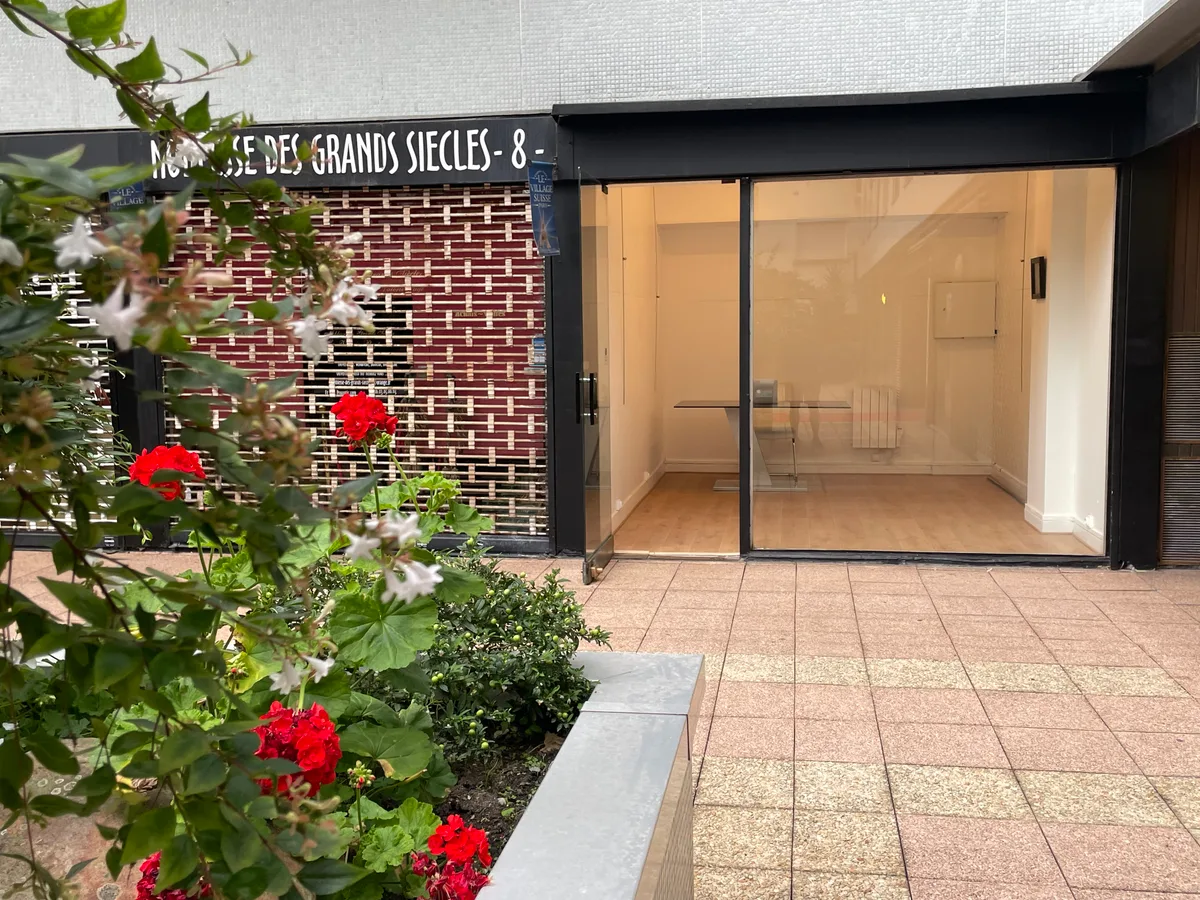
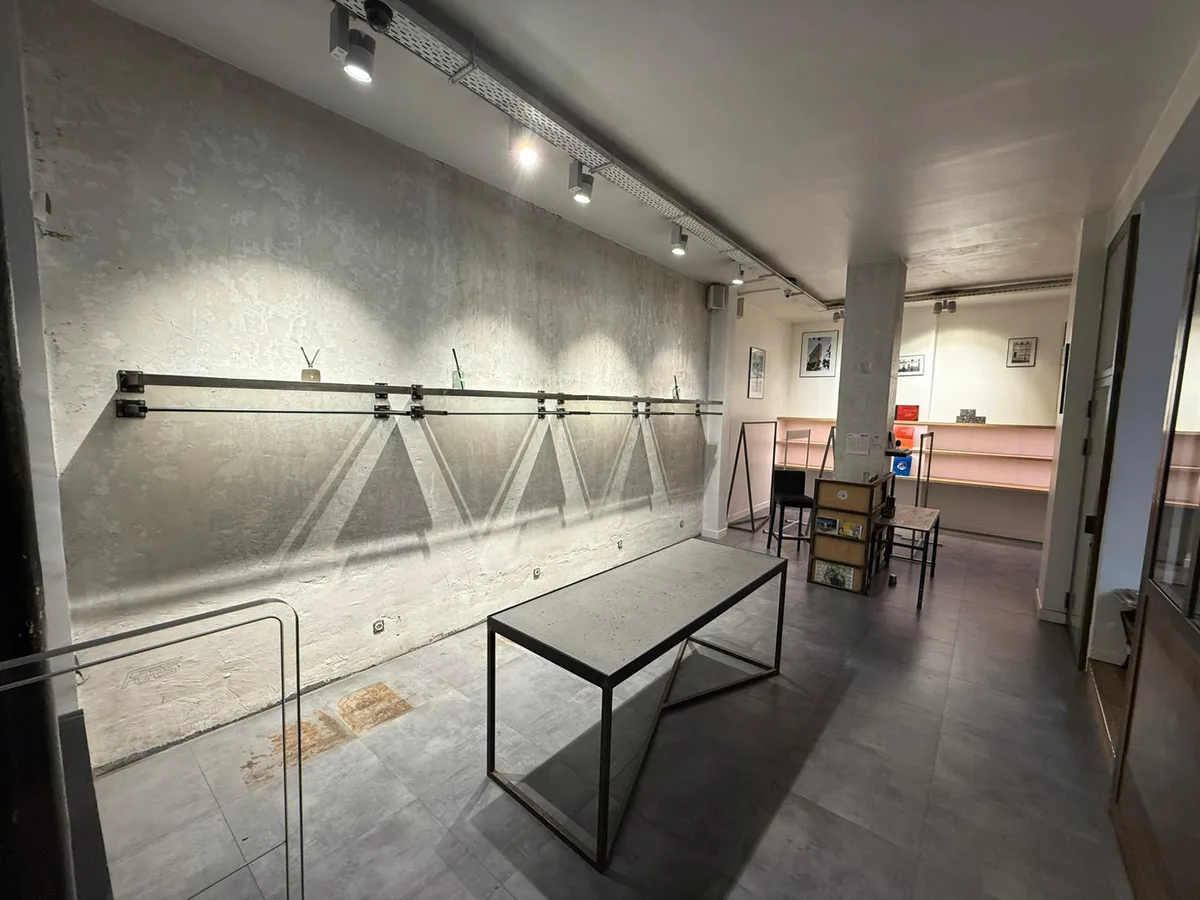
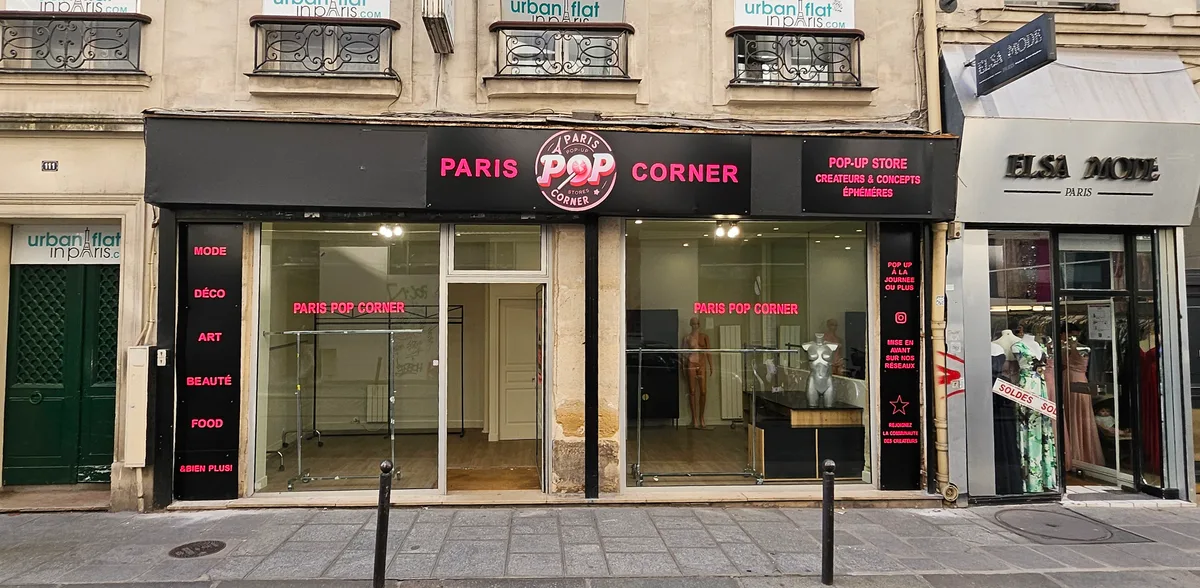
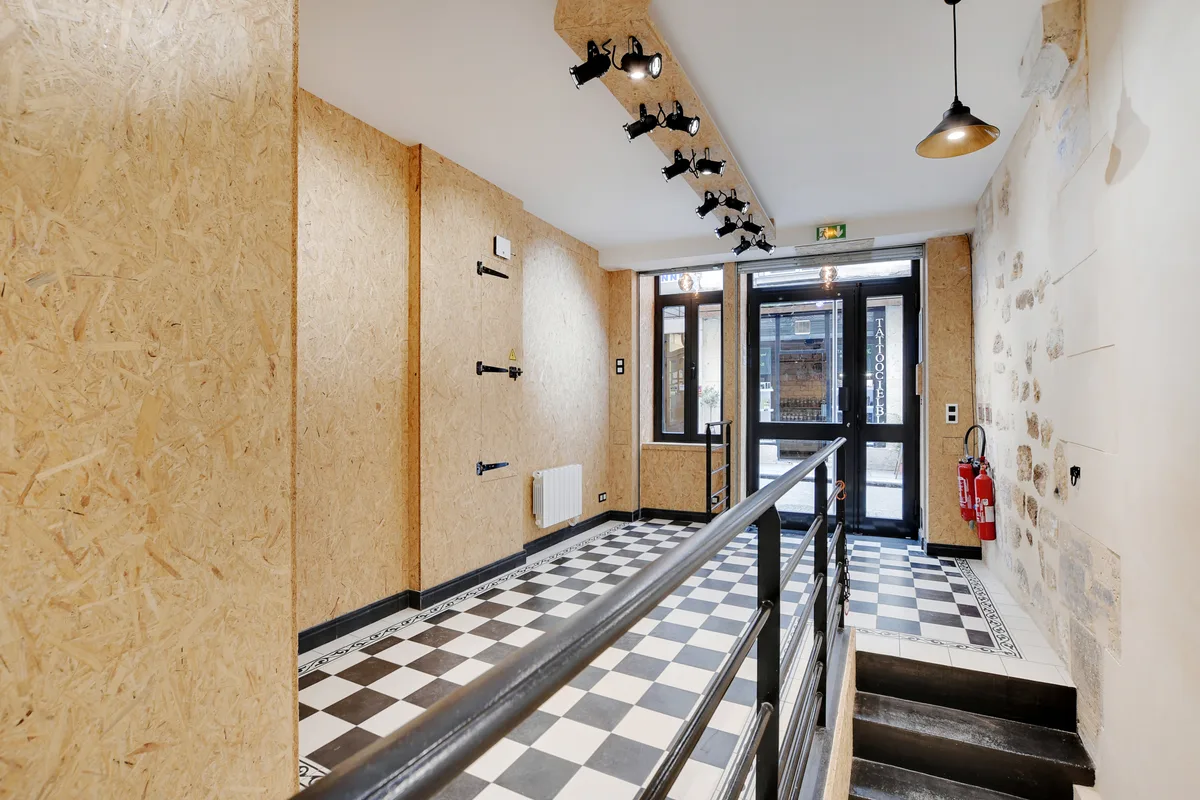
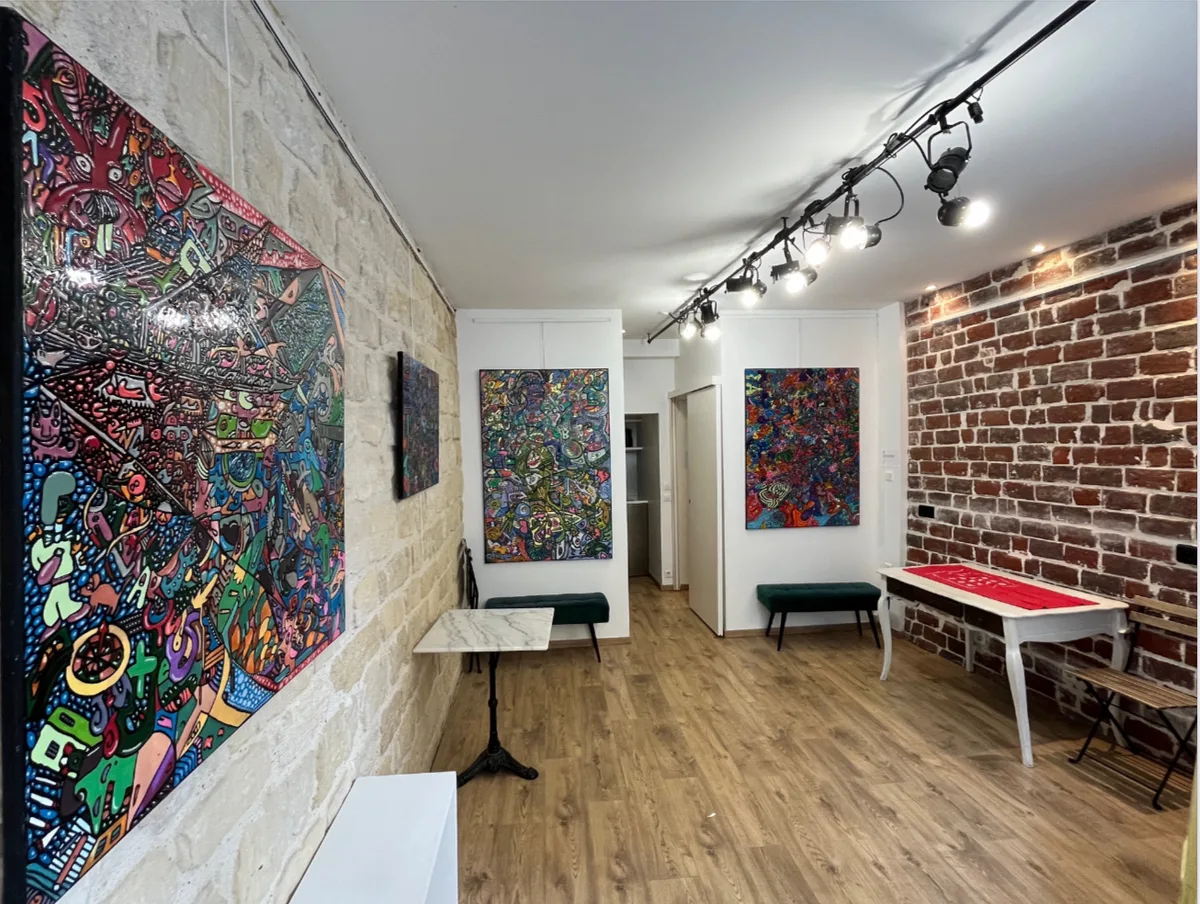
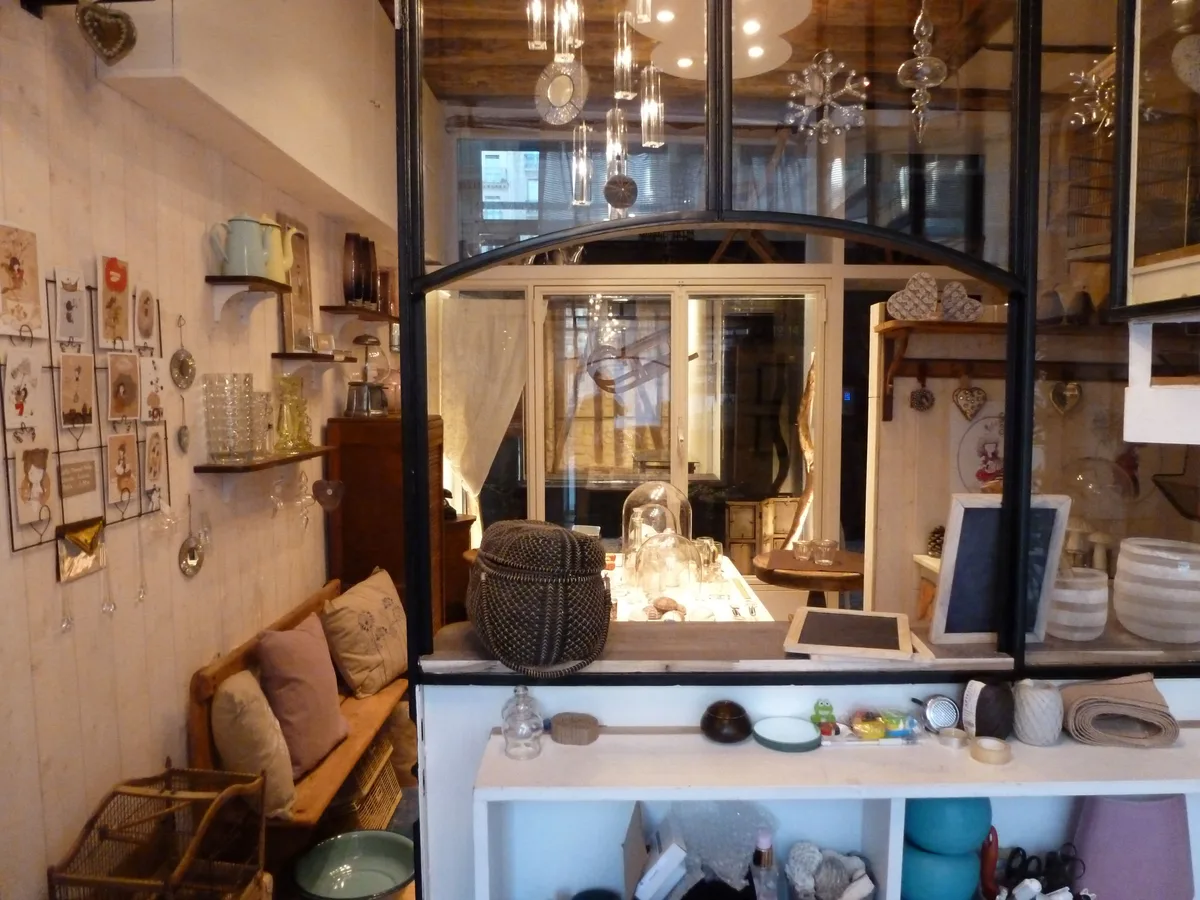
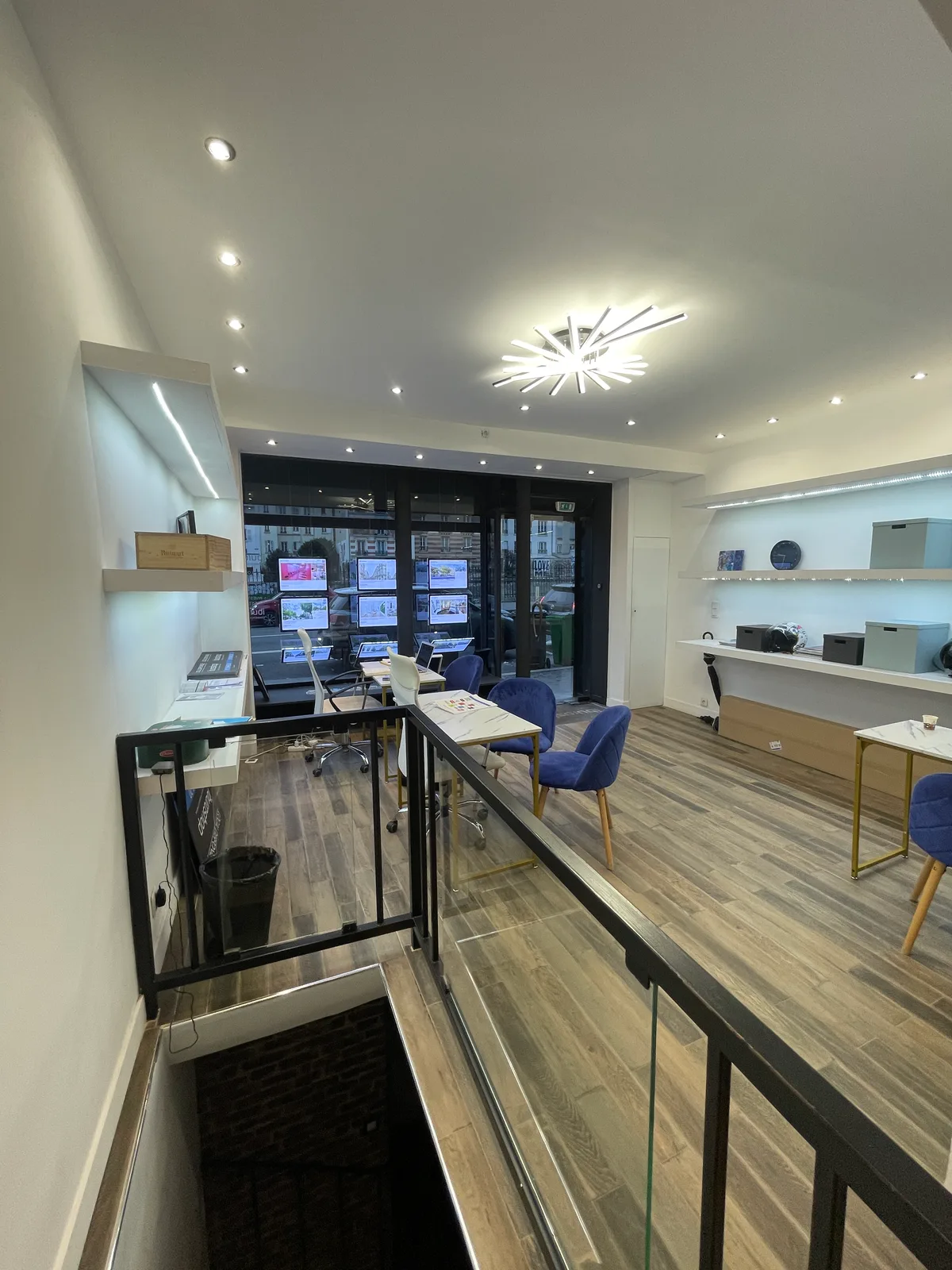
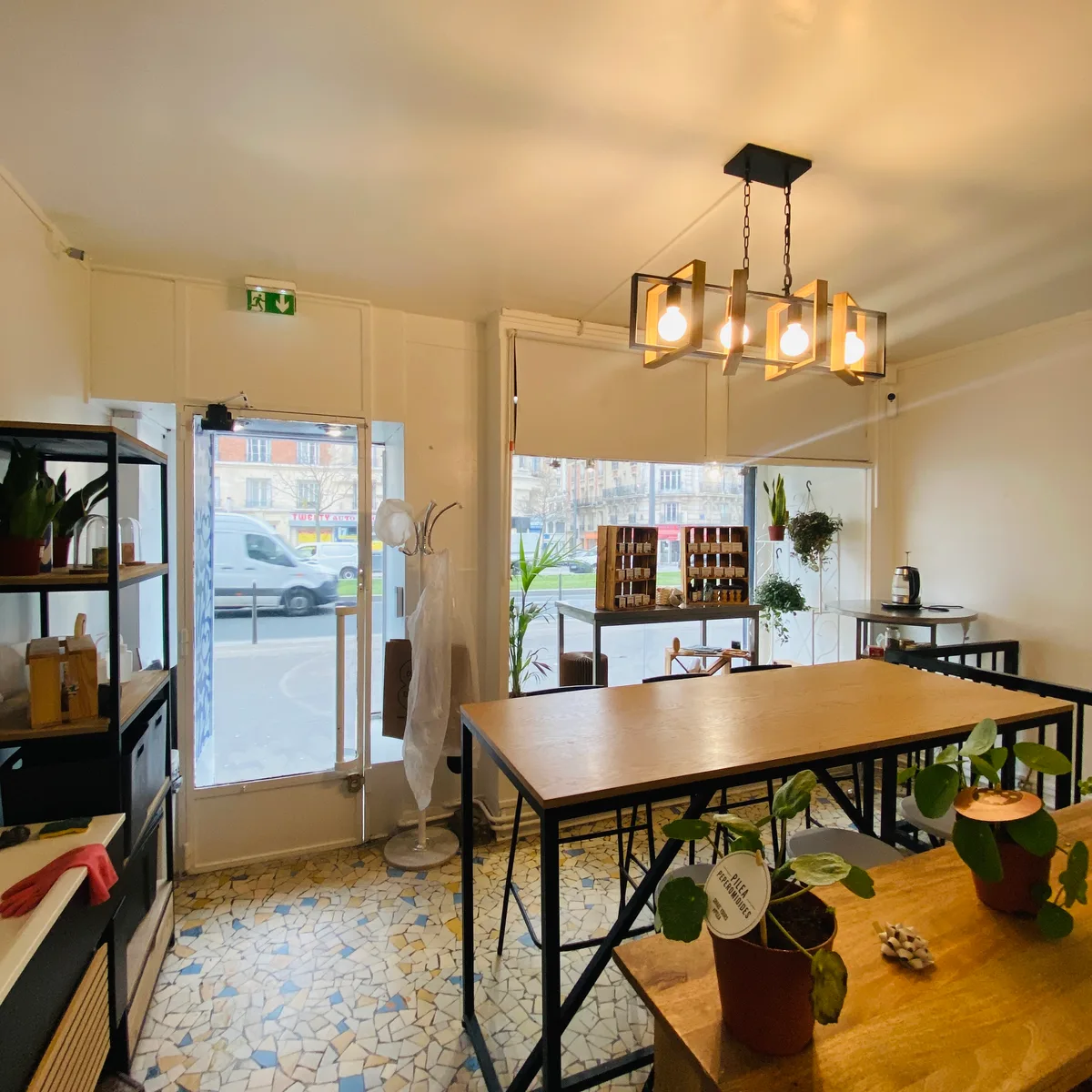
Opening a pop up shop near Arc de Triomphe places your brand at one of the most strategically valuable retail intersections in the world. The area surrounding Place Charles de Gaulle and l'Avenue des Champs-Élysées combines historic prestige with some of the highest pedestrian volumes in Paris, drawing tourists, Parisian consumers, international fashion buyers, and media professionals year-round. For brands planning a short-term retail activation, showroom launch, or seasonal concept store, the 8th arrondissement remains the benchmark against which all other Paris locations are measured. Fashion Week Venues works with brands of all sizes to source, plan, and activate pop-up spaces across this district, with full-service support from initial concept through to post-activation reporting. This guide covers everything your team needs to know.
Why the Arc de Triomphe District Is One of Paris's Most Powerful Retail Locations
Quick answer: The area around Arc de Triomphe de l'Étoile sits at the convergence of twelve avenues, with the Champs-Élysées delivering over 100,000 daily visitors during peak periods. For brand activations, this concentration of foot traffic, luxury retail neighbours, and international media attention creates a uniquely high-impact environment for short-term retail and showroom concepts.
The Arc de Triomphe de l'Étoile stands at Place Charles de Gaulle, a roundabout where twelve grand avenues radiate outward in a star formation that defines the northwestern axis of central Paris. The monument itself, commissioned by Napoleon I following the victory at the Battle of Austerlitz in 1805 and completed in 1836, is managed today by the Centre des monuments nationaux and attracts approximately 1.5 million visitors per year. This is not incidental to the retail opportunity nearby. It is the foundation of it.
The Champs-Élysées, the most famous of those twelve avenues, stretches from Place Charles de Gaulle southeast toward Place de la Concorde and functions as Paris's highest-profile retail corridor. The avenue accommodates flagship stores for global luxury houses, automotive showrooms, entertainment venues, department stores, and a dense concentration of cafes, restaurants, and branded experiences. The street sees some of the strongest retail footfall in Europe, with peaks during Paris Fashion Week, the holiday season, Bastille Day celebrations, and major sporting events.
Brands that activate in this district benefit from several advantages that other Paris neighbourhoods cannot replicate at the same scale. The first is the profile of the consumer. Visitors to the Champs-Élysées and its surrounding streets include both international tourists who have placed Paris on their travel itinerary specifically for shopping and cultural experiences, and Parisian residents who frequent the area for work, leisure, and cultural visits. The neoclassical architecture of the boulevard creates a visual context that adds perceived prestige to any brand operating nearby, regardless of the brand's actual size or category.
The second advantage is media proximity. During Paris Fashion Week, the concentration of press, photographers, influencers, and buyers within a short radius of this district means that a well-positioned pop-up becomes part of the wider editorial and social media conversation without requiring a dedicated outreach budget proportional to what might be needed in other cities. The monument and its surroundings are photographed hundreds of thousands of times each year, and brands that position activations nearby can benefit from incidental visual association with one of the world's most recognised landmarks.
The third advantage is infrastructure. The 8th arrondissement has the transport connectivity, hospitality capacity, and professional service ecosystem that large international brand teams require. Metro lines 1, 2, and 6 serve the area directly, with Charles de Gaulle-Étoile station at the base of the Arc de Triomphe providing direct access from central Paris and from Charles de Gaulle airport via RER A. For teams arriving from international fashion capitals including New York, London, Milan, Dubai, and Tokyo, the logistics of getting crew, materials, and press invitees to the location are significantly simpler than in less well-connected districts.
DID YOU KNOW: The Arc de Triomphe de l'Étoile is the largest triumphal arch in Paris and one of the largest in the world, standing 50 metres tall and 45 metres wide. Its terrasse at the top offers a panoramic view that has made it one of the most visited monuments in France, adding to the sustained tourist draw of the surrounding district.
KEY TAKEAWAY: The combination of monument-anchored visitor traffic, luxury retail neighbours, international media presence, and excellent public transportation makes the Arc de Triomphe district the most consistently high-impact location in Paris for brand pop-up activations, particularly during fashion week calendar windows.
Understanding the full retail and commercial landscape around this monument helps brand teams make more precise decisions about which streets, which space types, and which activation formats will serve their objectives most effectively.
Historical Context: Why Napoleon's Monument Still Drives Commercial Value Today
Quick answer: The Arc de Triomphe was commissioned by Napoleon I to honour French military victories, and its neoclassical design, monumental scale, and symbolic weight have made it a permanent fixture in global cultural consciousness. That cultural gravity translates directly into sustained visitor demand and retail energy for the district that surrounds it.
Napoleon I ordered the construction of the Arc de Triomphe in 1806, inspired by his victory at the Battle of Austerlitz in December 1805, which is widely regarded as one of his greatest military achievements. The arch was designed to celebrate French military victories broadly, with sculptural reliefs depicting specific battles and a frieze running the full circumference of the structure showing nearly 660 figures. The statue of Napoleon originally planned for the summit was never placed, but the monument became synonymous with French national identity regardless.
The neoclassical architectural language of the Arc de Triomphe echoes the Roman triumphal arches that inspired it, but at a scale that surpasses them. This deliberate grandeur shaped the urban planning decisions that followed, including the creation of the radiating avenue plan centred on Place Charles de Gaulle and eventually the broader Haussmannisation of Paris under Napoleon III. The result was a city designed around monuments, with commercial activity naturally concentrating along the grand corridors connecting them.
Today, the Centre des monuments nationaux manages the Arc de Triomphe and operates visitor services including the ticket office, guided tours, and the terrasse viewing platform. The monument hosts ceremonies on significant national dates, including the Armistice Day commemoration on 11 November each year, which draws government delegations and thousands of attendees to the district. These events create concentrated visitor peaks that brands can time activations around for maximum exposure.
The historical association with French military victories and the statue of Napoleon as a cultural symbol also plays a subtler commercial role. Paris's identity as a capital of luxury, taste, and cultural leadership is partly rooted in its history as an imperial city that invested in monumental architecture and grand public spaces. Brands activating near the Arc de Triomphe are implicitly borrowing from that context, whether they acknowledge it explicitly or not. The monument communicates permanence, ambition, and a certain scale of seriousness that benefits the retail and experiential brands that operate in its shadow.
For international brands entering Paris for the first time, the Arc de Triomphe district serves as a recognisable anchor that their own customers worldwide will immediately understand. In brand communications, social media content, and press materials, the visual context of the monument and the Champs-Élysées delivers geographic and aspirational clarity that other Paris arrondissements cannot provide at the same level of instant recognition.
TIP: If you are planning a pop-up activation that will be documented in brand communications or used in press and influencer content, consider how the visual environment around Place Charles de Gaulle and the Champs-Élysées will appear in your imagery. The neoclassical architecture and the distinctive boulevard scale can elevate the perceived prestige of your activation at no additional cost.
KEY TAKEAWAY: The Arc de Triomphe's historical significance as a monument to French military victories, its neoclassical architectural prestige, and its management by the Centre des monuments nationaux combine to create a district with sustained cultural gravity that directly supports the commercial value of retail activations in its vicinity.
With that historical and spatial context established, the practical question for brand teams becomes how to find and secure the right space within this district for their specific activation format.
What Types of Pop-Up and Retail Spaces Are Available Near Arc de Triomphe
Quick answer: The streets radiating from Place Charles de Gaulle include a range of short-term retail formats, from ground-floor boutique spaces on side streets off the Champs-Élysées to larger gallery-style formats on Avenue Montaigne and nearby avenues. Space types vary significantly by street, size, configuration, and minimum lease term.
| Space Type | Typical Size Range | Best Suited For | Key Streets / Areas |
|---|---|---|---|
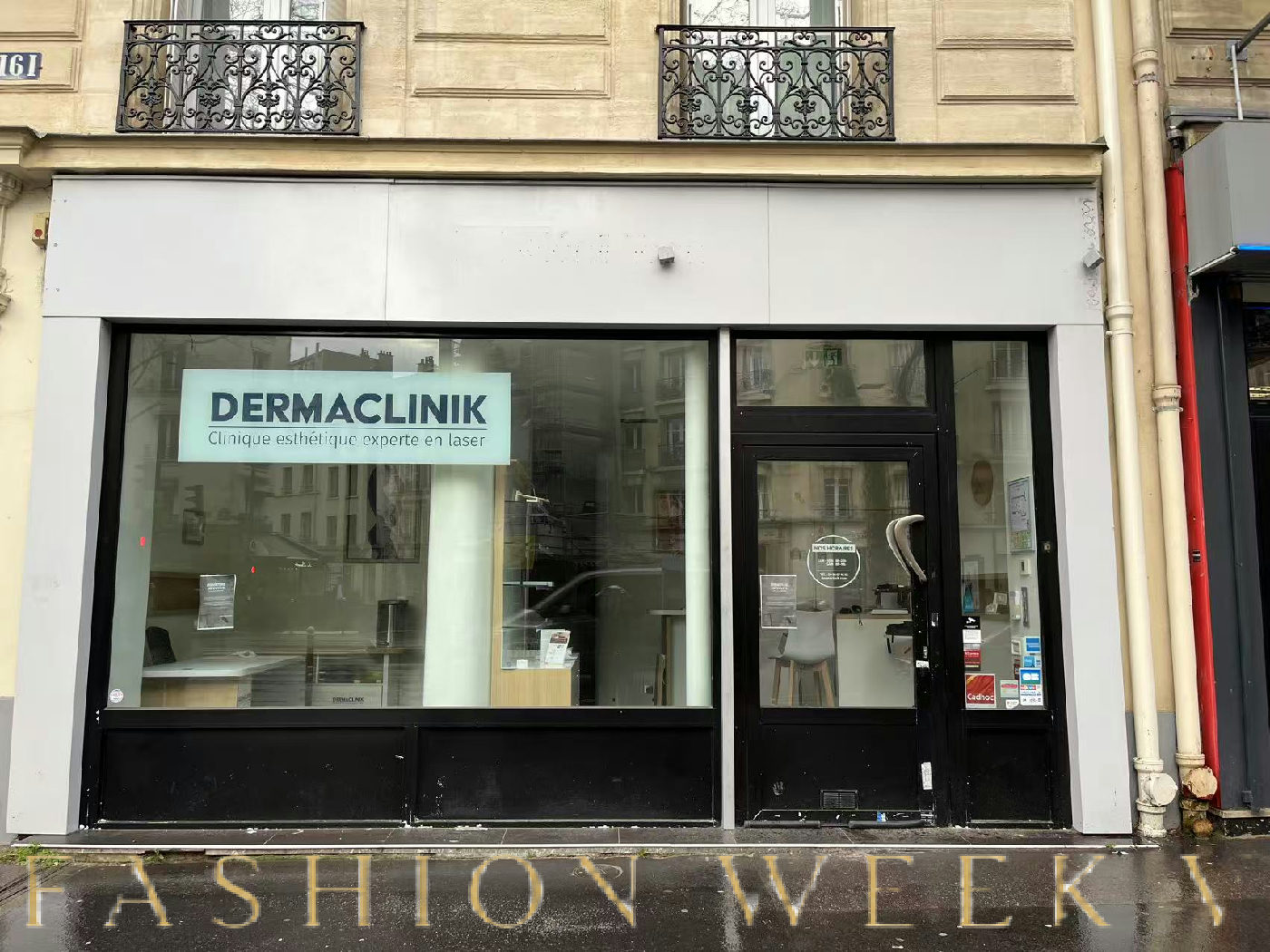
| Boutique retail unit | 30 to 80 sqm | Single-brand pop-up, product launch, capsule retail | Side streets off Champs-Élysées, Rue du Faubourg Saint-Honoré |
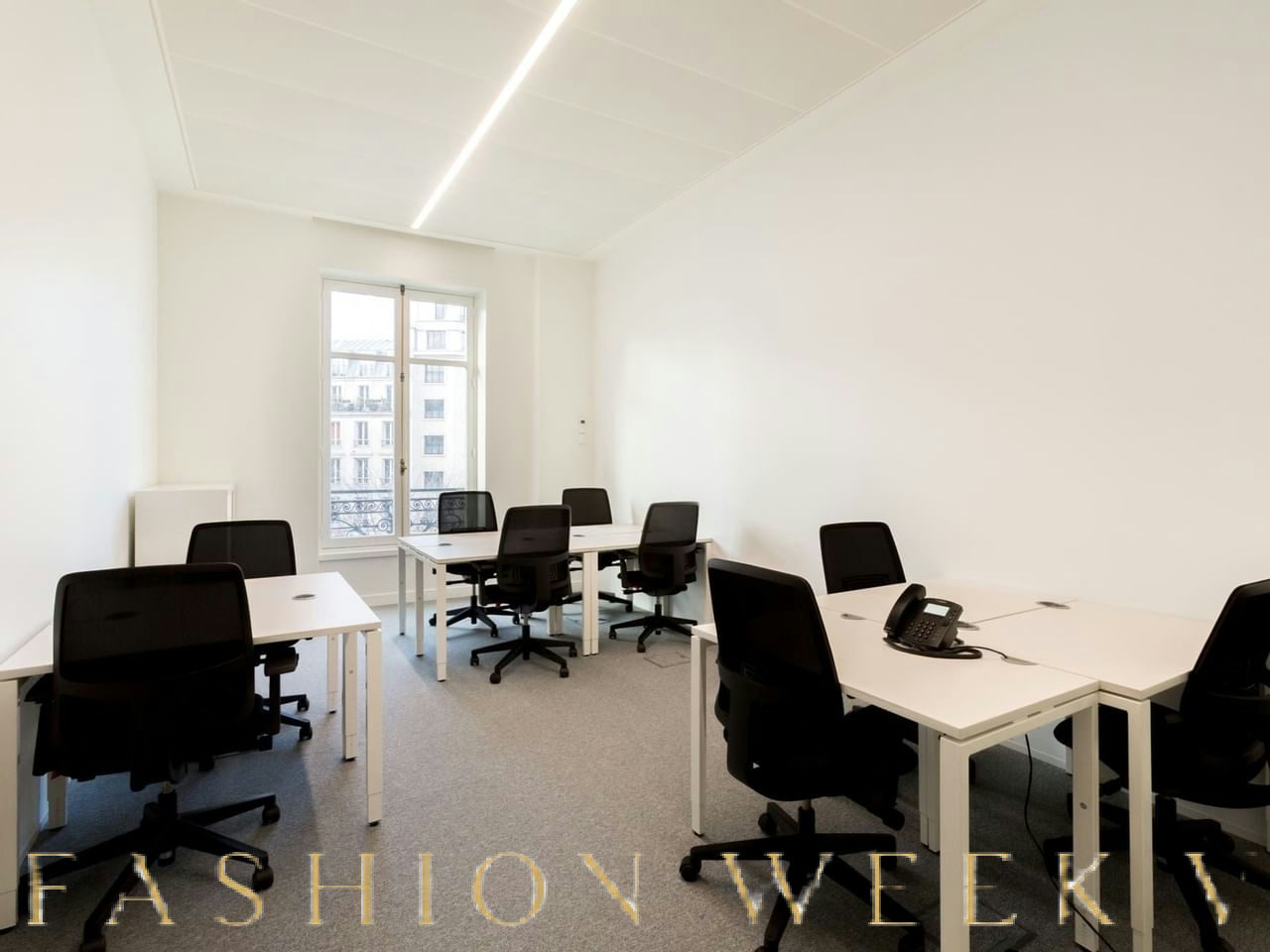
| Gallery or showroom space | 80 to 250 sqm | Press showroom, brand experience, trade appointment | Avenue Hoche, Avenue de Wagram, Avenue Mac-Mahon |
| Street-level commercial unit | 50 to 150 sqm | Consumer-facing retail, limited edition drops, immersive concept | Champs-Élysées secondary frontage, Avenue de Friedland |
| Private hôtel particulier floor | 150 to 400 sqm | VIP appointments, haute couture presentations, brand dinners | Around Place de l'Alma, Triangle d'Or |
| Shared or co-activation space | 40 to 120 sqm per brand | Multi-brand events, two-brand concepts, twin pop-up format | Varies by availability |
The Champs-Élysées itself is the most recognisable address, but it is also the most competitive and operationally demanding. Ground-floor units directly on the avenue command the highest rental rates and require the most thorough preparation in terms of permits, fit-out timelines, and logistics management. Many brands with smaller budgets or shorter timelines find that side streets and adjacent avenues offer strong foot traffic at more accessible rates, while maintaining the prestige of a Champs-Élysées district address in brand communications.
The Triangle d'Or, which encompasses Avenue Montaigne, Avenue George V, and Avenue Pierre 1er de Serbie, sits a short distance from the Arc de Triomphe and offers spaces that are more specifically associated with luxury fashion. Brands that position themselves in this micro-district benefit from proximity to the established maisons that maintain flagship stores and ateliers there, and from the consumer profile that the area attracts: high-net-worth individuals, international fashion tourists, and trade professionals attending appointments during fashion week.
For brands interested in a co-activation model, the twin concept allows two complementary brands to share a larger space and split associated costs including rent, fit-out, staffing, and operations. This format has grown in popularity as brands seek to extend their Paris calendar presence without proportionally increasing their activation budgets. Fashion Week Venues operates a twin co-activation framework that manages the matching, logistics, and operational separation between co-activating brands.
Activity-based spaces that accommodate handicraft workshops, photography studios, origami sessions, shadow puppets installations, and other experiential formats are also available in the wider district. These formats are particularly relevant for brands in the lifestyle, beauty, home, and children's categories that want to offer visitors an active participation element rather than a purely transactional retail experience. The Parisian consumer and tourist audience near the Arc de Triomphe is receptive to structured activities and workshops, particularly during school holiday periods when families visiting the monument with strollers and young children represent a significant share of the foot traffic.
KEY TAKEAWAY: Space availability near the Arc de Triomphe ranges from compact boutique units to large hôtel particulier floors, with significant variation by street, arrondissement zone, and format. Matching space type to activation objective and budget is the critical first decision before any search or negotiation begins.
Identifying the right space type is only the first step. The next question is how to find specific available spaces and how the search and selection process actually works in practice.
How to Find and Secure a Pop-Up Space Near Arc de Triomphe de l'Étoile
Quick answer: Finding available short-term retail spaces near the Arc de Triomphe requires either direct outreach to property owners and agents, use of a specialist space marketplace, or engagement with a full-service pop-up agency that manages sourcing on your behalf. Each route has different time and resource implications.
The Paris commercial property market operates differently from London, New York, or other major retail capitals in several ways that directly affect how brands approach the search for short-term space. French commercial lease law defaults to long-term structures, which means that short-term arrangements require specific legal frameworks that not all landlords are familiar with or willing to accommodate. Understanding these frameworks before beginning your search will save significant time and reduce the risk of pursuing spaces that ultimately cannot be used for the format you need.
The primary legal mechanism for short-term commercial occupation in France is the bail dérogatoire, sometimes called a bail précaire. This is a commercial lease of no more than three years that explicitly derogates from the standard protections of the French Commercial Code, which would otherwise give a tenant significant renewal rights. For pop-up activations of one week to several months, the bail dérogatoire is the standard instrument. However, it requires careful drafting and both parties must agree explicitly that the arrangement is temporary and does not create long-term tenancy rights.
For very short activations of a few days to a few weeks, or for use of spaces in public-owned locations or on public land near the monument, an Autorisation d'Occupation Temporaire or AOT may apply. This is a permission granted by a public authority for temporary use of public domain property and is structurally different from a private commercial lease. AOT requirements vary by the specific space, the duration of occupation, the nature of the activity, and the relevant public authority, which in central Paris may be the City of Paris, the Préfecture de Police, or the Centre des monuments nationaux itself in certain cases.
IMPORTANT: Requirements for short-term leases and temporary occupation permits near the Arc de Triomphe vary significantly depending on the specific space, its ownership, its classification, and the nature of your planned activity. Always verify your specific situation with a qualified French legal advisor before signing any agreement or committing to a fit-out schedule. Fashion Week Venues provides directional guidance through its permit planning tool, but this does not substitute for legal counsel.
The practical search process for most international brands begins with defining three parameters: the target street or micro-district within the broader Arc de Triomphe area, the required space size and configuration, and the specific calendar window including move-in, activation, and move-out dates. With those parameters defined, a targeted search can proceed either through a marketplace that aggregates available spaces or through an agency that conducts the search on the brand's behalf using existing property relationships.
The venue sourcing service at Fashion Week Venues covers the full search and shortlisting process, including property visits, lease framework assessment, and negotiation support. For brands without existing Paris property contacts or without a French-speaking team member who can manage property negotiations, this service significantly reduces the time and risk involved in securing a suitable space within the available calendar window.
Timeline is a critical constraint in the Arc de Triomphe district. During Paris Fashion Week periods, demand for short-term retail and showroom spaces in the 8th arrondissement spikes dramatically. Brands that begin their search fewer than eight weeks before their target activation date frequently find that the best-positioned spaces at the right size and price point are already committed. Brands that plan six to twelve months in advance have access to a materially wider selection and stronger negotiating positions. Use the activation timeline planning tool to map your specific deadlines back from your target opening date.
KEY TAKEAWAY: Securing a pop-up space near the Arc de Triomphe requires early planning, a clear brief, and either specialist agency support or direct knowledge of French short-term lease frameworks. The bail dérogatoire is the standard legal instrument, but AOT requirements add complexity for certain space types and locations.
Once a space is identified and secured, the operational question becomes how to plan, design, build, and manage the activation itself, which involves a sequence of interconnected decisions across fit-out, staffing, permits, and marketing.
Planning and Budgeting for a Pop-Up Activation Near the Champs-Élysées
Quick answer: Budget planning for a pop-up near the Arc de Triomphe must account for rental costs, fit-out and production, staffing, permits and insurance, marketing and influencer activity, logistics, and a contingency reserve. Costs vary significantly by space size, duration, format, and season, and directional estimates should be treated as starting points rather than fixed benchmarks.
The Arc de Triomphe district sits within the 8th arrondissement, which consistently ranks among the most expensive commercial property micro-markets in Paris. Rental rates for short-term commercial space in this area reflect both the underlying property values and the premium landlords apply to temporary arrangements, which carry operational complexity and administrative overhead that standard long-term tenants do not generate. As a directional reference, rates in this district are typically higher per square metre per week than equivalent spaces in the 11th, 10th, or Marais districts.
Beyond rent, fit-out and production costs are often the largest single budget line for brands that want a distinctive physical environment. A well-designed pop-up in a prestigious Paris location requires investment in spatial design, materials, furniture, lighting, branding elements, and the construction and teardown labour to install and remove them within the agreed lease period. For spaces that have existing retail infrastructure, this cost can be reduced by working with the existing layout and supplementing with rental furniture and branded graphic elements. For spaces that require a full custom build, the investment is correspondingly higher.
| Budget Category | What It Covers | Planning Notes |
|---|---|---|
| Rental cost | Space rent for activation period plus any required pre/post dates for build and teardown | Include build and teardown days in your lease period calculation |
| Fit-out and production | Design, materials, construction, branding, lighting, AV | Ranges from light refresh to full custom build |
| Furniture rental | Display units, seating, tables, fixtures, props | Rental reduces upfront cost and avoids post-activation disposal |
| Staffing | Retail staff, hosts, brand ambassadors, security | French labour law applies to all workers in France regardless of brand nationality |
| Permits and compliance | Commercial activity permits, public liability insurance, signage permits | Requirements vary by space type, location, and activity |
| POS and payments | Card payment terminals, inventory management, reporting | Required for transactional pop-ups; less critical for showroom formats |
| Influencer and press | Content creator fees, press preview logistics, media materials | Proximity to Arc de Triomphe increases organic media interest |
| Contingency | Unexpected costs, delays, scope changes | Minimum 10 to 15 percent of total planned budget |
The budget estimation tool on Fashion Week Venues allows brand teams to input their space size, duration, format type, and service requirements to generate a directional budget range specific to their brief. This is a useful starting point before entering formal negotiations with a landlord or agency, as it helps teams calibrate internal stakeholder expectations against realistic market conditions.
Return on investment calculations for pop-up activations in the Arc de Triomphe district should factor in both direct revenue (if the pop-up is transactional) and indirect brand value including press coverage, influencer content generated, consumer data collected, and long-term customer acquisition value. A showroom or brand experience format that generates no direct retail revenue may still deliver strong ROI if it drives press features, wholesale orders from buyers attending the space during fashion week, or significant organic social media reach. The ROI calculation tool helps teams model these outcomes against their specific cost structure.
TIP: When negotiating rental costs in the Arc de Triomphe district, consider whether your build and teardown days need to be included within your lease period. A seven-day activation that requires two days of build and one day of teardown is effectively a ten-day lease. Many brands underestimate this and either rush the installation or incur additional costs for lease extensions.
To compare neighbourhoods and space types within Paris, explore the Paris city hub on Fashion Week Venues and shortlist spaces that match your brief, budget, and calendar window.
KEY TAKEAWAY: Budget planning for a pop-up near the Champs-Élysées must be comprehensive and forward-looking, covering all cost categories including build, teardown, and contingency. Use specialist tools to calibrate expectations before committing to a space or negotiating a lease.
With budget and space parameters defined, the next practical layer is understanding which calendar windows within the Paris annual retail and events calendar will deliver the best return for your specific activation objectives.
Calendar Strategy: When to Activate Near Arc de Triomphe for Maximum Impact
Quick answer: The strongest calendar windows for a pop-up near the Arc de Triomphe are Paris Fashion Week periods in February and September, the end-of-year holiday season from late November through January, and major French national events including Bastille Day. Each window delivers a different visitor profile and competitive context.
Paris Fashion Week occurs twice annually: the women's ready-to-wear calendar runs in late February and early March for the autumn/winter collections, and again in late September and early October for the spring/summer collections. These periods concentrate the highest density of international fashion press, buyers, brand teams, and influencer communities within a relatively compact window of approximately ten days. For brands in fashion, beauty, accessories, and lifestyle categories, these windows represent the peak opportunity for maximum audience quality, even if total foot traffic volume may be lower than peak tourist periods.
The end-of-year period from late November through early January is the strongest window for consumer-facing transactional pop-ups in the Arc de Triomphe district. Christmas shopping season on the Champs-Élysées draws enormous crowds and creates an environment where impulse purchases, gifting, and brand discovery are culturally expected behaviours. The illuminated decorations along the avenue during this period add a visual quality to the environment that elevates the impact of any pop-up space operating during those weeks.
Bastille Day on 14 July brings large-scale military parades along the Champs-Élysées, with the Arc de Triomphe at the starting point of the parade route. This creates one of the highest single-day pedestrian volumes of the year in the district, but the operational complexity of activating during this period is significant. Traffic restrictions, security perimeters, and crowd management measures can affect access to spaces and reduce the practical ability to operate a retail environment normally.
The Paris haute couture calendar in January and July adds two additional windows of concentrated fashion industry presence, with a smaller but exceptionally high-quality audience of buyers, press, and clients attending couture presentations in and around the 8th arrondissement. Brands targeting ultra-luxury consumers or trade relationships with couture houses may find these windows more productive than the larger ready-to-wear calendar periods.
Outside these peak windows, the Arc de Triomphe district still benefits from strong year-round tourist volume due to the monument itself. The Centre des monuments nationaux attracts visitors consistently across all seasons, with strollers and families with children representing a meaningful share of the visitor mix during school holiday periods. The ticket office for the monument and access to the terrasse create a daily rhythm of visitor movement that brands can factor into their opening hours and activation format decisions.
For brands considering their first Paris activation, it is worth noting that Paris Fashion Week is not the only viable window. A well-planned consumer pop-up in November or December near the Arc de Triomphe may deliver stronger direct sales than a fashion week activation, even if the press and trade audience is smaller. The choice of calendar window should be driven by the primary activation objective, not simply by the prestige of the fashion week calendar.
KEY TAKEAWAY: Calendar strategy near the Arc de Triomphe should be driven by activation objective rather than default assumptions. Fashion week windows deliver the highest quality trade and press audience; holiday season delivers the highest consumer volume; and year-round tourist traffic from the monument itself provides a baseline audience that other Paris locations cannot match.
Beyond timing, the physical design and concept of the pop-up itself determines whether it successfully converts the district's foot traffic and visitor quality into measurable brand outcomes.
Designing and Producing a Pop-Up Space Near Place Charles de Gaulle
Quick answer: Effective pop-up design in the Arc de Triomphe district must balance the visual expectations of a prestigious Paris address with the operational constraints of a temporary installation. Space design, furniture selection, branding, and visitor flow all require specific planning for a short-term lease environment.
The physical design of a pop-up space in a premium Paris neighbourhood carries higher aesthetic stakes than in many other retail environments. The Champs-Élysées and its surrounding streets are home to some of the most architecturally refined retail environments in the world, and visitors arriving from nearby flagship stores of major maisons carry implicit design expectations that a hastily assembled pop-up will not meet. This does not mean that every activation needs a six-figure fit-out budget, but it does mean that thoughtfulness, coherence, and material quality matter significantly more in this district than in lower-expectation retail contexts.
The spatial concept should begin with the story the brand needs to tell and work backward to the physical environment required to tell it. For a product launch pop-up, the design priority is usually the product display and the sensory environment around it. For a press showroom, the priority shifts to appointment flow, photography-friendly lighting, and surfaces that make products appear well. For an immersive brand experience with elements like handicraft workshops, origami sessions, shadow puppets installations, or photography activations, the design must accommodate visitor movement, activity zones, and the practical infrastructure those activities require.
Furniture rental is a practical and cost-effective approach to achieving a high-quality interior without the cost and logistical complexity of purchasing, transporting, and disposing of physical pieces. Paris has a strong ecosystem of furniture and prop rental companies that serve the event, retail, and production industries, and Fashion Week Venues coordinates access to curated rental inventories through its furniture rental service. Rental also allows brands to specify styles that complement both their brand aesthetic and the architectural character of the space being activated.
The Imagine space visualisation tool allows brand teams and creative directors to explore how a given space will look with proposed fit-out elements applied before any physical work begins. This reduces the risk of design decisions that look good on paper but do not work in the actual spatial context. For teams presenting to stakeholders or obtaining internal approval for an activation concept, the visualisation output also serves as a useful communication asset.
Production and build logistics in the 8th arrondissement require advance coordination with building management, the local mairie, and in some cases with the Préfecture de Police if external signage, street-level interventions, or noise-generating activities are planned. Vehicle access for deliveries, build crew schedules, and elevator capacity in older Haussmann-era buildings all require specific planning. The production and build service manages these logistics as part of the activation process.
DID YOU KNOW: Many of the most architecturally impressive spaces available for pop-up activation near the Arc de Triomphe are located in Haussmann-era buildings with high ceilings, ornate mouldings, and large windows. These architectural features can enhance an activation significantly, but they also impose constraints around drilling, adhesives, and structural modifications that must be managed carefully to avoid deposit deductions or lease disputes at the end of the tenancy.
KEY TAKEAWAY: Pop-up design in the Arc de Triomphe district requires a balance of brand storytelling, material quality, and operational practicality within the constraints of a temporary lease. Furniture rental, digital visualisation, and professional production coordination are all practical tools for achieving a high-quality result efficiently.
The physical environment and design are only part of the activation picture. The human layer, including the team managing the space and serving visitors, is equally important to the brand experience and the commercial outcome.
Staffing, Operations, and Visitor Experience for a Paris Pop-Up Near Arc de Triomphe
Quick answer: Staffing a pop-up near the Arc de Triomphe requires French-language proficiency, knowledge of local retail norms, and compliance with French labour law regardless of where the brand is based. The visitor mix in this district includes a high proportion of international guests who benefit from multilingual staff.
The visitor profile around the Arc de Triomphe de l'Étoile is notably international. Tourists visiting the monument, the terrasse, and the surrounding district come from across Europe, North America, Asia, and the Middle East. During Paris Fashion Week, the fashion industry visitor profile adds buyers, press, and influencers from a further set of global markets. A pop-up team that operates only in French will miss a significant portion of the potential audience, while a team with no French at all will struggle to manage practical daily logistics including supplier deliveries, local authority interactions, and property management communications.
The optimal staffing model for most international brand pop-ups in this district combines a French-speaking operations coordinator or manager with multilingual retail or brand ambassador staff. The coordinator handles property and logistics communications in French, while the consumer-facing team serves the international visitor mix across English, Mandarin, Arabic, or other languages relevant to the brand's target audience.
French labour law applies to all individuals working in France, regardless of the employer's country of registration or the worker's nationality. This includes rules around working hours, minimum wages, rest periods, and social security contributions. For brands that wish to bring their own staff from other markets, the legal framework for temporary international assignment to France adds an additional compliance layer. Fashion Week Venues manages this complexity through its retail staffing service, which sources, contracts, and manages staff through a compliant French employment structure.
Payment and transaction infrastructure is a practical operational consideration that brands sometimes underestimate. French consumers and many international tourists visiting Paris expect card payment acceptance, including contactless, as a baseline. For activations that also sell to wholesale buyers or trade clients, invoice management and order processing infrastructure may also be needed. The POS and payments service on Fashion Week Venues covers the setup and management of compliant point-of-sale systems for the duration of the activation.
Visitor experience design beyond the purchase transaction is also worth planning carefully in the Arc de Triomphe district. Brands that incorporate activities including handicraft workshops, photography experiences, origami sessions, or shadow puppets interactive elements create dwell time that increases the depth of engagement and the likelihood of social media sharing. These formats are particularly effective for lifestyle, creative, and children's brands whose target consumer appreciates participation over passive browsing.
Families visiting the Arc de Triomphe area with strollers and young children represent a meaningful visitor segment during school holidays and on weekends. If your target demographic includes parents and family groups, ensuring that your space is accessible for strollers, has a baby-changing table if operationally feasible, and is elevator-accessible where applicable can meaningfully improve conversion rates from this visitor group. The Centre des monuments nationaux has invested in accessibility improvements at the monument itself, and visitor expectations around accessibility have risen correspondingly in the wider district.
KEY TAKEAWAY: Effective staffing in the Arc de Triomphe district requires multilingual capability, French labour law compliance, and a visitor experience design that accommodates the genuinely international profile of the area's foot traffic. Specialist staffing support significantly reduces compliance risk for international brands.
The full operational picture of a pop-up activation near the Arc de Triomphe also requires understanding the digital and data layer, including how brands track performance, capture audience data, and measure their return against the investment made.
Data, Analytics, and Digital Security for Pop-Up Activations in Paris
Quick answer: Modern pop-up activations depend on data collection, digital infrastructure, and secure online systems. For brands operating a branded website or digital booking system alongside a physical Paris pop-up, web security, clean data practices, and protection against online attacks are operational requirements, not optional extras.
When brands run a pop-up near the Arc de Triomphe, they typically operate digital touchpoints alongside the physical space. These might include a dedicated activation microsite, an online appointment booking system for press or buyer visits, an e-commerce checkout for remote orders placed by visitors who later wish to complete a purchase, or a data capture interface collecting consumer information with appropriate consent. Each of these digital systems carries web security responsibilities that the brand must manage as part of its operational planning.
A common experience for brands that hastily build digital activation infrastructure is encountering web security issues including online attacks, malformed data submissions, and SQL command injection attempts. These are standard threats that any public-facing website or form encounters, and they require a professional security service and security solution rather than a reactive response after a problem occurs. Services such as Cloudflare provide a security layer that identifies and blocks automated attacks, with a Cloudflare Ray ID generated for each request that allows site owners to trace and review suspicious activity. If a user is blocked from accessing your site or form, the block message typically includes a Cloudflare Ray ID at the bottom of the page, which the site owner can use to investigate whether the block was triggered correctly or whether a legitimate user was incorrectly identified as a threat.
Brands should ensure that their digital infrastructure is reviewed before an activation launches, not during it. A website that goes down due to an attack or that inadvertently blocks legitimate users on the day of a press preview will undermine the communication and visitor response objectives of the entire activation. A clear playbook for digital incidents, including a named person responsible for web security response, a contact at the hosting or security service provider, and a communication protocol for informing affected users, should be part of every activation operations plan.
On the data collection side, brands operating in France are subject to the General Data Protection Regulation as implemented under French law. Any consumer data collected at a Paris pop-up, whether through a digital form, a loyalty sign-up, a competition entry, or a CRM integration, must comply with GDPR consent and processing requirements. The protection of user data is a legal obligation, and failure to manage it correctly can expose brands to significant regulatory risk. Fashion Week Venues recommends that all brands consult their data protection advisors before deploying data capture systems at a Paris activation.
The data and analytics service at Fashion Week Venues helps brands set up compliant, effective visitor data collection and reporting frameworks for their activation periods, including footfall tracking, conversion measurement, and post-activation reporting that supports ROI documentation and future planning.
IMPORTANT: If your activation website or digital system shows a security block page with a Cloudflare Ray ID, do not ignore it. Contact your site owner or security service provider immediately and provide the Ray ID from the bottom of the block page. This allows the security solution provider to review whether the block was triggered by an actual attack, malformed data, an SQL command attempt, or an incorrect rule that is blocking legitimate users. A quick response playbook prevents extended disruption to your activation's digital touchpoints.
KEY TAKEAWAY: Digital security, data compliance, and web infrastructure reliability are operational requirements for any pop-up activation that uses digital systems for booking, data capture, or e-commerce. A proactive security service and a clear response playbook prevent digital issues from disrupting physical activation outcomes.
Understanding how all these elements fit together within a managed agency framework is the final practical layer for brands evaluating whether to manage a Paris pop-up independently or to engage a specialist agency.
How Fashion Week Venues Supports Pop-Up Activations Near Arc de Triomphe
Quick answer: Fashion Week Venues operates as a full-service pop-up agency and space marketplace, covering every stage from space search and lease support to design, production, staffing, and post-activation analytics for brands activating in Paris and other fashion capitals.
For brand teams approaching a Paris pop-up activation near the Arc de Triomphe for the first time, or for teams that have managed Paris activations independently in the past and found the process more demanding than anticipated, Fashion Week Venues offers a structured approach that covers the full activation lifecycle under one agency relationship.
The agency's venue sourcing service begins with a detailed brief from the brand covering location requirements, size, configuration, calendar window, budget range, and activation format. The sourcing team then identifies available spaces from its property network, conducts site visits, assesses lease framework compatibility, and presents a shortlist with comparative information for the brand team to evaluate. The space comparison tool supports side-by-side evaluation of shortlisted options.
Once a space is selected, the concept direction service supports the development of the spatial concept, brand narrative, and visitor experience framework. This is particularly valuable for brand teams that know what they want to achieve commercially but need expert support to translate that into a coherent physical concept for a Paris audience. The concept then informs the fit-out brief, which is executed through the production and build service.
The activation management service covers the operational period of the pop-up itself, including day-to-day management, staff coordination, supplier logistics, and issue resolution. For brands whose internal team cannot be physically present in Paris for the full duration of the activation, this service provides a trusted on-the-ground presence that maintains brand standards and manages operational continuity.
The influencer and press layer is handled through the influencer marketing service, which identifies content creators and media contacts relevant to the brand's target audience, manages invitation and briefing logistics, and supports content production during the activation period. Given the Arc de Triomphe district's natural appeal as a photography and content location, well-briefed influencer visits can generate significant organic reach with relatively modest incremental investment.
Brands considering whether to engage Fashion Week Venues or manage an activation independently should review the agency selection guide, which outlines what to expect from a specialist pop-up agency, what questions to ask, and how to evaluate whether full-service support or a more targeted engagement is the right fit for their brief and budget.
It is important to understand what Fashion Week Venues does not guarantee. No agency can guarantee a specific space will be available for a given window, that permit applications will be approved by relevant authorities, or that a specific level of revenue or press coverage will result from an activation. The agency's role is to maximise the probability of a successful outcome through professional process, market knowledge, and operational expertise, not to underwrite against every uncertainty inherent in a complex short-term retail project in a foreign market.
KEY TAKEAWAY: Fashion Week Venues provides end-to-end support for brands activating near the Arc de Triomphe, from space search and lease support through design, production, staffing, and analytics. The agency's value is most significant for international brands without existing Paris market infrastructure, relationships, or experience.
Visiting the Arc de Triomphe: A Practical Guide for Brands and Their Teams
Quick answer: For brand teams arriving in Paris to manage or attend a pop-up activation near the Arc de Triomphe, understanding the monument's visitor services, public transportation access, and practical logistics helps with scheduling and logistics planning for the activation period.
The Arc de Triomphe is accessible via the Charles de Gaulle-Étoile metro station, served by lines 1, 2, and 6. RER A also stops at this station, providing direct connections from Charles de Gaulle airport and from Gare de Lyon, making it one of the most accessible major tourist sites in Paris by public transportation. For brand teams arriving from international destinations, the airport connection is a practical advantage when coordinating crew arrivals, press visit schedules, and supplier deliveries.
The ticket office for monument access is located in an underpass beneath Place Charles de Gaulle, accessed via a pedestrian tunnel from the pavement. The tunnel approach means visitors do not cross the roundabout directly, which given the density of traffic on the multi-lane road surrounding the Arc de Triomphe is a significant safety measure. Brands planning events or activations that incorporate visite elements, views of the terrasse, or any form of partnership with the Centre des monuments nationaux must engage directly with the CMN's commercial and cultural partnerships team, as any commercial activity in or directly adjacent to the monument falls under their jurisdiction.
The terrasse at the top of the monument offers a panoramic view that includes a direct line of sight along the Champs-Élysées toward Place de la Concorde and the Louvre beyond it, and in the opposite direction toward the Grande Arche at La Défense. This view is frequently used in brand photography, editorial shoots, and social media content by brands activating in the district. Brands should confirm with the Centre des monuments nationaux whether commercial photography from the terrasse requires a separate authorisation, as this varies depending on the nature and scope of the planned imagery.
The monument is accessible by elevator for visitors who cannot use the stairs, making it accessible for visitors with mobility limitations, families with strollers, and older visitors. The baby-changing table facilities and the elevator access are part of the CMN's accessibility investment, and brands designing activations for family-oriented audiences should be aware that the broader visitor mix in this district includes a meaningful proportion of visitors with accessibility needs or with young children. Designing a pop-up that is stroller-accessible and physically welcoming to all visitors is both a commercial and a reputational consideration.
When visiting the Arc de Triomphe area as part of a site survey for a planned activation, the most productive approach is to visit at the specific time of day and day of week that your activation will operate. Foot traffic patterns, visitor demographics, pedestrian flow directions, and the proximity of nearby retail and hospitality venues all vary significantly between, for example, a Tuesday morning and a Saturday afternoon. A site visit that reflects your actual activation conditions will give you much more useful data than a general daytime visit at a convenient but unrepresentative time.
The proximity of the Eiffel Tower, a short distance south via the Trocadéro, means that many tourist itineraries in Paris combine both monuments in a single day. This creates a meaningful pedestrian flow between the two landmark areas, and brands positioned along or near the routes connecting them may benefit from visitor spillover that a more isolated location would not capture.
KEY TAKEAWAY: For brand teams managing an activation near the Arc de Triomphe, practical knowledge of public transportation access, visitor flow patterns, monument facilities including the elevator and ticket office, and the Centre des monuments nationaux's jurisdiction over nearby spaces helps prevent planning oversights that could affect the activation's operational smoothness.
Common Myths About Pop-Up Shops Near Arc de Triomphe Debunked
MYTH: You need a French legal entity to rent a short-term commercial space near the Arc de Triomphe.
FACT: International brands can in many cases enter into a bail dérogatoire or similar short-term lease arrangement without a French-registered company, particularly when working through an agency or using a local legal representative. However, the specific requirements depend on the landlord, the space type, and the duration of the arrangement. Legal advice from a French commercial property specialist is essential before drawing conclusions about what your specific situation requires.
MYTH: Paris Fashion Week is the only viable calendar window for a pop-up near the Champs-Élysées.
FACT: The Arc de Triomphe district generates strong foot traffic year-round due to the monument's sustained visitor draw, the Champs-Élysées retail corridor, and recurring events including the Christmas market season, Bastille Day, and national commemorations. Brands with consumer-facing objectives may actually achieve stronger direct sales during the holiday season in November and December than during a fashion week window when competition for attention is highest and the audience is primarily trade and press rather than retail consumers.
MYTH: Commission-based brokers are the only way to find a short-term retail space in Paris.
FACT: Specialist space marketplaces, full-service pop-up agencies, and direct property outreach are all viable routes to finding short-term retail space in Paris. Each route has different cost structures, timelines, and levels of support. An agency like Fashion Week Venues provides a combination of marketplace access and managed sourcing, which often delivers better outcomes than a commission broker whose incentives are aligned with transaction completion rather than with the brand's specific activation objectives.
MYTH: Short-term retail leases in Paris are legally straightforward and do not require specialist help.
FACT: French commercial lease law is complex and defaults to long-term tenant protection that is not appropriate for short-term pop-up arrangements. The bail dérogatoire and AOT frameworks that enable legitimate short-term occupation each have specific requirements, risks, and limitations that vary by space, location, duration, and activity type. Errors in lease drafting, missing permit applications, or misunderstood obligations have caused significant financial and operational problems for brands that treated Paris leases as administratively simple. Specialist legal and agency support is a practical investment, not an optional luxury.
MYTH: A website security block caused by a Cloudflare Ray ID means your activation site has been permanently shut down by an authority.
FACT: A Cloudflare Ray ID block is a standard web security response triggered by the security solution detecting a potential threat such as an online attack, malformed data, or an SQL command injection attempt. It is not an action by a government authority or a permanent deactivation. The site owner can review the specific Ray ID from the bottom of the block page, consult the security service playbook, and either adjust the security rules or confirm that the block was correctly applied against a genuine attack. Most blocks of legitimate users can be resolved quickly with the right security service configuration.
Frequently Asked Questions
Why rent a retail space near Arc de Triomphe de l'Étoile in Paris?
Renting a retail space near the Arc de Triomphe de l'Étoile gives brands access to one of Paris's highest-traffic and most internationally recognised commercial districts. The combination of monument-driven tourist volumes, the luxury retail adjacency of the Champs-Élysées and the Triangle d'Or, and the concentration of fashion industry professionals during Paris Fashion Week creates a uniquely high-impact environment. For brands seeking maximum visibility, press opportunities, and consumer reach within a short activation window, this district consistently delivers a stronger audience quality than most other Paris micro-markets.
How much does it cost to rent a shop near Arc de Triomphe de l'Étoile in Paris?
Rental costs for short-term commercial spaces near the Arc de Triomphe vary significantly based on space size, specific street, activation duration, and the calendar window. The 8th arrondissement is among the most expensive commercial property markets in Paris, and short-term leases typically carry a premium over standard long-term rates. Rather than citing specific figures that may not reflect your brief, Fashion Week Venues recommends using the budget estimation tool to generate a directional range based on your specific parameters, or requesting a consultation with the venue sourcing team for current market guidance.
What are the benefits of renting a space near Arc de Triomphe de l'Étoile in Paris?
The primary benefits include consistent year-round foot traffic anchored by monument visitors, exceptional fashion week audience quality during February, March, September, and October, proximity to luxury retail neighbours that elevate the perceived prestige of your activation, strong public transportation connectivity for teams and visitors, and the visual context of one of the world's most recognised urban landmarks for brand photography and media content. The district also offers a range of space types from compact boutique units to large showroom formats, supporting diverse activation briefs and budgets.
What legal frameworks apply to short-term commercial leases near the Arc de Triomphe?
The primary legal instrument for short-term commercial occupation in France is the bail dérogatoire, which allows lease terms of up to three years without triggering the long-term tenant protections of the French Commercial Code. For very short activations in publicly owned spaces, an Autorisation d'Occupation Temporaire may apply. Both frameworks require careful legal drafting and specialist advice. Requirements vary by space type, duration, location, and the nature of the planned activity. Fashion Week Venues recommends verifying your specific situation with a qualified French commercial property lawyer before committing to any agreement.
How far in advance should I start planning a pop-up near the Arc de Triomphe?
For Paris Fashion Week windows, the best spaces in the Arc de Triomphe district and adjacent streets are typically committed six to twelve months in advance. For non-fashion week windows, three to six months of lead time provides a reasonable selection. Brands that begin their search fewer than eight weeks before their target activation date frequently find the most suitable spaces already taken and may face higher rental rates for remaining availability. The timeline planning tool on Fashion Week Venues helps teams map their full planning schedule back from the target opening date.
Do I need to speak French to manage a pop-up activation near the Arc de Triomphe?
While the district is very international and many property agents and suppliers will work in English, French-language capability is a practical advantage for managing lease negotiations, dealing with local authorities, coordinating with building management, and handling day-to-day operational logistics. For teams without French-speaking members, an agency partner or on-the-ground French coordinator is strongly recommended. The multilingual visitor profile of the Arc de Triomphe area also benefits pop-up staff who can serve guests in English, French, Mandarin, Arabic, or other languages relevant to the brand's target consumer.
What permits does a pop-up near the Arc de Triomphe require?
Permit requirements vary based on the space type, ownership, duration, and nature of the planned activity. Commercial activity within privately owned spaces generally requires lease compliance rather than separate activity permits, but external signage, public-facing events, street-level activations, and any activity on or adjacent to monument-controlled land may require additional authorisations from the City of Paris, the Préfecture de Police, or the Centre des monuments nationaux. The permit planning tool on Fashion Week Venues provides directional guidance, but brands should verify their specific situation with a French legal advisor.
Why has my activation website been blocked and what should I do?
A website block is typically the result of a security service such as Cloudflare identifying a potential online attack, malformed data submission, or SQL command injection attempt and applying a protective response. The block page will usually display a Cloudflare Ray ID at the bottom of the page, which the site owner can use to identify the specific request that triggered the block. To resolve the issue, contact your hosting provider or security service with the Ray ID and a description of what the user was attempting to do. Most incorrectly blocked users can be reinstated by adjusting security rules through the provider's playbook or management dashboard.
Can two brands share a pop-up space near the Arc de Triomphe?
Yes, a co-activation format allows two complementary brands to share a larger space and split associated costs including rent, fit-out, staffing, and operations. This approach can make a prestigious Arc de Triomphe district address accessible to brands that would find the full cost of an individual space prohibitive for their budget. Fashion Week Venues operates a twin co-activation framework that manages the matching process, operational logistics, and appropriate brand separation within the shared space. Clear agreement between co-activating brands on visitor flow, visual hierarchy, and shared operational responsibilities is essential before signing a joint lease.
What activities work well for a pop-up near the Arc de Triomphe?
The visitor mix near the Arc de Triomphe supports a wide range of activation formats. Pure retail concepts work well during holiday season peaks. Showroom and appointment formats are most productive during fashion week windows. Experiential formats incorporating handicraft workshops, photography activations, origami sessions, shadow puppets interactive elements, and other participatory activities tend to generate strong dwell time and organic social sharing year-round, particularly during school holidays when families with children represent a significant share of the nearby monument's visitor traffic. The right format depends on the brand's category, target audience, and primary activation objective.
How does Fashion Week Venues help with influencer marketing for a Paris pop-up?
Fashion Week Venues identifies content creators and press contacts relevant to the brand's specific audience, manages invitation and briefing logistics for the activation period, and supports content production planning during the pop-up. The Arc de Triomphe district's natural visual appeal as a photography backdrop means that well-briefed influencer visits can generate significant organic reach with relatively modest additional investment. The agency's influencer marketing service is designed to complement the physical activation rather than replace the brand's own communications strategy, and outcomes vary based on the brand's category, audience, and activation format.
What is the best way to measure the ROI of a pop-up near the Arc de Triomphe?
ROI measurement for a pop-up activation should account for both direct revenue and indirect brand value. Direct metrics include sales revenue, transaction volume, average basket value, and new customer acquisition. Indirect metrics include press coverage volume and quality, influencer content reach and engagement, consumer data collected, wholesale orders placed by buyers visiting the space, and brand awareness lift in target markets. Fashion Week Venues provides a data and analytics service that sets up the measurement framework for the activation period, and an ROI calculation tool that helps brand teams model expected and actual returns against their total investment.
Are spaces near the Arc de Triomphe accessible for visitors with mobility needs?
Accessibility standards in the 8th arrondissement vary by building. Many of the older Haussmann-era buildings in the district have limited lift access or narrow doorways that can present challenges for visitors with mobility needs or families with strollers. When selecting a space, it is important to assess accessibility for your expected visitor profile and to confirm with the property owner that the space meets the practical accessibility requirements of your activation format. The Centre des monuments nationaux has invested in elevator access and related facilities at the monument itself, raising visitor expectations around accessibility in the broader area.
What is the Twin concept offered by Fashion Week Venues?
The Twin concept is a co-activation framework that allows two brands to share a single space and operational infrastructure during the same calendar window. It is designed to make premium Paris locations accessible to brands with more constrained activation budgets by splitting the primary cost lines between two complementary brands. The framework includes a matching process to identify suitable brand pairings, a shared lease and operational agreement structure, and a physical space configuration that gives each brand appropriate visibility and brand separation within the shared environment. The concept is particularly well suited to brands in adjacent but non-competing categories.
How do I get started with Fashion Week Venues for a pop-up near the Arc de Triomphe?
The most efficient starting point is to review the Paris city hub on Fashion Week Venues to understand the range of available space types and locations in the 8th arrondissement and adjacent districts. From there, the marketplace allows you to browse specific available spaces with relevant details. For brands that prefer a guided process, the venue sourcing service begins with a structured brief that the sourcing team uses to identify and present suitable options. The process page on Fashion Week Venues explains the full engagement model from initial enquiry through to post-activation reporting.
Conclusion: Making Your Pop-Up Near Arc de Triomphe a Strategic Success
A pop-up shop near the Arc de Triomphe de l'Étoile is one of the most powerful retail activation decisions a brand can make in Europe. The convergence of monument-driven visitor volumes, the luxury retail prestige of the Champs-Élysées, Paris Fashion Week calendar opportunities, and the international media attention that the district naturally attracts creates a concentration of brand-building potential that very few locations in the world can match. The key to translating that potential into measurable outcomes lies in planning early, selecting the right space type for your specific brief, securing the correct legal framework for your lease, designing a physical environment that meets the aesthetic expectations of the district, and operating with a skilled multilingual team that can serve the genuinely international visitor mix.
Every element of a successful Paris pop-up activation, from permit compliance and web security planning to influencer logistics and post-activation analytics, requires advance thought and professional coordination. Brands that approach this process with rigour and the right support consistently achieve stronger results than those that improvise under time pressure in a market they do not know well.
Fashion Week Venues exists to reduce the risk and increase the return of exactly this kind of complex international activation. Whether your team needs end-to-end managed support or targeted help with specific parts of the process, the agency's services, tools, and marketplace are designed to serve your brief.
To move from research to activation, start exploring available spaces on the Fashion Week Venues marketplace and build a focused brief for your target neighbourhood, space type, and calendar window.