Securing the perfect venue during Fashion Week is crucial for effective brand activation and successful showrooms, particularly in bustling cities such as Paris. The right venue enhances brand visibility and provides an immersive experience, making Fashion Week an opportunity for significant impact. At Fashion Week Venues, our expertise in venue sourcing and activation management helps brands seamlessly orchestrate their temporary retail and event spaces. Whether you're planning a sophisticated showroom or a dynamic pop-up, understanding the nuances of venue selection amidst Paris Fashion Week's complex calendar is vital. Let's explore the essential considerations and strategies for making the right choice.
Understanding Fashion Week Venue Types
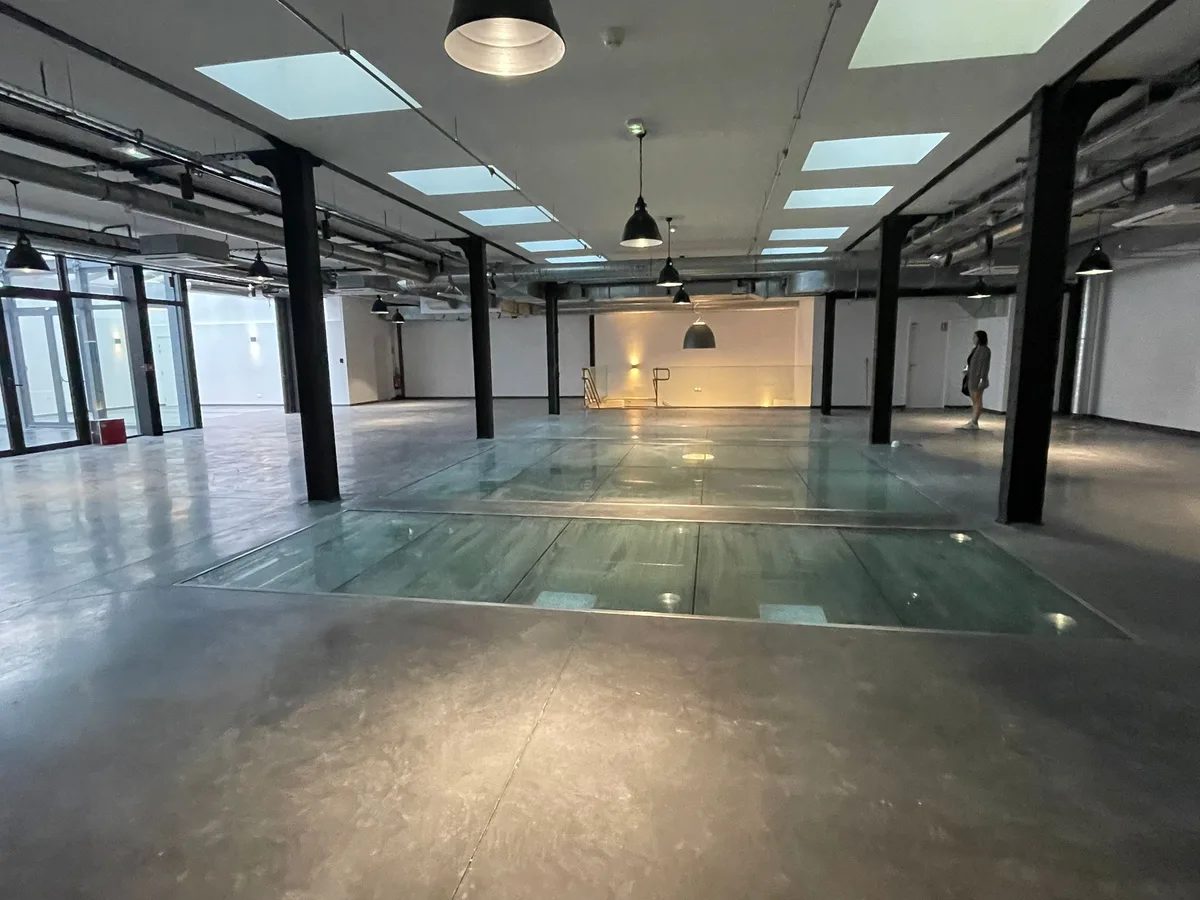
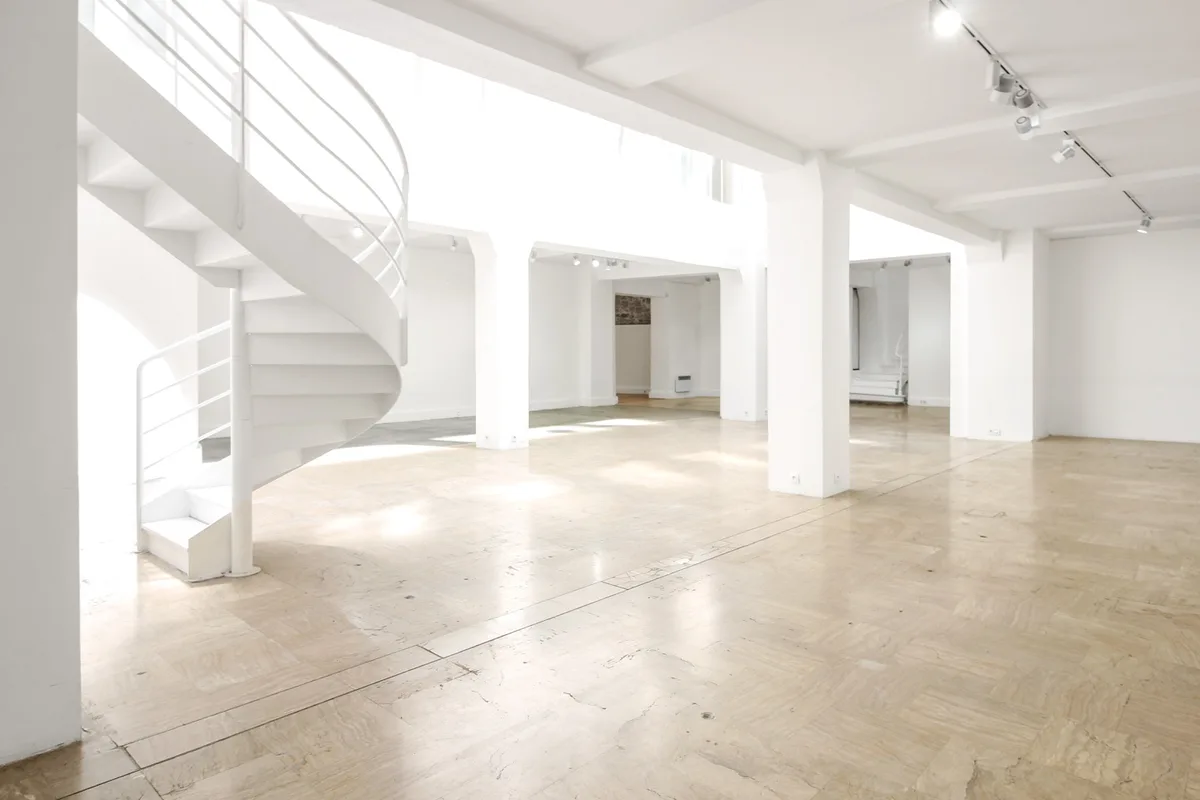
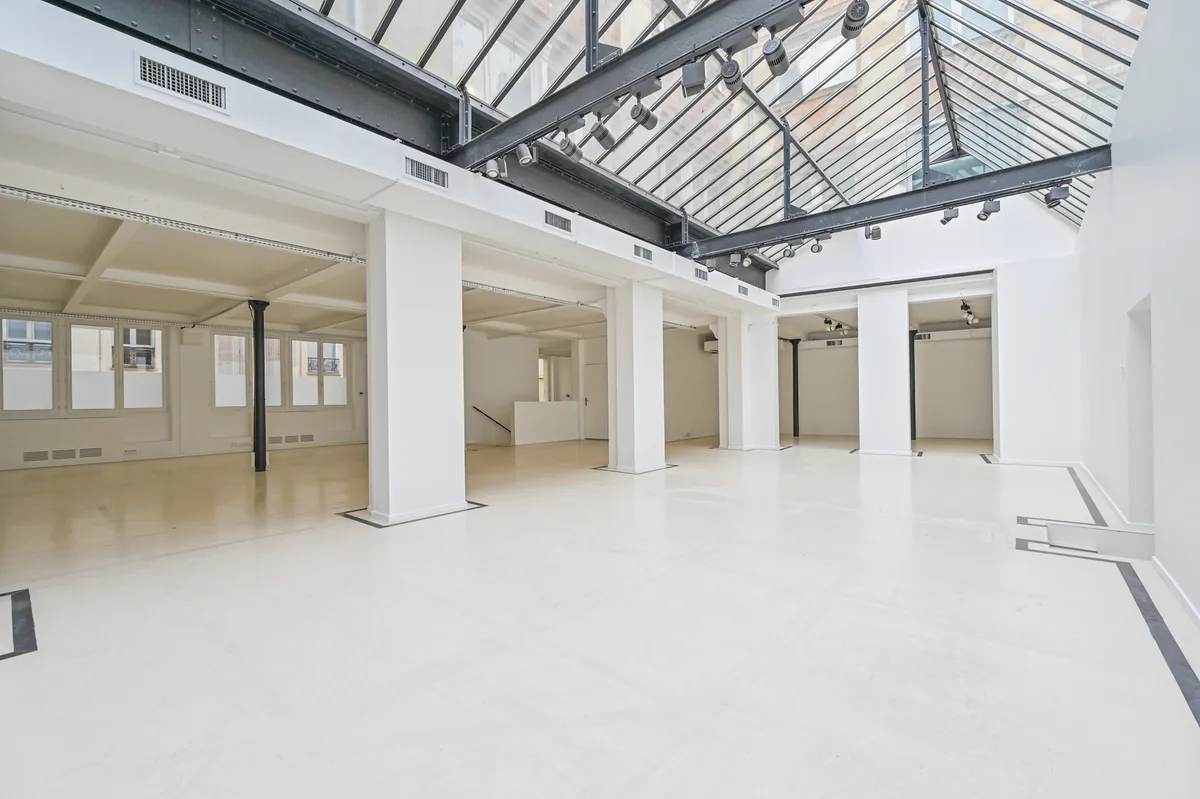
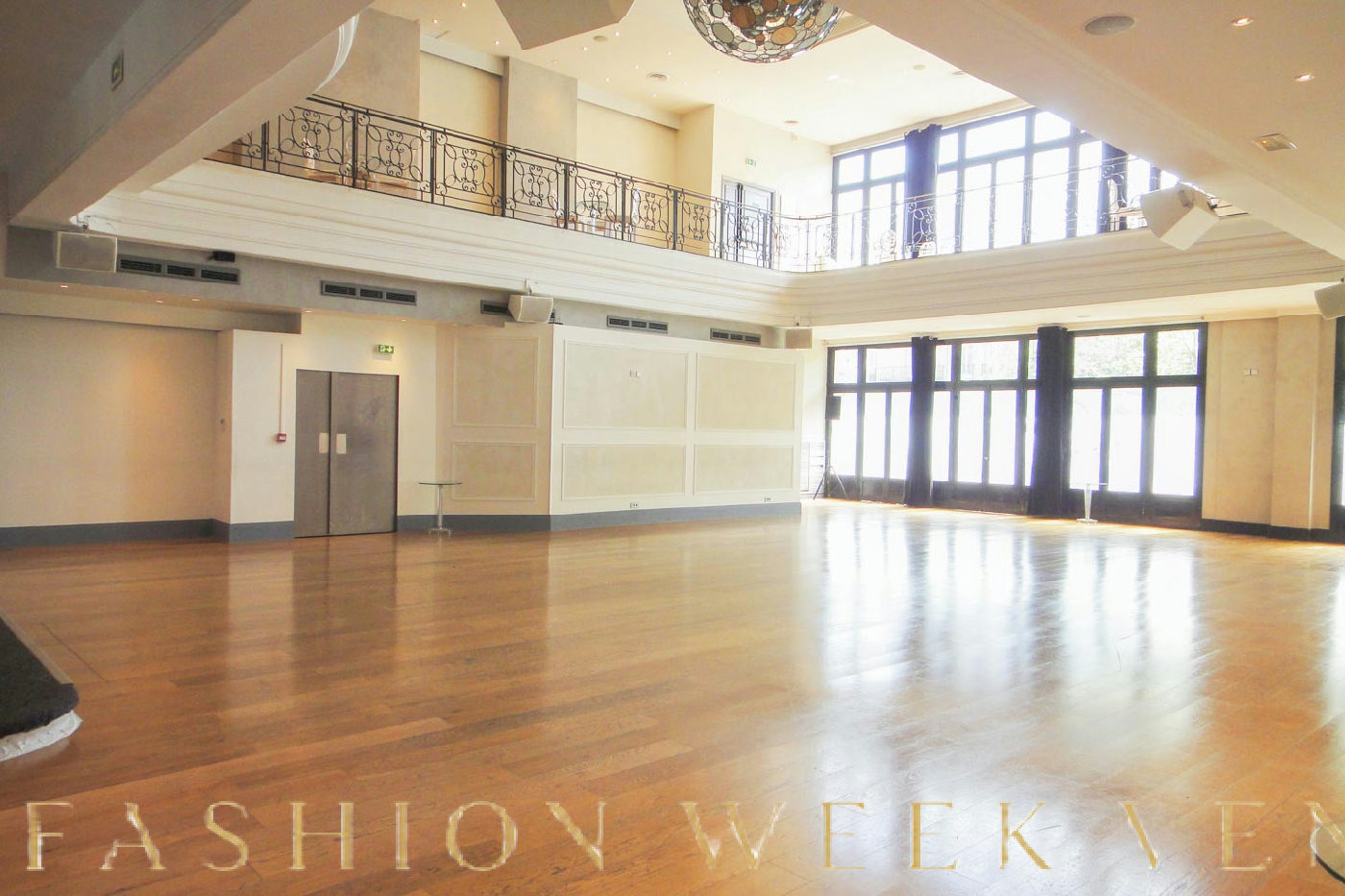
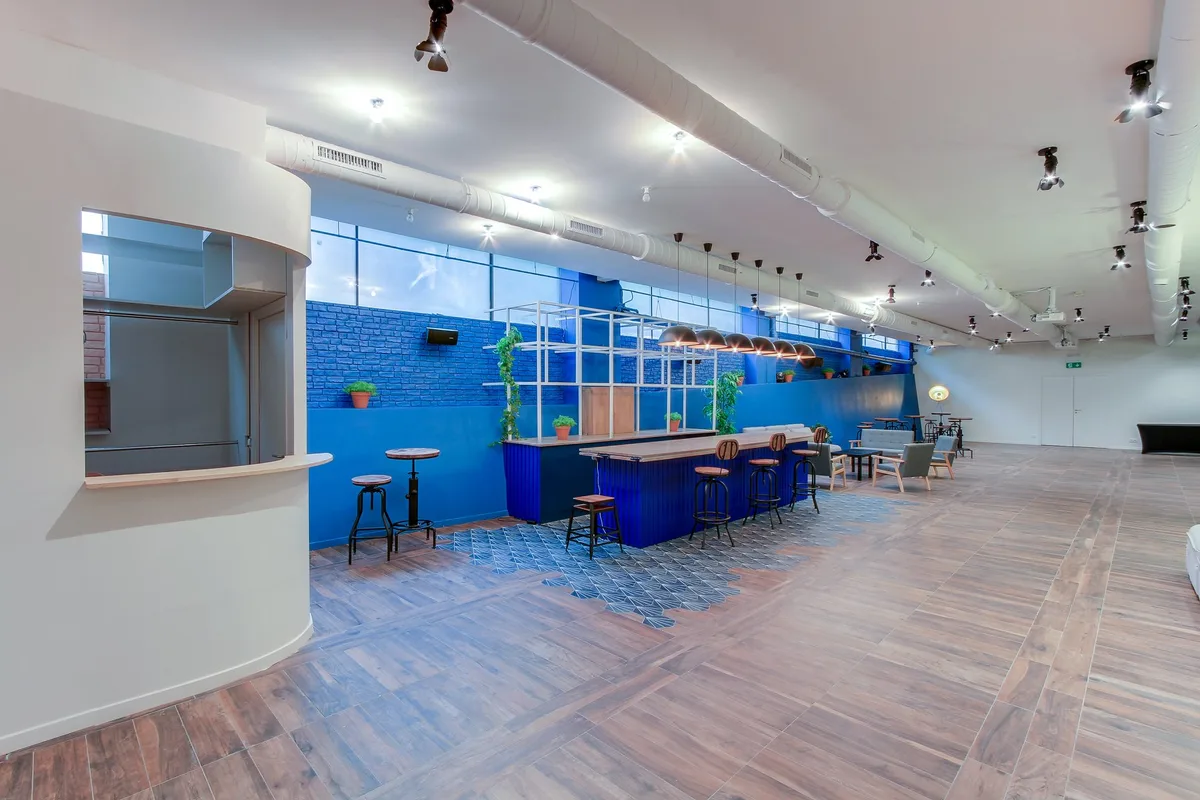
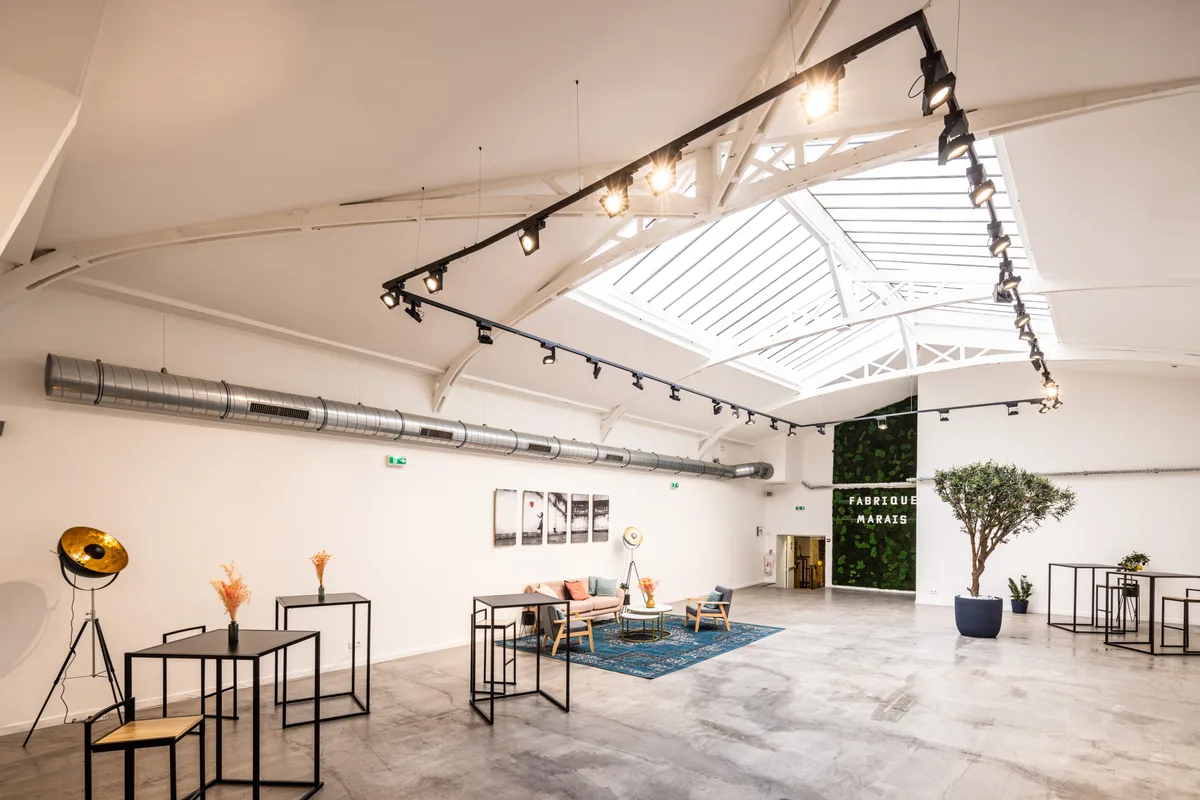
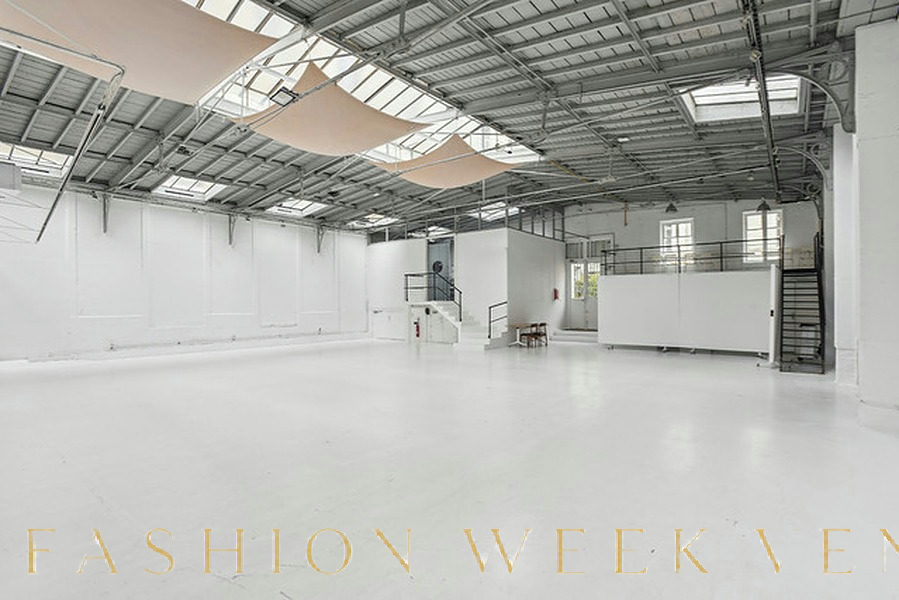
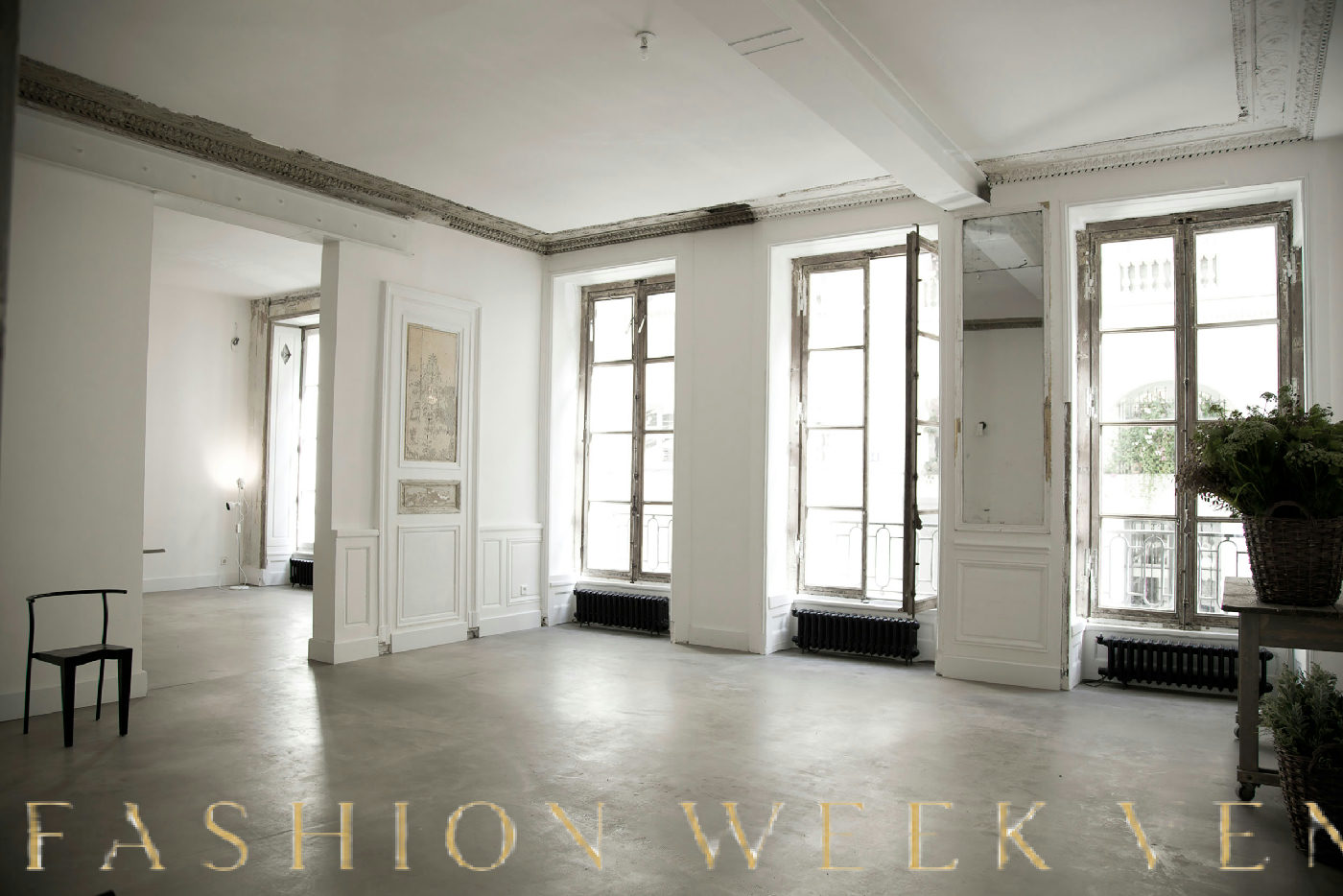
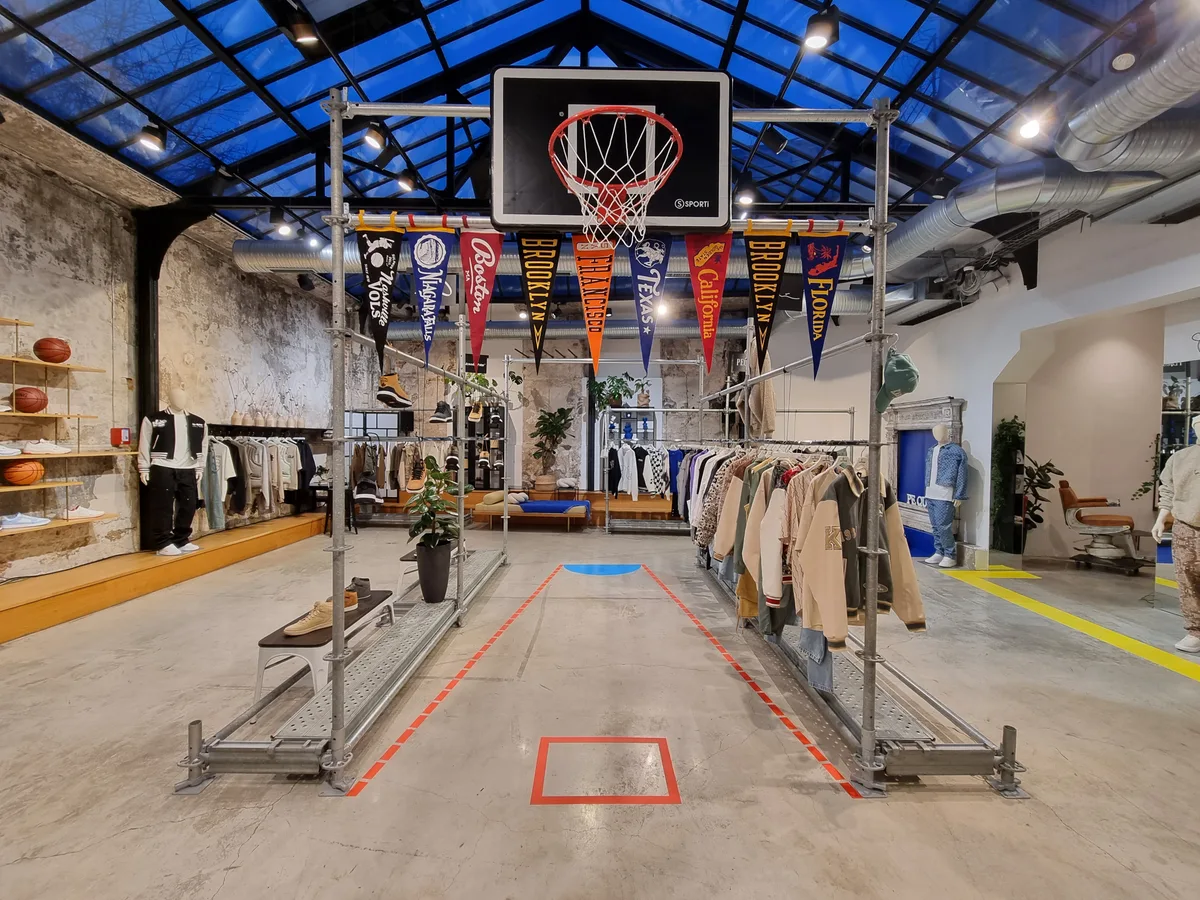
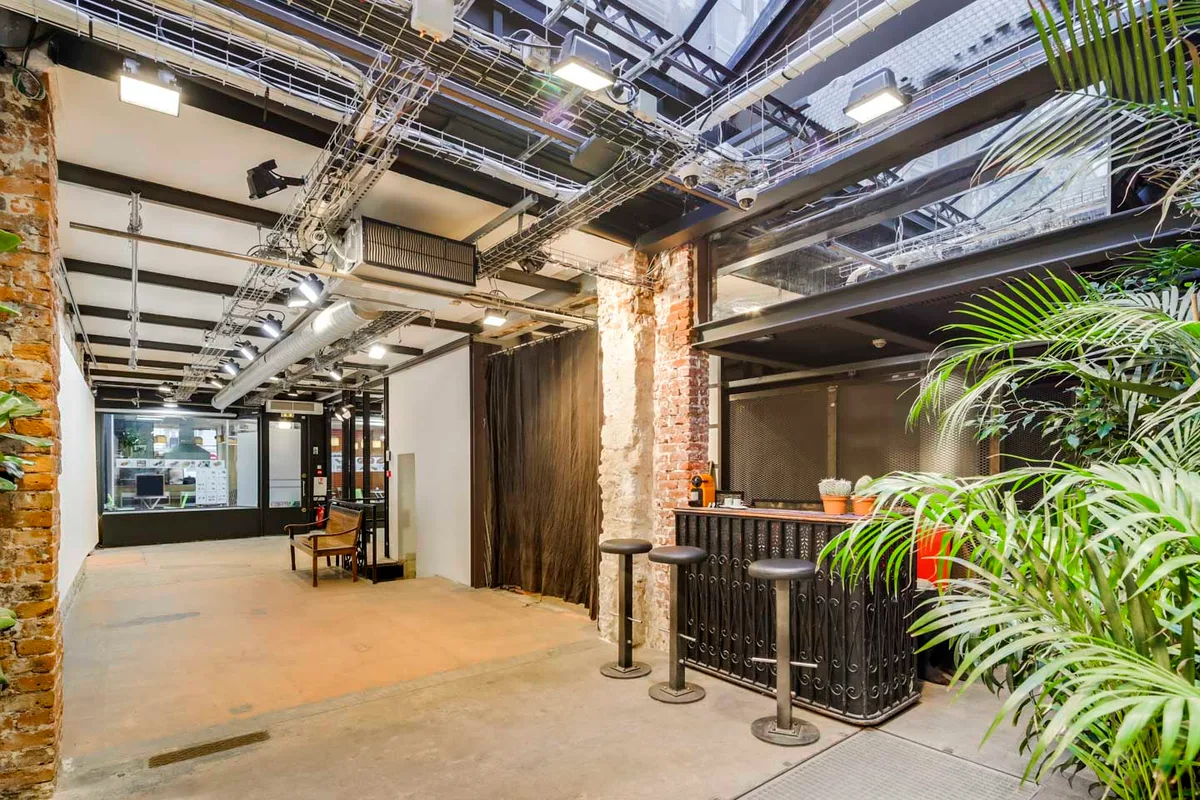
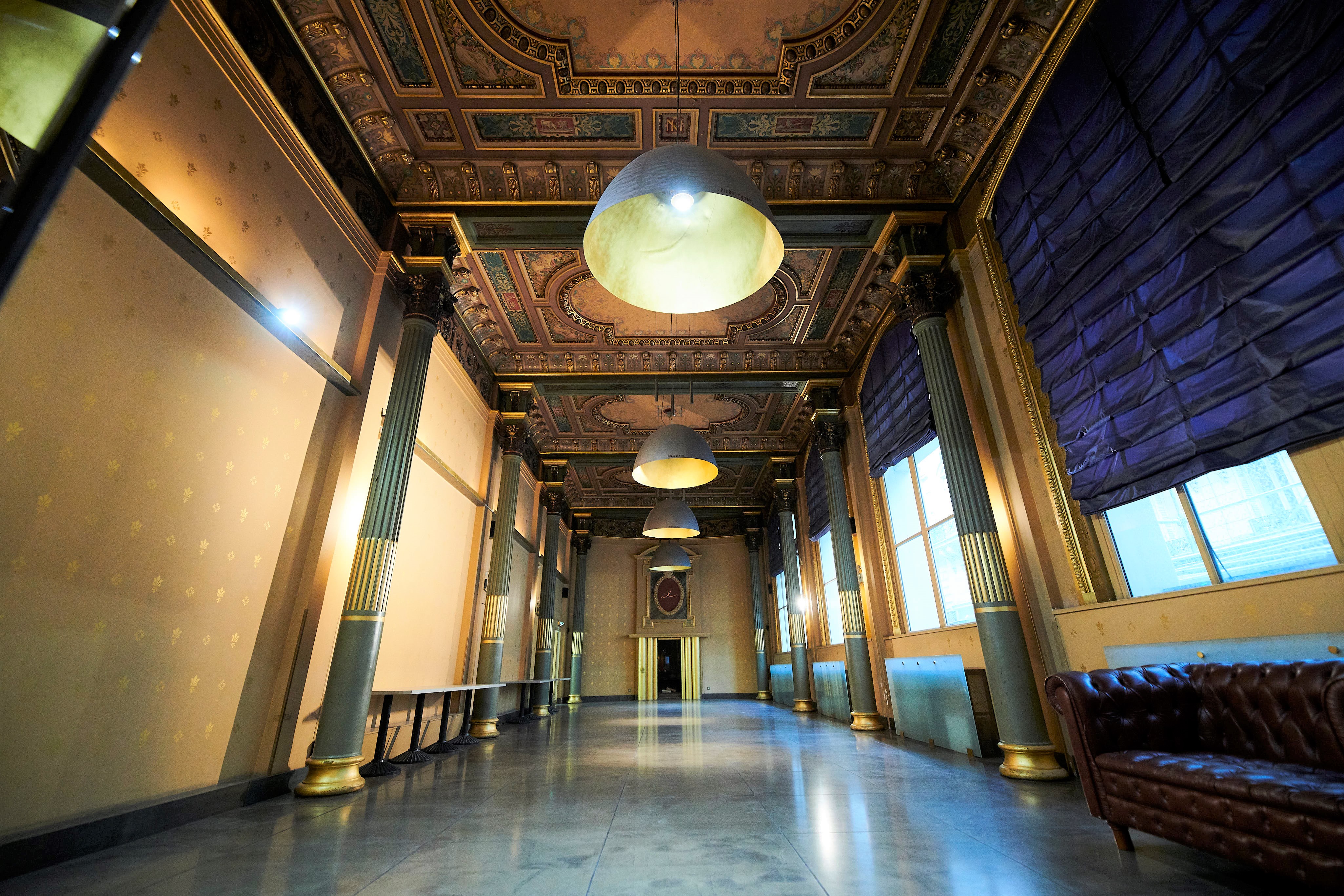
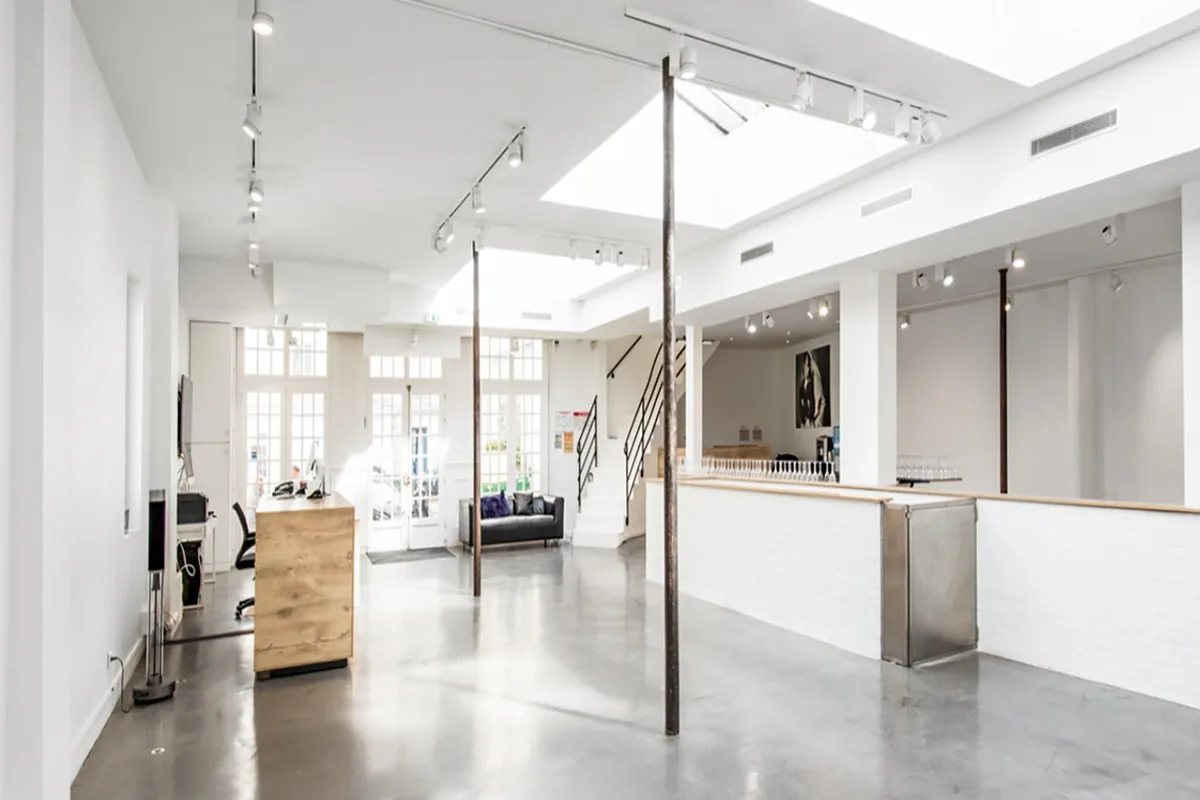
Fashion Week offers a plethora of venue options, each with distinct characteristics tailored for different event purposes. Key venue types include traditional galleries, contemporary lofts, luxury hotels, and unexpected warehouse spaces, all of which can be transformed to reflect a brand's personality and storytelling.
Traditional galleries often serve as the preferred choice for high-end runway shows due to their classic aesthetic and spacious interiors. Contemporary lofts provide a modern and versatile setting ideal for experimental brand activations or artful showrooms. Luxury hotels offer full-service accommodations combining elegance with convenience, which is particularly desirable for VIP-centric events. Lastly, urban warehouse spaces offer a raw and industrial vibe suitable for avant-garde presentations or fashion tech experiences.
KEY TAKEAWAY: Choose a venue type that aligns with your brand's narrative and event goals. The setting should enhance your collection's theme and target audience experience.
The choice of venue impacts not only the visual and thematic aspects of the event but also logistics such as accessibility, set-up time, and audience capacity. Understanding these factors will guide you toward a venue that meets both aesthetic and operational expectations.
For an effective selection process, browse the Fashion Week Venues marketplace. It offers a wide range of venues, categorized by type and purpose, helping you identify the perfect fit for your brand's event.
Making Sense of Paris's Arrondissements
Paris is divided into 20 arrondissements, each with its own unique character and logistical considerations. When choosing a venue for Fashion Week, understanding these distinctions can help you select a location that aligns with your brand narrative and logistical needs.
For example, the 1st arrondissement, particularly the area around Rue Saint-Honoré, is known for luxury and exclusivity, making it ideal for high-end retail and intimate showcases. The Marais, in the 3rd and 4th arrondissements, is renowned for its vibrant cultural scene and is perfect for lifestyle and contemporary brands looking to engage with trendy urban audiences.
In contrast, areas like the 8th arrondissement, home to the iconic Champs-Élysées, provide grandeur and visibility suitable for large-scale luxury activations. Understanding the relevance of each area can also impact set-up logistics, audience access, and permit requirements.
| Arrondissement | Characteristic | Best For |
|---|---|---|
| 1st | Luxury, Exclusivity | High-end Retail, Intimate Showcases |
| 3rd/4th | Cultural, Trendy | Lifestyle Brands, Contemporary Fashion |
| 8th | Grandeur, Visibility | Luxury Activations, Large-Scale Events |
KEY TAKEAWAY: Align venue location with your brand's market position and logistical needs. Choosing the right arrondissement can enhance both the aesthetic and functional impact of your event.
For a comprehensive understanding of these areas and to refine your search, visit our Paris city hub.
Permit and Compliance Essentials
When planning a temporary event in Paris, securing the appropriate permits is crucial to avoid legal complications and ensure your event runs smoothly. The two primary legal frameworks to consider are the bail dérogatoire and the Autorisation d’Occupation Temporaire (AOT).
The bail dérogatoire is a short-term lease agreement that provides flexibility for temporary retail spaces. It bypasses some of the constraints of standard long leases, but it's essential to understand its legal implications and limitations. The AOT is another option for occupying public spaces, particularly relevant if your event spills over into streets or public spaces.
It’s advisable to seek guidance from a French legal advisor or consult our permits tool for comprehensive guidance tailored to your specific situation.
Quick answer: To host an event in Paris, understand and secure the correct permits—typically a bail dérogatoire or AOT, depending on your venue type—by consulting a legal advisor or using Fashion Week Venues tools.
KEY TAKEAWAY: Properly navigate permits and compliance issues to avoid disruptions. Legal advice from local experts facilitates a smooth event execution.
Budgeting for Fashion Week Venues
Budget planning for Fashion Week venues requires careful consideration of several factors, including venue type, duration, location, and additional services such as setup and staffing. While costs can vary widely depending on these factors, having a directional estimate is crucial for financial planning.
For effective budgeting, consider the following elements:
- Venue rental cost: Varies by location and prestige
- Setup and production: Includes decoration, equipment rental, etc.
- Staffing: Based on the number needed for guest management and security
- Permits and legal: Ensure compliance without unexpected costs
| Cost Element | Description | Estimate Range |
|---|---|---|
| Venue Rental | Varies by location and size | 10,000€ - 50,000€ |
| Setup & Production | Event setup and decoration | 5,000€ - 20,000€ |
| Staffing | Hourly rates for staff and security | 3,000€ - 10,000€ |
IMPORTANT: Budget ranges are estimates. Exact costs depend on specific needs. Use our budget calculator tool for personalized planning.
KEY TAKEAWAY: A detailed budget ensures financial flexibility and preparedness for unexpected costs. Accurate financial planning is crucial for successful activation.
Timeline and Logistics Management
Effective timeline and logistics management are quintessential for successful Fashion Week events. Planning should account for pre-event preparations, real-time execution, and post-event wrap-up activities.
Typically, the timeline will progress as follows:
- 6-12 Months Before: Define event goals and budget.
- 3-6 Months Before: Secure venue and permits.
- 1-3 Months Before: Finalize design, setup logistics, and staffing.
- Event Week: Execute setup and host the event.
- Post-Event: Tear down and evaluate outcomes.
DID YOU KNOW: Many brands underestimate the time needed for permits and setup logistics. Early planning can prevent last-minute challenges.
KEY TAKEAWAY: Adherence to a detailed timeline ensures successful execution and limits operational risks. Efforts planned well in advance facilitate stress-free management.
For complete timeline management, utilize our timeline planning tool that offers step-by-step guidance tailored to event needs.
How Fashion Week Venues Supports Brands
Fashion Week Venues provides comprehensive services to streamline the planning and execution of fashion events in global capitals. Our offerings are tailored to meet the diverse needs of brands, creative directors, and event planners.
From venue sourcing and concept direction to activation management and logistics solutions, we facilitate every aspect of your event. Our tools, such as the budget calculator and permits tool, provide essential support in planning and compliance.
By partnering with Fashion Week Venues, brands leverage extensive local knowledge and industry expertise to navigate Paris's complex fashion landscape. Our services ensure that each event maximizes its potential impact and aligns seamlessly with brand objectives.
TIP: Engaging an agency like Fashion Week Venues can significantly reduce the risks and challenges associated with managing high-profile events.
Common Myths Debunked
MYTH: You must have a French legal entity to rent a space in Paris.
FACT: International brands can rent spaces in Paris without establishing a legal entity by using a bail dérogatoire or partnering with a local agency for seamless proceedings.
MYTH: Paris Fashion Week is the only viable window for fashion events.
FACT: While Paris Fashion Week is prestigious, Fashion Week Venues offers opportunities for brand activations throughout the year beyond the official calendar.
MYTH: Commission brokers are the only way to find event spaces.
FACT: Agencies with a dedicated marketplace, such as Fashion Week Venues, offer direct access to an extensive selection of spaces, avoiding additional brokerage fees.
MYTH: Short-term leases are legally straightforward without needing specialist help.
FACT: Legal and compliance issues with short-term leases can be complex due to local regulations. Expert advice ensures all legal obligations are managed appropriately.
Frequently Asked Questions
What is the best time to start planning for a Fashion Week event?
It is advisable to start planning for a Fashion Week event at least six months in advance. This timeline allows ample time to secure permits, select the best venue, plan logistics, and manage budgets effectively.
How important is the location of a venue in Paris?
The location is crucial as it influences your event's accessibility, ambiance, and type of audience. Selecting the right arrondissement that resonates with your brand’s aesthetic and logistical requirements can make a significant difference in impact.
Can Fashion Week Venues help with design and branding?
Yes, Fashion Week Venues offers services like concept direction and branded store design, tailored to reflect your brand identity through innovative and impactful designs.
What kind of support does Fashion Week Venues offer in terms of staffing and setup?
Our retail staffing services ensure you have professional personnel for various roles, from customer service to security, tailored to the scale and type of your event.
How do I handle logistics if my brand is based outside France?
Fashion Week Venues can manage international brand logistics, ensuring seamless coordination across borders. We facilitate operations like permitting, legal compliance, and local experiential enhancements.
Are there any specific permits required for a pop-up shop in Paris?
Yes, specific permits such as a bail dérogatoire or an AOT may be needed, depending on the nature and location of the pop-up. Consulting a legal advisor or using our permits tool is recommended.
What are the benefits of using an agency to manage my event?
Agencies offer comprehensive support, from strategic planning and creative execution to logistical management, reducing stress while maximizing the event's impact and ensuring compliance with local regulations.
How can I ensure my budget is accurately planned?
Using tools such as our budget calculator can help you estimate and manage your costs. It provides clarity on where to allocate resources for optimal outcomes.
What should be included in a venue agreement?
A venue agreement should specify duration, rental costs, included services, cancellation policy, and liability arrangements. Clear terms prevent misunderstandings and ensure all parties are aligned.
Is event insurance necessary for Fashion Week venues?
Yes, event insurance is advisable to cover liabilities, cancellations, and possible damages, providing financial protection and peace of mind.
Conclusion
Successfully navigating the complexities of Fashion Week venue selection requires meticulous planning, a clear understanding of logistics, and knowledgeable partners. Fashion Week Venues stands by as an essential resource, providing expertise in venue sourcing, activation management, and comprehensive planning. As you embark on crafting memorable brand activations, leverage our marketplace and services for a streamlined path to success. To truly transition from research to activation, start exploring available spaces on the Fashion Week Venues marketplace and build a focused brief for your target neighborhood, space type, and calendar window.