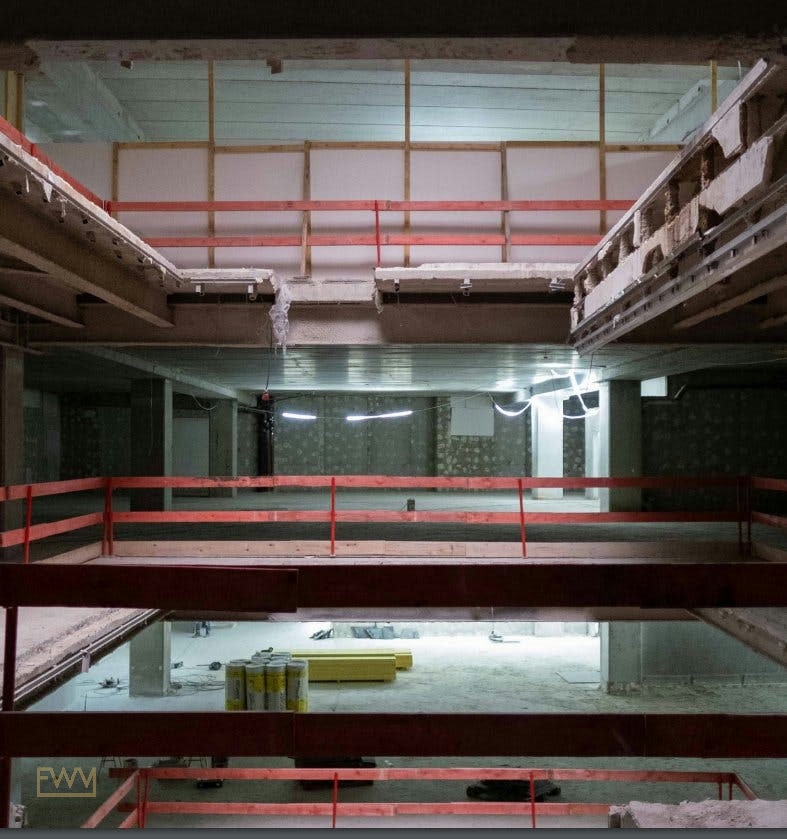
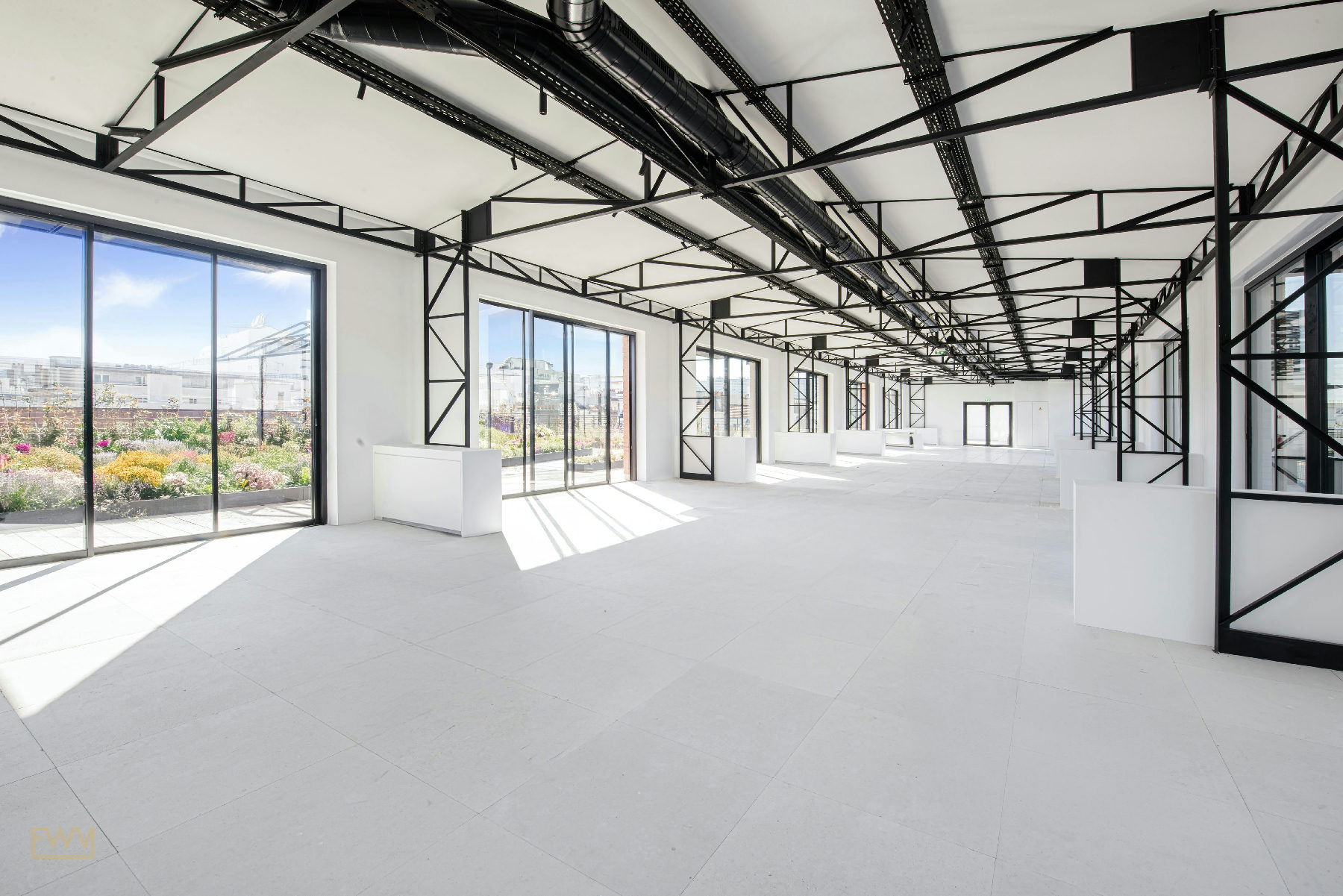
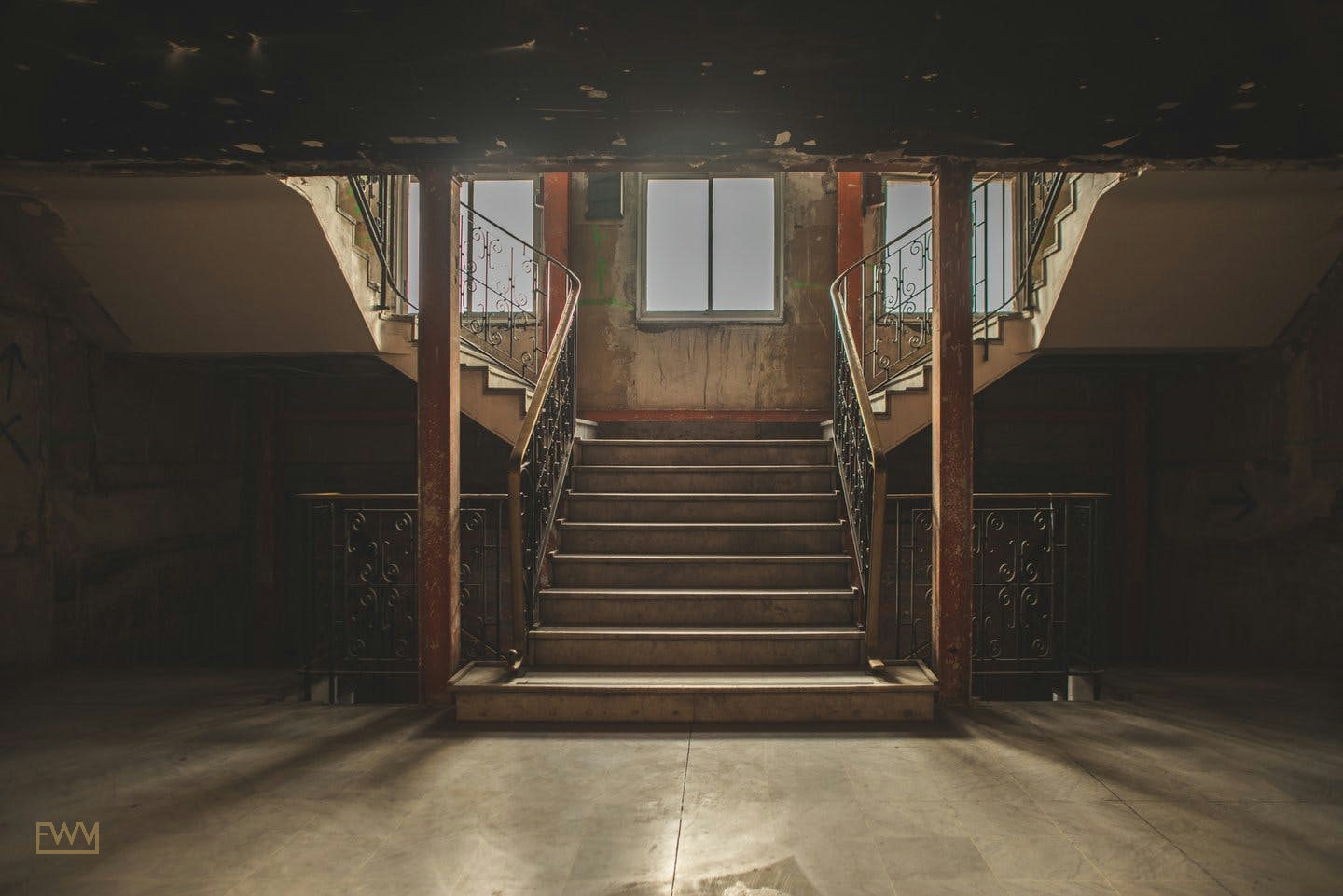
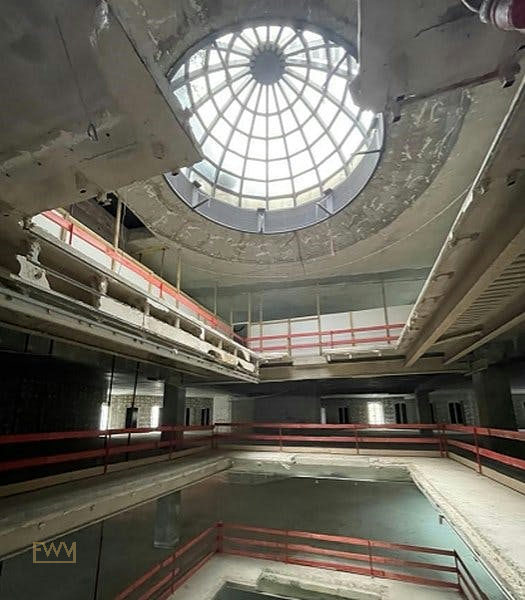
In the bustling world of fashion, fashion week venues play a pivotal role in brand visibility and influence. With each fashion capital offering unique opportunities and challenges, selecting the right venue is crucial. Fashion Week Venues, as a full-service agency, streamlines this process, offering end-to-end solutions from venue sourcing to activation management. Understanding how to navigate these choices ensures your brand stands out and effectively captures audience attention.
Understanding Paris as a Premier Fashion Week Venue
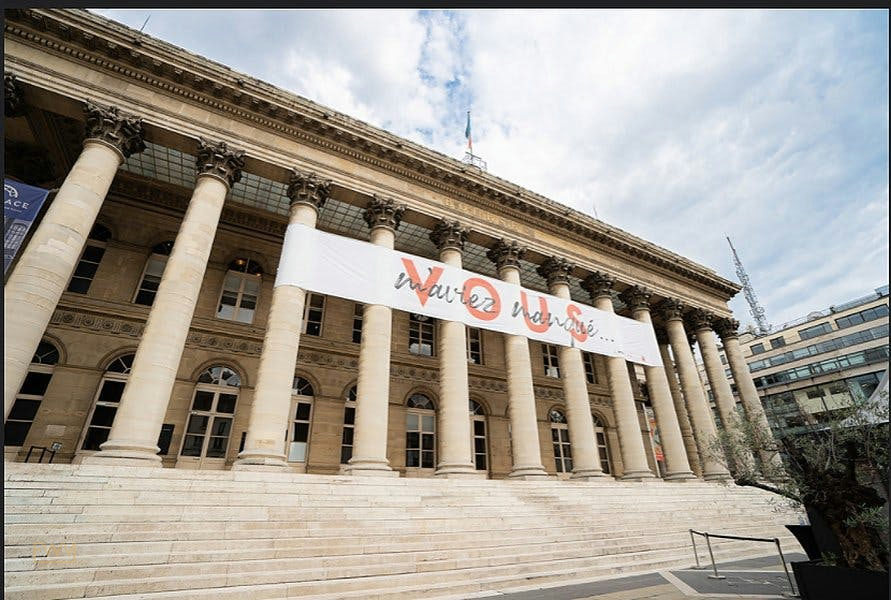
Paris is undeniably a central hub for international fashion, boasting legendary events like Paris Fashion Week, which consistently set global trends. Hosting an event during Paris Fashion Week places brands on a prestigious stage where innovation meets tradition. The distinct charm of Parisian neighborhoods, such as Le Marais, Rue Saint-Honoré, and the Opéra district, provides diverse settings for various fashion presentations.
Choosing a venue in Paris is not just about geographical location but aligning with the cultural and stylistic nuances that each arrondissement offers. For instance, the cobblestone streets of Le Marais provide an ambiance suitable for avant-garde brands, while the luxurious aura surrounding Place Vendôme caters to high-end labels.
Quick answer: Paris offers an exceptional platform for fashion events, reflecting luxury and heritage. Ensuring that your choice of venue aligns with your brand's ethos is critical to capturing your target market effectively.
Practical considerations also play a significant role. Availability during fashion weeks can be competitive, and the logistics of transporting collections and setting up showcases in historical buildings with unique architectural constraints can be challenging. Leveraging services from agencies such as Fashion Week Venues can help mitigate these challenges through their extensive local network and experience.
KEY TAKEAWAY: Selecting a venue in Paris requires strategic alignment with your brand’s image and logistical foresight beyond just grand visuals.
Ultimately, Paris offers unmatched opportunities for brand exposure, pivotal for making an international impact. From its cultural significance to its panache for show-stopping venues, the allure of Paris as a fashion capital remains unrivaled.
Exploring Different Venue Types for Fashion Events
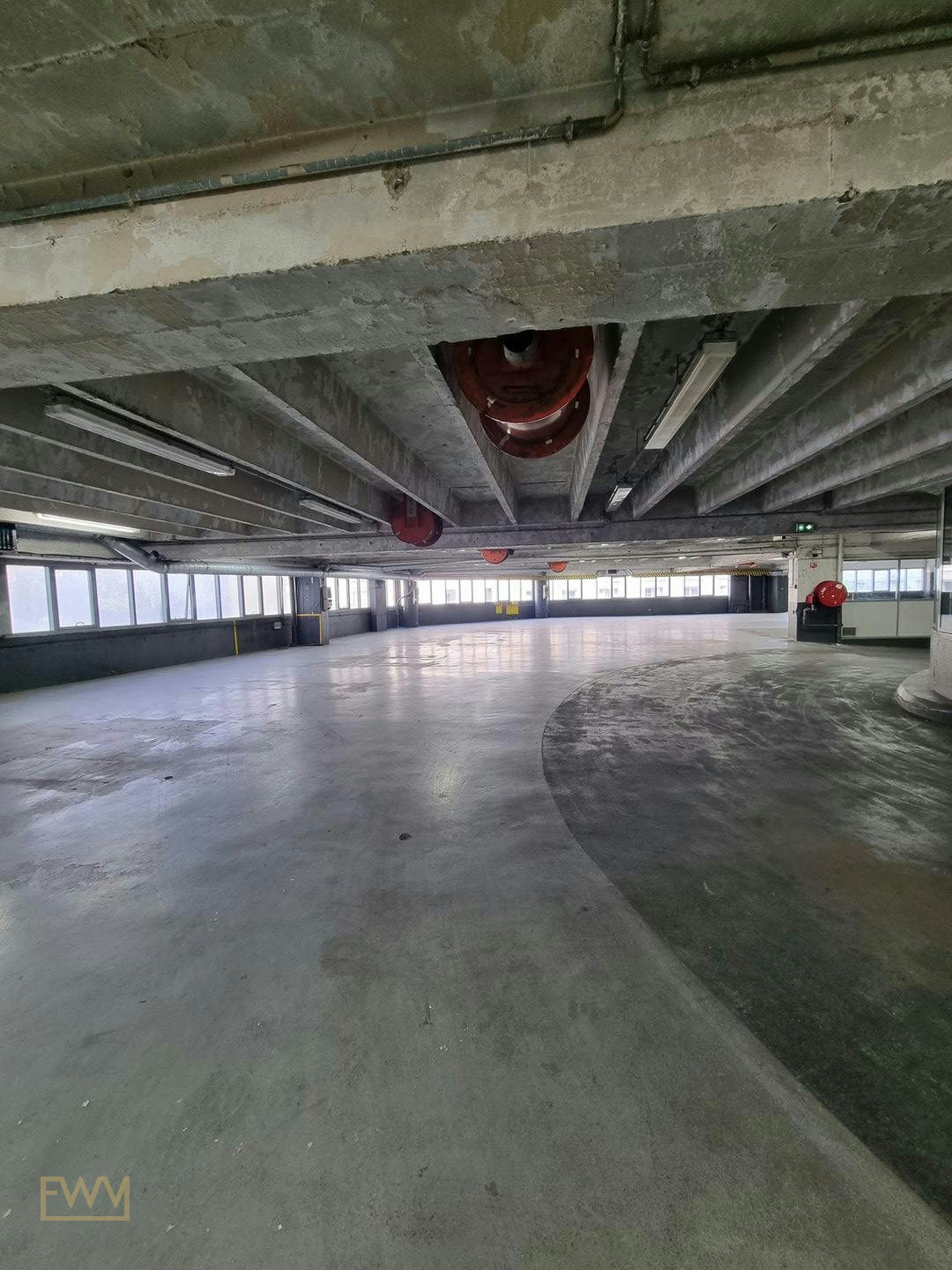
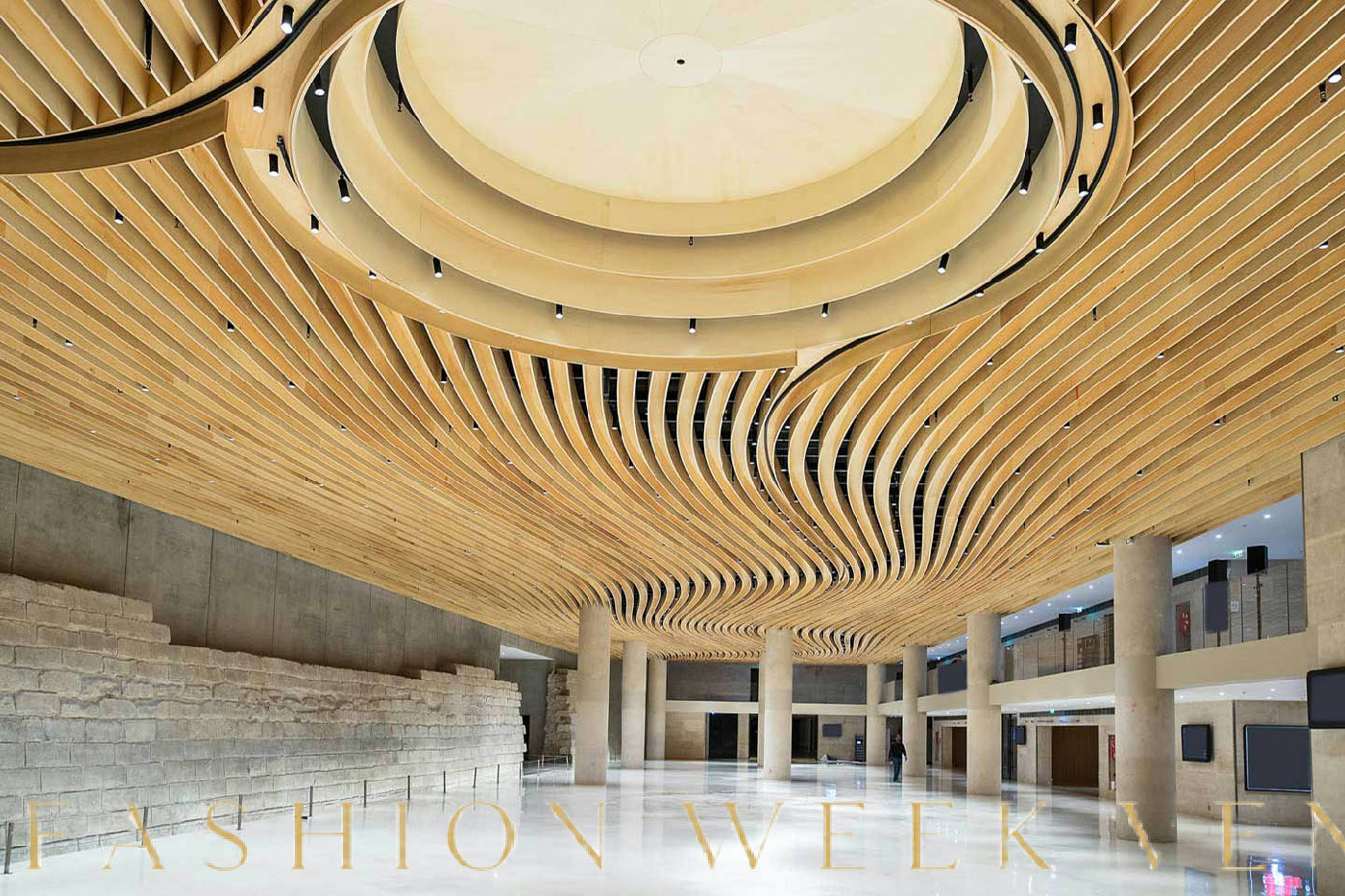
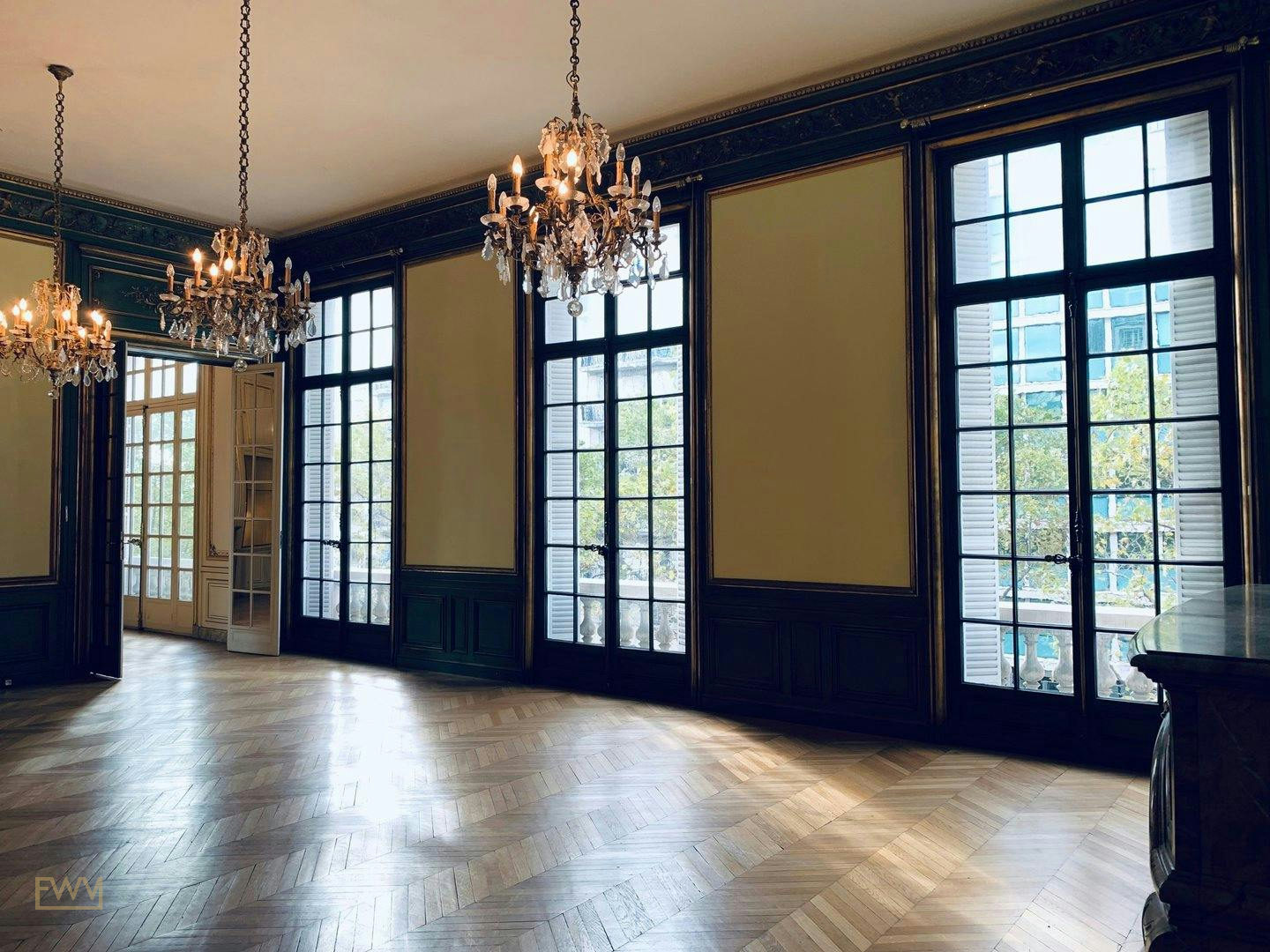
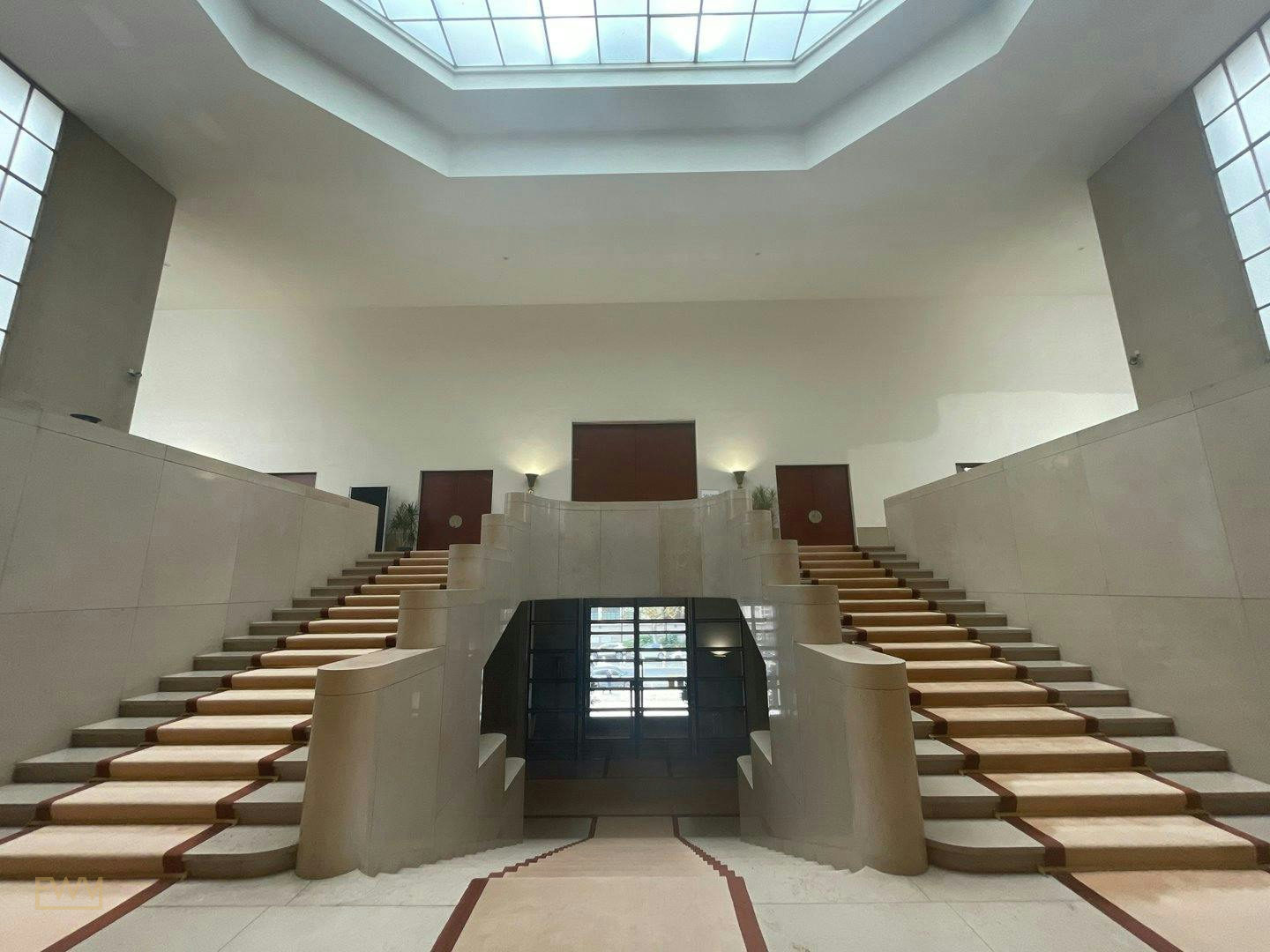
Fashion events thrive on ambiance, and selecting the right venue type can significantly influence the success of your presentation. From lavish ballrooms to intimate galleries, each venue type presents unique advantages.
Quick answer: The choice of venue type for fashion events greatly impacts the brand message. Distinct venues like galleries or historic spaces can emphasize different facets of a brand, enhancing audience engagement.
Grand ballrooms, often located in luxury hotels or historical landmarks, offer opulence and a sense of grand tradition, suitable for established high-end labels. Galleries, on the other hand, provide a minimalist backdrop allowing collections to take center stage, typically preferred for contemporary or conceptual presentations. Additionally, temporary pop-up spaces offer flexibility and can be customized to a brand's specific thematic requirements, often driving impulsive engagement and brand exploration.
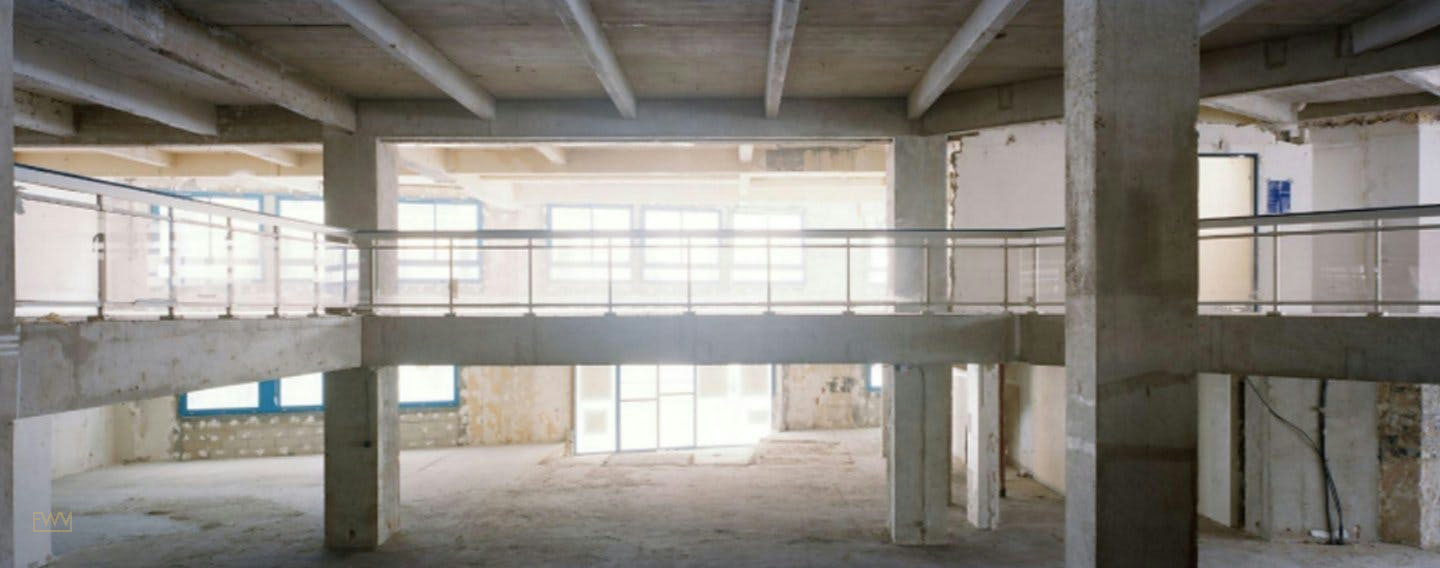
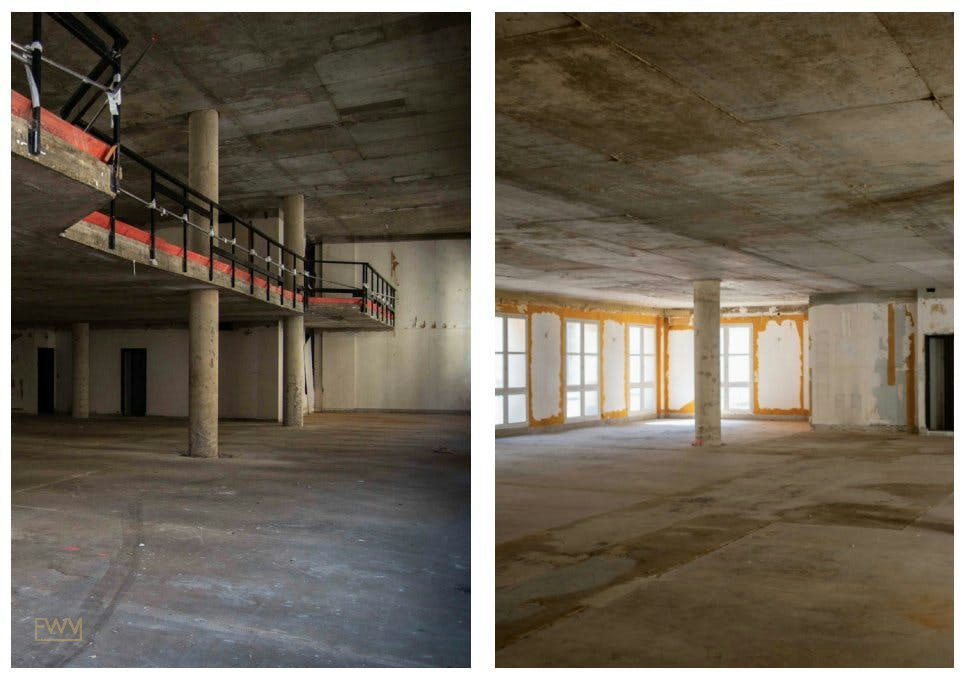
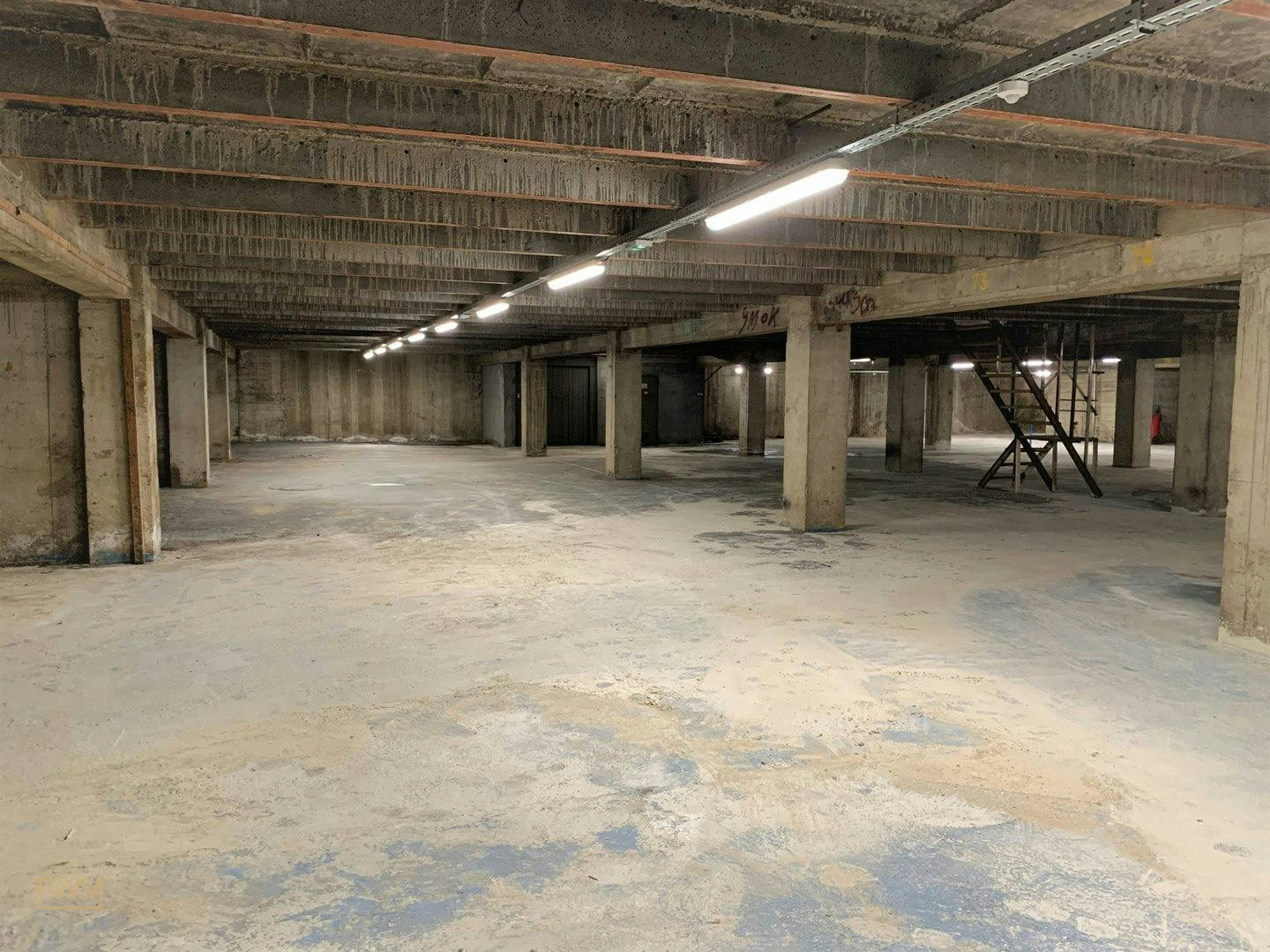
DID YOU KNOW: Events in unconventional spaces like rooftops or urban warehouses have gained popularity for creating unforgettable brand experiences.
When evaluating venue types, consider audience demographics, logistical concerns such as capacity and technical facilities, and how well the space supports the theme of the collection being showcased. Agencies like Fashion Week Venues provide dedicated services for venue sourcing, ensuring selections align with these crucial factors.
| Venue Type | Best For | Considerations |
|---|---|---|
| Ballrooms | Luxury Brands | Opulent, capacity, cost |
| Galleries | Contemporary Designs | Minimalist, tech facilities |
| Pop-up Spaces | Innovative Brands | Flexibility, short-term |
KEY TAKEAWAY: Your choice of venue should reflect the nature of your collection and the experience you wish to deliver to your audience.
The right venue amplifies the storytelling of your brand, connecting with audiences emotionally and leaving a memorable impression, thereby enhancing brand loyalty and awareness.
Permit and Compliance Considerations for Paris Venues
Operating a temporary retail space in Paris requires navigating local regulations, making a comprehensive understanding of permits and compliance crucial. Different from regular commercial leases, temporary sites often require a bail dérogatoire or Autorisation d’Occupation Temporaire (AOT), each with unique stipulations.
The bail dérogatoire permits short-term occupation without the long-term security typically associated with French leases, making it ideal for pop-ups and temporary showcases. An AOT, relevant for public property, requires more complex negotiations due to public use implications.
Quick answer: Temporary leases in Paris require specific permits such as the bail dérogatoire and AOT; understanding these is essential for legal compliance and successful venue operation.
Understanding these legal frameworks ensures that operations are compliant, avoiding disruptions during your event. It's advisable to consult with a French legal advisor to ensure all legal nuances are covered. This is where Fashion Week Venues can provide critical support, guiding international brands through the detailed French regulatory landscape with their permits tool.
IMPORTANT: Always verify permit requirements with local authorities as regulations may vary based on location and space type.
KEY TAKEAWAY: Due diligence and expert consultation in navigating Parisian legalities can avert potential compliance pitfalls, ensuring smooth event management.
Navigating these processes not only aids in seamless operational flow but also protects brand reputation by abiding by local rules and cultural expectations.
Planning the Budget for Fashion Activations
Budgeting for fashion events is a complex task that influences all aspects, from venue choice to marketing strategies. A calculated approach is essential to balance the ambitions of your presentation with fiscal responsibility.
Cost considerations for fashion activations include venue rental, setup and production costs, staffing, marketing, and technology requirements. Understanding these elements helps in crafting a realistic budget that aligns with business goals and maximizes ROI.
Quick answer: Crafting a budget for fashion events involves balancing costs across venue, production, and marketing while ensuring sufficient ROI.
| Expense Category | Estimated Cost Range | Considerations |
|---|---|---|
| Venue Rental | €2,000 - €10,000 per day | Capacity, location |
| Production & Setup | €5,000 - €25,000 | Design, logistics |
| Marketing | €3,000 - €15,000 | Reach, impact |
| Staffing | €2,000 - €8,000 | Expertise, availability |
Fashion Week Venues offers invaluable tools like the budget calculator tool to help brands estimate costs accurately, adjust for unexpected expenses, and effectively utilize funds for maximum exposure and engagement.
TIP: Buffer your budget for technical challenges and unexpected design changes, ensuring financial agility.
KEY TAKEAWAY: Effective budgeting not only supports smooth event execution but also maximizes your brand’s potential impact during busy fashion weeks.
Planning with precision and expert insight reduces financial risks and contributes to achieving your brand’s strategic objectives, ensuring every euro invests directly into experiential impact and reach.
Timeline Planning for Fashion Week Activations
Successfully planning a fashion week event revolves around meticulous timeline management. Considered planning from concept to execution mitigates rushed decisions and unforeseen complications.
Typically, initial planning for a fashion event begins six to twelve months in advance. This period includes developing the creative concept, securing the right venue, gathering necessary permits, and strategizing logistics. Effective timeline management is crucial in accommodating the fast-paced nature of the fashion industry and ensuring schedule alignment with collection launches.
Quick answer: A successful fashion week activation demands thorough timeline planning, often starting six months prior. This ensures readiness and alignment with industry demands.
Timelines can be efficiently managed with key milestones such as creative concept finalization, venue confirmation, staff hiring, production schedules, and marketing campaign launches. Utilizing tools like Fashion Week Venues' timeline planning tool can streamline these processes, ensuring all critical steps are strategically scheduled and resource allocation remains balanced.
| Timeline Stage | Action Item | Recommended Lead Time |
|---|---|---|
| Concept Development | Idea and theme brainstorming | 6-12 months |
| Venue Booking | Lease negotiations and permits | 5-8 months |
| Staffing | Recruiting event staff | 3-6 months |
| Production | Design and build-out | 2-4 months |
| Marketing | Campaign launch | 1-3 months |
KEY TAKEAWAY: Strategic and well-monitored timelines ensure flawless event execution and alignment with fashion industry rhythms.
Efficient time management means all aspects—from concept to execution—proceed smoothly, minimizing stress and ensuring your event meets all strategic and creative expectations.
Influence of Location and Neighbourhood in Venue Selection
When considering a venue in Paris, the neighborhood's character heavily influences the overall success of a fashion event. The eclectic mix of Parisian locales can set the tone and enhance brand messaging.
Venues in haute couture hubs like Saint-Germain-des-Prés reflect a sophisticated image while offering proximity to high-end shopping and a discerning audience. In contrast, Canal Saint-Martin appeals to a younger, artistic crowd with avant-garde tastes, ideal for emerging and experimental brands.
Quick answer: Choosing a Paris neighborhood that complements your brand's identity is crucial for resonating with the target audience and enhancing overall event impact.
A thorough analysis of different neighborhoods enables brands to position themselves effectively, maximizing engagement and media exposure. Evaluate aspects such as foot traffic, proximity to other fashion destinations, and the demographic profile of the area.
| Neighborhood | Demographic | Brand Suitability |
|---|---|---|
| Saint-Germain-des-Prés | Affluent, cultured | Luxury, established brands |
| Canal Saint-Martin | Youthful, artistic | Emerging, avant-garde brands |
| Le Marais | Trendy, diverse | Fashion-forward, innovative brands |
To compare neighborhoods and space types, explore the Paris city hub on Fashion Week Venues and shortlist spaces that match your brief, budget, and calendar window.
DID YOU KNOW: Le Marais, known for its vibrant culture, is frequently selected by brands aiming for a younger, fashion-conscious demographic.
KEY TAKEAWAY: The strategic selection of a neighborhood enhances brand positioning and aligns with target audience expectations, increasing both reach and impact.
A well-considered location ensures that the essence of your brand is amplified through its environment, making it a critical decision in the planning process.
How Fashion Week Venues Supports Successful Activations
Fashion Week Venues stands out by offering comprehensive services tailored to meet the diverse needs of fashion brands. Whether you're seeking venue sourcing, creative concept direction, or intricate activation management, their expertise simplifies the process of organizing standout events.
The agency provides a venue sourcing service that helps clients navigate through numerous potential locations, ensuring a perfect match with the brand's identity and demands. Additionally, they offer fit-out and production support that takes care of all logistical and design complexities.
Quick answer: Fashion Week Venues provides pivotal services, from venue selection to activation management, crucial for orchestrating successful fashion events in major capitals.
Brands benefit from their array of practical tools, such as the budget calculator, ROI computation, and timeline management tools, which are crucial for detailed financial and strategic planning. These resources allow brands to allocate resources wisely and focus efforts on maximizing audience engagement and media exposure.
- Venue sourcing and negotiation
- Creative concept and branding guidance
- Comprehensive project management
- Market analysis and competitive positioning
TIP: Engage with Fashion Week Venues early to utilize their strategic tools and planning expertise to full advantage.
KEY TAKEAWAY: Leveraging the specialized services of Fashion Week Venues simplifies complex event planning and maximizes brand impact through targeted activations.
Whether for established brands or newcomers, using Fashion Week Venues ensures strategic execution and dynamic presentation, critical to succeeding in the competitive fashion scene.
Common Myths Debunked
MYTH: You must have a French legal entity to rent a space in Paris.
FACT: While having a local presence can simplify some processes, it is not a requirement to rent event spaces for temporary use. Many agencies, including Fashion Week Venues, can facilitate leasing processes for international brands.
MYTH: Paris Fashion Week is the only viable calendar window for fashion events.
FACT: Although Paris Fashion Week is a prime opportunity, other periods, especially around major trade shows or industry events, can offer valuable engagement opportunities. Strategic timing can help brands stand out even beyond the traditional fashion week cycle.
MYTH: The only way to find a space in Paris is through commission brokers.
FACT: There are diverse pathways to securing venues, including utilizing space marketplaces like Fashion Week Venues, which offer a wealth of options without the high fees typically associated with broker services.
MYTH: Short-term leases in Paris are legally straightforward without needing specialist help.
FACT: Short-term leasing comes with its complexities, particularly around compliance and permits. Consulting professionals who specialize in temporary retail spaces is often necessary to navigate these challenges smoothly and legally.
Frequently Asked Questions
Why is Paris considered a prime location for fashion events?
Paris is celebrated for its rich fashion history and continued influence on global trends. The city's fashion weeks are pivotal in setting style directions, making it a natural choice for brands to gain significant exposure. Beyond the cultural capital, Paris offers a diverse range of venues that can reflect and amplify a brand's identity.
How far in advance should I book a venue for Paris Fashion Week?
It's advisable to secure a venue at least six to twelve months in advance. This leeway ensures you have your pick of the most suitable spaces and can handle any potential regulatory requirements and logistical considerations integral to a successful event execution.
What are the typical challenges when organizing a fashion event in Paris?
Organizing fashion events in Paris entails navigating complex logistical elements, understanding the nuances of permits and legal frameworks like the bail dérogatoire, and ensuring cultural alignment with local expectations. Fashion Week Venues can assist in overcoming these hurdles with their extensive local expertise.
How do I choose the right venue for my fashion event?
Choosing the right venue involves assessing brand alignment, target audience engagement, logistical feasibility, and geographical benefits. Tools from Fashion Week Venues, such as the venue sourcing service and the space marketplace, provide strategic frameworks and options to make informed decisions.
What permits do I need to host a temporary fashion event in Paris?
Temporary events typically require a bail dérogatoire or Autorisation d’Occupation Temporaire (AOT), among others. These are specific to short-term leases and public property use, necessitating compliance checks and negotiations. Professional advice and resources like Fashion Week Venues' permits tool can guide you through these requirements.
Can international brands host pop-ups in Paris without local partners?
Yes, although it’s beneficial, international brands can leverage agencies like Fashion Week Venues for local knowledge, logistical support, and market navigation. This approach ensures smooth proceedings even without an established local presence, mitigating cultural and regulatory misunderstandings.
How does location within Paris affect a fashion event?
The location plays a vital role in shaping the event's outcome. Neighborhoods like Le Marais or Saint-Germain-des-Prés can signify cultural positioning and audience targeting, directly influencing brand perception and engagement. Neighborhood selection should align with the brand’s strategic goals.
What are the benefits of using Fashion Week Venues for event planning?
Fashion Week Venues offer personalized, expert-driven services across venue sourcing, concept direction, and full-service activation management. Their comprehensive tools ensure brands have strategic oversight over budgeting, timing, and compliance, ultimately enhancing event success and brand showcase effectiveness.
How can I estimate the costs for a fashion event?
Estimating costs involves understanding several factors including venue type, scale of production, and marketing spend. Fashion Week Venues offers a budget calculator tool that helps brands forecast expenses accurately, adjusting for potential variances and ensuring financial alignment with event goals.
Why is timeline management critical for fashion events?
Effective timeline management prevents last-minute surprises and ensures all event components—from creative development to production—are in sync. This coordination is essential for smooth delivery, aligning with industry calendars and guaranteeing an impactful brand presentation. Fashion Week Venues’ timeline tool can assist in creating and following a precise schedule.
What are the risks of ignoring permit and compliance requirements in Paris?
Ignoring permits and compliance can lead to legal and operational setbacks, penalties, and potential cancellation of events. Adhering to the legal frameworks through professional guidance ensures that your event runs smoothly without risking brand reputation or legal conflicts.
Conclusion
Optimizing the use of fashion week venues demands strategic planning, profound local knowledge, and expert execution. By understanding the distinct dynamics of cities like Paris and leveraging tools and services from specialists such as Fashion Week Venues, brands can ensure their presentations are both impactful and compliant. Whether through venue selection, budget management, or permit navigation, a holistic approach guarantees that each event is a successful, memorable showcase of brand identity. To move from research to activation, start exploring available spaces on the Fashion Week Venues marketplace and build a focused brief for your target neighbourhood, space type, and calendar window.