
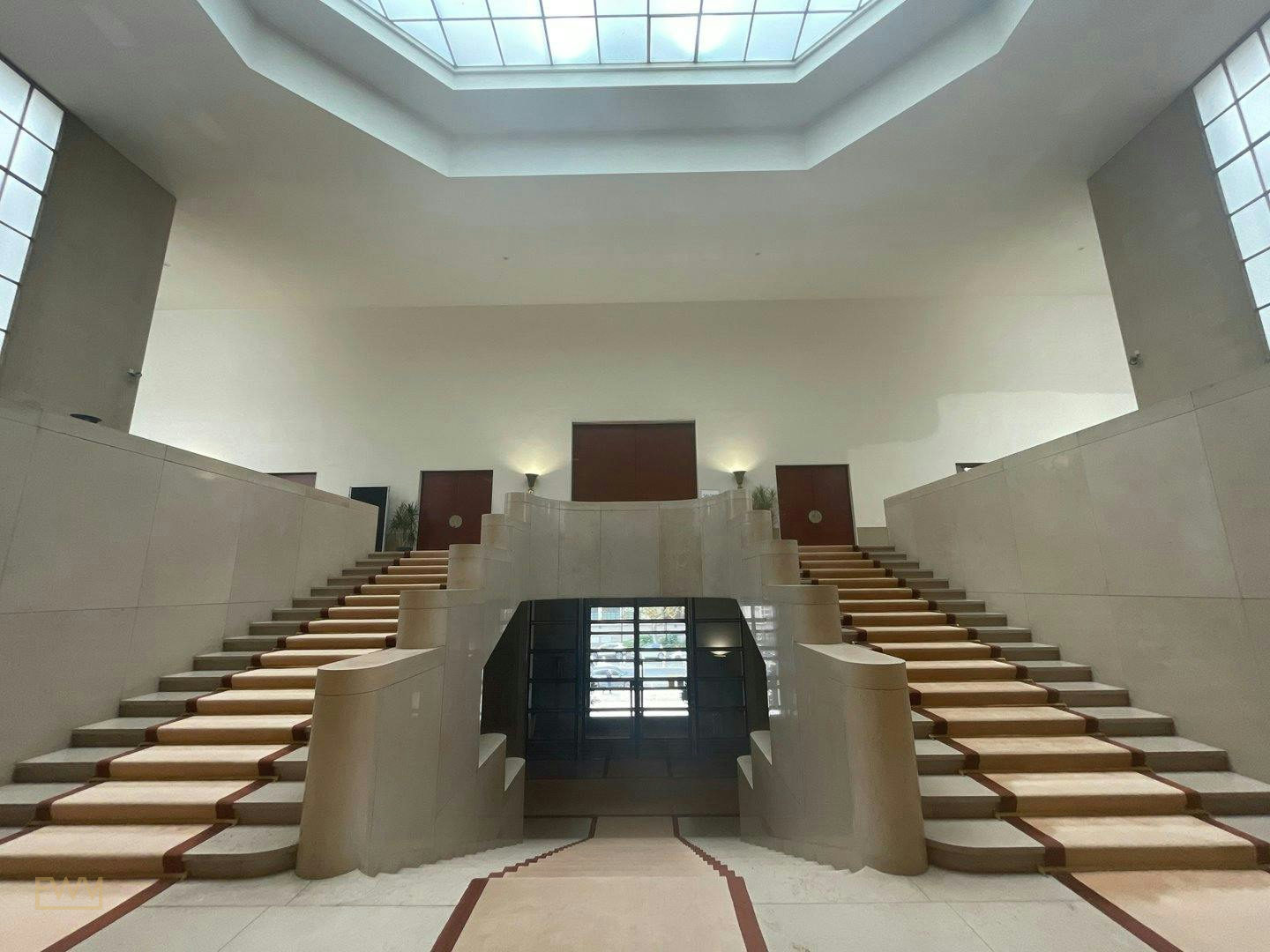
For fashion brands aiming for impact during Paris Fashion Week, selecting the right venue is crucial. With a wide array of options from intimate showrooms to expansive event halls, the right choice can elevate brand visibility and engagement. Fashion Week Venues offers a comprehensive suite of services to help brands navigate this complex terrain—from venue sourcing to activation management. This guide delves into every aspect of securing an ideal venue in Paris, ensuring brands align with the dynamic fashion calendar seamlessly.
Understanding the Paris Fashion Venue Landscape
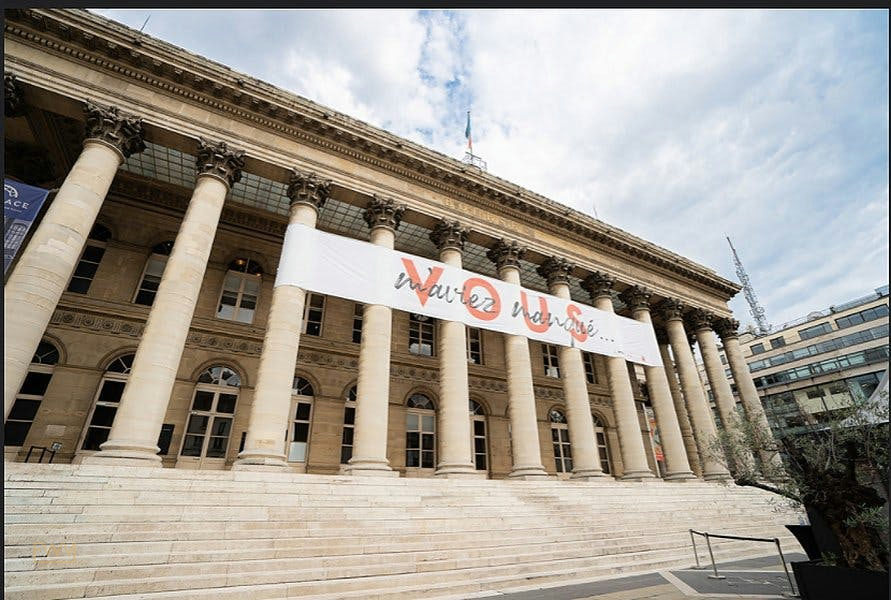
Paris, the heart of haute couture, offers diverse venues catering to the varied needs of fashion brands. Ranging from historic venues like Palais de Tokyo to modern spaces in Le Marais, the options are abundant. Understanding this landscape is pivotal for fashion weeks, where each venue type serves different strategic purposes.
Quick answer: The Paris fashion venue landscape encompasses a wide range of options from historical landmarks to modern galleries, each tailored to different brand needs during fashion events.
Historical Venues
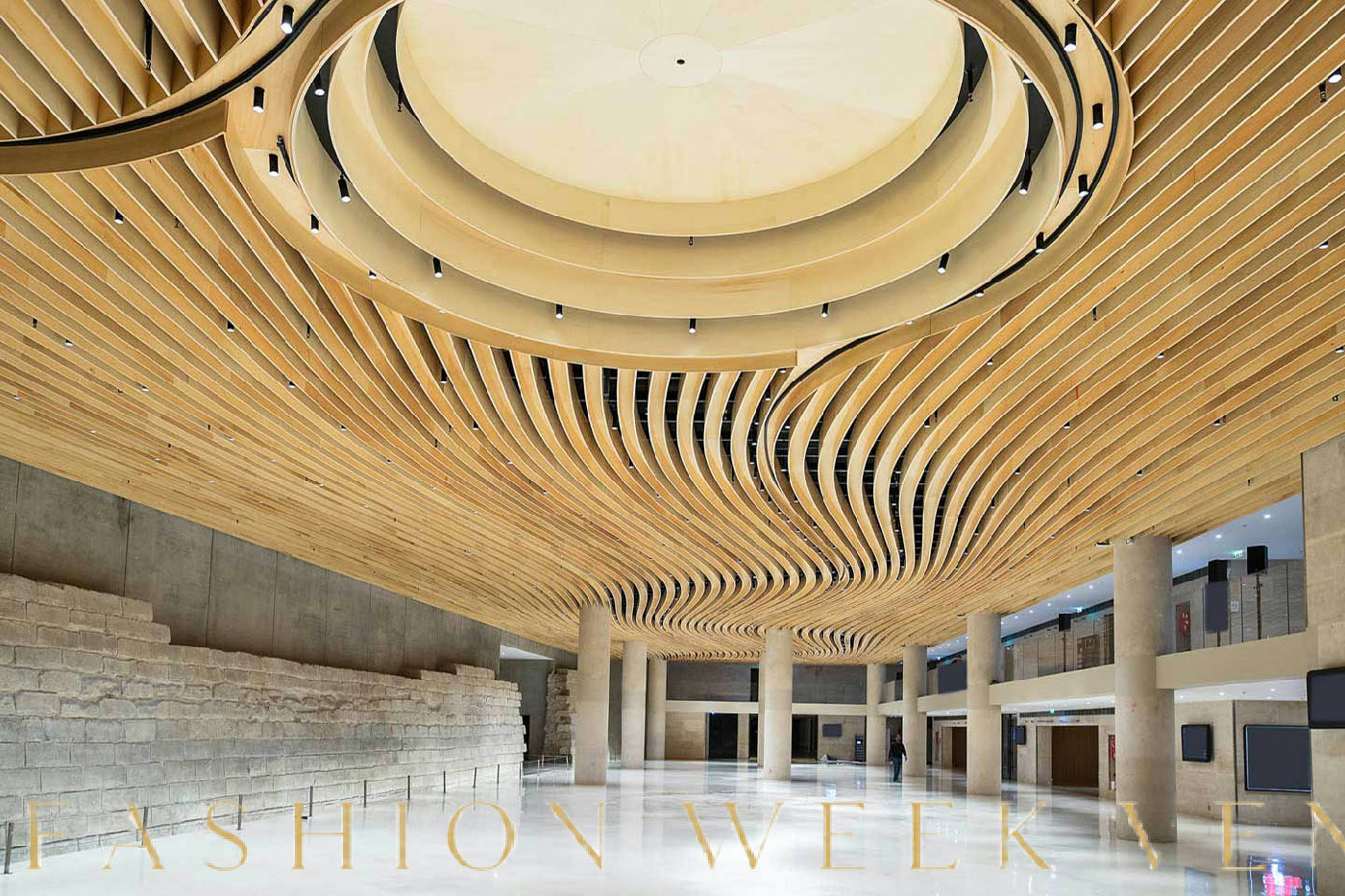
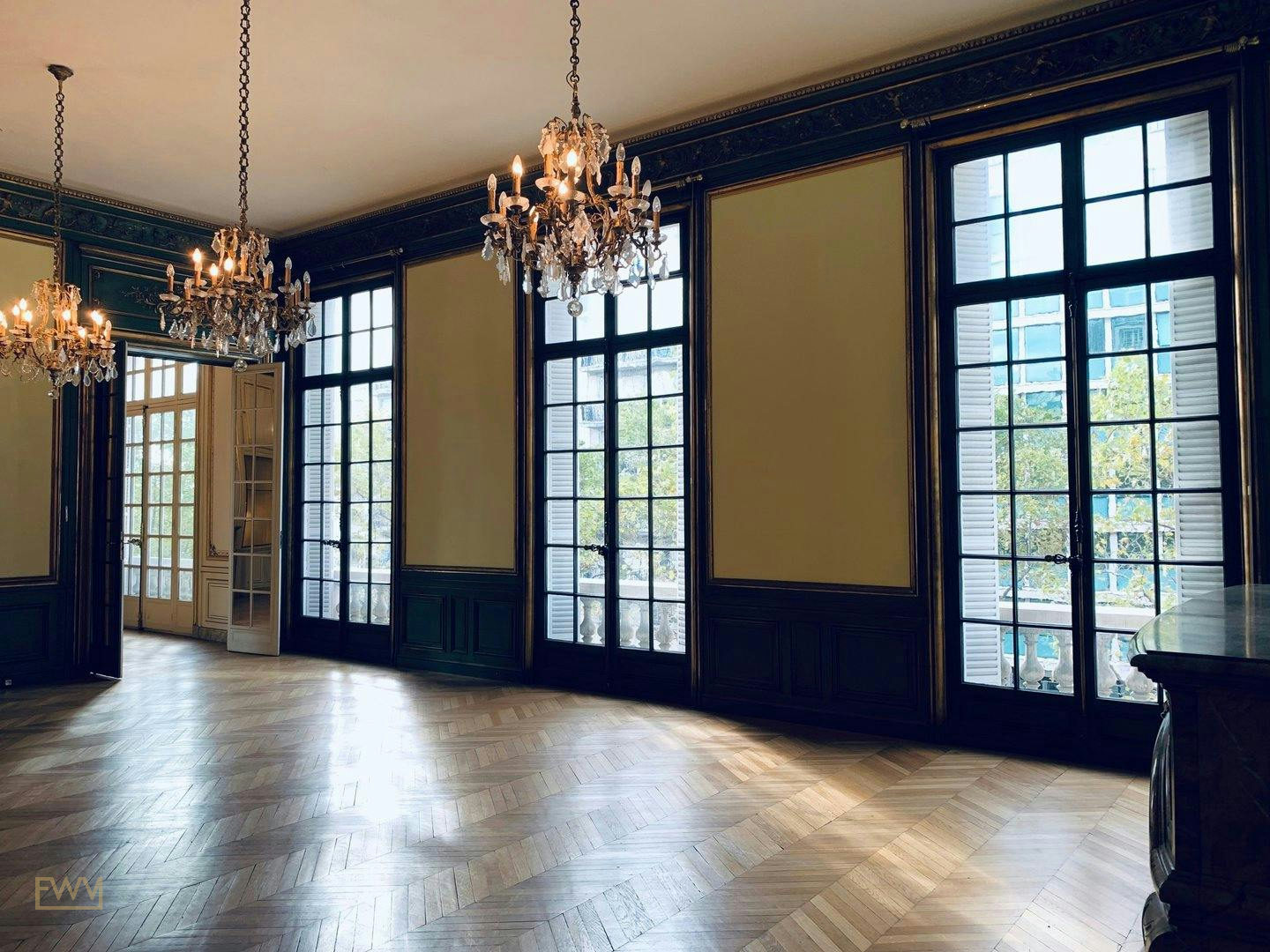
Paris boasts several historical venues that add a touch of elegance to any fashion event. The Palais de Tokyo and Musée des Arts Décoratifs provide not just space but an experiential backdrop steeped in history.
Modern and Contemporary Spaces
For brands leaning towards a modern aesthetic, venues like the Centre Pompidou and spaces in the Canal Saint-Martin area provide futuristic environments that can amplify brand narratives.
| Venue Type | Location | Ideal For |
|---|---|---|
| Historical | Opéra, Rue Saint-Honoré | Luxury brand showcases |
| Modern | Le Marais, Canal Saint-Martin | Contemporary fashion lines |
| Hybrid | Saint-Germain-des-Prés | Brands blending classic and modern styles |
KEY TAKEAWAY: Choose a venue that aligns with your brand's aesthetic and messaging to harness the full potential of your fashion week activation.
To explore the full range of venues available in Paris, Fashion Week Venues provides detailed listings and expert advice.
Key Considerations for Venue Selection
Choosing the right venue involves strategic consideration of several factors, including location, space capacity, brand alignment, and budget. These elements ensure the venue not only fits operational needs but also complements the brand's identity.
Quick answer: Successful venue selection for Paris Fashion Week involves assessing location, capacity, aesthetic alignment, and budget constraints.
Location and Accessibility
Accessibility is a crucial aspect. Venues located in well-connected areas like Saint-Germain-des-Prés are likely to draw more visitors. Assessing public transport links and nearby accommodations is also essential.
Space Capacity and Layout
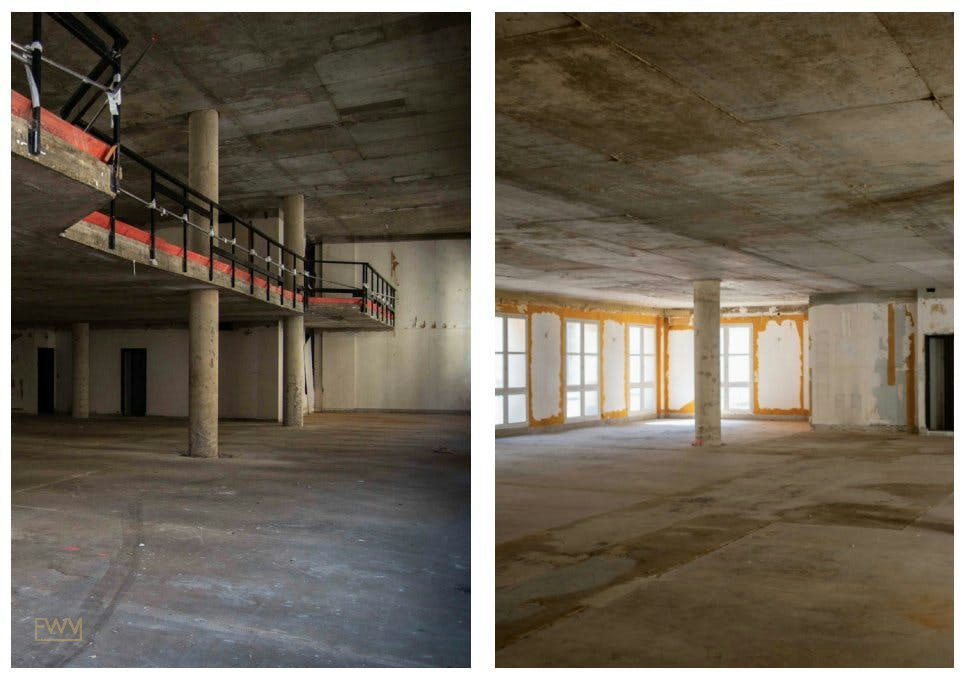
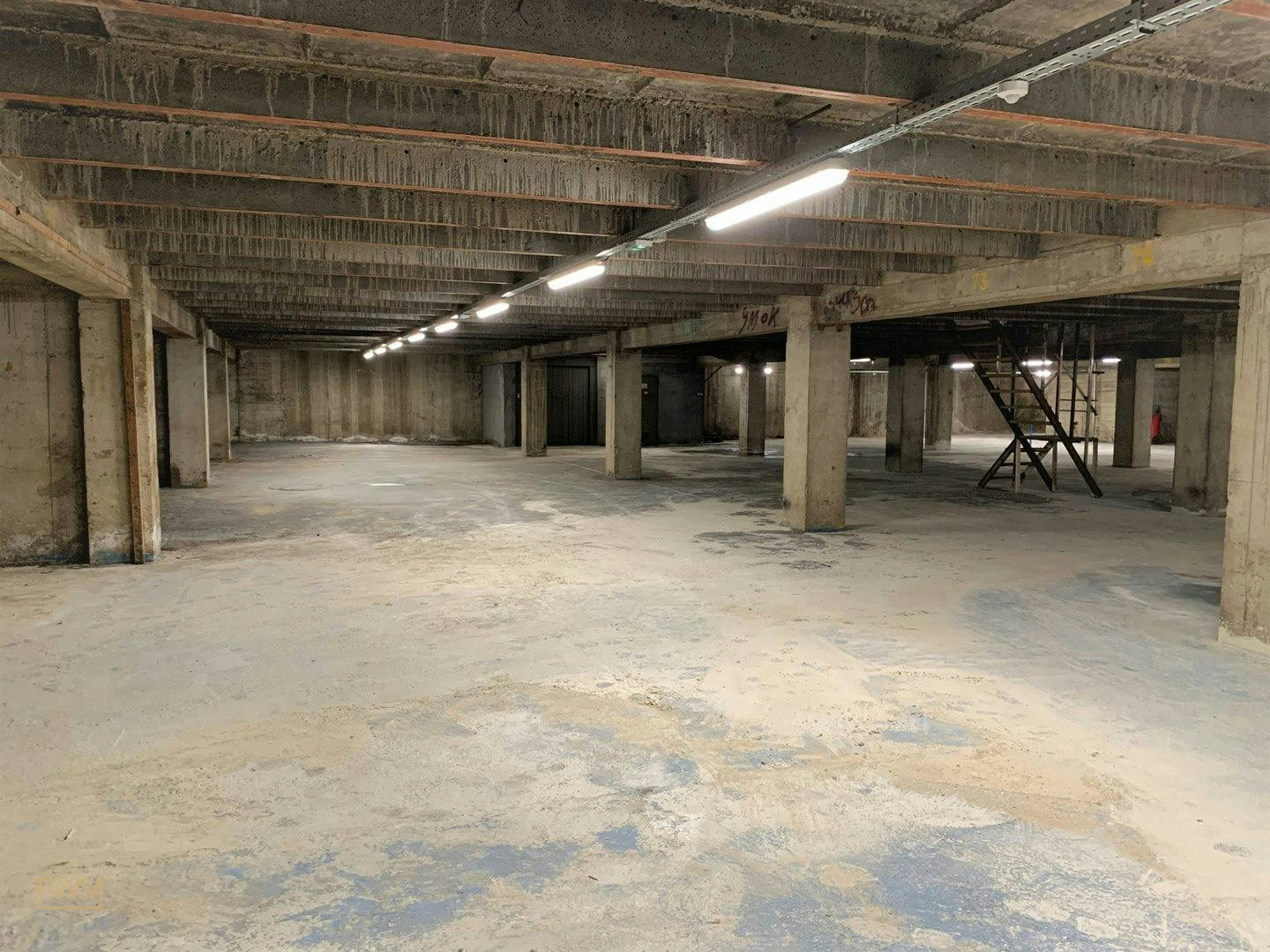
Brands must carefully evaluate the space size and layout to ensure it can accommodate their guest list and event setup. From runway shows to intimate press previews, the layout should fit the event's nature.
Brand Aesthetic and Identity
The venue should reflect the brand's aesthetic. A mismatch between the venue's style and the brand can confuse audiences and dilute the impact of the presentation.
DID YOU KNOW: The Palais Royal has hosted some of the most iconic fashion shows in history, offering a grand yet accessible platform for showcasing collections.
KEY TAKEAWAY: Prioritizing a strategically located, appropriately sized venue that aligns with brand aesthetics enhances audience engagement and overall event success.
For assistance with choosing the perfect venue, consult with Fashion Week Venues.
Workflow for Securing Your Fashion Week Venue
Securing a venue involves a sequential workflow that coordinates logistics, scheduling, and compliance requirements efficiently. Following a structured approach ensures no detail is overlooked, safeguarding against potential issues.
Quick answer: A structured workflow is essential for effectively securing venues for Paris Fashion Week, covering planning, permits, scheduling, and implementation.
| Step | Task | Details |
|---|---|---|
| 1 | Define Objectives | Clarify brand goals and space requirements |
| 2 | Research Venues | Utilize tools like the Fashion Week Venues marketplace for options |
| 3 | Budget Planning | Use the budget calculator tool |
| 4 | Compliance & Permits | Research needs for bail dérogatoire and ERP compliance |
| 5 | Finalize Contract | Ensure all terms are favorable and clear |
| 6 | Plan Activation | Smooth setup through to completion with production build strategies |
IMPORTANT: Obtaining the correct permits is a complex but critical step. Check permits tool for tailored guidance.
KEY TAKEAWAY: Adhere strictly to this structured workflow when securing venues to assure all strategic, legal, and branding needs are comprehensively covered.
To understand more about activating your venue and finalizing these steps, explore our activation management services.
Budgeting for Paris Fashion Week Venues
Budgeting is critical when planning for a fashion week event in Paris. It involves accurate forecasting, managing resource allocation, and optimizing the spend against potential ROI.
Quick answer: Budgeting involves careful planning and utilization of tools to account for both expected and unforeseen costs for fashion events in Paris.
Drafting a Budget
Initiate your budgeting by categorizing expenses: venue hire, staff, logistics, marketing, and contingencies. Using tools like the Fashion Week Venues budget calculator provides accurate estimations.
Maximizing ROI
Maximize ROI by aligning expenses with strategic brand objectives. The ROI calculator tool helps brands evaluate the potential returns against their investments.
Managing Unforeseen Costs
Plan for unexpected expenses by allocating a portion of your budget as a contingency. This prepares you for any additional costs that might arise during the event.
TIP: It's advisable to allocate 10-15% of your total budget for contingencies to buffer against unexpected costs.
KEY TAKEAWAY: Through detailed budgeting and using advanced tools, brands can ensure financial efficiency and achieve impactful outcomes within their set budgetary constraints.
For more on crafting an efficient budget, leverage our range of tools available on Fashion Week Venues.
Permit and Compliance Essentials
Securing the right permits and ensuring compliance with French regulations is a crucial step in the planning phase for any event during Paris Fashion Week. Navigating the legal landscape requires diligence and attention to detail.
Quick answer: Understanding and acquiring necessary permits such as bail dérogatoire and ensuring ERP compliance are essential steps in the Paris Fashion Week event planning process.
The Bail Dérogatoire
This temporary lease is often used for short-term venue hires in Paris. It allows brands to operate temporarily without committing to long-term contracts. However, requirements can vary significantly depending on the arrondissement and venue type.
Approval of Occupancy Title (AOT)
The AOT is essential when hosting events in public spaces or utilizing city property. This permit ensures that public spaces are used in accordance with local laws.
DID YOU KNOW: An AOT is mandatory when utilizing historical monuments as venues due to their protected status.
ERP Compliance
Ensuring a venue is ERP-compliant means it adheres to safety norms essential for public occupancy. It's vital for event organizers to verify ERP compliance to avoid potential legal repercussions.
KEY TAKEAWAY: Successful event execution requires thorough understanding and adherence to permit regulations, ensuring all paperwork is validated well ahead of the event.
For guidance on securing the required permits, access the permit guidance tool from Fashion Week Venues.
Choosing the Ideal Venue Type
Selecting a venue type in Paris involves understanding the variety of available spaces and how they align with brand-specific event goals and target audiences.
Quick answer: Choosing the right venue type depends on the brand's image, the type of event, expected audience, and overall goals for Paris Fashion Week participation.
Showrooms and Retail Spaces
Ideal for intimate presentations and private viewings, showrooms offer a controlled environment to showcase collections. Retail spaces, conversely, suit brands aiming for consumer engagement and direct sales.
Galleries and Art Spaces
Art spaces attract audiences looking for creative experiences. They offer flexible layouts, which can be tailored for both immersive installations and traditional presentations.
Event Halls and Convention Centers
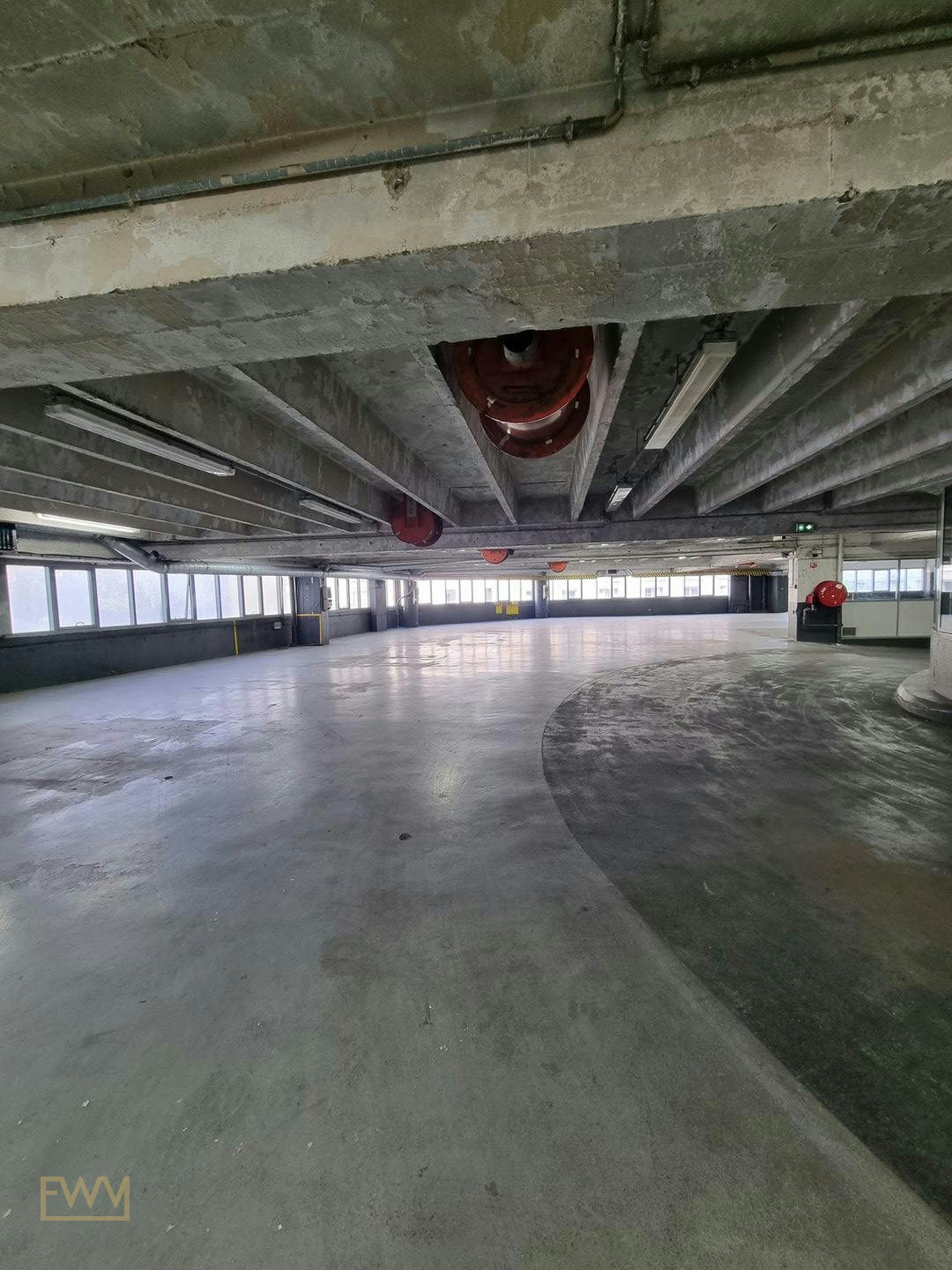
These venues are suitable for larger events needing high-capacity spaces, such as runway shows and brand launches. Strategic considerations include acoustics, lighting facilities, and technical support.
TIP: Consider the potential need for digital integration capabilities in larger venues, essential for modern hybrid and virtual event components.
KEY TAKEAWAY: Different venue types serve distinct strategic purposes; aligning the event type with the venue's capabilities is essential for a successful outcome.
For more detailed insights into venue types, refer to the space comparison tool on Fashion Week Venues.
Critical Steps in Event Activation
Event activation involves crafting a cohesive strategy that encompasses branding, audience engagement, and logistics. Proper execution ensures that the event maximizes its impact on brand perception and audience experience.
Quick answer: Effective event activation requires a synchronized strategy across branding, logistics, and experiential elements to enhance brand exposure during Paris Fashion Week.
Brand Storytelling
Embedding brand storytelling into the event's design and execution helps maintain consistency in brand messaging, resonating deeply with the audience and enhancing brand loyalty.
Engagement Tactics
Engagement is key for modern events. Use interactive digital elements and experiential zones within the venue to create memorable experiences.
Logistical Planning
This is foundational to successful event execution. It involves coordinating all operational aspects from buildup to breakdown, ensuring that every component aligns perfectly with timing and resource availability.
TIP: Always have a contingency plan for logistics to remedy unexpected challenges efficiently.
KEY TAKEAWAY: A meticulously planned activation strategy incorporating robust logistic models and innovative engagement approaches enhances an event's reach and impact.
Explore our activation services for comprehensive support in executing successful Paris Fashion Week events.
Understanding Timeline Constraints
Timeline management is pivotal for successful event execution. Adhering to a detailed timeline ensures all elements are completed without last-minute pressures or overlooked details.
Quick answer: Managing a detailed timeline is critical to ensuring all aspects of a fashion event are executed smoothly and punctually in Paris.
Pre-Event Planning
Starting months in advance with venue selection and securing permits gives ample time to prepare. Comprehensive planning lays the foundation for ensuing steps.
Activation and Execution
During the week of the event, precise execution is critical. This includes final setup touches, rehearsal runs, and last-minute adjustments to ensure perfection.
Post-Event Wrap-Up
Post-event activities involve clearing the venue, gathering feedback, and conducting a thorough review of performance against objectives for strategic insight.
TIP: A post-event analysis session provides valuable insights for future events and should be included in your timeline plan.
KEY TAKEAWAY: A well-managed timeline supports all event phases—from initial conception to post-event evaluation, ensuring every aspect runs seamlessly.
Use the timeline planning tool to create and monitor effective event schedules.
Common Myths Debunked
MYTH: You need a French legal entity to rent a space in Paris.
FACT: While having a local entity can streamline processes, it's not mandatory. International brands can rent spaces with appropriate legal guidance and documentation.
MYTH: Paris Fashion Week is the only viable time to hold fashion events in Paris.
FACT: Although Paris Fashion Week is highly visible, other times of the year can offer distinct advantages like cost savings and broader audience availability.
MYTH: The only way to find a space is through commission brokers.
FACT: Today, many digital platforms, like Fashion Week Venues, offer direct access to space listings, allowing brands to compare options without broker fees.
MYTH: Short-term leases for fashion events are straightforward and without complications.
FACT: Short-term leases involve specific legal considerations such as bail dérogatoire, requiring careful review and specialized assistance to avoid complications.
Frequently Asked Questions
What is the significance of Paris Fashion Week for brands?
Paris Fashion Week represents a pivotal platform for fashion brands worldwide. It’s a hub for innovation and creativity, offering unparalleled exposure to industry professionals, media, and potential customers. Participating in this event allows brands to showcase their collections on a global stage, facilitating expansion and strengthening brand presence within the high-demand fashion industry.
How do I secure a venue for Paris Fashion Week?
Securing a venue involves understanding your brand needs, starting the search early, and utilizing resources like Fashion Week Venues' marketplace. Consider location, size, and cost, and ensure you engage with permit requirements to ensure compliance. Expert advice and tools can simplify this process and ensure a match with brand objectives.
Are there specific permit requirements for fashion events in Paris?
Yes, hosting a fashion event in Paris necessitates specific permits such as bail dérogatoire for temporary space use and ERP compliance for safety. Securing an AOT is mandatory for public areas. It’s crucial to verify these requirements early in the planning stages to avoid legal complications. Consulting with a legal advisor can be beneficial.
How can I manage my event's timeline effectively?
Effective timeline management starts with early and detailed planning. Outline all task deadlines and key milestones from preparation to the event debrief. Utilize timeline tools to keep your plans on track and ensure that event execution is punctual. Time management tools like the timeline planning tool can greatly assist in these endeavors.
What are some common mistakes when planning a pop-up event in Paris?
Common mistakes include underestimating permit lead times, overextending budgets without ROI planning, and misaligning venue aesthetics with brand identity. It's crucial to thoroughly research and plan all logistical, financial, and aesthetic components in advance. Engaging with experienced event planners and using sophisticated venue-sourcing tools can mitigate these risks.
Can I host a fashion event outside the fashion week?
Yes, hosting events outside of Paris Fashion Week can significantly benefit from reduced competition for venues and lower costs. Such timing can also attract different audience segments and provide broad media exposure if strategically executed. Venues may offer greater flexibility with scheduling as well.
What are the benefits of using Fashion Week Venues' services?
Fashion Week Venues provides comprehensive support, including venue sourcing, activation management, and concept direction. Their platform offers optimization tools covering budgeting, ROI calculations, and timeline management, tailored to the specific needs of fashion brands looking to maximize their impact during Paris Fashion Week events.
How can I ensure that my venue complies with all necessary regulations?
Ensuring compliance involves checking that the venue has all necessary permits and meets safety (ERP) regulations. Utilizing services like Fashion Week Venues, which offers advice and tools to verify compliance, can help streamline this process and avoid legal issues.
What is bail dérogatoire, and how does it apply to fashion events?
Bail dérogatoire is a short-term lease option designed for temporary space use, making it ideal for fashion events like pop-ups and temporary showrooms. It allows brands flexibility without long-term commitments but requires a good understanding of legal agreements to ensure compliance and avoid potential contractual issues.
Is it necessary to hire a French lawyer for legal advice on my fashion event?
While not always mandatory, hiring a French legal advisor can significantly ease the permit process and ensure all legal aspects of your event, such as contracts and compliance, are correctly handled. This minimizes risks and ensures smooth execution amidst France's complex regulatory landscape.
Conclusion
Navigating the intricacies of securing a successful Paris Fashion Week venue is multifaceted, demanding careful planning, strategic execution, and expert insights. From selecting an ideal venue to ensuring permit compliance and managing budgets, each step is crucial. For brands aiming to shine, leveraging the expertise and comprehensive tools offered by Fashion Week Venues can streamline this process and maximize brand visibility. Moving from research to actual engagement requires a firm grasp of the process, and with the right support, achieving impactful and memorable fashion events in Paris becomes a tangible possibility.