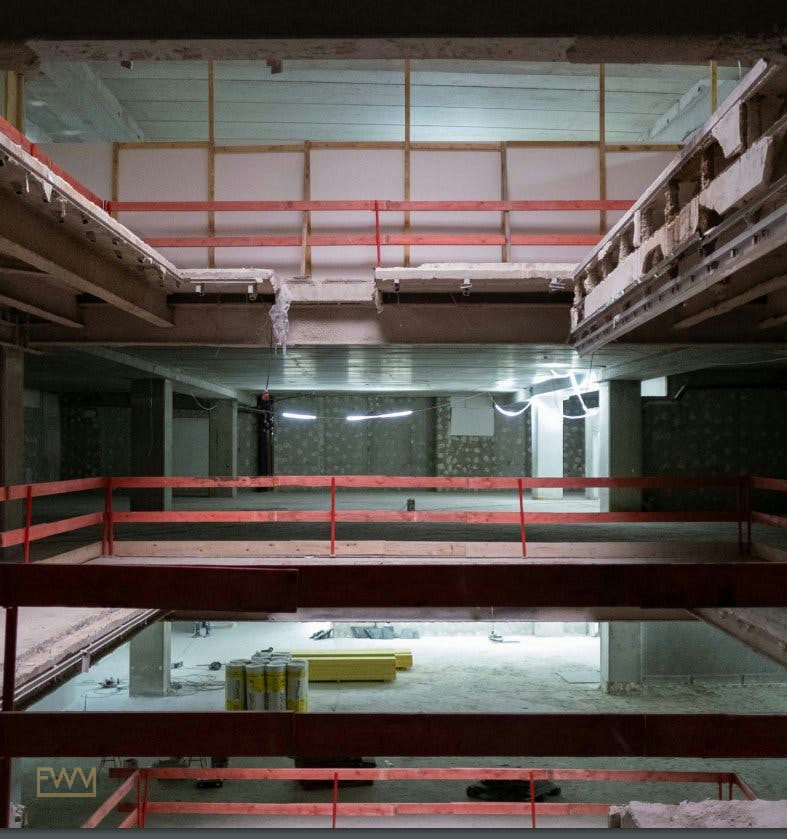
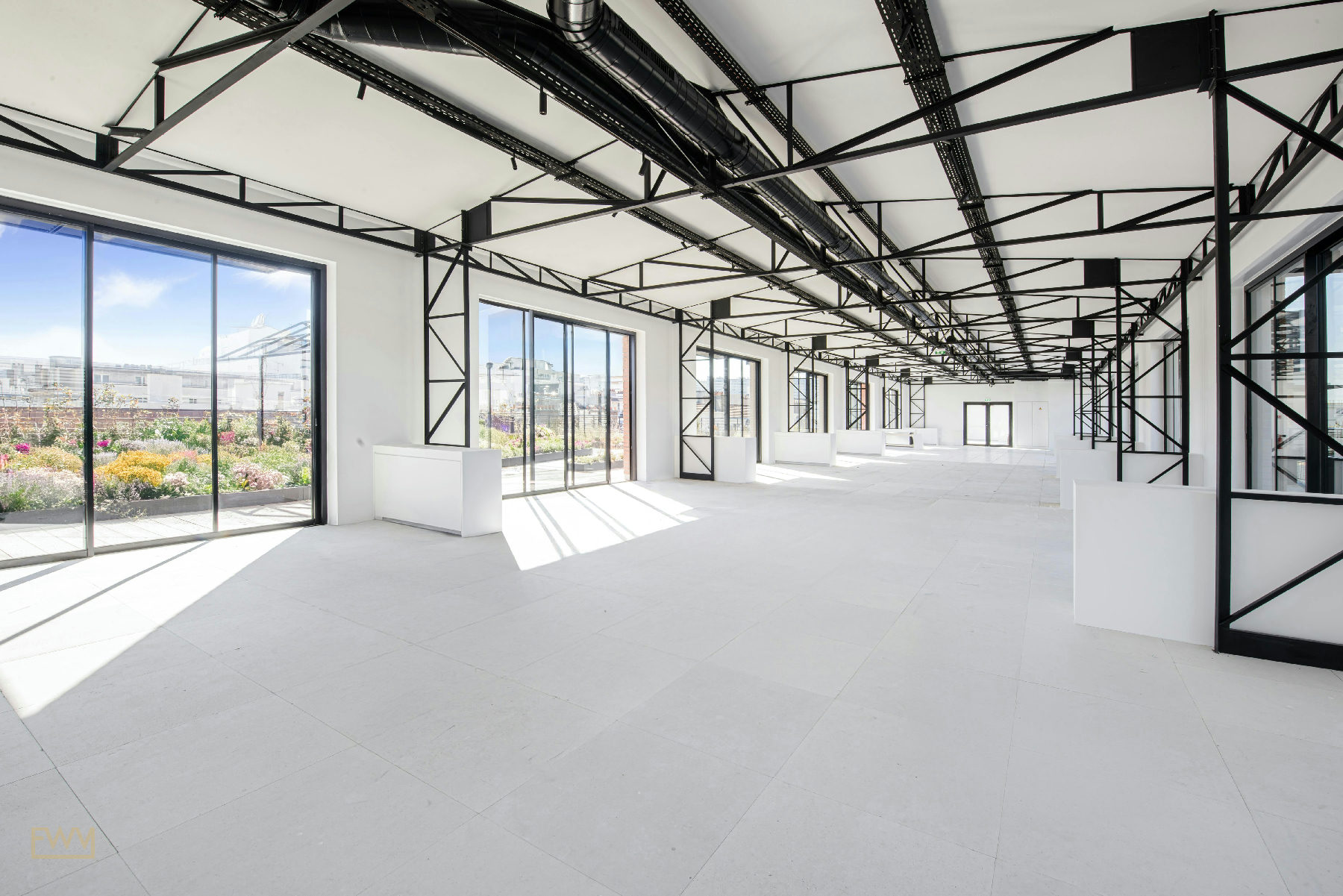
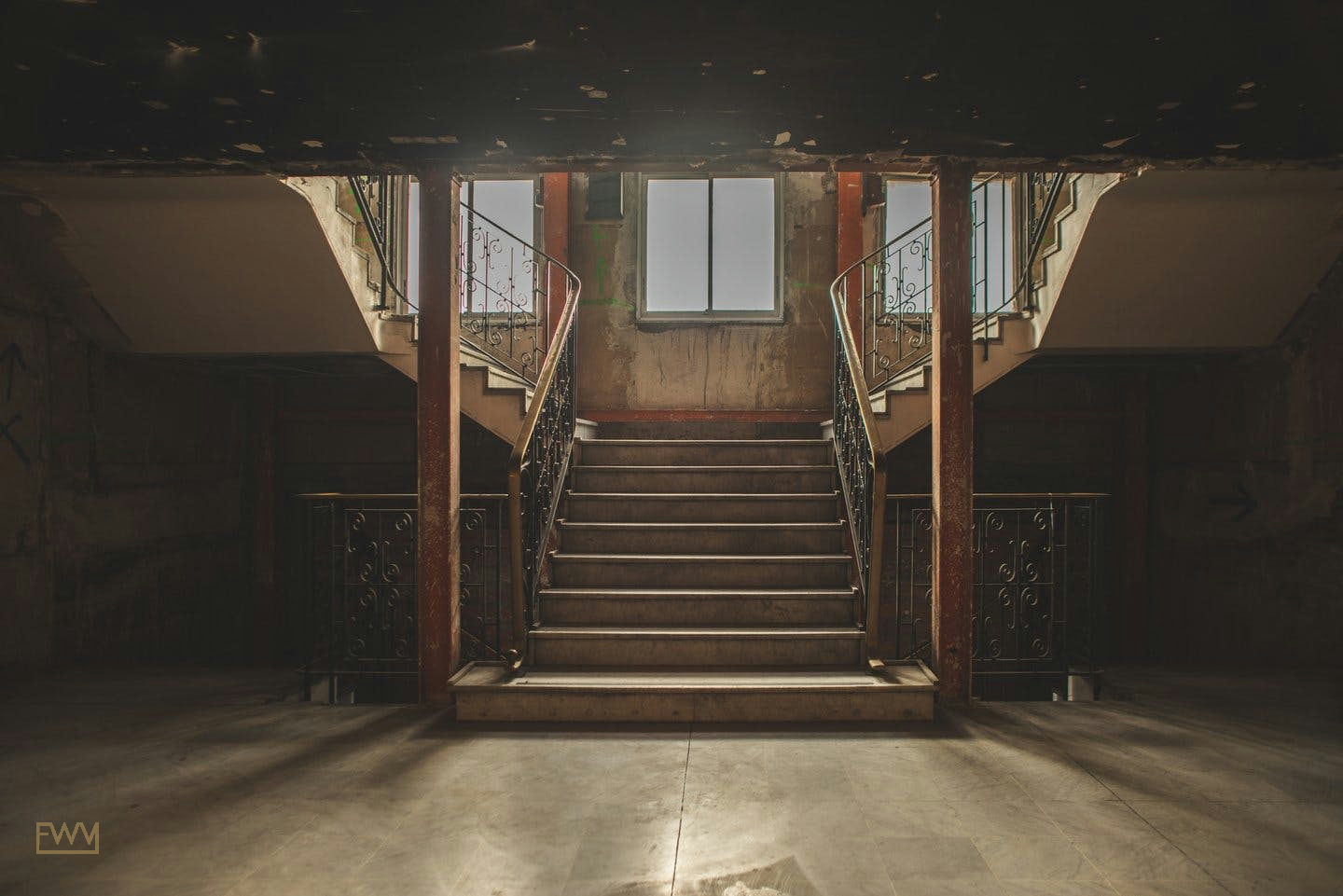
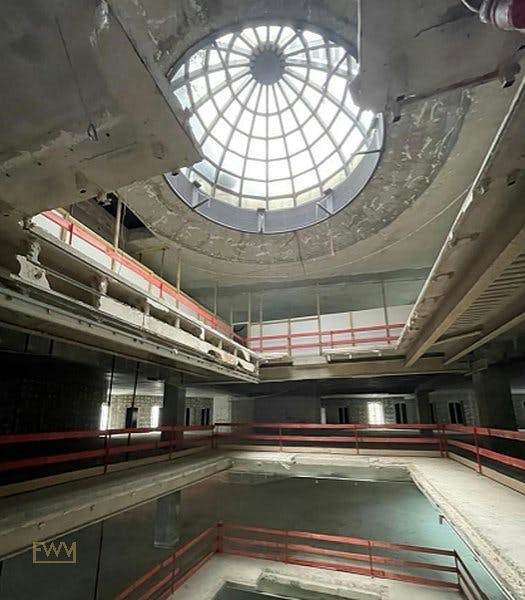
Deciding to rent retail space near the Louvre Paris is one of the most strategically powerful moves a fashion, beauty, or luxury brand can make when entering the French market. The Louvre Museum draws millions of international visitors each year, placing any nearby retail activation at the intersection of culture, tourism, and aspiration. Whether you are planning a short-term pop-up store, a fashion showroom, a branded boutique, or a temporary event space, the arrondissements surrounding the Musee Du Louvre offer unmatched foot traffic, prestige, and brand alignment. Fashion Week Venues helps international brands source, design, and operate retail spaces across Paris, with deep expertise in short-term leases and temporary activations near the city's most prominent cultural landmarks and commercial corridors.
Why the Louvre District Is One of Paris's Most Valuable Retail Corridors
Quick answer: The area surrounding the Louvre Museum sits at the junction of the 1st arrondissement's most trafficked tourist routes, luxury retail streets, and cultural institutions, making it an exceptional location for brands that need visibility, prestige, and access to international visitors with high purchasing power.
The Musee Du Louvre is the world's most visited art museum, attracting approximately nine million visitors annually according to the Louvre's own published attendance data. That volume does not stay inside the museum. Visitors spread across Rue de Rivoli, the Palais-Royal gardens, and neighbouring streets, creating sustained foot traffic throughout the day and into the evening. For a retail brand, this means consistent visitor exposure without the need to manufacture attention.
The 1st arrondissement, where the Louvre sits, is also one of the most historically significant commercial zones in France. Rue de Rivoli runs along the northern edge of the museum complex and connects directly to Place de la Madeleine and the broader Golden Triangle luxury corridor. This geographic positioning means that a pop-up store or boutique near the Louvre benefits from proximity not only to tourists but to the affluent Parisian clientele who frequent the area for shopping, dining, and culture.
Brands that activate in this district gain an automatic association with French history and culture. The Louvre was originally a medieval fortress before being transformed into a royal palace under King Louis XIV, and later its transformation into an art museum following the French Revolution made it a national symbol of French civilisation. Its collection includes works spanning ancient Egyptian antiquities, Greek sculpture, Renaissance paintings, and one of the world's most famous artworks, the Mona Lisa, painted by Leonardo da Vinci. For fashion and luxury brands, proximity to an institution of this cultural weight confers a level of credibility and aspiration that is difficult to achieve through media spend alone.
Beyond the museum itself, the surrounding retail landscape includes iconic addresses. The Palais-Royal arcade directly behind the museum hosts independent boutiques and design-forward retailers. Rue Saint-Honoré, which runs parallel to the northern facade of the Louvre complex, is one of the most prestigious retail streets in the world and connects to Avenue des Champs-Elysées and Place Vendôme. The proximity of Galeries Lafayette and Printemps to the east, combined with the density of tourist attractions, creates a retail ecosystem that supports both volume-driven activations and premium brand experiences.
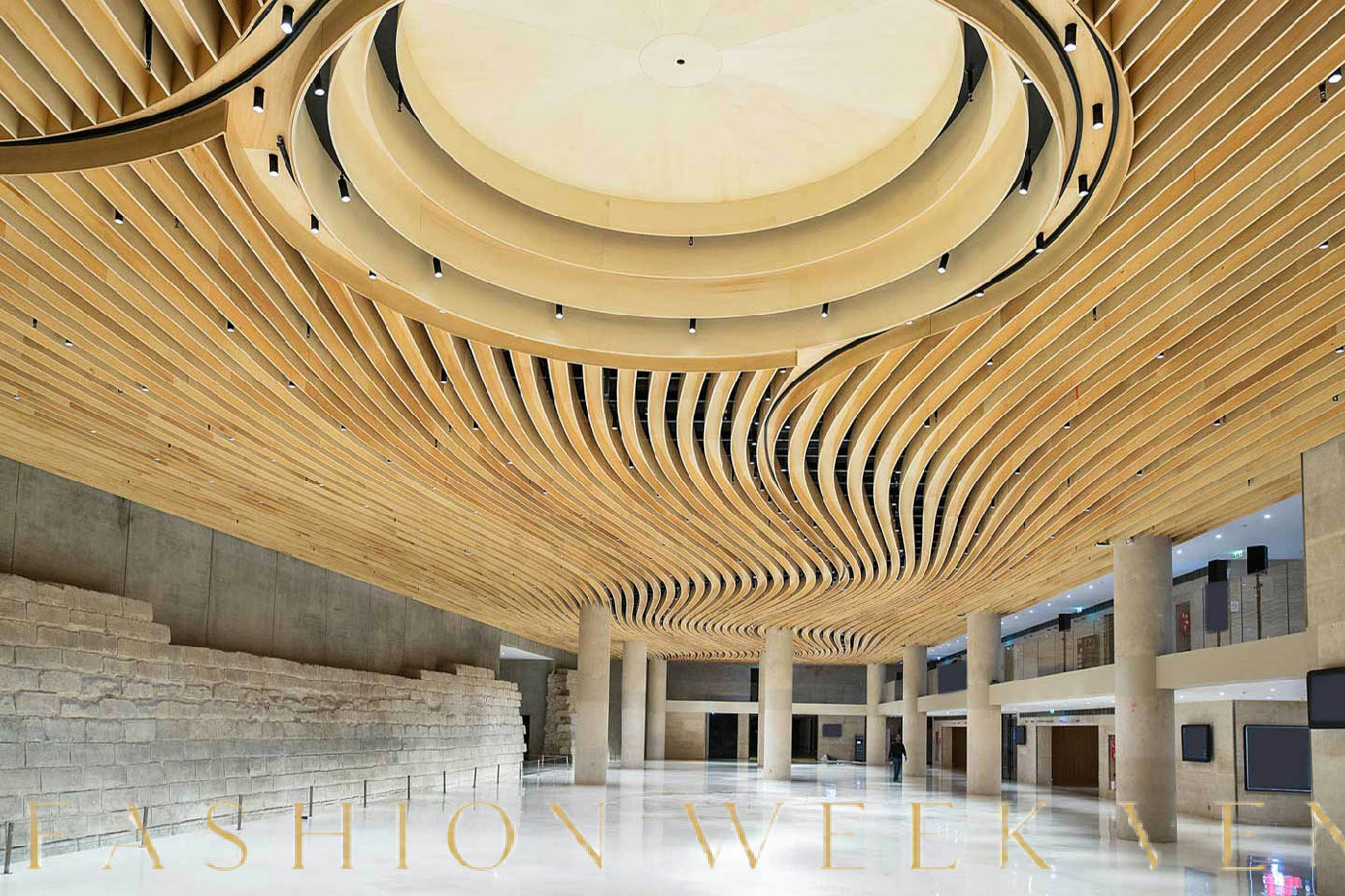
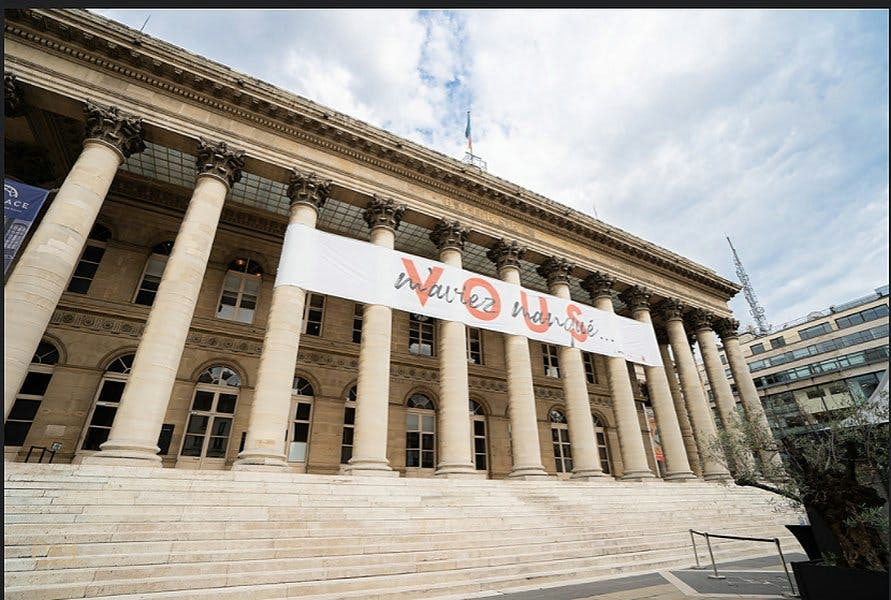
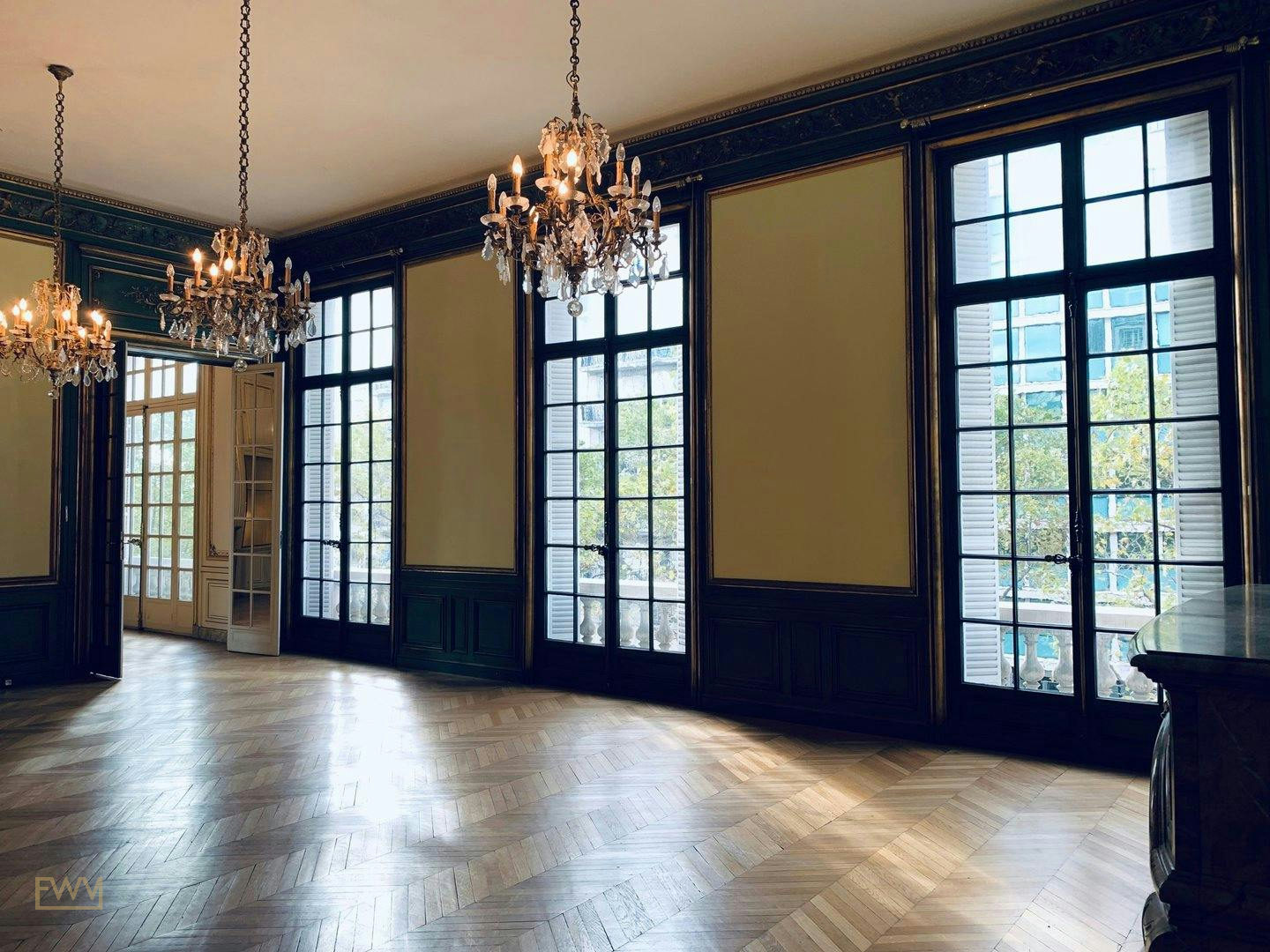
Lighting conditions near the Louvre are also worth noting for brands planning exhibitions, product presentations, or art-adjacent activations. Many spaces in the area feature the high ceilings, large windows, and architectural character associated with Haussmannian buildings, which naturally support gallery-style retail design. Brands selling art, design objects, jewellery, or fashion with a cultural narrative will find the visual context of this neighbourhood genuinely supportive of their aesthetic.
DID YOU KNOW: The Palais-Royal garden adjacent to the Louvre has housed independent retailers since the late eighteenth century, making it one of the longest-running luxury retail corridors in the world.
KEY TAKEAWAY: The district around the Louvre Museum combines unrivalled tourist foot traffic, luxury retail adjacency, cultural prestige, and Haussmannian architecture to create one of the most commercially and creatively compelling retail locations in Europe.
Understanding the geography and cultural weight of this area is the foundation for making smart decisions about space type, lease structure, and activation timing. The next section maps the specific neighbourhoods and streets where brands most frequently activate.
Paris Neighbourhoods and Key Streets for Retail Space Near the Louvre
Quick answer: The most sought-after locations for renting a pop-up shop near the Louvre include Rue de Rivoli, Rue Saint-Honoré, the Palais-Royal arcade, Le Marais, and the Golden Triangle, each offering a different combination of footfall, prestige, space typology, and rental profile.
Paris divides into twenty arrondissements arranged in a clockwise spiral from the centre. The Louvre sits in the 1st arrondissement, and the neighbourhoods most relevant to retail brands extend into the 2nd, 3rd, 4th, 6th, and 8th arrondissements. Each offers a distinct commercial and cultural character.
The 1st Arrondissement: Rue de Rivoli and the Palais-Royal
Rue de Rivoli is the commercial spine of the 1st arrondissement, running from Place de la Concorde in the west to the Marais in the east. The northern facade of the Louvre faces directly onto Rue de Rivoli, making ground-floor spaces on this street among the most visible in Paris for tourist-oriented retail. The Palais-Royal arcade, accessible from the garden behind the Louvre, offers a more curated, design-led environment with a mix of established boutiques and independent retailers. Spaces here tend to be smaller in footprint but exceptionally prestigious.
Rue Saint-Honoré and Place Vendôme
Rue Saint-Honoré and its western continuation Rue du Faubourg Saint-Honoré form the backbone of Paris luxury retail. Place Vendôme anchors this corridor with haute joaillerie maisons and five-star hotels. For fashion brands seeking a luxury positioning, a pop-up store or showroom on or adjacent to this street communicates a level of brand alignment that carries weight with media, buyers, and high-net-worth consumers. The Golden Triangle, bounded by Avenue des Champs-Elysées, Avenue George V, and Avenue Montaigne, extends this luxury corridor into the 8th arrondissement.
Le Marais and the 4th Arrondissement
Le Marais, spread across the 3rd and 4th arrondissements, is Paris's most creative and culturally diverse retail neighbourhood. It combines independent fashion boutiques, contemporary art galleries, design studios, and heritage architecture in a format that attracts both tourists and a younger, fashion-forward local clientele. Brands with a contemporary, creative, or streetwear positioning often prefer Le Marais over the more formal luxury corridors. Spaces here tend to offer more flexible rental arrangements and a wider range of formats including loft studios, converted galleries, and charming boutique units.
Saint-Germain-des-Prés and the 6th Arrondissement
Saint-Germain-des-Prés has historically been the intellectual and artistic heart of Paris, and its retail character reflects this. The neighbourhood attracts an affluent, culturally engaged Parisian clientele as well as well-travelled international visitors. Spaces here work well for fashion brands with a strong narrative, beauty brands with an editorial positioning, and luxury goods brands seeking an alternative to the more commercially overt Golden Triangle environment.
Key Streets for Commercial Consideration
| Street or Location | Arrondissement | Primary Character | Best Suited For |
|---|---|---|---|
| Rue de Rivoli | 1st | Tourist-facing, high volume | Consumer pop-ups, souvenir adjacency, accessible luxury |
| Rue Saint-Honoré | 1st | Luxury retail corridor | Fashion, fine jewellery, premium beauty |
| Place Vendôme | 1st | Ultra-luxury, press and VIP | Haute couture, joaillerie, prestige launches |
| Avenue des Champs-Elysées | 8th | International flagship zone | Mass-market luxury, brand visibility campaigns |
| Le Marais | 3rd and 4th | Creative, gallery, contemporary fashion | Streetwear, concept retail, art-adjacent brands |
| Saint-Germain-des-Prés | 6th | Intellectual luxury, Parisian lifestyle | Designer fashion, literary or cultural brands |
| Boulevard Haussmann | 9th | Department store district | Accessible luxury, high street, beauty brands |
| Montmartre and Pigalle | 18th | Bohemian, tourist, emerging | Artist brands, independent fashion, pop culture |
KEY TAKEAWAY: Choosing the right neighbourhood near the Louvre requires aligning your brand's positioning, target clientele, and activation format with the character of the street. Foot traffic volume and rental cost vary significantly across these corridors.
To compare neighbourhoods and space types, explore the Paris city hub on Fashion Week Venues and shortlist spaces that match your brief, budget, and calendar window.
Types of Retail Space Available Near the Louvre
Quick answer: Brands looking to rent near the Louvre can choose from ground-floor boutiques, Haussmannian apartments adapted for retail, studio spaces, former art galleries, fashion showrooms, and purpose-configured pop-up units, each with different area, access, and fit-out requirements.
The diversity of building typologies in central Paris means that the term retail space covers a wide range of physical formats. Understanding the differences between these formats is essential before approaching a landlord or engaging a platform to search for available units.
Ground-Floor Boutiques
Traditional ground-floor commercial units, known as locaux commerciaux, line the main shopping streets near the Louvre. These spaces typically feature direct street frontage, a glazed shopfront, and standard retail infrastructure including electricity, plumbing, and basic finishes. They range from compact units of twenty to thirty square meters on secondary streets to larger flagship-scale units of two hundred square meters or more on prime addresses. For temporary retail activations, these spaces are often available on a bail dérogatoire, a short-term derogatory lease permitted under French commercial law, which allows occupancy for a defined period without triggering the long-term protections of a standard bail commercial.
Haussmannian Apartments Converted for Retail
Many brands in Paris choose to activate in ground-floor or first-floor apartments that have been adapted for commercial use. These spaces offer high ceilings, decorative plasterwork, parquet floors, and large windows that create a distinctive aesthetic very different from conventional retail. They are particularly well suited to fashion showrooms, beauty brand activations, and exclusive presentation events. The architectural character of these spaces allows brands to create an immersive experience without extensive fit-out investment.
Art Galleries and Former Exhibition Spaces
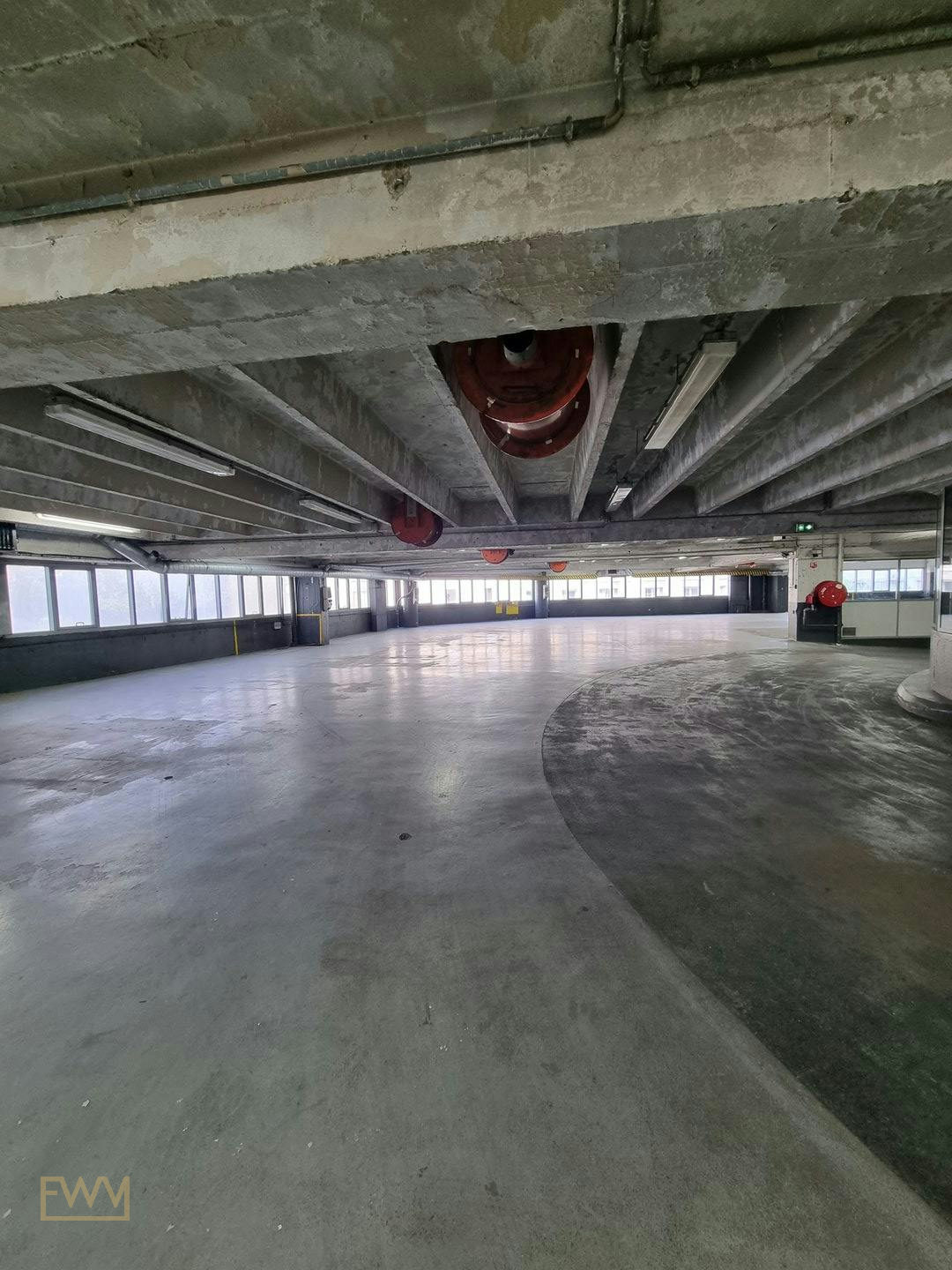
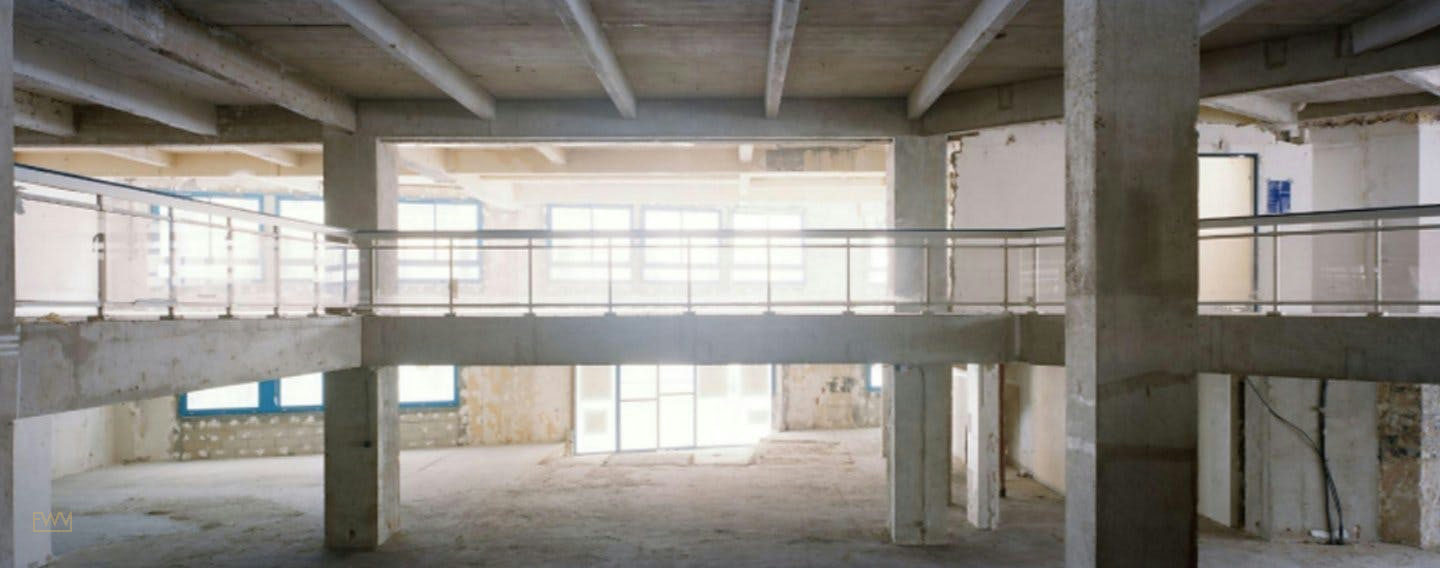
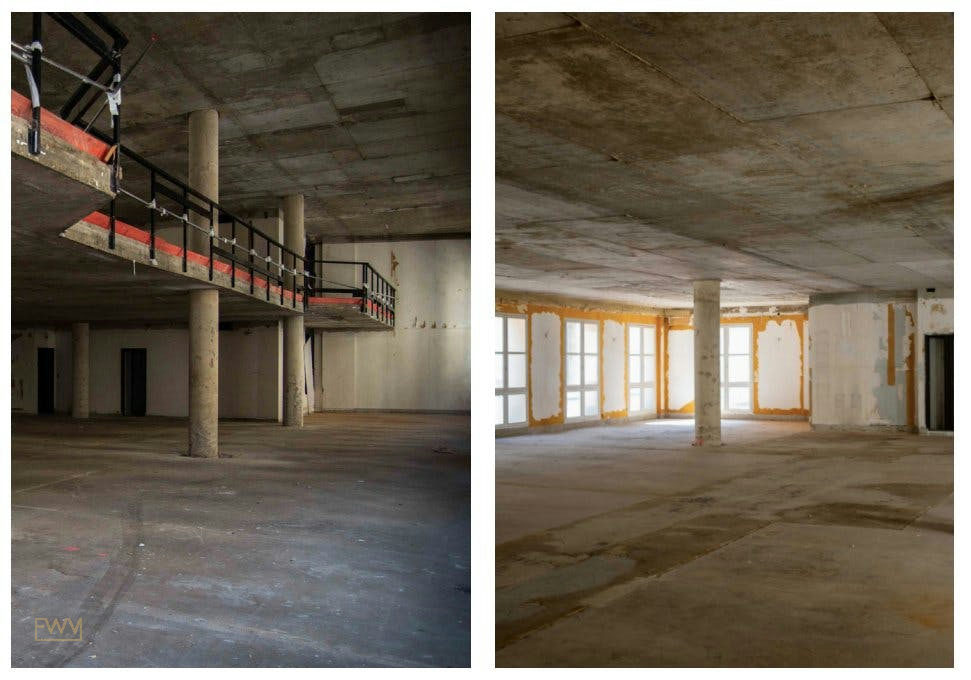
The Marais and the areas around the Palais-Royal are dense with former and active art galleries that are frequently available for short-term hire. These spaces typically feature polished concrete floors or raw concrete floors, spotlights on track lighting systems, and open-plan configurations designed to display objects, sculptures, paintings, and installations. For fashion brands with a strong visual identity or those wishing to position themselves within the Parisian art world, activating in a gallery space creates an immediate creative credibility.
Fashion Showrooms
Dedicated fashion showrooms near the Louvre and in Le Marais are designed to receive buyers, press, and wholesale clients in a professional environment. These spaces typically include hanging rails, display plinths, meeting areas, and lighting designed for accurate colour rendering of garments. During Paris Fashion Week, demand for this space type peaks significantly, and lead times for securing a suitable showroom extend to several months in advance.
Studio Photo and Creative Studios
Studio spaces with white or neutral wall finishes, controllable lighting, and flexible layouts are increasingly popular for brands that want to combine retail with content production. A brand can run a consumer-facing pop-up during the day and use the same space for social media content creation in the evenings. This dual-use approach has become particularly common among beauty brands and contemporary fashion labels.
| Space Type | Typical Area | Key Features | Ideal For |
|---|---|---|---|
| Ground-floor boutique | 20 to 200 sqm | Street frontage, shopfront glazing | Consumer pop-ups, product launches |
| Haussmannian apartment | 50 to 300 sqm | High ceilings, parquet, ornate details | Showrooms, VIP events, editorial shoots |
| Art gallery | 40 to 400 sqm | Spotlights, concrete floors, open plan | Fashion brands with visual identity |
| Fashion showroom | 80 to 250 sqm | Rails, display, meeting zones | Wholesale presentations, press days |
| Studio photo space | 30 to 150 sqm | Neutral finish, controllable lighting | Content creation, beauty activations |
| Pop-up store unit | 20 to 100 sqm | Pre-fitted retail, POS-ready | Direct-to-consumer sales activations |
KEY TAKEAWAY: The right space type depends on whether your activation is primarily consumer-facing, trade-focused, or media-driven. Matching the physical format of the space to the purpose of your activation reduces fit-out cost and improves the quality of the brand experience.
Understanding space typology prepares you to evaluate listings more effectively, but finding the right unit requires knowing where and how to search. The next section covers the main platforms and methods available for sourcing retail space in Paris.
How to Search for Retail Space Near the Louvre: Platforms, Brokers, and Agencies
Quick answer: Brands can search for retail space near the Louvre through commercial real estate platforms such as LoopNet and CoStar, short-term space marketplaces such as Storefront, broker professionals and local agences immobilières, or full-service agencies such as Fashion Week Venues that combine space sourcing with end-to-end activation support.
Each route to market has different strengths, and the best approach often depends on how much time your team has, how well you understand the Paris market, and whether you need support beyond simply finding a physical address.
Commercial Real Estate Platforms
Platforms such as LoopNet and CoStar aggregate commercial property listings from broker professionals and property owners across France. These platforms are designed primarily for longer-term commercial leases and investment properties, but they do include some short-term and temporary retail listings. Users can filter by location, space type, floor and access, space features, and rental criteria. Listings on these platforms typically require direct negotiation with a broker or landlord and may not include the short-term lease structures that temporary retail activations require. CoStar, which owns LoopNet, operates as a data and analytics platform as well as a listings portal, which means that users with full accounts can access market intelligence on rental pricing and availability trends in specific arrondissements.
Short-Term Space Marketplaces
Platforms such as Storefront have been built specifically for the short-term and temporary retail market. Storefront offers both standard listings and a Storefront Premium tier with exclusive spaces and enhanced service levels including Blue Listings that have been pre-verified for quality and compliance. The platform allows brands to search by location, space type, duration, and budget, and it facilitates hassle-free transactions including digital contracts, automated availability confirmation, and direct messaging with space owners. Storefront also offers saved searches and alerts, so users can receive email notifications when new listings matching their criteria are added. This is particularly useful in competitive windows such as Paris Fashion Week, when suitable spaces are secured weeks or months in advance.
Local Broker Professionals and Agences Immobilières
Traditional French real estate brokers, known as agents immobiliers, have deep local knowledge and access to off-market listings that never appear on public platforms. Working with a local broker can be highly effective for brands seeking spaces in specific micro-locations near the Louvre or on specific streets such as Rue de Marignan, Rue de la Baume, Rue Boissière, or Rue du Quatre Septembre. However, brokers in France typically operate on commission structures that add to the overall rental cost, and they are primarily focused on the transactional element of the search rather than the creative or operational requirements of a brand activation. Brands should confirm the broker's familiarity with bail dérogatoire and short-term commercial structures before engaging.
Full-Service Agencies
Agencies such as Fashion Week Venues combine the space sourcing function with a broader suite of services covering concept direction, fit-out and production, retail staffing, POS and payments, influencer marketing, data and analytics, and activation management. For international brands entering Paris without an established local team, this approach reduces execution risk significantly. Rather than coordinating ten or fifteen different suppliers across a market you do not know well, a single agency manages the process from briefing to close. The venue sourcing service at Fashion Week Venues operates within this full-service model, which means that space identification and lease negotiation are always connected to the wider brief for the activation.
TIP: When using any search platform for Paris retail space, filter by arrondissement rather than trying to draw a radius around the Louvre. The arrondissement system reflects the actual commercial character of each area more accurately than geographic circles.
KEY TAKEAWAY: Each search route has different trade-offs between speed, cost, local knowledge, and operational support. International brands with complex activation briefs or limited Paris experience benefit most from working with a full-service agency that combines space sourcing with execution capability.
Retail Space Costs Near the Louvre: What to Budget and How to Plan
Quick answer: Rental costs for retail space near the Louvre vary significantly based on location, space type, duration, and season. Prime streets such as Rue Saint-Honoré and Place Vendôme command the highest daily and weekly rates, while spaces on secondary streets in the 1st or 4th arrondissement offer more accessible entry points for brands with tighter budgets.
Providing specific figures for retail rental costs in Paris without a defined brief, location, duration, and space type would be misleading. The range across the market is genuinely very wide. What is possible to outline are the key variables that drive cost and the additional budget lines that brands frequently underestimate.
Variables That Drive Rental Cost
Street and arrondissement is the single largest driver of rental cost. Rue Saint-Honoré, Place Vendôme, Avenue des Champs-Elysées, and Rue du Faubourg Saint-Honoré are at the top of the Paris rental market by any measure. Boulevard Haussmann, Boulevard Malesherbes, and the area around Galeries Lafayette and Printemps sit in a strong middle tier. Secondary streets and those in the 3rd, 4th, and 6th arrondissements offer greater flexibility, with prices reflecting the more mixed commercial and residential character of those neighbourhoods.
Duration matters significantly in the short-term market. Daily rates for a short activation of three to seven days are substantially higher per day than weekly or monthly rates for the same space. Landlords in Paris often prefer activations of at least two weeks to justify the administrative burden of a short-term letting agreement. During Paris Fashion Week and other major events, scarcity drives rates upward across all tiers of the market.
Space size measured in square meters is an obvious cost driver, but the relationship between size and cost is not always linear in Paris. A 50 sqm gallery in Le Marais may cost more than a 100 sqm ground-floor unit on a secondary street in the 9th arrondissement, simply because the gallery's aesthetic character and location command a premium from the brands that want it.
Additional Budget Lines Brands Must Plan For
Beyond base rent, brands operating a temporary retail space in Paris should budget for: a security deposit typically equivalent to one to two months of the rental equivalent; fit-out and production costs including furniture, shelving, signage, and branded elements; reinstating the space to its original condition at the end of the activation; utilities including electricity, which may or may not be included in the rental; retail staffing for the duration of the activation; POS and payment processing; cleaning; insurance; and any permit or authorisation costs associated with the space type and planned activities.
Fit-out costs are frequently the most variable and least anticipated line item. A brand installing a complex branded build in a raw space will spend significantly more than one taking a pre-fitted boutique and adding minimal branding. The Fashion Week Venues budget tool allows brands to input their specific requirements and generate a directional cost estimate based on space type, location, duration, and activation format.
IMPORTANT: In France, temporary retail leases require careful legal structuring. Costs associated with legal review of a bail dérogatoire should be included in your planning budget. Always verify requirements with a qualified French legal advisor before signing any agreement.
KEY TAKEAWAY: Base rent is typically only fifty to sixty percent of the total cost of a Paris retail activation. Planning the full budget including fit-out, staffing, permits, and reinstatement from the outset avoids the mid-project cost surprises that damage activation quality and brand relationships.
Permits, Leases, and Compliance for Temporary Retail in Paris
Quick answer: Temporary retail activations in Paris operate under a specific legal framework that is distinct from standard commercial leases. The two most relevant structures are the bail dérogatoire for short-term indoor rental and the autorisation d'occupation temporaire for use of public space, and both require careful navigation to ensure compliance with local regulations.
France has a well-established but detailed commercial property law framework. Understanding the structures available for short-term retail is essential before you sign any agreement or begin planning your activation.
Bail Dérogatoire
The bail dérogatoire, also known as a convention d'occupation précaire, is the standard legal vehicle for short-term commercial occupancy in France. Under French law, a standard commercial lease, known as a bail commercial, grants the tenant significant rights including automatic renewal, which is valuable for long-term occupants but unsuitable for temporary retail activations. The bail dérogatoire allows landlord and tenant to agree a rental period of up to three years without triggering these long-term protections. For activations of one week to several months, this structure is appropriate and commonly used. However, the terms of the bail dérogatoire must be clearly drafted to avoid inadvertently creating a right to commercial renewal. Always verify the specific terms with a French legal advisor before execution.
Autorisation d'Occupation Temporaire
If your activation involves any element of use of public space, including an exterior display, temporary signage affixed to a façade, or a structure extending onto a pavement, you will need an autorisation d'occupation temporaire, often abbreviated as AOT. These authorisations are granted by the relevant mairie, the local municipal authority, and requirements vary by arrondissement. The application process, cost, and lead time for an AOT depend on the nature and scale of the request. Some AOTs are relatively straightforward for small signage, while others for larger outdoor structures or street-facing displays require more detailed applications and longer processing times.
Selling on Public Property
Selling on public property in Paris requires a specific permit, and operating without one can result in the immediate removal of your activation and financial penalties. This applies to any commercial activity conducted on public pavements, squares, or parks, including brand activations positioned outside a private space. If you are considering an outdoor or semi-outdoor pop-up near the Louvre or along Rue de Rivoli, confirm in advance whether your planned activity constitutes commercial activity on public property and ensure you have the appropriate authorisation.
IMPORTANT: Requirements vary by space type, duration, and arrondissement. The information provided here is general guidance only. Always verify specific permit and compliance requirements with a qualified French legal advisor and the relevant local authority before activating.
The Fashion Week Venues permits tool provides a structured guide to the permit types relevant to short-term retail activations in Paris, including which authorisations apply to different space types and activation formats. This tool does not constitute legal advice and does not guarantee permit approval, but it provides a useful starting framework for understanding what you need to investigate.
KEY TAKEAWAY: The legal framework for temporary retail in Paris is manageable but specific. Brands that treat permits and lease structure as afterthoughts invariably face delays, cost overruns, or compliance issues that damage the activation.
Paris Fashion Week and the Calendar Strategy for Retail Activations
Quick answer: Paris Fashion Week is the peak demand window for retail space near the Louvre, but it is not the only commercially viable period. Strategic brands plan activations around the full annual events calendar, including fashion weeks, public holidays, and major tourist influx periods, to maximise foot traffic and media value.
Paris Fashion Week takes place twice annually, typically in late February or early March for the autumn/winter collections and in late September or early October for the spring/summer collections. These two windows represent the highest concentration of industry professionals, international press, buyers, and influencers in Paris, and demand for showrooms, boutique spaces, and event venues spikes dramatically during these periods.
The Full Paris Retail Activation Calendar
Fashion Week is the headline event, but Paris has a rich calendar of other high-value windows for retail activations. Paris Haute Couture Week in January and July draws an elite segment of clients and media that represents the highest end of the luxury market. Paris Deco Off, which runs during Maison et Objet in January, attracts interior design buyers and brands. Trade fairs including Premiere Vision and Tranoi bring fashion industry professionals to Paris in numbers that support showroom and wholesale activations throughout the year.
From a tourism perspective, summer months from June through August generate the highest absolute visitor numbers to Paris, with millions of international tourists passing through the areas around the Louvre and the Eiffel Tower daily. For consumer-facing pop-ups targeting international visitors, summer activations can deliver exceptional foot traffic without the competitive pressure for space that Fashion Week creates. The Christmas and New Year period similarly generates strong tourist and local consumer footfall in the retail corridors near the Louvre, particularly on Rue de Rivoli and the streets connecting to Place de la Madeleine.
How Fashion Week Affects Space Availability and Pricing
During Fashion Week, the most desirable showroom and boutique spaces near the Louvre are typically committed three to six months in advance. Brands that begin their search close to the Fashion Week dates will find limited availability and elevated pricing. International brands new to Paris are frequently surprised by how early the market moves. Securing a space in Le Marais or on Rue Saint-Honoré for September Fashion Week typically means beginning the search in March or April at the latest.
For brands considering a Fashion Week activation for the first time, the Fashion Week Venues timeline tool maps the key milestones from brief to opening day, making it practical to understand what decisions need to be made at each stage and how far in advance to begin each workstream.
DID YOU KNOW: Many brands now use Fashion Week as the launch moment for a pop-up that then continues for several weeks into the wider Paris tourist and consumer season, spreading the fixed costs of fit-out and production across a longer revenue-generating period.
KEY TAKEAWAY: Fashion Week is the highest-intensity window but not the only commercially valid time to activate in Paris near the Louvre. Aligning your activation calendar with the full range of Paris's tourist, trade, and cultural events allows for more strategic and cost-efficient planning.
Audience and Foot Traffic: Who Visits the Louvre District
Quick answer: The audience near the Louvre is highly international, spans a wide range of ages and interests, and includes both cultural tourists and affluent Parisian residents. Understanding the specific audience mix in each micro-location near the museum is essential for aligning your product, pricing, and brand experience with the people most likely to engage with your activation.
The Louvre Museum draws visitors from every major country in the world. A significant proportion of Louvre visitors come from outside France, with strong representation from North America, Asia Pacific, and the Gulf region. This international visitor profile is directly relevant to brands considering a retail activation nearby, because it means that your customer in this location is likely to be a well-travelled, culturally engaged individual with disposable income and a genuine interest in design, art, and quality.
Tourist Visitors
The immediate perimeter of the Louvre, particularly Rue de Rivoli and the gardens, attracts a broad tourist audience that is larger in volume but more diverse in spending profile than the more targeted luxury consumer found on Rue Saint-Honoré. Brands with products at accessible to mid-range price points, or those with strong souvenir, gift, or experience value, will find the tourist audience on Rue de Rivoli commercially productive. Brands at the very top of the price range may find the conversion rate from tourist browsers to purchasers lower than they might expect, and would typically benefit more from activating in a more curated location slightly removed from the main tourist flow.
Fashion and Luxury Clientele
Moving slightly west toward Rue Saint-Honoré, the Golden Triangle, and Place Vendôme, the audience profile shifts toward high-net-worth individuals, fashion professionals, and the clientele of the luxury hotels in the 1st and 8th arrondissements. During Paris Fashion Week, this area becomes a concentrated hub of buyers, editors, influencers, and brand directors, making it the most powerful location in the world for a fashion showroom or press event during that window.
Creative and Cultural Audience in Le Marais
Le Marais attracts a younger, more creative audience than the luxury corridors to the west. The neighbourhood is home to a thriving LGBTQ+ community, a strong Jewish cultural presence, numerous contemporary art galleries, and an exceptionally dense concentration of independent fashion boutiques. The clientele here tends to be younger and more engaged with emerging brands, concept retail, and cultural programming. Brands can benefit from social media amplification in this neighbourhood, because the design-forward spaces and the aesthetic character of the area photograph well and attract content creators and influencers as well as consumers.
KEY TAKEAWAY: Foot traffic volume and audience quality are different metrics, and both matter for different kinds of activations. The right question is not simply whether there is enough foot traffic, but whether the people walking past your space match the profile of your target customer.
How Fashion Week Venues Helps Brands Activate Near the Louvre
Fashion Week Venues operates as a full-service pop-up agency and space marketplace, with Paris as its primary and most deeply resourced market. For brands seeking to rent retail space near the Louvre, the agency provides a structured, end-to-end support model that covers every stage from initial brief to closing day. The following sections describe how each service and tool applies to the specific challenge of activating near the Louvre in Paris.
Venue Sourcing and the Marketplace
The Fashion Week Venues space marketplace aggregates available short-term retail spaces, showrooms, gallery spaces, boutiques, and event venues across Paris. Brands can browse by neighbourhood, space type, size, and availability to identify units that match their brief. For brands that want active support rather than self-service browsing, the venue sourcing team searches the market on the brand's behalf, negotiates rental terms, and manages the lease documentation process. This service is particularly valuable for international brands without a Paris-based team or those working to tight timelines.
Concept Direction and Design
Once a space is secured, the concept direction team works with the brand to develop a creative brief for the activation. This covers the overall experience design, spatial layout, visual merchandising, colour palette, materials, and the story the space tells. For brands activating near the Louvre, the concept direction team can align the space design with the cultural and aesthetic context of the neighbourhood, which is a genuine differentiator in an environment where the bar for design quality is very high. The concept direction service connects directly to the imagine tool, which allows brands to visualise how a space will look before committing to a fit-out.
Production, Build, and Furniture Rental
The production and build team manages the physical installation of the activation, including construction, joinery, furniture, fixtures, lighting, and branding. Fashion Week Venues operates its own furniture rental inventory, which reduces lead times and costs compared to sourcing individual pieces from multiple suppliers. The build planning tool allows teams to map the installation sequence and confirm that all work fits within the landlord's access schedule, which is a common source of delays in Paris activations. The production and build service page provides more detail on the scope and process.
Retail Staffing, POS, and Payments
Operating a retail space in Paris requires French-speaking staff who understand the brand, the product, and the customer. Fashion Week Venues provides retail staffing for activations of any duration, from a single-day event to a multi-week pop-up. The POS and payments service ensures that the activation can process transactions from the first day of opening, including support for international payment methods that are important when serving a tourist-heavy audience near the Louvre.
Influencer Marketing and Data Analytics
The influencer marketing service connects brands with relevant influencers and content creators in the Paris market, supporting pre-activation awareness building, in-store content creation, and post-activation amplification on social media. The data and analytics service captures foot traffic, dwell time, conversion rates, and sales data throughout the activation, providing the brand with the evidence base to evaluate ROI and inform future Paris market decisions. Brands can use the ROI calculator to model expected returns before committing to a budget.
Tools Available to Support Planning
Beyond the service teams, Fashion Week Venues provides a set of self-service tools including the budget calculator for directional cost estimates, the timeline tool for planning milestones, the permits tool for compliance guidance, the compare tool for evaluating multiple spaces against each other, and the locator tool for mapping available spaces in specific areas of Paris. These tools are particularly useful in the early research phase, when brands are building their internal business case and need structured information to frame decisions.
KEY TAKEAWAY: Fashion Week Venues is most useful to brands that need more than a listings platform. For teams managing complex activations in an unfamiliar market, the combination of space access, creative services, production capability, and operational support in a single agency relationship reduces risk and execution friction substantially. Review past activations in the work section to understand the range of projects the agency has delivered.
Evaluating a Space Near the Louvre: A Step-by-Step Decision Framework
Quick answer: Before committing to a retail space near the Louvre, brands should systematically evaluate foot traffic quality, space dimensions and access, fit-out feasibility, lease structure and compliance requirements, total cost against budget, and alignment between the space's character and the brand's creative brief.
When you are considering renting a pop-up shop near the Louvre, making sure you evaluate the right criteria prevents the costly mistake of committing to a space that looked right in a listing but does not work in practice.
| Step | Evaluation Criteria | Key Questions to Ask | Who Provides the Answer |
|---|---|---|---|
| 1 | Foot traffic and audience | Is there enough foot traffic? Does the audience match your customer profile? | Landlord data, local observation, agency research |
| 2 | Location and street context | What is the location like? What other brands are nearby? Is this consistent with your positioning? | Site visit, neighbourhood mapping |
| 3 | Space dimensions and access | Is there enough space for your products? What floor is the space on? Is access suitable for deliveries? | Floorplan, in-person viewing |
| 4 | Fit-out feasibility | Are polished concrete floors or raw concrete floors present? Are there spotlights? What modifications are permitted? | Landlord conditions, production team assessment |
| 5 | Budget and cost | Can you afford the rent? What are the total costs including fit-out, staffing, and reinstatement? | Budget calculator, agency estimate |
| 6 | Lease structure and permits | What lease structure is offered? What permits are required for your planned activities? | French legal advisor, permits tool |
| 7 | Availability and booking | Is the space available for your required dates? How far in advance must you commit? | Platform or agency, direct landlord contact |
| 8 | Creative alignment | Does the space's character support your brand aesthetic? Will it photograph well for social media? | Site visit, imagine tool, concept team review |
Conducting viewings in person, or using detailed video walkthroughs when an in-person visit is not possible, is essential before making a final commitment. Listings photographs, even high-quality ones, frequently omit details that matter operationally, such as the condition of the shopfront, the noise level on the street, the quality of the natural light at different times of day, and the proximity to public transport.
Public transport accessibility is a practical consideration that is sometimes underweighted by brands focused on the prestige of the address. Spaces near Louvre-Rivoli, Palais-Royal, or the network of metro lines serving the 1st and 2nd arrondissements are far easier for staff, suppliers, and customers to reach than spaces on secondary streets with limited metro or bus access.
KEY TAKEAWAY: A structured evaluation framework prevents the common error of falling in love with a space's aesthetic without properly assessing whether it is operationally viable, commercially appropriate, and legally compliant for your specific activation.
Common Myths About Renting Retail Space Near the Louvre Debunked
MYTH: You need a French legal entity to rent a retail space near the Louvre.
FACT: International brands without a French company can rent retail space in Paris through certain lease structures, particularly with the support of a local agency or guarantor. While some landlords prefer to contract with a French legal entity for longer-term leases, short-term bail dérogatoire agreements are frequently available to international companies. Requirements vary by landlord, space, and lease type, so verifying the specific requirements for your target space with a French legal advisor is always recommended.
MYTH: Paris Fashion Week is the only viable calendar window for a pop-up near the Louvre.
FACT: The Louvre district generates strong foot traffic throughout the year. Summer months produce the highest absolute tourist volumes, making them highly effective for consumer-facing activations. Haute Couture Week in January and July, the Christmas period, and other major Parisian events all create commercially productive windows. Fashion Week is the most competitive period for space availability, but it is not the only time a Paris activation makes sense.
MYTH: Commission brokers are the only way to find a short-term retail space in Paris.
FACT: Multiple routes exist for finding short-term retail space near the Louvre. Dedicated short-term space marketplaces such as Storefront list hundreds of temporary retail units with direct booking and hassle-free transactions. Full-service agencies such as Fashion Week Venues provide space sourcing as part of a broader activation service. Commercial real estate platforms including LoopNet also list some short-term opportunities. Broker professionals remain a valid option, particularly for off-market spaces, but they are not the only route and may not offer the short-term lease expertise that temporary retail activations require.
MYTH: Short-term retail leases in Paris are legally straightforward and need no specialist help.
FACT: French commercial property law is detailed and contains important protections for both landlords and tenants. A poorly structured bail dérogatoire can inadvertently create tenant rights that the landlord did not intend to grant, or conversely can expose the brand to obligations it did not anticipate. Permit requirements for activities such as signage, outdoor displays, and public-facing events add further complexity. Engaging a French legal advisor and working with an agency familiar with the Paris market significantly reduces the risk of compliance issues or lease disputes.
MYTH: A prime address near the Louvre automatically guarantees a successful activation.
FACT: Location is a necessary but not sufficient condition for a successful retail activation. The quality of the fit-out, the relevance of the product to the audience, the operational capability of the team, the effectiveness of the marketing and influencer strategy, and the quality of the customer experience inside the space all determine whether a high-traffic location translates into commercial and brand results. Brands that invest in a prestigious address but underinvest in the customer experience frequently find that the foot traffic does not convert.
Frequently Asked Questions
Why rent a retail space near the Louvre Museum in Paris?
The Louvre Museum is the world's most visited art museum, attracting approximately nine million visitors annually. Renting retail space in the surrounding district gives your brand direct access to a high-volume, internationally diverse, culturally engaged audience. The area also offers adjacency to some of the world's most prestigious retail corridors including Rue Saint-Honoré, Place Vendôme, and the Golden Triangle. For fashion, luxury, beauty, and design brands, proximity to the Louvre adds cultural credibility and media visibility that supports both sales and brand-building objectives simultaneously.
How much does it cost to rent a pop-up shop near the Louvre in Paris?
Rental costs vary widely depending on the street, space type, size in square meters, duration, and season. Prime addresses on Rue Saint-Honoré or Place Vendôme command significantly higher rates than spaces on secondary streets in the 1st or 4th arrondissements. Short activations of a few days carry higher daily rates than multi-week rentals. Total activation costs including fit-out, staffing, permits, and reinstatement can be two to three times the base rental cost. For a personalised directional estimate, the Fashion Week Venues budget calculator allows brands to input their specific requirements and generate a cost framework.
What is a bail dérogatoire and how does it apply to a pop-up near the Louvre?
A bail dérogatoire is a short-term derogatory commercial lease permitted under French law. It allows landlord and tenant to agree a rental period of up to three years without triggering the long-term tenant protections of a standard bail commercial. For temporary retail activations, showrooms, and pop-up stores, the bail dérogatoire is the standard lease vehicle. It must be carefully drafted to avoid inadvertently creating rights to lease renewal. Always engage a French legal advisor to review the terms before signing any short-term commercial agreement in Paris.
What permits do I need for a temporary retail activation near the Louvre?
The permits required depend on the nature of your activation, the space type, and the specific arrondissement. For indoor activations in a privately rented space, the bail dérogatoire is the primary legal requirement. If your activation involves exterior signage, outdoor structures, or any element on public property, you will need an autorisation d'occupation temporaire granted by the local mairie. Selling on public property in Paris requires a specific permit without which you may be subject to penalties and removal. Requirements vary by location and activation format. The Fashion Week Venues permits tool provides guidance on applicable permit types, but does not replace advice from a qualified French legal advisor.
What is the ideal duration to rent a pop-up space near the Louvre in Paris?
There is no single ideal duration. It depends on your commercial objective, budget, and calendar. Short activations of one to two weeks can generate intense media coverage and brand awareness, particularly if timed to coincide with Paris Fashion Week or another major event. Longer activations of four to twelve weeks spread the fixed costs of fit-out and production across more trading days, which can improve the economics of a consumer-facing retail activation. Many brands combine a two-week peak window with a longer tail, running the space at reduced intensity outside the core event period to maximise value from the fit-out investment.
What are the most sought-after neighbourhoods for leasing commercial space in Paris?
The most sought-after neighbourhoods for luxury and fashion brand activations in Paris include the 1st arrondissement around Rue Saint-Honoré, the Palais-Royal, and Rue de Rivoli; Place Vendôme and the Golden Triangle in the 8th arrondissement; Le Marais across the 3rd and 4th arrondissements; Saint-Germain-des-Prés in the 6th; and the Boulevard Haussmann area in the 9th. Each neighbourhood offers a different combination of foot traffic, audience profile, space typology, and rental cost. The Paris city hub on Fashion Week Venues provides a neighbourhood-by-neighbourhood breakdown to support location decisions.
Is there enough foot traffic near the Louvre for a retail activation?
Yes, the areas immediately surrounding the Louvre Museum and extending along Rue de Rivoli toward Place de la Madeleine and Rue Saint-Honoré generate some of the highest pedestrian volumes in Paris. The key question is whether the composition of that foot traffic matches your target customer. The tourist audience on Rue de Rivoli is broad and high-volume. The fashion and luxury clientele on Rue Saint-Honoré and in the Golden Triangle is more targeted. Le Marais attracts a creative, younger audience. Matching your activation location to the specific audience profile of your brand is more important than selecting the highest-volume street.
Can international brands without a French company rent retail space near the Louvre?
International brands without a French legal entity can often rent short-term retail space in Paris, particularly through bail dérogatoire agreements with appropriate guarantees or with the support of a local agency acting as an intermediary. Requirements vary by landlord and property type. Some landlords require a French company or a recognised bank guarantee. Working with a full-service agency such as Fashion Week Venues, which has established relationships with space owners across Paris, can simplify this process. Always verify the specific requirements for any individual space before proceeding.
How far in advance should I start searching for a pop-up space near the Louvre during Fashion Week?
For Fashion Week activations, the most sought-after spaces in prime locations near the Louvre, in Le Marais, and on Rue Saint-Honoré are typically committed three to six months before the event dates. Brands that begin their search within eight weeks of a Fashion Week will find a significantly restricted market with elevated pricing. For activations outside Fashion Week, lead times of six to twelve weeks are generally sufficient for most space types, though prime addresses in the luxury corridors may still require earlier commitment. The timeline tool on Fashion Week Venues maps the recommended search start date based on your target activation period.
What space features should I look for when renting near the Louvre?
Key features to evaluate include the quality of natural light, the condition of the floors, whether the space has polished concrete, raw concrete, or parquet, the type of lighting fixtures available such as spotlights on track systems or pendant lighting, ceiling height, shopfront glazing and visibility from the street, delivery access for fit-out and restocking, electrical capacity for your planned installation, and internet connectivity for POS and social media. The character of the space in its existing state should also support your brand aesthetic with minimal intervention, as extensive fit-outs increase cost and reduce the time available for trading.
How do platforms like Storefront work for finding short-term retail space in Paris?
Platforms such as Storefront aggregate listings from space owners across Paris, allowing brands to search by location, space type, size, available dates, and budget. The platform provides tools for filtering listings by criteria such as space features, floor and access type, and neighbourhood. Storefront Premium listings and Blue Listings are pre-verified for quality and compliance. The platform facilitates hassle-free transactions including digital contracts and direct communication with space owners. Brands can save searches and set up alerts to receive email notifications when new spaces matching their criteria become available, which is particularly useful in high-demand periods such as Fashion Week.
What is the difference between LoopNet, Storefront, and working with a full-service agency for Paris retail?
LoopNet and CoStar are designed primarily for longer-term commercial real estate transactions and investment properties, though they include some short-term listings. Storefront specialises in short-term and temporary retail with a self-service booking model. Both are platforms that provide access to listings but do not offer creative, operational, or logistical support. A full-service agency such as Fashion Week Venues combines space sourcing with concept direction, production, staffing, compliance guidance, and activation management. For brands with complex requirements or limited Paris experience, the agency model reduces execution risk and typically delivers a higher-quality activation outcome than a self-service approach.
What is the Golden Triangle and why does it matter for retail brands?
The Golden Triangle is the area bounded by Avenue des Champs-Elysées, Avenue George V, and Avenue Montaigne in the 8th arrondissement of Paris. It is home to the flagship stores of the world's leading luxury fashion and accessories brands and represents the most commercially prestigious retail zone in France. For brands activating in this area, the neighbourhood positioning communicates elite luxury status to consumers, media, and industry professionals. Rental costs here are among the highest in Paris, and competition for prime spaces is intense. The Golden Triangle connects directly to the corridors leading back toward the Louvre and Rue Saint-Honoré.
How does Fashion Week Venues support the full activation process near the Louvre?
Fashion Week Venues supports the complete activation lifecycle from brief to close. The process begins with venue sourcing and lease negotiation, followed by concept direction and space design using the imagine tool, then production and build managed by the in-house team with access to a furniture rental inventory. During the activation, services include retail staffing, POS and payment processing, influencer marketing coordination, and real-time data and analytics. After the activation, the team manages reinstatement and provides a performance report. Brands can review the agency's process in detail on the Fashion Week Venues process page before engaging.
Are there co-activation options for brands sharing a space near the Louvre?
Yes. Fashion Week Venues operates a twin concept that allows two complementary brands to co-activate within a single space. This approach reduces rental and fit-out costs for both parties while creating a richer customer experience through the combination of two aligned brand universes. The twin format works well for brands in adjacent categories such as fashion and beauty, accessories and home, or ready-to-wear and jewellery, where the audiences overlap and the brands reinforce rather than compete with each other. This model is particularly effective in larger spaces near the Louvre or in Le Marais where the square footage supports two distinct brand zones.
Conclusion: Making the Decision to Rent Retail Space Near the Louvre
The decision to rent retail space near the Louvre Paris is one of the most commercially and creatively significant moves available to a fashion, beauty, luxury, or design brand in Europe. The combination of the Louvre Museum's global visitor volume, the cultural prestige of the surrounding arrondissements, the density of luxury retail on Rue Saint-Honoré and Place Vendôme, and the creative energy of Le Marais creates a market environment that rewards brands who prepare thoroughly and execute well.
The key success factors are consistent across every activation: choosing the right neighbourhood and space type for your specific brand positioning; structuring the lease correctly under French law with qualified legal support; planning the full budget including fit-out, staffing, permits, and reinstatement; aligning the activation calendar with the appropriate Paris event or visitor window; and investing in the customer experience inside the space, not only in the address on the door.
Brands that approach a Paris activation as a logistics exercise tend to underperform. Those that treat it as a strategic brand investment with careful planning, the right local partnerships, and a genuine commitment to quality consistently deliver results that justify the cost and justify returning to Paris for future activations.
Whether you are planning your first Paris pop-up or your tenth, working with a specialist who knows the market deeply is the most reliable way to convert a strong brief into a successful activation. Review the guide to hiring a pop-up agency to understand what to look for in an agency partner for your Paris project. When you are ready to move from research to action, start exploring available spaces on the Fashion Week Venues marketplace and build a focused brief for your target neighbourhood, space type, and calendar window.