In the world of fashion, creating a memorable impact during events like the Paris Fashion Week is crucial for brand visibility and engagement. Opting for the right venue in prominent fashion capitals such as Paris provides an unparalleled opportunity for brands to showcase their unique styles and foster direct connections with industry influencers and consumers. Fashion Week Venues offers a comprehensive service that streamlines this process, from venue sourcing to activation management, ensuring that every detail aligns with the brand's vision. This authoritative guide explores the intricate dynamics of selecting and utilizing fashion week venues to optimize brand exposure and return on investment.
Understanding Fashion Week Venue Dynamics
The choice of venue during fashion week events plays a pivotal role in the overall brand activation strategy. Venue dynamics include the location, size, ambiance, and logistical aspects that together create the perfect setting for a brand's presentation. Selecting the ideal venue requires a detailed understanding of these factors, coupled with knowledge of how they align with brand objectives and audience expectations.
Venue selection criteria depend largely on brand-specific goals and the type of event planned. For example, an intimate showroom might be perfect for showcasing a capsule collection, whereas a larger space might be needed for an immersive brand experience. Additionally, the history and cultural significance of a venue can enhance a brand's story and consumer engagement.
DID YOU KNOW: The location of a venue can influence its permit requirements, which are crucial for a smooth event.
Understanding the audience demographics and preferences is another critical aspect. A venue located in a trendy neighborhood such as Le Marais or Saint-Germain-des-Prés can attract certain fashion-forward crowd profiles, which might differ from those attending events in more traditional venues like Palais de Tokyo.
Quick answer: The choice of fashion week venue impacts brand visibility through its strategic location, ambiance, and logistical considerations, directly influencing audience engagement and brand perception.
The logistical side includes considerations such as accessibility, set-up capabilities, technological support, and compliance with local regulations. Transportation logistics also need to be factored in, especially in cities like Paris where transportation strikes or traffic can be significant considerations. Thus, utilizing a permits tool is advised.
KEY TAKEAWAY: A venue’s dynamics are multifaceted, involving logistics, location, and audience engagement strategies. Decisions should align with brand goals and logistical feasibilities to optimize event success.
With these elements in mind, brands can strategically leverage their venue choice to maximize exposure. Success hinges on a dynamic combination of creative vision and practical logistics, which is what the concept direction services by Fashion Week Venues provide.
Evaluating Different Venue Types for Fashion Week
Evaluating venue types involves a comprehensive understanding of the function, size, and suitability of various spaces. From traditional showrooms to cutting-edge, immersive event spaces, each type presents unique advantages and challenges. The ultimate goal is to select a venue that best aligns with the brand's narrative and the intended consumer experience.
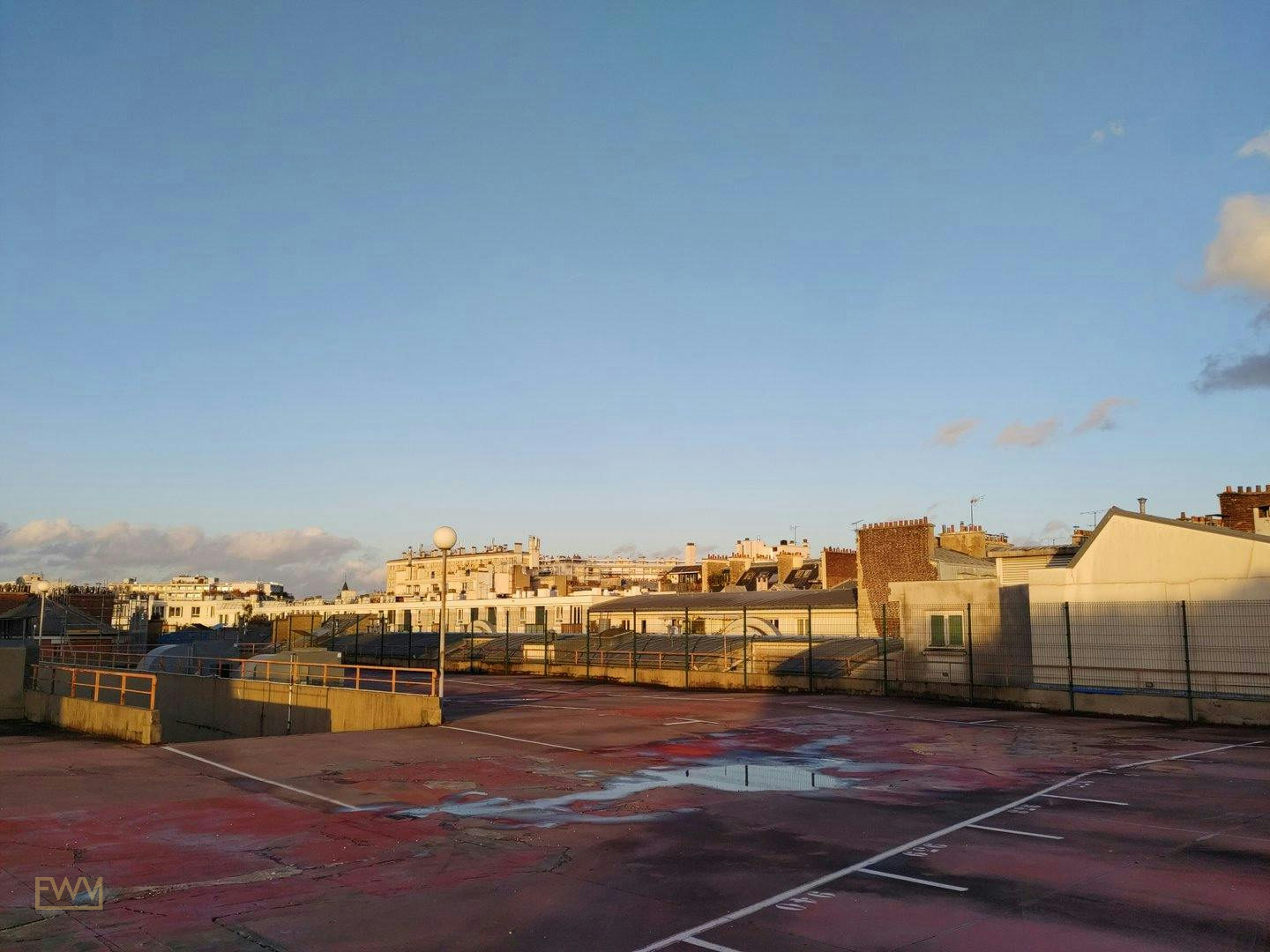
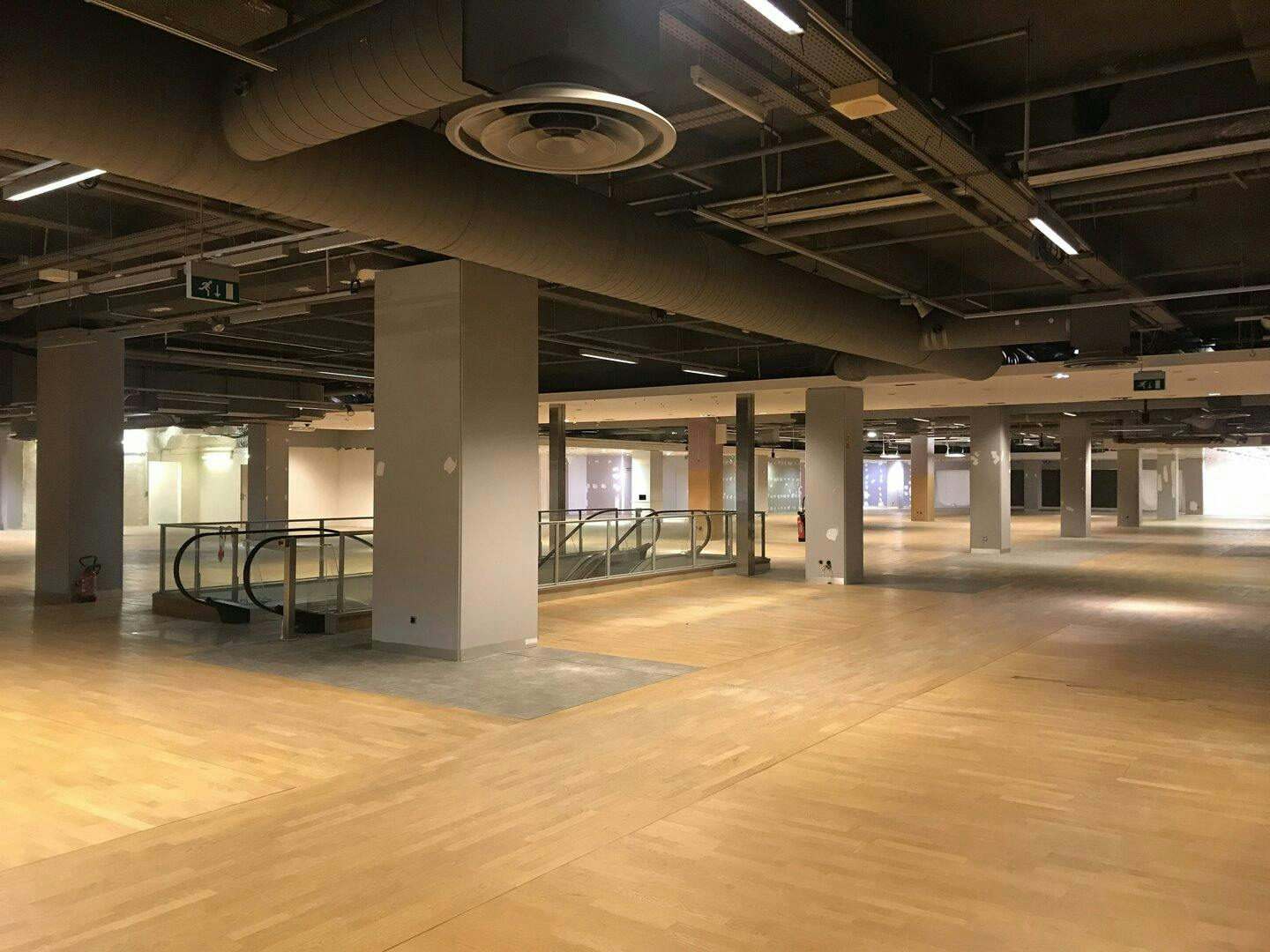
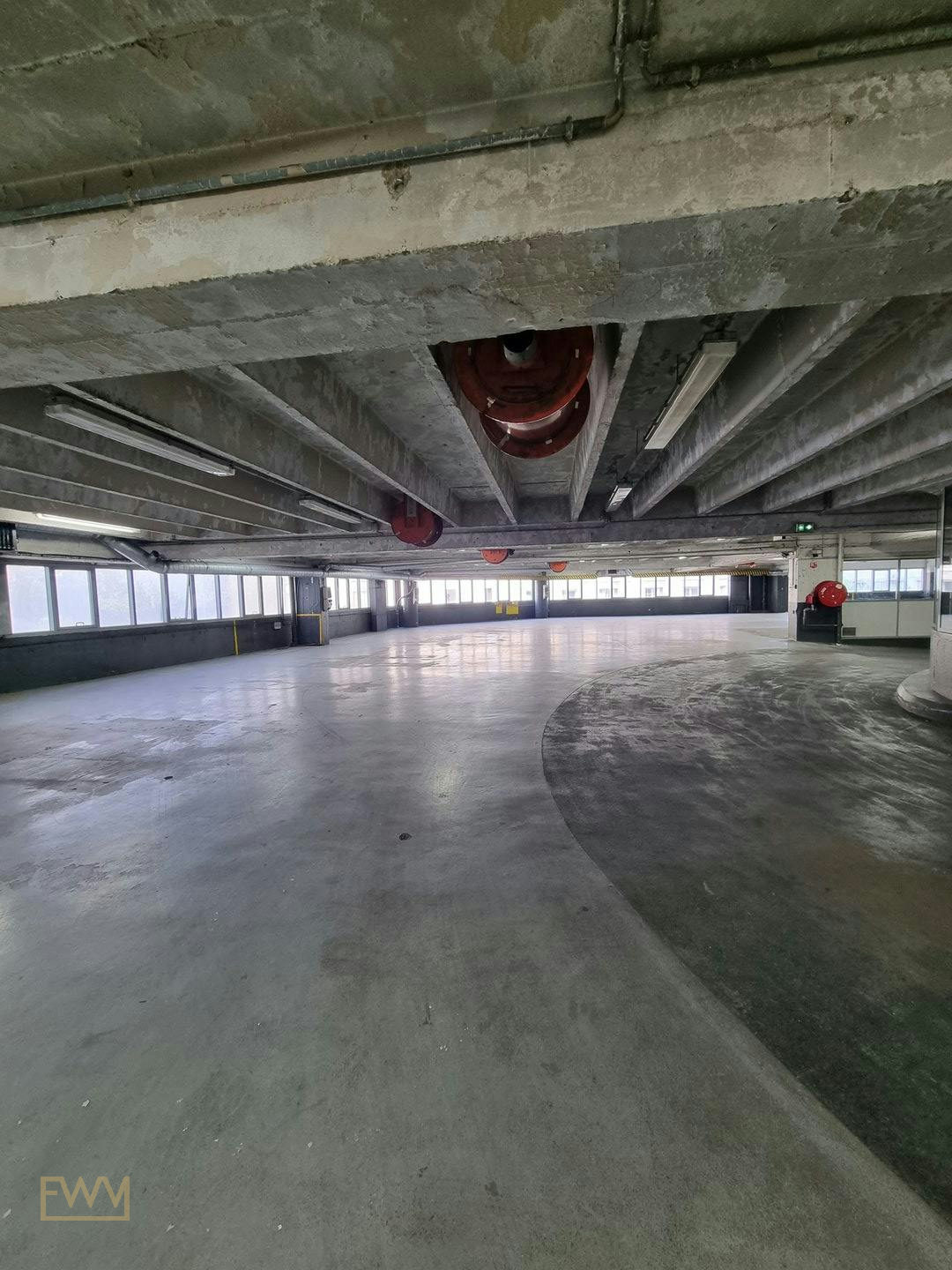
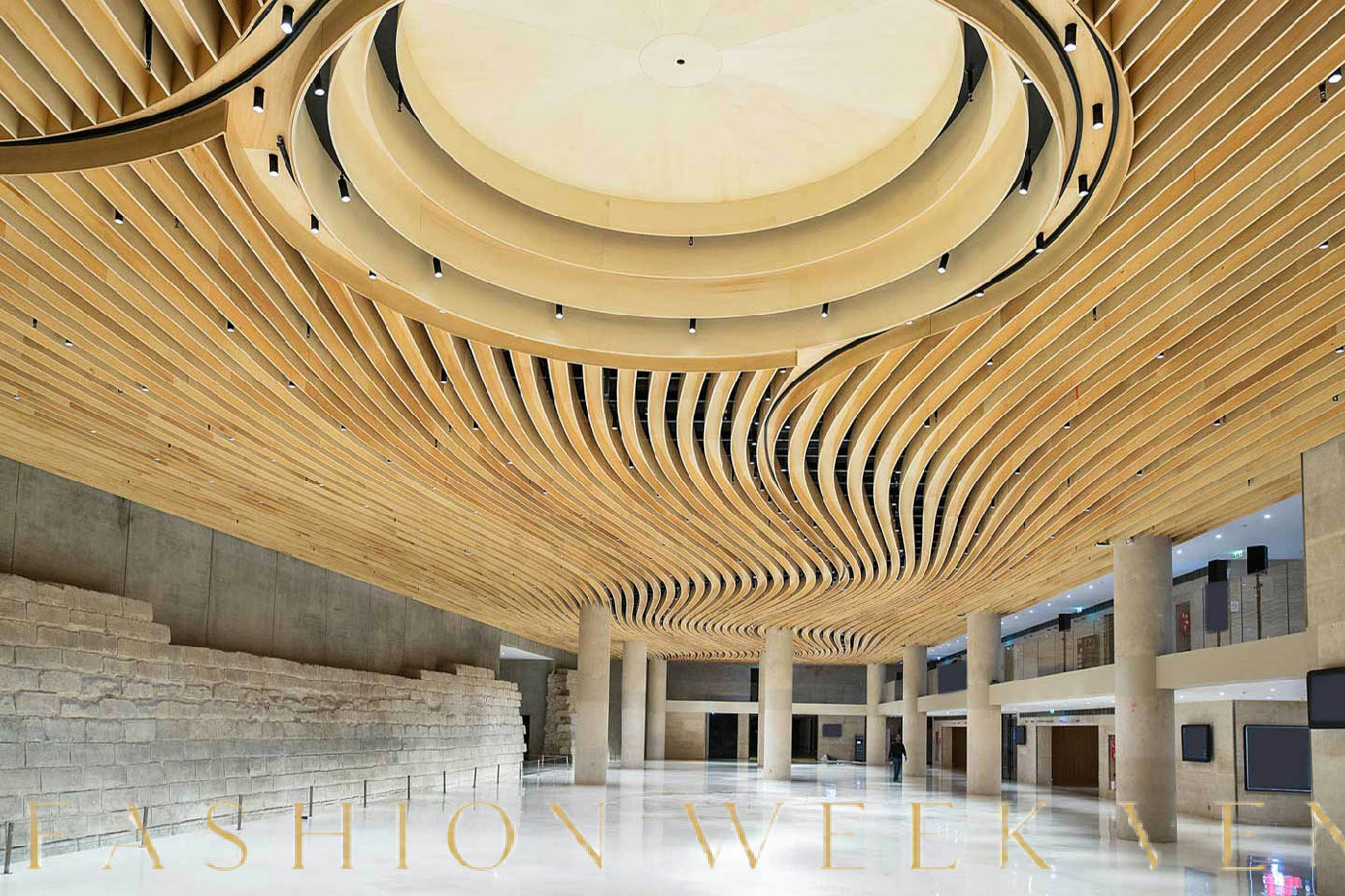
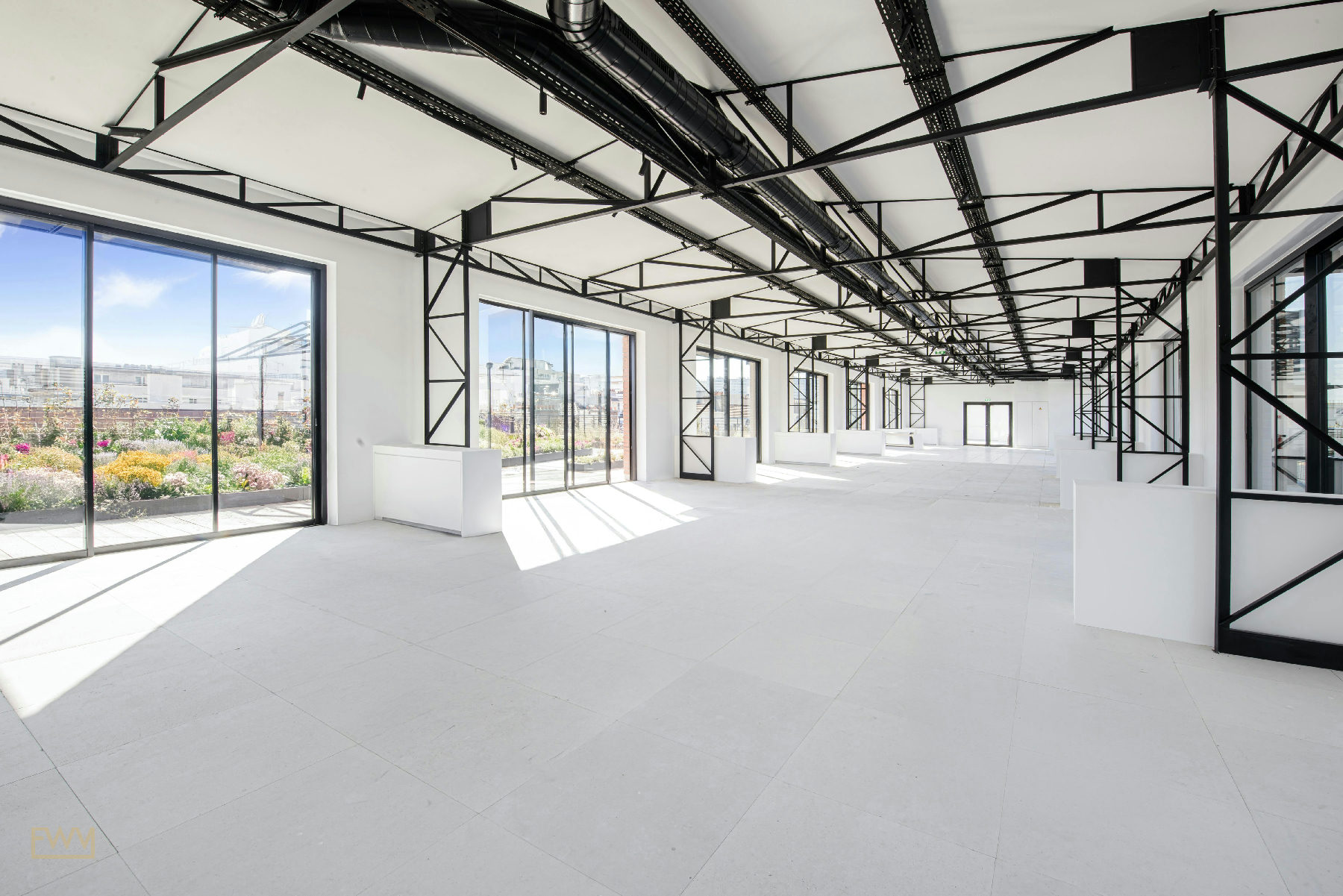
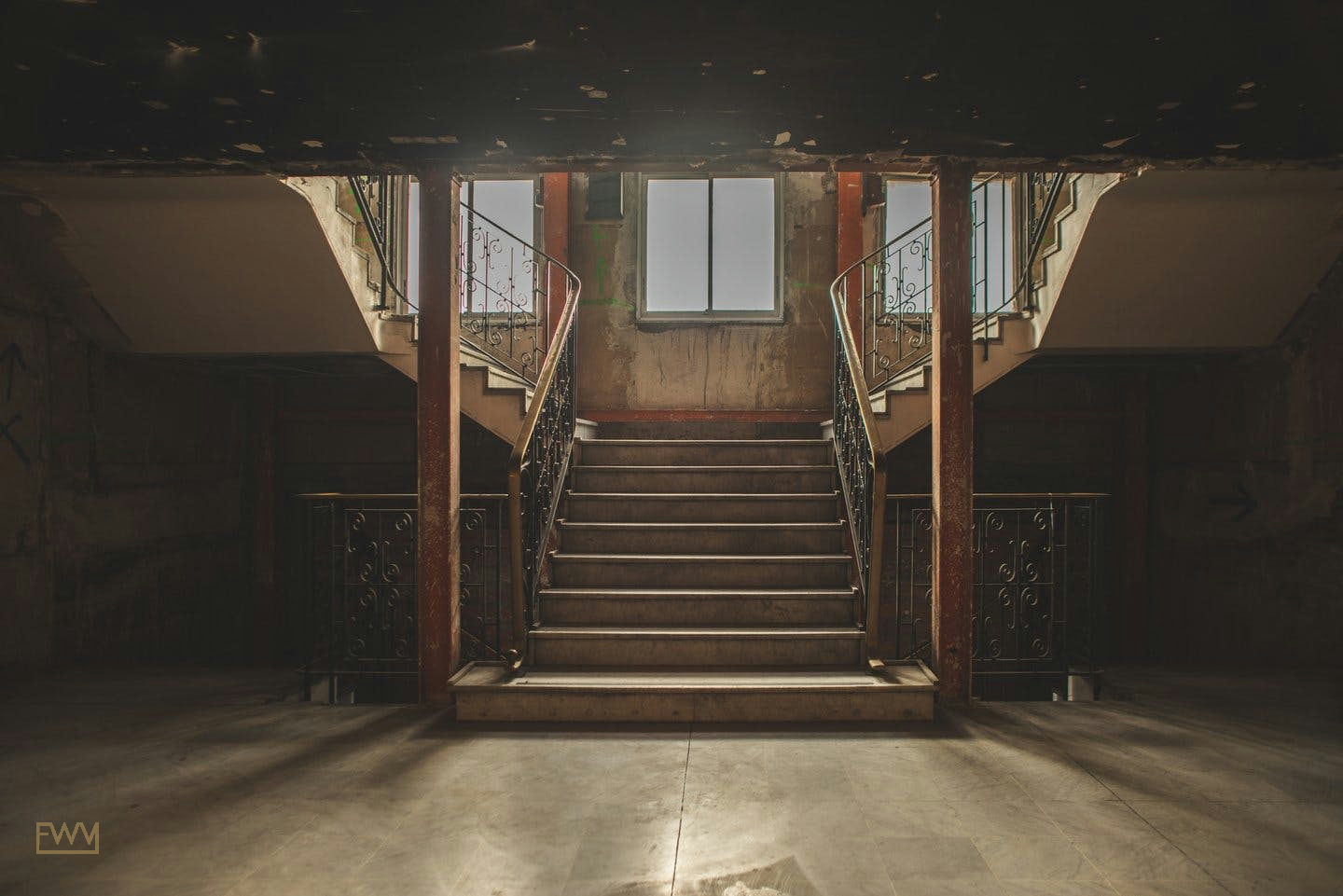
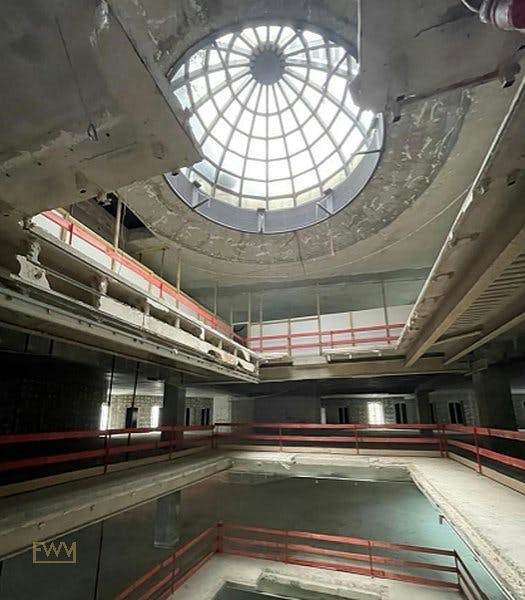
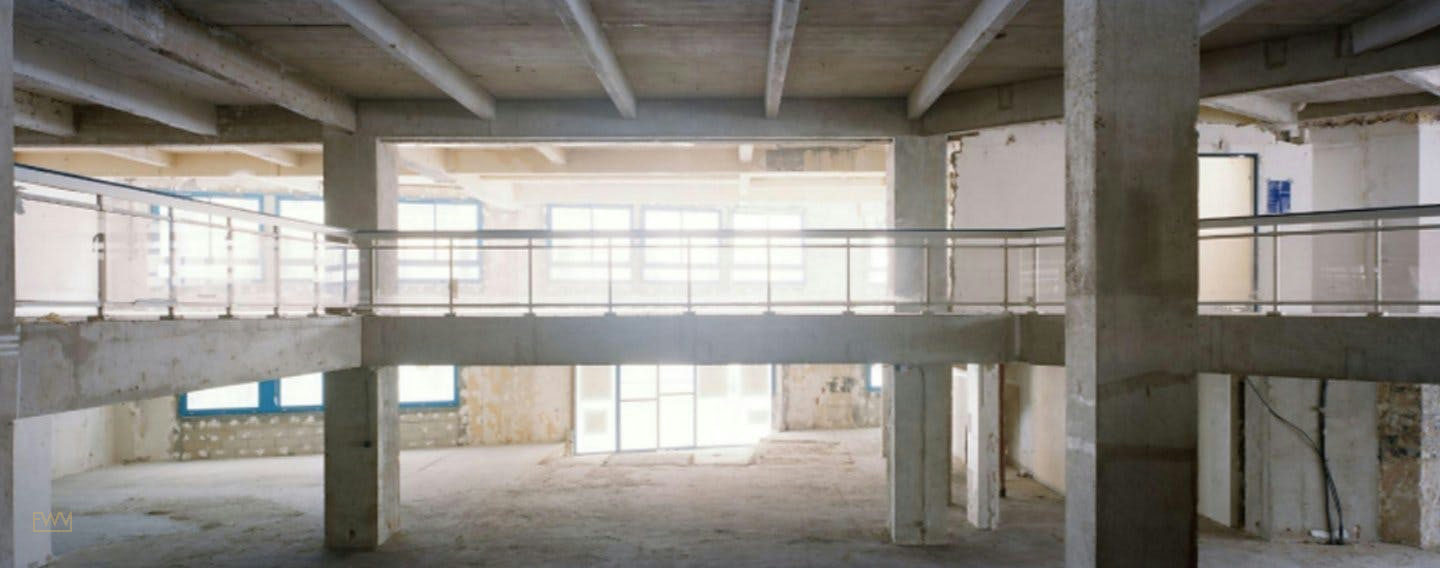
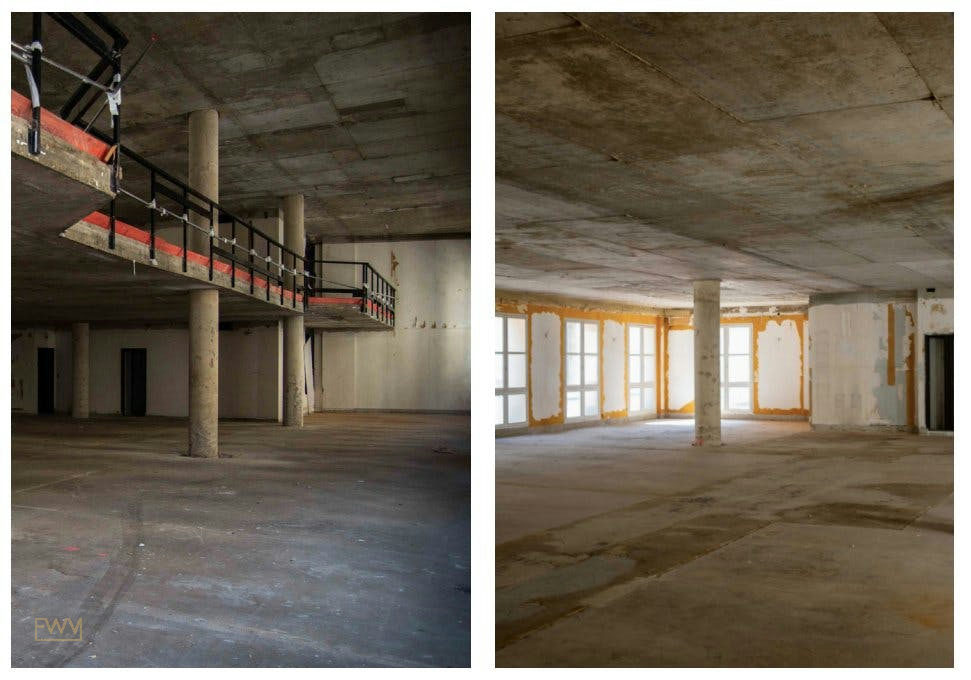
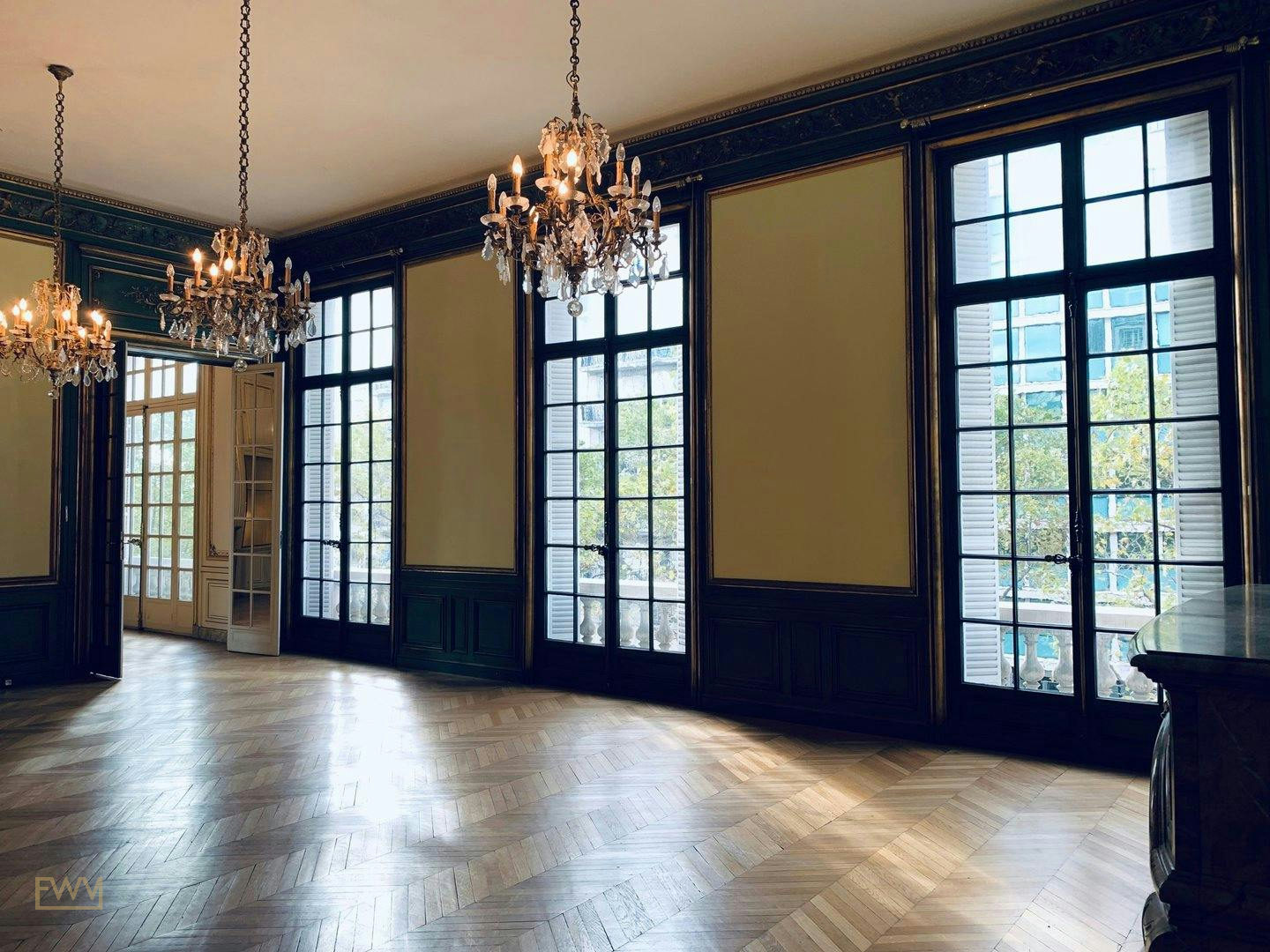
Traditional spaces, such as galleries and museums, offer a familiar environment with established infrastructures that are often attractive for high-end luxury exposés. On the other hand, unconventional spaces such as industrial warehouses or outdoor urban spaces can transform brand perceptions through innovative presentations.
- Showrooms: Ideal for personalized interactions and detailed product displays.
- Art Galleries: Provide an elegant setting ideal for sophisticated brand presentations.
- Industrial Spaces: Offer blank-canvas opportunities best for creative builds.
- Outdoor Venues: Suitable for dynamic and larger-scale experiential marketing events.
TIP: Consider the season and potential weather conditions when opting for outdoor venues, as these can significantly impact the logistics and attendee experience.
Each type of venue also presents different acoustics, lighting possibilities, and spatial configurations, which can be leveraged to enhance the presentation of the brand's products. Therefore, a robust solution like Fashion Week Venues' imagine tool can help visualize space configurations early in the planning process.
Quick answer: Traditional showrooms and galleries suit luxury brands while industrial and outdoor spaces cater to innovative, experiential displays, affecting brand perception and audience interaction positively.
KEY TAKEAWAY: The right type of venue depends heavily on a brand's intended event style and target audience preferences. From luxurious showrooms to experiential outdoor spaces, the choice should reflect both logistical feasibility and brand storytelling.
Understanding these dynamics enables brands to strategically select a venue aligned with their specific objectives, paving the way for successful fashion week engagements.
Crafting a Seamless Venue Selection Process
The venue selection process is a foundational task in ensuring successful participation in fashion week events. It entails a strategic workflow that begins with setting clear objectives and ends with a finalized space booking. Here is a step-by-step guide:
| Step | Description |
|---|---|
| 1 | Define brand objectives and event goals. |
| 2 | Research potential venues using Fashion Week Venues' marketplace. |
| 3 | Shortlist venues that align with logistical capabilities and brand image. |
| 4 | Compare venue features using the comparison tool. |
| 5 | Negotiate rental terms and understand permit necessities. |
| 6 | Finalize the booking and coordinate logistics and set-up. |
This organized method not only aids in site selection but also ensures alignment with financial budgeting and brand message consistency. Using tools and support from Fashion Week Venues, such as budget estimation tools, aids in clarifying the financial scope of the project.
Quick answer: A step-by-step venue selection process includes setting goals, researching, shortlisting, comparing, negotiating, and finalizing spaces, with each stage aligning with brand needs and logistical realities.
KEY TAKEAWAY: A well-structured venue selection process is vital for curating impactful brand activations during fashion week. Effective planning and tool utilization facilitate the seamless integration of the venue into the overall event strategy.
Aligning every step with clear brand goals and logistical realities will ensure an optimal outcome. This process sets the stage for moving on to production and build, where spaces are transformed into stage-ready environments.
Optimizing Budget for Fashion Week Venues
Budget optimization is crucial in fashion week planning, ensuring the financial resources align with brand goals and venue requirements. Successful budget management involves understanding the range of potential costs and strategically allocating funds.
Cost elements in venue planning include rental fees, furnishing, technology deployment, staffing, permits, and promotional activities. Each of these components must be evaluated for their potential to enhance the brand's message and audience engagement.
| Cost Element | Description | Influence on Budget |
|---|---|---|
| Venue Rental | Base fee for space usage, often variable by location and season. | High, often the most significant single cost factor. |
| Furnishing and Setup | Cost for decorating and structuring the venue. | Moderate, essential for brand ambience. |
| Staffing | Personnel needed for event execution. | Variable, affecting event flow and guest experience. |
| Technology | Audio-visual, interactive touchpoints, and connectivity. | Variable, impacts how innovatively the brand engages attendees. |
| Permits | Legal permissions required for event operations. | Essential, may introduce unexpected expenses without proper planning. |
| Marketing | Efforts to promote the event before the launch. | Moderate, crucial for drawing audience attention. |
Using a budget calculator tool helps in planning these expenses effectively. It's essential to incorporate buffer budgets for unforeseen expenses, particularly within the dynamic environment of fashion events.
Quick answer: Optimizing budgets involves effective allocation across venue rental, setup, staffing, and marketing, with tools and buffers essential for managing unforeseen expenses.
KEY TAKEAWAY: Budget optimization requires strategic planning and the use of digital tools to ensure resources are in place to meet the high expectations of fashion week success.
Understanding these budgetary components allows brands to prepare adequately for the financial aspects of their event, ultimately leading to better financial performance and ROI. This progress seamlessly transitions us into analyzing return on investment in the next section.
Measuring the Return on Investment of Venue Choices
Determining the return on investment (ROI) for venue choices is a critical aspect of strategic planning for fashion week events. Analyzing ROI can help brand managers understand the financial effectiveness of their venue investments relative to the brand objectives achieved.
Key ROI metrics include brand exposure, direct sales during the event, new customer acquisition, and media coverage. Each metric provides a different lens through which the financial impact of a venue can be assessed.
A valuable tool for this assessment is the ROI calculator provided by Fashion Week Venues. This tool aids in converting raw data into strategic insights, enabling brands to connect financial input with output in meaningful ways.
Quick answer: ROI measurement for venues focuses on visibility, sales, and new customer metrics, using tools to convert these into financial insights that inform future strategies.
Let's explore different components of ROI:
- Brand Exposure: Calculated through media impressions and social media metrics, providing data on reach and engagement.
- Event Sales: Direct sales help evaluate the financial success associated with the venue event.
- Customer Acquisition: New customers gained through the event, indicating expansion potential and market receptivity.
- Media Coverage: Qualitative insights derived from media outlets covering the brand during the venue's event.
KEY TAKEAWAY: Tracking ROI helps brand decision-makers evaluate the success of a venue beyond immediate sales, using exposure and media insights to inform future investments.
Evaluating ROI provides the necessary feedback loop to refine future strategies. With clear data-driven insights, brands can effectively gauge every facet of venue impact, informing future strategic direction and investment decisions.
Enhancing Brand Experience through Venue Design
The design of a venue offers a spectrum of possibilities to enhance the brand experience, bridging the gap between concept and execution. Effective venue design integrates brand identity into the physical space, creating a cohesive and immersive experience for all attendees.
Key elements of venue design include thematic decor, lighting, interactive installations, and digital integrations. These components contribute to an environment that can elevate the brand message and provide a memorable consumer experience.
Engaging with professionals experienced in branded store design ensures that design elements are not only visually appealing but also functional and in line with brand narrative.
Quick answer: Venue design enhances brand experiences by integrating design elements like thematics, lighting, and digital interactions to create immersive and memorable brand presentations.
Considerations for successful venue design include:
- Aesthetic Consistency: Ensures visual harmony with existing brand identity and theme.
- Interactive Features: Engages consumers, facilitating deeper brand interactions.
- Technology Integration: Augments physical space with digital elements for a modern, dynamic experience.
Fashion Week Venues provide tools that assist in imagining and planning these design elements, making sure that every brand aspect is well-represented in the venue space.
KEY TAKEAWAY: Effective venue design aligns brand identity with consumer experience, ensuring components like decor and installations create a holistic impact.
As we continue, we'll examine how the strategic planning of these elements contributes to the operational success of an event.
Streamlining Operations with Expert Planning
Operational readiness is paramount to achieving success during fashion week. Streamlining operations requires expert planning, covering all logistical aspects of a fashion event from start to finish.
Areas to focus on include transportation logistics, event timelines, technological infrastructure set-up, and contingency preparedness. Having a solid strategic plan allows events to run smoothly, minimizing disruptions and maximizing attendee satisfaction.
Using tools like the timeline planner offered by Fashion Week Venues is quintessential for mapping out each operational phase.
Here's a quick breakdown of critical operational segments:
- Logistics Coordination: Ensures all elements, from transport to technology, align seamlessly.
- Timeline Management: Plans each event phase to optimize the flow and effectiveness.
- Contingency Planning: Prepares for unexpected issues, minimizing risk and potential disruptions.
Quick answer: Streamlining operations involves logistical planning, timeline management, and contingency preparedness, ensuring a seamless and impactful event experience.
KEY TAKEAWAY: An expertly planned operational approach equips brands to execute an event that aligns precisely with strategic objectives, ensuring smooth execution and attendee satisfaction.
Operational planning directly impacts event efficiency, streamlining the path to success and enabling the high-quality delivery of the brand message. The next step is integrating these aspects into a cohesive action plan for successful implementations.
How Fashion Week Venues Enhances Your Brand's Activation
Fashion Week Venues provides an extensive array of services tailored to elevate your brand's presence during fashion weeks. By bridging creative concepts with logistical frameworks, this full-service agency ensures seamless progress from idea to execution.
The agency's comprehensive offerings include activation management, expert-led concept direction, cutting-edge production and build planning, and complete staffing solutions. These services are fully backed by powerful tools that aid in budget estimation, ROI analysis, and more.
IMPORTANT: While Fashion Week Venues provides robust support, brands should engage legal advisors for local compliance and permit application.
Quick answer: Fashion Week Venues enhances brand activations by aligning creative concepts with operational execution through its tailored services and toolsets to maximize brand impact.
Brands working with Fashion Week Venues benefit from the strategic insight of industry experts, ensuring that all elements, from design to logistics, align with broader goals and audience expectations. The strategic integration of professional services with innovative tools facilitates efficient resource management and effective event execution.
KEY TAKEAWAY: Fashion Week Venues provides full-spectrum support to optimize brand activations, combining expert insight with innovative tools to enhance brand presence during fashion weeks.
This synergy of resources, expertise, and technology positions Fashion Week Venues as a leading partner for brands aiming to excel in competitive fashion arenas, paving the way for successful international market entries.
Common Myths Debunked
MYTH: You need a French legal entity to rent a space in Paris.
FACT: While helpful, a French legal entity is not a mandatory requirement to rent a space in Paris. International brands can secure venues through reputable agencies like Fashion Week Venues who facilitate all necessary arrangements through their expert team.
MYTH: Paris Fashion Week is the only viable calendar window to showcase in Paris.
FACT: Paris hosts numerous fashion-related events throughout the year. While Paris Fashion Week is a major event, other opportunities for showcasing brands exist, allowing flexibility in planning promotional strategies outside this period.
MYTH: Commission brokers are the only way to find a space for your event.
FACT: Using platforms like Fashion Week Venues' marketplace, brands can access a wide variety of venues without relying solely on commission brokers. This direct access allows more control over choices and negotiations.
MYTH: Short-term leases are straightforward and don't require specialist help.
FACT: Even short-term leases involve complexities such as permits (bail dérogatoire) and local regulations. Specialist help ensures compliance and mitigates risks, especially for first-time entrants and events in France.
Frequently Asked Questions
What is a bail dérogatoire, and why is it important for venue rental?
A bail dérogatoire is a type of short-term lease agreement used in France. It allows for temporary occupancy without a long-term commitment, suitable for events like pop-ups and fashion presentations. Understanding this lease type is crucial because it also mandates specific compliance and permits, essential for lawful occupancy. Consult with a legal advisor or use Fashion Week Venues' services for guidance.
How do I choose the right venue for a luxury brand event?
Choosing the right venue involves evaluating factors such as location, ambiance, size, and target audience fit. Luxury brands particularly benefit from venues that enhance their high-end identity, such as art galleries or historic buildings. Utilize tools like the Fashion Week Venues' comparison tool to assess venue potentials efficiently.
Can I host a fashion show outside of Paris Fashion Week?
Yes, Paris offers several event opportunities aside from the main Fashion Week. Hosting events outside this period can provide brands with unique audience engagements and media attention. Coordination with local fashion calendars and leveraging venues' inherent appeal can ensure robust visibility and attendance.
What are the cost considerations for a pop-up event in Paris?
Costs can vary greatly depending on the venue's location, size, and event requirements. Principal costs include rental fees, decoration, staffing, permits, and marketing. To manage expenses efficiently, brands should consider using a tool like Fashion Week Venues' budget calculator to forecast based on specific event factors.
How important is localization in planning a venue event in Paris?
Localization is vital in capturing the Parisian charm and ensuring compliance with local customs and regulations. It enhances audience connection and optimizes engagement. Engagement with local partners and agencies like Fashion Week Venues can provide insights tailored to the regional market.
Are permits always necessary for temporary events in Paris?
Yes, most temporary events in Paris require various permits, including those related to the venue and public operations. The type and number of permits depend on the event's nature and location. Fashion Week Venues provides a permits tool to facilitate proper compliance.
How does venue choice impact brand narrative and consumer engagement?
A venue is more than a space; it embodies the brand's narrative and influences consumer perception. The right venue enhances the storyline, complements marketing efforts, and draws the audience emotionally. This strategic alignment boosts engagement and visibility, supporting the brand’s image effectively.
What services can Fashion Week Venues provide to a new entrant in the Paris market?
Fashion Week Venues offers a comprehensive suite of solutions, including venue sourcing, concept direction, activation management, and production services, designed to simplify entry into the Paris market. These services ensure legal compliance and logistical efficiency, supporting brands from concept to execution.
What logistical challenges might I face with a Paris venue and how can they be addressed?
Common challenges include transport disruptions, language barriers, and compliance with French regulations. Addressing these requires meticulous planning, seeking expertise from local partners, and possibly using service providers like Fashion Week Venues that offer holistic logistical solutions, from transport management to staffing.
How do I ensure compliance with local regulations when renting a space?
Compliance requires understanding Paris-specific legal obligations, often involving permits for public events and specific lease types like the bail dérogatoire. Consulting a legal advisor or using specialized agency services ensures adherence to regulations, protecting brands from administrative pitfalls.
Conclusion
Choosing the right venue during fashion week events can significantly influence brand perception and market positioning. Fashion Week Venues offers an unparalleled combination of strategic guidance and comprehensive services to ensure your brand takes full advantage of the opportunities these events present. With expert venue selection, concept direction, and activation management, every aspect of your event can be seamlessly executed. To move from research to activation, start exploring available spaces on the Fashion Week Venues marketplace and build a focused brief for your target neighbourhood, space type, and calendar window. This approach ensures not only an impactful brand presentation but also a robust return on investment, creating lasting impressions in one of the world's most influential fashion capitals.