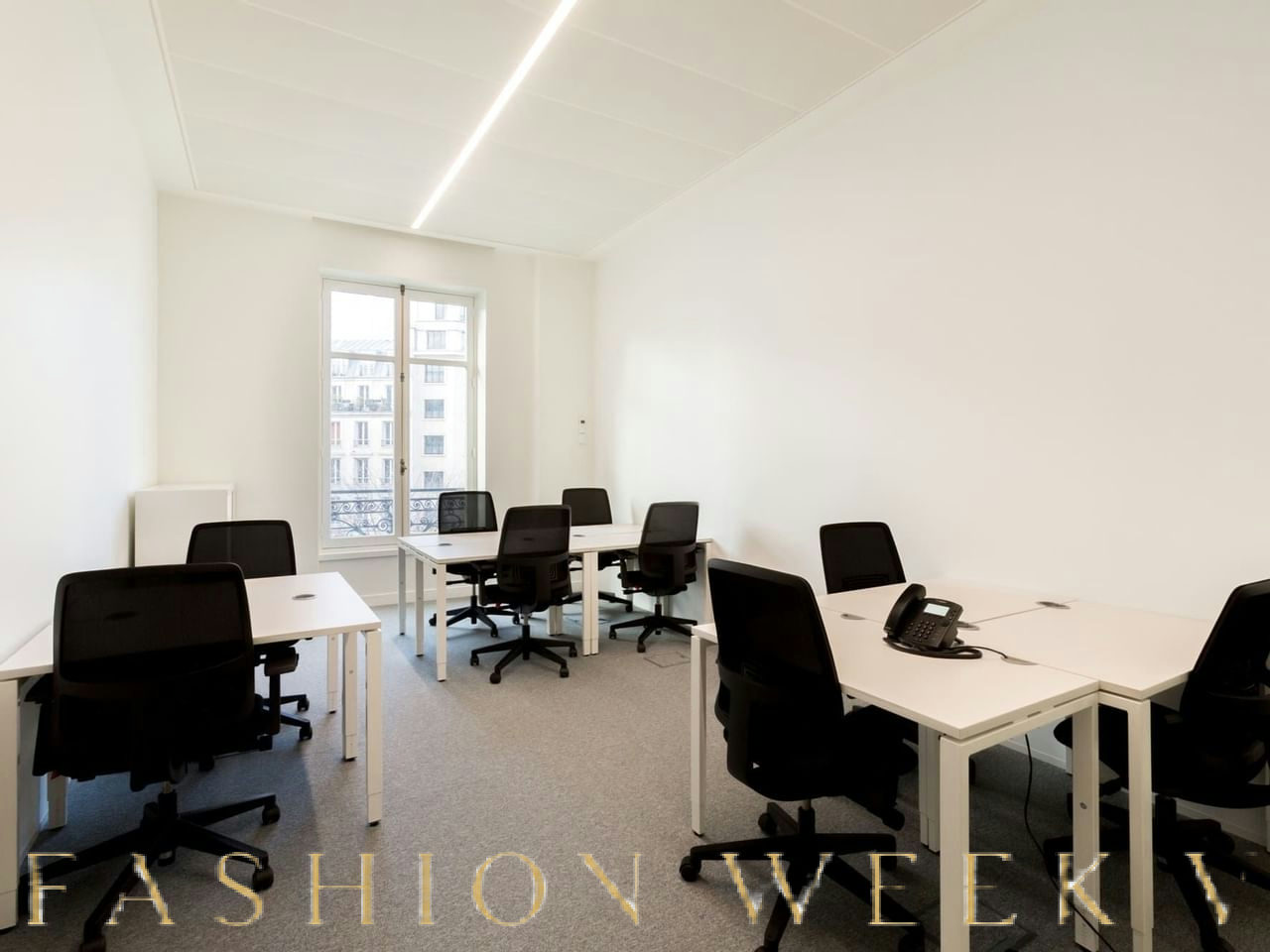
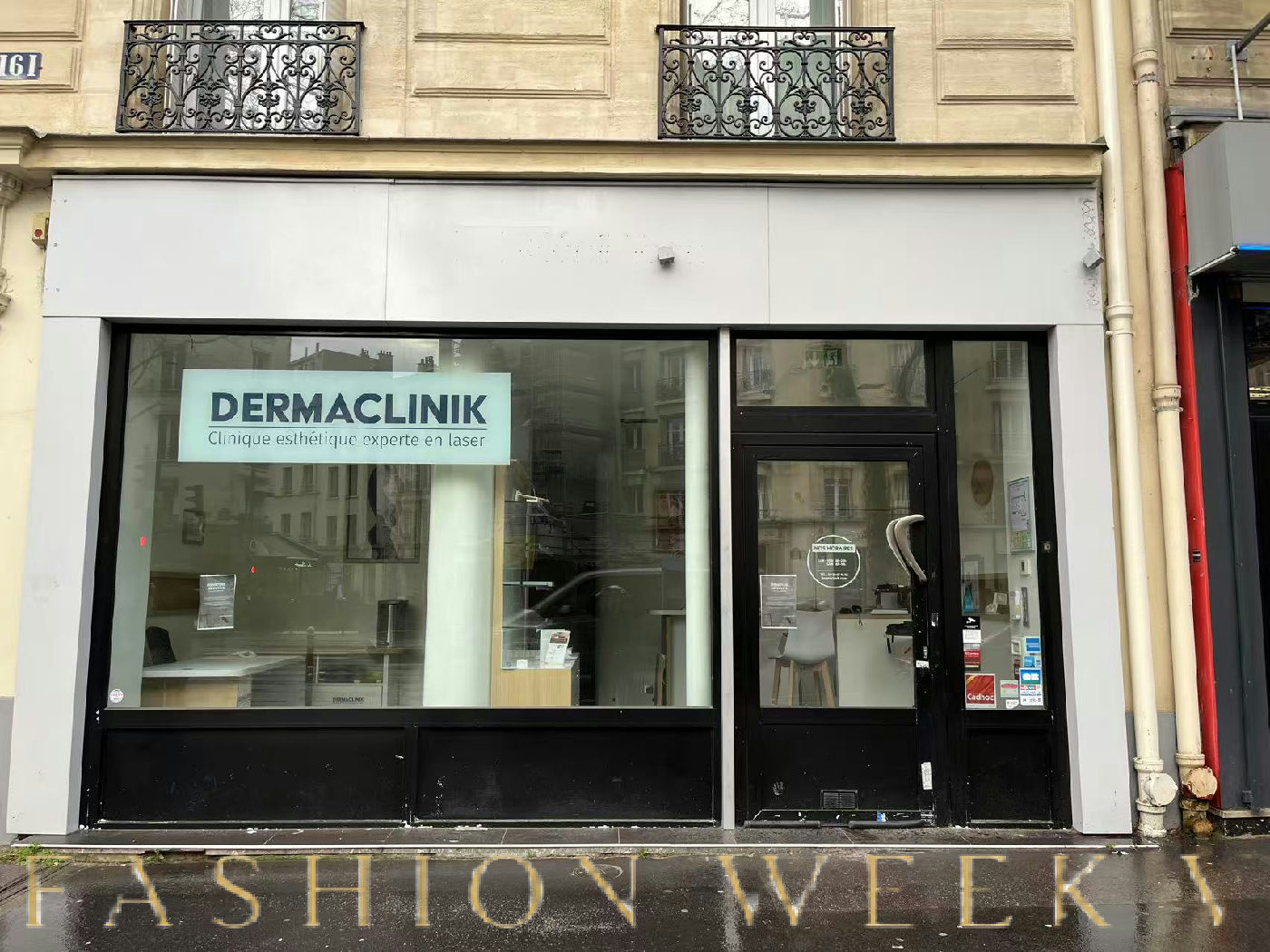
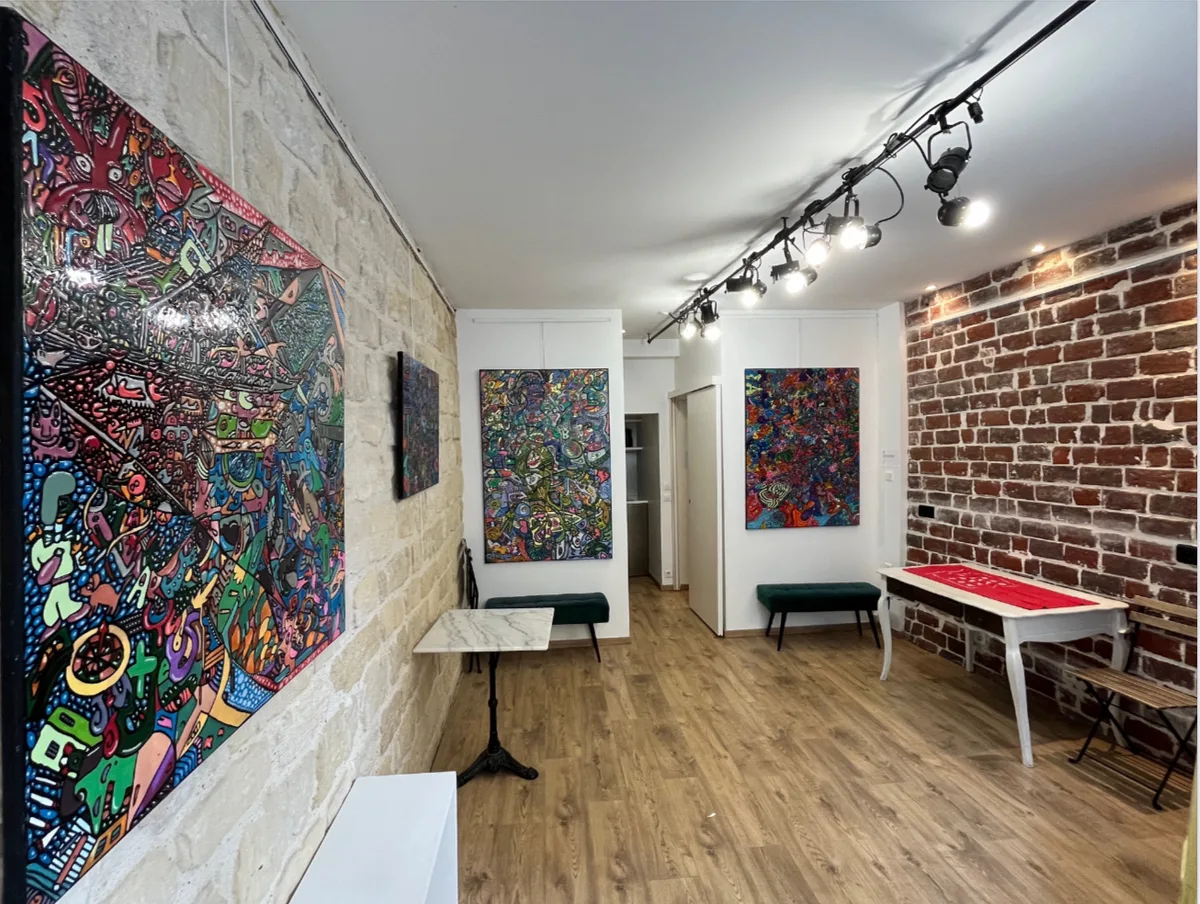
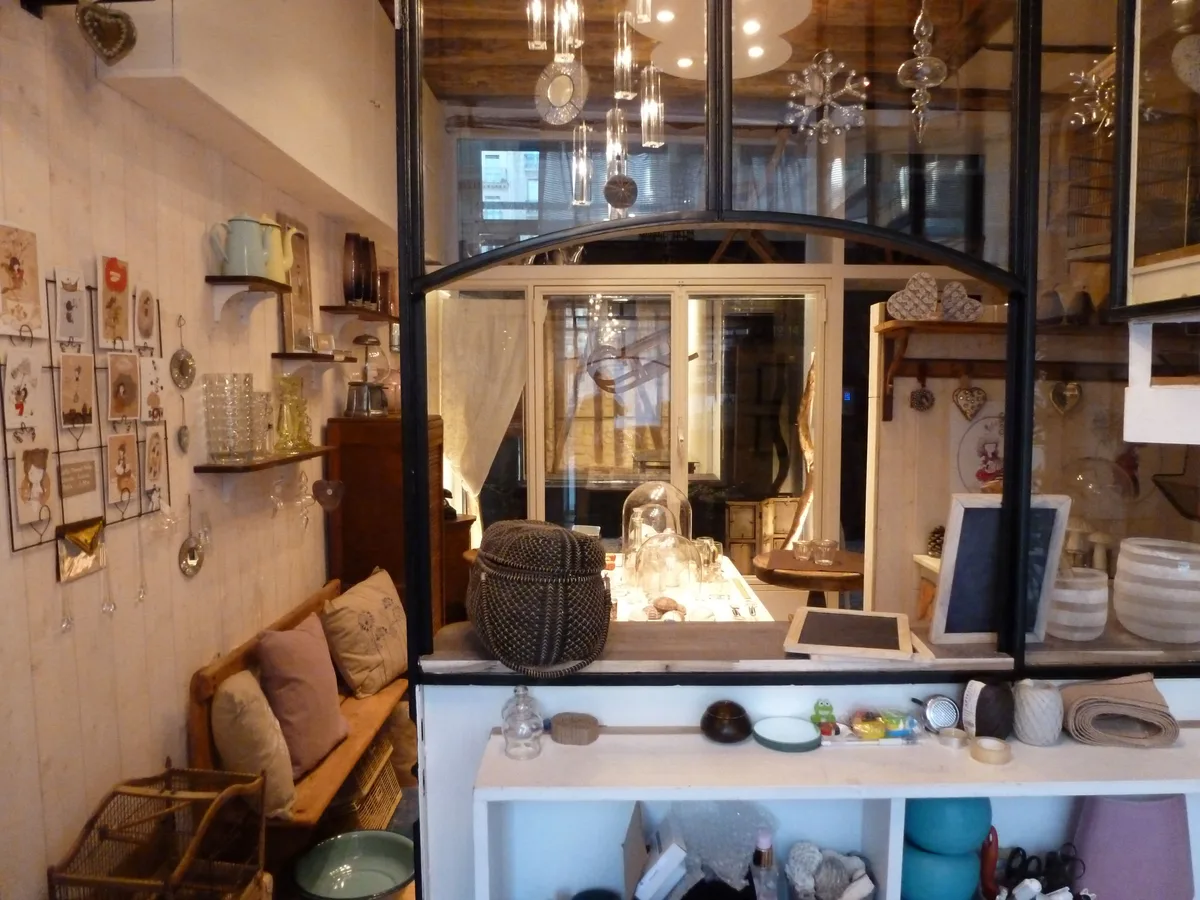
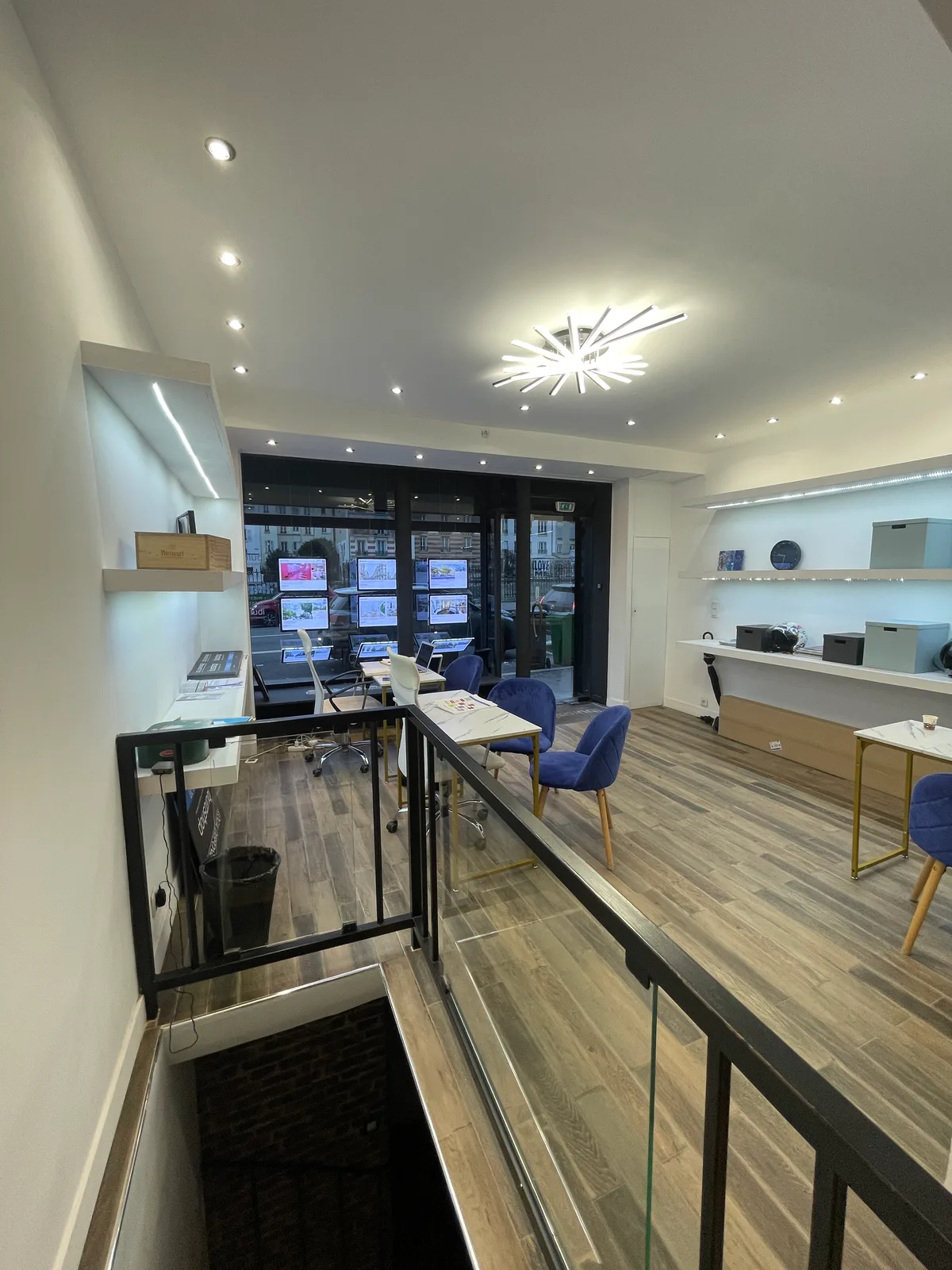
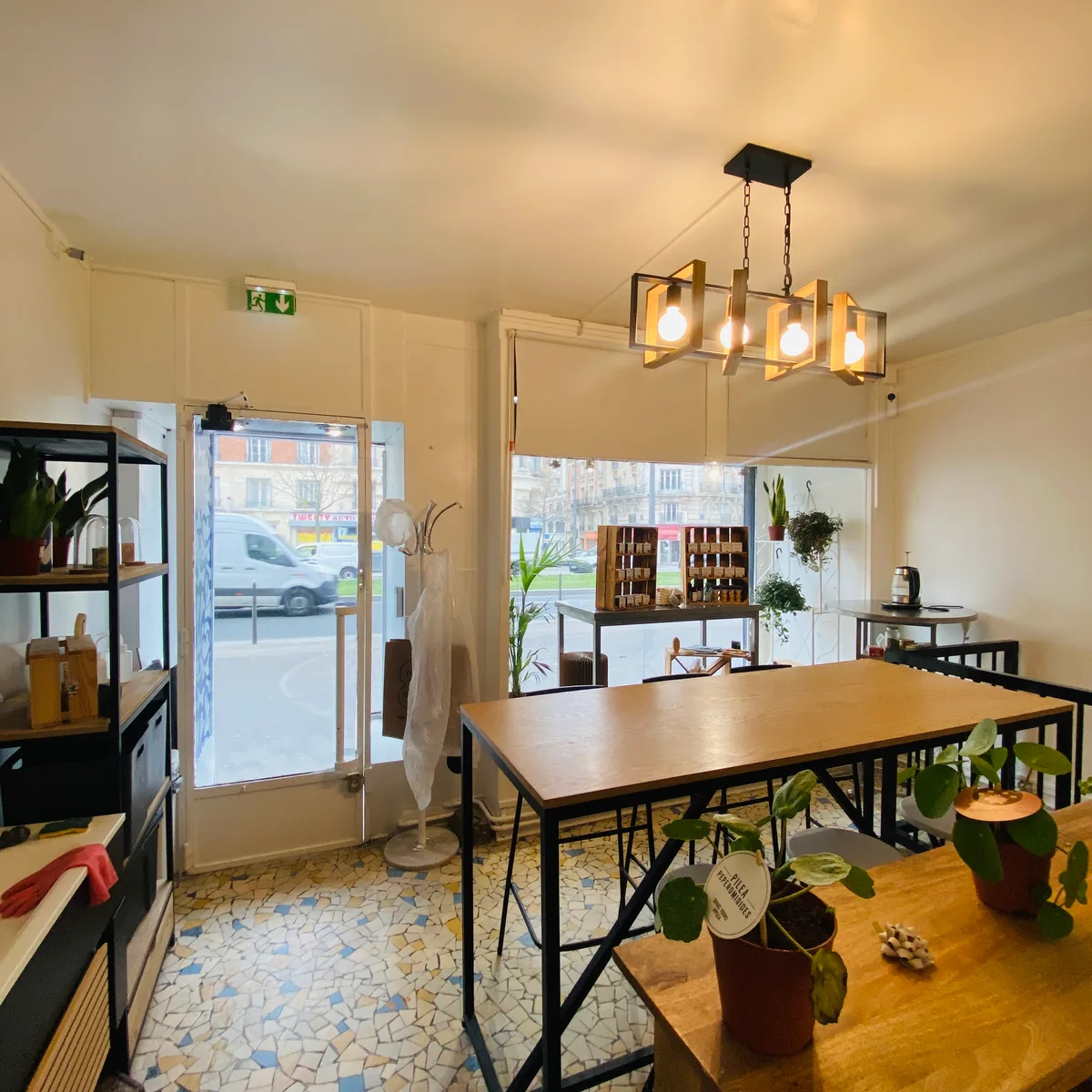
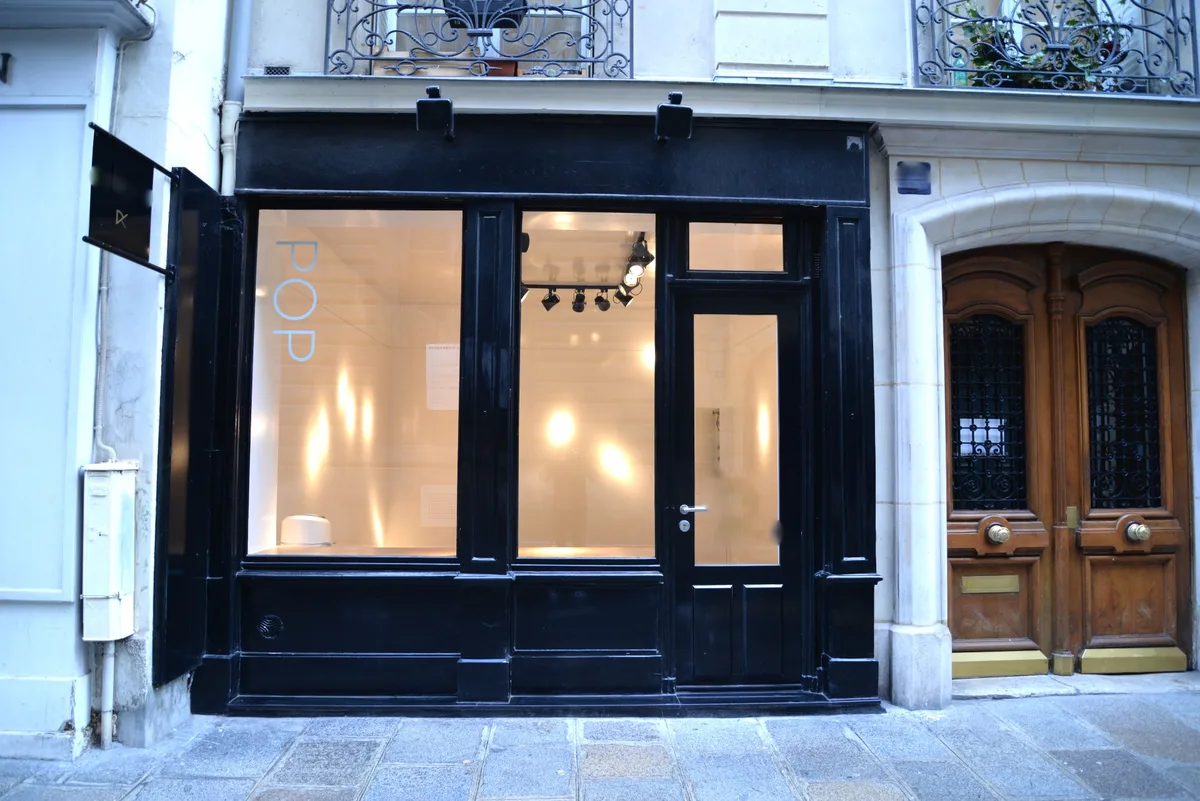
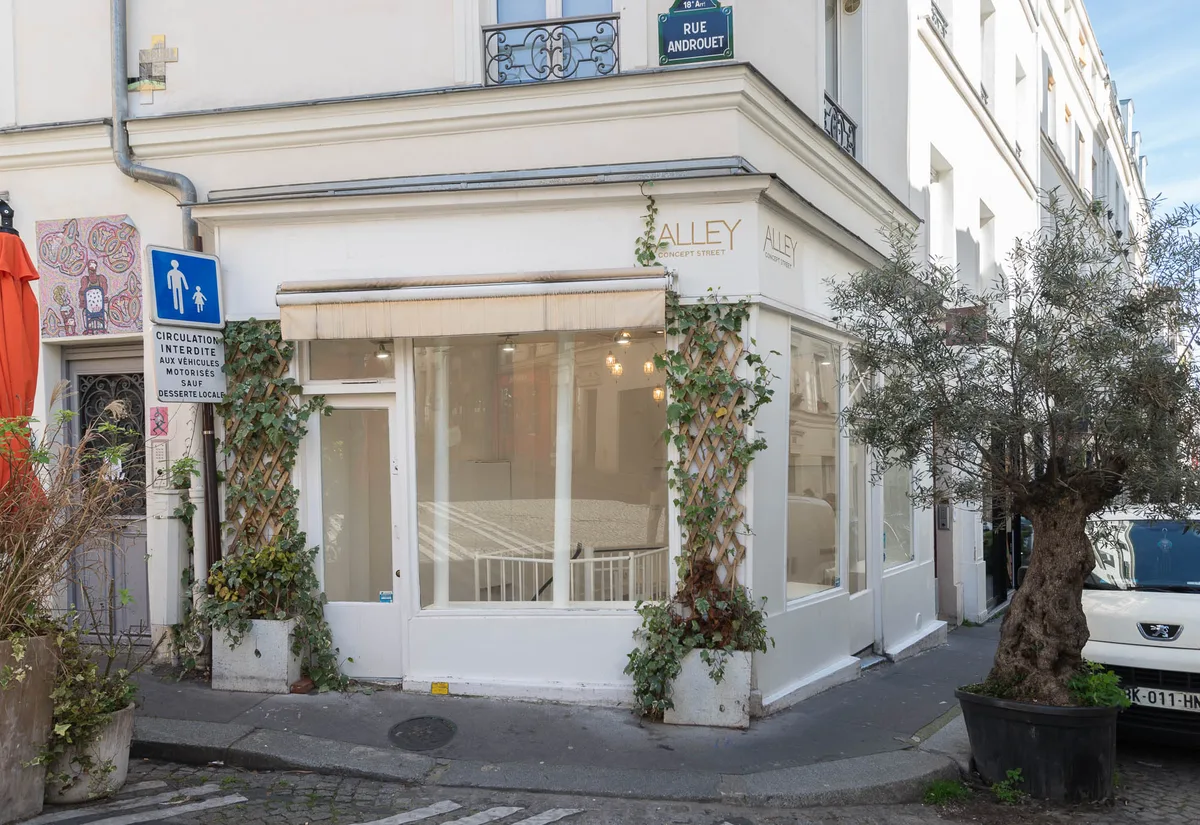
The fashion industry thrives on presentation and visibility. During fashion weeks, the right venue can make a significant difference. Fashion Week Venues specializes in sourcing perfect spaces that elevate brand activations. Our expert approach helps fashion brands find optimal venues for pop-up shops, showrooms, and events across major fashion capitals, with Paris as our primary hub. Understanding the venue nuances and strategic opportunities during fashion weeks can be decisive for brands aiming to capture the spotlight. Leverage Fashion Week Venues to access our comprehensive services and tools, and turn your activation ideas into impressive realities.
The Importance of Choosing the Right Venue for Fashion Week
Choosing the right venue for Fashion Week is crucial for brands looking to make an impact. It sets the tone and environment for the brand's audience, influences event logistics, and defines the brand's presence in the fashion world.
During Fashion Week, competition for attention is fierce. A strategically chosen venue ensures that a brand stands out and can accommodate technical needs, brand aesthetics, and the expected audience size. Venues should reflect a brand's identity and provide logistical conveniences, such as easy transportation access and suitable facilities.
A venue can significantly influence media coverage, guest experience, and ultimately the success of the collection being shown. Proximity to other popular venues can increase foot traffic and media coverage. In Paris, locations that balance historical appeal with modern amenities are particularly sought after.
Quick answer: Selecting an appropriate venue during fashion events ensures alignment with brand identity, optimizes logistics, and enhances exposure, ultimately contributing to a successful presentation.
KEY TAKEAWAY: Align your venue choice with your brand's persona and logistical needs to maximize impact during Fashion Week.
Choosing a venue is about more than just physical space—it's about ensuring it complements the creative vision and business objectives. This sets the stage for a successful brand activation, leading to the next important step: understanding and using the tools and strategies provided by Fashion Week Venues.
Exploring Venue Options in Paris During Fashion Week
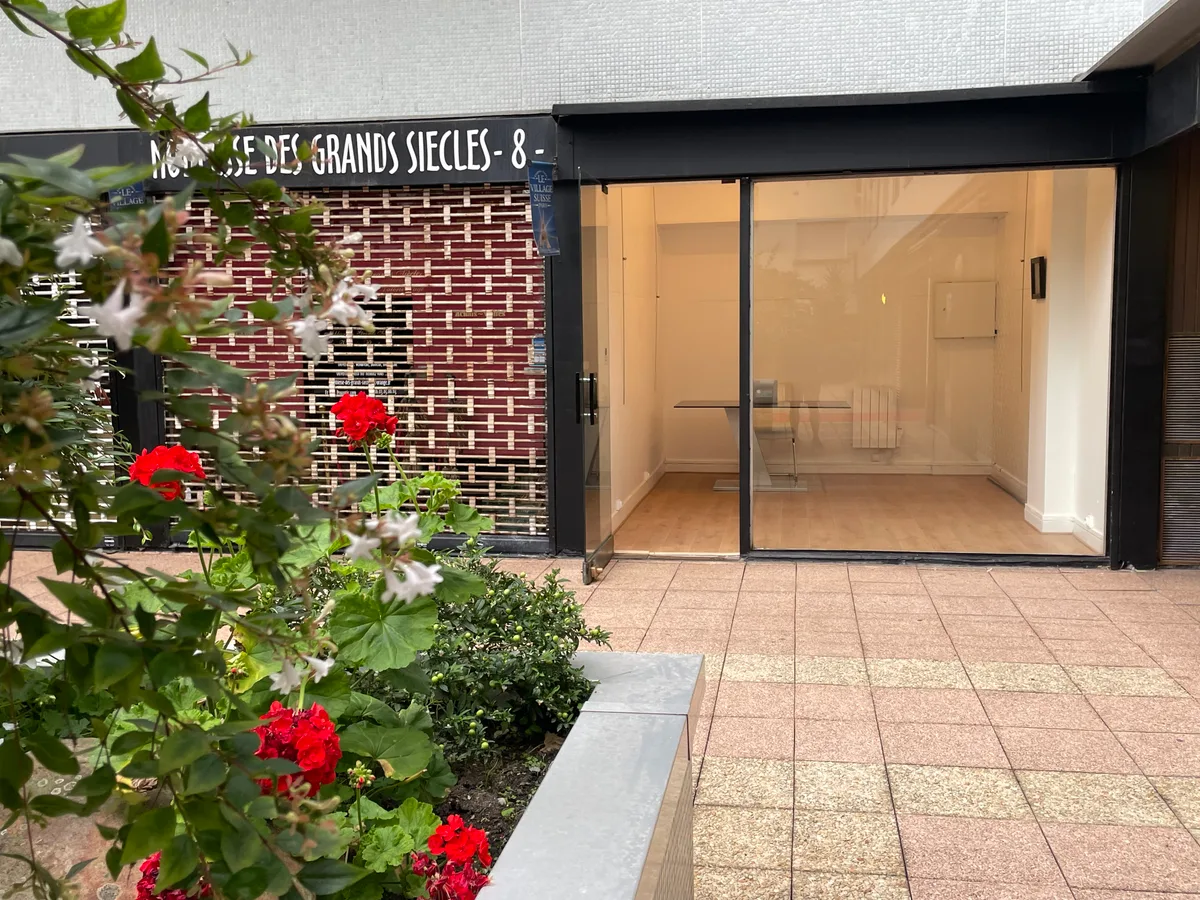
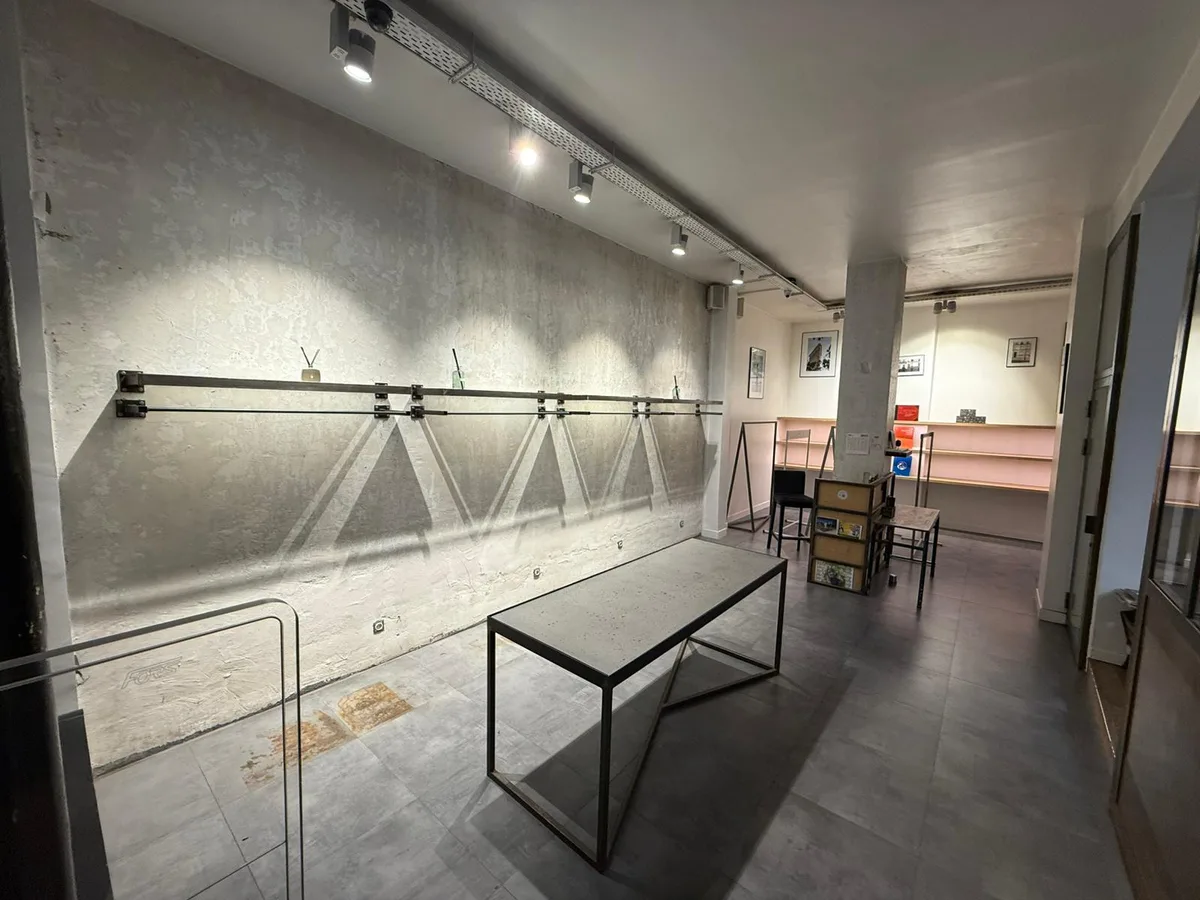
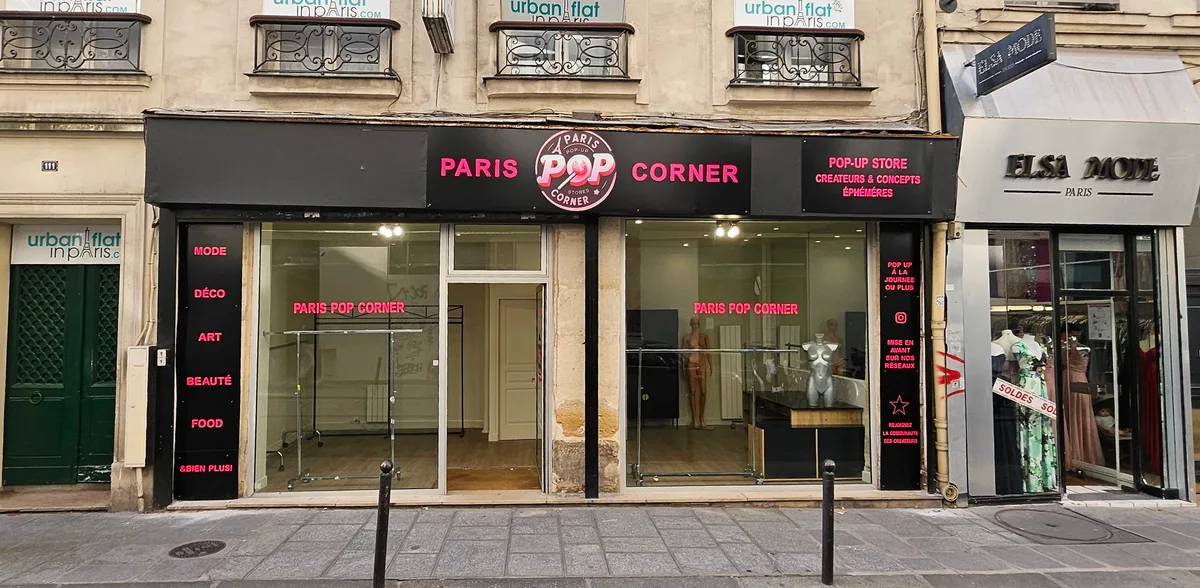
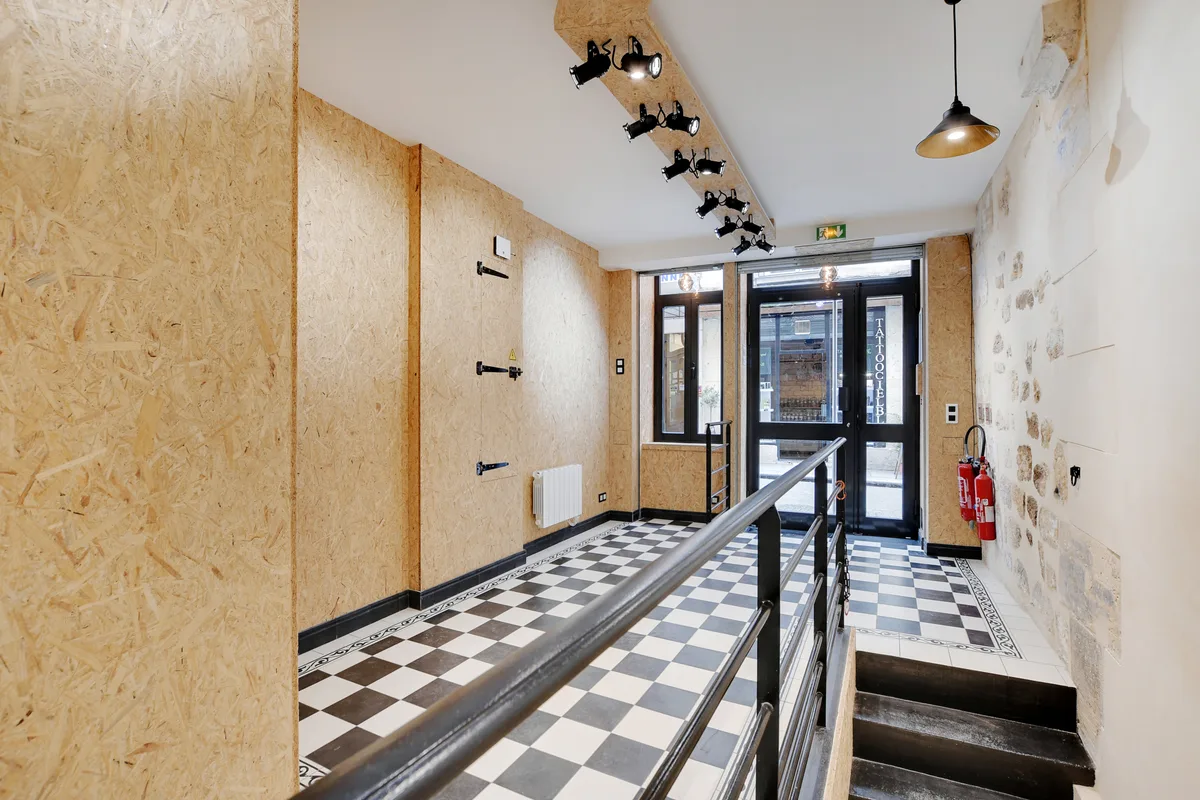
Paris, a cornerstone of fashion, offers a myriad of venue options that cater to all types of fashion activations. From iconic historical sites to avant-garde spaces, the city's diverse neighborhoods provide unique opportunities for brand showcases.
In Le Marais, known for its vibrant art scene and cultural diversity, smaller, more intimate venues are perfect for exclusive brand launches. These spaces often have a distinct character that can enhance a brand's storytelling. In contrast, areas such as Saint-Germain-des-Prés offer classic and sophisticated spaces ideal for high-end fashion labels appealing to luxury markets.
Quick answer: Paris offers a variety of venues that can cater to different brand activations, with options spanning iconic neighborhoods like Le Marais and Saint-Germain-des-Prés, each offering unique benefits for different audiences.
Choosing the right neighborhood involves understanding the brand's target audience and aligning the venue's attributes with the desired brand message. Here is a breakdown of popular neighborhoods and their attributes:
| Neighborhood | Main Features | Ideal For |
|---|---|---|
| Le Marais | Artistic, Bohemian | Emerging Designers, Art-driven Brands |
| Saint-Germain-des-Prés | Elegant, Luxury-centric | Luxury Labels, Established Brands |
| Opéra | Historic, Opulent | Classic Brands, Large Shows |
| Rue Saint-Honoré | Trendy, Fashion-forward | Modern Brands, Trend-inspired Collections |
KEY TAKEAWAY: Each Paris neighborhood offers distinct advantages that can align with different brand messages and target audiences. Familiarity with these aspects can significantly impact the effectiveness of a venue choice.
Exploring these venue options is just the beginning. To fully harness their potential, an understanding of the Parisian market and strategic use of tools like those offered by Fashion Week Venues are essential.
Understanding the Parisian Fashion Calendar
Paris Fashion Week is one of the most anticipated events in the fashion calendar, renowned for its creativity and innovation. Understanding the fashion calendar is important for strategic planning and ensuring a brand's visibility during these peak times.
The Paris fashion calendar is delineated by significant seasons: Spring/Summer and Autumn/Winter, along with pre-collections and men's fashion weeks. Each period presents unique opportunities and challenges for brand activations.
For instance, Spring/Summer appeals to vibrant, lighter apparel and intense fashion experimentation, while Autumn/Winter displays chic layers and timeless pieces. Pre-collections offer a chance to catch the media and buyers' attention before the main shows, ideal for creating buzz and securing orders.
DID YOU KNOW: Paris is among the top fashion capitals that host both haute couture and ready-to-wear fashion weeks, making it a strategic location for diverse brand positioning.
A well-timed activation during these key events can maximize exposure and align a brand with the latest trends. The timing is as crucial as the location when planning a successful activation.
Understanding and aligning with these calendars helps brands prepare logistics, ensure cultural relevance, and optimize production schedules. Fashion Week Venues can assist in synchronizing your brand's launch with the fashion world's traffic influx.
KEY TAKEAWAY: Synchronizing your activation with the fashion calendar can enhance brand visibility and audience engagement, especially during peak fashion week times.
This comprehension sets the groundwork for the enforcement of strategic logistics and planning, leading to exploration into venue types and their operational capacities during such high-traffic periods.
Legal and Compliance Considerations for Fashion Week Venues
Navigating the legal landscape of venue rentals in Paris involves understanding concepts such as bail dérogatoire and AOT (Autorisation d'Occupation Temporaire), which are alternatives to standard commercial leases. These legal instruments are essential when securing short-term event spaces.
Quick answer: Bail dérogatoire and AOT are critical for short-term venue rentals in Paris, providing flexibility for pop-up operations without the long-term commitments of traditional leases.
Bail dérogatoire is a contractual arrangement suited for engagements not exceeding three years, allowing flexibility in the retail space agreements without the constraints typical in standard leases. Meanwhile, AOT permits are necessary for using public spaces temporarily and require a thorough understanding of local regulations.
IMPORTANT: Regulations vary based on space type, duration, and arrondissement. Always verify the compliance requirements with local authorities for your specific venue.
Fashion Week Venues' permits tool offers guidance tailored to these needs, assisting brands in navigating the complexities of French permit processes. Expert legal advice can streamline these processes, providing peace of mind and reducing risks.
For smooth operations, securing accurate translations and understanding language clauses are vital, especially for international brands unfamiliar with French legal vocabulary.
KEY TAKEAWAY: Ensure legal compliance by comprehending local lease and permit requirements, thus safeguarding your brand from unforeseen legal troubles during activations.
With permits and legal foundations established, the next step involves logistics management and space configuration to optimize brand presentation.
Practical Tips for Logistics and Space Configuration
Efficient logistics and space configuration are critical for the success of Fashion Week activations. Proper planning ensures that the event runs smoothly and the brand's message is vividly and effectively communicated to attendees.
Start by evaluating the specific needs for your activation, including spatial requirements, technology installation, and audience flow management. Pre-event scheduling is crucial, establishing timeline milestones for set-up, the duration of the event, and dismantle.
Quick answer: Efficient logistics and strategic space configuration ensure smooth event operations and enhanced attendee experience during Fashion Week.
Production planning tools help with detailed space configurations, ensuring that installations, from stages to signage, align with the brand's activation goals.
Proper space planning includes understanding acoustics, lighting, and visual merchandising—all tailored to reinforce the brand's identity while providing a seamless attendee experience. Additionally, consider the environmental controls necessary to maintain comfort over the course of the event.
TIP: Use a planner to visualize different layouts and configurations to maximize engagement and brand visibility from every angle.
Managing logistics also involves staffing considerations. Adequate training and hiring through the right partners can elevate customer interaction and branding consistency.
Finally, evaluate and select partners for security, transportation, and hospitality services, ensuring that these logistics contributors are seamlessly integrated into the broader event plan.
KEY TAKEAWAY: Prioritize logistical efficiency and a well-organized space layout to maximize brand impact and audience engagement during your event.
With logistical plans in place, focus shifts to creative design and how brands can employ visual merchandising effectively in pop-up activations.
Visual Merchandising and Experiential Design
Engaging visual merchandising and experiential design are vital to capturing attention and sparking interest. They can turn a simple storefront into an intriguing brand narrative, connecting intuitively with the audience.
Effective store design involves curating an experience that sparks curiosity from the outside and captivates internally. Using Fashion Week Venues’ imagine tool, brands can visually map out how they want customers to experience their space, from entry to exit.
Quick answer: Visual merchandising transforms traditional retail spaces into immersive brand experiences, heightening consumer engagement through strategic design elements.
By organizing the flow of the room and placing key visual messages at strategic points, brands can effectively convey their story. Utilize props, installations, and even scents to build an immersive environment that supports the theme of the activation.
DID YOU KNOW: Incorporating technology in your visual strategy—like interactive displays or AR experiences—not only modernizes the user journey but also captures valuable consumer data for refining future campaigns.
A strong experiential design can lead to extended time spent in the space, increased interaction, and can drive social media sharing, amplifying the message beyond the physical venue.
KEY TAKEAWAY: Utilize visual elements to create an engaging and memorable experience that aligns with your marketing strategy and encourages customer interaction.
Following space design, the focus shifts to exploring venue sourcing strategies and resource utilization for optimal space selection.
Comprehensive Venue Sourcing Strategies
Securing the right venue requires a comprehensive sourcing strategy. Understanding market opportunities and constraints helps in identifying locations that offer the best value and strategic advantage for brand activations.
This involves analyzing real estate trends, venue availability, and logistical capabilities. By using the venue sourcing services offered by Fashion Week Venues, brands can tap into an extensive network and expert recommendations tailored to their specific criteria.
Quick answer: A robust venue sourcing strategy involves market analysis, understanding trends, and leveraging expert networks to locate ideal spaces for fashion activations.
The decision-making process should consider venue capacity, accessibility, and suitability for the intended audience. Evaluate whether the venue aligns with the brand’s initiative, audience reach, and sustainability goals.
Building strong relationships with landlords and venue managers can also ease negotiations and logistics, making it simpler to incorporate bespoke event requirements into the terms of the lease or agreement.
Here is a decision matrix to assist in evaluating venue options:
| Criteria | Importance | Considerations |
|---|---|---|
| Location | High | Proximity to major attractions, transportation |
| Capacity | Medium | Must match expected guest count |
| Technical Facilities | Medium | Audio-visual equipment, internet |
| Flexibility | Low | Ability to modify space |
Fashion Week Venues excels in identifying spaces with potential for custom activation, offering a robust understanding of the local market’s unique engagements.
KEY TAKEAWAY: A detailed sourcing strategy aligned with market insights ensures efficient space selection that meets all logistical and brand requirements.
After securing a venue, the next focus is effectively activating the brand concept within the chosen space.
Brand Activation and Event Management
Activating a brand within a short-term venue requires meticulous planning and management. This involves the combination of marketing, logistics, and creative design to create an impactful, cohesive brand experience.
Fashion Week Venues provides comprehensive activation management, ensuring every facet of the event aligns with the brand ethos and campaign objectives.
Quick answer: Successful brand activation during Fashion Week combines strategic marketing, efficient management, and immersive design to engage and captivate audiences.
The activation process includes setting clear objectives, developing a detailed project plan, and ensuring all components—from media invitations to on-site logistics—are perfectly coordinated.
Brands should emphasize experiential elements that can foster deeper audience connections and media interest. For instance, unique photo opportunities and interactive engagements can extend the life and outreach of the activation beyond the event itself.
FACT: Engaging brand activations can lead to higher sales conversion and stronger brand loyalty, as they demonstrate brand values and priorities in a more tangible and memorable manner.
Key operational steps can include leveraging social media, orchestrating impactful press coverage, and ensuring seamless interaction with attendees, all of which are critical components of successful activation.
KEY TAKEAWAY: Thoughtful activation planning engages the audience and amplifies brand strengths, leading to increased awareness and deeper market penetration.
With activations planned, the focus then turns to understanding budget considerations and financial planning for fashion week venues.
Budgeting for Fashion Week Venues
Budgeting is a critical component when planning for Fashion Week venues. Understanding the costs enables brands to allocate resources efficiently and ensure they achieve their objectives within their financial limits.
Use the budget calculator tool provided by Fashion Week Venues to accurately project expenses and navigate cost components effectively.
Quick answer: Effective budgeting involves analyzing core expenses, minimizing risks, and utilizing strategic financial planning tools to optimize spending for venue activation.
Budget planning should account for various elements including venue costs, permits, staffing, marketing expenses, and contingencies. A typical venue cost can include rent, insurance, utilities, and additional services tailored to the activation setup.
Financial risks, such as unforeseen market shifts or regulatory changes, should be factored into budgeting plans. Brands should also explore different financing options or partnerships that can alleviate financial burdens.
Table: Example Budget Planning for Fashion Week Activation
| Expense Category | Estimated Cost Range | Notes |
|---|---|---|
| Venue Rental | €10,000 - €50,000 | Varies by location and size |
| Staffing | €5,000 - €20,000 | Includes training and uniforms |
| Marketing | €3,000 - €15,000 | Digital campaigns, PR |
| Permits & Compliance | €1,000 - €5,000 | Depends on local regulations |
TIP: Always allocate a percentage of your total budget for unforeseen expenses to avoid disruptions during the activation phase.
KEY TAKEAWAY: Detailed budgeting and financial agility ensure that brand activations can proceed smoothly and adapt quickly to unexpected changes or opportunities.
Careful budget management aids in the financial success of brand activations, leading toward effective ROI analysis.
Evaluating Return on Investment for Venue Activations
Measuring the return on investment (ROI) for venue activations is essential for assessing their effectiveness and justifying future expenditures. A precise evaluation of ROI can help refine future strategies and improve overall project outcomes.
The ROI calculator tool available through Fashion Week Venues provides a framework for evaluating the financial impact of venue activations.
Quick answer: Evaluating ROI for venue activations involves calculating tangible benefits such as sales uplift and brand exposure, and juxtaposing these against costs incurred.
For most brands, ROI is calculated by examining both quantitative and qualitative factors. Consider increments in sales, customer footfall, media coverage, and digital engagement metrics post-event.
The end goal is to understand effectiveness and identify which components of the activation generated the most value. This involves not just raw metrics but also satisfaction indicators like brand visibility improvements and consumer sentiment shifts.
Furthermore, evaluating ROI can inform strategic decisions for future activations, optimizing cost efficiency and maximizing impact. It's about balancing immediate benefits with long-term brand equity building.
FACT: According to industry studies, experiential marketing can yield higher ROI than traditional advertising approaches, largely due to enhanced consumer engagement.
KEY TAKEAWAY: A well-structured ROI evaluation not only justifies expense but also steers strategic insights for maximizing future activation potential.
Evaluating ROI completes the financial loop of planning, bringing focus next to ensuring brand consistency and creative direction in fashion week venues.
Maintaining Brand Consistency and Creative Direction
Brand consistency across all marketing channels and events is imperative for fostering trust and recognition among consumers. Ensuring creative direction aligns with brand ethos during Fashion Week activations contributes to a cohesive brand image.
Creative direction involves the artistic and thematic elements of a brand’s activation strategy. Brands can employ Fashion Week Venues’ concept development services to maintain thematic unity and originality across different venues and activations.
Quick answer: Consistent creative direction and branding strengthen consumer perceptions and enhance engagement during and beyond Fashion Week.
Consistency spans visual identity, messaging, tone of campaigns, and physical setups. This ensures that every touchpoint delivers the same quality and message, reinforcing brand recall among audiences.
DID YOU KNOW: Consistent branding is shown to improve revenue by 23% on average, underscoring its critical financial impacts.
Implementing a cohesive creative strategy also involves proper training for staff so that communication with customers and the delivery of brand messages are consistent and accurate.
KEY TAKEAWAY: Brand consistency in creative direction safeguards brand integrity and reinforces trust and loyalty among consumers, leading to long-term strategic benefits.
Next, we dive into common myths about securing fashion week venues, debunking misconceptions and providing factual guidance.
Common Myths Debunked
MYTH: A French legal entity is required to rent a space in Paris.
FACT: While having a French legal entity can facilitate transactions, it is not mandatory for renting a space in Paris. International brands often work through agencies like Fashion Week Venues to manage regulatory requirements, ensuring smooth operations without needing a domestic setup.
MYTH: Paris Fashion Week is the only viable calendar window.
FACT: Although Paris Fashion Week is a prime time for visibility, other periods offer valuable opportunities. Pre-collections and off-season activations can attract media attention with less competition, allowing for impactful brand exposure throughout the year.
MYTH: Commission brokers are the only way to find a space.
FACT: Numerous digital platforms and agencies, such as Fashion Week Venues, offer vast networks and resources, eliminating the need for traditional brokers. This can reduce costs and extend reach to exclusive spaces.
MYTH: Short-term leases are legally straightforward and don't require specialist help.
FACT: Despite their short duration, these leases come with specific legalities that can impact compliance. Brands often need expert guidance to navigate local laws and permit requirements, ensuring all terms align with business objectives.
Dispelling these myths provides clearer insight into the complexities of securing venues for Fashion Week, paving the way for informed decision-making.
Frequently Asked Questions
What is the best time to book a venue for Paris Fashion Week?
Booking a venue well in advance is advisable, typically six to 12 months before the Fashion Week. This ensures a wider selection of optimal venues and allows ample time for planning and securing necessary permits and logistics. Engaging Fashion Week Venues early in your planning process can streamline venue selection and help secure sought-after locations.
How can I effectively budget for a Fashion Week venue?
Utilizing tools like the budget calculator from Fashion Week Venues aids in developing a precise budget. Account for venue costs, staffing, marketing, and unexpected expenses. Determine your priorities and allocate funds accordingly to cover essential aspects of the activation.
Are there legal requirements unique to Paris when renting a venue?
Yes, unique requirements such as bail dérogatoire agreements and AOT permits are essential for short-term leases. These allow temporary occupancy but require scrutiny of local laws. Fashion Week Venues can assist with compliance through their specialized tools and services.
How do I choose the right neighborhood in Paris for my brand's activation?
Consider the brand's image and target audience when choosing a neighborhood. Le Marais offers a bohemian atmosphere suited for art-driven brands, while Saint-Germain-des-Prés is preferred for luxury labels. Use the Paris city hub on Fashion Week Venues to explore neighborhood profiles for ideal alignment.
What creative elements should be included in a brand activation?
Incorporate visual merchandising, technology, and storytelling to create an immersive experience. Engage your audience with interactive installations and cohesive branding elements that highlight the brand's ethos. Fashion Week Venues offers concept direction services to assist in crafting a compelling activation strategy.
Why is ROI important for fashion week activations?
ROI is crucial for evaluating the success and financial impact of brand activations. It measures the return relative to investment, helping refine marketing strategies and improve cost-effectiveness for future events. The ROI calculator by Fashion Week Venues is a valuable tool for such analyses.
Can international brands rent venues in Paris without a local entity?
Yes, international brands can rent venues without a local entity by partnering with agencies like Fashion Week Venues, which offer comprehensive services and guidance. Such partnerships navigate legal and logistical complexities, enabling a hassle-free setup in Paris.
What types of venues are best suited for pop-up stores?
Temporary spaces with high foot traffic and unique characteristics are optimal for pop-ups. Depending on the brand, intimate settings in trend-centric areas like Le Marais or larger venues near major attractions may be appropriate. Use Fashion Week Venues' marketplace to explore various options.
How should I handle logistical challenges during fashion week?
Anticipate potential logistical issues by planning thoroughly and possibly engaging event management services. Coordinate with experienced partners for staffing, transportation, and installations. Fashion Week Venues provides tools for seamless logistics management and risk mitigation.
Is only Paris Fashion Week important for fashion labels?
While Paris Fashion Week offers significant exposure, other fashion capitals like New York, London, and Milan also hold pivotal events. Depending on the brand's target market, participating in these events can broaden reach and influence. Fashion Week Venues supports brands in multiple cities globally.
Conclusion
Securing the right venue during Fashion Week is a multidimensional challenge that blends practical logistics with artistic expression. By understanding the nuances of venue selection, legal compliance, logistics, and experiential design, brands can ensure successful activations. Fashion Week Venues provides comprehensive support, offering venue sourcing, strategic planning, and creative services tailored to enhance your brand's visibility and impact. To move from research to activation, start exploring available spaces on the Fashion Week Venues marketplace and build a focused brief for your target neighborhood, space type, and calendar window. By aligning every aspect of your activation with your brand vision, you will navigate the fashion week landscape with confidence and effectiveness.