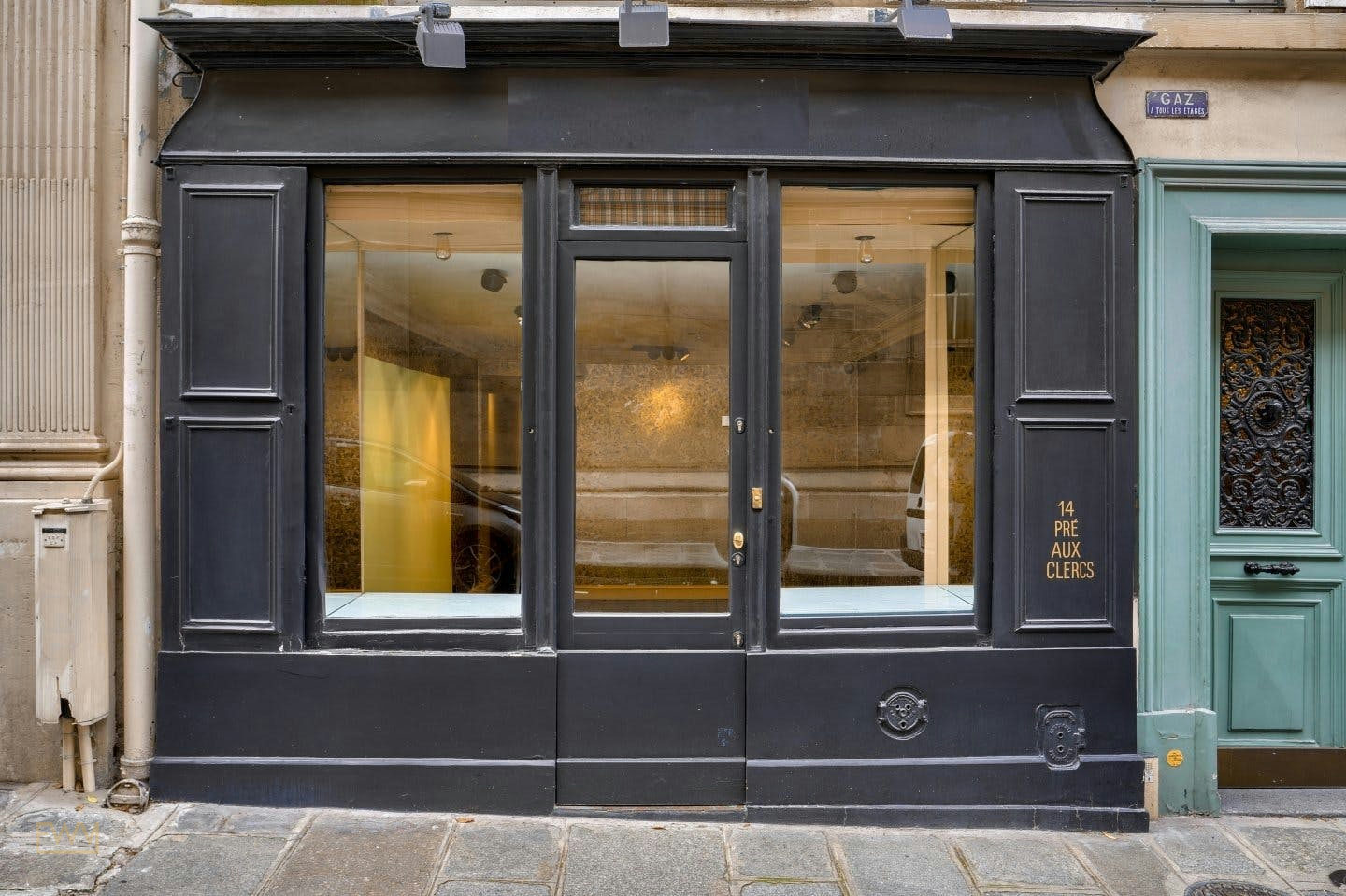
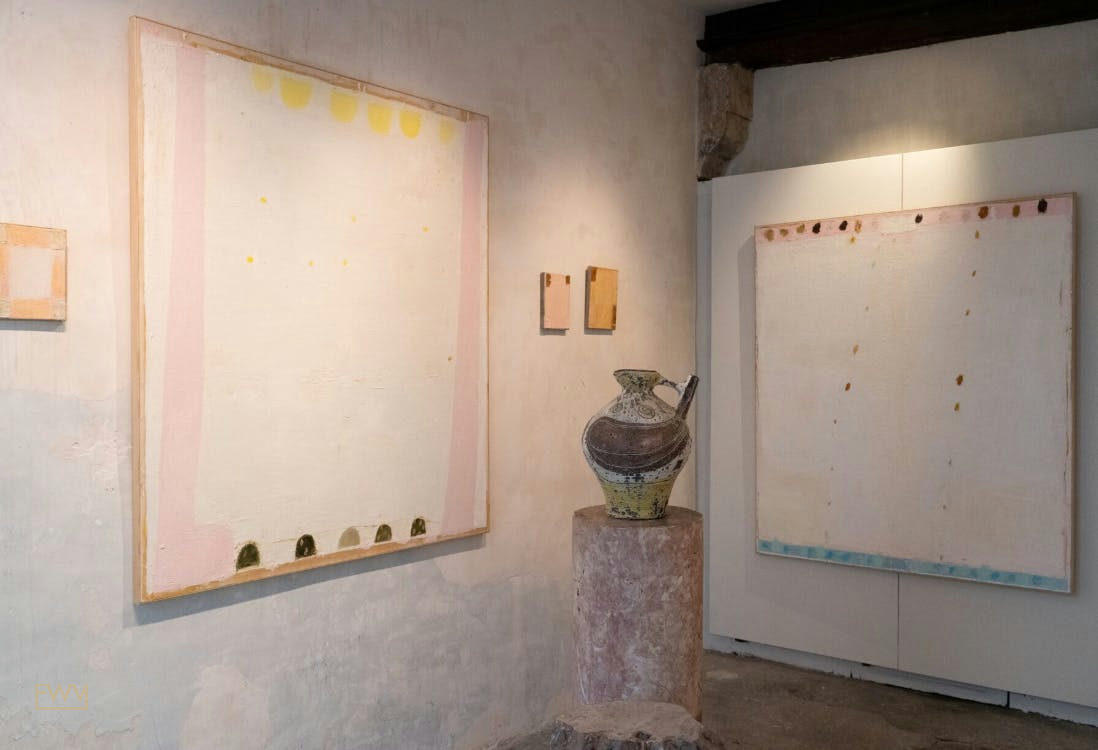
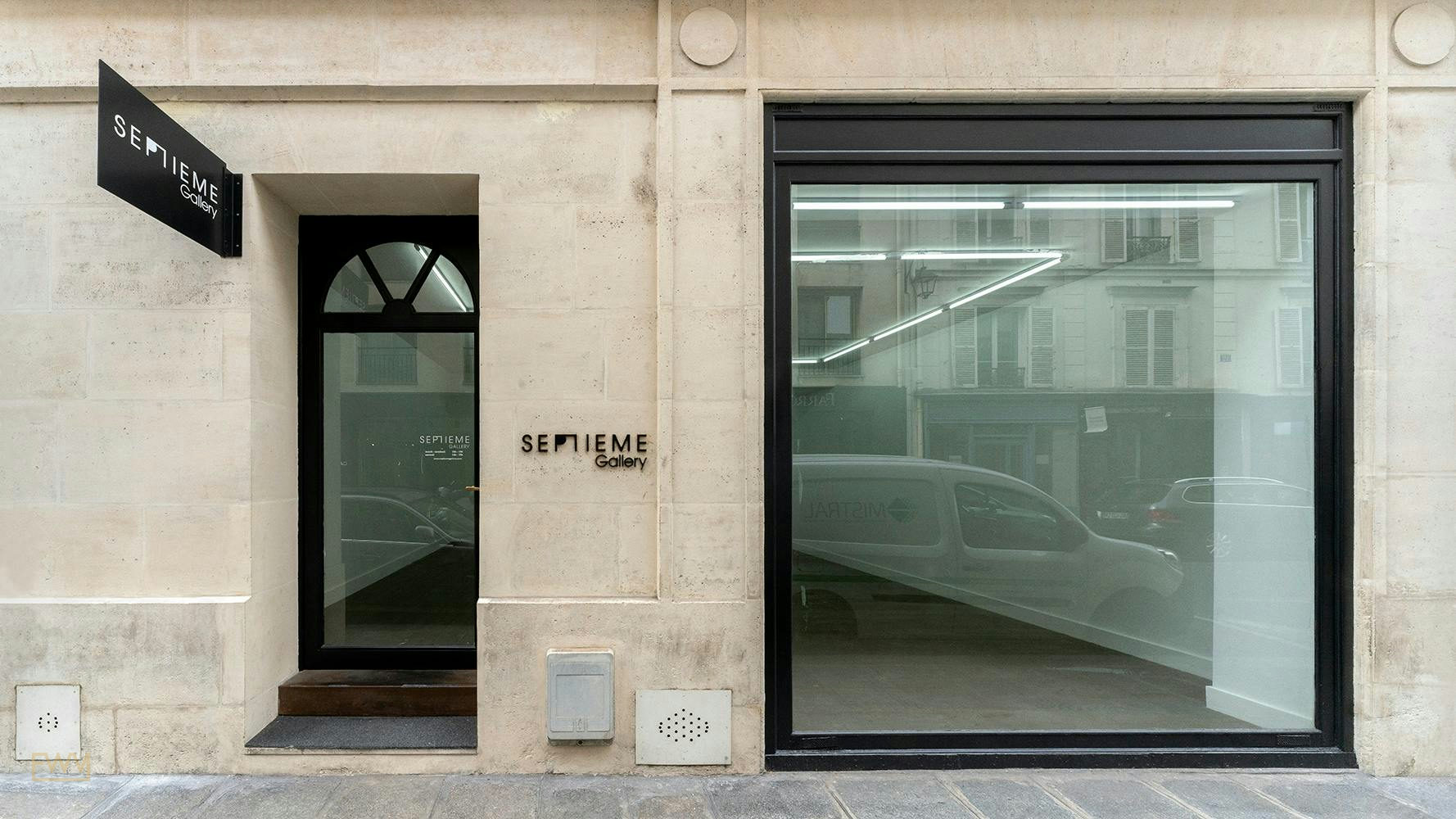
Fashion Week Venues emerge as a leading solution for brands aiming to create memorable fashion moments in Paris. With a robust understanding of the city's unique charm and complex logistics, Fashion Week Venues offers comprehensive services for securing and managing pop-up spaces. Whether you're navigating the intricacies of venue sourcing, complying with local regulations, or seeking innovative retail activations, Fashion Week Venues provides the expertise needed to succeed. This guide will explore the essential elements of planning pop-up spaces during Fashion Week, emphasizing strategic execution and the various services offered.
The Importance of Choosing the Right Venue for Fashion Week
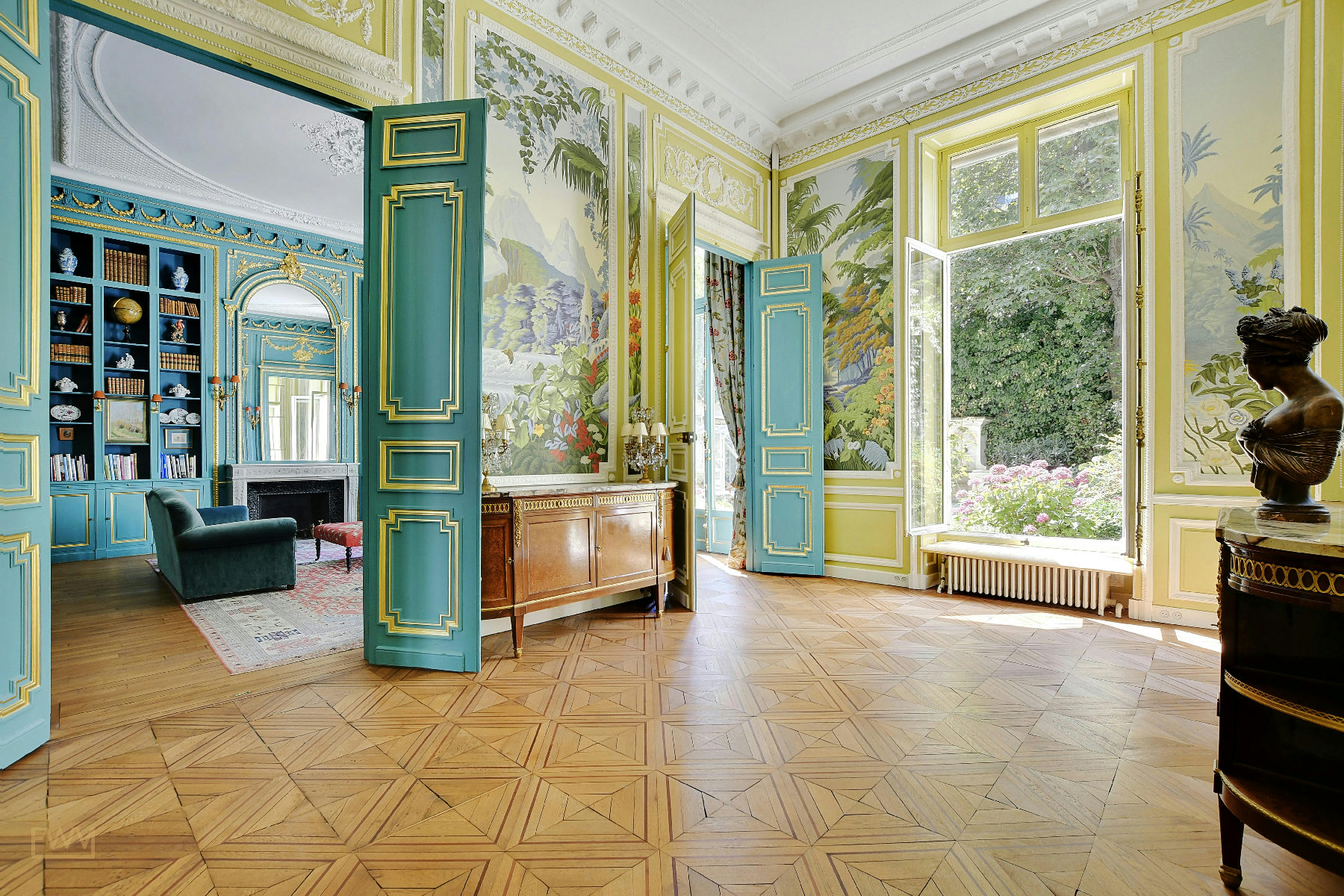
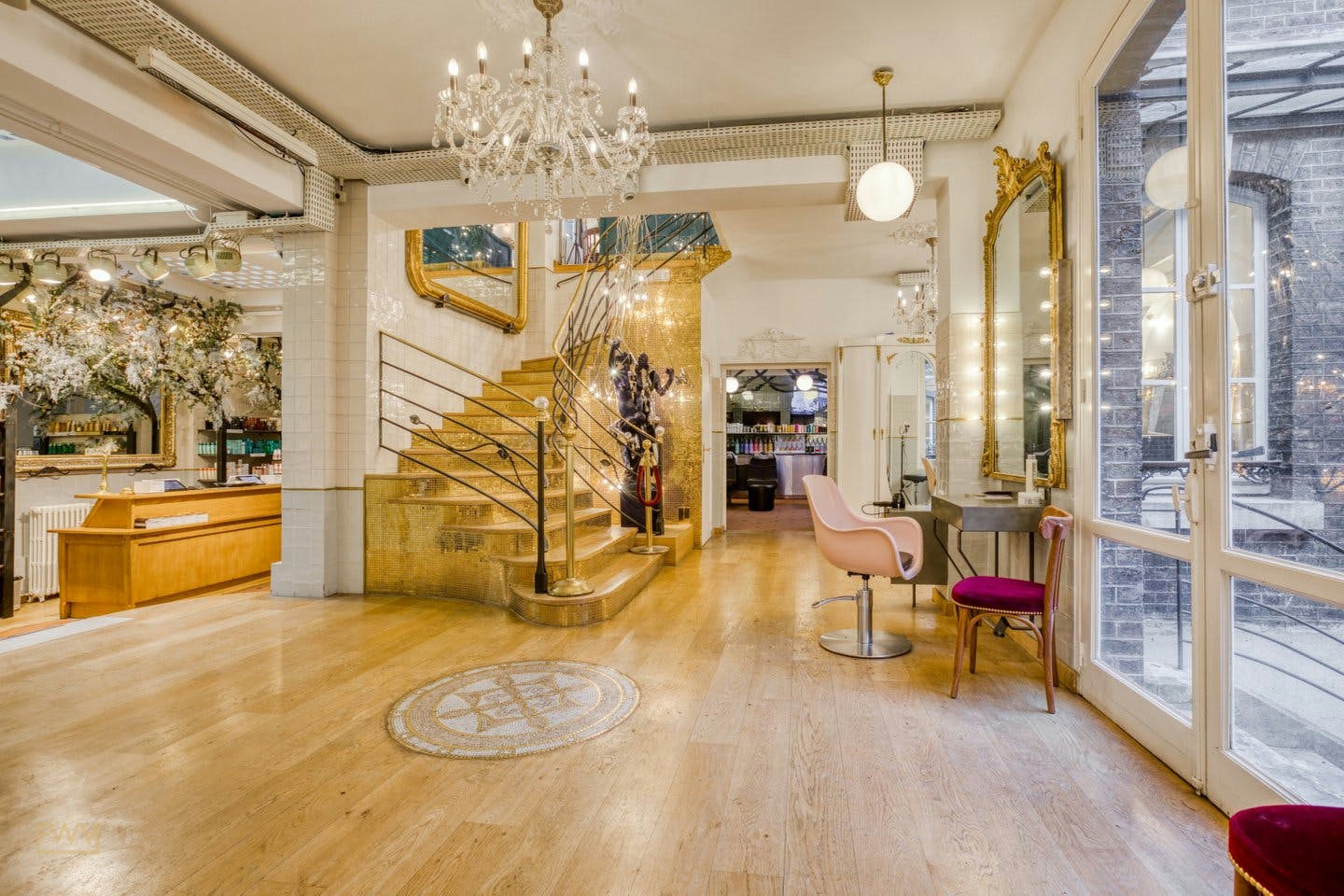
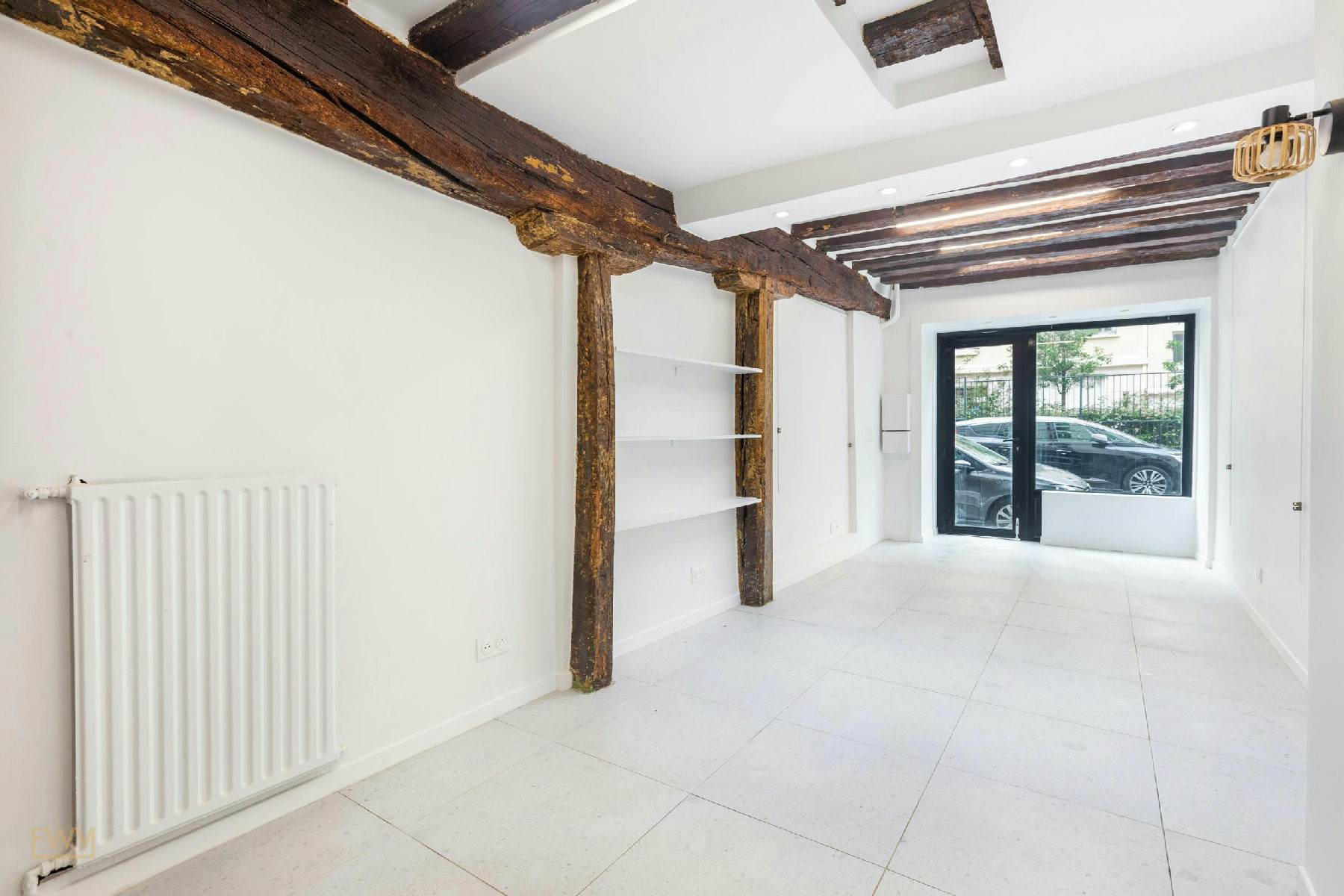
Securing the right venue during Fashion Week in Paris is crucial for any brand looking to maximize its impact. The right location can enhance brand perception, attract the desired demographic, and create buzz. Paris, with its iconic districts like Le Marais and Rue Saint-Honoré, offers ample opportunities for brands to showcase their unique style. Venues range from intimate showrooms to large-scale event spaces, each offering distinct advantages in terms of atmosphere, audience, and engagement opportunities.
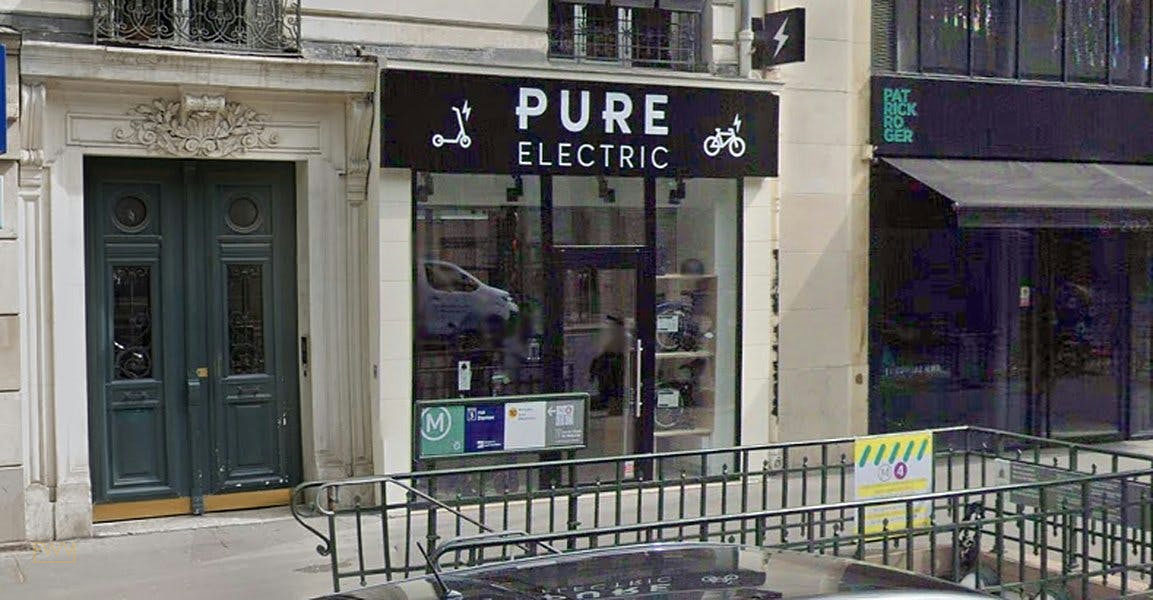
Venue selection is not only about aesthetics but also involves logistical considerations, such as accessibility, amenities, and compliance with local regulations. For instance, in Paris, certain areas may have specific guidelines regarding temporary retail operations. Thus, understanding these regulations is vital to ensure a smooth and legally compliant activation. Collaborating with a service like Fashion Week Venues' venue sourcing can significantly streamline this process.
| Venue Type | Advantages | Considerations |
|---|---|---|
| Showroom | Intimate atmosphere, personalized interactions | Limited capacity, high setup cost |
| Event Space | High visibility, accommodates large audiences | Need for extensive logistics coordination |
| Retail Space | Direct sales opportunities, constant foot traffic | Compliance with retail regulations, staffing |
Quick answer: Selecting the right venue involves balancing brand image with practical considerations like location regulations and audience engagement strategies.
KEY TAKEAWAY: The venue you choose can make or break your Fashion Week presence. Ensure it aligns with your brand's goals and complies with local regulations to maximize impact.
Understanding these dynamics sets the stage for a successful activation. Next, we’ll delve into the strategic aspects of leveraging Fashion Week to enhance brand visibility.
Maximizing Brand Exposure During Fashion Week
Fashion Week presents an unparalleled opportunity for brands to boost their visibility and reputation. To fully capitalize on this, brands need a well-structured activation plan. This includes leveraging a blend of traditional media coverage and digital marketing campaigns to create a buzz that resonates well beyond the event itself.
The rise of digital platforms means that brands must engage influencers and harness social media to reach a global audience. Collaborations with influencers who align with brand values can significantly amplify reach and engagement. Furthermore, digital experiences such as virtual showrooms can complement the physical presence, offering a hybrid model that appeals to both local and international audiences.
Fashion Week Venues assists brands in refining their activation management strategies to foster these engagements effectively. With expertise in coordinating impactful activations, these services ensure seamless experiences for both the brand and the consumer, highlighting the unique qualities of the brand's offerings in a crowded space.
Quick answer: Effective brand exposure during Fashion Week involves integrating influencer partnerships, digital marketing, and experiential events to capture and retain audience interest.
- Influencer Collaborations: Partner with personalities who embody your brand ethos to tap into their dedicated follower base.
- Digital Amplification: Amplify physical events through live streams and digital platforms to enhance global reach.
- Tailored Experiences: Develop unique brand experiences that leave a lasting impression on attendees.
DID YOU KNOW: Brands that employ a hybrid approach combining physical and digital elements can see up to a 30% increase in engagement, according to recent industry surveys.
KEY TAKEAWAY: A strategic approach to brand exposure during Fashion Week can significantly enhance your brand's reputation and market reach.
Next, we’ll explore the essential role of strategic planning in ensuring a successful Fashion Week activation.
Strategic Planning for Successful Fashion Week Activations
Strategic planning is the backbone of any successful Fashion Week activation. It involves careful coordination between creative direction, logistics, budgeting, and compliance. The key is to develop a cohesive plan that aligns with both the brand’s objectives and the unique elements of the selected venue.
A comprehensive approach includes a thorough understanding of timelines, budget constraints, and potential partnership opportunities. Fashion Week Venues' timeline planning tool can help brands map out every stage of their activation, ensuring no detail is overlooked.
To execute a seamless activation, it's vital to follow a structured process:
| Stage | Action | Outcome |
|---|---|---|
| Concept Development | Define brand objectives and creative direction. | Clear roadmap for execution. |
| Logistics Coordination | Plan venue setup, staffing, and materials procurement. | Smooth operational flow. |
| Marketing Integration | Incorporate traditional and digital strategies. | Maximized audience reach. |
| Compliance and Permits | Ensure all legal requirements are met. | Avoid legal issues and delays. |
Quick answer: Effective strategic planning necessitates synchronized coordination of creative, logistical, and legal elements tailored to your brand's unique needs.
TIP: Engage with local professionals, such as Fashion Week Venues, who have a deep understanding of the Parisian market to navigate complex logistics effectively.
This strategic framework ensures that every aspect of the activation is meticulously planned and aligned with the brand's broader objectives. Transitioning to our next section, we'll cover the financial planning necessary to bring these activations to life.
Financial Planning and Budgeting for Fashion Week Events
Effective financial planning is essential for a successful fashion activation, as it allows brands to manage their resources and allocate funds where they'll have the most impact. Given the costs associated with venue rental, logistics, staffing, and marketing, careful budgeting is integral to achieving a positive return on investment.
Fashion Week Venues provides tools like the budget estimation tool to help brands anticipate costs accurately and adjust their plans accordingly. By using these tools, brands can identify potential financial pitfalls and ensure their investments are aligned with strategic goals.
Below is a guideline to manage your Fashion Week budget:
| Expense Category | Average Percentage of Budget | Considerations |
|---|---|---|
| Venue Rental | 30% | Costs vary greatly by location and amenities. |
| Staffing | 20% | Includes hiring, training, and remuneration for retail staff. |
| Logistics | 25% | Shipping, installations, and on-site tech requirements. |
| Marketing | 15% | Traditional and digital campaigns, influencer partnerships. |
| Contingency | 10% | Unplanned events and opportunities. |
Quick answer: Allocate your budget effectively across venue, logistics, staffing, and marketing to ensure a well-rounded financial strategy that supports your brand objectives.
KEY TAKEAWAY: Thoughtful financial planning can help mitigate risks and optimize spending, ensuring your activation is not only impactful but also financially sustainable.
Next, we build upon this by exploring the multifaceted compliance landscape involved in staging boutique events in the heart of Paris.
Understanding Permits and Compliance for Pop-Up Spaces
Navigating the complex world of permits and compliance in Paris is a critical part of planning any pop-up activation. Operating temporarily within diverse venues necessitates specific legal considerations, from basic business permits to special zoning permissions.
For brands, understanding the local framework is key. The bail dérogatoire—a short-term lease agreement—allows brands to occupy spaces for less than three years without entering into a long-term lease commitment. Meanwhile, the Autorisation d'Occupation Temporaire (AOT) is required for some public spaces, ensuring compliance with municipal standards.
Given these complexities, using Fashion Week Venues' permit guidance tool can be invaluable for brands unfamiliar with French legal protocols. It's important to consult a French legal advisor to verify all compliance requirements.
Quick answer: Ensure compliance with Paris regulations by securing bail dérogatoire or AOT where applicable, while consulting with legal professionals to remain updated on zoning and permit changes.
IMPORTANT: Permit requirements can vary significantly based on location, space type, and intended use. Always double-check with a local expert or legal advisor.
Understanding these layers of compliance equips brands to manage bureaucratic challenges effectively, paving the way for smooth operations. As we proceed, we will delve into the advantages of leveraging Paris’ neighbourhoods for strategic positioning.
Choosing the Right Neighbourhood for Your Pop-Up
Selecting the right neighbourhood for your pop-up store during Fashion Week is crucial to your activation's success. Each arrondissement in Paris offers distinct appeals and considerations, from the vibrant cultural diversity of Le Marais to the high-end luxury of Rue Saint-Honoré.
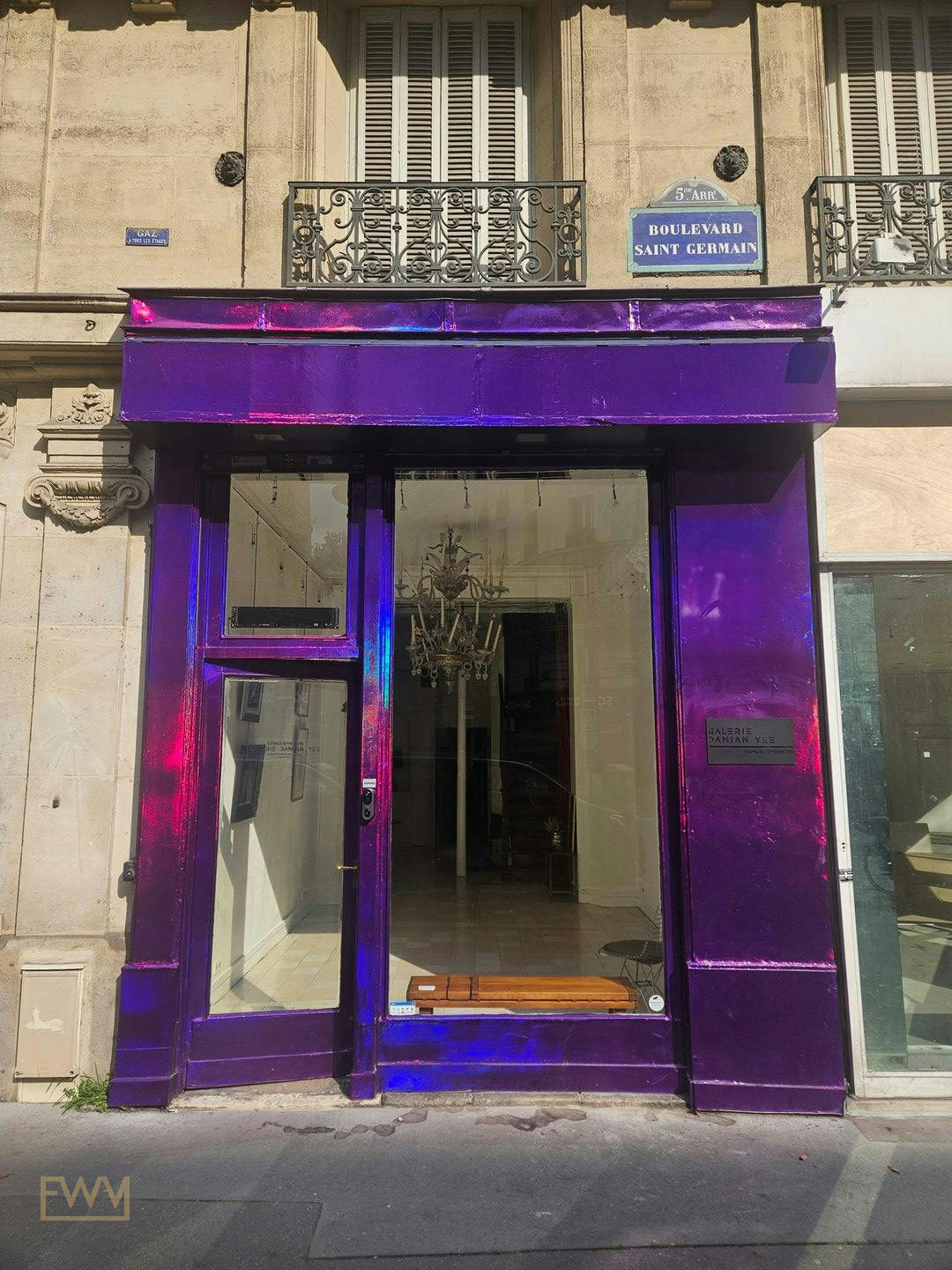
When selecting a neighbourhood, consider your target audience, brand image, and logistical convenience. Le Marais, known for its eclectic mix of boutiques and galleries, attracts a young, style-savvy crowd, while Saint-Germain-des-Prés is ideal for brands with a sophisticated, bohemian identity.
| Neighbourhood | Purpose | Target Audience |
|---|---|---|
| Le Marais | Cultural, trendy vibe | Younger, fashionable crowd |
| Saint-Germain-des-Prés | Historical, artistic ambiance | Affluent, cultured individuals |
| Rue Saint-Honoré | Luxury, high-end shopping | Lifestyle and luxury brand consumers |
| Opéra | Central, bustling | Tourists and business professionals |
Quick answer: Selecting a neighbourhood that aligns with your brand enhances visibility and ensures engagement with the right consumer demographics.
TIP: Use Fashion Week Venues’ locator tool to identify the best areas for your brand based on demographic insights and local trends.
With a strategic neighbourhood choice, brands can amplify their message by positioning themselves in areas frequented by their target audience. Next, we discuss the logistical aspects of setting up shop during Fashion Week.
Logistical Considerations for Pop-Up Shops During Fashion Week
Efficient logistical planning is paramount for the success of a pop-up shop, particularly during the bustling Fashion Week in Paris. From planning the store layout to managing inventory and staffing, every detail must be meticulously coordinated to prevent disruptions.
Key logistical components include venue setup, product delivery, display assembly, and close coordination with local service providers. For brands new to the Paris market, collaborating with professionals like Fashion Week Venues can streamline operations and offer local insights, ensuring all elements work in harmony.
Below is a step-by-step logistical plan:
| Step | Action | Outcome |
|---|---|---|
| 1 | Schedule setup with all service providers. | Ensure venue readiness before events. |
| 2 | Coordinate product delivery and inventory checks. | Maintain sufficient stock without overloading space. |
| 3 | Train staff on brand protocols and customer service. | Enhance customer interaction and brand perception. |
| 4 | Consistently monitor sales and restock as needed. | Avoid stockouts and ensure smooth sales flow. |
Quick answer: Meticulous logistical planning, including setup scheduling, staff training, and inventory management, is essential to operate a successful pop-up shop during Fashion Week.
KEY TAKEAWAY: Seamless logistical execution is crucial for delivering an impactful brand experience and optimizing operational efficiency during Fashion Week.
We will next examine how immersive experiences can elevate a pop-up store’s appeal and memorability.
The Role of Immersive Experiences in Pop-Up Stores
Incorporating immersive experiences into pop-up stores can drastically enhance consumer engagement and drive sales. These experiences allow brands to create more personalized connections with their audience, offering unique touchpoints that resonate well beyond the initial interaction. For instance, interactive installations or digital displays can transform a standard retail setup into a memorable brand journey that captivates the senses.
Research suggests that consumers are more likely to share their experiences and return to a brand that offers engaging in-store interactions. This can include everything from virtual reality presentations to live demonstrations.
Fashion Week Venues specializes in integrating these elements into pop-up shop strategies, ensuring that every facet of the consumer journey is memorable and aligned with overarching brand goals.
Quick answer: Immersive experiences in pop-up stores help enhance engagement by providing memorable touchpoints that connect consumers emotionally to the brand.
- Interactive Elements: Utilize touchscreens or AR experiences to engage visitors.
- Sensory Enhancements: Incorporate lighting and soundscapes to create atmosphere.
- Engagement Stations: Set up areas for hands-on product trials or feedback.
KEY TAKEAWAY: By creating an immersive and engaging environment, brands can significantly increase consumer interaction, leaving lasting impressions that drive brand loyalty.
In the following section, we’ll explore how Fashion Week Venues assists in achieving these sophisticated brand activations.
How Fashion Week Venues Assists Brands
Fashion Week Venues stands at the forefront of helping brands navigate the complexities of Fashion Week activations. Their comprehensive services include everything from venue sourcing, concept direction, production build, to detailed activation management. This allows brands to focus on their core creative strategies while leaving logistics to trusted professionals.
The agency offers tailored solutions for brands aiming to make an impactful impression. Their tools such as the space comparison tool, permits guidance, and budget calculator allow brands to make informed decisions without the need for extensive in-house resources.
Key services beneficial to brands include:
- Concept Direction: Developing themes and executions that reflect brand identity.
- Production and Build: From design to assembly, ensuring space readiness.
- Retail Staffing: Providing trained staff to deliver impeccable customer service.
Quick answer: Fashion Week Venues provides strategic and operational support, ensuring that each activation reflects a brand’s unique identity and maximizes audience engagement.
TIP: Explore how Fashion Week Venues works to learn more about their approach to successful activations.
By utilizing these comprehensive services, brands gain a competitive edge, ensuring their activations are not only seamless but also impactful. We will now address common myths surrounding pop-ups and Fashion Week.
Common Myths Debunked
MYTH: To rent a space in Paris, you must have a French legal entity.
FACT: While having a French business entity can simplify some processes, it is not a strict requirement for renting a space. International brands can operate pop-ups by leveraging partnerships with agencies like Fashion Week Venues, which can help navigate administrative tasks and compliance.
MYTH: Paris Fashion Week is the only time worth considering for a fashion activation.
FACT: While Paris Fashion Week offers unparalleled visibility, other times of the year can also offer unique opportunities for brands to stand out, with less competition and lower costs. Brands might benefit from targeting other fashion events or aligning with specific cultural holidays that fit their audience.
MYTH: Short-term leases are straightforward and don't require legal assistance.
FACT: Even short-term leases in Paris, such as bail dérogatoire, can involve complex regulations that require professional guidance. It's essential to have legal advisors or use permit tools to ensure you are compliant and to avoid potential fines or disruptions.
MYTH: Brokers are the only way to find suitable pop-up locations in Paris.
FACT: While brokers are one option, they are not always necessary. Platforms like the Fashion Week Venues marketplace offer direct access to a wide range of pop-up spaces, simplifying the search process significantly and often at better rates.
Understanding these realities facilitates better decision-making, helping brands leverage opportunities effectively. Let’s move on to address some frequently asked questions regarding pop-up venues during Fashion Week.
Frequently Asked Questions
What are the key benefits of having a pop-up shop during Fashion Week?
A pop-up shop during Fashion Week offers unmatched exposure to industry icons, fashion enthusiasts, and media outlets, enabling brands to showcase their collections in real-time. It enhances brand visibility, facilitates direct interaction with potential buyers, and can drive social media buzz through influencer partnerships. Additionally, it allows brands to test new products and concepts with a live audience, providing valuable insights for future planning.
How long should a typical Fashion Week pop-up run?
Typical pop-up shops during Fashion Week can range from a few days to the entire week. The exact duration depends on the brand's objectives, budget, and overall marketing strategy. Shorter durations can create a sense of urgency and exclusivity, while longer periods allow for more extensive exposure and audience engagement. Fashion Week Venues can help determine the optimal duration for your specific needs.
Do you need a special permit to operate a pop-up shop in Paris?
Yes, operating a pop-up shop in Paris typically requires specific permits, such as the bail dérogatoire for short-term leases or the AOT for public spaces. Compliance with these regulations ensures your activation is legally sound and avoids potential fines. Using a tool like Fashion Week Venues' permits guidance ensures you are up to date with all necessary paperwork and legal requirements.
Can international brands easily operate pop-up shops in Paris during Fashion Week?
While international brands face additional logistical challenges, operating a pop-up in Paris is certainly feasible with careful planning and the right partnerships. Agencies like Fashion Week Venues offer a streamlined process to manage everything from compliance to staffing, making it accessible for brands without a permanent French presence. Proper guidance simplifies navigation through the local regulatory landscape and ensures successful implementation.
What is the typical cost range for renting a pop-up space in Paris?
The cost of renting a pop-up space in Paris can vary significantly based on location, size, and duration. A small space in a prime location like Le Marais or Saint-Germain-des-Prés can cost several thousand euros per day, while larger or more exclusive locations can command higher prices. Brands should use tools like Fashion Week Venues' budget calculator to tailor financial plans to their specific scenarios and avoid any unforeseen expenses.
How important is location for a pop-up shop during Fashion Week?
Location is critically important for a pop-up shop, as it influences foot traffic, brand perception, and media exposure. Choosing the right neighbourhood can help align the space with your brand's identity and attract your target audience. Areas like Rue Saint-Honoré for luxury brands or Canal Saint-Martin for trend-setting labels offer different strategic advantages.
What types of experiences engage consumers the most in a pop-up setting?
Engaging consumers in a pop-up setting requires an emphasis on interactive and immersive experiences. This includes virtual try-ons, live demonstrations, and personalized events that resonate emotionally with customers. Brands that create meaningful interactions through these innovative methods often see higher engagement and greater social media sharing, extending their reach even beyond the pop-up's duration.
How can brands measure the success of their Fashion Week pop-up shops?
Measuring the success of a pop-up shop involves analyzing a range of metrics, including foot traffic, sales volume, media coverage, social media engagement, and consumer feedback. Utilizing data analytics tools like those provided by Fashion Week Venues can give comprehensive insights into these areas, ensuring that brands can accurately assess performance and identify areas for improvement in future projects.
Are there any limitations to the Fashion Week Venues services?
Fashion Week Venues offers extensive services tailored to fashion activations; however, success also depends on the brand's strategic input and collaboration. While the agency can handle logistics, compliance, and setup, the creative direction and brand messaging must come from the brand itself. The partnership is most effective when both parties leverage their strengths to achieve common objectives.
How do brands choose between multiple potential pop-up spaces?
Choosing the best pop-up space requires a balanced evaluation of factors such as location, cost, size, and target demographic alignment. Tools like Fashion Week Venues' space comparison and budget calculators assist in analyzing these elements efficiently, helping brands to make informed decisions that fit their strategic goals and operational needs.
What is a "twin concept" in the context of pop-ups?
The "twin concept" involves launching simultaneous pop-up events in two locations to double exposure and reach separate audiences. This strategy requires careful synchronization of logistics and marketing efforts but can significantly increase visibility and maximize impact across different consumer bases. Fashion Week Venues provides guidance on implementing such innovative strategies effectively.
Conclusion
Launching a successful pop-up space during Fashion Week in Paris involves careful planning, strategic decision-making, and leveraging expert resources. Fashion Week Venues provides indispensable support across every facet of this complex undertaking, from venue sourcing to compliance and brand activation. With these comprehensive services, brands not only meet but exceed their visibility goals, driving both immediate impact and long-term brand recognition. By proactively employing these tools and insights, brands can focus on the creative aspects while navigating operational complexities with confidence. To move from research to activation, start exploring available spaces on the Fashion Week Venues marketplace and build a focused brief for your target neighbourhood, space type, and calendar window.