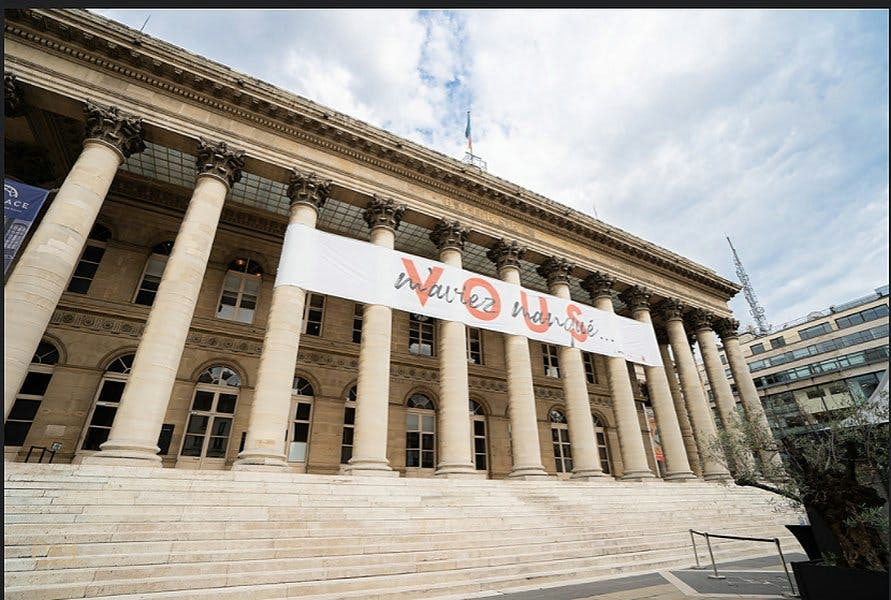
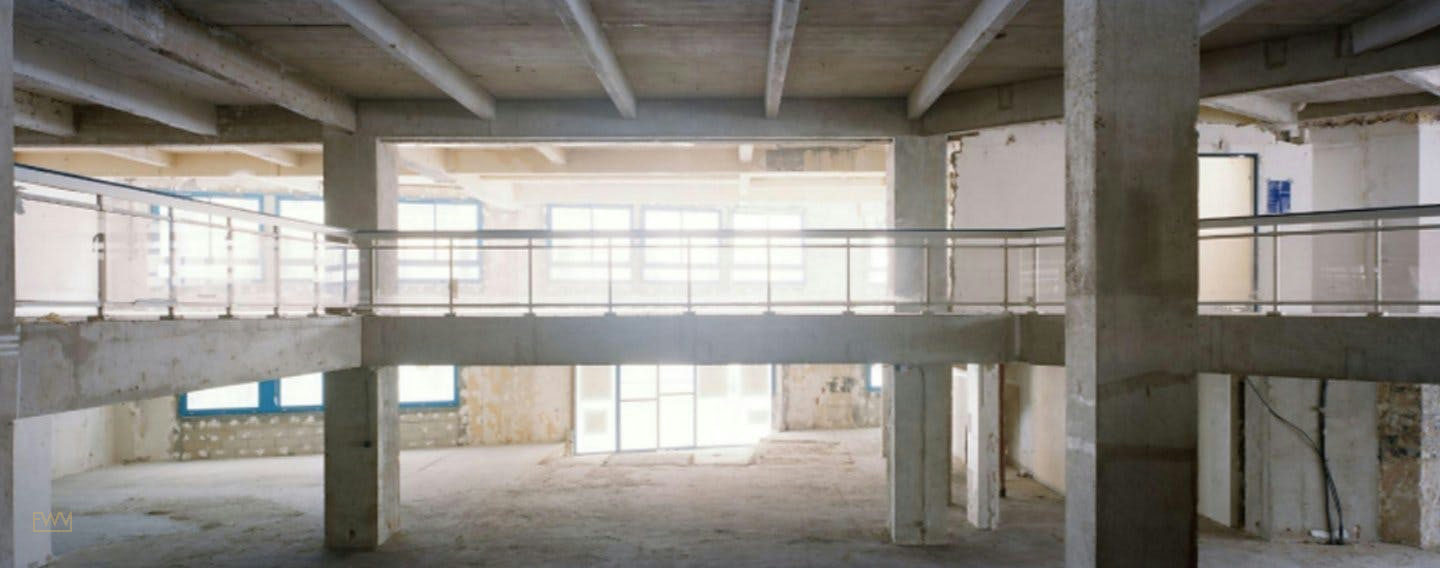
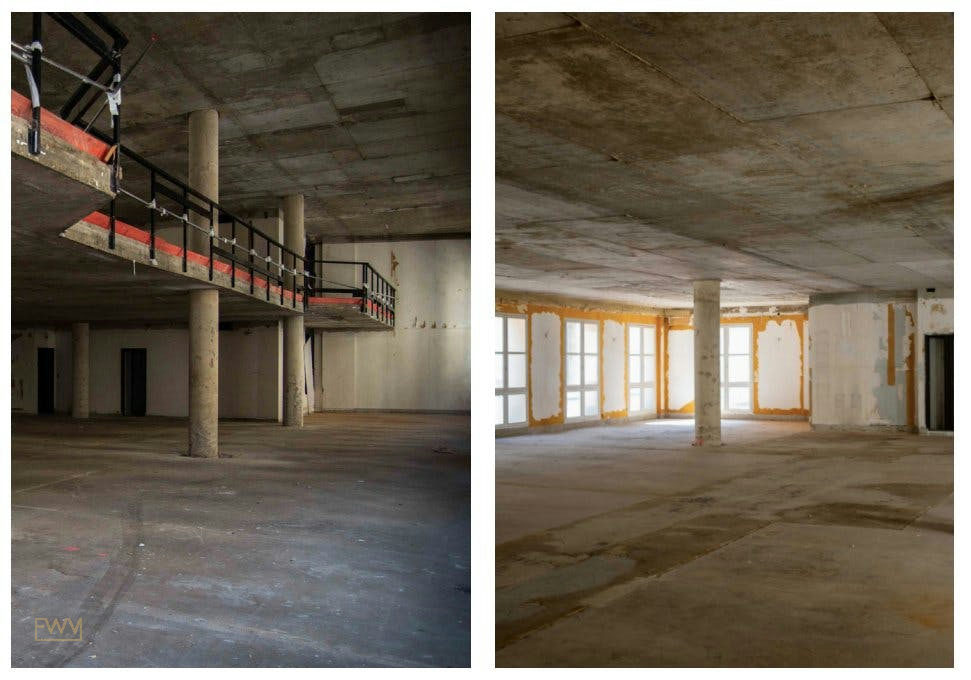
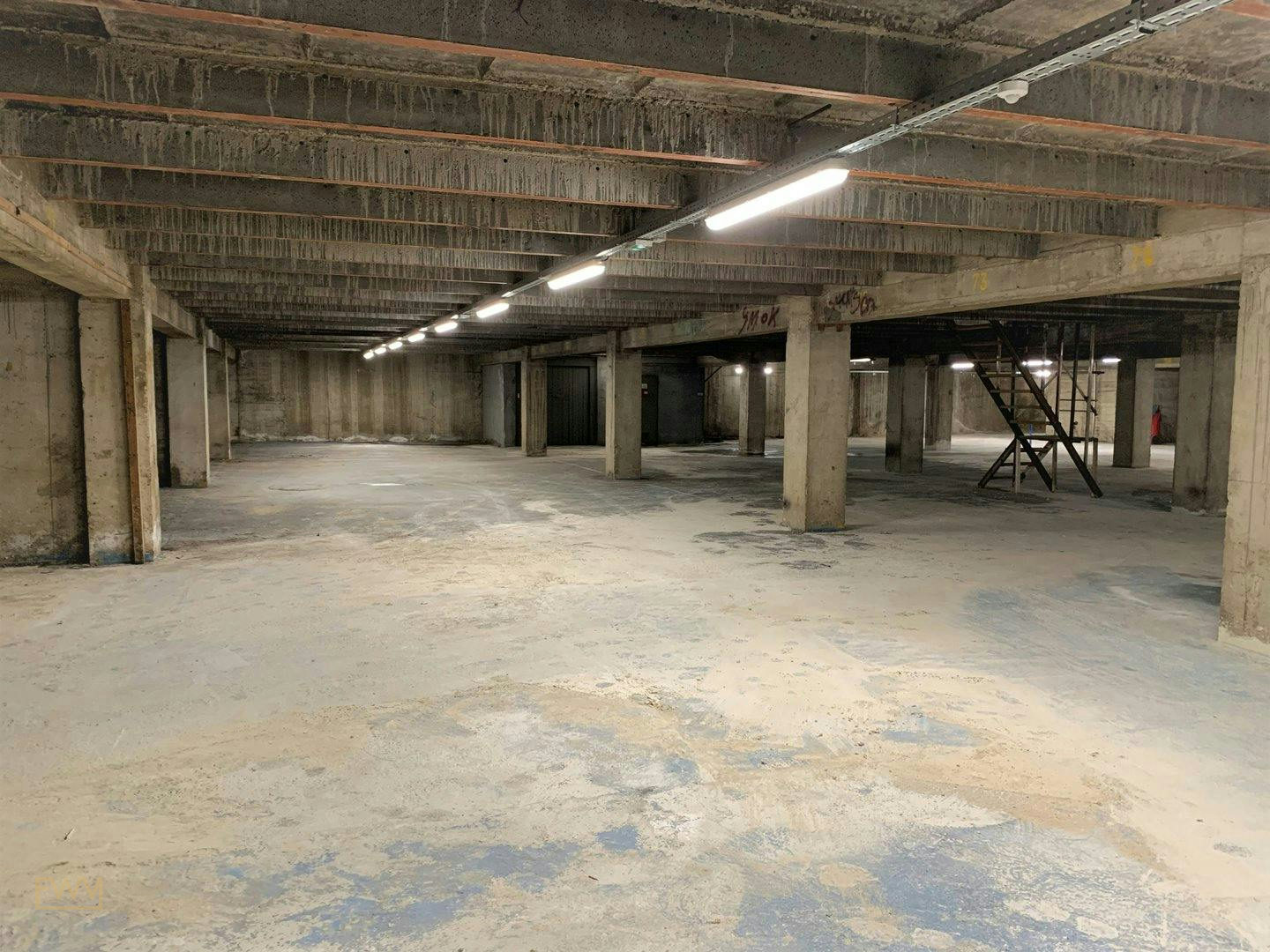
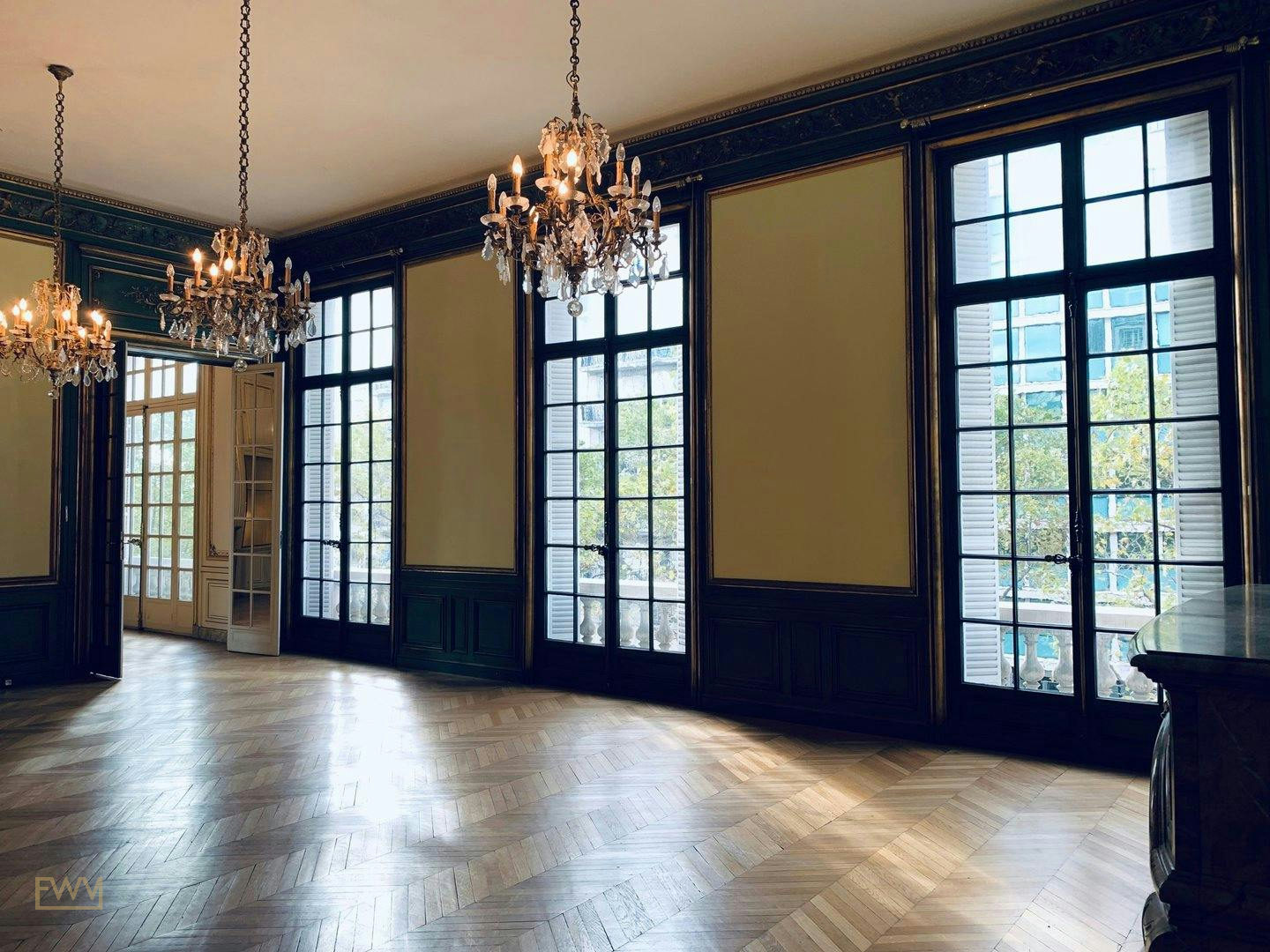
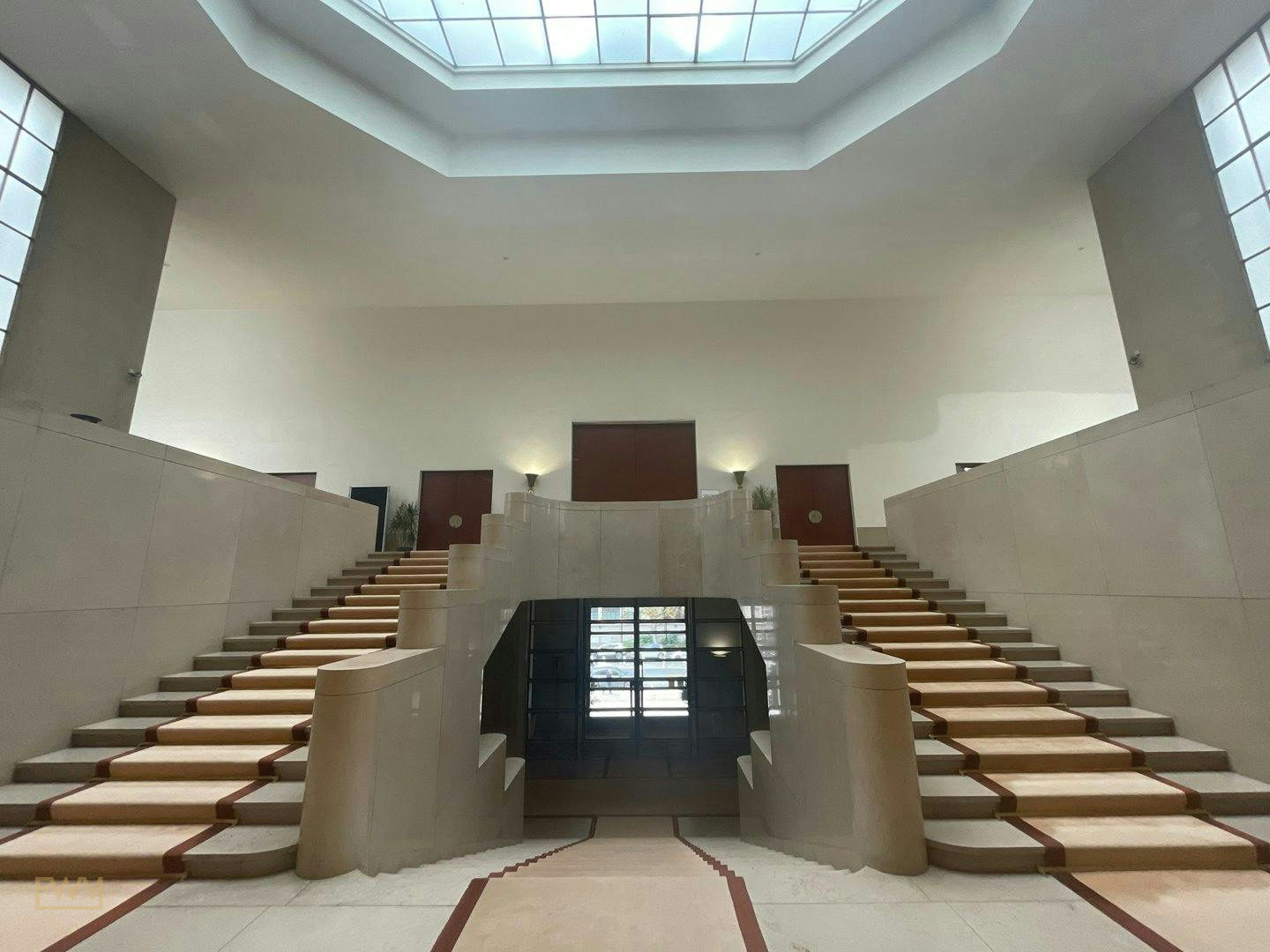
Finding the perfect venue for Fashion Week in Paris requires strategic planning, an understanding of local regulations, and creative vision. Whether you're a global brand looking to launch a new collection or an independent designer seeking to make an impact, choosing the right space in this fashion capital is crucial. Fashion Week Venues offers a comprehensive service, from venue sourcing to activation management, ensuring your event is as seamless as it is memorable.
The Importance of Choosing the Right Venue
Choosing the right venue for Fashion Week is essential for any brand looking to stand out. The venue sets the stage for your brand's narrative, tailoring the experience to fit your collection's theme and audience expectations. It's not merely about aesthetics; the right space enhances brand visibility and creates a memorable experience for attendees.
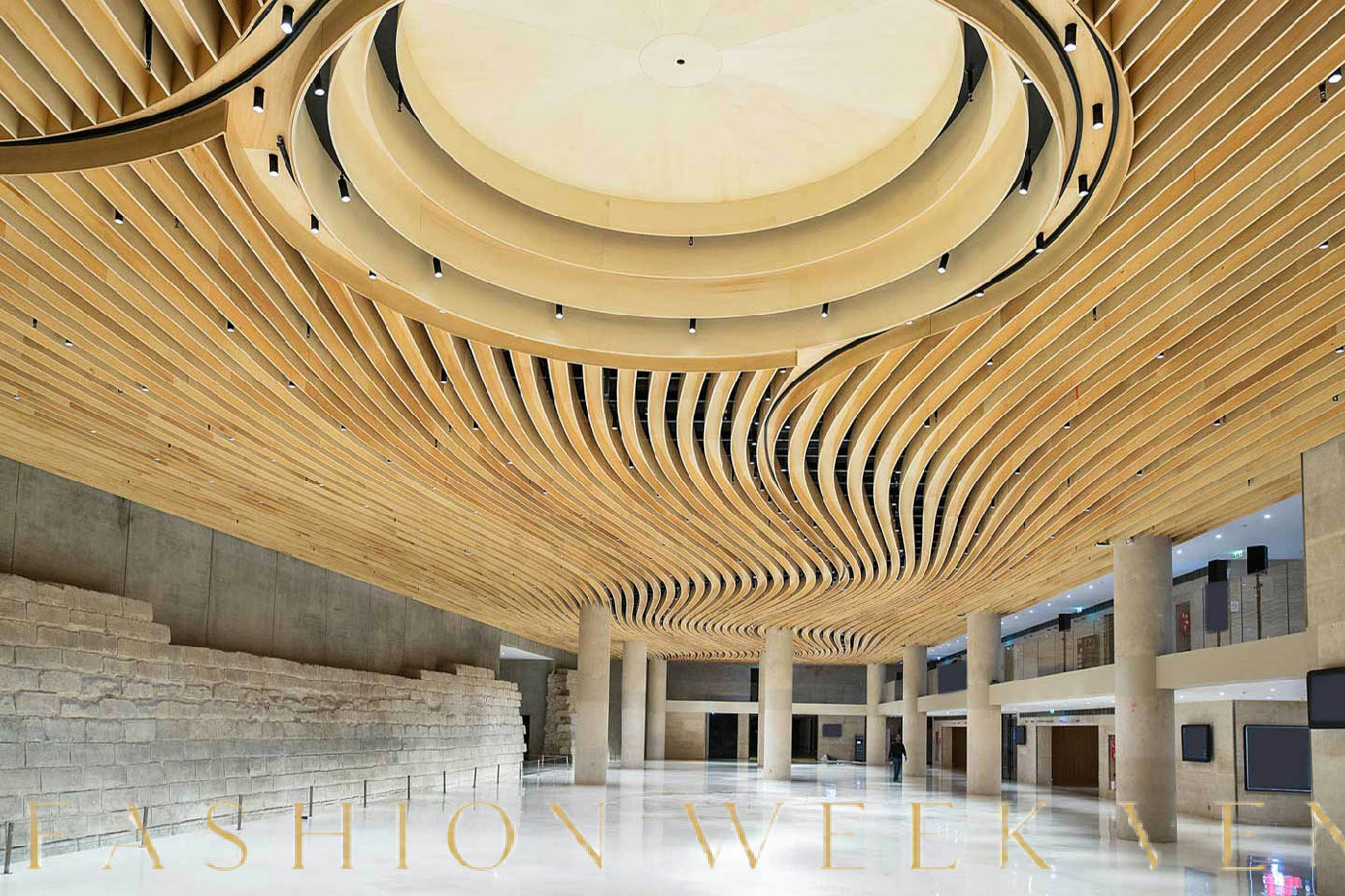
Fashion capitals like Paris offer a plethora of venue types — from historical buildings and galleries to modern pop-up spaces. Each choice comes with its implications on brand perception and event logistics.
Quick answer: The right venue aligns with your brand's aesthetic, accommodates your guest list, and supports your logistical needs without sacrificing creative expression.
For instance, a major luxury brand might opt for a palatial venue in the 8th arrondissement near the Champs-Élysées to reflect its opulence. Alternatively, an emerging designer might choose a contemporary space in Le Marais, known for its eclectic mix of fashion and art galleries, to emphasize creativity and innovation.
KEY TAKEAWAY: Selecting a venue in Paris requires strategic alignment with brand values and logistics, not merely aesthetic appeal.
Next, let's explore the types of spaces available in Paris for such high-profile events.
Types of Venues for Fashion Week in Paris
Paris offers a diverse array of venues that cater to varying fashion show needs, from grand historic edifices to sleek modern spaces. Understanding the types of venues available can help tailor your event to suit both your brand personality and budgetary constraints.
- Traditional Haute Couture Salons: Situated in opulent areas like Place Vendôme, these venues offer classic French elegance, perfect for established brands showcasing their refinement.
- Modern Art Galleries: Located in areas like Le Marais and Canal Saint-Martin, they are ideal for avant-garde brands looking to mesh art with fashion.
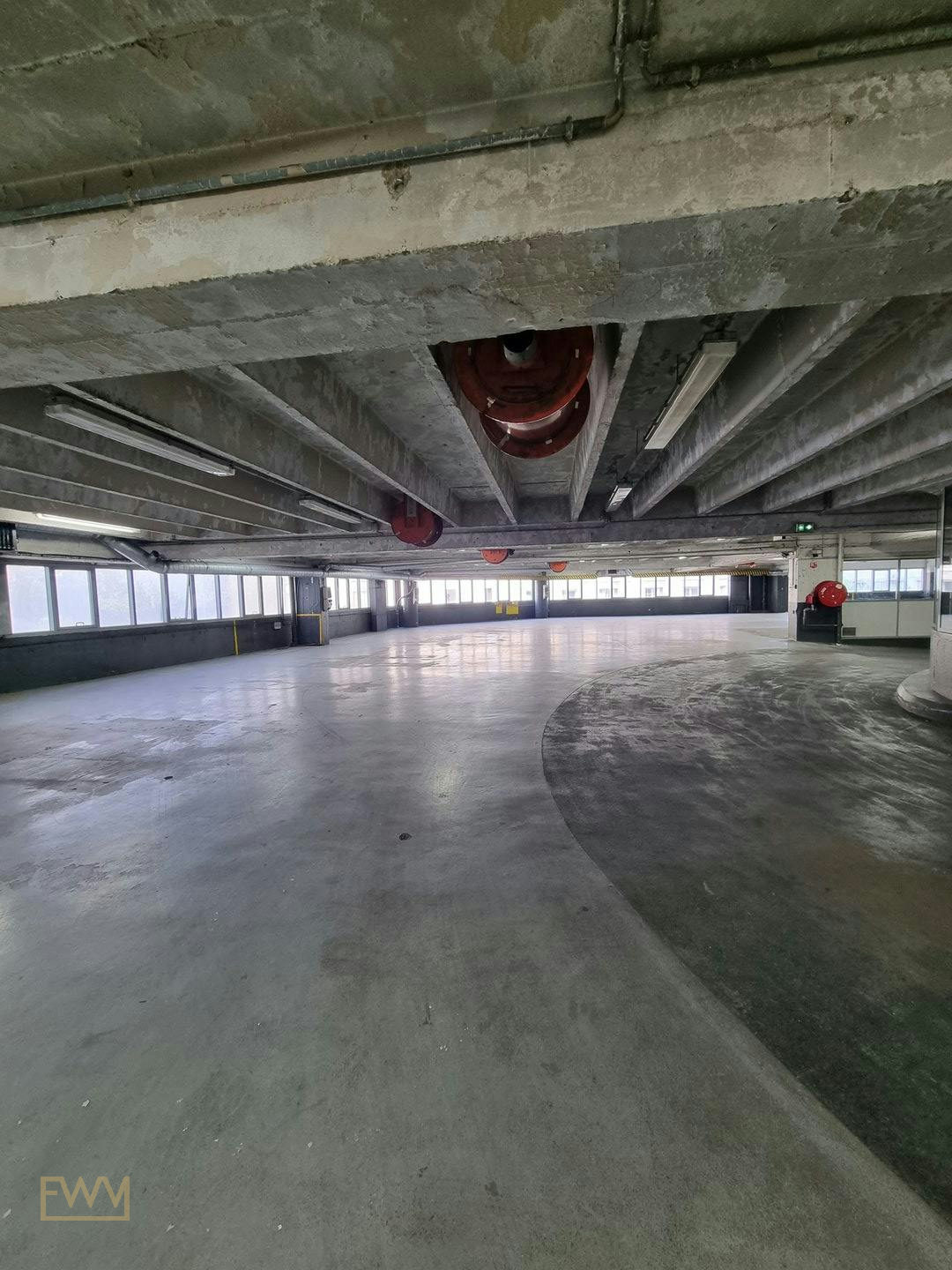
- Industrial Spaces: The rugged, spacious environments around the 11th arrondissement are popular with edgy, contemporary brands.
- Luxury Hotels: Scattered across the city's luxurious districts, these venues provide upscale facilities, catering to guests desiring utmost comfort.
The choice of venue should reflect not only your brand's identity but also accommodate the practicalities of guest capacity, available facilities, and budget. Some areas boast higher foot traffic and prestigious associations, which could influence your brand exposure.
IMPORTANT: Consideration of the venue's technical capabilities and accessibility is crucial in ensuring the event's success.
TIP: Use Fashion Week Venues' compare tool to evaluate spaces based on these criteria and find the perfect fit.
With a venue type decided, you must next consider how its location within Paris can further impact your fashion event.
Exploring Neighbourhoods for Event Impact
Each Parisian neighbourhood carries its own unique charm and reputation, making location a key factor in your venue choice. Deciding where to position your event goes beyond convenience; it plays a significant role in narrative and audience attraction.
Le Marais: Known for its lively art scene and boutique shopping experiences, Le Marais is ideal for contemporary brands and new designers.
St-Germain-des-Prés: This historic district is home to cultural sophistication and high-end fashion, perfect for luxury brand statements.
Quick answer: Choosing the right Paris neighbourhood integrates geographically relevant prestige and ambiance, adding layers to your brand story.
The right location in Paris is not just about association but functionality, accessibility, and the tone it sets for attendees. Fashion Week Venues' locator tool can help pinpoint an ideal neighbourhood fit.
| Neighbourhood | Brand Fit | Key Attractions |
|---|---|---|
| Le Marais | Contemporary & Artistic | Art galleries, Indie boutiques |
| Saint-Germain | Luxury & Heritage | Cafes, Designer shops |
| Opéra | Corporate & Large-scale | Theatres, Grand spaces |
KEY TAKEAWAY: Each neighbourhood brings specific cultural and logistical advantages that should align with your event goals.
Now that you've considered venues and neighbourhoods, it's time to address the logistics and planning required for a successful Fashion Week event.
Logistics and Planning for Fashion Week Venues
Planning the logistics of a Fashion Week venue in Paris involves numerous factors, from securing the necessary permits to coordinating with vendors and ensuring flawless execution.
The first step involves understanding the types of permits required. In Paris, depending on the venue type and location, you may need a bail dérogatoire or an AOT (temporary occupancy permit). These legalities should not be ignored as they can affect the ability to legally host events. Fashion Week Venues offers a permits tool for guidance on navigating these complexities.
Quick answer: Successful event planning requires aligning all logistical elements with legal requirements to ensure a smooth and legally compliant experience.
In addition to permits, the logistics plan should cover:
- Event timeline and scheduling using Timeline planning tool.
- Staffing needs with skilled personnel, which you can arrange via the retail staffing service.
- Design and production planning for on-site brand aesthetics, supported by the production and build services.
DID YOU KNOW: A meticulously planned event not only adheres to legal requirements but also fosters brand credibility and audience engagement.
KEY TAKEAWAY: Effective logistical planning considers every detail, from timeframe and talent acquisition to space regulations, ensuring a seamless execution.
With logistics covered, understand how similar previous activations can guide your planning process.
Learning from Past Fashion Week Activations
Exploring past fashion week activations provides valuable insights into what strategies work best and highlights potential pitfalls to avoid. Previous events illustrate various creative approaches and logistical frameworks that can be adapted to new situations.
Opéra Pop-Up: A temporary fashion installation in Opéra, Paris, successfully used a central location and large foot traffic areas to drive brand exposure.
Rue Saint-Honoré Showroom: By choosing a district known for luxury, this brand leveraged the venue to amplify its high-end image and cater to an upscale audience.
Quick answer: Learning from past fashion activations provides a blueprint for success, highlighting creativity, effective timing, and audience engagement strategies.
These case studies can be found in more detail on the Fashion Week Venues work page, showcasing the diversity of successful brand approaches.
- Highlight logistical wins, avoidable challenges, and impactful creativity.
- Evaluate audience feedback to tailor future events to attendee preferences.
- Integrate insights with your market objectives.
KEY TAKEAWAY: Past activations offer a foundation to build, refine, and innovate your approach to future events, aligning strategy with results.
With these models, you're better prepared to tackle potential myths and misconceptions about the Parisian event scene.
Common Myths Debunked
MYTH: You need a French legal entity to rent a space in Paris.
FACT: While having a French legal entity can simplify processes, it is not absolutely necessary. International brands often leverage partnerships with local agencies like Fashion Week Venues that facilitate space rentals through established networks and legal guidance.
MYTH: Paris Fashion Week is the only viable calendar window for events.
FACT: While Paris Fashion Week is indeed a peak time for fashion exposure, off-calendar events can often capture unique audiences and provide less competitive, more intimate settings for brand storytelling.
MYTH: Using a commission broker is the only way to find a space.
FACT: Independent agencies like Fashion Week Venues offer comprehensive venue sourcing without the high commissions of traditional brokers. They provide tailored matches based on brand needs and active market knowledge.
MYTH: Short-term leases are straightforward and do not require specialist help.
FACT: Short-term leases in Paris can be complex, especially under a bail dérogatoire. Legal intricacies can affect event setup and duration, necessitating expert advice to avoid potential pitfalls and ensure compliance.
KEY TAKEAWAY: Understanding the realities of the Parisian event landscape dispels myths and empowers brands to make informed decisions based on accurate data and experienced guidance.
By clearing these misconceptions, you are now prepared to benefit from the full range of services offered by Fashion Week Venues.
How Fashion Week Venues Supports Your Event
Fashion Week Venues is dedicated to ensuring your event is both impactful and seamless. With diverse services ranging from concept development to execution, the company acts as a one-stop solution provider.
By leveraging the Fashion Week Venues platform, brand teams can:
- Explore event space options precisely matched to their brief on the marketplace.
- Utilize tools like the budget calculator and ROI calculator to plan financially sustainable events.
- Create timelines for event planning and execution, aligning all activities with set goals and deadlines.
Quick answer: Fashion Week Venues provides a comprehensive service suite designed to assist brand teams in efficiently and effectively planning and executing impactful fashion events.
The team ensures compliant venue hire through their expertise and local connections. With in-depth market knowledge, they streamline the process, allowing brands to focus on creative and promotional aspects.
KEY TAKEAWAY: Partnering with Fashion Week Venues maximizes planning efficiency, reduces risk, and enhances the potential ROI of your fashion event.
With a grasp of support systems, let's tackle the regulatory aspects critical to your fashion venue plans.
Understanding Permits and Compliance in Paris
Securing the appropriate permits and ensuring compliance with legal requirements is vital when planning a fashion event in Paris. Two primary permits stand out in this context: the bail dérogatoire and AOT.
Bail dérogatoire: This is a specific short-term lease allowing temporary use generally not exceeding a three-year duration and requires detailed compliance addressing the space use terms.
AOT (Autorisation d’Occupation Temporaire): This government-issued permit allows the temporary occupation of public property and is necessary for some venues, depending on location and activities.
Quick answer: Navigating permits, like bail dérogatoire and AOT, involves legal compliance and often requires expert advice to avoid costly delays.
Compliance involves understanding specific safety regulations and operational limitations dictated by the type of event and venue. Brands should engage in proactive risk assessments to align their plans with local laws.
- Consult legal advisors or local agencies for dedicated compliance guidance.
- Use Fashion Week Venues' tool for permit guidance.
KEY TAKEAWAY: Proper understanding of, and adherence to, regulatory requirements is essential in mitigating legal risks and ensuring a successful event in Paris.
Armed with this knowledge, consider how budget planning contributes significantly to overall event success.
Developing a Realistic Budget for Fashion Week Events
Creating a realistic budget is pivotal for the success of your fashion week event. It requires an assessment of costs, from venue rental and personnel to marketing and production.
Start by identifying all potential expenses, including hidden costs such as last-minute production changes or emergency logistics. Platforms like Fashion Week Venues provide a budget tool to help forecast expenses effectively.
- Venue Rental: Consider not just rent but also setup and logistical costs.
- Production Costs: Include design, fit-out, AV setup, and breakdown expenses.
- Marketing and PR: Promotional campaigns to attract attendees and press coverage.
Quick answer: A comprehensive budget plan evaluates all aspects of production and operation costs, while enabling cost-saving strategies through efficient planning.
Budget tools, when integrated with proper planning and cross-departmental communication, mitigate risk and elevate the potential success of the event.
Using insights from previous events can refine your budgeting process, aligning your financial resources with anticipated ROI.
KEY TAKEAWAY: Using budgeting tools and expert advice significantly reduces financial risk, ensuring a well-planned, cost-effective event that maximizes ROI.
Having established a budget, the focus shifts toward securing a return on investment (ROI).
Maximizing ROI through Effective Planning and Execution
Achieving a high return on investment (ROI) is the ultimate goal for any fashion event. This involves strategic planning and diligent execution from conception stages right through to the event's aftermath.
Successful ROI maximization begins with setting clear goals for brand exposure, sales targets, and press coverage. Utilizing tools such as the ROI calculator from Fashion Week Venues can clarify expected returns from various investments in the event.
- Evaluate investments in audience engagement programs, experiential design, and strategic promotions.
- Assess changes and adapt strategies based on real-time data during the event.
- Post-event analysis to gauge market impact and identify areas of improvement for future events.
Quick answer: Emphasize strategic investment that aligns with audience expectations and brand goals to maximize ROI through thoughtful planning and execution.
By aligning every element of the event around a central brand narrative, integrating unique experiences, and optimizing engagement, a greater return can be realized.
KEY TAKEAWAY: ROI is maximized by balancing investments in creative and operational elements, ensuring the event delivers both impact and value to the brand.
These strategies offer a foundation upon which to integrate innovative design elements.
Incorporating Innovative Design for Memorable Experiences
In today’s competitive landscape, innovative design is critical to crafting a memorable Fashion Week experience. An impactful event elevates itself by using visual storytelling and creative concepts that resonate with the audience.
Visual Merchandising: Use bespoke design elements to convey brand stories, engage emotions, and guide customer journeys.
Implement strategic lighting and interactive elements that enhance the sensory experience. The design should not only captivate but align seamlessly with brand objectives and audience tastes.
- Employ cutting-edge technology like AR and VR to create immersive brand stories.
- Design multifunctional spaces that adapt seamlessly to multiple phases of the event.
Quick answer: Combining innovative technology with aesthetic design enhances audience engagement and creates memorable brand encounters.
Fashion Week Venues provides branded store design services that integrate these elements to amplify your impact through design excellence.
Partner with design experts to ensure your visual displays not only meet but exceed both industry standards and audience expectations.
KEY TAKEAWAY: By leveraging innovative design, brands can create distinct and memorable experiences that differentiate their presentations in a crowded fashion market.
Enhance your brand's impact by integrating these design techniques into your event planning.
Crafting an Experience Beyond the Runway
Create holistic experiences that extend beyond the runway to engage your audience at a deeper level. Incorporating elements such as live music, interactive installations, and curated refreshments can elevate the standard runway event into an unforgettable experience.
Interactive elements not only engage attendees but can generate valuable content for digital marketing campaigns post-event. Live streaming of runway shows offers an expanded reach beyond physical attendees.
- Engagement Zones: Facilitate meaningful interactions through themed zones encouraging audience participation.
- Multisensory Experiences: Utilize music and scent to connect emotionally with your audience, creating a long-lasting memory.
- Immersive Technology: Implement VR booths to offer guests an unprecedented glimpse into the fashion world.
Quick answer: Elevate traditional runway shows to fully immersive events, engaging all senses and fostering stronger brand connections.
These experiences enhance attendee satisfaction and broaden the reach of the event through shared experiences and engaging social media content.
KEY TAKEAWAY: Enhancing your runway shows with immersive experiences increases audience engagement, boosts brand loyalty, and creates shareable moments that extend the event's impact beyond its duration.
As you design this multifaceted event, ensure all elements align with your overarching strategy and brand objectives.
Marketing and Promotion Strategies for Maximum Impact
Effective marketing strategies are imperative to ensure your Fashion Week event reaches the right audience and achieves its objectives. From digital to traditional channels, an integrated approach provides maximum impact.
Start with a comprehensive marketing plan that outlines audience segmentation, desired outcomes, and key metrics for success. Engage early with influencers to build anticipation and utilize social media to connect with an audience both prior to and throughout the event.
Quick answer: Developing a comprehensive marketing and promotion strategy is pivotal to engaging your target audience and maximizing event reach and impact.
- Social Media: Leverage platforms like Instagram and TikTok to create buzz and gather community engagement.
- Press Releases and Media Coverage: Capture media attention to extend your reach and strengthen your brand image.
- Influencer Collaborations: Choose influencers whose audience aligns with your target demographic for more effective outreach.
The Influencer Marketing services offered by Fashion Week Venues provide strategic partnerships that amplify your messaging.
Integrate marketing efforts across various channels to ensure your event doesn't just happen but makes a significant mark in the fashion industry.
KEY TAKEAWAY: Sophisticated marketing and promotion strategies are essential to amplifying your event’s reach and ensuring it resonates with your intended audience.
Next, explore how effective market entry strategies can help new players thrive in the Paris fashion scene.
Strategies for New Brands Entering the Paris Market
For new brands entering Paris, understanding the dynamics of this prestigious fashion capital can significantly influence success. Successfully launching here can solidify a brand’s international appeal and leverage the city’s reputation.
Launching in Paris involves balancing traditional retail wisdom with innovative approaches and cultural sensitivity. New entrants should conduct thorough market research to identify niche opportunities and establish clear brand differentiation.
- Embrace culturally relevant themes to connect authentically with the local audience.
- Collaborate with Parisian designers or artists to blend local creativity with your brand’s identity.
- Utilize Fashion Week Venues' Concept Direction services for innovative strategies tailored to Parisian markets.
Quick answer: Success in Paris requires strategic market entry that balances cultural integration and brand differentiation with robust marketing efforts.
Embarking on a Paris entry is about moving beyond merely showcasing your brand—it's about embedding it within local narratives while maintaining global appeal.
KEY TAKEAWAY: New brands can thrive in Paris by strategically integrating local elements while maintaining global brand integrity, supported by informed partnerships and innovative promotional strategies.
As you prepare for this market entry, align these insights with fashion industry metrics and outcomes.
Analyzing Fashion Week Metrics and Outcomes
Tracking the performance of your Fashion Week activities is crucial to understand their success and areas for improvement. This analysis forms the foundation for data-driven decision-making in future events.
Quick answer: To accurately gauge the success of fashion week events, employ metrics that align with your goals and offer actionable insights.
The key metrics often include:
- Attendance and Engagement: Measure physical and digital attendance, social media interactions, and audience demographics.
- Press Coverage: Evaluate the quality and extent of media mentions and reach.
- Sales Conversion Rates: Track sales generated during and post-event to assess direct financial impact.
Fashion Week Venues offers Data Analytics services to help brands draw meaningful conclusions from event data. This service provides insights necessary to refine and enhance strategies for subsequent events.
Understanding these metrics enables brands to gauge their market impact and make informed decisions designed to improve future ROI.
KEY TAKEAWAY: Detailed analytics and performance assessments provide the insights needed to optimize future fashion week events for greater success and market penetration.
With these analyses, you can refine your strategies and take proactive steps in future activations.
Frequently Asked Questions
What are the most important factors when selecting a fashion week venue in Paris?
The most crucial factors include the venue's location, capacity, and technical facilities to suit your event needs. The venue should reflect the brand's image and meet audience expectations, with logistical capabilities such as accessibility and compliance with legal requirements.
How can Fashion Week Venues assist international brands new to Paris?
Fashion Week Venues streamlines the planning process through services such as venue sourcing, brand activation, and on-ground logistics. Its tools and local expertise help brands navigate the Paris market, ensuring comprehensive support from inception to execution.
Why is understanding local regulations critical for Paris Fashion Week events?
Comprehending local regulations, including the bail dérogatoire and AOT requirements, ensures compliance and prevents legal issues. It allows for the seamless execution of events without unexpected hindrances related to permits and safety protocols.
What role do event analytics play in fashion week activations?
Event analytics help brands understand attendee demographics, measure engagement, and assess ROI. This data is vital for evaluating event success and refining strategies for future engagements, enhancing repeat event impact and efficiency.
How does neighbourhood selection impact event success in Paris?
Neighbourhoods influence the type of audience attracted and the brand perception. For instance, a venue in St-Germain-des-Prés may convey luxury and sophistication, while one in Canal Saint-Martin may suggest modernity and creativity, aligning with brand goals and event narratives.
What is the typical timeline for planning a Fashion Week event in Paris?
The timeline varies significantly; however, a lead time of six months to a year is recommended. This schedule allows for careful planning, permits acquisition, venue booking, and production arrangements while ensuring marketing efforts and influencer collaborations align effectively.
Why consider off-calendar events in Paris beyond Fashion Week?
Off-calendar events offer unique opportunities to capture diverse audiences without the pressure and competition of Paris Fashion Week. They allow brands to host more intimate and focused events that can sometimes lead to stronger brand connections and storytelling opportunities.
What budgeting considerations are crucial for Paris Fashion Week events?
Budgeting should include all direct and indirect costs, from logistics and production to staff and marketing. Employing specialized budgeting tools helps analyze financial commitments and adapt plans to ensure fiscal responsibility and strategic spending.
Can my brand integrate local culture within its event strategy?
Integrating local culture enriches the experience and resonates well with audiences. Collaborating with Parisian designers or artists and using culturally inspired themes can deepen connections and elevate brand storytelling within a global context.
Do I need professional guidance for short-term lease agreements in Paris?
Professional guidance is advisable due to the complexities involved in short-term lease agreements like bail dérogatoire. Experts provide insights into local regulations, reducing legal risks, and ensuring that terms align with event objectives and timelines effectively.
Conclusion
Planning a successful Fashion Week event in Paris involves careful selection of venues, a profound understanding of local regulations, and innovative creative strategies. Fashion Week Venues offers a comprehensive suite of services and tools designed to navigate these complexities and maximize your brand’s impact during this prestigious occasion. To move from research to activation, start exploring available spaces on the Fashion Week Venues marketplace and build a focused brief for your target neighbourhood, space type, and calendar window. With the right resources and strategic planning, your brand can achieve significant visibility and engagement, setting the stage for continued success in the fashion capital of the world.