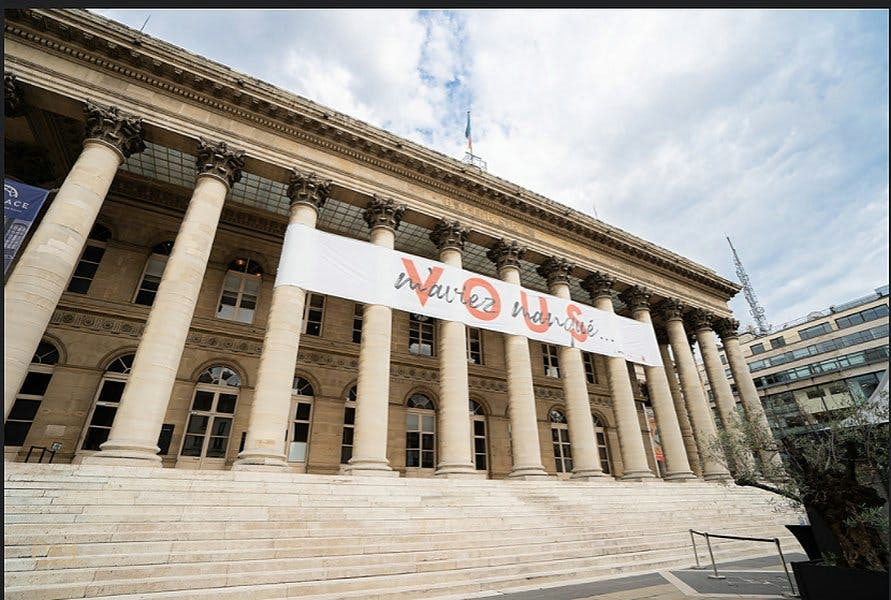
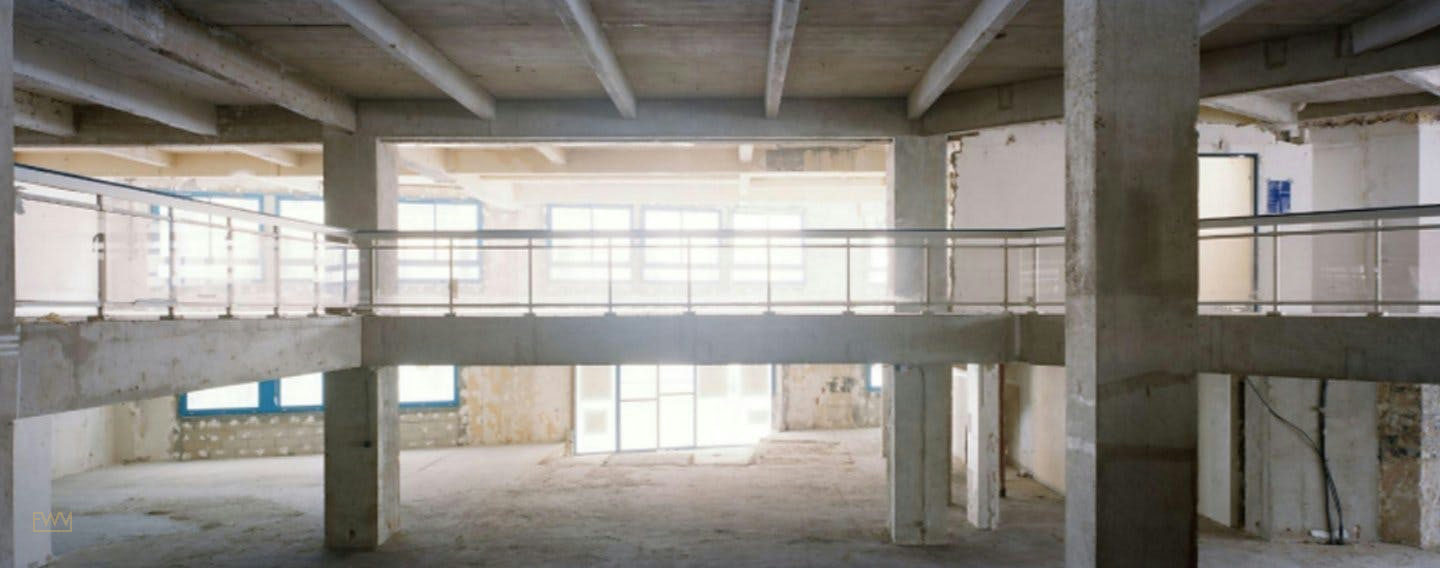
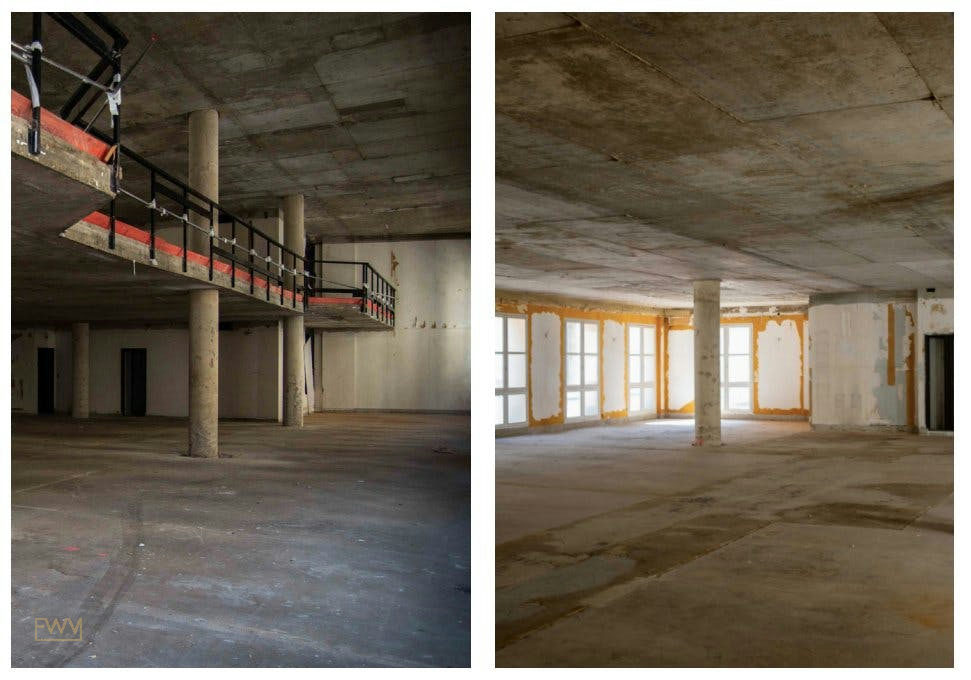
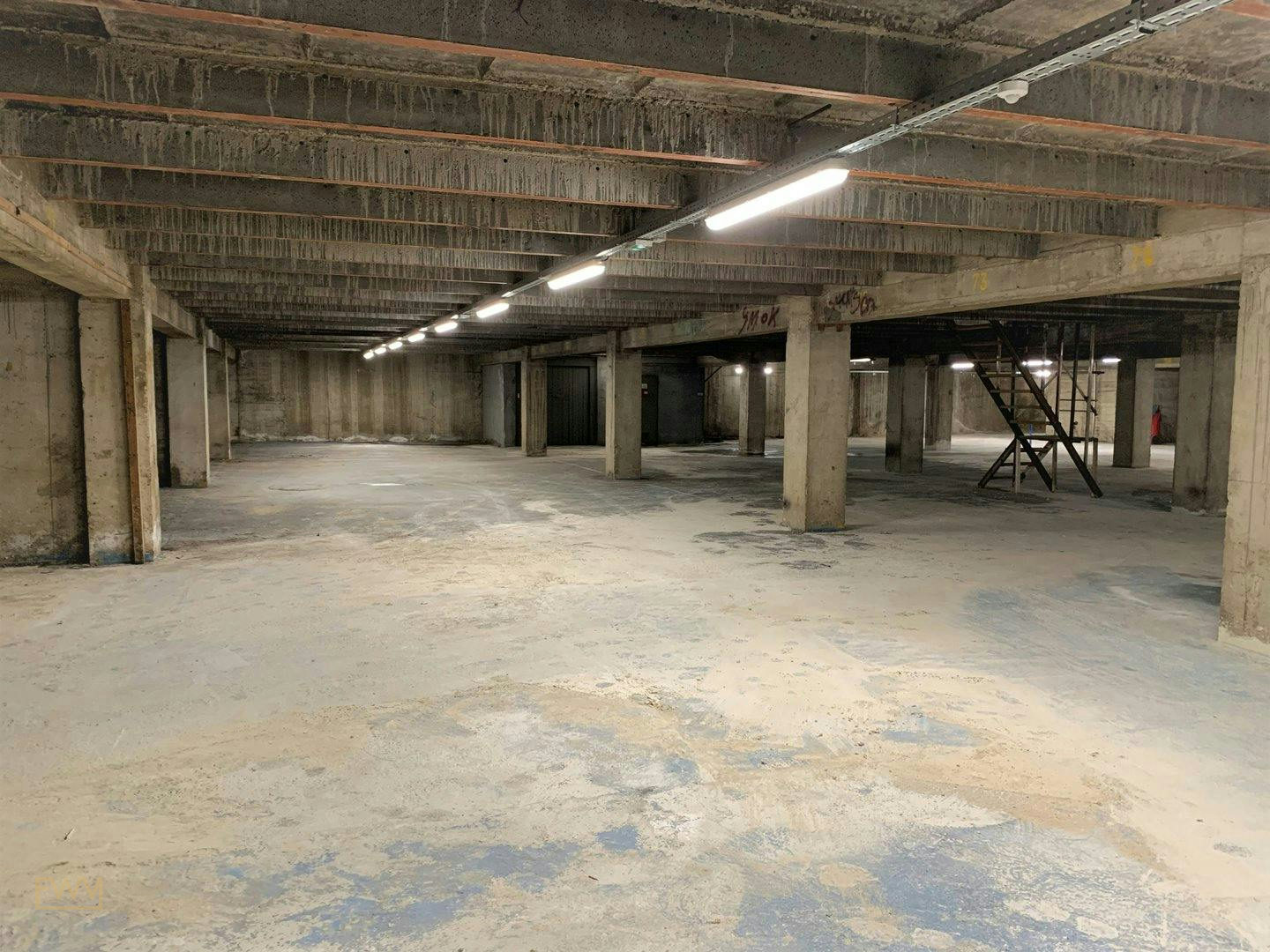
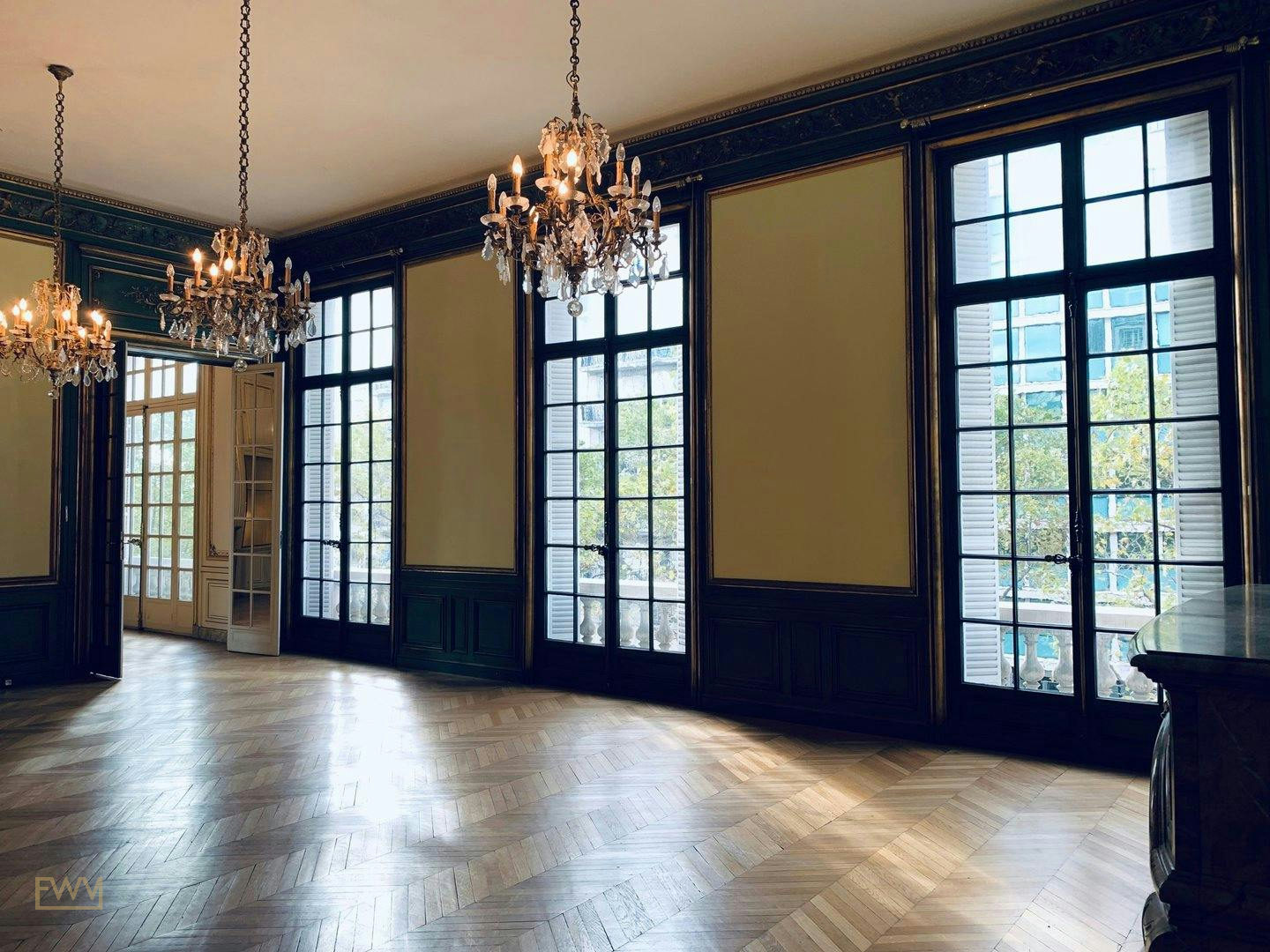
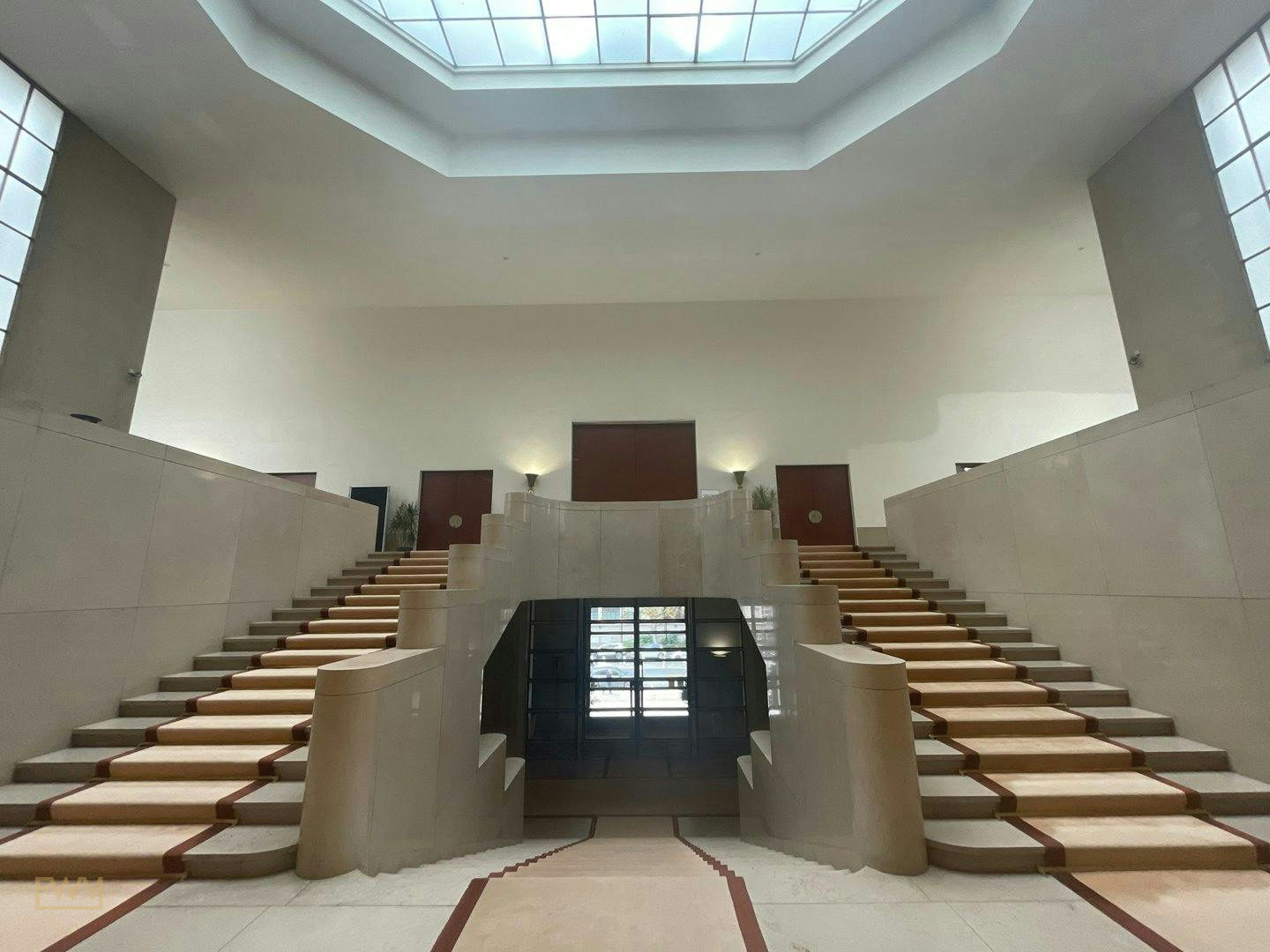
A pop up shop in the 3rd arrondissement Paris places your brand at the heart of one of the city's most commercially dynamic and culturally rich districts. The 3rd arrondissement, which forms the northern half of the historic Marais quarter, offers a rare combination of independent boutique culture, heritage architecture, high footfall, and international buyer traffic that few Paris districts can match. Whether you are an emerging fashion label seeking editorial credibility, an established retail brand planning a seasonal activation, or an international house entering the French market for the first time, the 3rd arrondissement provides the neighbourhood context, space typology, and audience mix to justify your investment. Fashion Week Venues works with brands across this district to source, build, and manage activations that convert cultural attention into measurable commercial outcomes.
Why the 3rd Arrondissement Is a Prime Paris Pop-Up Location
The 3rd arrondissement sits at the intersection of heritage, contemporary retail culture, and international fashion influence, making it one of the most strategically valuable zones for a pop-up store in Paris. This is not an accident of geography. Over several decades the district evolved from a historic Jewish quarter and artisan trade neighbourhood into one of the most visited and photographed retail destinations in France, drawing a disproportionate share of fashion-conscious domestic shoppers, international tourists, and creative industry professionals.
The northern Marais, which is the part of the Marais that falls within the 3rd arrondissement as opposed to the 4th, contains a concentration of concept stores, independent designer boutiques, gallery spaces, and showrooms that have collectively shaped the aesthetic identity of the district. Streets including Rue de Bretagne, Rue des Archives, Rue du Temple, and the areas surrounding the Place de la République corridor attract foot traffic from morning through evening, with particular intensity during fashion weeks, design fairs, and seasonal sale periods.
The Carreau du Temple, a 19th-century covered market hall that was restored and reopened as a cultural and events space, anchors the northern end of the arrondissement and draws a steady stream of event-goers who spill into surrounding streets. This dynamic creates an organic halo effect for pop-up stores positioned within walking distance. Brand teams that understand this spatial logic tend to choose locations that capture both destination visits and the overflow foot traffic generated by anchor institutions.
The arrondissement also benefits from proximity to the 4th arrondissement's southern Marais, meaning that a pop-up store positioned just north of Rue de Rivoli draws on the combined audience of both zones. Tourists visiting the Centre Pompidou, shoppers moving through Rue des Francs Bourgeois, and gallery visitors following the circuit of contemporary art spaces all contribute to a consistent and varied audience pool across both arrondissements.
For fashion brands in particular, the 3rd arrondissement carries an editorial weight that translates directly into media coverage, influencer content, and word-of-mouth visibility. An activation here signals cultural fluency rather than commercial opportunism, which matters enormously for luxury, premium, and emerging designer brands who are managing perception as carefully as they manage revenue.
DID YOU KNOW: The Marais is one of the few Paris districts where Sunday trading is legally permitted along designated commercial streets, making weekend footfall significantly higher than in many other central Paris arrondissements.
KEY TAKEAWAY: The 3rd arrondissement offers fashion brands a rare combination of heritage credibility, contemporary retail culture, and genuine international audience density that makes it one of the highest-value pop-up locations in Paris.
Understanding the specific venue types and street-level commercial dynamics of the arrondissement is essential before committing to a location, which is why the next section examines the landscape of available spaces in practical detail.
Pop-Up Store Space Types in the 3rd Arrondissement Marais
The range of pop-up store and short-term retail spaces available in the 3rd arrondissement is considerably broader than many brand teams expect when they first begin their search. Space typologies in this district span converted ground-floor commercial units, historic courtyards, gallery-format white spaces, co-activation concept stores, and mixed-use cultural venues.
Ground-Floor Boutique Units
The most common format for a pop-up shop in the Marais is the ground-floor boutique unit, typically ranging from 30 to 200 square metres. These spaces line the commercial streets of the arrondissement and are made available for short-term rental through a combination of direct landlord agreements, specialist agencies, and intermediary platforms. Many of these units carry original architectural features including exposed stone walls, original tile floors, and tall windows, which provides instant aesthetic value for brands that want to avoid heavy build costs. The challenge with this format is availability: demand during Paris Fashion Week and adjacent calendar periods is extremely high, and the best units are often booked six to twelve months in advance.
Courtyard and Passage Spaces
The 3rd arrondissement contains a number of historic passages and internal courtyards, known locally as cours and passages, that provide atmospheric activation environments for brands seeking something architecturally distinctive. These spaces often require more logistical planning around access, delivery, power supply, and permit compliance, but they reward brands with exceptional photography and social media content value that standard retail units cannot replicate.
Gallery and White Box Spaces
A significant number of contemporary art galleries in the Marais are available for short-term retail or brand activation use outside their scheduled exhibition periods. White box gallery spaces offer a neutral, high-ceiling environment that is particularly suited to fashion presentations, capsule collection launches, and buyer showrooms. The gallery context also carries an implied cultural endorsement that premium and luxury brands find strategically useful.
Cultural and Event Venues
The Carreau du Temple is the most prominent example of a large-format cultural venue in the 3rd arrondissement that accepts commercial activations. Its covered market hall design, with a glass and iron roof and open floor plan, accommodates brands needing event staging, live experiences, or multi-brand activations under a single roof. Smaller cultural venues and associative spaces throughout the district can also be used for brand events within certain regulatory parameters.
| Space Type | Typical Size Range | Best Use Case | Key Consideration |
|---|---|---|---|
| Ground-floor boutique unit | 30 to 200 sqm | Direct retail, press preview, flagship activation | Book six to twelve months ahead for Fashion Week periods |
| Courtyard or passage | 50 to 400 sqm | Immersive experience, brand storytelling | Check access, loading, and power supply early |
| Gallery white box | 60 to 300 sqm | Fashion presentation, showroom, capsule launch | Confirm permitted commercial activity with gallery |
| Cultural venue | 200 to 2,000 sqm | Multi-brand activation, large format event | Longer lead time, complex permit requirements |
| Co-activation concept store | 20 to 100 sqm per slot | Brand discovery, emerging labels, shared investment | Shared footfall with other tenants reduces solo risk |
Quick answer: The most common pop-up store formats in the 3rd arrondissement Marais include ground-floor boutique units, gallery white box spaces, historic courtyards, cultural venues, and co-activation concept stores. Each format suits different brand objectives, budget levels, and timeline requirements, with advance booking of six to twelve months recommended for peak calendar periods.
KEY TAKEAWAY: Space type selection in the 3rd arrondissement should be driven by brand narrative, not just square meterage. The right format amplifies your activation; the wrong format creates friction regardless of location.
Choosing the right space is only the first decision. Understanding the legal and contractual framework for short-term retail in Paris is equally important, and the following section explains what brand teams need to know about leases and permits.
Leases, Permits, and Legal Frameworks for Paris Pop-Up Stores
Navigating the legal and regulatory landscape for a pop-up shop in Paris requires a clear understanding of the specific instruments that govern short-term commercial occupation. Standard French commercial leases, known as baux commerciaux, are structured around minimum nine-year terms and are entirely unsuitable for pop-up activations. Brands operating short-term retail spaces in Paris rely on two primary legal instruments: the bail dérogatoire and the autorisation d'occupation temporaire.
Bail Dérogatoire
The bail dérogatoire, sometimes called a bail précaire, is a short-term commercial lease that allows occupation of commercial premises for a fixed period of up to three years without conferring the statutory protections and renewal rights that apply to standard commercial leases. This instrument is widely used for pop-up stores and brand activations in Paris and provides both landlord and tenant with a legally structured agreement that clearly delimits the scope of occupation. Critically, to remain valid as a bail dérogatoire rather than converting into a full commercial lease, both parties must acknowledge in writing that the contract is specifically intended to derogate from standard commercial lease law. Requirements vary depending on the space type, intended use, duration, and the specific arrondissement, so verification with a qualified French legal advisor is strongly recommended.
Autorisation d'Occupation Temporaire (AOT)
For spaces that are classified as public domain, including certain streets, public squares, station forecourts, and publicly owned buildings, the relevant authority is not a standard lease instrument but an autorisation d'occupation temporaire, commonly abbreviated to AOT. This administrative permission is granted by the relevant public body, which may be the city of Paris, SNCF for railway station spaces, or another public entity, and it governs the conditions under which a commercial brand can occupy and use the space. AOT requirements include specification of the exact footprint to be occupied, the nature of the commercial activity, insurance requirements, and restoration obligations. Processing timelines for AOT applications vary considerably and brands should not assume rapid approval.
Retail Trading Permits and Activity Declarations
Beyond the lease or authorisation instrument, brands conducting retail sales in France are required to comply with a range of commercial regulations including consumer protection obligations, price display requirements, and in some cases advance declarations of commercial activity. Temporary sales, soldes flottants, and certain promotional formats are governed by specific rules under French commercial law. International brands entering France for the first time are particularly advised to seek guidance on applicable obligations before opening to the public.
IMPORTANT: Operating a pop-up store in Paris without the correct legal instrument in place exposes brands to significant risks including forced closure, financial penalties, and landlord disputes. Do not rely on verbal agreements or informal arrangements for any commercial space occupation in France.
The permit guidance tool on Fashion Week Venues provides directional information on the types of authorisation required for different space formats and locations in Paris. This tool does not constitute legal advice, and brands are always advised to verify requirements with a qualified French legal professional.
Quick answer: Paris pop-up stores typically operate under either a bail dérogatoire, which is a short-term commercial lease of up to three years, or an autorisation d'occupation temporaire for publicly owned spaces. Both instruments have specific requirements, drafting obligations, and compliance considerations that vary by space type, location, and intended commercial activity.
KEY TAKEAWAY: Getting the legal framework right before signing anything is not a bureaucratic detail. It is the foundation of a safe, commercially effective activation in Paris. Use specialist advisors and ensure every instrument is correctly drafted.
With the legal framework understood, the next consideration for most brand teams is the Paris fashion calendar and how to time an activation for maximum strategic impact.
Paris Fashion Week and the Brand Activation Calendar for the Marais
Paris hosts two primary Fashion Week periods annually, one in late February and early March for the autumn/winter collections, and one in late September and early October for the spring/summer collections. Both weeks generate extraordinary concentrations of buyers, press, stylists, influencers, and brand decision-makers in Paris, creating conditions that brands activating in the 3rd arrondissement Marais can leverage directly.
The Marais has historically served as an extension of the official Fashion Week schedule, hosting off-calendar presentations, showrooms, press events, and brand dinners that complement the main runway programme. The neighbourhood's combination of accessible gallery spaces, independent boutiques, and historic venues makes it a natural home for the secondary and tertiary activations that increasingly define the brand experience around Fashion Week, rather than just the official shows themselves.
However, Paris Fashion Week is not the only commercially significant calendar window for a pop-up store in the Marais. The city's retail calendar is rich with periods of elevated footfall and consumer spending that provide excellent conditions for activations outside the Fashion Week windows. These include the January and July soldes periods, Nuit Blanche in early October, the Foires de Paris design and lifestyle events, and the extended Christmas trading period from late November through early January.
Paris Retail Design Week and Adjacent Design Calendar Events
Paris Design Week, typically held in September, draws a significant audience of design professionals, press, and engaged consumers to the Marais and adjacent districts. The 3rd arrondissement's concentration of design studios, furniture showrooms, and concept stores makes it one of the focal zones for Design Week programming, and brands with a design, interiors, or lifestyle angle can time activations to benefit from this additional audience layer.
Maison and Objet Crossover Audience
The Maison and Objet trade fair, held twice annually at the Paris Nord Villepinte exhibition centre, draws tens of thousands of design and retail buyers to Paris in January and September. While the fair itself is located outside central Paris, buyer and press audiences typically extend their visits into the city and are concentrated in the Marais and Saint-Germain districts. A well-positioned pop-up store in the 3rd arrondissement can attract meaningful foot traffic from this audience during the fair period.
| Calendar Period | Approximate Dates | Primary Audience | Relevance for 3rd Arrondissement |
|---|---|---|---|
| Paris Fashion Week AW | Late February to early March | Buyers, press, stylists, influencers | Very high, peak activation window |
| Paris Fashion Week SS | Late September to early October | Buyers, press, stylists, influencers | Very high, peak activation window |
| January soldes | Early to mid January | Domestic retail consumers | High, strong retail footfall |
| Paris Design Week | September | Design professionals, press, consumers | High for design and lifestyle brands |
| Maison and Objet | January and September | Trade buyers, interior professionals | Moderate to high, extended visitor stay |
| Christmas trading period | Late November to early January | Tourists, domestic shoppers, gifters | High, strong gifting retail performance |
TIP: If you are planning an activation around Paris Fashion Week, begin your space search at least six months before your target opening date. The best spaces in the Marais are taken early, and permit applications for certain space types require significant lead time.
KEY TAKEAWAY: Paris Fashion Week is the headline activation window, but the Marais retail calendar supports strong pop-up performance across multiple periods annually. Brands that align their activation timing to two or three calendar peaks per year often achieve better ROI than those concentrating exclusively on Fashion Week.
Understanding the calendar context helps define timing, but every activation also needs a clear neighbourhood strategy. The following section examines the specific streets, landmarks, and micro-zones within the 3rd arrondissement that matter most for pop-up positioning.
Key Streets, Venues, and Landmarks in the 3rd Arrondissement
The 3rd arrondissement is relatively compact, covering just over one square kilometre, but within that area several distinct micro-zones each carry their own character, audience profile, and retail dynamic. Understanding these micro-zones is essential for positioning a pop-up store effectively.
Rue de Bretagne and the Enfants Rouges Market Area
Rue de Bretagne is one of the most locally beloved streets in the Marais, anchored by the Marché des Enfants Rouges at its southern end, the oldest covered market in Paris. The street attracts a mix of residents, food culture enthusiasts, and design-aware shoppers who are typically more discerning and less tourist-oriented than the crowds on the southern Marais commercial axes. Pop-up stores on or near Rue de Bretagne tend to benefit from a loyal, curious local audience alongside a steady stream of international visitors who specifically seek out this area for its independent character.
Rue du Temple and Rue des Archives
These two parallel north-south streets form the western commercial spine of the 3rd arrondissement and carry high foot traffic connecting the northern Marais to the Hôtel de Ville area. Rue du Temple in particular has a strong concentration of fashion and design boutiques, with several concept stores and brand pop-ups operating along its length at any given time. Ground-floor commercial units on these streets offer good visibility and access, though rental premiums reflect their desirability.
The Carreau du Temple
The Carreau du Temple is the most significant large-format venue in the 3rd arrondissement and a natural choice for brands needing space for events, multi-brand activations, or large presentations. The space was built in 1863 as a covered textile market and restored to its original iron and glass structure in 2014 as a publicly managed cultural and sports facility. It accepts commercial activations and brand events within the framework of its programming schedule, and its association with fashion history, given the building's origins as a garment trade market, gives it particular resonance for fashion brands.
Cremeries de Paris and Specialist Concept Venues
The concept of the Cremeries de Paris refers historically and culturally to the small specialist retail establishments that defined Parisian neighbourhood commerce for generations, and the term continues to carry associations with curated, locally rooted retail culture in the Marais. Several contemporary concept venues in the 3rd arrondissement consciously reference this heritage in their programming and tenant curation, offering brand pop-ups a context that connects to authentic Parisian retail history rather than generic commercial space.
Thurn and Taxis Reference in the Paris Context
The Thurn and Taxis postal dynasty historically shaped European communication infrastructure, and several of the historic postal and communication buildings they influenced across European cities have since been converted into cultural and commercial spaces. In the context of Paris and the Marais specifically, the legacy of postal and communication infrastructure is visible in several repurposed historic buildings that now serve as event spaces, galleries, and commercial venues. Brands activating in these environments benefit from the layered architectural and cultural narrative these spaces provide.
Communication and Information Culture in the Marais
The concept of the Cybercafe de Paris, representing one of the early iterations of public digital communication access in the city, emerged in part from the Marais district's history as a hub for progressive, avant-garde culture. The broader theme of communication infrastructure and its role in shaping urban retail and social culture is deeply embedded in the identity of the 3rd arrondissement, from the printed trade directories of the Phone Book of the World era through to contemporary digital-first brand communication strategies. Brands that engage with this narrative in their activation concept tend to find the Marais audience particularly receptive.
Quick answer: The most commercially valuable micro-zones in the 3rd arrondissement for a pop-up store include Rue de Bretagne near the Marché des Enfants Rouges, the Rue du Temple and Rue des Archives commercial corridor, and the Carreau du Temple event venue. Each zone attracts a slightly different audience and suits different brand formats.
To compare neighbourhoods and space types, explore the Paris city hub on Fashion Week Venues and shortlist spaces that match your brief, budget, and calendar window.
KEY TAKEAWAY: The 3rd arrondissement is not a single homogeneous retail zone. Micro-location decisions within the arrondissement can significantly affect audience profile, foot traffic volume, and brand perception, making street-level spatial intelligence essential before committing to a space.
Location intelligence and legal preparation are necessary conditions for a successful Paris pop-up, but they are not sufficient. The next section examines the full operational workflow that brand teams need to follow to move from brief to launch.
From Brief to Launch: The Pop-Up Store Activation Workflow for Paris
Running a successful pop-up store in the 3rd arrondissement requires a structured workflow that begins well before the activation opens and continues after it closes. Brand teams that treat a Paris pop-up as primarily a real estate problem, focused only on finding a space, typically underperform against those that approach it as an integrated brand experience project requiring coordinated production, legal, staffing, commercial, and communication planning.
| Phase | Timeline Before Opening | Key Activities | Common Mistakes |
|---|---|---|---|
| Strategic brief | 6 to 12 months | Define objectives, budget range, calendar window, audience, format | Starting without clear success metrics |
| Space search and shortlisting | 5 to 10 months | Source options, inspect spaces, compare locations | Relying on a single source for space options |
| Legal and lease | 4 to 8 months | Draft and sign bail dérogatoire or AOT, verify compliance obligations | Signing without legal review |
| Concept and design | 3 to 6 months | Develop store concept, design layouts, specify materials and furniture | Under-budgeting for fit-out complexity |
| Production and build | 6 to 12 weeks | Fabricate and procure fixtures, manage site works, coordinate deliveries | Insufficient coordination between production and space access dates |
| Staffing and training | 4 to 8 weeks | Recruit bilingual retail staff, train on brand, POS, and product | Hiring generic retail staff without brand-specific training |
| Pre-launch and press | 2 to 4 weeks | Press previews, influencer briefings, social content scheduling | Leaving press communication too late |
| Live operation | Opening through closing date | Daily retail management, data capture, customer experience | No data capture strategy during live period |
| Post-activation | 1 to 4 weeks after closing | Strip-out, restoration, data analysis, reporting | Neglecting post-activation analysis and debrief |
Budget Planning for a Paris Pop-Up Store
Budget planning for a pop-up store in the 3rd arrondissement needs to account for a wider range of cost lines than many brand teams initially anticipate. Space rental is the most visible cost, but it is often not the largest. Fit-out and production, including design fees, fabrication, installation, and de-installation, frequently exceed the space rental cost for activations that require significant brand build. Staffing costs in Paris are governed by French labour law and social contribution rates that are structurally higher than in some other markets, and brands unfamiliar with French employment costs often experience budget overruns on this line. Additional costs to plan for include insurance, utilities, cleaning, security, technology infrastructure, POS systems, and the contingency budget that is always necessary when working in historic buildings with variable structural and technical specifications. Use the budget estimation tool on Fashion Week Venues to build a directional cost model specific to your space type, duration, and service requirements.
ROI and Performance Measurement
Defining ROI for a pop-up store requires clarity on what success looks like for your specific brand at this specific moment. Revenue generated during the activation period is one metric, but for many brands it is not the primary one. Media impressions generated by press coverage, social media content, and influencer amplification, the number and quality of wholesale buyer contacts made, the volume and quality of consumer data captured, the brand awareness lift measured in target markets, and the long-term customer acquisition value of first purchasers at the pop-up are all legitimate ROI components that vary in relative importance by brand type and activation objective.
Quick answer: A well-planned Paris pop-up store activation typically requires a lead time of six to twelve months for peak calendar periods, covers nine distinct operational phases from strategic brief to post-activation analysis, and involves a budget that extends well beyond space rental to include production, staffing, legal, technology, and communication costs.
KEY TAKEAWAY: The brands that achieve the strongest results from Paris pop-up stores are those that invest in planning depth at every phase, not just in the creative and spatial elements. Operational rigour is as important as aesthetic vision in the Marais.
One of the most important choices in the planning process is deciding whether to manage the activation independently or to work with a specialist agency. The next section explains how Fashion Week Venues supports brand teams across every phase of this workflow.
How Fashion Week Venues Supports Pop-Up Store Activations in the 3rd Arrondissement
Fashion Week Venues is a full-service pop-up shop agency and space marketplace that supports brand teams across the complete lifecycle of a Paris activation, from initial space discovery through to post-activation performance analysis. The agency is particularly focused on the Paris market and maintains an active network of spaces across the Marais and other key Paris districts, combined with the operational infrastructure to manage every element of an activation without brands needing to coordinate multiple independent suppliers.
Venue Sourcing and Space Discovery
Fashion Week Venues operates both a curated agency service and an open marketplace for brands searching for pop-up spaces in Paris. The venue sourcing service provides access to spaces that are not always publicly listed, including spaces held by landlords and property owners who prefer to work through a specialist intermediary. The marketplace allows brands to browse available spaces independently and filter by location, size, format, and availability period. For teams that want to move quickly on a shortlist without committing to a full agency brief, the marketplace provides a practical starting point.
Concept Direction and Branded Store Design
For brands that need creative support beyond space selection, Fashion Week Venues provides concept direction and branded store design services. Concept direction covers the strategic and narrative framework for the activation, translating brand positioning and campaign objectives into a physical space language. Branded store design covers the spatial, visual, and material execution of that framework across fixtures, surfaces, lighting approach, and customer journey. These services are particularly valuable for brands that have clear brand identity guidelines but limited experience translating them into temporary retail environments in Paris.
Production, Build, and Fit-Out
The production and build service manages the physical realisation of the activation, including fabrication, procurement, delivery, installation, and post-activation de-installation and restoration. Working with Paris-based production partners who are familiar with the specific access constraints, building regulations, and supplier networks of the Marais, this service reduces the risk of delays and cost overruns that commonly affect international brands managing Paris production from abroad.
Retail Staffing and Operations
Fashion Week Venues provides retail staffing support for pop-up activations, including recruitment of bilingual and multilingual brand ambassadors, customer-facing sales staff, and event hosts. All placed staff receive brand-specific briefing and training aligned to the activation concept and commercial objectives. For brands operating in Paris for the first time, having experienced local staff who understand French consumer culture and expectations makes a direct difference to the customer experience delivered on the floor.
Tools for Independent Planning
For brand teams that prefer to manage elements of their planning independently, Fashion Week Venues provides a suite of planning tools. These include a timeline planning tool, a space comparison tool, a locator tool for mapping available spaces by zone, a budget estimation tool, an ROI calculator, and a permit guidance tool. These tools do not replace specialist legal or financial advice but provide a practical planning framework for teams at the research and brief stage. Explore the full tool suite by visiting the timeline planning tool to map your activation schedule against key Paris calendar dates.
The Twin Co-Activation Concept
For brands with more limited budgets or those seeking to test the Paris market without committing to a solo activation, Fashion Week Venues operates a twin co-activation concept that pairs two complementary brands within a single shared space. This model reduces rental and fit-out costs per brand, extends the potential audience reach through cross-brand promotion, and allows smaller brands to access premium Marais locations that might otherwise be cost-prohibitive. The twin concept is particularly suited to emerging designer labels, international brands entering Paris for the first time, and established brands launching a new category or collaboration.
Quick answer: Fashion Week Venues offers brand teams a full-service agency model covering venue sourcing, concept direction, branded store design, production and build, retail staffing, POS and payments, data and analytics, and influencer marketing for Paris pop-up store activations. The agency also operates a space marketplace and a suite of independent planning tools for teams at different stages of readiness.
KEY TAKEAWAY: Fashion Week Venues reduces the coordination complexity and local knowledge deficit that most international brands face when activating in Paris for the first time, without removing the brand team's creative and commercial control over their activation.
Beyond the Marais itself, several Paris transportation hubs and adjacent districts offer complementary or alternative pop-up store environments that brand teams should understand as part of their broader Paris strategy.
Paris Transportation Hubs as Pop-Up Retail Locations
Paris's major railway stations represent some of the highest-footfall commercial environments in France and serve as significant pop-up store and brand activation locations in their own right, complementing rather than competing with neighbourhood-based activations in the Marais. Each of the major Paris terminus stations has its own commercial concession management structure, audience profile, and activation format requirements.
Gare de Lyon
Gare de Lyon is one of the busiest railway stations in Europe, serving TGV high-speed services to the south of France, Switzerland, Italy, and Spain. Its commercial footfall is skewed towards higher-income travellers, international visitors, and frequent business travellers, making it an attractive environment for premium and luxury brand activations. The station's commercial spaces are managed by a mix of SNCF Retail and Gares and Connexions concession agreements, and occupation requires an autorisation d'occupation temporaire under the SNCF public domain framework. Lead times for AOT applications at Gare de Lyon are typically significant.
Gare Saint-Lazare
Gare Saint-Lazare is the busiest passenger station in France by volume, serving commuter and regional rail services to the west of Paris and connections to Normandy and the Channel ports. The station's commercial zone, which includes the underground shopping mall and concourse-level retail concessions, attracts a broad mix of commuters, shoppers, and international visitors. Brands activating at Gare Saint-Lazare benefit from exceptional volume but need to configure their activation format for a faster-moving, less dwell-focused audience than Marais boutique visitors.
Gare du Nord
Gare du Nord is the terminus for Eurostar services from London and Thalys services from Belgium and the Netherlands, as well as a major domestic rail and RER hub. Its international gateway positioning makes it particularly relevant for UK, Belgian, and Dutch brands seeking to establish visibility with audiences that are already oriented toward Paris as a fashion and retail destination. The station is currently subject to a major renovation and expansion programme linked to the Paris 2024 Olympic legacy and ongoing infrastructure investment, which affects commercial space availability and configuration.
Gare de l'Est
Gare de l'Est serves TGV and regional services to eastern France, Germany, Luxembourg, and Switzerland and carries a mix of business, leisure, and commuter traffic. Its commercial environment is somewhat less intensively developed than Gare du Nord or Gare Saint-Lazare, which creates opportunities for brands seeking more visible standalone activations within the station environment. The audience profile skews toward central and northern European travellers, which can be strategically relevant for brands with strong awareness in those markets seeking to extend their Paris presence.
| Station | Primary Routes Served | Key Audience Profile | Best Brand Category Fit |
|---|---|---|---|
| Gare de Lyon | TGV south, Switzerland, Italy, Spain | Higher-income travellers, international tourists | Premium, luxury, travel lifestyle |
| Gare Saint-Lazare | Commuter rail, Normandy, Channel ports | Commuters, shoppers, regional visitors | Accessible fashion, FMCG, everyday retail |
| Gare du Nord | Eurostar London, Thalys Belgium/Netherlands, RER B | International gateway travellers, commuters | International brands, UK and Benelux entry |
| Gare de l'Est | Eastern France, Germany, Luxembourg, Switzerland | Business and leisure, European travellers | Central European brand presence, business travel |
DID YOU KNOW: Gare Saint-Lazare records approximately 100 million passenger movements per year, making it the busiest station in France and one of the busiest in Europe, creating extraordinary daily footfall for brands occupying concession or temporary commercial spaces within the station.
Quick answer: Paris's four major railway stations, Gare de Lyon, Gare Saint-Lazare, Gare du Nord, and Gare de l'Est, each offer distinct pop-up store and brand activation opportunities governed by SNCF public domain concession frameworks and AOT authorisations. Audience profiles, commercial formats, and lead times vary significantly between stations.
KEY TAKEAWAY: Station-based activations and Marais boutique pop-ups are not mutually exclusive strategies. Brands with sufficient budget often benefit from pairing a neighbourhood-focused activation with a station-based presence that captures transit audiences at different points in their Paris journey.
Before committing to any Paris activation strategy, it is worth addressing the misconceptions that frequently lead brand teams to make poor decisions about space, timing, budget, and legal structure.
Les Halles, Adjacent Districts, and the Broader Paris Retail Ecosystem
The 3rd arrondissement does not exist in retail isolation. It sits within a broader central Paris retail ecosystem that includes Les Halles to the west, the 4th arrondissement Marais to the south, the République corridor to the northeast, and the Canal Saint-Martin district further north. Understanding how these adjacent zones relate to the 3rd arrondissement helps brand teams make more precise decisions about positioning, audience targeting, and competitive space selection.
Les Halles and the Forum des Halles
Les Halles, located in the 1st arrondissement directly to the west of the 3rd, is anchored by the Forum des Halles underground shopping complex and the surrounding commercial streets including Rue de Rivoli and Rue Saint-Denis. The area attracts very high footfall but of a considerably more mass-market profile than the Marais, and pop-up stores positioned here typically pursue volume-driven retail objectives rather than the editorial, premium, or cultural positioning that the Marais supports. However, the proximity of Les Halles to the 3rd arrondissement means that activations in the northern Marais can capture audiences moving between both zones, particularly given the shared RER and Metro interchange at Châtelet-Les Halles.
The 4th Arrondissement Southern Marais
The 4th arrondissement's Marais streets, particularly Rue des Francs Bourgeois and Rue Vieille du Temple, are more tourist-intensive than the 3rd and carry a higher density of international fashion flagship stores and concept boutiques. Pop-up stores in the 4th benefit from exceptional international tourist footfall but face higher competition for space and a higher average rental cost per square metre. For brands with strong international consumer recognition, the 4th can be compelling; for brands building Paris credibility with a more local and trade audience, the 3rd arrondissement often offers better strategic fit at a more efficient cost.
The République and Oberkampf Corridor
The northeastern boundary of the 3rd arrondissement connects to the Place de la République and the Oberkampf district, which has its own strong identity as a creative, independent, and music culture zone. This area attracts a younger, more culturally adventurous audience than the central Marais and is increasingly relevant for brands targeting the 18 to 35 creative consumer segment. Several newer concept stores and experimental retail formats have opened in this corridor in recent years, reflecting the migration of progressive retail culture eastward through central Paris.
KEY TAKEAWAY: The 3rd arrondissement is best understood as part of a dynamic central Paris retail ecosystem. Brands that map their activation position relative to adjacent zones, including Les Halles, the 4th arrondissement Marais, and the République corridor, make more precise and commercially effective location decisions.
Fashion, Design, and Boutique Culture in the Marais Retail Identity
The retail identity of the 3rd arrondissement is fundamentally shaped by its history as a centre for fashion, craft, design, and independent boutique culture. This identity did not emerge from deliberate urban planning but from organic accumulation over decades as independent designers, concept store founders, gallerists, and innovative retailers chose the Marais for its affordable rents relative to Saint-Germain and its architectural richness, community character, and cultural proximity to the Parisian creative scene.
The fashion dimension of the Marais is particularly pronounced. The arrondissement hosts a number of established multi-brand concept stores that function as curatorial gatekeepers for emerging and mid-tier fashion brands, introducing new labels to an audience that is both fashion-literate and willing to engage with unfamiliar names. For a brand launching in Paris, securing a presence through or alongside one of these concept stores, whether through a wholesale wholesale agreement, a concession arrangement, or a pop-up activation that is geographically proximate to them, can accelerate brand credibility acquisition significantly.
Design culture in the 3rd arrondissement is equally strong, with a cluster of design studios, object design showrooms, and furniture and lighting concept stores concentrated particularly around Rue du Vertbois and the northern sections of Rue du Temple. This design ecosystem creates natural crossover audiences for fashion brands with strong aesthetic identity, since the consumers engaged with design culture in the Marais are broadly aligned in taste and spending behaviour with the fashion audiences that fashion brands are seeking to reach.
Boutique culture in the 3rd arrondissement is characterised by a resistance to generic retail formats and a strong preference for individuality, curation, and narrative. Landlords and property managers in the arrondissement are generally more selective about the brands they allow to occupy their spaces than landlords in more commercially anonymous districts of Paris, which means that having a compelling brand story and a clearly articulated activation concept is commercially important even before lease negotiations begin.
Quick answer: The Marais retail identity in the 3rd arrondissement is built on independent boutique culture, design excellence, fashion credibility, and strong curatorial standards. Brands that understand and align with this identity are significantly better positioned to succeed with a pop-up store in the district than those that approach it as a generic high-footfall retail location.
KEY TAKEAWAY: Retail success in the 3rd arrondissement is as much about cultural fit as it is about location and footfall. Brands that invest in understanding and genuinely engaging with the neighbourhood's fashion and design identity consistently outperform those that simply rent the best available space.
Common Myths About Pop-Up Stores in Paris Debunked
MYTH: You need a French legal entity to rent a pop-up shop space in Paris.
FACT: International brands and foreign companies can rent short-term commercial spaces in Paris without establishing a French legal entity in advance, provided the lease or authorisation instrument is correctly structured and the appropriate compliance obligations are met. Many international brands activate in Paris each year as foreign entities, though specific requirements vary by space type, duration, and landlord, and specialist legal advice is always recommended to confirm the approach applicable to your situation.
MYTH: Paris Fashion Week is the only viable calendar window for a pop-up store in the Marais.
FACT: While Paris Fashion Week generates exceptional concentration of industry and media audiences, the Marais retail calendar supports strong pop-up store performance across multiple periods annually, including January and July soldes, Paris Design Week in September, the Maison and Objet trade fair periods, and the extended Christmas trading season. Brands that diversify their activation calendar across multiple Paris periods often achieve stronger cumulative results than those concentrating exclusively on Fashion Week windows.
MYTH: Commission brokers are the only way to find a pop-up space in the 3rd arrondissement.
FACT: Commission brokers represent one access route to Paris pop-up spaces, but they are neither the only option nor always the most efficient. Specialist pop-up agencies like Fashion Week Venues operate both curated agency services and open marketplaces that provide transparent access to a broad range of spaces, often including spaces that are not available through traditional broker networks. Brands can also search the Fashion Week Venues space marketplace independently to identify and shortlist options before engaging agency support.
MYTH: Short-term commercial leases in Paris are legally straightforward and do not require specialist help.
FACT: The bail dérogatoire and AOT frameworks that govern short-term commercial occupation in Paris involve specific legal drafting requirements, compliance obligations, and procedural steps that are not intuitive for teams unfamiliar with French commercial law. Incorrectly structured agreements can inadvertently convert into full commercial leases with nine-year term protections, creating significant legal and financial exposure for both parties. Specialist legal review of every short-term commercial lease or public domain authorisation in Paris is strongly recommended without exception.
MYTH: Pop-up stores in Paris always require extensive and expensive fit-out to make an impact.
FACT: Many of the most effective brand activations in the Marais have worked with the existing architecture of the space rather than against it, using minimal intervention design approaches that preserve original features and use furniture, textile, and object-level curation to communicate brand identity. The architectural richness of spaces in the 3rd arrondissement often means that a strategically curated, lightly built activation performs as well or better visually and editorially than a heavily fitted space in a generic commercial building elsewhere in Paris.
Frequently Asked Questions About Pop-Up Shops in the 3rd Arrondissement Paris
What is the typical rental duration for a pop-up shop in the 3rd arrondissement?
Pop-up store rentals in the 3rd arrondissement Marais typically range from a minimum of one week for event-adjacent activations, through to three months or more for seasonal retail concepts. The most common durations for fashion brand activations around Paris Fashion Week are two to four weeks, while design and lifestyle brands often book for four to eight weeks to cover both the trade fair and consumer retail periods. Availability of specific spaces for specific durations varies considerably, and early engagement with a venue sourcing specialist significantly improves the range of options available to your brand.
How far in advance should we book a pop-up space in the Marais for Paris Fashion Week?
For Paris Fashion Week periods in February and March or September and October, brands should begin their space search six to twelve months before the intended opening date. The best spaces in the Marais are secured early by brands with established Paris activation programmes, and leaving the search to three or four months before the target date typically means accepting second-choice locations or formats. For less peak periods, a three to six month lead time is generally sufficient, though early engagement always improves the outcome regardless of the target period.
Do we need to speak French to manage a pop-up store in the 3rd arrondissement?
While it is not an absolute requirement, operating a retail space in Paris is substantially easier when at least some members of the brand team or activation staff are French-speaking. Consumer expectations in the Marais include French-language service, lease and permit documents are in French, supplier and landlord communications are typically conducted in French, and regulatory compliance materials require French language fluency to interpret correctly. Fashion Week Venues provides bilingual retail staffing and project management support that addresses this operational gap for international brand teams.
What is a bail dérogatoire and how does it differ from a standard commercial lease in France?
A bail dérogatoire is a short-term commercial lease specifically designed to allow temporary occupation of commercial premises without conferring the statutory renewal rights and protections that apply under standard French commercial lease law. Standard French commercial leases carry a minimum nine-year term and significant tenant protections, which are entirely inappropriate for pop-up store activations. The bail dérogatoire allows both parties to agree a fixed short-term occupation, typically up to three years, with clear terms on use, duration, rental level, and restoration obligations. Correct legal drafting is essential to ensure the agreement functions as intended.
Can an international brand without a French company activate a pop-up shop in Paris?
Yes, international brands without a French legal entity can and do activate pop-up stores in Paris. The specific structure of the lease or authorisation will depend on the space type, landlord requirements, and compliance obligations applicable to the brand's commercial activity in France. Some landlords and space managers require a French guarantor or deposit structure when dealing with foreign entities. VAT registration in France may also be required if the brand is conducting retail sales. Specialist legal and accounting advice is strongly recommended for any international brand entering the French market for the first time.
What permits are required for a pop-up store in the 3rd arrondissement?
Permit requirements for a pop-up store in the 3rd arrondissement vary depending on the space type, the nature of the commercial activity, any external signage or street-level elements, and whether the space is privately or publicly owned. For privately owned spaces, a correctly structured bail dérogatoire is typically the primary legal instrument required, complemented by standard commercial compliance obligations. For publicly owned spaces or any element involving street-level occupation, an autorisation d'occupation temporaire is required. Additional declarations or permits may apply for specific commercial activities. The permit guidance tool on Fashion Week Venues provides directional information, but legal verification is always recommended.
What are the typical costs involved in running a pop-up shop in the Marais?
The total cost of running a pop-up store in the Marais involves a range of cost lines beyond space rental alone. Key budget components include space rental, fit-out design and production, furniture and fixtures, retail staffing and training, insurance, utilities, technology and POS infrastructure, marketing and press communication, and post-activation restoration. The relative weight of each cost line varies significantly by space type, duration, format, and brand ambition. Fashion Week Venues provides a budget estimation tool that allows brand teams to build a directional cost model based on their specific parameters without committing to a formal brief.
What kind of spaces are available for pop-up stores near the Carreau du Temple?
The streets immediately surrounding the Carreau du Temple, particularly Rue de Bretagne, Rue Perrée, and the surrounding block, offer a mix of ground-floor boutique units, converted artisan workshops, and contemporary concept store spaces. The proximity to the Carreau du Temple itself provides a consistent stream of event-going foot traffic that supplements the base commercial footfall on these streets. Spaces in this micro-zone are particularly suited to brands with a strong design or artisan narrative that aligns with the neighbourhood's character.
Can we run a pop-up store at a Paris railway station like Gare du Nord or Gare de Lyon?
Yes, commercial brand activations are possible at Paris's major railway stations, including Gare du Nord, Gare de Lyon, Gare Saint-Lazare, and Gare de l'Est. These activations operate under the SNCF public domain concession framework and require an autorisation d'occupation temporaire granted by the relevant SNCF commercial entity. Lead times for station AOT applications are generally longer than for private commercial spaces, and format requirements are more prescriptive given the station's infrastructure and passenger safety obligations. Station activations deliver very high footfall volume but are better suited to high-awareness brands than to brands building initial Paris credibility.
What is the difference between a pop-up shop and a showroom in the context of a Paris Fashion Week activation?
A pop-up shop is a temporary retail space open to end consumers for direct sales, while a showroom is a trade-facing space where collections are presented to wholesale buyers, press, and stylists without direct consumer sales. In practice, many activations during Paris Fashion Week combine both functions, operating as a showroom during the official Fashion Week days and opening to consumer retail traffic before or after the trade period. The 3rd arrondissement Marais supports both formats, with gallery spaces and boutique units equally suited to either purpose depending on configuration and programming.
How does the twin co-activation concept work for brands sharing a pop-up space?
The twin co-activation model pairs two complementary but non-competing brands within a shared pop-up space, splitting rental, fit-out, and operational costs while combining their respective audiences and communication reach. The model works best when the two brands share a target consumer profile but occupy different product categories, for example a fashion label and a fragrance brand, or a footwear designer and a accessories brand. Fashion Week Venues manages the brand pairing, space configuration, and operational coordination for twin activations, ensuring that both brands benefit from the shared environment without diluting either brand's identity.
What role does influencer marketing play in a Paris pop-up store activation?
Influencer marketing is a significant driver of pop-up store awareness, foot traffic, and social media amplification in Paris, particularly during Fashion Week when the concentration of fashion influencers in the city is at its annual peak. A well-briefed influencer visit to a Marais pop-up can generate content that reaches several hundred thousand to several million engaged followers across Instagram, TikTok, and other platforms within hours of the visit. Fashion Week Venues provides influencer marketing support as part of its activation management service, connecting brands with influencers whose audience profile matches the brand's target consumer and arranging visit coordination that maximises content quality and platform impact.
How should we measure the success of our Paris pop-up store activation?
Success measurement for a Paris pop-up store should be defined before the activation launches, not retrospectively. Key performance indicators typically include direct retail revenue, number and quality of wholesale buyer meetings, total media impressions generated across press and social platforms, volume of consumer data captured, repeat customer rate, influencer content performance metrics, and qualitative brand perception feedback. For brands entering Paris for the first time, awareness and credibility metrics may carry more weight than direct revenue. Fashion Week Venues provides data and analytics support that structures performance measurement before, during, and after the activation period.
Are there restrictions on what can be sold in a pop-up store in the Marais?
The permitted commercial activities in a pop-up store in the 3rd arrondissement are governed by a combination of the lease or authorisation instrument, the zoning rules applicable to the specific premises, and general French commercial regulation. Most fashion, beauty, design, food and beverage, and consumer lifestyle products can be sold without specific additional licensing, though certain categories including food service, alcohol, tobacco, and pharmaceutical products are subject to additional regulatory requirements. The intended use of the space should always be clearly specified in the lease or AOT, and any deviation from the permitted use can create legal exposure for the brand.
What is the best way to find a pop-up shop space in the 3rd arrondissement as an international brand?
International brands seeking a pop-up shop in the 3rd arrondissement have several practical routes to space discovery. Working with a specialist agency like Fashion Week Venues provides access to curated space options, legal and operational support, and local market knowledge that significantly reduces the risk and complexity of the process. Brands can also use the Fashion Week Venues marketplace to browse available spaces independently before engaging full agency support. Whichever route you take, beginning the search at least six months before your target activation date gives you the widest range of options and the strongest negotiating position on both space and terms.
Conclusion: Planning Your Pop-Up Shop in the 3rd Arrondissement Paris
The 3rd arrondissement remains one of the most strategically compelling locations for a fashion and design brand pop-up store in Paris. Its combination of independent boutique culture, gallery infrastructure, heritage architecture, international audience density, and authentic creative identity makes it distinctly valuable for brands that want to build genuine Paris credibility rather than simply occupy a high-footfall commercial slot.
Achieving that value, however, requires serious planning depth. The decisions that determine whether a Paris pop-up store succeeds are made months before the doors open, in the quality of the brief, the appropriateness of the space, the correctness of the legal structure, the coherence of the activation concept, and the rigour of the operational execution. Brands that invest in these foundations consistently outperform those that focus narrowly on the creative or spatial elements while leaving logistics, compliance, and performance measurement to chance.
The Paris retail calendar offers multiple viable activation windows beyond Fashion Week, from soldes periods and Paris Design Week through to the Christmas trading season. Transportation hubs including Gare de Lyon, Gare Saint-Lazare, Gare du Nord, and Gare de l'Est provide complementary high-footfall environments for brands that want to extend their Paris presence beyond the Marais. And the broader central Paris ecosystem, including Les Halles, the 4th arrondissement southern Marais, and the République corridor, creates an interconnected retail geography that sophisticated brand teams can navigate to precisely target the audience segments and brand associations most relevant to their objectives.
Fashion Week Venues brings together the space marketplace, agency services, production capabilities, and planning tools that brand teams need to move from initial research to a successful live activation in the 3rd arrondissement and across Paris. Whether your team is ready to commit to a full agency brief or just beginning to explore what a Paris activation might look like, the resources and expertise are available to support you at every stage of the process.
To move from research to activation, start exploring available spaces on the Fashion Week Venues marketplace and build a focused brief for your target neighbourhood, space type, and calendar window.