Securing a pop up shop lease Paris requires more than searching a listings platform. It demands an understanding of French lease law, neighbourhood dynamics, calendar timing, permit frameworks, and space typology before a single euro is committed. Paris remains the world's most competitive city for short-term retail, drawing global fashion houses, emerging designers, beauty brands, and international retailers who want physical presence without the obligation of a permanent commercial lease. Fashion Week Venues operates as a full-service agency and space marketplace built specifically for this market, supporting brands at every stage from initial brief to final activation. This guide covers every dimension of renting a pop-up space in Paris: where to look, what it costs, how the legal framework operates, which neighbourhoods perform, and how to build an activation that earns genuine return on investment.
What a Pop Up Shop Lease in Paris Actually Means
Quick answer: A pop up shop lease in Paris is a short-term rental agreement that allows a brand to occupy a commercial space for a defined period, typically ranging from a few days to several months, without entering a standard long-term commercial lease governed by the French Commercial Code.
In French law, standard commercial leases, known as baux commerciaux, carry a minimum nine-year term and are governed by a complex regulatory framework that protects both landlord and tenant with significant obligations on both sides. For brands seeking temporary retail presence, this structure is entirely impractical. Two alternative legal instruments dominate the short-term retail landscape in Paris.
The first is the bail dérogatoire, sometimes called a bail précaire or short-term derogation lease. This agreement allows landlords and tenants to déroge, meaning to deviate from, the standard commercial lease regime for a maximum cumulative duration of three years. A bail dérogatoire must explicitly state that both parties intend to operate outside the standard commercial lease framework. If a tenant remains in occupation after the maximum term expires without a new agreement being signed, the lease automatically converts to a full nine-year commercial lease. This clause is frequently misunderstood by international brands entering the French market.
The second instrument is the autorisation d'occupation temporaire, or AOT, which is used primarily for public domain spaces: street-level terraces, covered passages owned by public entities, or spaces within publicly owned heritage buildings. An AOT is not a lease in the private law sense but a public law administrative authorisation. Brands seeking spaces inside covered passages, cultural institutions, or public squares sometimes encounter AOT-regulated arrangements rather than standard civil leases.
IMPORTANT: Requirements vary by space type, duration, arrondissement, and whether the property sits on public or private domain. Always verify the specific legal instrument governing any proposed short-term rental with a qualified French legal advisor before signing.
Beyond legal classification, a pop-up shop lease in Paris covers a remarkably wide range of physical formats. A brand might rent a raw loft space in the 10th arrondissement for a three-day product launch, a gallery-format boutique adjacent to the Musée Picasso for Paris Fashion Week, a Haussmannian apartment with large windows overlooking a courtyard in the Marais, or a ground-floor storefront with a large door entrance on Rue des Francs-Bourgeois. The term pop-up store covers all of these scenarios, and each carries different pricing dynamics, permit requirements, and audience profiles.
For brands entering Paris for the first time, the distinction between a properly structured bail dérogatoire and an informal verbal arrangement matters enormously. Informal arrangements offer no legal certainty, leave brands exposed to sudden eviction, and provide no contractual basis for deposit recovery. Working with specialists who understand which agreements are appropriate for which space types is not a luxury; it is a practical risk management measure.
To explore the permit framework relevant to your planned activation, the permit guidance tool on Fashion Week Venues provides a practical starting point before engaging legal counsel.
KEY TAKEAWAY: A pop-up shop lease in Paris is a specifically structured legal instrument, not a simple rental agreement. Understanding whether your proposed space operates under a bail dérogatoire, an AOT, or another arrangement is the foundational step before any other commercial decision.
Once the legal framework is understood, the next practical question for most brand teams is location. Paris is not a homogeneous retail market, and neighbourhood selection can define whether a pop-up activation succeeds or disappears without trace.
The Best Paris Neighbourhoods for Pop-Up Retail Space
Quick answer: Le Marais, Saint-Germain-des-Prés, and the area around Rue Saint-Honoré consistently produce the highest brand visibility and qualified foot traffic for fashion, beauty, and luxury pop-up activations in Paris, though each serves different brand profiles and budget levels.
Paris is organised into 20 arrondissements, and the retail character of each varies considerably. For brands planning short-term retail, the choice of neighbourhood is a strategic decision that affects footfall, brand positioning, audience demographics, competitor proximity, rental rates, and permit complexity. Below is a practical breakdown of the districts most relevant to pop-up retail.
Le Marais and the 3rd and 4th Arrondissements
Le Marais is the most internationally recognised neighbourhood for fashion pop-up retail in Paris. Spanning the 3rd and 4th arrondissements, it combines historic architecture with a dense concentration of concept stores, independent boutiques, galleries, and flagship locations. Rue des Francs-Bourgeois, Rue de Bretagne, Rue de Turenne, and the streets radiating from Place des Vosges all offer high foot traffic and a culturally engaged audience.
The Marais district attracts a mix of local Parisians, international tourists, fashion buyers, press, and creative professionals. The Carreau du Temple, a 19th-century covered market hall in the northern Marais, is frequently used for large-scale brand activations, trade events, and cultural programming. The proximity of the Musée Picasso, the Place des Vosges, and a series of private galleries creates an environment where brands benefit from the cultural density of the neighbourhood simply by being present.
Le Marais also has a significant concentration of spaces with the architectural features that fashion and beauty brands seek: exposed stone walls, ceiling vaults, loft-style upper floors, courtyard access, and large entrance doors that allow for theatrical store reveals. Space types in the Marais range from intimate boutiques of 30 to 60 square metres to former gallery spaces exceeding 300 square metres. The Marais is the anchor neighbourhood for fashion showrooms during Paris Fashion Week and Paris Couture Week.
Saint-Germain-des-Prés and the 6th Arrondissement
Saint-Germain-des-Prés in the 6th arrondissement represents a more refined, literary, and luxury-adjacent positioning. The presence of Le Bon Marché Rive Gauche, one of the world's most distinguished department stores, anchors a retail ecosystem that attracts high-net-worth consumers, international visitors, and design-literate buyers. Brands operating in Saint-Germain-des-Prés benefit from association with an area that resonates with Parisian intellectual and aesthetic tradition.
Pop-up formats in this neighbourhood tend towards the considered and editorial. Gallery spaces, converted ground-floor apartments, and small Haussmannian storefronts are the dominant space types. The area is particularly suitable for luxury fashion, fragrance, home goods, and artistic collaborations. Rental rates in Saint-Germain-des-Prés reflect the premium nature of the neighbourhood.
Rue Saint-Honoré, Vendôme, and the 1st Arrondissement
The area around Rue Saint-Honoré, Place Vendôme, and the Palais Royal represents the apex of Parisian luxury retail geography. International maisons, jewellers, and global fashion houses maintain permanent presences here, and the foot traffic is heavily weighted towards affluent international visitors and established luxury consumers. Pop-up activations in this zone carry significant brand prestige but also command the highest short-term rental rates in the city.
Rue de Rivoli and the surrounding streets offer additional options in the 1st arrondissement, with spaces that combine central location with high pedestrian volume. The proximity to the Louvre and major tourist circuits ensures consistent visitor numbers throughout the year.
Champs-Élysées and the 8th Arrondissement
The Champs-Élysées remains one of the most visited streets in Europe by volume, though its retail character has shifted significantly over the past decade. The avenue itself attracts mass-market volume, but the surrounding streets of the 8th arrondissement offer more nuanced positioning options for brands seeking both visibility and selectivity.
République and the 10th and 11th Arrondissements
The area around République and the eastern arrondissements has developed a strong identity as a zone for independent brands, emerging designers, streetwear, and culturally oriented activations. Rental rates are generally lower than in the Marais or Saint-Germain-des-Prés, and the audience skews younger and more digitally engaged. This area works particularly well for brands seeking authentic neighbourhood integration and social media-driven activations rather than traditional luxury positioning.
| Neighbourhood | Arrondissement | Best For | Space Types | Audience Profile |
|---|---|---|---|---|
| Le Marais | 3rd and 4th | Fashion, showrooms, luxury, beauty | Galleries, lofts, boutiques, courtyards | Fashion buyers, press, tourists, creatives |
| Saint-Germain-des-Prés | 6th | Luxury, fragrance, home, art | Apartments, storefronts, gallery spaces | High-net-worth locals, international visitors |
| Rue Saint-Honoré and Vendôme | 1st | Luxury maisons, jewellery, high fashion | Storefronts, heritage buildings | Affluent international shoppers |
| Champs-Élysées | 8th | Volume-driven brands, flagship-style events | Large retail units, showrooms | High-volume mixed international traffic |
| République and East Paris | 10th and 11th | Emerging brands, streetwear, culture | Lofts, raw spaces, concept stores | Young creatives, local Parisians |
To compare neighbourhoods and space types for your brief, explore the Paris city hub on Fashion Week Venues and shortlist spaces that match your brand positioning, budget, and calendar window.
KEY TAKEAWAY: Neighbourhood selection in Paris is a brand positioning decision as much as a logistical one. Le Marais dominates for fashion and showroom activity, while Saint-Germain-des-Prés and the 1st arrondissement serve luxury-adjacent activations at a premium. Emerging and culturally oriented brands often find stronger audience alignment in the eastern arrondissements.
Knowing where to look is only part of the picture. Understanding the range of space types available and what they offer operationally is equally important when planning a pop-up activation in Paris.
Types of Pop-Up Retail Spaces Available in Paris
Quick answer: Paris offers an exceptionally diverse inventory of short-term retail spaces, from intimate gallery-format boutiques and converted Haussmannian apartments to raw industrial lofts, covered passages, and turnkey concept store formats, each suited to different brand scales and activation objectives.
The variety of physical environments available for short-term retail in Paris is one of the city's most significant advantages for brand activations. Unlike markets where generic retail units dominate, Paris combines centuries of architectural evolution with a strong culture of independent retail, meaning that brands can find spaces with genuine character that reinforce rather than dilute their creative identity.
Gallery Spaces and Art Galleries
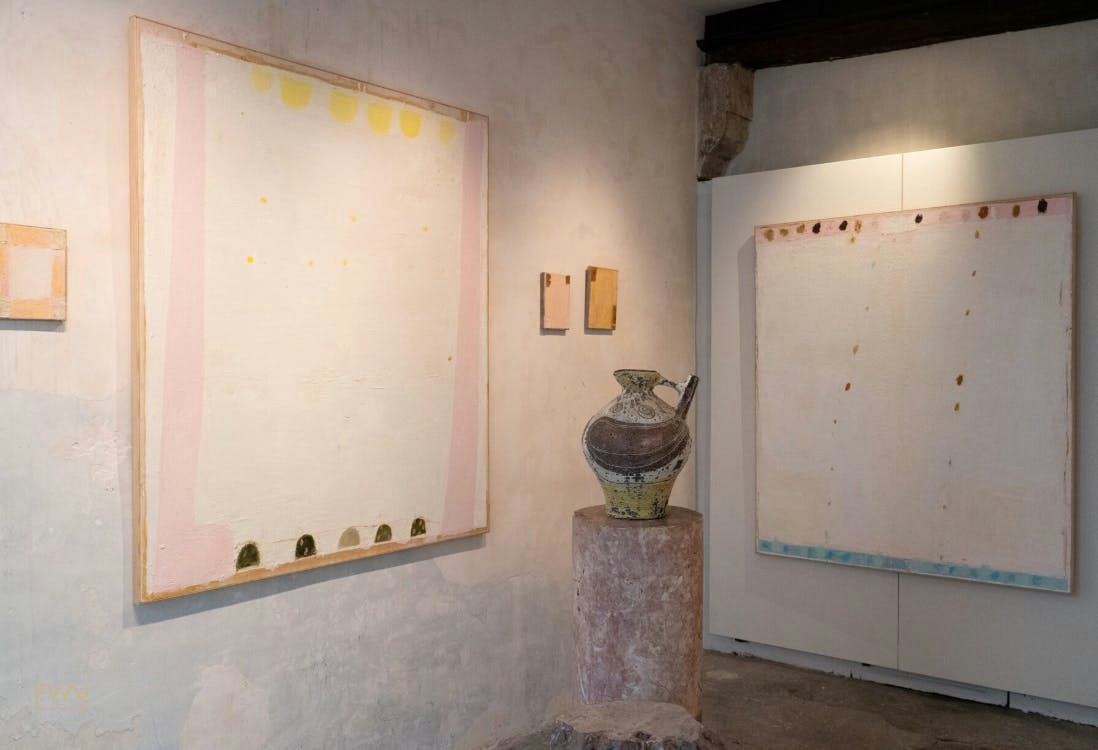
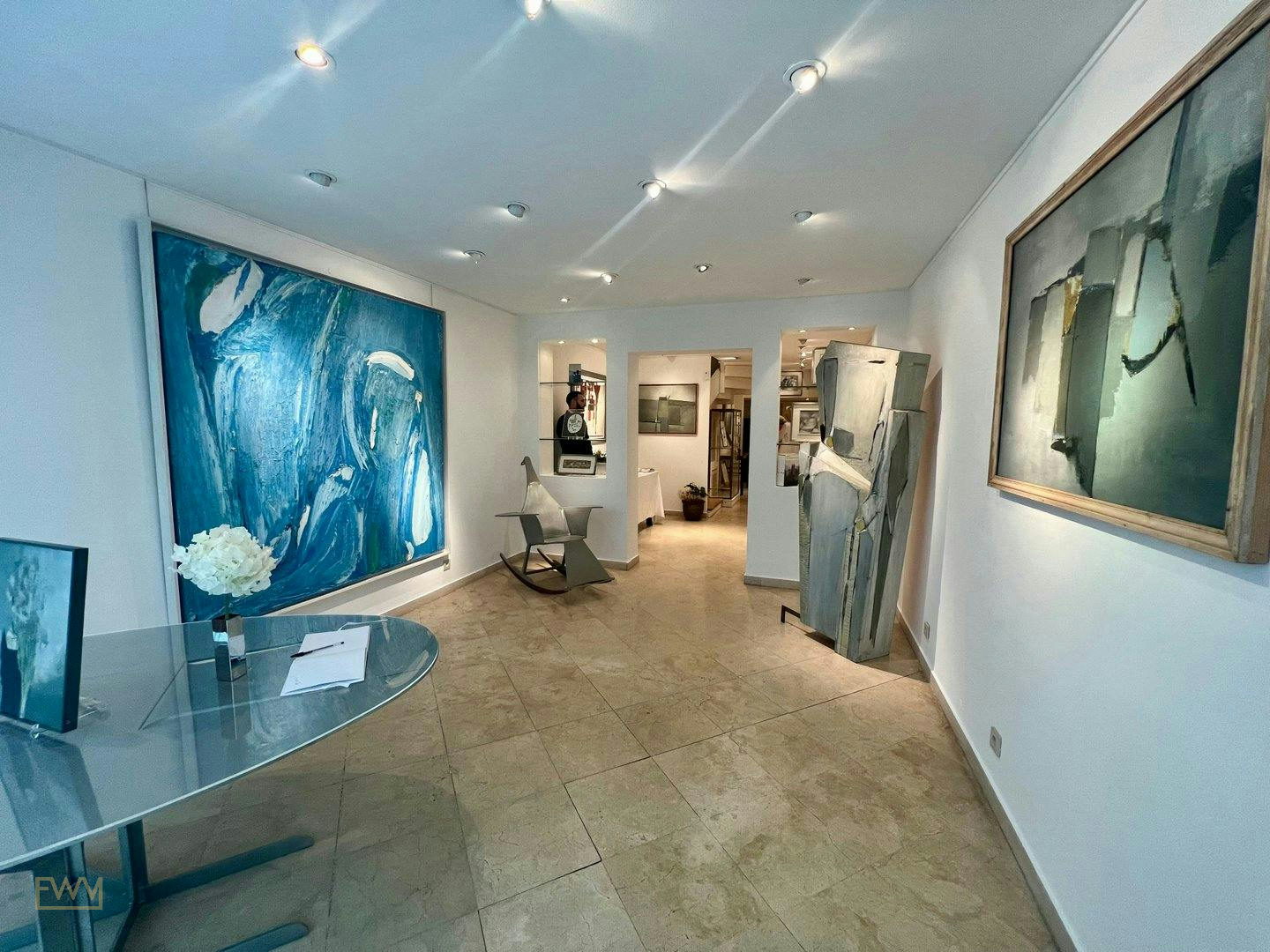
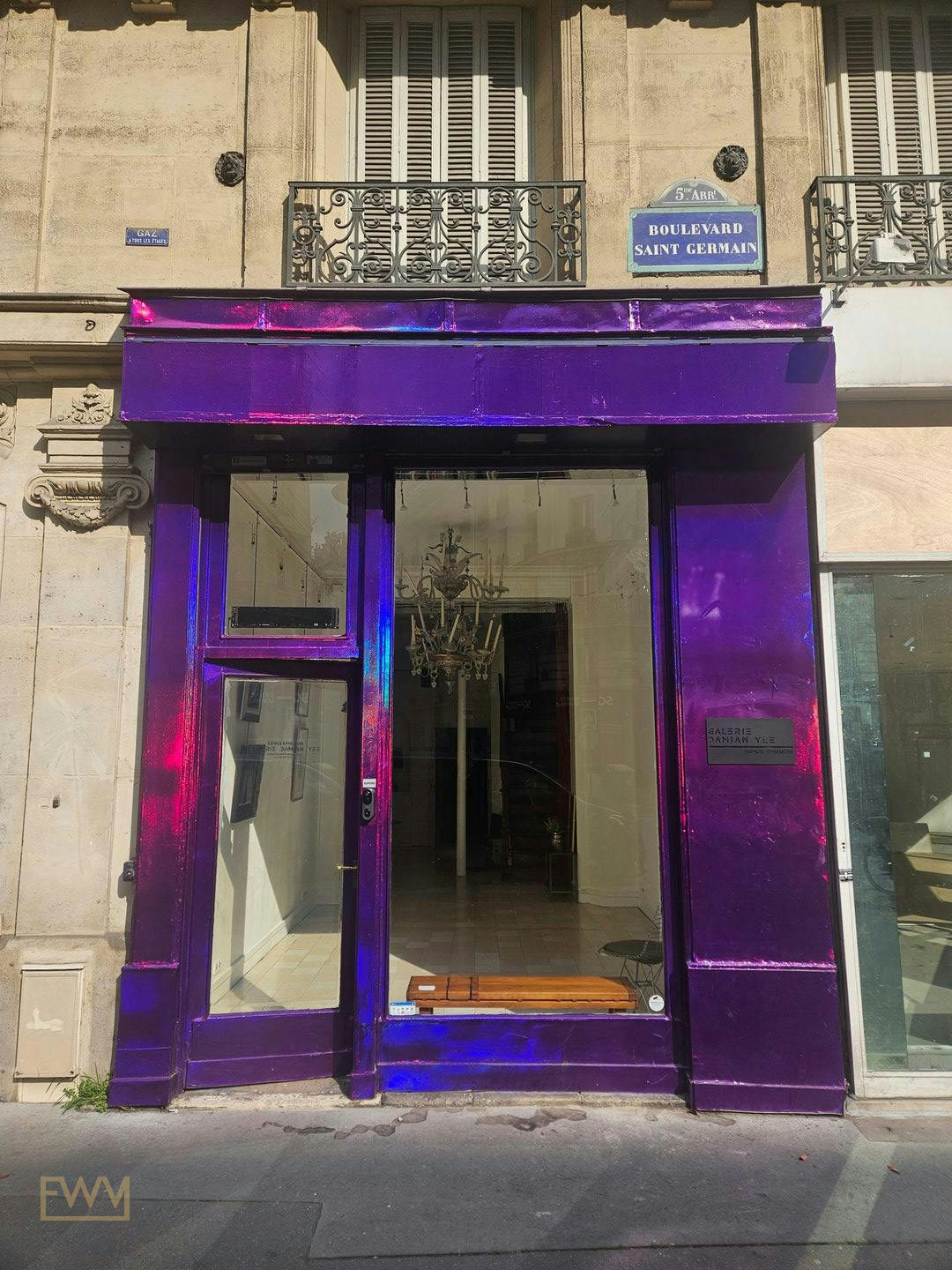
Gallery-format spaces, sometimes marketed as galeries or espaces d'art, are among the most sought-after formats for fashion, luxury, and beauty pop-up activations. These spaces typically feature white or raw stone walls, polished concrete or herringbone parquet floors, high ceilings, and controlled natural and artificial lighting. In the Marais, spaces described as galerie d'art or galerie d'exception offer an editorial environment that communicates quality and curation to the visitor before the product itself is encountered.
Gallery spaces are particularly effective for limited-edition product launches, capsule collection presentations, and activations where the product benefits from being displayed as an object of cultural significance rather than a transactional item.
Boutique Storefronts
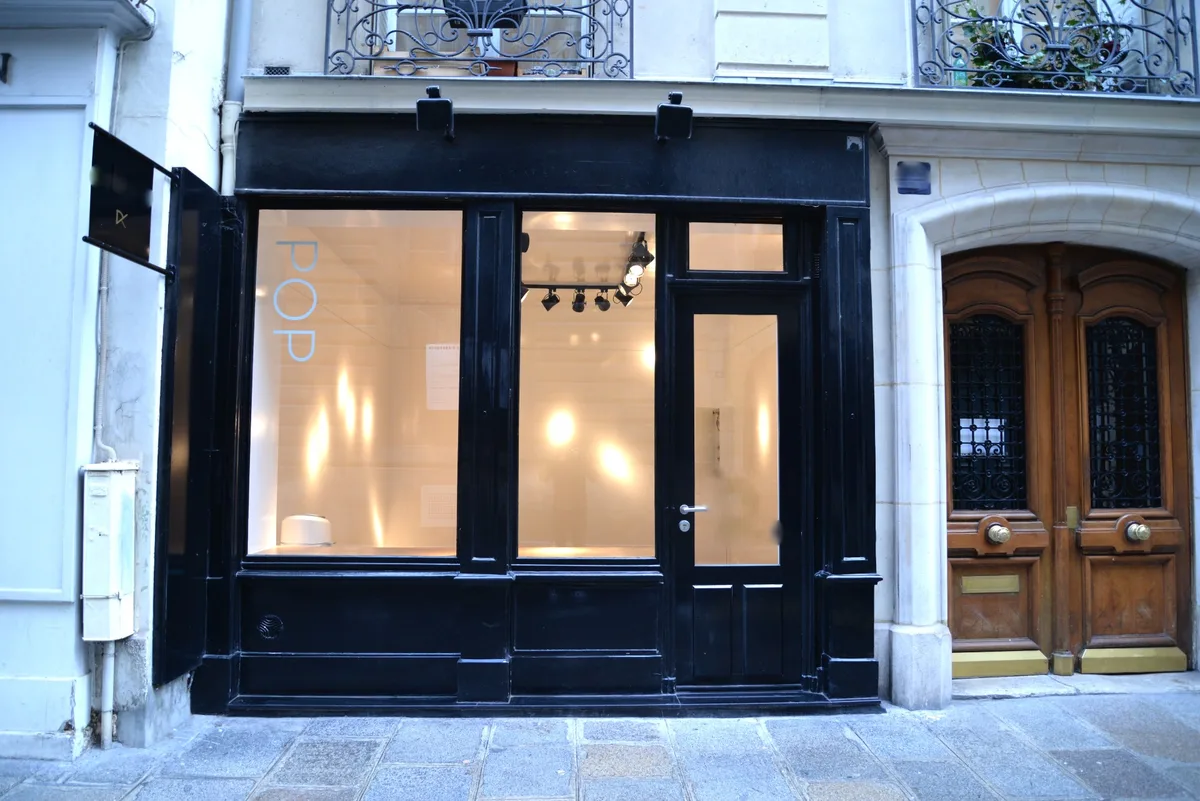
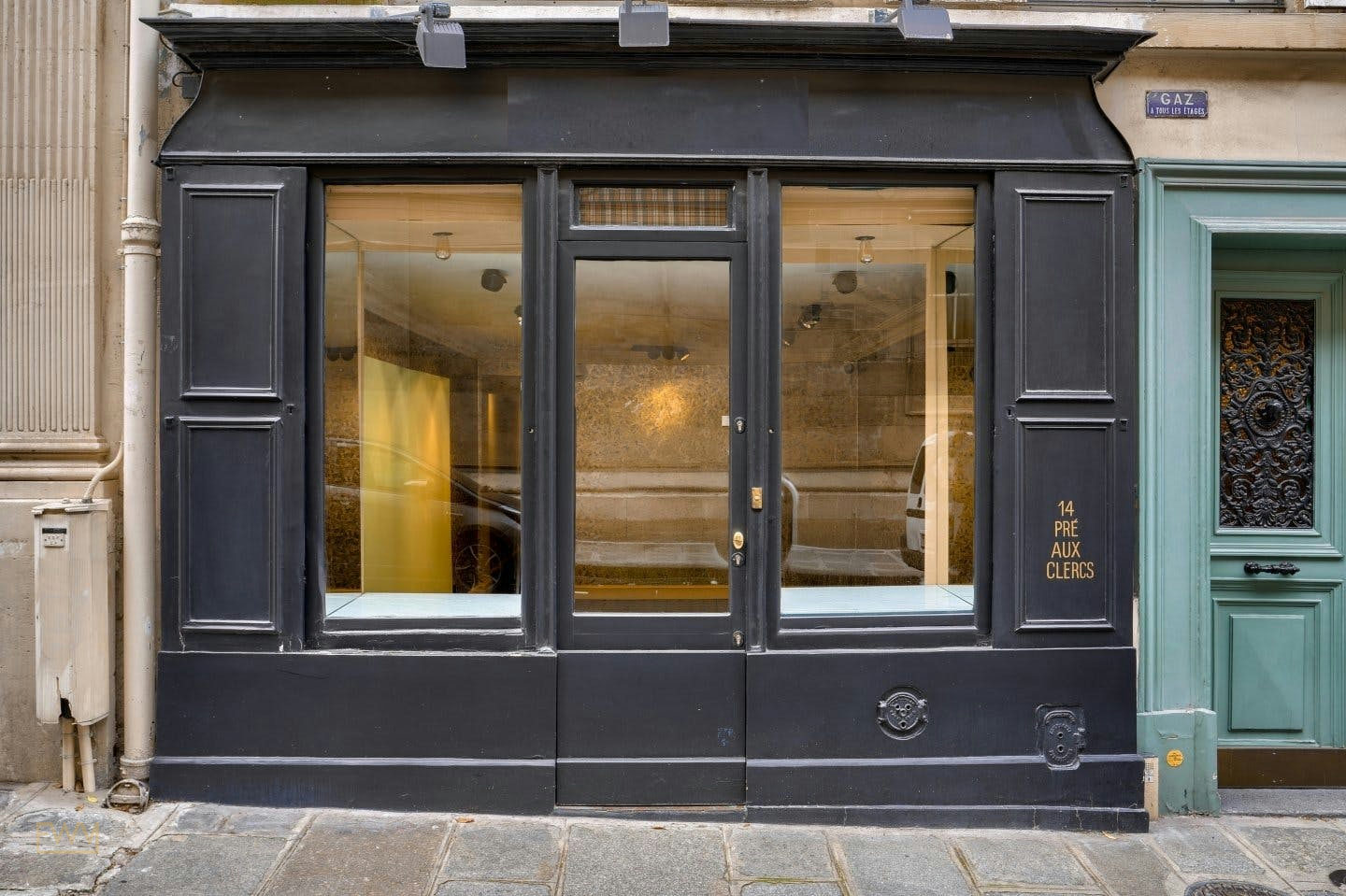
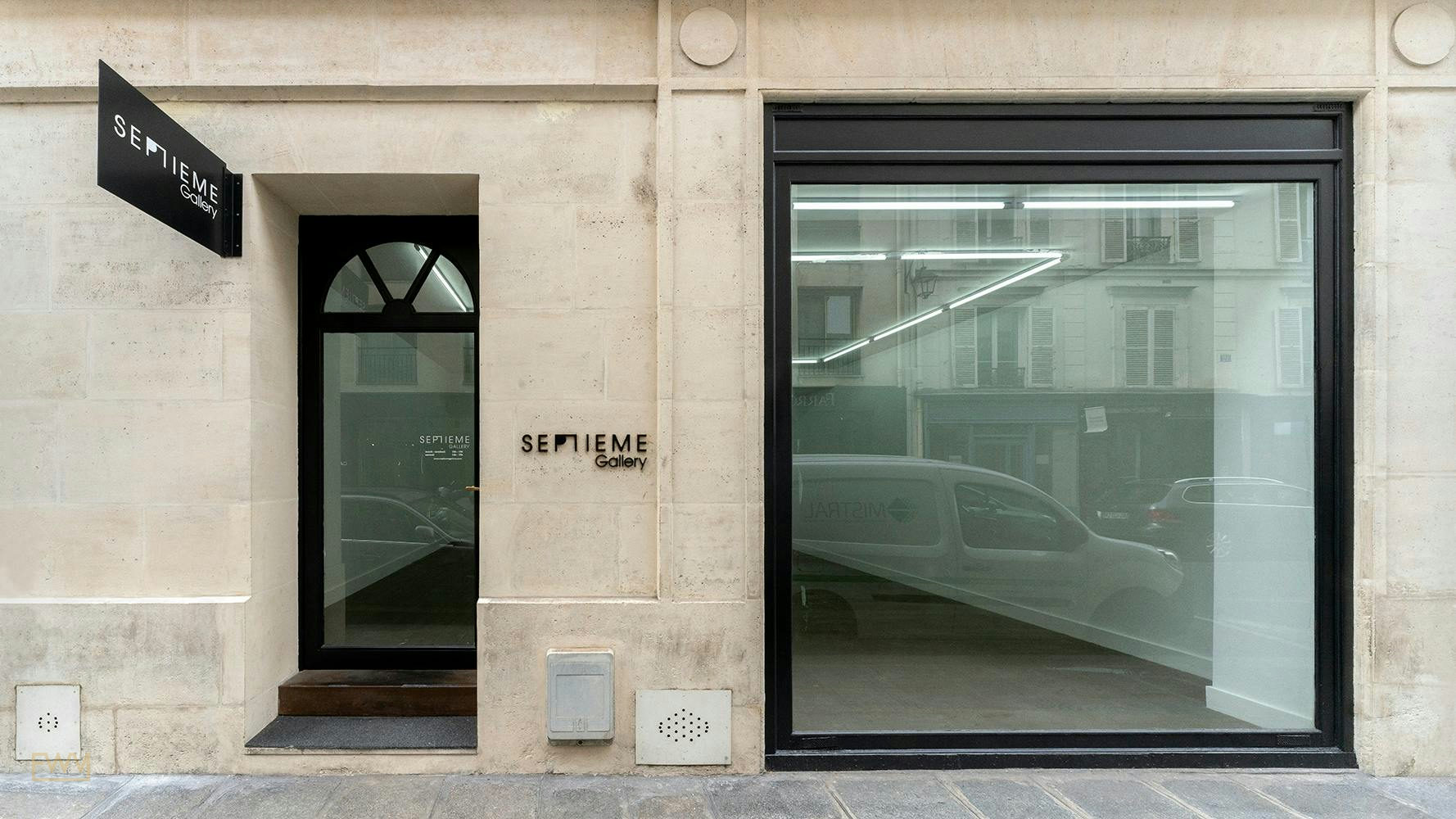
Traditional storefront boutiques with street-level access and display windows are the most commercially versatile format for direct-to-consumer pop-up retail. In neighbourhoods like Rue des Francs-Bourgeois in the Marais, Rue de Bretagne near the Carreau du Temple, and the streets around Place des Vosges, storefront boutiques offer excellent foot traffic capture and visual brand presence on the street.
A large door entrance is a feature that brands often specifically request, as it allows for dramatic visual merchandising reveals, product installation at scale, and easy logistics access for build-out and breakdown.
Loft and Industrial Spaces
Loft-style spaces, particularly those in the northern Marais, the 10th arrondissement, and the eastern districts, offer raw architectural character with high ceilings, exposed beams or metalwork, and large floor areas. These spaces suit brands that want maximum creative control over the environment and are prepared to invest in fit-out to create their branded world within the space. Some loft spaces include a ground floor backyard or courtyard, which extends the usable activation area and creates opportunities for outdoor elements.
Haussmannian Apartments
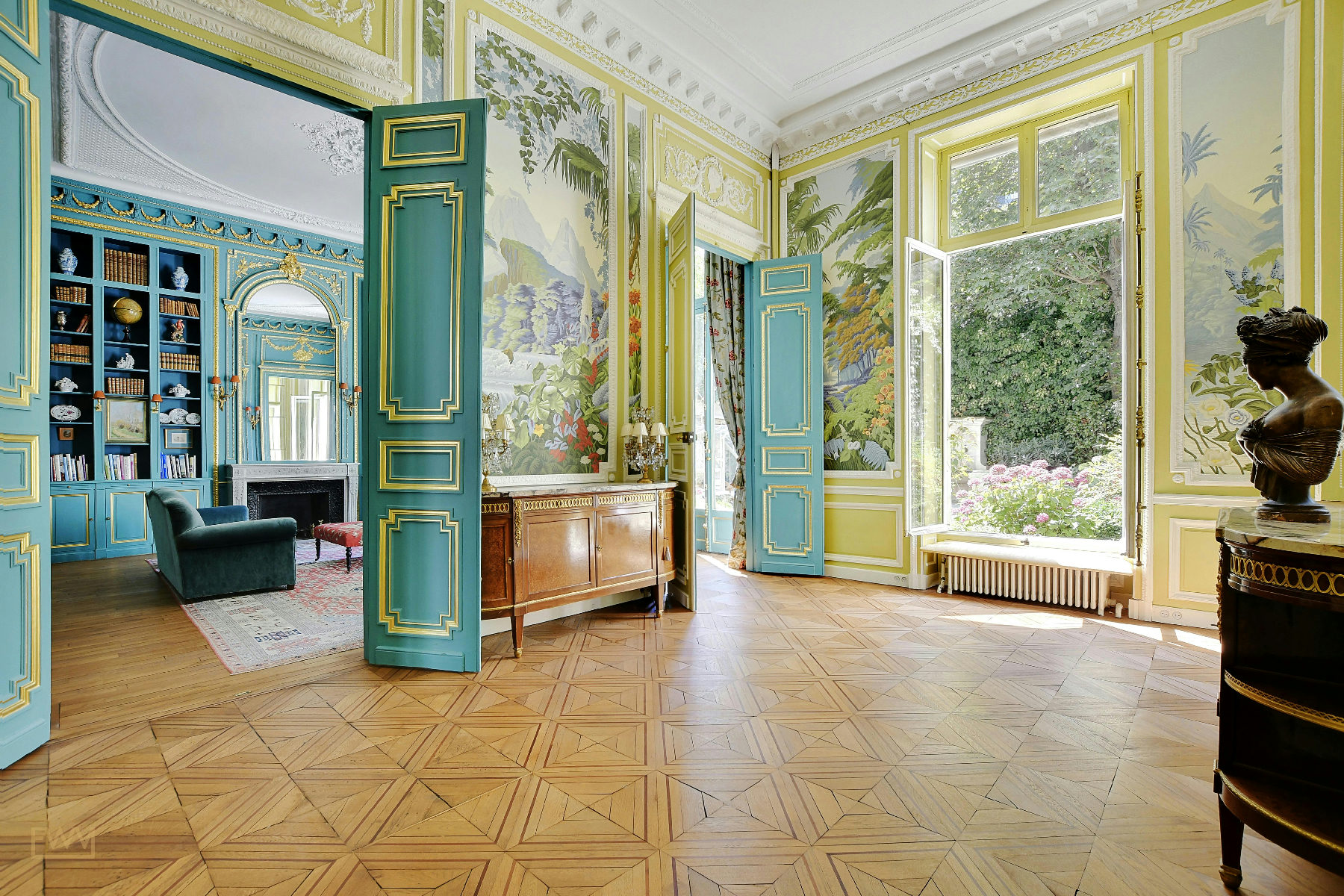
Converted Haussmannian apartments offer a distinctly Parisian residential aesthetic that works particularly well for fragrance, jewellery, lifestyle brands, and brands that want to create an intimate, invitation-style experience rather than a conventional retail environment. These spaces typically feature ornate plasterwork, parquet flooring, tall French windows, and fireplaces, elements that create an immediate sense of Parisian cultural heritage.
Covered Passages and Market Halls
Paris is home to several historic covered passages that offer unique positioning for pop-up retail. The Carreau du Temple in the Marais is one of the largest and most versatile, used for everything from trade shows to brand activations to cultural events. These spaces combine significant square footage with architectural distinction and are often available for short-term hire under AOT or similar arrangements.
| Space Type | Typical Size Range | Best Brand Application | Key Features |
|---|---|---|---|
| Gallery space | 40 to 200 sqm | Luxury, fashion, art, beauty | White walls, high ceilings, controlled lighting |
| Boutique storefront | 30 to 150 sqm | Direct-to-consumer retail, capsule launches | Street visibility, display windows, foot traffic |
| Loft or industrial | 100 to 500 sqm | Streetwear, creative brands, large-scale events | Raw character, high ceilings, flexible layout |
| Haussmannian apartment | 60 to 300 sqm | Fragrance, jewellery, lifestyle, VIP events | Period features, parquet, fireplaces, intimacy |
| Covered passage or market hall | 300 to 3,000 sqm | Trade events, brand festivals, multi-brand shows | Heritage architecture, large volumes, flexible layout |
DID YOU KNOW: Paris has more than 20 surviving covered passages, or galeries couvertes, dating from the 19th century. Several of these passages are classified as historic monuments, which means any commercial activation within them requires careful attention to heritage regulations alongside standard permit considerations.
KEY TAKEAWAY: The physical environment of a Paris pop-up space is a core component of brand communication, not a neutral backdrop. Matching space type to brand identity is a critical creative and strategic decision that affects customer perception, social media output, press coverage, and sales performance.
With space types and neighbourhoods understood, the next essential dimension is the Paris fashion and retail calendar, which determines whether any given activation window is optimal or inadvisable.
Paris Fashion Week and the Retail Activation Calendar
Quick answer: Paris Fashion Week is the most commercially significant calendar window for pop-up shop and showroom activations in Paris, but the city's retail event calendar includes multiple high-value windows throughout the year that brands should factor into their planning.
Paris Fashion Week occupies two primary windows annually. The ready-to-wear shows for the spring-summer collections take place in late September and early October, while the autumn-winter ready-to-wear shows occur in late February and early March. Paris Couture Week runs in January and July, adding two additional high-value windows for luxury and couture-adjacent activations. Paris Fashion Week draws an estimated 100,000 visitors including buyers, press, stylists, influencers, brand executives, and international fashion professionals, creating a concentrated demand window unlike any other in the global retail calendar.
For brands operating showrooms during Paris Fashion Week, the Marais is the dominant hub. Showroom spaces on Rue de Turenne, Rue Charlot, and surrounding streets are heavily booked three to six months in advance for the main fashion week windows. Brands that delay planning beyond this point routinely find that their first-choice locations are no longer available.
Beyond Fashion Week, the Paris retail calendar includes several other high-value windows that brands frequently overlook. Paris Design Week in September draws an audience of design professionals, interior architects, and culturally engaged consumers. FIAC, the international contemporary art fair, historically attracted a high-net-worth international audience to Paris in October, and its successor events continue to draw a comparable profile. The Christmas retail season from mid-November through to the end of December is the highest-volume consumer retail window of the year, with significant tourist spending concentrated in the Marais, Saint-Germain-des-Prés, and the luxury districts of the 1st and 8th arrondissements.
Paris Design Week and the fashion week calendar occasionally overlap in September, creating a particularly dense period where space competition is acute. Brands with flexibility in their dates benefit from targeting the weeks immediately before or after peak fashion week windows, when spaces may be available at more accessible terms and when the city still holds a significant concentration of fashion industry professionals who have extended their stay.
TIP: Begin your Paris pop-up planning at least four to six months before your target activation window, particularly if you are targeting Paris Fashion Week dates. For the most in-demand spaces in Le Marais and Saint-Germain-des-Prés, six months is a realistic minimum lead time for the primary fashion week dates.
The fashion week calendar is not the only viable window, despite what many brands assume when they first approach the Paris market. A well-executed pop-up activation outside of fashion week can benefit from lower space rental costs, greater landlord flexibility, and a local Parisian audience that is not diluted by the concentration of industry visitors that characterises the fashion week periods. For consumer-facing retail brands, the periods between fashion weeks often offer stronger direct-to-consumer conditions than the press and buyer-dominated atmosphere of the shows themselves.
To plan your activation timeline around the Paris calendar, the timeline planning tool on Fashion Week Venues helps brand teams sequence tasks against key calendar milestones.
KEY TAKEAWAY: Paris Fashion Week is the most powerful calendar window for fashion showrooms and brand activations, but it is not the only viable option. Understanding the full Paris retail calendar, including Design Week, the art fair season, and the Christmas retail period, allows brands to identify activation windows that align with their audience, budget, and operational capacity.
The question of budget is typically the most anxious one for brand teams approaching the Paris pop-up market for the first time, and it deserves a thorough and honest treatment.
How Much Does a Pop-Up Shop Lease Cost in Paris
Quick answer: Pop-up shop rental costs in Paris vary considerably by neighbourhood, space type, duration, season, and fit-out requirements. Directional estimates range widely, and brands should build a full activation budget that accounts for space rental, fit-out, staffing, permits, insurance, and operational costs rather than focusing on the lease cost alone.
One of the most common mistakes brands make when approaching the Paris pop-up market is treating the rental cost as the total activation cost. In reality, the space lease typically represents only one component of a multi-line budget that includes fit-out and production, furniture rental, retail staffing, point-of-sale systems and payments, permits and insurance, marketing and social media, logistics, and contingency.
Rental rates in Paris for short-term pop-up spaces reflect the neighbourhood, the space quality, the duration, and the time of year. Spaces in Le Marais, Saint-Germain-des-Prés, and the Rue Saint-Honoré area command premium rates, particularly during Paris Fashion Week windows. Spaces in the eastern arrondissements, the 10th, 11th, and 12th, are generally available at lower rates and with greater flexibility. Raw loft spaces typically cost less per square metre than fitted boutiques, but require significantly higher fit-out investment to make them operational for retail.
Fit-out and production costs in Paris are a significant line item for brands choosing raw or semi-fitted spaces. Retrofitting a raw loft or gallery space to meet retail operational standards, including flooring, lighting, fixtures, signage, POS integration, and brand environment design, requires both budget and lead time. Brands that underestimate this line item frequently find that their activation opens with an environment that does not reflect their brand standards.
Insurance is a mandatory consideration for any Paris pop-up lease. Most landlords require proof of third-party liability insurance, and brands operating retail transactions within a space also need product liability coverage. The requirements vary by space type and lease structure, and some spaces may have specific requirements related to the age or heritage status of the building.
Staffing is another budget line that brands sometimes overlook when calculating their Paris activation cost. Retail staff in Paris need to be appropriately contracted, compensated, and managed in compliance with French employment regulations. Brands that attempt to operate with informal staffing arrangements risk regulatory penalties and operational disruption.
Capital expenditure considerations, or CapEx, are relevant for brands planning permanent fixtures or structural changes to a space. Most bail dérogatoire agreements require that the space be returned to its original condition at the end of the lease period, which means that any fixed installations must be designed with removal in mind from the outset.
To generate a brand-specific budget estimate for a Paris pop-up activation, the budget estimation tool on Fashion Week Venues allows teams to input their parameters and receive a directional cost model. For ROI modelling, the ROI calculation tool allows brands to stress-test their assumptions before committing to a space.
| Budget Component | Applies To | Notes |
|---|---|---|
| Space rental | All activations | Varies by neighbourhood, size, duration, and season |
| Fit-out and production | Raw and semi-fitted spaces | Higher for lofts; lower for turnkey boutiques |
| Furniture rental | Most activations | Avoids capital expenditure on fixtures |
| Retail staffing | Consumer-facing retail | Must comply with French employment law |
| POS and payments | Transaction-based activations | Includes card processing, receipting, and inventory management |
| Insurance | All activations | Third-party liability and product liability required by most landlords |
| Permits | Varies by space and activation type | Requirements differ by arrondissement and activity |
| Marketing and influencer activity | Brand visibility activations | Social media, press, and influencer costs vary significantly |
| Contingency | All activations | A minimum of 10 to 15 percent of total budget is advisable |
KEY TAKEAWAY: Budget planning for a Paris pop-up activation must extend well beyond the space rental cost. A realistic full-activation budget accounts for fit-out, staffing, permits, insurance, marketing, and contingency alongside the lease itself. Brands that plan only to the rental cost consistently encounter budget overruns during delivery.
Understanding how to optimise a budget without reducing activation impact is a challenge that applies to brands at every scale, from emerging designers to global retail brands seeking agile market testing in Paris.
Legal Framework, Permits, and Compliance for Paris Pop-Up Retail
Quick answer: Brands renting pop-up retail spaces in Paris must navigate French short-term lease law, local planning permissions, building-specific heritage requirements, insurance obligations, and in some cases public domain authorisations, all of which vary by space type, location, and activation duration.
The legal and regulatory environment for short-term retail in Paris is more complex than in most comparable global cities. This complexity is not a deterrent; it is a navigable framework, provided that brands engage it with appropriate preparation and specialist support rather than attempting to proceed informally.
Bail Dérogatoire: What It Is and What It Is Not
The bail dérogatoire allows parties to agree on a short-term commercial occupation outside the standard nine-year bail commercial framework. Key features include a maximum total duration of three years cumulative with the same landlord and same premises, mandatory written agreement that explicitly states the intention to derogate from the standard framework, and automatic conversion to a standard commercial lease if the tenant remains in occupation after the maximum term without a new agreement. For brands planning activations of a few days to a few months, the bail dérogatoire is typically the most appropriate instrument, but its correct drafting is essential.
Autorisation d'Occupation Temporaire
The AOT is a public law instrument governing the use of spaces within the public domain, which in Paris includes certain covered passages, public squares, and street-level terraces adjacent to publicly owned buildings. An AOT grants permission to occupy a public space temporarily and is granted by the relevant public authority, typically the City of Paris or a specific municipal body. AOTs are non-transferable, revocable, and do not grant the holder the rights that a private lease would. Brands encountering spaces within public domain properties need to understand that an AOT provides significantly different legal standing than a private short-term lease.
Local Regulations and Planning Permissions
Local planning regulations in Paris, known as règles d'urbanisme, govern what activities can be carried out within specific property categories. A space classified for commercial retail use may require notification or authorisation from the local mairie, or town hall, before a temporary retail operation commences. Heritage buildings, which are common in central Paris arrondissements, carry additional restrictions on signage, window dressing, external modifications, and structural alterations. The specific requirements depend on the classification of the building and the nature of the proposed activation.
Insurance Requirements
Most landlords of commercial spaces in Paris require tenants to provide proof of assurance responsabilité civile, or third-party liability insurance, before the lease commences. Brands that plan to sell products on-site also need appropriate product liability coverage. If the activation involves food and beverage service, additional licences may be required. Brands bringing international staff into France for an activation also need to verify that their existing business insurance extends to cover activities in France, which is not always the case with policies written in other jurisdictions.
IMPORTANT: The permit and compliance requirements for any specific Paris space depend on the building type, its listed status, the arrondissement, the nature of the commercial activity, and the duration of the lease. Do not assume that arrangements that worked for a previous space in a different location will apply to a new space. Always verify requirements with a qualified French legal advisor.
The permit guidance tool on Fashion Week Venues provides a useful orientation to the permit landscape before detailed legal consultation.
KEY TAKEAWAY: Legal and regulatory compliance for a Paris pop-up lease is a non-negotiable foundation for the activation, not an optional administrative step. Brands that treat compliance as a secondary concern risk lease termination, financial penalties, operational disruption, and reputational damage in a market where relationships with landlords and local authorities matter considerably.
With the legal and financial picture established, the focus shifts to how brands should approach finding and evaluating spaces in the Paris market.
How to Find and Evaluate a Pop-Up Shop Space in Paris
Quick answer: Finding the right pop-up space in Paris requires a combination of marketplace platforms, specialist agency relationships, neighbourhood knowledge, and a structured evaluation process that accounts for space quality, legal status, operational readiness, and neighbourhood alignment with the brand's target audience.
The Paris short-term retail market operates across several discovery channels. Marketplace platforms list available spaces with photographs, dimensions, pricing guidance, and availability calendars. Specialist agencies, including Fashion Week Venues, maintain relationships with landlords across all major Parisian neighbourhoods and can surface spaces that are not publicly listed. Direct approaches to landlords of spaces that brands have identified through neighbourhood research also yield results, particularly for brands with established Parisian retail histories.
When evaluating a prospective space, brand teams should apply a structured assessment framework that goes beyond the photographs.
Physical Assessment Criteria
Ceiling height affects the range of display and installation options available. Flooring type, whether herringbone parquet, polished concrete, stone, or tiled, affects the brand aesthetic and may constrain or enable certain merchandising approaches. Natural light levels at different times of day influence the quality of the customer and photographic experience. The presence or absence of a large door entrance determines whether large installations or significant product deliveries are logistically feasible. Ground floor access versus upper floor location affects foot traffic capture rates significantly. Storage space availability behind the retail floor determines how inventory can be managed during the activation.
Operational Assessment Criteria
Electrical capacity is a practical concern that brands consistently underestimate. Lighting rigs, POS systems, screens, sound equipment, and refrigeration for food and beverage service all draw electrical load, and many older Parisian buildings have electrical infrastructure that predates modern retail demands. Wi-Fi and connectivity for payment systems must be confirmed before signing any agreement, as many heritage buildings have restricted cabling options. Loading access for delivery vehicles must be confirmed, as many Marais streets have vehicle access restrictions at certain times of day.
Legal and Contractual Assessment Criteria
The legal instrument governing the proposed short-term rental must be identified and reviewed before signing. The deposit terms, which in Paris can range from one week to three months of rental depending on the landlord and the space, must be evaluated against the brand's cash flow timeline. The reinstatement obligations at the end of the lease must be understood in relation to the fit-out plans, as the cost of reinstating a heavily built space can be significant.
To compare multiple spaces across these dimensions simultaneously, the space comparison tool on Fashion Week Venues allows brand teams to evaluate shortlisted options side by side against their specific criteria.
Fashion Week Venues also operates a dedicated venue sourcing service for brands that want specialist support in identifying and shortlisting spaces that meet their brief before they enter the evaluation and negotiation phase.
KEY TAKEAWAY: Evaluating a Paris pop-up space requires systematic assessment across physical, operational, and legal dimensions, not just aesthetic appeal. Brands that commit to spaces on the basis of photographs alone frequently encounter operational or legal complications that disrupt the activation and erode the budget.
Marketing, Brand Activation, and Making a Paris Pop-Up Work
Quick answer: A Paris pop-up activation generates the highest return when marketing strategy, influencer engagement, product presentation, and in-store experience are planned as an integrated programme rather than as separate workstreams executed in isolation.
Securing the right space is the operational foundation of a Paris pop-up. Making the activation generate meaningful brand and commercial return requires deliberate marketing integration from the planning stage, not as an afterthought once the space is confirmed.
Paris is the most photographed fashion city in the world, and the visual output of a well-executed pop-up activation, including social media coverage, press photography, influencer content, and brand-generated imagery, represents a significant portion of the activation's total communications value. Brands that invest in the visual and experiential quality of the space environment are investing not just in the in-store experience but in the digital and earned media that extends the activation's reach far beyond the visitors who attend in person.
Paris Fashion Week activations in particular benefit from the concentration of fashion influencers, press editors, stylists, and international buyers who are already in the city and already primed to share content. Brands that create genuinely distinctive environments generate press and social coverage organically; brands that operate generic retail environments require paid amplification to achieve equivalent visibility.
Product launches and limited-edition releases are among the most effective formats for Paris pop-up activations. The scarcity and exclusivity of a limited edition, combined with the cultural authority of Paris as the backdrop, creates a compelling narrative for both consumer media and trade press. Brands like Rent the Runway and major airlines including Air France have used Paris-based pop-up formats to communicate brand repositioning and cultural alignment in ways that permanent retail cannot achieve with the same agility.
The experiential dimension of a Paris activation matters enormously for social media performance. Elements that create shareable moments, whether an unexpected architectural feature of the space, a distinctive visual merchandising installation, an interactive product experience, or even the neighbourhood context itself, generate content that performs on social platforms without requiring significant additional budget. The aesthetic character of Paris, from the cobblestones of the Marais to the ornate facades of Saint-Germain-des-Prés, is itself a content asset that brands can leverage simply by choosing their location thoughtfully.
Influencer engagement in Paris requires careful planning rather than informal outreach. The city's influencer ecosystem is stratified, with a clear distinction between micro-influencers with highly engaged local followings, mid-tier fashion and lifestyle influencers with international reach, and top-tier figures whose involvement commands significant fees and exclusivity arrangements. A targeted influencer programme that brings the right voices into the space at the right moments generates far more measurable value than broad outreach to large follower counts without audience alignment.
For brands seeking integrated influencer marketing support alongside their pop-up activation, the influencer marketing service from Fashion Week Venues is designed to coordinate influencer engagement with the activation calendar and space environment.
The twin co-activation concept from Fashion Week Venues offers brands the option to share a pop-up space with a complementary brand, splitting costs while maintaining distinct brand identities within the space. This model is particularly valuable for emerging brands or international brands testing the Paris market for the first time, where the full cost of a solo activation may be difficult to justify without an established revenue baseline in the market.
DID YOU KNOW: The visual output from a well-executed two-week Paris pop-up during Fashion Week, including press coverage, influencer posts, and brand-generated content, can generate media impressions that would cost significantly more to achieve through equivalent paid media placements. This makes the earned media value of the activation a critical component of the ROI calculation, not a bonus.
KEY TAKEAWAY: The marketing and experiential design of a Paris pop-up activation is as commercially important as the space selection itself. Brands that integrate content strategy, influencer engagement, and visual environment design from the earliest planning stages achieve significantly stronger communications outcomes than those that treat marketing as a post-confirmation task.
How Fashion Week Venues Supports Brands Across Every Stage
Fashion Week Venues operates as a full-service agency and space marketplace for brands planning pop-up activations, showrooms, and short-term retail in Paris and other major fashion capitals. The agency is built for brand teams who need more than a listings platform: teams who require specialist knowledge of the Paris market, operational delivery capability, and creative direction that ensures the physical activation meets the brand's strategic ambitions.
The service offering covers every stage of a Paris pop-up activation. Venue sourcing provides access to a curated inventory of spaces across all major Parisian neighbourhoods, including spaces not publicly listed through general platforms. Concept direction supports brands in translating their brief into a spatial concept that works within the constraints and opportunities of the chosen space. Production and build manages the physical fit-out of the space from design drawings through to completion, coordinating contractors, suppliers, and timelines in compliance with building and local authority requirements.
Activation management covers the operational running of the pop-up from opening day through to close, including staffing coordination, logistics management, and daily operational support. Branded store design ensures that the visual identity of the brand is expressed consistently and compellingly throughout the space. Furniture rental provides access to curated furniture and fixture inventory, avoiding the capital expenditure of purchasing and the logistical challenge of shipping furniture internationally. Retail staffing provides experienced, brand-appropriate sales and hosting staff who understand both the French retail environment and the specific requirements of the brand. POS and payments integrates point-of-sale systems and payment processing appropriate for the French market. Data and analytics captures performance metrics across the activation period, providing brands with actionable intelligence for future planning.
For brands approaching the Paris pop-up market for the first time, the process page at Fashion Week Venues explains how the agency works from initial brief through to activation delivery, providing transparency on what to expect at each stage. The agency hiring guide on Fashion Week Venues helps brand teams evaluate what to look for in a pop-up agency and what questions to ask before committing to a partnership.
Fashion Week Venues does not guarantee specific outcomes, permit approvals, or space availability. The agency operates as a specialist partner that applies market knowledge, operational expertise, and supplier relationships to improve the probability of a successful activation, but the complexity of the Paris market means that advance planning, realistic budgeting, and flexible execution remain essential on the brand's side as well.
Brand teams who benefit most from the Fashion Week Venues service include international brands entering Paris for the first time without an established local network, fashion and luxury brands planning activations during the compressed and competitive Fashion Week calendar windows, emerging designers who want professional production quality without building an in-house Paris operations function, and established brands seeking a full-service partner for a complex multi-week activation that requires coordinated delivery across multiple workstreams simultaneously.
KEY TAKEAWAY: Fashion Week Venues provides end-to-end support for Paris pop-up activations, from venue sourcing and concept direction through to production, staffing, and analytics. The agency is designed for brand teams who need specialist market knowledge and operational delivery capability, not just access to a listings database.
Step-by-Step Process for Launching a Pop-Up Shop in Paris
Quick answer: A successful Paris pop-up launch follows a sequential process from strategic brief through space selection, legal review, creative development, production, staffing, marketing activation, and post-activation analysis, typically spanning four to six months from initial brief to opening day for a well-planned activation.
The process of launching a pop-up shop in Paris is more structured than brands unfamiliar with the market typically anticipate. Each stage has dependencies on the stages that precede it, and compressing the timeline by skipping or rushing early stages creates compounding operational problems later in the process.
| Stage | Key Actions | Recommended Lead Time Before Opening |
|---|---|---|
| 1. Strategic brief | Define objectives, target audience, activation format, budget envelope, and calendar window | Six months or more |
| 2. Market and neighbourhood research | Identify target neighbourhoods, space types, and competitor activity | Five to six months |
| 3. Space shortlisting | Engage marketplace and agency channels, request viewings, and assess shortlisted spaces | Four to five months |
| 4. Legal review | Review proposed lease instrument, insurance requirements, and permit obligations with French legal counsel | Three to four months |
| 5. Concept and design development | Develop spatial concept, visual identity integration, merchandising plan, and fit-out specification | Three to four months |
| 6. Production and build | Appoint contractors, coordinate deliveries, manage fit-out timeline, and conduct pre-opening inspections | One to two months |
| 7. Staffing and operations | Recruit and brief retail staff, establish POS systems, and confirm operational procedures | Four to six weeks |
| 8. Marketing and influencer programme | Execute pre-opening communications, influencer briefings, press outreach, and social media content | Four to eight weeks |
| 9. Activation | Operate the pop-up, capture data, manage daily operations, and respond to emerging opportunities | During activation period |
| 10. Close and analysis | Reinstate space, recover deposit, compile performance data, and produce post-activation report | Immediately post-close |
This process applies to a solo brand activation of two to four weeks. Shorter activations of a few days may compress some stages, but the legal review and permit confirmation stages cannot be safely abbreviated regardless of duration. Longer activations of one to three months require additional attention to the cumulative duration provisions of the bail dérogatoire framework.
TIP: For Fashion Week window activations, stages one through four should be completed before the preceding fashion week period if possible. Brands that begin their planning during Fashion Week for the immediately following season frequently find that the most desirable spaces are already committed.
The process page on Fashion Week Venues provides a detailed walkthrough of how the agency structures the activation journey for clients, from initial contact through to post-activation review.
Paris Fashion Week Venues operates as an integrated full-service agency specialising in short-term retail and brand activation in Paris and other major fashion capitals. Brands working with the agency benefit from established supplier relationships, market knowledge accumulated across hundreds of activations, and a structured methodology that reduces the risk of the common operational failures that affect brands attempting to navigate the Paris pop-up market independently for the first time.
KEY TAKEAWAY: A Paris pop-up activation is a multi-stage project with real dependencies between stages. Brands that build a realistic timeline, engage appropriate legal and operational support early, and treat the process as a structured project rather than an informal arrangement achieve significantly better outcomes than those that attempt to compress or shortcut the preparation process.
Common Myths About Pop Up Shop Leases in Paris Debunked
MYTH: You need to establish a French legal entity before you can rent a pop-up shop space in Paris.
FACT: Foreign companies can rent commercial spaces in Paris under a bail dérogatoire without establishing a French legal entity, provided the lease is correctly structured and the landlord is willing to contract with a foreign entity. Working with a specialist agency or legal advisor ensures the contractual framework is appropriate and that the foreign entity's obligations are clearly defined within the agreement.
MYTH: Paris Fashion Week is the only calendar window worth targeting for a pop-up activation in Paris.
FACT: Paris Fashion Week is the highest-profile window for fashion showroom and brand activation activity, but it is not the only commercially viable period. Paris Design Week, the FIAC art fair season, the Christmas retail period, and shoulder windows on either side of the fashion weeks all offer strong audience conditions, often at more accessible rental terms and with greater space availability than the peak fashion week dates.
MYTH: Commission brokers and listings platforms are the only way to find a pop-up space in Paris.
FACT: While marketplace platforms and brokers are useful discovery channels, many of the most desirable short-term spaces in Paris are sourced through specialist agency relationships with landlords who do not list spaces publicly. Brands that engage a full-service agency with established landlord relationships in Paris often access a significantly wider inventory than what appears on general listings platforms.
MYTH: Short-term leases in Paris are legally simple and do not require specialist advice.
FACT: Short-term commercial leases in Paris, including the bail dérogatoire, contain specific provisions and risks that differ fundamentally from short-term leases in other jurisdictions. The automatic conversion clause, deposit recovery mechanics, reinstatement obligations, and permit compliance requirements all carry real financial and operational implications. Specialist legal advice from a French-qualified advisor is not optional for brands that want to protect their position in the Paris market.
MYTH: A pop-up shop in Paris only works for large, established global brands with significant marketing budgets.
FACT: The Paris pop-up market serves brands at every scale, from emerging designers presenting their first collection to established international retailers conducting market testing. Co-activation models, such as the twin concept, and shorter activation durations allow brands with more constrained budgets to access the Paris market in a commercially viable way. The key differentiator is planning quality and execution, not brand size.
Frequently Asked Questions About Pop Up Shop Leases in Paris
What is a pop-up shop lease in Paris?
A pop-up shop lease in Paris is a short-term commercial rental agreement that allows a brand to occupy a retail, gallery, showroom, or event space for a defined period without entering a standard nine-year commercial lease. The most common legal instrument is the bail dérogatoire, which permits both parties to deviate from the standard commercial lease framework for a maximum cumulative duration of three years. Spaces used under public domain authorisations may operate under an autorisation d'occupation temporaire instead. The specific terms depend on the space, the duration, and the nature of the commercial activity planned.
How much does it cost to rent a pop-up shop in Paris?
Rental costs for pop-up shops in Paris vary considerably by neighbourhood, space type, duration, and season. The Marais, Saint-Germain-des-Prés, and the Rue Saint-Honoré area command the highest rates, particularly during Paris Fashion Week windows. Spaces in eastern arrondissements and off-peak calendar windows are typically available at lower rates. The full activation cost also includes fit-out, staffing, insurance, permits, marketing, and contingency, all of which brand teams should budget for before confirming a space. The budget estimation tool on Fashion Week Venues provides directional cost modelling based on specific parameters.
What neighbourhoods are best for a fashion pop-up in Paris?
Le Marais, spanning the 3rd and 4th arrondissements, is the most established neighbourhood for fashion pop-up retail and showrooms, offering high foot traffic, strong cultural associations, and a diverse range of space types including galleries, lofts, and boutiques. Saint-Germain-des-Prés in the 6th arrondissement suits luxury, fragrance, and lifestyle brands. The area around Rue Saint-Honoré and Place Vendôme in the 1st arrondissement is appropriate for top-tier luxury brands. The eastern arrondissements around République offer lower costs and a younger, more culturally oriented audience.
How far in advance should I book a pop-up space in Paris for Fashion Week?
For Paris Fashion Week dates in late September or late February, the most desirable spaces in Le Marais and Saint-Germain-des-Prés are typically booked four to six months in advance. Brands that begin their search with less than three months of lead time for the primary fashion week windows frequently find their first and second-choice locations are no longer available. Beginning the planning process six months before the target opening date is a reasonable baseline for a well-prepared activation.
Can a foreign brand rent a pop-up shop in Paris without a French company?
Foreign companies can rent commercial pop-up spaces in Paris without establishing a French legal entity, provided the lease agreement is correctly structured and the landlord accepts a foreign contracting party. Some landlords prefer or require a French guarantor or additional deposit from foreign entities. Working with a specialist agency familiar with the Paris market and a French-qualified legal advisor ensures the contractual framework is appropriate for the brand's legal structure and provides adequate protection throughout the lease period.
What permits do I need for a pop-up shop in Paris?
Permit requirements for a Paris pop-up shop vary by space type, building classification, neighbourhood, and the nature of the commercial activity planned. Heritage buildings, which are common in central Parisian arrondissements, may have specific restrictions on signage, window dressing, and external modifications. Spaces within public domain areas require an autorisation d'occupation temporaire from the relevant public authority. Activities involving food and beverage service, outdoor seating, or amplified sound may require additional licences. The permit guidance tool on Fashion Week Venues provides an orientation to the permit landscape, but specific legal advice should always be sought for any individual space and activation plan.
What is the difference between a bail dérogatoire and a standard commercial lease in France?
A standard commercial lease in France, the bail commercial, carries a minimum nine-year term and grants tenants significant statutory protections including the right to lease renewal. A bail dérogatoire derogates from this standard framework and allows a shorter-term occupation, up to a maximum of three years cumulatively with the same landlord and premises. The bail dérogatoire must explicitly state the intention to deviate from the standard framework. If the tenant remains in occupation after the maximum term without a new agreement, the lease converts automatically to a standard nine-year commercial lease. For short-term pop-up activations, the bail dérogatoire is typically the appropriate instrument.
What types of spaces are available for pop-up retail in Le Marais?
Le Marais offers an exceptionally diverse inventory of short-term retail spaces, including white-wall gallery formats often marketed as galeries or espaces d'art, traditional street-level boutiques on Rue des Francs-Bourgeois and Rue de Bretagne, converted Haussmannian apartments with period features, raw loft spaces in the northern Marais, and larger event-format spaces such as the Carreau du Temple. Many Marais spaces feature architectural details that fashion and beauty brands specifically seek, including stone walls, high ceilings, courtyard access, and large entrance doors suited to dramatic visual merchandising installations.
How do I find a showroom for Paris Fashion Week?
Showroom spaces for Paris Fashion Week can be found through specialist agency relationships, curated marketplace platforms, and direct approaches to landlords of spaces in established showroom neighbourhoods including Rue de Turenne, Rue Charlot, and the surrounding Marais streets. Specialist agencies like Fashion Week Venues maintain relationships with landlords who offer spaces specifically suited to showroom formats and can surface options that are not publicly listed. Given the competitive demand for showroom spaces during fashion week windows, beginning the search four to six months in advance is strongly recommended.
What insurance do I need for a pop-up shop in Paris?
Most landlords of commercial pop-up spaces in Paris require tenants to provide proof of third-party liability insurance, assurance responsabilité civile, before the lease commences. Brands selling products on-site should also carry appropriate product liability coverage. Activations involving food and beverage service, amplified sound, or large public events may require additional coverage. International brands should verify that their existing business insurance policies extend to activities conducted in France, as this is not always the case with policies written in other jurisdictions. Insurance requirements vary by space and lease, so confirming the specific requirements with the landlord and a French insurance broker before the lease is signed is advisable.
Can I operate a pop-up shop in Paris using e-commerce platforms or cashless payment systems?
Yes, modern pop-up retail in Paris routinely integrates e-commerce platforms and cashless payment systems, including card readers, mobile payment solutions, and QR code-based purchasing. The specific POS and payments infrastructure appropriate for a Paris pop-up depends on the brand's existing systems, the nature of the transactions planned, and the connectivity available within the space. Older Parisian buildings sometimes have connectivity limitations that require dedicated broadband installation before the activation opens. The POS and payments service from Fashion Week Venues supports brands in selecting and integrating appropriate payment solutions for the French market.
Is Le Marais a good area for a pop-up retail activation?
Le Marais is consistently the most effective neighbourhood for fashion, beauty, luxury, and art-adjacent pop-up retail activations in Paris. It combines high foot traffic from both local Parisians and international visitors, strong cultural associations that enhance brand positioning, a dense concentration of press and buyers during Fashion Week periods, and an exceptionally diverse range of short-term retail spaces with genuine architectural character. The neighbourhood's identity as a centre of independent retail, contemporary culture, and fashion credibility makes it the default starting point for most brands entering the Paris pop-up market.
What is a twin co-activation and how does it work for Paris pop-ups?
A twin co-activation allows two complementary brands to share a single pop-up space, dividing the space between distinct brand environments while sharing the rental and operational costs. This model is particularly useful for emerging brands or international brands testing the Paris market for the first time, where the full cost of a solo activation may be difficult to justify without an established revenue baseline in the city. The twin concept from Fashion Week Venues is designed to ensure that both brands maintain visual and commercial distinctiveness within a shared space, and that the pairing of brands is strategically aligned rather than arbitrary.
What is the difference between a pop-up shop and a showroom in Paris?
A pop-up shop in Paris is a direct-to-consumer retail format where products are sold to end customers during the activation period. A showroom is a trade-oriented format where collections are presented to buyers, press, stylists, and wholesale accounts, with sales typically occurring as orders placed during or after the presentation rather than immediate consumer transactions. Some activations combine both functions within a single space, with scheduled trade appointments occupying certain hours and consumer retail occupying others. The distinction affects the space requirements, staffing model, permit considerations, and marketing approach for the activation.
How can I calculate the ROI of a Paris pop-up activation?
Calculating the ROI of a Paris pop-up activation requires accounting for both direct commercial returns, including sales revenue, order values from wholesale accounts, and new customer acquisition, and indirect returns, including earned media value from press coverage and influencer content, brand awareness uplift in the French market, and data collected on consumer behaviour and preferences. The ROI calculation tool on Fashion Week Venues allows brand teams to model their expected returns against their full activation budget, including all cost components, to assess whether the proposed activation structure is likely to deliver adequate return before committing to the space and lease.
Conclusion: Building a Successful Pop Up Shop Lease Strategy for Paris
A pop up shop lease in Paris offers brands one of the most powerful market entry and brand communication mechanisms available in global retail, but it rewards preparation, specialist knowledge, and strategic clarity far more than it rewards improvisation. The legal framework, neighbourhood dynamics, calendar timing, space typology, and operational requirements of the Paris pop-up market are all navigable, but each demands genuine engagement rather than assumption.
The brands that consistently achieve strong results from Paris pop-up activations are those that begin planning early, build realistic full-activation budgets that extend well beyond the rental cost, engage appropriate legal and operational support, and treat the creative and experiential quality of the activation as a strategic asset rather than a production cost. Paris is a city where the environment itself communicates brand values; choosing the right space in the right neighbourhood for the right calendar window is already a powerful statement before a single product is placed on a shelf.
Fashion Week Venues operates as a full-service agency and space marketplace designed to support brands at every stage of this process, from initial brief and space discovery through to production, activation, and post-activation analysis. The agency's tools, including the budget calculator, ROI modeller, permit guide, timeline planner, and space comparison tools, are built to help brand teams make better-informed decisions faster and with greater confidence.
To move from research to activation, start exploring available spaces on the Fashion Week Venues marketplace and build a focused brief for your target neighbourhood, space type, and calendar window. The Paris pop-up market rewards brands that arrive prepared.