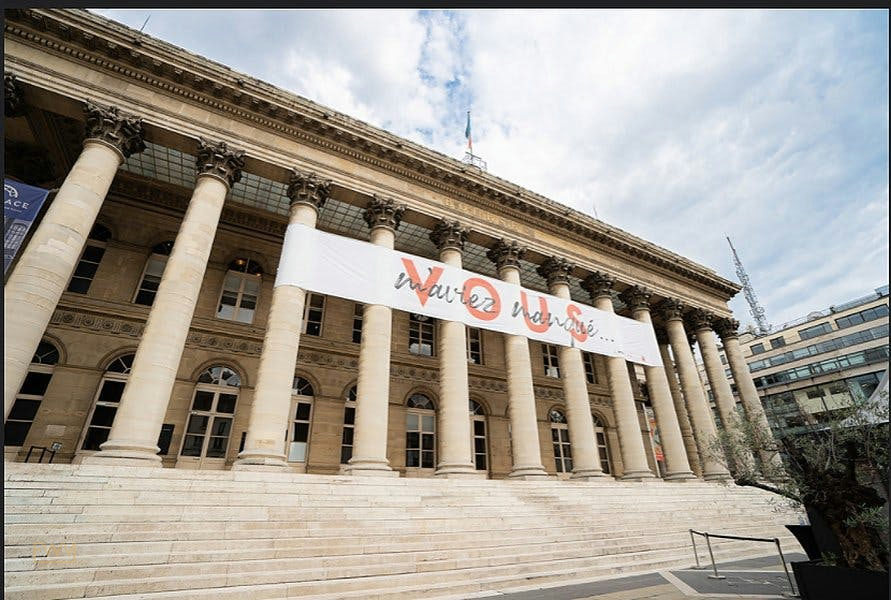
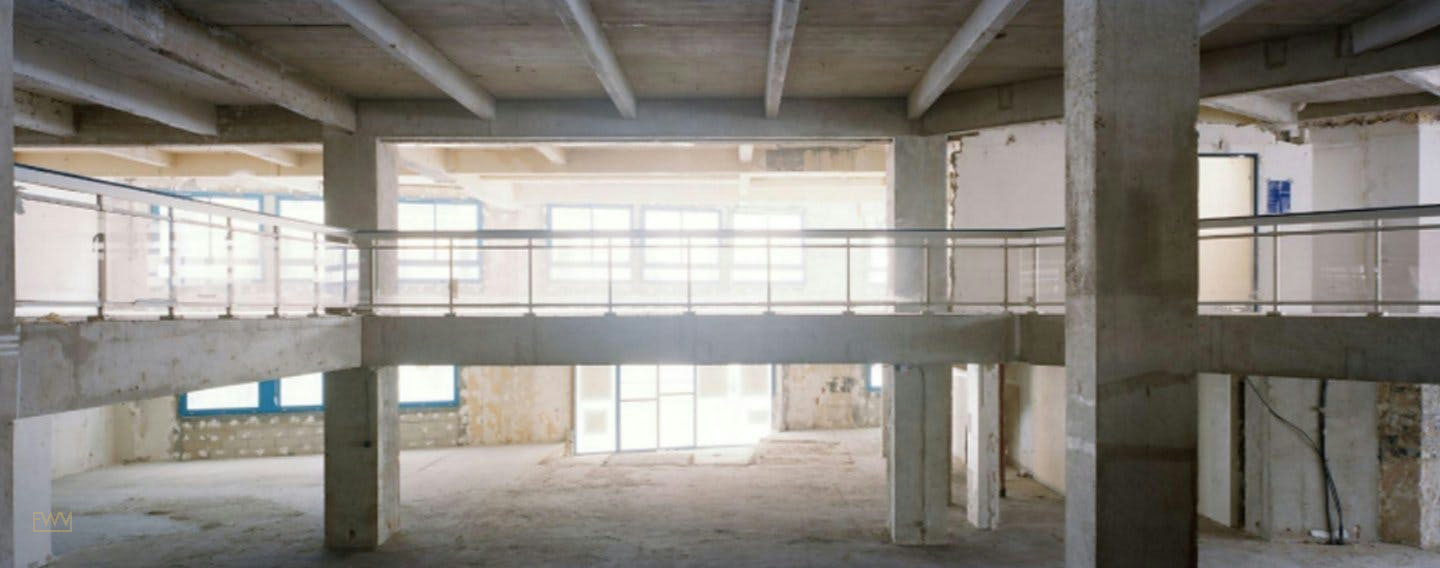
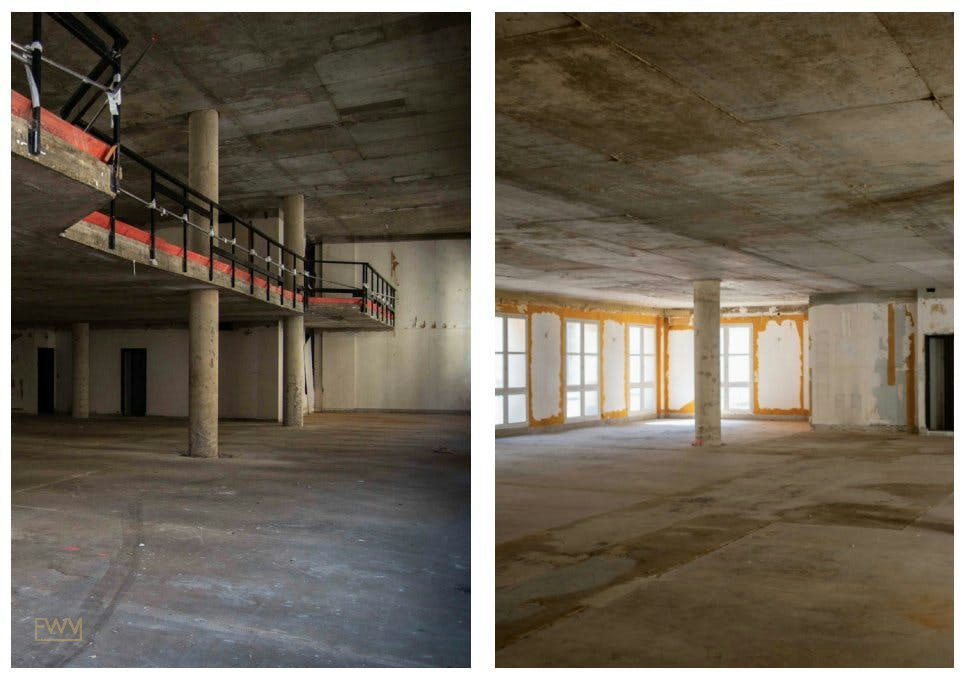
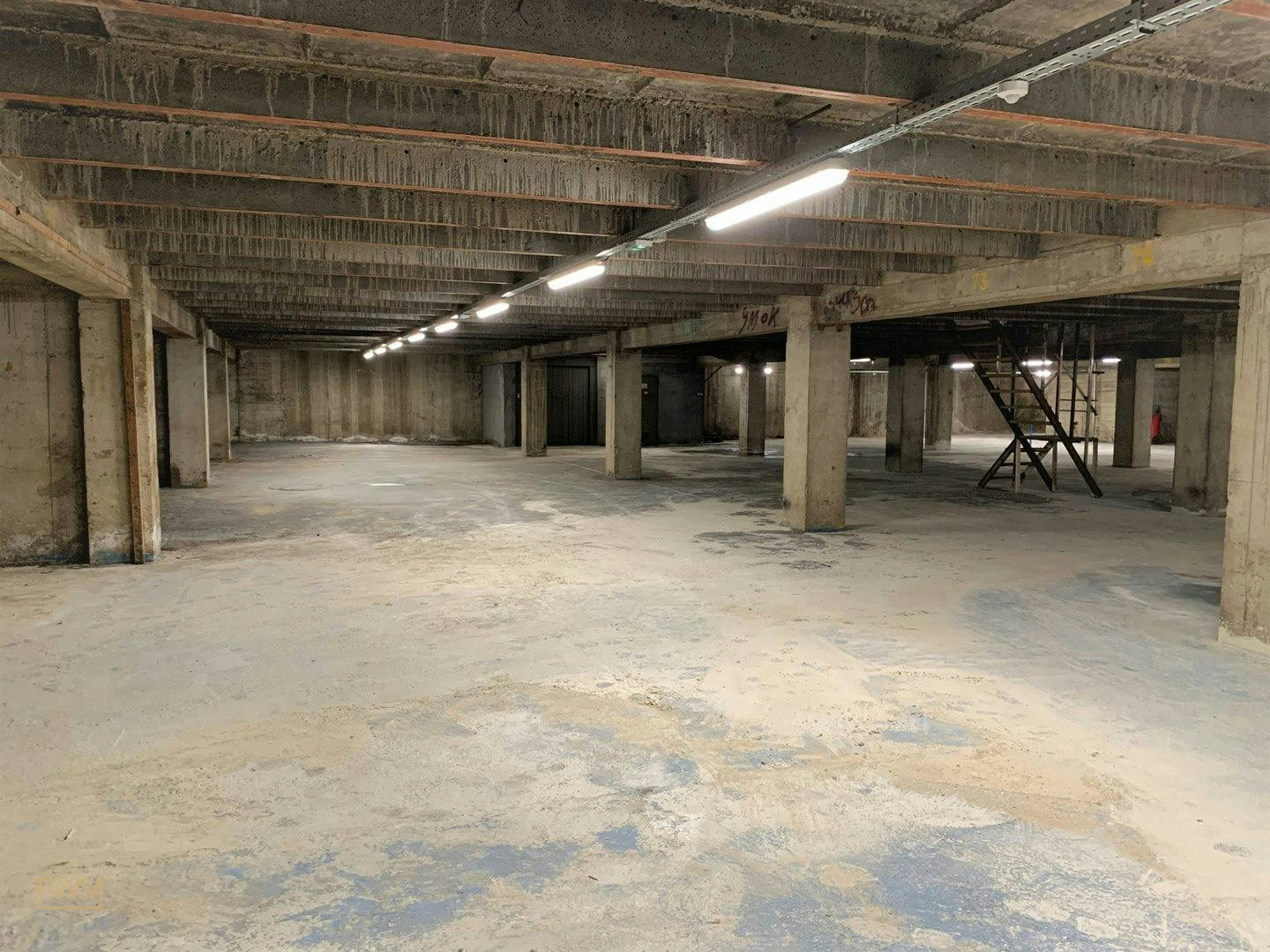
Finding the perfect venue for your brand during Fashion Week is crucial to creating an impactful presence. With dozens of options ranging from intimate showrooms to expansive event halls, your choice can significantly influence brand perception and success. Fashion Week Venues is at the forefront, providing a comprehensive venue sourcing experience with a robust marketplace to cater to every need. This guide explores key considerations, practical advice, and expert insights for selecting the right space, navigating Paris' complex permitting landscape, and effectively using short-term retail activations for brand success.
The Importance of Selecting the Right Fashion Week Venue
Choosing a venue during Fashion Week goes beyond finding an available space. It's about selecting a location that aligns with your brand's identity, target audience, and strategic goals. The perfect venue amplifies your event's atmosphere and facilitates memorable brand interactions.
Quick answer: The right Fashion Week venue enhances brand visibility and aligns with strategic goals, maximizing impact during the high-stakes fashion calendar.
For example, hosting a runway show requires a venue with a suite of logistical capabilities, including seating arrangements, backstage facilities, and technical support for sound and lighting. In contrast, a pop-up store demands foot traffic, visibility, and a layout conducive to experiential engagement. Fashion Week Venues specializes in aligning these unique needs with appropriate spaces to enhance brand storytelling and consumer engagement.
KEY TAKEAWAY: Venue choice isn't just logistical but strategic, affecting brand image and consumer interaction.
As you consider your options, understanding the different types of venues available can help fine-tune your selection process.
Exploring Different Types of Fashion Week Venues
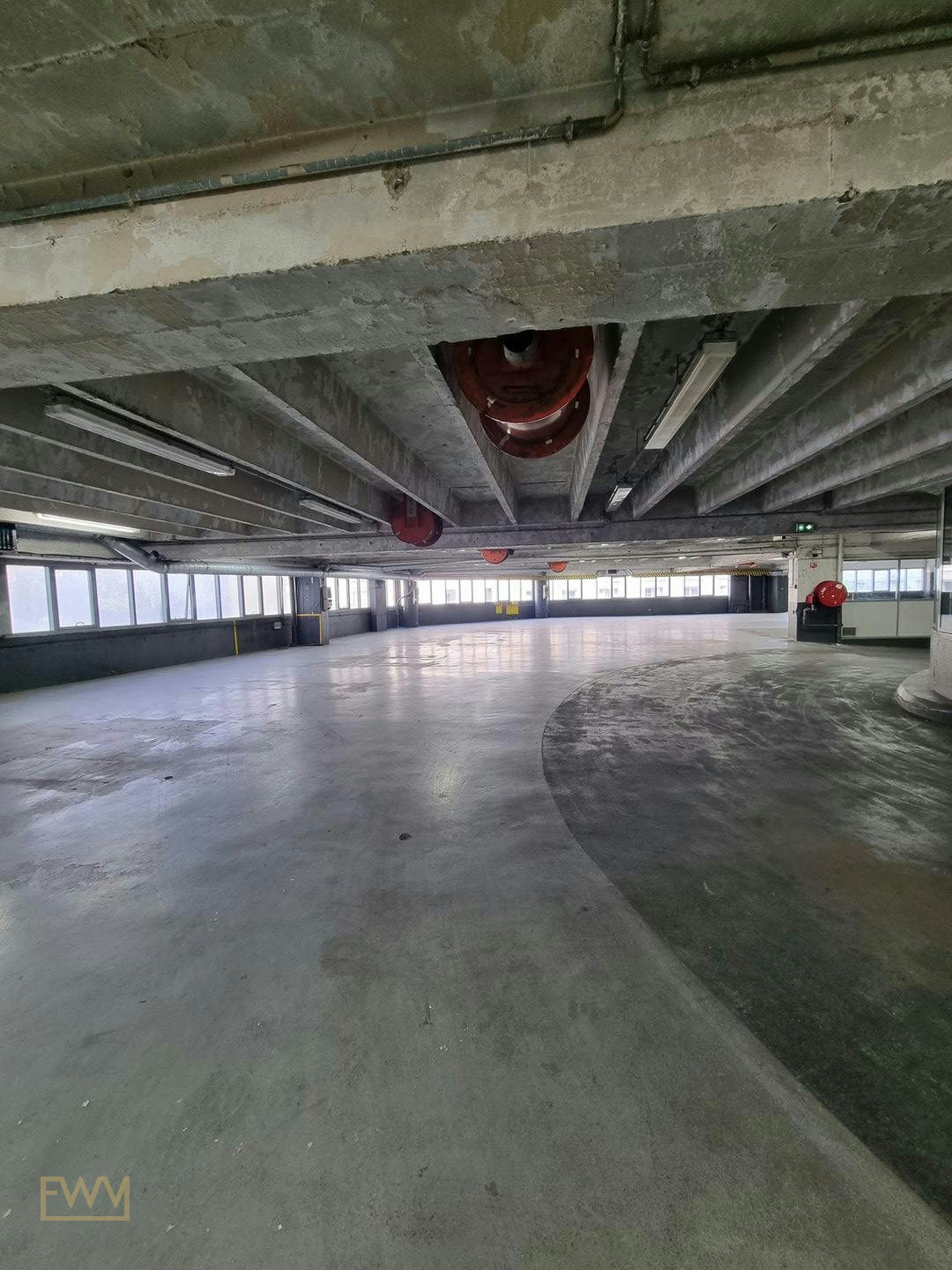
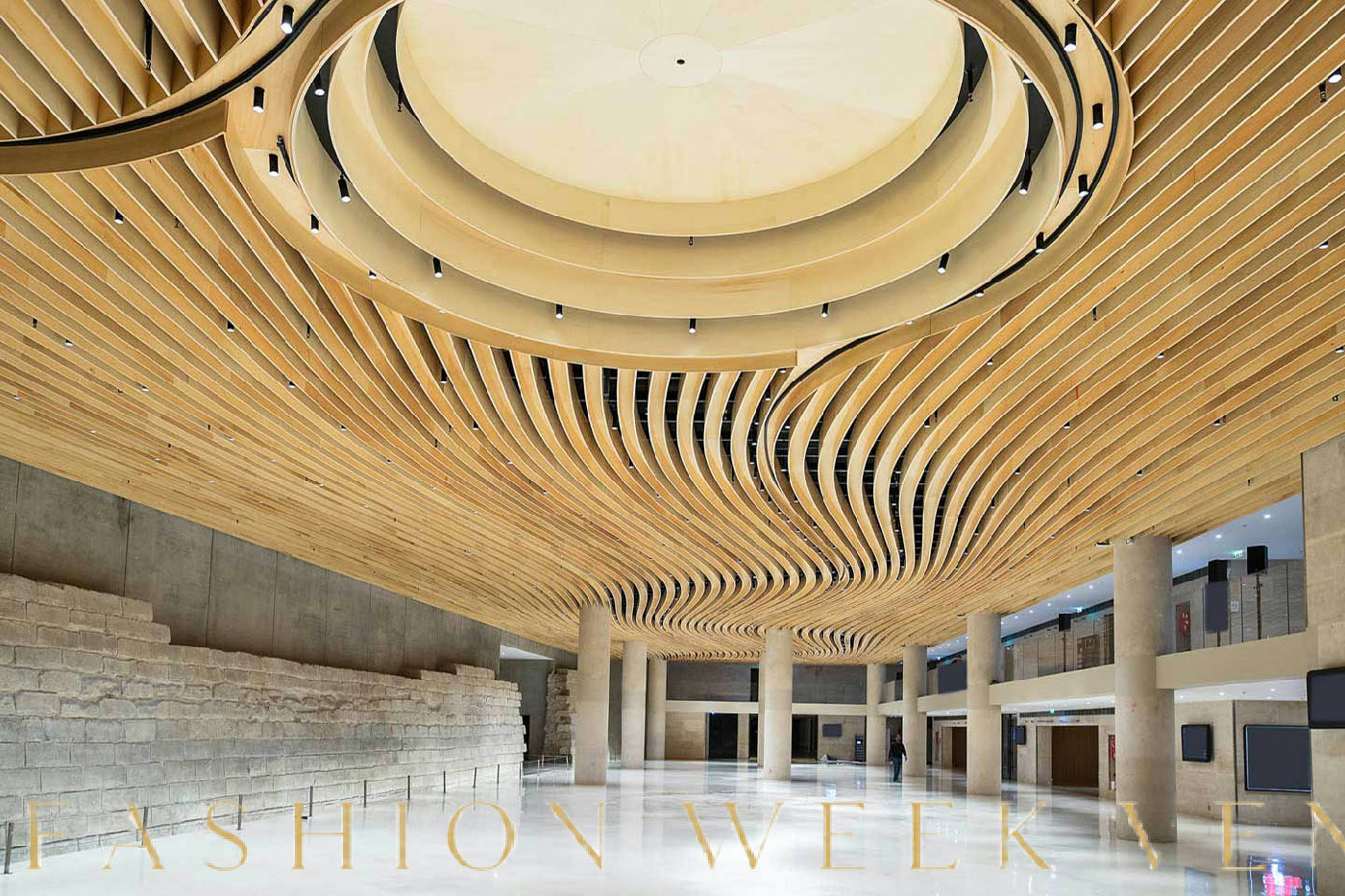
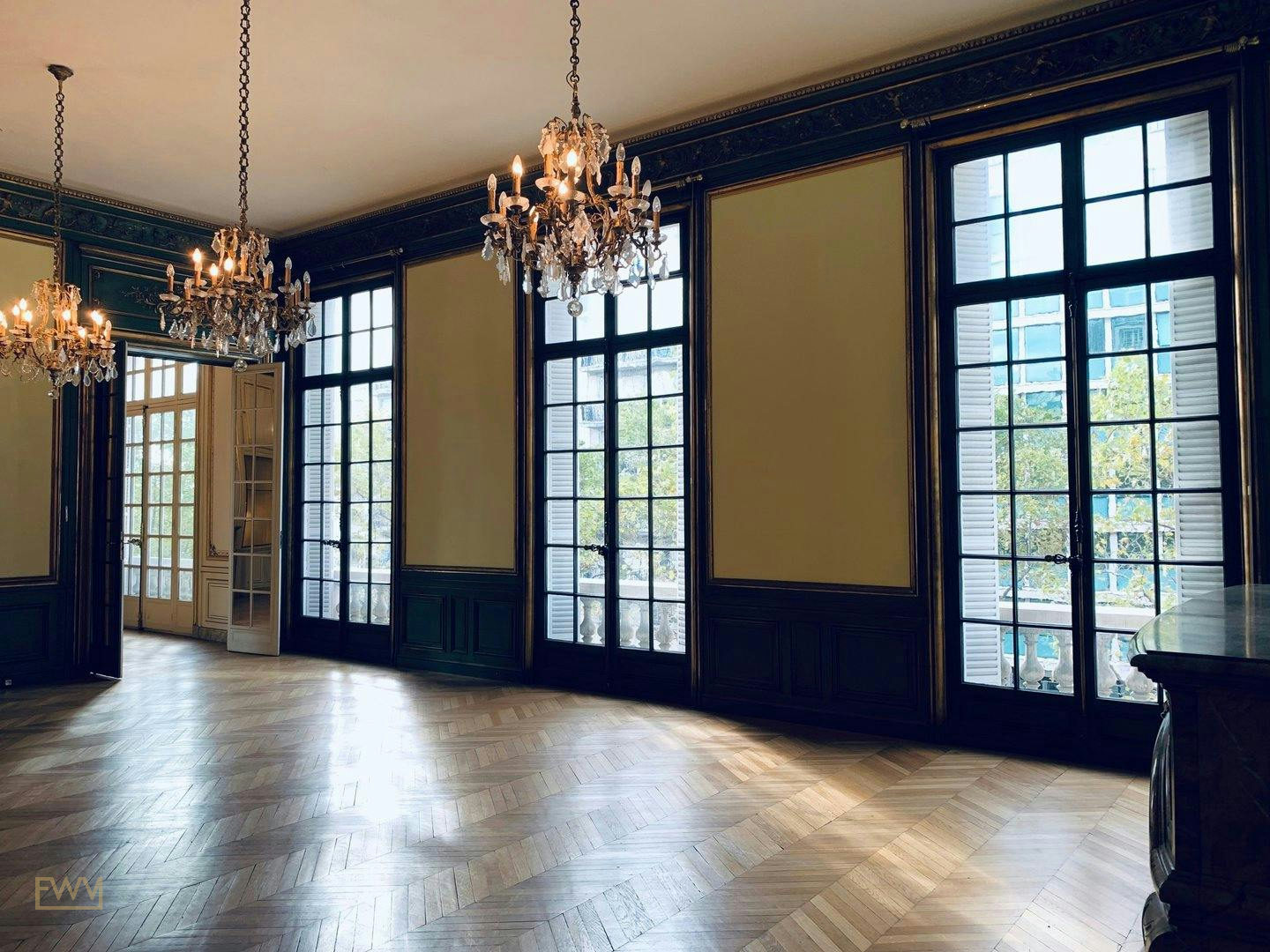
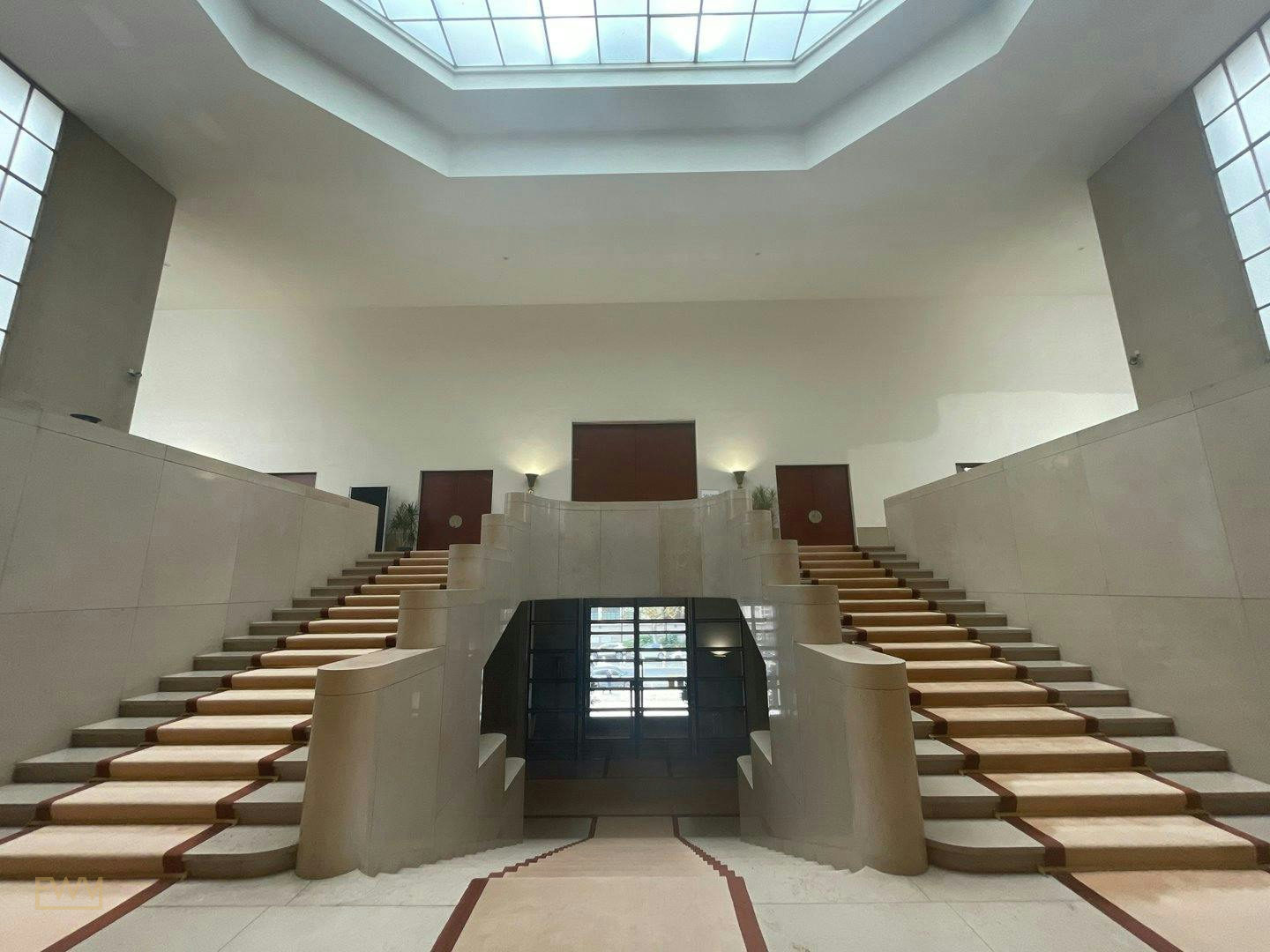
Paris boasts an array of venue options for Fashion Week, each with distinct features catering to various brand experiences. From galleries and lofts to historic buildings and modern, industrial spaces, each venue type offers unique benefits and challenges.
Quick answer: Paris offers a diverse array of venues, from contemporary lofts to classic galleries, each suiting different brand experiences during Fashion Week.
The selection of a venue often hinges on its ability to reflect the brand's ethos. Consider Rue Saint-Honoré for upscale launches, offering a sophisticated ambiance in the heart of luxury retail. Alternatively, areas like Le Marais offer eclectic vibes perfect for avant-garde and youthful brands.
DID YOU KNOW: The choice of neighborhood can impact foot traffic immensely, with some areas ensuring a higher engagement rate than others.
Below is a comparison of common venue types used during Fashion Week:
| Type | Neighborhood Suitability | Key Features | Ideal Use |
|---|---|---|---|
| Gallery | Saint-Germain-des-Prés | High ceiling, open space | Art-rich presentations |
| Loft | Le Marais | Informal, flexible layout | Casual gatherings |
| Event Hall | Opéra | Large scale, high-tech facilities | Runway shows |
| Historical Building | Place Vendôme | Charming with vintage undertones | Luxury brand events |
IMPORTANT: Not all historical venues are equipped with modern amenities; technical checks are advisable before booking.
Choosing the right venue type involves balancing aesthetic preferences with practical considerations like capacity and technical capabilities, all within the context of your event theme and brand message.
With types and features in mind, you'll need to navigate the process of securing these spaces, which involves understanding legalities and permits.
Navigating Permits and Compliance for Temporary Spaces
Hosting an event in Paris during Fashion Week requires navigating various permits and compliance issues, critical for legal and smooth operations. Understanding these requirements helps streamline the venue selection process and avoids last-minute complications.
Quick answer: Securing the necessary permits is vital for legal compliance and smooth operations when hosting events in Paris during Fashion Week.
Paris operates under a set of complex lease laws, such as the bail dérogatoire, which allows businesses to lease spaces on a short-term basis with fewer restrictions. However, these agreements are subject to specific terms that must be carefully negotiated and documented. For spaces on public land, an AOT (Autorisation d’Occupation Temporaire) might be required from local authorities.
TIP: Always consult with a French legal advisor to verify specific requirements according to space types and durations.
Below is an outline of the key permits and compliance checkpoints:
| Permit/Compliance | Description | Required For |
|---|---|---|
| Bail Dérogatoire | Short-term lease agreement | Private space rentals |
| AOT | Temporary use of public land | Public spaces |
| ERP Compliance | Safety compliance for public use spaces | All event spaces |
DID YOU KNOW: Each Parisian arrondissement can have distinct regulatory nuances affecting permits and compliance.
These nuances make working with an experienced agency like Fashion Week Venues essential, offering tools like the permits guidance tool to navigate these complexities seamlessly.
Next, we delve into how choosing the right location enhances your brand's story and visibility.
Fashion Week Locations: Enhancing Brand Visibility
Location plays a pivotal role in the success of a Fashion Week activation. A strategic locale facilitates accessibility, enhances customer experience, and amplifies brand visibility. Selecting the right neighborhood is as crucial as the venue itself.
Quick answer: Selecting the right neighborhood boosts accessibility, enhances user experience, and maximizes brand visibility during Fashion Week.
Paris is divided into 20 arrondissements, each with unique characteristics. The Marais, known for its trendy boutiques and vibrant art scene, offers a bustling backdrop for contemporary and avant-garde brands. Meanwhile, the opulence of Saint-Germain-des-Prés provides a refined setting for luxury activations.
TIP: Make use of Fashion Week Venues' locator tool to identify areas with the highest target demographic foot traffic.
Consider this simplified neighborhood guide:
| Neighborhood | Key Demographic | Typical Venues |
|---|---|---|
| Le Marais | Young, fashionable, artistic | Galleries, pop-up shops |
| Saint-Germain-des-Prés | Luxury shoppers, tourists | Historic venues, flagship stores |
| Opéra | Business professionals, high-end consumers | Event halls, theaters |
| Canal Saint-Martin | Hip, eco-conscious | Lofts, open spaces |
IMPORTANT: Accessibility is crucial. Consider transportation links and how they fit into broader logistical plans for events.
By positioning your brand in a location that resonates with your audience, you can leverage local foot traffic and complement the overall event experience. Planning the right local engagement tactics is next.
Local Engagement Tactics for Maximum Reach
Local engagement is crucial during Fashion Week, where competition for consumer attention is at its peak. Effective tactics ensure your brand isn't just seen, but remembered, making its mark amidst the fashion frenzy.
Quick answer: Tailor local engagement tactics to ensure your brand stands out and is remembered, maximizing your reach during Fashion Week.
Engagement strategies can range from exclusive VIP events to interactive installations that encourage social sharing and visitor participation. Partnering with local influencers or hosting impromptu fashion shows can capture the city's attention. Additionally, consider offering limited-edition products available exclusively at your location to drive urgency and buzz.
TIP: Use the personalized insights from the activation management services offered by Fashion Week Venues for dynamic engagement strategies.
- VIP and influencer events: Secure early buzz through select audience experiences.
- Pop-up and interactive displays: Encourage physical interaction and shareable moments.
- Limited-edition releases: Drive foot traffic with exclusive offerings available only in-store.
DID YOU KNOW: Engaging local media can amplify your brand’s visibility, expanding reach beyond immediate attendees.
Implement these strategies effectively to build strong, lasting impressions that go beyond the physical confines of your event space. Moving forward, we'll consider the logistics and planning required to make these activations seamless.
Logistics and Planning for Seamless Events
The success of any Fashion Week event hinges on impeccable logistics and detailed planning. Coordinating these factors ensures a smooth operation, aligning with both brand aspirations and regulatory requirements.
Quick answer: Impeccable logistics and meticulous planning are essential for the smooth execution of any Fashion Week event.
Essential logistical elements include managing supply deliveries, setting up the venue, employing effective crowd management strategies, and ensuring all technical aspects, such as lighting and sound, are executed flawlessly.
KEY TAKEAWAY: A well-thought-out logistical plan mitigates risks, enhances guest experience, and strengthens brand impact.
Here is a simplified step-by-step workflow for logistical planning:
| Step | Action | Considerations |
|---|---|---|
| 1 | Identify Venue Needs | Tech requirements, space design |
| 2 | Sourcing and Contracting | Compliance, budget alignment |
| 3 | Coordinate Deliveries | Timing, storage, transportation |
| 4 | Setup and Installation | Scheduling, manpower |
| 5 | On-site Management | Guest flow, staff coordination |
Coordinating these logistics with precision is critical, making use of Fashion Week Venues' myriad services, including production and build services. Considerations on budgeting and resource allocations are next.
Budgeting for Fashion Week Venues: Managing Resources Wisely
An effective budget is foundational to the strategic planning of a Fashion Week event. Managing your resources wisely ensures all aspects of your activation are supported without financial strain.
Quick answer: A strategic budget ensures each aspect of your activation is effectively supported, enhancing impact while minimizing financial strain.
Building an appropriate budget requires evaluating costs such as venue rental, design and decoration, staffing, technology deployment, marketing, and unforeseen expenses.
DID YOU KNOW: Many brands overlook integration of contingency funds, which should cover at least 10% of the total budget to handle unforeseen circumstances.
Consider using these categories for budget planning:
| Category | Description | Suggested Allocation (%) |
|---|---|---|
| Venue and Permits | Rental and compliance fees | 30% |
| Production and Design | Visual and experiential setup | 25% |
| Marketing | Advertising, PR, partnerships | 20% |
| Staffing | On-site personnel and operations | 15% |
| Contingency | Unplanned expenses | 10% |
IMPORTANT: Estimate brand-specific expenses using the budget planning tool provided by Fashion Week Venues.
Transitioning from planning to execution involves optimizing your brand's visual and sensory impact, discussed next.
Optimizing Visual Impact: Store Design and Merchandising
The visual appeal of your venue can significantly influence the consumer's perception and interaction with your brand. A well-designed space attracts visitors and facilitates a memorable brand experience.
Quick answer: A visually appealing venue attracts visitors and enhances consumer perceptions, facilitating memorable brand interactions.
Design considerations encompass theme development, space layout, lighting effects, and display configurations. The aim is to showcase products innovatively while aligning the space's aesthetics with your brand identity.
TIP: Leverage Fashion Week Venues' branded store design services to craft environments that captivate and engage.
Innovative visual merchandising strategies may include dynamic displays, sensory experiences such as scent or sound integration, and interactive digital installations. These elements not only highlight the product but also encapsulate the brand narrative in a tangible form.
KEY TAKEAWAY: Effective store design extends beyond aesthetics; it is integral to crafting immersive brand experiences that resonate with the audience.
With an optimal visual presentation, we further examine how Fashion Week Venues supports from concept to completion.
How Fashion Week Venues Supports the Entire Activation Process
Fashion Week Venues provides a holistic service platform that supports every phase of your event, from ideation to execution. Their comprehensive offerings reduce complexities and ensure your brand activation is both impactful and seamless.
Quick answer: Fashion Week Venues offers comprehensive services from venue sourcing to execution, simplifying the activation process and enhancing impact.
Services encompass venue sourcing, creative concept direction, and production and build management, alongside retail staffing, POS systems, and data analytics. Their technology tools aid in visualizing space, planning budgets, and navigating permit requirements.
DID YOU KNOW: Fashion Week Venues' imagine tool allows brands to visualize how potential spaces align with their concepts before committing.
The full service suite is especially beneficial for international brands entering Paris, easing the logistical and compliance burdens that can often accompany foreign activations.
KEY TAKEAWAY: Partnering with an experienced agency like Fashion Week Venues mitigates complexity and enhances your brand's impact during Fashion Week.
With comprehensive support, the next step involves validating common misconceptions about the space rental process.
Common Myths Debunked
MYTH: You must have a French legal entity to rent a space in Paris.
FACT: While having a French entity can simplify certain processes, it's not mandatory. Many agencies, including Fashion Week Venues, can assist international brands in navigating these requirements legally without the need to establish a local company.
MYTH: Paris Fashion Week is the only viable calendar window for brand activations.
FACT: While Paris Fashion Week offers unparalleled visibility, other dates can provide equally beneficial opportunities, depending on the target audience and brand strategy. Off-peak periods may allow for more personalized customer interactions.
MYTH: Commission brokers are the only way to find a space in Paris.
FACT: Modern solutions such as marketplaces, like the one offered by Fashion Week Venues, allow for direct browsing and comparison of spaces, making the process more efficient and transparent.
MYTH: Short-term leases in Paris are straightforward and don't require specialist help.
FACT: Short-term leases, particularly under Paris's intricate legal system, often require specialist navigation to ensure compliance with all relevant regulations, which can vary by location and event type.
Frequently Asked Questions
What are the most sought-after neighborhoods for Fashion Week venues in Paris?
Le Marais, Rue Saint-Honoré, and Saint-Germain-des-Prés are among the most sought-after due to their blend of stylish settings, historic charm, and high foot traffic. These areas offer a dynamic backdrop that enhances brand activations and aligns with various luxury brand aesthetics.
How early should I start booking a venue for Fashion Week?
It is advisable to begin the venue selection process at least six to nine months in advance to secure the best spaces and ample time for planning and compliance. This timeline helps in accommodating any unforeseen delays and ensures all logistics are adequately arranged.
What permits are necessary for hosting an event in Paris during Fashion Week?
Depending on the venue and its location, you may need a bail dérogatoire for private leases or an AOT for spaces on public property. It's crucial to consult with local authorities and possibly engage a legal advisor to ensure all compliance issues are addressed effectively.
Can I host an event outside of the official Fashion Week calendar?
Definitely. Hosting an event outside the official calendar can reduce competition and may offer unique opportunities for brands to engage with their audience more personally. Events can be timed with product launches or seasonal promotions to maximize impact.
How can Fashion Week Venues help with permit and compliance issues?
Fashion Week Venues provides comprehensive support with a dedicated permits tool that helps navigate the complex regulatory landscape in Paris. Their expert team can guide brands through the permitting process, ensuring compliance with all local and national regulations.
What budget should I set aside for unexpected expenses?
A recommended best practice is to allocate about 10% of your total budget as a contingency fund. This fund should cover unanticipated expenses that arise during the event, ensuring that your activation remains seamless and professionally executed despite surprises.
What are the key differences between a bail dérogatoire and a long-term lease?
A bail dérogatoire is a short-term lease option that offers more flexibility compared to long-term leases, which often involve more complex regulations and extensive commitments. This option is ideal for temporary activations common during Fashion Week.
How do I ensure maximum visitor engagement at my venue?
Employing interactive elements such as digital displays, live demonstrations, and strategic influencer partnerships can significantly enhance visitor engagement. Creating opportunities for social media sharing can further extend reach beyond the physical event space.
How do I choose between different types of venues?
Consider your brand identity, target audience, and logistical needs when choosing a venue. Each venue type has distinct advantages: lofts offer flexibility for creative displays, while galleries provide elegant settings for art-driven presentations. Evaluate these factors against your event goals for a fitting choice.
What support does Fashion Week Venues offer for international brands?
Fashion Week Venues offers extensive resources including language support, local market insights, permit guidance, and venue sourcing to help international brands navigate the Parisian market. This holistic approach ensures seamless entry and effective brand activation in Paris.
Do pop-up shops have different permit requirements than large-scale events?
Yes, pop-up shops often require specific retail permits that are different from those needed for large events. These can include health and safety certifications and retail licenses. Consult the necessary tools and legal advisors to obtain the correct documentation based on your venue's characteristics and intended use.
Can I modify an existing venue to fit my brand's design requirements?
Most venues offer a degree of flexibility but modifications should be discussed upfront with landlords to ensure allowable changes are clear and legally compliant. The Fashion Week Venues team can assist in negotiating these arrangements to align with your brand's vision while adhering to venue regulations.
How does Fashion Week Venues handle unexpected changes to event planning?
Fashion Week Venues incorporates dynamic planning tools that allow quick adaptation to any changes. Their support team provides continuous assistance, from alternative venue sourcing to adjusting logistics or permits, ensuring that your event continues smoothly even when unforeseen challenges arise.
Conclusion
Choosing the right venue for Fashion Week requires an understanding of various logistical, compliance, and budgetary considerations. Fashion Week Venues provides the expertise and tools necessary to navigate these complexities, ensuring your brand makes a significant impact. From securing appropriate spaces to designing immersive experiences and activating your brand vision, their comprehensive services position your event for success. To move from your research phase to a fully-realized activation, explore available spaces on the Fashion Week Venues marketplace and commence planning with confidence in your neighborhood, space type, and messaging.