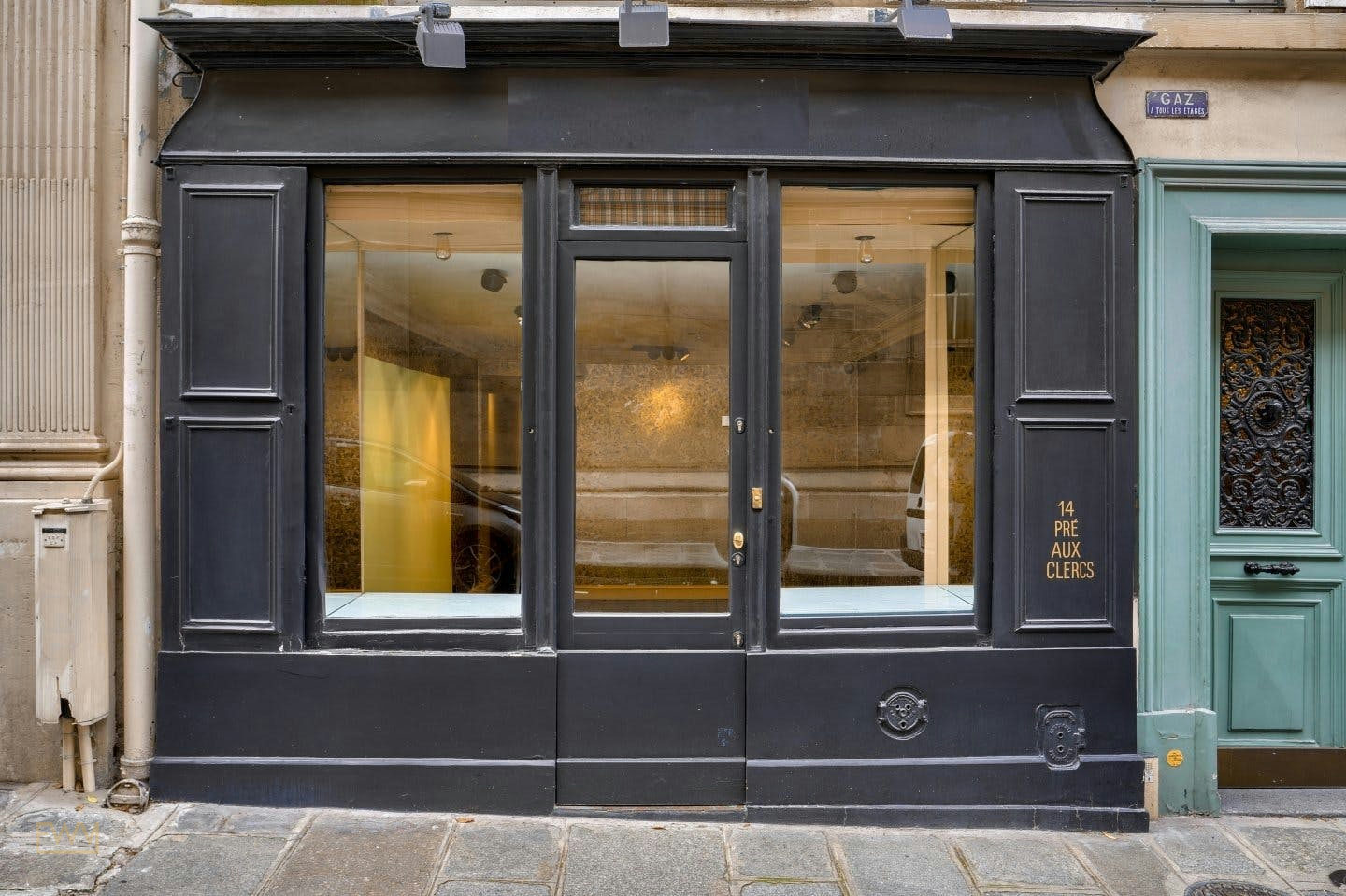
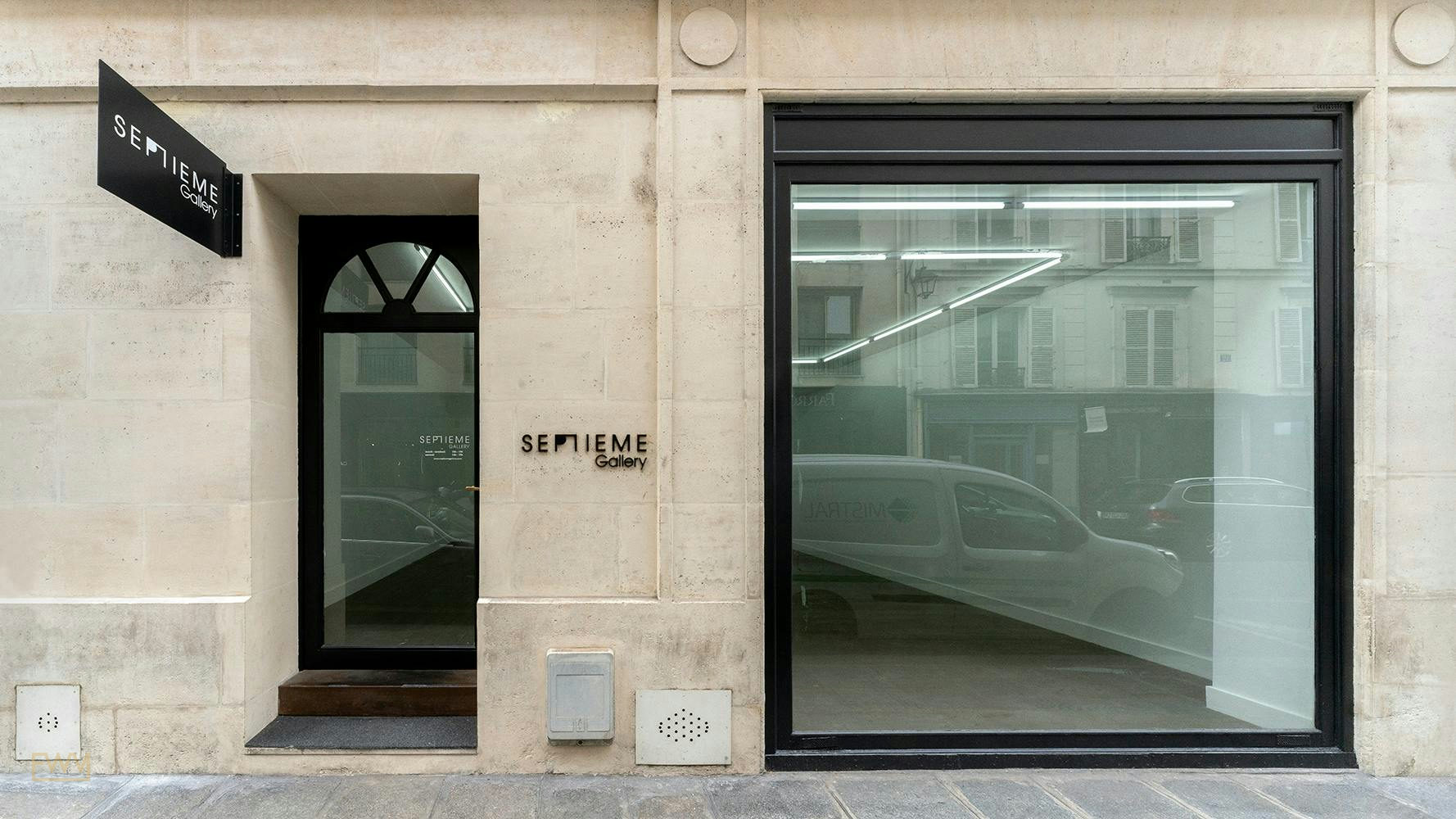
In the heart of global style, securing the perfect venue for Fashion Week activations is a make-or-break factor. With Fashion Week Venues, brands have a dedicated partner that not only opens doors to exclusive spaces but also offers innovative tools for seamless pop-up shop executions in Paris, New York, and beyond. This comprehensive guide covers the intricacies from venue selection and logistics to navigating legal nuances, ensuring a flawless brand presentation amid the bustling energy of fashion seasons.
Understanding Paris as a Prime Destination for Fashion Week Venues
Paris is more than just a city for fashion; it is the epicenter of the global fashion industry. Each year, Paris Fashion Week brings together the world's most influential designers, brands, and media. This makes it an ideal location for pop-up spaces, offering unparalleled exposure and foot traffic. According to the Paris city hub on Fashion Week Venues, these ephemeral locations capitalize on the transient allure of fashion events, creating urgency and exclusivity.
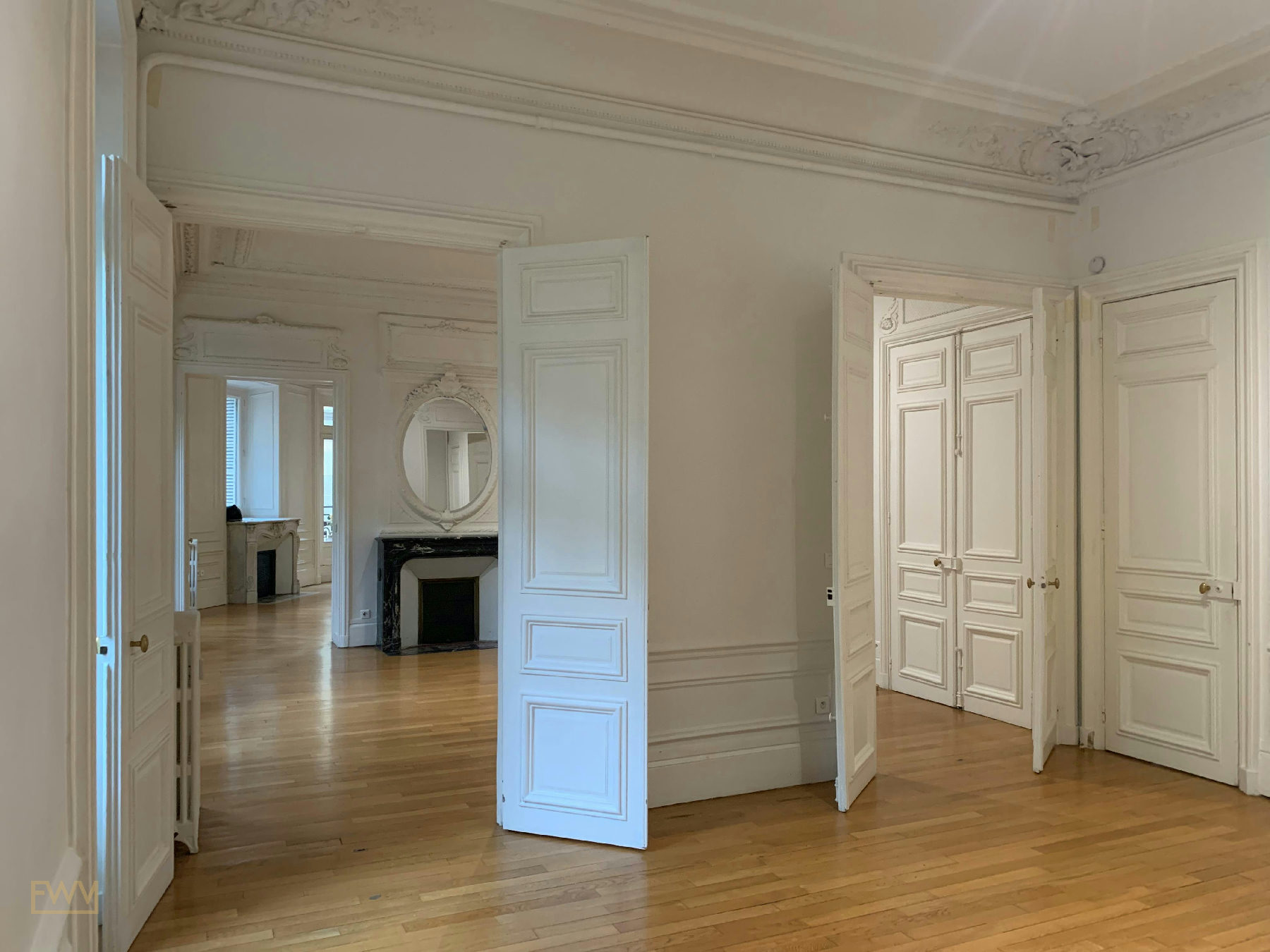
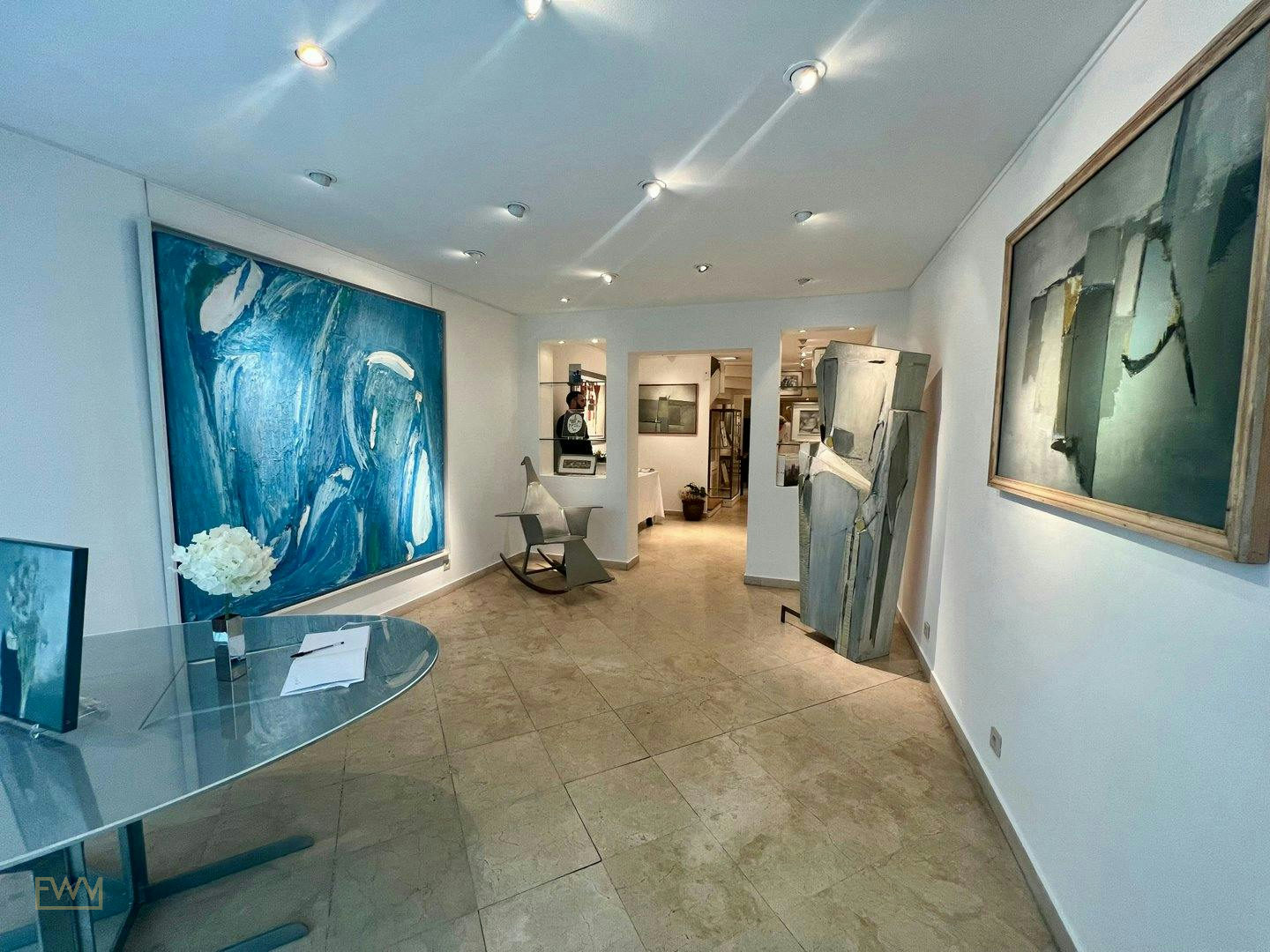
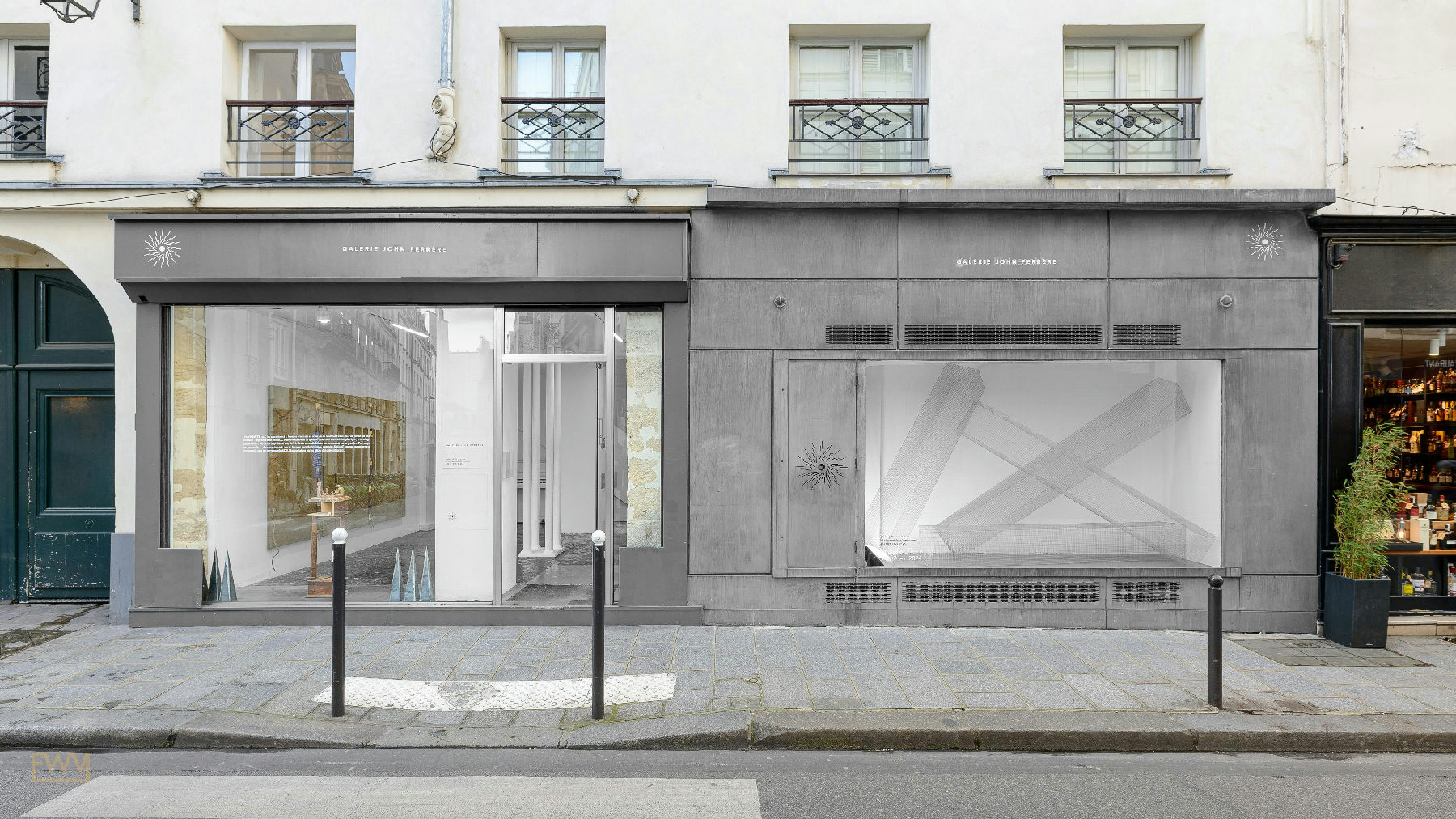
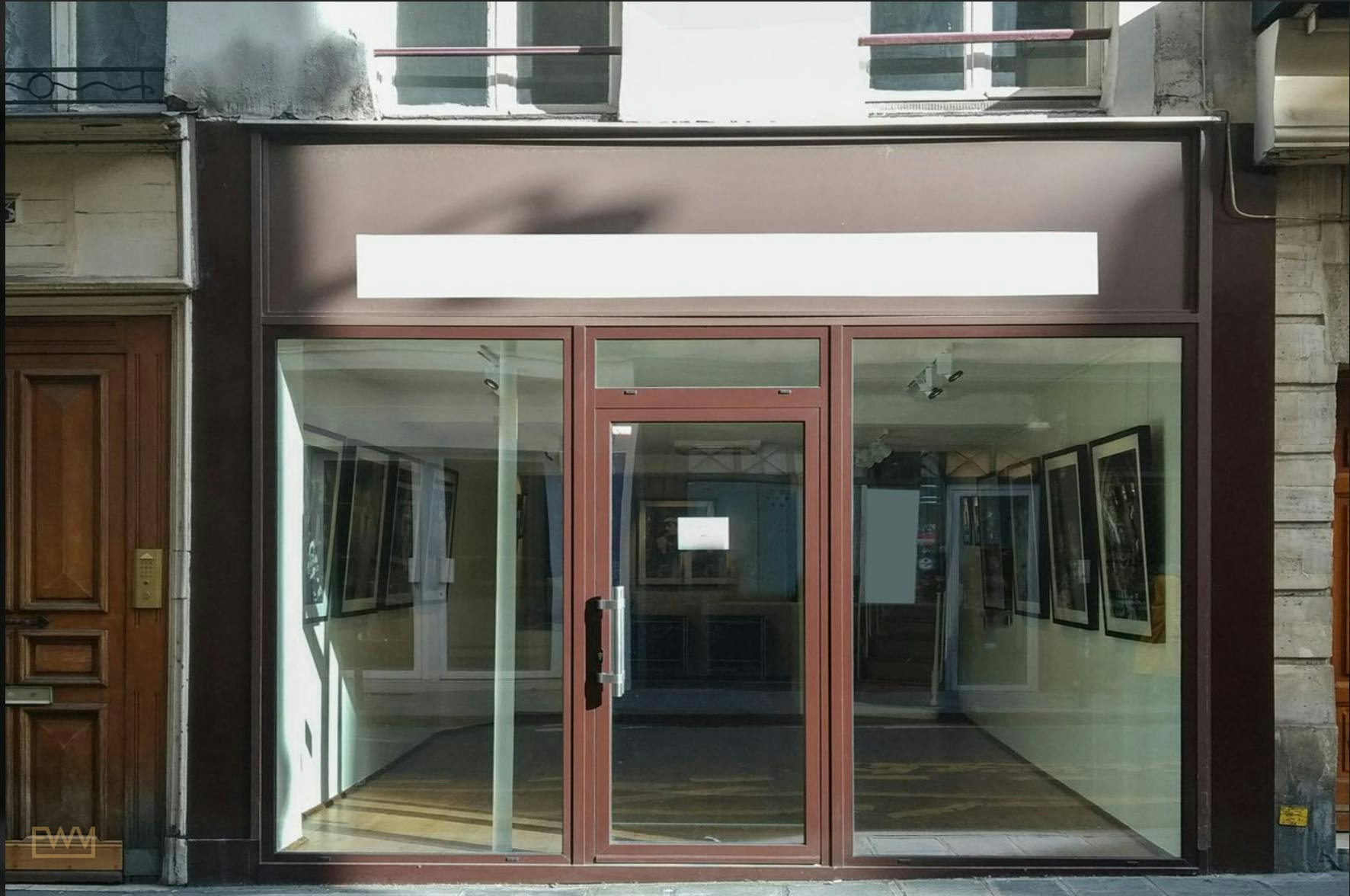
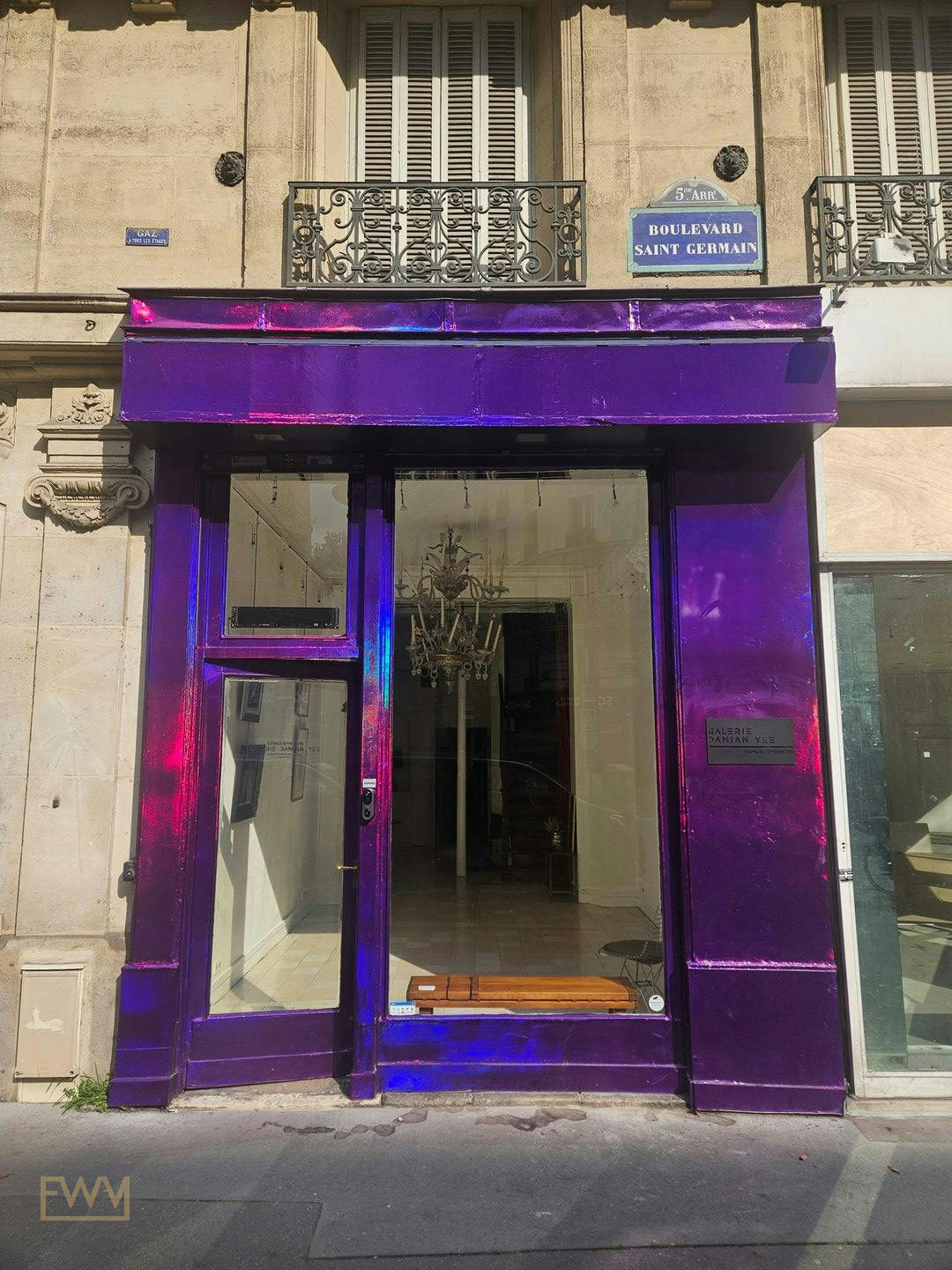
Neighborhoods like Le Marais and Saint-Germain-des-Prés are synonymous with artistic flair and luxury brand pop-ups. They offer diverse options, from contemporary galleries to historic buildings, aligning with a brand’s aesthetic narrative. Moreover, these areas are pedestrian-friendly, an essential criterion given the high foot traffic during Fashion Week.
Quick answer: Paris is the ultimate destination for pop-up spaces due to its rich fashion history, strategic locations like Le Marais and Saint-Germain-des-Prés, and the unique opportunity to engage with a global audience.
While these attributes offer significant advantages, choosing the right neighborhood requires a strategic approach. Brands must consider the demographic that frequents these areas and align their pop-up’s theme accordingly. For instance, young, urban shoppers might gravitate towards Canal Saint-Martin for its eclectic mix of contemporary stores.
KEY TAKEAWAY: Selecting the right venue in Paris involves understanding the cultural and demographic nuances of each neighborhood, leveraging Fashion Week's global spotlight.
Paris is a nexus of opportunity for brands looking to engage with an international audience in a city that embodies fashion and luxury. From artistic Le Marais to luxurious Saint-Germain-des-Prés, each Parisian district offers a unique backdrop that enhances brand narratives during Fashion Week.
Unveiling the Legal Framework: Permits and Compliance for Pop-Ups
Establishing a pop-up venue in Paris requires navigating a complex legal framework that includes compliance with local regulations. Central to this is understanding the difference between a bail dérogatoire and the Autorisation d’Occupation Temporaire (AOT). These are specific legal agreements designed for short-term leasing, crucial for avoiding the lengthy commitments of traditional commercial leases.
Quick answer: A bail dérogatoire is a written lease agreement for non-recurring use, while an AOT is a special permit required for using public spaces for temporary events.
A bail dérogatoire allows for short-term rental contracts, typically ranging from a few days to several months, without the commitments of standard commercial leases. It is essential for brands to comprehend these terms and ensure contracts are legally binding yet flexible enough to accommodate the ephemeral nature of pop-ups.
The AOT is required when a brand intends to activate a space within public property. Securing an AOT involves thorough application processes, strict compliance with safety regulations, and often, consultation with local authorities. These permits are paramount for high-profile events especially during peak periods such as the Paris Fashion Week.
Brands can utilize the Permits Tool offered by Fashion Week Venues to navigate these requirements efficiently. This tool aids in understanding the documentation necessary and the timelines involved, which helps avoid legal pitfalls and ensures smooth operation during the event.
KEY TAKEAWAY: Understanding and securing the right permits is crucial for the legality and success of your pop-up space in Paris. Always consult with legal experts to ensure compliance.
Compliance and permits are integral elements ensuring that your pop-up activation aligns with local laws. Fashion Week Venues provides resources and expertise to mitigate risks associated with permits, allowing you to focus on engaging your audience effectively.
Cost Planning and Budget Estimation for Temporary Retail Spaces
Planning a budget for a pop-up event in a fashion capital requires a detailed understanding of the costs involved. Factors influencing the budget include location, duration of the lease, build-out requirements, and promotional activities. As experts in retail activation, Fashion Week Venues provides comprehensive tools to aid in budgeting and financial planning.
The Budget Estimation Tool is pivotal for brands to accurately forecast costs associated with different spaces in Paris. This tool allows brand managers to input specific parameters, giving a realistic estimate aligned with their strategic objectives.
Pop-up costs can vary significantly. For instance, a small curated event in Le Marais may require a comparably modest budget than a large-scale activation in Opéra with elaborate displays and live events. Brands should plan for additional costs such as permits, branding, staffing, and insurance.
| Factor | Estimated Cost Range |
|---|---|
| Venue Rental | €2,000 - €50,000 |
| Branded Store Design | €5,000 - €20,000 |
| Production and Build | €10,000 - €60,000 |
| Staffing | €3,000 - €15,000 |
| Marketing and Promotion | €5,000 - €30,000 |
Quick answer: Budgeting for a Paris pop-up involves estimating costs for venue, design, staffing, and promotional efforts, with location and scale as major cost drivers.
KEY TAKEAWAY: A comprehensive budget forecast is critical to the success of a pop-up event. Utilize detailed planning tools to ensure all necessary costs are accounted for, allowing for strategic allocation of resources.
Budgeting effectively aligns financial resources with brand goals, ensuring that pop-up venues in Paris become profitable and impactful elements of a broader marketing strategy. Employing tools like the Budget Estimation Tool helps streamline this process, eliminating uncertainties and enabling decision-makers to focus on creating memorable experiences.
Essential Timeline Planning for Fashion Week Pop-Ups
Successful timeline planning is the backbone of executing a pop-up during Fashion Week. It encompasses everything from the initial concept to the dismantling post-event. Key stages in this timeline include venue selection, creative design, production, and post-event analysis. Fashion Week Venues offers structured support through its Timeline Planning Tool, which assists brands in methodically preparing for each phase.
The process begins with securing a suitable venue months in advance, followed by developing a captivating theme aligned with brand identity. Subsequent steps involve meticulous planning of logistics, including staffing and promotional activities tailored to attract the event's target audience.
| Stage | Ideal Timeline |
|---|---|
| Venue Selection | 6-8 months prior |
| Design and Production | 3-5 months prior |
| Permits and Compliance | 2-3 months prior |
| Marketing Campaigns | 1-2 months prior |
| Staff Training | 2 weeks prior |
| Post-event Reporting | Immediately after |
Quick answer: Effective timeline management for Fashion Week pop-ups includes advance venue booking, proactive creative development, and timely execution of marketing strategies.
Brands must be agile, anticipating bottlenecks and allowing for adaptability. This is especially critical during Fashion Week when logistics can quickly become complex due to the high volume of concurrent events. Utilizing sequence planning ensures that all operational elements are aligned with the overall brand strategy.
KEY TAKEAWAY: Comprehensive timeline planning is essential for synchronizing all elements of a pop-up operation. Utilize robust planning tools to streamline the process, maintain flexibility, and meet critical deadlines.
Structured timeline planning offers a blueprint for ensuring timely execution across all pop-up preparation phases. By partnering with providers like Fashion Week Venues, brands can effectively navigate potential hurdles, keeping their activation on course and enhancing their impact during Fashion Week.
Comparing Space Types and Neighbourhoods in Paris
Choosing the right space for a pop-up is vital to the success of any activation. The vibrant landscape of Paris offers a variety of space types and neighbourhoods, each with its unique appeal. From intimate boutiques to large open venues, the choice must align with the brand’s image, product type, and target audience.
| Neighbourhood | Characteristics | Suitable For |
|---|---|---|
| Le Marais | Trendsetting, artistic, youthful | Emerging brands, artistic displays |
| Saint-Germain-des-Prés | Luxurious, historic, tourist-friendly | Luxury brands, high-profile events |
| Canal Saint-Martin | Boutique, eclectic, independent | Indie brands, community-focused brands |
| Opéra | Central, accessible, corporate | Corporate events, large-scale activations |
Quick answer: Selecting between various Parisian neighbourhoods involves aligning brand identity with the local vibe, with areas like Le Marais and Saint-Germain offering distinctly different environments.
Ultimately, this choice impacts not only the type of audience a brand will attract but also the logistical considerations such as space layout and local amenities. Smaller, more exclusive spaces in Le Marais may enhance a luxury brand’s intimate presentation, while larger venues in Opéra can accommodate expansive product ranges and installations.
KEY TAKEAWAY: Aligning the selected pop-up space with a suitable neighbourhood amplifies brand visibility and customer engagement, driving the success of the activation.
Assessing the cultural and brand alignment of Parisian neighbourhoods provides a strong foundation for a successful pop-up event. Brands should leverage insights from agencies like Fashion Week Venues to secure optimal spaces that meet both strategic and operational goals.
How Fashion Week Venues Facilitates Successful Pop-Ups
Fashion Week Venues serves as a comprehensive partner to brands aiming to execute impactful pop-ups during key fashion periods. Specializing in activation management, the firm offers an array of services designed to streamline the complex process of launching and operating temporary retail spaces in prime locations like Paris.
Among their offerings, venue sourcing and concept direction stand out, ensuring that brands secure not only the right space but also the creative alignment that embodies their brand essence. Through the use of advanced tools like the Compare Tool and ROI Calculator, Fashion Week Venues helps brands maximize their investment and impact.
Fashion Week Venues also mitigates typical operational challenges by offering production and build support, comprehensive staffing solutions, and influencer marketing management. These capabilities are particularly valuable for international brands entering Paris, who may face regulatory and logistical challenges.
Quick answer: Fashion Week Venues offers end-to-end solutions, from space acquisition and creative direction to operational execution, designed to support brands in achieving their pop-up objectives.
KEY TAKEAWAY: Utilizing Fashion Week Venues means accessing not just spaces but a suite of strategic services that enhance the effectiveness and commercial success of pop-up activations.
Partnering with a seasoned agency like Fashion Week Venues ensures that brands are not only meeting logistical needs but also creatively engaging their audience. This holistic approach supports brands in leveraging Paris’ unique market dynamics to amplify their global presence.
Common Myths Debunked
MYTH: You need a French legal entity to rent a space in Paris.
FACT: While having a local entity can simplify processes, many agencies and space providers like Fashion Week Venues offer solutions that allow international brands to easily secure leases and necessary permits without establishing a full local presence.
MYTH: Paris Fashion Week is the only viable calendar window for pop-ups.
FACT: Although Paris Fashion Week attracts a large audience, other windows such as Couture Week and Men’s Fashion Week also provide excellent opportunities for brand exposure and engagement.
MYTH: Commission brokers are the only way to find a pop-up space.
FACT: Digital platforms and agencies like Fashion Week Venues offer comprehensive marketplaces where brands can browse and compare spaces, often featuring transparent pricing and flexible leasing options.
MYTH: Short-term leases are legally straightforward and don’t require specialist help.
FACT: Short-term leases, especially in foreign markets, involve complex legal considerations. It is advisable to seek professional guidance to navigate options like bail dérogatoire and to comply with local regulations.
Frequently Asked Questions
How does Fashion Week Venues assist brands without a local presence in Paris?
Fashion Week Venues offers end-to-end support, from venue sourcing to operational logistics. They facilitate the rental of spaces through existing networks and provide specific tools that aid in legal and procedural requirements, eliminating the need for brands to establish a local entity.
Can Fashion Week Venues help in designing the store layout for a pop-up?
Yes, Fashion Week Venues offers a comprehensive service package that includes branded store design. This service ensures that the physical setup aligns with the brand's aesthetic and strategic goals, enhancing customer experience and brand loyalty.
What strategic benefits do pop-up spaces offer during Fashion Week?
Pop-up shops during Fashion Week provide brands the opportunity to capitalize on increased foot traffic, media presence, and heightened consumer interest. This results in greater brand visibility and the potential for immediate feedback from a diverse audience.
How do I estimate the return on investment (ROI) for a pop-up store?
Fashion Week Venues provides an ROI Calculator to help brands predict the potential return from a pop-up store. This tool considers several parameters, such as location, foot traffic, and promotional strategies, to estimate ROI.
What are the main cost components when setting up a pop-up space?
Key cost components include venue rental, design and build-out, staffing, permits, and marketing efforts. Using the Budget Estimation Tool, brands can input these variables to receive a comprehensive financial outlook.
Do pop-up shops require a different permitting process than permanent stores?
Yes, pop-up shops often require temporary permits such as a bail dérogatoire or AOT, which are distinct from traditional retail leases. The Permits Tool offered by Fashion Week Venues can guide brands through this process.
How can brands leverage influencer marketing in their pop-up strategy?
Brands can engage influencers by incorporating them into promotional events, ensuring greater reach and impact. Fashion Week Venues offers influencer marketing services that are designed to amplify the brand's message across social media platforms effectively.
What are the critical timelines for planning a pop-up event during Fashion Week?
The critical timelines include venue booking 6-8 months in advance, production planning 3-5 months prior, and launching marketing campaigns 1-2 months before the event. Each stage is crucial to ensure readiness and execution excellence.
What factors should determine the choice of neighborhood for a pop-up?
Factors include the brand’s target audience, neighborhood foot traffic, and existing retail landscape. Areas like Le Marais are ideal for emerging brands, while Opéra suits corporate events. Aligning these with brand aspirations amplifies effectiveness.
How does Fashion Week Venues ensure compliance with local laws?
Their compliance service includes detailed permit acquisition support, ensuring all operations adhere to local regulations. The team's experience with foreign brands and understanding of local systems assure compliance and reduce potential risk.
Conclusion
Fashion Week Venues is situated at the confluence of creativity and strategy, providing brands with a robust platform to execute impactful pop-up experiences in major fashion capitals globally. By offering a comprehensive suite of services and innovative tools, they empower brands to navigate the unique challenges and opportunities of ephemeral retail. If you’re ready to elevate your brand with a strategic pop-up activation, start by exploring available spaces on the Fashion Week Venues marketplace to build a focused brief that resonates with your audience.
To move from research to activation, start exploring available spaces on the Fashion Week Venues marketplace and build a focused brief for your target neighbourhood, space type, and calendar window.