A pop up store on the Champs-Élysées places your brand at the centre of the most photographed avenue in the world, in front of one of the highest concentrations of international visitors and affluent Parisian consumers in any retail district in Europe. The avenue des Champs-Élysées stretches from Place de la Concorde to the Arc de Triomphe and draws an estimated 100 million visitors annually, making it a permanent stage for flagship activations, product launches, immersive retail experiences, and short-term brand moments that generate media coverage far beyond France. Whether you are entering the French market for the first time, launching a collaboration, or extending a fashion week showroom into a consumer-facing event, the Champs-Élysées offers positioning that few locations in the world can match. Fashion Week Venues supports brands across every stage of a Paris activation, from space sourcing and concept direction through to production, staffing, and data capture.
What Is a Pop Up Store on the Champs-Élysées and Why Does It Matter
Quick answer: A pop up store on the Champs-Élysées is a short-term retail or brand activation occupying a temporary space on or directly adjacent to the avenue des Champs-Élysées in Paris, typically ranging from a few days to several months. These activations serve product launches, fashion week moments, experiential retail campaigns, and market entry strategies for French and international brands.
The Champs-Élysées is not simply a shopping street. It is a cultural artery connecting Place de la Concorde to the Arc de Triomphe, flanked by landmarks including the Grand Palais, the Palais de la Découverte, the Théâtre du Rond-Point, and Le Lido. Every brand that activates here inherits a symbolic association with French luxury culture, Parisian mode, and global aspiration. For international brands entering France, this symbolic value is frequently as important as the transactional footfall it generates.
Pop-up stores on this avenue take several forms. Street-level boutiques éphémères with direct frontage onto the avenue itself carry the highest visual impact and command the strongest social media and press coverage. Interior retail units within mixed-use buildings or gallery-style venues offer more controlled environments with opportunities for immersive retail design, private events, and art exhibitions. Showroom-style spaces within nearby arrondissements, including those accessible via rue de la Chaussée d'Antin and rue Mogador, allow brands to operate close to the Champs-Élysées ecosystem without carrying the full cost of a flagship address.
The format of a Champs-Élysées pop-up has evolved significantly. Early iterations were primarily transactional, operating as temporary boutiques with standard retail inventory. Today's activations are far more likely to incorporate advanced technologies such as interactive installations, digital skin analyses, personalisation stations, charm bars, photo booths, and gashapon-style vending moments that reward social sharing. Brands including Yepoda, Lacoste, Michael Kors, and Roland-Garros have all used temporary Parisian spaces to deliver campaigns that generated TikTok content, press coverage, and consumer data simultaneously.
The distinction between a pop-up shop and a flagship activation on the Champs-Élysées is largely one of ambition and investment. Both use short-term rental agreements, typically structured as bail dérogatoire arrangements under French commercial law, but flagship activations tend to involve full branded store design, dedicated retail staffing, POS and payments infrastructure, and coordinated influencer marketing. Pop-up shops may operate with lighter infrastructure but still require compliance with French regulations governing temporary commercial activity in Île-de-France.
DID YOU KNOW: The avenue des Champs-Élysées is classified as one of the most expensive retail streets in the world by rental value per square metre, yet short-term arrangements allow brands access to the address without committing to long-term commercial leases.
KEY TAKEAWAY: A pop up store on the Champs-Élysées is a high-visibility, short-term brand moment that combines symbolic luxury positioning, international footfall, and earned media potential in a single location. The format has evolved from transactional retail to immersive, multi-channel brand experiences.
Understanding the precise geography of the Champs-Élysées ecosystem and its surrounding neighbourhoods is essential for any brand choosing a space type and rental strategy.
Champs-Élysées Geography: The Avenue, Its Landmarks, and Surrounding Retail Neighbourhoods
Quick answer: The avenue des Champs-Élysées runs 1.9 kilometres from Place de la Concorde in the east to the Arc de Triomphe in the west, passing through the 8th arrondissement. Adjacent retail districts including Le Marais, Saint-Honoré, Vendôme, Louvre, Bourse, and Invalides all form part of the extended luxury retail landscape that brands consider when planning Paris activations.
For brand teams selecting a space, the Champs-Élysées is better understood as an ecosystem than a single street address. The avenue itself divides broadly into two commercial zones. The lower section, running from Place de la Concorde toward the Rond-Point des Champs-Élysées, is characterised by larger footprints, institutional buildings, and major flagship stores. The upper section, from the Rond-Point to the Arc de Triomphe, carries the heaviest retail and restaurant density, with brands competing for visibility across the widest pavement in Paris.
Key Landmarks Adjacent to the Avenue
The Grand Palais and the Palais de la Découverte sit just off the avenue near Place de la Concorde and have historically hosted brand events, fashion shows, and art exhibitions for luxury houses. The Théâtre du Rond-Point and Le Lido have both served as event venues for brand collaborations and product launches. Place de la Concorde itself has been used for large-scale brand activations, including automotive showcases and seasonal retail campaigns.
Galeries Lafayette Champs-Élysées, located directly on the avenue, operates as a distinct proposition from the main Galeries Lafayette flagship on boulevard Haussmann (with its iconic Coupole store and Men's Store). The Champs-Élysées branch appeals to a younger, more international consumer and has partnered with brands including Korean skincare labels and streetwear collaborations. This store offers interior retail units and pop-in concession spaces that brands can access through partnership arrangements rather than direct lease agreements.
Surrounding Neighbourhoods and Their Retail Character
| Neighbourhood | Primary Character | Best For | Average Brand Profile |
|---|---|---|---|
| Champs-Élysées (8th) | Flagship, global, high footfall | Product launches, international campaigns | Mass luxury, global heritage brands |
| Saint-Honoré / Vendôme | Ultra-luxury, couture | Exclusive launches, press previews | Couture houses, fine jewellery |
| Le Marais (3rd and 4th) | Creative, cultural, independent | Concept-led activations, editorial shoots | Emerging brands, K-Beauty, streetwear |
| Louvre / Bourse | Mixed commercial and cultural | Showrooms, private events, B2B | Contemporary brands, PR-focused campaigns |
| Invalides | Residential luxury, institutional | Private events, brand dinners | Heritage brands, diplomatic activations |
| Rue de la Chaussée d'Antin / Rue Mogador | Accessible luxury, department store adjacent | Brand concessions, pop-in spaces | Accessible luxury, beauty, lifestyle |
Brands activating on or near the Champs-Élysées frequently extend their Paris presence across multiple neighbourhoods simultaneously. A brand might operate a flagship pop-up on the avenue itself while running a showroom in the Marais and a press event in a Saint-Honoré townhouse. This multi-zone approach maximises coverage of Paris's distinct consumer and industry audiences during fashion week or a major product launch window.
TIP: If your budget does not extend to direct frontage on the avenue des Champs-Élysées, spaces in the immediate surrounding streets of the 8th arrondissement can still carry strong association with the address while offering more accessible rental terms.
KEY TAKEAWAY: The Champs-Élysées ecosystem extends well beyond the avenue itself. Brands planning a Paris activation should map their space requirements across the full neighbourhood landscape, including Le Marais, Saint-Honoré, Louvre, and Galeries Lafayette Champs-Élysées, to align footprint with campaign objectives and budget.
With the geography understood, the practical question becomes which type of space best serves your brand's specific activation goals and operational requirements.
Space Types Available for a Pop Up Store on the Champs-Élysées
Quick answer: Brands activating on the Champs-Élysées can choose from street-level boutiques with direct frontage, interior retail units within larger developments, gallery or event spaces, pop-in concessions within Galeries Lafayette, and showroom formats in adjacent streets. Each type carries different footprint sizes, rental structures, permit requirements, and operational demands.
Selecting the right space type is one of the most consequential decisions in a Champs-Élysées activation. The wrong format can undermine both the consumer experience and the financial return. The right format creates a branded environment that operates efficiently, photographs well, converts footfall into data and sales, and earns media coverage that outlasts the activation itself.
Street-Level Boutiques with Direct Frontage
A street-level boutique with direct frontage onto the avenue des Champs-Élysées is the most aspirational format and the most logistically demanding. These spaces typically require the highest rental commitments, the most extensive branded store design investment, and the most rigorous compliance with Paris planning and commercial regulations. However, they offer unmatched visibility to the approximately 100 million annual visitors to the avenue, and their exterior branding generates earned media through pedestrian photography, influencer content, and press coverage without any additional media spend.
Frontage spaces suitable for short-term rental are limited in supply and tend to be secured months in advance of peak calendar periods including Paris Fashion Week, Roland-Garros, and the summer tourist season. Brands that delay enquiry to within six to eight weeks of their target dates frequently find that available inventory on the avenue itself is exhausted, redirecting them to adjacent streets or alternative neighbourhoods.
Interior Retail Units and Gallery Spaces
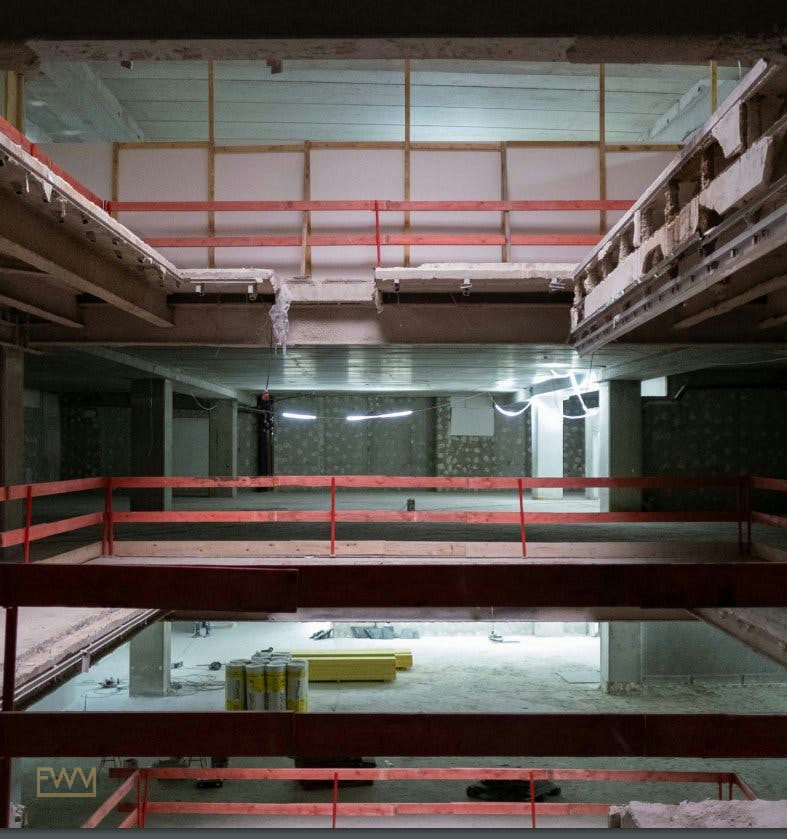
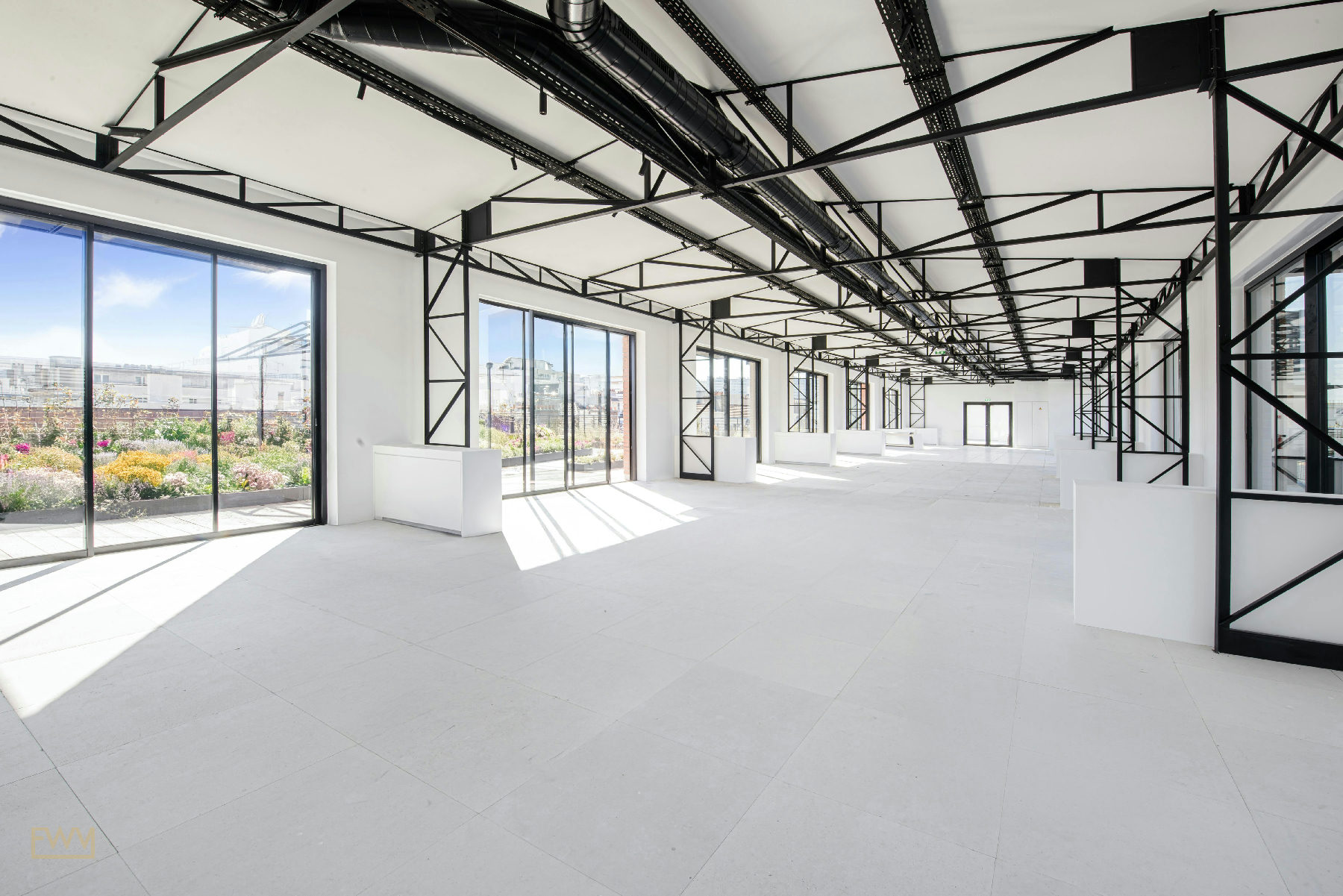
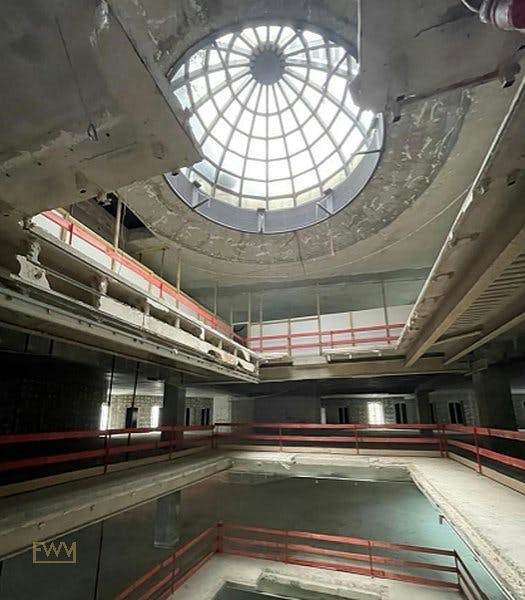
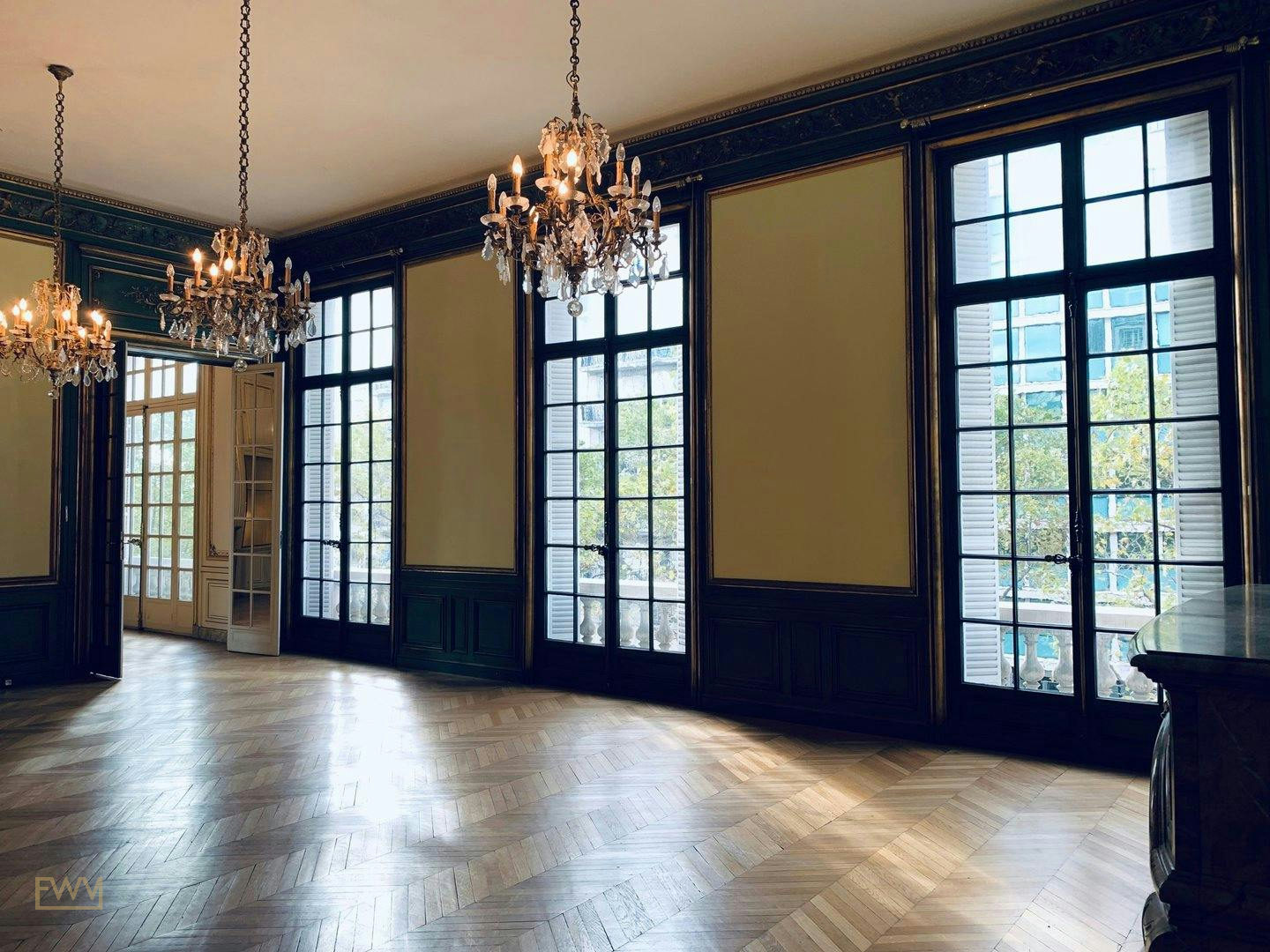
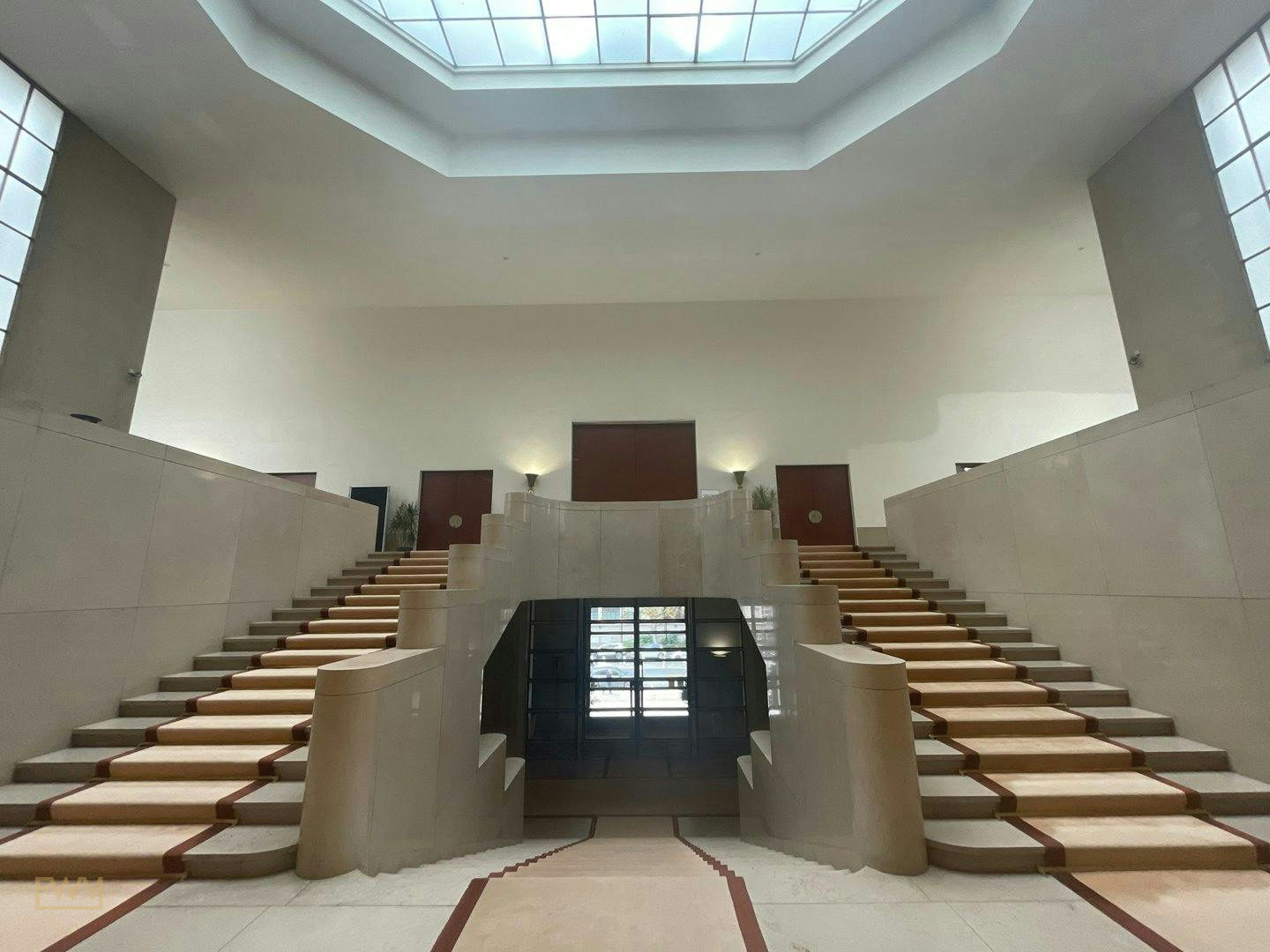
Interior retail units within mixed-use buildings, shopping arcades, or gallery-style venues on or near the Champs-Élysées offer a more controlled environment for immersive retail design. These spaces typically benefit from natural light through internal atriums or skylights, fully equipped kitchen or hospitality facilities for private events, and modular configurations that can accommodate everything from a luxury boutique to an art exhibition or private party.
Gallery spaces near the Grand Palais or in the streets directly off the avenue are particularly suited to brands positioning themselves at the intersection of fashion, art, and culture. Lacoste, for example, has used Paris gallery spaces to present collaboration collections in editorial environments that generate strong press and social coverage. This format allows the installation of photo booths, check-in desks, interactive product stations, and custom merchandising fixtures that a street-level boutique might not accommodate structurally.
Pop-In Concessions at Galeries Lafayette Champs-Élysées
Galeries Lafayette Champs-Élysées offers brands the opportunity to operate within an established retail environment with guaranteed footfall, existing POS and payments infrastructure, and the brand equity of association with one of Paris's most recognised retail names. Pop-in concessions within this format suit brands that want consumer access without the logistical complexity of operating a standalone space. K-Beauty brands including Yepoda have used this type of partnership to introduce Korean skincare to Parisian consumers with in-store skin analyses, cruelty-free product demonstrations, and natural ingredients sampling that convert browsers into buyers.
Showroom Formats for Industry and Trade
Showrooms adjacent to the Champs-Élysées, particularly in the 8th arrondissement streets near rue de la Chaussée d'Antin and rue Mogador, serve a different commercial function. Rather than generating consumer footfall, these spaces host press previews, buyer appointments, influencer briefings, and brand collaboration presentations during fashion week. Showrooms are typically configured with clean, minimal merchandising that places product at the centre, supported by brand storytelling through digital displays, look books, and direct communication with attending press and buyers.
KEY TAKEAWAY: Brands should match their space type to their primary campaign objective. Flagship consumer visibility demands street-level frontage. Immersive brand storytelling suits gallery or interior retail formats. Trade and press engagement suits showroom configurations. Budget and timeline should be confirmed before space type is finalised.
To compare neighbourhoods and space types across Paris and shortlist options that match your brief, explore the Paris city hub on Fashion Week Venues, which maps available spaces across the Champs-Élysées ecosystem and surrounding arrondissements.
Brand Activation Case Studies: What Works on the Champs-Élysées
Quick answer: The most successful pop-up activations on the Champs-Élysées combine a clear campaign narrative, a space format that reinforces the brand's positioning, interactive elements that generate social sharing, and a data capture strategy that justifies the investment through measurable consumer engagement.
Looking at real brand activations on the Champs-Élysées and in adjacent Paris retail spaces reveals consistent patterns in what generates commercial and media value from a temporary space.
Yepoda and Korean Skincare at Galeries Lafayette Champs-Élysées
Yepoda, a K-Beauty skincare brand founded by Veronika and Sander Joonyoung, used the Galeries Lafayette Champs-Élysées as a platform to introduce Korean skincare rituals to Parisian consumers. The activation centred on advanced skin analyses using technology that assessed individual skin conditions and recommended personalised product routines from the Yepoda range. Products emphasised natural ingredients, cruelty-free formulation, and refill options that aligned with Parisian consumers' growing preference for sustainable beauty. The pop-in format within Galeries Lafayette gave the brand immediate credibility through association with an established French retail institution while allowing it to present Korean skincare culture as a distinct and aspirational experience.
This campaign illustrates the value of matching space type to brand positioning. Yepoda did not attempt to operate a standalone boutique on the avenue. Instead, it used a curated concession format within an existing retail environment to deliver personal, high-touch consumer interactions that generated word-of-mouth referrals and social content from visiting consumers.
Roland-Garros and the Tournament Spirit Pop-Up
The Roland-Garros pop-up activation, aligned with the Grand Slam clay court tournament held annually in Paris, demonstrates how sporting events create short-term retail windows with intense consumer engagement. Roland-Garros products, including the Tennis Expert Sport collection developed with the French Tennis Federation, official towels, and édition limitée items, were presented in a pop-up environment that translated the tournament spirit into a retail experience. The space incorporated tournament imagery, clay court aesthetics, and product storytelling that connected directly to the emotional experience of attending or watching the Grand Slam.
This format works because Roland-Garros has a defined calendar window, a passionate audience, and a strong visual identity that translates directly into retail design. The pop-up functioned as both a retail space and a fan engagement zone, extending the tournament's consumer relationship beyond the courts themselves.
Michael Kors, Y2K Nostalgia, and Vintage Kors
Michael Kors has used Paris retail campaigns to tap into fashion's current obsession with Y2K nostalgia, activating spaces that celebrate vintage Kors pieces alongside the current collection. The Hamilton Moderne campaign, referencing the iconic Hamilton bag, used the concept of fashion archaeology to connect with TikTok and Depop audiences who are discovering early 2000s Michael Kors through secondhand platforms. The Paris pop-up incorporated a charm bar where consumers could personalise bags with branded charms, creating a tactile, customisable product experience that generated strong social content and positioned the activation as a cultural event rather than a straightforward retail exercise.
Lacoste Gashapon and Collaboration Culture
Lacoste has used collaboration culture effectively in Paris, incorporating gashapon-style vending machines dispensing limited-edition branded items as part of pop-up activations. This format translates Japanese capsule toy culture into a luxury streetwear context, creating a sense of surprise, collectibility, and social sharing that drives both footfall and content creation. The Lacoste collaboration model, referencing the brand's history of high-profile références and its position at the intersection of sport, fashion, and culture, resonates strongly with both Parisian consumers and international visitors to the Champs-Élysées.
DID YOU KNOW: Pop-up activations that incorporate interactive elements such as charm bars, skin analyses, personalisation stations, or gashapon mechanics generate significantly higher rates of social content creation and consumer data capture than standard transactional retail formats.
KEY TAKEAWAY: The most commercially effective Champs-Élysées pop-up activations share a consistent structure: a clear campaign narrative, a space format that reinforces brand positioning, at least one interactive mechanic that generates social content, and a measurable data strategy tied to consumer engagement.
Understanding what makes these activations work leads naturally to the question of how to plan and budget for a Champs-Élysées pop-up activation from first enquiry through to opening day.
Planning and Timeline: How to Prepare a Champs-Élysées Pop-Up Activation
Quick answer: A Champs-Élysées pop-up activation typically requires a planning lead time of three to six months for a well-resourced campaign, and up to twelve months for a flagship activation during Paris Fashion Week or a major sporting event calendar window. Space availability is the primary constraint, followed by permit processing and branded store design production.
Planning a pop-up on the Champs-Élysées is a multi-stage process that involves simultaneous workstreams running in parallel, not sequentially. Brand teams that approach it as a linear process frequently encounter bottlenecks at the permit and production stages that compress the consumer-facing activation window.
Recommended Planning Workflow
| Phase | Activity | Typical Lead Time Before Opening | Key Decisions |
|---|---|---|---|
| 1. Brief and Strategy | Define campaign objectives, target consumer, budget envelope, and calendar window | 6 to 12 months | Neighbourhood, space type, duration, brand narrative |
| 2. Space Sourcing | Identify, shortlist, and secure rental space with signed contract | 4 to 9 months | Frontage vs interior, size, term, rental structure |
| 3. Concept Direction | Develop spatial concept, visual identity, and consumer experience journey | 4 to 6 months | Design direction, interactive mechanics, merchandising plan |
| 4. Permits and Compliance | Apply for relevant permits including autorisation d'occupation temporaire (AOT) if applicable | 3 to 5 months | Space type, arrondissement, activities planned |
| 5. Production and Build | Brief and commission fit-out contractors, order furniture, fixtures, and branded elements | 2 to 4 months | Build complexity, furniture rental vs purchase, logistics |
| 6. Staffing and Operations | Recruit, brief, and train retail staff, security service, and hospitality teams | 6 to 8 weeks | Language requirements, product knowledge, data capture training |
| 7. Influencer and Media | Brief influencer partners, coordinate press preview and opening event | 4 to 6 weeks | Content calendar, media invitations, social strategy |
| 8. Activation and Data | Open space, operate retail campaigns, capture consumer data and sales analytics | On site | Daily reporting, stock management, consumer engagement metrics |
Fashion week calendar windows, specifically Paris Fashion Week Womenswear in late September and Menswear in January, compress this timeline significantly. Space availability on the avenue des Champs-Élysées during these periods is extremely limited, and brands competing for the same addresses in the same calendar window frequently need to begin their space search up to twelve months in advance.
The Roland-Garros window in late May and early June, the Paris summer tourist peak between July and August, and the Christmas and New Year period from mid-November to early January are additional high-demand calendar windows that require extended lead times for space securing.
IMPORTANT: Permit applications in Paris vary by space type, planned activities, and arrondissement. Some spaces require an autorisation d'occupation temporaire (AOT) from the local mairie. Others require separate approvals for exterior signage, music, or food and beverage service. Requirements should be verified with a French legal advisor before the rental contract is signed.
For timeline planning specific to your activation dates and campaign objectives, the timeline planning tool on Fashion Week Venues provides a structured framework that maps planning milestones against your target opening date.
KEY TAKEAWAY: Plan a Champs-Élysées pop-up activation at least six months before opening, and twelve months for a fashion week or major event window. Run space sourcing, concept direction, and permit applications simultaneously rather than sequentially to avoid production delays compressing your consumer-facing operation period.
Alongside timeline, budget is the most important planning variable for any brand considering a Champs-Élysées activation.
Budget, Rental Costs, and Financial Planning for a Champs-Élysées Pop-Up
Quick answer: Rental costs for a pop up store on the Champs-Élysées vary significantly based on space type, size, frontage, duration, and calendar window. Direct avenue frontage commands premium pricing, particularly during Paris Fashion Week and peak tourist periods. Total activation budgets must account for rental, fit-out, staffing, permits, technology, influencer marketing, and operational overheads beyond the base rental figure.
One of the most common planning errors brands make when approaching a Champs-Élysées pop-up is treating the rental cost as the primary or sole budget variable. In practice, the rental fee typically represents between 30 and 50 percent of the total activation cost for a well-resourced campaign. The remaining budget covers branded store design and fit-out, furniture rental, technology and POS installation, retail staffing, permit fees, security service provision, influencer marketing, and post-activation data analysis.
Key Budget Components for a Champs-Élysées Pop-Up
| Budget Component | Description | Relative Budget Weight |
|---|---|---|
| Space rental | Short-term lease or bail dérogatoire fee for the agreed term | High |
| Branded store design and fit-out | Custom fixtures, wall treatments, flooring, lighting, signage | High |
| Furniture rental | Display plinths, seating, counters, shelving | Medium |
| Technology and POS | Payment terminals, data capture systems, interactive installations | Medium |
| Retail staffing | Brand ambassadors, managers, security service, hospitality staff | Medium to High |
| Permit and compliance fees | AOT applications, signage permits, food and beverage licences | Low to Medium |
| Influencer marketing | Creator fees, event production, press invitation management | Medium |
| Insurance | Public liability, content, property, employer liability | Low |
| Logistics | Delivery, installation, de-rig, stock management | Low to Medium |
Because rental and fit-out costs on the Champs-Élysées vary considerably based on space specifications and negotiated terms, Fashion Week Venues does not publish fixed pricing tables. Instead, brands are encouraged to use the budget estimation tool on Fashion Week Venues to generate directional cost ranges based on their specific space type, duration, location, and activation requirements. This tool is particularly useful for brand teams building internal budget approval documents before committing to a space search.
Financial planning should also include a realistic assessment of revenue potential versus activation cost. For brands using the Champs-Élysées as a media and brand-building investment rather than a direct revenue channel, the ROI calculation differs substantially from a transactional retail model. Earned media value, consumer data acquired, and brand awareness metrics all contribute to the return calculation alongside direct sales.
TIP: Consider using the ROI calculator on Fashion Week Venues to model multiple activation scenarios before committing to a space type or duration. This helps identify whether a shorter, more intensive activation generates better return than a longer, lower-intensity presence at the same address.
KEY TAKEAWAY: Budget for a Champs-Élysées pop-up must extend well beyond the rental fee to cover fit-out, staffing, technology, permits, and marketing. Use planning tools to model total cost before committing to a space, and ensure your ROI framework accounts for brand and media value alongside direct sales.
Financial planning cannot be separated from legal and permit compliance, which is one of the most frequently misunderstood aspects of operating a pop-up store in Paris.
Legal Framework, Permits, and Compliance for Paris Pop-Up Stores
Quick answer: Operating a pop up store on the Champs-Élysées requires compliance with French commercial law governing short-term rentals, local planning regulations for signage and exterior modifications, and in some cases, an autorisation d'occupation temporaire (AOT) from the relevant local authority. Requirements vary by space type, planned activities, duration, and arrondissement, and should always be verified with a qualified French legal advisor.
The legal framework for short-term retail in Paris is more complex than it first appears. International brands often assume that booking a space online through platforms such as The Storefront platform or a French platform like an immobilier specialist is sufficient to begin trading. In practice, the rental agreement is only the first compliance step. Several additional permit and regulatory requirements may apply depending on the nature of the activation.
Bail Dérogatoire: The Standard Short-Term Commercial Lease
Most pop-up retail spaces in Paris are accessed through a bail dérogatoire, a derogatory lease that sits outside the standard French commercial lease (bail commercial). A bail dérogatoire can run for a maximum of three years under French law, with the combined duration of all consecutive agreements at the same premises not exceeding three years. For shorter activations of days, weeks, or a few months, a bail dérogatoire is the typical contractual vehicle. It offers flexibility to both the space owner and the brand, but it does not carry the same tenant protections as a full bail commercial.
Brands must ensure that any contract signed accurately describes the intended use of the space, the duration, the permitted activities, and the responsibilities for reinstatement at the end of the term. A French legal advisor should review any rental contract before signing, particularly for international brands unfamiliar with French commercial law.
Autorisation d'Occupation Temporaire (AOT)
An autorisation d'occupation temporaire is required in certain circumstances, particularly where a brand wishes to use public space, extend its presence onto a pavement or terrace, or operate within a publicly owned building or site. AOT applications are submitted to the relevant mairie or public authority and are assessed on a case-by-case basis. Processing timelines vary and are not guaranteed. Brands planning activities that involve temporary structures, exterior installations, outdoor signage, or public space occupation on or near the Champs-Élysées should begin AOT enquiries well in advance of their planned opening date.
Separate permit requirements may apply for exterior signage modifications, food and beverage service (requiring a licence de débit de boissons where alcohol is served), music or live performance, and data collection activities under GDPR as applied in France under the Loi Informatique et Libertés.
IMPORTANT: International brands do not need a French legal entity to rent a space in Paris for a short-term activation. However, some landlords and platform operators may require a French guarantor or a parent company guarantee from the brand's home-country entity. Requirements vary by space and landlord and should be clarified before the search process begins.
For a structured overview of permit requirements relevant to your specific activation type, the permits tool on Fashion Week Venues provides guidance by space category and planned activities. This tool does not replace qualified French legal advice but provides a useful orientation framework for brand teams building their compliance checklist.
KEY TAKEAWAY: Legal and permit compliance for a Champs-Élysées pop-up extends beyond the rental contract. Brands must assess AOT requirements, signage permits, food and beverage licences, and data compliance obligations. Always verify requirements with a French legal advisor before signing a contract or committing to a space.
With legal and operational planning addressed, the final strategic question concerns how to select and work with the right agency or support team to execute the activation successfully.
How Fashion Week Venues Supports Champs-Élysées Pop-Up Activations
Fashion Week Venues is a full-service pop-up agency and space marketplace that supports brands at every stage of a Paris activation, from initial space discovery through to post-activation data analysis. For brands considering a pop up store on the Champs-Élysées or in adjacent Paris neighbourhoods, Fashion Week Venues provides a combination of curated space access, specialist agency services, and proprietary planning tools that reduce the complexity and risk of operating in an unfamiliar market.
The agency's venue sourcing service identifies spaces that match a brand's brief across the Champs-Élysées ecosystem and surrounding arrondissements, including Le Marais, Saint-Honoré, Louvre, Bourse, and Invalides. This includes off-market spaces that are not publicly listed on any platform, which are particularly important in the competitive Champs-Élysées calendar windows when publicly available inventory is limited.
Once a space is secured, the agency's concept and creative direction service develops the spatial narrative, consumer experience journey, and visual identity for the activation. This includes briefing the brand's design team or developing original concepts for brands that do not have in-house retail design capability. Concept direction is integrated with the production and fit-out service, which manages the physical transformation of the space from empty shell to fully operational branded environment.
Operational support covers retail staffing including brand ambassadors, managers, hospitality staff, and where required, security service coordination. POS and payments infrastructure is configured to support both transactional retail and consumer data capture, ensuring that every visitor interaction contributes to the brand's post-activation analysis. The agency's data and analytics service provides reporting on footfall, conversion, dwell time, and consumer engagement metrics that inform both the current activation and future campaign planning.
For brands entering Paris for the first time or exploring a multi-city activation strategy, the agency's guide to hiring a pop-up agency provides an objective framework for evaluating agency partnerships, understanding fee structures, and setting realistic expectations for what an agency can and cannot deliver.
It is important to be direct about what Fashion Week Venues does not guarantee. No agency can guarantee specific permit approvals, specific space availability at any address, or specific commercial outcomes from any activation. What the agency provides is market knowledge, a curated network of space owners and partners, and a structured process that reduces the probability of costly errors in space selection, contract negotiation, permit compliance, and operational execution.
KEY TAKEAWAY: Fashion Week Venues provides end-to-end support for Champs-Élysées pop-up activations, from venue sourcing and concept direction through to production, staffing, data, and influencer marketing. The agency's value lies in market access, specialist experience, and process discipline, not in guarantees of outcomes.
Immersive Retail and Experience Design on the Champs-Élysées
Quick answer: Immersive retail activations on the Champs-Élysées go beyond product display to create brand environments that engage multiple senses, generate social content, and create memorable consumer moments. Effective experience design integrates the physical space, product narrative, interactive mechanics, and social sharing architecture into a coherent activation concept.
The shift from transactional to experiential retail has been particularly pronounced on the Champs-Élysées, where the competitive density of brands and the sophistication of the international visitor base demand more than a standard boutique format. Brands that treat a Champs-Élysées pop-up as simply a temporary version of a permanent store consistently underperform against brands that use the temporary format as a creative opportunity.
Effective immersive retail on the Champs-Élysées typically incorporates several design principles. The first is a clear and singular brand narrative that every design element reinforces. Whether the narrative is Roland-Garros clay court culture, K-Beauty science and skincare ritual, Y2K fashion nostalgia, or Star Wars galaxie-themed fashion collaboration, the strongest activations commit completely to a single story rather than attempting to communicate multiple brand messages simultaneously.
The second principle is interactive mechanics that justify a consumer's decision to stop, enter, and engage. On an avenue with this volume of foot traffic, the competition for attention is intense. Activations that offer something participatory, whether a charm bar personalisation experience, a skin analysis station, a gashapon vending machine, a photo booth with branded props, or a check-in desk experience that makes the consumer feel like a guest rather than a shopper, consistently generate higher dwell time and stronger social sharing rates than purely visual displays.
The third principle is social shareability built into the space design from the beginning, not added as an afterthought. This means considering which moments within the space are designed to be photographed, where consumers naturally reach for their phones, and how the brand's visual identity translates into content that performs on TikTok, Instagram, and the broader social media ecosystem that drives earned media for Paris activations.
Brands working with Fashion Week Venues can use the Imagine space visualisation tool to explore how different design concepts translate into the physical dimensions of a shortlisted space before committing to a concept direction. This reduces the risk of investing in a design that does not work architecturally within the chosen space.
KEY TAKEAWAY: Immersive retail on the Champs-Élysées requires a singular brand narrative, interactive mechanics that generate dwell time and participation, and social shareability designed into the space from the outset. Brands that invest in experience design consistently generate stronger earned media and consumer engagement returns than those that default to standard boutique formats.
Common Myths About Pop-Up Stores on the Champs-Élysées
MYTH: You need a French legal entity to rent a pop-up space on the Champs-Élysées.
FACT: International brands do not need to establish a French company to access short-term retail space in Paris. Most bail dérogatoire agreements can be signed by a foreign company, though some landlords require a French guarantor, a parent company guarantee, or an advance rental payment to reduce their risk. Requirements vary significantly by space, landlord, and contract type, and should be clarified during the initial space enquiry rather than assumed.
MYTH: Paris Fashion Week in late September is the only viable calendar window for a Champs-Élysées pop-up activation.
FACT: While Paris Fashion Week generates the highest concentration of international press, buyers, and influencers, several other calendar windows offer compelling activation opportunities on the Champs-Élysées. Roland-Garros in late May and early June delivers a passionate sports and fashion crossover audience. The summer tourist peak between July and August brings the highest annual footfall from international visitors. The Christmas and New Year period generates strong consumer spending. Each window carries different audiences, cost structures, and competitive dynamics that suit different brand objectives.
MYTH: Commission brokers or online space rental platforms are the only way to find a pop-up space on the Champs-Élysées.
FACT: Platforms such as The Storefront platform and various French immobilier specialists list some publicly available short-term retail spaces, but a significant portion of the most desirable spaces on and around the Champs-Élysées are never publicly listed. They are secured through direct relationships with space owners, property managers, and specialist agencies. Working with an experienced Paris activation agency provides access to this off-market inventory, which is particularly important during peak calendar windows when public platform listings are exhausted early.
MYTH: Short-term retail leases in Paris are legally straightforward and do not require specialist support.
FACT: The French commercial lease framework includes specific provisions governing bail dérogatoire agreements, permitted use, reinstatement obligations, and duration limits that differ substantially from short-term lease frameworks in the UK, US, and other markets. AOT requirements, signage permits, and GDPR-compliant data collection add further compliance layers. International brands that proceed without qualified French legal advice or specialist agency support frequently encounter contractual, permit, or operational problems that delay opening or create significant unplanned costs.
MYTH: A pop-up on the Champs-Élysées is only financially viable for global luxury brands with multi-million euro budgets.
FACT: While direct avenue frontage commands premium pricing, the Champs-Élysées ecosystem includes interior retail units, gallery spaces, showroom formats, and pop-in concession opportunities at a range of investment levels. Emerging brands, K-Beauty labels, and creative collaborations have successfully activated in this environment by choosing the right space type and format for their budget rather than competing for the most expensive addresses. Careful budget modelling before the space search begins allows brands of varying sizes to identify financially viable activation formats within the ecosystem.
Frequently Asked Questions
What does a pop up store on the Champs-Élysées actually mean for a brand's positioning?
Activating a pop up store on the Champs-Élysées places a brand in direct association with one of the most recognisable retail addresses in the world. The avenue draws approximately 100 million visitors annually, spanning affluent Parisian consumers, international tourists, fashion industry professionals, and media. For a brand, this address signals confidence, ambition, and market relevance in a way that few other global retail locations can match. Even a short activation of one to two weeks on or adjacent to the avenue generates press coverage, social content, and brand awareness that can outlast the activation by months. The positioning value is particularly significant for international brands entering the French market or brands repositioning within an existing market.
How long can a brand rent a pop up store on the Champs-Élysées?
Rental durations for pop-up spaces on the Champs-Élysées range from a minimum of a few days for very short-term event spaces to several months for seasonal flagship activations. The bail dérogatoire framework allows short-term commercial rentals for a combined maximum of three years at the same premises. Most brand activations on the avenue run between one week and three months, with fashion week activations typically concentrated into one to three week windows aligned with the Paris Fashion Week calendar. The optimal duration depends on campaign objectives, budget, and the type of consumer experience being delivered.
Is the Champs-Élysées suitable for international brands that have no existing presence in France?
Yes, the Champs-Élysées is frequently used by international brands making their first significant French market appearance. The avenue's international visitor base means that a brand does not need prior French market awareness to generate strong engagement, particularly during peak tourist periods. However, international brands should invest in French-speaking retail staffing, localised communication materials, and compliance with French consumer protection and data regulations. Working with a specialist Paris activation agency significantly reduces the risk for brands without prior French market experience, particularly for permit compliance and operational logistics.
How expensive is it to rent a space on the Champs-Élysées for a pop-up?
Rental costs vary substantially based on space type, size, frontage, location on or adjacent to the avenue, and the specific calendar window. Direct avenue frontage during Paris Fashion Week or peak summer tourism commands premium rates, while interior retail units in adjacent streets or gallery spaces off the avenue are available at lower price points. It is important to budget for total activation costs, not just the rental fee, as fit-out, staffing, technology, and permit costs typically represent 50 to 70 percent of the total investment. For directional budget estimates tailored to your specific brief, the budget estimation tool on Fashion Week Venues provides a useful starting framework.
Are pop up stores on the Champs-Élysées typically street-level with direct frontage?
Not all pop-up spaces on the Champs-Élysées have direct street-level frontage onto the avenue itself. Available spaces include street-level boutiques with direct frontage (the most visible and most expensive format), interior retail units within mixed-use buildings and shopping arcades, gallery-style spaces accessed through ground-floor lobbies, pop-in concession spaces within Galeries Lafayette Champs-Élysées, and showroom spaces in adjacent streets. The appropriate format depends on the brand's campaign objectives, consumer experience strategy, and budget. Interior spaces can deliver highly immersive brand environments that street-level formats sometimes cannot accommodate structurally.
What permits does a brand need to operate a pop-up store near the Champs-Élysées?
Permit requirements vary based on space type, planned activities, and the specific arrondissement in which the space is located. A bail dérogatoire rental agreement is typically the primary legal instrument for the space itself. Additional permits may be required for exterior signage modifications, public space occupation (requiring an autorisation d'occupation temporaire or AOT), food and beverage service, live music or events, and data collection under GDPR as applied under French law. Requirements should always be verified with a qualified French legal advisor before signing a rental contract. The permits tool on Fashion Week Venues provides an orientation framework for understanding which permit categories may apply to your specific activation.
Can a brand activate on the Champs-Élysées during Roland-Garros without being an official tournament partner?
Yes. The Roland-Garros Grand Slam tournament creates a powerful consumer moment in Paris each May and June that brands across fashion, beauty, sport, and lifestyle can leverage without being an official French Tennis Federation partner. The tournament spirit, the celebration of clay court culture, and the convergence of an engaged sports and fashion audience in Paris create an ideal context for a well-positioned pop-up that resonates with tournament audiences. Brands must avoid using protected Roland-Garros trademarks, official tournament imagery, or references that imply official partnership without authorisation. A Paris activation agency can advise on how to programme within the cultural moment compliantly.
What is the difference between a Galeries Lafayette Champs-Élysées pop-in and a standalone pop-up on the avenue?
A pop-in concession within Galeries Lafayette Champs-Élysées operates within the existing retail environment of the department store, benefiting from its established footfall, POS infrastructure, and brand association. It is lower in operational complexity and typically lower in total cost than a standalone pop-up on the avenue. A standalone pop-up on the avenue itself offers greater creative freedom, full brand immersion, and higher visibility to street-level pedestrian traffic, but requires a complete operational infrastructure including staffing, POS, fit-out, and permit compliance to be built from scratch. The right choice depends on the brand's budget, operational capability, and campaign objectives.
How does K-Beauty and Korean skincare brand activation work on the Champs-Élysées?
Korean skincare brands including Yepoda have used the Champs-Élysées ecosystem, particularly through Galeries Lafayette Champs-Élysées, to introduce K-Beauty rituals to Parisian consumers through experience-led formats. These activations typically feature personalised skin analyses using advanced diagnostic technologies, product demonstrations emphasising natural ingredients and cruelty-free formulation, and refill or sustainability-oriented product mechanics that align with Parisian consumer values. The Champs-Élysées international visitor base provides strong reach beyond the French domestic market, making it an effective launchpad for K-Beauty brands entering Europe through Paris.
What role does influencer marketing play in a Champs-Élysées pop-up activation?
Influencer marketing is integral to most contemporary Champs-Élysées pop-up activations, functioning as both a pre-opening awareness driver and an in-activation content generation engine. Brands typically invite a combination of macro influencers for reach, micro influencers for targeted audience engagement, and press and editorial contacts for earned media coverage. The most effective influencer strategies design specific moments within the space, whether a charm bar, a photo booth, a personalisation station, or a branded check-in desk experience, specifically to generate content that influencers and visitors want to share. TikTok has become a primary content platform for Paris pop-up activations, particularly for brands targeting younger Parisian consumers and international audiences.
What is the twin concept offered by Fashion Week Venues and how does it apply to a Champs-Élysées activation?
The twin concept on Fashion Week Venues allows two complementary brands to co-activate within a single space, sharing the rental and operational costs while creating a collaborative brand experience that benefits both parties. This is particularly relevant for Champs-Élysées activations where the rental cost of a flagship space can be substantial. Co-activation works best when the two brands share a target consumer but operate in non-competing categories, for example a fashion brand and a beauty brand, or a sportswear brand and a nutrition brand. The twin format also creates a richer consumer experience than a single brand could deliver alone, increasing dwell time and social content generation.
How do I find and shortlist pop-up spaces on the Champs-Élysées efficiently?
The most efficient approach combines marketplace browsing with direct agency engagement. Online marketplaces allow brands to explore publicly listed spaces by neighbourhood, size, and price range. However, the most desirable spaces on and adjacent to the Champs-Élysées are frequently secured through off-market relationships before they appear on any public platform. Engaging a specialist Paris activation agency with an established network of space owners provides access to this off-market inventory. The space comparison tool on Fashion Week Venues allows brands to evaluate multiple shortlisted spaces against consistent criteria including location, size, frontage, access, and suitability for planned activities.
What operational infrastructure does a brand need to set up for a Champs-Élysées pop-up?
A fully operational Champs-Élysées pop-up requires branded store design and fit-out, furniture and display fixtures, POS and payments infrastructure configured for French market requirements including card payments and potentially contactless and mobile payment options, retail staffing including French-speaking brand ambassadors and a store manager, a security service appropriate to the space and product value, GDPR-compliant consumer data capture systems, stock management and replenishment logistics, and where relevant, a check-in desk and hospitality capability for private events and press previews. The complexity of this operational infrastructure is one of the primary reasons brands working in an unfamiliar market benefit significantly from specialist agency support.
How does the Champs-Élysées pop-up market compare to other Paris neighbourhoods like Le Marais?
The Champs-Élysées and Le Marais serve different brand positioning and consumer engagement objectives. The Champs-Élysées prioritises maximum international visibility, high footfall, and strong media association with French luxury culture. Le Marais prioritises creative credibility, a younger and more culturally engaged Parisian consumer, and a neighbourhood character that suits concept-led, editorial, and emerging brand activations. Rental costs on the Champs-Élysées are generally higher, but the Marais delivers a more curated audience. Many brands choose to activate in both districts simultaneously during Paris Fashion Week, using the Champs-Élysées for consumer-facing flagship presence and Le Marais for showroom, press, and industry engagement.
What happens at the end of a pop-up lease on the Champs-Élysées?
At the end of a bail dérogatoire agreement, the brand is typically required to reinstate the space to its original condition, removing all branded fixtures, signage, flooring, and wall treatments installed during the activation. Reinstatement obligations should be clearly defined in the rental contract before signing. Failure to reinstate adequately can result in financial penalties assessed against the deposit held by the landlord. Logistics for de-rig and reinstatement should be planned and budgeted as part of the initial activation planning process, including the removal of temporary structures, furniture, and branded elements, and the return of any rented furniture or technology equipment.
Conclusion: Activating a Pop Up Store on the Champs-Élysées
The avenue des Champs-Élysées remains one of the most powerful brand activation addresses in the world. A pop up store on the Champs-Élysées is not simply a retail exercise; it is a strategic brand statement made in one of the most competitive and culturally resonant retail environments on the planet. The brands that succeed here, from Yepoda's Korean skincare launch at Galeries Lafayette Champs-Élysées to Lacoste's collaboration culture activations and Michael Kors's Y2K nostalgia campaign, share a commitment to purpose-built experience design, rigorous operational planning, and a clear understanding of which calendar window, space type, and neighbourhood format best serves their campaign objectives.
Planning a successful activation requires addressing space availability, legal compliance, permit requirements, budget allocation, experience design, staffing, technology, influencer strategy, and post-activation data analysis in parallel rather than sequence. The complexity is substantial, but it is manageable with the right specialist support and sufficient lead time.
Fashion Week Venues supports brands across every stage of this process, from initial space discovery through to post-activation reporting. The agency's combination of curated market access, full-service agency capability, and proprietary planning tools makes it a practical partner for brands of all sizes approaching the Paris market, whether for a first activation or a returning campaign.
To move from research to activation, start exploring available spaces on the Fashion Week Venues marketplace and build a focused brief for your target neighbourhood, space type, and calendar window. The earlier you begin, the stronger your options will be when the spaces that match your brief become available.