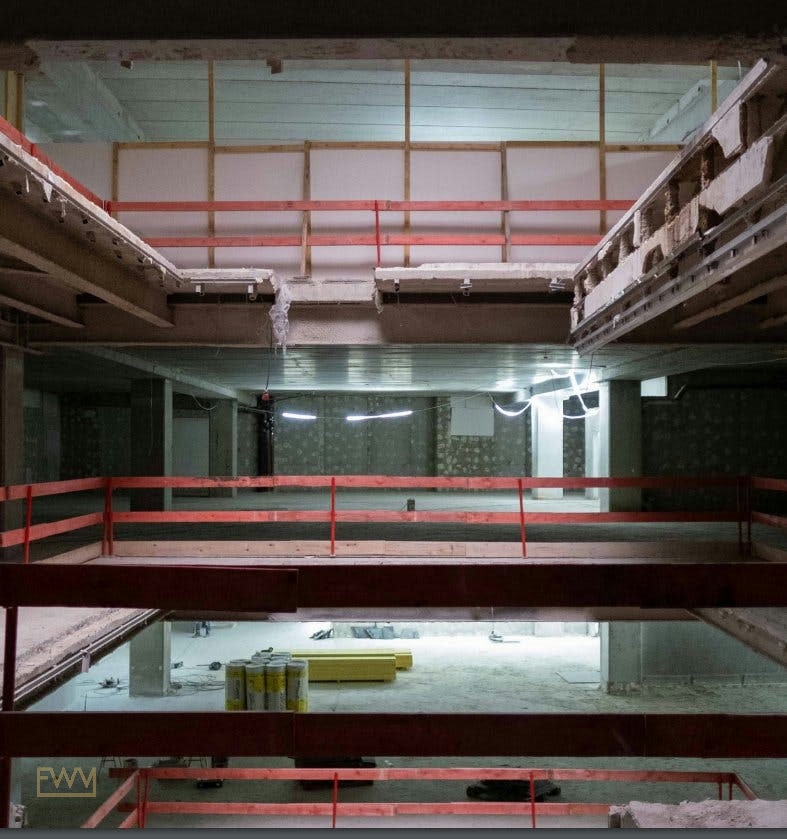
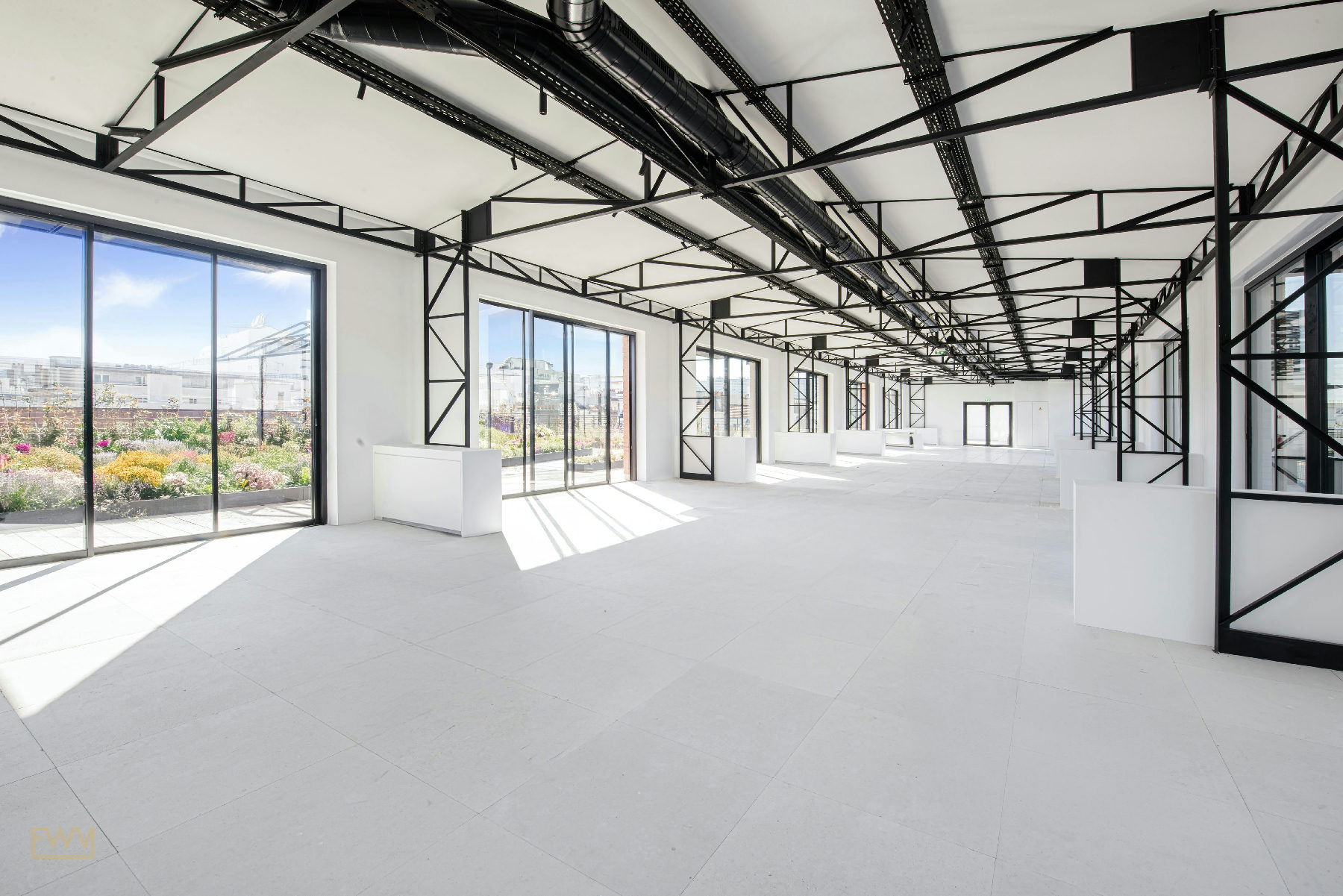
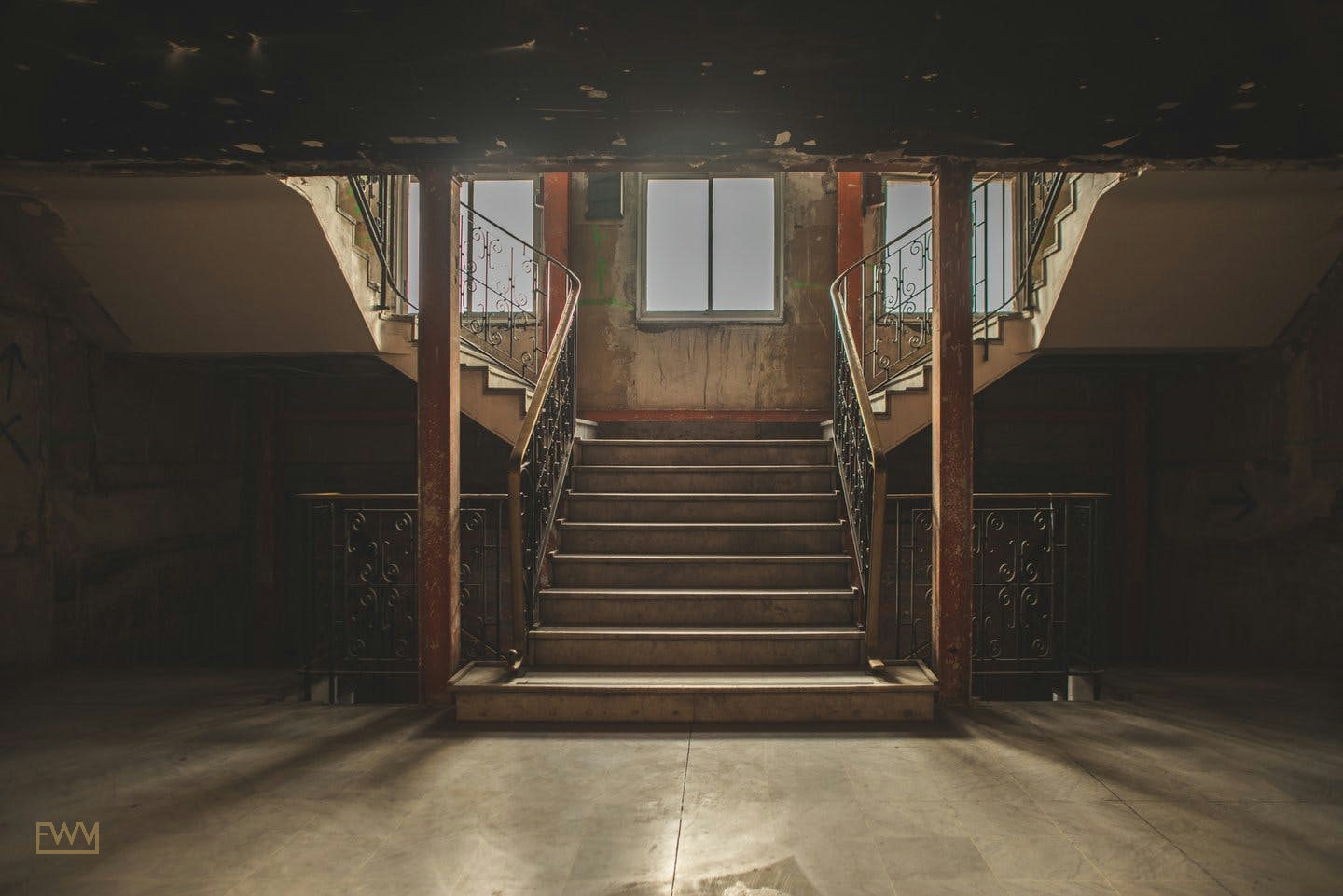
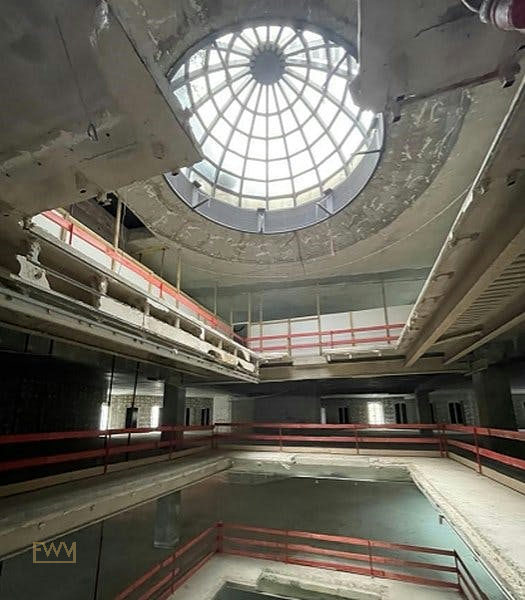
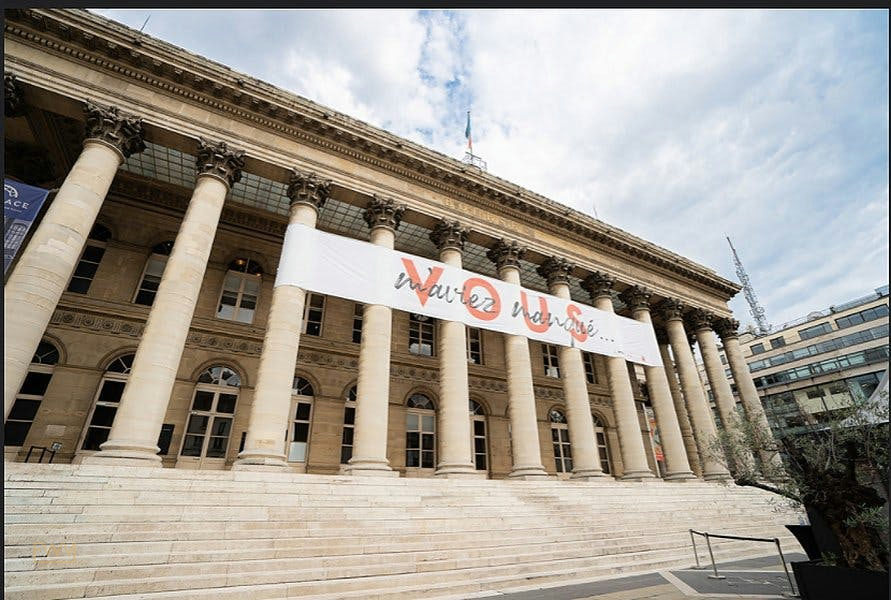
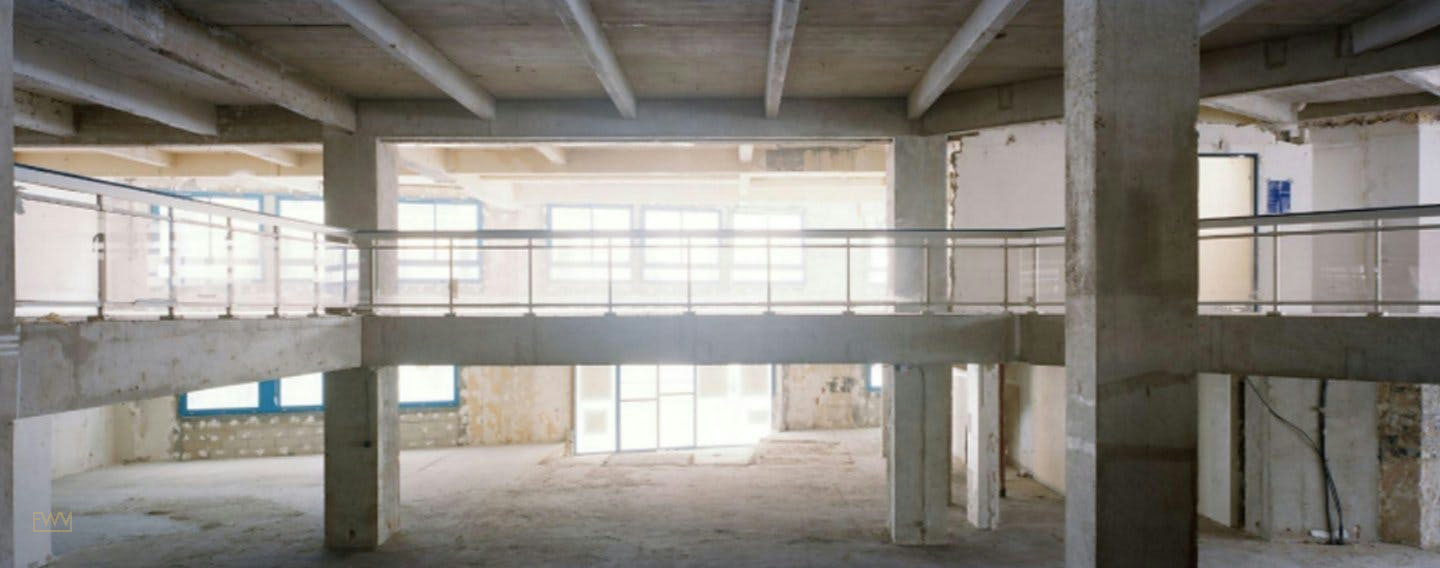
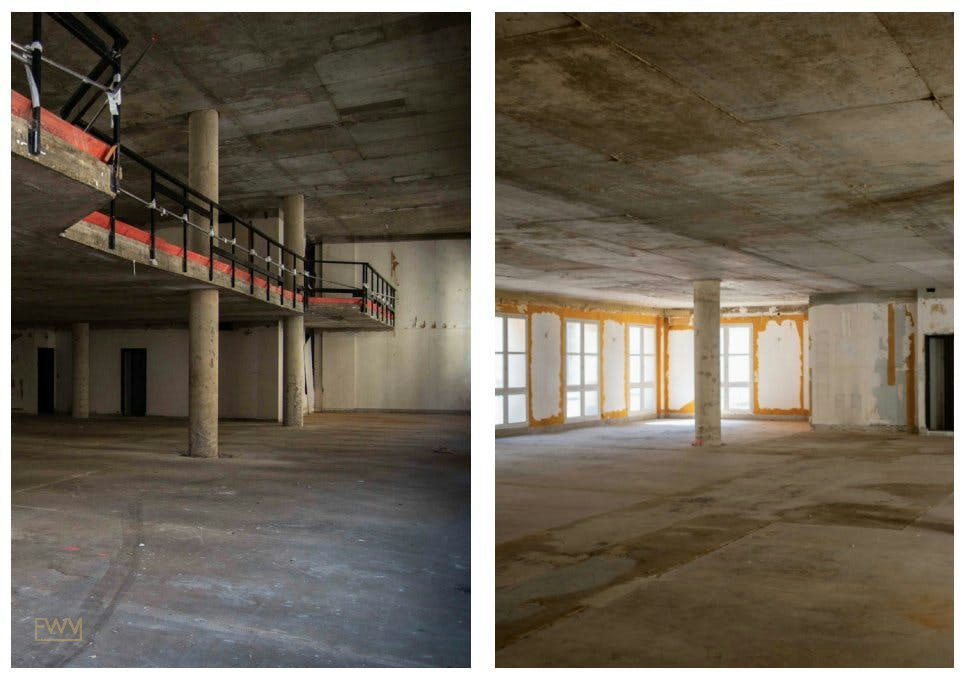
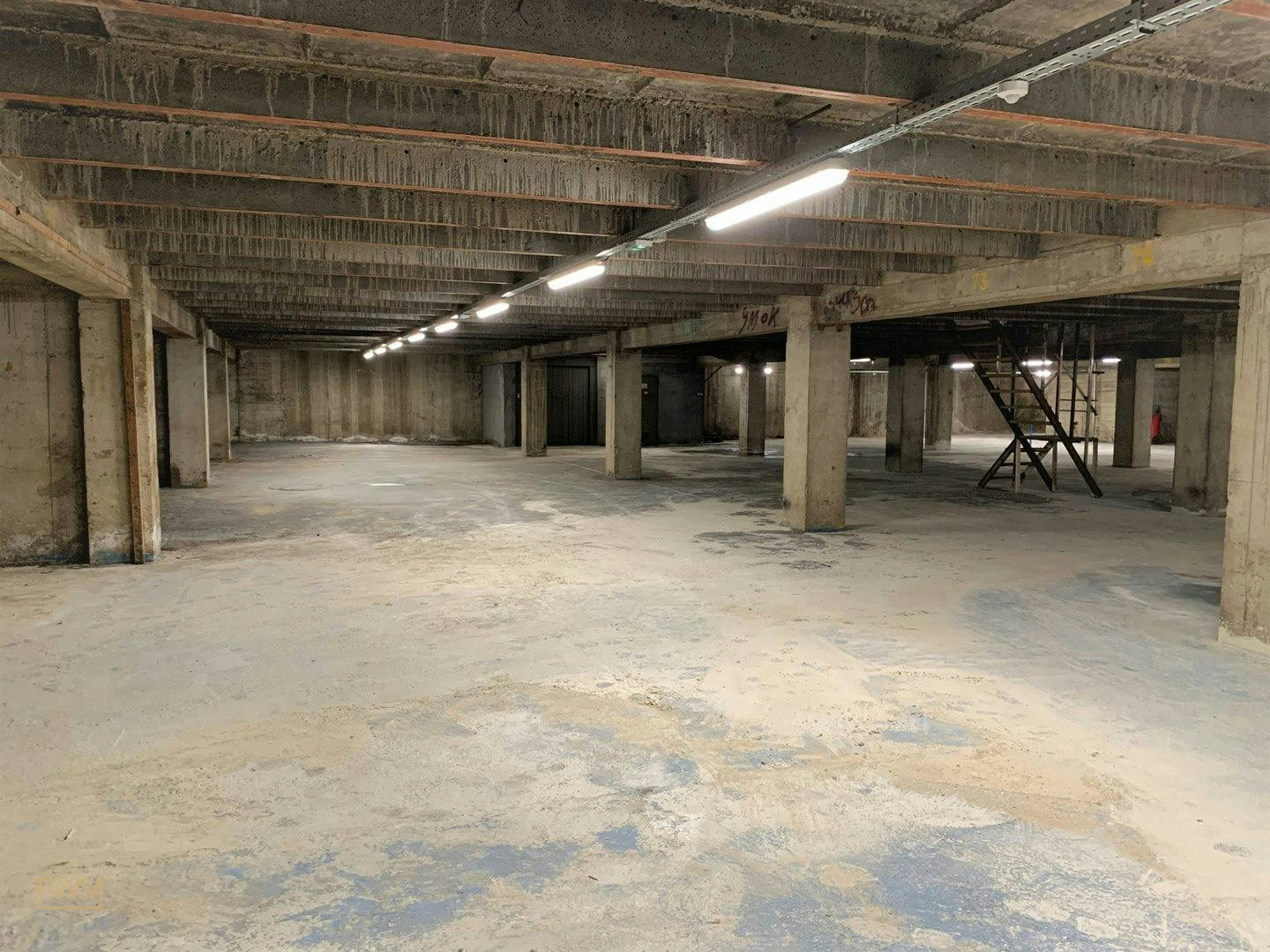
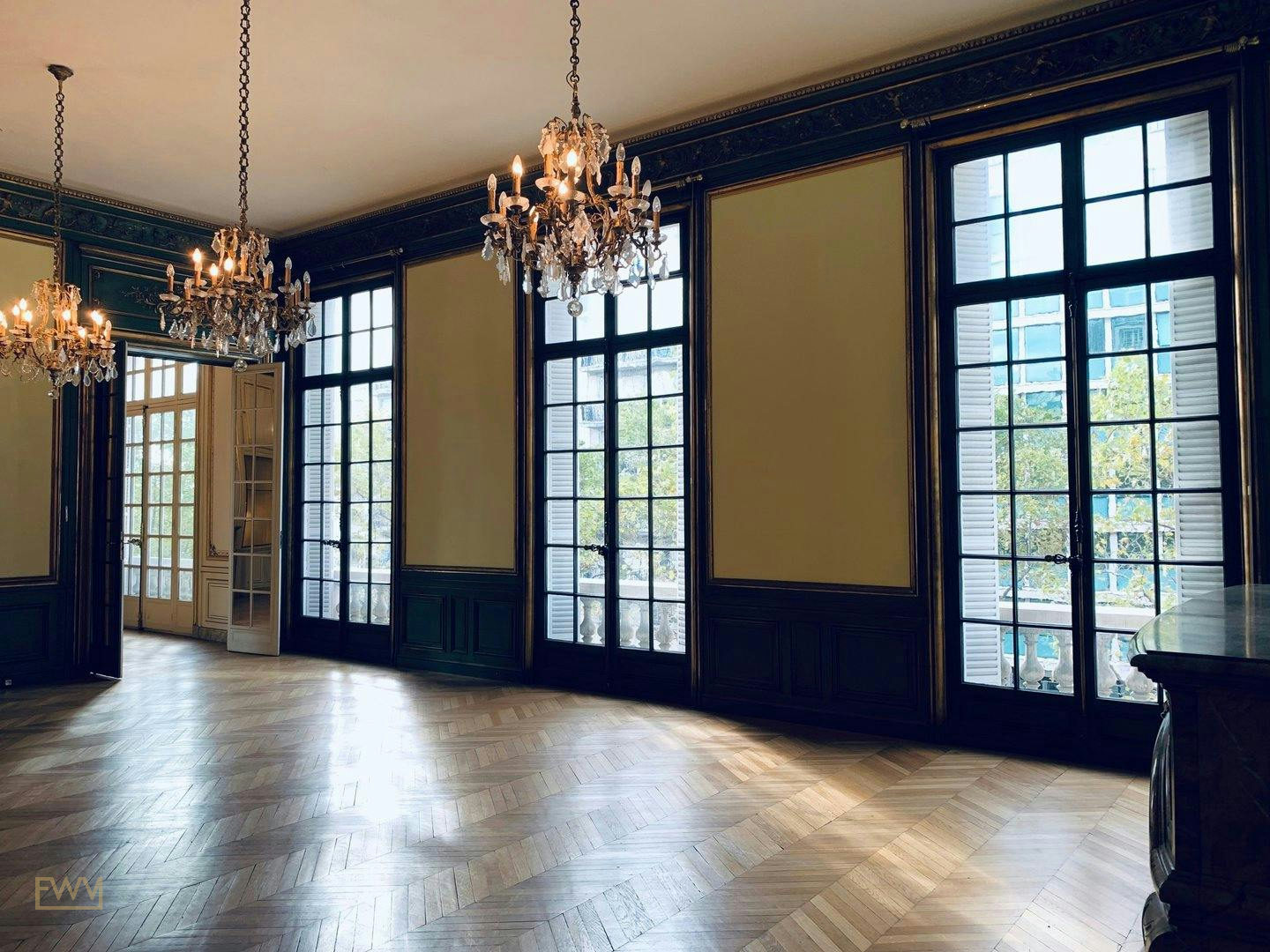
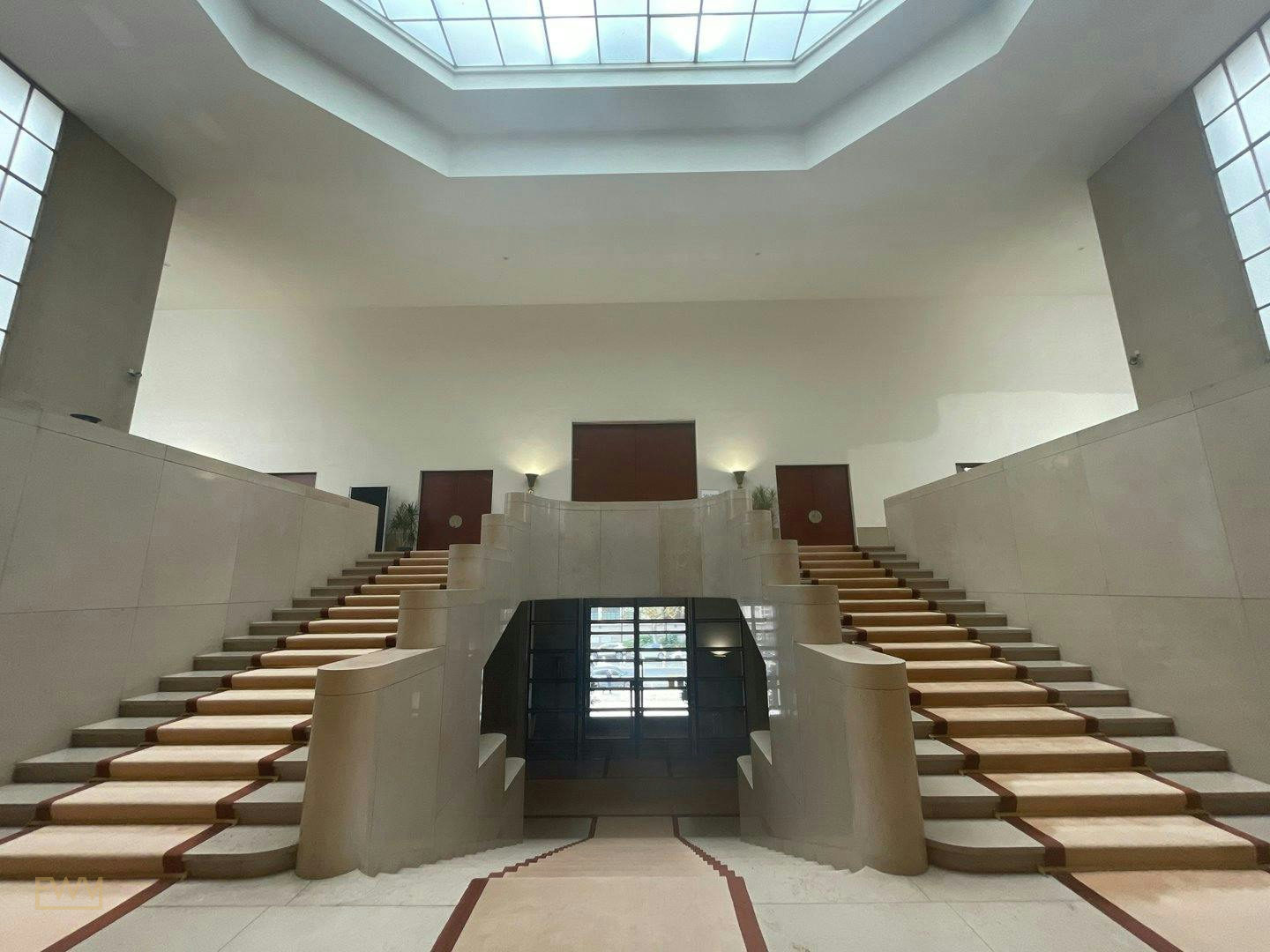
Fashion Week Venues offer unparalleled opportunities for brands to showcase their latest collections in iconic locations. By leveraging the Fashion Week Venues marketplace, brands can find the perfect pop-up spaces and event venues in Paris and other major fashion capitals. Whether you're a brand activation manager sourcing a new experience or a fashion label entering the competitive Paris market, our comprehensive guide will navigate you through the intricacies of selecting and securing the ideal venue.
Understanding Fashion Week Venues in Paris
Fashion Week venues in Paris provide a dynamic platform for brands to engage with influential audiences during key industry events. The city's rich culture and status as a fashion epicenter make it a prime location for brand activations.
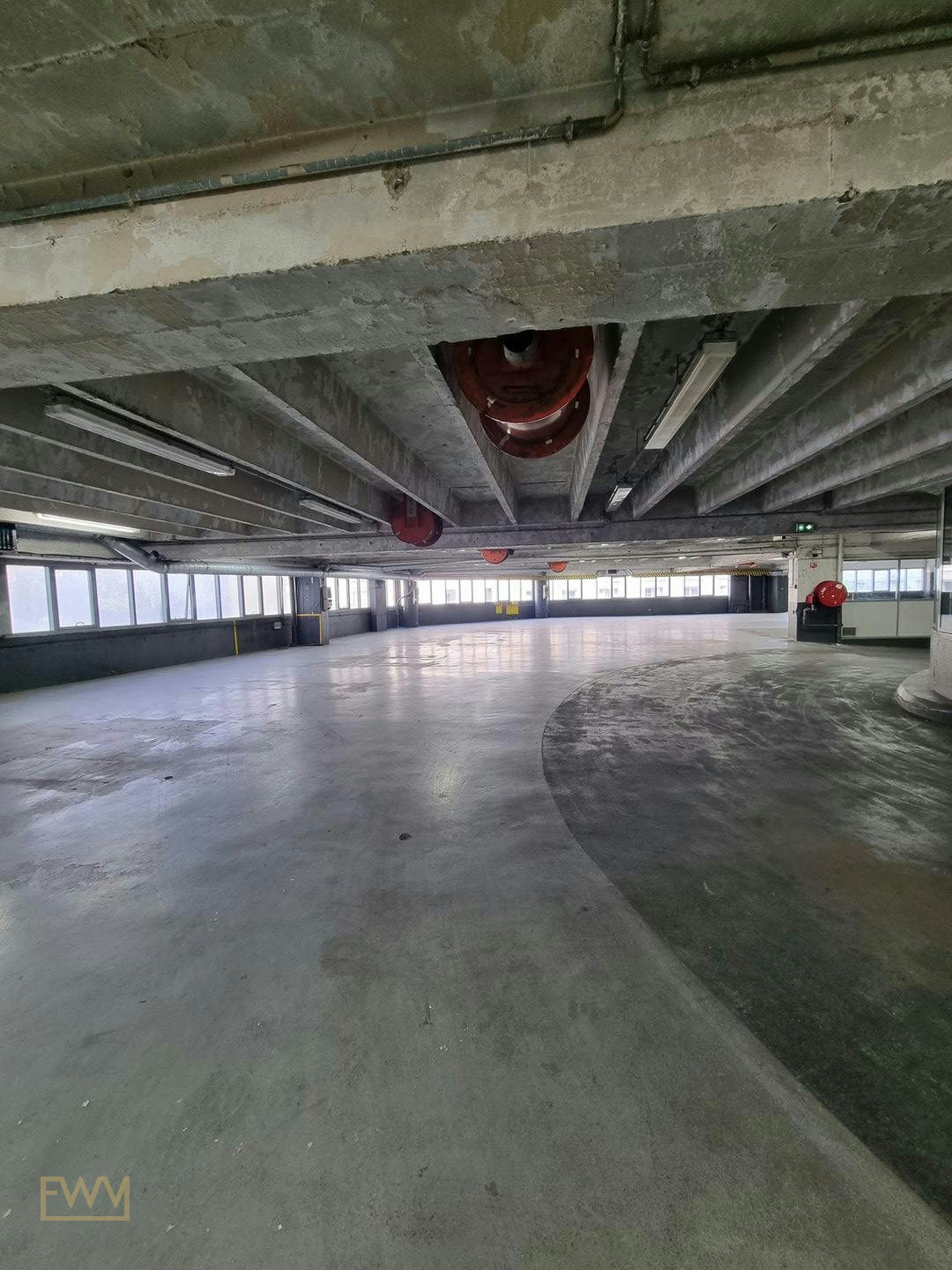
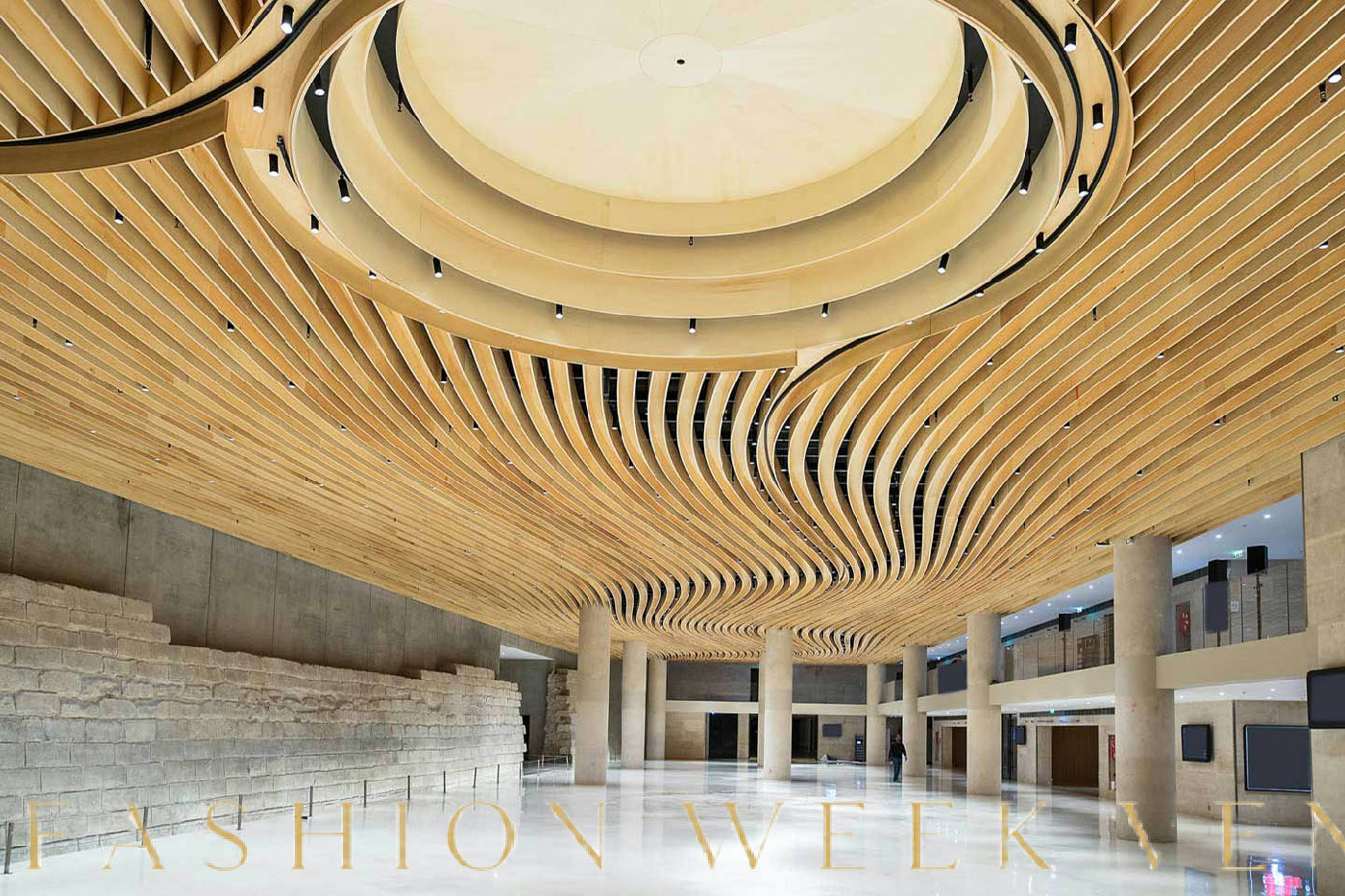
Paris offers a range of venue types, from historic salons to modern lofts, each suited to different brand narratives and audience experiences. The variety ensures brands can find spaces that align with their aesthetic and logistical needs.
The choice of venue can significantly impact brand perception and engagement, making strategic selection crucial. Paris’ neighborhoods, each with its unique charm, cater to diverse brand aesthetics, from the opulence of Place Vendôme to the artistic vibe of Le Marais.
KEY TAKEAWAY: Selecting the right venue in Paris requires understanding the city’s various neighborhoods and matching them to your brand’s narrative and goals. Engaging with a specialized agency like Fashion Week Venues can streamline this process.
Discovering the right venue involves detailed planning, from neighborhood selection to compliance with local regulations, which we'll explore further in subsequent sections.
Types of Venues and Their Suitability
Different types of venues serve various purposes for fashion brands. Understanding these options helps tailor the activation to the brand’s strategy.
Quick answer: Venue options range from elegant showrooms to bustling street-side pop-ups, each suited to different brand objectives and audiences.
Key venue types include:
- Showrooms: Ideal for presenting collections in a controlled environment, fostering direct interaction with buyers and media.
- Pop-Up Shops: Perfect for retail experiments, these provide temporary retail spaces for direct consumer engagement.
- Event Spaces: Suitable for one-off brand parties or runway shows to generate buzz and media coverage.
Choosing the appropriate venue type depends on factors like brand goals, target audience, and budget. For instance, high-end brands might prefer intimate settings to foster exclusivity, while emerging designers might opt for vibrant venues that attract passing foot traffic.
KEY TAKEAWAY: Matches between venue type and brand goal ensure the activation resonates authentically with the intended audience.
These themes will connect with how you handle permits and logistics, affecting budget planning and timelines, which are crucial to successful activations.
Planning Your Fashion Week Timeline
Mapping out an effective timeline is crucial for a successful activation. Each phase, from ideation to execution, requires meticulous planning.
Quick answer: An optimal fashion week timeline involves planning months ahead, ensuring permits, production, and logistics are all aligned.
| Phase | Actions | Recommended Timing |
|---|---|---|
| Initial Planning | Define goals, budget estimation, location scouting | 6–12 months before the event |
| Venue Sourcing | Visit potential venues, finalize space | 5–6 months before the event |
| Design & Production | Concept finalization, production timelines | 3–4 months before the event |
| Marketing & PR | Launch campaign planning, influencer outreach | 2–3 months before the event |
| Event Execution | Installation, testing, launch | 1 week before the event |
Effective planning avoids last-minute issues such as permit delays. Tools like the Fashion Week Venues timeline planning tool can help stay on track and coordinate with all necessary parties.
KEY TAKEAWAY: A well-structured timeline helps manage all activation elements cohesively, mitigating risks and optimizing resource allocation.
As we look further, understanding permit requirements will further refine this planning process, addressing legal and compliance issues that can impact your timeline.
Understanding Neighborhoods: Insights on Popular Locations
Each Paris neighborhood offers unique advantages, influencing the type of audience your activation will attract. Choosing the right location involves considering foot traffic, neighborhood demographics, and the overall vibe.
Quick answer: Le Marais offers a bohemian charm ideal for creative brands, while the sophistication of Saint-Germain-des-Prés suits luxury labels seeking exclusivity.
| Neighborhood | Characteristics | Ideal For |
|---|---|---|
| Le Marais | Trendy with a mix of boutiques and cafes | Artisanal brands, contemporary fashion |
| Saint-Germain-des-Prés | Historical elegance, luxury shopping | High-end brands, mature audiences |
| Opéra | Busy, with iconic department stores nearby | Established brands, high footfall |
| Canal Saint-Martin | Casual, hip atmosphere | Emerging designers, youthful crowds |
Strategic neighborhood selection ensures that the brand message aligns with the local market environment, enhancing consumer resonance.
KEY TAKEAWAY: Choose neighborhoods that attract your target demographic, reflecting your brand ethos and maximizing exposure.
The choice of location affects more than just aesthetic appeal; it impacts customer accessibility and logistical considerations, crucial elements we'll tackle next.
Venue Compliance and Legal Considerations
Compliance with local regulations is fundamental when selecting a venue for fashion week activities in Paris. This involves understanding and navigating the legal landscape around renting spaces.
The major types of agreements in Paris include the bail dérogatoire and the AOT (authorisation d'occupation temporaire), which cater to short-term tenancy needs.
Quick answer: For short-term retail activations, a bail dérogatoire is common, but verifying details with legal advisors is crucial.
Let's break down the main distinctions:
- Bail dérogatoire: Typically utilized for leases under 3 years without extending the standard tenant protection. Suitable for pop-up shops or showrooms.
- AOT: Allows temporary use of public domain spaces and is subject to administrative conditions and approvals.
Meticulous attention to these legal distinctions helps avoid contract disputes and ensures smooth operations, critical for international brands entering the Paris market for the first time.
IMPORTANT: Compliance requirements change per arrondissement and venue type; always confirm specifics using the Fashion Week Venues permits tool.
KEY TAKEAWAY: Proper legal guidance and preparation ensure that all permit requirements are met, preventing disruptions during your event.
Understanding compliance dovetails into budget planning, since legal fees and permit costs must be included in financial forecasts, which we'll explore next.
Effective Budget Planning for Fashion Week Venues
Budget planning is pivotal in fashion week venue selection and involves accurately forecasting costs related to space rental, production, permits, and more.
Quick answer: Use the Fashion Week Venues budget tool to obtain comprehensive cost estimates tailored to your activation needs.
| Expense Category | Description | Estimated Cost Range |
|---|---|---|
| Venue Rental | Short-term space lease costs | Variable by size and location |
| Production & Build | Design, decoration, and setup expenses | Higher for custom installations |
| Staffing | On-ground retail and event staff | Dependent on staffing levels and expertise |
| Legal & Permits | Covering bail dérogatoire and venue-specific needs | Essential for regulatory compliance |
A comprehensive budget should cover expected and unexpected costs, ensuring sufficient financial buffer. Categories like staffing, logistics, and influencer marketing might require variable investments based on brand strategy.
TIP: Regularly revisit and adjust your budget as you refine your plan, especially as specific costs become clearer.
KEY TAKEAWAY: Systematic budget planning supports efficient resource allocation and financial oversight, resulting in a more successful activation.
While budgeting may seem straightforward, integrating the financial plan with overall logistics ensures alignment across all operational dimensions, which we will delve into next.
Logistics and Coordination for Venue Success
Successful fashion week activations hinge on the effective coordination of logistics. This includes managing timing, transportation, and on-ground operations.
Quick answer: Logistics involve seamless coordination among teams to ensure flawless setup and operation during the event.
Key logistical considerations include:
- Venue Access: Ensuring easy access for setup and teardown activities.
- Material Handling: Planning for delivery, storage, and movement of materials.
- Staff Coordination: Aligning team activities to avoid overlaps and ensure efficiency.
Utilizing services like the Fashion Week Venues fit-out and production ensures cohesive execution by leveraging experienced professionals.
DID YOU KNOW: Many logistics hiccups stem from last-minute changes or poor communication. Regular updates and rehearsals can mitigate these risks.
Handling logistics efficiently not only enhances the brand experience but also optimizes client and consumer interactions, setting a solid foundation for future venues.
KEY TAKEAWAY: Detailed logistical planning minimizes disruption risks and enhances the overall impact of your fashion week activation.
As we synthesize these logistical aspects with your promotional strategy, remember that cohesive event execution can significantly amplify brand messaging, which we’ll explore in the next section.
Promotional Strategies for Maximum Impact
Crafting a standout promotional strategy activates your brand even before the venue opens its doors. This strategy should integrate seamlessly with your overall activation plan.
Quick answer: Effective promotion for fashion week venues includes a fusion of digital and offline strategies designed to generate buzz and maximize audience engagement.
Promotional strategies might include:
- Influencer Collaborations: Leverage the reach of influencers to broaden visibility.
- Social Media Campaigns: Create teaser content leading up to the event and engage audiences with interactive posts.
- Press Releases and Media Outreach: Garner attention by strategically releasing information to established fashion media.
These strategies should be underpinned by the overarching brand narrative and align with the logistical framework to ensure messaging stability and continuity.
TIP: Engage in cross-promotions with complementary brands to expand reach and share diverse customer bases.
KEY TAKEAWAY: Synonymous brand messaging across all channels creates a consistent and powerful presence, considerably enhancing the results of your fashion week activation.
In considering how promotion intertwines with your venue choice, leveraging these methods effectively will further your brand's goals and messages, which we’ve outlined in various sections so far.
Evaluating Venue Options
The venue selection is an ongoing process that relies on effective evaluation and comparison of available spaces. This requires a clear understanding of your criteria and the marketplace’s offerings.
Quick answer: Evaluation involves sending RFPs, comparing offers, and visiting shortlisted spaces to find the best match for your brand’s needs.
Start by identifying essential criteria:
- Location: Match target demographics and foot traffic.
- Size and Layout: Should accommodate your planned activities and installations.
- Accessibility: Ensure it’s accessible to your team and audience.
- Cost: Consider budget constraints and value for the price.
TIP: Utilize comparison tools like the Fashion Week Venues compare tool to streamline this process and gain clarity on the best options available.
DID YOU KNOW: Regular updates in fashion week calendars and last-minute openings can lead to opportunities. Consistent engagement with marketplace platforms can reveal such advantages.
By regularly reviewing your choices and adjusting them as needed, you ensure your venue selection aligns with your evolving objectives, a dynamic that ties into ongoing assessments of your broader brand strategy.
KEY TAKEAWAY: Diligent evaluation ensures the selected venue enhances the event's impact and aligns seamlessly with your brand’s activation goals.
This assessment will play a critical role in integrating your logistics planning with creative execution, facilitating a balanced approach between ambition and feasibility as discussed in prior sections.
Common Myths Debunked
MYTH: You need a French legal entity to rent a venue in Paris.
FACT: While having a legal entity can streamline certain processes, it is not a strict requirement for renting spaces. Many international brands use global agencies like Fashion Week Venues to handle rentals without establishing local entities.
MYTH: Paris Fashion Week is the only viable time for activations.
FACT: Though Paris Fashion Week offers high visibility, other periods can be opportune and more flexible for engaging with audiences, especially for niche or targeted campaigns.
MYTH: Commission brokers are the sole means to find suitable spaces.
FACT: Direct marketplaces and agency partnerships provide alternative and often more cost-effective methods for venue selection, offering a broader range of choices than traditional brokers.
MYTH: Short-term leases are straightforward legally, requiring minimal effort.
FACT: Short-term leases still demand careful legal attention due to specific Paris regulations and requirements, making expert legal counsel advisable.
These myths highlight common misconceptions about the venue selection process but understanding the facts allows for more streamlined and confident decision-making.
Frequently Asked Questions
What is Fashion Week Venues?
Fashion Week Venues is a comprehensive pop-up space agency and marketplace that connects brands with prime locations in major fashion capitals including Paris. It offers services such as venue sourcing, activation management, and creative direction to facilitate successful brand activations.
How does Fashion Week Venues assist with venue sourcing?
The venue sourcing service is designed to help brands find the most suitable spaces based on their specific objectives. By leveraging a broad network and industry expertise, the agency identifies ideal locations and provides strategic guidance on fits for brand activations.
What are the typical costs associated with renting a venue for Fashion Week?
Costs vary significantly depending on the location, venue type, and the time of year. Generally, key expenses include venue rental, production, staffing, and marketing. Using the budget tool can help outline and predict these costs more precisely.
Is it necessary to have a local partner when organizing a Paris Fashion Week event?
A local partner is beneficial for navigating logistics, legal requirements, and cultural nuances. However, using agencies like Fashion Week Venues, with extensive local knowledge and resources, can serve as an effective substitute for an owned local entity.
What kind of support does Fashion Week Venues offer during the activation process?
Support services include on-the-ground logistics, staffing, venue setup, and marketing coordination. These services are tailored to ensure seamless execution from planning stages through completion of the event.
How important is the timing of venue booking in Paris?
Timing is crucial, especially during peak periods like fashion weeks. Venues can book up months in advance, so early planning and booking are recommended. Following a well-defined timeline aids in securing desired dates and spaces.
What permits are necessary for setting up a pop-up shop in Paris?
Common permits include general event permits and specific space-use agreements such as bail dérogatoire. The requirements vary by space type and duration, so using the permits tool is advisable for detailed guidance.
Can brands collaborate on a single venue space during Fashion Week?
Collaboration is possible and can be beneficial both in terms of cost-sharing and marketing reach. Fashion Week Venues offers a twin co-activation concept allowing brands to partner on shared spaces effectively.
What is a bail dérogatoire, and is it necessary for all short-term leases?
A bail dérogatoire is a lease type specifically designed for short-term rentals, offering flexibility by excluding traditional tenant rights. It is not mandatory but is often recommended for temporary activations to streamline legal obligations.
How does neighborhood choice impact the success of a fashion brand activation?
Choosing the right neighborhood affects the brand's exposure to target demographics. For example, luxury brands might prefer the sophistication of Saint-Germain-des-Prés, while emerging designers might favor the eclectic charm of Canal Saint-Martin.
What challenges should I prepare for when organizing a Paris Fashion Week activation?
Challenges include adhering to local laws and regulations, managing tight schedules, and coordinating across different teams. It's important to have contingency plans and reliable partners to mitigate these risks effectively.
Is digital marketing a necessary part of planning a venue activation?
Yes, digital marketing is essential for creating buzz and attracting audiences. Integrated digital campaigns ensure your activation reaches a wider audience beyond the physical event and capitalize on social media platforms to engage effectively with attendees.
Conclusion: Launching Your Fashion Week Venue Activation
Planning and executing a successful fashion week venue activation in Paris requires a meticulous approach, from understanding local venue types and navigating compliance to coordinating logistics and promoting the activation effectively. Fashion Week Venues offers an unparalleled service with tools and expertise tailored to support brands at every step, ensuring your event is both impactful and cohesive.
To move from research to activation, start exploring available spaces on the Fashion Week Venues marketplace and build a focused brief for your target neighborhood, space type, and calendar window.