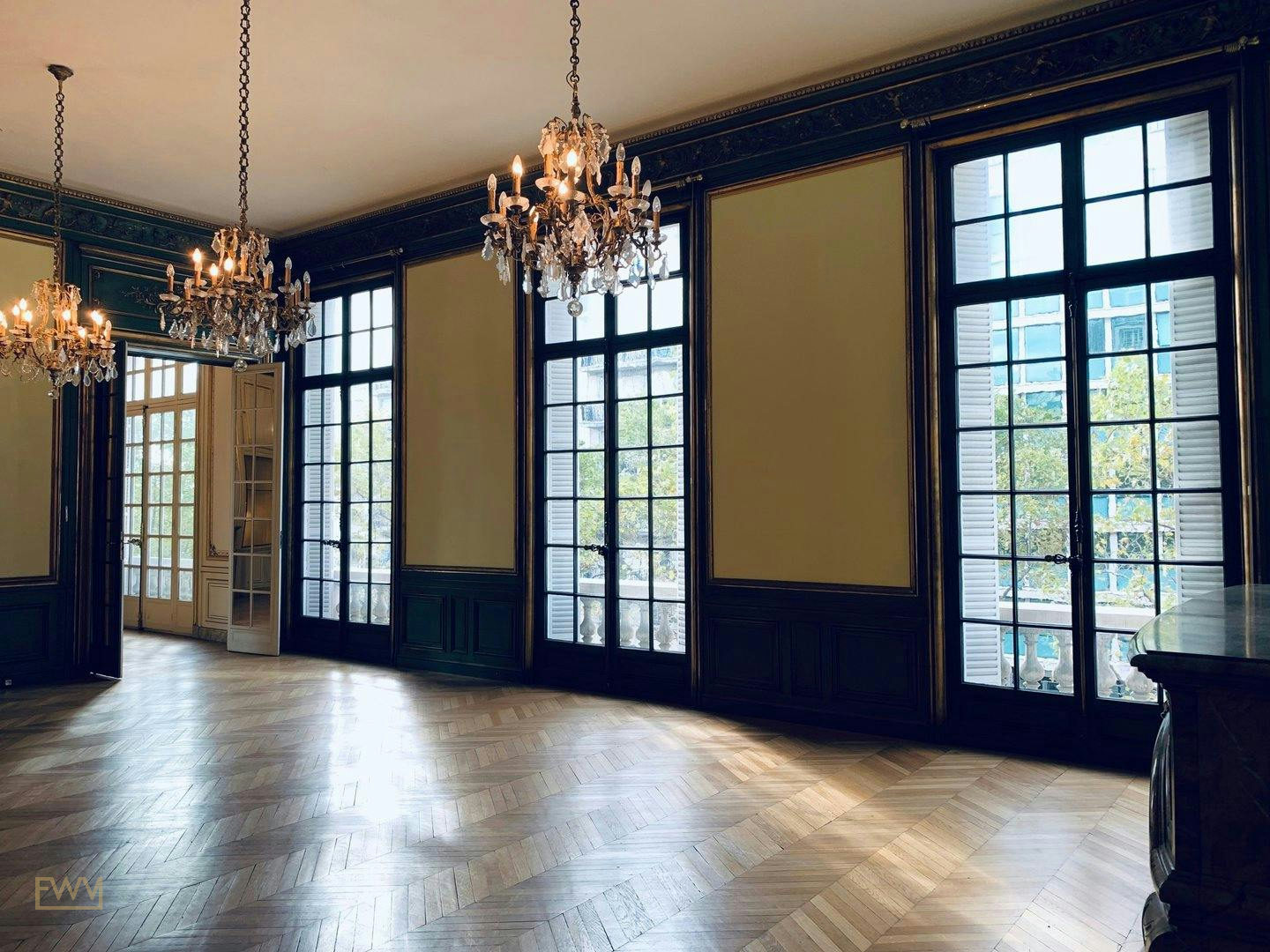
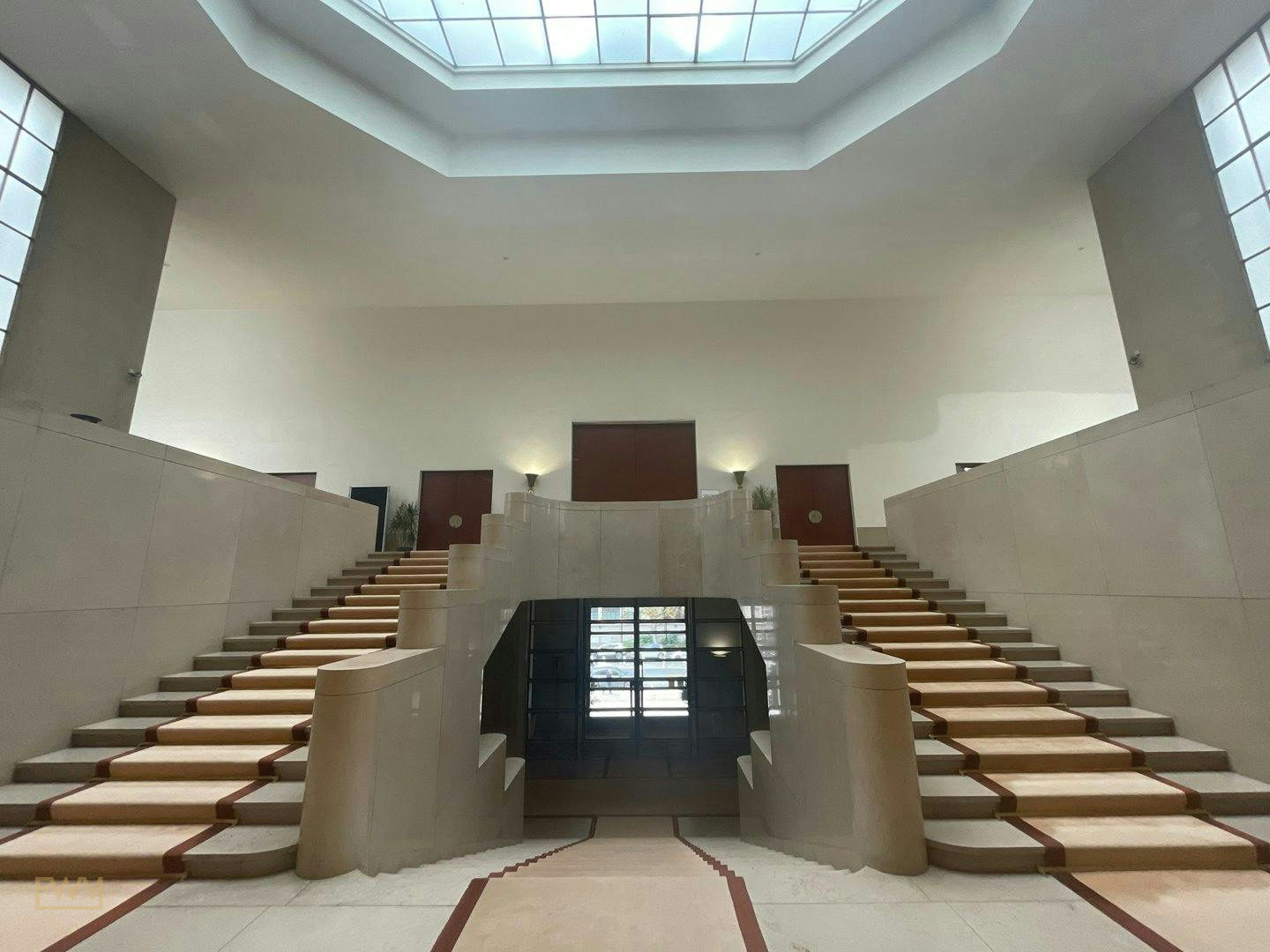
Finding the right retail space for rent near Louvre Paris means positioning your brand at the intersection of global cultural authority and extraordinary commercial footfall. The 1st arrondissement and its immediate neighbours host some of the most strategically valuable short-term retail locations in Europe, drawing millions of visitors annually to the Louvre Museum, the Palais Royal Gardens, and the revitalised La Samaritaine. For fashion brands, luxury houses, and independent designers seeking to activate during Paris Fashion Week or at any point in the fashion calendar, this neighbourhood delivers unrivalled visibility, cultural cachet, and density of the right consumer. Fashion Week Venues supports brands navigating pop-up spaces in Paris from initial search through to full activation.
Why the Louvre District Is a Prime Location for Fashion Retail Activations
Quick answer: The area around the Louvre Museum and Palais Royal combines the highest tourist footfall in Paris with a concentrated audience of fashion-conscious, culturally engaged consumers. This makes it one of the most commercially and symbolically powerful addresses for short-term retail activations, showrooms, and concept stores in the French capital.
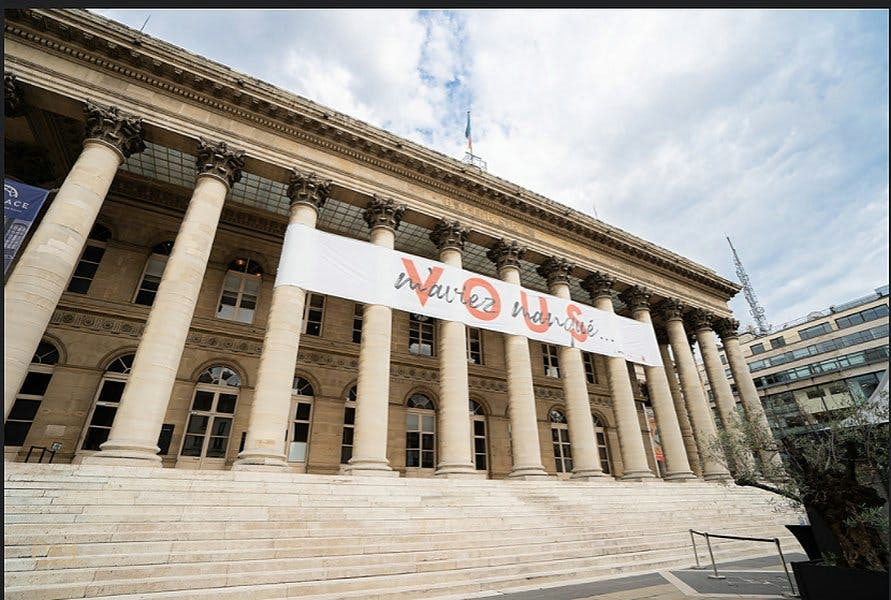
The 1st arrondissement has long been understood by international luxury and fashion brands as a location that communicates ambition without requiring explanation. When a brand activates near the Louvre Museum or along Rue du Louvre, it places itself within a neighbourhood that already operates as a global cultural destination. The Pinault Collection at the Bourse de Commerce, just minutes from the Louvre, adds a contemporary art institution to the area's draw. The Palais Royal, with its arcaded galleries and curated mix of designers, perfumers, and jewellers, creates a retail atmosphere that is at once historic and forward-looking.
The footfall characteristics in this district are particularly useful for brand activation strategy. Visitors to the Louvre include international tourists, art collectors, fashion editors, and high-net-worth individuals from every market. Domestic Parisian consumers visit Palais Royal, Place des Victoires, and the Étienne Marcel corridor regularly, treating these streets as part of a curated retail circuit. The proximity to the Montorgueil district, one of Paris's most animated local neighbourhoods, adds a layer of everyday Parisian energy to what might otherwise be purely a luxury or tourist corridor.
La Samaritaine, the landmark department store on Rue de Rivoli, reopened after extensive renovation and has reactivated the western edge of the Marais as a fashion and hospitality destination. Its presence has drawn further retail investment to the surrounding streets, including on and near Rue du Louvre, and has raised the ceiling on what brands expect from temporary activations in this zone.
For international fashion brands entering the French market, the symbolic weight of a Louvre-adjacent address also supports press coverage, influencer content, and social media performance. Images of a pop-up store or showroom against the backdrop of the Palais Royal Gardens or the Poste du Louvre carry a distinctiveness that activations in less iconic locations cannot easily replicate.
DID YOU KNOW: The Palais Royal Gardens and its surrounding arcades house some of the most consistently successful permanent concept stores and designer boutiques in Paris, creating a retail context that immediately elevates brand positioning for any temporary activation in the area.
KEY TAKEAWAY: The Louvre district offers fashion and luxury brands a combination of cultural authority, international footfall, and premium consumer demographics that makes it one of the most strategically valuable short-term retail locations in Europe. Brands that activate here benefit from proximity to the Pinault Collection, the Palais Royal, La Samaritaine, and the Montorgueil district.
Understanding which specific streets and sub-neighbourhoods suit your space type, budget, and brand positioning is the next critical step in building a successful activation brief.
Key Streets and Sub-Neighbourhoods for Retail Space Near the Louvre
Quick answer: The most strategically relevant streets for short-term retail near the Louvre include Rue du Louvre, the Palais Royal arcades, Place des Victoires, Étienne Marcel, and the western edge of Le Marais. Each micro-location offers a different consumer profile, space typology, and rental context.
Paris rewards specificity. Choosing a general neighbourhood is rarely enough for a brand activation to perform. The difference between a space on Rue du Louvre and one on Étienne Marcel is not simply a matter of distance; it is a matter of who walks past, what pace they move at, and what they expect to find. Brands that understand these distinctions consistently build more effective activations.
Rue du Louvre and the Immediate Museum Perimeter
Rue du Louvre runs north from the Seine toward the 2nd arrondissement, passing the Poste du Louvre and connecting the museum district to the commercial zone around Étienne Marcel. Space types along this axis include converted ground-floor retail units, former press and logistics buildings that have been reconfigured for commercial use, and smaller gallery-format spaces. The Poste du Louvre building itself has been converted into a hotel, restaurant, and creative venue complex, signalling the broader transformation of this corridor into a mixed-use cultural and retail zone. Brands seeking a space with an authentic Parisian address close to the museum and with strong pedestrian flow find this street particularly viable.
Palais Royal and Palais Royal Gardens
The arcades surrounding the Palais Royal Gardens are among the most coveted short-term retail locations in Paris. Units here are typically small, ranging from intimate boutique formats to slightly larger gallery spaces, and they carry an address that communicates immediately to fashion and luxury consumers globally. The Palais Royal is home to established names including Stella McCartney, Rick Owens, and various independent perfumers and jewellers, making it one of the most editorially referenced retail addresses in the City of Light. Availability is limited and competition for short-term units is intense, particularly during Paris Fashion Week windows in February and September.
Place des Victoires and Étienne Marcel
Place des Victoires, the circular Place built around a Louis XIV equestrian statue, anchors a cluster of fashion brands that spans affordable luxury and contemporary design. Kenzo, Victoire, and various other fashion retailers have long occupied this square, making it a natural location for activations targeting fashion-forward Parisian consumers. Étienne Marcel, running east from the Place toward Le Marais, hosts a concentration of streetwear, contemporary fashion, and concept store formats. This corridor has become a reference point for younger luxury consumers and international streetwear brands testing the Paris market. Space types here include former boutiques, loft-format spaces, and converted ateliers suitable for showroom or pop-up store formats.
Le Marais and the Eastern Adjacency
Le Marais, encompassing the 3rd and 4th arrondissements, borders the Louvre district to the east and provides a wealth of space types including art galleries, ephemeral gallery formats, loft conversions, and historic hôtel particulier spaces. The Fondation Quartier and various independent cultural institutions in this zone create a neighbourhood character that supports both cultural brand activations and commercial pop-up stores. Rue de Bretagne, Rue Vieille du Temple, and the Marais network of pedestrianised streets attract a high proportion of fashion-conscious domestic consumers as well as international visitors.
Montorgueil District
The Montorgueil district, in the 2nd arrondissement immediately north of Rue du Louvre, offers a more locally flavoured alternative. This pedestrianised market street and its surrounding network of smaller streets attract Parisian residents, local creatives, and an increasing number of international visitors discovering the neighbourhood through food and fashion content. Space types here tend to be more affordable than in the Palais Royal or Place des Victoires zones, and formats range from small boutique units to larger loft-style spaces suitable for brand activations with a more community-oriented or editorial identity.
| Sub-Neighbourhood | Best For | Typical Space Types | Consumer Profile | Competition Level |
|---|---|---|---|---|
| Rue du Louvre / Poste du Louvre | Showrooms, gallery activations, press events | Converted retail, gallery format | International tourists, fashion professionals | High |
| Palais Royal Gardens Arcades | Luxury pop-up, concept store, exclusive launch | Small boutique, arcade unit | Global luxury consumer, fashion editors | Very high |
| Place des Victoires / Étienne Marcel | Fashion pop-up, streetwear, contemporary brand | Boutique, loft, converted atelier | Fashion-conscious Parisians, young luxury | High |
| Le Marais | Ephemeral gallery, art-led activation, showroom | Art gallery, loft, hôtel particulier | Domestic fashion consumer, international visitor | Medium to high |
| Montorgueil District | Community activation, editorial pop-up, café-concept | Boutique unit, loft, ground floor retail | Local Parisians, food and fashion visitors | Medium |
To compare neighbourhoods and space types, explore the Paris city hub on Fashion Week Venues and shortlist spaces that match your brief, budget, and calendar window.
KEY TAKEAWAY: Each sub-neighbourhood near the Louvre carries a distinct consumer profile, space availability pattern, and brand communication value. Brands should match their activation concept, target audience, and budget to the specific micro-location rather than treating the broader district as uniform.
With the geography established, the next essential question is which space types are actually available for short-term retail rental in this district and what each format requires in terms of fit-out, permits, and logistics.
Space Types Available for Short-Term Retail Rental Near the Louvre
Quick answer: Near the Louvre, available space types for short-term retail rental include boutique retail units, loft-format spaces, art galleries and ephemeral gallery spaces, showroom configurations, concept store shells, and converted cultural or industrial spaces. Each type suits different activation formats, budgets, and brand identities.
The diversity of space types in the 1st and adjacent arrondissements is one of the district's primary advantages. Unlike purely commercial retail districts such as Avenue des Champs-Elysées or Boulevard Haussmann, the Louvre area offers an unusually varied property stock that includes historic ground-floor retail units, grand first-floor spaces above arcades, converted loft spaces in former light-industrial buildings, and gallery-format spaces originally designed for exhibitions and artworks. This variety allows brands at very different stages of market development and with very different aesthetic identities to find a space that feels genuinely appropriate rather than generic.
Boutique Retail Units
Boutique units in the Louvre district typically range from 30 to 150 square metres and are suited to pop-up stores, capsule collection launches, and direct-to-consumer activations. These spaces usually have established shopfront visibility, existing fitting infrastructure, and ground-floor access. Brands using boutique units in this area often focus on a highly curated edit of their collection, using the space to communicate brand identity as much as to drive direct sales. The rental structure for short-term boutique units near the Louvre typically involves a bail dérogatoire rather than a standard commercial lease, and brands should verify the specific terms with a French legal advisor before signing.
Loft and Industrial Conversions
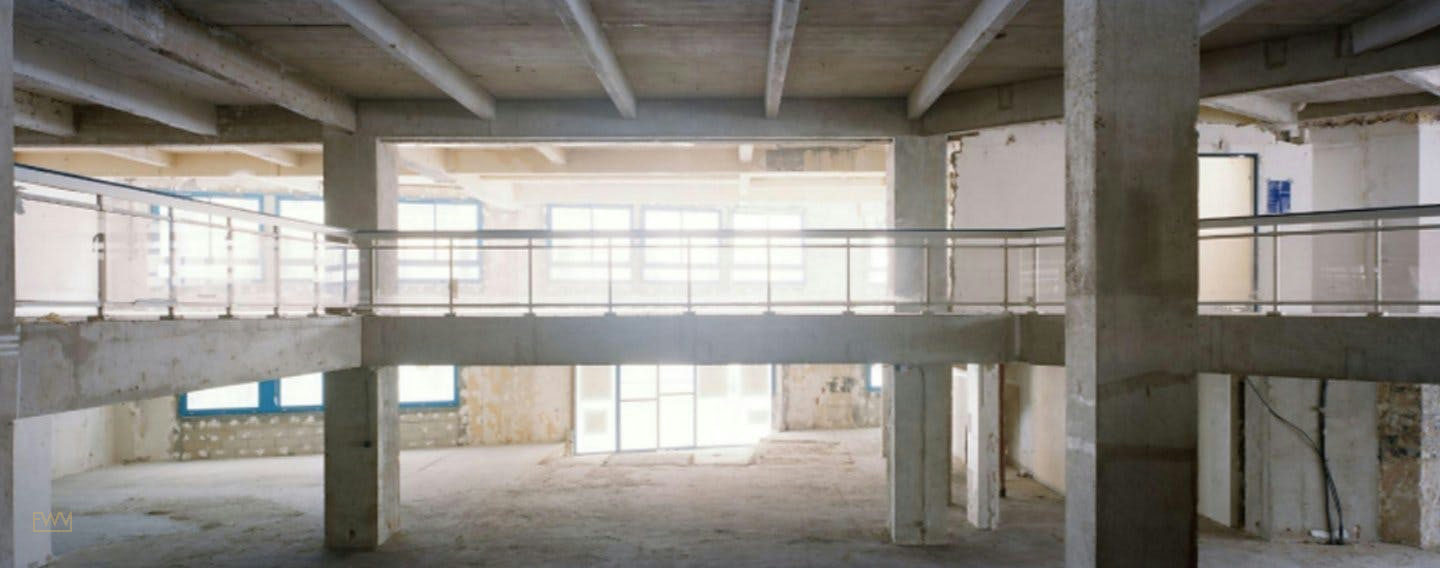
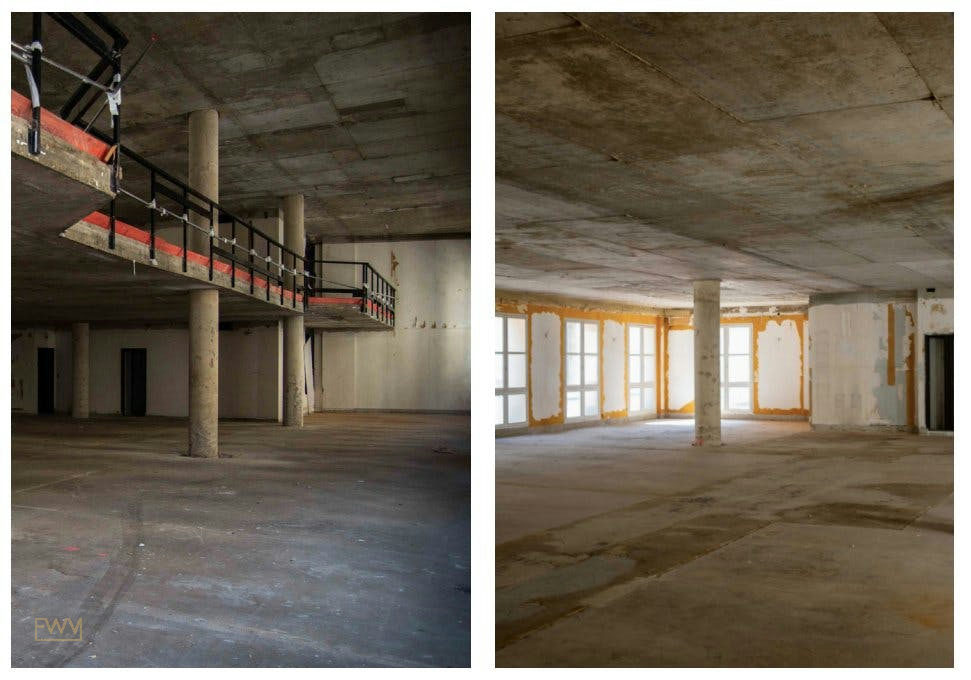
Loft spaces in the Louvre district, particularly in the Montorgueil area and along side streets near Étienne Marcel, offer larger footprints at more flexible rental terms. These spaces suit brands planning immersive installations, multi-brand activations, or editorial events alongside a retail component. The raw aesthetic of a converted loft also provides a versatile backdrop for photography, influencer content, and press events, which can extend the commercial value of a short-term rental significantly beyond the duration of the physical activation.
Art Galleries and Ephemeral Gallery Spaces
The concentration of art galleries and culturally oriented spaces in Le Marais and around the Louvre district makes ephemeral gallery rental a viable and increasingly popular option for fashion brands seeking to blend cultural positioning with commercial activation. A temporary retail activation within a gallery space immediately signals cultural seriousness and editorial credibility, which is particularly valuable for brands targeting fashion press, collectors, and culturally engaged consumers. The Pinault Collection at the Bourse de Commerce has amplified the cultural gravity of this zone, making art-adjacent activations in the area more resonant than they might be in other Parisian neighbourhoods.
Showroom Spaces
Showroom configurations near the Louvre are in particularly high demand during the Paris Fashion Week windows in February and September, as well as during the Première Vision and Who's Next trade calendar periods. A showroom in this district allows brands to present collections to buyers and press in a location that reinforces their positioning. Many showroom rentals in this area are arranged on a short-term basis through specialist agents or platforms rather than through standard commercial real estate channels, as the demand is highly seasonal and the standard lease structures are rarely appropriate for activations of one to four weeks.
Concept Store Shells and Multi-Brand Formats
The concept store format, in which a curated selection of brands or products occupies a single space under a unified aesthetic direction, is well established in the Palais Royal, Étienne Marcel, and Marais areas. Brands can rent within an existing concept store framework or take a space and build a multi-brand concept from scratch. This format is particularly useful for independent designers, emerging international brands, and brands testing market response before committing to a permanent retail presence in Paris.
TIP: When evaluating space types, consider not only the rental rate and square footage but also the floor-to-ceiling height, natural light availability, façade visibility, access for deliveries, and proximity to the nearest metro stations. These practical factors significantly affect the quality of the brand experience and the logistical feasibility of the activation.
KEY TAKEAWAY: The Louvre district offers a wider range of space types than most comparable retail destinations in Paris, from intimate arcade boutiques to large loft conversions and gallery-format spaces. Matching the space type to the activation concept is as important as the choice of neighbourhood.
Securing the right space is only one dimension of a successful activation. Understanding the legal and permit landscape for short-term retail in Paris is equally essential, and it is an area where international brands frequently encounter unexpected complexity.
Legal Framework and Permits for Short-Term Retail Space in Paris
Quick answer: Short-term retail rentals in Paris typically operate under a bail dérogatoire, a derogatory lease that allows occupancy of up to 36 months without triggering the protections of standard French commercial lease law. Brands using public or semi-public spaces such as parks or civic plazas may require an Autorisation d'Occupation Temporaire, commonly known as an AOT. Requirements vary by space type, duration, arrondissement, and intended use.
French commercial real estate law is sophisticated and, for international brands without in-market legal support, presents genuine risks if misunderstood. The standard French commercial lease, the bail commercial, provides tenants with significant protections and renewal rights that neither the landlord nor the tenant of a short-term activation necessarily wants to trigger. To avoid this, most short-term activations in Paris are structured under a bail dérogatoire, also called a bail précaire, which explicitly derogates from the protections of the standard commercial lease and is therefore appropriate for pop-up stores, temporary showrooms, and other time-limited retail activations.
Bail Dérogatoire: Key Points
Under French law, a bail dérogatoire can cover a maximum cumulative period of 36 months for the same tenant in the same premises. After this point, if the tenant remains in occupation, the arrangement risks converting into a standard bail commercial with full tenant protections and renewal rights. For most fashion brand activations, which last between one week and three months, the bail dérogatoire is the appropriate framework. The agreement must clearly state its derogatory nature, the agreed duration, the rental rate, the conditions for handover, and the responsibilities of each party for reinstatement.
Autorisation d'Occupation Temporaire (AOT)
An AOT is required when a brand wishes to occupy a public or semi-public domain, including parks, public squares, arcades owned by public bodies, or certain civic properties. Near the Louvre, this could include activations within or immediately adjacent to the Palais Royal Gardens, on public footpaths, or in properties owned by the Mairie de Paris or national public bodies. AOT applications are submitted to the relevant administrative authority, and approval timelines and conditions vary considerably. Some AOT approvals include conditions on signage, structural modifications, opening hours, and the removal of all installations at the end of the permitted period.
Practical Compliance for International Brands
International brands entering Paris without an established French legal entity can still rent short-term retail space, but they must ensure they have either a French legal representative or that the lease is structured to accommodate a non-French party. It is strongly recommended to work with a French legal advisor and a specialist activation agency with in-market experience before signing any rental agreement. The permit guidance tool on Fashion Week Venues provides a useful starting point for understanding which permit types may apply to your activation format and location.
IMPORTANT: The permit and compliance landscape in Paris changes based on space type, ownership structure, intended commercial activity, and arrondissement regulations. Always verify requirements with a qualified French legal advisor before committing to a space or signing any agreement.
Signage, Structural Works, and Reinstatement
Most short-term retail leases in Paris include specific provisions governing signage, structural alterations, and the obligation to reinstate the space to its original condition at the end of the rental period. Brands planning significant fit-out work, including wall treatments, flooring changes, or structural installations, must confirm whether prior approval is required from the landlord and, in some cases, from local planning authorities. Failure to comply with reinstatement obligations is a common source of dispute and can result in financial penalties that significantly increase the effective cost of an activation.
KEY TAKEAWAY: Short-term retail rentals near the Louvre are most commonly structured as bail dérogatoire agreements. AOTs are required for public or semi-public spaces. International brands should work with in-market legal advisors and experienced activation agencies to navigate these requirements without exposing themselves to unexpected legal or financial risk.
With the legal framework understood, the next area to address is the practical timeline and budget planning required to execute a successful retail activation in the Louvre district.
Timeline and Budget Planning for a Louvre District Retail Activation
Quick answer: A well-planned retail activation near the Louvre typically requires a minimum lead time of eight to twelve weeks for short-term rental agreements, and sixteen to twenty weeks for more complex activations involving significant fit-out, AOT applications, or multi-brand concepts. Budget requirements vary widely based on space size, duration, fit-out complexity, and staffing model.
Timeline and budget planning are the two areas where international brands most consistently underestimate the complexity of a Paris activation. The French market has specific characteristics in both areas that differ materially from the UK, US, and other major fashion markets, and brands that treat a Paris pop-up as a straightforward extension of an existing activation model frequently encounter delays, cost overruns, and missed opportunities.
Activation Timeline Phases
| Phase | Activity | Recommended Lead Time |
|---|---|---|
| Briefing and concept | Define activation objectives, space brief, budget envelope, calendar window | 16 to 20 weeks before activation |
| Space search and shortlisting | Market search, viewings, shortlisting, comparison | 14 to 16 weeks before activation |
| Legal and commercial negotiation | Lease terms, permit applications, legal review | 10 to 14 weeks before activation |
| Concept and design development | Space design, fixture specification, brand identity application | 8 to 12 weeks before activation |
| Production and build | Fit-out, furniture delivery, technology installation | 2 to 4 weeks before activation |
| Staffing and training | Staff briefing, product training, POS setup | 1 to 2 weeks before activation |
| Activation and trading | Live operation, influencer engagement, data collection | Activation period |
| Deactivation and reinstatement | Dismantling, reinstatement, post-activation reporting | Immediately after activation |
The timeline planning tool on Fashion Week Venues allows brands to map each phase against their specific calendar window and identify potential bottlenecks before they become critical path issues.
Budget Considerations
Budget planning for a retail activation near the Louvre must account for a wider range of costs than the headline rental rate alone. The principal cost categories include space rental, legal and administrative fees, fit-out and production, furniture and fixture rental, technology and POS systems, staffing, marketing and influencer engagement, logistics and deliveries, reinstatement, and agency fees if using a full-service partner. The relative weight of each category varies significantly based on activation format, duration, and brand requirements.
Rental rates in the Louvre district are among the highest in Paris for short-term activations, particularly during the Paris Fashion Week windows and during major international events. Brands planning activations during February or September should build in a rate premium relative to off-peak periods and should expect increased competition for desirable spaces. Using the budget estimation tool on Fashion Week Venues provides a brand-specific directional estimate based on space type, duration, and activation format.
TIP: Brands activating for the first time in Paris often underestimate the cost of reinstatement. French landlords take reinstatement obligations seriously, and the cost of returning a space to its pre-activation condition can be significant, particularly if substantial fit-out work has been carried out. Build reinstatement into your budget from day one.
Fashion Week Calendar Windows
Paris Fashion Week takes place twice annually, with womenswear shows in late February and March, and again in late September and October. Menswear and haute couture weeks create additional windows in January, June, and July. Brands planning activations tied to these calendar windows should begin their space search at least four to six months in advance, as the most desirable spaces in the Louvre district are frequently reserved well ahead of peak periods. Off-calendar activations, outside the Fashion Week windows, can offer significantly better space availability and more competitive rental terms while still benefiting from the district's year-round consumer footfall.
KEY TAKEAWAY: Successful activations in the Louvre district require disciplined timeline management and comprehensive budget planning that goes well beyond the headline rental rate. Brands that begin their search early and plan for all cost categories consistently achieve better outcomes than those that compress their lead times.
Even with excellent planning, many brands find it valuable to work with a specialist agency that has established relationships, in-market knowledge, and the ability to manage multiple workstreams simultaneously. The following section explains how Fashion Week Venues approaches this challenge.
How Fashion Week Venues Helps Brands Find and Activate Retail Space Near the Louvre
Quick answer: Fashion Week Venues supports brands from initial space search through to full activation management, offering venue sourcing, concept direction, production and build, branded store design, retail staffing, POS and payments, data analytics, and influencer marketing. Brands can use both the managed agency service and the self-service marketplace and tools.
Fashion Week Venues operates as a full-service pop-up shop agency and space marketplace with Paris as its primary market. For brands seeking retail space for rent near the Louvre, the agency provides two primary modes of engagement: a fully managed service in which the team handles all aspects of the search, negotiation, design, build, and activation; and a marketplace and tools platform that allows brands to browse spaces, compare options, estimate budgets, and plan timelines independently.
Venue Sourcing and Space Discovery
The venue sourcing service connects brands with available spaces in the Louvre district and across Paris, drawing on a network of landlords, property managers, cultural institutions, and space owners that is not fully represented in standard commercial real estate listings. For a district where many of the most desirable spaces are let through private networks and specialist intermediaries rather than through public advertisements, this access is a material advantage. The Fashion Week Venues marketplace also provides a browsable inventory of spaces across Paris for brands that prefer to manage their own search.
Concept Direction and Branded Store Design
The concept direction service and the branded store design service work in parallel to translate a brand's identity and activation objectives into a physical space concept. For short-term retail near the Louvre, where the space itself often carries a strong existing aesthetic, this means developing a design approach that creates a genuinely branded environment without overriding the character of the space or creating reinstatement complications. The Imagine tool on the platform allows brands to visualise space configurations before committing to a specific design direction.
Production, Build, and Furniture Rental
The production and build service manages fit-out logistics, contractor coordination, and installation scheduling for activations in Paris. This is particularly valuable in the Louvre district, where access restrictions, historic building regulations, and landlord approval requirements can complicate standard build processes. Furniture rental through Fashion Week Venues allows brands to create fully furnished activations without the cost and logistics of sourcing, transporting, and storing furniture independently.
Retail Staffing, POS, and Data Analytics
Operating a retail activation in Paris requires French-speaking staff with knowledge of the local consumer, the ability to handle French payment systems and tax requirements, and the professionalism to represent an international brand at the quality level expected by Parisian consumers. The retail staffing service provides trained, bilingual staff for activations of all sizes. POS and payment systems are configured to handle local requirements, and the data and analytics service captures consumer engagement, sales performance, and footfall data that can inform future market decisions.
Tools for Independent Planning
Brands that prefer to plan independently before engaging an agency can use the suite of tools on the Fashion Week Venues platform. These include a budget calculator, an ROI calculator, a space comparison tool, a timeline planner, a permit guidance tool, and a space locator. These tools are designed to give brand teams a realistic picture of what a Paris activation involves before any commercial commitment is made.
IMPORTANT: Fashion Week Venues provides agency services and platform access to support brand planning and activation. The agency does not guarantee space availability, permit approvals, or specific trading outcomes. All legal and commercial commitments should be reviewed independently by qualified advisors.
KEY TAKEAWAY: Fashion Week Venues offers both a fully managed agency pathway and a self-service marketplace and tools platform, giving brands of different sizes and experience levels an appropriate entry point for sourcing and activating retail space near the Louvre in Paris.
Alongside the practical service dimensions, the cultural and brand positioning dimensions of a Louvre district activation deserve careful consideration. The following section addresses how brands can use the cultural context of this neighbourhood to maximum strategic advantage.
Cultural Positioning and Brand Strategy for the Louvre District
Quick answer: Activating near the Louvre Museum, Palais Royal, or the Pinault Collection at the Bourse de Commerce positions a fashion brand within one of the world's most concentrated zones of cultural authority. Brands that use this context deliberately and authentically generate stronger press coverage, higher social media performance, and more durable brand associations than those that treat it as a purely logistical choice.
Paris has always operated at the intersection of commerce and culture, and the Louvre district embodies this more completely than almost any other address in the City of Light. The Louvre Museum draws between eight and ten million visitors annually, making it the most visited art museum in the world. The Pinault Collection at the Bourse de Commerce has added a major contemporary art institution to the immediate neighbourhood. The Palais Royal, with its history as a royal garden and its current identity as a curated destination for international design and luxury, provides a cultural frame that few other retail districts in any city can match.
Fashion, Art, and the Louvre District Identity
The relationship between fashion and the visual arts is well established in the broader discourse of luxury and creative culture, but in the Louvre district it takes on a particularly material form. The Fondation Quartier and various independent galleries and exhibition spaces in the surrounding arrondissements have made this zone a reference point for culturally informed fashion consumers. Brands that acknowledge and engage with this cultural identity, whether through exhibition-format activations, collaborations with local artists, or simply through a thoughtful design approach to their temporary space, tend to generate more meaningful consumer engagement than those that transplant a standard retail format without contextual consideration.
The Palais Royal Model
The Palais Royal arcades have been a laboratory for the intersection of fashion, design, and cultural retail for decades. Brands including Rick Owens, Stella McCartney, and Maison Kitsune have made long-term homes here precisely because the address carries cultural weight that enhances rather than competes with their brand identities. For brands activating in the area on a short-term basis, studying the Palais Royal model reveals important lessons about curation, restraint, and the value of allowing the space itself to communicate quality without aggressive retail signage or high-volume merchandising.
Influencer and Editorial Amplification
The visual richness of the Louvre district makes it an exceptionally productive environment for influencer content and editorial photography. The Palais Royal Gardens, the colonnades of the Louvre itself, the arcades of the Passage Vivienne, and the streets of Le Marais provide a variety of backdrops that can extend the reach of an activation well beyond the physical footfall in the space. Brands that plan their influencer and content strategy as an integral part of the activation concept rather than as an afterthought consistently generate more digital reach per euro of marketing investment in this neighbourhood than in less visually distinctive Paris locations.
Connecting Fashion to Parisian Culture
The collection of cultural references available to a brand activating in the Louvre district is exceptional. From the architecture of the Louvre itself to the arcaded boutiques of the Palais Royal, from the contemporary artworks of the Pinault Collection to the market energy of the Montorgueil district, brands have a rich palette of cultural context to draw from. This is particularly valuable for international brands entering the Paris market for the first time, as it provides an immediate and credible connection to French culture that is otherwise difficult to establish quickly. The concept direction service at Fashion Week Venues supports brands in developing activation concepts that draw on this context authentically.
KEY TAKEAWAY: The cultural density of the Louvre district is not merely a backdrop for retail activations; it is a strategic asset. Brands that engage with the cultural identity of the neighbourhood through their concept, design, content strategy, and community relationships generate stronger and more durable returns from their Paris activations.
The myths and misconceptions that circulate among brands planning their first Paris activation can be as damaging as practical missteps. The following section addresses the most common ones directly.
Comparing Retail Activation Options Across Paris Fashion Districts
Quick answer: Brands considering a Paris retail activation have multiple district options beyond the Louvre area, including Avenue des Champs-Elysées, Boulevard Haussmann, Place de la Madeleine, and the broader Marais network. Each district offers different footfall characteristics, consumer profiles, space typologies, and rental dynamics that suit different brand objectives and budgets.
While the Louvre district offers exceptional cultural positioning and consumer quality, it is important for brands to understand how it compares with other major Paris retail districts when making location decisions. Some brands may find that a Champs-Elysées address better suits a mass-market activation objective, or that a Marais location better serves an art-forward positioning. Understanding the landscape across districts allows for a genuinely strategic choice rather than a default to the most famous address.
| District / Street | Footfall Volume | Consumer Profile | Best Activation Type | Relative Rental Cost | Fashion Week Relevance |
|---|---|---|---|---|---|
| Rue du Louvre / Palais Royal | Very high | International luxury, fashion editors | Showroom, concept store, gallery activation | Very high | Very high |
| Avenue des Champs-Elysées | Extremely high | Mass market, international tourist | Large-format brand experience | Extremely high | High |
| Boulevard Haussmann / 134 Blvd Haussmann | High | Domestic luxury consumer, department store visitor | Concession, pop-up within retail | High | Medium |
| Place de la Madeleine / Rue de Marignan | Medium to high | French luxury consumer, affluent domestic | Luxury pop-up, private showroom | High | Medium to high |
| Le Marais / Étienne Marcel | High | Fashion-forward Parisian, young luxury | Concept store, art gallery, ephemeral space | Medium to high | Very high |
| Montorgueil District | Medium | Local Parisian, creative, food-aware visitor | Community pop-up, editorial activation | Medium | Medium |
| Rue de la Baume / Rue Boissière | Low to medium | Affluent residential, private showroom visitor | Private showroom, trade-only event | Medium | Medium |
Brands planning activations across multiple Paris neighbourhoods simultaneously, or considering a shared space model, can explore the twin co-activation concept from Fashion Week Venues, which allows two brands to share a space and split associated costs while maintaining distinct brand presences.
KEY TAKEAWAY: The Louvre district occupies a distinct position in the Paris retail activation landscape, combining cultural authority with high-quality international footfall and strong fashion week relevance. Brands should select their district based on a clear analysis of their activation objectives, target consumer, budget, and desired brand associations rather than defaulting to the highest-profile address.
Common Myths Debunked About Renting Retail Space Near the Louvre in Paris
MYTH: You need a French legal entity to rent retail space in Paris.
FACT: International brands can rent short-term retail space in Paris without establishing a French company, provided the lease structure accommodates a non-French contracting party. Many bail dérogatoire agreements are structured with international brands as the tenant, but specific requirements vary by landlord and space type. Working with a French legal advisor and a specialist activation agency helps navigate this correctly without unnecessary delay or risk.
MYTH: Paris Fashion Week in February and September is the only viable calendar window for a Louvre district activation.
FACT: While the Fashion Week windows generate exceptional footfall and press density, the Louvre district attracts high-quality consumer traffic year-round due to the Louvre Museum, Palais Royal, and surrounding cultural institutions. Brands activating outside Fashion Week windows often benefit from better space availability, more competitive rental rates, and greater staff and logistics capacity. Couture week in July and the menswear window in January also provide strong secondary calendar opportunities.
MYTH: Commission brokers are the only way to find a short-term retail space near the Louvre.
FACT: While traditional property agents such as local property agents, Workthere, and iad agents do operate in this market, specialist pop-up agencies and space marketplaces have developed dedicated networks for short-term rental that access spaces not typically listed through commercial real estate channels. Platforms designed specifically for short-term retail and activation formats often provide faster results and better-suited spaces for fashion brand needs than general commercial property portals.
MYTH: Short-term leases in Paris are legally straightforward and require no specialist support.
FACT: French commercial real estate law is among the most detailed in Europe. Even a bail dérogatoire carries specific obligations around reinstatement, permitted use, signage, and structural alterations. AOT requirements for public or semi-public spaces add an additional layer of administrative complexity. International brands that sign short-term leases in Paris without specialist legal or agency support regularly encounter unexpected costs and obligations. Professional guidance is not optional; it is a cost-effective risk management measure.
MYTH: All space types in the Louvre district are suitable for standard retail fit-out.
FACT: Many spaces in the Louvre district, particularly those in listed buildings, arcade structures, and properties classified under the Monuments Historiques framework, carry restrictions on the nature and extent of modifications that tenants can make. Brands planning significant fit-out work must verify what is permissible under the specific lease and under any applicable heritage or planning regulations before committing to a design brief. Failure to do so can result in requirements to remove installations, restore original features, and pay associated costs at the end of the rental period.
Frequently Asked Questions
What types of retail space are available for rent near the Louvre in Paris?
The Louvre district and its immediate neighbours offer a wide range of short-term retail space types, including boutique retail units, loft-format spaces, art galleries, ephemeral gallery spaces, showroom configurations, concept store shells, and converted cultural or industrial properties. Sizes range from intimate 30 square metre arcade units in the Palais Royal to larger loft spaces in the Montorgueil district exceeding 300 square metres. The right space type depends on the activation format, brand identity, budget, and target consumer. Using a space comparison tool or working with a specialist agency simplifies the shortlisting process considerably.
How far in advance should a brand start searching for retail space near the Louvre?
For activations tied to Paris Fashion Week windows in February or September, a search lead time of at least four to six months is advisable. The most desirable spaces in the Palais Royal, Rue du Louvre, and Place des Victoires areas are frequently reserved well ahead of peak periods. For off-calendar activations, a lead time of eight to twelve weeks is typically sufficient for smaller or simpler activations, while complex activations involving significant fit-out or AOT applications require sixteen to twenty weeks of planning time. Starting earlier than necessary is rarely a disadvantage.
Do international brands need a French legal entity to rent retail space in Paris?
No. International brands can rent short-term retail space in Paris without a French legal entity, but the lease structure must accommodate a non-French contracting party. Specific requirements vary by landlord, space type, and lease format. Working with a qualified French legal advisor before signing any agreement is strongly recommended. A specialist activation agency with in-market experience can also help navigate the contractual and administrative requirements for international brands entering the French retail market for the first time.
What is a bail dérogatoire and why does it matter for pop-up retail in Paris?
A bail dérogatoire, also known as a bail précaire, is a short-term lease format under French law that explicitly derogates from the protections of the standard commercial lease, the bail commercial. It is the appropriate legal framework for most pop-up store, showroom, and temporary retail activations in Paris, as it avoids triggering the tenant protection and renewal rights that would otherwise apply. The maximum cumulative duration for a bail dérogatoire between the same parties in the same premises is 36 months. Brands should ensure any short-term lease they sign clearly identifies itself as a bail dérogatoire and includes all required provisions.
What permits are required for a pop-up store in the Palais Royal Gardens area?
Permits for a pop-up store near the Palais Royal depend on the specific nature of the space and the activation. For fully private commercial premises, a standard short-term lease may suffice. For any activation that involves use of public or semi-public space, including garden areas, public footpaths, or civic properties, an Autorisation d'Occupation Temporaire (AOT) is typically required. AOT applications are submitted to the relevant administrative authority and approval timelines vary. Additional requirements may apply for signage, structural modifications, and outdoor elements. The permit guidance tool on Fashion Week Venues provides a starting point for understanding applicable requirements.
What is the difference between a showroom and a pop-up store for rental purposes in Paris?
A showroom is primarily a trade-facing space used to present collections to buyers, press, and wholesale partners, and typically operates on an appointment basis without general public access. A pop-up store is a direct-to-consumer retail space with public opening hours and transactional retail activity. Both formats are widely used in the Louvre district and can be accommodated in similar space types, but they have different operational requirements in terms of staffing, POS systems, foot traffic management, and insurance. Some activations combine both functions, running daytime trade appointments alongside evening consumer events or weekend public trading periods.
How much does it cost to rent retail space near the Louvre for a fashion activation?
Rental costs near the Louvre vary significantly based on space size, location specificity, duration, and calendar timing. Palais Royal arcade units and spaces on Rue du Louvre command premium rates, particularly during Fashion Week windows. Spaces in the Montorgueil district and on side streets near Étienne Marcel are typically more accessible in cost terms. Beyond the headline rental rate, brands must also budget for legal and administrative fees, fit-out and production, furniture rental, staffing, marketing, logistics, and reinstatement. The budget estimation tool on Fashion Week Venues provides directional estimates based on specific activation parameters.
What consumer profile can brands expect at a retail activation near the Louvre Museum?
The consumer profile near the Louvre Museum combines high-volume international tourism with a more targeted flow of culturally engaged and fashion-conscious Parisian consumers. The Louvre itself draws between eight and ten million visitors annually, and the Palais Royal and Étienne Marcel corridors attract a higher proportion of fashion industry professionals, luxury consumers, and international press. Brands activating in this district typically benefit from both volume and quality of consumer engagement, though the specific profile varies by exact location within the district and by the time of year and calendar context of the activation.
Can brands find short-term retail space near the Louvre outside of Fashion Week?
Yes. The Louvre district generates strong consumer footfall year-round due to the permanent cultural institutions in the area. Brands activating outside the Fashion Week windows often benefit from better space availability, more competitive rental rates, and reduced competition for premium locations. January, March to May, and October to November are periods where brands can often negotiate advantageous terms while still accessing the district's cultural cachet and consumer quality. Many brands use off-calendar activations to test market response before committing to a higher-cost Fashion Week window activation.
What is the difference between using a commercial property agent and a specialist pop-up agency for finding space near the Louvre?
A commercial property agent, whether a local Agence Paris, an iad agent, or a larger platform such as Workthere, operates primarily within the standard commercial real estate framework and typically lists spaces available on longer-term lease terms. A specialist pop-up agency operates with a network specifically curated for short-term, temporary, and event retail activations, accessing spaces that may not be publicly listed and structuring agreements appropriate for activation formats. Specialist agencies also typically offer end-to-end activation services including concept direction, fit-out, staffing, and data collection, which commercial property agents do not provide.
How does La Samaritaine affect the retail landscape near the Louvre?
The reopening of La Samaritaine on Rue de Rivoli after its extensive renovation has significantly elevated the retail profile of the western boundary of the Louvre district and the adjacent Marais zone. The building's transformation into a luxury hotel and fashion destination has attracted further premium retail investment to the surrounding streets, raised consumer expectations for the quality of brand activations in the area, and created new footfall patterns that benefit neighbouring streets including Rue du Louvre and the approaches to the Palais Royal. For brands considering activations in this zone, La Samaritaine's presence is a positive contextual factor that can be referenced in positioning and communication strategy.
What role does the Pinault Collection at the Bourse de Commerce play for fashion brand activations nearby?
The Pinault Collection, housed in the Bourse de Commerce building near the Louvre, has added a major contemporary art institution to the cultural ecosystem of the 1st arrondissement. For fashion brands activating in the area, its presence reinforces the cultural seriousness of the neighbourhood and provides an additional draw for the art-collecting, culturally engaged consumer segments that many luxury and contemporary fashion brands target. Brands with genuine cultural programmes or art-adjacent activation concepts can benefit particularly from proximity to this institution, both in terms of consumer crossover and in terms of editorial and press positioning.
Is a retail activation near the Louvre suitable for emerging or independent fashion brands?
Yes, though the cost and operational complexity require careful planning. Emerging and independent brands can make a powerful first impression in the Paris market by activating in this district, particularly if they choose a space type and sub-neighbourhood that aligns with their brand identity and budget. The Montorgueil district, side streets off Étienne Marcel, and certain Marais spaces offer more accessible entry points than the Palais Royal arcades or prime Rue du Louvre addresses. Multi-brand concept store formats and the twin co-activation model can also reduce individual brand costs while maintaining premium address visibility.
How should brands approach the reinstatement obligation at the end of a Paris retail rental?
Reinstatement obligations in Paris short-term retail leases require tenants to return the space to its original condition at the end of the rental period, removing all installations, fixtures, and alterations made during occupancy. The specific scope of reinstatement required depends on the lease terms and the extent of modifications made. Brands should document the condition of the space thoroughly at the beginning of the rental period, understand exactly which changes require reinstatement, and budget for reinstatement costs from the start of the activation planning process. Working with a production and build partner that understands Paris reinstatement norms is strongly recommended.
What tools does Fashion Week Venues offer for brands planning an activation near the Louvre?
Fashion Week Venues offers a suite of planning tools relevant to brands preparing a Paris activation. These include a budget calculator for generating directional cost estimates, an ROI calculator for modelling potential returns, a space comparison tool for evaluating shortlisted options, a timeline planner for mapping activation phases, a permit guidance tool for understanding applicable permit requirements, and a space locator for identifying available spaces by neighbourhood. These tools are designed to support brand teams in making well-informed decisions before committing to a space or an agency engagement.
Conclusion: Finding and Activating the Right Retail Space Near the Louvre in Paris
The search for retail space for rent near Louvre Paris is a genuinely strategic undertaking for any fashion or luxury brand. The district combines the highest cultural density in the French capital with an exceptional consumer profile, a rich variety of space types, and a fashion industry calendar that creates multiple viable activation windows throughout the year. Whether the goal is a short-term pop-up store during Paris Fashion Week, a seasonal showroom for collection presentations, an art-gallery-format brand event, or a longer ephemeral retail concept, the Louvre district and its adjacent sub-neighbourhoods offer options that are difficult to match anywhere else in Europe.
Success in this market requires early planning, precise brief development, thorough budget allocation across all cost categories, a clear understanding of the French legal and permit landscape, and a space selection that is genuinely matched to the brand's identity, activation concept, and target consumer. The cultural context of the neighbourhood is a strategic asset, not a passive backdrop, and brands that engage with it deliberately generate stronger returns across both commercial and brand metrics.
Working with specialists who understand the specific dynamics of Paris short-term retail, from space networks and legal structures to fit-out norms and staffing requirements, reduces risk and increases the probability of a successful outcome. To review past activations and understand the depth of experience available, explore the work and case studies section on Fashion Week Venues.
To move from research to activation, start exploring available spaces on the Fashion Week Venues marketplace and build a focused brief for your target neighbourhood, space type, and calendar window.