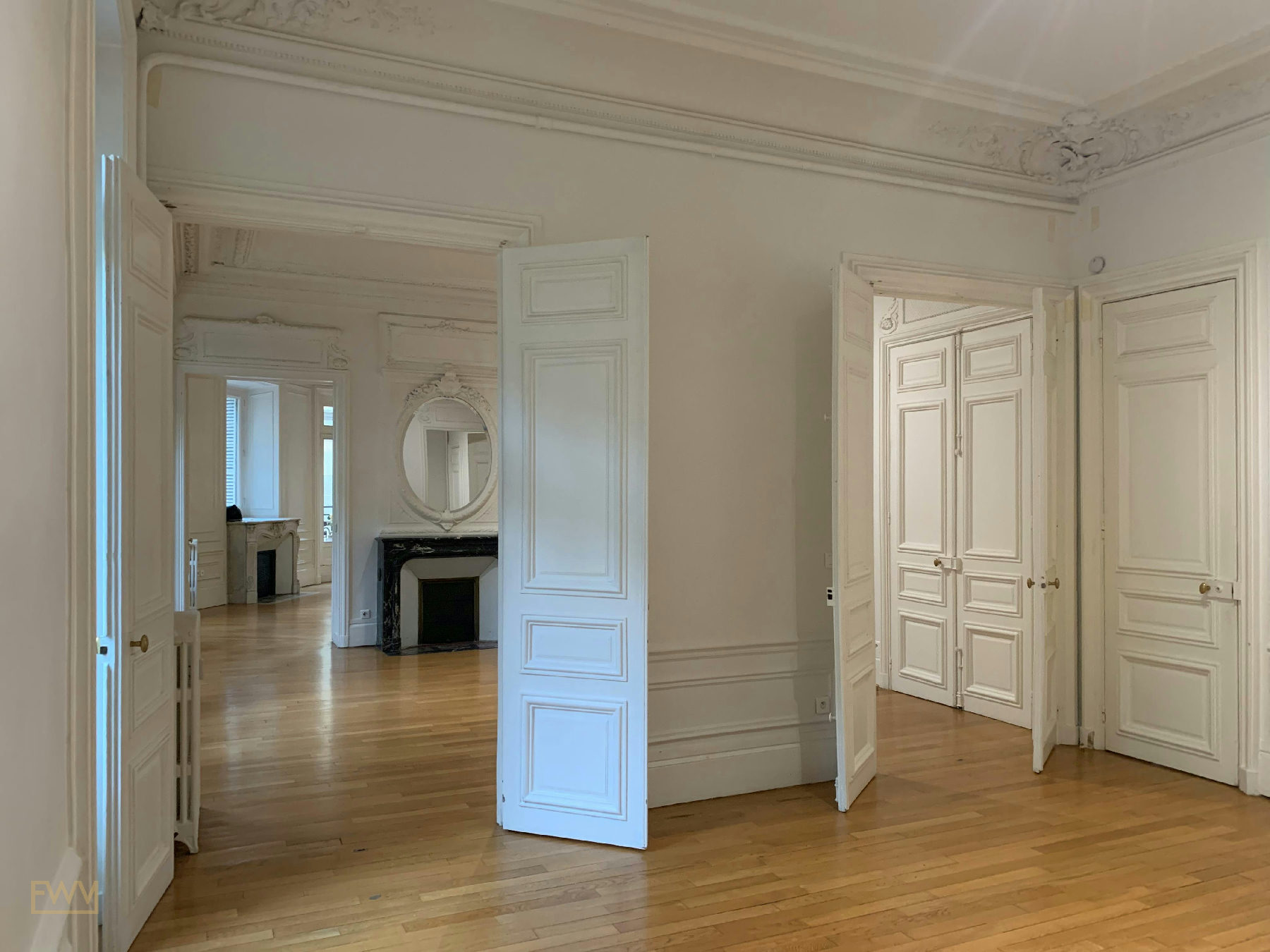
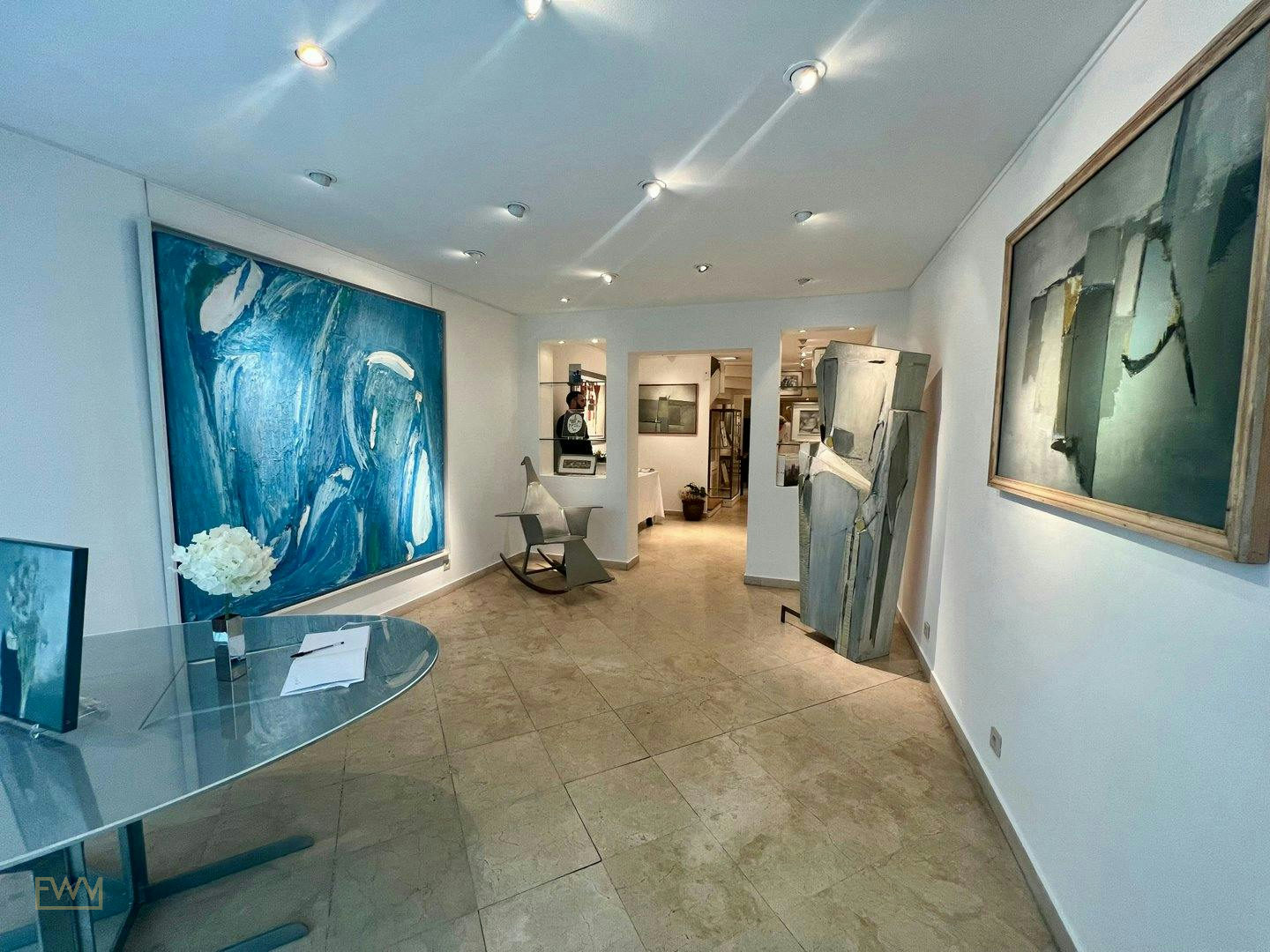
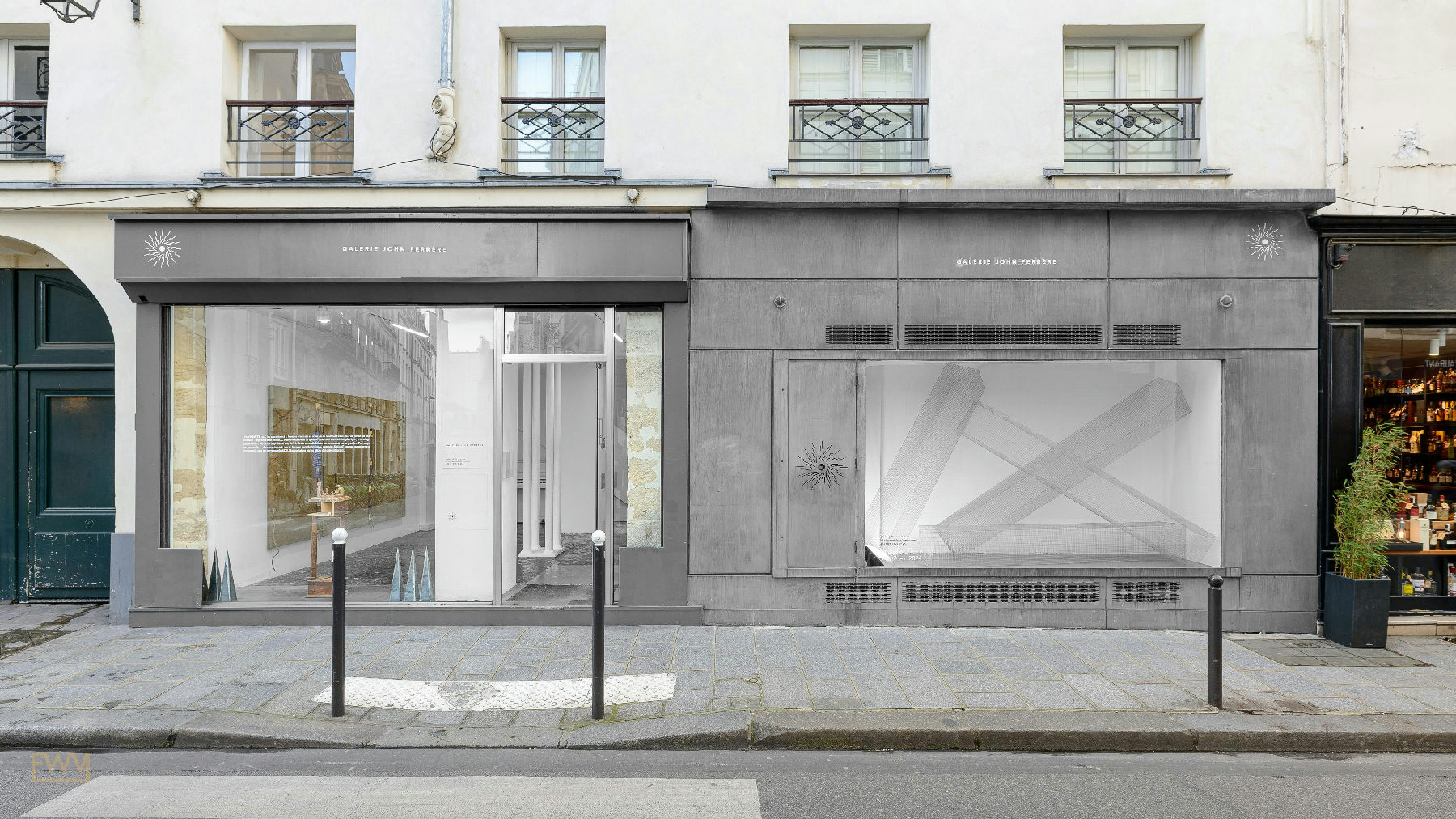
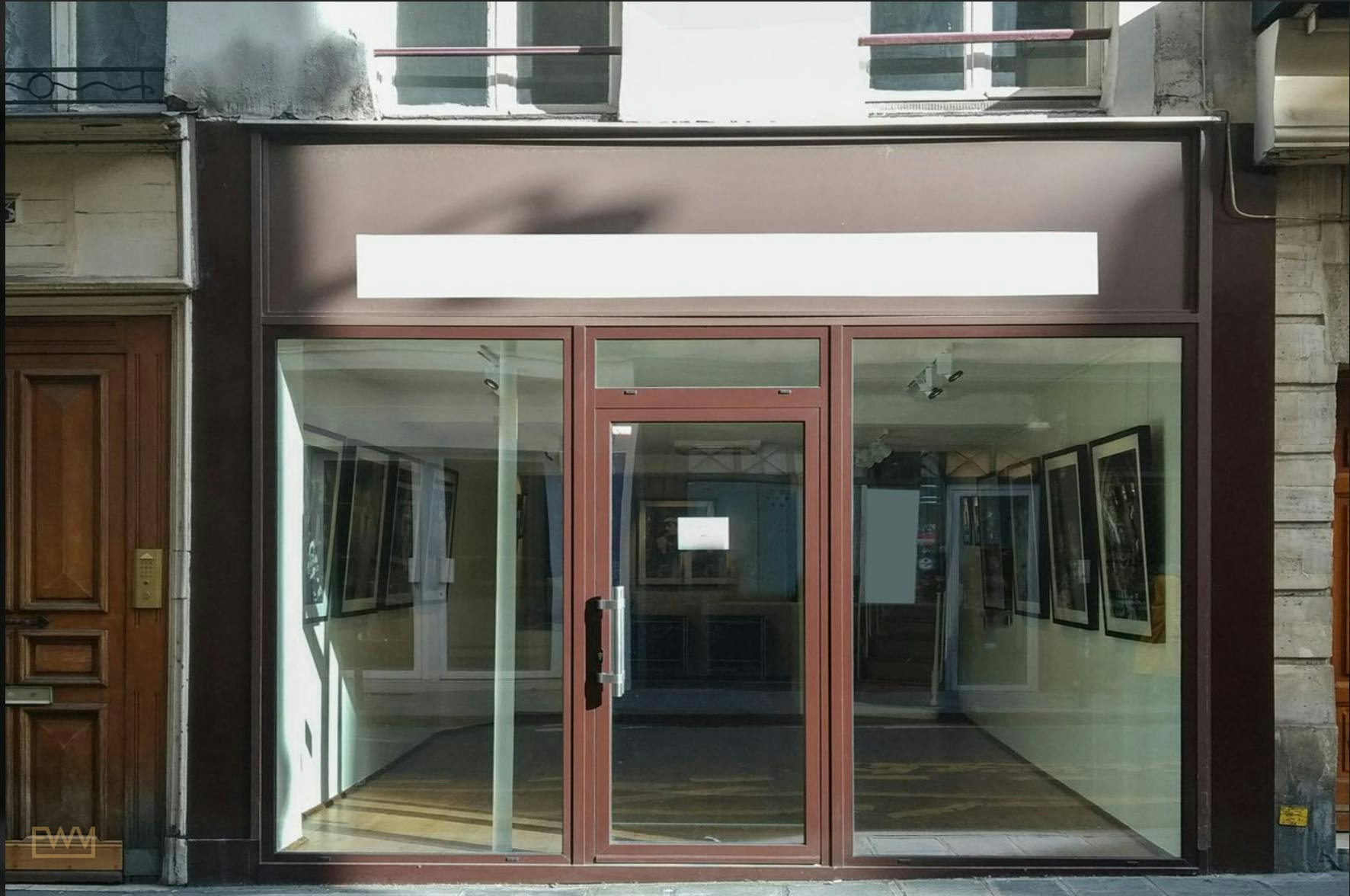
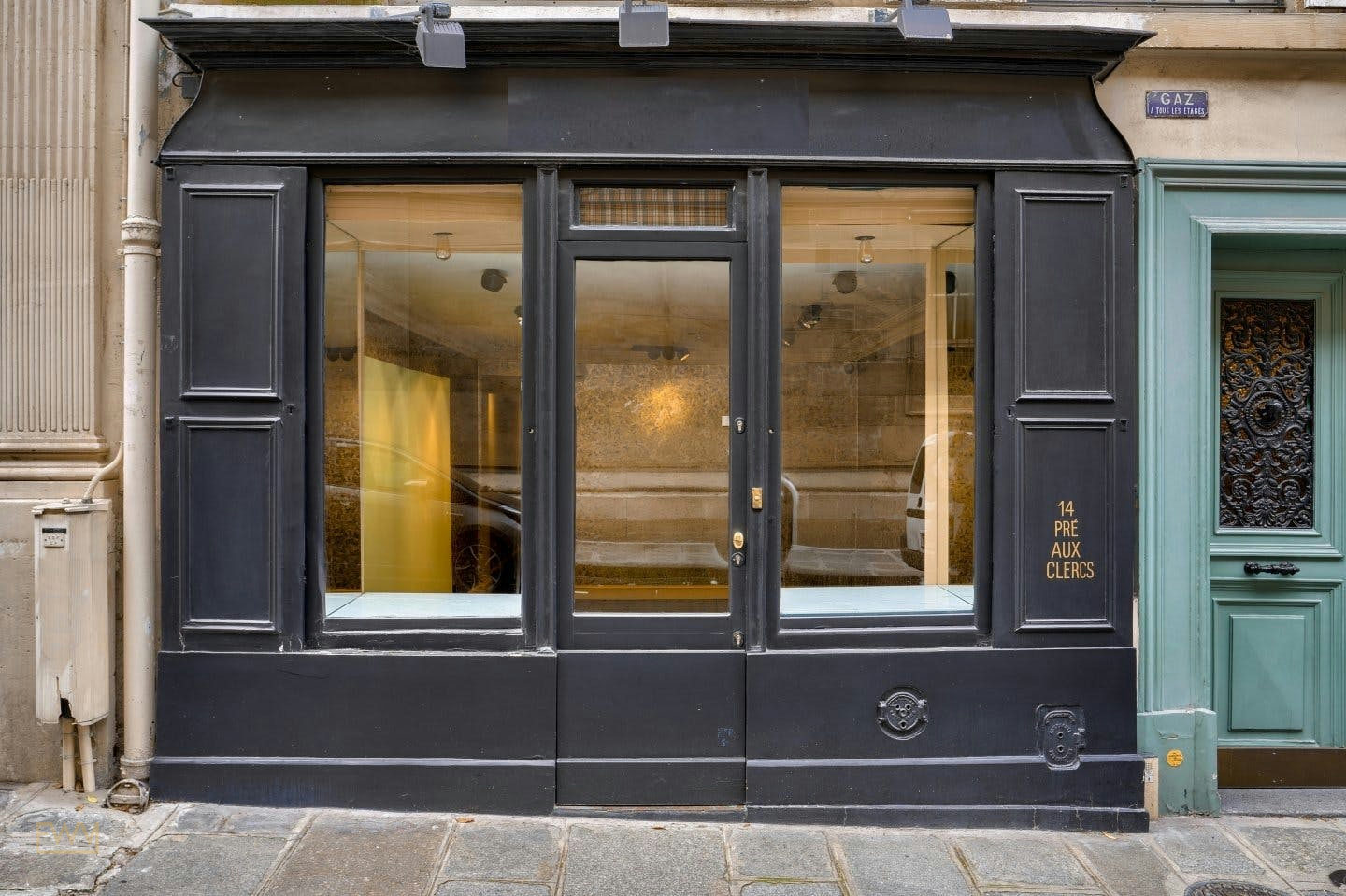
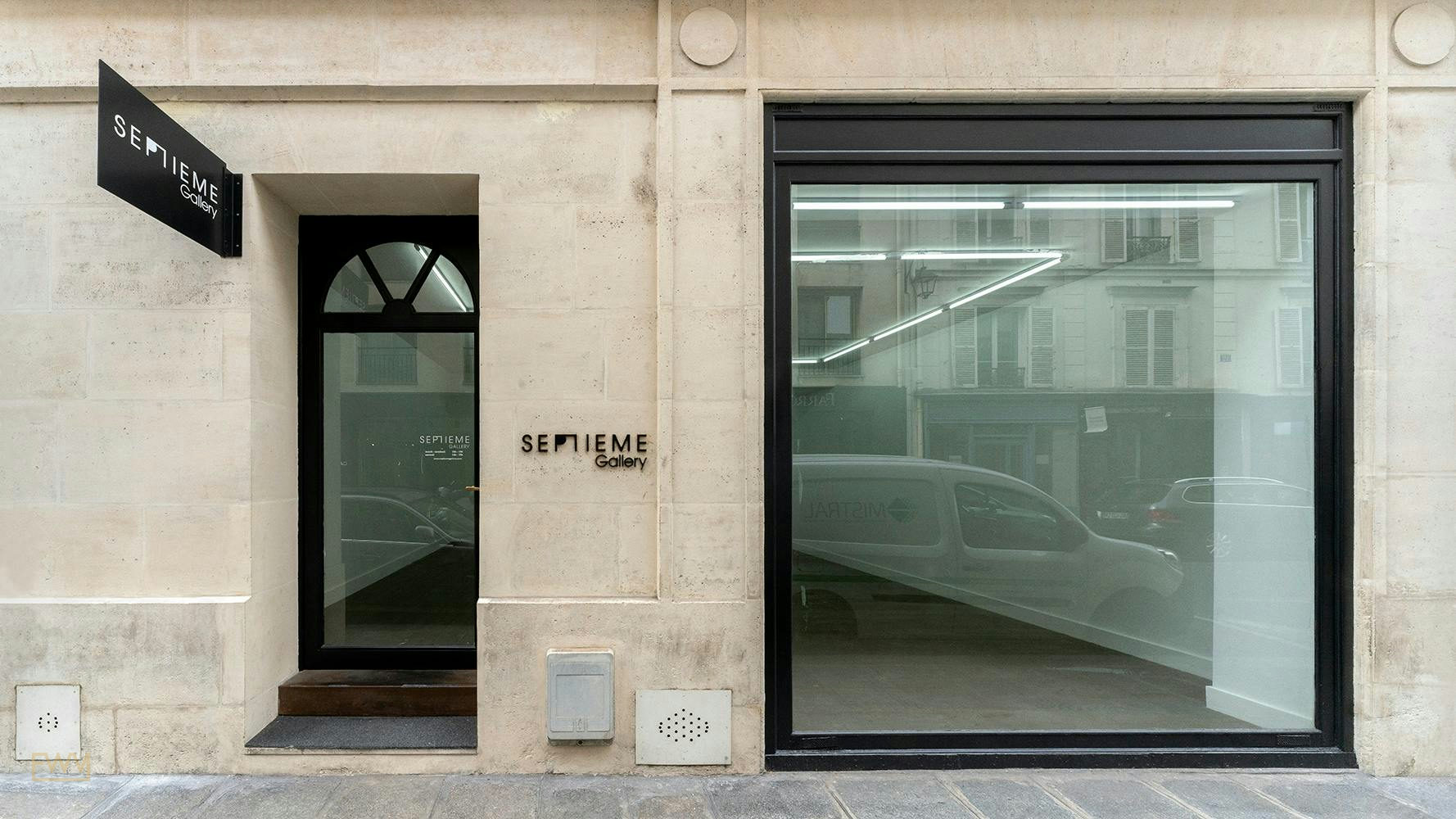
In the heart of the fashion world, finding the ideal fashion week venue in Paris is a pivotal step towards successful brand activation and pop-up retail strategies. For brands looking to expand their market presence or launch unique fashion initiatives, Paris offers a vibrant array of options. Leveraging Fashion Week Venues ensures that brands access not only prime locations but also a comprehensive suite of services that simplify the complex logistics of short-term retail and event spaces. Understanding the nuances of venue selection is crucial for aligning your brand's goals with consumer expectations and the logistical demands of Parisian locales.
Understanding Paris as a Fashion Week Hub
Paris stands as a global epicenter for fashion, steeped in history and renowned for its role in shaping global fashion trends. Choosing a venue in Paris means tapping into this rich tradition and the city's magnetic allure during Fashion Week. The appeal of Paris extends beyond clothing as it embodies culture, luxury, and exquisite taste, making it the perfect backdrop for brand activations.
The city's fashion weeks are watched by millions globally, offering unparalleled visibility for brands. Events here are not just about the shows; they're a convergence of designers, media, buyers, and fashion enthusiasts. This setting encourages brands to invest in spaces where they can make a significant impact, engage with their audience, and create memorable experiences.
KEY TAKEAWAY: The prestige and historical significance of Paris Fashion Week create invaluable opportunities for brands to align themselves with leading fashion trends and enhance their visibility on a global stage.
Understanding how Paris functions as a fashion hub, including its cultural and economic influence, is essential as you consider venues. Such insights prompt us to explore the specific areas and venues that make Paris an attractive choice for fashion brands, a bridge to the next section exploring key Parisian neighborhoods for fashion venues.
Prime Parisian Neighborhoods for Fashion Venues
Selecting the right neighborhood in Paris for your fashion week venue is crucial. Each district offers distinct characteristics that can greatly influence the success of your event.
Some of the most sought-after neighborhoods include:
- Le Marais: Known for its historic charm and trendy boutiques, Le Marais attracts a diverse crowd, making it ideal for artisanal and indie brands. Its cobblestone streets and cultural mix provide a unique backdrop that resonates well with innovative and avant-garde labels.
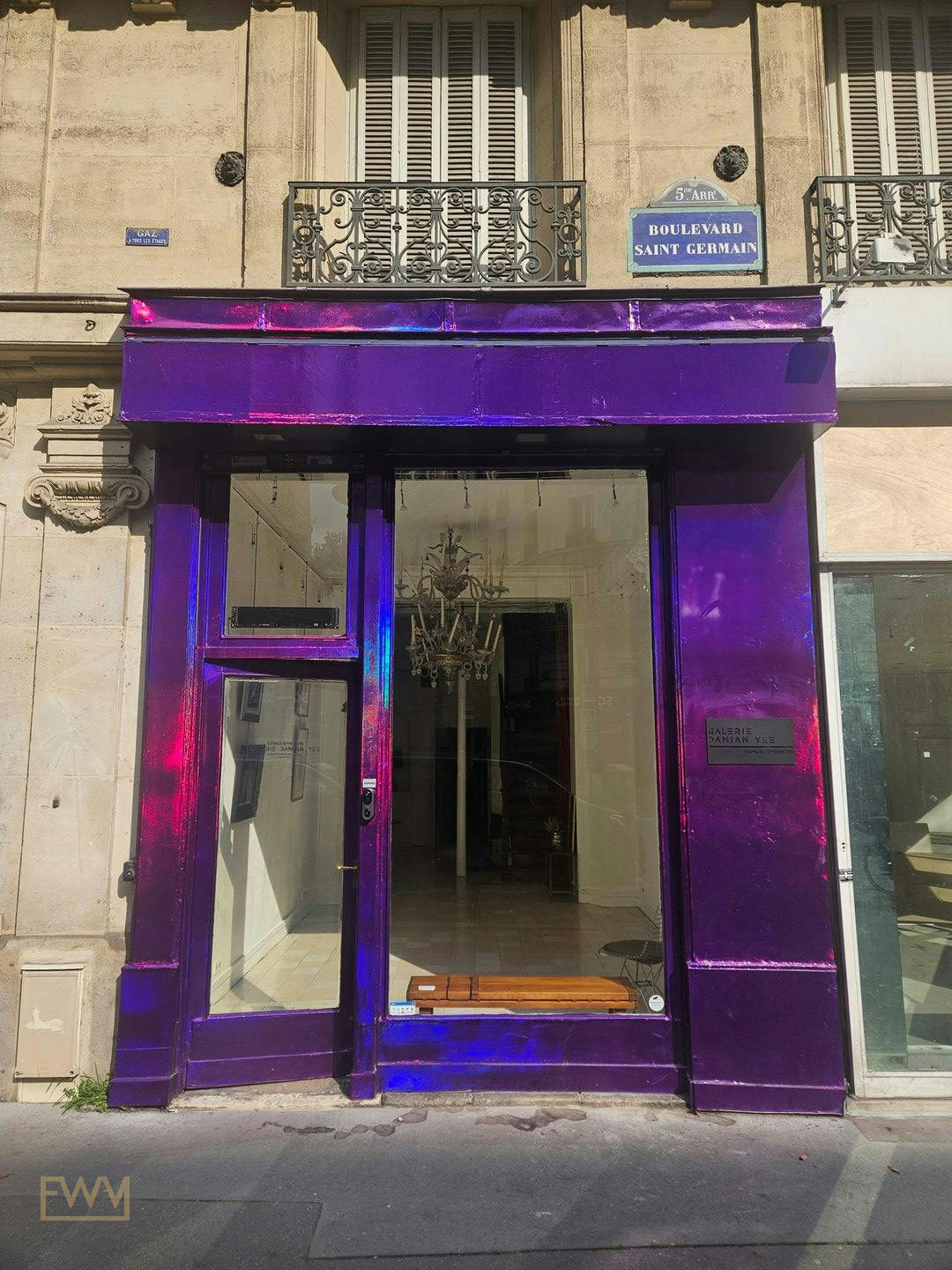
- Saint-Germain-des-Prés: This district exudes classic Parisian elegance, making it a perfect venue for luxury brands. Known for its galleries and cafes, it appeals to a sophisticated clientele seeking exclusivity and refinement.
- Opéra: Central to Paris, Opéra garners high foot traffic and offers visibility among Parisians and tourists alike. It hosts a vibrant retail scene, including high-end department stores like Galeries Lafayette.
- Rue Saint-Honoré: As a center for flagship stores of global luxury brands, this street is synonymous with opulence and prestige. Hosting a pop-up here can align your brand with high-end fashion houses.
Quick answer: Choosing a neighborhood for your fashion week venue in Paris depends on your brand identity—Le Marais for indie charm, Saint-Germain for elegance, Opéra for centrality, and Rue Saint-Honoré for luxury.
Beyond these neighborhoods, understanding the client base and foot traffic unique to each area is critical in decision-making. To delve deeper into how each neighborhood aligns with your brand's goals, continue exploring the logistical and strategic considerations that make Paris venues uniquely complex to navigate.
| Neighborhood | Key Attributes | Ideal For |
|---|---|---|
| Le Marais | Trendy, artisanal, diverse | Indie brands, avant-garde |
| Saint-Germain-des-Prés | Elegant, exclusive, classic | Luxury brands |
| Opéra | High foot traffic, central | Mass-market, global reach |
| Rue Saint-Honoré | Prestigious, luxury-focused | High-end retail |
With these foundational insights into the key neighborhoods, we can now explore the logistical intricacies involved in selecting and securing the perfect venue for fashion week in Paris.
Logistical Considerations for Fashion Venues in Paris
Logistics play a critical role in the success of any fashion week event in Paris. From securing permits to managing setup and teardown, ensuring that each element of the event runs smoothly requires meticulous planning and execution.
One of the first logistical considerations is securing the appropriate permits. Paris has specific regulatory requirements, such as the bail dérogatoire and the AOT (Autorisation d’Occupation Temporaire), which are necessary for temporary events like pop-ups and showrooms. Understanding these permits is crucial, and it's advisable to consult a French legal advisor who can assist with navigating the legal complexities to ensure compliance.
IMPORTANT: Securing a bail dérogatoire is not as straightforward as a standard commercial lease; careful attention to its terms, such as duration and space type, is critical for legal compliance.
Managing logistics involves considerations beyond legalities, such as proximity to transport links and suppliers for easy access to materials and decor. Paris’ extensive public transportation network can facilitate efficient movement between warehouses and venues. Additionally, considering local suppliers for services like furniture rental and catering can add local flavor and practicality.
Quick answer: Successful management of logistics for a Paris fashion venue requires understanding legal permits, leveraging local transport networks, and partnering with local suppliers for rentals and decor.
To ensure your logistics align with the needs of a successful event, it’s vital to create a detailed workflow that covers every operational touchpoint.
| Step | Action | Considerations |
|---|---|---|
| 1 | Secure Permits | Consult legal advisor, check specific requirements |
| 2 | Choose Venue | Assess neighborhood fit and access |
| 3 | Design Layout | Position according to brand and customer flows |
| 4 | Manage Setup | Engage local suppliers for timely delivery |
| 5 | Run Event | Coordinate staff, ensure security |
| 6 | Tear Down | Plan logistics to minimize disruption |
KEY TAKEAWAY: Preparation and foresight into logistical operations can transform potential challenges into opportunities for smooth execution and an impactful brand presence during fashion week.
Efficiency in logistics provides a strong foundation for evaluating the costs associated with hosting an event in Paris, preparing us to explore the financial dimensions next.
Cost Considerations for Fashion Week Venues in Paris
Hosting an event during Paris Fashion Week involves addressing various cost considerations, ranging from venue rental to staffing. While discovering a venue through the Fashion Week Venues marketplace, understanding these costs helps in creating a realistic budget that safeguards against unforeseen expenses.
Venue rental costs are influenced by location, size, and neighborhood prestige. Iconic spots like Rue Saint-Honoré may command higher rates compared to emerging districts. Estimating costs should include factors such as space design, decor, staff remuneration, and marketing initiatives.
Generally, prices can vary significantly, and only by utilizing detailed tools like our budget estimation tool can brands obtain estimates that match their unique event requirements. Considering all logistics, decor, and unexpected needs will create a buffer that ensures financial preparedness.
| Cost Element | Considerations | Average Range |
|---|---|---|
| Venue Rental | Location, neighborhood, size | $5,000 - $50,000 |
| Design and Setup | Furniture, decor, layout design | $3,000 - $15,000 |
| Staffing | Retail staff, security, event managers | $2,000 - $10,000 |
| Marketing | Influencers, media outreach, event photography | $1,000 - $20,000 |
| Contingency | Unforeseen expenses | $1,000 - $5,000 |
Quick answer: Planning for a Paris fashion week venue should consider location, design, staff, marketing, and contingency costs, expecting wide-ranging budgetary needs aligned with event scale.
Efficient budgeting is enhanced by calculating potential ROI from the event—projecting sales, brand exposure, and engagement benefits—focusing upcoming discussions on evaluating success through returns.
Maximizing ROI for Fashion Week Events
Maximizing return on investment (ROI) is a top priority for brands participating in Paris Fashion Week. To effectively measure ROI, brands must align their initial investments with potential revenue gains and brand exposure.
Start by setting clear goals for what the event should achieve, such as increasing sales, enhancing brand image, or expanding customer reach. Tools like our ROI calculator can help quantify these objectives into tangible metrics, providing a clearer picture of potential returns.
DID YOU KNOW: Well-executed events can enhance brand affinity and drive consumer loyalty, leading to long-term benefits beyond immediate financial returns.
Evaluate success by analyzing key performance indicators (KPIs) such as sales generated, social media engagement, and attendee feedback. These insights help in recalibrating strategies for future activations.
Quick answer: Maximizing ROI for fashion week events requires setting clear objectives, measuring KPIs, and using data-driven insights to drive brand affinity and sales through calculated investments.
Employing a mix of in-event sales opportunities and subsequent online campaigns can also bolster results. With ROI strategies firmly in place, it's crucial to examine how strategic decisions affect this already intertwined concept of budget management and financial return.
KEY TAKEAWAY: A calculated approach to ROI through clear objectives and careful KPI management can transform any fashion week event into a pivotal opportunity for brand advancement and economic growth.
Creative Direction and Concept Development
Creative direction and concept development are essential in differentiating your brand's presence during Paris Fashion Week. A compelling concept captures the imagination, engages the audience, and enhances brand storytelling.
Successful creative direction involves understanding the brand's core identity and seamlessly integrating this into a unique event concept. This is where the concept direction service by Fashion Week Venues becomes invaluable, offering expert guidance in tailoring a bespoke narrative that resonates with target audiences.
From integrating local cultural elements to experimenting with immersive technologies, creative concepts should inspire while reflecting the nuanced desires of a fashion-savvy audience.
Consider trends such as sustainability and digital interactivity, ensuring they're woven into the conceptual fabric of the event. These elements not only appeal to modern sensibilities but also position the brand as a forward-thinking entity.
Quick answer: Effective creative direction aligns your brand's identity with current trends, leveraging innovative concepts that engage audiences and enhance storytelling during fashion week.
Understanding how to fabricate a winning event narrative leads us to discuss the potential role of experiential design in enriching your brand activation strategy.
The Role of Experiential Design in Fashion Week Venues
Experiential design is at the core of creating memorable experiences during fashion week events. This approach focuses on engaging the senses, encouraging interaction, and fostering emotional connections between the brand and its audience.
Through innovative space curation, brands can craft environments that reflect their ethos while enticing consumers to explore and engage. This extends to the use of interactive installations, ambient lighting, and audio-visual elements that captivate and hold the attention of attendees.
Brands can amplify their reach by incorporating elements like VR experiences or live demonstrations, offering an immersive dive into their world. These techniques not only highlight product offerings but also envelop visitors in brand narratives they can share further.
Quick answer: Experiential design transforms fashion week venues into sensory experiences, using interactive elements to deepen brand engagement and elevate storytelling.
Innovative experiential strategies offer valuable pathways to enrich consumer engagement, showing that the importance of blending creativity with functional design can never be understated in event planning and execution.
KEY TAKEAWAY: Strategic experiential design creates memorable interactivity and distinguishes your brand in a competitive fashion week landscape, suggesting next steps involve examining the scalability and design of temporary retail spaces.
Designing Temporary Retail Spaces for Impact
Temporary retail spaces, or pop-up shops, offer unique opportunities during fashion week to showcase brand creativity and directly engage with consumers in a vibrant setting. Their design focuses on drawing in passersby and converting them into loyal customers.
Successful designs often break traditional retail norms, using modular setups that adapt swiftly to various product lines and thematic shifts. This flexibility is crucial, as it allows brands to experiment with layout and optimize space for different crowds or themes.
Fashion Week Venues supports this with branded store design services, ensuring each pop-up aligns perfectly with brand objectives and resonates visually with attendees.
Incorporating digital elements, personalized through imagine tools, enhances the customer experience. These tools allow visitors to visualize products in various contexts, demonstrating versatility and increasing the likelihood of an emotional purchase.
Quick answer: Designing impactful temporary retail spaces during fashion week involves flexibility, digital integration, and brand-aligned aesthetics to convert visitors into customers.
Temporary retail spaces represent a critical touchpoint during Paris Fashion Week, and implementing a creative yet strategic design can prove essential in fostering meaningful consumer relationships.
How Fashion Week Venues Helps You Succeed
Fashion Week Venues plays a pivotal role in facilitating successful brand activations in Paris during fashion week. Our comprehensive suite of services optimizes the venue discovery process and enriches every aspect of your event planning and execution.
We offer expert venue sourcing and creative direction to tailor spaces that align with your brand's vision and target audience. Our tools such as the locator tool and permits tool simplify logistical challenges, ensuring compliance and efficiency.
From construction through production build services to activation management, we empower brands to integrate seamlessly into the Parisian landscape. This combined with our strategic consulting often results in elevated consumer engagement and enhanced brand visibility.
Our approach considers every brand’s uniqueness, offering personalized solutions that encompass staffing, precise budgeting, and analytics to measure success, ensuring each activation leaves a lasting impact.
KEY TAKEAWAY: Partnering with Fashion Week Venues provides brands access to expert tools and services that streamline the complexities of hosting events in Paris, ensuring optimal brand exposure and engagement.
Common Myths Debunked
MYTH: You need a French legal entity to rent a space in Paris.
FACT: While operating a space does require adherence to French laws, non-French entities can lease spaces through temporary business structures. Consulting a local legal expert facilitates this process efficiently.
MYTH: Paris Fashion Week is the only viable calendar window for fashion brands.
FACT: While Paris Fashion Week offers high visibility, pop-up events thrive year-round, particularly during other fashion weeks or seasonal sales periods. Timing should align with your strategic goals.
MYTH: Commission brokers are the only way to find a suitable fashion venue in Paris.
FACT: Platforms like Fashion Week Venues offer direct access to a wide range of spaces and services, often bypassing the need for traditional brokers and reducing associated fees.
MYTH: Short-term leases are legally straightforward and require no specialist help.
FACT: Short-term leases, including the bail dérogatoire, have specific requirements and implications. Expert guidance is recommended to navigate these complexities effectively, ensuring compliance and optimal terms of agreement.
Understanding these myths frees brands to pursue practical and informed strategies as they navigate the exciting opportunities presented by Paris. Transition into answering common questions that address further nuances of planning a fashion event in such a dynamic and prestigious environment.
Frequently Asked Questions
What is the bail dérogatoire and why is it important for pop-ups?
The bail dérogatoire is a temporary lease agreement distinct from standard commercial leases, catering specifically to short-term rentals in France. It offers flexibility but comes with specific conditions and limitations. Understanding its implications is crucial for pop-up operators since it determines the space's usage timeframe and adherence to local regulations. Consulting a French legal expert ensures full compliance with these lease specifics.
How should brands select the right neighborhood for their Paris venue?
Brands should select neighborhoods that align with their target demographic and brand image. Le Marais appeals to indie and trendy brands, while Saint-Germain-des-Prés suits luxury labels. Consider factors like foot traffic, area reputation, and nearby attractions. Explore Fashion Week Venues' Paris city hub to understand each neighborhood's unique appeal and suitability.
What are the key steps in the permitting process for event venues?
Securing permits involves several key steps: identifying the event's specific needs, consulting a local legal advisor for guidance on whether a bail dérogatoire or AOT is required, and filing appropriate documentation with local authorities like Ville de Paris. Utilize our permits tool for tailored guidance. Early preparation facilitates smoother approval processes and compliance.
What logistical factors should be prioritized for fashion venues?
Prioritize factors such as location convenience, access to local suppliers, and public transport connectivity. Consider logistical aspects like setup efficiency, proximity to key markets, and compliance with legal frameworks. Leveraging local contacts and our logistics planning resources ensures seamless execution.
How does venue selection impact brand visibility during fashion week?
Venue selection directly influences brand visibility by situating the event amidst relevant fashion circuits and consumer hotspots. Choosing strategic locations like Opéra increases footfall and media exposure, crucial for heightened brand recognition. Utilize our services for venue sourcing to align your event with optimal visibility.
Can brands run successful pop-ups outside the major fashion weeks?
Yes, brands can harness off-peak seasons for pop-up events, especially to target niche markets or create exclusivity. Outside fashion week, brands face less competition for prime locations. It allows more direct consumer interaction and engagement, with timing adjusted according to specific retail strategies and seasonal highlights.
What does a successful ROI strategy look like for Paris Fashion Week?
A successful ROI strategy focuses on setting clear, measurable objectives, closely tracking KPIs such as sales, engagement, and media reach. Employing tools like our ROI calculator for projections and adjustments uses detailed metrics to optimize investments towards brand growth.
How important are experiential elements in fashion events?
Experiential elements are crucial for creating compelling and memorable events. They engage visitors beyond typical interactions, enhancing brand memory and viral potential. Utilizing elements like VR setups, interactive installations, or live product demos crafts a unique narrative and a deeper consumer connection to the brand's ethos.
Are short-term retail spaces financially viable?
Short-term retail spaces can be financially viable, offering low overhead, flexibility, and high potential returns when strategically executed. Consider factors like location and customer acquisition costs, aligning your project's objectives with consumer trends and aspirations, and leveraging our aesthetic design services for impactful presentations.
What makes Paris an ideal city for fashion events?
Paris embodies fashion artistry, offering historical venues, cosmopolitan audiences, and prestigious fashion calendars. Its cultural richness attracts global designers and media attention, providing unmatched exposure opportunities for brands. The city's infrastructure, coupled with a rich blend of history and modernity, makes it an ideal stage for fashion-driven events.
Conclusion
Paris offers incomparable opportunities for brands looking to make a mark during fashion weeks or at any other time with pop-up events. Understanding the intricacies of venue selection, from strategic neighborhoods to logistical, regulatory, and financial considerations, sets the stage for successful event execution.
Leveraging Fashion Week Venues supports brands through every phase, combining space discovery, expert advice, and optimized planning tools. From creative direction to experiential design, our services aim to enhance brand exposure and consumer interaction.
To move from research to activation, start exploring available spaces on the Fashion Week Venues marketplace and build a focused brief for your target neighborhood, space type, and calendar window.