A pop up shop in the 10th arrondissement Paris offers one of the most commercially compelling short-term retail propositions in Europe. The 10th sits at the crossroads of Paris's creative and residential pulse, anchored by Canal Saint-Martin to the west and République to the south, drawing a dense mix of fashion-conscious locals, international tourists, and media-active audiences every week of the year. For brands launching collections, testing new retail concepts, or activating during Fashion Week, the neighbourhood delivers foot traffic, editorial context, and social media visibility that few other districts match. Fashion Week Venues operates a dedicated Paris city hub with curated space listings, permitting tools, and full-service support for brands at every scale.
Why the 10th Arrondissement Is One of Paris's Most Strategic Pop-Up Districts
The 10th arrondissement occupies a unique position in the Paris retail landscape. It is not the most expensive or most tourist-dense district, but it is arguably the most creatively fertile. The neighbourhood fuses artisan workshops, independent concept stores, gourmet grocery stores, cafés, and residential blocks into a texture that makes brands feel culturally embedded rather than commercially intrusive. This quality is exactly what today's brand activation strategies demand.
Canal Saint-Martin is the spatial and social spine of the district. The canal runs from Quai de Jemmapes on the eastern bank and Quai de Valmy on the western bank, framing a promenade that attracts Parisians for picnics, cyclists, and visitors seeking an alternative to the more formal grandeur of the Marais or Saint-Germain. The streets running off the canal, including Rue Beaurepaire and Rue des Vinaigriers, have developed into dense clusters of independent boutiques, ateliers, and pop-up stores. Rue des Petites Écuries, closer to the Grands Boulevards axis, connects the district southward toward République with a strong footfall corridor.
The proximity to République gives the 10th an important strategic advantage. Place de la République is one of the busiest public squares in Paris, a transit hub that feeds pedestrian traffic northward and eastward into the canal neighbourhood. Brands that position their pop-up along this corridor benefit from both the organic dwell-time of canal visitors and the commuter volumes flowing through République. This dual catchment is rare in Paris and helps explain why spaces in the 10th consistently attract brands during and outside Fashion Week periods.
The 10th also has a strong relationship with artisans and créateurs. Unlike the more commercial atmospheres of the Marais district or the tourist-heavy zones around Rue de Rivoli, the 10th has historically been home to craftspeople, small-batch manufacturers, and independent designers who use the neighbourhood's affordable studio and workshop spaces. This inherited creative identity means that a brand arriving with a pop-up store or showroom is entering a context where experimental retail, limited-edition collections, and behind-the-scenes brand storytelling feel entirely natural rather than out of place.
For international brands, the 10th offers another practical advantage: it remains more accessible in terms of short-term rental costs than equivalent spaces in Le Marais or the 1st arrondissement while still commanding strong media and social media attention. Journalists, bloggers, and influencers are already embedded in the neighbourhood, and a well-located pop-up can generate bouche-à-oreille coverage without paid amplification.
KEY TAKEAWAY: The 10th arrondissement combines Canal Saint-Martin's cultural gravity, Republic's transit volumes, and an artisan heritage to create one of Paris's strongest short-term retail environments for brand activations, showrooms, and pop-up stores.
Understanding the neighbourhood context is only the first step. The next priority is identifying the right space type and street for your specific brand brief.
Key Streets, Micro-Neighbourhoods, and Venue Zones Within the 10th
The 10th arrondissement is not a single retail zone. It contains several distinct micro-neighbourhoods, each with different foot traffic profiles, audience types, and space characteristics. Selecting the right sub-location within the district matters as much as choosing the arrondissement itself.
Canal Saint-Martin Corridor: Quai de Valmy and Quai de Jemmapes
The canal banks are the highest-visibility addresses in the 10th for lifestyle and fashion brands. Spaces on Quai de Valmy and Quai de Jemmapes benefit from extensive natural light due to large street-facing windows and the open-sky aspect of the canal. The audience here skews younger, with strong representation from the creative industries, fashion media, and a well-travelled international demographic. Retail formats that perform well on the canal banks include concept stores, boutique éphémère formats, showrooms, and experiential activations where the window display and vitrines are a central part of the brand experience.
Caravelle and Puerto Cacao are among the neighbourhood's known reference points as independently operated ventures along this corridor, demonstrating the diversity of retail and hospitality concepts that the canal strip supports. Papelli and Jordan Moilim have used the area for seasonal presentations. Le Comptoir Général, operating as a hybrid cultural venue and bar on Quai de Jemmapes, exemplifies the kind of multi-format space that brands can take over for exclusive activations or brand universe events.
Rue Beaurepaire and Rue des Vinaigriers
These two parallel streets running between the canal and the Château d'Eau metro axis represent the densest cluster of established pop-up activity in the 10th. Rue Beaurepaire in particular has become a reference address for independent fashion brands, with a concentration of boutiques and showroom-format spaces that attract both retail shoppers and wholesale buyers. The street's versatility makes it suitable for a wide range of formats, from single-brand boutiques to multi-creator showroom events and small-scale fashion week presentations. Spaces here typically offer open floor plans, good natural light, and a mix of standard amenities including dressing rooms, stock rooms, and kitchenettes.
Rue des Petites Écuries and the Grands Boulevards Fringe
The southern edge of the 10th, particularly around Rue des Petites Écuries and the streets connecting toward the Grands Boulevards, offers a different profile. This zone attracts higher street-level foot traffic from commuters and tourists moving between République and Opéra and suits brands that want volume exposure alongside creative context. Galerie-format spaces and larger floor-plate venues in this area have been used by brands launching collections to broader consumer audiences rather than the more curated insider crowds of the canal strip.
République and the Eastern 10th
The Place de la République axis itself is one of Paris's most heavily trafficked public spaces. Pop-up stores and retail activations positioned within walking distance of République benefit from both the metro interchange volumes and the square's role as a gathering point for cultural events. The eastern stretches of the 10th toward Belleville begin to cross into a residential and multicultural atmosphere that suits brands with a community-engagement dimension to their activation.
| Zone | Key Streets | Audience Profile | Best For |
|---|---|---|---|
| Canal Saint-Martin Banks | Quai de Valmy, Quai de Jemmapes | Creative, fashion media, internationals, young professionals | Concept stores, boutique éphémère, showrooms, brand experience |
| Rue Beaurepaire / Rue des Vinaigriers | Rue Beaurepaire, Rue des Vinaigriers | Fashion buyers, independent brand followers, locals | Fashion Week showrooms, multi-creator pop-ups, seasonal collections |
| Rue des Petites Écuries / Grands Boulevards | Rue des Petites Écuries, Faubourg Saint-Denis | Mixed commuters, tourists, high footfall daytime | Consumer-facing pop-ups, product launches, brand collaborations |
| République and Eastern 10th | Place de la République surrounds | High-volume mixed public, cultural event visitors | Mass-market activations, brand awareness campaigns, community events |
KEY TAKEAWAY: Each micro-zone within the 10th serves a different brand objective. Canal Saint-Martin is best for editorial and creative visibility; Rue Beaurepaire suits trade and wholesale showrooms; the Grands Boulevards fringe maximises consumer volume; République amplifies brand awareness campaigns.
To compare these zones against available spaces, use the space locator tool to filter by address, arrondissement, and space type.
Space Types and Venue Characteristics for a Pop-Up Shop in the 10th Arrondissement
The range of pop-up space formats available in the 10th is broader than most brands expect. Understanding the specific characteristics of each space type helps brand teams match venue to concept and avoid costly mismatches between the space and the activation brief.
Quick answer: Pop-up spaces in the 10th arrondissement Paris range from compact boutique éphémère formats of 30 to 60 square metres on Rue Beaurepaire to larger open floor plan venues on the canal banks exceeding 200 square metres. Most spaces include natural light, vitrines, basic amenities, and varying configurations for retail, showroom, and event use.
Boutique Éphémère and Small-Format Retail Spaces
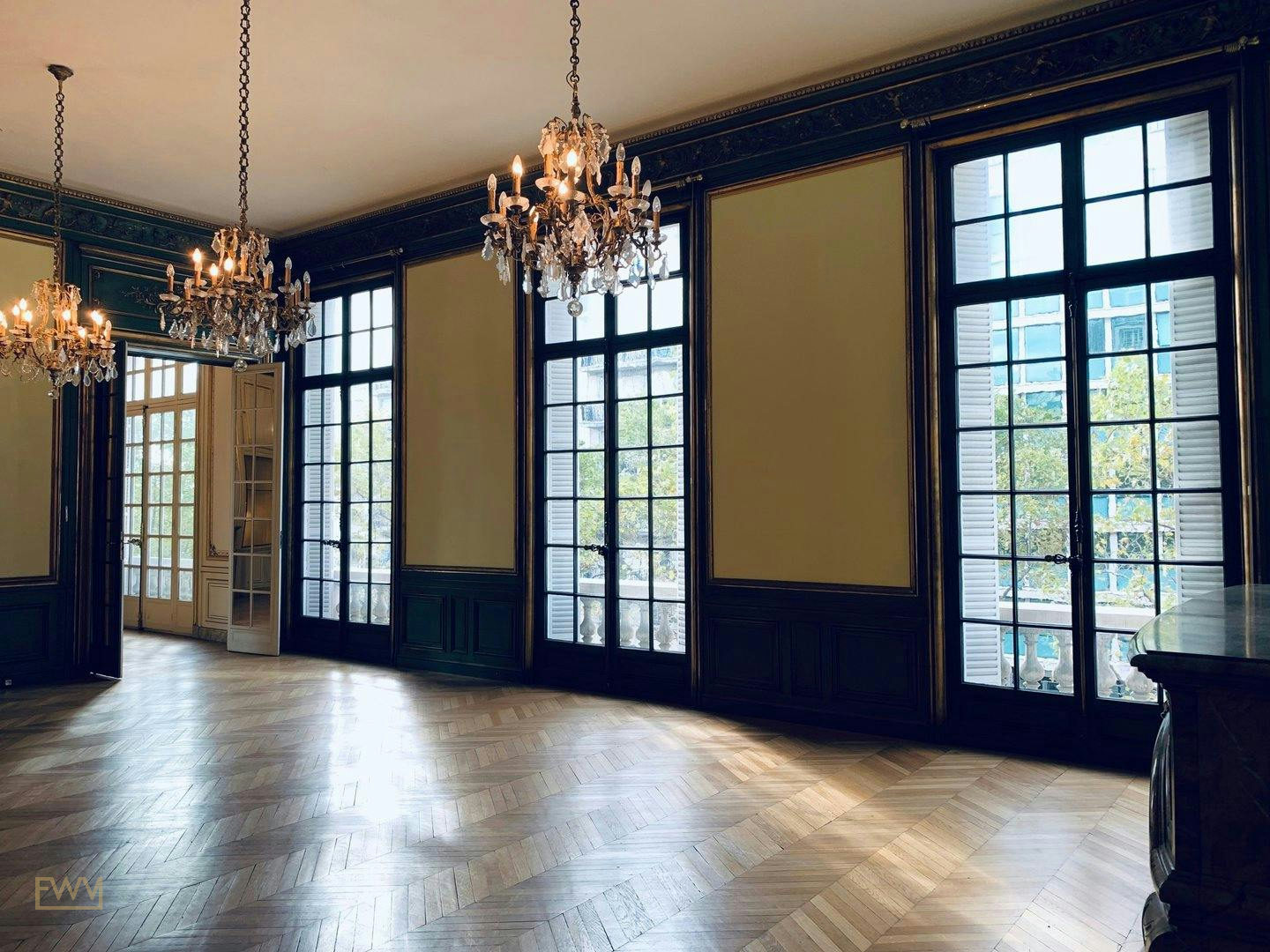
The boutique éphémère format is the most common entry point for brands testing the 10th for the first time. These smaller spaces, typically ranging from 25 to 80 square metres, are found along Rue Beaurepaire, Rue des Vinaigriers, and the side streets feeding the canal. They often feature original architectural details such as exposed stone, wooden floors, and large vitrines that lend immediate visual identity to a brand without requiring extensive fit-out. Many include a dressing room, a compact stock room, and a kitchenette as standard amenities.
For fashion and beauty marques, these formats allow close-contact brand storytelling. The limited square footage creates an intimate retail experience that reinforces exclusivity and encourages dwell time. Brands presenting limited-edition collections, collaborations, or seasonal drops benefit particularly from this format.
Open Floor Plan Concept Stores and Gallery-Format Spaces
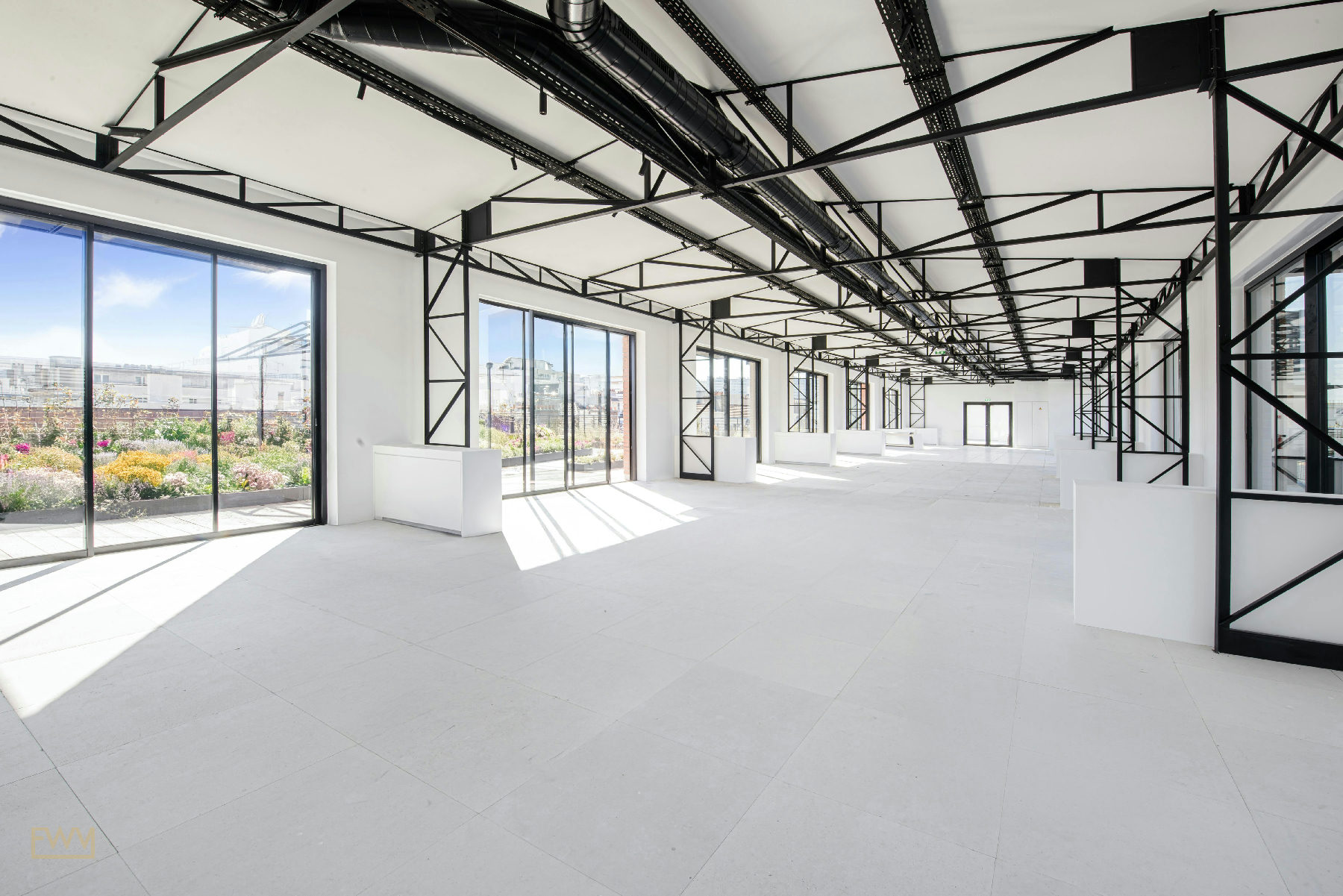
Larger spaces in the 10th, particularly those on the canal banks and around République, tend to offer open floor plans that give brands maximum configuration flexibility. These spaces frequently function as galerie d'art or former atelier venues, meaning they carry built-in cultural associations that align naturally with fashion, art contemporain, and design brands. Ceiling heights are typically generous, natural light is strong, and the raw or semi-fitted nature of the space allows substantial branded store design interventions without conflict with the landlord's existing aesthetic.
Brands such as NEMOZENA, Asphalte, and other direct-to-consumer fashion marques have used this format to combine retail selling with storytelling installations, making the space simultaneously a pop-up store and a brand experience environment. The versatility of these larger formats also makes them suitable for hybrid activations combining retail, press and buyer appointments, and social events in a single run.
Showroom and Atelier Formats
For brands focused on trade rather than direct consumer sales, the atelier-style showroom remains a highly practical format in the 10th. Designers and créateurs have historically used the neighbourhood's workshop heritage to present collections in studio-like environments that emphasise French craftsmanship and behind-the-scenes access. These spaces typically offer private appointment rooms, rails, natural light for sample photography, and a semi-residential feel that makes press and buyer visits feel curated rather than transactional.
During Paris Fashion Week, the demand for showroom-format spaces in the 10th intensifies significantly, particularly for independent labels and international brands seeking a foothold in the Paris calendar without the cost or scale of the major Marais district or Palais Royal show venues.
Multi-Brand and Co-Activation Spaces
A growing format in the 10th is the shared or co-activation pop-up, where multiple brands occupy a single space simultaneously or in rotating windows. Venue concepts such as Lieu 37 have pioneered this model, offering permanent pop-up infrastructure where marques can rent a portion of the floor for defined periods. This format reduces individual cost, generates cross-brand foot traffic, and creates a curatorial identity for the space that attracts media coverage beyond what any single brand would generate alone.
LE POP UP PARISIEN is one of several event frameworks operating in the 10th that facilitates this model, aggregating brands across fashion, beauty, art, and lifestyle under a single activation umbrella. For smaller marques and artisanal brands, joining an organised multi-brand format is often more cost-effective and more visible than operating a standalone space.
DID YOU KNOW: Lieu 37 on Rue Beaurepaire operates as one of Paris's most consistently referenced pop-up infrastructure spaces, hosting brands ranging from independent French créateurs to international fashion houses and art contemporain galleries within its rotating programme.
| Space Type | Typical Size | Key Features | Best Brand Fit |
|---|---|---|---|
| Boutique Éphémère | 25 to 80 sqm | Vitrines, dressing room, stock room, kitchenette | Independent fashion, beauty, limited-edition drops |
| Open Floor Plan / Galerie | 80 to 300+ sqm | High ceilings, natural light, configurable layout | Brand experience, art and design collaborations, press activations |
| Atelier / Showroom | 40 to 120 sqm | Private rooms, natural light, rail space, studio feel | Trade showrooms, créateur presentations, Fashion Week appointments |
| Multi-Brand / Co-Activation | Variable per brand allocation | Shared infrastructure, curatorial programming, rotating brands | Artisanal marques, emerging créateurs, concept-led collaborations |
KEY TAKEAWAY: Matching space type to brand objective is the single most important decision in the 10th arrondissement. Boutique éphémère suits editorial and exclusive launches; galerie formats suit immersive brand experiences; atelier formats serve trade and wholesale; multi-brand formats offer cost efficiency and curatorial visibility.
With space type defined, the next priority is understanding the leasing framework, permitting requirements, and how short-term rental contracts work in Paris.
Leasing Framework, Permits, and Legal Considerations for a Paris Pop-Up Shop
Opening a pop-up shop in Paris is not legally equivalent to signing a standard commercial lease. Short-term retail activations in the 10th arrondissement, as across Paris, typically operate under one of two main contractual frameworks: the bail dérogatoire or a convention d'occupation précaire, with some publicly owned or associative spaces operating under an autorisation d'occupation temporaire (AOT).
Quick answer: A bail dérogatoire in France is a short-term commercial lease of up to three years that allows parties to opt out of the standard nine-year bail commercial protections. It is the most common contract type for pop-up stores and temporary retail spaces in Paris. An AOT applies to publicly owned spaces and grants temporary occupancy without conferring ongoing tenant rights.
Bail Dérogatoire: The Core Short-Term Lease Structure
The bail dérogatoire allows landlords and tenants to agree on a lease duration of up to three years without triggering the protections of a standard bail commercial. This makes it the standard instrument for pop-up stores, seasonal boutiques, and temporary showrooms. The tenant acquires no right of renewal, which protects landlords offering spaces for short-term activation without intending to enter a long-term commercial relationship.
For brands, the bail dérogatoire offers genuine flexibility but also requires careful review. The contract must explicitly state that both parties intend to derogate from the standard bail commercial regime. If this language is absent or if the parties continue occupying beyond the agreed term without a new contract, French law may automatically reclassify the arrangement as a standard nine-year bail commercial, with significant consequences for both parties. Legal verification before signing is strongly recommended.
Autorisation d'Occupation Temporaire (AOT)
Some spaces in Paris, particularly those owned by the City of Paris or public bodies, operate under an AOT framework. These authorisations grant temporary use of a space without conferring any proprietary or commercial rights to the occupant. The AOT is common for activations in publicly managed spaces, markets, or city-supported commercial schemes. Semaest, the City of Paris commercial development agency, manages several programmes providing temporary retail space to brands and créateurs under arrangements that share characteristics with the AOT model, particularly in its Je Loue Ma Boutique programme targeting independent and artisanal businesses.
Permits, Regulations, and Compliance
Beyond the lease contract, brands operating a pop-up shop in the 10th arrondissement must navigate a range of permits and regulatory requirements that vary by space type, activation duration, and the nature of the retail activity. Key areas include:
- Commercial signage and vitrine modification: altering a building's exterior display or signage in Paris requires authorisation from the Mairie de Paris and must comply with the Règlement Local de Publicité. Requirements vary significantly by arrondissement and building classification.
- Temporary food and beverage service: if the activation includes a café, tasting, or catering component, additional food handling permits and declarations are required.
- Events and public gatherings: activations involving ticketed events, live performances, or significant public gatherings may require a declaration to the Préfecture de Police and compliance with ERP (Etablissement Recevant du Public) regulations.
- Temporary structures and fit-out: structural modifications to a rented space, even temporary ones, may require prior written consent from the landlord and in some cases notification to the Mairie.
IMPORTANT: Permit requirements in Paris are specific to each space, its classification, its location, and the nature of the activation. Always verify requirements with a qualified French legal advisor before committing to a space or activation plan. Fashion Week Venues provides directional guidance through its permit guidance tool, but this does not constitute legal advice and does not guarantee regulatory approval.
KEY TAKEAWAY: Short-term retail leases in Paris operate under specific legal frameworks that differ substantially from standard commercial leases. Understanding the bail dérogatoire, AOT, and applicable permits before signing is essential to avoiding costly legal complications.
Paris Fashion Week and the 10th Arrondissement Activation Calendar
Paris Fashion Week remains the world's most commercially and editorially significant fashion calendar event. For brands operating a pop-up shop in the 10th arrondissement, the Fashion Week calendar creates multiple distinct activation windows across the year, each with a different audience composition and brand objective.
Quick answer: Paris Fashion Week runs across four main seasons: Haute Couture in January and July, Menswear in January and June, Womenswear Ready-to-Wear in February and September, and various off-calendar events throughout the year. The July 2026 Haute Couture window runs from approximately 6 to 9 July 2026, creating a concentrated four-day activation opportunity for brands in the 10th and across Paris.
The Haute Couture July Window: July 6 to 9, 2026
The Haute Couture schedule in July 2026 concentrates the world's fashion press, buyers, influencers, and brand decision-makers in Paris for an intense four-day period. Runway shows, exhibitions, and private happenings compress into a programme where brand visibility is at its annual premium. Brands with a pop-up store or showroom in the 10th arrondissement during this window benefit from a Paris fashion audience that is already actively seeking new experiences, brand encounters, and editorial content beyond the official show circuit.
The 10th arrondissement is particularly well-positioned for Haute Couture activations because its creative and independent character contrasts productively with the more formal venues of the 8th and 1st arrondissements where the major fashion houses tend to stage their shows. Brands using the 10th as an off-schedule or satellite activation location signal a conscious creative positioning that resonates with the media and buyer audiences who move freely across the city during the week.
Womenswear Ready-to-Wear: February and September Windows
The February and September Womenswear seasons are the largest in terms of total audience and media coverage. International brands, particularly those entering Paris from North America, Asia, and the Middle East, most frequently target these windows for their Paris retail activations. The 10th arrondissement in September, when the canal neighbourhood is at its most atmospheric and Parisians have returned from August holidays, offers some of the year's best conditions for a pop-up store combining retail sales, press access, and social media content generation.
During the Autumn-Winter 2024 season, several brands used the 10th as a base for collection presentations and multi-format activations that combined showroom appointments with consumer-facing pop-up store hours, demonstrating the neighbourhood's ability to serve both trade and direct-to-consumer objectives simultaneously.
Off-Calendar Activations and Year-Round Opportunities
Fashion Week is not the only viable window for a pop-up shop in the 10th arrondissement. The neighbourhood's permanent creative energy and consistent foot traffic from both Parisian locals and international visitors make it a viable location year-round. Brands that operate outside the Fashion Week calendar face lower space competition, more favourable rental negotiations, and a less saturated media environment, which can translate to stronger per-activation impact.
Activations aligned with specific product launches, seasonal collections, collaborations, or cultural events such as Nuit Blanche, Paris Design Week, or the annual fête de la musique on the canal are particularly effective in the 10th because they align with the neighbourhood's own event culture. LE POP UP PARISIEN and similar multi-brand formats operate across these off-calendar windows, providing an accessible infrastructure for brands that want Paris presence without needing to orchestrate a standalone activation.
TIP: Book spaces in the 10th arrondissement for Fashion Week windows at least 3 to 6 months in advance. Canal-facing and Rue Beaurepaire addresses in particular reach full occupancy early for the September Womenswear and July Haute Couture periods.
KEY TAKEAWAY: The 10th arrondissement supports activations across all four Paris Fashion Week seasons as well as year-round off-calendar windows. The July 2026 Haute Couture period from 6 to 9 July is the next major short-window opportunity for brands seeking concentrated editorial visibility in Paris.
Planning a fashion week activation requires more than a calendar and a space. The next section addresses how brands build a complete operational plan for a pop-up shop in the 10th.
How to Plan and Execute a Pop-Up Shop in the 10th Arrondissement Paris: A Step-by-Step Framework
Executing a pop-up shop in the 10th arrondissement Paris from brief to close requires a structured process that accounts for space sourcing, permitting, fit-out, staffing, marketing, and post-activation analysis. Brands that approach this process without a clear workflow risk delays, budget overruns, and missed opportunities.
| Phase | Timeline Before Opening | Key Actions | Responsible Party |
|---|---|---|---|
| Strategy and Brief | 16 to 20 weeks | Define objectives, target audience, activation format, budget envelope | Brand team / agency |
| Space Search and Selection | 12 to 16 weeks | Shortlist spaces, conduct viewings, compare locations and lease terms | Venue sourcing specialist |
| Legal and Permit Review | 10 to 14 weeks | Review bail dérogatoire, check permits, confirm signage authorisations | French legal advisor |
| Concept and Design | 8 to 12 weeks | Develop branded store design, spatial layout, furniture selection | Creative director / agency |
| Production and Fit-Out | 4 to 8 weeks | Commission build, order furniture, install technology and POS | Production team |
| Staffing and Training | 3 to 6 weeks | Recruit bilingual retail staff, deliver brand training | Staffing agency |
| Marketing and Press | 4 to 8 weeks | Influencer seeding, press briefings, social media campaign launch | Marketing team |
| Activation Live | Opening day | Staff operations, event management, data collection | Activation manager |
| Closure and Analysis | Post-closing | Restore space, review sales and engagement data, compile ROI report | Brand team / agency |
Space Sourcing and Brief Development
The first operational step is translating a brand objective into a concrete space brief. This brief should specify the target arrondissement and street preference, minimum and maximum floor area, required amenities, preferred lease duration, maximum rental budget, and the activation format. Without a clear brief, space searches become unfocused and negotiations slow. Brands using specialist venue sourcing services move significantly faster through this stage because an experienced sourcing partner already has relationships with landlords, knowledge of available inventory, and the ability to shortlist credible options within days rather than weeks.
Branded Store Design and Concept Direction
The visual and spatial identity of the pop-up shop is as important as its location. In the 10th arrondissement, where design literacy is high and audiences are visually discerning, a generic or under-designed space will fail to generate the word-of-mouth and social media sharing that justifies the activation investment. Concept direction should translate the brand universe into spatial language that works specifically within the architectural character of the chosen space. Canal-facing spaces with large windows demand strong visual merchandise planning for their vitrines. Atelier-format spaces benefit from curation that feels like an intimate studio rather than a conventional retail environment.
Staffing and Operations
Retail staffing for a Paris pop-up shop requires bilingual capability in French and English as a minimum, with additional language skills highly valuable given the international audience during Fashion Week. Staff must be trained not only in sales and product knowledge but in brand storytelling, since the purpose of most 10th arrondissement pop-ups is as much about brand experience as transaction. POS and payment systems must be configured for French and international payment methods.
Marketing: Influencer, Social, and Press Strategy
Marketing for a pop-up shop in the 10th arrondissement should leverage the neighbourhood's existing media relationships. Influencers and créateurs based in the 10th and Marais district are natural amplification partners. Press outreach should target both international fashion media covering Paris Fashion Week and French lifestyle and retail publications that cover Canal Saint-Martin specifically. Social media content built around the canal context, the vitrines, and the neighbourhood aesthetic tends to generate stronger organic reach than generic product content because it taps into the already active visual culture around Canal Saint-Martin on platforms including Instagram. Building marketing timelines using a structured timeline planning tool ensures that press and influencer activity peaks at the right moment relative to the opening.
KEY TAKEAWAY: A pop-up shop in the 10th arrondissement Paris succeeds when the entire workflow from brief through to post-activation analysis is planned with clear timelines, responsible owners, and realistic budget allocation for each phase.
Brand Examples, Retail Concepts, and Activations in the 10th Arrondissement
The 10th arrondissement has a documented history of hosting brands across fashion, beauty, art, and lifestyle in formats ranging from brief three-day activations to extended seasonal presences. Understanding how specific brands have used the neighbourhood provides practical reference points for teams planning their own activations.
Quick answer: Brands including IKEA's INGKA Group, Asphalte, NEMOZENA, H&M Studio, and The Row have all used Paris pop-up formats, with several activating specifically in the 10th and canal neighbourhood context. Independently run spaces such as Nestore, Lieu 37, Charlot' Store, and Le Comptoir Général have served as both reference venues and activation hosts for a wide range of marques.
IKEA and INGKA Group: Pop Culture and Gachapon Machines
IKEA's INGKA Group Paris activation is one of the most widely discussed pop-up case studies in recent years, demonstrating that the pop-up format is not limited to luxury or independent fashion. INGKA deployed a Paris pop-up that incorporated pop culture references, figurines, gadgets, and gachapon machines to engage a younger urban audience unfamiliar with IKEA's traditional retail proposition. This activation validated the 10th arrondissement's ability to support mass-market brands seeking cultural recontextualisation, and it generated substantial social media and press coverage that reframed the IKEA brand universe for a Paris audience.
Asphalte and Direct-to-Consumer Fashion Brands
Asphalte, a French direct-to-consumer menswear brand with a strong online presence, has used Paris pop-up formats to create physical brand touchpoints for a customer base that otherwise interacts entirely through digital channels. This model, increasingly common among French créateurs and artisanal brands, uses the pop-up shop as a bridge between digital community and physical brand experience. The 10th arrondissement suits this strategy particularly well because its audience is digitally native but physically present in the neighbourhood on a daily basis.
H&M Studio and Seasonal Collection Drops
H&M Studio's Paris activations have used temporary boutique formats to launch premium seasonal collections in a context that separates them visually and experientially from the brand's standard retail environment. By choosing Paris locations with strong editorial associations, including the canal neighbourhood, H&M Studio positions these drops as fashion events rather than promotional campaigns, attracting press, influencers, and consumers who would not typically engage with an H&M store. Adorables and other premium accessible brands have used similar strategies in the 10th.
Lieu 37 and the Structured Pop-Up Infrastructure Model
Lieu 37 on Rue Beaurepaire represents one of the most developed permanent pop-up infrastructures in the 10th arrondissement. The venue operates on a rotating basis, hosting marques, créateurs, and artisanal brands in a space designed for the pop-up format with optimised vitrines, configurable shelving, good natural light, and flexible lease terms. Brands that have used Lieu 37 include independent fashion labels, art contemporain galleries, beauty brands, and lifestyle créateurs presenting Made in Paris collections. The concept has attracted commentary from fashion media and brand practitioners as a model for how permanent pop-up infrastructure reduces the operational friction of temporary retail while preserving the creative freshness of the format.
Semaest, City of Paris Programmes, and Emerging Brand Support
Semaest, the City of Paris economic development agency, operates programmes specifically designed to support independent brands, artisanal businesses, and créateurs in accessing temporary retail space across Paris. In the 10th arrondissement, Semaest-facilitated spaces have been used by artisan workshops, gourmet grocery stores, and artisans and creators presenting Made in Paris products to both local and tourist audiences. These programmes represent a semi-institutional route into the 10th's pop-up market that is particularly relevant for small French marques and internationally connected independent designers.
Pre-Loved Collections and Circular Fashion Activations
The 10th arrondissement has also become a growing location for circular fashion activations. Brands offering Pre-Loved collections, Buyback and Resell services, Re-shop programmes, and Re-use areas have found that the neighbourhood's sustainability-conscious and value-aware audience responds strongly to these formats. Charlot' Store and similar venues in the broader Marais and 10th corridor have hosted vintage and pre-loved activations that align with both the neighbourhood's aesthetic identity and the growing commercial importance of the secondary fashion market in Paris.
DID YOU KNOW: The broader Canal Saint-Martin neighbourhood spanning the 10th and parts of the 11th arrondissement is considered by French retail analysts and international brand teams to be one of the most media-generative short-term retail locations in Europe, with strong organic social media output driven by the neighbourhood's resident creative community.
KEY TAKEAWAY: The 10th arrondissement hosts brands across every scale and category, from globally recognised mass-market names to single-creator ateliers. The most successful activations share a common trait: they use the neighbourhood's character to amplify rather than replace their own brand identity.
To review how brands have built successful activations in Paris through structured agency support, explore the Fashion Week Venues work and case study section.
Budget, ROI, and Financial Planning for a 10th Arrondissement Pop-Up
Budget planning for a pop-up shop in the 10th arrondissement Paris requires accounting for multiple cost categories that brands new to the Paris market frequently underestimate. Space rental is only one component of the total investment required for a credible activation.
Quick answer: Total costs for a pop-up shop in the 10th arrondissement Paris vary substantially based on space size, duration, fit-out ambition, staffing levels, and marketing investment. Rental costs, fit-out, staffing, permitting, logistics, and marketing all contribute to the total. Brands should use a structured budget estimation tool for a brand-specific projection rather than relying on generic market averages.
Cost Categories to Budget For
The main cost categories for a 10th arrondissement pop-up shop include:
- Space rental: the core lease or licence fee for the duration of the activation, plus deposit requirements and any service charges included in the rental agreement
- Fit-out and production: branded store design, build costs, furniture rental, lighting, and technology installation
- Staffing: retail staff recruitment, training, wages or fees, and any agency placement costs for bilingual staff
- POS and payments: point of sale system setup, card payment processing, and any inventory management technology
- Permits and legal: legal review of the bail dérogatoire, permit applications, and signage authorisations
- Marketing and influencer: influencer seeding, press office support, social media content production, and event invitations
- Logistics: stock delivery, storage, installation, and restoration costs at the end of the lease
- Data and analytics: any measurement tools or post-activation reporting investment
Brands that approach this planning exercise with a full cost-category view consistently report more accurate ROI assessments and fewer budget surprises during the activation itself. The Fashion Week Venues budget estimation tool provides a structured framework for calculating brand-specific estimates across all of these categories.
ROI Metrics for a Pop-Up Shop Activation
Return on investment for a pop-up shop in the 10th arrondissement should be measured across multiple dimensions, not solely direct retail sales. The full ROI picture typically includes direct revenue from in-store sales, wholesale leads and buyer appointments generated during the activation, media value from press coverage and social media impressions, data capture from customer interactions and email sign-ups, and brand awareness metrics from post-activation survey research. Brands that measure only direct sales consistently undervalue their pop-up investment and make suboptimal future activation decisions. The ROI calculation tool provides a multi-metric framework for assessing total activation return.
TIP: Brands entering Paris for the first time should allocate a meaningful portion of their budget to post-activation data collection and analysis. The insights generated from a first Paris pop-up should directly inform the strategy for subsequent activations, including whether to remain in the 10th or expand to additional arrondissements.
KEY TAKEAWAY: Budget planning for a 10th arrondissement pop-up shop requires a full cost-category assessment, not just space rental. ROI should be measured across direct sales, media value, data capture, and brand awareness to reflect the total commercial and strategic value of the activation.
How Fashion Week Venues Supports Pop-Up Shop Activations in Paris
Fashion Week Venues is a full-service pop-up shop agency and space marketplace with Paris as its primary market. The agency supports brands at every stage of the pop-up activation process, from initial space discovery through to post-activation analysis.
Services Available for Paris Activations
The core services offered by Fashion Week Venues cover the complete activation workflow. Venue sourcing connects brands with available spaces in the 10th arrondissement and across Paris, with access to listings not always visible through public marketplace platforms. Concept and creative direction translate brand briefs into spatial concepts appropriate for the chosen venue and neighbourhood. Production and build services manage the physical fit-out from design sign-off through to opening day. Activation management handles on-site operations, logistics, and brand experience delivery throughout the live period. Retail staffing sources bilingual, brand-trained staff for front-of-house roles. POS and payments ensures seamless transaction infrastructure. Data and analytics provides real-time and post-activation performance measurement. Influencer marketing connects brands with Paris-based creators relevant to the target audience and activation context.
Tools for Brands Planning Paris Pop-Ups
Fashion Week Venues provides a suite of planning tools designed to support brand teams at the research and decision-making stages. The timeline tool helps brands map the full activation workflow against their target opening date. The permit guidance tool provides directional information on the regulatory requirements relevant to a given space type and activation format. The budget estimation tool generates brand-specific cost projections across all activation cost categories. The ROI calculator supports multi-metric return assessment. The compare tool allows side-by-side evaluation of shortlisted spaces. The space locator filters available inventory by neighbourhood, size, and format type.
Who Benefits Most
The brand teams that get the most value from Fashion Week Venues are those entering Paris for the first time and needing end-to-end support, those with existing Paris experience who want to access a broader range of spaces or reduce activation complexity, independent French créateurs seeking professional infrastructure for their first standalone pop-up, and international brands requiring a local partner who understands both the Paris retail landscape and the Fashion Week calendar dynamics. The agency's services are most relevant for activations with a minimum budget for professional production and staffing, though the marketplace and tools are accessible to brands at every scale.
To understand the full scope of how Fashion Week Venues operates and what brands can expect from a managed activation, review the agency process page.
Limitations to Understand
Fashion Week Venues does not guarantee space availability, permit approval, or specific ROI outcomes. Space availability depends on the market at any given time, and Fashion Week periods see high competition for the most desirable addresses. Permit outcomes depend on the Mairie de Paris, the specific space classification, and the nature of the activation. Brands should treat agency support as a significant enabler and risk reducer, not as a guarantee of any particular outcome. All legal advice should be verified with a qualified French legal practitioner.
To compare spaces, neighbourhood zones, and available formats, explore the Paris city hub on Fashion Week Venues and shortlist spaces that match your brief, budget, and calendar window.
KEY TAKEAWAY: Fashion Week Venues provides end-to-end support for pop-up shop activations in Paris, from space discovery to post-activation analysis. The combination of agency services, marketplace access, and planning tools makes it particularly valuable for brands navigating the 10th arrondissement and wider Paris market for the first time or at scale.
The 10th Arrondissement Versus Other Paris Pop-Up Districts: A Comparative View
Understanding how the 10th compares to other Paris pop-up districts helps brands make an informed location decision aligned with their specific objectives rather than defaulting to the most famous or most expensive address.
Quick answer: The 10th arrondissement offers a combination of creative credibility, accessible rental costs, strong foot traffic, and Fashion Week adjacency that makes it competitive with the Marais, Saint-Germain, and the 1st arrondissement for most brand activation objectives, at generally lower cost and with a more editorial-friendly context.
| District | Character | Audience | Relative Cost | Best For |
|---|---|---|---|---|
| 10th (Canal Saint-Martin) | Creative, artisan, independent, lifestyle | Young professionals, creatives, internationals, locals | Moderate | Editorial activations, emerging brands, multi-format pop-ups |
| 3rd/4th (Marais / Le Marais) | Premium, galerie, tourist-heavy, established | High-value tourists, fashion professionals, art collectors | High to premium | Luxury launches, established brand flagships, art and fashion crossover |
| 6th (Saint-Germain / Le Bon Marché) | Luxury, institutional, affluent residential | UHNW residents, luxury tourists, press | Premium | Haute couture, luxury accessories, fine jewellery pop-ups |
| 1st (Palais Royal / rue de Rivoli) | Institutional, flagship, heavily touristic | International mass tourists, luxury shoppers | Very high | Flagship pop-ups, tourism-driven brands, headline activations |
| 11th (Oberkampf / Bastille) | Creative, nightlife, mixed residential | Young locals, creatives, mixed international | Moderate to low | Streetwear, music brands, community activations |
The Marais district and Le Marais specifically around Place des Vosges and the Picasso Museum remain the most expensive and most competitive location for Paris pop-ups during Fashion Week. The 10th offers brands a genuine alternative that sacrifices very little in terms of media attention while delivering significant savings on space rental and a more authentic neighbourhood context that resonates with contemporary brand values around creativity, independence, and community. Galerie Turenne, Turenne Boutique, and Galerie d'exception in the upper Marais serve as reference points for what premium pop-up presentation looks like in that district, and they provide useful benchmarks for brands comparing the Marais with the 10th.
Le Bon Marché Rive Gauche in the 6th arrondissement represents a different category entirely: department store pop-up activation rather than independent space leasing. Brands that activate within Le Bon Marché benefit from the store's existing traffic and luxury positioning but sacrifice the full brand environment control that an independent pop-up shop provides.
For international brands weighing Paris against other fashion capitals, Fashion Week Venues operates city hubs across New York, London, Milan, Dubai, and Tokyo in addition to Paris, providing comparative context for multi-city activation strategies.
KEY TAKEAWAY: The 10th arrondissement offers the most cost-effective balance of creative credibility, foot traffic, and Fashion Week proximity among Paris's primary pop-up districts, making it the preferred location for emerging brands, independent créateurs, and international brands seeking editorial impact without premium district price levels.
Common Myths About Opening a Pop-Up Shop in Paris Debunked
MYTH: You need a French legal entity to rent a pop-up space in Paris.
FACT: International brands can rent short-term retail spaces in Paris without establishing a French company. Many landlords and marketplaces including Go-PopUp and Storefront accept international brands signing as foreign legal entities, though specific requirements vary by landlord and contract type. Working with a local agency that has established landlord relationships significantly smoothes this process. Legal and tax advice specific to your brand's structure is still recommended.
MYTH: Paris Fashion Week is the only viable calendar window for a pop-up shop in the 10th arrondissement.
FACT: While Fashion Week periods generate the highest media density, the 10th arrondissement's Canal Saint-Martin neighbourhood maintains strong foot traffic and creative energy year-round. Off-calendar activations in spring, early summer, and autumn outside the formal Fashion Week windows can deliver strong results with less space competition and more favourable lease terms. Many brands achieve their best per-day ROI in off-peak periods precisely because media attention is less fragmented.
MYTH: Commission-only brokers are the only practical way to find a pop-up space in Paris.
FACT: Multiple routes exist for finding a pop-up space in the 10th arrondissement. Online marketplace platforms, full-service agencies, direct landlord approaches, and city-supported programmes through Semaest all provide access to available spaces. Full-service agencies such as Fashion Week Venues offer deeper market knowledge, vetted space quality, and end-to-end activation support that commission brokers typically do not provide. The right route depends on your brand's scale, timeline, and need for operational support beyond space introduction.
MYTH: Short-term leases in Paris are legally straightforward and can be signed without specialist review.
FACT: The bail dérogatoire and related short-term lease structures in France contain specific legal requirements that, if not correctly drafted or observed, can result in the unintended creation of a long-term bail commercial with significant tenant and landlord obligations. French contract law governing commercial tenancy is specific, and requirements vary by space type, location, and duration. All short-term lease agreements in Paris should be reviewed by a qualified French legal advisor before signing, regardless of the apparent simplicity of the arrangement.
MYTH: A pop-up shop in Paris is only viable for luxury or established fashion brands.
FACT: The 10th arrondissement specifically has a well-established ecosystem supporting independent créateurs, artisanal brands, small-batch fashion labels, and emerging designers. Multi-brand formats, shared spaces, and Semaest-supported programmes make temporary retail access achievable for brands at very early stages. The neighbourhood's audience actively seeks out new and independent brands, making it one of the most receptive environments in Paris for brands that are not yet widely known.
Frequently Asked Questions
What makes the 10th arrondissement a good location for a pop-up shop in Paris?
The 10th arrondissement offers a combination of creative neighbourhood identity, consistent foot traffic from both local residents and international visitors, strong social media generation from the Canal Saint-Martin setting, and relatively accessible space rental costs compared to the Marais or Saint-Germain. The neighbourhood's artisan and créateur heritage means that pop-up stores and temporary retail activations feel culturally native rather than commercially intrusive. During Paris Fashion Week, the 10th also draws press, buyers, and influencers who use it as an off-schedule alternative to the more formal Fashion Week venues in other arrondissements.
Which streets in the 10th arrondissement are best for a fashion pop-up shop?
Rue Beaurepaire and Rue des Vinaigriers are the most established pop-up retail streets in the 10th, with a concentration of boutique éphémère formats suited to fashion and beauty brands. Quai de Valmy and Quai de Jemmapes along the canal banks offer maximum visual impact and natural light for concept-store formats. Rue des Petites Écuries provides higher street-level footfall for brands seeking consumer volume. The best street depends on your brand's objectives, desired audience profile, and preferred space format. Using a space locator tool filtered by street and space type helps narrow the search quickly.
How far in advance should I book a pop-up space in the 10th arrondissement for Paris Fashion Week?
For Fashion Week periods, particularly the September Womenswear and July Haute Couture windows, brands should begin their space search 12 to 16 weeks before their target opening date. The most desirable canal-facing and Rue Beaurepaire addresses reach full occupancy significantly earlier than this. For the July 2026 Haute Couture window from 6 to 9 July, brands targeting the 10th arrondissement should ideally have completed their space search and lease execution by early April 2026. For off-calendar activations, a minimum of 8 weeks advance notice is generally sufficient, though earlier is always better for preferred spaces.
Do I need a French company to rent a pop-up space in the 10th arrondissement?
No, a French legal entity is not universally required to rent a short-term pop-up space in Paris. Many landlords and space platforms accept international legal entities as contracting parties for bail dérogatoire agreements. However, specific requirements vary by landlord, space category, and contract structure. International brands are strongly advised to work with a local agency or legal advisor familiar with French commercial tenancy law to ensure that the contract is valid for their legal structure and that any cross-border tax implications are addressed appropriately. Requirements can also vary between privately owned spaces and those managed by public or semi-public bodies.
What is a bail dérogatoire and how does it apply to pop-up shops in Paris?
A bail dérogatoire is a short-term commercial lease in France that allows landlords and tenants to contract outside the standard nine-year bail commercial framework. It can be agreed for a maximum total duration of three years and must explicitly state the parties' intention to derogate from standard commercial lease protections. At the end of the agreed term, both parties must vacate or formally enter a new agreement, as continued occupation can trigger automatic reclassification under the standard bail commercial regime. For pop-up shops, the bail dérogatoire is the standard contract instrument. All agreements should be reviewed by a qualified French legal advisor before signing.
What amenities should I expect in a pop-up space in the 10th arrondissement?
Amenities in 10th arrondissement pop-up spaces vary by building age, renovation level, and rental price. Most boutique éphémère spaces on Rue Beaurepaire and the canal streets include vitrines, an open floor plan, natural light, a dressing room, a stock room, and a kitchenette. Larger galerie or atelier-format spaces may offer more industrial or raw finishes with fewer built-in amenities but greater configuration flexibility. It is important to verify the specific inclusions of any space before signing, as French leases typically place restoration obligations on tenants even for temporary modifications. Asking about WiFi, heating, air conditioning, and loading access is also essential for activation planning.
How much does it cost to open a pop-up shop in the 10th arrondissement Paris?
Total costs for a pop-up shop in the 10th arrondissement depend on space size, duration, fit-out ambition, staffing, and marketing investment. Space rental is only one component of the total budget. Additional cost categories include branded store design, production and fit-out, furniture rental, retail staffing, POS and payment systems, permit and legal review, logistics, and marketing including influencer and press activity. Providing a specific cost figure without a brand brief and space specification would be misleading. The Fashion Week Venues budget estimation tool generates a brand-specific projection across all cost categories based on your activation parameters.
What is Lieu 37 and why is it relevant to brands considering the 10th arrondissement?
Lieu 37 is a permanent pop-up infrastructure venue located on Rue Beaurepaire in the 10th arrondissement. It operates on a rotating basis, hosting independent fashion labels, beauty brands, artisanal créateurs, and art contemporain presentations. The space provides configured pop-up infrastructure including vitrines, display systems, natural light, and flexible lease terms that reduce the operational complexity of a standalone pop-up shop. It has been used by both emerging French marques and established brands seeking a curated neighbourhood presence, and it has received significant coverage in French and international fashion media as a model for permanent pop-up infrastructure.
Can international brands from outside France activate during Paris Fashion Week in the 10th arrondissement?
Yes, international brands from North America, Asia, the Middle East, and other European markets regularly open pop-up shops and showrooms in the 10th arrondissement during Paris Fashion Week. The neighbourhood is particularly well-suited to international brand activations because its audience is globally oriented and the media community covering Fashion Week actively seeks out interesting activations outside the formal show circuit. International brands typically require a local production partner, bilingual retail staff, and a legal advisor familiar with French tenancy law to execute the activation successfully. Full-service agencies provide all of these functions under a single managed brief.
What is the LE POP UP PARISIEN concept and how does it work?
LE POP UP PARISIEN is a multi-brand pop-up event format operating in Paris that aggregates independent marques, créateurs, and artisanal brands under a single activation umbrella. It provides a curatorial frame and shared marketing infrastructure that helps smaller brands generate visibility they would struggle to achieve with a standalone pop-up. Brands participating in LE POP UP PARISIEN and similar formats benefit from cross-brand foot traffic, shared event promotion, and the editorial credibility of appearing alongside other curated marques. For brands new to Paris retail, participation in such a format can be a cost-effective way to test the market before committing to a standalone space.
How does Canal Saint-Martin compare to the Marais district for a pop-up shop?
Canal Saint-Martin in the 10th arrondissement and Le Marais in the 3rd and 4th arrondissements represent two distinct but complementary pop-up environments. The Marais offers higher tourist density, proximity to major cultural institutions including the Picasso Museum, and premium space quality around Place des Vosges and Galerie Turenne. Canal Saint-Martin offers stronger creative community engagement, more accessible rental costs, better natural light in canal-facing spaces, and a more editorially sympathetic neighbourhood character for independent and contemporary brands. Many brands activate in both zones across different seasons or use the 10th for editorial and trade objectives and the Marais for direct consumer-facing launches.
What permits do I need to open a pop-up shop in Paris?
Permit requirements for a pop-up shop in Paris vary by space type, location, activation duration, and the nature of the retail or event activity. Key areas that may require permits or prior authorisation include exterior signage and vitrine modifications, temporary food and beverage service, ticketed events or public gatherings, and any structural or material modifications to the rented space. Requirements are administered by the Mairie de Paris and, for public events, the Préfecture de Police. All permit requirements should be verified with a qualified French legal advisor before the lease is signed. Fashion Week Venues provides directional guidance through its permit tool, but this does not constitute legal advice.
How do I measure the ROI of a pop-up shop in the 10th arrondissement?
ROI measurement for a pop-up shop should extend beyond direct retail sales to include wholesale leads and buyer appointments generated, media value from press coverage and social media impressions, customer data captured through email sign-ups and in-store interactions, brand awareness uplift from post-activation consumer research, and the strategic value of establishing a Paris physical presence. Brands that measure only direct revenue consistently undervalue their pop-up investment. A multi-metric ROI framework aligned to the brand's specific objectives provides a more accurate and actionable assessment of activation performance.
What is the difference between a pop-up shop and a showroom in the 10th arrondissement context?
A pop-up shop operates primarily as a direct-to-consumer retail environment where members of the public can purchase products during defined opening hours. A showroom operates primarily as a trade environment where press, buyers, and wholesale partners view collections by appointment. In practice, many activations in the 10th arrondissement combine both functions, operating showroom appointment hours in the morning and consumer retail hours in the afternoon and evening. This hybrid model maximises the ROI of the space rental and is particularly common during Fashion Week when both trade and consumer audiences are present in the neighbourhood simultaneously.
How does the Semaest programme support brands seeking pop-up spaces in Paris?
Semaest is the City of Paris economic development agency responsible for commercial property management and business support programmes across the city. Its Je Loue Ma Boutique programme provides independent brands, artisans, and créateurs with access to temporary retail spaces at subsidised or accessible rates in strategic Paris locations. The programme is primarily targeted at independent French businesses and artisanal marques rather than large international brands. Applications are reviewed by Semaest and selection is based on alignment with commercial revival objectives for specific streets and arrondissements. Brands interested in this route should research current programme criteria and application timelines directly with Semaest.
Conclusion: Opening Your Pop-Up Shop in the 10th Arrondissement Paris
The 10th arrondissement Paris is one of the most strategically sound locations in Europe for a pop-up shop, showroom, or brand activation. Canal Saint-Martin, Rue Beaurepaire, Rue des Vinaigriers, Quai de Valmy, and the République corridor collectively offer a neighbourhood that delivers creative credibility, consistent foot traffic, strong natural light, editorial media relationships, and Fashion Week adjacency at accessible cost levels. For brands entering Paris for the first time, returning for a new season, or scaling their presence across multiple Fashion Week windows, the 10th provides a format and audience match that few other arrondissements can rival.
The practical steps are clear: define your activation objective, shortlist the right micro-zone within the 10th, secure the correct lease structure with qualified legal review, plan the full workflow from concept to closure with realistic timelines, and measure ROI across the full range of commercial and strategic metrics. The brands that succeed in the 10th are those that treat the neighbourhood as a creative context to work with, not just a commercial address to occupy.
Fashion Week Venues offers the space marketplace, agency services, and planning tools to support every stage of this process. Whether you are sourcing your first boutique éphémère on Rue Beaurepaire or planning a multi-format Fashion Week activation across the canal district, the combination of curated space access and full-service operational support reduces complexity and improves outcomes.
To move from research to activation, start exploring available spaces on the Fashion Week Venues marketplace and build a focused brief for your target neighbourhood, space type, and calendar window.