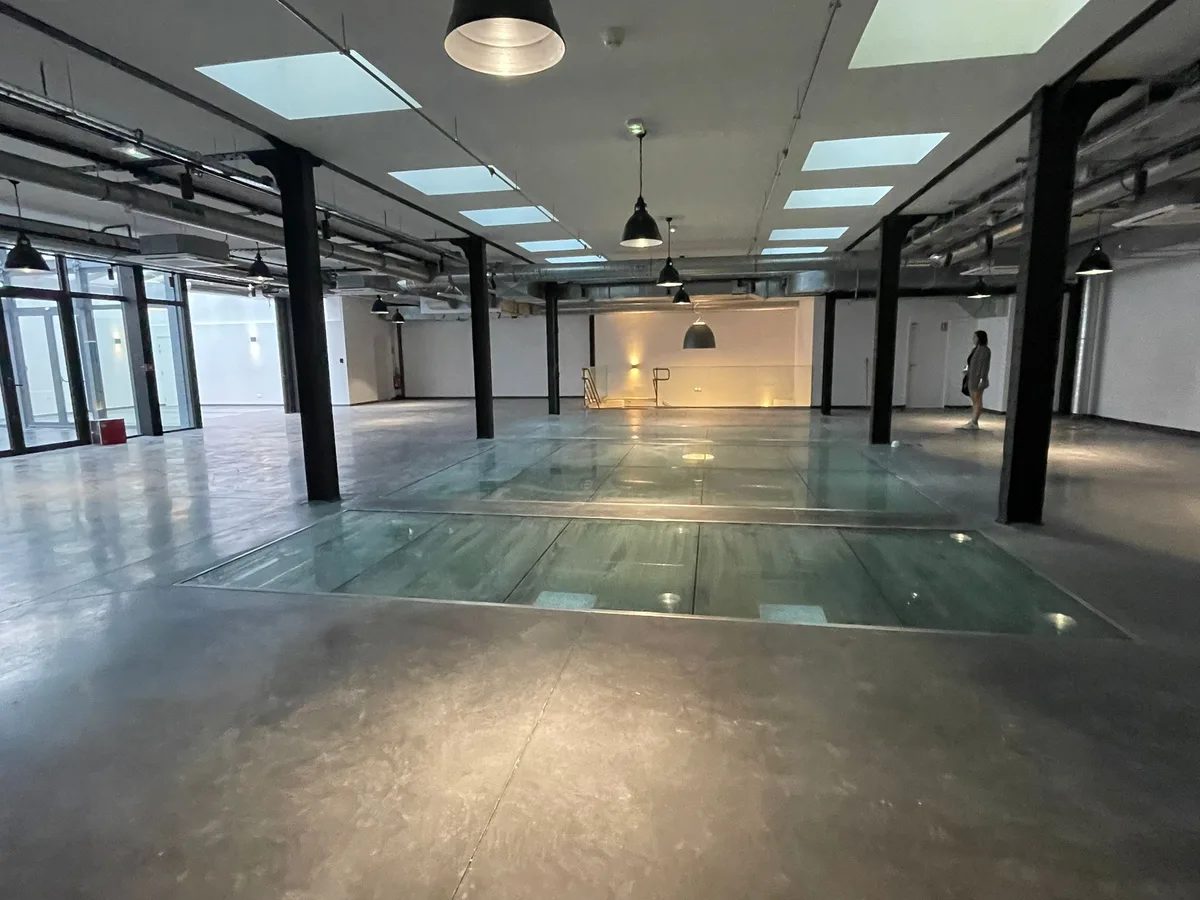
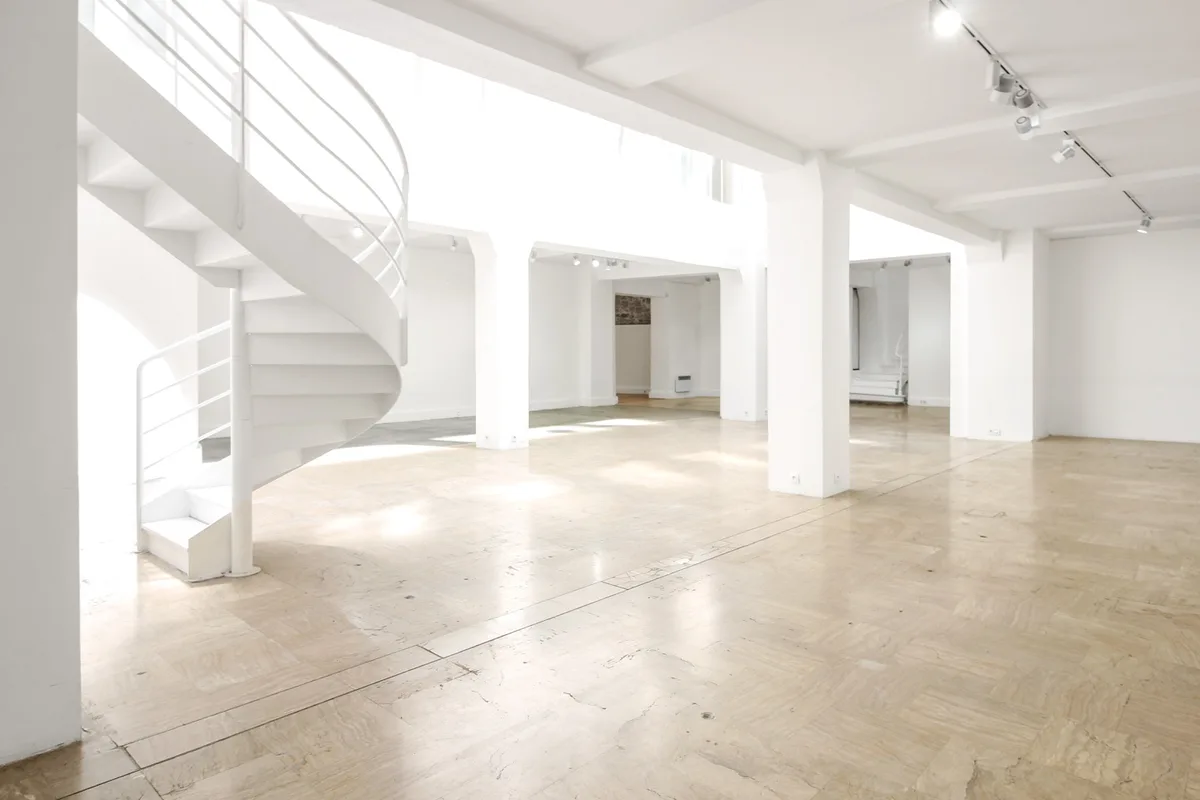
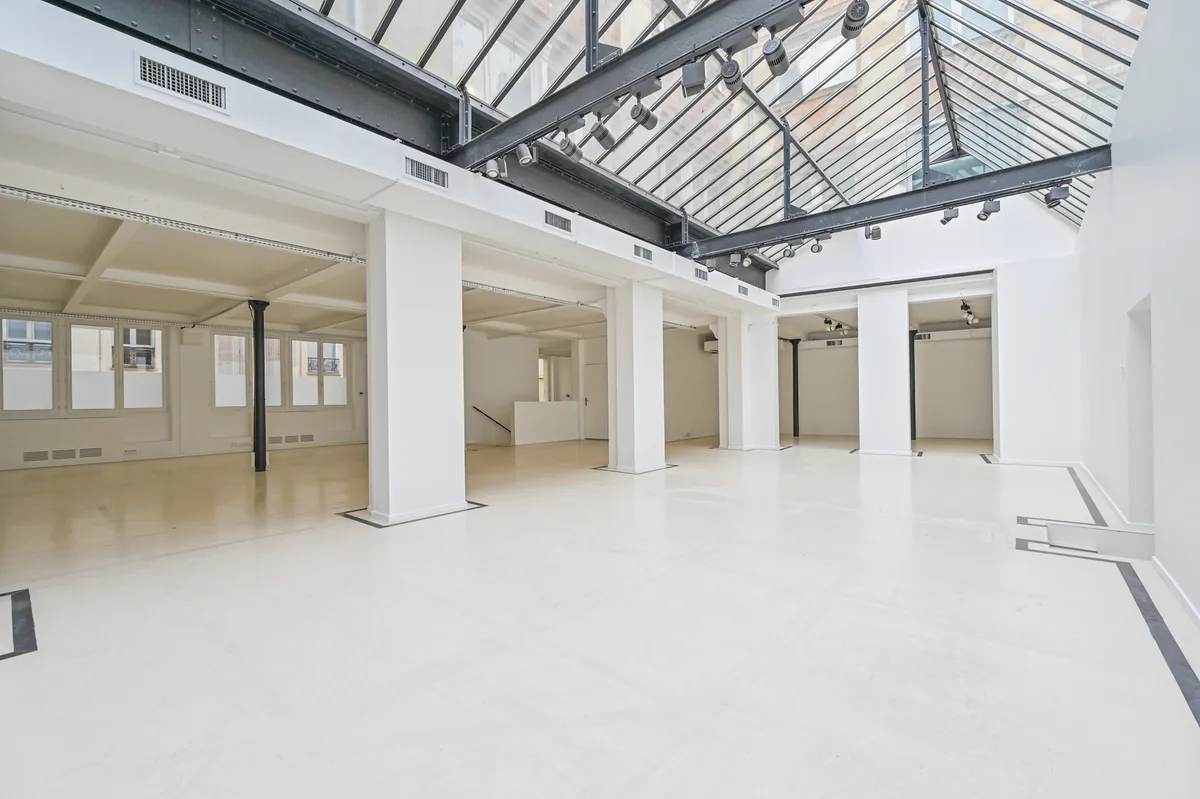
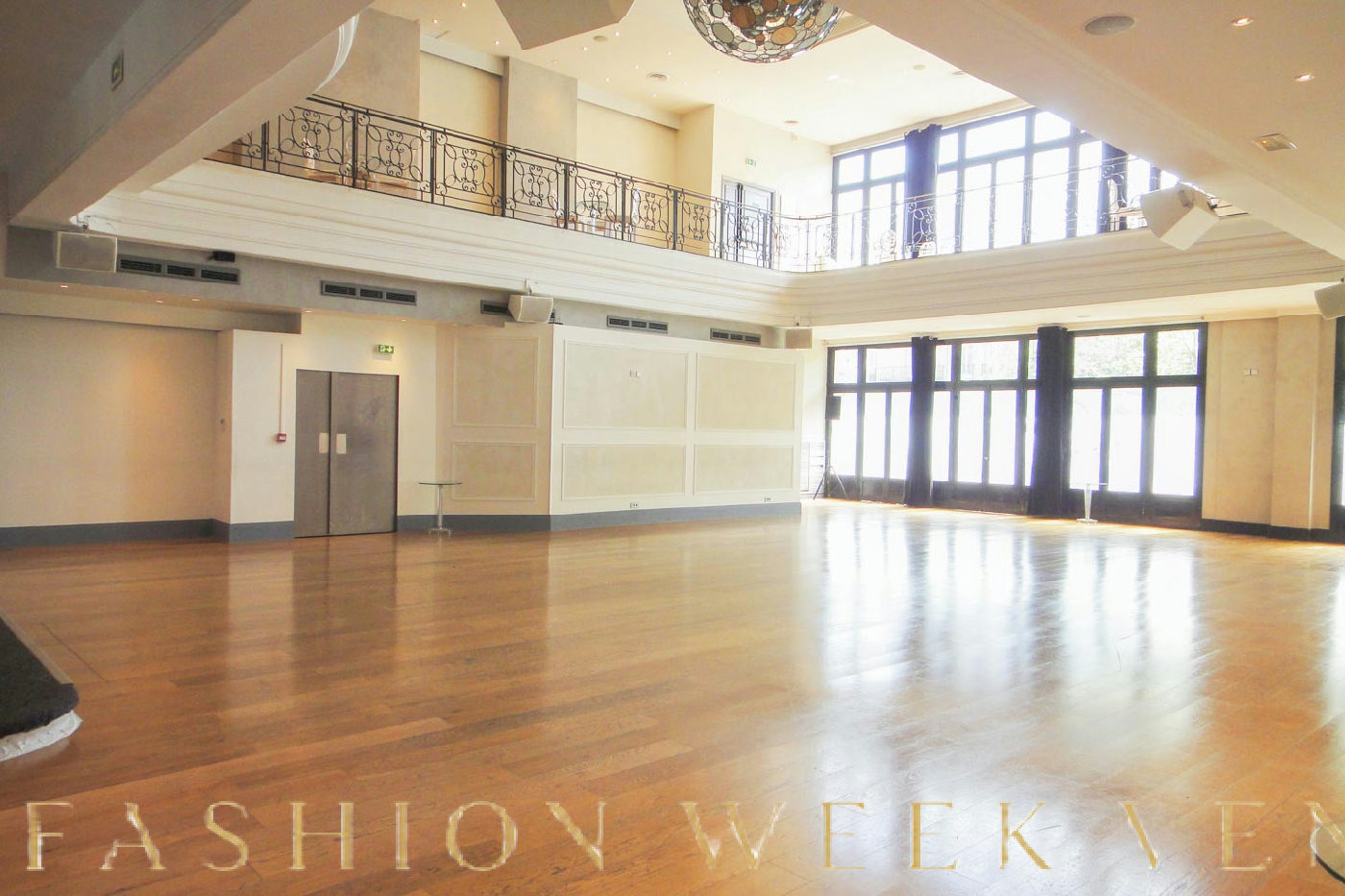
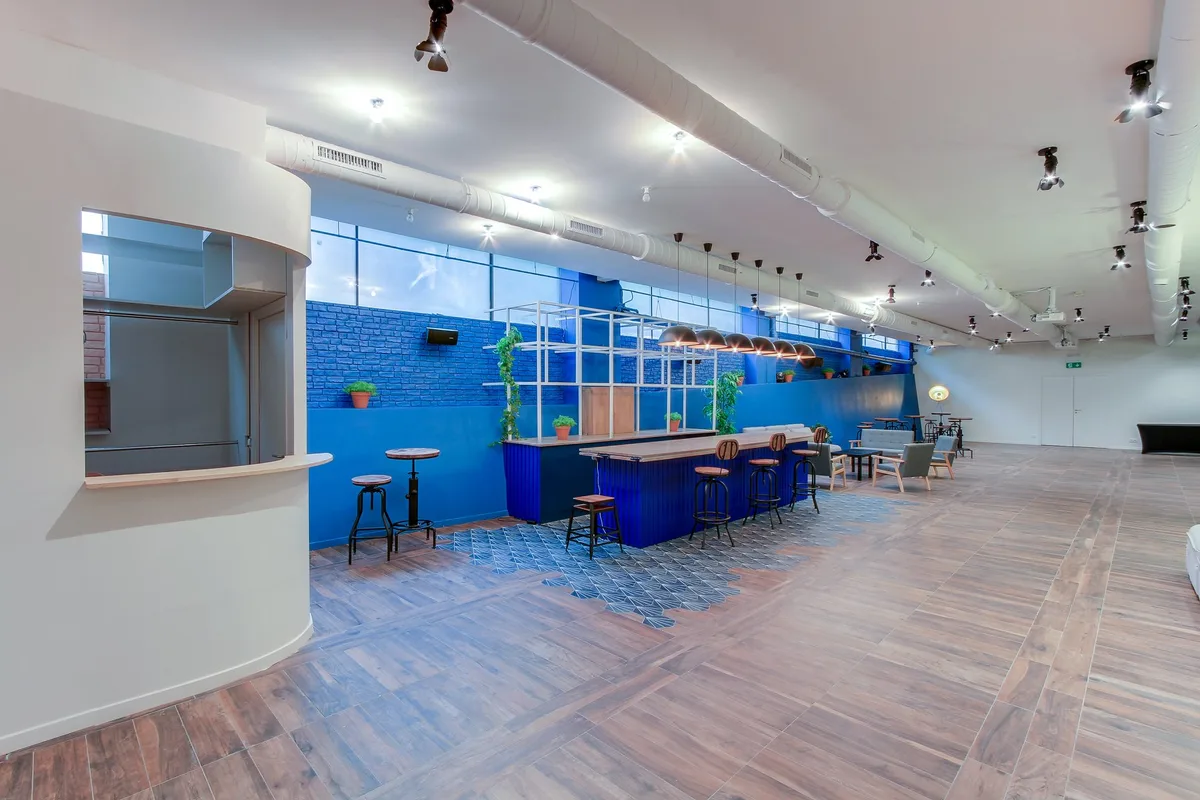
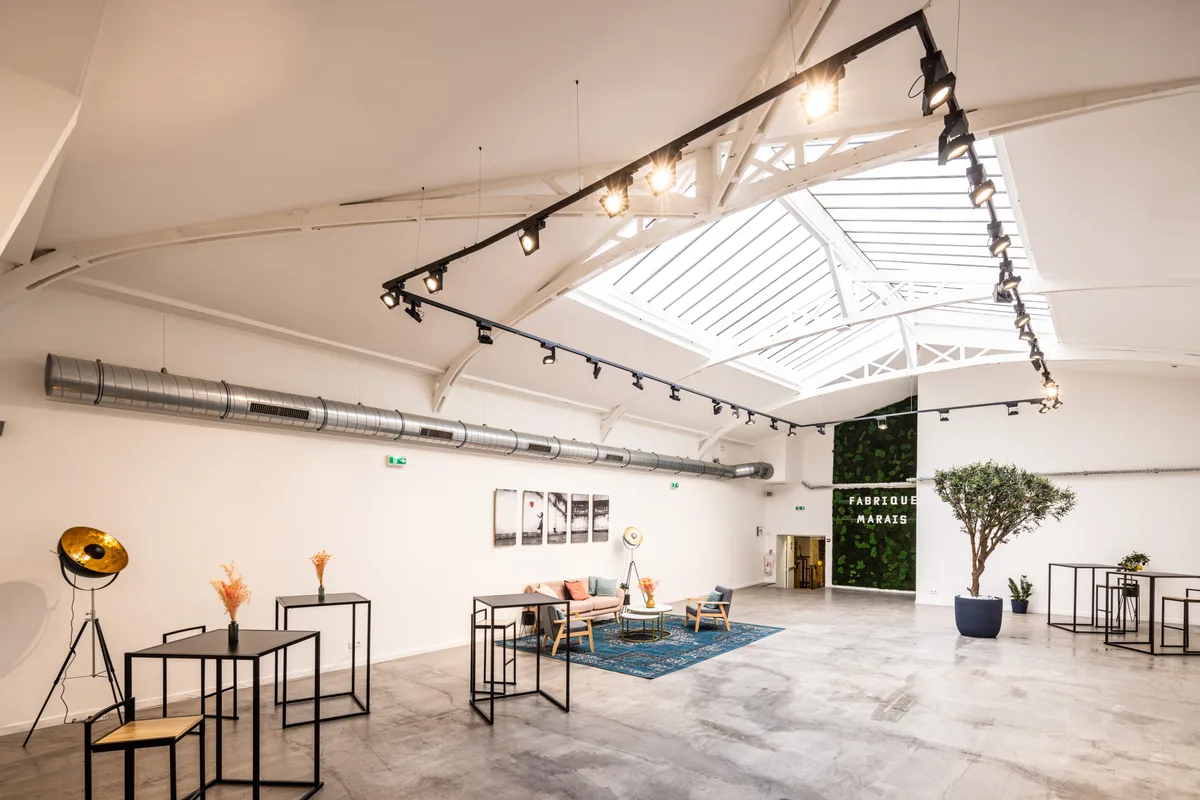
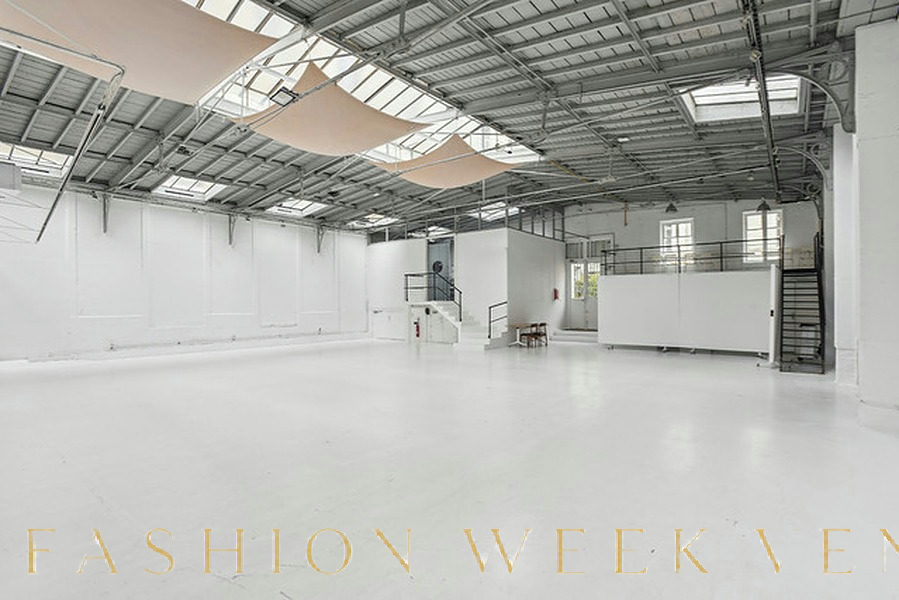
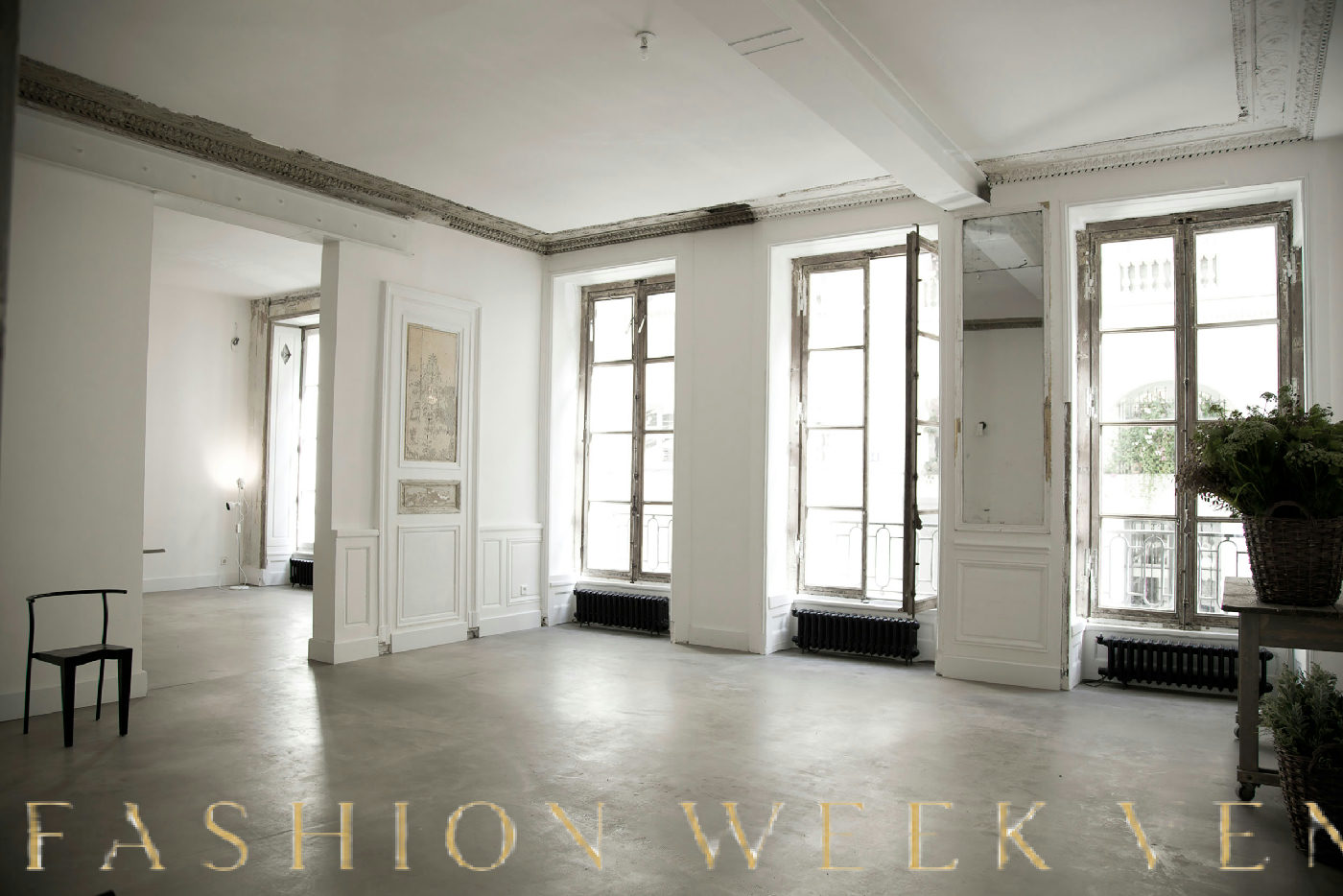
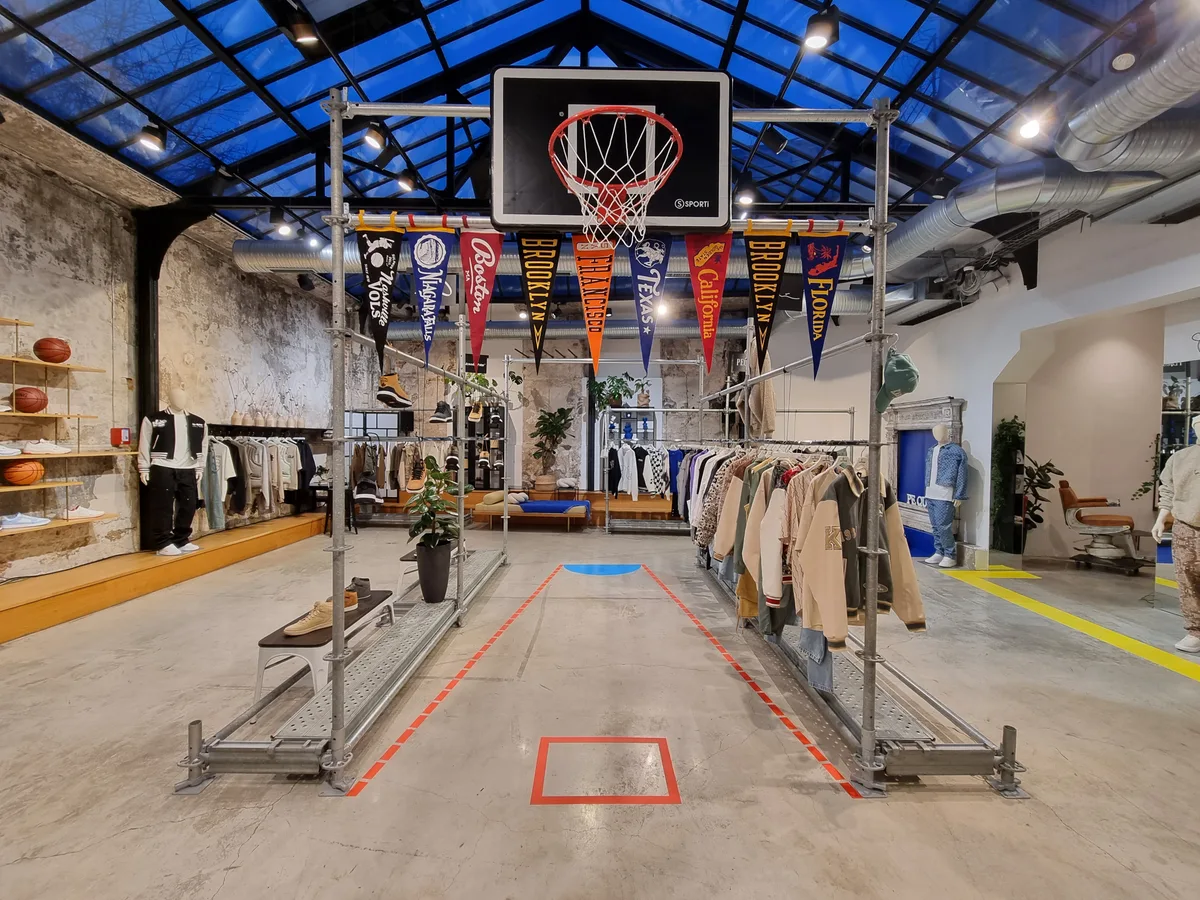
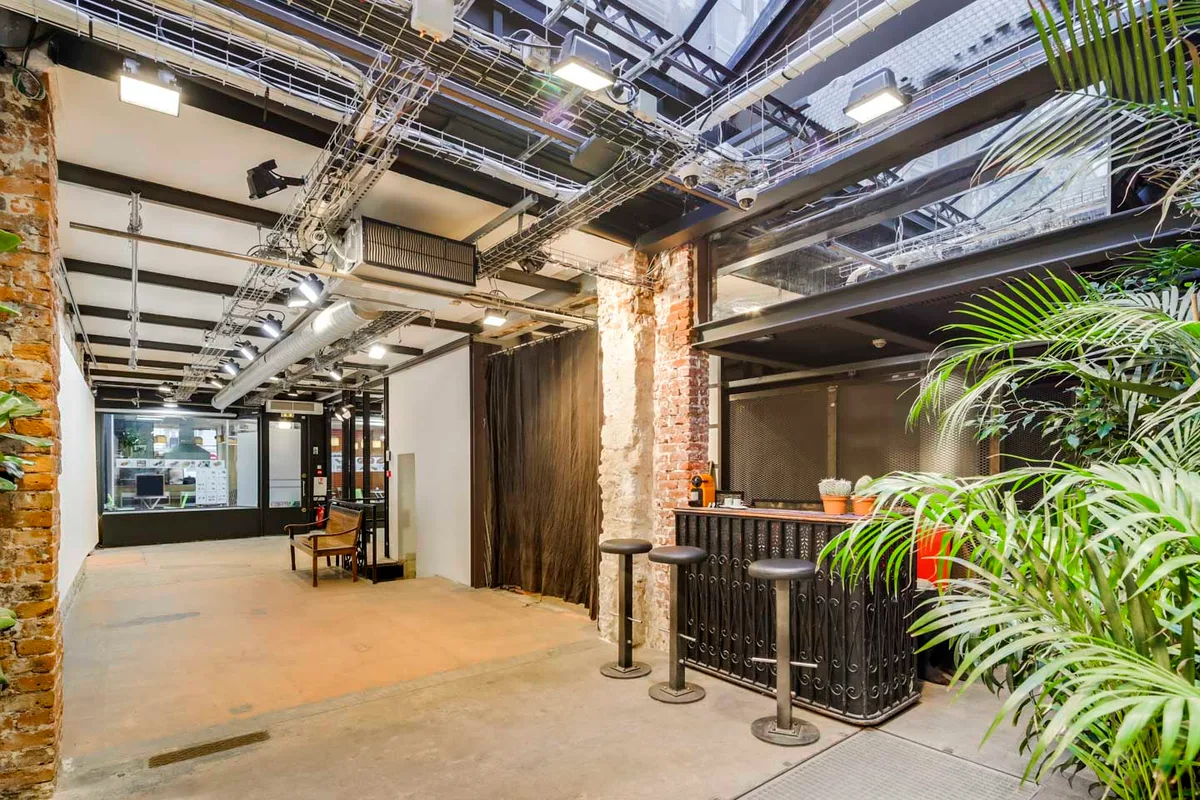
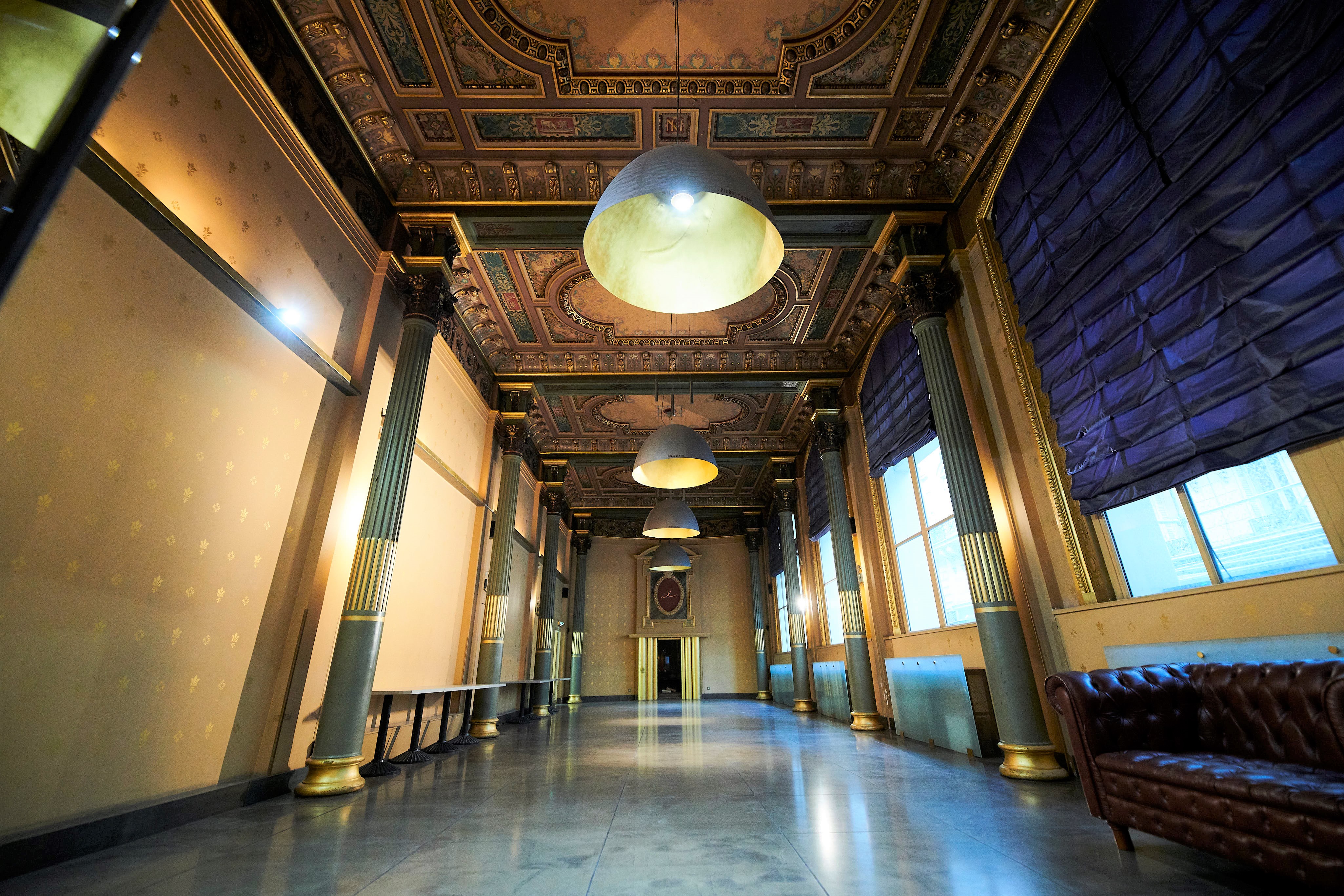
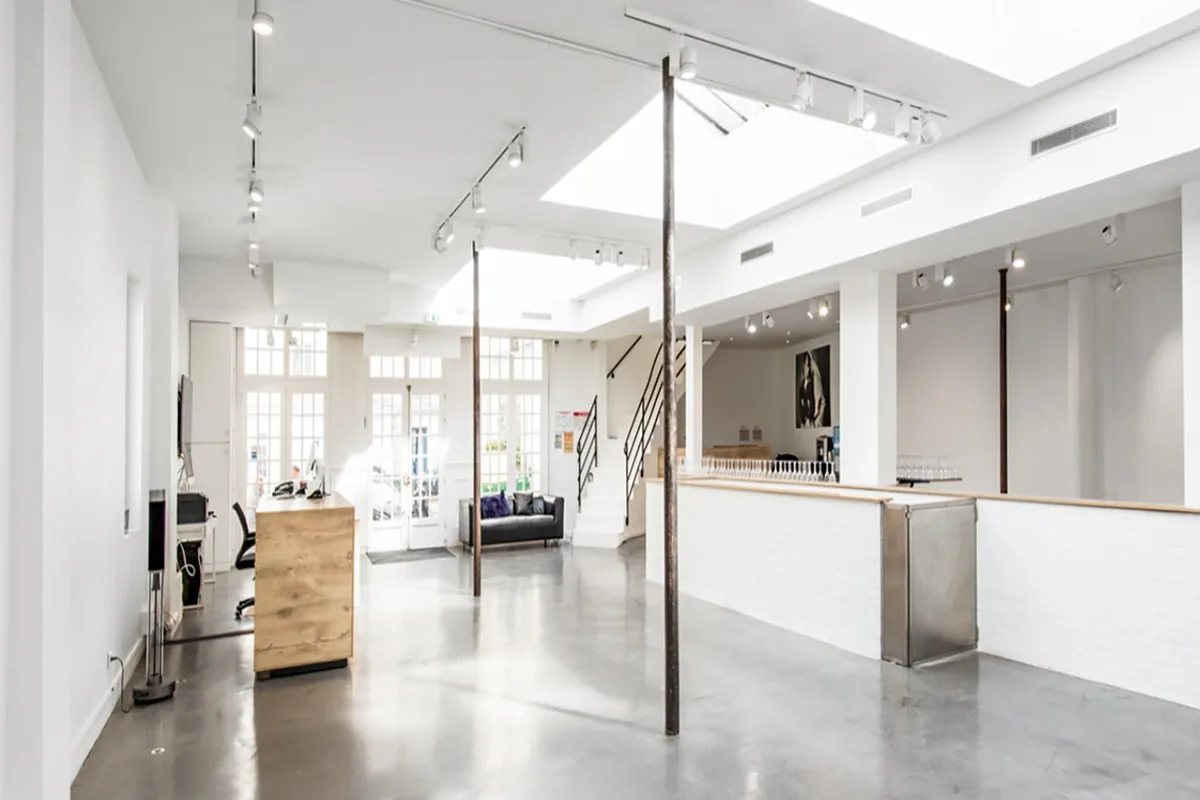
Entering the world of *Fashion Week Venues* can revolutionize a brand's presence in key global fashion capitals. As brands seek to capitalize on the buzz of fashion weeks, securing the right venue becomes vital. Exploring **pop-up spaces in Paris** can offer unparalleled opportunities for brand exposure and customer engagement. Fashion Week Venues stands as a comprehensive resource for brands aiming to tap into this incredible potential, offering venue sourcing, activation management, and a suite of tools to simplify the process.
The Importance of Choosing the Right Fashion Week Venue
Selecting the right venue during fashion week is critical for maximizing brand visibility and customer engagement. A well-chosen venue not only provides the backdrop for showcasing collections but also enhances brand perception. For example, placing a pop-up shop in a high-traffic area of Le Marais could significantly boost foot traffic, compared to a less visible location.
Quick answer: Ensuring venue alignment with the brand's image and target audience during Fashion Week is essential to maximize impact and draw influential guests and media attention.
Understanding the demographics and foot traffic in potential locations is crucial. High-profile areas such as Rue Saint-Honoré or near landmarks like Galeries Lafayette provide built-in audiences eager for new experiences. Conversely, off-the-beaten-path venues might appeal to niche audiences seeking exclusivity.
| Consideration | Details |
|---|---|
| Location | Evaluate proximity to key fashion attractions and foot traffic volumes. |
| Size | Ensure ample space for displays, customer interaction, and media coverage. |
| Ambiance | Choose aesthetics that complement the brand's identity. |
KEY TAKEAWAY: The right venue choice aligns with brand aesthetics, attracts the desired audience, and leverages strategic location benefits to maximize exposure.
Next, we will explore the various types of venues available and how they affect brand strategy and costs.
Types of Fashion Week Venues and Their Benefits
The choice of venue type depends largely on the event's objectives, the audience, and the desired brand message. Venues range from traditional showrooms to innovative pop-up spaces, each offering unique benefits. Showrooms are typically utilized for showcases and media gatherings while pop-up retail spaces engage directly with consumers in a retail-oriented environment.
Quick answer: Venue types include traditional showrooms, unconventional pop-up spaces, and event-ready exhibition halls, each offering distinct advantages based on the brand's activation goals.
| Venue Type | Benefits |
|---|---|
| Showrooms | Ideal for press events and exclusive previews; often located near fashion districts like Saint-Germain-des-Prés. |
| Pop-Up Shops | Facilitate direct consumer interaction and immediate sales; suitable for high-traffic zones like Opéra. |
| Exhibition Halls | Accommodate large audiences for runway shows; venues like the Palais de Tokyo offer iconic backdrops. |
Each venue type presents different challenges in terms of logistics, permits, and specialist setup requirements, which we will delve into in subsequent sections. Also, the strategic use of these spaces is detailed in the comprehensive activation processes offered by Fashion Week Venues.
KEY TAKEAWAY: Choosing between showrooms, pop-ups, and exhibition halls depends on your brand's interaction goals, media strategy, and logistical capabilities.
Transitioning, we'll review how venue atmosphere and design play pivotal roles in shaping guest experiences.
Creating the Perfect Atmosphere: Venue Design and Logistics
Designing a venue that captures a brand’s essence is vital for creating impactful guest experiences. Venue design encompasses everything from layout and decorations to technological integrations that enhance customer interactions. This aspect goes beyond aesthetics, influencing the flow of movement and interactions within the space.
Quick answer: Effective venue design marries aesthetic appeal with practical logistics, ensuring an immersive and seamless experience for guests and potential buyers.
Venue design should facilitate both media coverage and consumer engagement by incorporating elements like adaptable layouts and sophisticated lighting that highlight key products. Leveraging expert services such as branded store design ensures that the venue supports functional needs while maintaining an appealing ambiance.
Designing a venue also involves logistical planning, such as furniture rental, transport, and installation, covered comprehensively under Fashion Week Venues’ production and build services. This also includes coordinating the technical aspects like AV equipment and POS systems to enhance customer engagement and facilitate sales.
DID YOU KNOW: The choice of lighting can influence buying behaviors, making it an essential component of retail space design.
KEY TAKEAWAY: Well-executed venue design integrates aesthetics with operational considerations to optimize both ambiance and visitor flow.
Next, we'll explore the critical elements that determine the budget of a fashion week venue.
Budgeting for Fashion Week Venues: Comprehensive Cost Planning
Financial planning is crucial when embarking on a fashion week pop-up or event. Many factors influence budgeting, from the base rental cost to marketing, staffing, and operational expenses. Venue prices can vary widely depending on the location, size, and amenities.
Quick answer: Accurately forecasting the budget for a Fashion Week venue involves detailing all associated costs, including venue hire, design, staffing, and marketing.
Renting a space on Rue Saint-Honoré could entail different costs compared to a similar-sized venue in the Canal Saint-Martin area. Each location presents differing levels of exposure and associated costs, impacting overall budget considerations.
| Cost Element | Estimated Budget Range |
|---|---|
| Venue Rental | Varies greatly; high-demand areas cost significantly more. |
| Design and Setup | Dependant on complexity and scale; often requires professional services. |
| Staffing | An essential cost for both sales and customer service roles. |
For more tailored financial planning, brands can utilize the Fashion Week Venues budget estimation tool to ensure they stay within financial constraints while maximizing impact.
KEY TAKEAWAY: A detailed budget plan covers the full scope of expenses from venue hire to operational logistics, ensuring financial efficiency.
As we move forward, let's address the permit and compliance landscape, integral to the planning process.
Permits and Compliance: Navigating the Legal Landscape
Permits and compliance can become formidable hurdles when planning venue use during Fashion Week. Navigating these requirements is essential for avoiding fines and ensuring smooth operations. In Paris, the concept of bail dérogatoire allows temporary occupation of commercial spaces but requires precise legal adherence.
Quick answer: Understanding the intricacies of permits like bail dérogatoire is crucial for legal operation during a temporary fashion event in Paris.
Autorisation d'Occupation Temporaire (AOT) permits apply to public spaces, necessitating coordination with municipal authorities. Brands must ensure they meet all operational codes, including safety and accessibility standards, known as "ERP" (Établissement Recevant du Public) requirements.
IMPORTANT: Verify permit requirements with a legal advisor familiar with French compliance to avoid costly missteps.
Compliance requirements often change based on the arrondissement, venue type, and intended use. Fashion Week Venues offers a permits tool for preliminary guidance, but professional legal counsel is recommended for customized advice.
KEY TAKEAWAY: Understanding and complying with legal requirements is non-negotiable for successful brand activations during Paris Fashion Week.
Next, learn how timing and calendar planning can affect your event’s success.
Strategic Timing: Aligning with Fashion Week Calendars
Strategic timing is pivotal in aligning a brand's pop-up or event with the fashion week calendar. Paris Fashion Week serves as a prime opportunity for brands to showcase new collections to a global audience, but choosing precise dates within this window is essential.
Quick answer: Aligning event timing with key dates in Paris Fashion Week maximizes exposure and relevance to industry audiences.
Fashion Week schedules are tightly packed, with high competition for audience attention. Staggered timing, including pre-fashion week soft openings and post-event samplings, can maintain brand momentum. Fashion Week Venues provides a timeline tool that helps brands integrate events into suitable calendar slots.
- Consider hosting Industry-exclusive previews before main calendar dates.
- Collaborate with media partners for event coverages, scheduled at peak attendance times.
- Plan for extended post-fashion week retail engagements to capture additional sales periods.
TIP: Coordinate with industry partners to secure event coverage that coincides with peak fashion week activities.
KEY TAKEAWAY: Efficient timing leverages the crowded fashion week calendar to ensure optimal brand exposure and industry engagement.
Next, we explore how Fashion Week Venues can support brands through these complex processes.
How Fashion Week Venues Facilitates Successful Activations
Fashion Week Venues offers a comprehensive suite of services designed to streamline the process of hosting successful fashion week activations. From venue sourcing to concept direction, the agency ensures every aspect is covered, allowing brands to focus on showcasing their creative outputs.
Quick answer: Fashion Week Venues simplifies pop-up activations with end-to-end services, ensuring logistical, conceptual, and operational needs are seamlessly managed.
Services like venue sourcing and activation management allow brands to quickly secure ideal locations while benefiting from expert setup and staffing through retail staffing services. Their tools, such as the space locator and comparison tool, assist in narrowing down choices based on logistics, ambiance, and budget.
Fashion Week Venues specializes in creating bespoke brand experiences, leveraging deep industry knowledge and relationships with local vendors to ensure every activation hits its target. However, legal compliance and local contextual knowledge are best handled with local experts unaffiliated with the agency.
DID YOU KNOW: Over 70% of luxury brands prefer using agencies like Fashion Week Venues to manage seasonal activations due to their expansive network and local expertise.
KEY TAKEAWAY: Engaging with specialists like Fashion Week Venues optimizes the activation process, enhancing the overall effectiveness of brand events and showcases.
Continue reading as we debunk common myths associated with organizing fashion week events.
Common Myths Debunked
MYTH: You need a French legal entity to rent a space in Paris.
FACT: While establishing a French legal entity can facilitate certain aspects, it's not obligatory for renting space. Companies often work through a local representative or agency, like Fashion Week Venues, to manage compliance and contractual complexities.
MYTH: Paris Fashion Week is the only viable calendar window.
FACT: Although Paris Fashion Week is pivotal, other times in the fashion calendar also present valuable opportunities. Pre-Fashion Week previews and post-fashion engagements can equally boost visibility and sales.
MYTH: Commission brokers are the only way to find event spaces.
FACT: Going through agencies that specialize in space marketplaces provides more options without the hefty commissions often associated with traditional brokers. Fashion Week Venues offers a broad marketplace of potential sites tailored to various event needs.
MYTH: Short-term leases are straightforward and don't require specialist help.
FACT: Navigating short-term leases, especially during major events like Fashion Week, involves intricate negotiations and legal expertise to ensure compliance with local laws, making specialist help invaluable.
As we move towards the conclusion, let’s address the most frequently asked questions regarding Fashion Week Venues.
Frequently Asked Questions
What types of spaces are most effective for pop-ups during Fashion Week?
Highly visible locations in fashion districts like Le Marais or Rue Saint-Honoré offer the most impact due to their high foot traffic and proximity to other fashion events.
How far in advance should we book a venue for Paris Fashion Week?
Booking should occur at least 6-12 months in advance due to high demand; utilizing resources like Fashion Week Venues’ Marketplace can help secure timely bookings.
What are the hidden costs of renting a venue for a short-term event?
Beyond rental fees, consider costs for setup, design, permits, staffing, and potential overtime charges for utility use during extended hours.
How can we enhance our brand’s visibility during Fashion Week?
A strategic combination of venue choice, timing, influencer partnerships, and PR outreach maximizes brand visibility during this competitive period.
Are there benefits to hosting an event outside the official Fashion Week dates?
Yes, hosting before or after Fashion Week can reduce costs and increase attention as you avoid competing scheduling conflicts with other events.
Is it advantageous to use pop-up activations for brand launches?
Absolutely, pop-ups offer controlled environments for launch events, allowing for curated brand narratives and personal consumer interactions.
Do pop-up spaces in non-central areas attract enough audience?
While foot traffic may be less in some areas, choosing a unique space or including special activations can draw significant media attention and niche audiences.
How does the Fashion Week Venues Toolbox assist in planning?
It provides valuable planning tools like budget estimation and permit guidance, aiding in effective and compliant event strategy development.
What is the geography of popular fashion districts?
Parisian districts like Le Marais, Saint-Germain-des-Prés, and Opéra are coveted for their historical allure and vibrant fashion scenes.
How important is personalization in event space design?
Personalization is crucial; it aligns the space with your brand identity, ensures memorable experiences, and enhances perceived brand value.
Can we reuse designs or themes from previous events effectively?
Reusing successful design elements is possible but should be tailored appropriately to fit the context and audience of new activations.
What are the typical dimensions and amenities of pop-up spaces?
Pop-up sizes vary from 50 to 300 square meters, often including basic amenities like fitting rooms and storage, but specifics depend greatly on location.
How do I ensure my event complies with Parisian municipal regulations?
Consulting with agencies like Fashion Week Venues and using their permit tools can streamline compliance understanding and execution.
Conclusion
Crafting a compelling presence during Fashion Week necessitates strategic venue selection, meticulous planning, and expert execution. Fashion Week Venues offers unparalleled support, guiding brands from concept development through to activation management, ensuring every aspect aligns with strategic objectives. Whether it's through their venue marketplace or comprehensive service suite, their role is pivotal in navigating the complexities of fashion activations. For brands eager to harness the dynamism of fashion capitals, starting with reliable partnerships that offer insight and logistical support is essential. Begin your journey by exploring Fashion Week Venues’ city hubs and transforming your brand's fashion week aspirations into reality.