
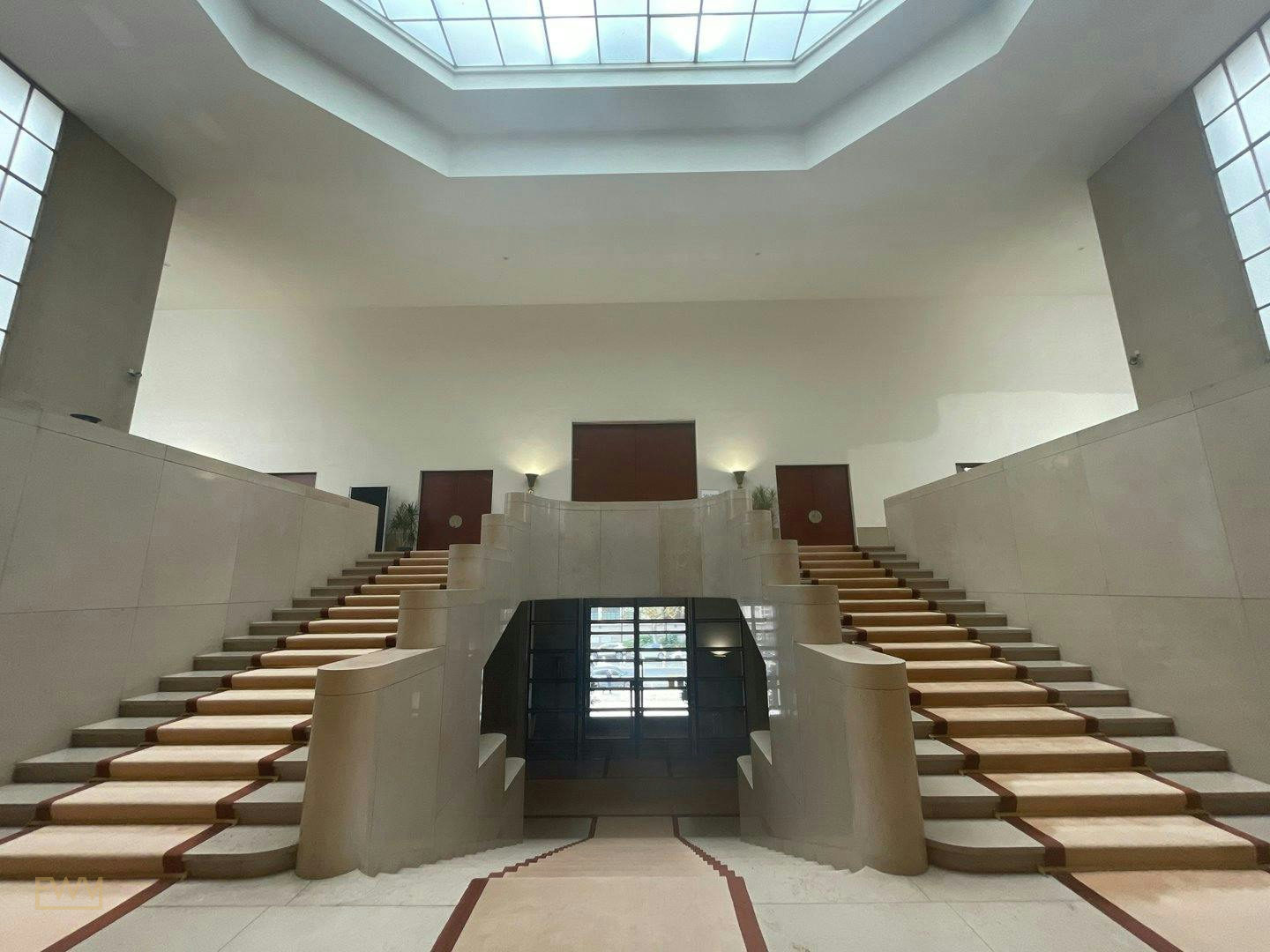
Fashion Week venues serve as pivotal platforms for brands to showcase their collections in the world's major fashion capitals. Understanding the nuances of these spaces, from logistics to legal requirements, is vital for effective brand activation. Fashion Week Venues offers holistic expertise in this domain, guiding brands through sourcing, conceptualising, and executing their events flawlessly. This comprehensive guide addresses all aspects vital for selecting and optimising fashion week venues, positioning your brand for success in the dynamic environment of global fashion weeks.
Understanding the Importance of Fashion Week Venues
Fashion week venues are more than just physical spaces; they form the backdrop against which brands communicate their identity and craft unforgettable experiences. Each venue, with its unique location, size, and ambiance, contributes significantly to the overall perception of the show or event.
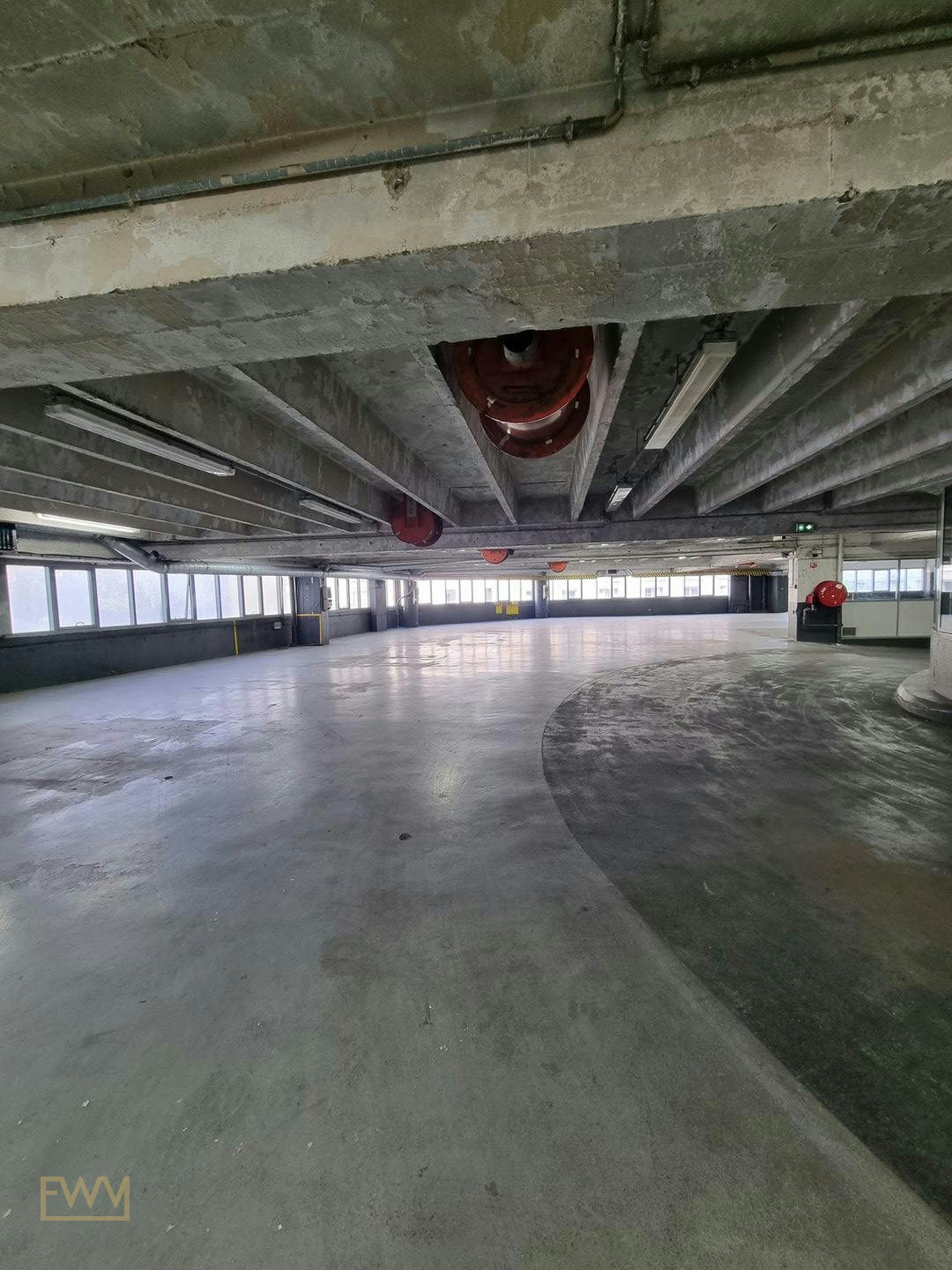
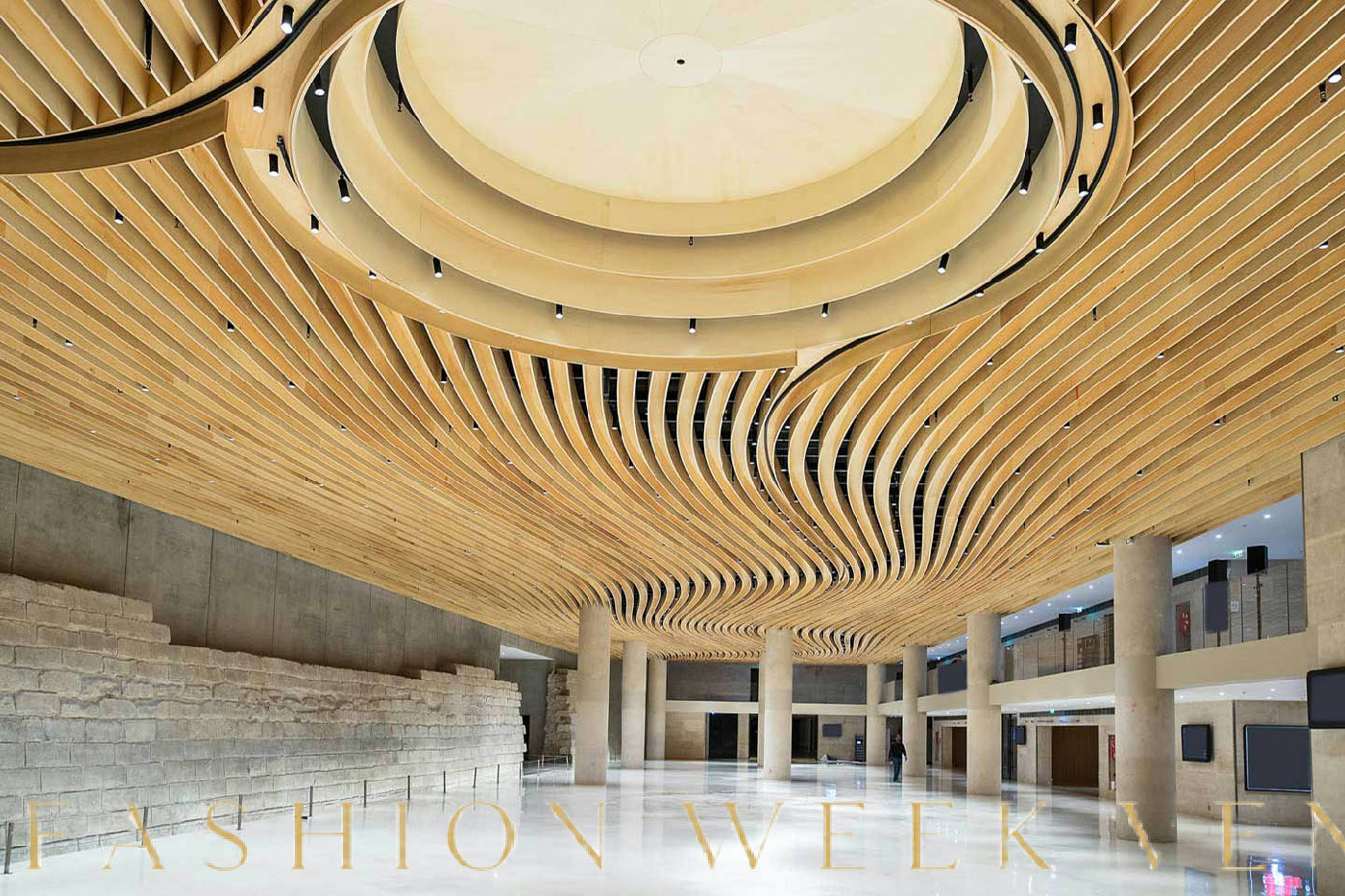
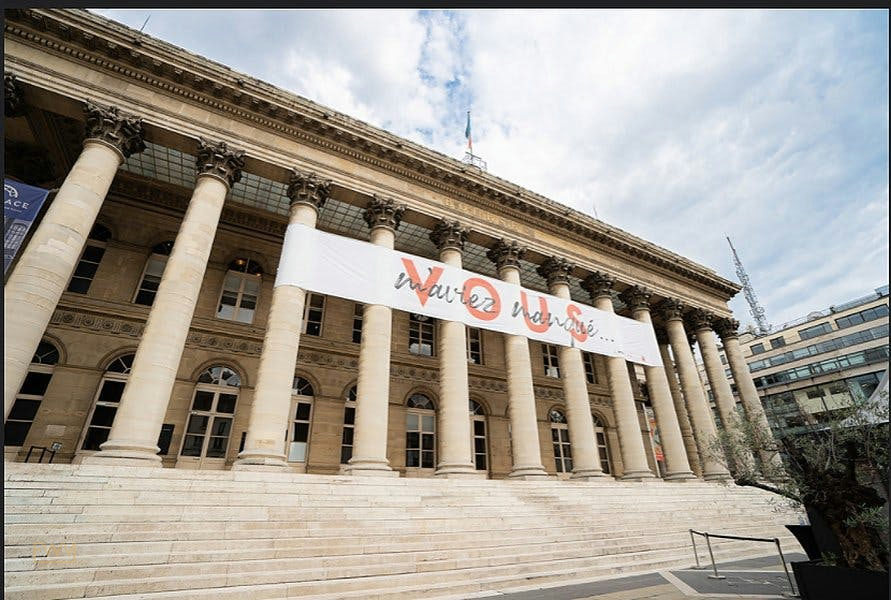
Choosing the right venue can impact press coverage, audience turnout, and even the brand's positioning within the fashion industry. Venues range from grandiose historic buildings to minimalistic modern spaces, each offering different vibes that may suit the thematic requirements of a brand's collection.
Quick answer: An ideal fashion week venue aligns with the brand's image, audience expectations, and the logistical demands of the show.
Moreover, the selection process involves considering the venue's connectivity, amenities, and capacity to host special effects or technical requirements specific to fashion shows.
KEY TAKEAWAY: A meticulously selected venue not only complements the collection but also enhances brand storytelling and media impact.
A next deep dive into venue logistics will further illuminate how these aspects come together to influence your event's success.
Logistics and Operations in Fashion Week Venue Selection
The logistics of fashion week venues are complex, demanding careful consideration of numerous factors such as accessibility, technical capabilities, and audience management. The right logistical setup can significantly enhance the smooth execution of an event, ensuring that everything from setup to teardown is efficient and seamless.
Technical requirements are a critical component of logistic planning. This includes assessing the venue's readiness for audio/visual equipment, lighting setups, and connectivity options essential for live streaming events. Ensure that the venue's infrastructure can handle these demands without compromising the quality of the presentation.
Accessibility also plays a pivotal role, as easy access for both equipment and guests is crucial. This includes considering factors like loading dock availability for quick transfer of exhibit materials and ensuring ADA compliance for guest accessibility.
DID YOU KNOW: Many venues offer in-house technical teams that can assist with specific requirements, however, clear communication of your needs early in the planning stages is essential.
If timed and executed correctly, logistical planning supports the smooth functioning of all other processes, reinforcing the brand's professionalism.
KEY TAKEAWAY: Seamless logistics not only ensure operational efficiency but also project a polished brand image to all stakeholders.
Understanding the legal frameworks and permissions required further supports the logistical and operational efforts for hosting successful events.
Legal Considerations and Permit Requirements
The legal environment for renting fashion week venues, especially in Paris, is governed by specific frameworks like the bail dérogatoire and Autorisation d'Occupation Temporaire (AOT). These regulations ensure that short-term leases align with local jurisdictional requirements, catering specifically to the temporary nature of fashion events.
Quick answer: Bail dérogatoire and AOT are crucial for ensuring compliance with regional property rental laws for temporary event spaces.
Bail dérogatoire is a flexible lease option for enterprises looking for short-term rentals without long-term commitments. This type of lease often suits fashion brands that require a space only for the duration of a particular season or show.
Autorisation d'Occupation Temporaire (AOT) refers to the authorization needed for the temporary use of public spaces. This is common for events that extend onto public roads or involve significant foot traffic disruption.
Importantly, while navigating these legal aspects, engaging a French legal advisor is recommended to ensure compliance and avoid potential pitfalls.
TIP: Check out the Fashion Week Venues permits tool for detailed guidance on navigating permits.
KEY TAKEAWAY: Legal readiness and compliance simplify venue selection processes and mitigate risks associated with real estate regulations.
Moving on, discovering how the calendar of fashion weeks affects venue availability and strategy can potentiate your venue and event planning effectiveness.
The Influence of Fashion Week Calendars
The fashion week calendar plays a critical role in deciding when and where to hold an event. With Paris Fashion Week serving as a central hub, brands need to strategically choose venues based on when they want to make the biggest impact.
Paris Fashion Week, occurring biannually, is one of the most prestigious events and offers unparalleled publicity opportunities. Thus, knowing how to navigate its schedule is crucial for any brand aiming for a slice of its limelight.
| Fashion Week | Season | Typical Dates |
|---|---|---|
| Paris | Women's | February/March & September/October |
| Milan | Men's | January & June |
| London | Combined | February & September |
| New York | Combination | February & September |
Being in sync with the fashion calendar can significantly enhance media coverage opportunities, attracting both consumer attention and industry opinion.
Quick answer: Aligning your event with peak fashion weeks ensures maximum visibility and media engagement.
KEY TAKEAWAY: Synchronizing venue booking with the fashion week calendar maximises exposure, making strategic calendrical choices pivotal for success.
With efficient calendar planning, it's time to discover how to leverage local expertise and venues to elevate your brand further.
Leveraging Local Expertise and Insights
Activating effectively during fashion weeks also demands a thorough understanding of the local culture and consumer behaviours. Utilizing the expertise of local agencies or consultants can provide valuable insights into venue selection, audience engagement, and event execution.
Local experts can assist with optimizing logistics, reducing cultural barriers, and enhancing the appeal of the event for the local demographic. They can also introduce brands to exclusive venues, offer negotiation support, and provide insider knowledge on neighbourhood dynamics.
In Paris, Fashion Week Venues offers invaluable resources and connections to navigate these complexities effectively. Their extensive network includes sought-after spaces, from those steeped in history to modern quintessential hotspots.
TIP: Engage with local venue sourcing experts to enhance your venue discovery process.
KEY TAKEAWAY: By embracing local expertise, brands can enhance their venue impact and align more closely with consumer expectations.
Now that local expertise is secured, delve into the role of brand spirit alignment in venue selection to further refine your event approach.
Aligning Venue with Brand Spirit
Every fashion brand carries with it a unique spirit that needs to resonate through all its activations. Whether it be an avant-garde edge or a classic sophistication, the venue should ideally express these aspects seamlessly.
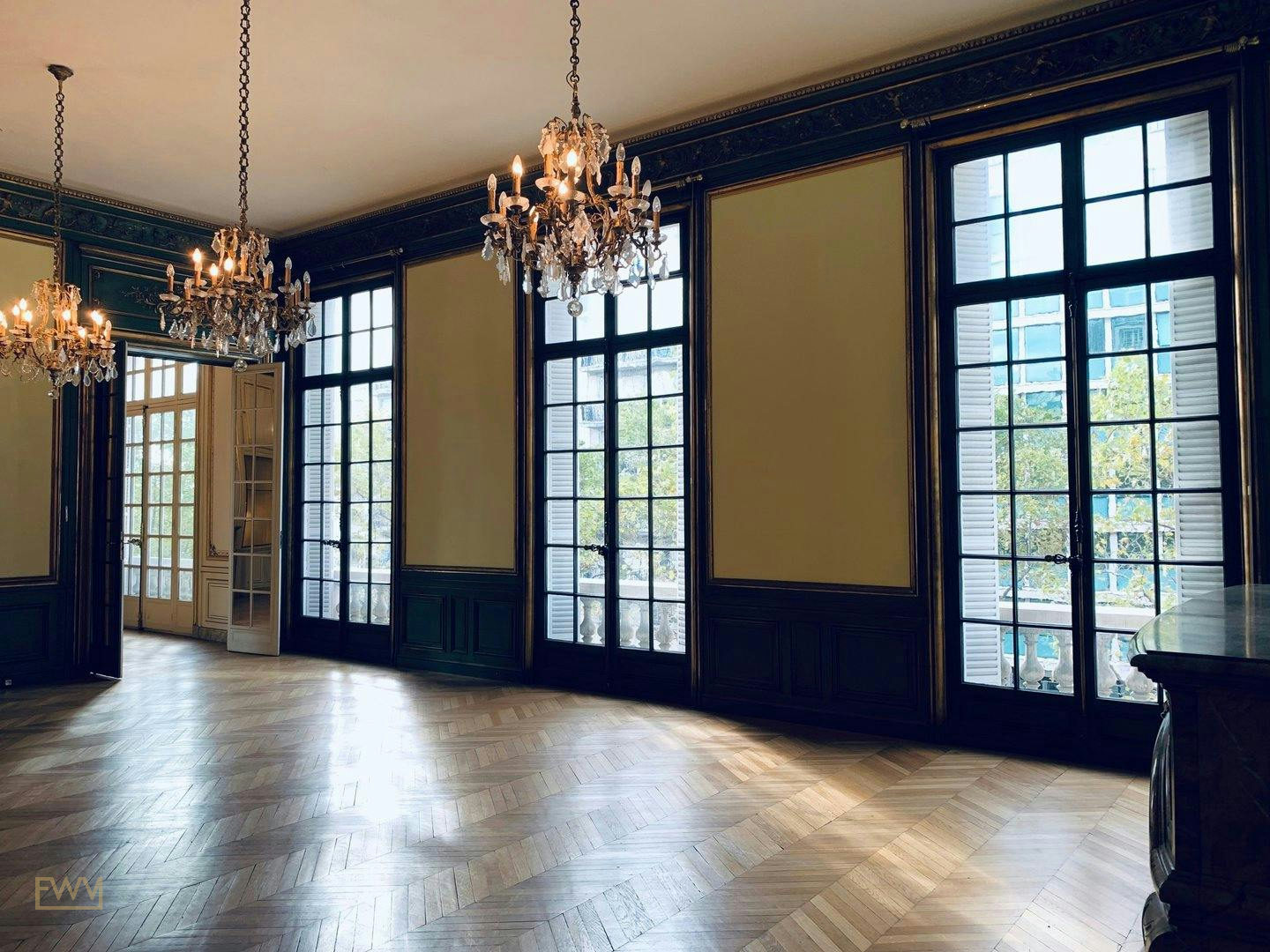
The interior aesthetics, historical significance, or even the venue's neighborhood can add layers to your brand's exhibition, making it resonate deeper with attendees. For instance, a contemporary art installation might benefit from the modern spaces in Canal Saint-Martin, whereas a classic luxury brand would find its match in a stately ballroom off Rue Saint-Honoré.
Quick answer: Venue architecture and ambiance should visually and emotionally enhance the brand's ethos.
Choosing a venue that fits seamlessly with your brand narrative assures that the brand's core message is delivered consistently and with greater clarity. It amplifies the brand's identity, creating an immersive environment that appeals to both the senses and sensibilities of audiences.
KEY TAKEAWAY: An authentically aligned venue underscores the brand’s message, enhancing audience connection and media retention.
Elevated brand alignment opens pathways to understanding the financial guardrails necessary for a successful event, with budgeting as our next focus.
Effective Budgeting for Fashion Week Venues
Creating a budget for fashion week venues requires consideration of numerous elements that contribute to the total expenditure. Recognising these helps in navigating costs without compromising on quality or objectives.
One of the initial steps is identifying the cost components. From renting fees and production expenditures to staffing and security, each contributes to the overall budget.
Fashion Week Venues provides a budget calculator tool designed to give tailored financial insights based on specific criteria like location, duration, and event type.
Quick answer: Strategic budgeting with focus on key cost components ensures fiscal discipline and efficient resource allocation.
Another integral aspect of budgeting is contingency planning. A well-prepared budget anticipates unforeseen expenses, ensuring the event can adapt to unexpected changes without financial strain.
KEY TAKEAWAY: Comprehensive budgeting that covers all cost components fosters stronger financial strategies and event execution.
Armed with budget insights, stakeholders can now focus on the aesthetic transformation of venues through adept production practices.
Transforming Spaces Through Creative Production
Transforming a venue into a branded experience requires creative production that brings the brand's vision to life. It’s about more than just aesthetics; it involves integrating multisensory elements that captivate and engage the audience.
The process includes everything from setting up bespoke installations to crafting unique visual merchandisation strategies that reinforce the brand message. Fashion Week Venues excels in these areas, offering production and build services tailored to nuanced brand needs.
Quick answer: Creative production services elevate brand presence by transforming venues into immersive experiences.
These services ensure every touchpoint within the venue compliments the overall brand imaging, aided by cutting-edge technologies for set and lighting design, as well as soundscapes that enhance the atmosphere.
KEY TAKEAWAY: Engaged creative production turns venue settings into compelling brand narratives, effectively capturing audience imaginations.
Such artistic endeavours drive the inquiry into how spaces differ across neighbourhoods, each offering distinct atmospheres for events.
The Role of Neighbourhood Dynamics in Venue Selection
The dynamic character of each neighbourhood in Paris offers unique advantages and challenges for venue selection. Understanding these dynamics is essential for aligning your choice of venue with the targeted audience and expected turnout.
| Neighbourhood | Characteristics | Ideal For |
|---|---|---|
| Le Marais | Trendy, historical | Avant-garde, indie brands |
| Saint-Germain-des-Prés | Artistic, upscale | Luxurious, heritage brands |
| Opéra | Cultural, bustling | High fashion, mainstream brands |
| Canal Saint-Martin | Bohemian, modern | Emerging, innovation-forward brands |
Neighbourhood choice impacts crowd psychology and brand perception, influencing elements such as attendance and press coverage.
Quick answer: Neighbourhood dynamics affect both event mood and the demographic, altering the brand experience significantly.
KEY TAKEAWAY: Choosing a neighbourhood that supports your brand's goals amplifies authenticity and fortifies market positioning.
Transitioning the focus from neighbourhood selection, we explore the utility of venue types best suited for varying activations.
Evaluating Venue Types: Options and Implications
Fashion brands can explore a variety of venue types to host their events, each having distinct characteristics that align with different activation goals. These choices range from historic landmark buildings and art galleries to contemporary rooftop spaces and bespoke pop-up locations.
Quick answer: The type of venue chosen should reflect both the event's theme and logistical practicality, enhancing the brand's experiential goals.
The selection process demands an analysis of the venue's ambiance, size, and adaptability. For instance, art galleries provide a blank canvas perfect for showcasing art-infused fashion, while rooftops offer a casual vibe suited for modern, laid-back collections.
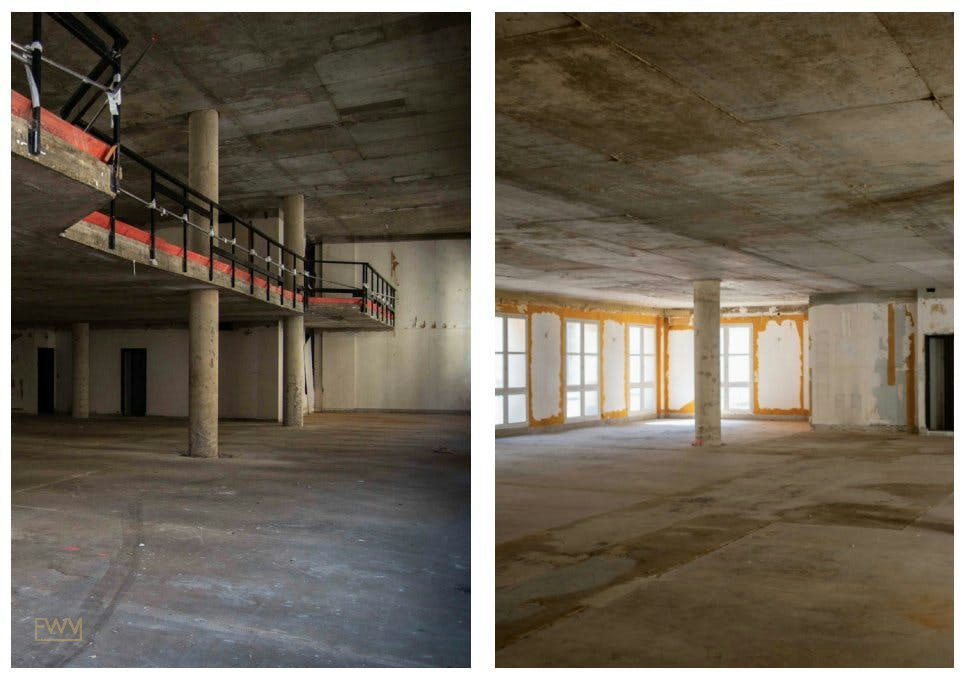
Modern pop-up venues provide flexible spaces ideal for exclusive or short-burst marketing efforts, particularly effective for brands experimenting with new product lines or novel customer engagement strategies.
A thorough understanding of the implications of each venue type not only influences audience perception but also affects cost structures, logistical complexities, and production intricacies.
KEY TAKEAWAY: Aligning venue type with activation purpose sharpens brand messaging and optimises experiential outcomes.
Next, integrating all these components into a successful strategy culminates in a robust brand activation process, facilitated by expert partners.
How Fashion Week Venues Facilitates Optimised Brand Activations
Fashion Week Venues offers comprehensive solutions tailored to the complex dynamics of Parisian fashion events. From venue sourcing to complete activation management, they simplify processes for brand teams, ensuring a seamless, stress-free experience.
Brands can leverage tools like the compare tool for an efficient evaluation of space options, keeping both strategic goals and budget constraints in perspective. In addition, the case study section provides insights based on past successful activations.
With services ranging from concept direction to staffing solutions, Fashion Week Venues supports every facet of a brand's activation journey.
Quick answer: Fashion Week Venues integrates strategic planning with execution capabilities, catering holistically to brand goals during fashion weeks.
Their holistic approach ensures that each activation meets brand objectives, enhances consumer engagement, and establishes robust market presence.
KEY TAKEAWAY: With skilled coordination from Fashion Week Venues, brands can focus on creative vision and strategic storytelling, secure in executional excellence.
With these insights, we transition to debunking myths commonly associated with fashion week venues and planning.
Common Myths Debunked
MYTH: Renting a space in Paris requires a French legal entity.
FACT: While some leases require a local presence, options like the bail dérogatoire allow foreign entities to legally rent spaces for events. Always verify specific conditions with a legal advisor.
MYTH: Paris Fashion Week is the only worthwhile event window.
FACT: Other events like Paris Men's and Haute Couture weeks also offer significant exposure opportunities and may align better with your brand's timeline and goals.
MYTH: Brokers are the sole method to find event spaces.
FACT: Agencies like Fashion Week Venues offer direct access to exclusive listings, often bypassing the high commissions associated with brokers.
MYTH: Short-term leases are straightforward and don't require specialist help.
FACT: Even temporary agreements demand careful navigation through local legal frameworks, necessitating advisory support for compliance assurance.
With these misconceptions addressed, delve into the frequently asked questions for further clarity on navigating the fashion venue landscape.
Frequently Asked Questions
What are the key considerations when selecting a fashion week venue?
Key considerations include brand alignment, venue logistics, budget, audience expectations, and the type of event being hosted. Evaluating these factors ensures the venue complements the brand’s message while meeting operational demands.
Is it better to book a venue directly or through an agency?
Booking through an agency like Fashion Week Venues offers several advantages such as access to exclusive venues, better negotiation positions, and comprehensive service packages that simplify logistics and execution.
How do I budget for a fashion week event effectively?
Begin with a detailed breakdown of all potential expenses, including venue, production, staffing, and ancillary costs. Using a budget calculator tool, like the one provided by Fashion Week Venues, can provide estimates tailored to your specific needs.
When should I start planning my event during fashion week?
Planning should ideally begin six to twelve months prior to the event. This allows sufficient time for venue scouting, creative concept development, and securing necessary permits, avoiding last-minute pressures.
Can I host a successful event outside of the major fashion weeks?
Yes, hosting outside major weeks can often reduce competition and enhance focus on your brand. Additionally, aligning with niche markets or regional events can also yield successful outcomes.
What are the advantages of pop-up venues compared to traditional spaces?
Pop-up venues offer flexibility, cost-effectiveness, and a sense of exclusivity that can drive spontaneous interest and engagement. They’re ideal for experimental activations or launching limited-time-only collections.
What role does creative direction play in venue selection?
Creative direction forms the nucleus of your event, guiding the choice of venue to ensure it can accommodate and enhance the creative vision being executed, from aesthetics to functional requirements.
How do venues impact brand perception during fashion week?
A venue significantly influences brand perception by setting the tone of the event. It impacts audience experience and the associative images the audience forms of the brand, vital for long-term brand identity.
Is local legal guidance necessary for venue selection?
Yes, legal guidance ensures compliance with local regulations, helps navigate complex lease constructs, and mitigates risks, making local expert consultation a vital component of planning a successful event.
What is the significance of alignment between venues and brand ethos?
Brand-venue alignment helps translate brand ethos into real-world experiences, reinforcing core brand messages and elevating the consumer connection through immersive interactions.
Can I use one venue for multiple fashion week activations?
Yes, but consider rotating setups to maintain mystery and novelty while leveraging familiarity. Sustainable venue strategies can yield financial and operational efficiencies across multiple activations.
Are permit requirements different for indoor and outdoor venues?
Yes, indoor venues typically require fewer permissions. However, outdoor spaces often need additional permits, such as those related to public space usage or sound amplification, making planning ahead crucial.
What strategies can enhance media engagement at my event?
Utilizing influencer partnerships, live streaming segments, and bespoke photo opportunities all serve to amplify coverage and engagement, drawing attention to the brand narrative and activations.
Conclusion
In the highly competitive realm of fashion weeks, venue selection plays a central role in the success of brand activations. Engaging with experts like Fashion Week Venues can demystify complexities and enhance every aspect of the event planning and execution journey. From legal compliance to creative production and strategic calendar alignment, having a trusted partner streamlines operations and maximizes impact.
To move from research to activation, start exploring available spaces on the Fashion Week Venues marketplace and build a focused brief for your target neighbourhood, space type, and calendar window.