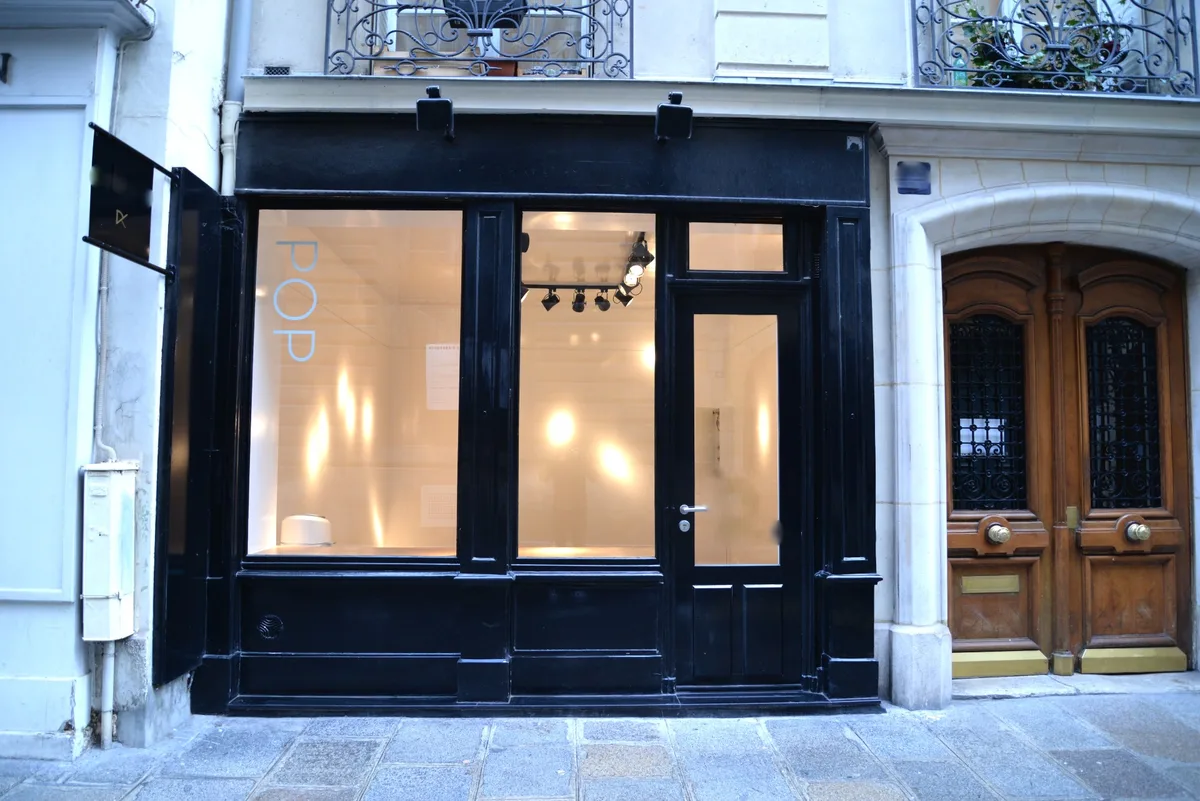
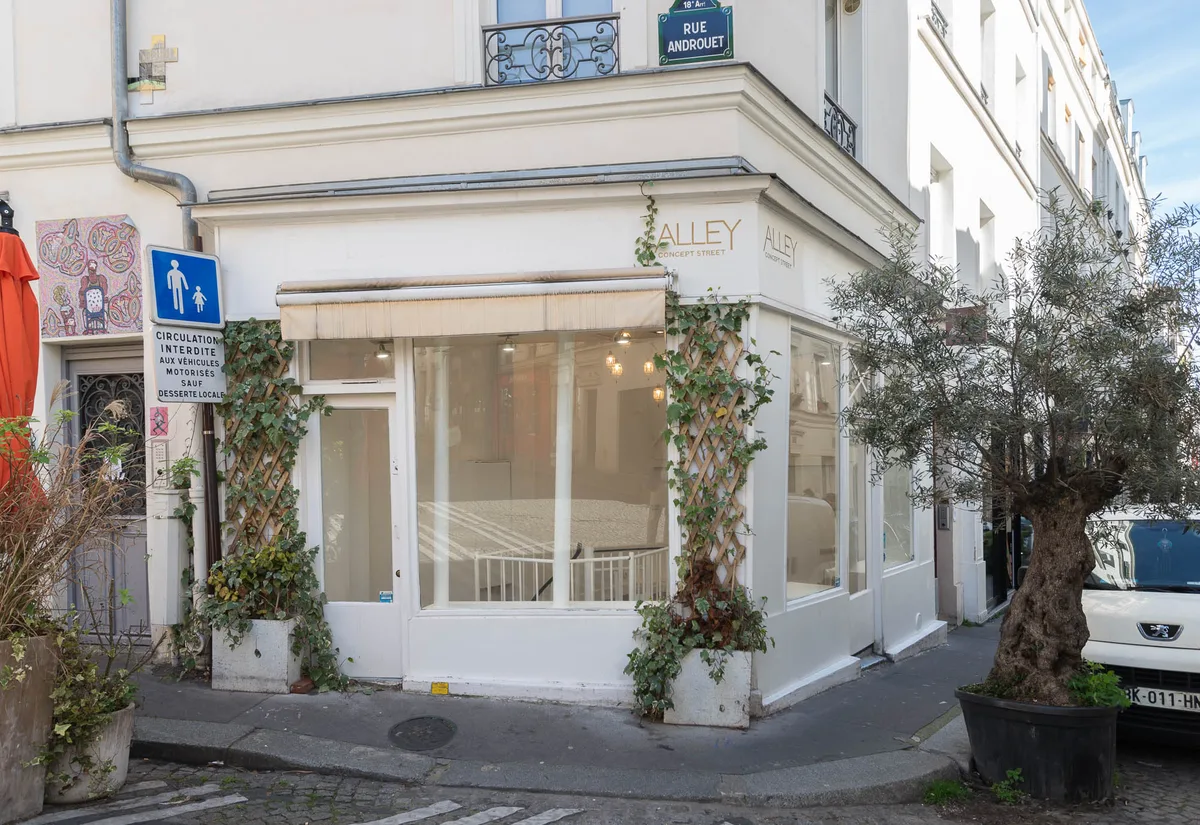
If you are planning to rent retail space in the 4th arrondissement Paris, you are looking at one of the most strategically valuable short-term commercial markets in Europe. Le Marais combines historic architecture, dense international foot traffic, and a concentration of independent designers, global fashion brands, and art galleries that few other neighbourhoods in any city can match. Whether you need a pop-up store on Rue des Francs-Bourgeois, a fashion showroom near Place des Vosges, or a gallery space steps from Centre Pompidou, 75004 Paris offers an extraordinary range of temporary retail formats for every brand scale and budget. Fashion Week Venues supports brands seeking pop-up spaces in Paris with venue sourcing, production, and full activation management across all key arrondissements.
Why Le Marais Is the Primary Short-Term Retail Destination in Paris
Le Marais is not simply a fashionable address. It is the single most commercially active short-term retail zone in Paris, with a market that operates year-round rather than only during peak calendar windows. The 4th arrondissement attracts a uniquely layered audience of local Parisians, European tourists, American and Asian visitors, and the global fashion and design community that migrates through the city for Fashion Week, Design Week, Maison&Objet, and FIAC.
The neighbourhood's retail density along streets such as Rue des Francs-Bourgeois, Rue de Turenne, and Rue de Bretagne creates a concentrated shopping circuit that drives organic discovery for temporary tenants. Unlike purpose-built shopping centres or isolated flagships, a pop-up store or commercial space in Le Marais benefits from the established pedestrian habit of shoppers who already visit the area specifically to browse independent boutiques, concept stores, galleries, and designers.
Place des Vosges, the oldest planned square in Paris, generates its own sustained visitor flow throughout the year. The arcaded galleries beneath its iconic red-brick facades have historically housed art dealers, jewellers, and fashion houses, making the immediate vicinity one of the most recognisable and prestigious boutique addresses in the city. A commercial space facing or adjacent to Place des Vosges carries immediate brand credibility that is difficult to acquire through advertising alone.
The Haut Marais, roughly the northern section of the 4th arrondissement and spilling into the 3rd, has evolved into a destination for emerging and established fashion labels, lifestyle brands, and concept retailers. Streets including Rue Charlot, Rue Debelleyme, and Rue du Bretagne host a rotating cast of temporary and permanent boutiques that define the neighbourhood's reputation as a tastemaker environment. For brands launching in Paris or testing a new product category, Haut Marais exposure carries editorial weight that translates directly into press, influencer content, and buyer attention.
Centre Georges Pompidou anchors the western edge of the arrondissement and generates its own substantial daily visitor count, drawing a design-literate, culturally curious audience that aligns naturally with fashion, contemporary art, and premium lifestyle brands. A gallery space or pop-up store in the immediate Pompidou radius benefits from this existing audience flow and the institutional credibility of the location.
The Bastille zone, at the southern and eastern boundary of the 4th arrondissement, provides access to a different demographic: younger Parisians, the creative and music community, and a growing cohort of international visitors drawn to the neighbourhood's restaurant, bar, and independent retail scene. Pop-up showroom rental in Bastille, Paris suits brands seeking a slightly more raw, urban aesthetic in spaces that often feature exposed stone columns, hardwood floors, and generous ceiling heights at more accessible price points than prime Rue des Francs-Bourgeois frontage.
Rue de Quincampoix, running between the Pompidou area and the Marais proper, is a narrow historic street increasingly used for gallery-style activations and concept retail. Its physical character, with exposed stone facades and intimate proportions, suits brands that want to create an immersive environment rather than a conventional shop window display.
KEY TAKEAWAY: Le Marais and the 4th arrondissement collectively offer more commercially viable short-term retail micro-zones than any comparable area in Paris, with each street and neighbourhood attracting a distinct audience profile that can be matched to specific brand objectives.
Understanding the distinctions between these micro-zones is the foundation of a successful space search, and it directly shapes every downstream decision about space type, format, lease duration, and activation strategy.
Retail Space Types Available to Rent in the 4th Arrondissement Paris
The 4th arrondissement offers a broader and more varied inventory of short-term commercial spaces than most international brands initially expect. Knowing the distinctions between space types helps brands select the format that serves their specific commercial and creative objectives.
Storefronts and Street-Level Boutiques
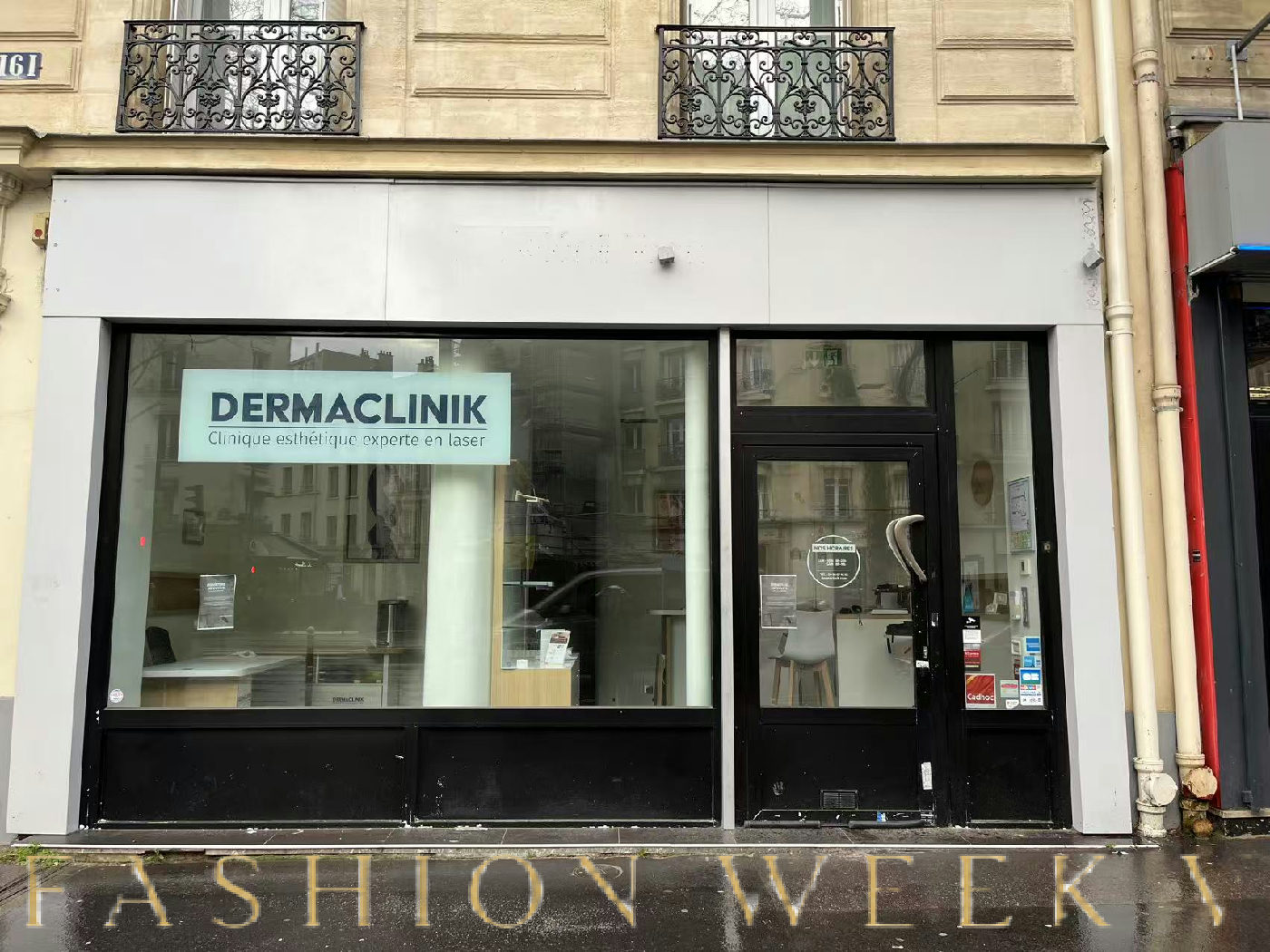
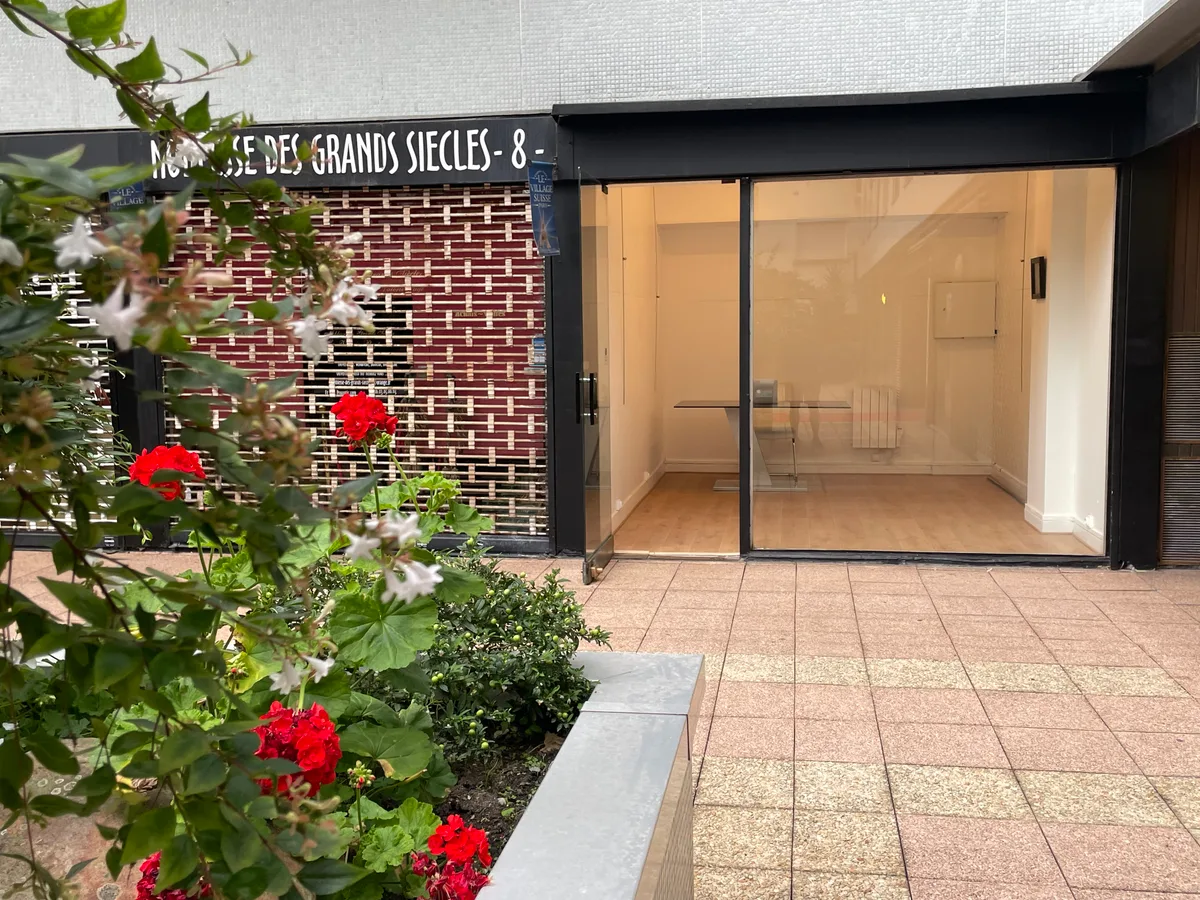
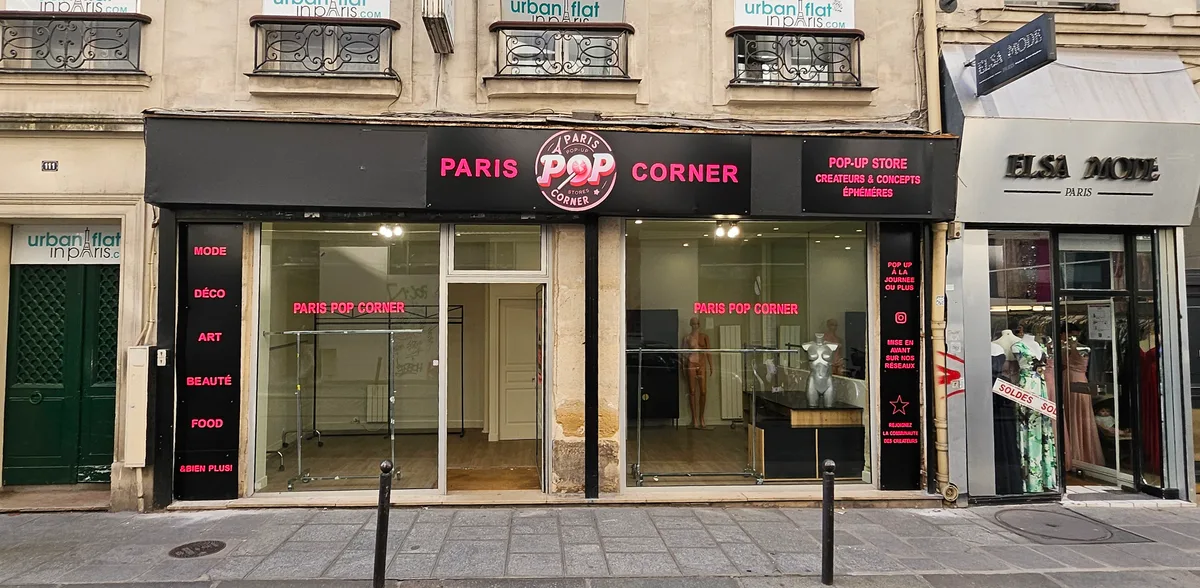
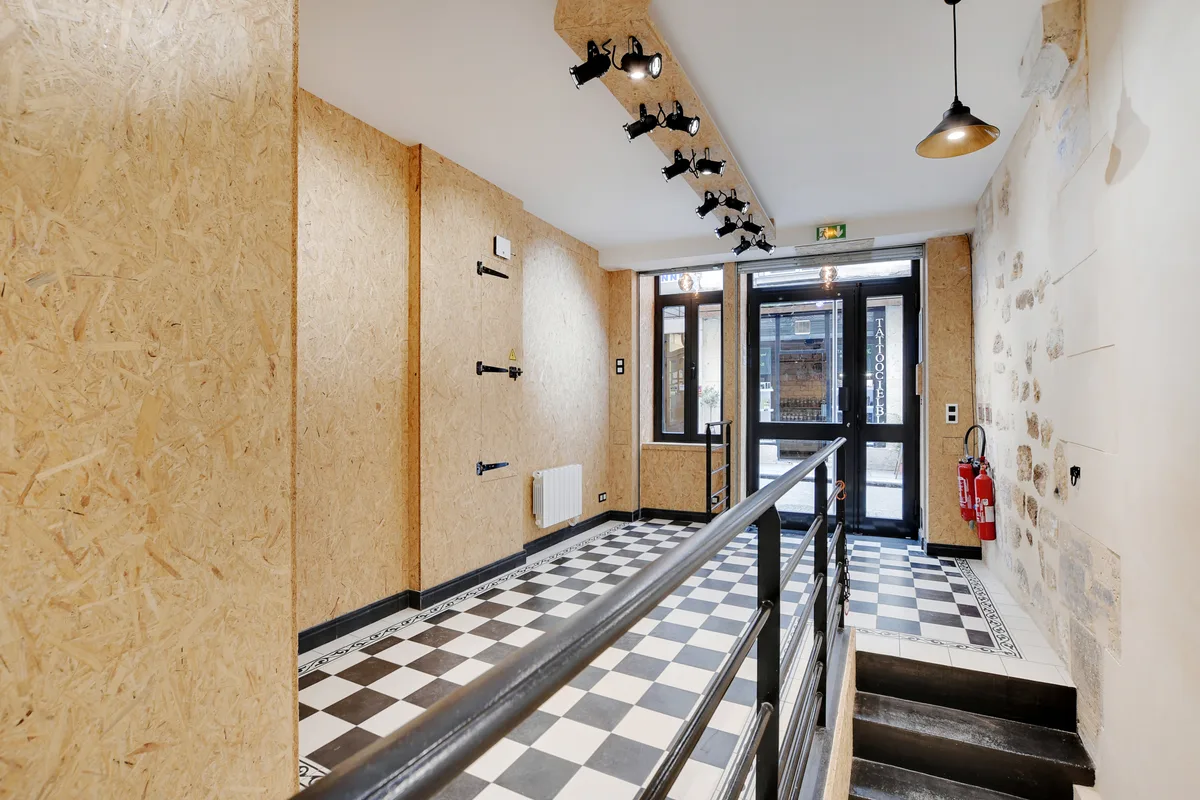
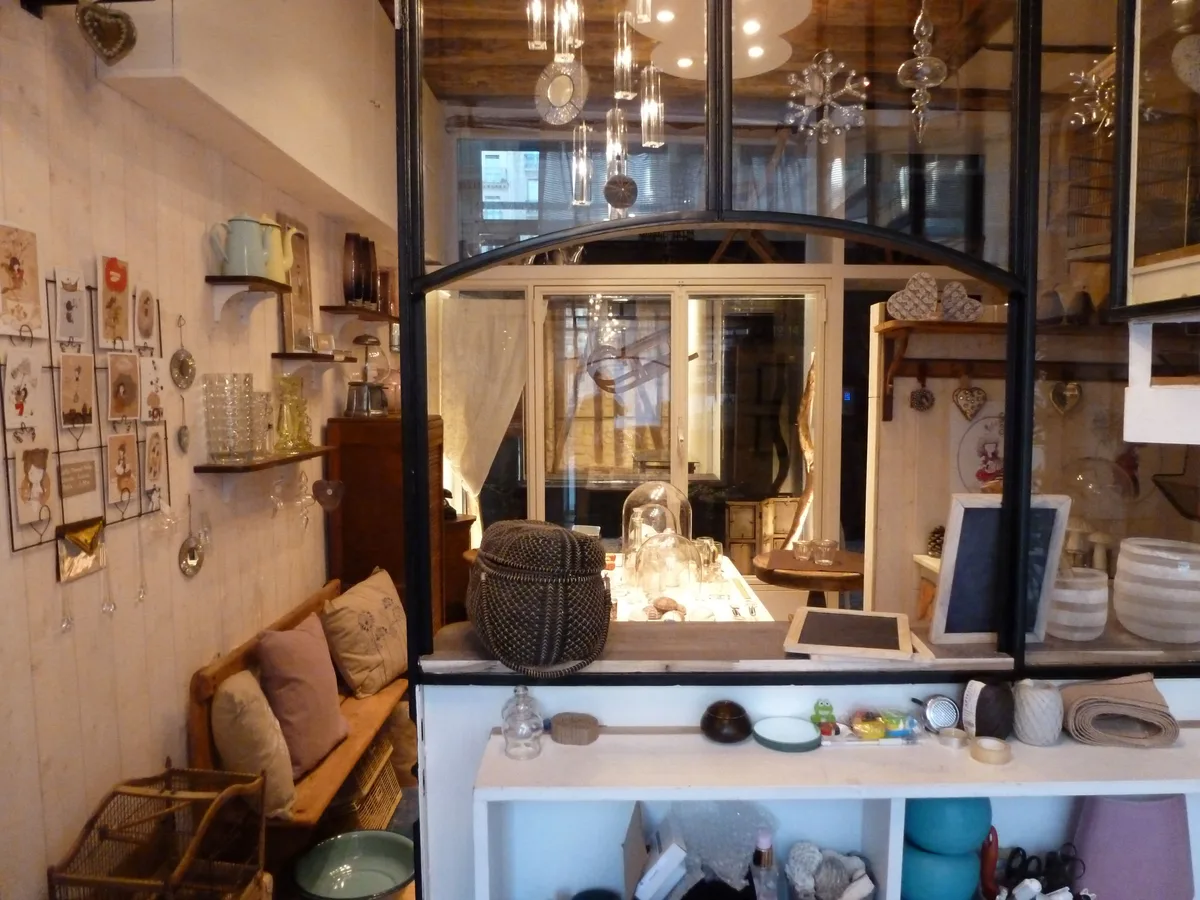
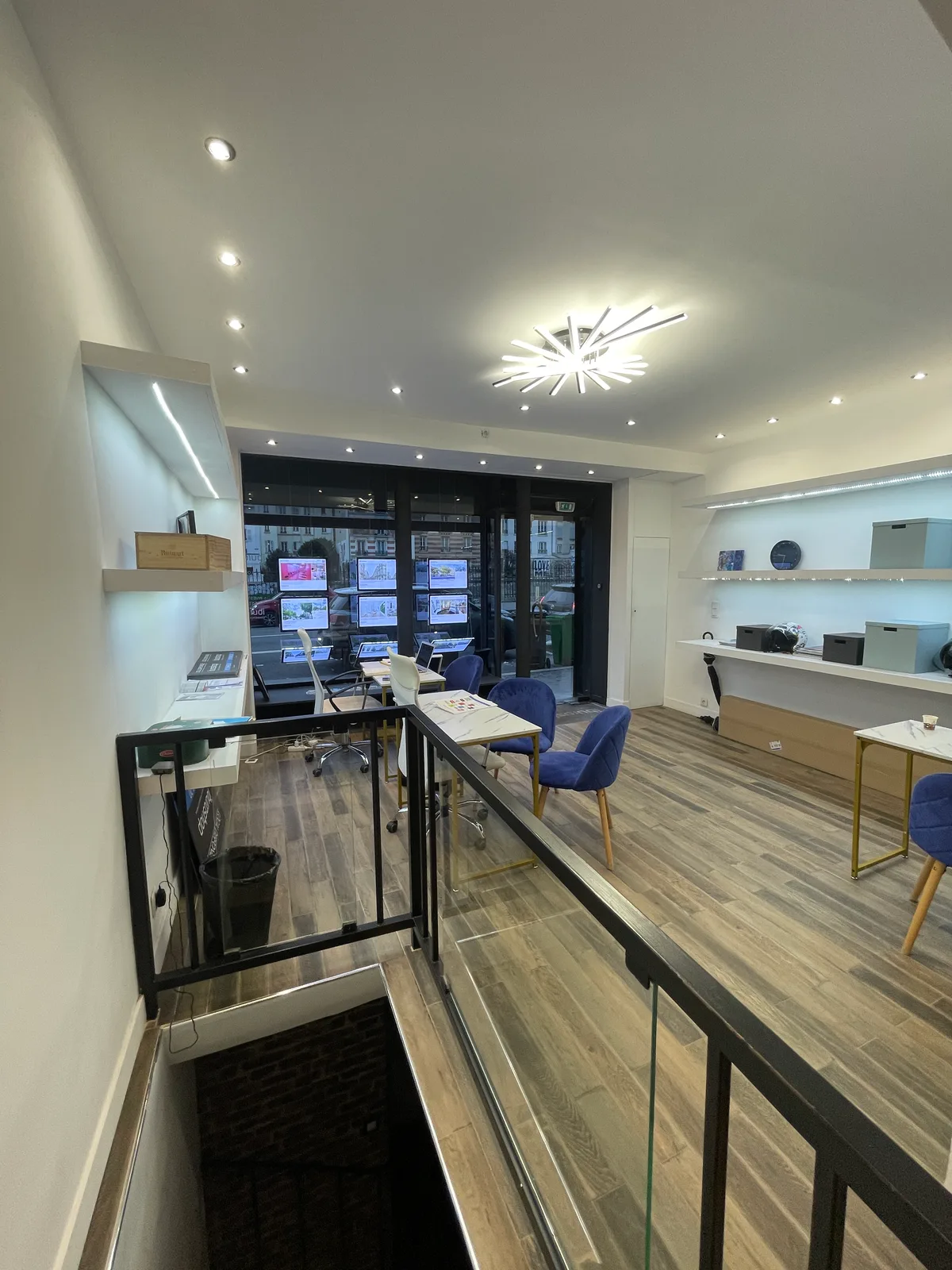
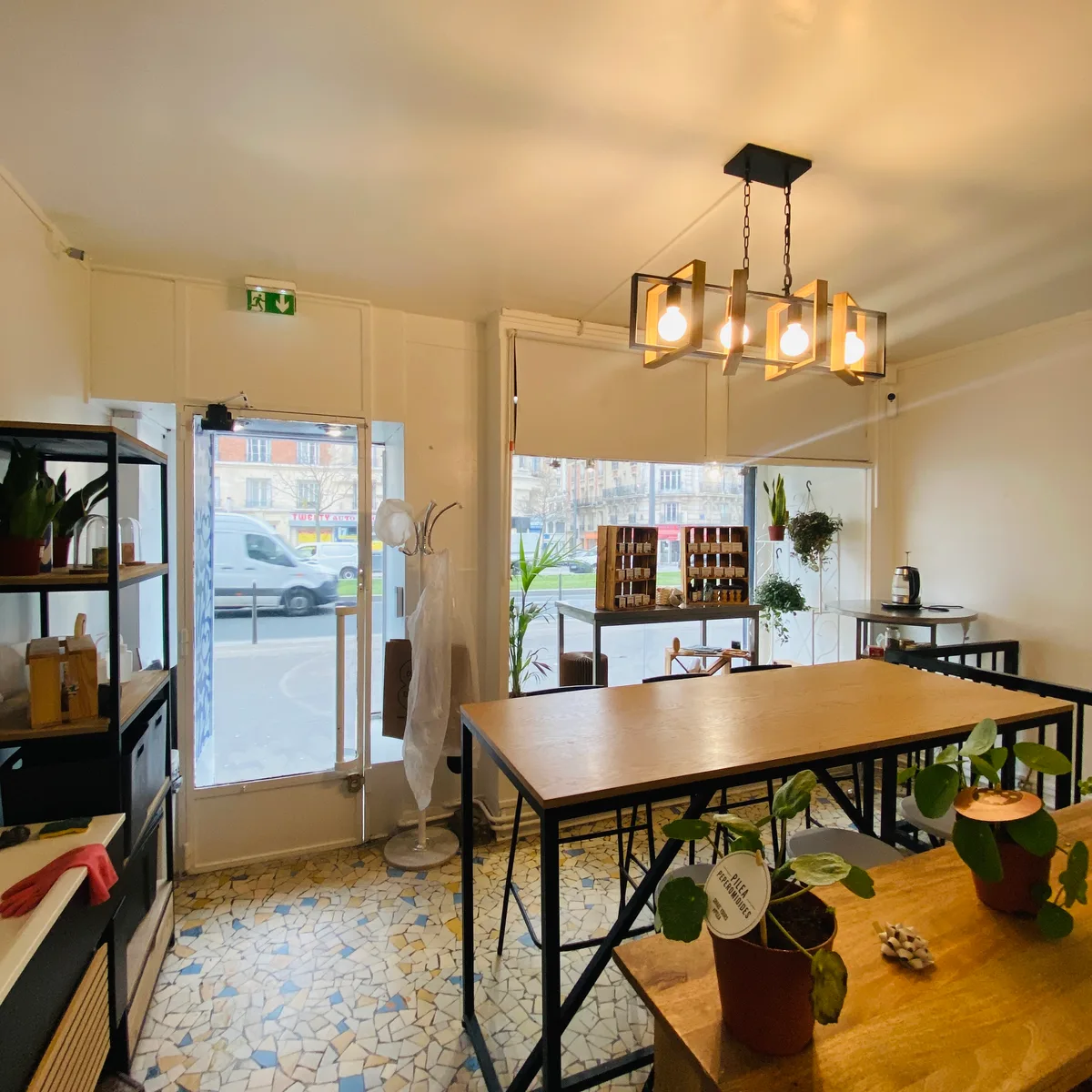
A traditional storefront with direct street access is the most visible and commercially intuitive format in Le Marais. These spaces typically occupy the ground floor of a Haussmannian or pre-Haussmannian building, with display windows facing a pedestrianised or high-footfall street. Storefronts on Rue des Francs-Bourgeois, Rue de Bretagne, and Rue des Archives carry the highest baseline visibility in the arrondissement. A charming boutique format, often characterised by ornate shopfronts, wrought ironwork, and historic tile flooring, can provide an immediate aesthetic narrative for heritage or craft-led fashion brands without requiring extensive fit-out. A ground floor backyard configuration, where a second internal space opens from the main shop onto a courtyard, is a particularly sought-after format for brands wanting to create a separation between public retail and a private press or VIP area.
Fashion Showrooms
Fashion showrooms in the 4th arrondissement are typically located in upper-floor apartments or former commercial premises within the neighbourhood's dense network of courtyards and passages. These spaces prioritise appointment-based traffic: buyers, press, and stylists rather than general public footfall. A fashion showroom rental in the Marais during Paris Fashion Week requires advance booking, often six to twelve months ahead, as the best addresses are taken quickly by returning brands that understand their seasonal value. Showroom spaces near Place des Vosges and along Rue de Turenne are particularly valued for their architectural quality, including exposed stone walls, wide herringbone parquet floors, and high ceilings that provide a gallery-like setting for collection presentations.
Gallery Spaces and Galeries d'Art
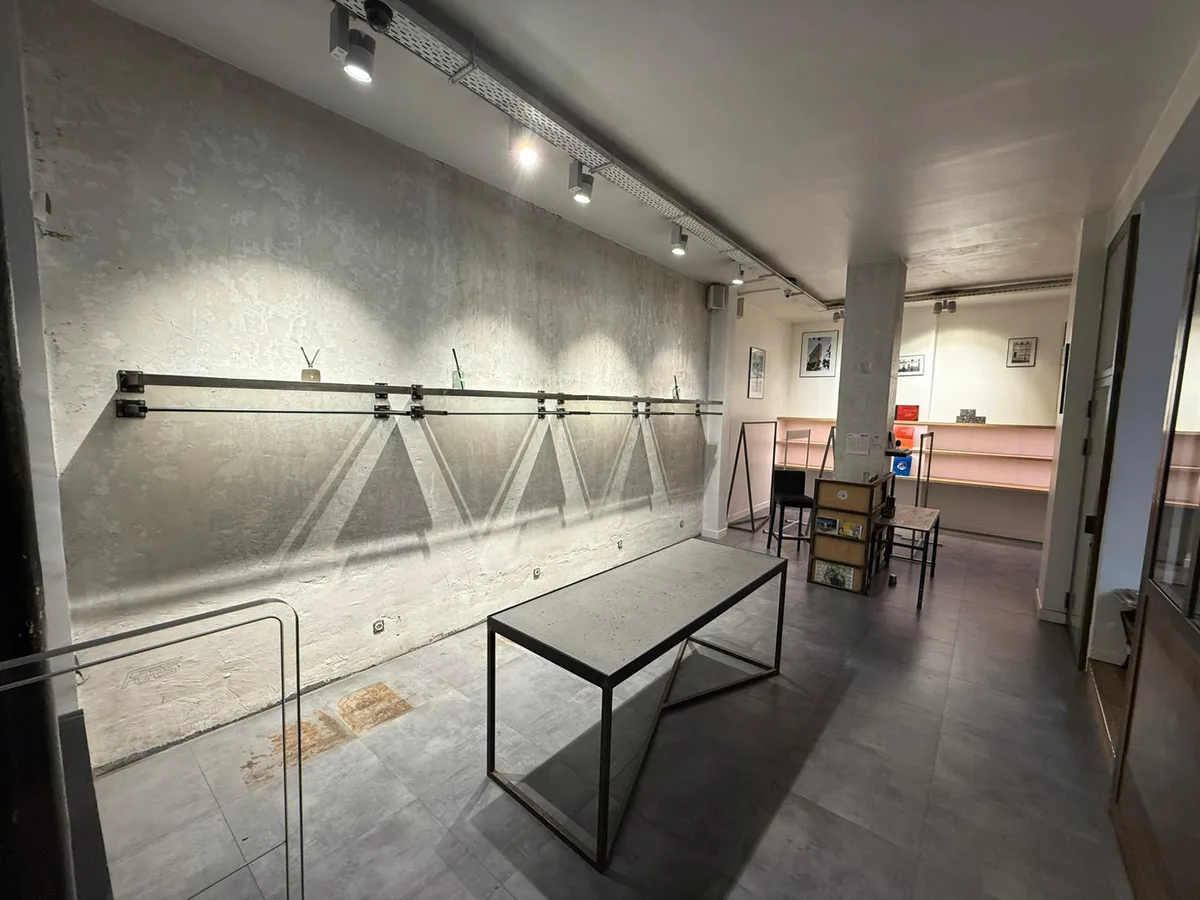
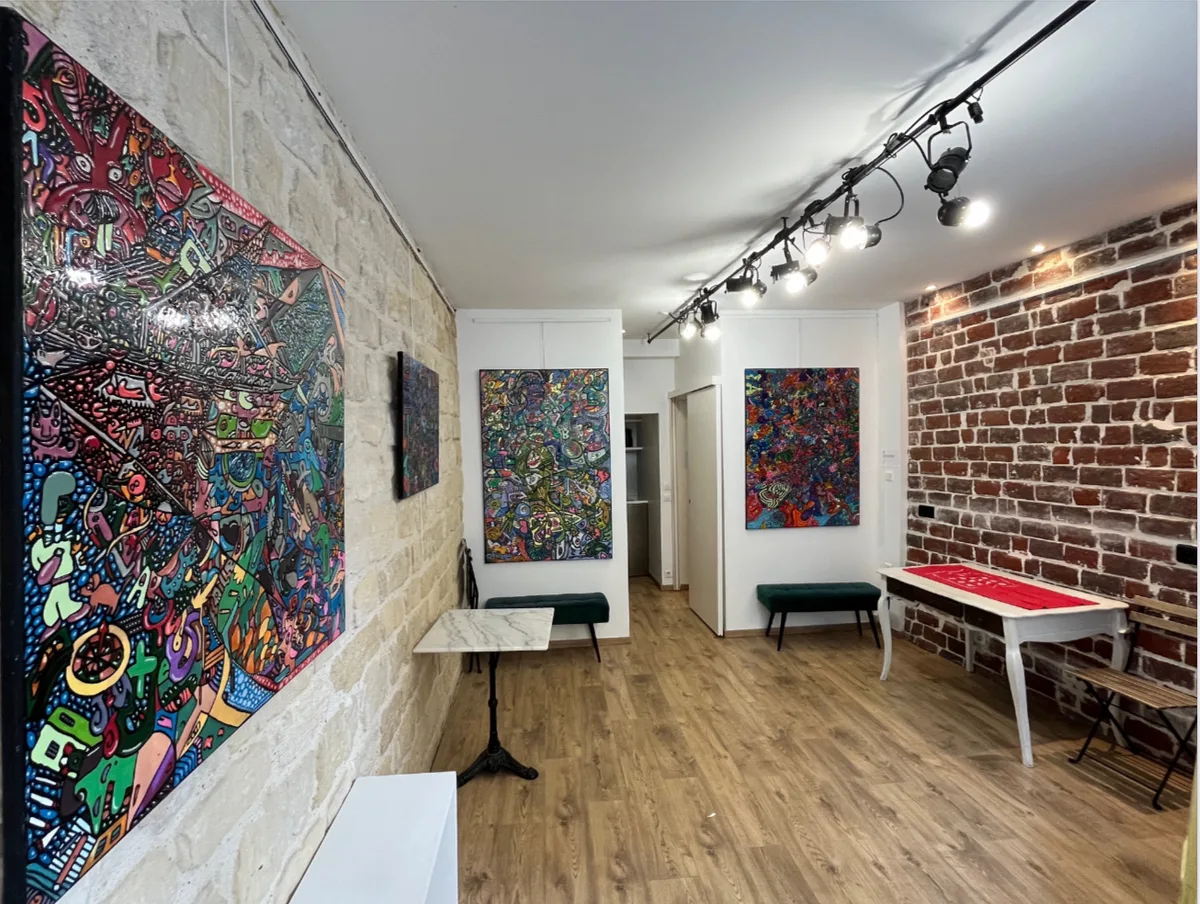
The Marais has one of the highest concentrations of commercial art galleries in Europe, and many of these spaces become available for temporary commercial use outside exhibition periods. A Marais gallery space typically offers whitebox interiors, professional lighting tracks, polished concrete or hardwood floors, and an established reputation with the area's culturally literate visitor base. For fashion brands, beauty labels, or luxury accessories designers, a galerie d'art format provides a ready-made visual grammar that elevates product presentation without requiring a complex build. Rue de Quincampoix and the streets surrounding Centre Pompidou contain several such spaces available for short-term rental.
Loft Spaces and Industrial Conversions
The eastern Marais and Bastille area contain a number of loft-format spaces in former workshops, print houses, and artisan premises. These spaces are characterised by exposed stone columns, raw brickwork, hardwood floors, and generous open-plan footprints that suit fashion installations, multi-brand showrooms, and brand experience events rather than traditional retail formats. A loft space in this zone offers design flexibility that more prescriptive boutique formats do not, and the Bastille address carries authentic Parisian creative credentials for brands that want to avoid the more commercially saturated prime Marais streets.
Apartment-Format Spaces
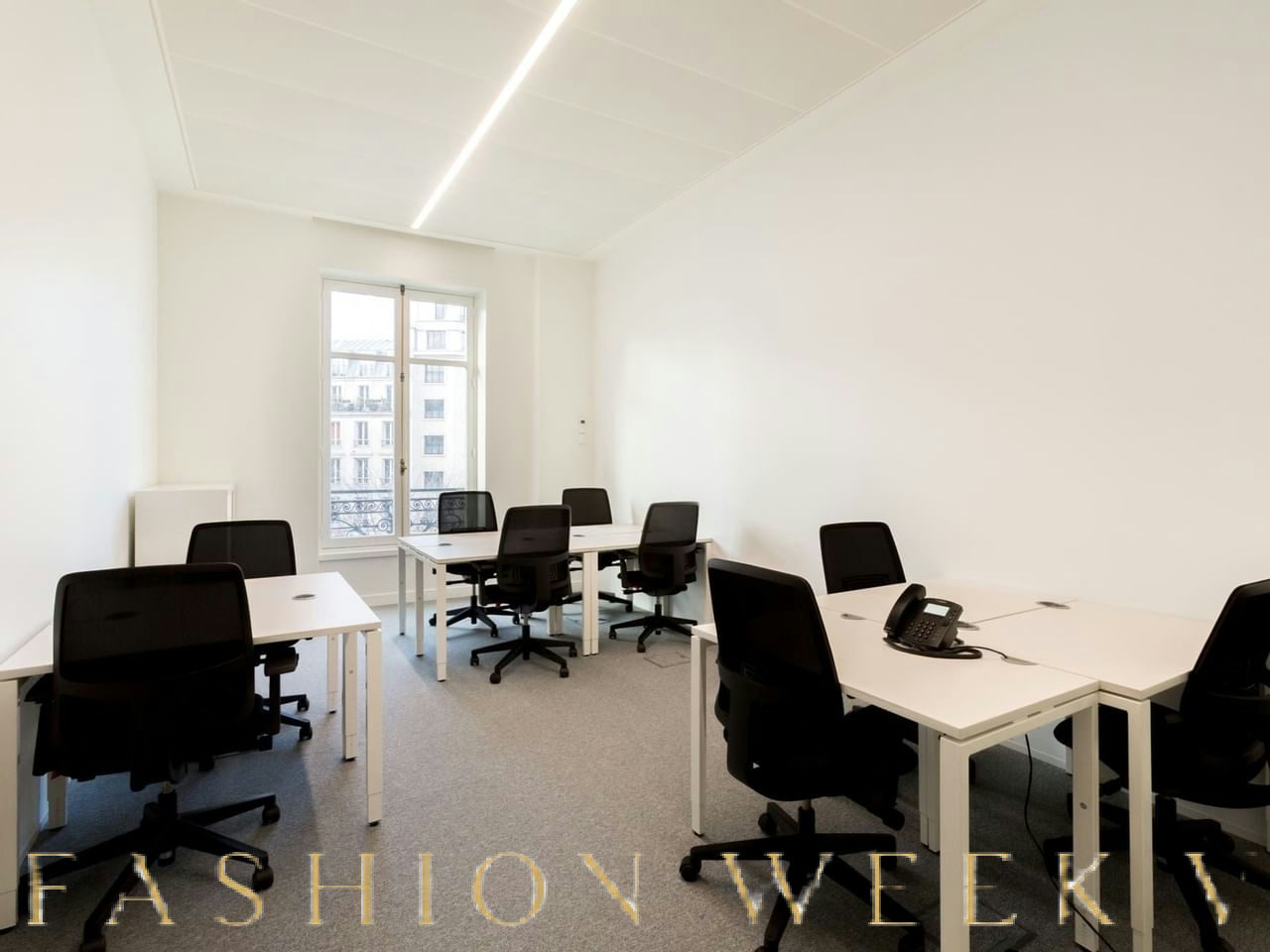
A proportion of short-term commercial space inventory in the Marais takes the form of apartments converted or offered for commercial activation. These spaces, often on elevated floors with views over historic courtyards or rooftops, work particularly well for intimate brand presentations, press previews, and VIP dinners that accompany a broader Fashion Week activation. Apartment-format spaces require attention to the specific lease terms and permitted uses under French law, as residential property used for commercial purposes has specific compliance considerations.
Quick answer: The main retail space types available in the 4th arrondissement Paris include traditional storefronts, fashion showrooms, gallery spaces, loft-format industrial conversions, and apartment-format presentation spaces. Each type suits a different activation objective, audience, and budget level. Selection should be based on whether the priority is public footfall, trade audience access, editorial setting, or brand experience format.
KEY TAKEAWAY: The 4th arrondissement's space inventory spans a wider range of formats than most markets. Brands that clarify their audience type, visit structure, and visual objectives before searching will shortlist more efficiently and secure better-matched spaces.
Once the space type is defined, the next decision concerns the specific physical attributes that will determine how much production and fit-out investment is required to bring the space to activation standard.
Physical Features That Define Marais Retail Spaces
When reviewing commercial space listings in Le Marais, specific architectural and physical attributes recur across the most sought-after addresses. Understanding these features helps brands assess fit-out requirements and brand alignment before committing to viewings.
Exposed Stone and Stone Columns
Exposed stone walls and exposed stone columns are among the most distinctive features of Marais commercial spaces, reflecting the neighbourhood's medieval and early modern building stock. These features create an immediate sense of authenticity and historical depth that synthetic materials cannot replicate. For fashion brands, especially those with heritage narratives, artisan positioning, or a French aesthetic, exposed stone provides a natural visual backdrop that reduces the need for decorative intervention. However, stone surfaces also impose limits on how fixtures can be attached, and brands should confirm mounting and fixation permissions with landlords before planning their fit-out in detail.
Hardwood Floors and Parquet
Wide-plank hardwood floors and herringbone parquet are standard in many of the Marais's more established retail and showroom spaces. These surfaces photograph well, age gracefully, and carry strong aesthetic associations with Parisian craftsmanship. Brands should assess floor condition during viewings and clarify whether protective coverings are required under the rental agreement, as high-traffic installations can cause damage that becomes a deposit or liability issue at handover.
High Ceilings
High ceilings, particularly in the 3.5-metre to 6-metre range found in many Marais spaces, are commercially valuable because they allow brands to create vertical visual moments, install hanging structures, and generate a sense of spatial generosity that is difficult in standard retail proportions. High ceilings also improve the acoustic quality of event-format activations and allow better air circulation during busy opening periods.
Ground Floor and Backyard Access
Ground floor access with direct street entry is essential for retail-format activations targeting general public footfall. Ground floor spaces with backyard or courtyard access add significant value by enabling an extended spatial narrative: a public-facing shop at the front and a private or invitation-only zone at the rear. This configuration suits brands running simultaneous public pop-up and trade or press events during the same activation period.
Floor Level and Accessibility
In older Marais buildings, access to upper floors is typically via spiral or steep staircases without lifts. This affects the suitability of upper-floor spaces for high-footfall public retail and has accessibility implications for brands with inclusive event policies. Confirming floor level, stair configuration, and lift availability is an essential step in the viewing process.
DID YOU KNOW: Many of the most photographed fashion and lifestyle brand activations in Le Marais have been staged in spaces with minimal additional styling beyond the architectural features of the space itself. Exposed stone, herringbone parquet, and vaulted ceilings provide a ready-made visual identity that consistently performs well in editorial and social content.
KEY TAKEAWAY: Physical attributes including exposed stone, hardwood floors, ceiling height, and access configuration have direct consequences for fit-out cost, brand narrative, and audience capacity. Evaluating these features systematically during viewings prevents costly surprises during production.
With space type and physical features understood, brands need to consider the operational and legal framework that governs short-term commercial rental in Paris.
Short-Term Lease Structures for Commercial Space in Paris 4th
Renting commercial space in the 4th arrondissement on a short-term basis involves navigating a legal framework that is materially different from standard commercial leases in France. Brands unfamiliar with French property law frequently make assumptions based on their home market experience that do not hold in Paris.
The Bail Dérogatoire
The bail dérogatoire, also known as a short-term commercial lease or convention d'occupation précaire, is the primary legal instrument used for temporary retail and commercial space rental in France. Unlike a standard French commercial lease, which carries significant tenant protections including a minimum nine-year duration and renewal rights, a bail dérogatoire allows landlords and tenants to agree a fixed short-term occupation of up to three years without triggering statutory renewal obligations. This is the format most commonly used for pop-up stores, fashion showrooms, and temporary brand activations in Le Marais and across Paris. Brands should be aware that a bail dérogatoire must be clearly documented as such from the outset: if a tenant occupies a commercial space under this arrangement and then remains beyond the agreed period without a new agreement, French courts may reclassify the tenancy as a standard commercial lease, with all the obligations and costs that entails.
Autorisation d'Occupation Temporaire
An Autorisation d'Occupation Temporaire, or AOT, is a permit that governs the temporary occupation of public domain space, such as a pavement, terrace, or public square for commercial purposes. In the context of Le Marais, a brand seeking to extend an activation onto the pavement in front of a boutique, or to operate a temporary structure in a public area, will require an AOT from the relevant local authority. The application process, required documentation, and approval timeline vary by arrondissement and by the nature of the proposed use. Permit requirements are not uniform and should always be verified with a qualified French legal advisor before any public-domain activation is planned. For guidance on permit considerations relevant to your specific activation, the permit guidance tool on Fashion Week Venues provides a useful starting framework.
Occupation Agreements and Licence to Occupy
For very short activations, typically under one month, some landlords in Le Marais use a simple licence to occupy or occupation agreement rather than a formal bail dérogatoire. These agreements carry fewer legal protections for both parties but are faster to execute and more flexible for weekend or week-long pop-up formats. Brands should ensure that any licence agreement clearly specifies permitted uses, permitted opening hours, insurance responsibilities, dilapidation and reinstatement obligations, and the procedure for returning the space at the end of the activation.
What You Need to Rent Without a French Legal Entity
International brands frequently assume they need a French legal entity, such as a SARL or SAS, to rent commercial space in Paris. This is a common misconception. Many short-term rental agreements in Le Marais can be executed by foreign companies through a combination of proof of company registration in their home jurisdiction, a French bank account or international guarantee, and insurance documentation that meets French requirements. The specific documentation demanded by landlords varies, and some landlords do prefer working with a French entity or local guarantor. Working with an agency that has established landlord relationships in the Marais simplifies this process considerably and often removes the need to establish a local entity solely for the purpose of securing space.
IMPORTANT: Lease structures for short-term commercial space in France are legally specific and can carry significant financial and contractual consequences if incorrectly structured. Always verify lease type, permitted use clauses, and dilapidation terms with a qualified French legal advisor before signing any agreement.
Quick answer: The most common legal framework for short-term commercial space rental in the 4th arrondissement Paris is the bail dérogatoire, which permits flexible temporary occupation without triggering standard commercial lease renewal rights. Very short activations may use a licence to occupy instead. Both require careful documentation and insurance. International brands without a French entity can often still rent, but specific requirements vary by landlord and space type.
KEY TAKEAWAY: Understanding the difference between a bail dérogatoire, an AOT, and a simple licence to occupy is not optional knowledge for brands renting in Paris. The wrong assumption about lease structure can result in unexpected costs, legal disputes, or activation delays.
Beyond the legal framework, the commercial decision to rent in the 4th arrondissement requires a clear understanding of the relevant calendar windows and how they affect both space availability and activation value.
Paris Fashion Week and Design Week: Calendar Windows for the 4th Arrondissement
The commercial calendar for retail space in Le Marais is shaped by several recurring events that generate spikes in relevant audience density, press presence, and brand visibility. Planning your activation around these windows is one of the most impactful decisions you can make before the space search begins.
Paris Fashion Week
Paris Fashion Week occurs twice annually, in late February and early March for womenswear autumn/winter, and in late September and early October for womenswear spring/summer. Men's fashion week and haute couture also generate significant industry movement through the city at different points in the calendar. During these periods, the 4th arrondissement and Le Marais become one of the most concentrated zones for brand activations, showroom presentations, press events, and buyer appointments. Space availability at the best addresses drops sharply from approximately twelve months in advance for Fashion Week windows. Brands that are flexible about format and street but committed to the Fashion Week calendar typically find better availability and pricing than those who insist on specific addresses at short notice.
Paris Design Week and Maison&Objet
Paris Design Week, held in September to align with the Maison&Objet furniture and interiors trade fair, generates a separate wave of activation interest in Le Marais, which has a high concentration of design studios, furniture galleries, and lifestyle concept stores. For fashion brands with a strong design or interiors adjacency, a Design Week activation in the 4th arrondissement can reach a highly qualified audience of international buyers, architects, and design press at a time when competition from pure fashion brands is lower than during Fashion Week itself.
Year-Round Activation Value
One of the most important and frequently overlooked aspects of the Le Marais commercial market is its strong year-round performance. The neighbourhood draws consistent tourist and local footfall across every month of the year, and several key streets maintain visitor densities comparable to major Fashion Week periods during peak summer and Christmas trading windows. Brands that approach the Marais as purely a Fashion Week vehicle miss the opportunity to activate during summer tourist peaks, the autumn back-to-school and cultural season, and the December gifting period, all of which support strong short-term retail performance.
TIP: If Fashion Week dates are your primary target but your preferred spaces are already committed, consider activating in the two weeks immediately before or after the official Fashion Week calendar. Press and buyers often extend their Paris stays, and the neighbourhood remains commercially active with slightly more favourable space availability and pricing during shoulder periods.
KEY TAKEAWAY: The Paris Fashion Week calendar is the single highest-value window for brand activation in Le Marais, but it is not the only viable window. Year-round footfall, Design Week, summer tourism, and the December trading period all support commercially viable short-term retail activations in the 4th arrondissement.
To compare neighbourhoods and space types across different calendar windows, explore the Paris city hub on Fashion Week Venues and shortlist spaces that match your brief, budget, and calendar window.
With calendar strategy clear, the next consideration is understanding what a realistic budget looks like for short-term commercial space in the Marais and how to structure costs across the full activation.
Budget and Pricing for Retail Space in Le Marais
Pricing for short-term commercial space in the 4th arrondissement Paris varies significantly based on street, space type, size, duration, season, and the inclusion of services beyond the basic space rental. Providing specific guarantees about pricing is not useful given the range of variables in play, but understanding the general cost architecture helps brands build realistic activation budgets.
Space Rental as a Component of Total Activation Cost
A critical distinction that many brands miss in their initial planning is that the space rental fee is only one component of the total activation cost. Alongside the base rental, brands typically need to budget for fit-out and production, furniture rental, staffing, security deposits, insurance, utilities, cleaning, POS and payment infrastructure, and marketing or influencer costs to drive traffic to the activation. In some cases, permit fees, legal documentation costs, and reinstatement costs at the end of the activation also apply. A budget planning approach that focuses only on the headline daily or weekly rental rate will consistently underestimate total activation investment.
Indicative Pricing Structure
As a directional reference point without committing to specific figures, pop-up showroom rental in the Bastille area and eastern Marais tends to be more accessible than prime Rue des Francs-Bourgeois or Place des Vosges frontage. Gallery and showroom spaces with exceptional architectural character, high ceiling height, and premium addresses command the highest rates in the arrondissement. Very short activations of one to seven days often carry premium daily rates relative to two or four week rentals, as landlords factor in the cost of search, administration, and turnover. Spaces with furnished interiors, professional lighting, and utilities included in the rental fee simplify budgeting but typically carry higher headline rates than unfurnished baseline spaces.
Quick answer: Short-term retail space rental in the 4th arrondissement Paris is priced based on street, format, size, and duration. Total activation costs consistently exceed the base space rental when fit-out, staffing, insurance, and marketing are included. Brands should budget for the full cost of activation, not just the headline rental rate, and use a dedicated tool to build a brand-specific cost model before committing to a space.
For a brand-specific budget estimate that accounts for space type, duration, and service requirements, the budget estimation tool on Fashion Week Venues provides a structured starting point. Understanding return on investment is equally important, and brands seeking to model outcomes against spend can use the ROI calculator to build a performance framework before committing to a space.
Deposit, Insurance, and Reinstatement Obligations
Most commercial space landlords in Le Marais require a security deposit, typically equivalent to one to two months of the equivalent commercial rental value, alongside proof of comprehensive insurance covering public liability, property damage, and tenant improvements. Reinstatement obligations, meaning the requirement to return the space in the same condition as received, can generate unexpected costs if fit-out elements are not removed carefully or if surfaces are damaged during the activation. Brands renting premium architectural spaces with exposed stone, herringbone parquet, or original plasterwork should be especially attentive to reinstatement terms and budget accordingly.
KEY TAKEAWAY: Realistic activation budgeting in Le Marais requires accounting for space rental, fit-out, staffing, insurance, deposits, and reinstatement costs as a combined investment. Brands that model the full cost architecture before shortlisting spaces make better decisions and avoid mid-activation financial surprises.
With budget framework established, the next area to address is the practical process of finding, evaluating, and securing the right space in the 4th arrondissement.
How to Find and Secure Retail Space in Paris 4th Arrondissement
Finding the right commercial space in Le Marais involves more than browsing listings. The most sought-after spaces are not always publicly advertised, lead times for premium addresses are longer than many brands expect, and the process of verifying space suitability, negotiating terms, and executing documentation in a French legal context requires structured preparation.
Starting With a Clear Brief
Before any space search begins, brands should define their non-negotiable requirements across four dimensions: location, meaning specific streets or micro-zones; space type, meaning storefront, showroom, gallery, loft, or apartment format; duration and calendar window; and maximum total activation budget. Without a clear brief, space searches in a market as varied as Le Marais produce an overwhelming volume of options that cannot be evaluated comparatively. A structured brief also enables agencies, marketplaces, and landlord contacts to match spaces efficiently rather than presenting every available option regardless of fit.
Using a Space Marketplace
A curated space marketplace provides access to verified listings with standardised information about size, location, space type, rental structure, available dates, and key features. This is a materially more efficient search method than approaching landlords individually or relying on personal referrals, particularly for international brands without existing Paris market relationships. The Fashion Week Venues marketplace lists commercial spaces across Le Marais and the wider Paris market with search and filtering tools designed for brand teams making activation decisions.
Virtual Options and Remote Viewings
For international brands evaluating spaces from outside France, virtual viewing options have become increasingly standard in the Le Marais short-term rental market. Some spaces offer professional 3D virtual tours, such as Matterport-format walkthroughs, that allow brand and creative teams to assess spatial proportions, natural light, surface finishes, and architectural features without an initial in-person visit. Virtual options are particularly valuable for shortlisting: teams can eliminate clearly unsuitable spaces and invest in-person viewing time only in spaces that pass the initial remote assessment. Brands should confirm the availability of virtual tours when enquiring about any space and treat the virtual view as a supplement to, not a replacement for, an in-person inspection before signing any agreement.
Timeline Planning for Le Marais Spaces
The timeline for securing a short-term commercial space in Le Marais depends heavily on the target window and the competitiveness of the specific address. For Fashion Week periods, the best spaces at the most sought-after addresses are typically committed six to twelve months in advance. For non-peak windows, a three to six month lead time is generally sufficient for prime streets, with shorter windows possible for less competitive locations or formats. Brands working on tighter timelines can use the timeline planning tool to map their activation schedule against realistic milestones for space confirmation, permit applications, fit-out production, and opening.
Viewings and Due Diligence
An in-person viewing should assess: actual dimensions versus listed dimensions (which are often approximate); natural light at different times of day; acoustic properties; electrical capacity and socket positioning; heating and cooling systems; floor condition; wall fixing permissions; loading access for fit-out delivery; availability of secure storage; and neighbourhood noise levels at planned opening hours. Brands conducting viewings should bring a checklist and photograph all existing damage to walls, floors, and fixtures before any documentation is signed, as this record is essential protection against unjustified deposit deductions at the end of the activation.
DID YOU KNOW: A significant proportion of short-term commercial spaces in Le Marais never appear on public listing platforms. They are allocated through agency relationships, landlord networks, and returning brand contacts. Working with an established agency with existing Marais landlord relationships is one of the most effective ways to access this off-market inventory.
KEY TAKEAWAY: The process of finding and securing a Marais retail space is more structured and time-sensitive than many brands initially expect. A clear brief, realistic timeline, professional due diligence during viewings, and the right agency relationships significantly increase the probability of securing the right space at the right commercial terms.
Once a space is secured, the activation itself requires professional production, design, and operations management. Understanding what a full-service agency delivers across the activation lifecycle is the next critical area of knowledge.
How Fashion Week Venues Supports Brands in the 4th Arrondissement Paris
Fashion Week Venues is a full-service pop-up shop agency and space marketplace with Paris as its primary market. The agency supports fashion brands, designers, beauty labels, luxury accessories houses, and lifestyle brands across every stage of the activation process, from initial space identification to post-activation data review.
Venue Sourcing in Le Marais
The agency's venue sourcing service covers the full range of space types available in the 4th arrondissement, including storefronts on Rue des Francs-Bourgeois, showrooms near Place des Vosges, gallery spaces in the Pompidou zone, lofts in the Bastille area, and apartment-format presentation spaces throughout Le Marais. Venue sourcing involves brief development, shortlisting against defined criteria, arranging viewings, supporting negotiation, and coordinating the documentation process. The service is designed for brand teams that do not have existing Paris landlord relationships or the internal capacity to manage a complex space search in a foreign market.
Concept Direction and Production
For brands that need creative as well as logistical support, the agency's concept direction service provides strategic and visual guidance on how to use a Marais space most effectively for the target audience and brand objective. This includes spatial planning, visual merchandising direction, and surface treatment recommendations. The production and build service covers physical fit-out, carpentry, lighting installation, and space transformation within permitted use and reinstatement parameters.
Activation Management and Staffing
Running a successful pop-up or showroom in Le Marais during a peak calendar window requires on-the-ground operational management that many brand teams based outside Paris cannot provide independently. The agency's activation management service covers day-to-day operational oversight, supplier coordination, and issue resolution throughout the activation period. Retail staffing covers recruitment, briefing, and management of multilingual sales and host staff appropriate to the space format and brand positioning.
Tools for Self-Directed Planning
Brand teams that prefer to conduct initial research independently before engaging agency support have access to a suite of planning tools on the Fashion Week Venues platform. These include a budget calculator, ROI modelling tool, space comparison tool, timeline planner, permit guidance resource, and space locator. These tools are designed to help teams make more informed decisions before committing to a space or agency brief, and they function as a complement to rather than a replacement for professional agency guidance on complex activations.
Who Benefits Most
The brands that derive the greatest value from Fashion Week Venues support in the 4th arrondissement tend to share certain characteristics: they are entering the Paris market for the first time, or returning after an unsatisfactory self-managed experience; they have a defined brand identity and commercial objective but lack the Paris landlord network and local knowledge to execute efficiently; they are working to a specific calendar window where mistakes in space selection or production have high commercial consequences; or they are managing multiple activations across different cities and need a Paris-based partner who can act as an integrated extension of their team.
Brands with very small budgets, highly experimental concepts, or long-established Paris operational teams may find the full-service agency model less relevant, though the marketplace and planning tools remain useful independent of agency engagement.
Quick answer: Fashion Week Venues provides fashion brands, designers, and luxury labels with venue sourcing, concept direction, production, activation management, staffing, and planning tools for pop-up stores, showrooms, and gallery activations in Le Marais and across the 4th arrondissement Paris. The service is particularly valuable for international brands without existing Paris market infrastructure.
KEY TAKEAWAY: A full-service agency partnership reduces the risk, time, and operational complexity of activating in Le Marais significantly, particularly for international brands without established Paris relationships. The value is greatest when the activation involves a peak calendar window, a complex space type, or a tight production timeline.
To understand how past activations have been delivered and what outcomes brands have achieved, the work section on Fashion Week Venues provides case study reference points across different space types, brand categories, and activation formats.
Who Rents Commercial Space in Le Marais and Why
The market for short-term commercial space in the 4th arrondissement is not homogeneous. A wide range of brand types and business models use temporary retail and showroom spaces in Le Marais for materially different purposes, and understanding this competitive landscape helps brands position their own activation distinctively.
International Fashion Brands Testing Paris
Brands from North America, the United Kingdom, Japan, South Korea, and the Middle East use Le Marais as their entry point into the Paris market. For these brands, a temporary storefront or showroom in the 4th arrondissement functions as a market validation exercise: it generates press coverage in French and international fashion media, exposes the brand to Parisian buyers and stylists, and creates a social media presence in a location that carries inherent brand credibility. A successful Marais activation often serves as the commercial and editorial case study that justifies a longer-term Paris market investment.
Independent Designers and Emerging Labels
Independent designers and emerging labels use the Marais's gallery and boutique spaces to present seasonal collections to press, buyers, and collectors in a setting that would be unaffordable as a permanent address. During Paris Fashion Week in particular, the concentration of industry professionals in the neighbourhood makes even a small, well-executed showroom activation commercially valuable beyond its duration and cost. For independent retailers and designers, the Marais offers access to a globally relevant audience that no other temporary retail market in Europe can match.
Established Houses and Brands Running Seasonal Activations
Established fashion and luxury houses use temporary spaces in Le Marais for product launches, limited edition collections, anniversary events, and brand experience activations that are deliberately positioned outside their permanent retail network. The temporary format creates scarcity and cultural conversation that a standard boutique environment cannot generate. These activations are typically highly produced, involve significant fit-out investment, and are supported by influencer and press programming that extends their commercial reach far beyond the physical footfall of the space.
Art and Design Cross-Sector Brands
The Marais's dual identity as both a fashion and a contemporary art destination attracts brands from beauty, interiors, technology, and food and drink sectors that want to associate with the neighbourhood's creative positioning. During Design Week, the mix shifts further toward architecture and interiors, bringing a different buyer and press community into the neighbourhood's gallery and commercial spaces.
KEY TAKEAWAY: The Le Marais short-term commercial market is used by a highly diverse mix of brand types and business models. Understanding this competitive context helps brands design activations that stand out within the neighbourhood's dense creative landscape rather than disappearing into it.
With competitive context and brand type considerations clear, it is useful to directly address the most persistent misconceptions about renting commercial space in Le Marais before moving to the FAQ section.
Common Myths About Renting Retail Space in Le Marais Debunked
MYTH: You need a French legal entity to rent commercial space in the 4th arrondissement Paris.
FACT: Many short-term rental agreements in Le Marais can be executed by foreign companies using home-jurisdiction company registration documentation, international insurance, and a suitable payment guarantee. Some landlords do prefer to work with a French entity or local guarantor, but this is not a universal requirement. Working with an agency that has established Marais landlord relationships often removes this obstacle entirely.
MYTH: Paris Fashion Week is the only commercially viable calendar window for a Marais activation.
FACT: Le Marais generates strong year-round footfall from local Parisians, European tourists, and international visitors. Summer tourist peaks, Design Week in September, and the December gifting period all support commercially viable short-term retail activations. Fashion Week is the highest-profile window but it carries the highest costs and the most competition for space.
MYTH: You can only find Marais commercial spaces through commission brokers or individual landlord approaches.
FACT: Curated space marketplaces and full-service agencies provide structured access to verified Le Marais space inventory, including off-market spaces that do not appear on public listing platforms. This approach is typically faster, more transparent on pricing, and less operationally demanding for brand teams than managing a self-directed landlord search in a foreign city.
MYTH: Short-term commercial leases in Paris are legally straightforward and do not require specialist guidance.
FACT: French commercial property law contains specific provisions that differ materially from most international markets. The bail dérogatoire, AOT requirements, permitted use clauses, reinstatement obligations, and insurance requirements all carry legal and financial consequences that brands unfamiliar with the French system consistently underestimate. Verifying all documentation with a qualified French legal advisor is strongly recommended before signing any agreement.
MYTH: A smaller space in Le Marais is always less expensive than a larger one.
FACT: Premium address and exceptional architectural character, such as a 50 square metre space on Place des Vosges or Rue des Francs-Bourgeois, can command higher daily rates than a 200 square metre industrial loft in the outer Bastille area. Price in Le Marais reflects location, visibility, and architectural quality as much as raw size.
Frequently Asked Questions
What does retail space in Le Marais usually include?
Short-term retail space in Le Marais varies considerably in what is included within the base rental fee. At minimum, most agreements provide the physical space with basic electrical supply, natural light, and existing flooring and wall surfaces. More fully equipped spaces may include existing shelving or display systems, furniture, professional lighting, a POS point, Wi-Fi, and cleaning services. Spaces at the premium end of the market, particularly gallery and showroom formats near Place des Vosges or on key Rue des Francs-Bourgeois stretches, often include architectural features such as exposed stone, herringbone parquet, and high ceilings as core selling points. Brands should confirm exactly what is included before comparing headline rental rates between spaces.
Can I rent a storefront in Le Marais for just a few days?
Yes, very short activations of three to seven days are common in Le Marais, particularly during peak calendar windows such as Paris Fashion Week. However, these short-format rentals typically carry higher daily rates relative to two or four week agreements because landlords factor in the cost of preparation, administration, and turnover between tenants. Some landlords have minimum booking durations, particularly in high-demand periods. For activations under one week, a simple licence to occupy rather than a bail dérogatoire is often the appropriate legal format, but documentation requirements and insurance obligations still apply in full.
Who typically rents commercial property in Le Marais on a short-term basis?
The short-term commercial market in Le Marais serves a wide range of brand types including international fashion labels entering the Paris market, independent designers presenting seasonal collections, established houses running product launches or limited edition events, beauty and lifestyle brands targeting the neighbourhood's design-literate audience, and art and creative industries brands seeking gallery-format spaces. During Paris Fashion Week, the market is heavily weighted toward fashion and accessories brands, while Design Week brings a stronger mix of interiors, furniture, and lifestyle labels. Independent retailers testing a new Paris address before committing to a permanent lease are also a consistent presence in the market.
How expensive is retail space in Le Marais compared to other Paris arrondissements?
The 4th arrondissement, and Le Marais specifically, is among the most expensive short-term retail markets in Paris, reflecting its combination of premium foot traffic, architectural quality, brand credibility, and international audience. Prime addresses on Rue des Francs-Bourgeois and around Place des Vosges command the highest rates in the arrondissement. The Bastille area and the streets of the eastern Marais tend to be more accessible while retaining strong brand credibility. For brand-specific estimates based on space type, duration, and activation requirements, the budget estimation tool on Fashion Week Venues provides a more precise starting framework than general market comparisons.
Is Le Marais suitable for flexible, short-notice retail strategies?
Le Marais can accommodate short-notice activations outside peak calendar windows, as some spaces maintain availability for last-minute bookings and landlords with temporary voids between committed tenants are sometimes willing to negotiate. However, for peak periods including Paris Fashion Week and the key tourist trading months, short-notice strategies are high-risk. The best spaces at prime addresses are typically committed months in advance, and attempting to secure a high-quality Marais space with less than six weeks of lead time during a competitive calendar window usually results in accepting a compromised space at an inflated price. Planning ahead is consistently the more effective and cost-efficient approach.
Why rent a showroom in the Paris 4th arrondissement specifically?
The 4th arrondissement offers a combination of advantages that no other Paris location fully replicates for showroom activations. The concentration of fashion press, international buyers, and stylists during Fashion Week within the neighbourhood, the prestige of addresses such as Place des Vosges and Rue de Turenne, the architectural quality of available spaces, and the neighbourhood's established reputation as a destination for premium and independent fashion all contribute to making a 4th arrondissement showroom address commercially and editorially valuable. A showroom here signals credibility to the global fashion community in a way that an equivalent space in a less established Paris neighbourhood does not.
What are the permit requirements for a pop-up store in the 4th arrondissement?
Permit requirements for pop-up retail activations in the 4th arrondissement depend on the nature of the proposed use, the space type, whether the activation involves any use of public domain space such as pavement signage or outdoor display, and the specific building and its registered use class under French planning law. A simple interior activation within an existing commercial space may require minimal additional permitting beyond the lease agreement itself. Extensions onto public space require an Autorisation d'Occupation Temporaire, which must be applied for with the relevant local authority in advance. Requirements vary and should always be verified with a qualified French legal advisor. The permits tool on Fashion Week Venues provides useful guidance as a starting reference point.
What physical features should I look for when viewing Marais retail spaces?
During a Le Marais space viewing, the most commercially relevant physical features to assess include: ceiling height and its implications for display and visual merchandising; natural light quality at different times of day; condition and type of flooring, specifically whether hardwood, parquet, or stone floors require protective covering under the lease; electrical capacity and socket positioning for lighting and POS systems; wall surface type and whether fixing is permitted; access configuration including street entrance and any backyard or courtyard extension; storage availability; loading access for fit-out deliveries; and acoustic quality for event-format activations. Documenting all existing damage before signing is essential.
What is the difference between a bail dérogatoire and a standard commercial lease in France?
A standard French commercial lease carries significant tenant protections including a minimum nine-year duration and statutory renewal rights, making it unsuitable for short-term activations. A bail dérogatoire is a short-term commercial agreement, permissible for up to three years, that explicitly excludes these statutory protections and allows both parties to agree a fixed temporary occupation without triggering long-term lease obligations. This is the legally appropriate instrument for most pop-up and showroom activations in Le Marais. It must be clearly documented as a bail dérogatoire from the outset; a tenant remaining beyond the agreed period without a new agreement risks the tenancy being reclassified as a standard commercial lease. Legal advice from a qualified French property lawyer is strongly recommended before signing.
Can an international brand without a French company rent space in Le Marais?
Many short-term rental agreements in Le Marais can be executed by foreign companies, but specific documentation requirements vary by landlord. Typically required are proof of company registration in the home jurisdiction, comprehensive insurance documentation meeting French requirements, and a payment mechanism such as a bank transfer from a verified account or a suitable financial guarantee. Some landlords require a French co-signatory or guarantor. Working with an established Paris agency that has existing landlord relationships in the Marais is one of the most effective ways to navigate this process without establishing a French legal entity solely for the purpose of a temporary activation.
How far in advance should I book a pop-up space in Le Marais for Paris Fashion Week?
For prime addresses on Rue des Francs-Bourgeois, Place des Vosges, and key Haut Marais streets during Fashion Week periods, the most sought-after spaces are typically committed six to twelve months in advance. Brands that approach the market three to four months before their target Fashion Week date will find significantly reduced availability at premium addresses and may need to adjust their location or format expectations. For non-peak windows and less competitive addresses, a three to six month lead time is generally workable. Using a timeline planning tool before beginning the space search helps brands map realistic milestones from space identification through to opening day.
What role does foot traffic play in choosing a Le Marais space?
Foot traffic volume and quality are among the most important determinants of commercial performance for public-facing pop-up retail in Le Marais. Rue des Francs-Bourgeois and the streets immediately surrounding Place des Vosges generate the highest sustained pedestrian volumes in the arrondissement. Side streets and courtyards offer reduced footfall but greater dwell time for visitors who specifically seek them out, which can be commercially advantageous for showroom formats that prioritise quality of engagement over volume. Brands should match their space location to their visit model: high-volume general public retail requires a high-footfall street, while appointment-based showroom and press formats can succeed in quieter, more architectural settings.
What is the Haut Marais and is it a better option than the main Marais for fashion brands?
The Haut Marais, loosely defined as the northern part of the 4th arrondissement and the lower 3rd arrondissement, has over the past decade established itself as the neighbourhood of choice for emerging and premium independent fashion brands, contemporary concept stores, and lifestyle retailers. Its streets including Rue Charlot, Rue Debelleyme, and Rue du Bretagne carry strong tastemaker credentials and attract a fashion-forward local and international audience. Whether it is better than the main Marais for a specific brand depends entirely on the target audience and brand positioning. Haut Marais suits brands that want editorial credibility and design-literate discovery traffic. Prime Marais suits brands prioritising maximum visibility and tourist volume.
Are there virtual tour options available for Le Marais commercial spaces?
A growing number of Le Marais commercial spaces offer virtual tour options including professional 3D walkthroughs in formats such as Matterport, which allow international brand teams to assess space proportions, natural light, surface finishes, and architectural features remotely. Virtual options are particularly valuable as an initial shortlisting tool for teams based outside France, enabling them to eliminate unsuitable spaces without the cost of a dedicated viewing trip. Virtual tours should be treated as a supplement to, not a replacement for, an in-person inspection before signing any rental agreement, as virtual representations do not always capture acoustic quality, actual light levels, or the physical condition of surfaces accurately.
How does Fashion Week Venues protect brands during the rental and activation process?
Fashion Week Venues supports brands through the activation process with verified space listings, structured documentation guidance, permit navigation support, and professional production and activation management services. The agency works to ensure that space specifications are accurately represented, that documentation is correctly structured for the relevant lease format, and that production timelines and permit requirements are managed proactively. While no agency can guarantee specific outcomes or eliminate all operational risk, the agency's established landlord relationships in Le Marais, local production and staffing infrastructure, and familiarity with French commercial property requirements provide a materially stronger operational foundation than a self-managed Paris activation. All work and past activation references can be reviewed via the Fashion Week Venues work section.
Conclusion: Making the Right Decision on Retail Space in the 4th Arrondissement Paris
The 4th arrondissement and Le Marais represent one of the most commercially and editorially valuable short-term retail markets in the world. For fashion brands, independent designers, luxury labels, and creative industry organisations, securing the right space in this neighbourhood at the right time and on the right commercial terms is a decision that carries significant consequences for brand positioning, press coverage, buyer relationships, and commercial performance.
The range of space types available, from charming street-level boutiques on Rue des Francs-Bourgeois and gallery spaces near Centre Pompidou to loft conversions in Bastille and showroom apartments near Place des Vosges, means that most brand types and budget levels can find a viable format within the arrondissement. The challenge is not a shortage of options but rather the complexity of navigating a foreign property market, a specific French legal framework, a competitive calendar-driven demand structure, and the operational requirements of a fully produced activation.
Understanding lease structures including the bail dérogatoire, planning your activation against the right calendar window, budgeting for the full cost architecture rather than just the headline rental rate, conducting thorough due diligence during viewings, and securing professional agency support where needed are the foundations of a successful Le Marais activation. Brands that approach this market with preparation, realistic timelines, and appropriate professional support consistently achieve better outcomes than those that underestimate its complexity.
To move from research to activation, start exploring available spaces on the Fashion Week Venues marketplace and build a focused brief for your target neighbourhood, space type, and calendar window. If you want to understand the full process from brief to opening day, the Fashion Week Venues process page sets out exactly how the agency works with brands at every stage.