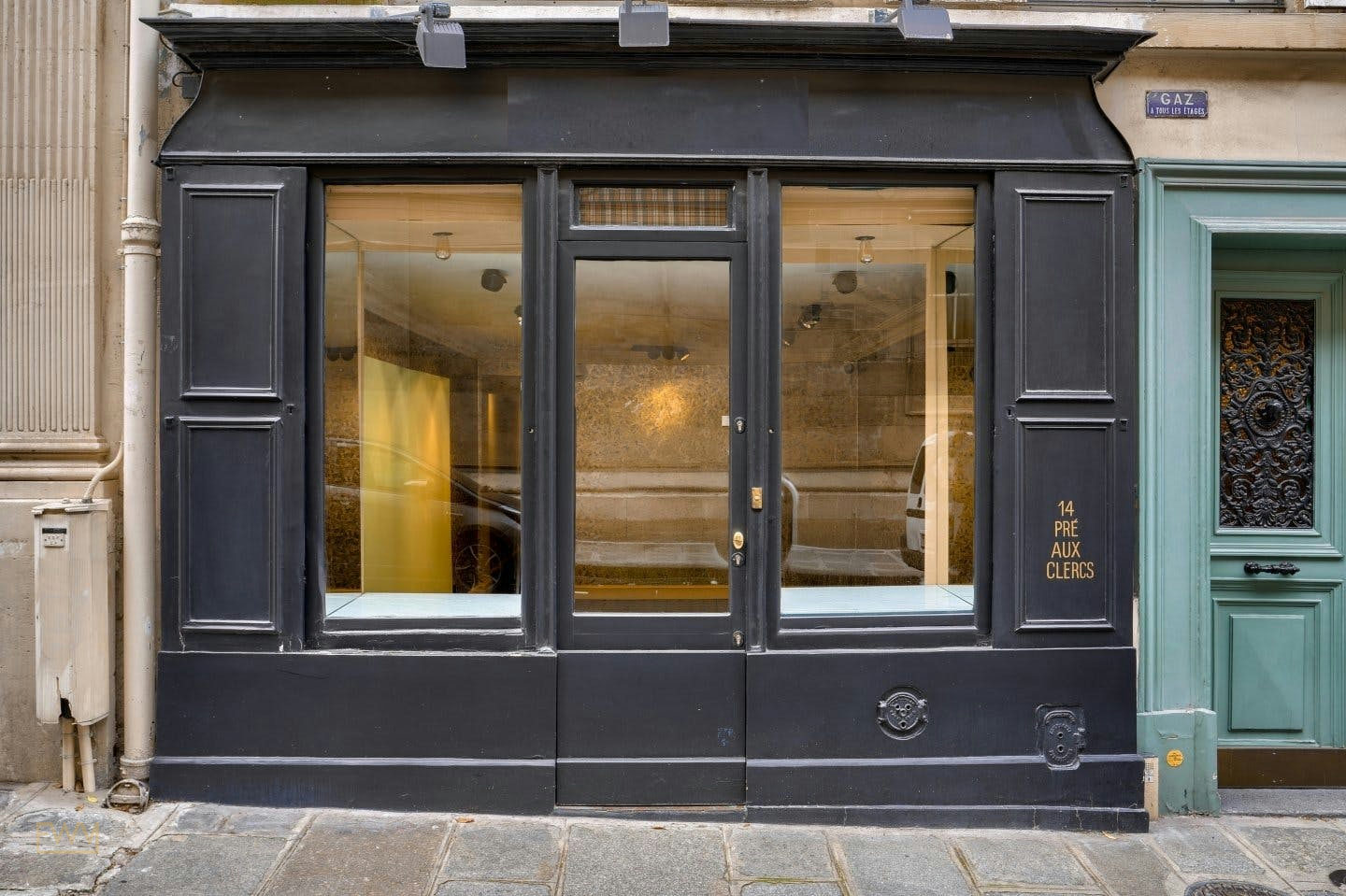
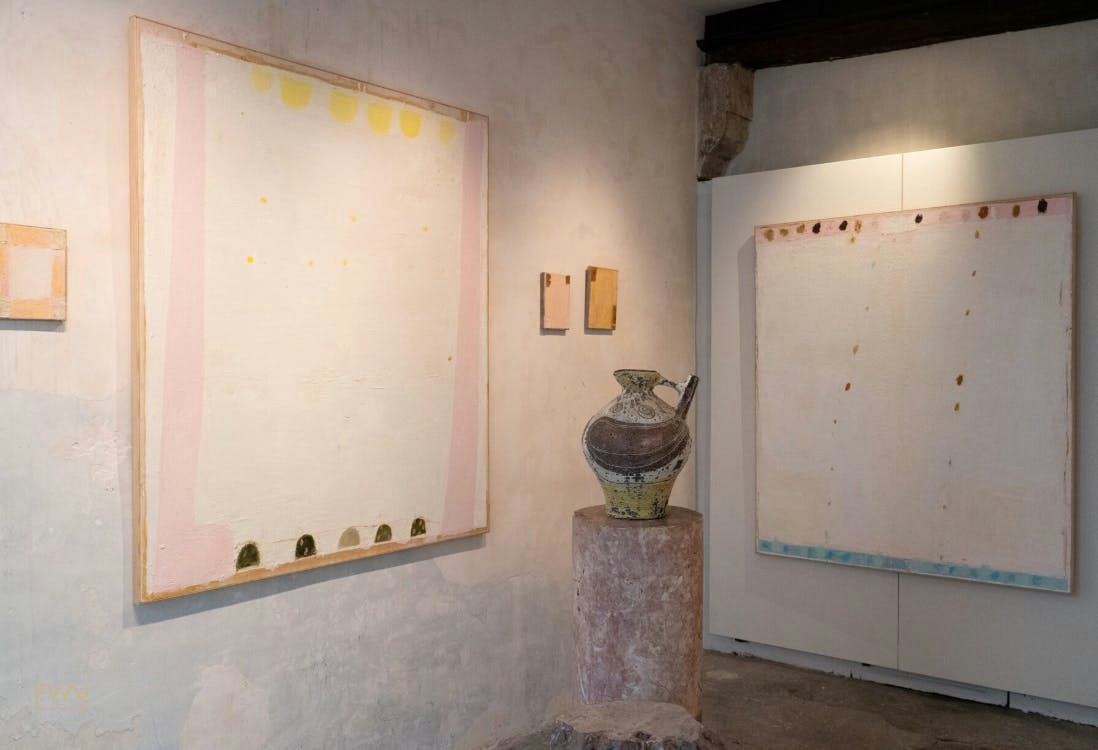
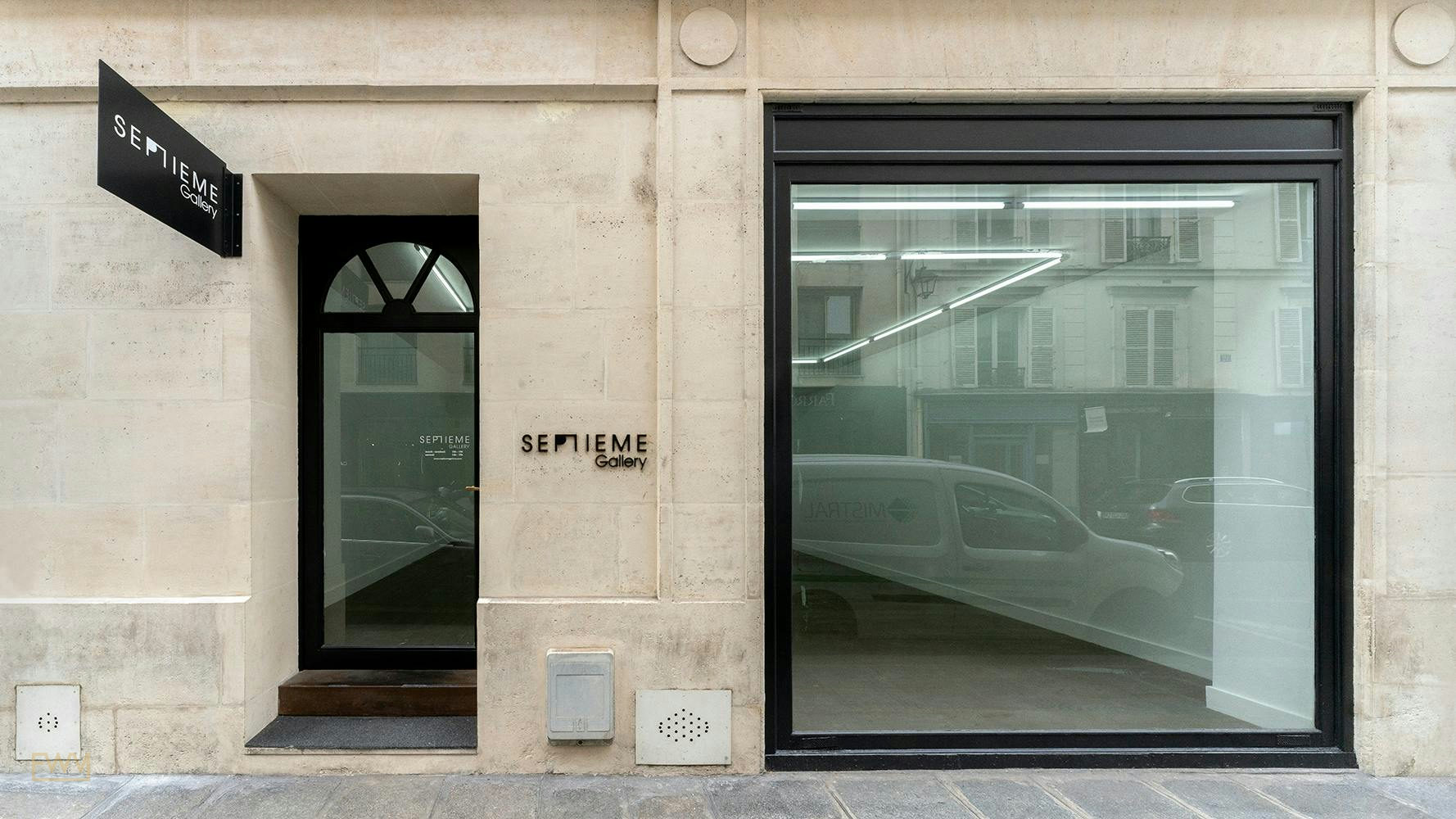
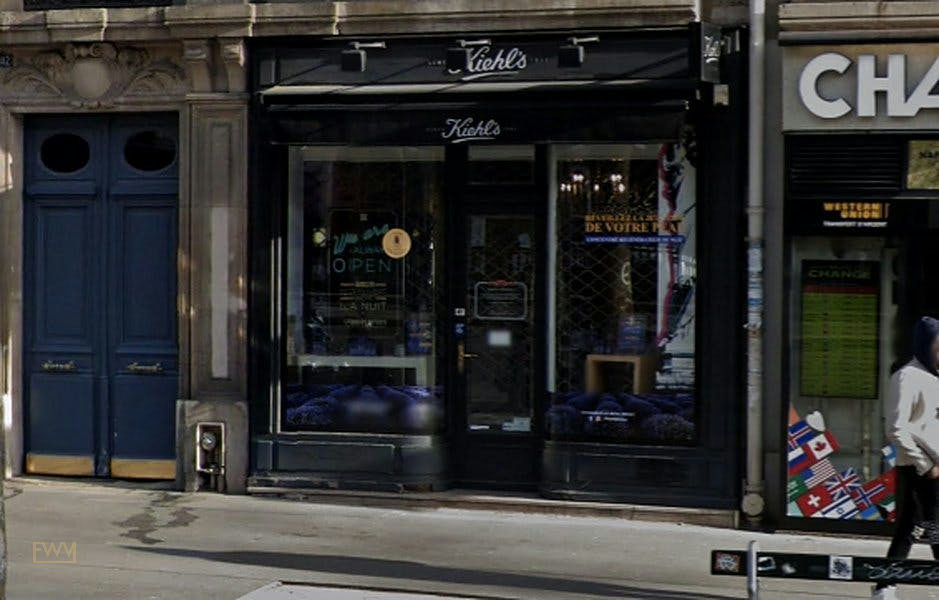
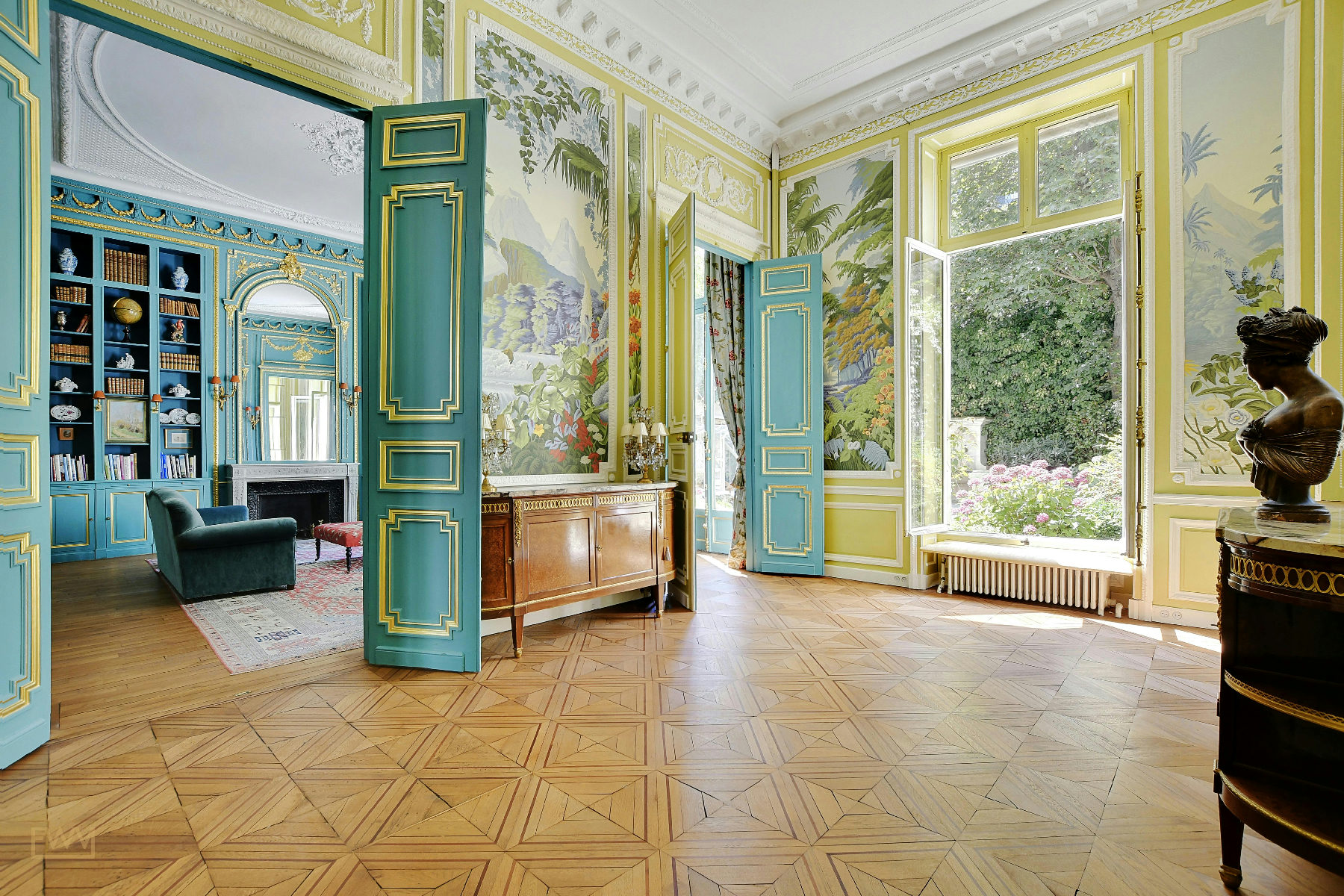
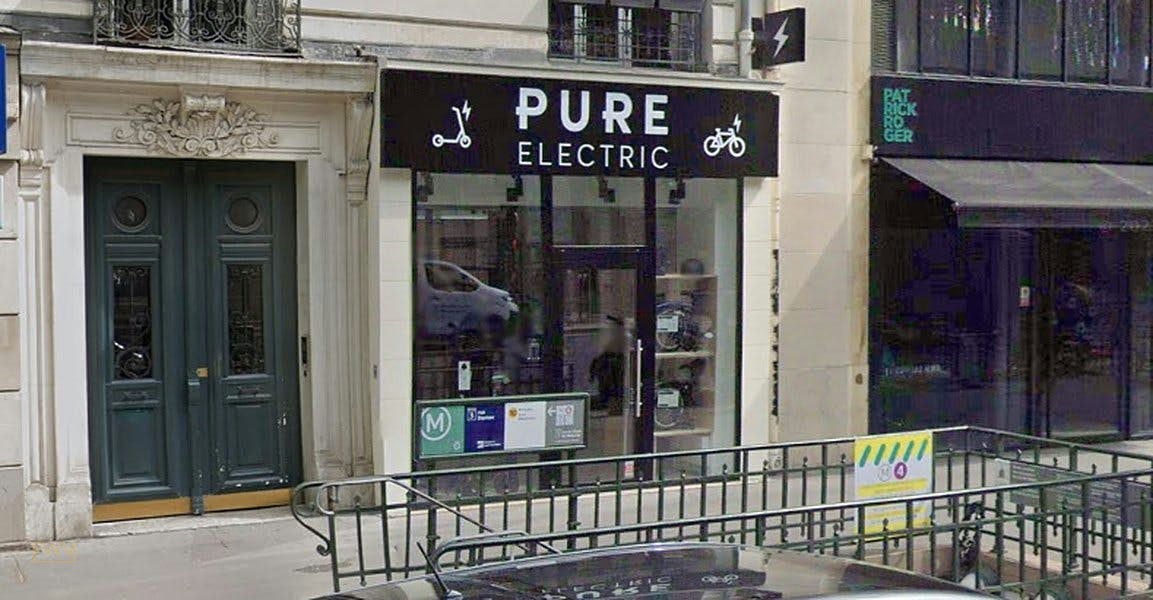
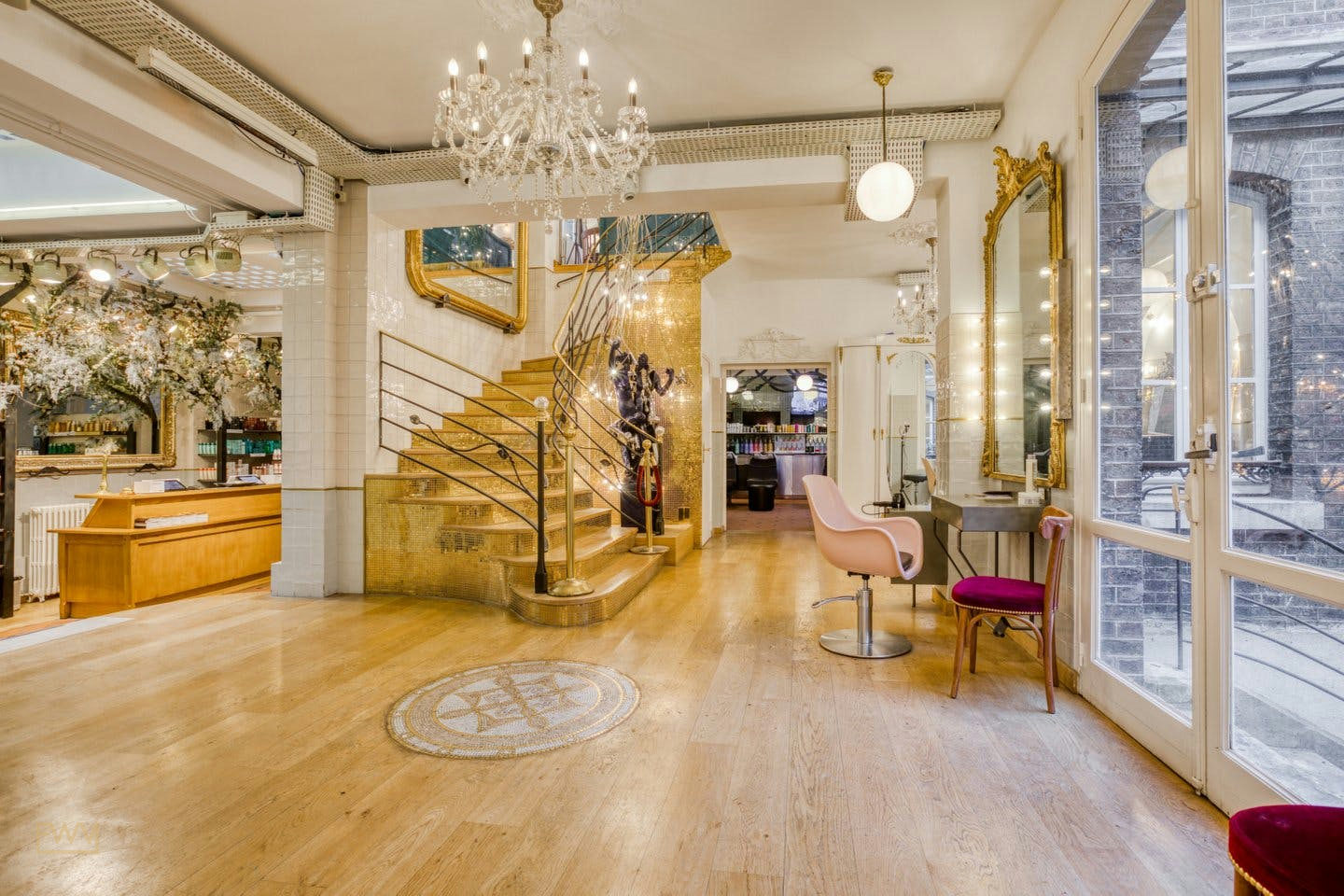
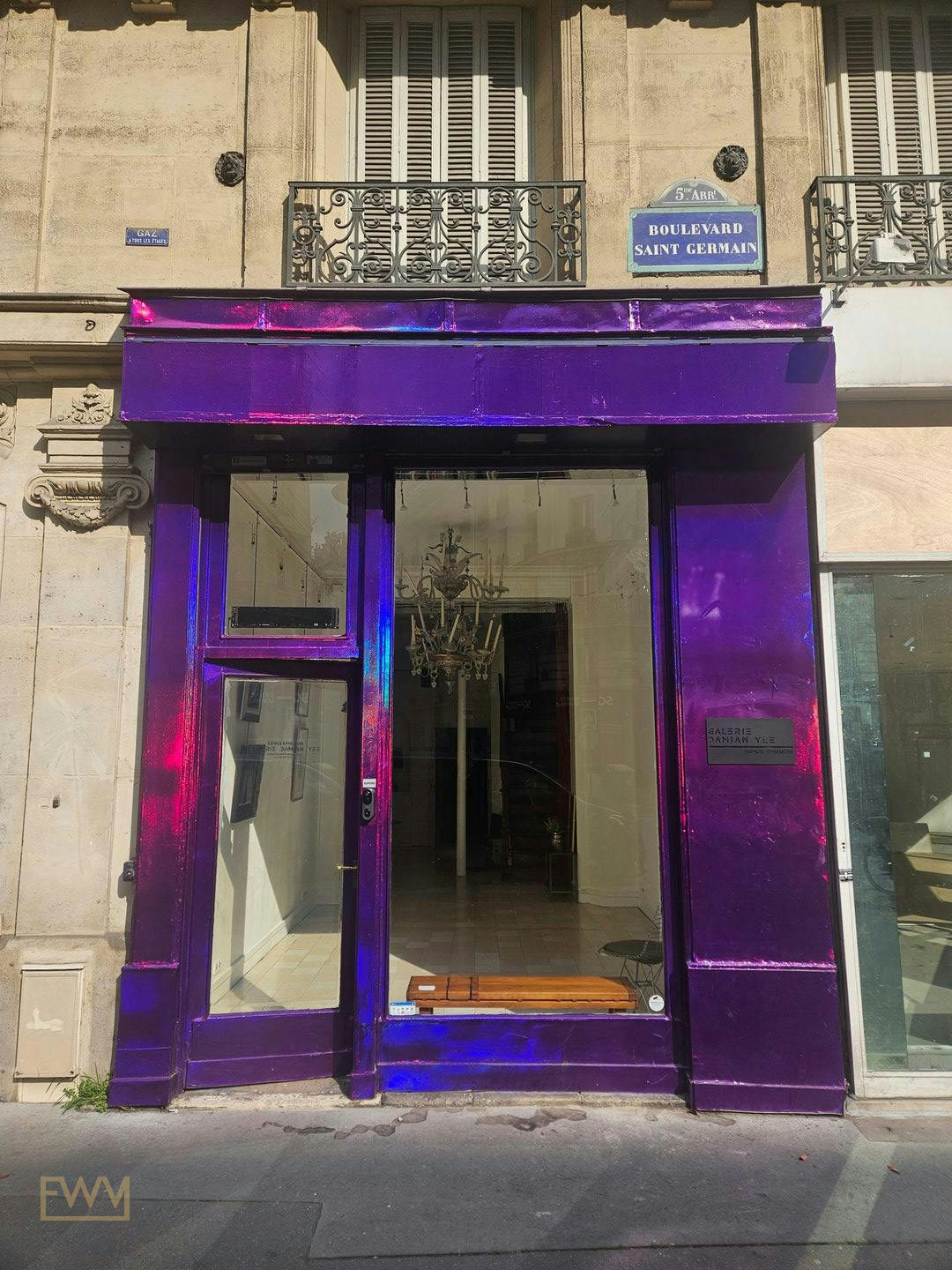
Opening a pop up shop in the Latin Quarter places your brand at the intersection of Parisian intellectual heritage, growing international tourism, and an increasingly design-conscious consumer base that is hungry for discovery. The 5th arrondissement sits on the Left Bank of the Seine, bounded by the river to the north, the Jardin des Plantes to the east, and the lively crossroads of Saint-Germain-des-Prés to the west, creating a geography that attracts both devoted locals and culturally motivated visitors throughout the year. While Le Marais commands the loudest conversation in Paris temporary retail, the Latin Quarter offers brands a distinctly different proposition: authenticity, academic atmosphere, and a loyal neighbourhood audience that values concept over commerciality. Fashion Week Venues works with brands across pop-up spaces in Paris to match the right neighbourhood to the right activation brief.
Understanding the Latin Quarter as a Pop-Up Retail Destination
Quick answer: The Latin Quarter, or the 5th arrondissement of Paris, is a heritage-rich neighbourhood bordered by the Seine, the Sorbonne University, and the Luxembourg Gardens. It draws a blend of students, academics, international tourists, and local residents, making it a diverse but culturally selective retail audience for brands that want more than just footfall volume.
The Latin Quarter earned its name from the Latin spoken by scholars at medieval universities, and that intellectual identity persists visibly today. Sorbonne University anchors the neighbourhood both geographically and culturally, drawing thousands of students, professors, visiting academics, and cultural tourists into its narrow streets every day. The presence of Shakespeare and Co., the legendary English-language bookshop on the banks of the Seine facing Notre Dame, adds an internationally recognised landmark that draws a very particular type of consumer: curious, culturally literate, willing to spend on experiences and objects that carry meaning.
For pop-up retail, this matters enormously. The Latin Quarter consumer is not the same as the Champs-Élysées tourist hunting duty-free status purchases, nor is the Latin Quarter identical to Le Marais, where the audience skews towards fashion-forward, brand-aware, and trend-driven. In the 5th arrondissement, the most successful temporary retail activations tend to be those that offer genuine narrative: limited editions, artist collaborations, book-adjacent products, heritage craft, sustainable collections, or concept-driven design that rewards closer inspection.
Streets such as Rue de la Huchette, Rue Saint-Jacques, and the areas near the Fontaine Saint-Michel draw heavy pedestrian traffic from tourists visiting Notre Dame and the neighbouring Ile de la Cité. Meanwhile, calmer stretches near Place de l'Estrapade, Arènes de Lutèce, and Square René Viviani attract a more residential and neighbourhood-native audience. Quai de la Tournelle offers dramatic river frontage with views across to the Ile Saint-Louis, making any storefront on this stretch inherently photogenic for social media content creation during an activation.
The arrondissement also benefits from strong transport connectivity. The RER B runs through Saint-Michel Notre-Dame, making the area accessible from Charles de Gaulle Airport, Orly via connection, and central hubs including Châtelet. Metro lines 7 and 10 provide additional access from surrounding arrondissements, and the area is walkable to the 6th arrondissement (Saint-Germain), the 1st (Châtelet and rue de Rivoli), and the 4th (Le Marais via Pont Marie). For brands planning deliveries, installations, and staff logistics, this connectivity is a practical advantage, though narrow streets and pedestrian zones in the historic core require careful advance planning for vehicle access.
Foot traffic patterns in the Latin Quarter differ meaningfully by street and season. Summer months bring the highest tourist density, particularly on routes between Notre Dame and the Panthéon. Spring and autumn align with academic calendars and see a stronger local and student audience. Paris Fashion Week in January and February, and again in September and October, does not concentrate its runway calendar in the 5th arrondissement, but the broader Fashion Week effect increases the overall volume of fashion-engaged visitors across the city, including in the Latin Quarter's boutiques and galleries. Brands that time short-term rental activations around Fashion Week periods benefit from the halo effect of elevated brand interest without necessarily needing a Marais or Saint-Germain location.
DID YOU KNOW: The Latin Quarter is home to more than 40 independent bookshops, a density that is almost certainly the highest of any urban neighbourhood in Europe, which reflects the area's enduring identity as a place where people come to discover things they did not know they were looking for.
KEY TAKEAWAY: The Latin Quarter is not a mass-market retail destination. It is a curated audience neighbourhood where pop-up shops succeed when the activation reflects genuine brand identity, cultural awareness, and a willingness to engage with the neighbourhood's intellectual and artistic character rather than simply occupying a space.
Understanding how the Latin Quarter compares to its neighbour Le Marais is essential before committing to a location strategy, and the following section addresses exactly that comparison.
Latin Quarter vs Le Marais: Choosing the Right Paris Arrondissement for Your Pop-Up
Quick answer: The Latin Quarter and Le Marais represent two distinct retail propositions in Paris. Le Marais offers higher fashion footfall, established brand infrastructure, and a proven luxury and streetwear audience. The Latin Quarter offers authenticity, cultural depth, lower competition density, and a more diverse visitor demographic that rewards concept-driven temporary retail.
Le Marais, spanning the 3rd and 4th arrondissements, is arguably the most competitive pop-up real estate market in Paris. Rue des Francs-Bourgeois offers exceptional visibility and is consistently cited as one of the highest foot-traffic streets for fashion retail in the city. Rue de Turenne, rue Charlot, rue Vieille-du-Temple, and the area around Place des Vosges collectively form a neighbourhood where international brands, French labels, designer boutiques, vintage boutiques, and avant-garde art galleries coexist in a relatively compact geography. The Picasso Museum and the Marché des Enfants-Rouges further extend visitor dwell time in the area. Major fashion houses including Louis Vuitton and brands like Supreme, Glossier, and Zadig & Voltaire have all used Le Marais for Paris pop-up activations, and the neighbourhood's status as a premium retail destination is firmly established.
The practical consequence of this concentration of brand activity is that Le Marais spaces carry premium pricing and shorter availability windows, especially during Paris Fashion Week. For brands with established identities, significant marketing budgets, and an audience that already associates Paris retail with the Marais aesthetic, this investment is well justified. For emerging brands, independent designers, or international labels entering the Paris market for the first time and wanting to test receptivity before committing to a premium Marais location, the Latin Quarter presents a compelling alternative.
| Factor | Latin Quarter (5th) | Le Marais (3rd/4th) |
|---|---|---|
| Primary audience | Students, academics, cultural tourists, local residents | Fashion consumers, international tourists, brand-aware shoppers |
| Brand density | Lower, more independent landscape | High, competitive, with major international presence |
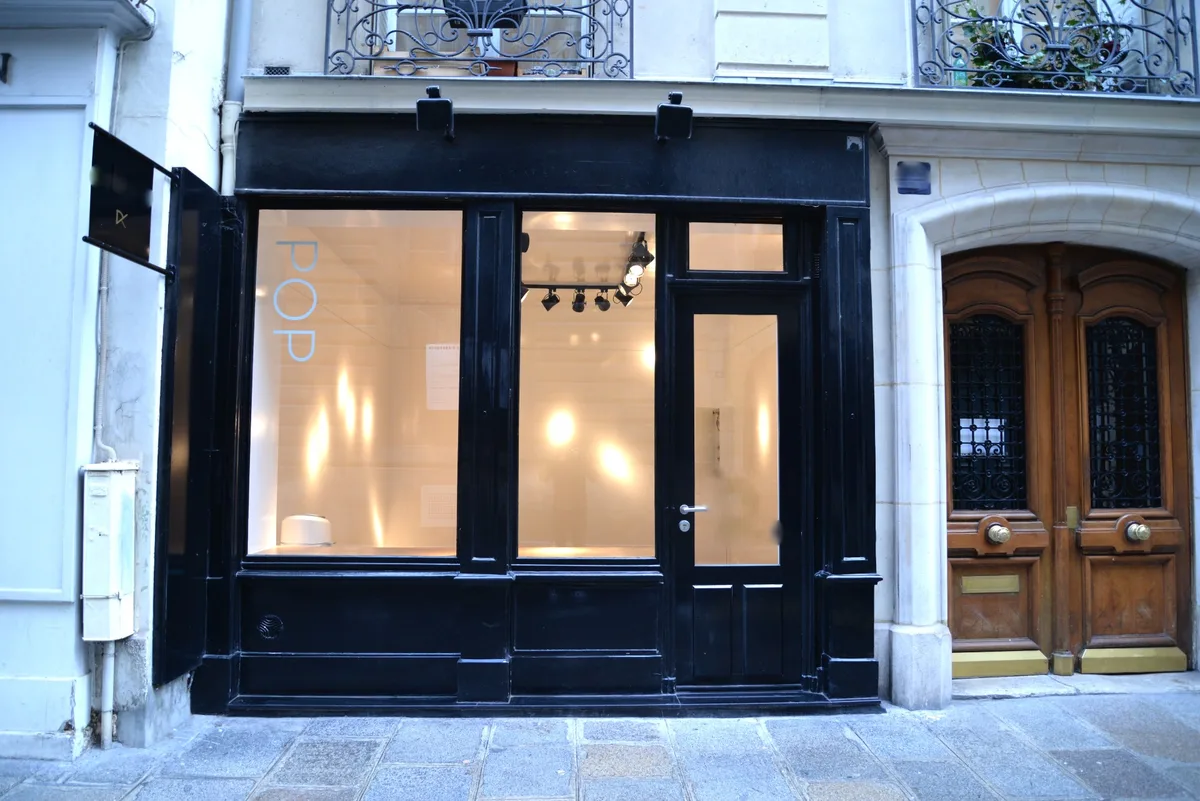
| Space typology | Bookshops, galleries, historic townhouses, riverside units | Industrial lofts, concept stores, galleries, showrooms |
| Fashion Week traffic | Halo effect, not a primary runway zone | Primary fashion activation zone |
| Social media backdrop | Notre Dame, Seine, Fontaine Saint-Michel | Place des Vosges, rue Vieille-du-Temple, industrial interiors |
| Rental competition | Moderate, less peak-driven | High, especially during Fashion Week windows |
| Best brand fit | Concept-driven, heritage, sustainability, arts-adjacent | Luxury, streetwear, premium fashion, limited edition drops |
For brands planning a multi-location Paris strategy, the Latin Quarter and Le Marais are complementary rather than competing. A brand might use a Le Marais showroom for press and trade appointments during Fashion Week, then activate a consumer-facing pop-up shop in the Latin Quarter during the broader Fashion Month period to reach a different audience segment. Fashion Week Venues offers a twin co-activation concept that allows brands to run simultaneous activations across two Paris locations, which is particularly relevant for brands wanting to reach both the Marais fashion consumer and the Latin Quarter cultural visitor in a single campaign window.
Saint-Germain-des-Prés, which sits in the 6th arrondissement immediately west of the Latin Quarter, adds a third neighbourhood consideration. Saint-Germain carries luxury retail heritage through the presence of established fashion boutiques, art galleries on rue de Seine, and the broader association with Parisian chic. Brands entering the Left Bank should consider whether their aesthetic aligns more naturally with the intellectual density of the 5th or the polished luxury of the 6th.
KEY TAKEAWAY: The Latin Quarter is not a consolation prize for brands that cannot afford Le Marais. It is a strategically distinct location that serves a different audience and activation objective. The right neighbourhood is determined by brand identity, target consumer, and campaign intent, not by prestige alone.
Once you have identified the Latin Quarter as a viable or preferred location, the next practical question is what types of spaces are available and what their physical characteristics mean for your activation design.
Types of Pop-Up Spaces Available in the Latin Quarter
Quick answer: The Latin Quarter offers a range of short-term rental spaces including ground-floor boutiques on high-footfall streets, gallery-format white cube spaces near the Panthéon, historic townhouse units with exposed stone walls and period features, and riverside units along Quai de la Tournelle. Space typology significantly affects fit-out planning, permit requirements, and the visual language available to your activation.
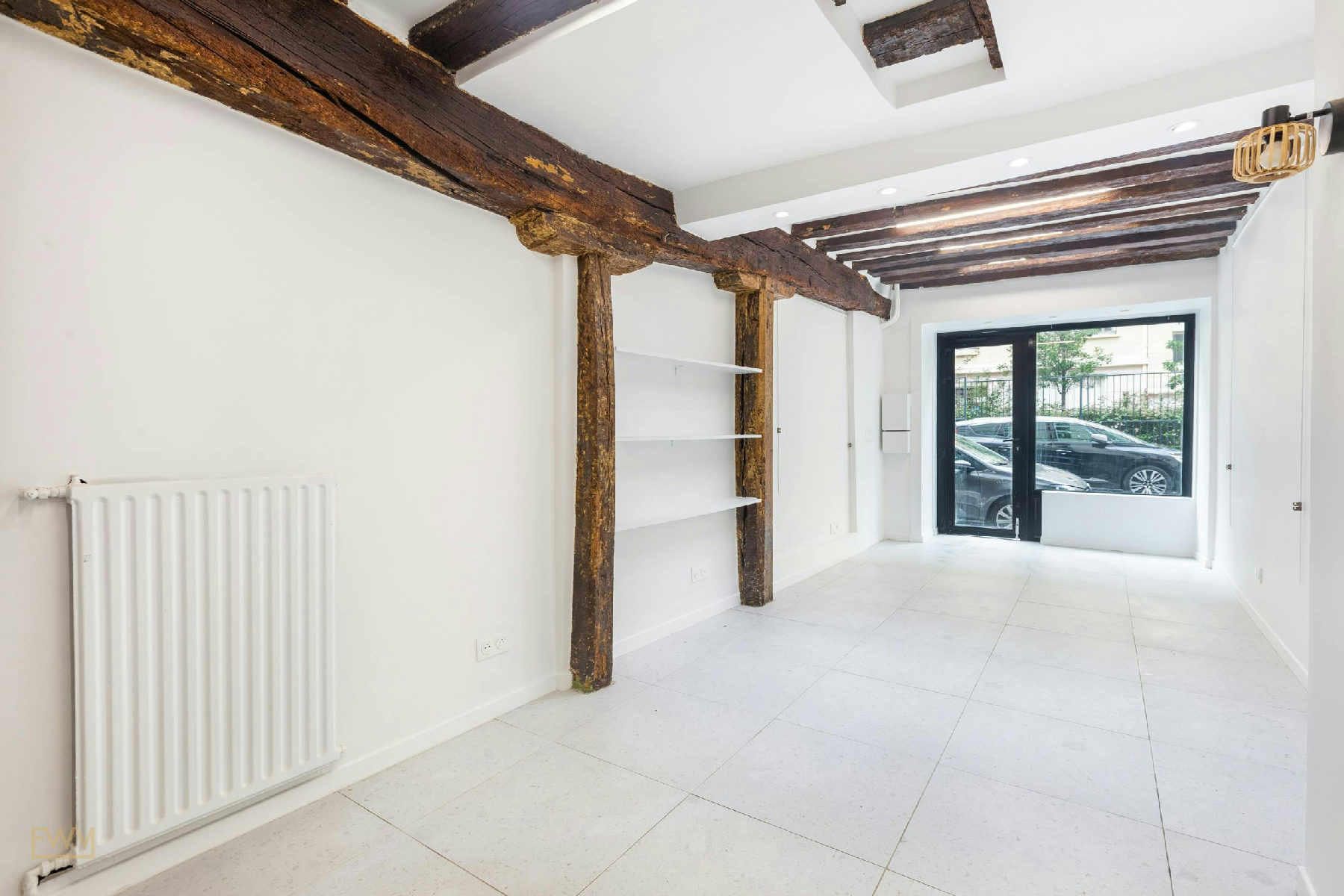
One of the most distinctive physical characteristics of spaces in the 5th arrondissement is the prevalence of pre-Haussmann architecture. Many buildings date to the 17th and 18th centuries, and interiors frequently feature exposed stone walls, low vaulted ceilings, irregular floor plans, and original wooden beams. For brands whose visual identity includes craftsmanship, heritage, or artisanal production, these architectural features are a genuine asset. A short-term rental space with an exposed stone wall in the Latin Quarter provides a backdrop that no newly built retail unit can replicate and that photographs exceptionally well for social media content.
However, these same features introduce constraints that brands must plan for carefully. Listed buildings and spaces in protected heritage zones may carry restrictions on the types of fit-out permitted. Drilling into stone walls, altering structural features, or installing certain types of signage may require specific permissions. Basement spaces, which are common in the area, require careful assessment of fire safety compliance, electrical safety standards, and accessibility requirements under French disability access regulations. Brands must verify these details with the space owner and, where relevant, with a French legal or compliance advisor before signing any rental agreement.
| Space Type | Typical Location in 5th | Best Suited For | Key Considerations |
|---|---|---|---|
| Ground-floor street retail unit | Rue de la Huchette, Rue Saint-Jacques | Consumer-facing pop-up, tourist footfall | High foot traffic but tourist-heavy |
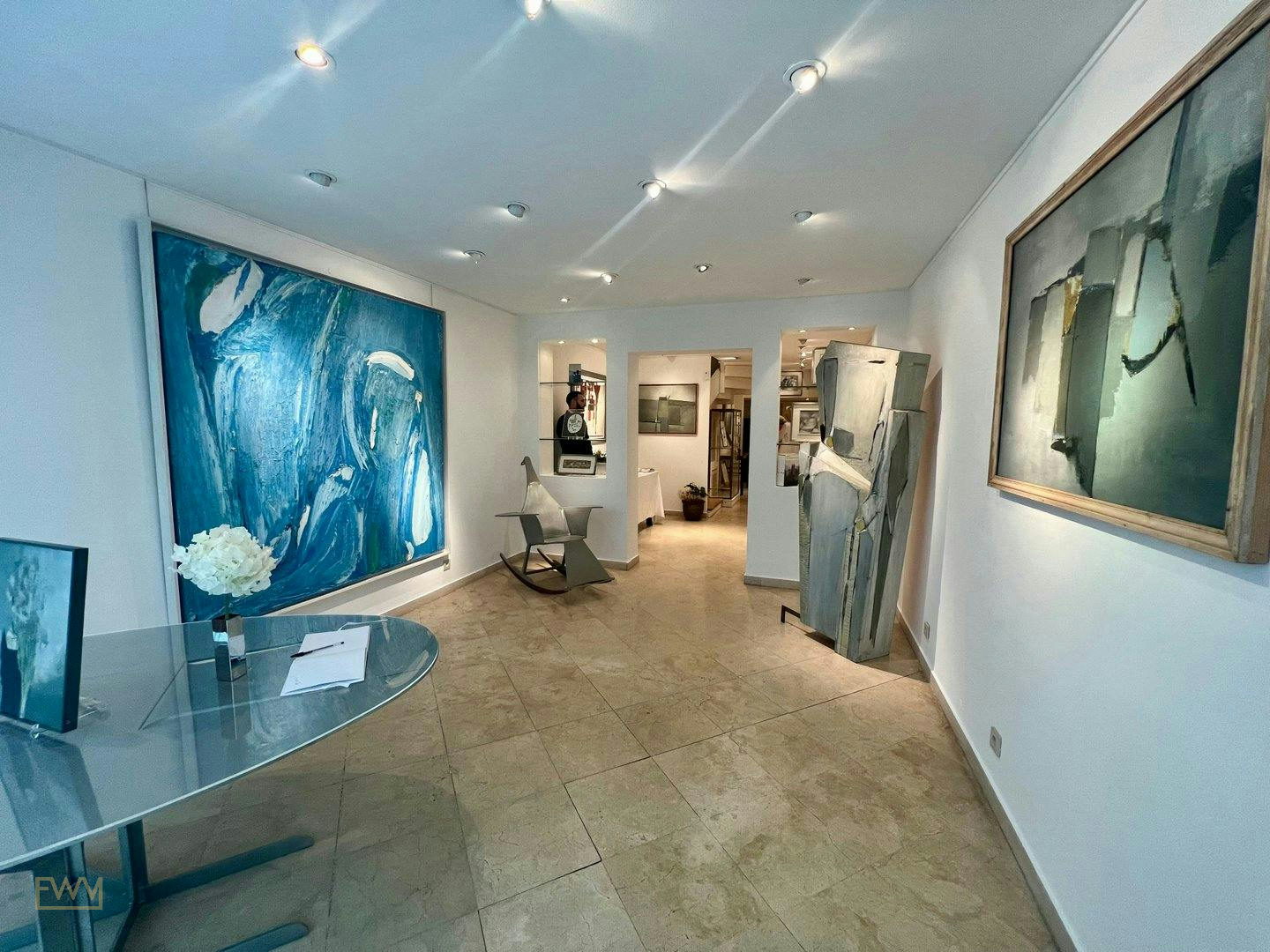
| Gallery-format white cube | Near Panthéon, rue Soufflot area | Art-adjacent brands, limited edition launches | Requires art-quality lighting and curation |
| Historic townhouse unit | Rue Monge, rue Cardinal Lemoine | Heritage brands, lifestyle, interiors | Exposed stone, structural constraints, permit review needed |
| Riverside commercial unit | Quai de la Tournelle, Quai de Montebello | Premium brands, photogenic activations | High visibility, permit complexity for external signage |
| Basement event space | Throughout the 5th | Private launches, press events, showrooms | Fire safety, electrical safety, accessibility checks essential |
| Former bookshop or gallery | Throughout the 5th | Concept stores, cultural brands, book-adjacent products | May carry existing shelving and fittings |
The layout of a space in the Latin Quarter directly influences your merchandising strategy. Narrow, elongated floor plans common in 19th-century shopfronts require a different visual merchandising approach than open-plan loft spaces. Brands planning significant inventory depth need to assess whether storage is available within the space or whether external arrangements are needed. Delivery logistics should be confirmed in advance: some streets near the Panthéon and along the Seine riverbank have pedestrian restrictions during certain hours, meaning delivery windows need to be planned around local regulations.
TIP: When viewing spaces with exposed stone walls or period features, assess whether the electrical supply is sufficient for modern retail lighting requirements. Older buildings in the 5th arrondissement may have legacy wiring that cannot support high-intensity display lighting without an upgrade, which adds to fit-out cost and timeline.
For brands wanting to visualise how a specific space might look before committing to a rental, Fashion Week Venues offers an imagine tool for space visualisation that allows brand teams to model layout, lighting, and merchandising configurations before signing.
KEY TAKEAWAY: Space selection in the Latin Quarter requires matching your brand's visual language to the architectural character of the available stock. Heritage interiors are an advantage for the right brand but a constraint for brands that require a blank, modern canvas. Assess fire safety, electrical, and accessibility compliance before committing to any basement or listed-building space.
Understanding the physical space is only part of the planning equation. The legal and permit framework governing short-term retail in Paris deserves equal attention.
Permits, Regulations, and Legal Frameworks for Paris Pop-Up Shops
Quick answer: Short-term retail in Paris operates under specific legal frameworks distinct from standard commercial leases. The two most relevant instruments are the bail dérogatoire, a short-term commercial lease of up to three years exempt from the protections of standard French commercial lease law, and the AOT (autorisation d'occupation temporaire), a temporary occupation permit required for use of public or semi-public space. Requirements vary significantly by space type, duration, arrondissement, and intended use.
International brands entering Paris for the first time frequently underestimate the complexity of the French commercial property and permit landscape. France has one of the most codified commercial lease frameworks in Europe. Standard commercial leases, known as baux commerciaux, carry extensive tenant protections including automatic nine-year terms and regulated renewal rights. For temporary retail activations, the bail dérogatoire provides a legally recognised alternative that allows shorter-term arrangements, but it must be properly structured to avoid being reclassified as a standard commercial lease by the courts, which would trigger the full protections and obligations of the standard framework.
For pop-up shops operating in privately owned retail units, the bail dérogatoire is the most common legal instrument. For activations involving public space, outdoor installations, terraces, or areas adjacent to listed monuments, the AOT framework applies, and obtaining this authorisation involves interaction with local municipal authorities, which in the 5th arrondissement means the Mairie de Paris and potentially the Direction Régionale des Affaires Culturelles if the space is near heritage assets.
IMPORTANT: Requirements for permits, insurance, and compliance vary by space type, arrondissement, and the specific nature of the activation. Nothing in this guide constitutes legal advice. Brands are strongly advised to verify all requirements with a qualified French legal advisor before signing any agreement or commencing fit-out work.
Insurance is a non-negotiable element of any Paris pop-up activation. Brands must typically carry public liability insurance, and space owners will require evidence of coverage before granting access. Some spaces, particularly galleries and historic buildings, impose specific insurance requirements related to the value of existing fixtures and fittings. Any electrical work, structural alterations, or signage installation will require sign-off from a qualified professional and must comply with French electrical safety and fire safety standards.
For activations in basement spaces, which are common in the Latin Quarter's older building stock, fire safety compliance is particularly important. French fire safety regulations for public-facing commercial spaces (établissements recevant du public, or ERP) impose requirements on emergency exits, fire extinguisher provision, maximum occupancy, and signage. Brands that have not previously operated in French-regulated spaces should not assume that their home-country compliance knowledge transfers directly.
The accessibility framework in France, governed by national disability access legislation, requires that public-facing commercial spaces be accessible to customers with reduced mobility. Many older buildings in the Latin Quarter predate these requirements, and the interaction between heritage preservation rules and accessibility obligations can be complex. Space owners should be able to advise on whether a particular unit has been assessed for compliance, but brands retain responsibility for understanding the regulatory position of any space they occupy.
Fashion Week Venues provides a permit guidance tool that helps brands understand the permit landscape for their specific activation type, location, and duration. This does not replace legal advice but provides a structured starting point for identifying what permissions are likely to be required.
KEY TAKEAWAY: The French legal and regulatory framework for temporary retail is distinct from the UK, US, and most other markets. Bail dérogatoire structures, AOT permits for public space, ERP fire safety classification, electrical compliance, and accessibility requirements all require attention. Engage specialist advice early and build compliance timelines into your overall project plan.
With the legal and spatial framework understood, the next practical challenge is determining whether the Latin Quarter's foot traffic profile is sufficient for your brand's commercial objectives.
Foot Traffic, Consumer Profiles, and Retail Performance in the 5th Arrondissement
Quick answer: The Latin Quarter generates substantial and consistent foot traffic driven by tourism, the academic calendar, and its proximity to major landmarks including Notre Dame and the Panthéon. However, converting this traffic into retail sales requires a clear understanding of visitor intent, dwell behaviour, and purchasing motivation, which differs materially from the fashion-driven footfall of Le Marais.
Foot traffic in the Latin Quarter peaks during the summer months, when Notre Dame draws visitors from across the world as one of France's most visited monuments. The ongoing Notre Dame restoration and reopening in late 2024 has intensified this tourist concentration, bringing an estimated 12 to 14 million visitors annually to the Ile de la Cité and surrounding Left Bank streets. A meaningful proportion of these visitors extend their itinerary into the Latin Quarter, particularly along rue de la Bûcherie (where Shakespeare and Co. sits), the streets around the Fontaine Saint-Michel, and the routes towards the Panthéon.
The student and academic population of the 5th arrondissement creates a secondary foot traffic layer that is particularly valuable for brands in the design, publishing, music, sustainable fashion, and independent label categories. Sorbonne University students represent a young, culturally engaged, and purchasing-capable audience, and the concentration of educational institutions in the area means this demographic is present throughout the academic year from September to June, providing a consumer base that persists outside the summer tourist peak.
For brands conducting pre-activation research, professional pedestrian counters and retail analytics services can provide street-specific foot traffic data. This data is highly variable by street, time of day, and season, and aggregate neighbourhood figures can be misleading when applied to a specific unit on a secondary street. The space locator tool from Fashion Week Venues allows brands to map potential spaces against neighbourhood context, but brands conducting serious commercial planning should commission independent foot traffic analysis for their shortlisted locations.
The consumer profile of Latin Quarter visitors includes a high proportion of international tourists, particularly from North America, the UK, Germany, Japan, and increasingly South Korea and Australia. Many of these visitors are actively seeking experiences and purchases that feel distinctly Parisian rather than the global luxury brands available in their home markets. This creates an opportunity for brands whose narrative connects to French culture, heritage, craft, or local production, and for international brands that can offer something genuinely exclusive or Paris-specific during their activation period.
DID YOU KNOW: Food destinations including Breizh Café Odeón, Polidor Restaurant, La Maison D'Isabelle, and All'Antico Vinaio draw dedicated queues into the Latin Quarter even during weekday afternoons, extending visitor dwell time in the neighbourhood and increasing the incidental footfall past nearby retail spaces.
The intersection of food culture and retail performance is particularly well documented in neighbourhoods like the Latin Quarter. Dining destinations that attract queues create a captive pedestrian audience on adjacent streets, and brands that situate their pop-up shops near high-profile food and beverage destinations benefit from this extended dwell time. The area around Rue des Boulangers, the streets near the Marché Maubert, and the blocks surrounding Saint-Germain-des-Prés collectively form a zone where food, culture, and retail intersect in a way that rewards brands willing to position themselves as part of the neighbourhood ecosystem rather than simply occupying a unit.
KEY TAKEAWAY: Latin Quarter foot traffic is substantial but purpose-driven. Tourist traffic peaks in summer, student traffic anchors the academic year, and food-destination dwell time extends retail exposure throughout the week. The most successful pop-up activations in this neighbourhood convert incidental visitors into customers by offering something specific to the Latin Quarter context rather than a generic brand experience.
Understanding traffic is one dimension of commercial planning; understanding how to structure your brand strategy and marketing approach around the specific character of the 5th arrondissement is equally important.
Brand Strategy and Marketing for a Latin Quarter Pop-Up Shop
Quick answer: A successful pop-up shop strategy in the Latin Quarter combines location-specific narrative with social media amplification, influencer engagement, local partnerships, and clear performance tracking from day one. The neighbourhood rewards brands that invest in storytelling as much as in merchandising.
The Latin Quarter's cultural density provides brands with exceptional raw material for marketing content. Shakespeare and Co., the Fontaine Saint-Michel, views of Notre Dame from Quai de la Tournelle, the cobbled streets near the Arènes de Lutèce, and the quiet elegance of Square René Viviani are all photographable environments that carry immediate recognition for an international audience. Brands that integrate these backdrops into their social media content during an activation benefit from borrowed cultural equity in a way that is genuinely difficult to manufacture in a less historically significant location.
For social media campaigns, the visual distinctiveness of the Latin Quarter is a significant asset. Content shot against the exposed stone of a historic interior, framed by views of the Seine, or placed in the context of the neighbourhood's bookshop culture performs strongly with the culturally aspirational demographic that tends to engage most deeply with fashion and lifestyle brand content. Brands should plan dedicated content creation sessions within the space and on the surrounding streets, budget for a professional photographer and social media producer as part of the activation team, and schedule content releases to coincide with peak engagement windows.
Influencer partnerships in the Latin Quarter context work best when the influencer's own aesthetic and audience align with the neighbourhood's character. Travel and lifestyle influencers with strong Paris narratives, bookstagram communities, fashion journalists who cover the intersection of culture and style, and local Paris-based creatives are particularly well matched to the Latin Quarter context. Major fashion influencer drops of the type that work in Le Marais or on the Champs-Élysées may feel discordant in a neighbourhood where the cultural tone is more literary than purely commercial.
Local partnerships represent one of the most underutilised strategies for Latin Quarter pop-up activations. Collaborations with neighbourhood institutions, independent bookshops, gallery spaces, or food and beverage destinations can create cross-promotional opportunities that extend your brand's reach into the existing audiences of well-established local businesses. A brand partnering with a Latin Quarter wine bar for an evening launch event, or co-creating a limited-edition product with a neighbourhood artisan, signals genuine engagement with the local community rather than a purely transactional occupation of space.
For brand recognition and customer engagement, the window display is your primary communication channel in a street retail context. In a neighbourhood where many passers-by are walking with intent towards a specific destination (Notre Dame, the Panthéon, Shakespeare and Co.), your window display has a very short dwell window to capture attention and generate a decision to enter. Impactful, clear, and immediately legible visual merchandising is more effective than complex layered displays that require extended viewing to understand.
Performance tracking during a Latin Quarter pop-up should include: daily footfall counts, conversion rate from entrance to sale, average transaction value, social media reach and engagement generated by activation content, press coverage secured, and email or CRM data captured. For brands considering a permanent Paris presence or future seasonal activations, the Latin Quarter pop-up functions as a market testing platform, and the quality of data captured during the activation directly determines the value of the learnings for subsequent strategy decisions.
To compare the relative ROI of a Latin Quarter activation against other Paris neighbourhood options, Fashion Week Venues provides an ROI calculation tool that allows brands to model projected returns based on activation type, duration, and space category.
KEY TAKEAWAY: Brand strategy in the Latin Quarter must be rooted in the neighbourhood's cultural identity. Marketing that treats the 5th arrondissement as a generic Paris backdrop will underperform against activations that engage genuinely with the area's literary, artistic, and heritage character. Social content, influencer selection, local partnerships, and window design should all reflect the specific context of where you are activating.
Having established the strategic framework, the following section addresses the operational and budget planning realities of executing a short-term retail activation in the 5th arrondissement.
Budget Planning and Operational Realities for Paris Pop-Up Shops
Quick answer: Planning a pop-up shop in Paris requires budgeting across multiple cost categories including space rental, fit-out and production, staffing, permits and insurance, marketing, and logistics. Cost levels vary significantly by space type, duration, location, and the scope of brand activation required. Directional estimates should be verified using a brand-specific budget model before committing to a space.
Space rental costs in the Latin Quarter are generally lower than equivalent footprint spaces in Le Marais or on Saint-Germain-des-Prés, reflecting the slightly lower fashion retail premium attached to the 5th arrondissement. However, this advantage can be offset by higher fit-out costs if the space requires significant adaptation to meet the brand's visual standards, or by higher compliance costs if the space involves heritage buildings or basement classification under ERP regulations.
Beyond the rental cost itself, brands must budget for: fit-out and production (including any bespoke fixtures, display furniture, signage, and branding elements), furniture rental (where temporary pieces are preferred over custom build), staffing (including fluent-French-speaking retail staff and, for higher-footfall spaces, security service provision), POS and payment systems (French tax-compliant systems are required), and the costs of decommissioning and restoring the space to its original condition at the end of the rental term.
Inventory decisions for a Latin Quarter activation should reflect the specific consumer profile of the neighbourhood. High unit prices with low depth of stock in a curated, gallery-style presentation tend to perform better than high-volume, broad-range merchandising, which suits higher-traffic commercial streets. Packaging should be considered as a marketing asset: a distinctive shopping bag or packaging experience becomes part of the social media content generated by customers, and in a neighbourhood where cultural connoisseurship is valued, thoughtful packaging communicates brand values directly.
| Budget Category | Description | Planning Notes |
|---|---|---|
| Space rental | Short-term rental fee for the unit | Varies by location, size, and duration; confirm under bail dérogatoire |
| Fit-out and production | Fixtures, display builds, signage, branding | Higher for heritage spaces requiring careful installation |
| Furniture rental | Temporary display and hospitality furniture | Often more cost-efficient than custom build for short activations |
| Retail staffing | Sales staff, floor management, security | French-speaking staff essential; security service for high-value activations |
| POS and payments | Point of sale hardware and payment processing | Must comply with French fiscal regulations |
| Permits and insurance | AOT, ERP compliance, public liability | Timeline-sensitive; begin process 6 to 10 weeks before activation |
| Marketing and influencer | Content creation, influencer fees, PR | Higher returns when aligned to neighbourhood context |
| Logistics and delivery | Stock delivery, installation, decommission | Check vehicle access windows in pedestrianised zones |
| Contingency | Buffer for unforeseen costs | 10 to 15 percent of total budget recommended |
Cashflow planning for a pop-up activation requires careful timing. Space rental deposits are typically required several weeks before the activation begins, fit-out costs are incurred before sales commence, and many marketing costs are front-loaded before the activation opens to the public. Brands should model their cashflow timeline carefully to ensure that the capital required for pre-opening costs is available without drawing on the operating cash needed for inventory.
Short-term rental agreements in Paris frequently require a damage deposit in addition to the rental fee. This deposit is held by the space owner and returned after the space has been inspected at the end of the activation period. Brands should document the pre-activation condition of the space thoroughly with dated photographs before beginning any fit-out work, and should restore the space carefully to avoid deposit deductions.
For detailed, brand-specific budget modelling, Fashion Week Venues provides a budget estimation tool and a timeline planning tool to help brands structure both their financial planning and their operational calendar for a Paris activation.
KEY TAKEAWAY: Budget planning for a Latin Quarter pop-up must extend well beyond the rental cost to encompass fit-out, compliance, staffing, marketing, and logistics. Heritage spaces carry specific cost implications that can erode the rental price advantage relative to Le Marais. Model the full budget early, build a contingency reserve, and align cashflow planning with the phased cost structure of a typical pop-up activation.
With budget and operations mapped, the next section addresses how Fashion Week Venues specifically supports brands planning Paris activations from venue sourcing through to post-activation analysis.
How Fashion Week Venues Supports Latin Quarter and Paris Pop-Up Activations
Quick answer: Fashion Week Venues is a full-service pop-up agency and space marketplace that supports brands at every stage of a Paris activation, from initial space discovery and permit navigation through to fit-out, staffing, POS systems, influencer marketing, and post-activation data analysis. The agency's Paris hub covers all major neighbourhoods including the 5th arrondissement and Le Marais.
For brand teams planning a Latin Quarter pop-up shop, Fashion Week Venues provides both the marketplace infrastructure to discover and shortlist available spaces and the service capacity to manage the activation from brief to close. The venue sourcing service covers the 5th arrondissement alongside all major Paris retail neighbourhoods, and the team's knowledge of space availability, building characteristics, permit history, and neighbourhood suitability means that brands avoid the time cost and risk of sourcing spaces independently in an unfamiliar market.
Beyond venue discovery, the agency's concept and creative direction service helps brands develop an activation concept that is appropriate for the specific space and neighbourhood selected. In the Latin Quarter context, this means developing concepts that engage with the area's cultural identity rather than imposing a generic brand environment. The production and fit-out service manages the physical transformation of the space within the constraints of the building and the permit framework, including sourcing compliant contractors and managing the restoration of the space after activation.
For brands that need Paris-based retail staff fluent in French, English, and ideally additional languages appropriate to the brand's primary customer profile, the staffing service provides trained and experienced retail personnel. The POS and payments infrastructure offered by Fashion Week Venues ensures that the brand's transactional systems are compliant with French fiscal requirements and capable of handling international payment methods.
Post-activation, the data and analytics service provides brands with a structured performance report covering footfall, conversion, revenue, social media impact, and comparative benchmarks. For brands using a Latin Quarter activation to test market receptivity before committing to a permanent Paris presence or a larger Le Marais activation, this data is strategically valuable.
Brand teams who want to understand the full scope of what Fashion Week Venues offers before making any commitment can explore the agency's process page and review case studies from past activations on the work section of the site.
IMPORTANT: Fashion Week Venues does not guarantee specific spaces, permit approvals, footfall levels, or commercial outcomes. The agency provides professional support and market knowledge to improve the probability of a successful activation, but results depend on brand execution, market conditions, and factors outside the agency's control.
To compare neighbourhoods and space types across Paris, brand teams should explore the Paris city hub on Fashion Week Venues and use the compare tool to shortlist spaces that match their brief, budget, and calendar window.
KEY TAKEAWAY: Fashion Week Venues provides end-to-end support for brands activating in the Latin Quarter and across Paris. The combination of space marketplace access, creative and production services, compliance guidance, staffing, and analytics reduces the friction and risk of operating in an unfamiliar market while allowing brand teams to focus on the strategic and creative elements of the activation.
Paris Fashion Week Calendar and Timing Your Latin Quarter Pop-Up
Quick answer: Paris Fashion Week runs twice annually: in January and February for Haute Couture and Menswear, and in September and October for Womenswear. Additional calendar moments including Première Vision, Maison et Objet, and Art Paris create elevated brand engagement windows throughout the year. A Latin Quarter pop-up shop does not need to be anchored to the official Fashion Week runway schedule to benefit from these periods.
Paris Fashion Week 2026 operates across multiple calendar windows. The July 2026 Haute Couture and menswear presentations bring international press, buyers, and brand-engaged consumers to Paris, and while the runway calendar is concentrated in specific venues, the broader Fashion Week effect elevates brand awareness, press interest, and consumer engagement across all Parisian neighbourhoods. The Latin Quarter, though not a primary runway location, benefits from this elevated attention through increased footfall from fashion-engaged international visitors who extend their Paris itinerary beyond the show circuit.
For brands considering a Latin Quarter activation timed to coincide with Paris Fashion Week, the key strategic question is whether the activation is intended to reach the trade and press audience (buyers, editors, influencers) or the consumer audience (direct retail shoppers). Fashion Week trade and press audiences tend to concentrate their time in the 8th arrondissement (Champs-Élysées, avenue Montaigne), the Palais Royal area, Le Marais, and Saint-Germain. Consumer audiences during Fashion Week are more dispersed across the city, and a well-marketed Latin Quarter activation can capture significant consumer footfall without competing directly with the Le Marais brand concentration.
Outside the main Fashion Week windows, Paris offers additional brand activation calendar moments. The soldes (official sales periods) in January and July drive significant retail footfall across all Paris neighbourhoods. Cultural events including Nuit Blanche, Paris Design Week, and the various salon and trade fair calendars create elevated consumer engagement windows that are particularly relevant for design and lifestyle brands considering the Latin Quarter as an activation location.
TIP: Brands that plan their Latin Quarter activation to align with a major cultural event in the neighbourhood itself, such as a Panthéon exhibition opening or a Shakespeare and Co. literary event, can benefit from the existing audience infrastructure created by these institutions and generate press and social media coverage that extends well beyond the activation's immediate geographic footprint.
KEY TAKEAWAY: Timing a Latin Quarter pop-up shop to coincide with Paris Fashion Week generates halo benefits without requiring direct competition with Le Marais and Saint-Germain for space or consumer attention. Cultural event alignment specific to the 5th arrondissement can generate disproportionate press and social media value for brands that invest in neighbourhood-specific programming.
Common Myths About Paris Pop-Up Shops Debunked
MYTH: You need a French legal entity to rent a retail space in Paris for a pop-up activation.
FACT: International brands regularly sign bail dérogatoire agreements in Paris without a pre-existing French legal entity. The rental contract can typically be structured through the brand's existing corporate entity with appropriate guarantees, though the specific requirements vary by space owner and legal structure. Engaging a French legal advisor to review the contract terms before signing is strongly recommended to ensure the agreement is properly structured and does not inadvertently trigger standard commercial lease protections.
MYTH: Paris Fashion Week is the only viable calendar window for a Paris pop-up activation.
FACT: While Paris Fashion Week generates elevated brand visibility and consumer engagement, it is one of multiple high-value calendar windows across the year. Soldes periods, cultural events, summer tourist season, Christmas retail season, and neighbourhood-specific events all create strong activation contexts. Some brands achieve better commercial results during non-Fashion Week periods when competition for consumer attention within the city is lower and space availability is higher.
MYTH: Commission brokers or individual property agents are the only way to find a short-term retail space in Paris.
FACT: Dedicated pop-up space marketplaces and full-service agencies like Fashion Week Venues provide direct access to curated space listings with transparent terms, space-specific compliance information, and integrated support services that commission brokers do not typically offer. For brands that want to compare multiple options across neighbourhoods and manage the full activation lifecycle through a single partner, a specialist marketplace and agency model is both more efficient and more transparent than a broker relationship.
MYTH: Short-term retail leases in Paris are legally straightforward and require no specialist review.
FACT: French commercial property law is highly codified and the distinction between a properly structured bail dérogatoire and a contract that could be reclassified as a standard commercial lease is a matter of legal detail that has significant commercial consequences. ERP compliance requirements, AOT permit obligations for public space use, heritage building restrictions, and accessibility requirements all add layers of regulatory complexity that are not intuitive for brands accustomed to UK, US, or other common-law frameworks. Specialist legal and compliance advice is not optional for brands operating in this market.
MYTH: The Latin Quarter is only suitable for book, art, or heritage brands and cannot support contemporary fashion or streetwear activations.
FACT: The Latin Quarter's cultural identity is broad enough to accommodate a wide range of brand categories. Contemporary sustainable fashion, independent streetwear labels, design-driven lifestyle brands, premium cosmetics, artisanal food and beverage, and technology-meets-craft brands have all found receptive audiences in the 5th arrondissement. The key is ensuring that the activation concept engages with the neighbourhood's values of authenticity, curation, and cultural depth rather than deploying a generic commercial format.
Frequently Asked Questions
What makes the Latin Quarter an attractive location for a pop-up shop?
The Latin Quarter offers a distinctive combination of cultural heritage, international tourism, and a loyal local consumer base that is not replicated in other Paris arrondissements. The neighbourhood's association with Sorbonne University, Shakespeare and Co., the Fontaine Saint-Michel, and the Seine riverfront creates a ready-made cultural narrative that brands can draw on to generate social media content, press coverage, and consumer engagement. The relatively lower density of major brand activations compared to Le Marais means that a well-executed pop-up in the 5th arrondissement can achieve disproportionate visibility and media attention.
How does the Latin Quarter differ from Le Marais for pop-up retail?
Le Marais is Paris's established fashion pop-up district, with a proven luxury and streetwear audience, high international brand density, and premium rental values. The Latin Quarter offers a different proposition: a culturally engaged, more diverse audience including students, academics, and cultural tourists, lower competitive brand density, and architectural spaces with genuine heritage character. Brands choosing between the two should base the decision on their brand identity, target consumer profile, and activation objective rather than on a general assumption that Le Marais is the superior option for all brand categories.
What types of spaces are available for short-term rental in the 5th arrondissement?
The Latin Quarter offers a range of space typologies including ground-floor street retail units on high-footfall streets, gallery-format white cube spaces near the Panthéon, historic townhouse interiors with exposed stone walls and period features, riverside commercial units along Quai de la Tournelle, basement event spaces suitable for private launches and showrooms, and former bookshop or gallery units that retain distinctive character. Each space type suits a different activation format, and brands should match their visual identity and operational requirements carefully to the physical characteristics of shortlisted spaces.
Do I need a French legal entity to rent a pop-up space in Paris?
Not necessarily. International brands frequently rent short-term retail spaces in Paris under bail dérogatoire agreements without a pre-existing French legal entity. The specific requirements depend on the space owner's terms and the structure of the proposed agreement. However, it is strongly recommended that brands engage a qualified French legal advisor to review any rental agreement before signing to ensure it is correctly structured and does not inadvertently trigger standard commercial lease protections, which carry significantly more extensive obligations and term commitments than a temporary retail arrangement.
What is a bail dérogatoire and how does it apply to pop-up retail?
A bail dérogatoire is a short-term commercial lease instrument in French law that allows landlords and tenants to agree rental arrangements outside the standard nine-year commercial lease framework. It can be structured for periods of up to three years without triggering the full protections of the standard commercial lease code. For pop-up retail, this instrument provides the legal basis for short-term rental agreements ranging from a few days to several months. The agreement must be carefully drafted to maintain its dérogatoire status, and both parties must acknowledge in writing at the outset that they intend to derogate from the standard commercial lease framework.
When is the best time of year to activate a pop-up shop in the Latin Quarter?
Summer months (June through August) generate the highest tourist footfall in the Latin Quarter, driven by visitors to Notre Dame and the broader Left Bank circuit. Spring and autumn align with the academic calendar and provide a stronger student and local resident audience. Paris Fashion Week periods in January, February, September, and October elevate brand engagement across the city and generate a halo effect in the Latin Quarter even without direct Fashion Week runway positioning. Brands should align their activation timing to the specific consumer segment they want to reach rather than defaulting to the Fashion Week calendar unless the trade and press audience is a primary objective.
What permits and compliance requirements apply to a Latin Quarter pop-up?
Permit and compliance requirements vary by space type, intended use, duration, and whether the activation involves any public space element. For private indoor retail spaces, a correctly structured bail dérogatoire handles the occupancy. For activations involving external signage, outdoor elements, or use of public space, an AOT (autorisation d'occupation temporaire) may be required. All public-facing commercial spaces must comply with ERP (établissement recevant du public) fire safety and accessibility regulations. Basement spaces carry specific fire safety requirements that should be verified before activation. The Fashion Week Venues permit guidance tool provides a structured starting point, but brands should always verify requirements with a qualified French legal or compliance advisor.
How should I approach foot traffic measurement for a Latin Quarter pop-up?
Professional pedestrian counters and retail analytics services can provide street-specific foot traffic data for shortlisted Latin Quarter locations. Aggregate neighbourhood figures can be misleading when applied to specific secondary streets, so location-specific data is preferable for commercial planning. During an activation, manual or electronic footfall counters at the entrance provide the raw data needed to calculate conversion rates and assess the efficiency of your visual merchandising and window display in attracting passers-by. Post-activation analysis should compare actual footfall and conversion data against pre-activation projections to inform future location and format decisions.
What staffing do I need for a Latin Quarter pop-up shop?
Staffing requirements depend on the size of the space, the volume of foot traffic, the price point of the merchandise, and the nature of the activation. At minimum, a Latin Quarter pop-up requires French-speaking retail staff who can engage naturally with local and international visitors. For higher-value activations or spaces with significant open stock, a security service solution provides both deterrence and customer confidence. For brands activating during Paris Fashion Week periods, additional staff for event management, influencer hosting, and media engagement are typically required. Fashion Week Venues provides a retail staffing service that covers all of these requirements for Paris activations.
How do I stand out with my pop-up shop in a culturally rich neighbourhood like the Latin Quarter?
Standing out in the Latin Quarter requires engaging with the neighbourhood's identity rather than imposing a generic brand format. Impactful window displays that reference the area's literary, artistic, or architectural character capture attention from passers-by with cultural awareness. Collaborations with neighbourhood institutions, local artisans, or cultural figures add credibility and generate press interest. Social media campaigns tied to local events and landmarks make content more shareable and more resonant with the neighbourhood's existing digital community. Limited-edition products or experiences exclusive to the Latin Quarter activation create a genuine reason for consumers to visit and share.
Can small or emerging brands succeed with a Latin Quarter pop-up?
Yes. The Latin Quarter's relatively lower brand competition density compared to Le Marais means that emerging brands can achieve meaningful visibility without competing directly with major fashion houses for consumer attention. The neighbourhood's appetite for discovery and curation means that a well-positioned emerging brand can attract the same culturally engaged consumer who might otherwise spend their time in an independent bookshop or gallery. Short-term rentals as brief as a weekend or a week are available, making the financial entry point accessible to brands at early commercial stages.
How do I measure the ROI of a Latin Quarter pop-up shop?
ROI measurement for a pop-up activation should go beyond direct revenue generated during the activation period to include: brand awareness and social media reach generated, press coverage secured, email and CRM data captured, wholesale or distribution leads generated, and the longer-term commercial value of the brand associations and consumer relationships established. For brands using the Latin Quarter pop-up as a market entry test, the strategic value of validated consumer data and operational learning often exceeds the direct revenue of a short activation. The Fashion Week Venues ROI calculation tool provides a structured framework for modelling both direct and indirect return metrics.
Is sustainability a relevant consideration for Latin Quarter pop-up planning?
Sustainability is increasingly a consumer expectation rather than a differentiator, particularly among the culturally engaged, academically influenced audience of the Latin Quarter. Brands should consider sustainable fit-out materials, furniture rental over new purchase, minimal packaging, responsible sourcing of any exclusive products, and carbon offset arrangements for logistics and travel where possible. Communicating these commitments clearly within the activation space and through social media content is particularly effective with the Latin Quarter audience, for whom environmental and ethical considerations are often explicit purchasing factors.
Can Fashion Week Venues help with activations in multiple Paris neighbourhoods simultaneously?
Yes. Fashion Week Venues operates a twin co-activation concept that supports brands running simultaneous activations across two Paris locations. This model is particularly relevant for brands wanting to reach the Latin Quarter's cultural consumer audience and the Le Marais fashion consumer audience within a single campaign window. The agency manages venue sourcing, production, staffing, and activation management across both locations, providing consistency of brand execution while allowing each activation to be tailored to its specific neighbourhood context and audience.
What resources does Fashion Week Venues provide to help brands plan a Paris pop-up?
Fashion Week Venues provides a comprehensive toolkit for brand teams planning Paris activations. This includes a space marketplace for browsing available listings, a Paris city hub with neighbourhood context, a budget estimation tool for financial planning, an ROI calculation tool for modelling returns, a timeline planning tool for operational scheduling, a permit guidance tool for compliance navigation, a space comparison tool for shortlisting, a space locator for geography-based discovery, a space visualisation tool for design planning, and a build planning tool for production management. The agency also provides guides and a hiring an agency resource for brands evaluating whether to manage an activation independently or through a full-service partner.
Conclusion: Planning Your Pop-Up Shop in the Latin Quarter
The Latin Quarter is one of Paris's most distinctive and underutilised pop-up retail environments. Its combination of cultural heritage, international tourism, student audience, literary identity, and architectural character creates a context in which brands that invest in genuinely relevant, neighbourhood-specific activations can achieve commercial results and brand value that are disproportionate to the cost and scale of the activation itself. The 5th arrondissement is not Le Marais, and that is its advantage: in a city where every major brand is competing for space and attention in a handful of saturated postcodes, the Latin Quarter offers the opportunity to be the most interesting thing in the neighbourhood rather than the fifteenth fashion pop-up on the same block.
Executing a successful Latin Quarter pop-up requires understanding the specific character of the neighbourhood's consumer base, the legal and compliance requirements of French temporary retail law, the physical constraints and opportunities of the area's heritage building stock, and the brand strategy and marketing approach that resonates with a culturally engaged, discovery-oriented audience. Each of these elements requires specific expertise that takes time to develop independently or that can be accessed more efficiently through a specialist partner with established Paris market knowledge.
For brands at the planning stage, the practical next step is to move from general neighbourhood research to specific space evaluation. Assessing actual available spaces against your brief, budget, and calendar requirements is the only way to determine whether the Latin Quarter is the right activation location for your specific campaign objectives. Use the neighbourhood comparison tools and permit guidance resources available to structure your decision-making, and engage specialist legal and operational support before committing to any rental agreement in the Paris market.
To move from research to activation, start exploring available spaces on the Fashion Week Venues marketplace and build a focused brief for your target neighbourhood, space type, and calendar window.